
Free visual inspection and a written scope of work before any mitigation begins - photos, moisture readings, and drying logs go in your claim file
The scope we write is the scope we bill. Anything new gets shown to you, in writing, before we touch it.
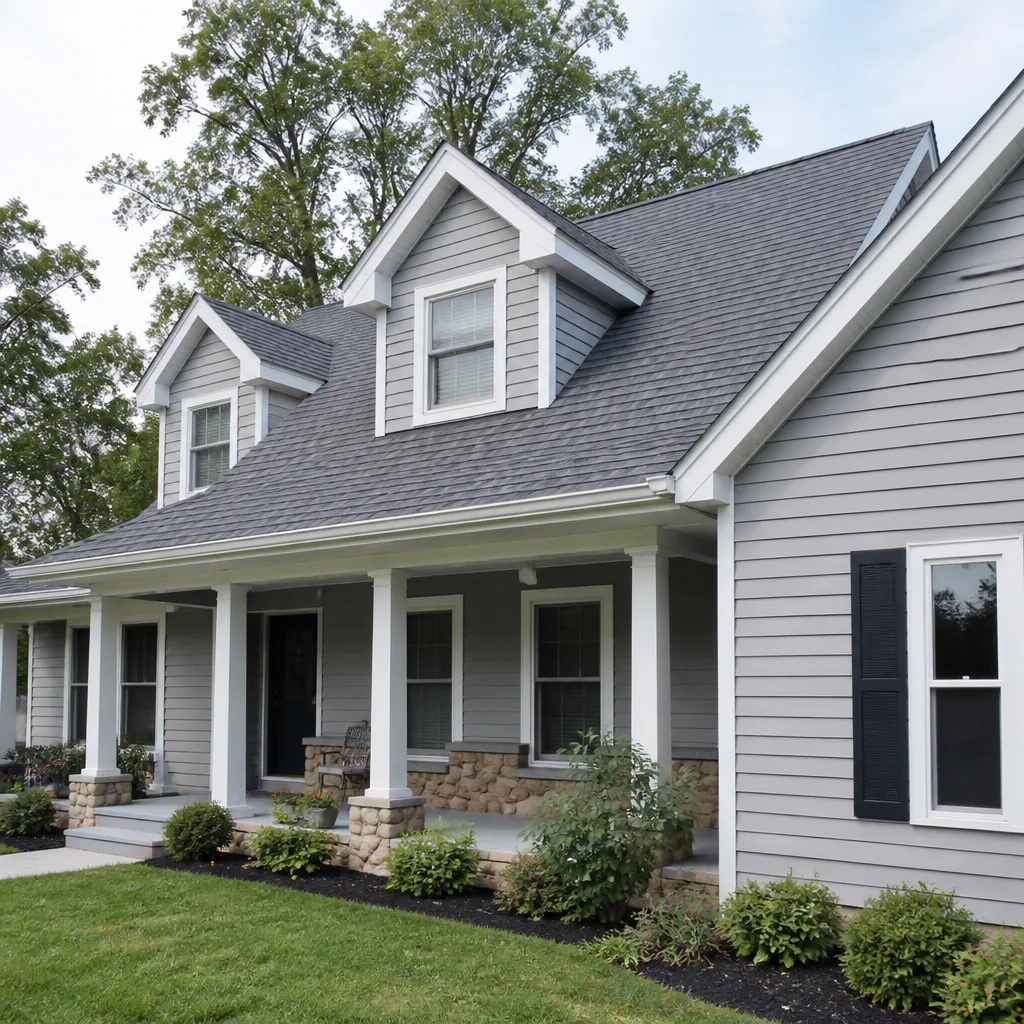
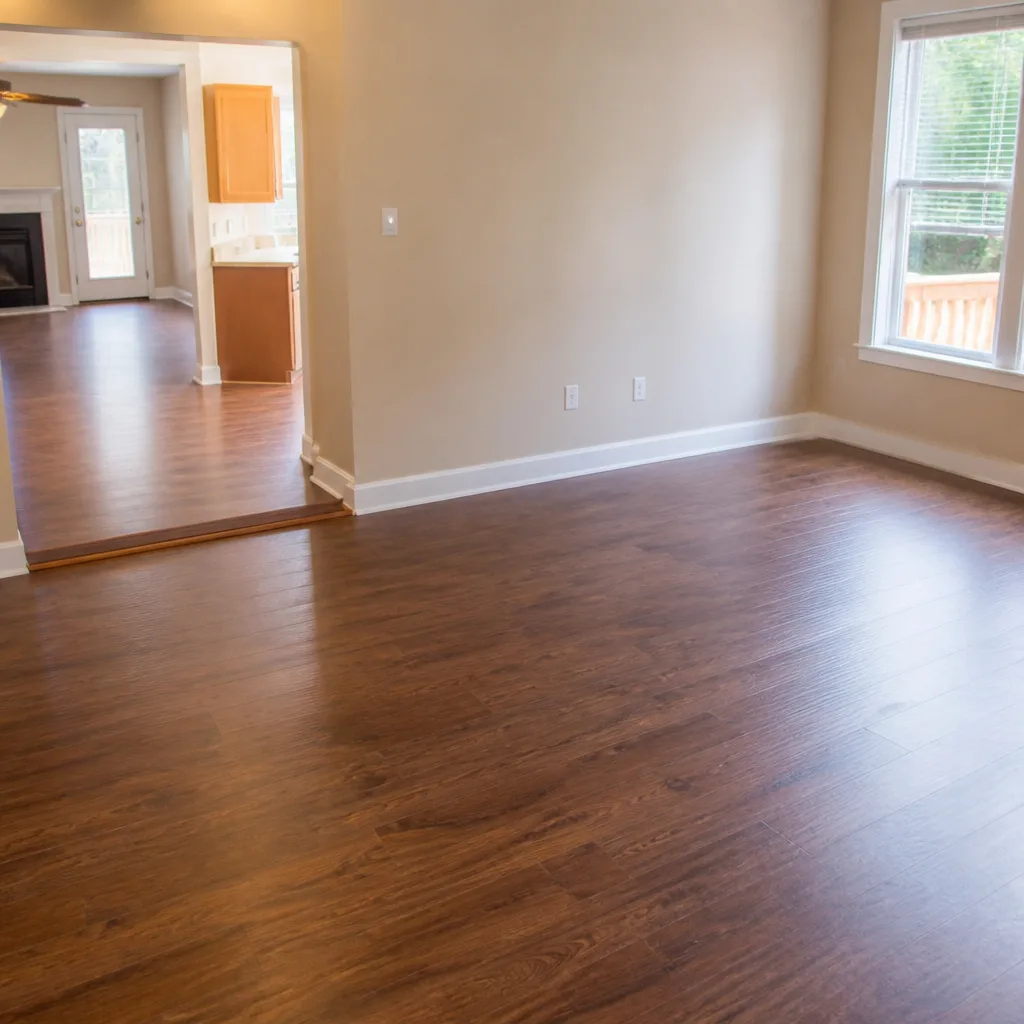
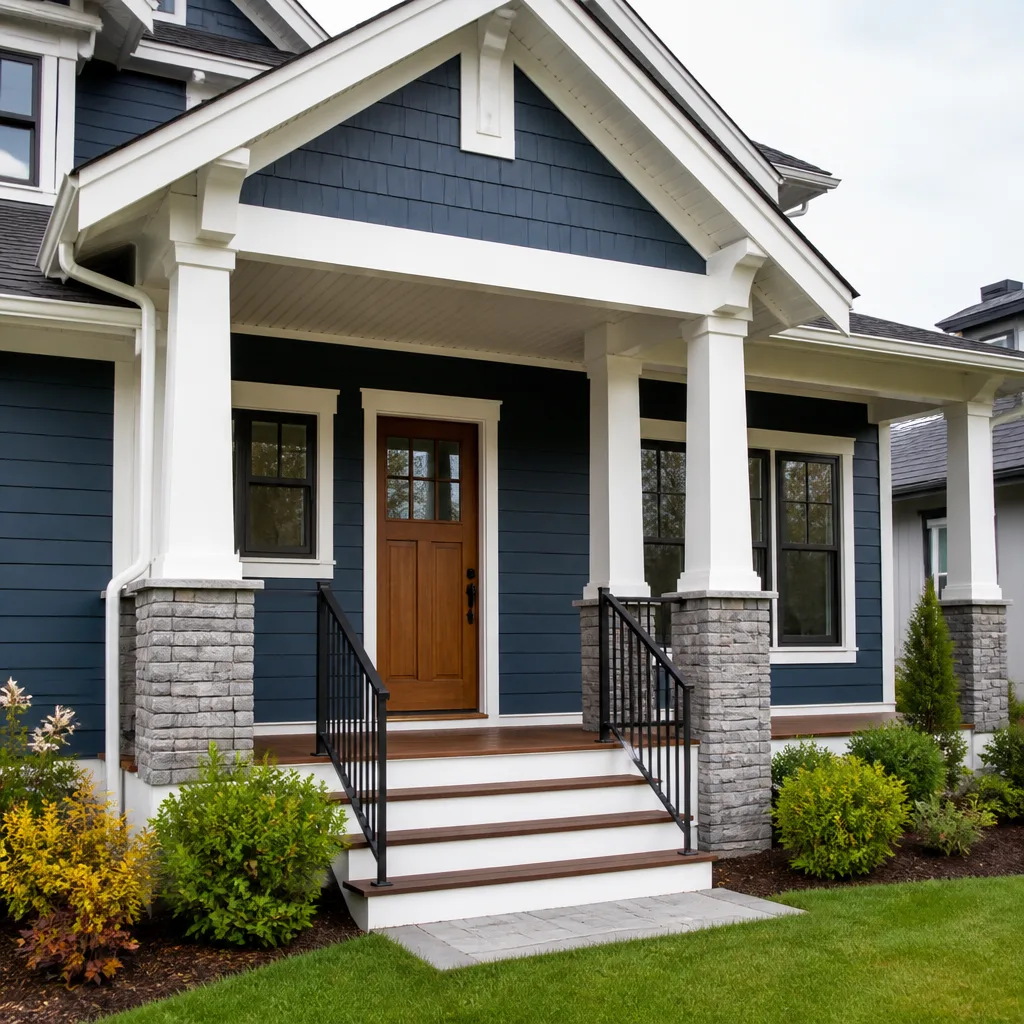
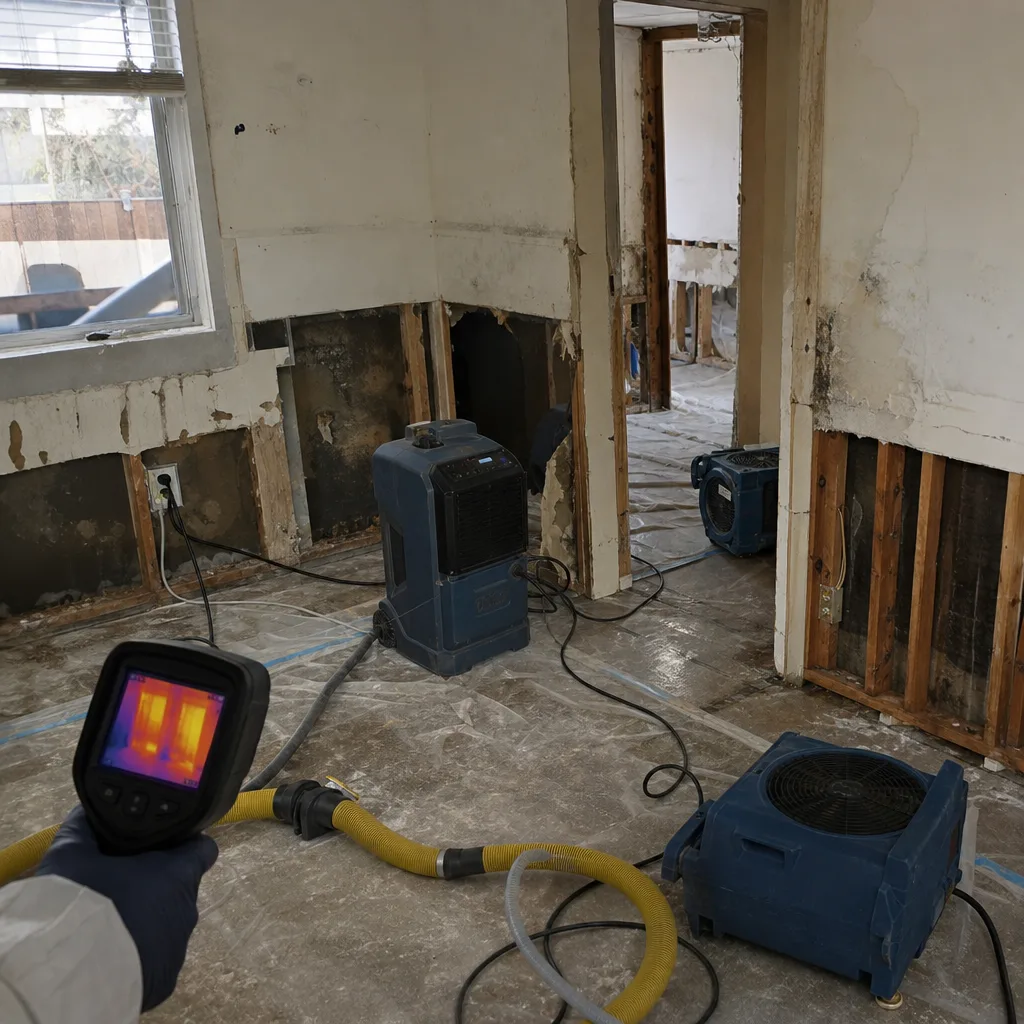 Before
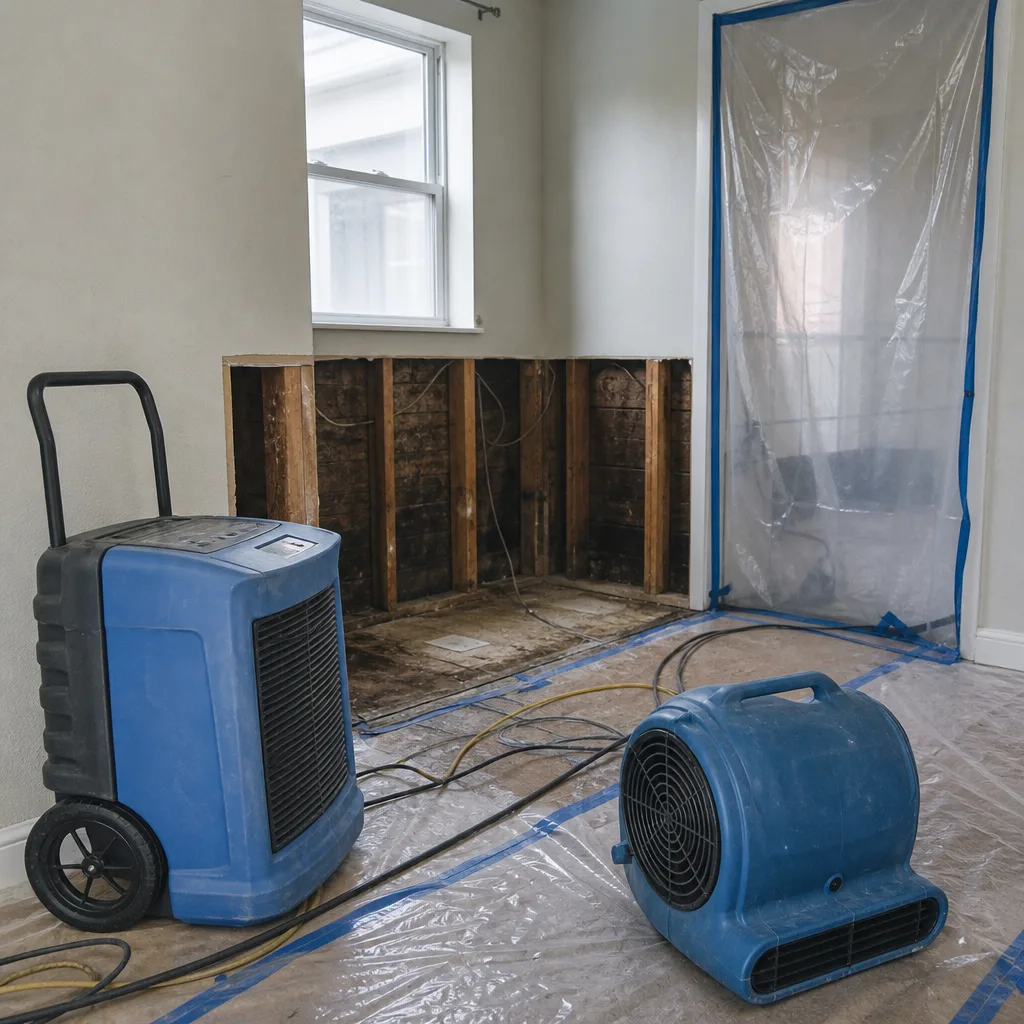 After
After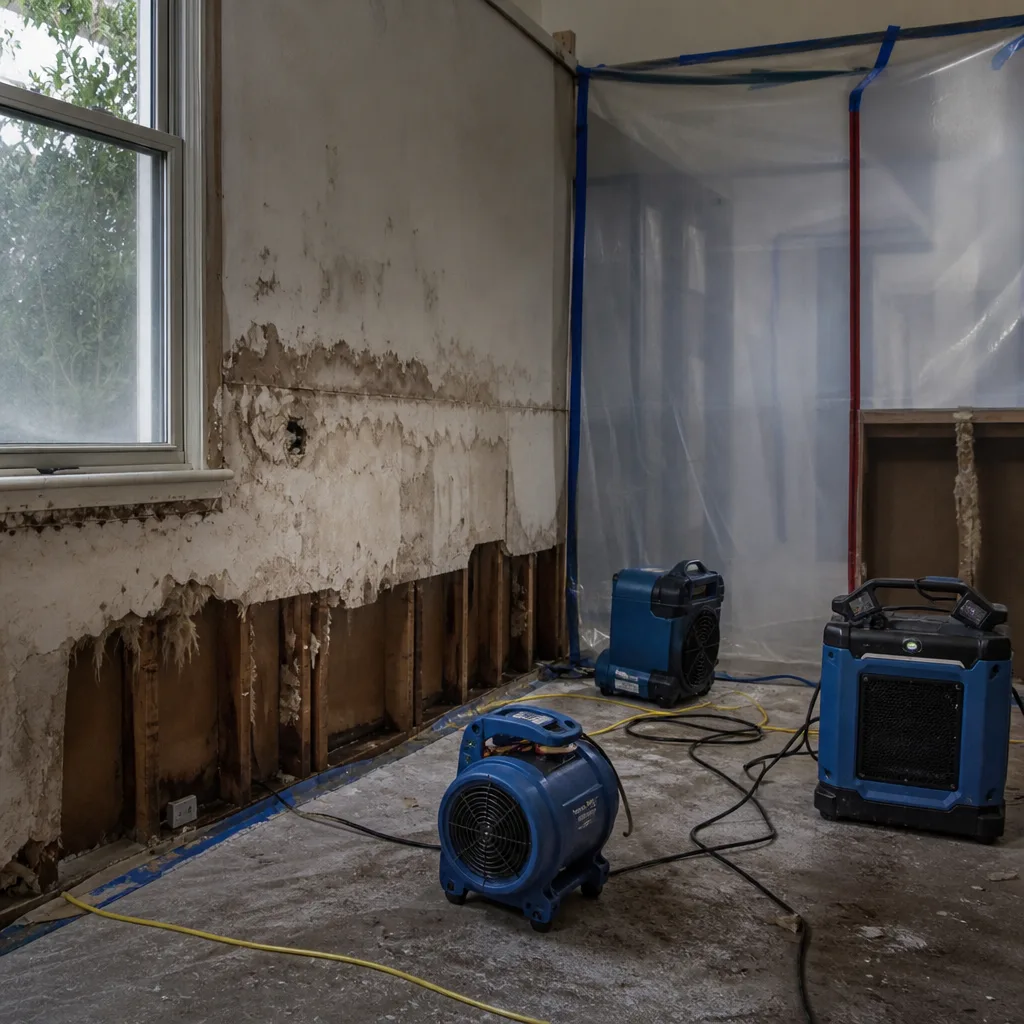 Before
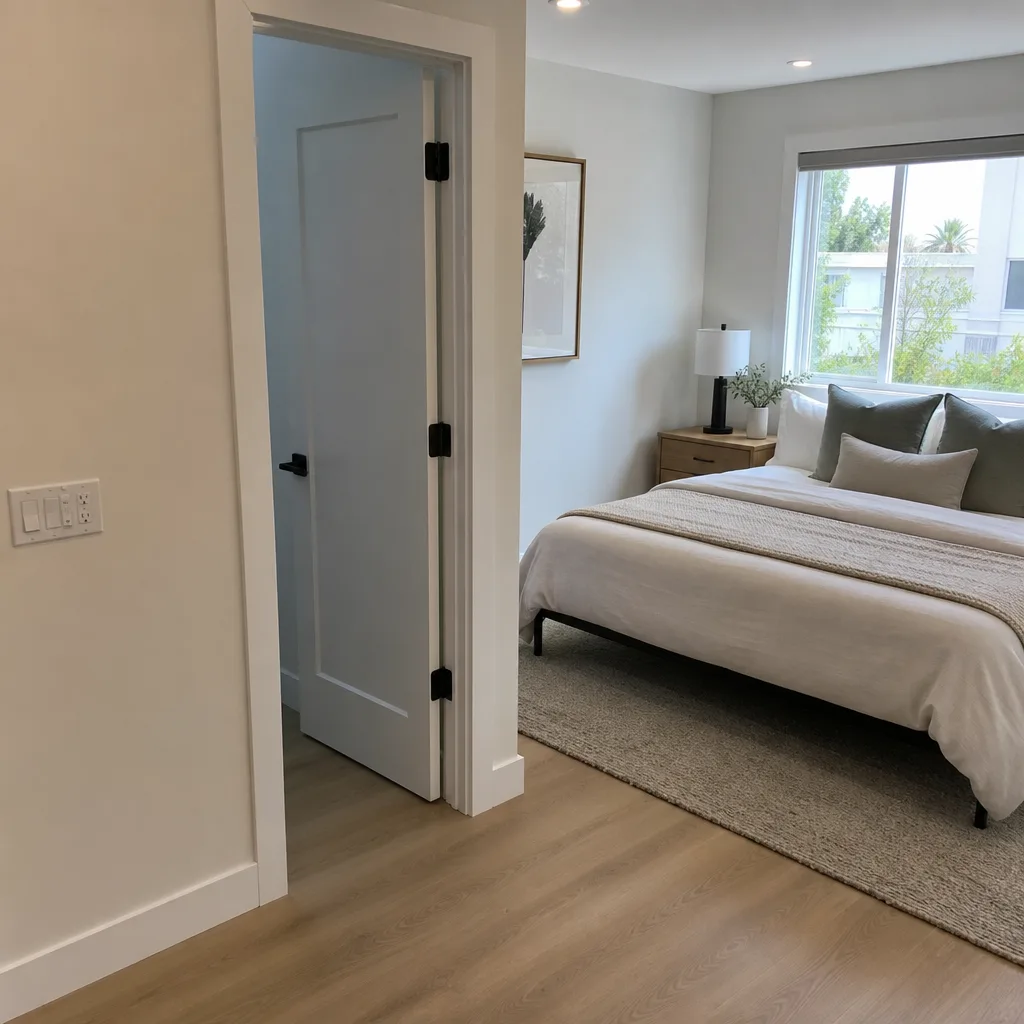 After
After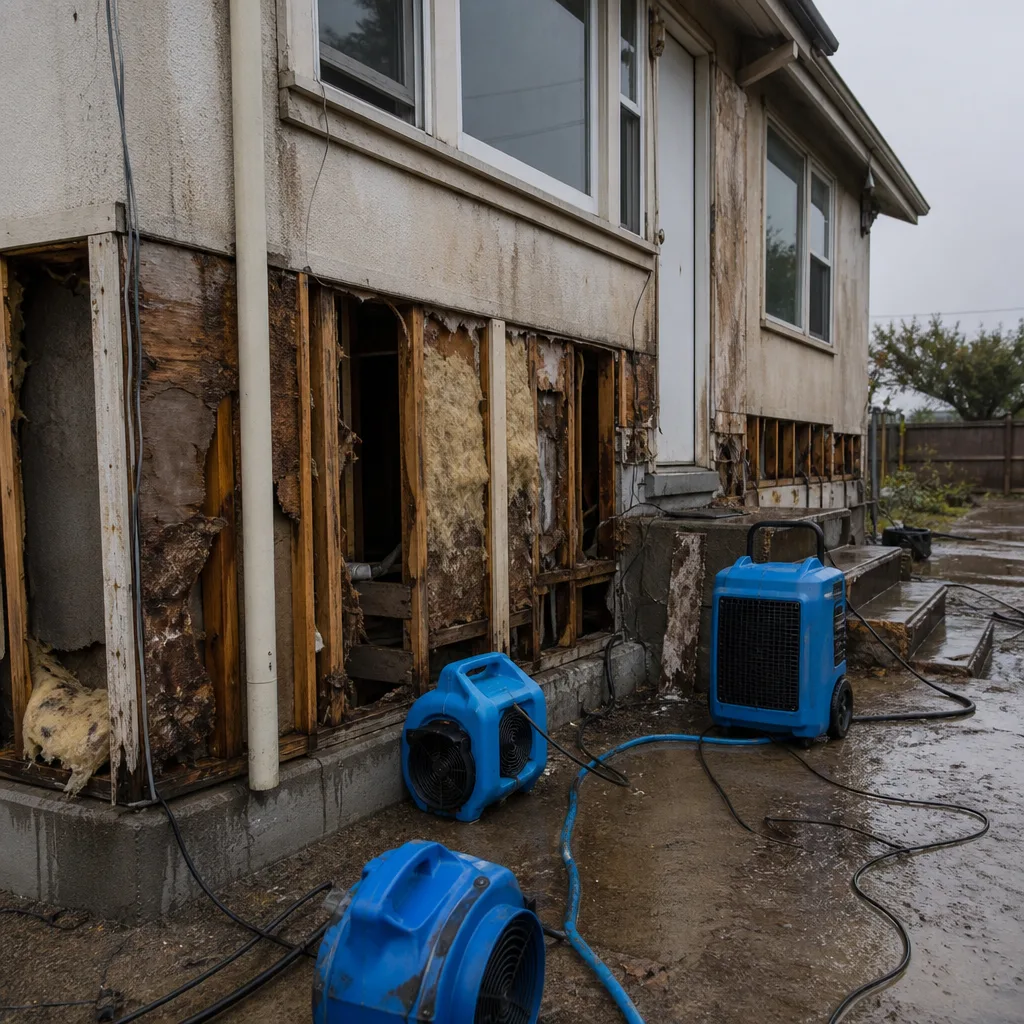 Before
 After
After24/7 Emergency Mold Remediation in West Hollywood
Mold remediation in West Hollywood typically costs $1,800-$6,500 depending on affected square footage and whether the source is a contained plumbing leak or a roof-driven atmospheric river event spreading through a pre-war courtyard building’s shared plaster walls. Our crews answer live at (424) 372-0129 24 hours a day, 7 days a week, with no voicemail trees, and we dispatch within West Hollywood’s boundaries for free visual inspections. The first hour matters because mold colonies establish within 24-48 hours of water intrusion, but in West Hollywood’s 1920s-1950s housing stock with original three-coat lime plaster, moisture wicks laterally through shared wall cavities far faster than modern drywall would allow, turning a single-unit leak into a multi-stack contamination before visible staining appears. That’s why our Water Damage Restoration in West Hollywood emphasizes immediate response.
Understanding Mold Remediation Severity in West Hollywood Properties
Mold severity in West Hollywood is classified by affected square footage, material classification, and whether the contamination is Category 1 (clean water source), Category 2 (gray water), or Category 3 (black water or sewage backup). Our crews use moisture mapping with thermal imaging and calibrated hygrometers to establish the true perimeter, not just the visible stain. In Spanish Colonial Revival and Hollywood courtyard apartments along corridors like Santa Monica Boulevard and Melrose, the critical variable is the original lime plaster itself, which is hygroscopic, meaning it actively absorbs and holds moisture against galvanized supply lines and cast-iron drains well past their design life.
Containment strategy changes with the substrate. Where modern construction calls for cutting out greenboard and replacing with moisture-resistant drywall, pre-war West Hollywood plaster requires either skilled re-plastering to match original texture or conversion approval through WeHo’s own building department, an independent municipality with permit pathways distinct from Los Angeles. Air scrubbing with HEPA filtration and negative air pressure is standard, but the drying protocol must account for plaster’s slow release rate. Psychrometric data, vapor pressure differential, and tertiary drying phases are all logged daily because in a city where roughly 80% of residents rent and the Rent Stabilization Ordinance covers nearly every pre-1979 building, those drying logs become evidence in front of the Office of Rent Stabilization.
Why West Hollywood Property Owners Choose DryMark Restoration Venice
- 45-minute response commitment to West Hollywood addresses, because mold spreads through lime plaster shared walls faster than through modern construction.
- 24/7 live answer - a real person, never an automated system, picks up every call to our emergency line.
- IICRC-certified crews holding WRT (Water Damage Restoration Technician) and AMRT (Applied Microbial Remediation Technician) certifications, with license numbers provided on request.
- Free visual inspection and moisture assessment before any work is discussed or priced.
- Direct insurance billing with photo-documented estimates built to industry-standard formats your adjuster recognizes immediately.
- One team from containment to reconstruction, so the crew that mapped your moisture profile also sequences the plaster repair or drywall conversion approval.
 Before
 After
AfterOur Mold Remediation Process
1. Inspection & Assessment
We arrive with thermal imaging cameras, penetrating and non-penetrating moisture meters, and borescopes for wall-cavity investigation. In West Hollywood’s courtyard apartments, we map the full stack, not just the reported unit, because galvanized supply lines fail inside shared plaster walls and moisture migrates horizontally across units under the same flat roof.
2. Containment & Air Filtration
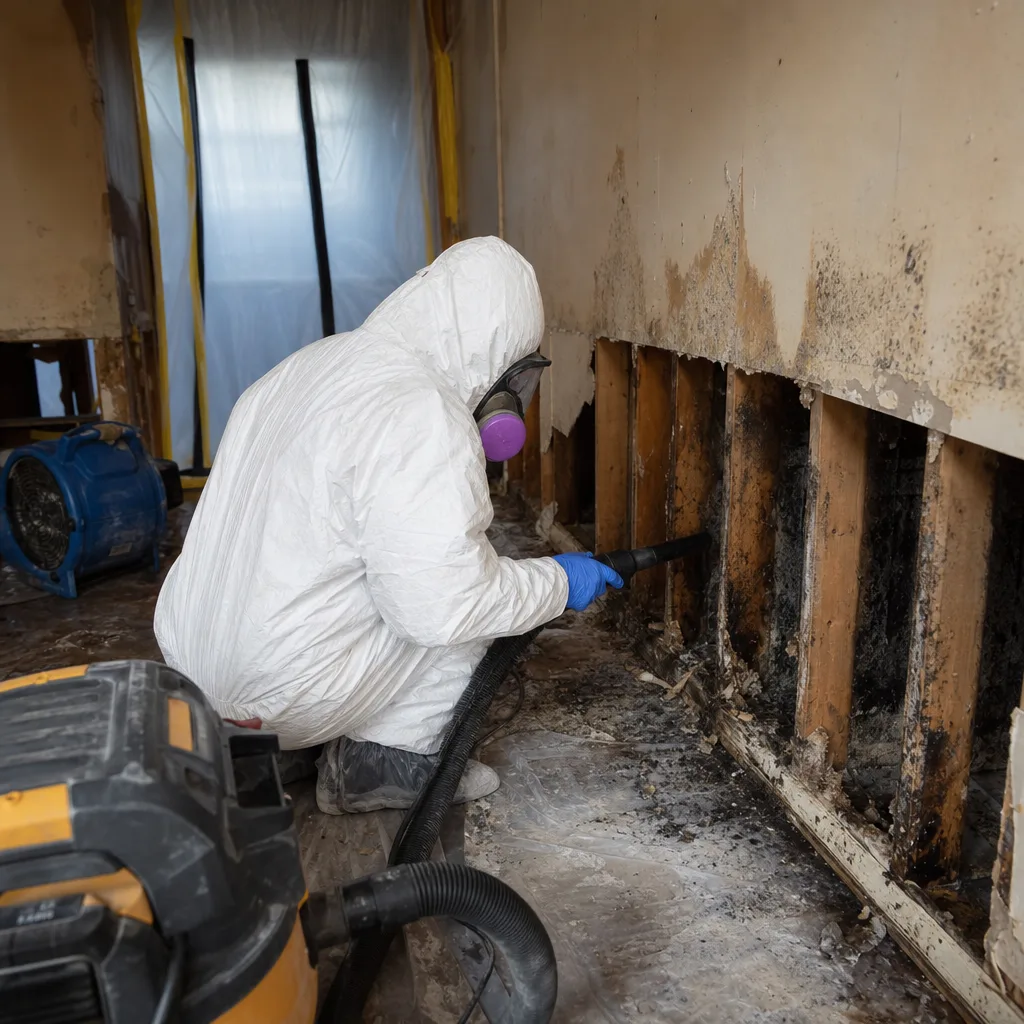
Polyethylene barriers establish negative air pressure with HEPA scrubbers running at 500-2,000 CFM, preventing cross-contamination to adjacent units. This matters intensely in rent-stabilized buildings where tenant relocation assistance triggers the moment a unit is deemed uninhabitable.
3. Structural Drying & Dehumidification
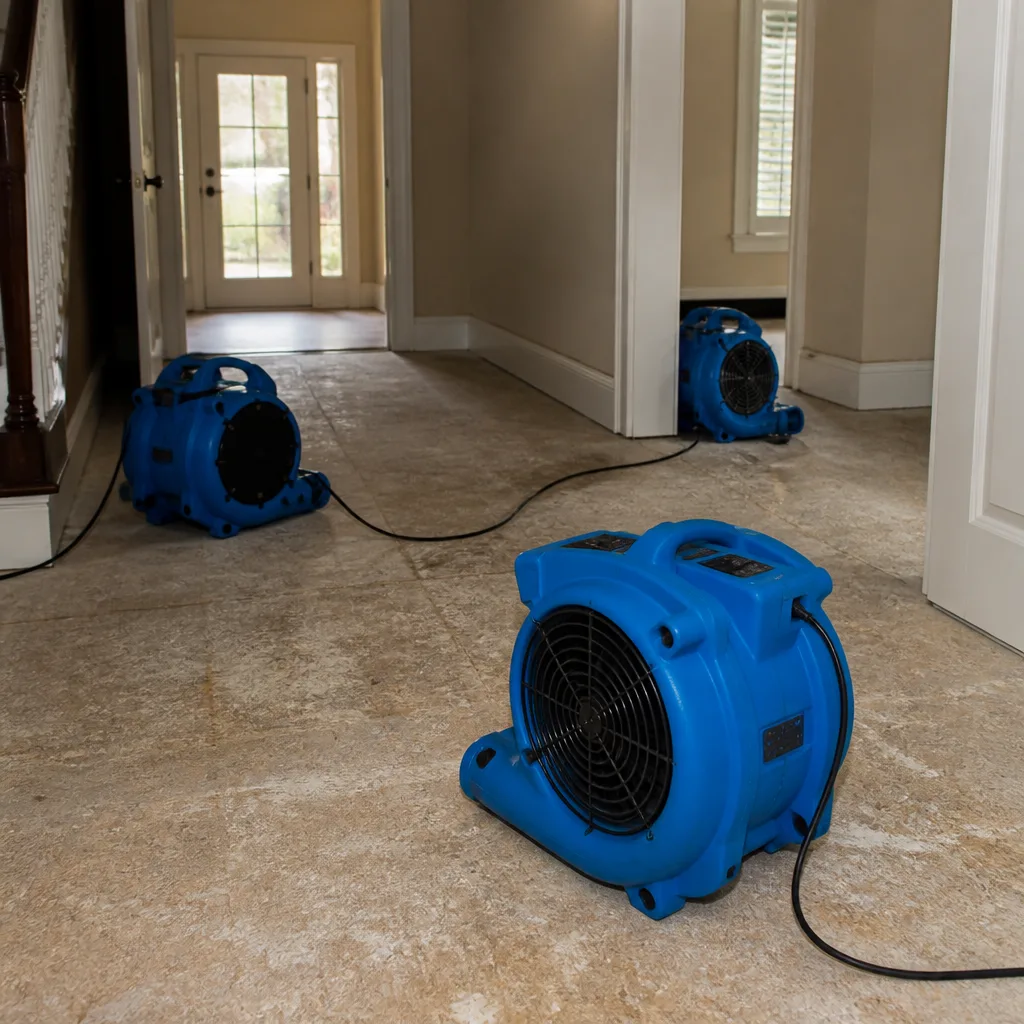
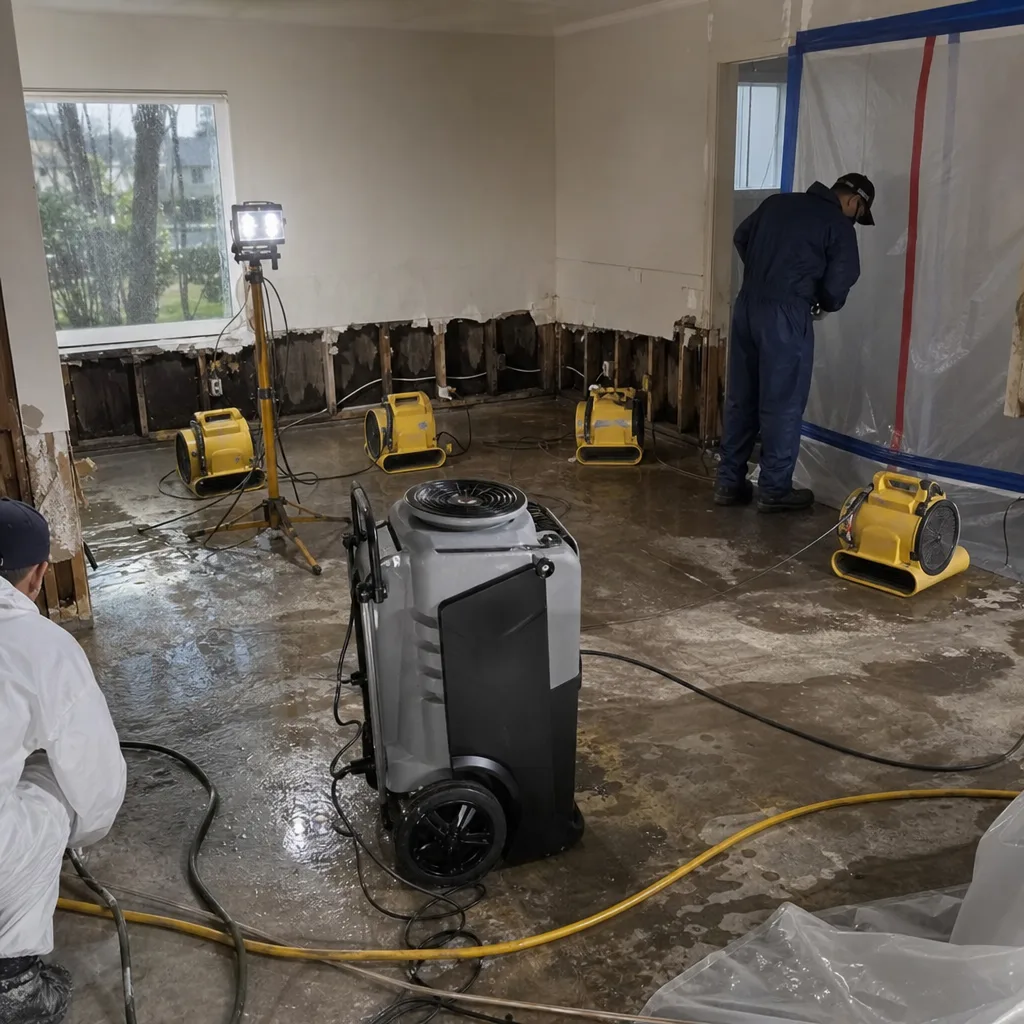
We deploy Dri-Eaz and Phoenix LGR dehumidifiers alongside Injectidry cavity-drying systems and targeted air movers. Daily moisture logs track specific humidity, temperature, and grain depression readings, documented to IICRC S520 standards for microbial remediation.
4. Cleaning & Sanitization
HEPA vacuuming precedes antimicrobial application on salvageable substrates. Non-salvageable materials are removed with photo documentation of each square foot. In lime plaster buildings, we test adhesion and hardness before deciding whether to preserve, re-plaster, or pursue conversion to moisture-resistant drywall.
5. Air Quality Restoration & Clearance Testing
Post-remediation air sampling with spore trap analysis compares indoor and outdoor fungal ecology. We engage third-party clearance testing when required by property management or insurance protocol, providing documented proof of return to Condition 1.
6. Repairs & Moisture Control
Reconstruction follows either skilled three-coat lime plaster application or, with WeHo building department approval, moisture-resistant drywall installation. We install humidity monitoring equipment and address the original failure source, whether that’s atmospheric river roof repair, galvanized line replacement, or drainage correction.
Need Emergency Mold Remediation in West Hollywood Now?
Crews minutes away, answering live 24 hours a day. The sooner we start, the less it costs.
Working With Your Insurance Company
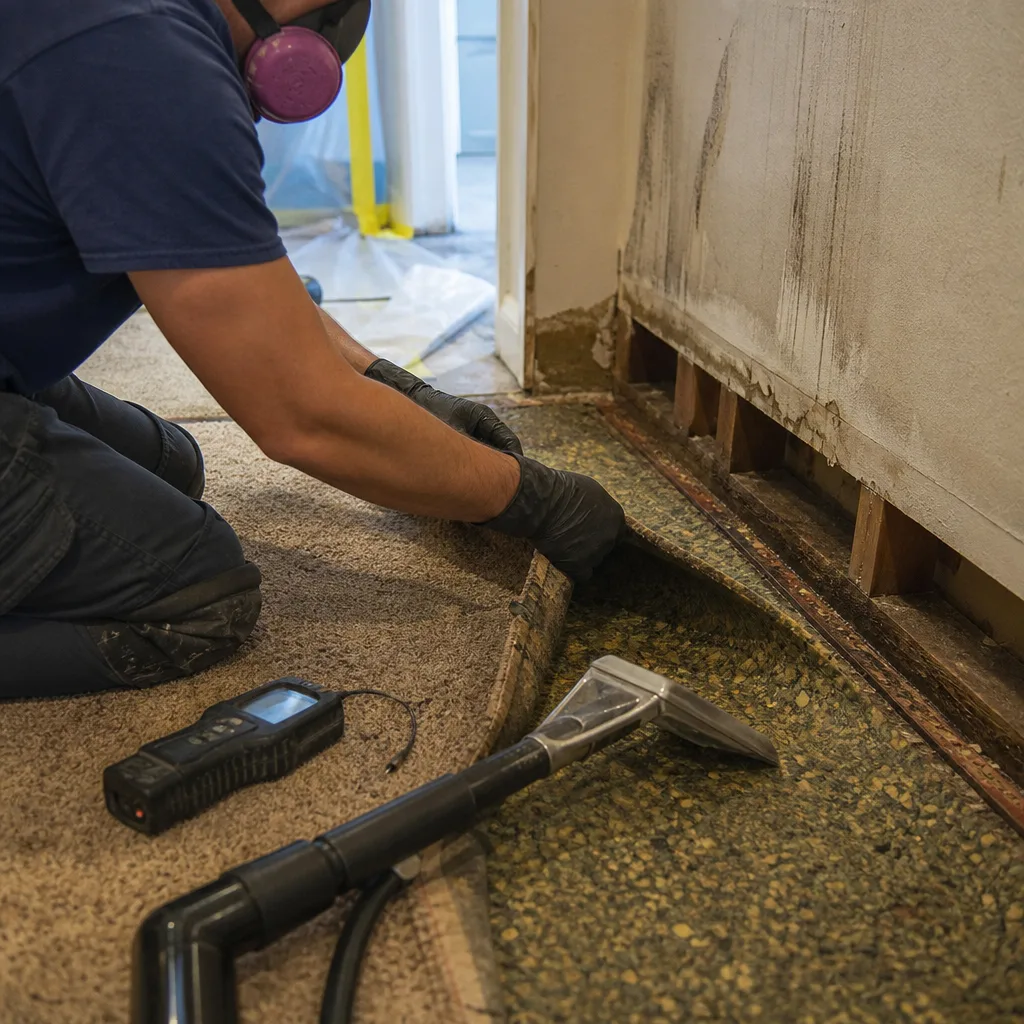
Documentation starts the moment we arrive. Every photo, moisture reading, and drying log is organized into a claim file formatted to the standards adjusters expect, because our founder built this company after seeing how sloppy documentation costs homeowners their coverage. We provide direct adjuster coordination, not just a bill at the end.
Our Mold Remediation team produces written scopes with line-item pricing before any work begins, every time, with no exceptions. That’s Haven Standard, Clause 1. Your insurer receives the same documentation we show you, room by room, with no scope-creep additions once the crew is inside.
What We Provide Your Insurer
- Thorough documentation of the loss
- Photos of all damage, room by room
- Moisture readings and drying logs
- A detailed, line-item scope of work
- Direct coordination with your carrier
Built for West Hollywood’s Loss Calendar
January through March brings atmospheric river events that overwhelm flat and low-slope built-up roofing on 1930s-1950s apartment buildings, with water entering through failed parapet flashing and migrating across top-floor units before showing as ceiling stains below. April through June, Santa Ana wind events funnel through the Cahuenga and Sepulveda passes, driving ember and smoke intrusion that damages HVAC systems and creates moisture anomalies when fire suppression systems activate. July through October is dry heat, but aging galvanized supply lines fail from decades of corrosion accelerated by West Hollywood’s inland thermal cycling, producing slow leaks inside plaster walls that incubate mold for weeks before detection. November through December brings shorter, intense rain bursts that test roof systems already stressed by summer UV exposure.
Our crews serving West Hollywood coordinate dispatch and scheduling from our Los Angeles office, with response routes optimized for the specific building stock and access constraints of each West Hollywood corridor.
Mold Remediation Across West Hollywood’s Neighborhoods
West Hollywood’s eastern precincts along Larrabee and Hancock, north of Santa Monica Boulevard, hold dense concentrations of 1930s Spanish Colonial Revival courtyard apartments with original lime plaster, flat built-up roofs, and rent-stabilized tenant bases. Mold calls here almost always involve multi-unit coordination and Office of Rent Stabilization documentation. The Sunset Strip corridor west of La Cienega mixes 1960s mid-rise construction with older bungalow courts, where roof failures and aging galvanized lines create similar patterns but with different access and parking constraints for equipment staging.
South of Santa Monica Boulevard, the Norma Triangle and areas approaching Beverly Hills feature smaller 1920s duplex and fourplex buildings with crawl spaces and primitive ventilation, where moisture and humidity control becomes the primary prevention strategy. The West Hollywood West neighborhood, with its 1940s-1950s garden apartments, sees repeat atmospheric river roof claims on built-up systems several generations past service life. Each area demands different containment strategies, equipment footprints, and documentation protocols, and our crews know which building department inspector handles which conversion approval type.
Specialized Mold Remediation Services We Offer in West Hollywood
Mold Inspection & Testing
Our inspections use thermal imaging, moisture mapping, and air sampling to establish the true perimeter of contamination, not just visible growth. In West Hollywood’s plaster-wall buildings, we borescope shared wall cavities and document findings with photos before any demolition is discussed. A written scope with line-item pricing follows every inspection.
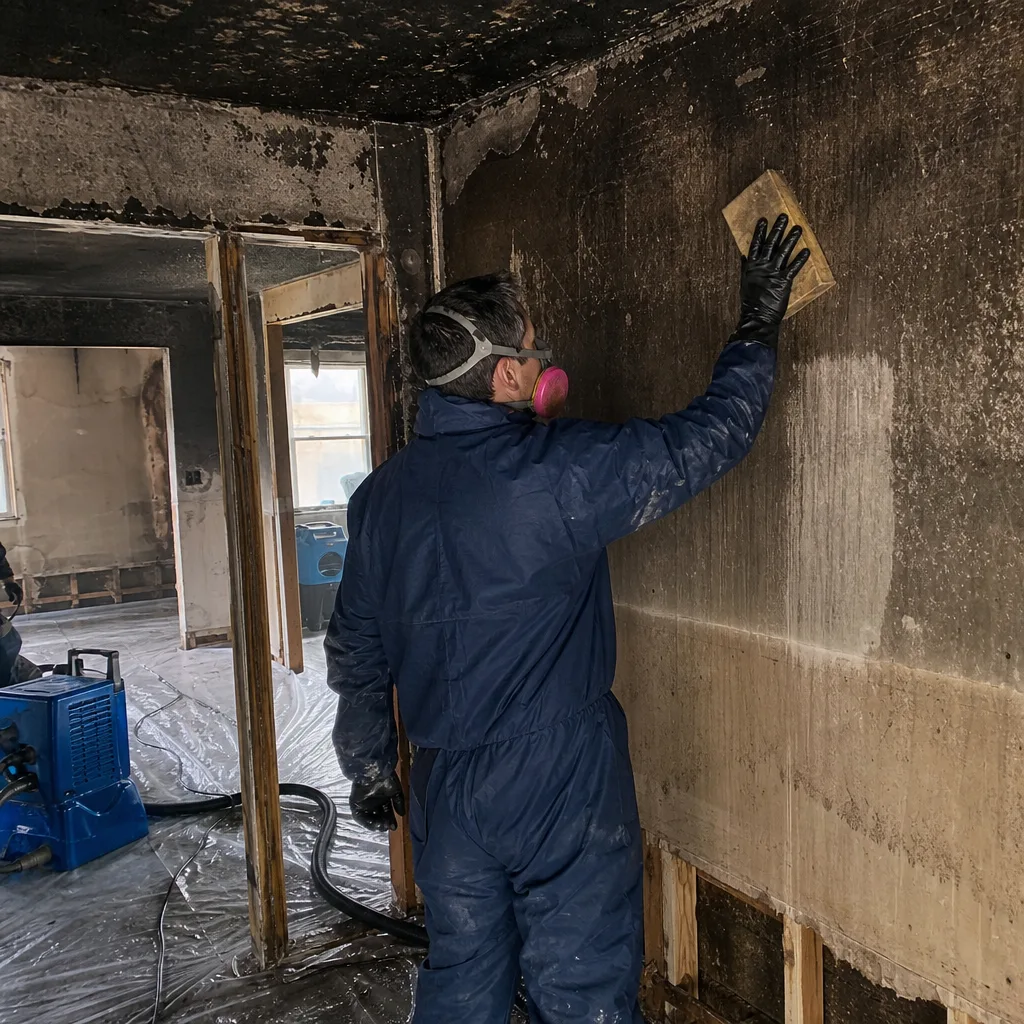
Mold Removal
Removal protocols follow IICRC S520 standards with containment, HEPA filtration, and proper disposal. The critical variable in West Hollywood is substrate determination: lime plaster demands different remediation sequencing than drywall, and the wrong assumption triggers permit delays or failed clearance testing.
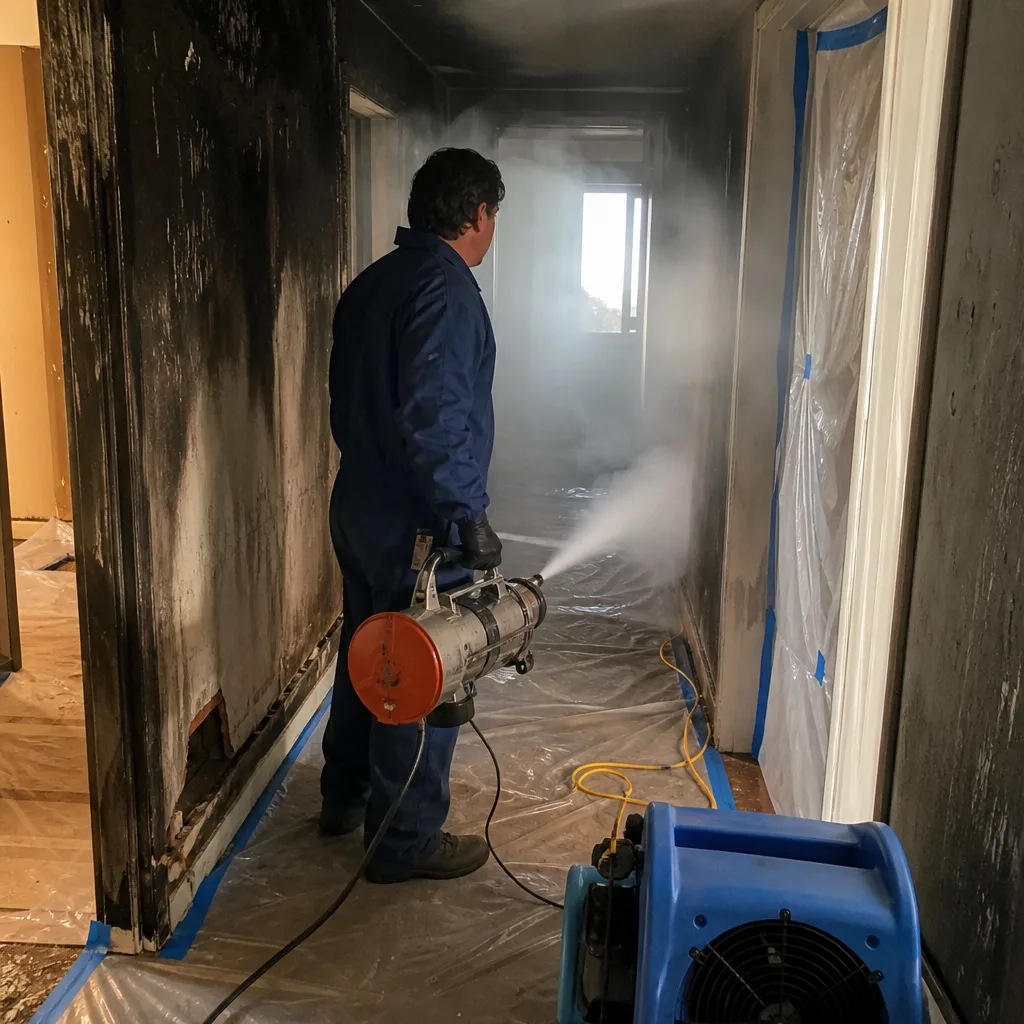
Black Mold Remediation
Stachybotrys and other toxigenic species require enhanced containment with full-face respirators and sealed negative air pressure. We document chain-of-custody for all removed materials and provide third-party clearance documentation where required by property management or insurance.
Air Quality Restoration
Post-remediation, we restore indoor fungal ecology to Condition 1 through HEPA scrubbing, duct cleaning where contamination has entered HVAC systems, and spore-trap verification testing. In West Hollywood’s older buildings with original ductwork and limited filtration, this step prevents recontamination.
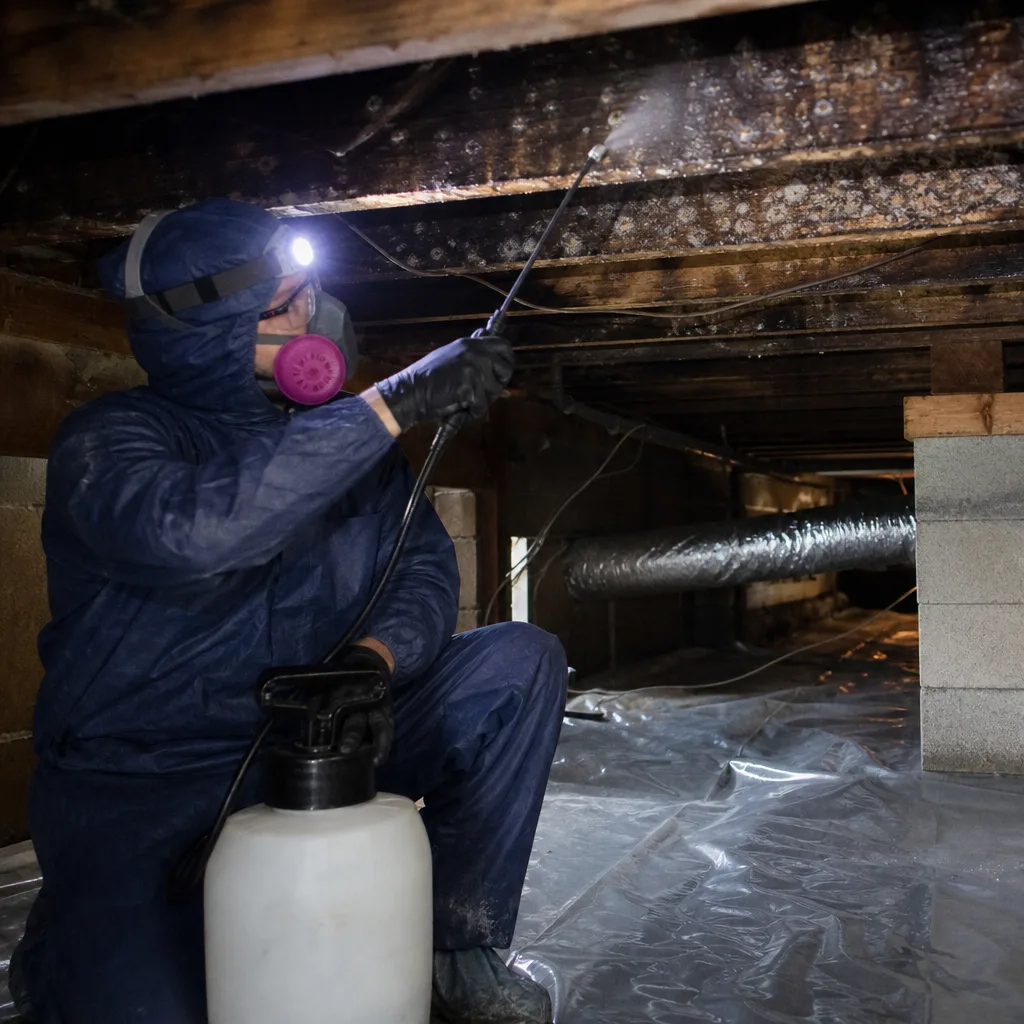
Crawl Space Treatment
Properties south of Santa Monica Boulevard with crawl space foundations receive vapor barrier installation, dehumidification, and structural drying to prevent sub-floor mold recurrence. We document moisture readings at the joist level and provide ongoing monitoring protocols.
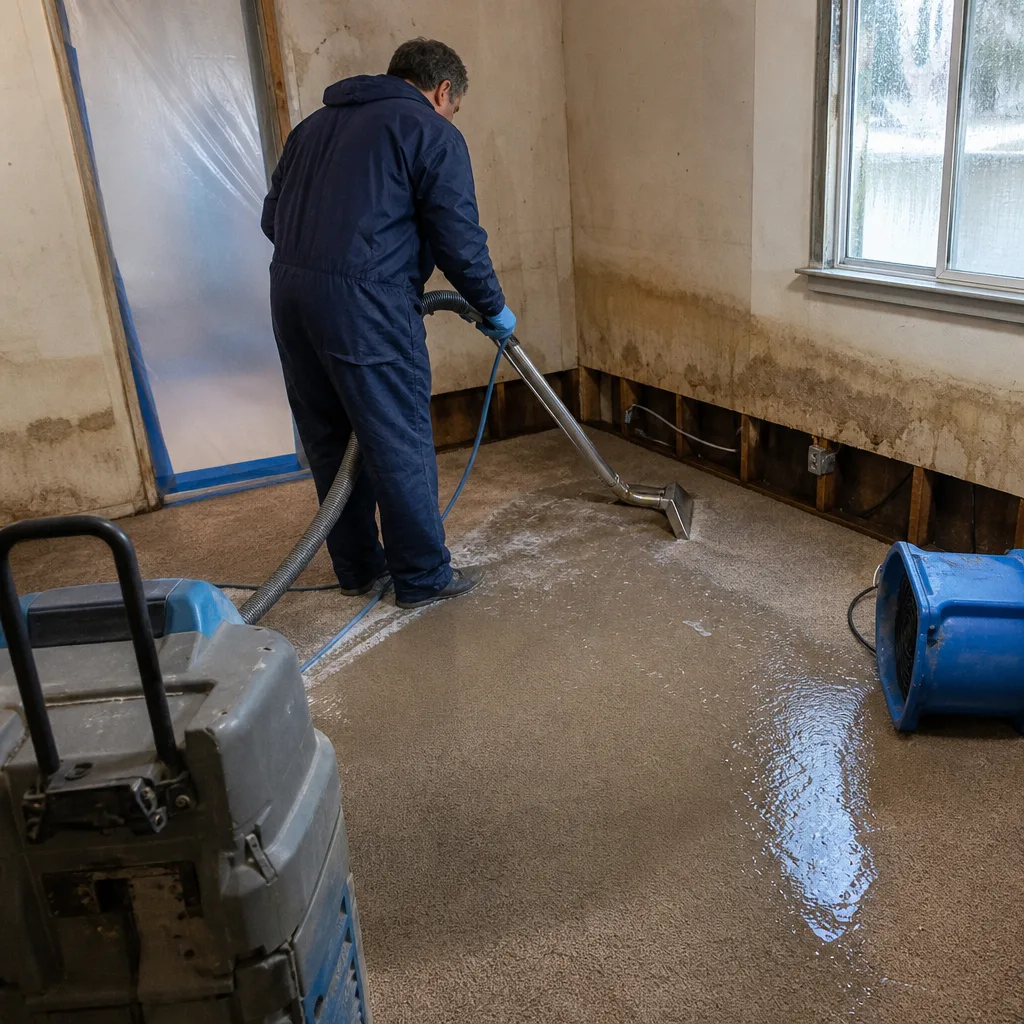
Moisture & Humidity Control
Our humidity control programs install monitoring equipment and establish target ranges based on each building’s envelope performance. In West Hollywood’s pre-war stock, this means managing the interaction between lime plaster’s natural breathability and modern climate control systems that can create condensation at the plaster-HVAC interface.
What happens when you call
- 1
A real person answersNo phone trees - you reach a local pro.
- 2
You get an upfront price rangeHonest numbers before anyone is dispatched.
- 3
A background-checked tech heads outLicensed & insured, dispatched right away.
- 4
You approve before work beginsNothing starts until you say go.
Mold Remediation Costs in West Hollywood, CA
| Service | Typical Range in West Hollywood |
|---|---|
| Visual inspection & moisture assessment | Free |
| Contained mold removal (single room, <50 sq ft) | $1,800-$3,200 |
| Moderate remediation (1-2 rooms, 50-150 sq ft) | $3,200-$5,500 |
| Extensive remediation (multi-room, plaster walls, roof source) | $5,500-$12,000+ |
| Air quality testing & clearance documentation | $450-$850 |
| Crawl space treatment & vapor barrier | $2,500-$5,000 |
What moves the price: affected square footage, whether the source is contained (plumbing leak) or systemic (atmospheric river roof failure spreading through shared walls), substrate type (lime plaster preservation vs. drywall conversion), and whether third-party clearance testing is required. Insurance typically covers mold remediation when the source is a sudden, accidental water loss, not long-term maintenance neglect. Our free inspection produces a written scope with firm pricing before any work begins, Haven Standard, Clause 1. Bring a competitor’s written estimate and we’ll review it at no charge.
We Also Serve Cities Near West Hollywood
Our crews respond throughout the immediate area, including Mold Remediation in West Hollywood and neighboring Beverly Hills with its distinct building stock and code environment, Culver City with its mix of post-war and new construction, Santa Monica with its coastal moisture patterns, and Venice with its canal-adjacent flood and humidity challenges. Each municipality has its own permit pathway and inspector pool, and our documentation is built to match each one.
Serving West Hollywood, CA - Our Local Coverage Area
We’re based in the West Hollywood area and know this community well. Use the map below to see our service coverage - if you’re nearby, we can almost certainly help.
West Hollywood Mold Remediation Questions, Answered
How does West Hollywood’s Rent Stabilization Ordinance change the timeline on a mold remediation job?
The moment WeHo’s Office of Rent Stabilization deems a unit uninhabitable, landlord-paid relocation assistance, among the highest required payments in the region, starts accruing on a daily basis. This means our drying logs and moisture readings are reviewed by a city office that has no equivalent in Beverly Hills or unincorporated LA County, and the remediation calendar is driven by the relocation clock, not just the moisture meter. We sequence documentation before any demolition to keep the relocation clock from starting prematurely. Call (424) 372-0129 for a free inspection and written timeline.
Can you dry out mold in a pre-war West Hollywood apartment without cutting the original lime plaster?
Sometimes, if caught early and the plaster adhesion and hardness tests pass, we can dry in place with Injectidry cavity systems and controlled dehumidification. More often, the plaster has delaminated from the lath or the mold has penetrated too deeply for surface treatment, requiring either skilled re-plastering to match original texture or WeHo building department approval to convert to moisture-resistant drywall. The permit pathway is distinct from Los Angeles and often catches regional firms off guard. We assess and document both paths during our free inspection. Call (424) 372-0129.
Why is mold from an atmospheric river leak different from a plumbing leak in a 1930s West Hollywood courtyard building?
An atmospheric river overwhelms flat built-up roofing and drives water across multiple units under the same roof plane, creating Category 1 water that can become Category 2 or 3 as it picks up contaminants from roofing materials and pest debris in the ceiling cavity. A plumbing leak is typically contained to one or two units with cleaner source water but higher pressure, meaning it penetrates deeper into shared plaster walls before detection. The drying protocol, containment scope, and documentation requirements differ significantly. We identify the true source with moisture mapping before scoping. Call (424) 372-0129 for assessment.
Do Santa Ana winds affect mold remediation inside a West Hollywood apartment?
Indirectly. Santa Ana winds funnel through the Cahuenga and Sepulveda passes and increase fire risk in the Hollywood Hills, which can lead to fire suppression system activation or structural damage that creates moisture intrusion points. The winds themselves are extremely dry and do not cause mold, but the damage patterns they create, combined with displaced residents and emergency repairs, often produce the moisture conditions that follow. We document wind-driven damage separately from mold causation for insurance clarity. Call (424) 372-0129 if you’re dealing with post-wind moisture issues.
How quickly does mold actually start after a West Hollywood water intrusion?
Colonies can establish within 24-48 hours on organic substrates, but in West Hollywood’s lime plaster buildings, the plaster itself is not mold food; it’s the cellulose in lath, wallpaper adhesives, accumulated dust, and organic debris in wall cavities that supports growth. The plaster’s slow drying time extends the risk window significantly compared to modern drywall, which is why we emphasize rapid moisture mapping and structural drying in this specific building stock. Delayed detection is the norm in plaster-wall buildings, not the exception. Call (424) 372-0129 for emergency response.
Will my insurance cover mold remediation in West Hollywood?
Insurance covers mold remediation when the mold results from a sudden, accidental water loss that is itself covered, such as a burst pipe or storm damage through a compromised roof. It typically does not cover mold from long-term maintenance neglect, slow leaks, or humidity control failures. Our documentation package, including moisture readings, drying logs, and photo evidence of the sudden loss, is built to support covered-peril arguments with adjusters. We provide direct adjuster coordination and a written scope before work begins. Call (424) 372-0129 to review your specific situation.
How long does mold remediation take in a typical West Hollywood apartment?
Contained single-room remediation with drywall substrate: 3-5 days. Pre-war West Hollywood apartments with lime plaster, shared walls, and roof-source water: 7-14 days for drying and remediation alone, plus additional time for re-plastering or drywall conversion permitting through WeHo’s building department. The relocation clock adds pressure, so we front-load documentation and moisture mapping to compress the overall timeline. Every job receives a written schedule with the initial scope. Call (424) 372-0129 for a timeline specific to your building.
Can I stay in my West Hollywood apartment during mold remediation?
For small, contained removals under proper containment with HEPA air scrubbing, sometimes yes. For extensive remediation, multi-unit contamination, or toxigenic species, the unit is typically deemed uninhabitable by either our assessment or the property management, which triggers the Rent Stabilization Ordinance relocation assistance if the building is pre-1979 and covered. We coordinate with the Office of Rent Stabilization documentation requirements to ensure the determination is based on accurate moisture and air quality data, not assumption. Call (424) 372-0129 to discuss your specific occupancy questions.
On a 1938 Spanish Colonial Revival courtyard building off Larrabee near Santa Monica Boulevard, a tenant’s ceiling stain traced back to failed flat built-up roofing after an atmospheric river event, and the real surprise was inside the wall cavity, where the original three-coat lime plaster was holding moisture against galvanized supply lines well past their design life. We ran moisture mapping across the entire unit and the two adjacent stacks before any demolition, set containment with HEPA filtration and air movers after water extraction, and built a documented structural drying plan to WeHo’s Office of Rent Stabilization uninhabitability standard. Because cutting out lime plaster triggers the city’s own building department approval to convert to moisture-resistant drywall, we sequenced the scope of work so the relocation clock never started before the documentation was ready.
This is the only West Hollywood mold remediation brief that ties the remediation calendar to the city’s Rent Stabilization uninhabitability clock and to lime-plaster conversion approvals under WeHo’s own building department, a regulatory and material combination that does not exist in Beverly Hills or unincorporated LA County.
Every job we take in West Hollywood is quoted in writing before work begins, documented with a photo record on every visit, and covered by our 365-Day Done Right Promise under The Haven Standard. If it’s not done right, we make it right. That’s a signed guarantee, not a marketing line.
Call (424) 372-0129 now for a free visual inspection and written scope. Crews are minutes away, and we answer live 24 hours a day.
Written by Alicia Brennan, Owner at Back to Dry Restoration, serving West Hollywood since 2011.