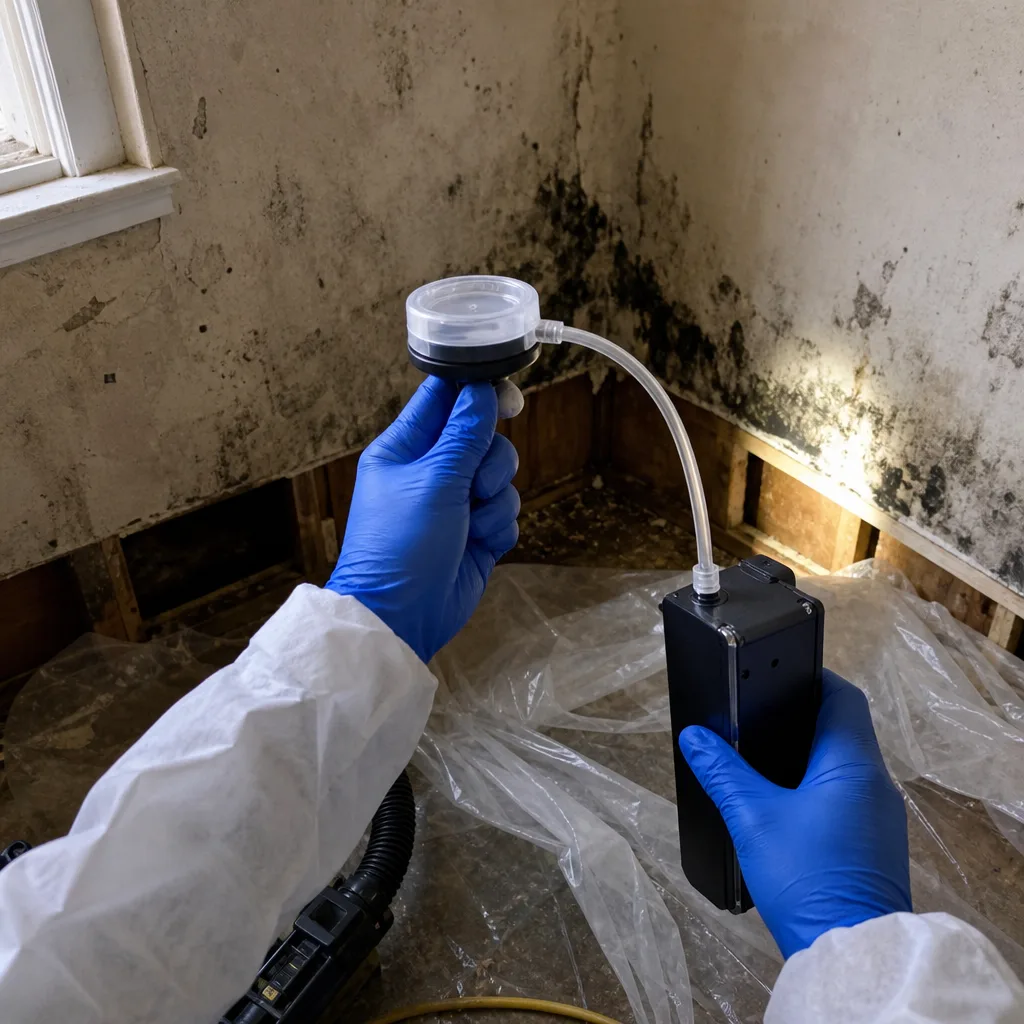
Free visual inspection and a written scope of work before any mitigation begins - photos, moisture readings, and drying logs go in your claim file
The scope we write is the scope we bill. Anything new gets shown to you, in writing, before we touch it.
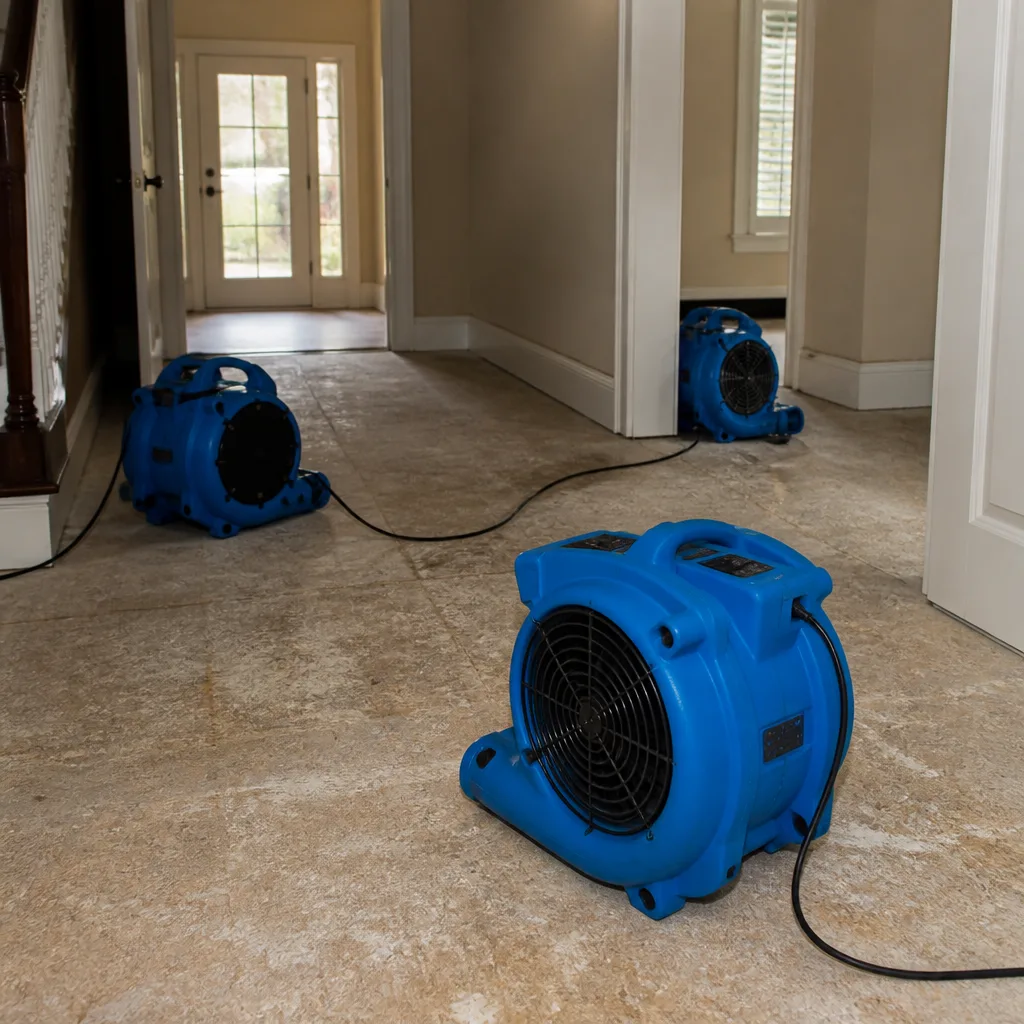
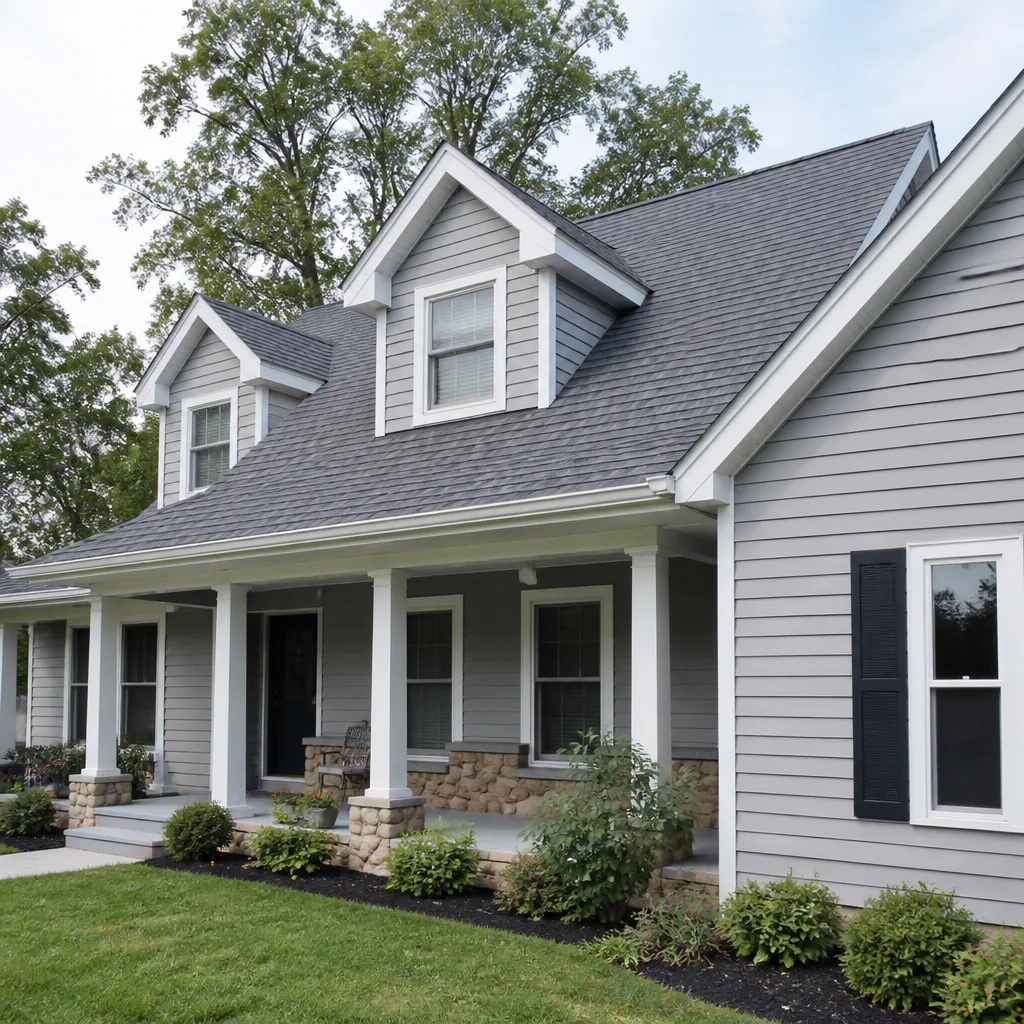
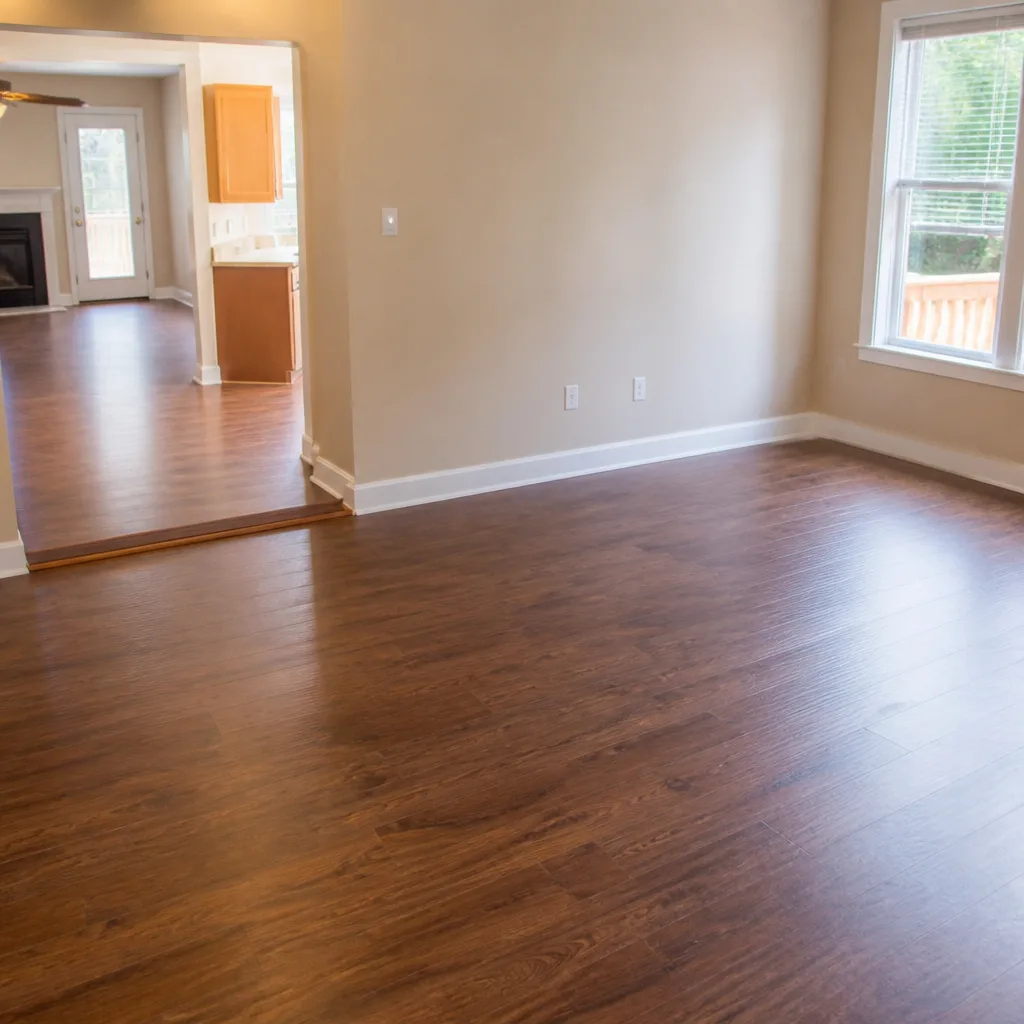
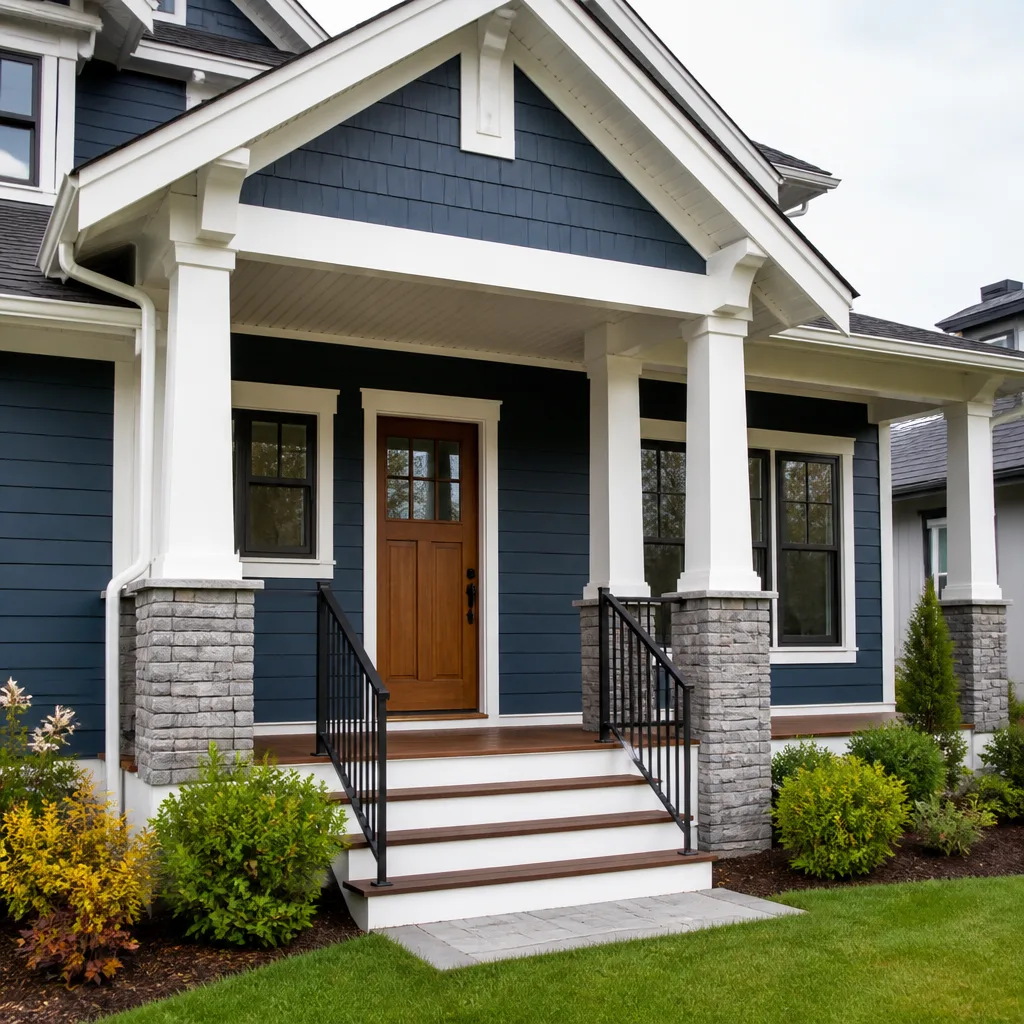
 Before
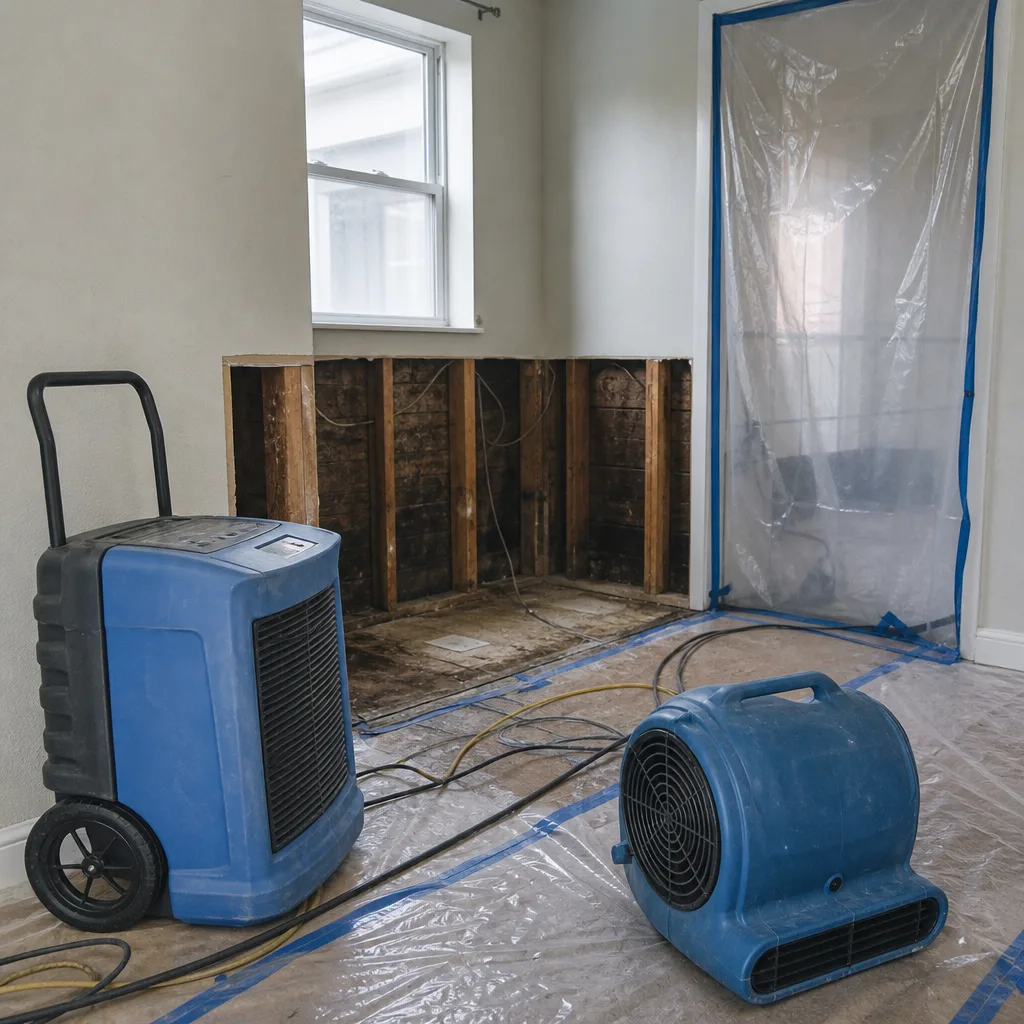 After
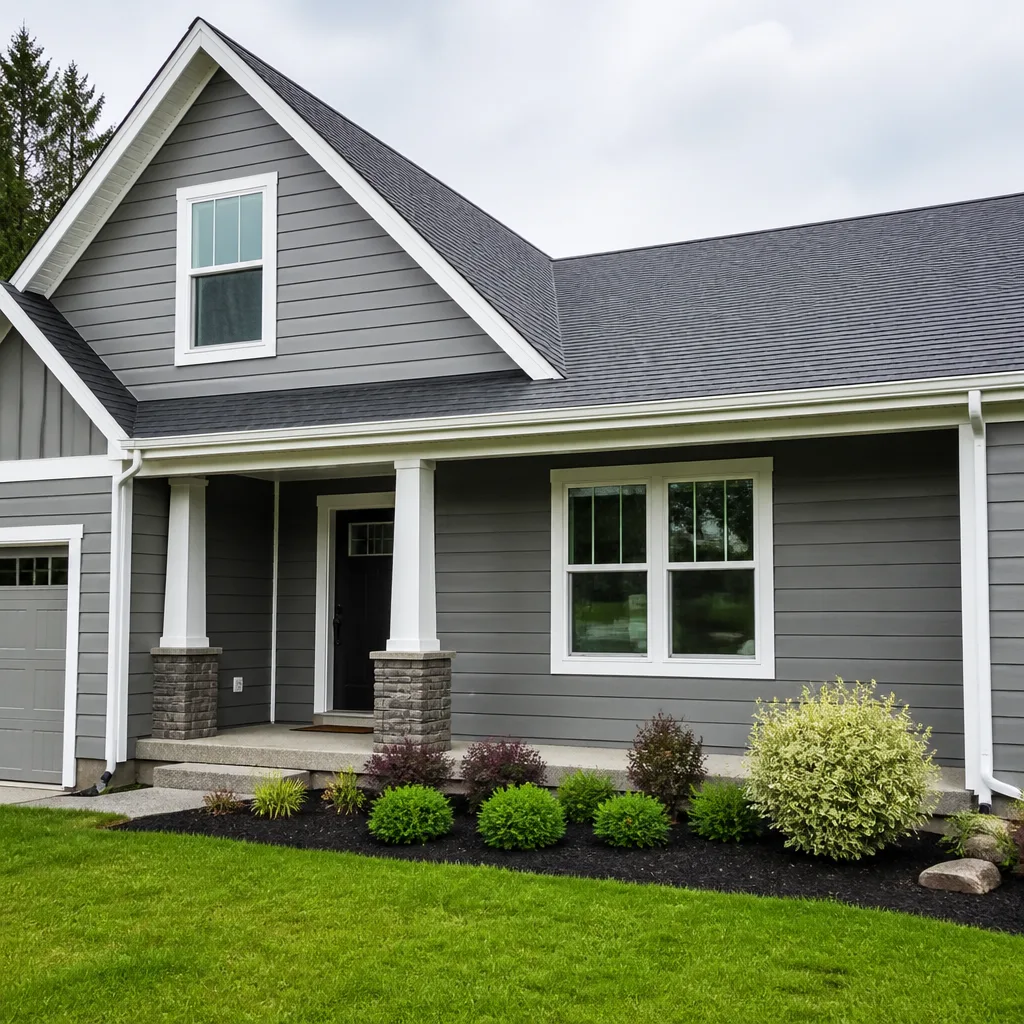
After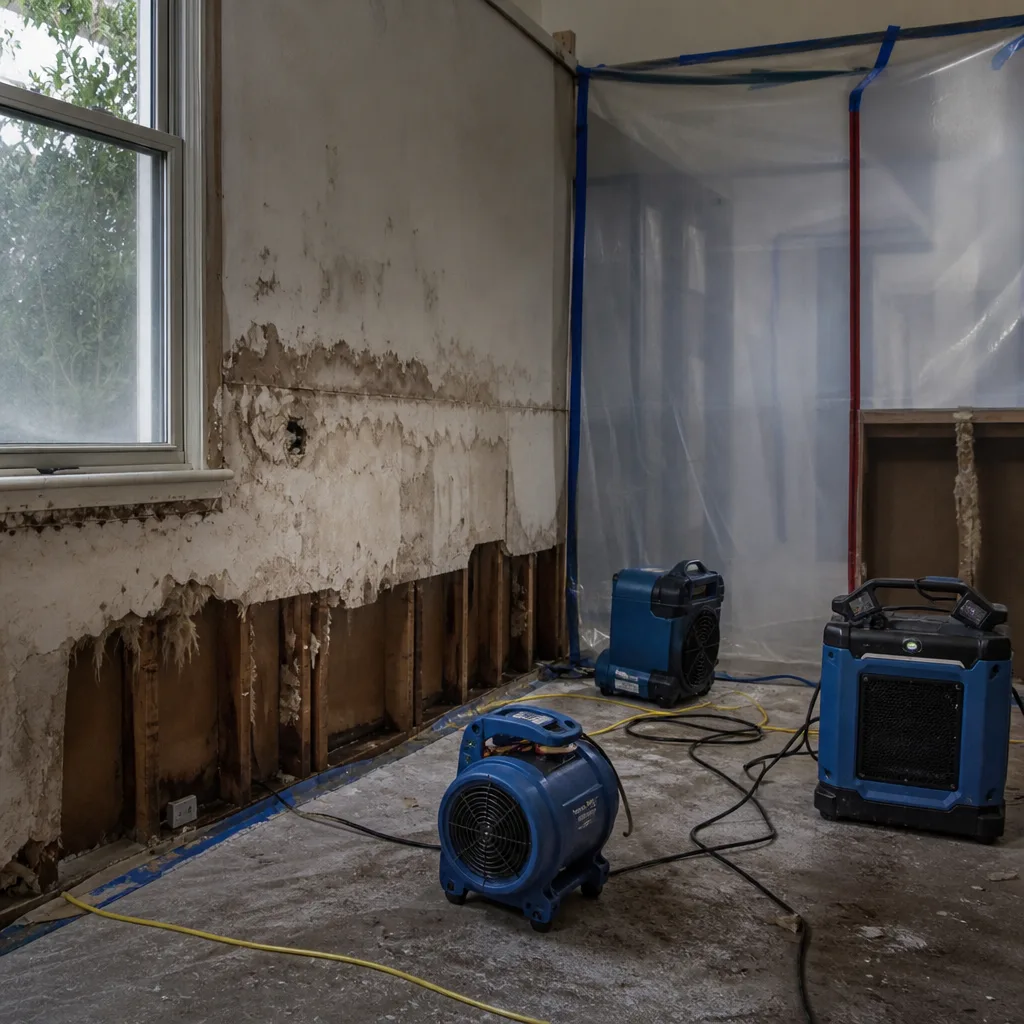 Before
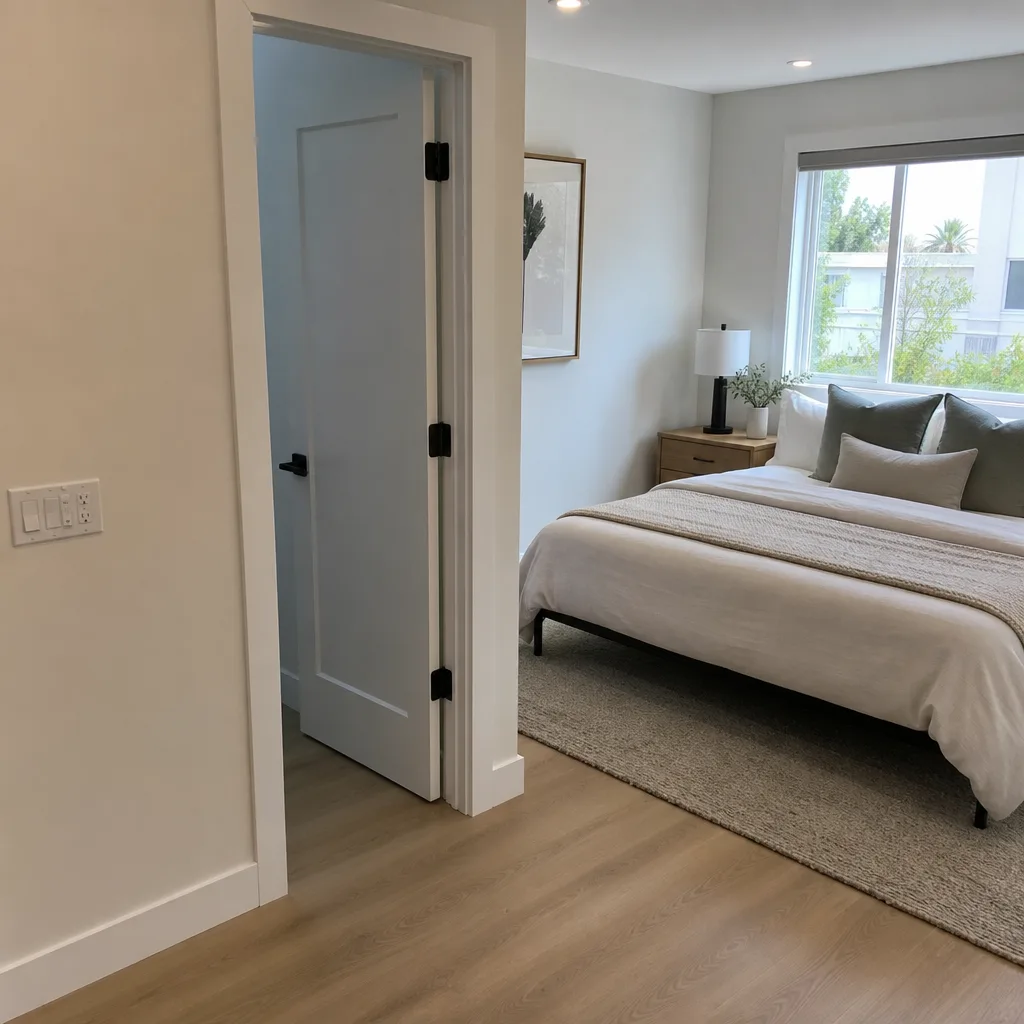 After
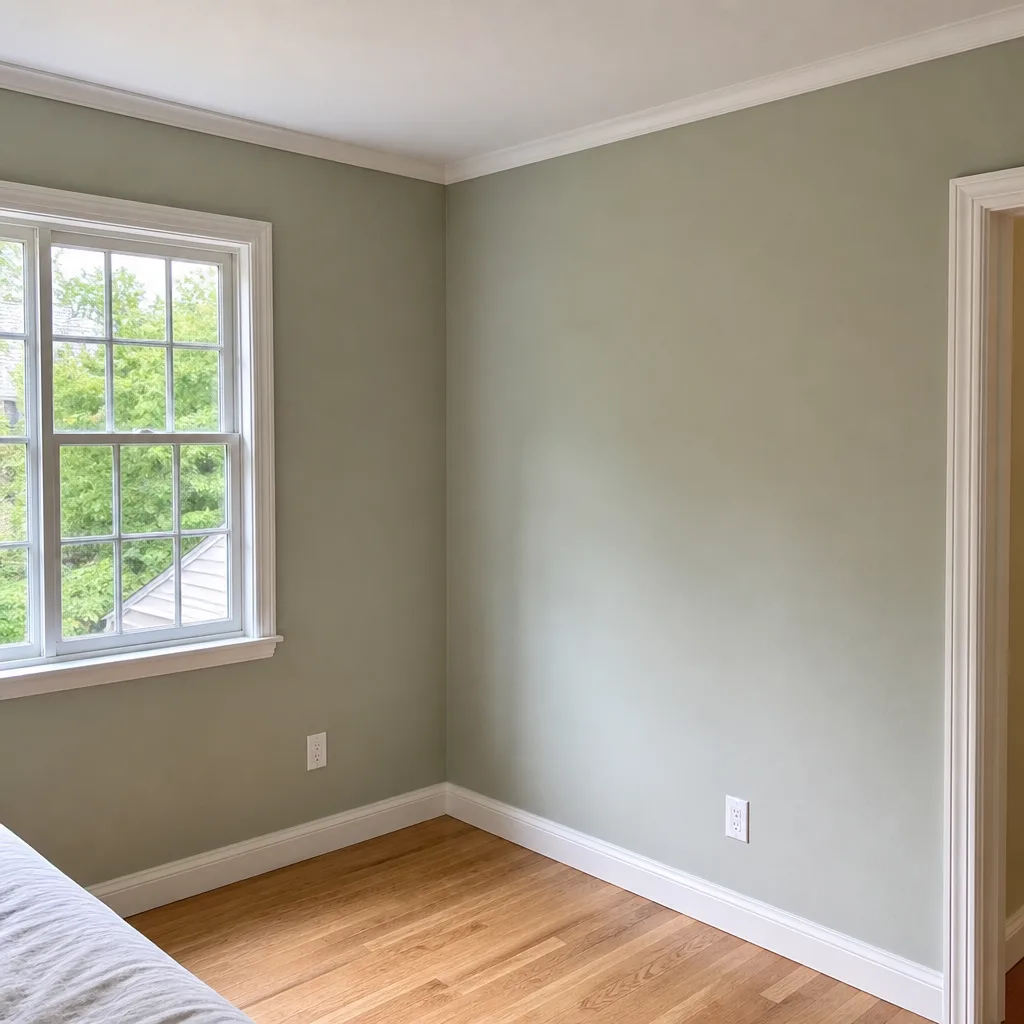
After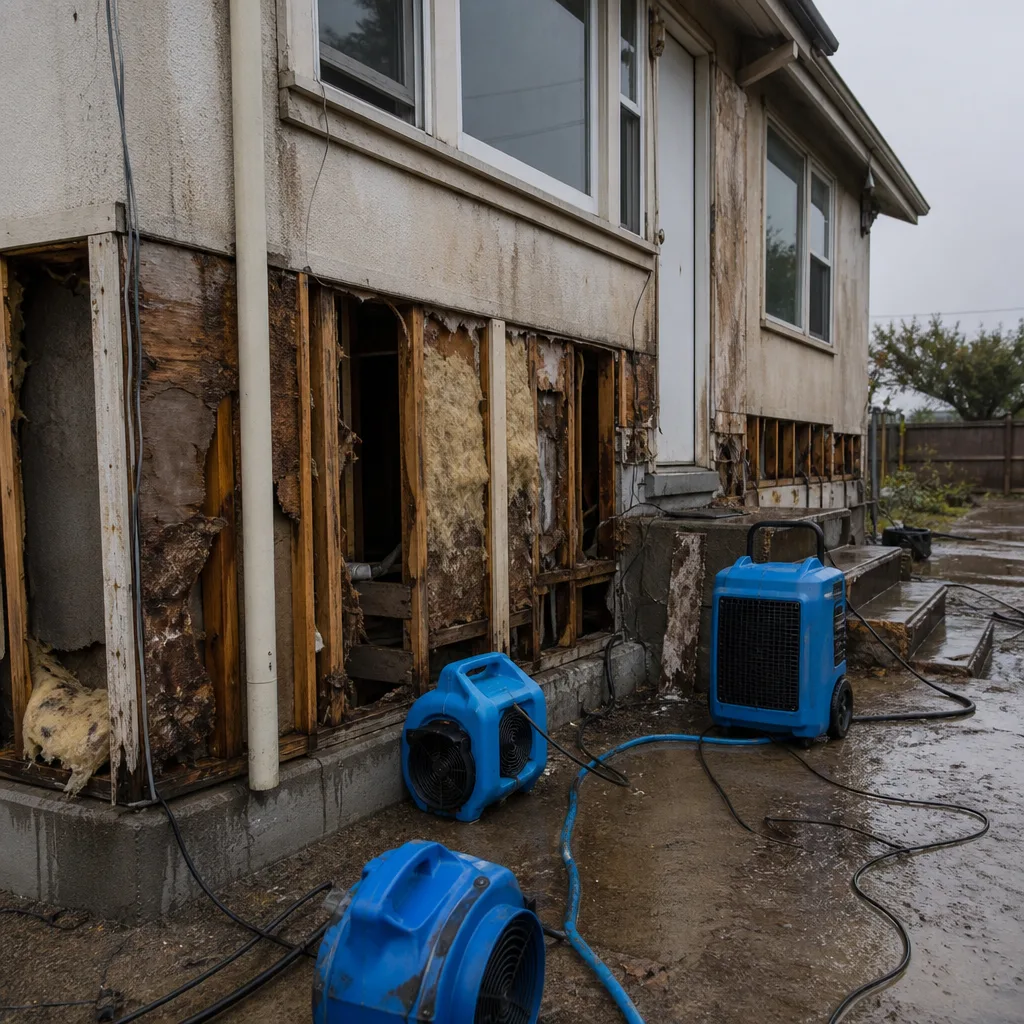 Before
 After
After24/7 Emergency Mold Remediation in Santa Monica
Mold colonizes wet drywall in Santa Monica in as little as 24 to 48 hours, and the coastal marine layer keeps humidity high enough that drying stalls without aggressive intervention. If you’re seeing discoloration, smelling mustiness, or dealing with a recent leak, call (424) 372-0129 now. We answer live, 24 hours a day, 7 days a week. No voicemail trees. Our crews dispatch throughout Santa Monica, from Ocean Park to the northern canyons, and we provide a free visual inspection before any work is discussed. The first hour determines whether a contained cleanup stays contained, or whether spores migrate through HVAC systems into adjacent units.
Understanding Mold Remediation Severity in Santa Monica Properties
We classify mold contamination by affected square footage, material porosity, and whether the source water was Category 1 (clean supply), Category 2 (gray water with chemical or biological load), or Category 3 (black water, sewage, or ground flooding). In Santa Monica’s 1950s-1970s dingbats and courtyard apartments, a Category 1 supply-line leak often degrades to Category 2 or 3 by the time it’s discovered, because corroded galvanized pipes harbor bacterial biofilm and the original floor drains may back up during simultaneous failures.
Containment strategy follows IICRC S520 standards: limited containment for under 10 square feet of visible growth, full containment with negative air pressure and HEPA scrubbers for larger areas or when HVAC systems are involved. Air scrubbing uses machines like the Dri-Eaz HEPA 500 to capture 99.97% of particles 0.3 microns and larger. Clearance testing, performed by a third-party industrial hygienist, confirms spore counts at or below outdoor baseline before we remove containment. In Santa Monica’s pre-1979 rent-controlled buildings, we also test for lead paint and asbestos-containing materials before disturbing any textured ceiling or floor tile, because hazmat abatement protocols must be woven into the drying timeline or the entire job stops.
Why Santa Monica Property Owners Choose DryMark Restoration Venice
- 45-minute response commitment to Santa Monica addresses - we dispatch from our Los Angeles office with crews already staged near the coastal corridor.
- 24/7 live answer: a real person picks up every call, never an automated system or next-business-day callback.
- IICRC-certified crews holding WRT (Water Damage Restoration Technician), AMRT (Applied Microbial Remediation Technician), and FSRT (Fire & Smoke Restoration Technician) credentials.
- Free visual inspection with moisture mapping and thermal imaging before any pricing discussion.
- Direct insurance billing with photo-documented estimates your adjuster can read without follow-up calls.
- One team from containment to reconstruction - no handoffs between vendors that delay documentation.
 Before
 After
AfterOur Mold Remediation Process
1. Inspection & Assessment
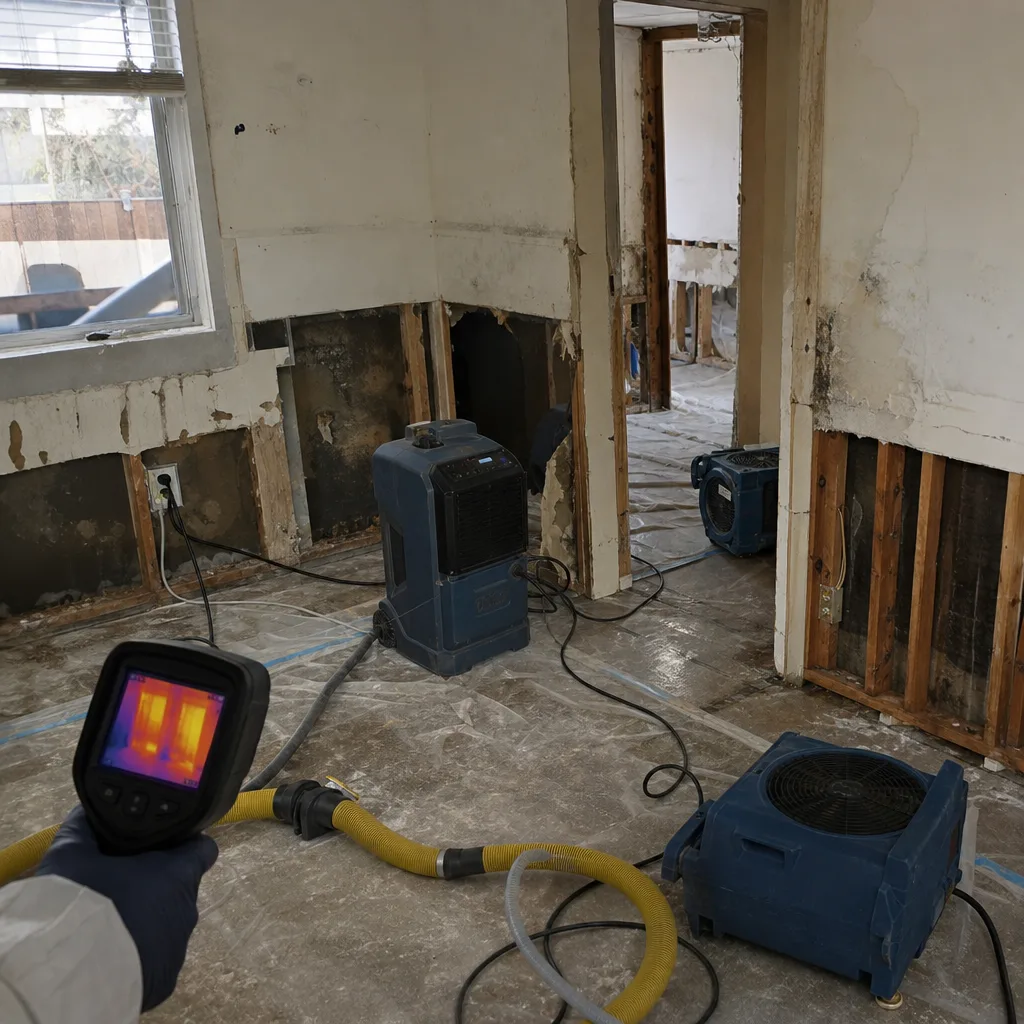
We arrive with thermal imaging cameras, penetrating and non-penetrating moisture meters, and hygrometers to map the full extent of water migration. In Santa Monica’s multi-unit buildings, we check adjacent walls and ceiling cavities because salt-air corrosion on shared plumbing stacks means one leak often signals others waiting to fail.
2. Containment & Air Filtration
We establish polyethylene containment barriers and run HEPA air scrubbers under negative pressure to prevent spore migration. For buildings with shared HVAC, we seal ductwork temporarily. This step is non-negotiable in dense Santa Monica apartment complexes where one contaminated unit can affect six others.
3. Moisture Control & Drying
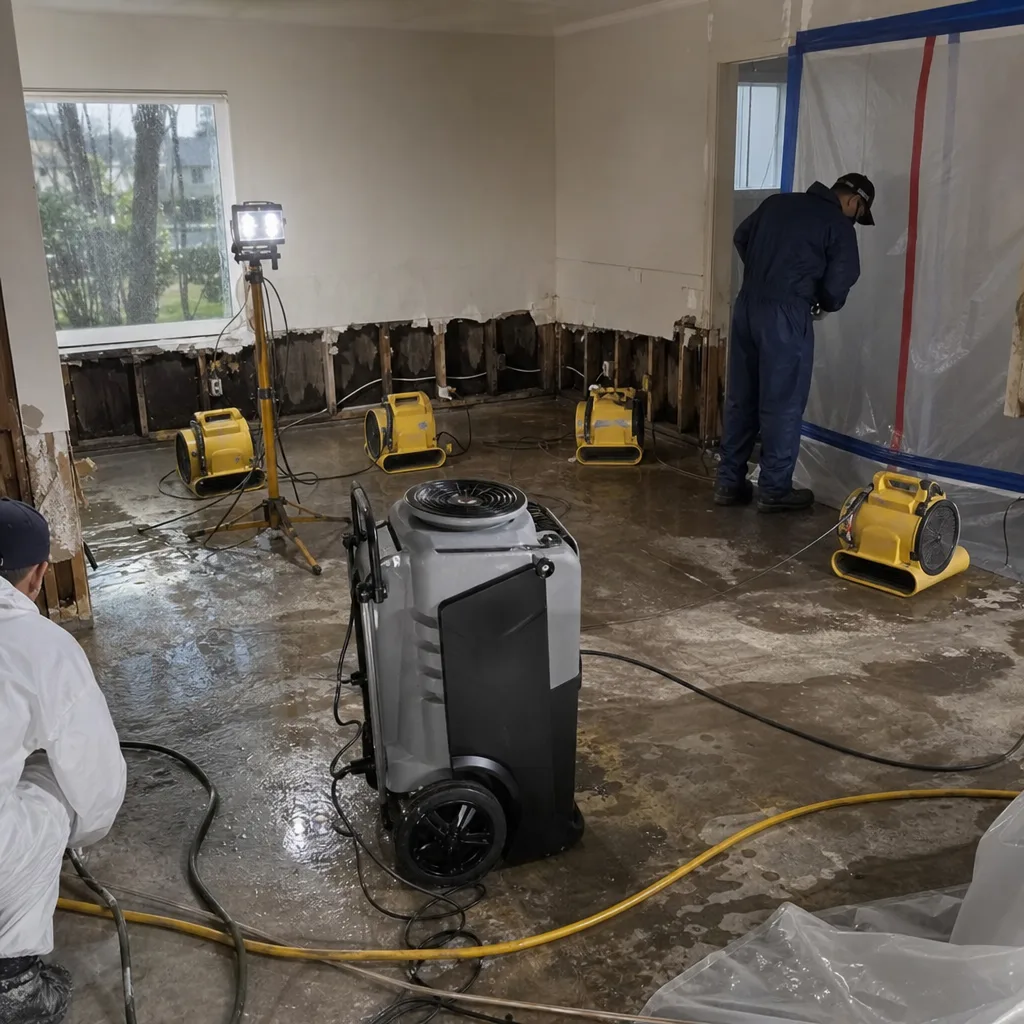
We deploy LGR dehumidifiers from Dri-Eaz and Phoenix, plus axial and centrifugal air movers, to drive vapor pressure differentials that pull moisture from structural materials. Santa Monica’s marine layer means ambient humidity often exceeds 70%; without professional-grade dehumidification, natural drying can take weeks instead of days.
4. Removal of Contaminated Materials
We remove non-salvageable porous materials - drywall, insulation, carpet pad, ceiling tile - using proper bagging and disposal protocols. When pre-1978 lead paint or pre-1980 asbestos is present, we pause for licensed abatement coordination before continuing.
5. Cleaning, Sanitization & Antimicrobial Treatment
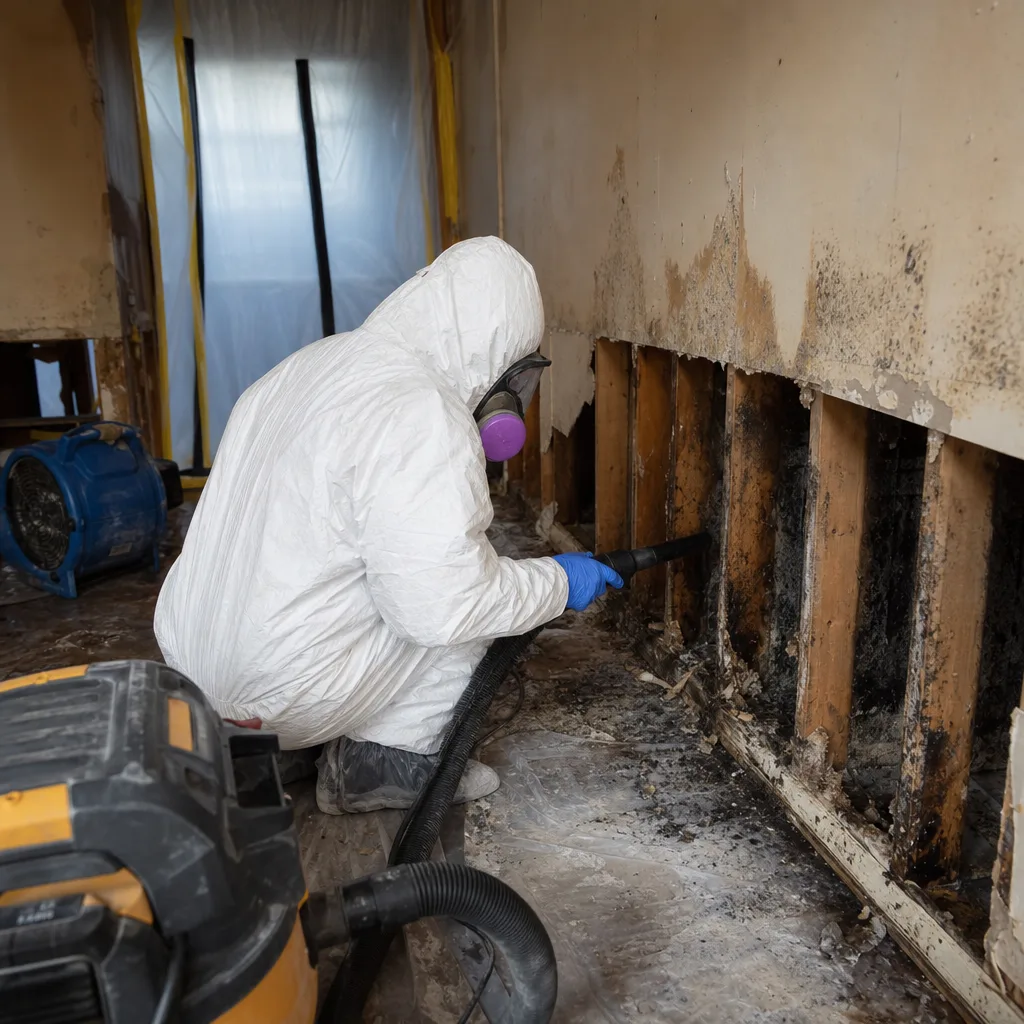
We HEPA-vacuum all surfaces, apply EPA-registered antimicrobial solutions, and clean salvageable framing with abrasive or soda blasting where appropriate. In crawl spaces beneath Ocean Park bungalows, we often find fungal growth on joists from moisture wicking through unsealed foundations; these get targeted treatment with botanical or synthetic antimicrobials per IICRC guidelines.
6. Clearance Testing & Restoration
A third-party hygienist collects air and surface samples. Once clearance passes, we rebuild: drywall, insulation, flooring, paint. Every visit is photo-documented, every moisture reading logged, and the full record delivered to you and your insurer.
Need Emergency Mold Remediation in Santa Monica Now?
Crews minutes away, answering live 24 hours a day. The sooner we start, the less it costs.
Working With Your Insurance Company
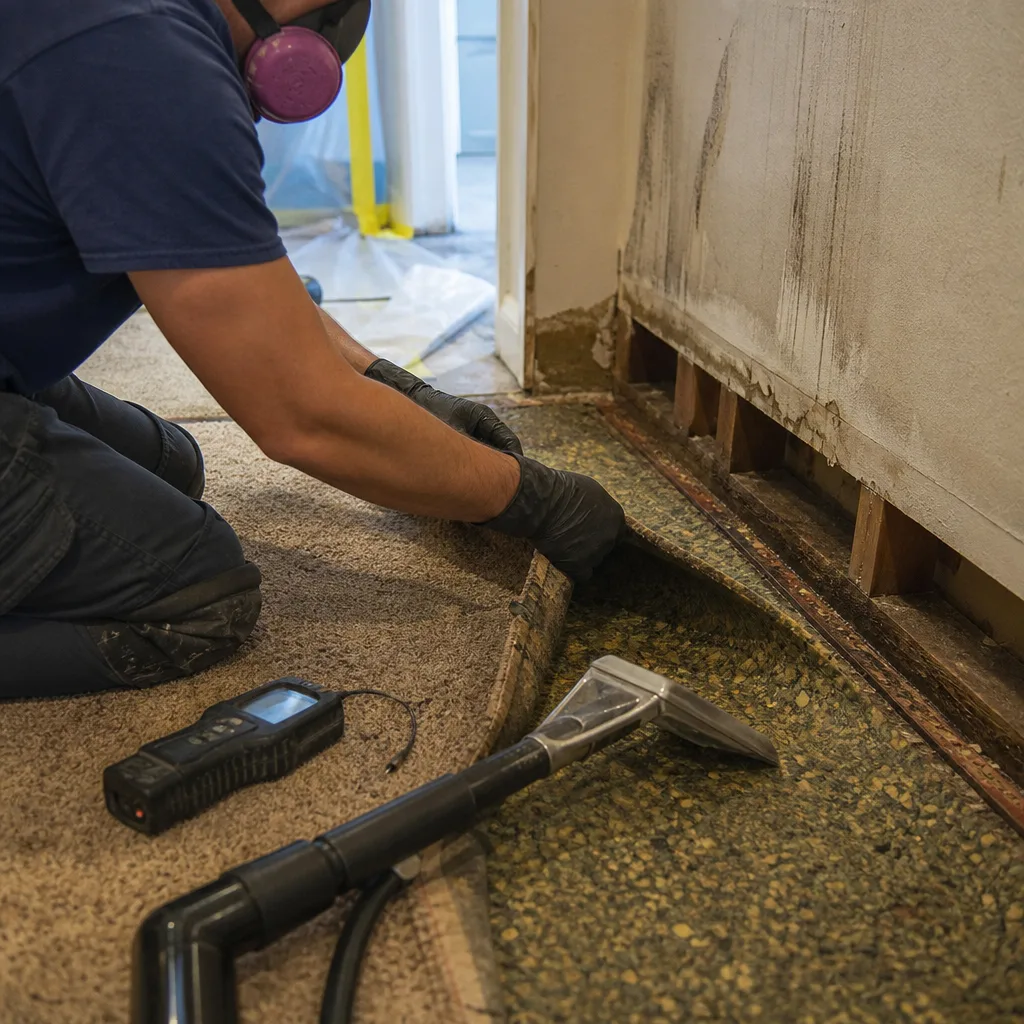
We document from the first hour because we’ve seen what happens when restoration invoices lack supporting evidence. Our estimates follow Xactimate or Symbility industry standards, line-itemed by room and trade. Your adjuster receives the same photo record, drying log, and written scope that you do. We coordinate directly with carriers, answer their technical questions, and revise scopes only when hidden damage is discovered and documented - never retroactively.
What We Provide Your Insurer
- Thorough documentation of the loss
- Photos of all damage, room by room
- Moisture readings and drying logs
- A detailed, line-item scope of work
- Direct coordination with your carrier
Built for Santa Monica’s Loss Calendar
January through March brings the heaviest marine layer, with relative humidity sustained above 75% for days at a stretch. Buildings that dried adequately in October now stall, and dormant mold colonies activate in wall cavities with no recent water loss. April through June sees increased plumbing failures as salt-corroded galvanized supply lines, weakened over winter, finally pinhole under pressure. July through September adds summer sublets and increased occupancy in rent-controlled buildings, meaning more showers, more laundry, more strain on aging drains. October through December brings Santa Ana wind events that dry structures rapidly but also crack aging stucco and roof flashing, creating new water entry points that go unnoticed until the next marine layer rolls in.
Mold Remediation Across Santa Monica’s Neighborhoods
In Ocean Park, south of Pico Boulevard, we work on 1920s-1940s wood-frame bungalows with minimal vapor barriers and unvented crawl spaces. Moisture wicks from the coastal water table directly into floor joists; our crawl space treatment often involves sealing foundations, installing vapor barriers, and treating fungal growth with botanical antimicrobials.
Downtown Santa Monica and the Promenade corridor present the opposite challenge: high-rise and mid-rise buildings with centralized HVAC where one contaminated unit can seed the entire vertical stack. We coordinate with building engineers to isolate air handlers and establish floor-by-floor containment.
North of Montana Avenue, in the Montana Avenue corridor and canyon neighborhoods, larger single-family homes from the 1940s-1960s often have original clay sewer laterals and copper supply lines with galvanic corrosion at junctions. A slab leak here can saturate sub-slab soil for weeks before anyone smells it.
The Pico Neighborhood and areas east of Lincoln Boulevard contain some of the city’s densest concentrations of 1950s-1970s courtyard apartments and soft-story buildings. Deferred maintenance on original waterproofing means balcony and planter leaks are routine; we often find Stachybotrys colonizing the drywall behind tile that looked intact.
Specialized Mold Remediation Services We Offer in Santa Monica
Mold Inspection & Testing
We start with a visual inspection, moisture mapping, and thermal imaging. When air quality data is needed for insurance or landlord-tenant disputes, we collect samples for third-party lab analysis. In Santa Monica’s rent-controlled buildings, documented spore counts and moisture readings often determine whether SMMC Chapter 4.36 relocation obligations trigger.
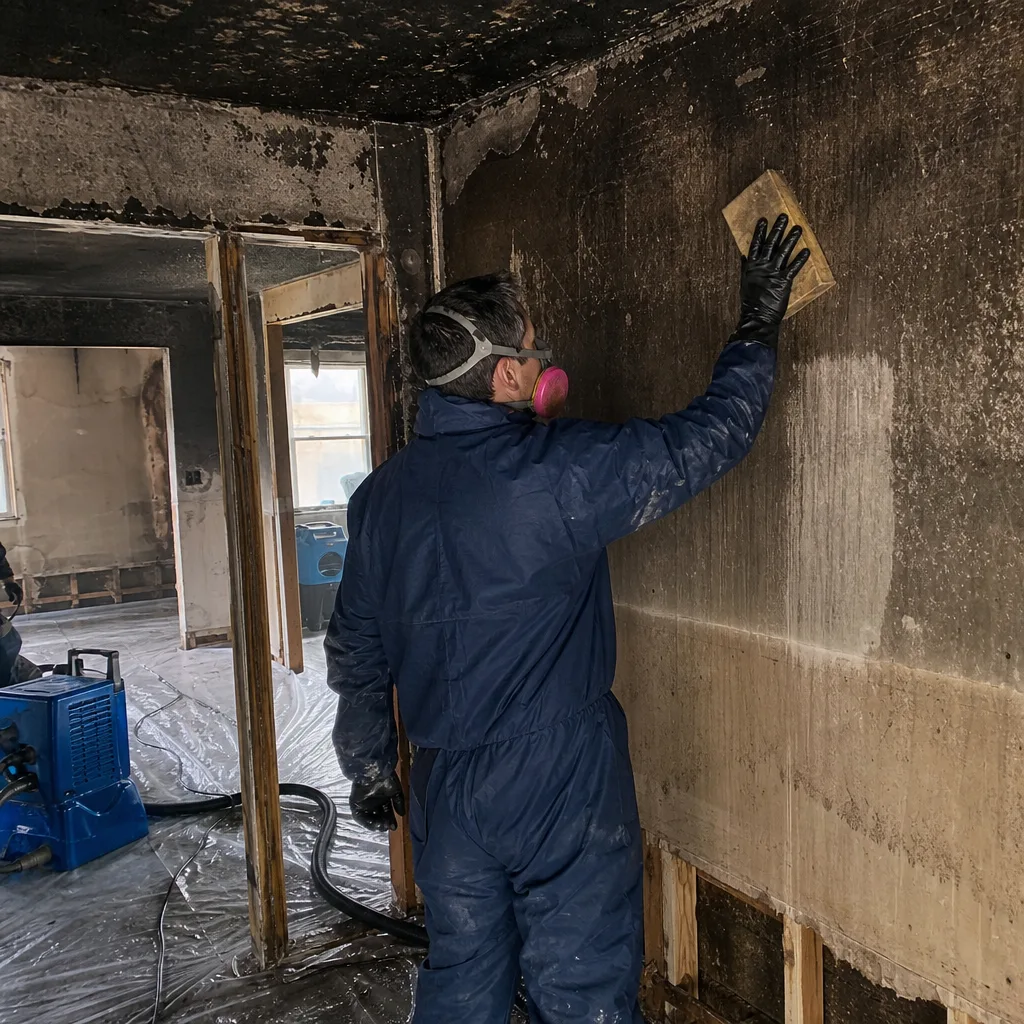
Mold Removal
We remove visible contamination following IICRC S520, with containment scaled to the job. In Santa Monica’s multi-unit buildings, we often work overnight or in coordinated phases to minimize tenant displacement and relocation exposure.
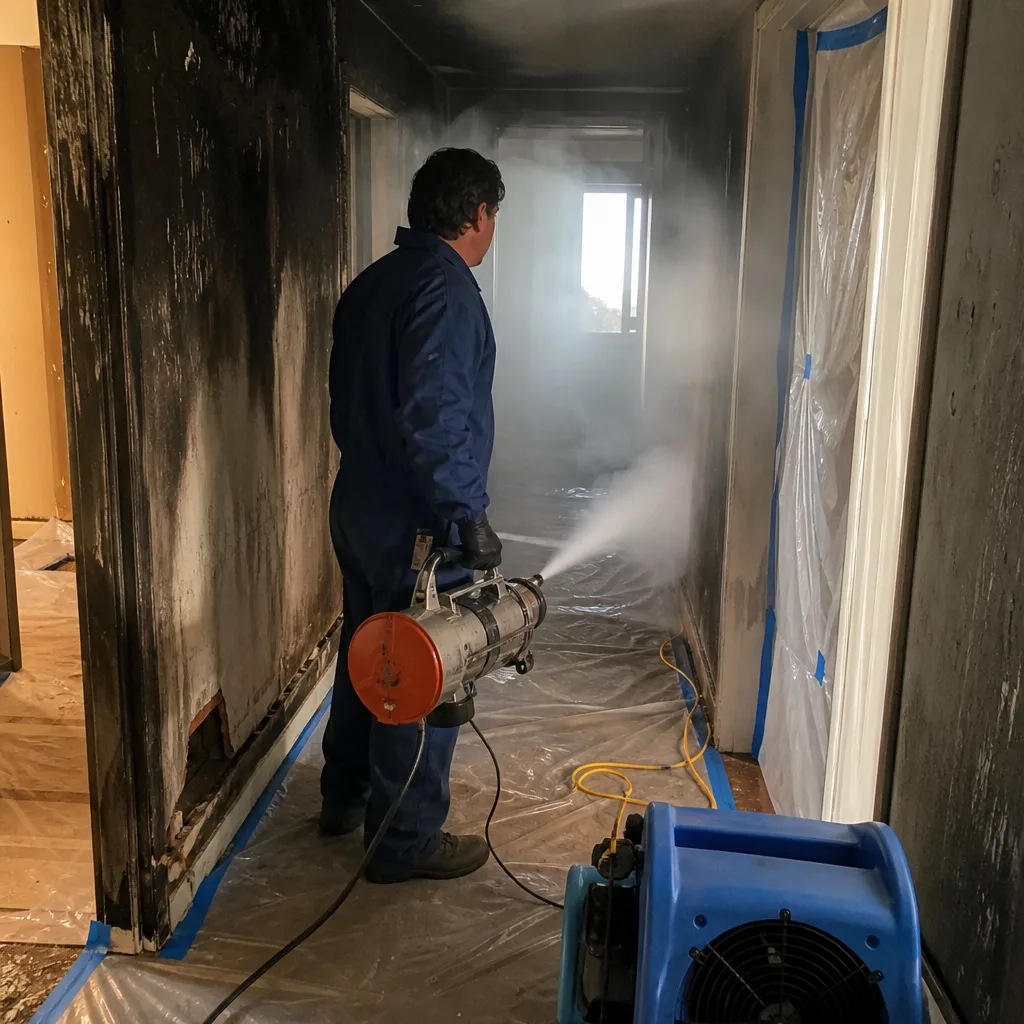
Black Mold Remediation
Stachybotrys chartarum and other toxigenic species require full containment, negative air pressure, and specialized PPE. We do not disturb visible black mold without containment in place. Period.
Air Quality Restoration
After remediation, we run HEPA filtration and, where needed, activated carbon filtration to address volatile organic compounds from mold metabolism and antimicrobial application. Third-party clearance testing confirms safe reoccupancy.
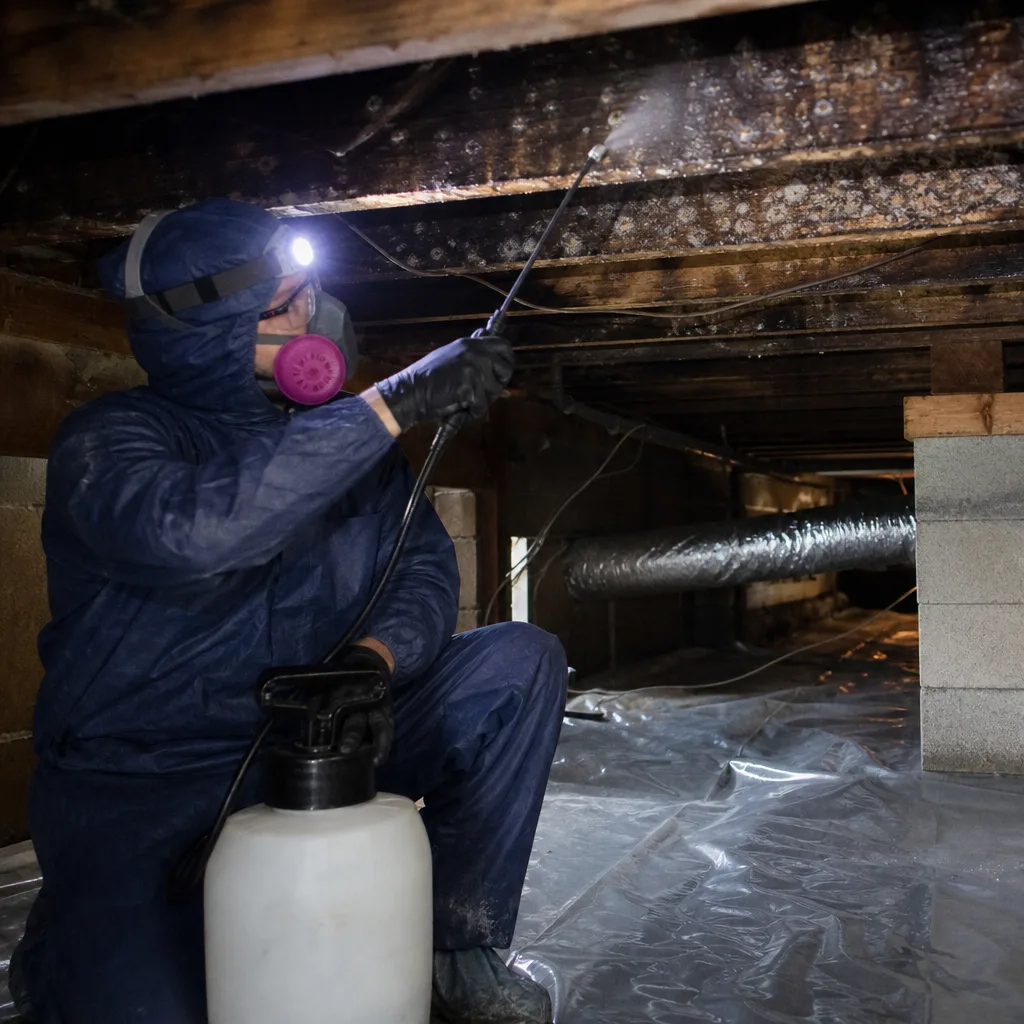
Crawl Space Treatment
Ocean Park bungalows and older Santa Monica homes often have dirt-floored or unsealed crawl spaces with chronic moisture. We install vapor barriers, treat structural fungal growth, and recommend permanent humidity control solutions.
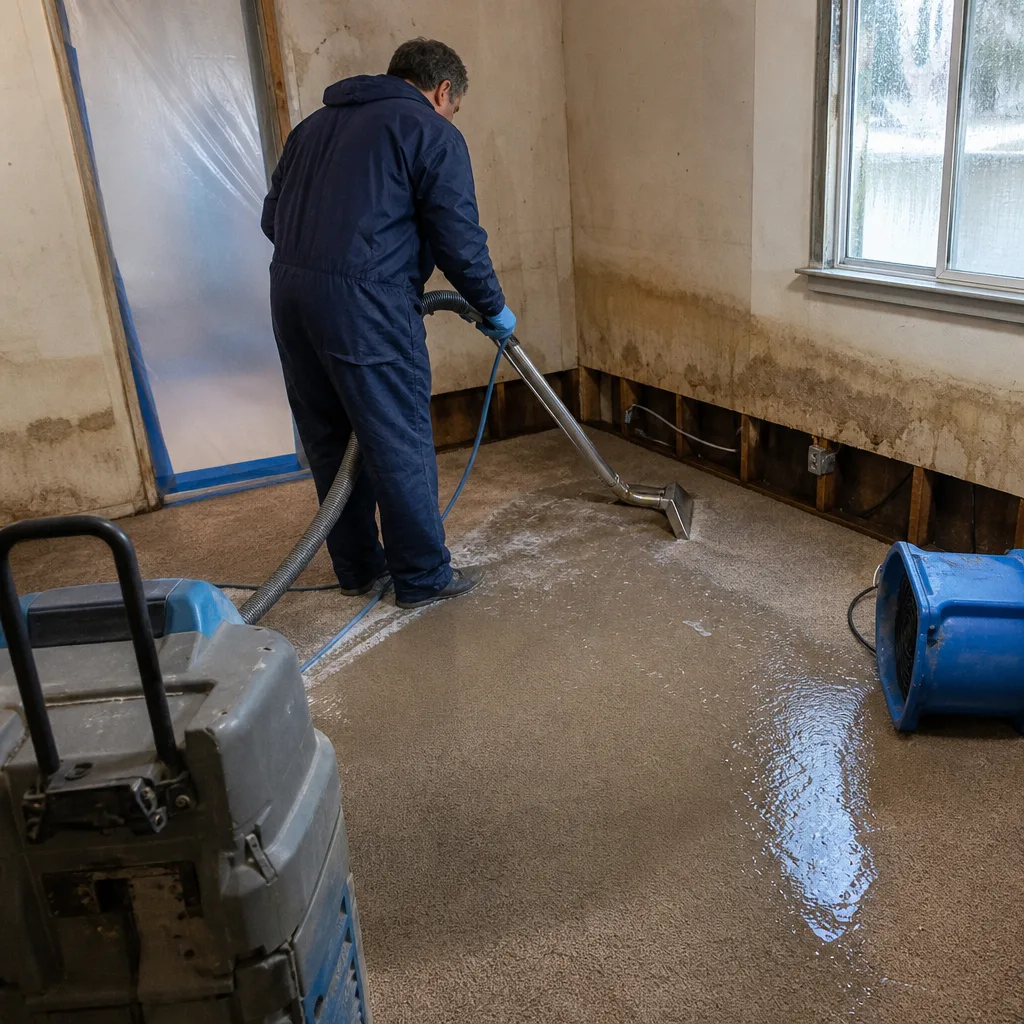
Moisture & Humidity Control
Given Santa Monica’s marine layer, dehumidification isn’t a one-time fix. We specify and install permanent dehumidification for chronically damp buildings, with equipment sized to the cubic volume and ventilation rate.
What happens when you call
- 1
A real person answersNo phone trees - you reach a local pro.
- 2
You get an upfront price rangeHonest numbers before anyone is dispatched.
- 3
A background-checked tech heads outLicensed & insured, dispatched right away.
- 4
You approve before work beginsNothing starts until you say go.
Mold Remediation Costs in Santa Monica, CA
A contained mold cleanup in a single Santa Monica bathroom or kitchen typically runs $1,800-$3,400. Whole-unit remediation in a rent-controlled courtyard apartment with asbestos abatement coordination ranges $4,500-$8,200. Crawl space treatment in an Ocean Park bungalow with vapor barrier installation runs $2,800-$5,500. Large-scale contamination across multiple units or involving hazmat protocols can exceed $12,000.
What moves the price: square footage of visible growth, whether containment must be multi-room, presence of lead or asbestos requiring abatement coordination, and whether the source moisture is still active. Insurance typically covers mold remediation when it results from a covered water loss, but not when it stems from long-term maintenance neglect. We provide a written price before any work begins, every time, with no exceptions. Bring a competitor’s written estimate and we’ll review it free.
We Also Serve Cities Near Santa Monica
Our crews respond throughout the coastal corridor: Santa Monica, Venice, Pacific Palisades, Marina del Rey, and Playa Vista. Dispatch and scheduling are coordinated from our Los Angeles office.
Serving Santa Monica, CA - Our Local Coverage Area
We’re based in the Santa Monica area and know this community well. Use the map below to see our service coverage - if you’re nearby, we can almost certainly help.
Santa Monica Mold Remediation Questions, Answered
How fast can mold grow in a Santa Monica apartment after a water leak?
Under Santa Monica’s typical marine-layer conditions, mold can colonize wet drywall within 24 to 48 hours. The elevated ambient humidity means surfaces stay wet longer than they would even five miles inland, compressing the response window. Call (424) 372-0129 for immediate dispatch - estimates are free.
Does the Tenant Relocation Assistance Ordinance affect how you handle a mold job in a rent-controlled Santa Monica unit?
Yes. SMMC Chapter 4.36 can require landlords to pay per-diem relocation costs when a unit is temporarily uninhabitable, so our moisture mapping and drying logs are structured to demonstrate habitability restoration as quickly as possible. Every 12-hour drying log, every photo, and every moisture reading is documentation that can reduce or eliminate relocation liability. Call (424) 372-0129 to discuss how we document for your specific situation.
Why do Santa Monica mold jobs on pre-1979 buildings often turn into bigger projects?
Pre-1979 buildings in Santa Monica frequently contain pre-1978 lead paint and pre-1980 asbestos in floor tiles and textured ceilings. Disturbing these without licensed abatement is illegal and dangerous, so we test before demolition and coordinate hazmat protocols when needed. This adds steps and cost but prevents far worse liability. Call (424) 372-0129 for a written scope that accounts for these requirements upfront.
What’s the difference between your mold removal and crawl space treatment in Ocean Park bungalows?
Mold removal addresses visible contamination in living spaces with containment and air scrubbing. Crawl space treatment targets the chronic moisture and fungal growth beneath the floor, where Ocean Park’s high water table and minimal vapor barriers create persistent conditions. We often do both: remove interior contamination, then seal the crawl space and install permanent dehumidification to prevent recurrence. Call (424) 372-0129 for a crawl space assessment.
Do you handle Category 3 water losses differently than Category 1 in Santa Monica?
Yes. Category 3 losses - sewage, ground flooding, or gray water that has sat long enough to become black water - require full personal protective equipment, more aggressive antimicrobial treatment, and often removal of all porous materials regardless of visible contamination. In Santa Monica’s older buildings, Category 3 losses also trigger more extensive asbestos and lead testing because disturbed hazardous materials compound the health risk. Call (424) 372-0129 for immediate response to any sewage or flooding emergency.
How long does mold remediation take in Santa Monica?
A contained single-room cleanup typically takes 3-5 days from containment to clearance. Whole-unit or multi-room jobs with abatement coordination run 7-14 days. Santa Monica’s marine layer can extend drying times, which is why we use LGR dehumidifiers and document psychrometric data daily rather than guessing. Call (424) 372-0129 for a timeline based on your specific loss.
Can we stay in the home during mold remediation?
For limited containment under 10 square feet in a non-sleeping area, often yes. For full containment, multi-room jobs, or when toxigenic species are present, we recommend temporary relocation. In Santa Monica rent-controlled units, this decision has legal and financial implications under SMMC 4.36, so we document habitability status at every phase. Call (424) 372-0129 to discuss your specific occupancy situation.
What certifications do your technicians hold?
Our technicians hold IICRC WRT (Water Damage Restoration Technician), AMRT (Applied Microbial Remediation Technician), and FSRT (Fire & Smoke Restoration Technician) credentials. All work is documented to IICRC, RIA, and IFA standards. We do not send untrained labor to mold jobs. Call (424) 372-0129 to verify current certifications for your crew.
We got a call from a property manager on Ocean Park Boulevard after a pinhole leak in a 1962 courtyard building’s original galvanized supply line soaked a downstairs unit. The unit was a rent-controlled one-bedroom, so we knew every hour of displacement mattered under SMMC 4.36. Our tech ran moisture mapping across the shared wall, set containment with HEPA filtration and air movers, and pulled drying logs every 12 hours so the landlord could show the unit was habitable again inside the relocation-cost window. That’s the kind of documentation our Mold Remediation team delivers on every Santa Monica job.
Ready to stop mold from spreading? Call (424) 372-0129 now. We answer live 24/7, provide free visual inspections, and deliver a written price before any work begins - Haven Standard, Clause 1, every time.
Written by Alicia Brennan, Owner at Back to Dry Restoration, serving Santa Monica since 2011.
Mold Remediation in Nearby Areas