

Free visual inspection and a written scope of work before any mitigation begins - photos, moisture readings, and drying logs go in your claim file
The scope we write is the scope we bill. Anything new gets shown to you, in writing, before we touch it.
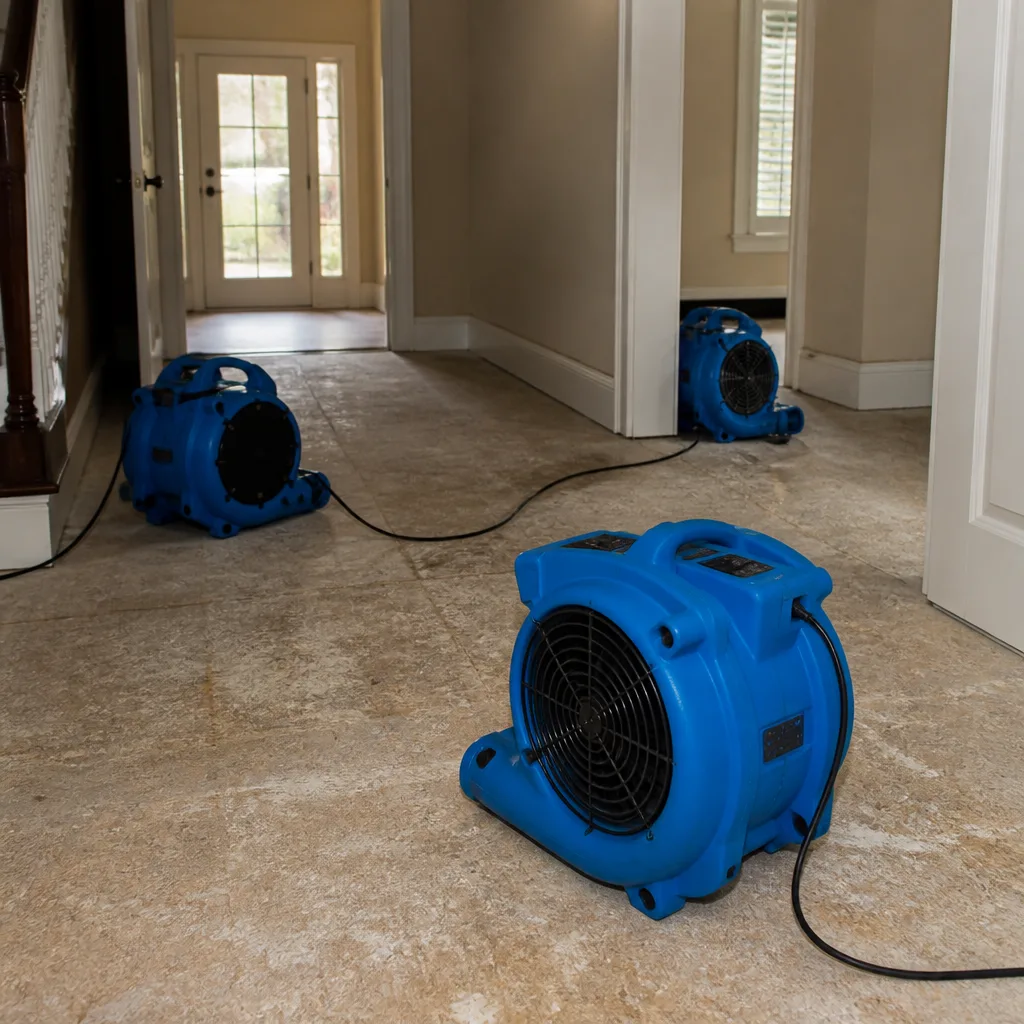

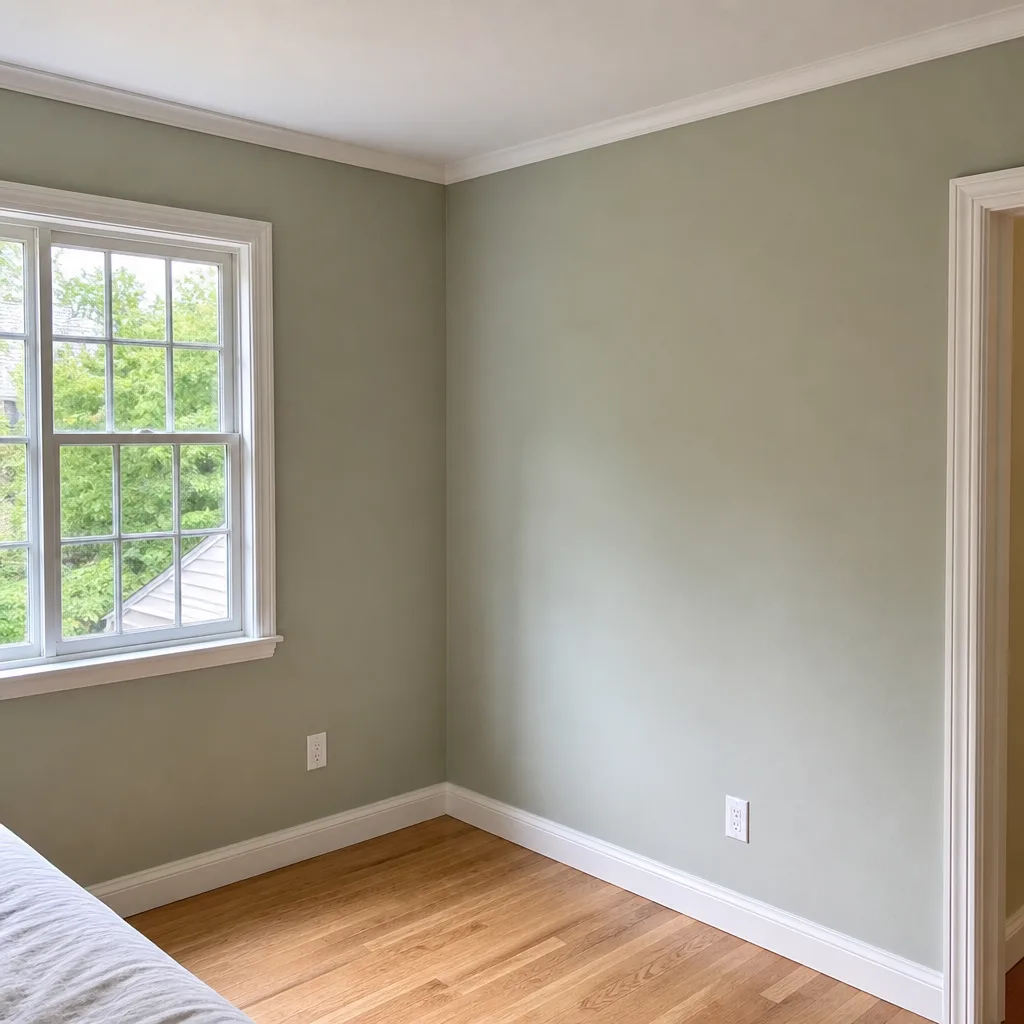

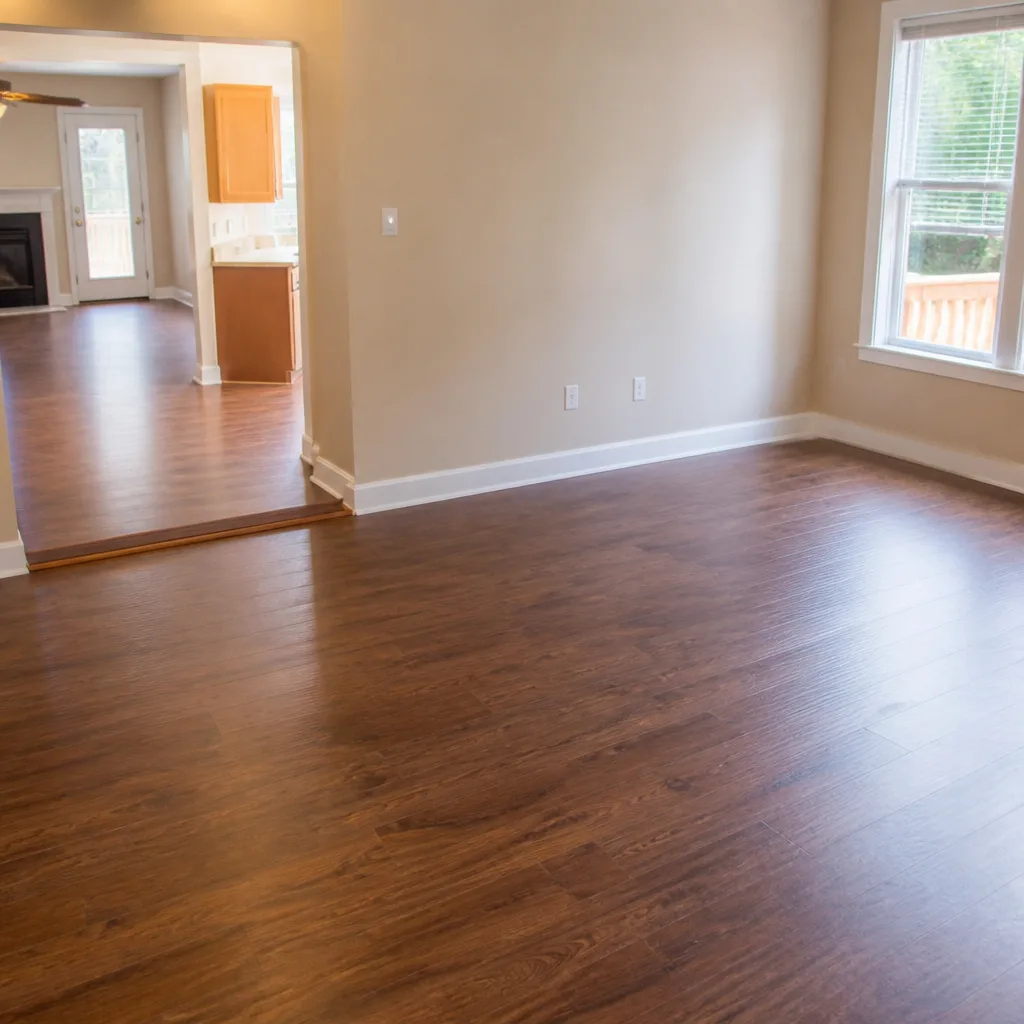

 Before
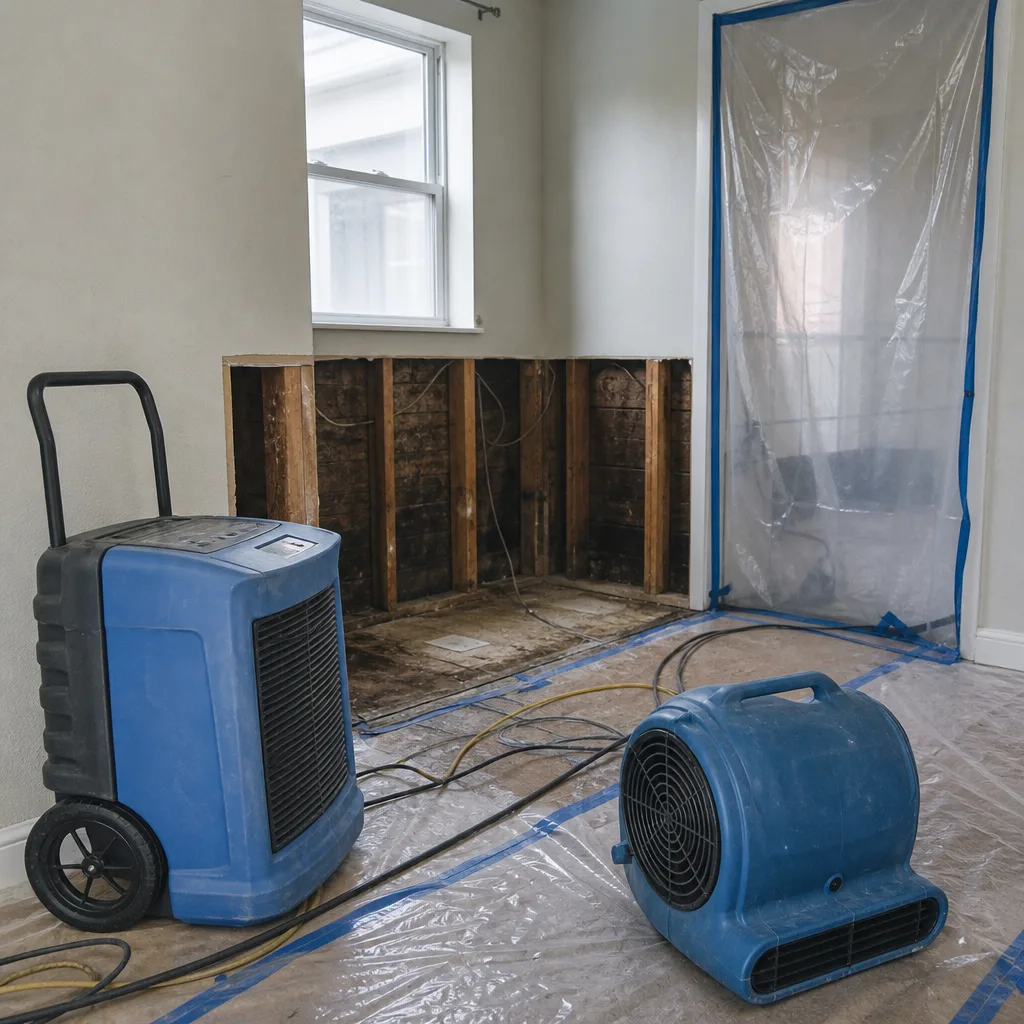 After
After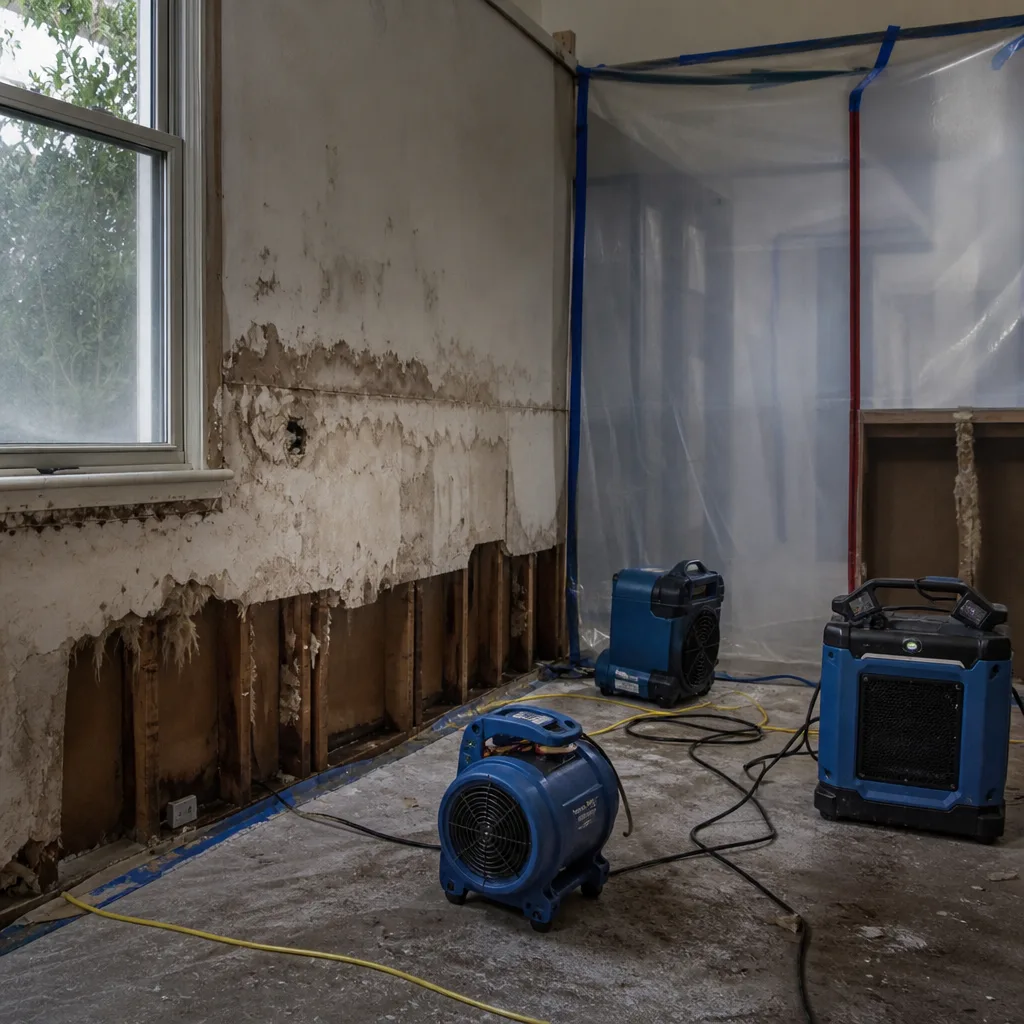 Before
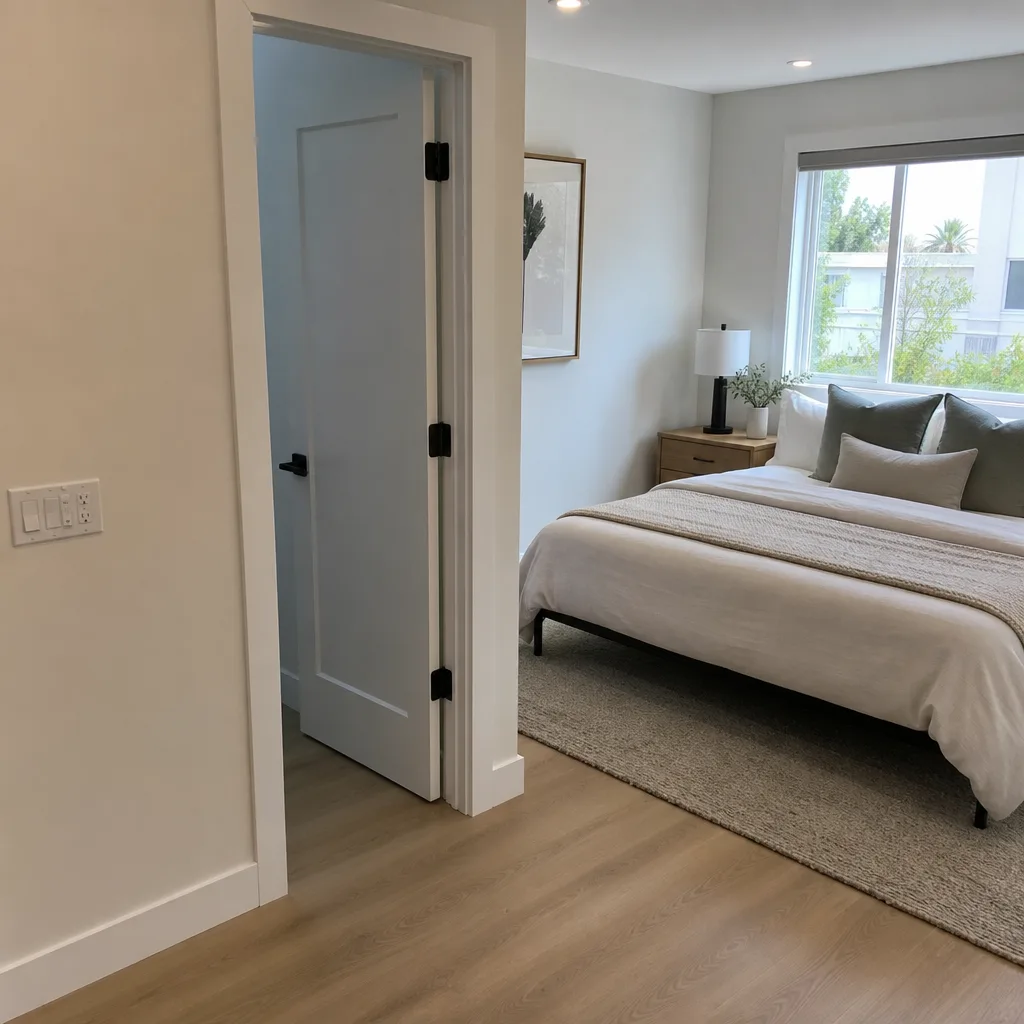 After
After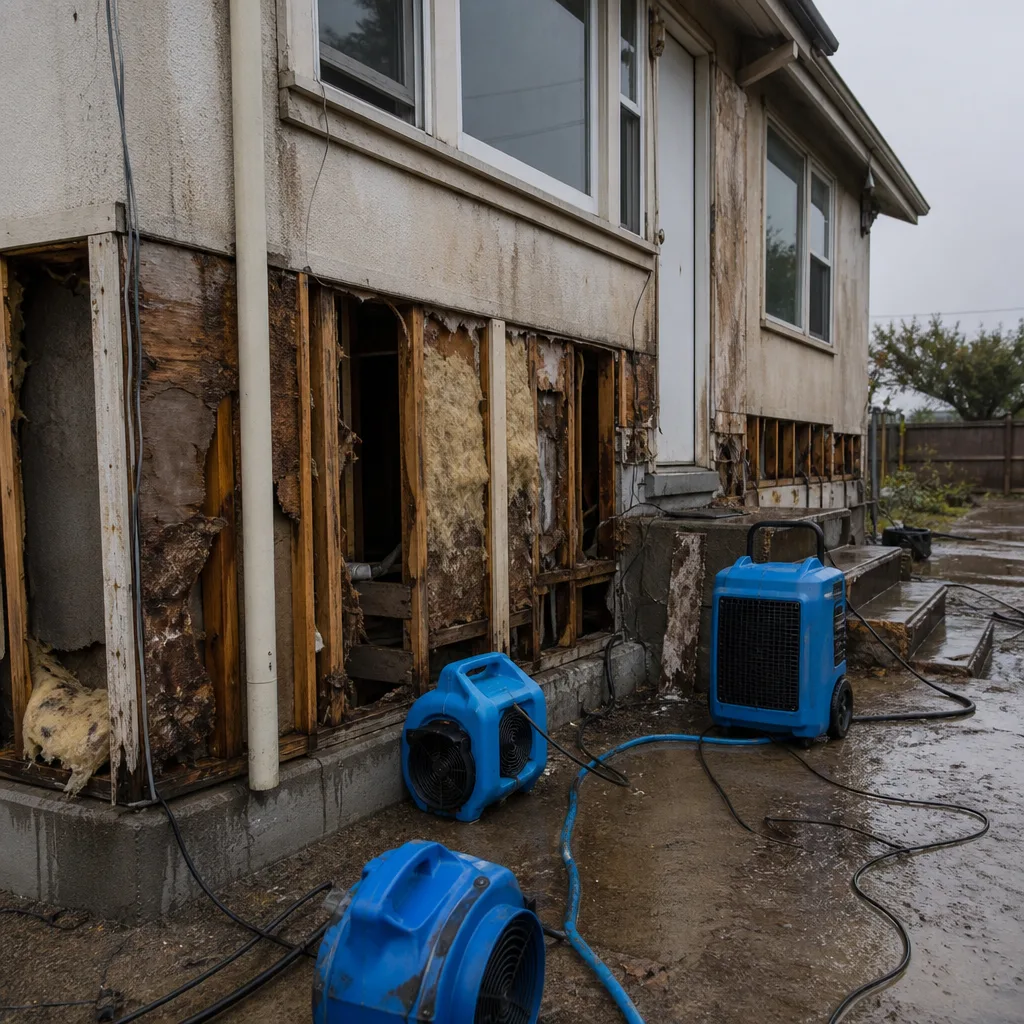 Before
 After
After24/7 Emergency Mold Remediation in Culver City
Mold colonizes fast in Culver City. Call (424) 372-0129 now and a live person answers, 24 hours a day, no voicemail trees. Our crews dispatch from our Los Angeles office and are typically on-site in Culver City within 45 minutes. We provide a free visual inspection on arrival, and we’ll hand you a written price before any work begins - Haven Standard, Clause 1.
The first hour matters because Culver City’s coastal marine-layer humidity keeps ambient relative humidity meaningfully higher than cities just ten miles inland. That moisture, combined with the city’s dense concentration of 1940-1965 housing stock, compresses the window between water intrusion and visible mold growth to under 48 hours. Wait too long, and a contained wall cavity becomes a whole-room remediation with asbestos abatement layered on top.
Understanding Mold Remediation Severity in Culver City Properties
Mold remediation severity is classified by affected square footage, material porosity, and whether the mold resulted from Category 1, 2, or 3 water. Category 1 - clean water from a supply line - can often be handled with containment, HEPA air scrubbing, and antimicrobial treatment if caught within the 48-hour window. Category 2, or gray water, requires more aggressive sanitation. Category 3, black water from sewage or ground flooding, demands full PPE protocols, possible removal of porous materials, and clearance testing before reoccupancy.
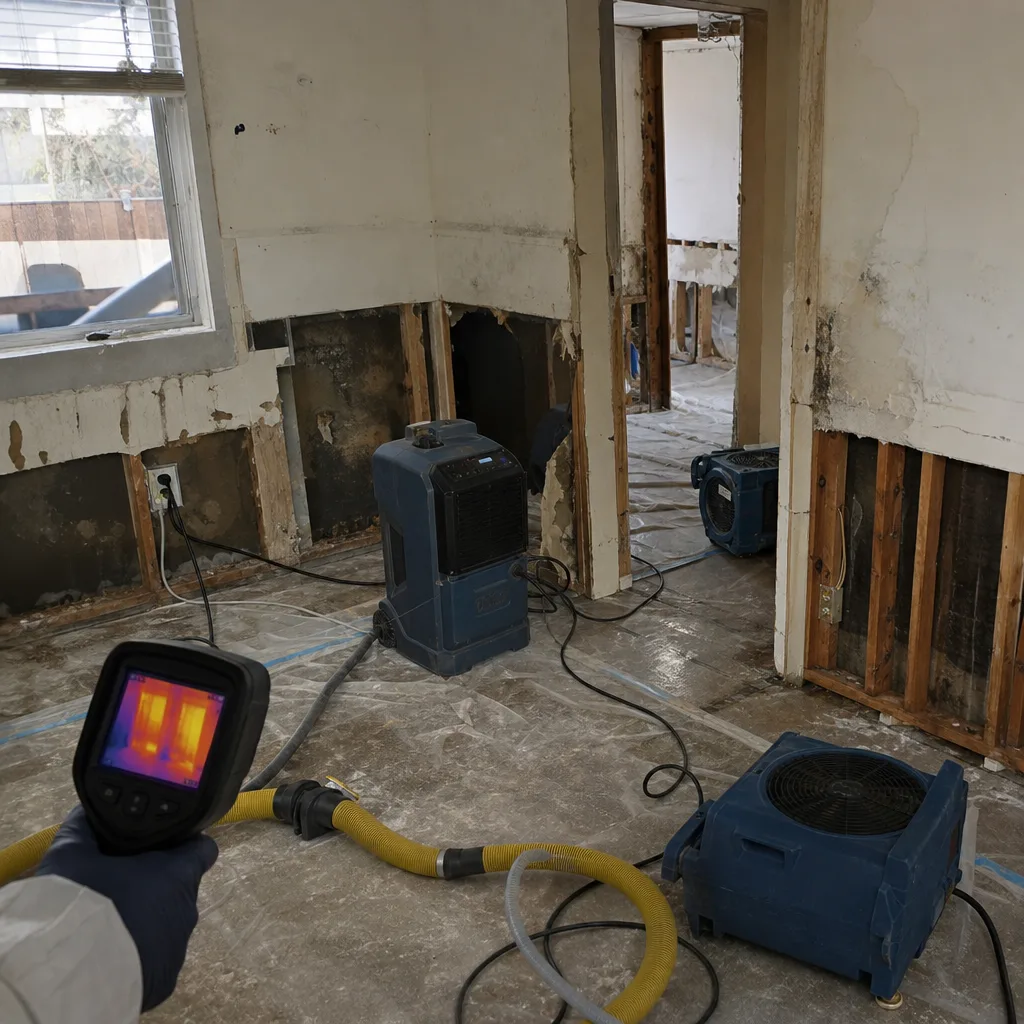
In Culver City, severity escalates faster than the IICRC tables suggest for inland markets. The persistent June-through-August marine overcast keeps vapor pressure differential low, which means moisture doesn’t evaporate naturally from wall cavities - it sits. Our psychrometric data from Culver City jobs shows tertiary drying phases routinely extend 20-30% longer than comparable Los Angeles basin projects. A “minor” mold spot behind a Carlson Park bathroom wall often reveals galvanized pipe corrosion, asbestos popcorn ceiling, and stucco-clad framing that wicks moisture laterally instead of draining. We map every wet zone with thermal imaging and pin-type moisture meters before declaring any job contained.
Why Culver City Property Owners Choose DryMark Restoration Venice
- 45-minute response commitment to Culver City addresses - our dispatchers know the Jefferson Boulevard and Culver Boulevard corridors and route crews accordingly.
- 24/7 live answer - a real person, never an automated system, every hour of every day, because mold doesn’t wait for business hours.
- IICRC-certified crews holding WRT (Water Damage Restoration Technician) and AMRT (Applied Microbial Remediation Technician) certifications, with ongoing RIA education on documentation standards.
- Free visual inspection on arrival - we identify the moisture source, map the affected area, and explain what we’re seeing before any equipment moves.
- Direct insurance billing with photo-documented assessments, room-by-room moisture readings, and daily drying logs that adjusters recognize and pay without dispute.
- One team from extraction to reconstruction - no handoffs between mitigation and rebuild contractors, no gaps in documentation, no blame-shifting if mold returns.
 Before
 After
AfterOur Mold Remediation Process
1. Inspection & Assessment
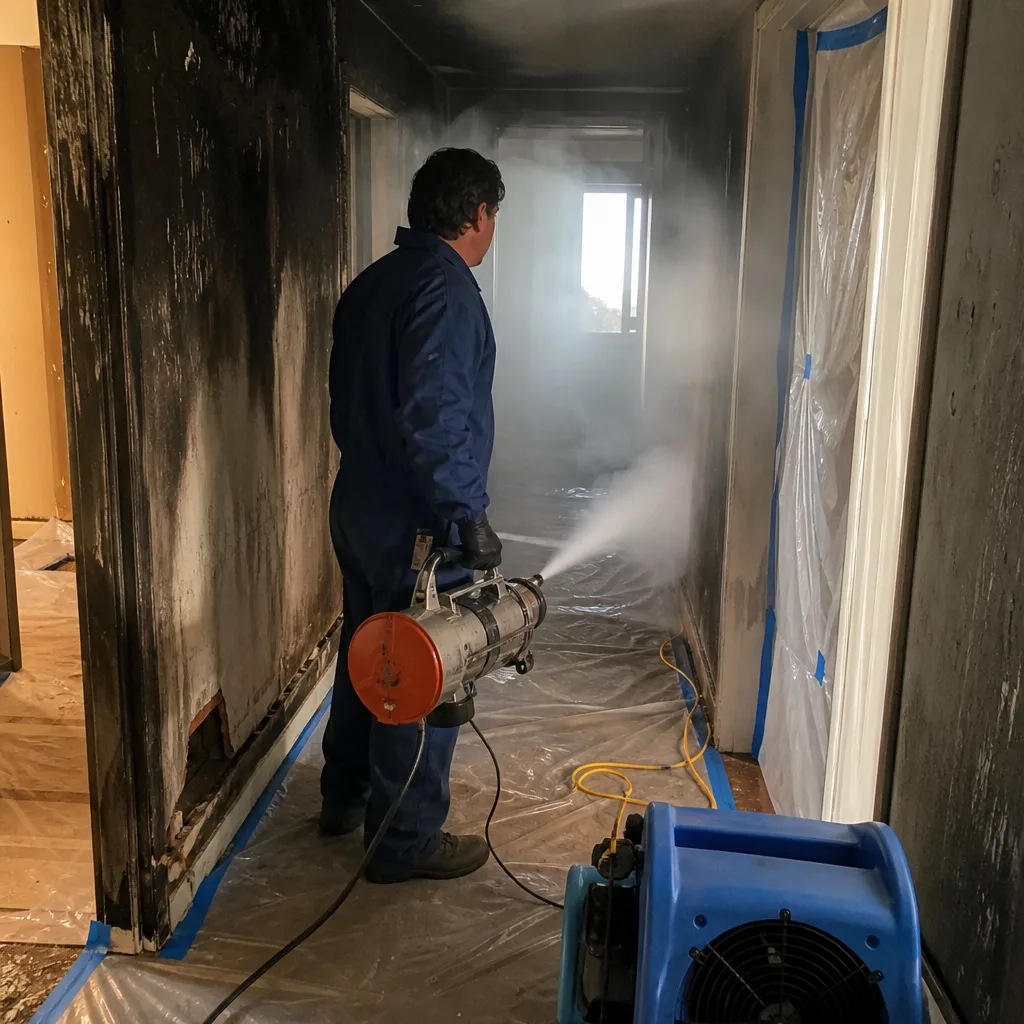
We arrive with thermal imaging cameras, pin and pinless moisture meters, and hygrometers to map the full extent of water intrusion and visible mold. In Culver City, this step always includes asbestos hazard assessment for pre-1965 properties - we cannot legally begin structural drying or remediation until testing clears the space.
2. Containment & Air Filtration
We establish physical containment with polyethylene barriers and negative air pressure using HEPA-filtered air scrubbers. This prevents cross-contamination to unaffected areas, critical in Culver City’s compact 1950s apartments where HVAC systems connect multiple units.
3. Moisture Source Elimination
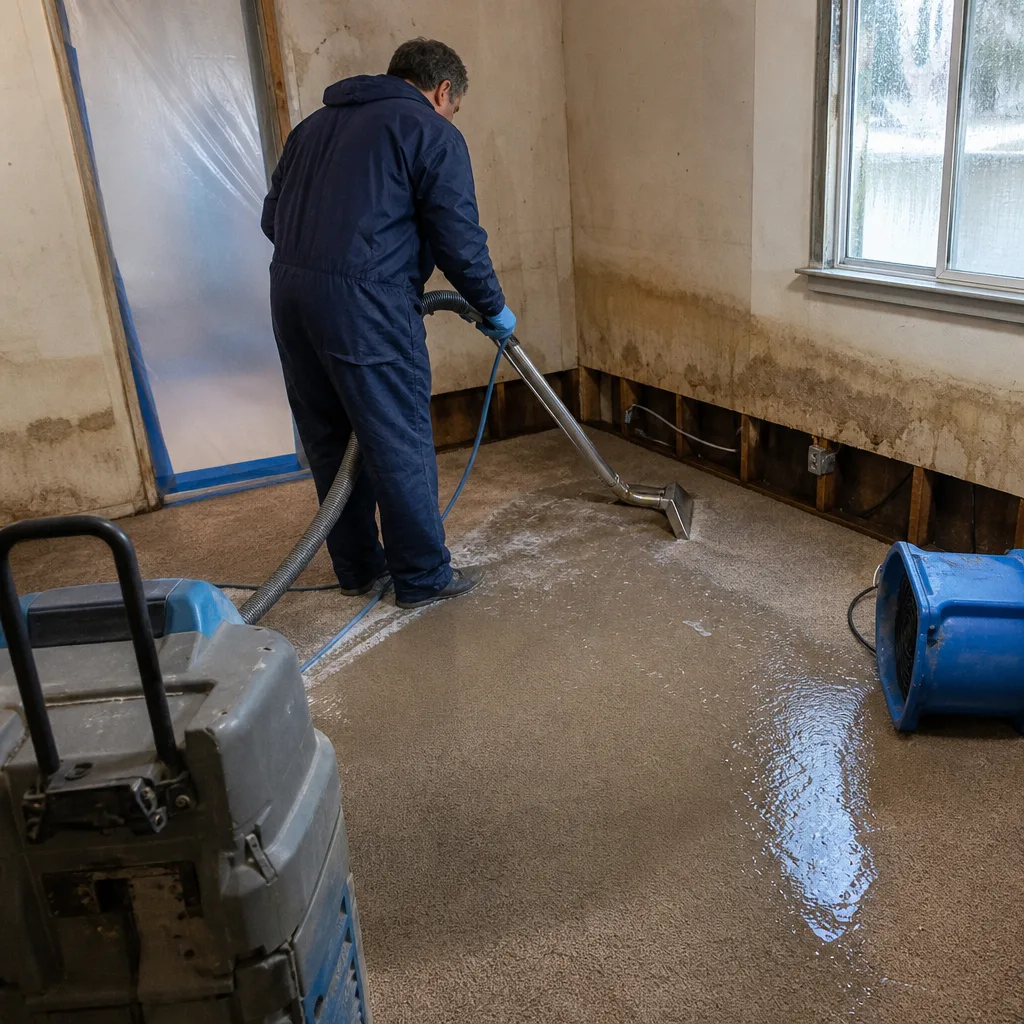
Our crews stop the water intrusion - replacing failed galvanized supply lines, sealing stucco breaches, or extracting standing water from slab-foundation perimeters. We document the source with photos for your adjuster before touching any mold-affected material.
4. Mold Removal & Cleaning
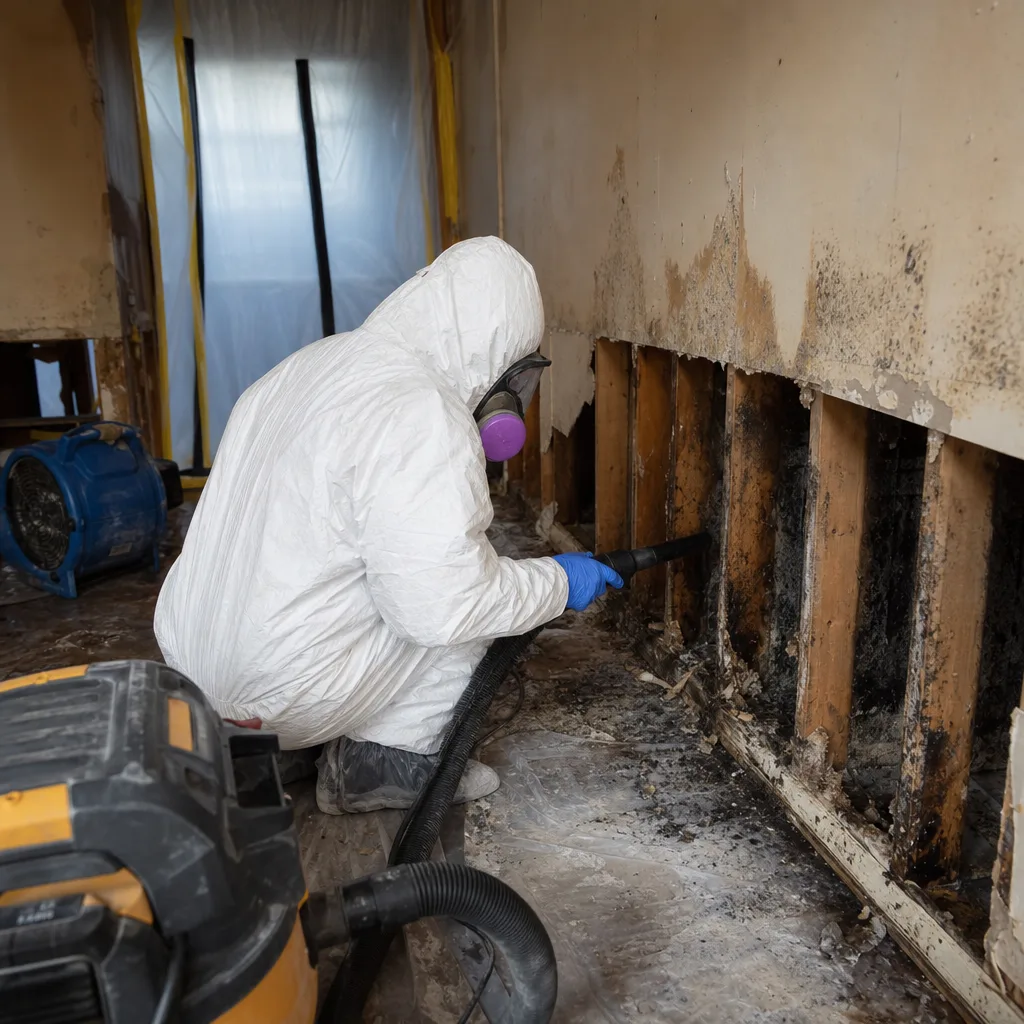
Non-porous materials receive HEPA vacuuming and antimicrobial treatment. Porous materials - drywall, insulation, carpet pad - are removed and disposed of per California hazardous waste protocols when contamination exceeds 10 square feet or involves black mold species.
5. Structural Drying & Dehumidification
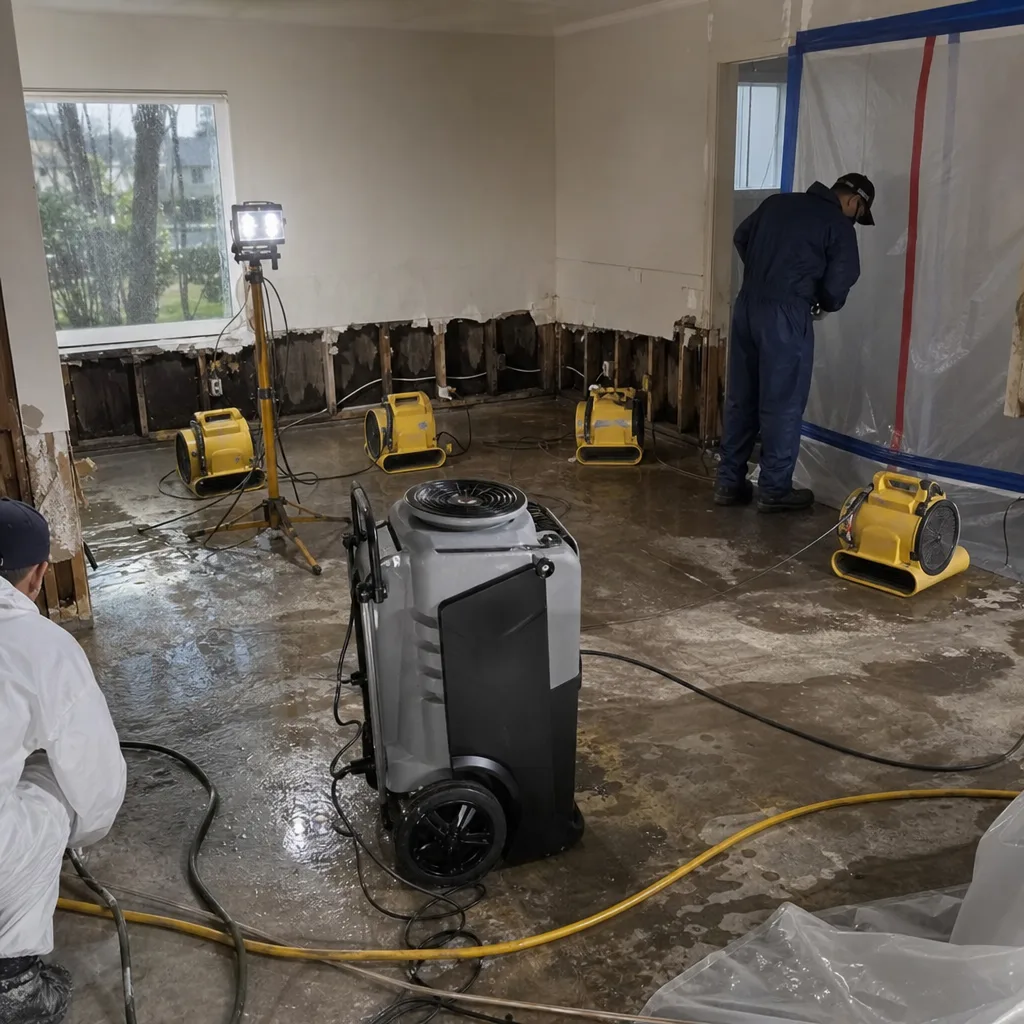
We deploy Dri-Eaz and Phoenix dehumidifiers sized for Culver City’s marine-layer conditions, not inland drying calculations, plus axial air movers to drive vapor pressure differential. Daily moisture logs track progress until materials return to pre-loss equilibrium moisture content.
6. Clearance Testing & Restoration
Independent third-party lab analysis confirms airborne spore counts have normalized. Only then do we begin reconstruction - drywall, paint, flooring - with our Mold Remediation team handling the full scope, documented to IICRC and IFA standards.
Need Emergency Mold Remediation in Culver City Now?
Crews minutes away, answering live 24 hours a day. The sooner we start, the less it costs.
Working With Your Insurance Company
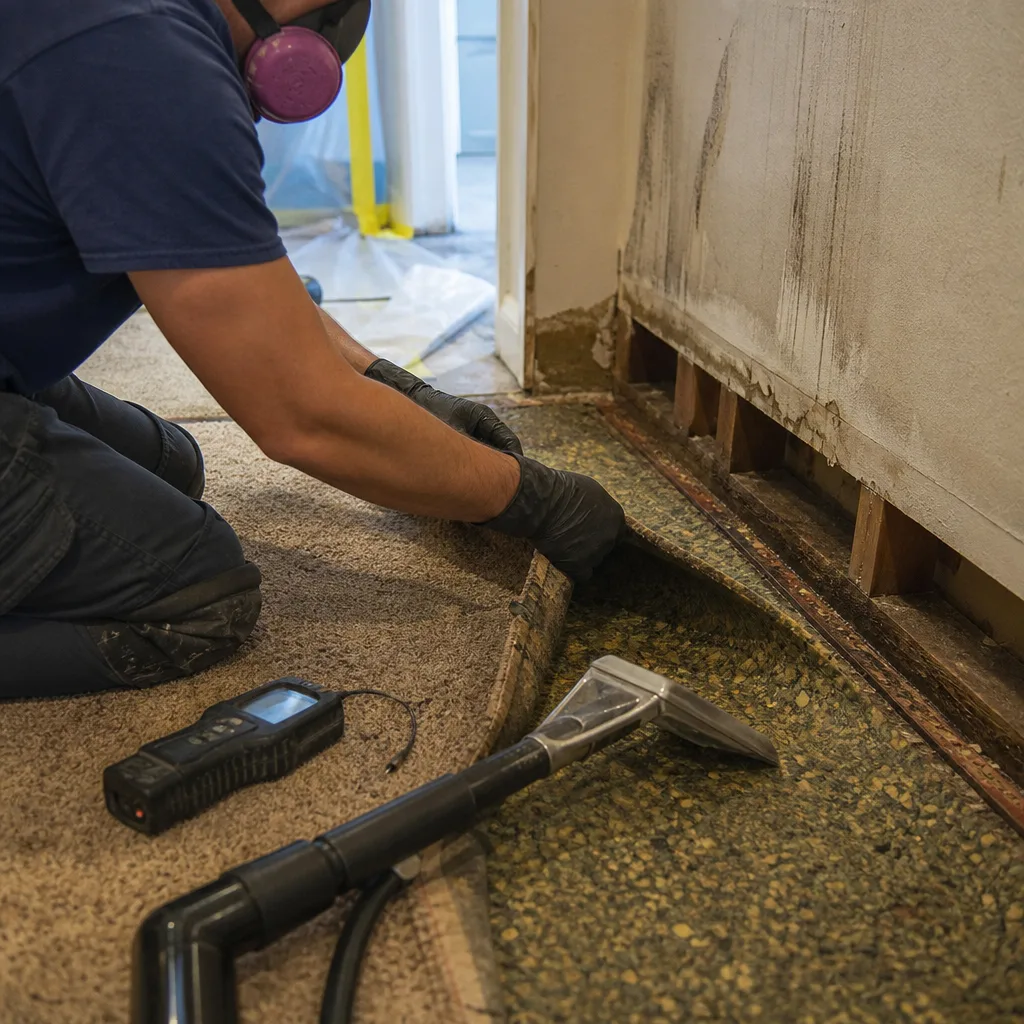
Insurance claims succeed or fail on documentation. We begin building your file from the first phone call - photos of the loss scene, moisture readings with timestamps, and a written scope before any work starts. Our estimates follow industry-standard pricing databases that adjusters recognize, and we coordinate directly with your carrier’s representative to answer questions before they become disputes.
The Haven Standard requires this. Alicia Brennan founded Back to Dry in 2011 after years as a claims adjuster watching homeowners lose legitimate coverage because mitigation contractors delivered handwritten notes instead of documented evidence. We don’t repeat that mistake.
What We Provide Your Insurer
- Thorough documentation of the loss
- Photos of all damage, room by room
- Moisture readings and drying logs
- A detailed, line-item scope of work
- Direct coordination with your carrier
Built for Culver City’s Loss Calendar
Culver City’s mold season doesn’t follow a simple calendar - it’s driven by the marine layer’s daily rhythm and the housing stock’s age. January through March brings the heaviest rains, and El Niño years push Ballona Creek toward its banks. The creek corridor homes, especially slab-foundation properties south of Jefferson Boulevard, see storm-drain backflow that converts minor flooding into Category 3 contaminated-water events.
June through August, the “June Gloom” marine layer keeps relative humidity elevated even without rain. Air conditioning in unventilated 1950s apartments creates condensation on cool stucco walls. September and October bring the Santa Ana winds - sudden dryness that cracks stucco and exposes wall cavities to the next moisture event. November’s first rains find those breaches. We schedule more Culver City mold inspections in December than any other month - homeowners discover the year’s accumulated moisture only when heating systems stir dormant colonies.
Mold Remediation Across Culver City’s Neighborhoods
Carlson Park - the tree-lined streets and original 1940s ranch homes here hide galvanized supply lines at end-of-life. We’ve responded to dozens of pinhole leaks in slab foundations where mold colonized the wall base before the homeowner noticed the water bill spike. The original hardwood floors are salvageable with rapid extraction; the asbestos tile underneath often isn’t.
Blair Hills - hillside drainage patterns direct groundwater toward foundations on the north-facing slopes. Crawl space treatment is common here, since moisture wicks through concrete footings into floor joists that never fully dry in the marine layer. Our moisture mapping often reveals secondary colonization in insulation that appeared dry to touch.
Downtown Culver City - the mixed-use buildings along Washington Boulevard and the Arts District combine residential units above commercial kitchens and retail. A single water heater failure on the third floor can cascade through multiple tenant spaces, each with different insurance carriers and abatement requirements. We coordinate with property managers to maintain single-point documentation.
Fox Hills and the Tech Corridor - the apartment density near Sony Pictures Studios and the rising commercial footprint means multi-unit losses where mold in one unit triggers air quality concerns across the building. Our air quality restoration protocols include corridor and adjacent-unit testing, not just the visible damage zone.
Specialized Mold Remediation Services We Offer in Culver City
Mold Inspection & Testing
We don’t guess. Our inspections combine visual assessment, moisture mapping, and air sampling analyzed by independent labs. In Culver City, we always flag pre-1965 asbestos concerns before sampling disturbs suspect materials - a skipped test here can shut down a whole project.
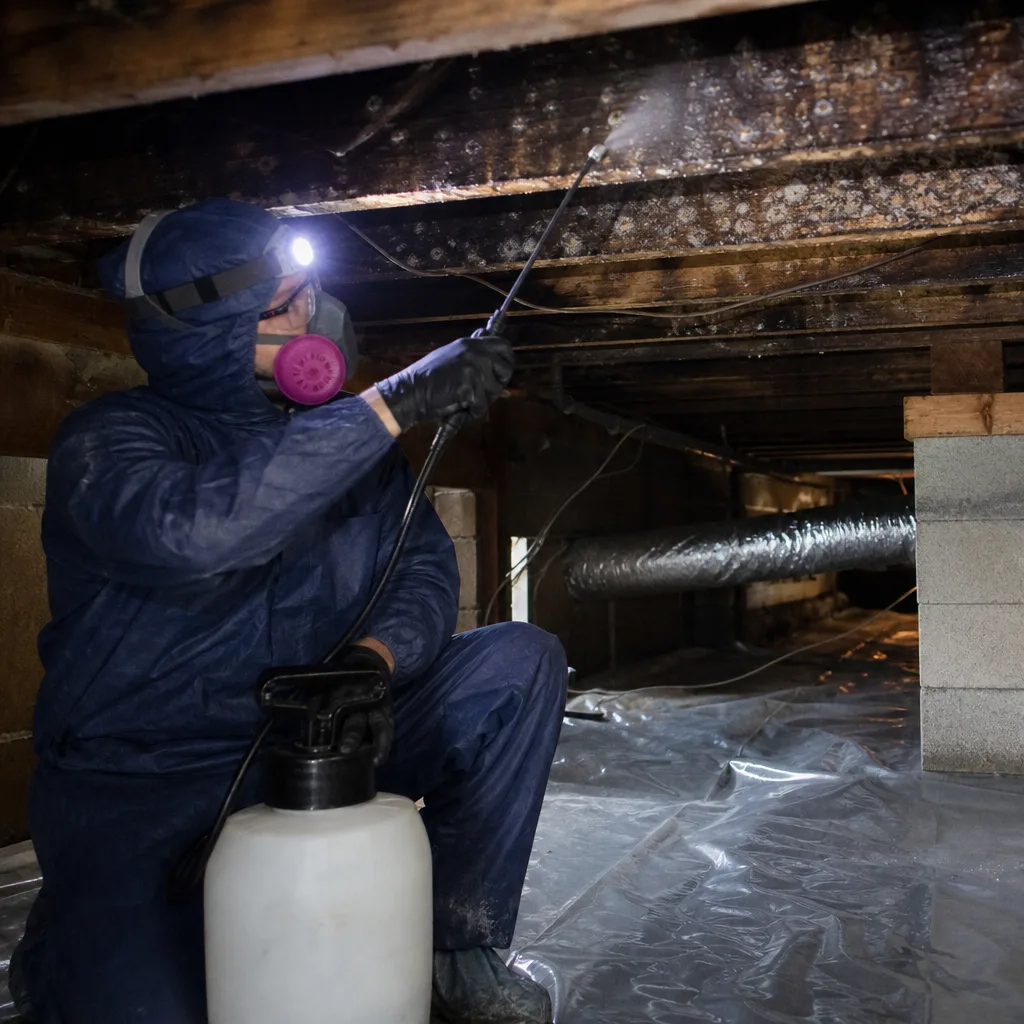
Mold Removal
Containment-first removal of visible colonization, following IICRC S520 standards for professional mold remediation. We remove the mold, not just bleach it - surface treatment without source elimination guarantees return in this humidity.
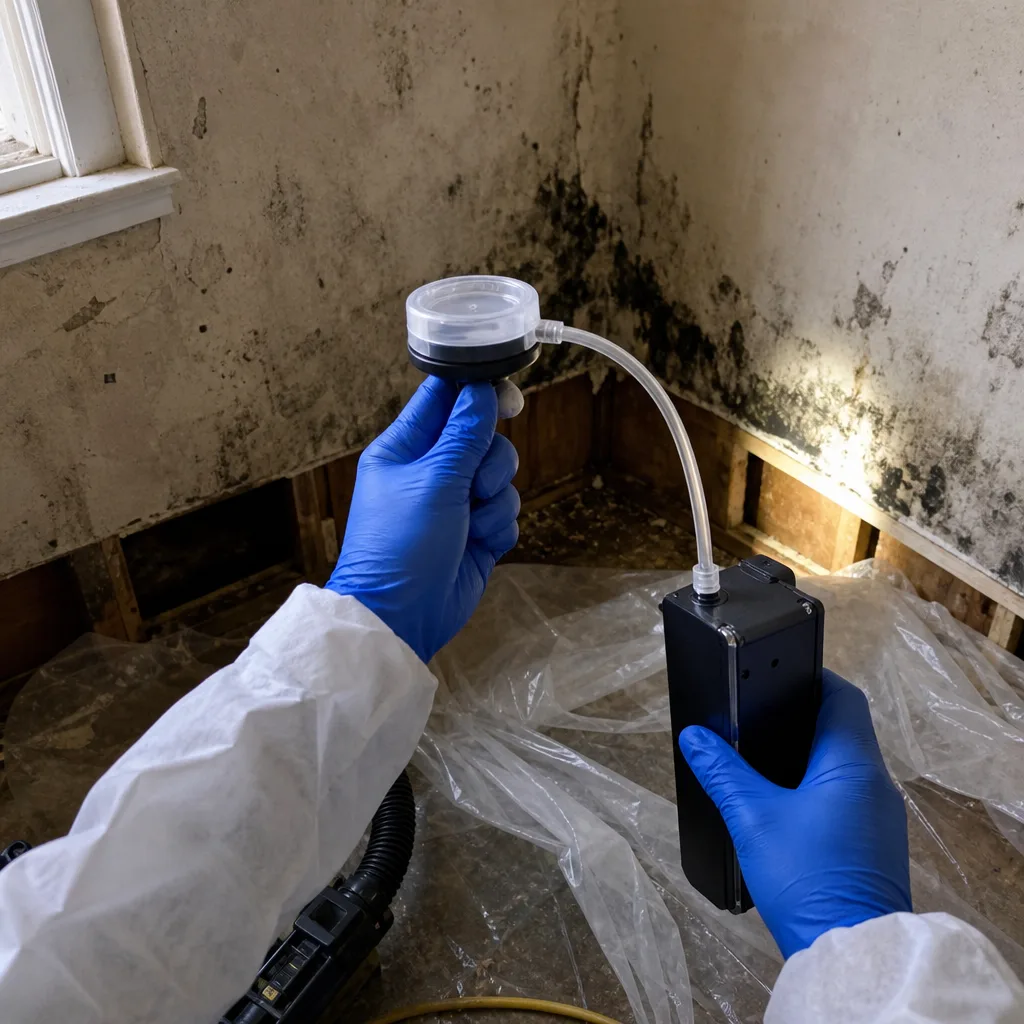
Black Mold Remediation
Stachybotrys and other toxigenic species require enhanced PPE, strict containment, and specialized disposal. We document every step for insurance and health department requirements, particularly in multi-unit Culver City buildings where tenant notification laws apply.
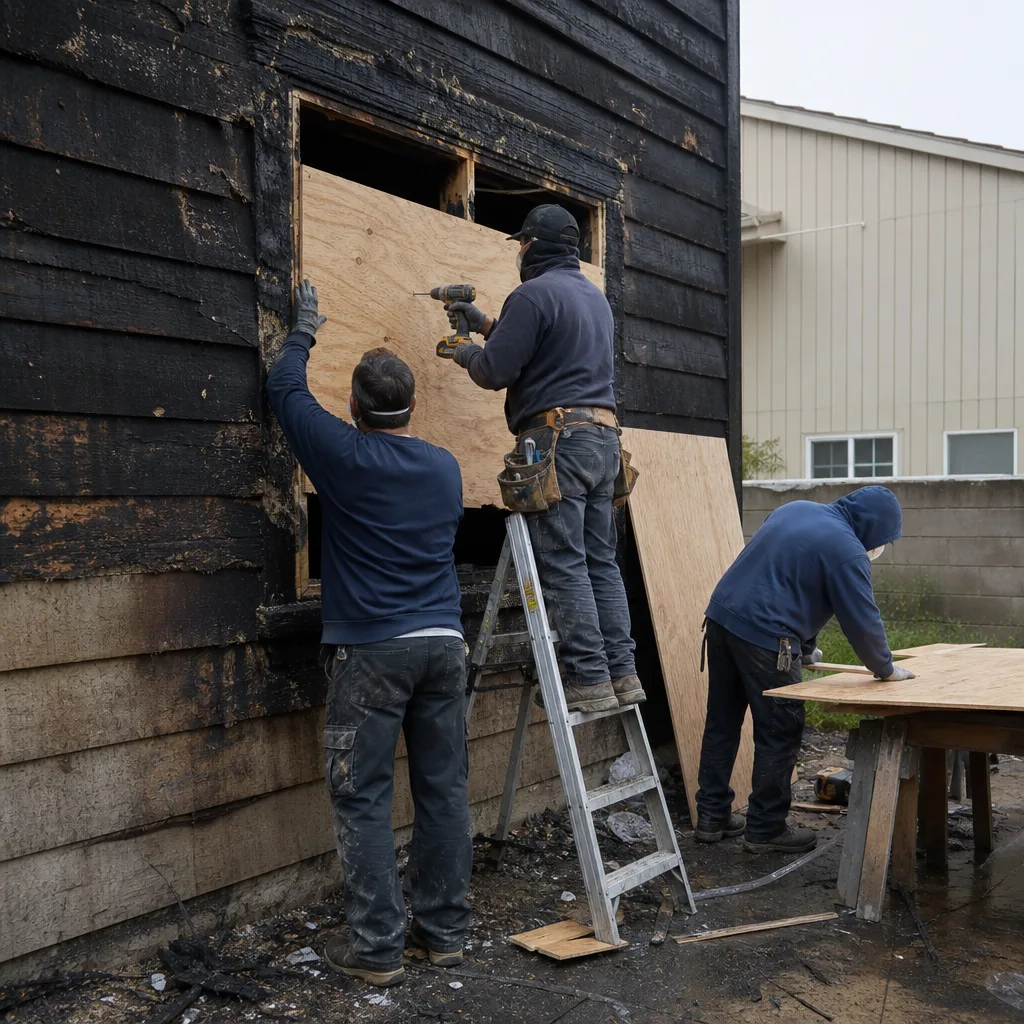
Air Quality Restoration
Post-remediation verification through airborne particle counting and spore trap analysis. We don’t declare a job complete until independent data confirms safe reoccupancy - critical for Culver City’s rental market where landlords need documented clearance for tenant turnover.
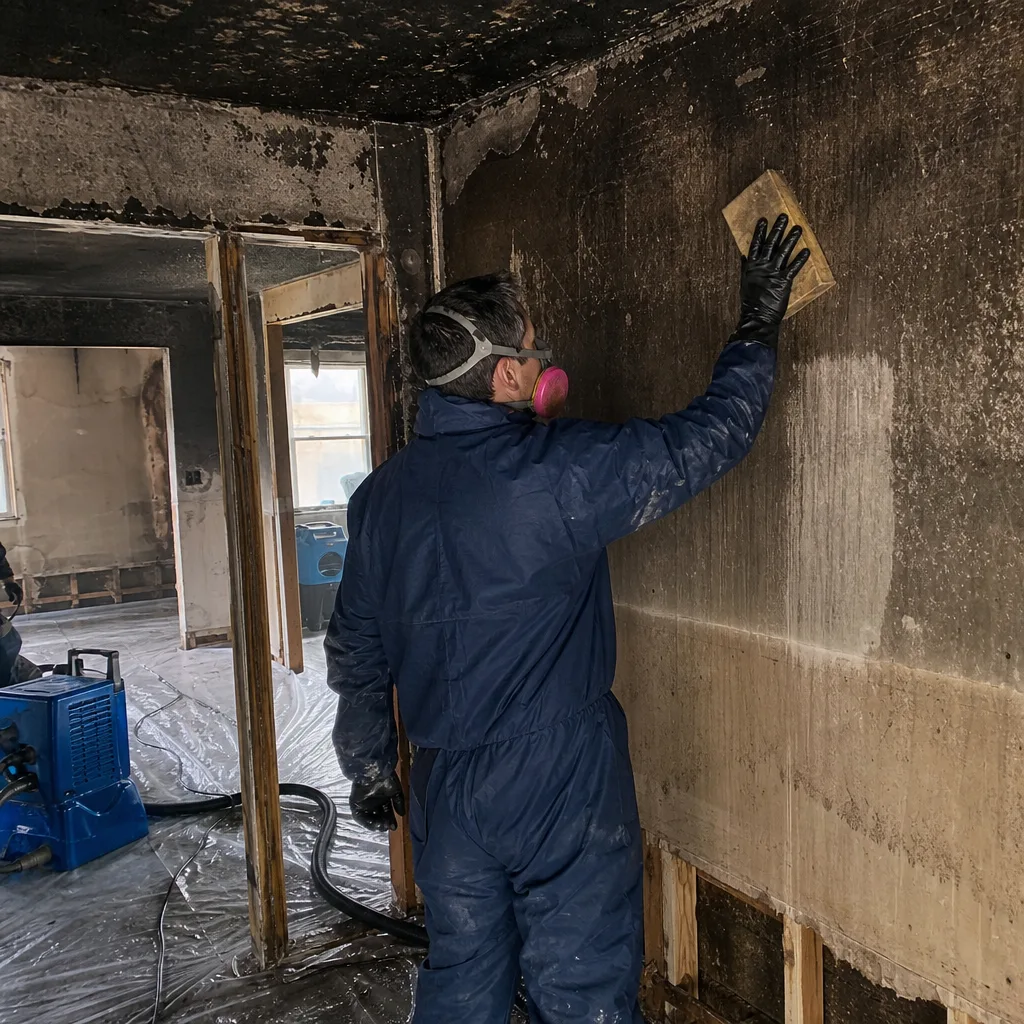
Crawl Space Treatment
Blair Hills and hillside Culver City properties with raised foundations benefit from vapor barrier installation, dehumidification, and structural wood treatment. The marine layer keeps crawl space relative humidity above 70% for months - prime conditions for wood-destroying fungi.
Moisture & Humidity Control
Long-term solutions beyond the immediate remediation: dehumidifier sizing for coastal conditions, ventilation improvements, and moisture monitoring systems. We size Dri-Eaz and Phoenix equipment for Culver City’s actual ambient conditions, not Phoenix or Las Vegas dryness.
What happens when you call
- 1
A real person answersNo phone trees - you reach a local pro.
- 2
You get an upfront price rangeHonest numbers before anyone is dispatched.
- 3
A background-checked tech heads outLicensed & insured, dispatched right away.
- 4
You approve before work beginsNothing starts until you say go.
Mold Remediation Costs in Culver City, CA
Mold inspection and testing in Culver City typically runs $250-$450 for residential properties, including lab analysis. Contained, single-room mold removal with no asbestos complications generally falls between $1,800-$3,500. Whole-home remediation involving multiple rooms, HVAC contamination, or black mold protocols ranges $4,500-$12,000.
What moves the price: asbestos abatement adds $1,500-$4,000 depending on square footage and material type; Category 3 water origins require more extensive removal and sanitation; multi-unit coordination adds project management hours. Insurance typically covers mold remediation when it results from a sudden, covered water loss - slow leaks and maintenance neglect usually don’t qualify. We provide a written scope before work begins, every time, with no additions once the crew is inside. Haven Standard, Clause 1.
Bring us a competitor’s written estimate and we’ll review it free - our Free Second Opinion policy.
We Also Serve Cities Near Culver City
Our crews respond throughout the coastal corridor: Playa Vista with its newer construction and different moisture patterns, Marina del Rey where marina-adjacent humidity mirrors Culver City’s challenges, Playa del Rey and the beach-close slab homes, and Venice with its mix of historic bungalows and modern builds. Each has distinct building stock and loss patterns; we adjust our drying calculations and documentation accordingly.
Serving Culver City, CA - Our Local Coverage Area
We’re based in the Culver City area and know this community well. Use the map below to see our service coverage - if you’re nearby, we can almost certainly help.
Culver City Mold Remediation Questions, Answered
How fast can mold start growing in a Culver City home after a hidden leak?
Visible mold colonization can appear in under 48 hours. Culver City’s marine-layer humidity keeps ambient relative humidity high enough that moisture trapped behind stucco walls doesn’t evaporate naturally - it feeds growth continuously. If you suspect a hidden leak, call (424) 372-0129 for a free visual inspection before the 48-hour window closes.
Why does mold remediation in Culver City require asbestos testing first?
Because roughly 80% of Culver City’s housing stock was built between 1940 and 1965, when asbestos floor tile, popcorn ceiling texture, and pipe insulation were standard. California law and EPA regulations prohibit disturbing these materials without testing and abatement. Contractors who skip this step face stop-work orders that delay drying past the mold window, turning a $2,000 job into a $10,000 job. We test first, every time.
Does living four miles from the beach really change mold remediation in Culver City?
Yes. The coastal marine layer keeps ambient relative humidity 15-25% higher than inland cities for much of the year. That means structural drying takes longer, dehumidifiers must be oversized for the actual conditions, and mold rebounds faster if drying is incomplete. We use psychrometric data from Culver City jobs, not inland tables, to size our Dri-Eaz and Phoenix equipment.
Can Ballona Creek flooding bring contaminated water into a Culver City slab home?
During heavy rain and El Niño events, yes. The channelized creek can backflow through storm drains into slab-foundation homes with no crawlspace buffer, converting what appears to be minor flooding into Category 3 contaminated water requiring full sewage protocols. If you see water entering from drains or low points near the creek corridor, treat it as contaminated and call (424) 372-0129 immediately.
What should a Culver City apartment owner do when an upstairs leak hits multiple units?
Document everything before touching anything, then call for immediate moisture mapping. In 1950s Culver City apartment buildings, a single upper-floor water loss cascades through asbestos-containing floor assemblies into multiple units, converting Category 1 water into Category 2 or 3 as it picks up contaminants. We coordinate with property management, test each unit independently, and maintain separate documentation for each insurance claim.
Will my insurance cover mold remediation in Culver City?
Insurance covers mold remediation when it results from a sudden, accidental water loss - burst pipe, appliance failure, storm intrusion. It generally does not cover mold from slow leaks, maintenance neglect, or pre-existing moisture problems. We document the loss origin with photos and moisture readings from our first visit, then coordinate directly with your adjuster to establish coverage. Call (424) 372-0129 and we’ll review your situation.
How long does mold remediation take in Culver City?
Single-room contained remediation: 3-5 days including drying. Multi-room or asbestos-complicated projects: 7-14 days. The marine layer extends drying phases compared to inland markets - we don’t rush to reconstruction before moisture logs confirm pre-loss equilibrium. Daily documentation keeps you and your adjuster informed throughout.
Can my family stay in the home during mold remediation?
For contained, small-area remediation (under 10 square feet, non-toxigenic species), often yes with containment barriers in place. For whole-room removal, black mold, or HVAC contamination, temporary relocation is safer and sometimes required by your insurance policy. We discuss occupancy with you before work begins and document the recommendation for your file.
Written by Alicia Brennan, Owner at Back to Dry Restoration, serving Culver City since 2011.
Mold Remediation in Nearby Areas