
Free visual inspection and a written scope of work before any mitigation begins - photos, moisture readings, and drying logs go in your claim file
The scope we write is the scope we bill. Anything new gets shown to you, in writing, before we touch it.
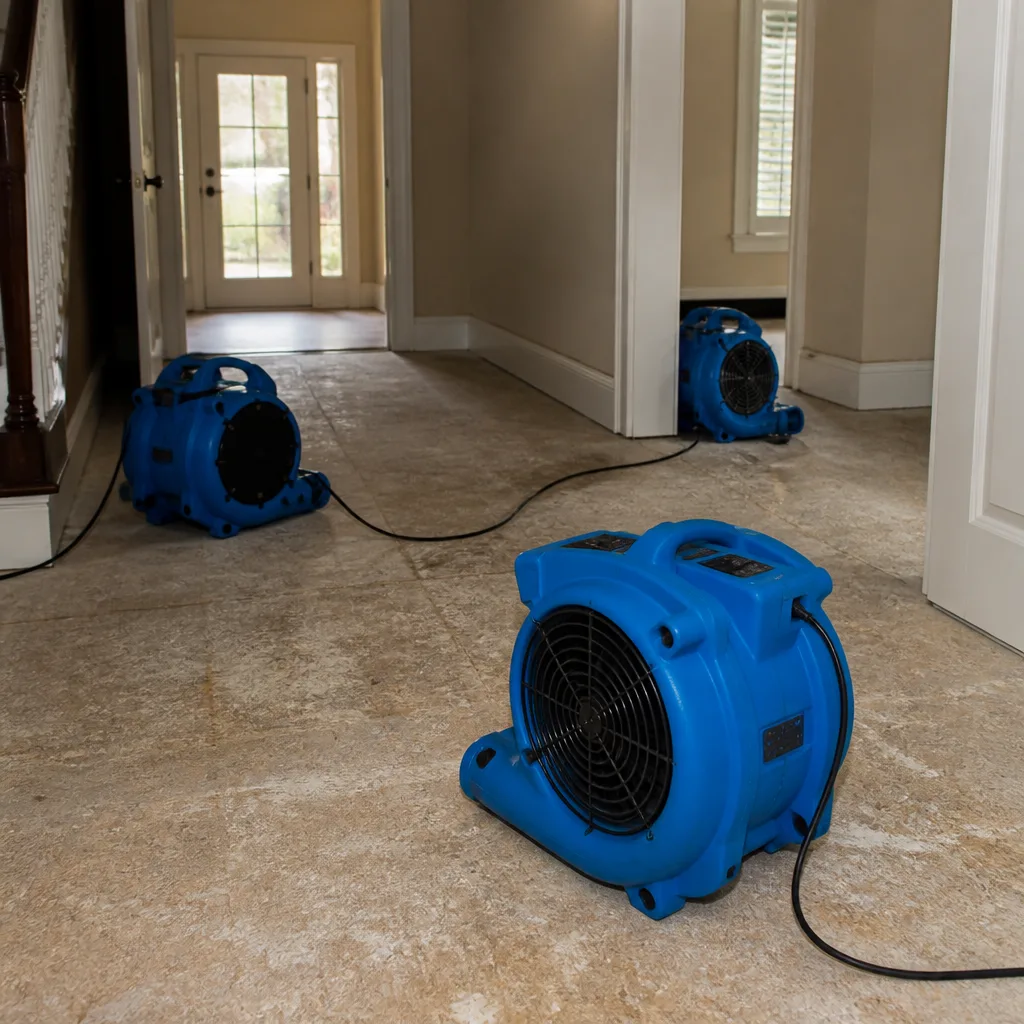
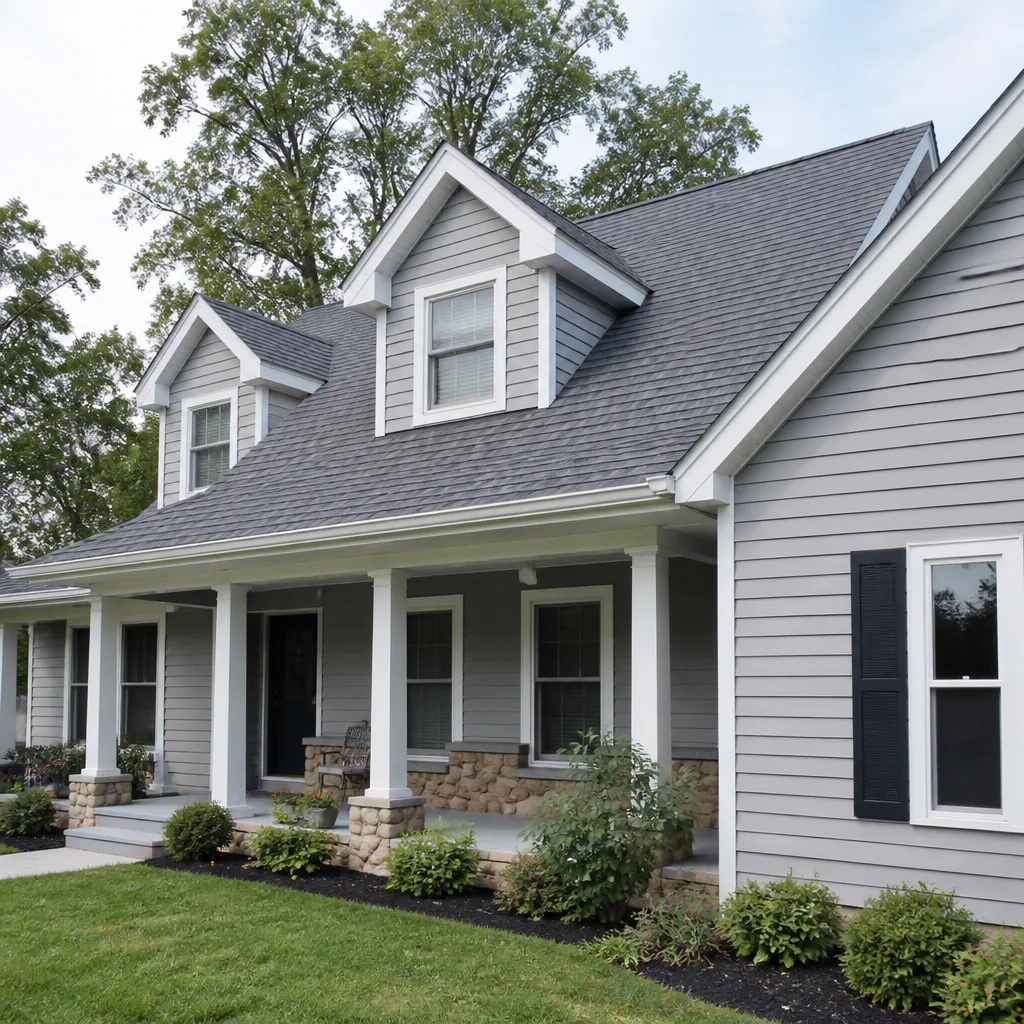
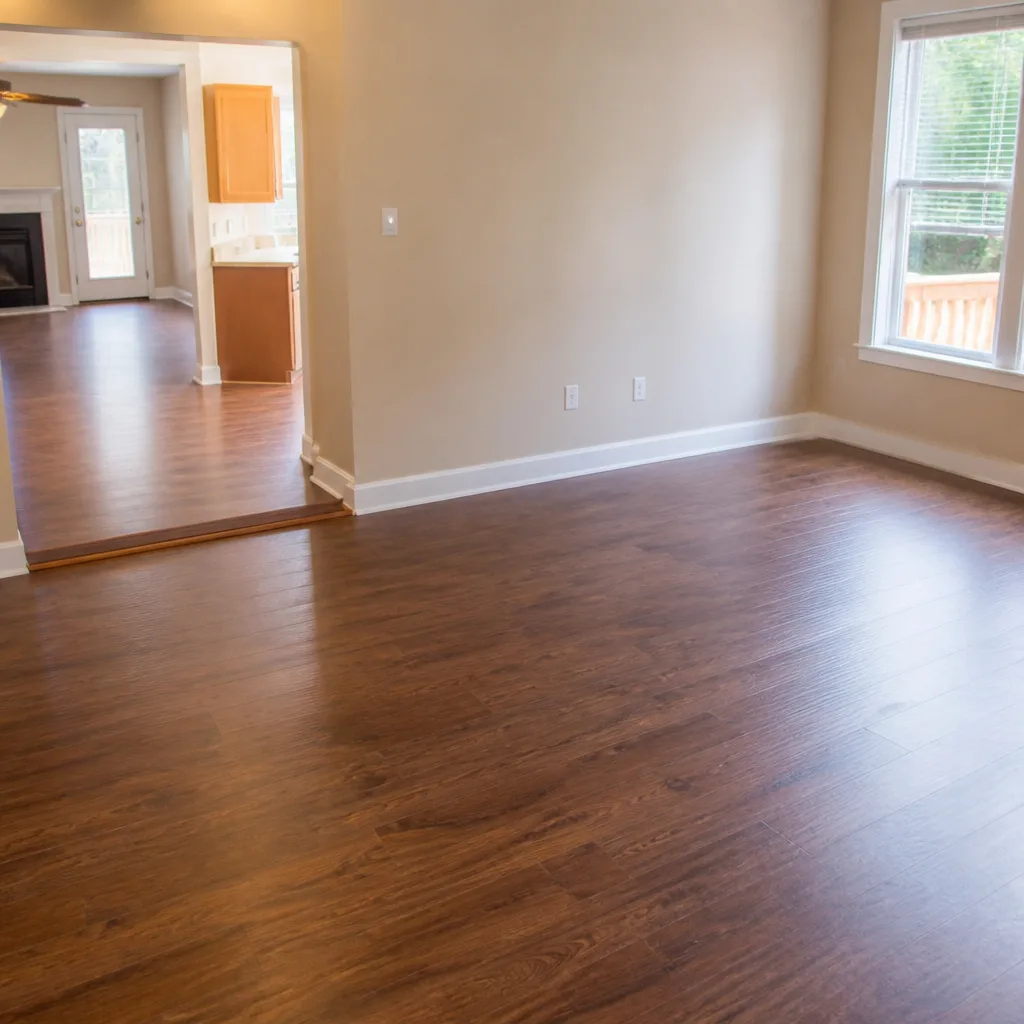
 Before
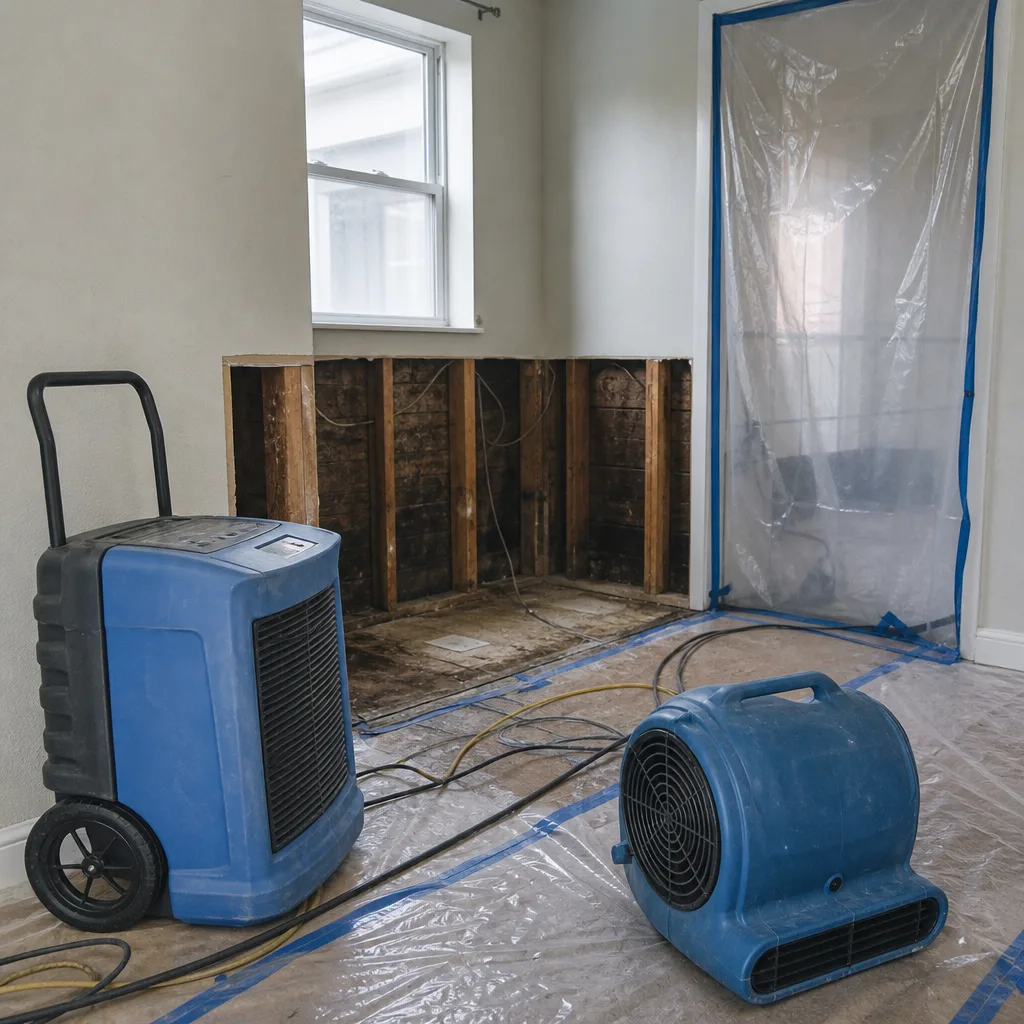 After
After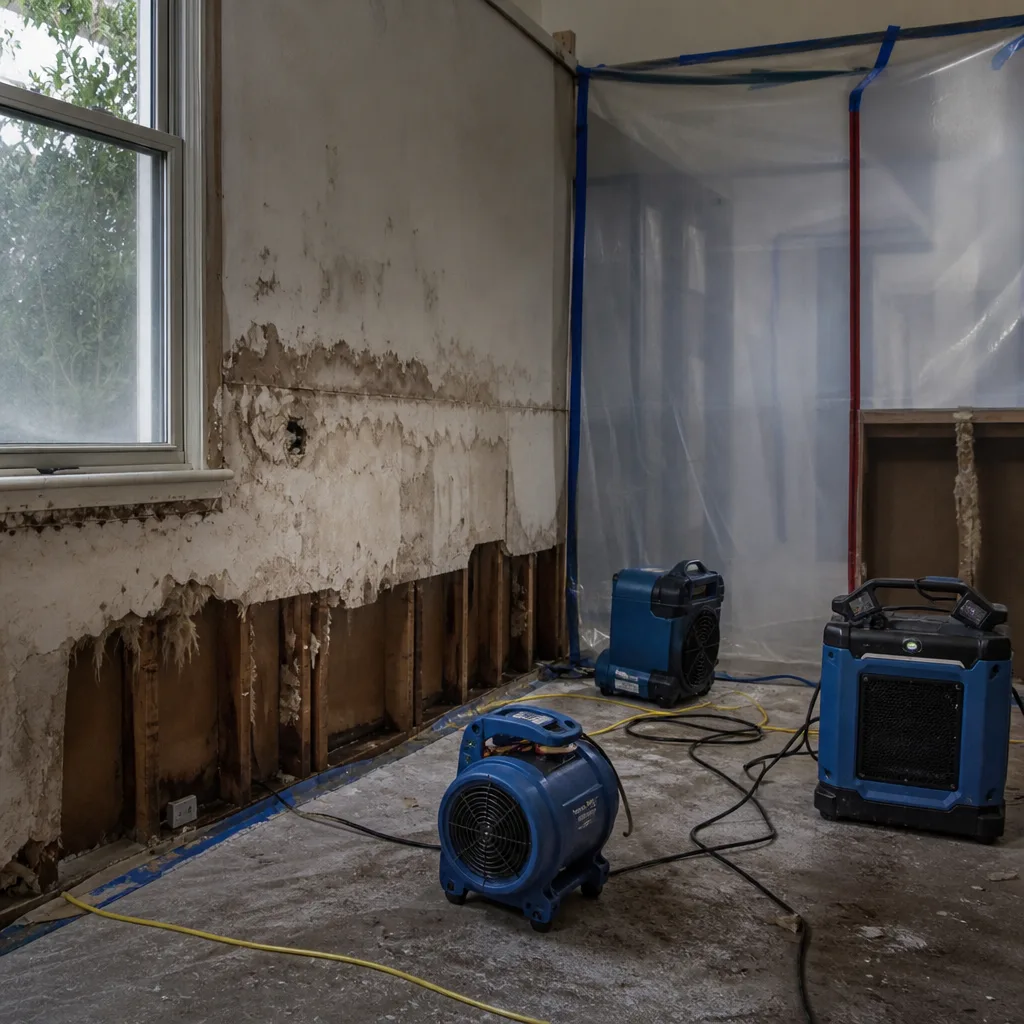 Before
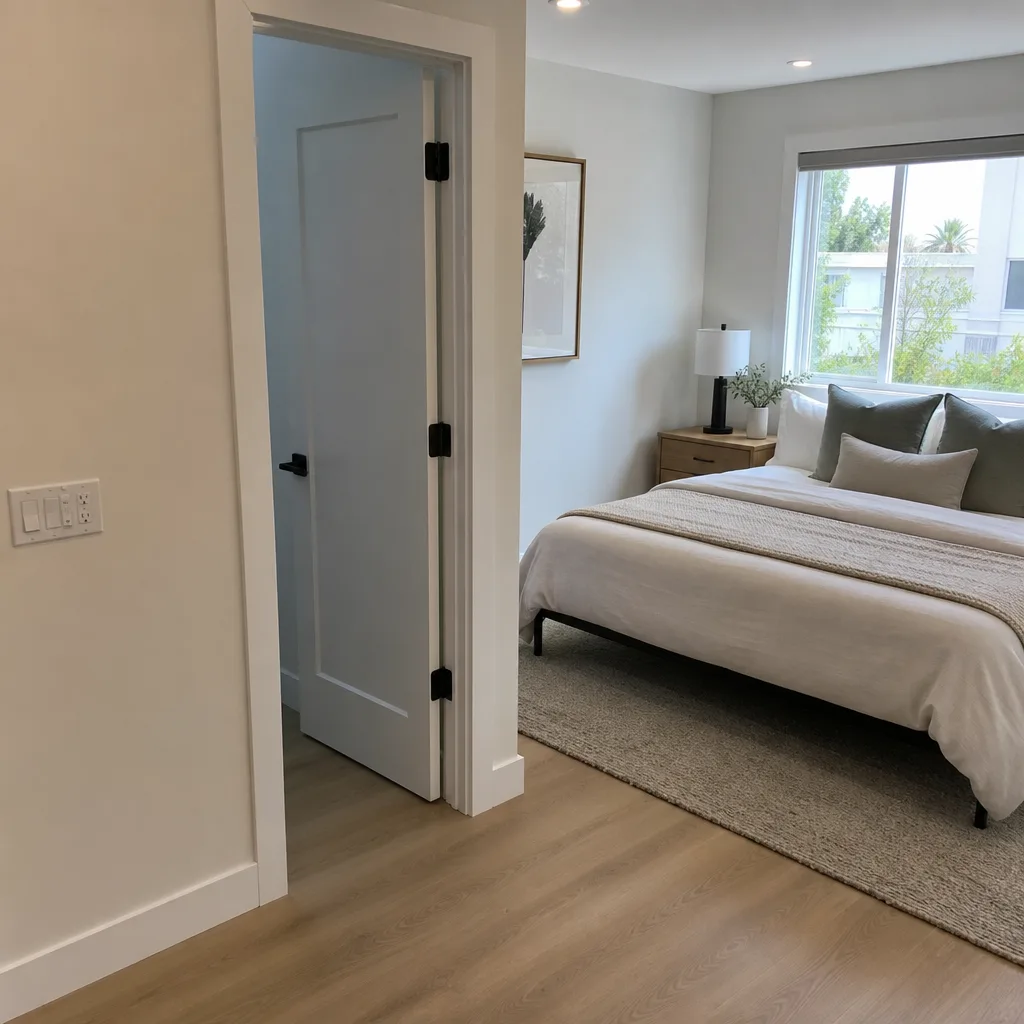 After
After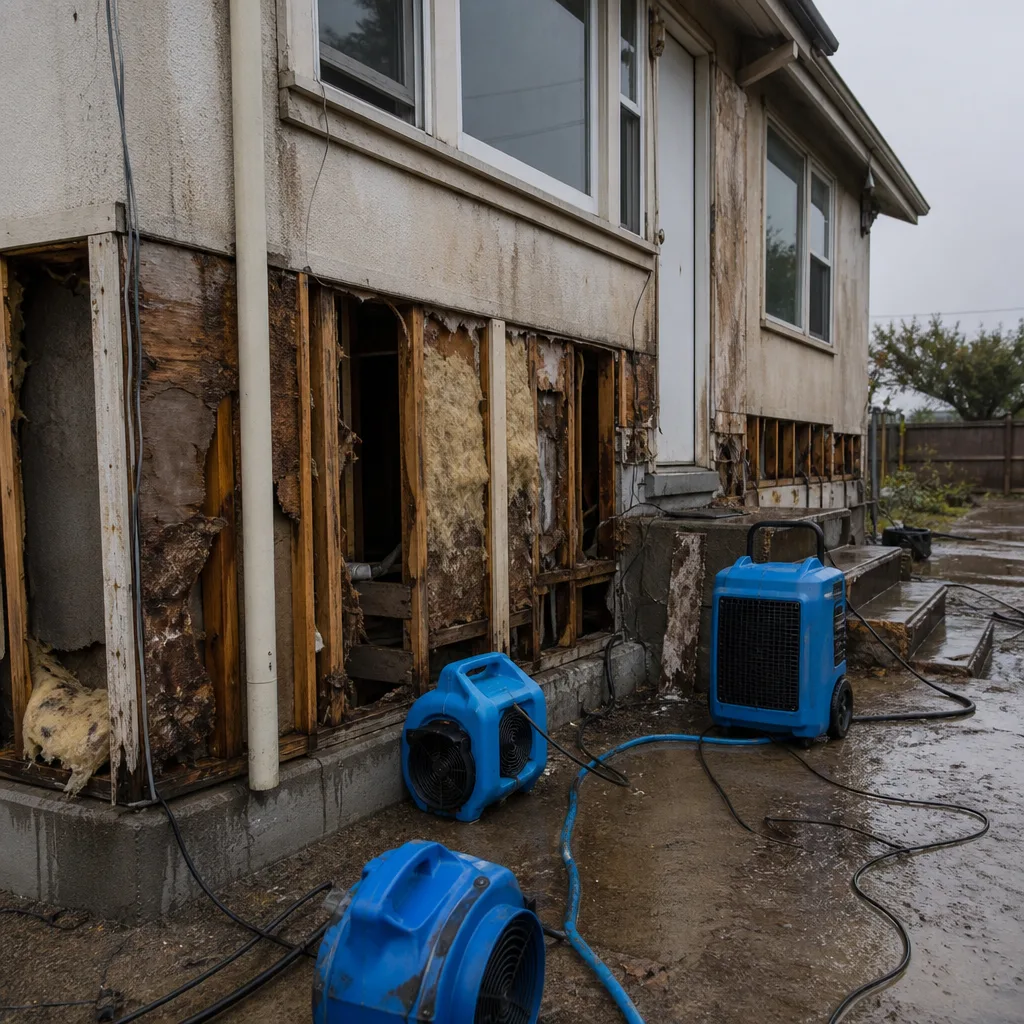 Before
 After
After24/7 Emergency Water Damage Restoration in West Hollywood
Water damage restoration in West Hollywood typically costs $2,800-$7,500 for a standard apartment or single-family mitigation, with emergency extraction starting at $180-$340 per hour and structural drying running $150-$280 per day depending on equipment load. Crews from our Water Damage Restoration in West Hollywood operation can be on-site within 45 minutes, and a live person answers every call at (424) 372-0129 - no voicemail, no callback queue, no automated system. The first hour is where most of the damage gets decided: water migrates horizontally through original plaster walls and vertically through slab penetrations at roughly one foot per hour in West Hollywood’s pre-war building stock, so extraction started by minute 60 versus minute 300 can be the difference between four days of drying and twelve days with full gutting.
Understanding Water Damage Restoration Severity in West Hollywood Properties
Water damage gets classified by what the water carries, not just how much of it there is. Category 1 is clean supply-line water - a burst copper or PEX line, an overflowing sink. Category 2 carries significant contamination - dishwasher discharge, washing machine overflow, water that has passed through building materials. Category 3 is grossly contaminated - sewage backup, ground water intrusion, or any water that has sat long enough to support bacterial amplification. In West Hollywood, we see Category 2 escalations constantly because galvanized supply lines in 1930s-1950s buildings corrode from the inside, releasing rust and sediment that changes the water classification the moment it hits the slab.
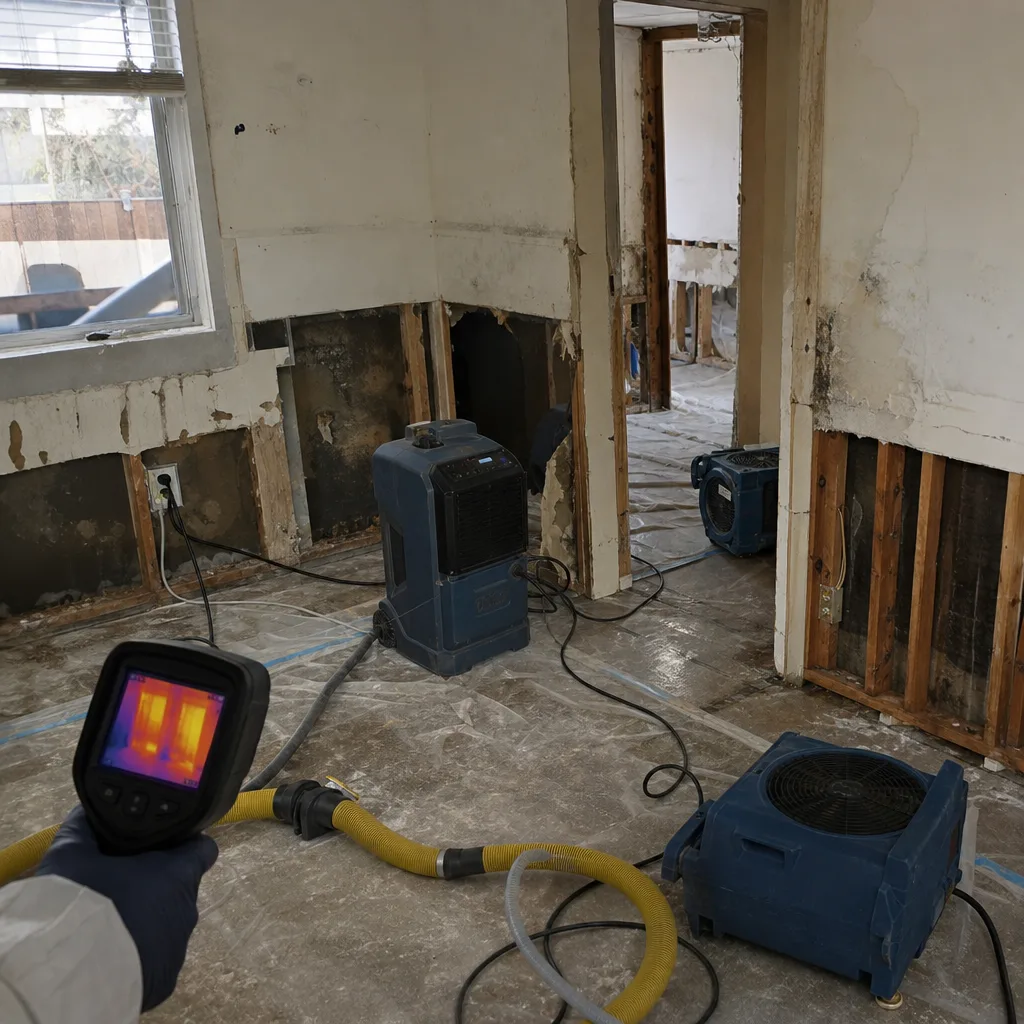
Moisture mapping with thermal imaging and non-penetrating meters lets us trace migration without tearing into original three-coat lime plaster that can’t be replaced with standard greenboard without city approval. Structural drying then uses psychrometric data - temperature, relative humidity, and vapor pressure differential - to calculate exactly how much moisture the air can hold and how fast we can pull it from plaster, stucco, and the old-growth framing common to WeHo’s courtyard apartments. Tertiary drying, the final phase most crews skip, targets bound moisture in dense materials that read dry on surface meters but still harbor enough water to support mold in West Hollywood’s mild winter humidity.
Why West Hollywood Property Owners Choose DryMark Restoration Venice
- 45-minute response commitment to any West Hollywood address, with dispatch coordinated from our Los Angeles office and crews already staged for the WeHo corridor.
- 24/7 live answer - a real person, never an automated system - every hour of every day, because water doesn’t wait for business hours and neither do we.
- IICRC-certified crews holding WRT (Water Damage Restoration Technician) and AMRT (Applied Microbial Remediation Technician) credentials, with license numbers provided on request before anyone arrives.
- Free visual inspection and written scope - no charge to assess, no pressure to commit, and a documented price before any equipment gets plugged in.
- Direct insurance billing with photo-documented drying logs that adjusters recognize and pay without dispute - Haven Standard, Clause 1: written price before work begins.
- One team from extraction through reconstruction, so the crew that mapped your moisture is the crew that signs off on the final walkthrough.
 Before
 After
AfterOur Water Damage Restoration Process
1. Inspection & Assessment
We arrive with thermal imaging cameras, penetrating and non-penetrating moisture meters, and hygrometers to map the full extent of migration - not just what you can see. In West Hollywood’s pre-war buildings, we pay special attention to slab penetrations and party-wall plaster because water travels differently through lime plaster than through modern drywall. You get a written scope and a firm price before any work starts.
2. Water Extraction & Stabilization
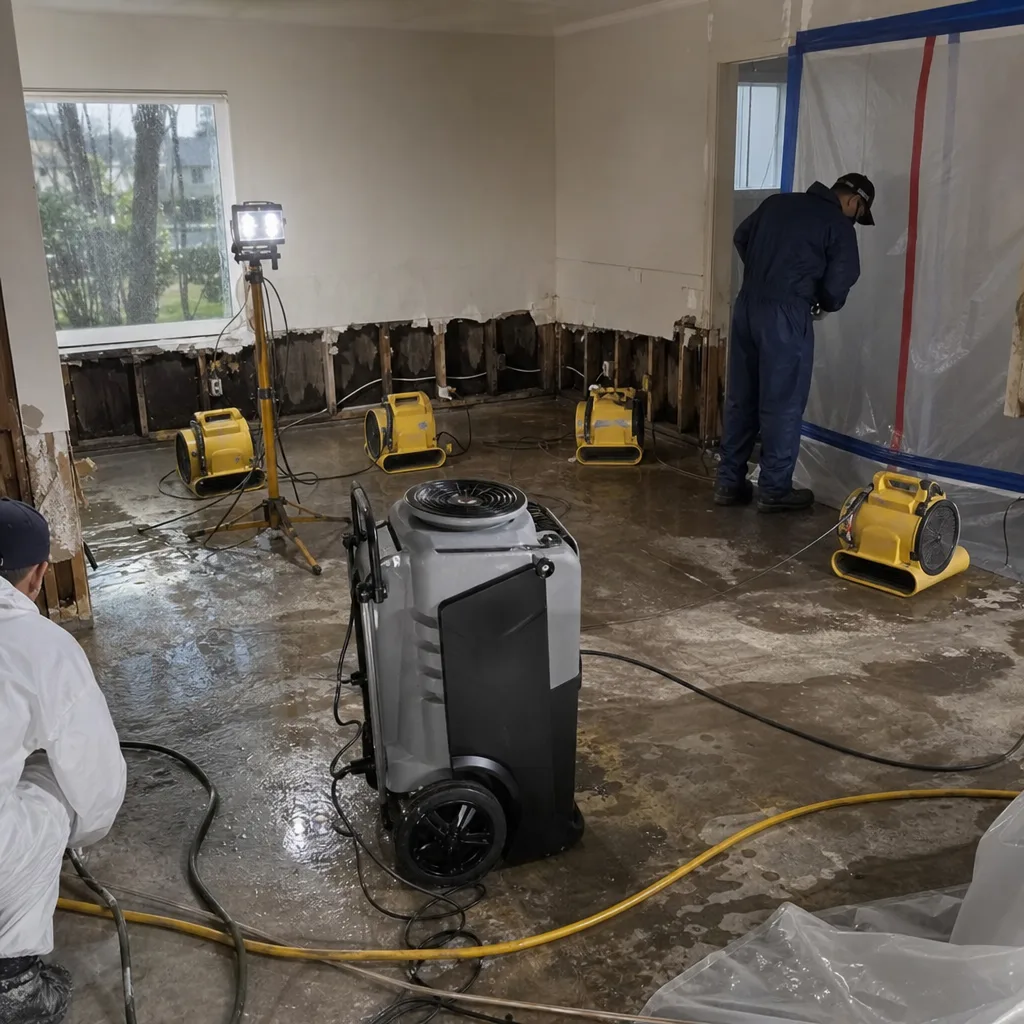
Truck-mounted extraction units and portable flood pumper systems remove standing water from carpet, tile, and slab surfaces. For Category 2 or 3 losses, we establish containment barriers and negative air pressure with HEPA scrubbers to prevent cross-contamination to unaffected units - critical in WeHo’s dense courtyard apartments where HVAC systems often interconnect.
3. Structural Drying & Dehumidification
We deploy Dri-Eaz and Phoenix LGR dehumidifiers alongside axial and centrifugal air movers positioned for optimal airflow across wet surfaces. Drying logs record temperature, relative humidity, and specific humidity every four hours, producing the documentation your insurer and, in West Hollywood rental properties, the Office of Rent Stabilization require to prove habitability restoration.
4. Cleaning & Sanitization
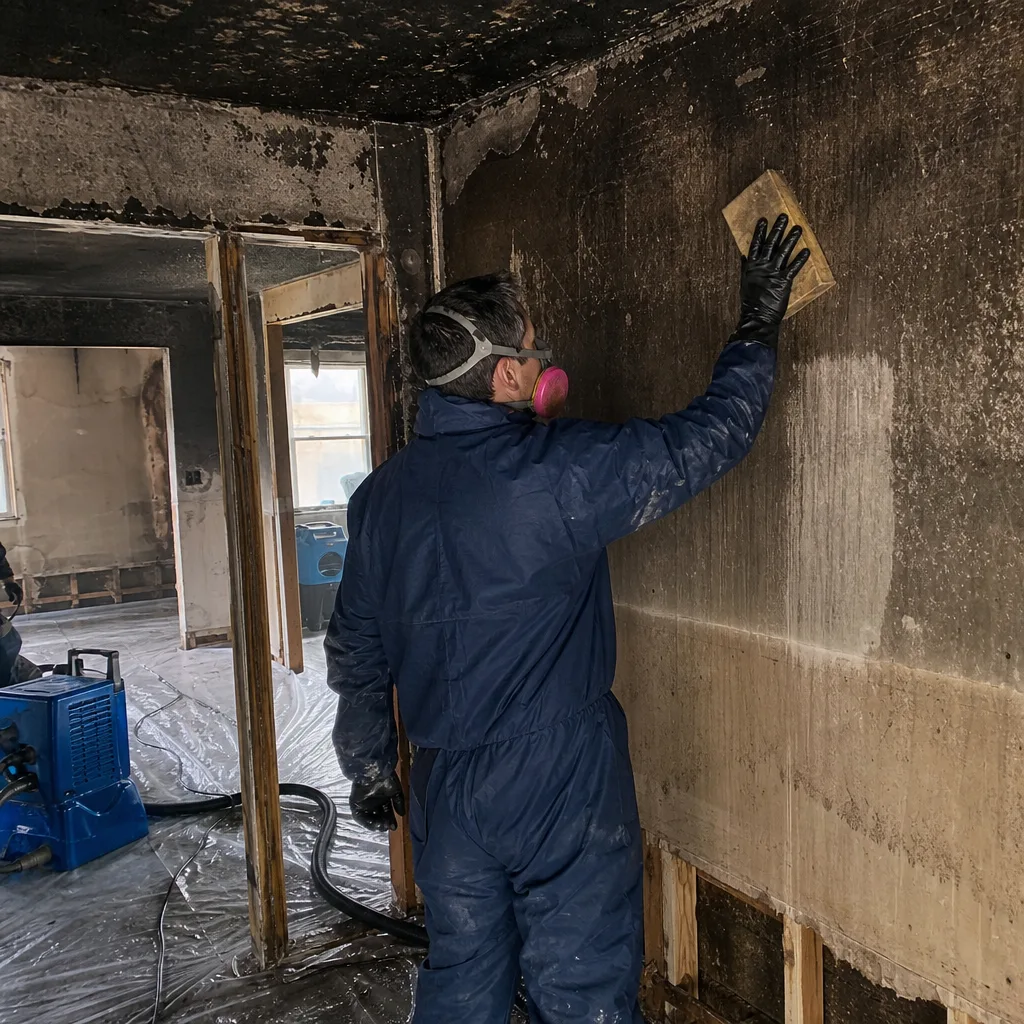
Antimicrobial application to affected surfaces, HEPA vacuuming of settled particulates, and ATP testing to verify biological load reduction. In Category 2 and 3 losses, we clean to IICRC S500 standards and document each treated area with before-and-after photos.
5. Specialty Treatment: Lime Plaster & Historic Fabric
West Hollywood’s original three-coat lime plaster walls demand a protocol most regional crews don’t carry: either in-place drying with controlled dehumidification and slow air movement to prevent cracking, or full re-plastering to match original texture and finish. We coordinate directly with WeHo’s building department when conversion to moisture-resistant drywall is requested, because the permit pathway and inspector assignments are distinct from Los Angeles city processes.
6. Repairs & Restoration
From plaster repair and paint match to full reconstruction of damaged kitchens and baths, our crew completes the job under the same 365-Day Done Right Promise that covers the mitigation phase. Final moisture readings, photo documentation, and a signed completion certificate close the file - and the insurance claim.
Need Emergency Water Damage Restoration in West Hollywood Now?
Crews minutes away, answering live 24 hours a day. The sooner we start, the less it costs.
Working With Your Insurance Company
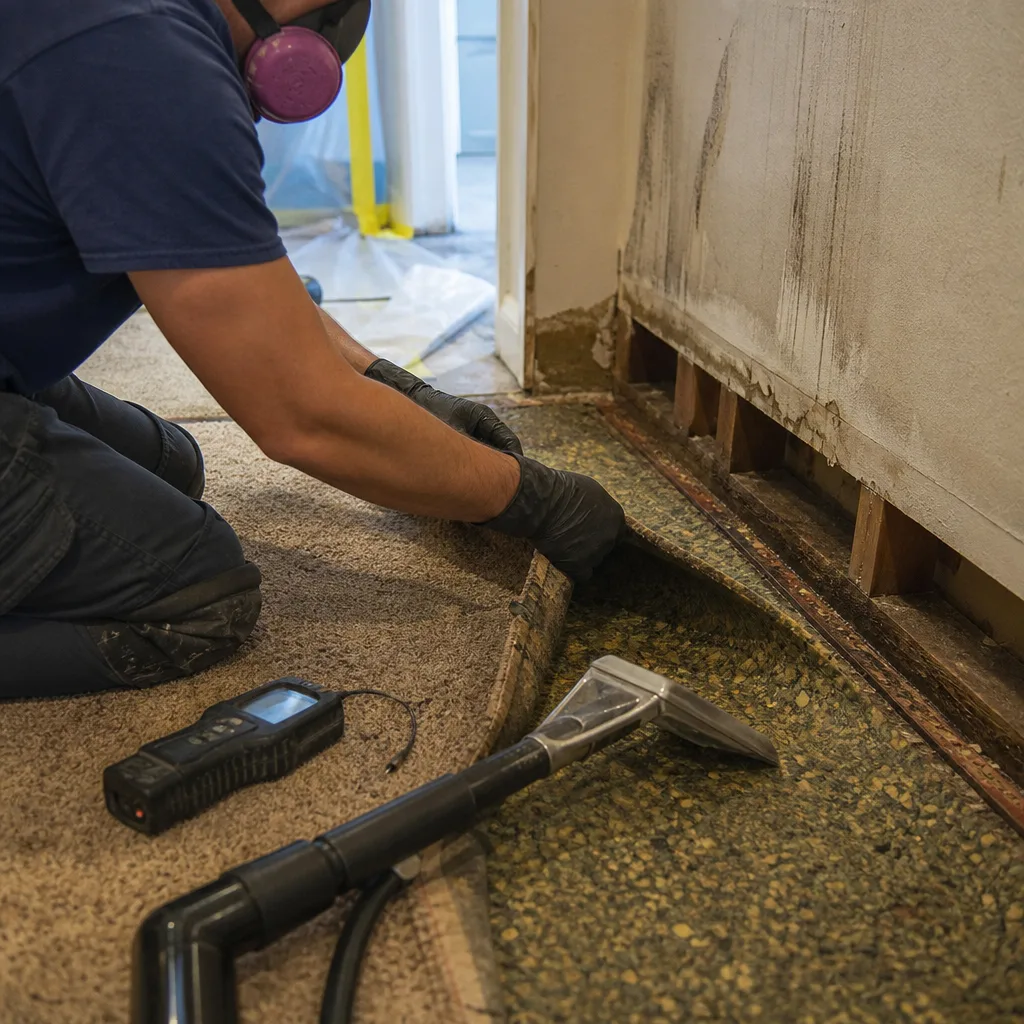
Every water damage claim in West Hollywood starts with documentation or it starts over. We photograph every room before equipment touches anything, record moisture readings at every structural point, and maintain daily drying logs that show exactly when materials returned to acceptable moisture content. Our estimates are built to Xactimate standards that adjusters recognize, and we communicate directly with your carrier’s representative - not through you as a relay - to resolve scope questions in hours rather than weeks.
For rental properties covered by West Hollywood’s Rent Stabilization Ordinance, this documentation serves a second purpose: proving to the Office of Rent Stabilization that a unit has been restored to habitable condition, stopping the relocation assistance clock that landlords otherwise pay at among the highest rates in the region.
What We Provide Your Insurer
- Thorough documentation of the loss
- Photos of all damage, room by room
- Moisture readings and drying logs
- A detailed, line-item scope of work
- Direct coordination with your carrier
Built for West Hollywood’s Loss Calendar
January through March brings atmospheric river events that overwhelm flat and low-slope built-up roofing on 1930s-1950s apartment buildings from the Sunset Strip to Melrose. These roofs were designed for brief winter precipitation, not sustained multi-day deluges, and the resulting ceiling and roof leak water damage often doesn’t show until water has saturated insulation and original plaster across multiple units. April and May see the transition to Santa Ana wind patterns that dry structures rapidly on the outside while trapping moisture inside walls - the perfect setup for hidden mold if drying wasn’t completed to tertiary phase standards.
June through October is burst pipe season in WeHo’s aging galvanized and early copper systems, as thermal expansion and soil movement stress connections that have been in service since the Eisenhower administration. November and December bring the second peak in roof failures as the first rains find the cracks that summer heat opened in roofing membranes. Year-round, slab leaks in buildings off Fountain Avenue, Havenhurst Drive, and the residential streets north of Santa Monica Boulevard generate Category 2 losses that migrate through original lime plaster party walls before anyone notices the water bill spike.
Water Damage Restoration Across West Hollywood’s Neighborhoods
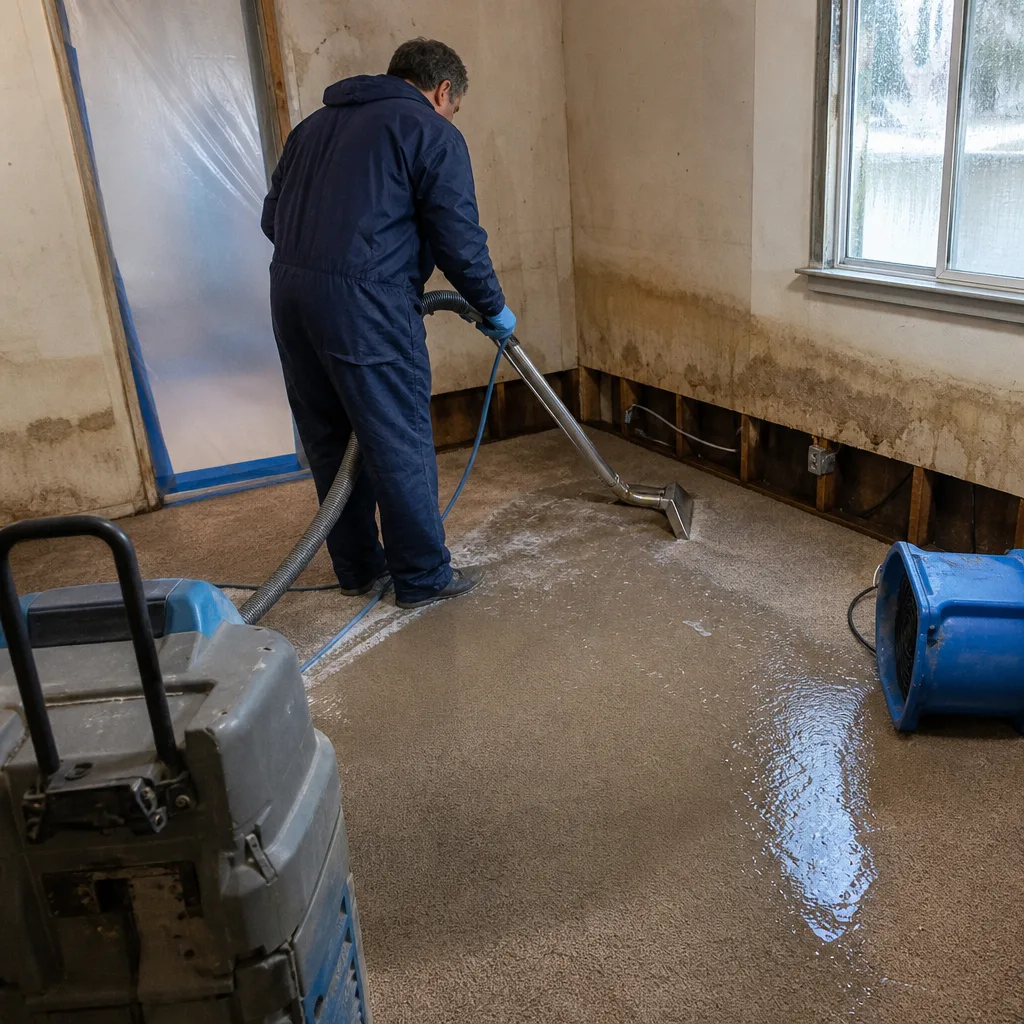
The West Hollywood West corridor, roughly between Doheny Drive and La Cienega Boulevard south of Santa Monica Boulevard, is dense with 1940s courtyard apartments whose original cast-iron drains are past their design life. We respond to ceiling collapses from upper-unit overflows several times each winter, and the proximity of units means containment and negative air pressure are non-negotiable from hour one.
North of Sunset Boulevard, the Hollywood Hills West foothill zone sees more roof leak water damage from wind-driven rain and ember intrusion during Santa Ana events. The terrain complicates equipment staging, and the larger lot sizes mean water can migrate through hillside grading before entering foundations - a pattern that looks like slab leak but traces back to exterior drainage failure.
The Melrose corridor and Design District mix commercial ground-floor spaces with residential above, creating Category 2 and 3 losses when restaurant or retail water lines fail into occupied units below. After-hours emergencies here require immediate extraction because the business below can’t operate with water cascading through their ceiling, and the residential tenants above face the same relocation clock as any rent-stabilized unit.
The Norma Triangle and streets around Plummer Park hold some of WeHo’s oldest 1920s Spanish Colonial stock, where original three-coat lime plaster and terra cotta sewer lines create restoration scenarios no template can cover. We’ve re-plastered walls in these buildings that regional crews had already marked for full gutting, saving landlords the permit complexity and tenant displacement that demolition would have triggered.
Specialized Water Damage Restoration Services We Offer in West Hollywood
Emergency Water Extraction
Standing water gets worse by the hour - not just in damage but in water classification, as clean Category 1 becomes contaminated Category 2 once it contacts building materials and microbial growth begins. Our truck-mounted extraction systems can pull thousands of gallons per hour from flooded West Hollywood apartments, with portable units for buildings where street access limits hose runs.
Structural Drying & Dehumidification
This is where most DIY and cut-rate efforts fail. We size dehumidification capacity to the specific volume and material density of your structure, using Phoenix and Dri-Eaz LGR units that maintain performance even in the high-humidity conditions of enclosed West Hollywood apartments. Every four hours, we log specific humidity, temperature, and vapor pressure differential to prove drying progress to your insurer and, for rental properties, to the Office of Rent Stabilization.
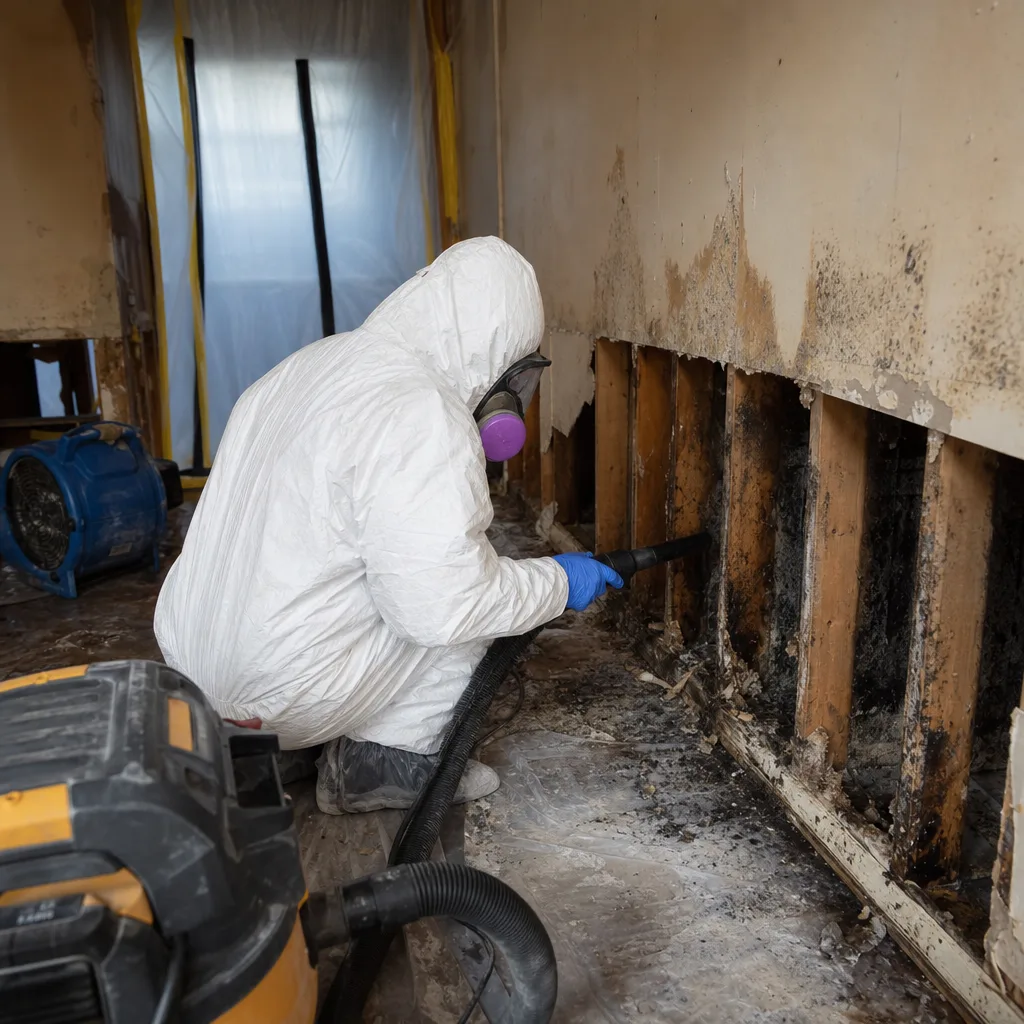
Flood Cleanup
Whether from overwhelmed roof drains during atmospheric river events or ground-level intrusion from failed perimeter drainage, flood damage in West Hollywood’s older buildings requires contamination assessment before any restoration begins. We test, classify, and document the water category before extraction starts, so your scope and your claim are built on defensible data.
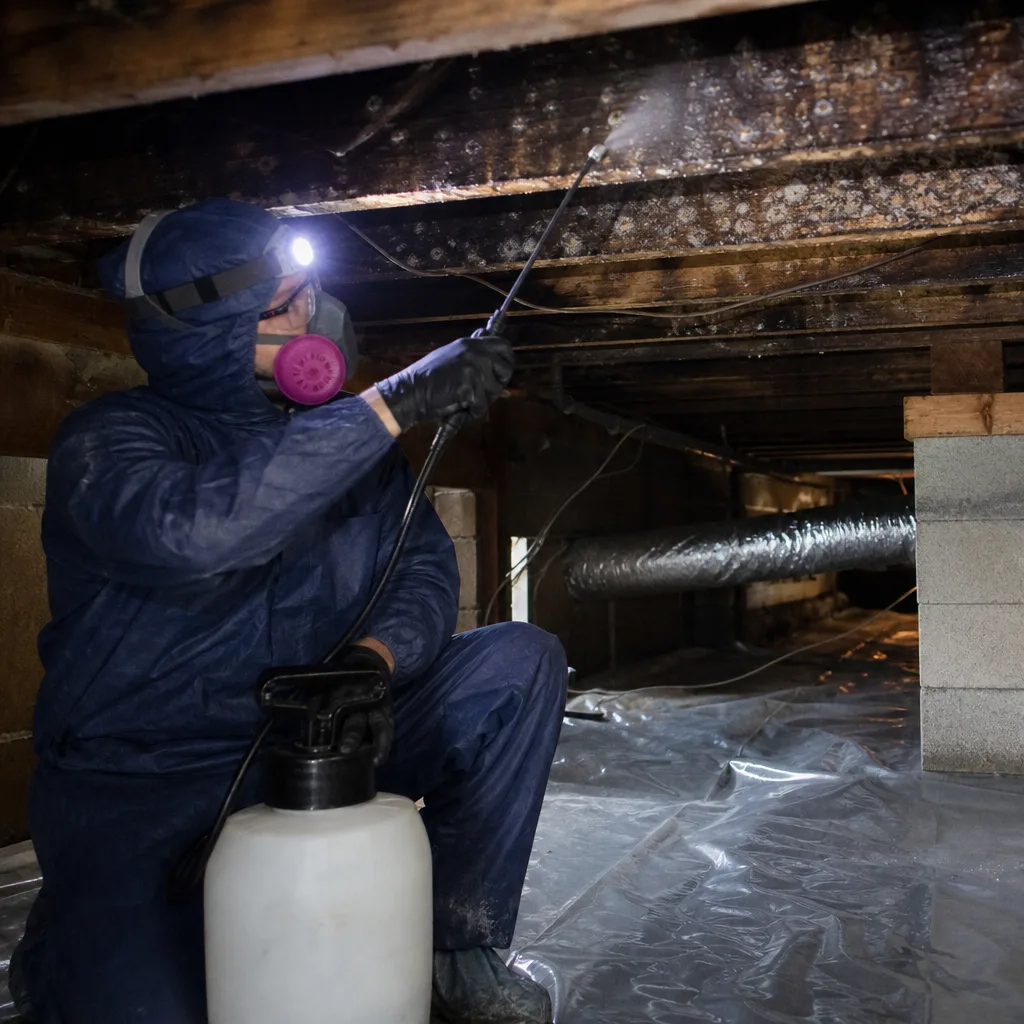
Burst Pipe Restoration
Galvanized supply lines in pre-1979 WeHo buildings corrode from the inside until pressure finds the weak point - often at slab penetrations or behind original plaster where the leak runs for days before detection. Our crews locate the breach with acoustic and thermal tools, extract the water, dry the structure, and coordinate with licensed plumbers for the repair, all under one documented scope with a single written price.
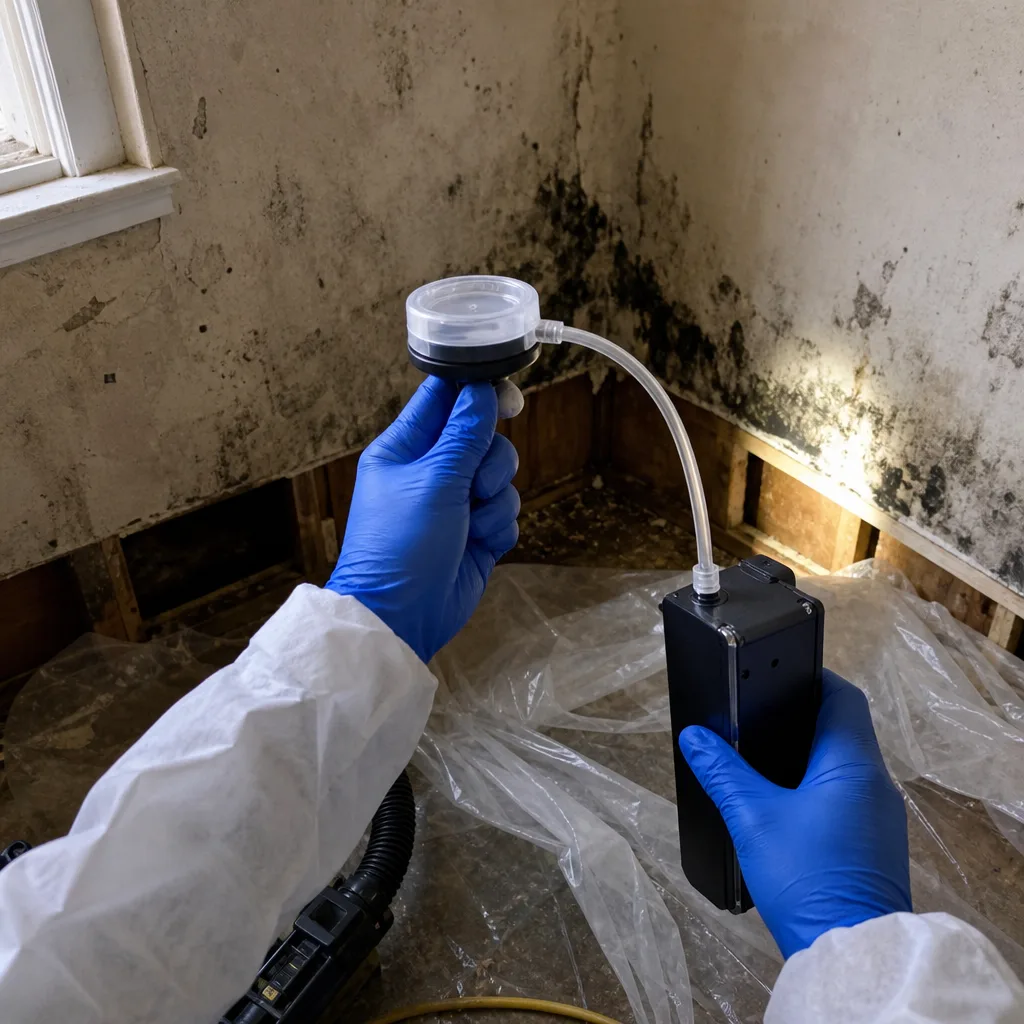
Basement Water Removal
Few West Hollywood buildings have true basements, but the hillside construction in the northern zones creates below-grade storage and parking areas that flood from perimeter drainage failure or upper-slope water migration. Submersible pumps, portable extraction, and specialized low-grain refrigerant dehumidification handle these confined spaces where standard equipment won’t fit.
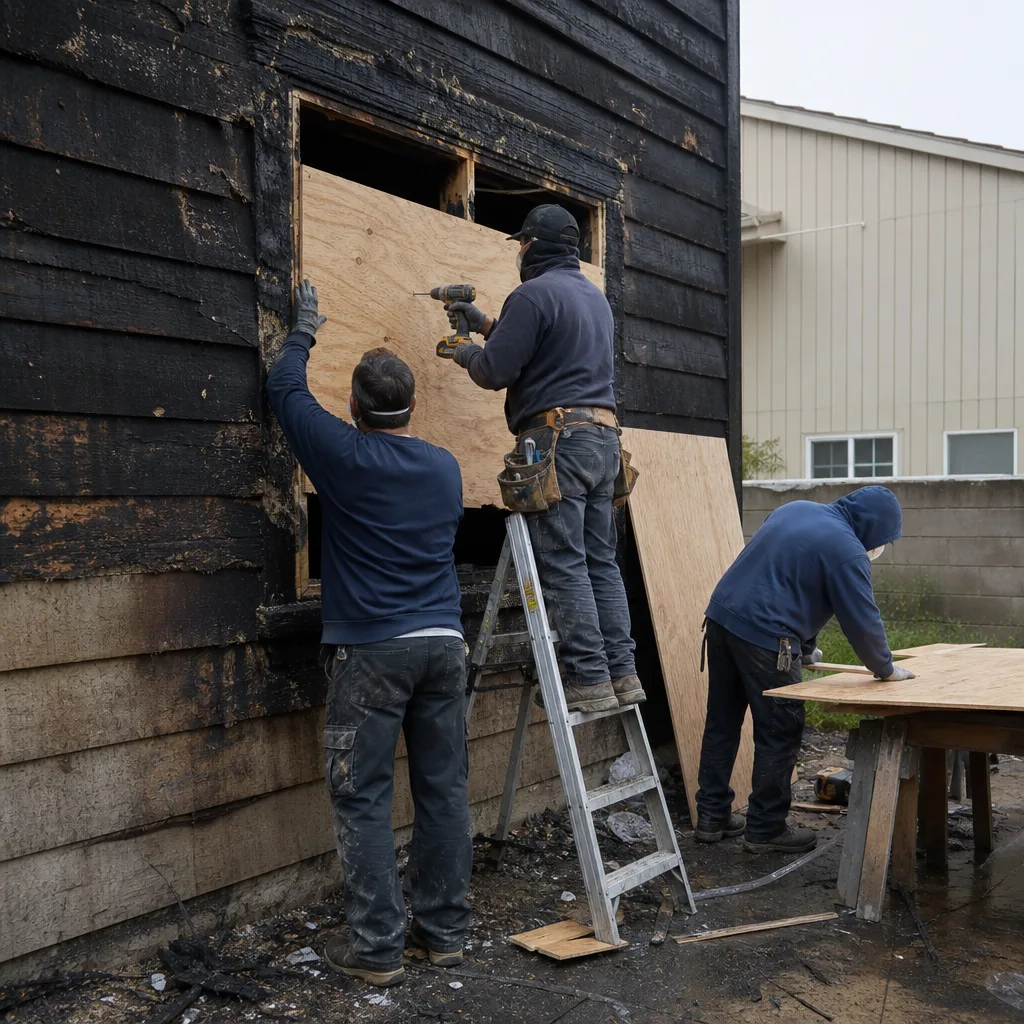
Ceiling & Roof Leak Water Damage
Flat-roofed 1930s-1950s buildings across West Hollywood suffer membrane failure under sustained rain, with water traveling along structural channels far from the actual breach point. We trace the true source with thermal imaging, remove saturated insulation and ceiling material, and dry the cavity before mold establishes - critical in buildings where the ceiling is original plaster that can’t be casually replaced.
What happens when you call
- 1
A real person answersNo phone trees - you reach a local pro.
- 2
You get an upfront price rangeHonest numbers before anyone is dispatched.
- 3
A background-checked tech heads outLicensed & insured, dispatched right away.
- 4
You approve before work beginsNothing starts until you say go.
Water Damage Restoration Costs in West Hollywood, CA
Emergency water extraction in West Hollywood runs $180-$340 per hour, with most residential calls requiring 2-4 hours of active extraction. Structural drying with professional dehumidification and air movement costs $150-$280 per day, typically 3-7 days for a standard apartment and 7-14 days for dense pre-war construction with lime plaster walls. Full mitigation including extraction, drying, cleaning, and minor repairs for a one-bedroom apartment with Category 1 water averages $2,800-$4,500; Category 2 or 3 losses, or damage affecting multiple units in a courtyard building, range $5,500-$7,500 and up depending on contamination level and the extent of plaster or material replacement.
What moves the price: water classification (Category 3 requires more containment and disposal), affected square footage, material density (lime plaster dries slower than drywall), and whether the loss triggers West Hollywood’s rent stabilization documentation requirements, which add coordination hours but protect landlords from far larger relocation penalties. Insurance typically covers sudden and accidental water damage from burst pipes or roof failures; gradual leaks and maintenance-related issues often fall to the property owner. We provide a free visual inspection and a written, line-item scope before any work begins - Haven Standard, Clause 1 - and we offer a Free Second Opinion on any competitor’s written estimate.
We Also Serve Cities Near West Hollywood
Our crews respond throughout the central LA basin, with regular service to Water Damage Restoration calls in Beverly Hills to the west, Culver City and Venice to the southwest, and Santa Monica to the northwest. Each city’s building department, housing stock, and insurance landscape differs, and our documentation protocols adapt to each jurisdiction’s requirements.
Serving West Hollywood, CA - Our Local Coverage Area
We’re based in the West Hollywood area and know this community well. Use the map below to see our service coverage - if you’re nearby, we can almost certainly help.
West Hollywood Water Damage Restoration Questions, Answered
Why does water damage remediation in a West Hollywood rent-stabilized apartment involve the city more than in other LA areas?
West Hollywood’s Rent Stabilization Ordinance, enforced by its own Office of Rent Stabilization, requires landlords to pay relocation assistance the moment a rental unit is deemed uninhabitable from water damage - currently among the highest required payments in the region. This puts a financial clock on every mitigation timeline that doesn’t exist in neighboring Beverly Hills or unincorporated LA County. Restoration contractors must actively coordinate documentation and habitability certification with that city office, and late or incomplete paperwork turns a drying job into an enforcement problem. Call (424) 372-0129 and we’ll explain how our drying logs are formatted specifically for WeHo’s review process.
Can you dry out original lime plaster walls in a 1930s WeHo courtyard apartment, or do they have to come out?
Original three-coat lime plaster can often be dried in place with controlled dehumidification and slow, even air movement that prevents cracking - but it requires a protocol most regional crews don’t carry. We got a call to a 1938 Spanish Colonial courtyard building off Fountain Avenue near La Jolla Avenue where a galvanized supply line under a bathroom slab had finally let go, pushing Category 2 water into the original three-coat lime plaster walls on both sides of the unit. Our techs ran moisture mapping across the plaster to trace the migration, set up a containment and air movers alongside a Phoenix dehumidification unit, and pulled structural drying logs every four hours because the landlord needed documentation for the Office of Rent Stabilization before the relocation clock forced a tenant payout. The plaster read dry on the meter after four days but the walls couldn’t be closed out with greenboard without WeHo building department sign-off, so we re-plastered to match the original finish. Call (424) 372-0129 for a free inspection and we’ll assess whether your plaster can be saved.
How fast does mold become a problem after a pipe leak in a West Hollywood apartment?
Mold colonization can begin on wet organic materials in 24-48 hours under favorable conditions, and West Hollywood’s mild winter temperatures and enclosed apartment environments often provide those conditions year-round. Original lime plaster is less mold-susceptible than modern drywall, but the wood lath behind it and any cellulose insulation are vulnerable. The critical window is the first 24 hours for extraction and the first 72 hours for active drying. Our crews arrive with moisture meters and dehumidification equipment to collapse that window - call (424) 372-0129 for immediate response.
What’s the difference between Category 1, 2, and 3 water when a West Hollywood building has a slab leak or roof leak?
Category 1 is clean water from a supply line - initially safe, but it becomes Category 2 once it contacts building materials, soil, or sits more than 24 hours. Category 2 carries significant contamination and requires cleaning and antimicrobial treatment. Category 3 is grossly contaminated - sewage, ground water, or water that has supported bacterial growth. In West Hollywood’s older buildings, a slab leak from a corroded galvanized line often releases Category 2 water from the start because of rust and sediment content, and a roof leak that penetrates built-up roofing and insulation picks up contaminants before it reaches your ceiling. We test and classify on arrival, document the classification with photos, and build the scope accordingly - call (424) 372-0129 for assessment.
Do West Hollywood’s flat-roof 1930s-1950s apartment buildings handle atmospheric river storms differently than newer construction?
They handle them worse, and the failure mode is specific to the era. These buildings used built-up roofing with gravel ballast on minimal slope, designed for brief winter rain, not sustained multi-day atmospheric river precipitation. The membrane redundancy is thin by modern standards, and decades of Santa Ana wind exposure have dried and cracked the asphalt layers. Water enters at seams and penetrations, then travels along structural channels far from the visible leak point. We trace these with thermal imaging and document the full migration path before any repair scope is written - call (424) 372-0129 for roof leak assessment.
How long does structural drying take in a typical West Hollywood apartment?
Standard drywall and framing in a modern building: 3-5 days. Original three-coat lime plaster and dense stucco in a 1930s-1950s WeHo courtyard building: 5-10 days, sometimes longer if tertiary drying is required to reach bound moisture in the plaster matrix. We don’t guess at completion; we log specific humidity, temperature, and moisture content every four hours and release equipment only when readings meet IICRC dry standards. Your insurer and, for rental properties, the Office of Rent Stabilization receive the complete log. Call (424) 372-0129 for timeline specifics on your building type.
Can we stay in the apartment during water damage restoration?
Sometimes, depending on water classification, affected areas, and whether containment can isolate the work zone. Category 1 losses limited to one room often allow occupancy with air filtration running. Category 2 or 3 losses, or damage affecting bathrooms, kitchens, or multiple rooms, usually require relocation - and in West Hollywood rent-stabilized units, that triggers the landlord’s relocation assistance obligation through the Office of Rent Stabilization. We document habitability status at every phase so all parties know where they stand. Call (424) 372-0129 to discuss your specific situation.
What should I do in the first 30 minutes after discovering water damage?
Shut off the water source if you can locate and safely operate the valve. Turn off electricity to affected areas if water has reached outlets or switches. Remove small valuables and electronics from the wet zone. Then call (424) 372-0129 - don’t wait for morning, don’t try to extract standing water yourself if the source is still active, and don’t cut into walls to “help” the drying. In West Hollywood’s pre-war buildings, unauthorized demolition of original lime plaster can complicate your permit path and your insurance claim. Our live dispatcher will guide you through immediate steps while crews are en route.
Written by Alicia Brennan, Owner at Back to Dry Restoration, serving West Hollywood since 2011 under The Haven Standard.
Water Damage Restoration in Nearby Areas