

Free visual inspection and a written scope of work before any mitigation begins - photos, moisture readings, and drying logs go in your claim file
The scope we write is the scope we bill. Anything new gets shown to you, in writing, before we touch it.
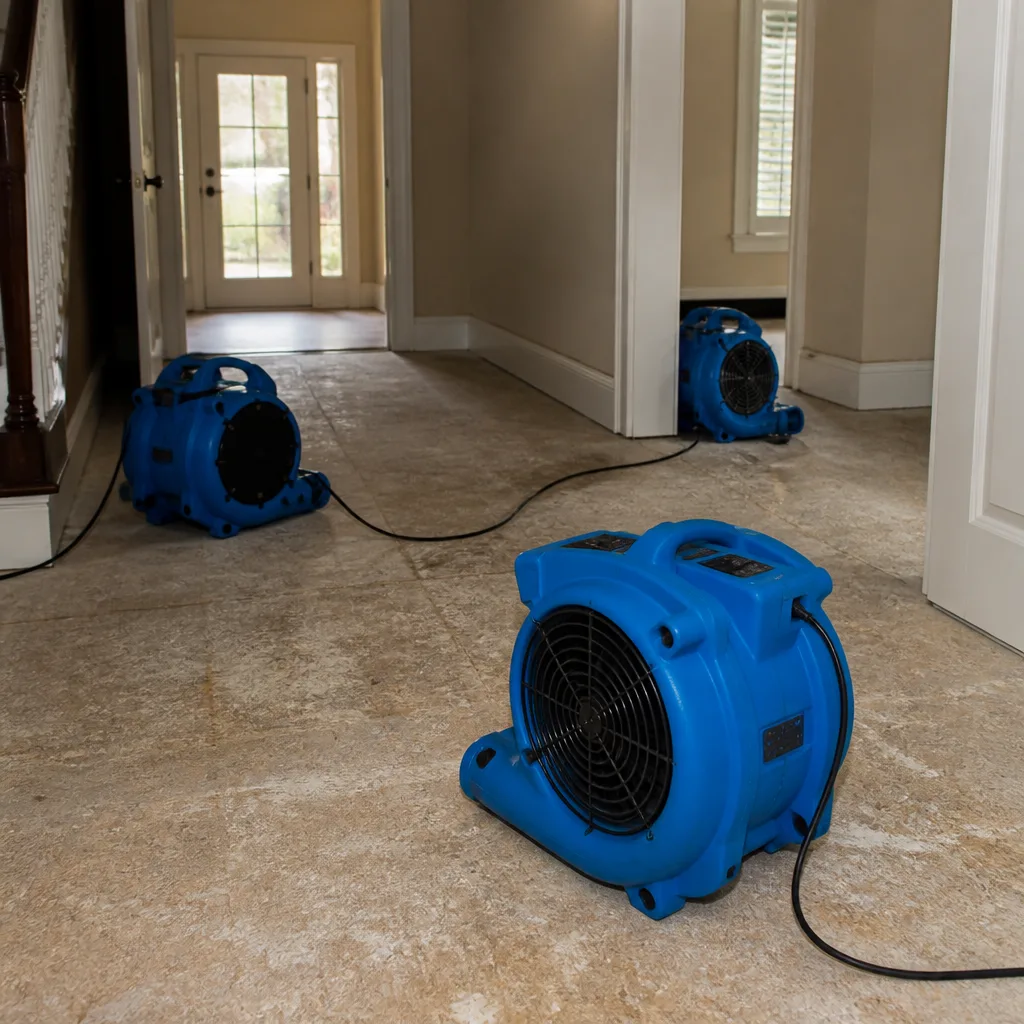
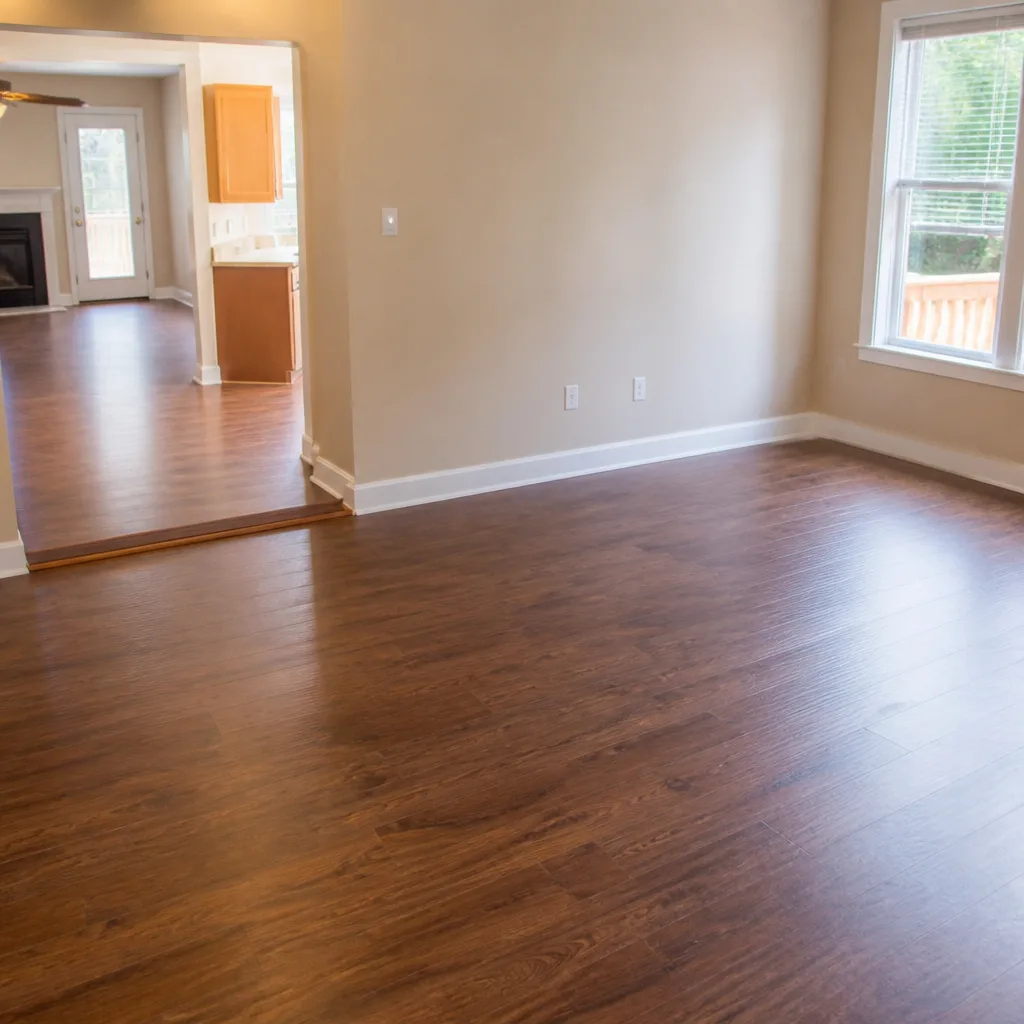
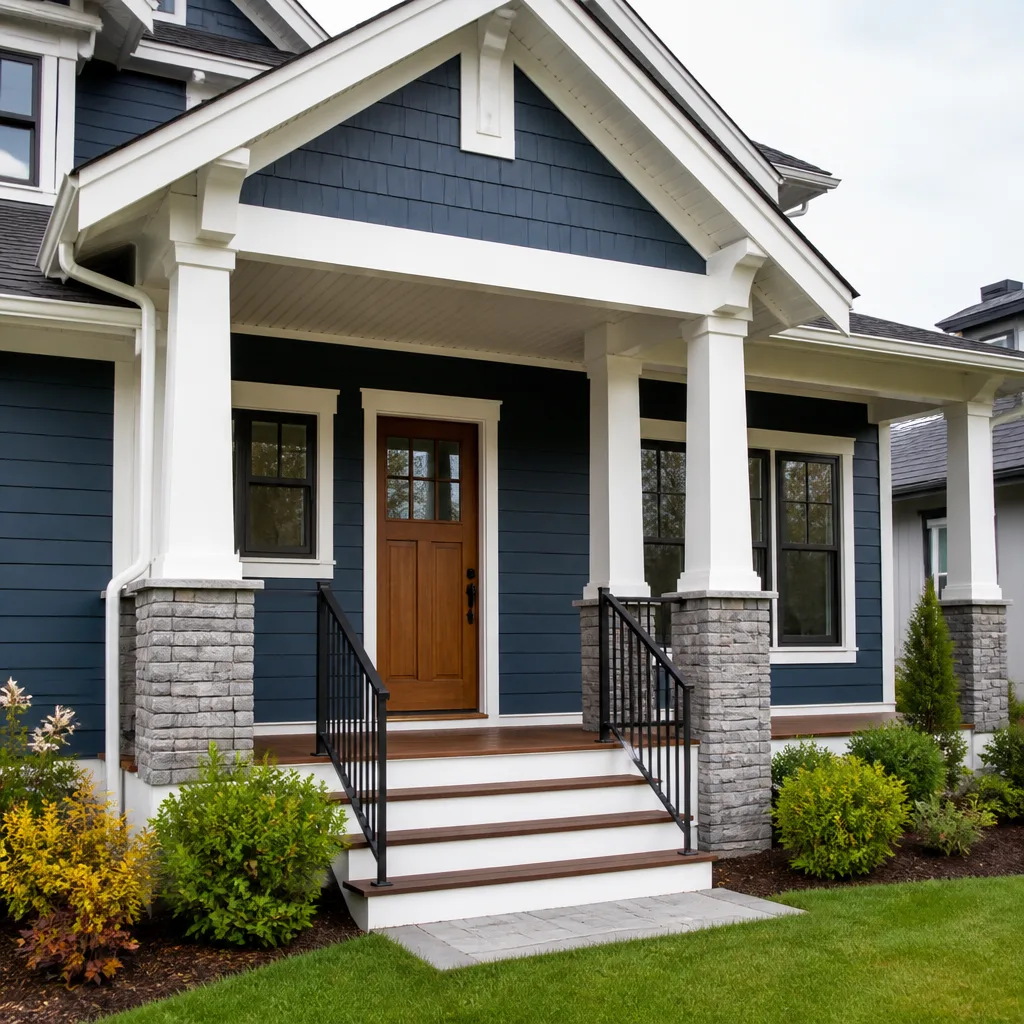
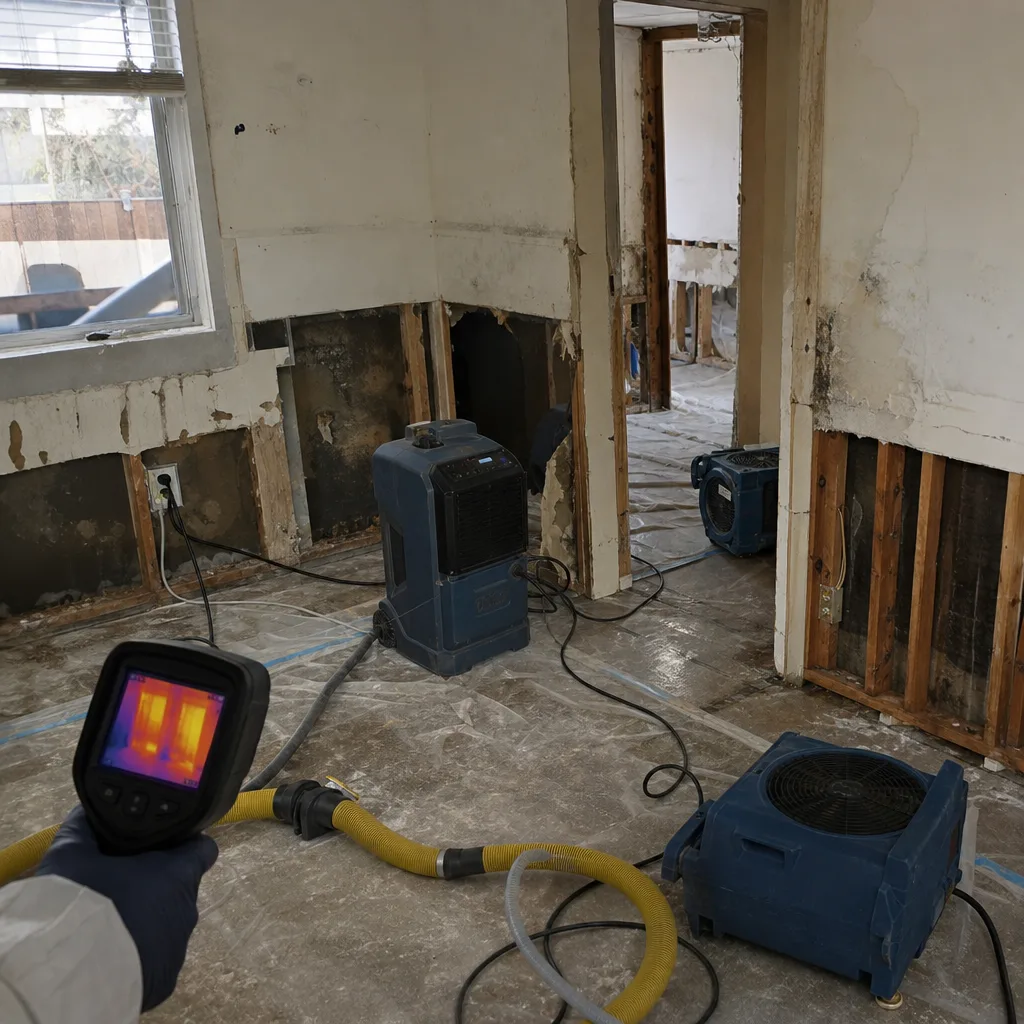 Before
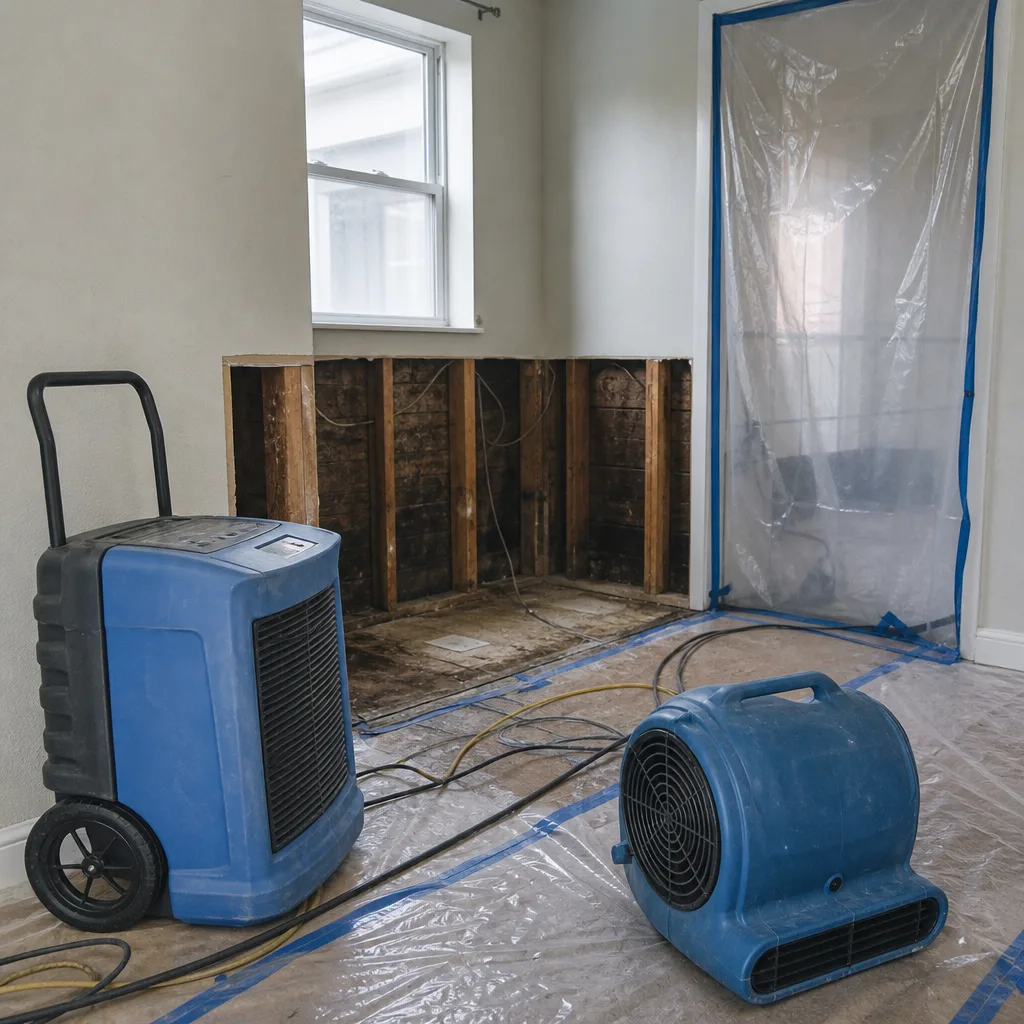 After
After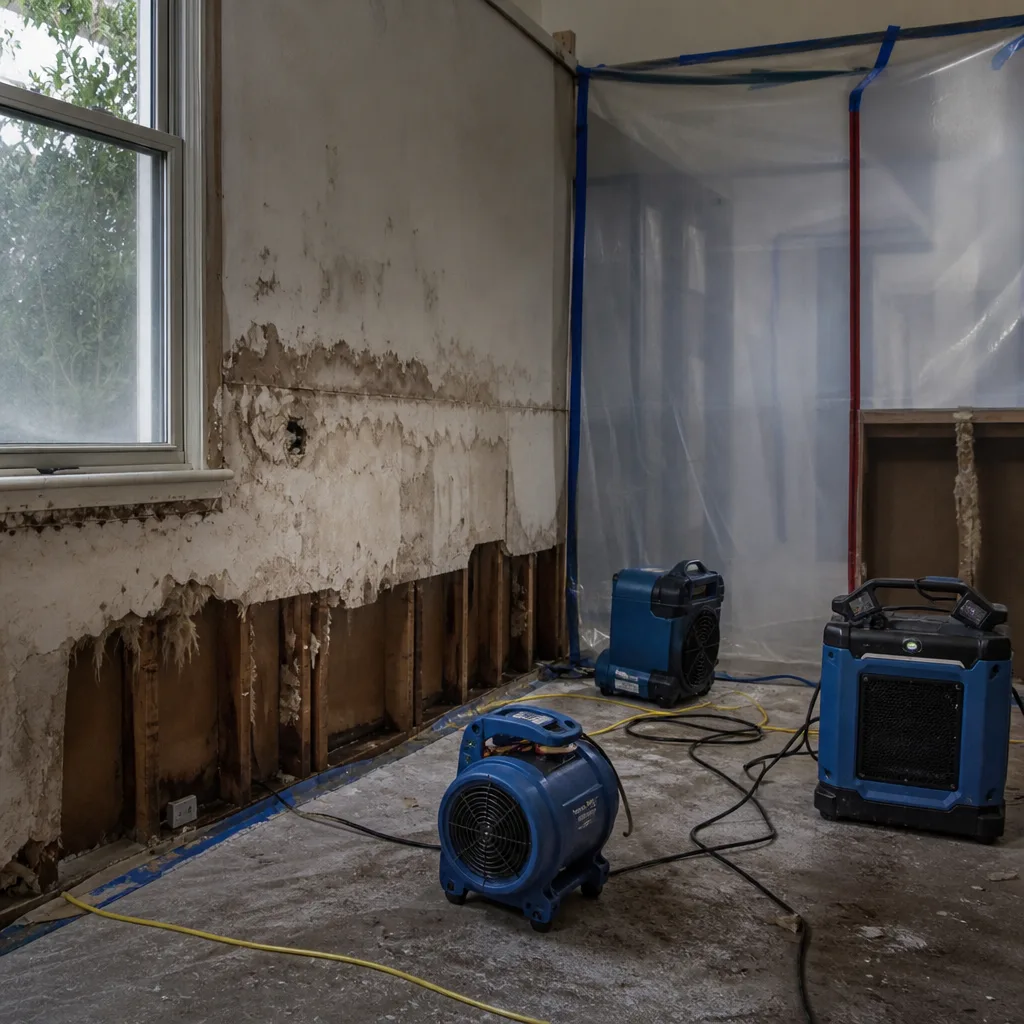 Before
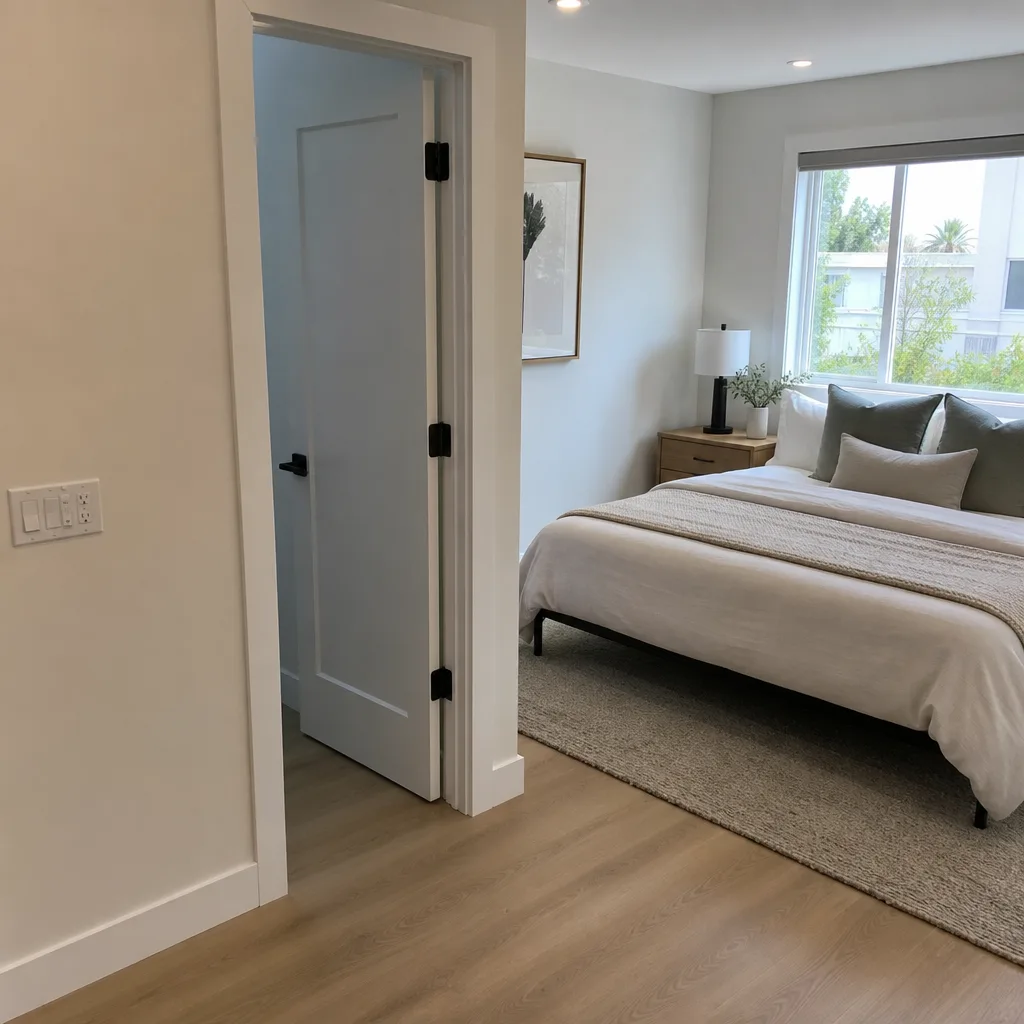 After
After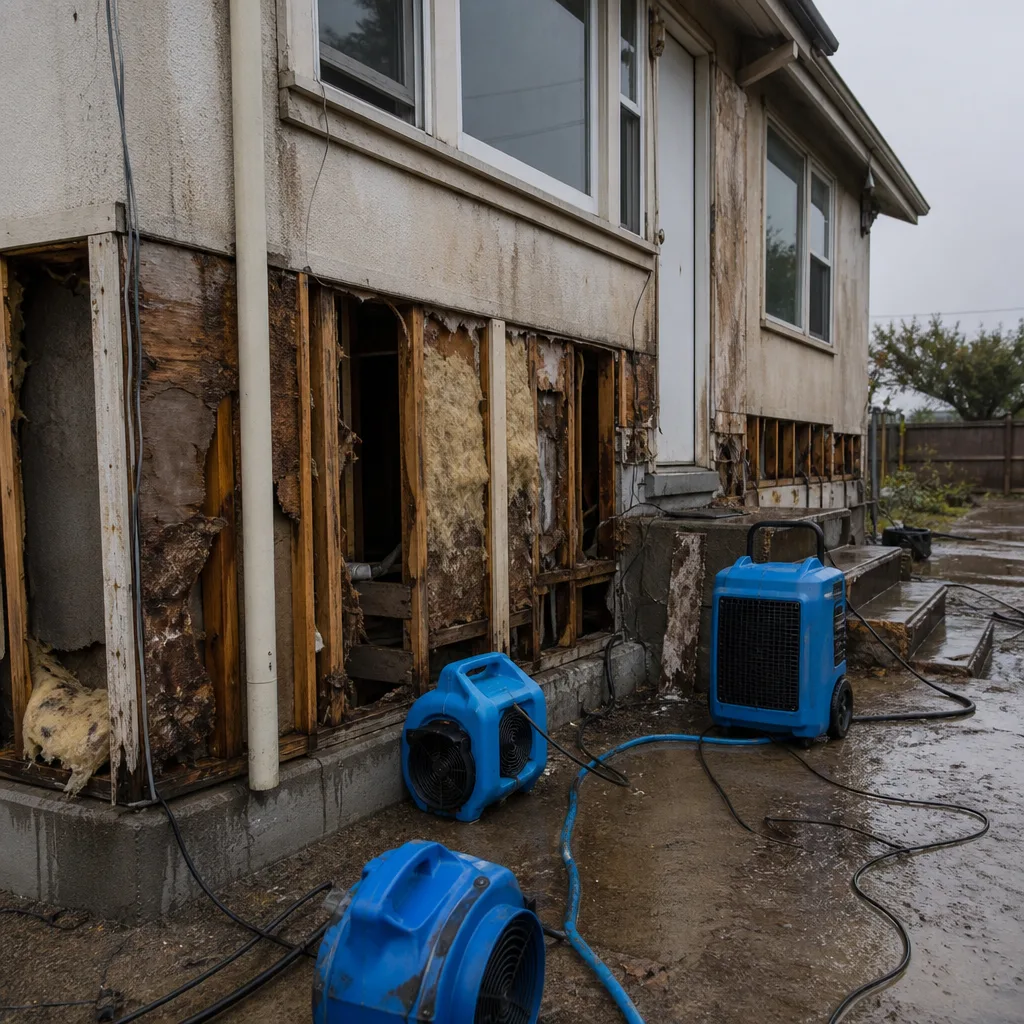 Before
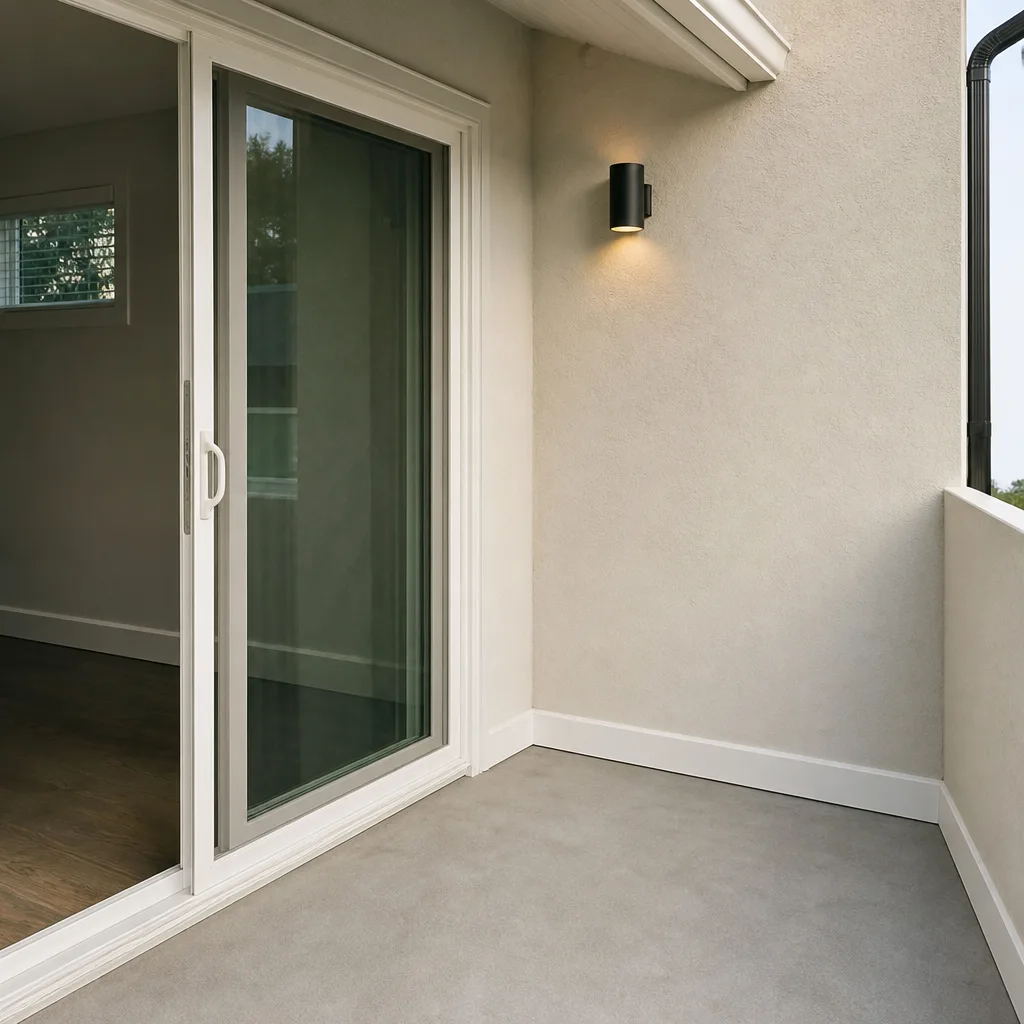 After
After24/7 Emergency Mold Remediation in Venice
Mold remediation in Venice, CA typically costs $1,800-$6,500 depending on affected square footage and whether the property sits on canal-front groundwater or drier inland blocks. Most Venice jobs require 3-7 days of active remediation, with same-day containment and air scrubbing available when you call (424) 372-0129. Our dispatch office coordinates crews from our Los Angeles location, and we keep dedicated equipment staged for Venice’s unique moisture conditions.
The first hours after water intrusion matter more in Venice than almost anywhere else in Los Angeles County, which is why our Venice Water Damage Restoration team prioritizes immediate response. The persistent marine layer keeps humidity above 70% for months at a stretch, and salt-laden air off Santa Monica Bay accelerates mold germination on organic surfaces. In a 1920s beach bungalow with no vapor barrier, Category 2 water can colonize mold within 48-72 hours. Our live answer desk has no voicemail trees; a real person picks up at any hour and dispatches a crew with moisture meters, thermal imaging, and containment materials already loaded.
Understanding Mold Remediation Severity in Venice Properties
We classify mold contamination by square footage, material porosity, and whether the moisture source is resolved or ongoing. A contained bathroom patch under 10 square feet with a fixed leak is Level 1. A crawl space with active groundwater seepage on Carroll Canal, wicking through skip-sheathing into wall cavities, is Level 3 and requires full containment, negative air pressure, and sump installation before remediation can hold.
Venice’s housing stock skews old and porous. The 1910s-1940s beach bungalows were built as seasonal structures with minimal weatherproofing, shallow pier-and-beam foundations, and no vapor barriers. Moisture migrates laterally through these frames far beyond the visibly stained drywall. Converted warehouse lofts near Lincoln Boulevard present the opposite problem: sealed concrete slabs and tight envelopes that trap humidity from internal sources. Our crews map each property with thermo-hygrometers and infrared cameras to find the full moisture boundary before we quote a scope. Tertiary drying, the final phase where we chase vapor pressure differentials down to acceptable equilibrium, takes longer in Venice’s ambient humidity than inland markets. We log psychrometric data daily and don’t call a job dry until the numbers match IICRC S520 standards, not just surface feel.
Why Venice Property Owners Choose DryMark Restoration Venice
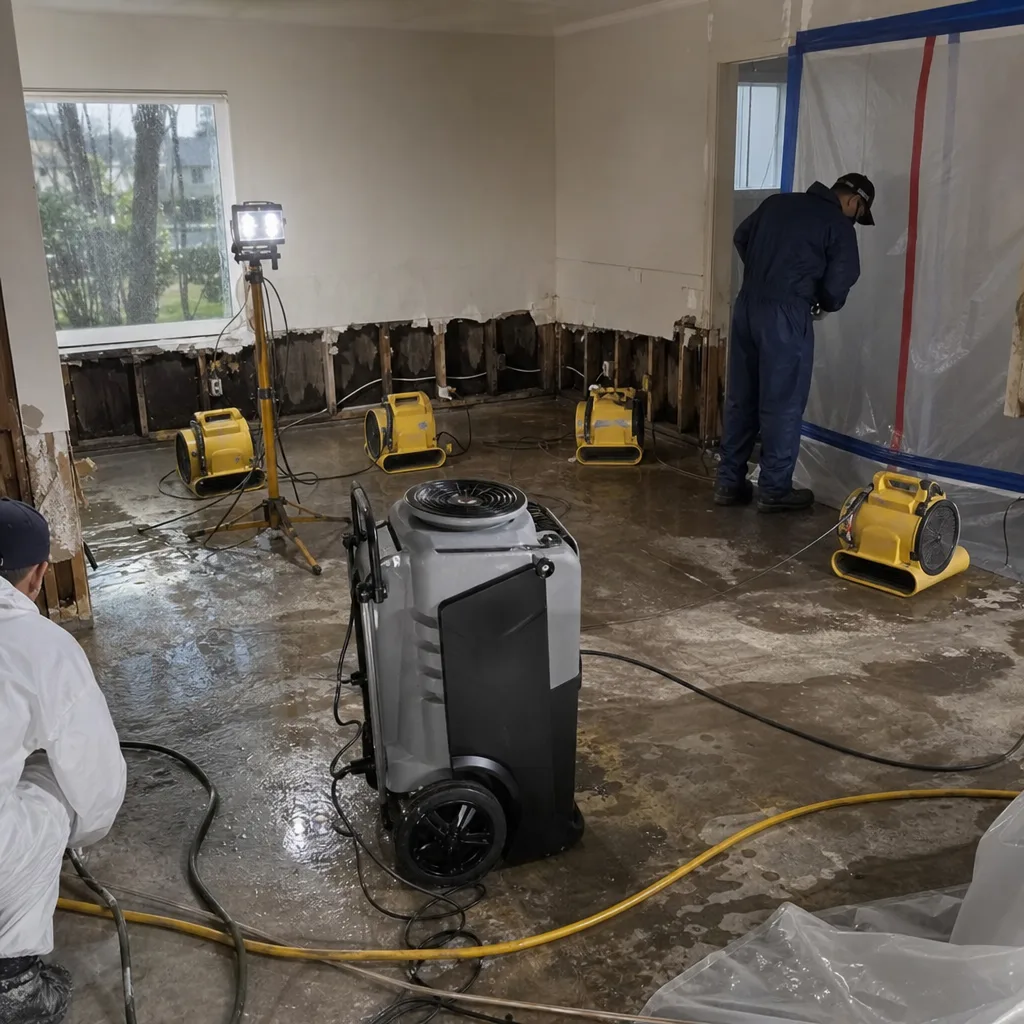
- 45-minute response commitment to Venice addresses from Marina del Rey to the Venice Canals Historic District.
- 24/7 live answer: a real person, never an automated system or callback queue.
- IICRC-certified crews holding WRT (Water Damage Restoration Technician) and AMRT (Applied Microbial Remediation Technician) certifications.
- Free visual inspection with moisture mapping and photo documentation before any work is proposed.
- Direct insurance billing with adjuster coordination handled by our in-house claims team.
- One team from containment through reconstruction; no handoffs between subcontractors.
 Before
 After
AfterOur Mold Remediation Process
1. Inspection & Assessment
We arrive with FLIR thermal cameras, penetrating and non-penetrating moisture meters, and hygrometers to map the full moisture boundary. In Venice’s older bungalows, we inspect crawl spaces and subfloor cavities for groundwater intrusion that standard surface checks miss. You receive a written scope and firm price before any work begins, per Haven Standard, Clause 1.
2. Containment & Air Filtration
We establish polyethylene containment barriers and run HEPA air scrubbers at negative pressure to prevent cross-contamination. Canal-front properties with elevated water tables get vapor barriers and temporary sump placement before remediation starts.
3. Moisture Source Elimination
Standard dehumidification alone fails on Venice canal streets. Where groundwater seeps within a foot of excavation, we install sump pumps and French drains to drop the water table below the subfloor. This step is non-negotiable for lasting results.
4. Removal of Contaminated Materials
We remove porous materials that cannot be salvaged per IICRC S520: waterlogged drywall, saturated insulation, and decayed wood below structural integrity thresholds. Non-porous surfaces get HEPA vacuuming and antimicrobial treatment.
5. Drying & Antimicrobial Treatment
We deploy Injectidry mat systems for hardwood floors, XPOWER and Dri-Eaz air movers for cavity drying, and Phoenix dehumidifiers sized to the space’s cubic footage. All work is documented to IICRC, RIA, and IFA standards with daily moisture logs.
6. Clearance Testing & Restoration
Third-party or in-house air quality testing confirms spore counts at or below outdoor baseline before we remove containment. Reconstruction follows, with photo documentation at every stage and a 365-Day Done Right Promise stamped on completion.
Need Emergency Mold Remediation in Venice Now?
Crews minutes away, answering live 24 hours a day. The sooner we start, the less it costs.
Working With Your Insurance Company
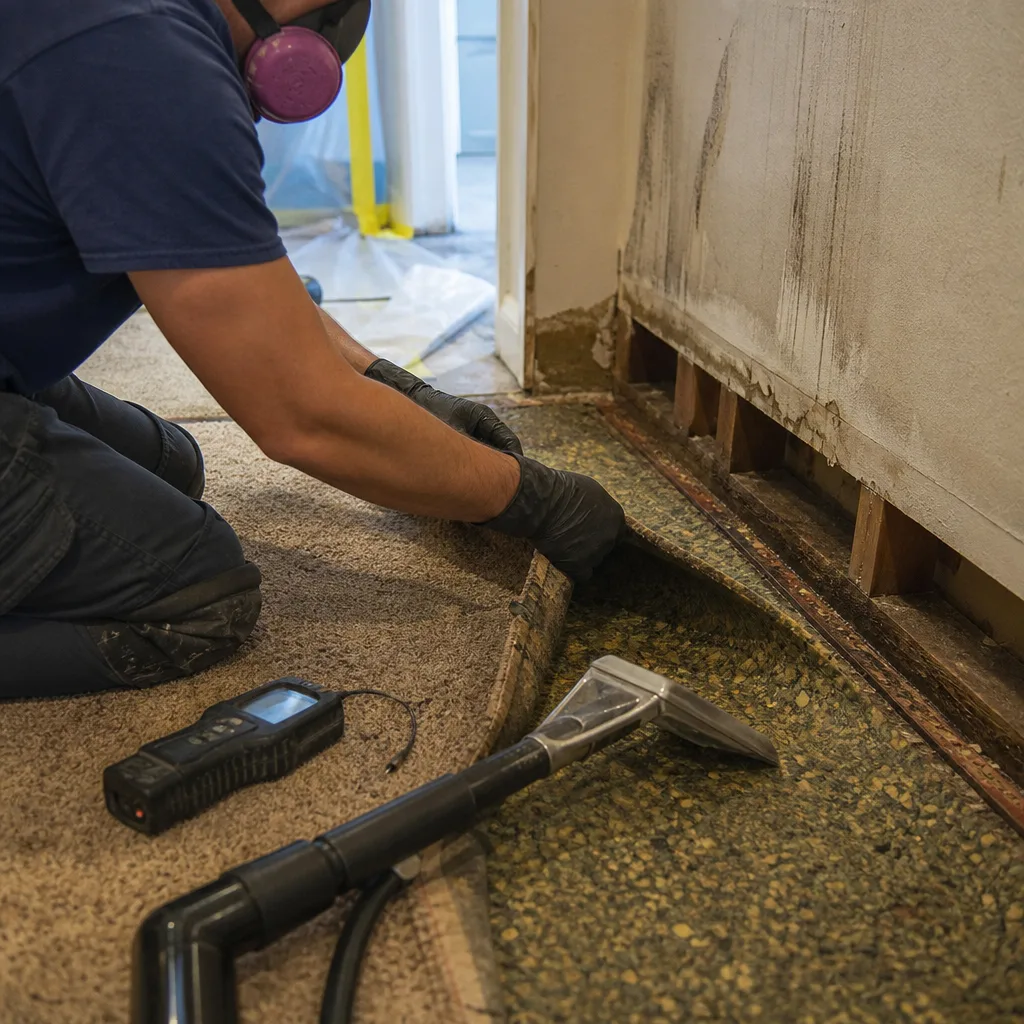
Insurance claims for mold damage live or die on documentation. Our process starts the moment we arrive: dated photos of every affected room, moisture readings with meter model and calibration date, and a line-item scope written to Xactimate standards. We don’t estimate; we document what we find, then write the scope that matches it.
Our in-house claims team speaks directly with your adjuster, provides supplemental documentation when scope expands, and disputes denials with the photo record and drying logs that prove the loss. Most Venice homeowners carry mold coverage capped at $10,000-$15,000; we identify that limit early and build the scope to maximize covered work while flagging out-of-pocket items before you approve them.
What We Provide Your Insurer
- Thorough documentation of the loss
- Photos of all damage, room by room
- Moisture readings and drying logs
- A detailed, line-item scope of work
- Direct coordination with your carrier
Built for Venice’s Loss Calendar
January through March brings the heaviest marine layer, when relative humidity stays above 75% for weeks and older bungalows without mechanical ventilation grow surface mold on north-facing walls. April and May see the first warm days that drive residents to open windows; the temperature differential between cool marine air and sun-warmed interiors creates condensation on slab edges and framing.
June through August, Santa Ana wind events drop humidity sharply but also stress aging galvanized supply lines with pressure fluctuations; the resulting slow leaks often go unnoticed until mold appears behind cabinets. September and October bring the highest risk of major water damage from failed water heaters and corroded angle stops, with salt-air corrosion accelerating hardware failure. November and December return to persistent fog and the year’s highest sustained humidity, when crawl spaces on canal streets stay wet enough to sustain active mold growth without any plumbing failure at all.
Mold Remediation Across Venice’s Neighborhoods
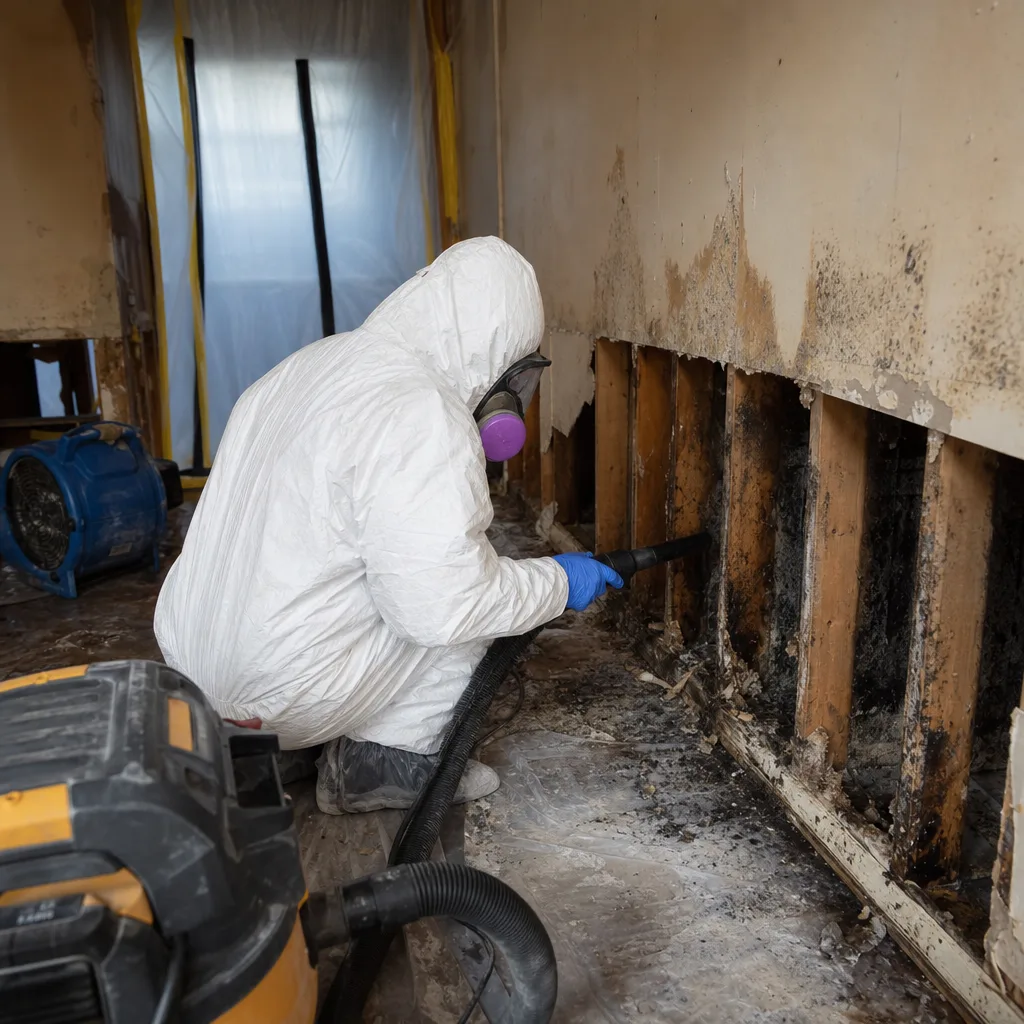
The Venice Canals Historic District presents our most complex jobs. On Carroll Canal and Eastern Canal, the water table sits high enough that breaking into a subfloor cavity often releases active groundwater seepage within the first twelve inches. Remediation here is drainage engineering first, mold treatment second. We’ve installed sump systems on these streets that run year-round, not seasonally.
North of Venice Boulevard, the 1910s-1940s beach bungalows between Pacific Avenue and Main Street share the same shallow foundations and absent vapor barriers, but sit on slightly higher ground. Mold in these properties migrates through shared wall cavities in ways that surprise homeowners; a leak in one unit can colonize three before anyone smells it. Our crews map the full row before quoting scope.
The Lincoln Boulevard corridor’s converted industrial lofts and newer townhomes present sealed-envelope problems. Tight construction traps humidity from cooking, bathing, and even respiration; without adequate mechanical ventilation, these properties grow mold on cold spots where insulation is thin. We specify ventilation upgrades as part of remediation scope, not afterthoughts.
Near the Venice Pier and Ocean Front Walk, salt spray penetrates window and door seals that would hold inland, corroding fasteners and creating secondary entry points for moisture. Remediation here always includes inspection of hardware corrosion, with replacement specified where structural integrity is compromised.
Specialized Mold Remediation Services We Offer in Venice
Mold Inspection & Testing
We start every Venice job with moisture mapping, air sampling, and surface swab analysis. In canal-front properties, we extend inspection to groundwater testing in crawl spaces; standard air samples miss subfloor contamination that re-seeds the living space. Lab results typically return in 48 hours, with same-day preliminary findings from field microscopy.
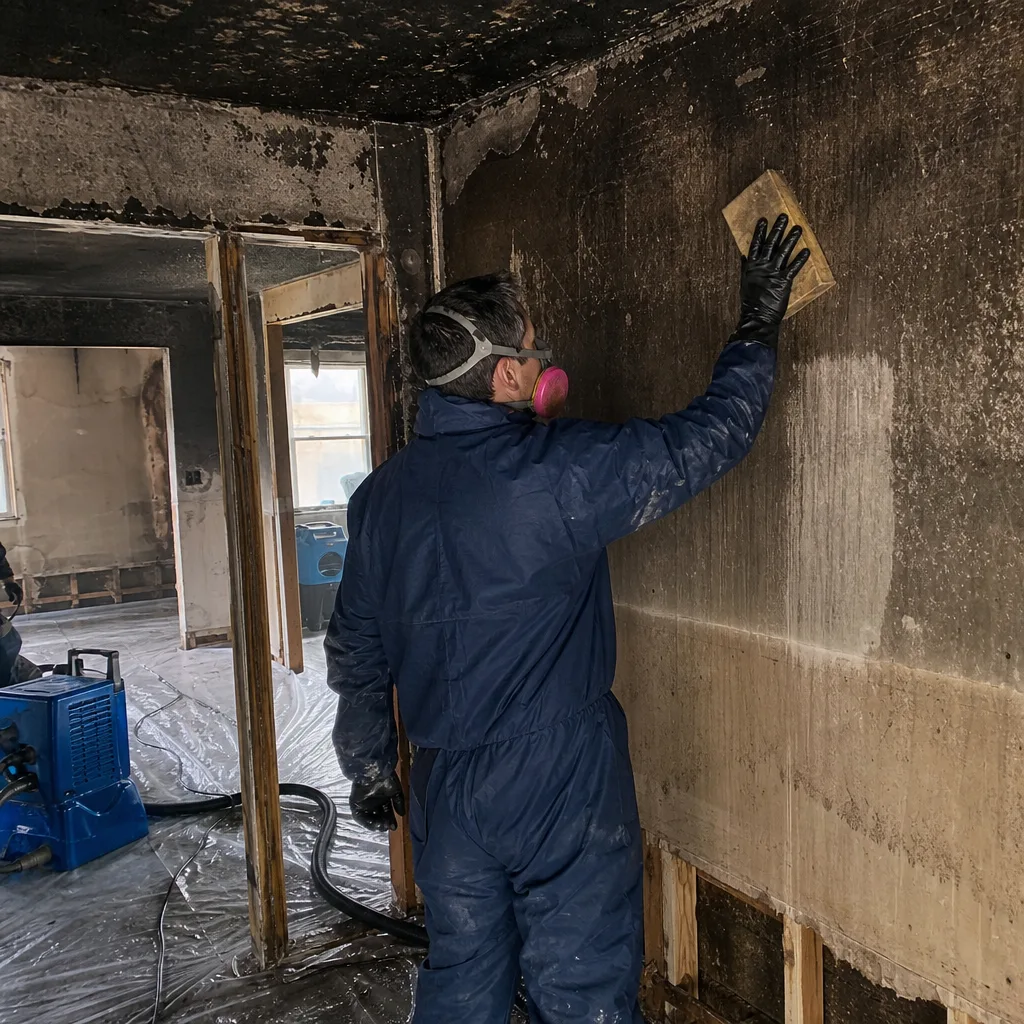
Mold Removal
Removal scope depends on material classification. Non-porous surfaces like tile and sealed concrete get HEPA vacuuming and antimicrobial wipe-down. Porous materials, waterlogged drywall, and decayed structural wood come out. In Venice’s older bungalows, we often find original skip-sheathing and true dimensional lumber that can be saved with Injectidry mat drying if caught early.
Black Mold Remediation
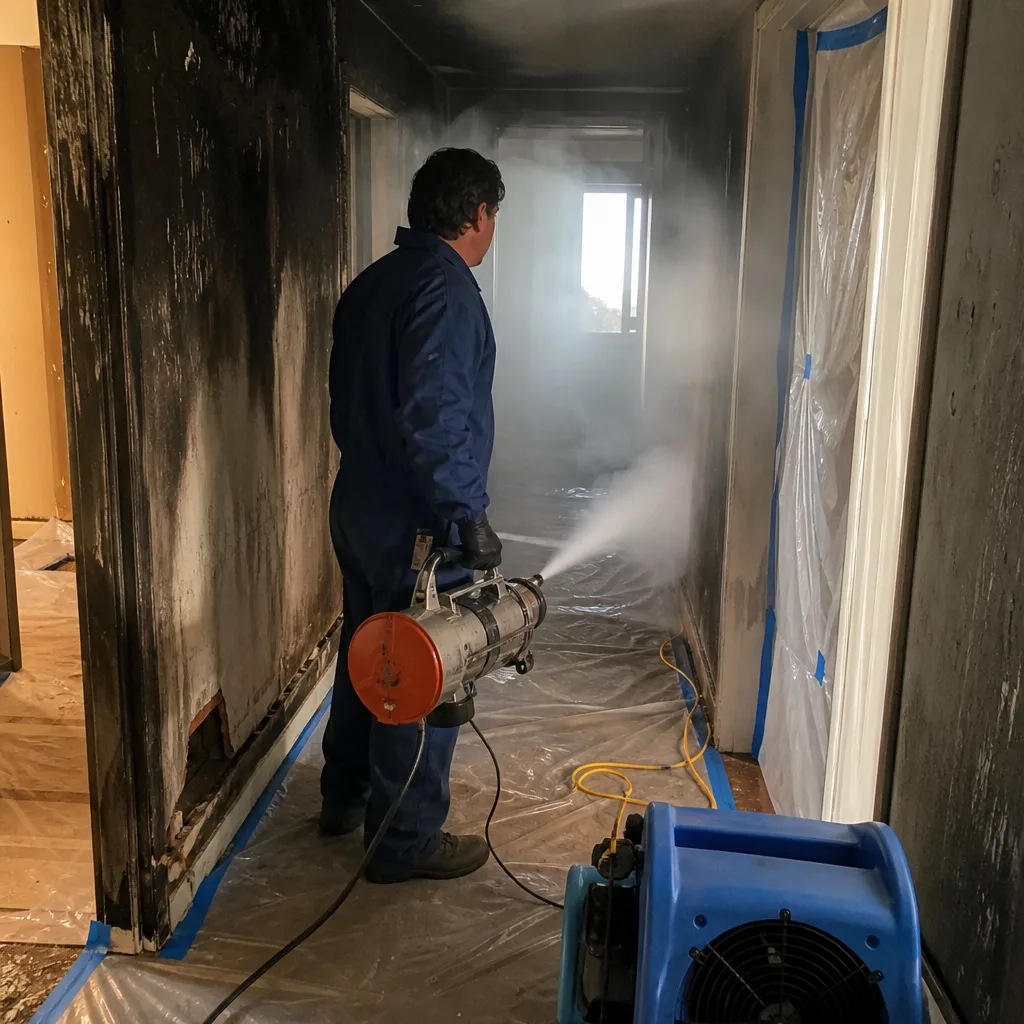
Stachybotrys chartarum and other toxigenic species require full containment with negative air pressure, PPE for technicians, and specialized disposal. We don’t panic homeowners with “toxic mold” rhetoric; we document the species, write the containment protocol, and execute to IICRC S520. Insurance coverage for toxigenic mold varies by policy; we review your declaration page before work starts.
Air Quality Restoration
Post-remediation, we run HEPA scrubbers for a minimum 48-hour cycle and collect air samples for clearance testing. In Venice’s tight lofts and sealed townhomes, we also verify that mechanical ventilation delivers adequate air changes per hour to prevent recurrence.
Crawl Space Treatment
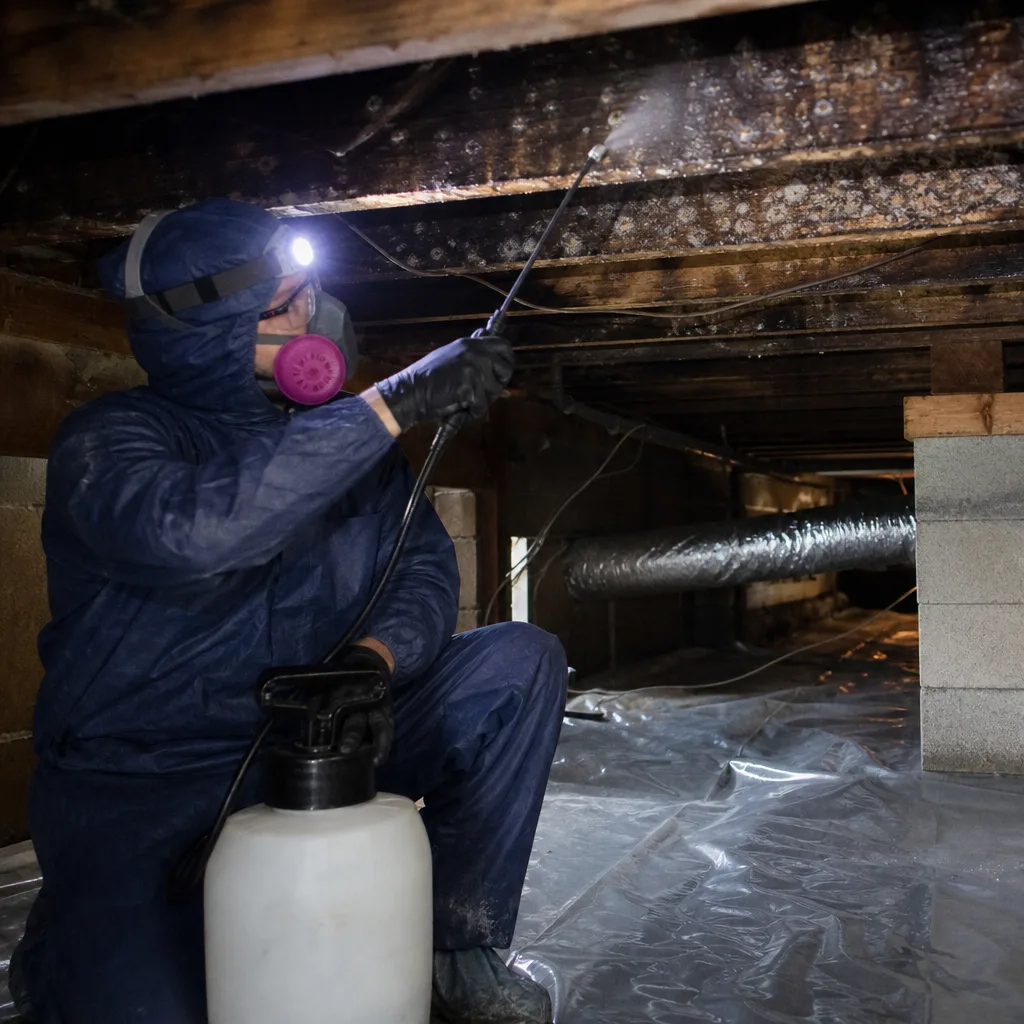
This is where Venice diverges from every nearby market. Canal-front crawl spaces need sump pumps, vapor barriers, and often French drains before mold treatment can hold. We specify drainage first, then drying, then antimicrobial application. A crawl space job that skips drainage is a callback waiting to happen.
Moisture & Humidity Control
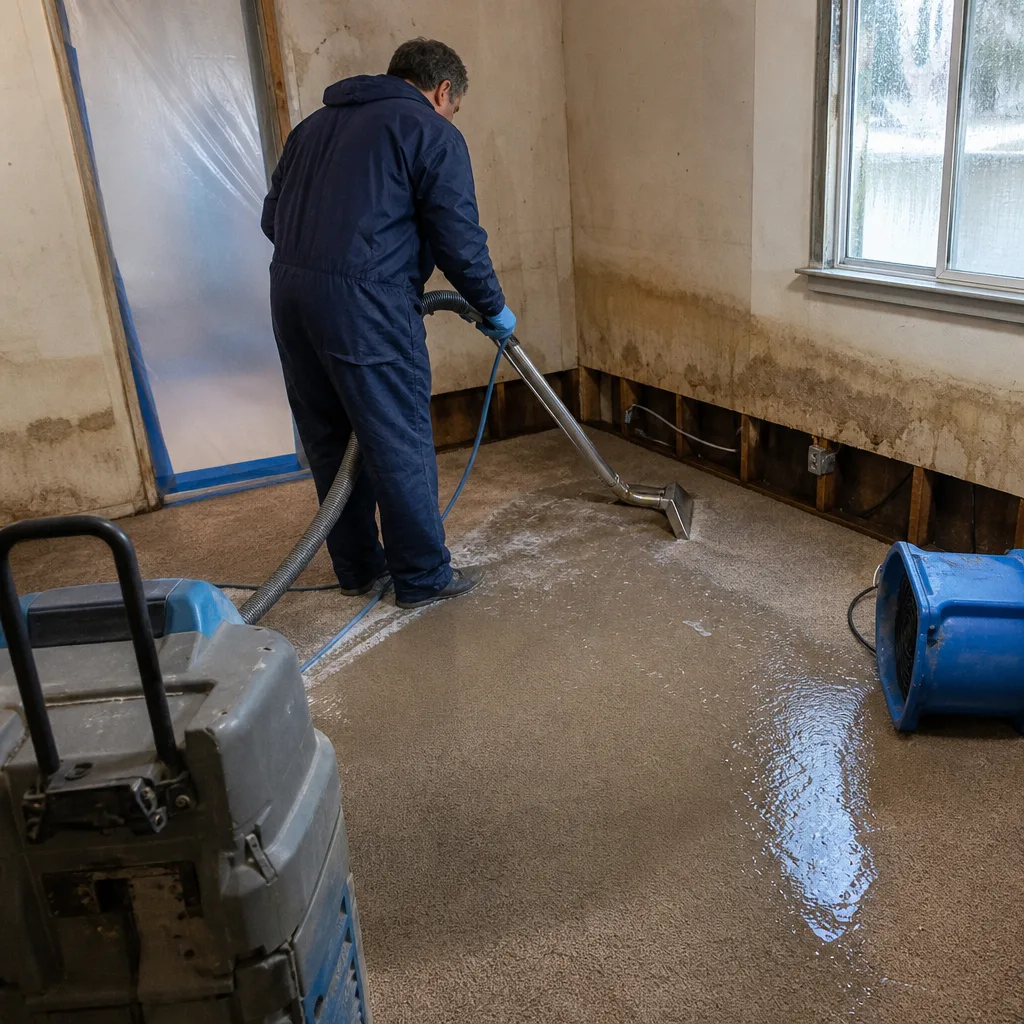
We install permanent dehumidification and ventilation systems sized to Venice’s ambient humidity, not inland standards. For properties with chronic marine-layer exposure, we specify equipment with higher pint-per-day capacity and lower target relative humidity setpoints.
What happens when you call
- 1
A real person answersNo phone trees - you reach a local pro.
- 2
You get an upfront price rangeHonest numbers before anyone is dispatched.
- 3
A background-checked tech heads outLicensed & insured, dispatched right away.
- 4
You approve before work beginsNothing starts until you say go.
Mold Remediation Costs in Venice, CA
Small contained areas, under 10 square feet with a fixed leak and no structural involvement, typically run $1,800-$2,800 in Venice. Medium jobs involving crawl spaces or multiple rooms with drywall removal and reconstruction range $3,500-$5,500. Large-scale remediation with groundwater drainage installation, structural drying, and full rebuild on canal-front properties can reach $6,500-$12,000.
What moves the price: affected square footage, whether the moisture source is resolved or ongoing, presence of toxigenic species requiring enhanced containment, and whether reconstruction is included. Canal-front properties with active groundwater seepage add $1,200-$2,800 for sump and drainage work that inland jobs don’t need.
Most homeowners insurance covers mold remediation when it results from a covered water loss, subject to policy limits and deductibles. We review your coverage before work begins and bill your carrier directly. Out-of-pocket costs apply to maintenance-related moisture, policy exclusions, or work above coverage caps. Every job gets a written price before work starts, per Haven Standard, Clause 1. Call (424) 372-0129 for a free inspection and firm scope.
We Also Serve Cities Near Venice
Our crews respond throughout the coastal corridor, including Venice and neighboring Marina del Rey, Santa Monica, Playa Vista, and Playa del Rey. Each market shares the marine climate but presents distinct building stock and moisture patterns; we adjust our protocols accordingly rather than apply a single template.
Serving Venice, CA - Our Local Coverage Area
We’re based in the Venice area and know this community well. Use the map below to see our service coverage - if you’re nearby, we can almost certainly help.
Venice Mold Remediation Questions, Answered
Why does mold come back so fast on canal-facing streets in Venice?
Active groundwater seepage in the high water table re-wets subfloor framing faster than standard dehumidification can dry it. Remediation on Carroll Canal and Eastern Canal requires sump installation and drainage work before mold treatment, or moisture returns within weeks. Call (424) 372-0129 for an inspection that checks the water table, not just surface moisture.
How long before mold starts growing in a Venice beach bungalow after a leak?
In Venice’s sustained humidity above 70%, mold can colonize porous materials within 48-72 hours of water intrusion. Older bungalows with no vapor barrier allow faster lateral migration than modern construction. Speed matters more here than in drier climates; same-day containment and drying prevent colonization from spreading beyond the initial wet zone.
Do you need to pull out wet drywall in a Category 2 or 3 loss?
Category 2 water, gray water with potential contaminants, requires removal of wet drywall and insulation below the water line; surface drying is insufficient. Category 3, black water from sewage or groundwater flooding, requires removal of all porous materials in the affected area per IICRC S500. We document the category determination with photos and moisture readings for your insurance file.
What’s different about mold remediation in a converted Lincoln Boulevard loft versus a canal cottage?
Lofts have sealed concrete slabs and tight envelopes that trap internal humidity; mold grows on cold spots from inadequate ventilation. Canal cottages have pier-and-beam foundations with groundwater intrusion and no vapor barriers; mold grows from below. The fix for a loft is mechanical ventilation and targeted dehumidification. The fix for a cottage is drainage, subfloor drying, and perimeter moisture control. Same city, opposite problems.
Can you test air quality after remediation in an older Venice home?
Yes. We collect air samples for spore count comparison against outdoor baseline, per IICRC S520 clearance criteria. In older homes with residual settled spores in undisturbed areas, we interpret results with context: elevated counts in the remediation zone fail; background counts in untouched storage areas may not require additional work. We explain the distinction before and after testing.
How fast can you actually get to Venice?
Our response commitment is 45 minutes to Venice addresses, with crews staged for the coastal corridor. Live dispatch coordinates from our Los Angeles office; no voicemail, no callback queues. Call (424) 372-0129 and a real person answers.
Will insurance cover mold remediation in Venice?
Most policies cover mold resulting from a sudden, covered water loss, subject to caps typically at $10,000-$15,000. Maintenance-related mold, slow leaks, and flood damage from rising water are usually excluded. We review your declaration page, document the loss origin, and bill your carrier directly for covered work.
Can we stay in the house during mold remediation?
For small contained areas under 10 square feet, often yes. For larger jobs with full containment, negative air pressure, and antimicrobial application, we recommend temporary relocation, especially for residents with respiratory sensitivity, children, or elderly family members. We specify occupancy status in your written scope before work begins.
We were called to a 1920s pier-and-beam cottage on Carroll Canal after a bathroom supply line let go; moisture mapping with our Dri-Eaz and Phoenix meters showed elevated readings across the entire subfloor, and when our tech opened the crawl space we hit groundwater weeping into the first foot of soil. Category 2 water had already wicked through the original skip-sheathing, so we set containment, ran Injectidry mat drying and XPOWER air movers, applied antimicrobial treatment to the joists, and logged daily drying readings - but the fix only held after we installed a sump and French drain to keep the water table from re-wetting the framing.
Our Mold Remediation team serves Mold Remediation in Venice with the documentation-first approach that turns restoration invoices into payable claims. Every job starts with a written price, includes photo documentation on every visit, and ends with a 365-Day Done Right Promise under The Haven Standard. Founded in 2011 by a former claims adjuster who built the company around the documentation gap that costs homeowners their claims, Back to Dry Restoration has restored 12,000+ homes with the same protocol: written price before work begins, documented record when the crew leaves, and no exceptions.
Written by Alicia Brennan, Owner at Back to Dry Restoration, serving Venice since 2011.