
Last updated September 23, 2026
Free visual inspection and a written scope of work before any mitigation begins - photos, moisture readings, and drying logs go in your claim file
The scope we write is the scope we bill. Anything new gets shown to you, in writing, before we touch it.
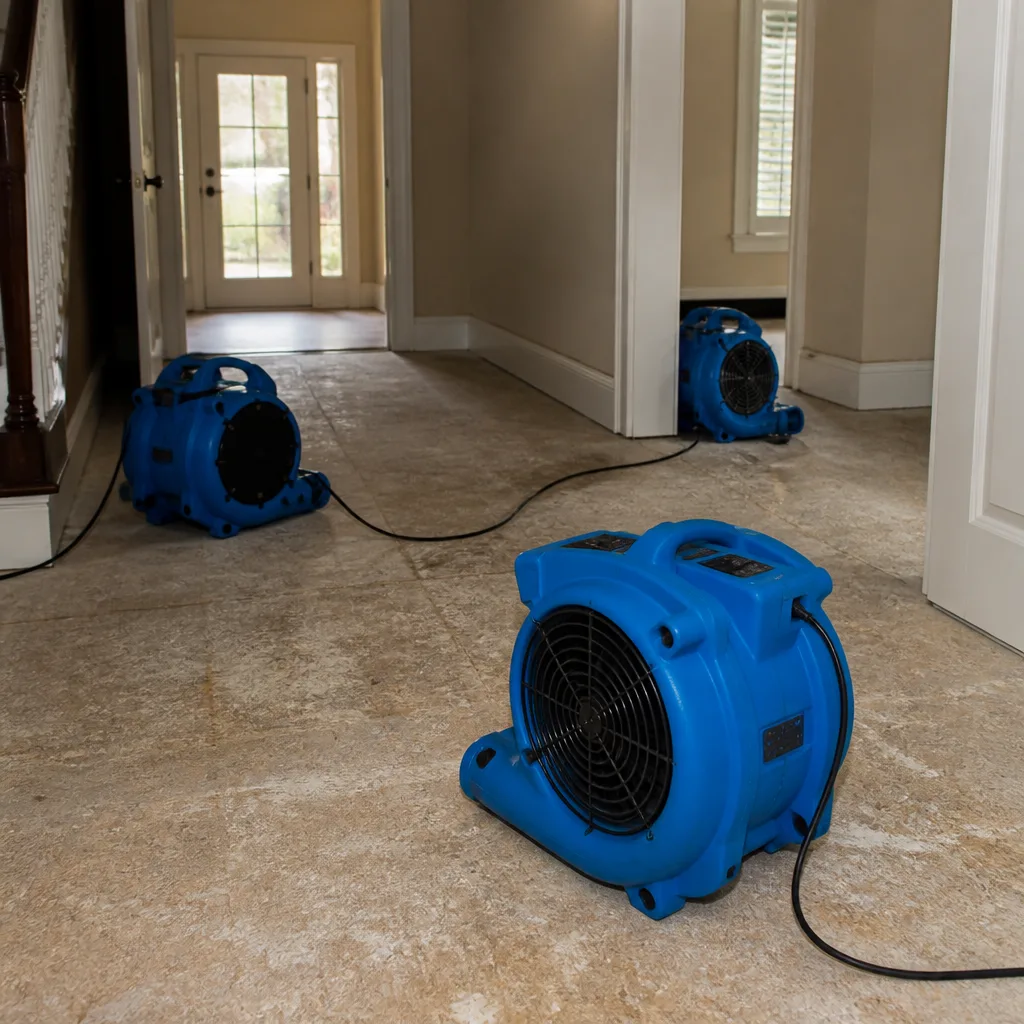
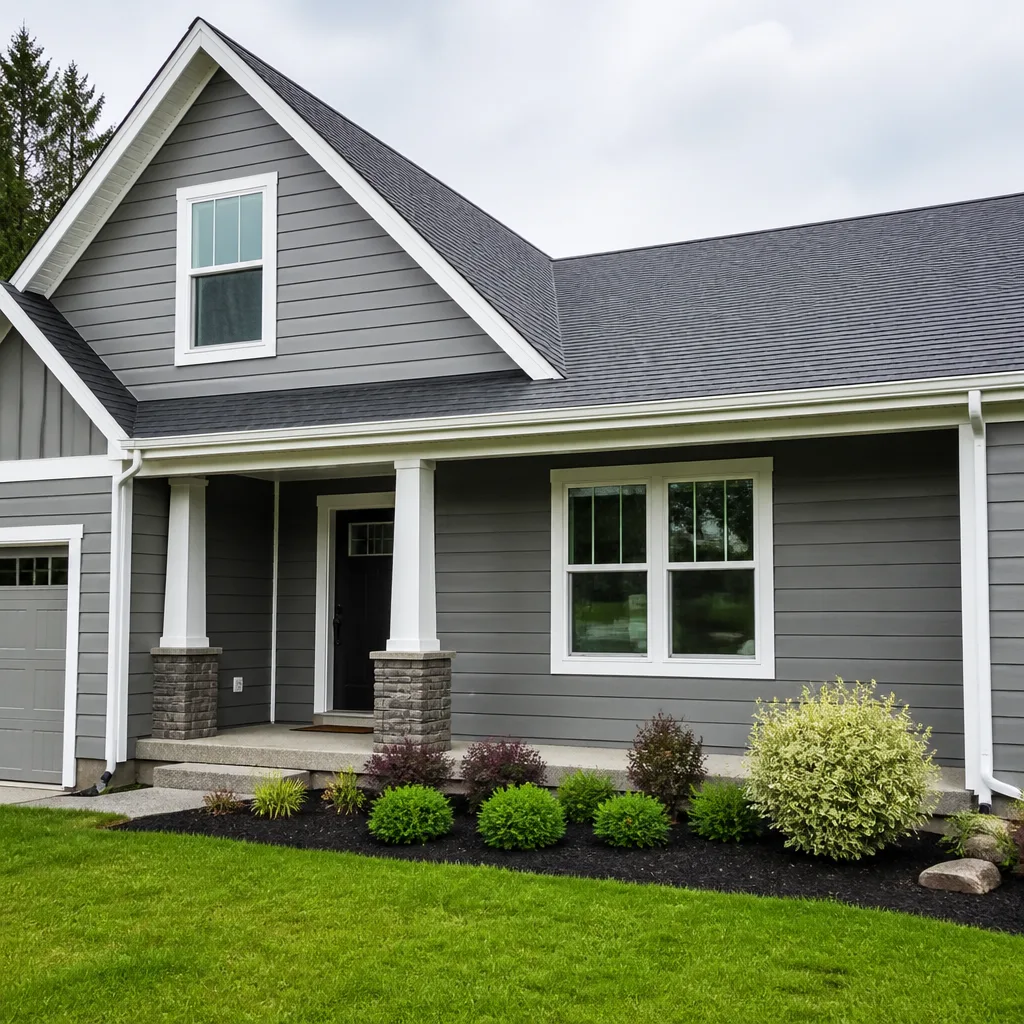
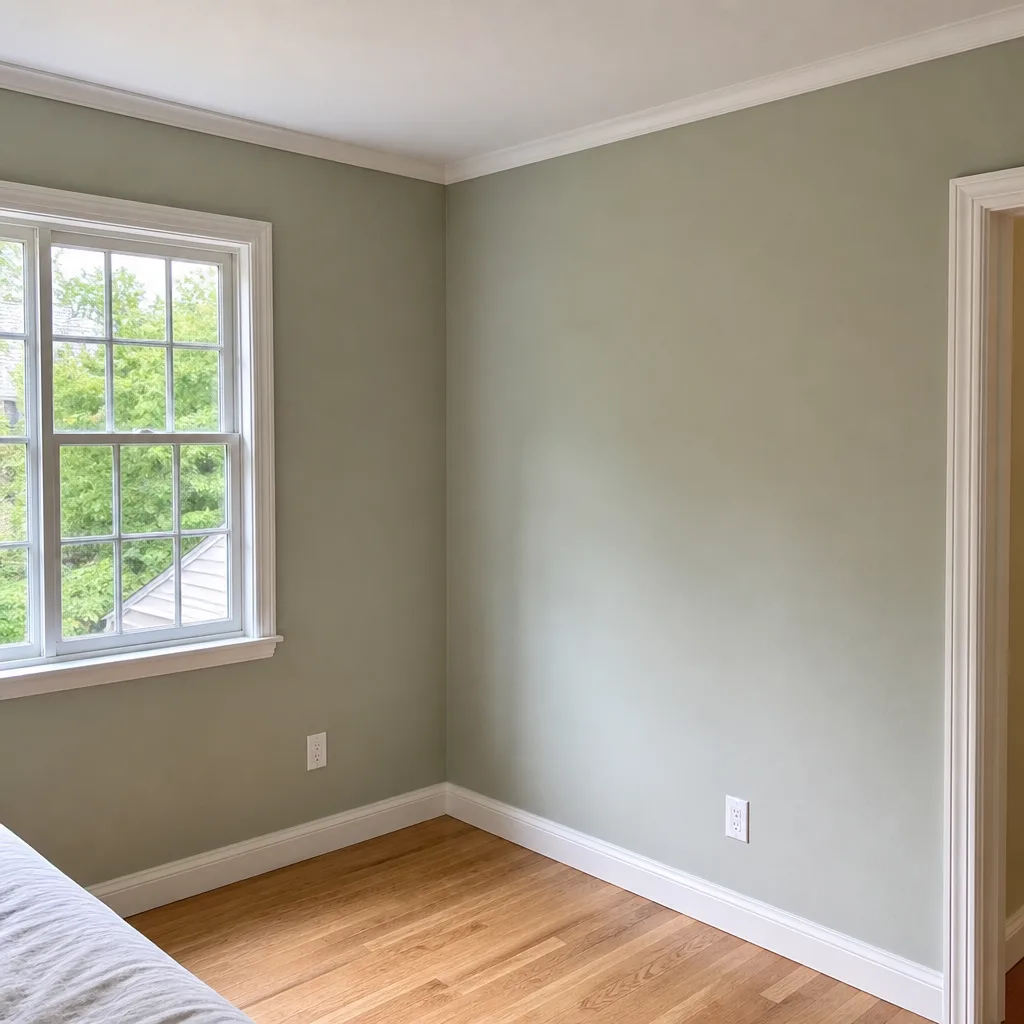
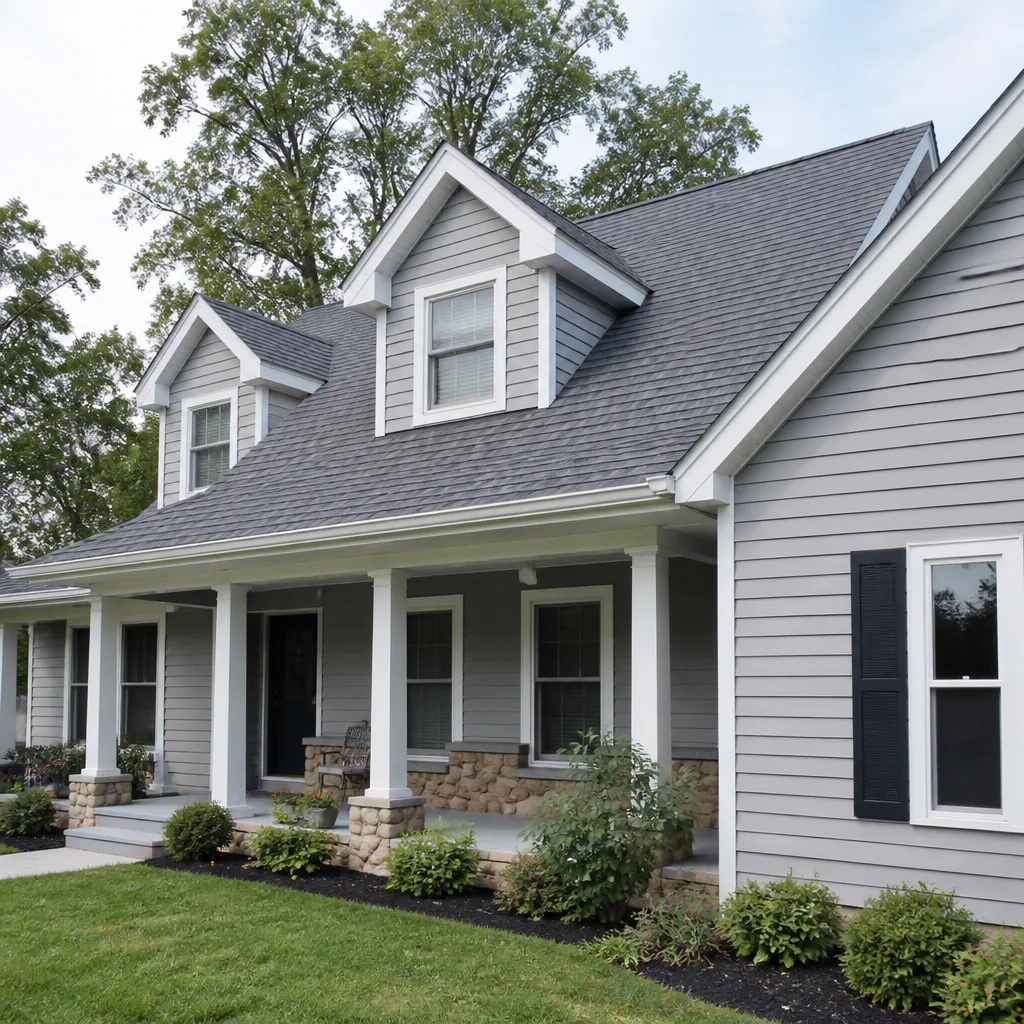
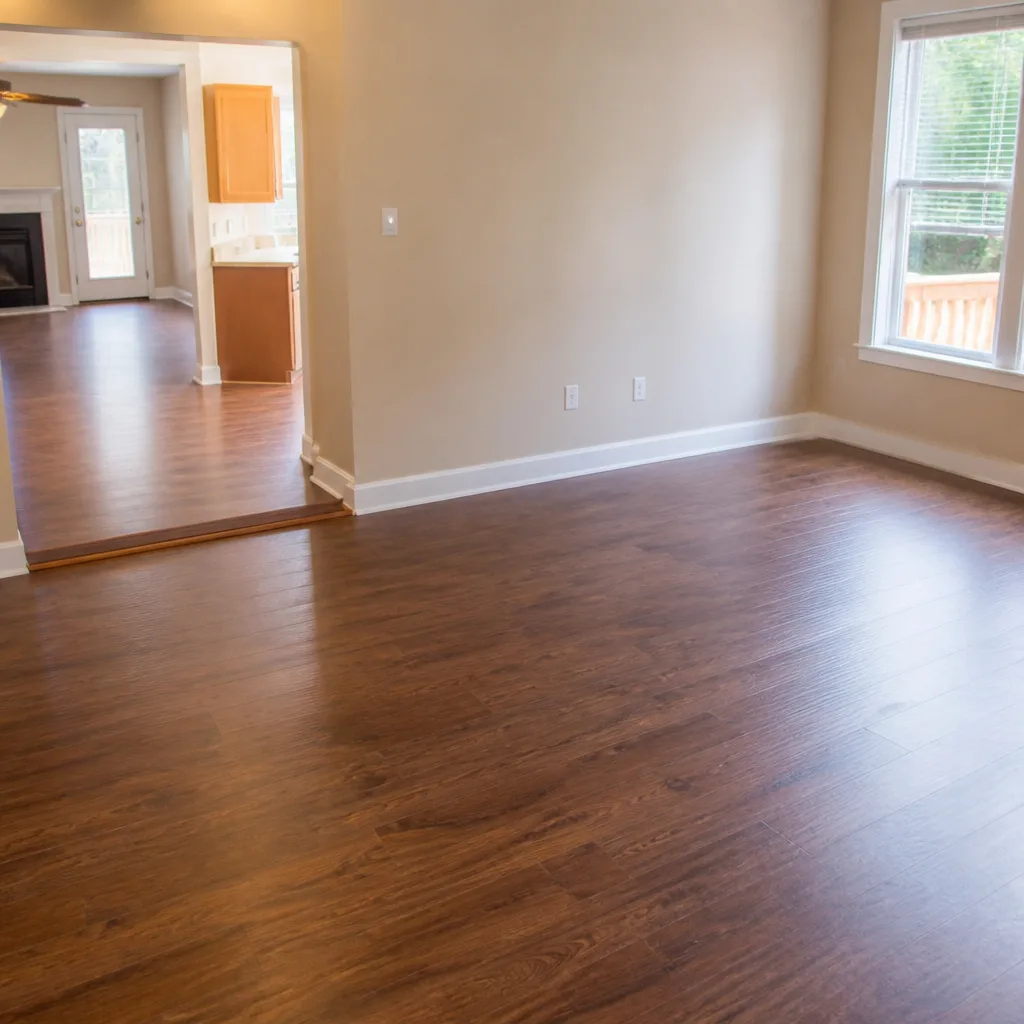
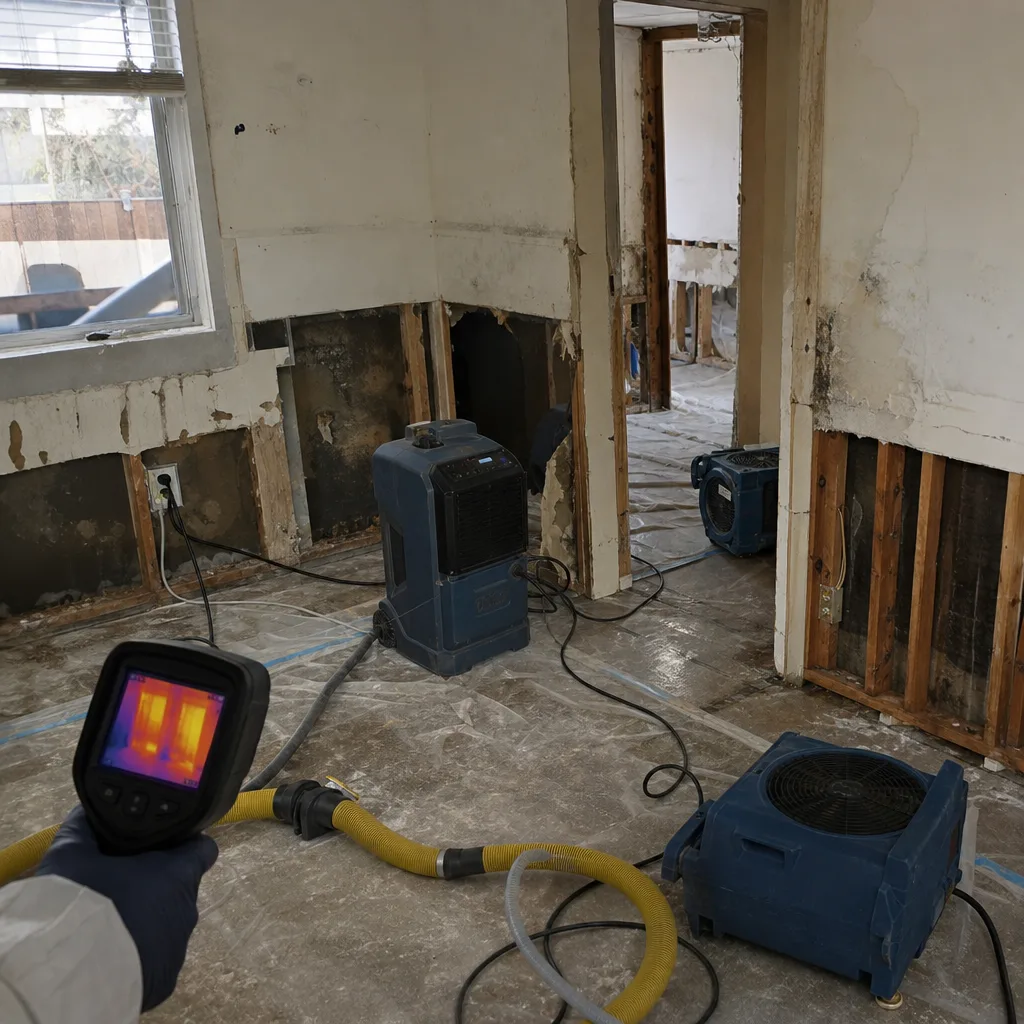 Before
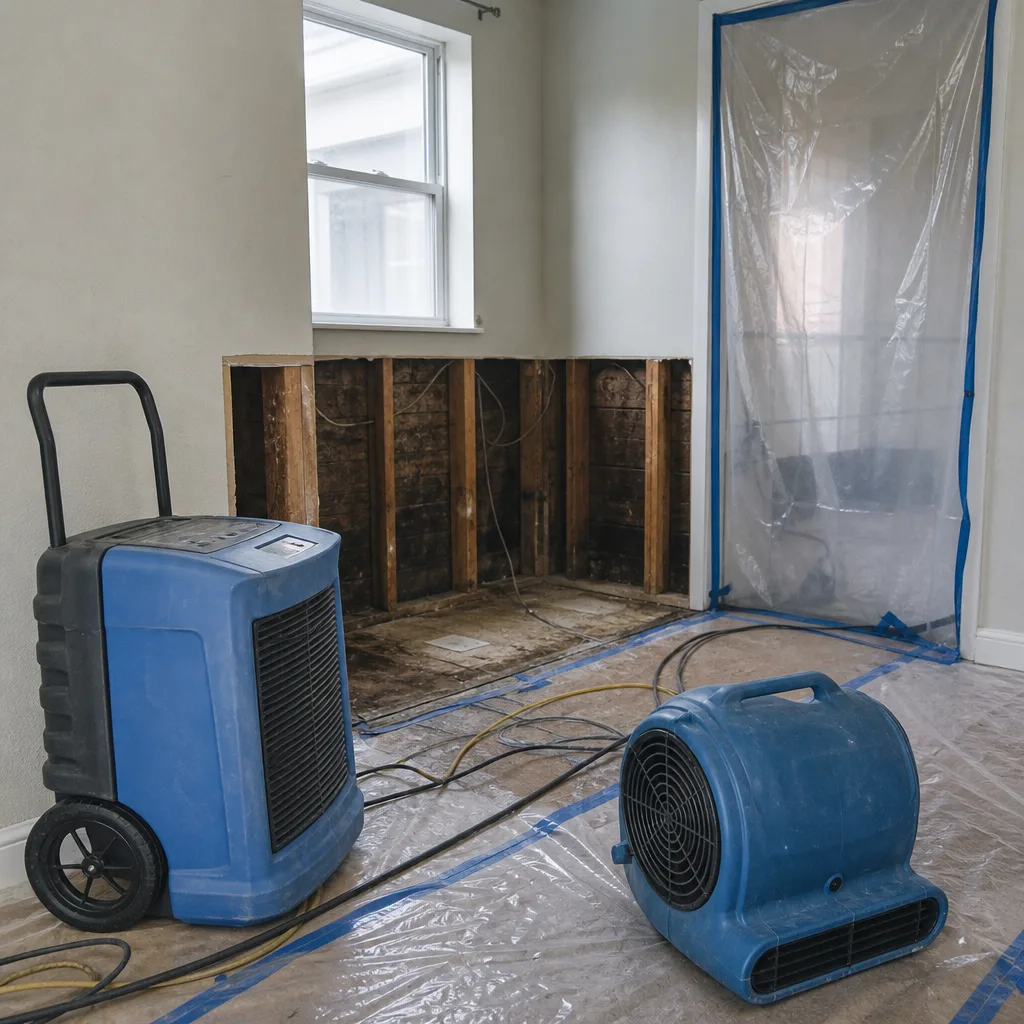 After
After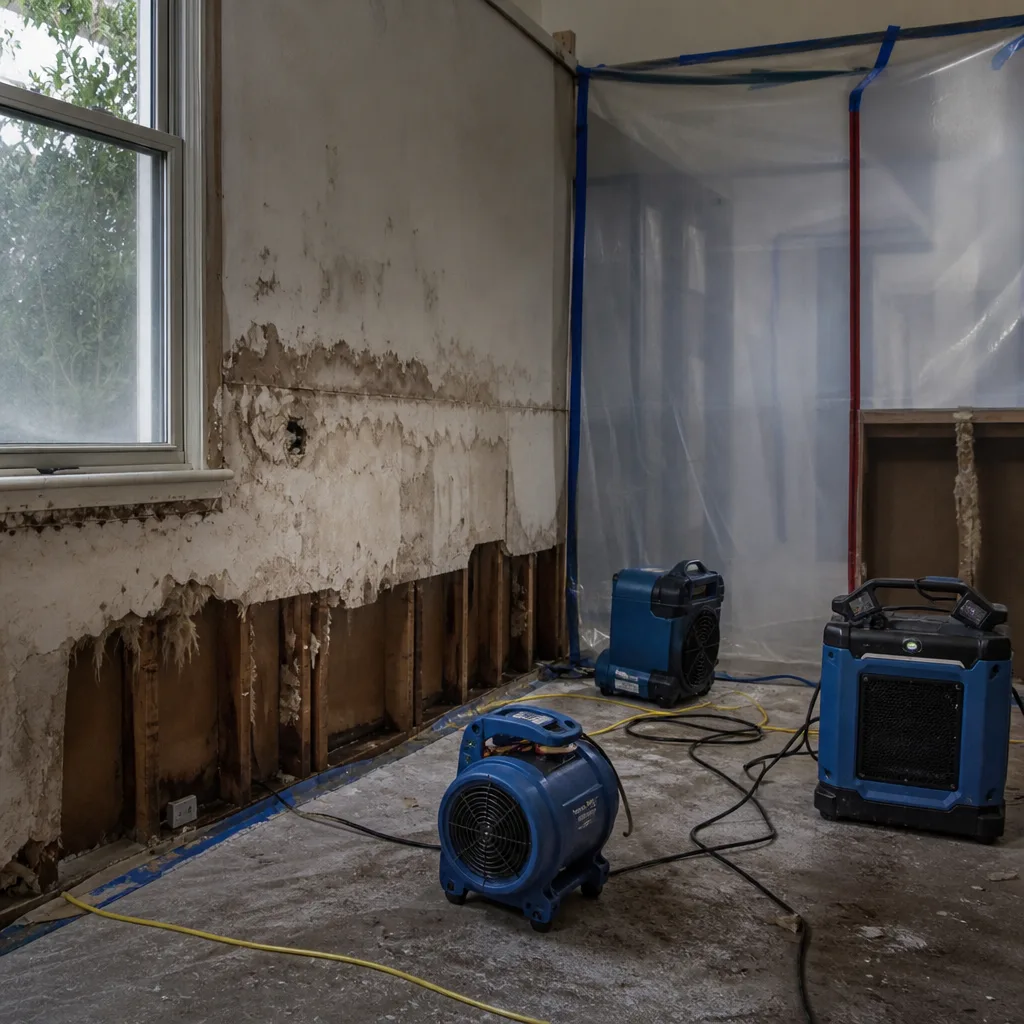 Before
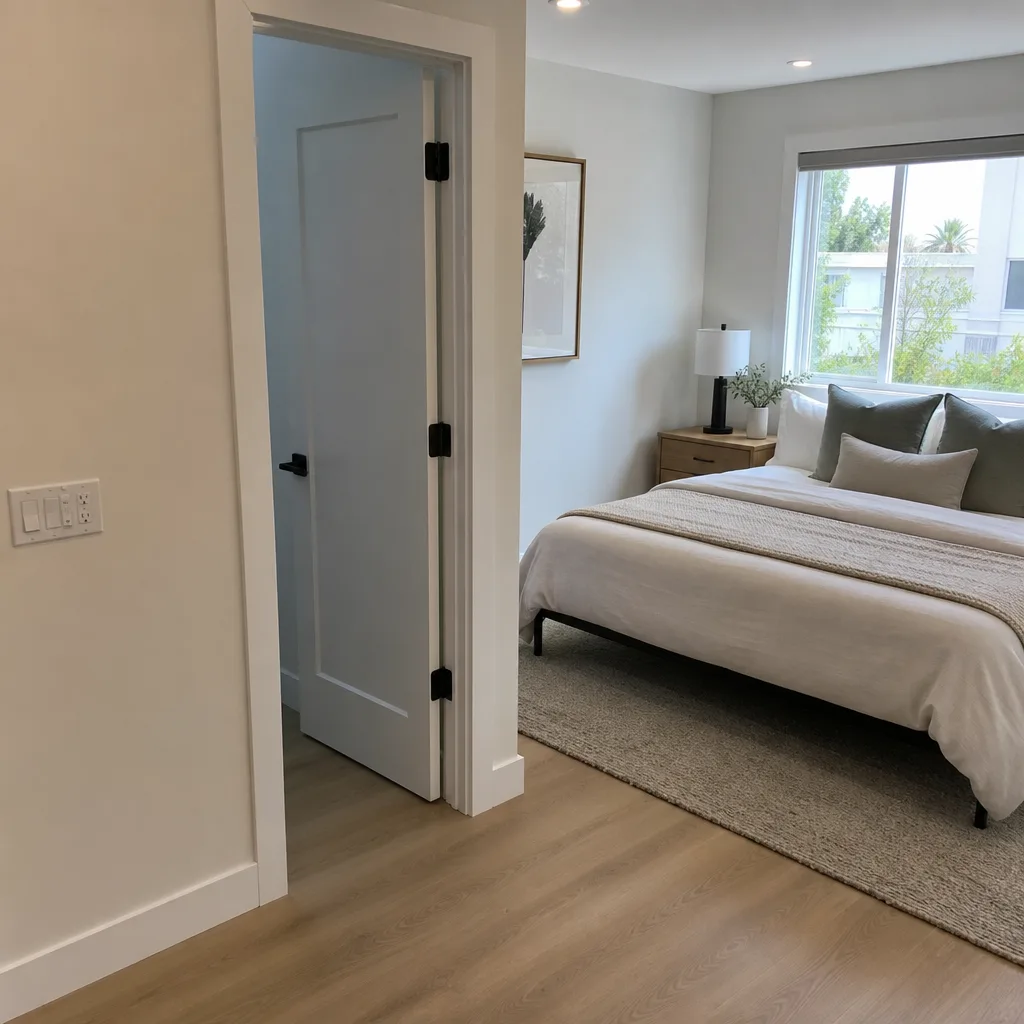 After
After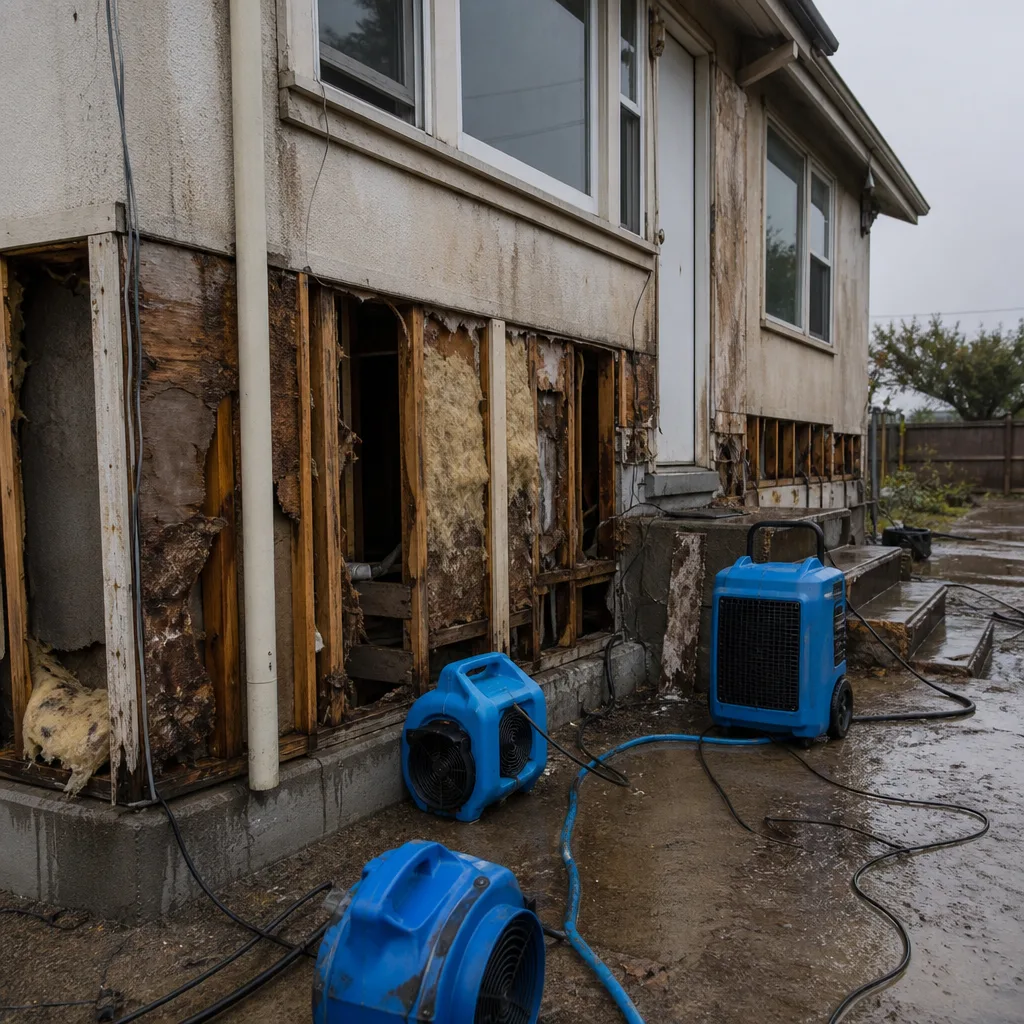 Before
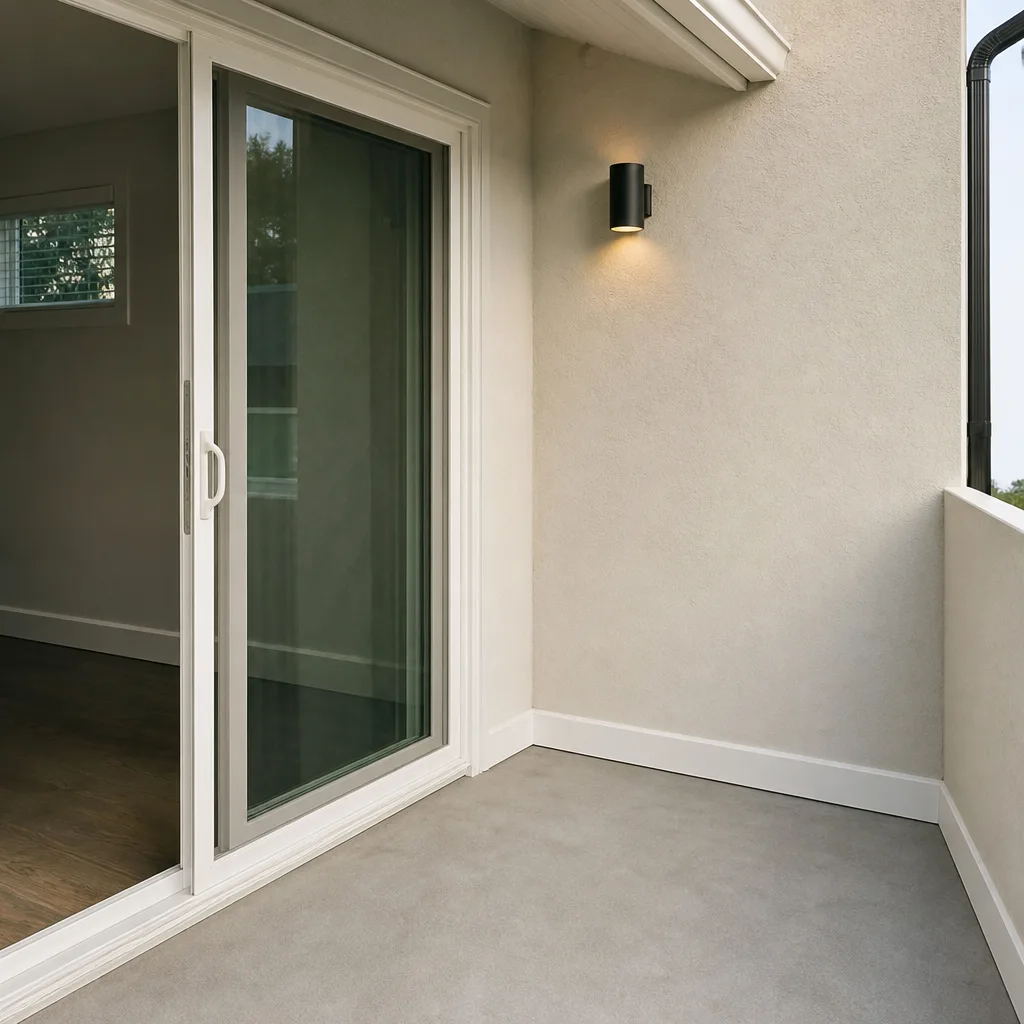 After
AfterDamage Restoration Cost Breakdown: The Venice Homeowner’s Reference for 2026
The single most disputed line item in California water damage claims in 2024 was LF of affected wall assembly. Adjusters routinely reduce contractor-claimed quantities by 18-34% because field measurements lack room diagrams and photo references. That reduction comes out of the homeowner’s settlement, not the contractor’s margin. In Venice, where 1940s bungalows sit on shallow foundations and ocean-adjacent humidity complicates drying timelines, a poorly documented invoice can cost a homeowner $4,000-$12,000 in uncovered work. This guide translates the five cost categories you’ll actually see on a restoration invoice into plain numbers, with the unit rates and verification methods that make an estimate defensible to your adjuster. For Damage Restoration Warning Signs: A Venice Homeowner’s Reference Guide, see our companion resource.
Quick Answer
Water damage restoration in Venice, CA typically runs $3,500-$18,000 for a standard residential loss, with emergency extraction and drying at $1,200-$4,500, demolition at $800-$3,200, reconstruction at $2,000-$10,000, and contents handling at $400-$2,800. Fire and smoke restoration averages 40-60% higher due to odor remediation and specialized cleaning. The final bill depends on square footage affected, material type, and whether your policy pays replacement cost value (RCV) or actual cash value (ACV).
Table of Contents
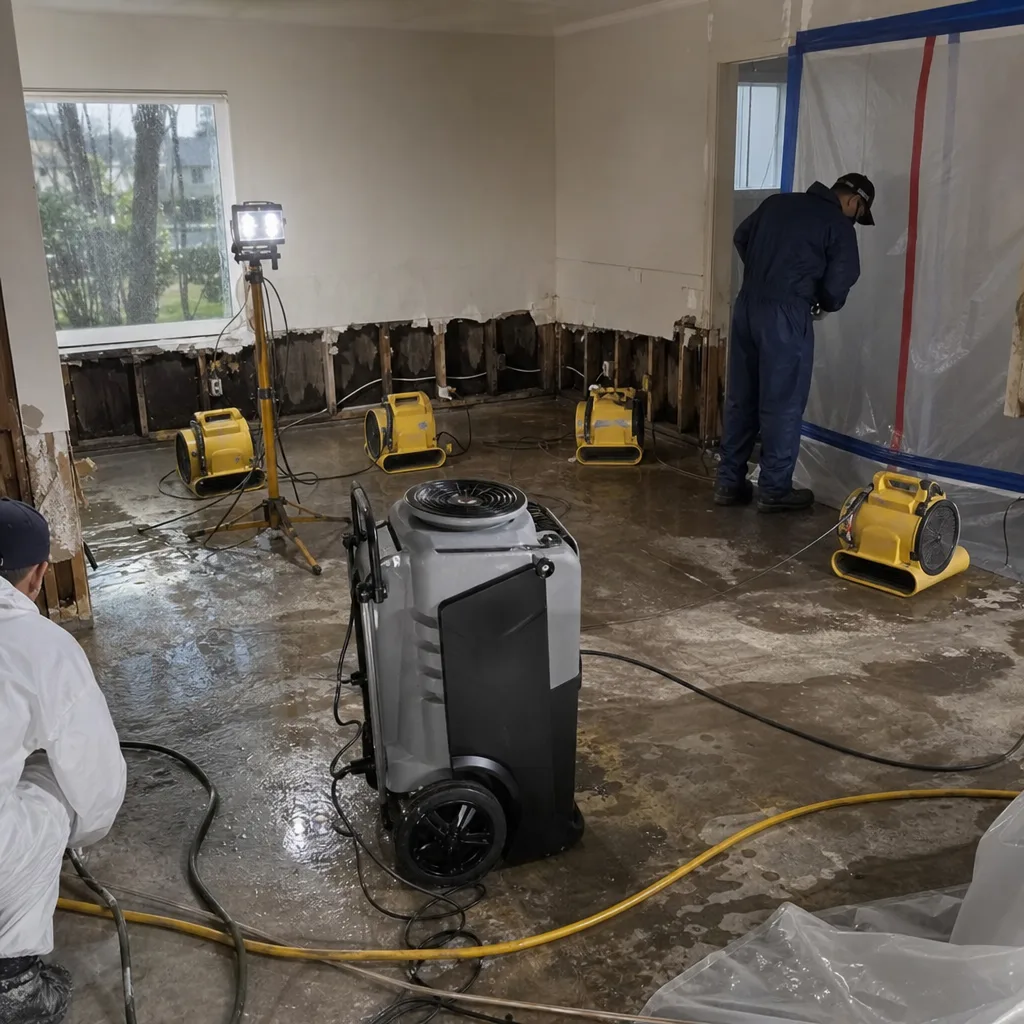
- The Five Cost Categories in Every Venice Restoration Invoice
- How Drying Equipment Costs Are Calculated (And Why Logs Matter)
- Venice Cost Premiums: Codes, Permits, and Coastal Labor Markets
- Depreciation, ACV vs. RCV: What a 1940s Bungalow Owner Actually Pays
- Three Line Items Missing From Most Estimates (That You’ll Pay Later)
- How to Verify Your Invoice Against Xactimate Unit Rates
- Common Mistakes to Avoid
- When to Call a Professional
- Frequently Asked Questions
 Before
 After
AfterThe Five Cost Categories in Every Venice Restoration Invoice
Every restoration invoice we’ve reviewed in our 12,000+ jobs since 2011 breaks into the same five buckets. Understanding each protects you from scope creep and helps you spot when a contractor has padded quantities or omitted necessary work.
1. Emergency Services
This covers the first 24-72 hours: water extraction, containment, initial moisture mapping, and equipment setup. In Venice, emergency rates run higher than inland LA markets because response teams navigate narrow streets around Abbot Kinney and the canals, and because many structures require immediate asbestos or lead testing before demolition can begin.
2026 Venice unit rate ranges:
- Water extraction (per square foot): $1.85-$3.20
- Emergency board-up/tarping (per opening): $285-$450
- Initial moisture inspection with thermal imaging: $195-$340
- Asbestos/lead testing (per sample, required pre-1978 construction): $125-$195
- After-hours emergency response fee: $185-$295
A typical Venice single-family emergency call runs $1,200-$4,500 depending on affected square footage and whether hazardous materials testing is triggered.
2. Structural Drying
This is where invoices get disputed. Drying costs are calculated as equipment type × days on-site × daily rate, but contractors who don’t produce daily logs cannot justify the day count to adjusters. We’ve seen carriers reduce drying line items by 30% or more when psychrometric data is missing.
2026 Venice daily equipment rates:
- Refrigerant dehumidifier (Dri-Eaz or Phoenix): $45-$65/day
- Desiccant dehumidifier (large loss): $125-$195/day
- Air mover (XPOWER or B-Air): $18-$28/day
- Injectidry hardwood floor drying system: $85-$140/day
- HEPA air scrubber: $35-$55/day
- Negative air machine: $55-$85/day
A 1,200 square foot Venice home with Category 2 water damage typically requires 3-5 air movers, 1-2 dehumidifiers, and 1 air scrubber for 3-5 days. Without daily moisture logs showing declining grain depression, an adjuster will challenge day 4 and 5 charges.
3. Demolition and Debris Removal
Controlled demolition removes unsalvageable materials. In Venice, this category often includes LADBS permit fees for structural wall removal and specialized handling for plaster-and-lath construction common in neighborhoods north of Venice Boulevard. See Damage Restoration Permits, Codes & Inspections in CA: What You Need to Know for full requirements.
2026 Venice unit rate ranges:
- Drywall removal (per square foot): $2.10-$3.80
- Plaster and lath removal (per square foot): $4.50-$7.20
- Hardwood floor removal (per square foot): $2.80-$4.50
- Tile removal (per square foot): $3.20-$5.50
- Debris disposal (per cubic yard): $85-$140
- LADBS permit for structural demolition: $385-$650
4. Reconstruction
This is the largest variable. Reconstruction is scoped, scheduled, and priced in writing like a remodel. Never accept a time-and-materials arrangement here. Haven Standard, Clause 1 applies: a written price before work begins, with no scope-creep additions once the crew is inside.
2026 Venice reconstruction unit rate ranges:
- Drywall installation and finish (per square foot): $4.50-$7.80
- Hardwood floor installation, prefinished (per square foot): $11.50-$18.50
- Tile installation (per square foot): $8.50-$14.50
- Baseboard and trim (per linear foot): $6.50-$11.50
- Interior painting (per square foot): $2.80-$4.50
- Electrical outlet relocation (per outlet): $185-$340
5. Contents Handling
Personal property requires inventory, cleaning, storage, and return. This category is frequently underestimated in initial scopes.
2026 Venice unit rate ranges:
- Contents inventory and pack-out (per hour, 2-person crew): $185-$285
- Climate-controlled storage (per month, per vault): $125-$195
- Ultrasonic cleaning (per item): $8.50-$22.50
- Textile cleaning (per pound): $4.50-$7.50
- Electronics restoration (per item): $125-$450
How Drying Equipment Costs Are Calculated (And Why Logs Matter)
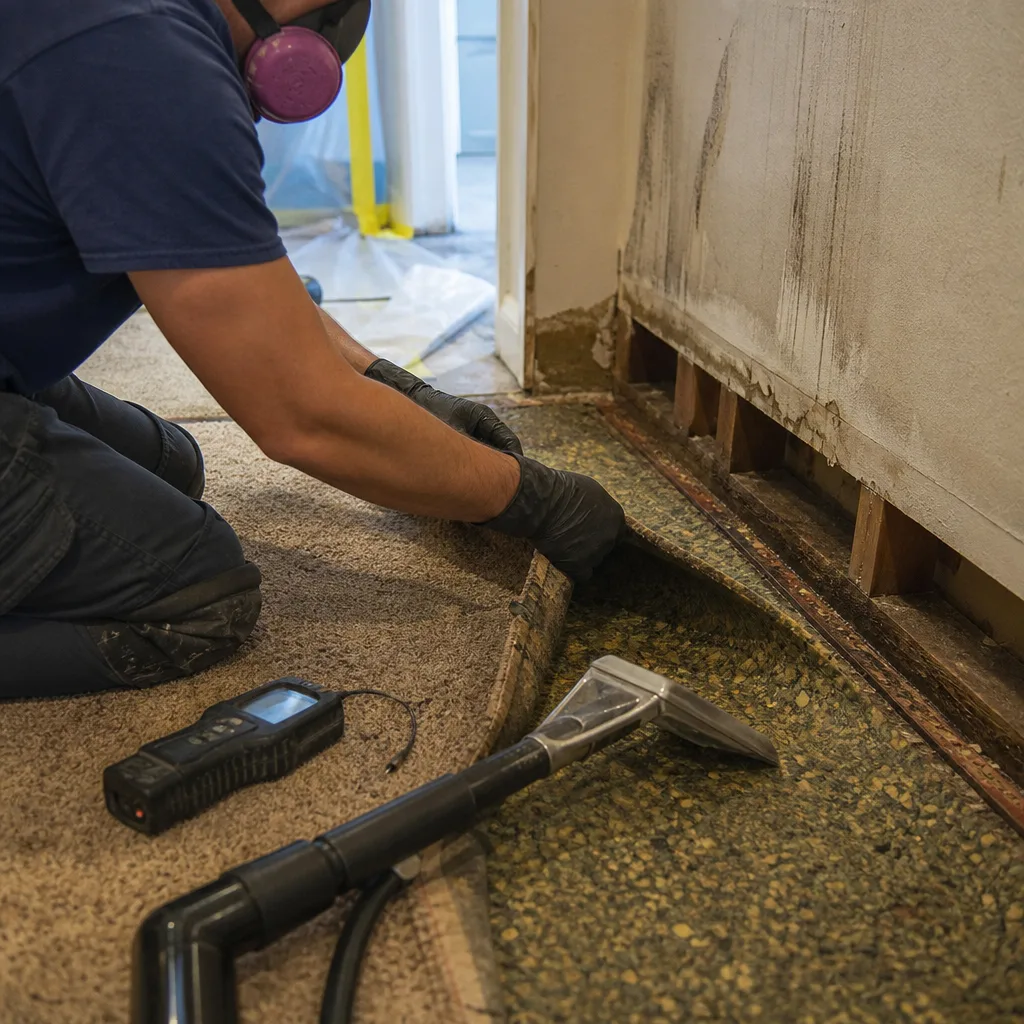
The formula is simple: equipment type × days on-site × daily rate. The dispute arises over days on-site. An adjuster will not pay for equipment that sat in a dry building, and without documentation, the contractor’s word against the carrier’s standard is a losing fight for the homeowner.
Here’s what proper documentation looks like, and what you should receive as standard deliverables:
- Initial moisture mapping: A room diagram with moisture meter readings at affected and unaffected control points, recorded in wood moisture equivalent (WME) or relative moisture content (MC) depending on material. This establishes the baseline.
- Daily psychrometric readings: Temperature, relative humidity, and specific humidity recorded at equipment intake and exhaust points. These readings calculate grain depression, the measure of how much moisture the air can still hold. When grain depression stabilizes near zero, drying is complete.
- Equipment placement photos: Date-stamped images showing each unit’s location, serial number, and surrounding conditions. This prevents disputes over whether 4 air movers or 6 were actually deployed.
- Daily moisture log: A table showing each reading point’s progress toward dry standard, typically 12-16% MC for wood framing in Venice’s coastal climate. The log justifies each additional day of equipment rental.
- Decommissioning documentation: Final readings, equipment removal photos, and a signed statement that dry standard was achieved.
Without these five elements, a contractor cannot defend equipment day counts. In our experience reviewing competitor estimates for water damage restoration in Venice, roughly 40% of invoices lack complete daily logs. The homeowner bears the reduction.
The equipment brands matter less than the documentation, but they do matter. Phoenix and Dri-Eaz dehumidifiers carry established performance curves that adjusters recognize. XPOWER and B-Air air movers are standard equipment whose CFM ratings are cataloged in Xactimate. When a contractor uses off-brand equipment without verifiable specifications, the daily rate may be challenged.
Venice Cost Premiums: Codes, Permits, and Coastal Labor Markets
Restoration in Venice costs more than identical work in San Bernardino County. These premiums are legitimate and documentable, not padding. Understanding them helps you verify that your estimate reflects actual market conditions rather than opportunistic markup.
Older construction and hazardous materials:
Pre-1978 structures, which include much of Venice’s housing stock east of Lincoln Boulevard and north of Washington Boulevard, trigger EPA RRP rules for lead-safe work practices. Disturbed plaster may contain asbestos, requiring testing at $125-$195 per sample and abatement at $15-$35 per square foot if positive. A contractor who skips testing to lower the estimate exposes the homeowner to liability and the carrier to a denied claim.
LADBS permit requirements:
The Los Angeles Department of Building and Safety requires permits for structural wall removal, electrical work, and plumbing modifications. In Venice, permit fees run 15-25% above the LA median due to coastal zone review requirements. A proper estimate includes:
- LADBS plan check fee: $385-$650
- Coastal zone compliance review (if applicable): $195-$450
- Expedited processing (recommended for habitability restoration): $195-$340
Labor cost differential:
Licensed subcontractors in coastal LA markets command 20-35% above inland rates. A journeyman carpenter in Venice earns $45-$65 per hour versus $32-$48 in Riverside County. This differential is embedded in Xactimate’s regional pricing and should appear as such, not as a vague “coastal surcharge.”
Access and logistics:
Narrow streets in the Venice Canals, parking restrictions on Abbot Kinney, and limited staging space on walk streets increase labor hours for material handling. A legitimate estimate notes these conditions and adjusts labor quantities accordingly.
Depreciation, ACV vs. RCV: What a 1940s Bungalow Owner Actually Pays
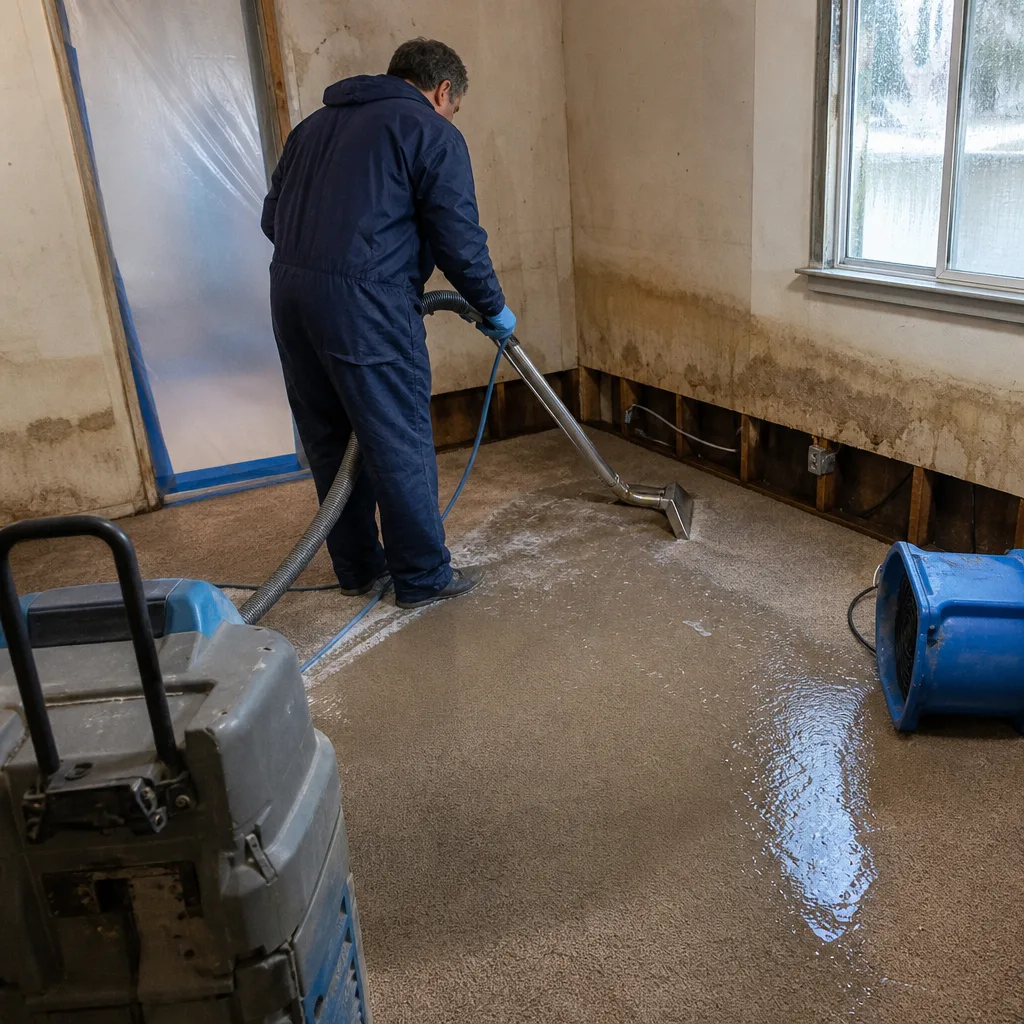
This is where homeowners lose thousands without understanding why. Your policy determines whether you receive replacement cost value (RCV) or actual cash value (ACV). The difference is depreciation, and depreciation is where adjusters and contractors fight.
RCV versus ACV in practical terms:
RCV pays the full cost to replace damaged materials with new materials of like kind and quality. You pay your deductible. ACV pays RCV minus depreciation based on age and condition. You pay your deductible plus the depreciation amount.
For a Venice 1940s bungalow with original oak flooring, the depreciation calculation might look like this:
- Replacement cost for 800 sq ft oak flooring: $14,400 ($18/sq ft)
- Flooring age: 80 years
- Expected lifespan per carrier tables: 100 years
- Depreciation percentage: 80% (some carriers cap at 50% regardless)
- Depreciation amount at 50% cap: $7,200
- Depreciation amount at full 80%: $11,520
Under ACV coverage with a 50% cap, you receive $7,200 minus deductible. Under RCV, you receive $14,400 minus deductible, but only after completing the work and submitting receipts. Many homeowners lack the cash flow to front the difference.
Where to dispute the adjuster’s calculation:
- Condition rating: Carriers often default to “fair” or “poor” for older materials. If your 1940s oak was maintained and refinished, argue for “good” condition, which reduces depreciation by 10-20 percentage points.
- Remaining useful life: A well-maintained plaster wall in a climate-controlled Venice home has longer remaining life than a generic table suggests. Document maintenance history.
- Functional obsolescence: Carriers sometimes claim old materials are obsolete. Counter that matching ordinances in California require replacement to blend with undamaged areas, making like-kind replacement necessary, not optional.
We document every material’s condition with photos before demolition, specifically to support depreciation disputes. Our photo records have recovered an average of $3,400 per ACV claim in additional settlement.
Three Line Items Missing From Most Estimates (That You’ll Pay Later)
These omissions don’t appear as contractor fraud. They appear as “oh, we didn’t realize that would be needed.” By then, the crew is inside and the homeowner is displaced. Haven Standard, Clause 1 exists to prevent exactly this.
1. Temporary Housing Coordination
When a Venice home is uninhabitable due to Category 3 water, fire damage, or mold contamination, ALE (Additional Living Expenses) coverage applies. But the estimate must include coordination costs: hotel sourcing, pet boarding, storage of essential items, and commute adjustments for work and school. We’ve seen homeowners pay $2,500-$6,000 out of pocket because the initial scope assumed they’d “just stay with family.”
Venice-specific consideration: Short-term rentals in Venice during summer months average $280-$450 per night. ALE limits of $3,000-$5,000 monthly exhaust quickly. The estimate should project realistic displacement duration based on drying curves and reconstruction scheduling.
2. Contents Storage
Pack-out and cleaning are usually included. Long-term climate-controlled storage during extended reconstruction is not. A six-month rebuild with contents in storage at $150 per vault per month adds $900 per vault. A typical Venice home requires 4-8 vaults. The estimate should specify storage duration and rate, with a clause for extension if reconstruction delays occur.
3. Post-Restoration Air Quality Testing
For mold remediation in Venice, fire restoration, or sewage cleanup, clearance testing verifies the space is safe for occupancy. This is not optional for health-sensitive occupants or for closing an insurance file. Yet roughly 60% of competitor estimates omit it.
2026 Venice clearance testing costs:
- Air sampling (per sample, lab analysis included): $125-$195
- Surface sampling (per sample): $85-$140
- ERMI/HERSTMI-2 dust analysis: $385-$650
- Full clearance protocol with visual inspection: $650-$1,200
A proper estimate includes post-restoration verification as a line item with a pass/fail standard defined before work begins.
How to Verify Your Invoice Against Xactimate Unit Rates
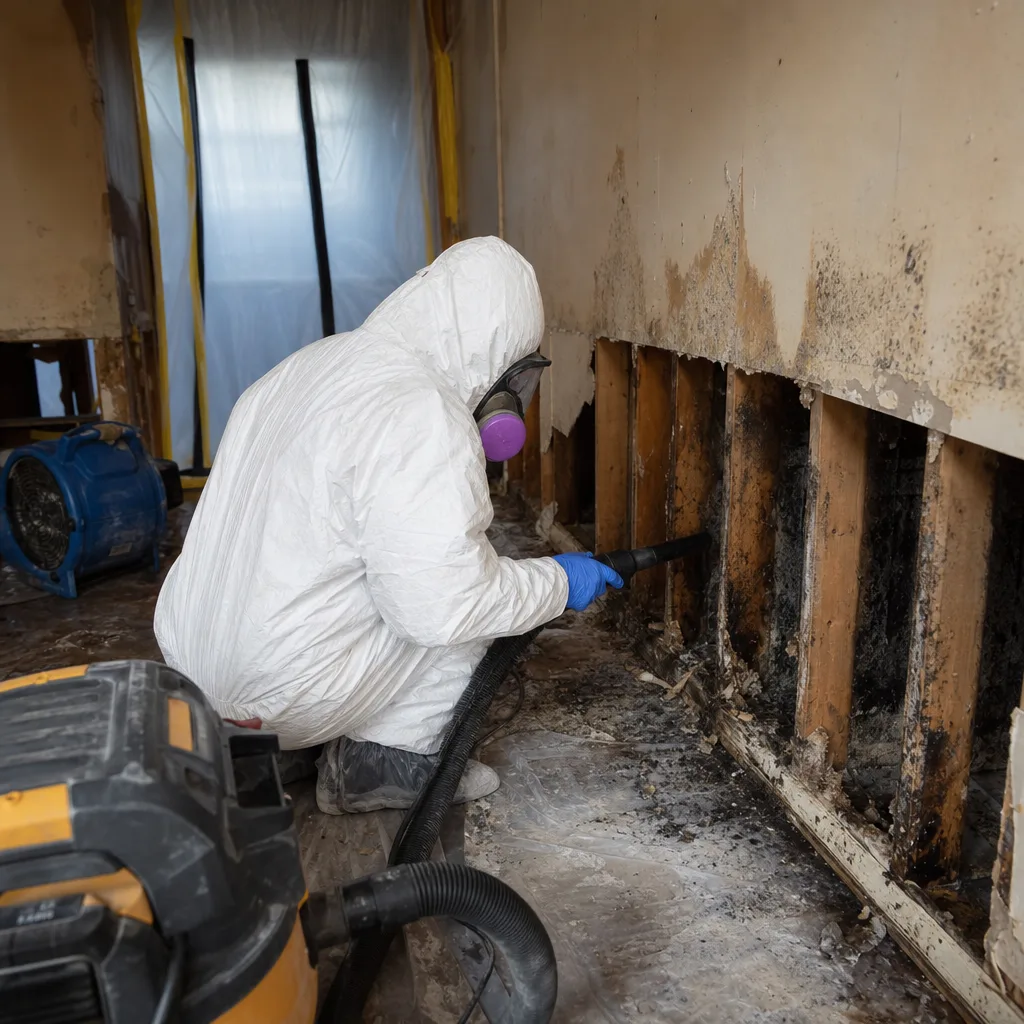
Xactimate is the pricing database used by most insurance carriers and many contractors. Understanding how to cross-check your invoice against it puts you in control of the conversation.
Step 1: Request the Xactimate sketch and line-item detail
Any contractor using Xactimate can export a PDF with room dimensions, affected square footage calculations, and unit prices. If your contractor won’t provide this, that’s a signal. Haven Standard jobs include this as standard documentation.
Step 2: Verify quantities with your own measurements
Measure affected rooms yourself. A common error is claiming ceiling height at 9 feet when actual height is 7.5 feet, inflating cubic footage and thus equipment and material quantities. For wall assemblies, measure linear feet of baseboard removed; this should match the drywall removal line item.
Step 3: Check unit rates against Xactimate’s published ranges
Xactimate updates regional pricing quarterly. For Los Angeles County in 2026, major categories fall within these ranges:
- Water extraction, residential: $1.50-$3.50/sq ft
- Dehumidifier, large: $40-$75/day
- Drywall removal: $1.80-$4.20/sq ft
- Drywall installation: $3.80-$8.50/sq ft
- Oak flooring, install prefinished: $10.50-$20.50/sq ft
Rates above these ranges require justification: hazardous materials, difficult access, or specialized materials. Rates significantly below suggest corner-cutting on labor classification or material grade.
Step 4: Confirm overhead and profit are calculated correctly
Xactimate applies 10% overhead and 10% profit as standard for restoration work. Some contractors add these to each line item; others apply them to the subtotal. Both methods are valid, but double-application is not. Verify the math.
Step 5: Match photo documentation to line items
Every demolition line item should have a pre-demo photo. Every equipment line item should have a placement photo. Every reconstruction line item should have a completion photo. Gaps in documentation correlate with disputed claims.
Our DryMark Restoration Venice home page includes examples of complete documentation packages. We provide these to every client, not upon request.
Common Mistakes to Avoid
- Accepting a verbal estimate. Haven Standard, Clause 1 requires a written price before work begins. Verbal estimates are unenforceable and unverifiable. If a contractor says “we’ll figure it out as we go,” the figure will not favor you.
- Not photographing the loss before cleanup. Your adjuster needs to see standing water, char patterns, or mold growth to authorize scope. A contractor who begins work before photo documentation destroys evidence you’ll need for depreciation disputes.
- Assuming your policy covers replacement cost. Many Venice homeowners with older policies have ACV coverage they don’t realize limits their payout. Request your declarations page and confirm RCV or ACV before filing.
- Ignoring permit requirements for “minor” reconstruction. LADBS requires permits for electrical, plumbing, and structural work. Unpermitted work voids future claims, complicates resale, and triggers penalties. A proper estimate includes permit costs and scheduling.
- Not verifying subcontractor licensing. California requires C-61/D-49 sanitation contractors for sewage cleanup and C-36 plumbing contractors for water line work. Unlicensed subcontractors expose you to liability and your insurer to denial.
- Accepting equipment day counts without logs. Every day of dehumidifier rental should be justified by moisture data showing the building was not yet dry. Without logs, you’re trusting a vendor’s incentive to maximize rental revenue.
- Neglecting contents in the initial scope. Personal property is often an afterthought, leading to rushed pack-outs, inadequate inventory, and disputed cleaning versus replacement decisions. Insist on a dedicated contents line item with handling procedures defined.
When to Call a Professional
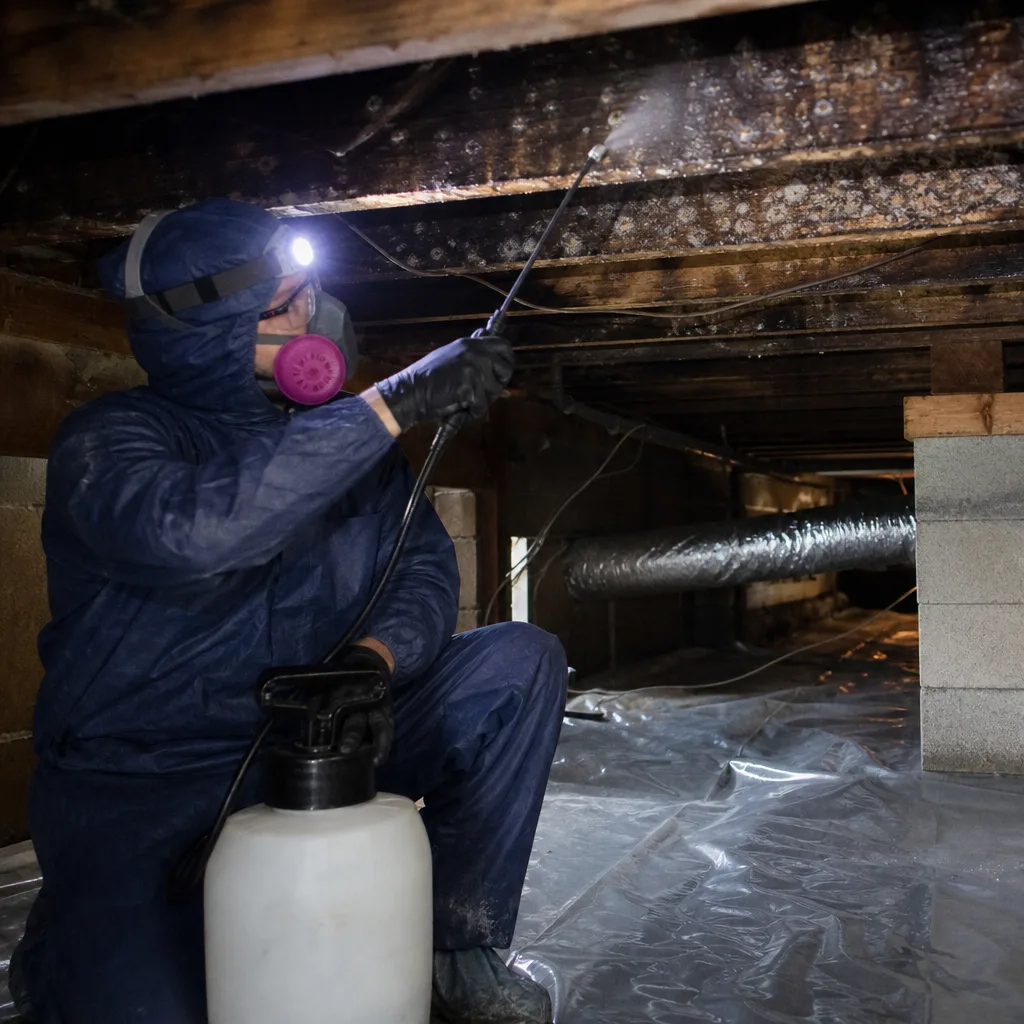
Call immediately when water has saturated structural materials, when mold covers more than 10 square feet, when fire damage has compromised electrical or HVAC systems, or when sewage or biohazard contamination is present. These scenarios carry health risks and code implications that DIY cannot address.
For water damage, the 24-48 hour window before mold colonization begins is real but often overstated as panic marketing. The actual urgency is documentation: standing water causes more damage to subfloors and wall assemblies with each hour, and the longer the delay, the harder to establish cause and scope for your claim.
DryMark Restoration Venice offers free estimates in Venice. Explore more guides & resources on our blog. Every estimate includes a written scope, unit pricing, and documentation requirements before work begins. Call (424) 372-0129. Our live dispatch answers 24 hours a day, 7 days a week with no voicemail trees.
Frequently Asked Questions
A standard residential water loss in Venice runs $3,500-$18,000 depending on category, affected square footage, and whether hazardous materials testing is required. Category 1 clean water in a 1,000 square foot area typically falls at the lower end; Category 3 sewage backup in a 2,500 square foot home with plaster walls reaches the upper range. Call (424) 372-0129 for a written estimate with unit pricing - estimates are free.
Your coverage depends on three factors: whether the cause is a covered peril (sudden and accidental, not gradual leak or flood without separate flood coverage), whether your policy pays RCV or ACV, and whether the estimate is documented to carrier standards. RCV policies pay full replacement minus deductible. ACV policies pay replacement minus depreciation, which for a 1940s Venice bungalow can reduce flooring and roofing payouts by 30-50%. We coordinate directly with adjusters and provide the documentation that supports maximum settlement. Call (424) 372-0129 to review your policy specifics.
Emergency response for active water intrusion or fire damage is available 24 hours a day, 7 days a week. For Venice addresses, typical dispatch time is 60-90 minutes during normal hours, 90-120 minutes overnight. Reconstruction work is scheduled, not dispatched, and requires a written scope with permit scheduling. Speed language applies to mitigation only; rebuild work is scoped and priced in writing before scheduling, per Haven Standard, Clause 1.
Surface mold under 10 square feet on non-porous materials can sometimes be addressed with proper PPE and cleaning agents. Hidden mold in wall cavities, mold on porous materials like drywall or insulation, or mold resulting from Category 2 or 3 water requires professional remediation with containment, negative air pressure, and post-remediation verification. In Venice’s humid coastal climate, mold spreads faster than inland; we’ve seen apparently minor surface colonization extend 6-8 feet into wall assemblies. Mold remediation in Venice should include air quality testing to confirm clearance.
We do, as part of our standard service. Our documentation package - photo records, daily drying logs, Xactimate line-item estimates, and material condition reports - is formatted specifically for adjuster review. We attend adjuster meetings on request and handle supplement negotiations when scope expands based on hidden damage. This coordination is included, not billed separately. The homeowner’s role is to authorize work and confirm satisfaction at completion.
Mitigation-only companies handle extraction, drying, and demolition, then hand off to a separate rebuild contractor. This creates gaps in documentation, disputes over damage causation, and delays while a new scope is developed. Full-service restoration manages mitigation and reconstruction under a single documented chain of custody, with consistent moisture data supporting the rebuild scope. DryMark Restoration Venice provides both, with the same documentation standards throughout. For fire and smoke damage restoration in Venice, single-source responsibility is particularly important because odor remediation and reconstruction must be coordinated.
Compare it against this guide’s unit rate ranges. Verify quantities with your own measurements. Request the Xactimate export with room sketches. Confirm every line item has corresponding photo documentation. Check that overhead and profit are applied once, not double. An incomplete estimate omits permits, testing, or contents handling. A padded estimate inflates square footage, extends equipment days without moisture logs, or uses premium rates for standard conditions. Our Free Second Opinion service reviews any competitor’s written estimate at no charge.
The Bottom Line
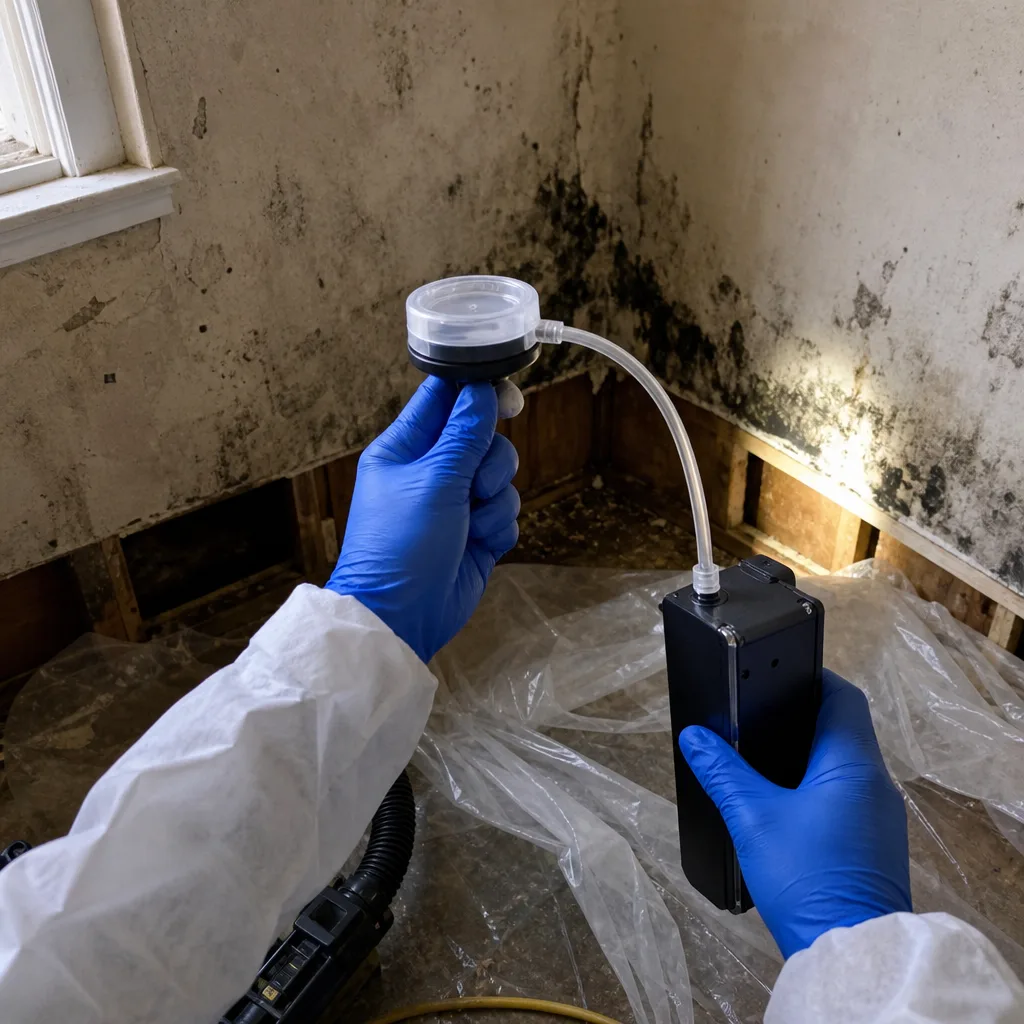
Restoration invoices are written in a language most homeowners cannot read, and that asymmetry costs money. The five cost categories, the equipment calculation method, the Venice-specific premiums, the depreciation math, and the commonly omitted line items are all verifiable against published standards. Your protection is documentation: written prices before work begins, photo records on every visit, daily equipment logs, and a scope that includes everything you’ll need. Anything less leaves you negotiating from weakness with an adjuster who sees incomplete paperwork every day.
Written by Alicia Brennan, Owner at DryMark Restoration Venice, serving Venice since 2011.