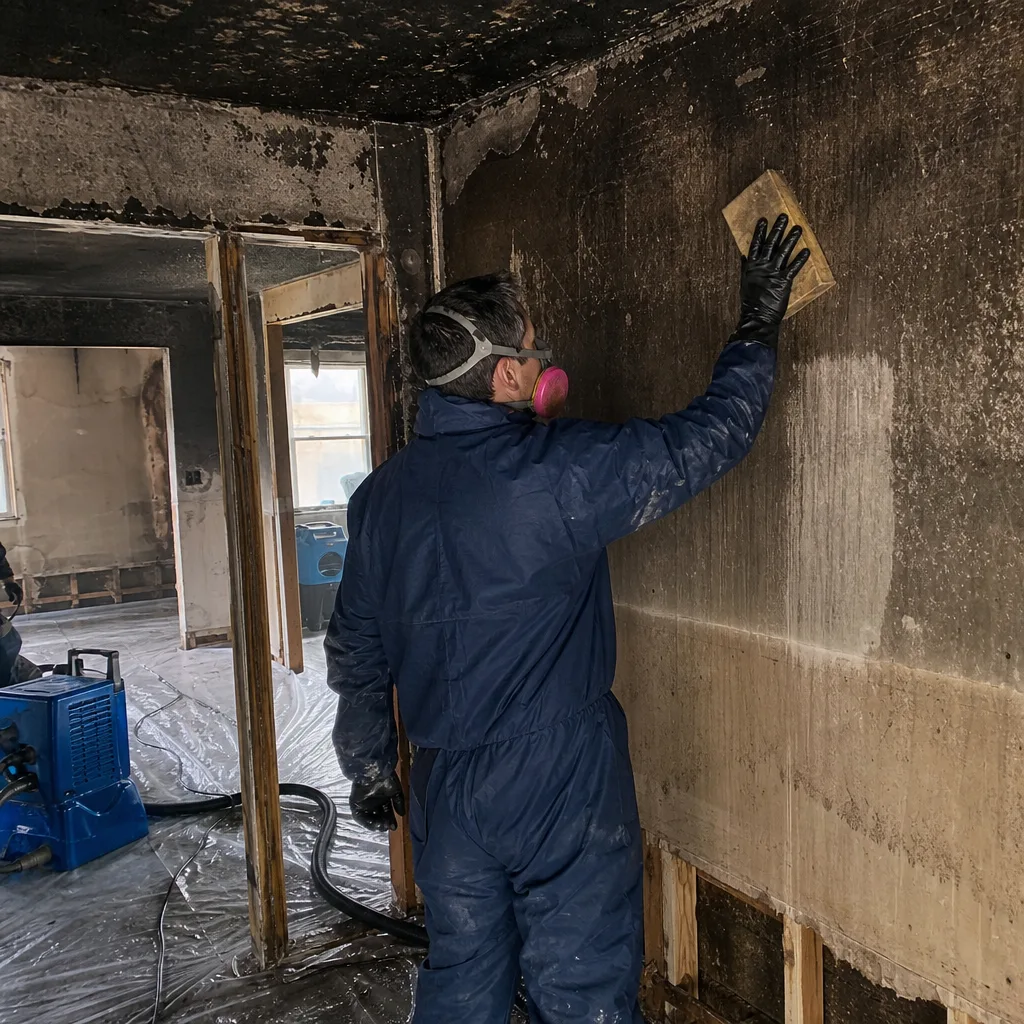
Free visual inspection and a written scope of work before any mitigation begins - photos, moisture readings, and drying logs go in your claim file
The scope we write is the scope we bill. Anything new gets shown to you, in writing, before we touch it.
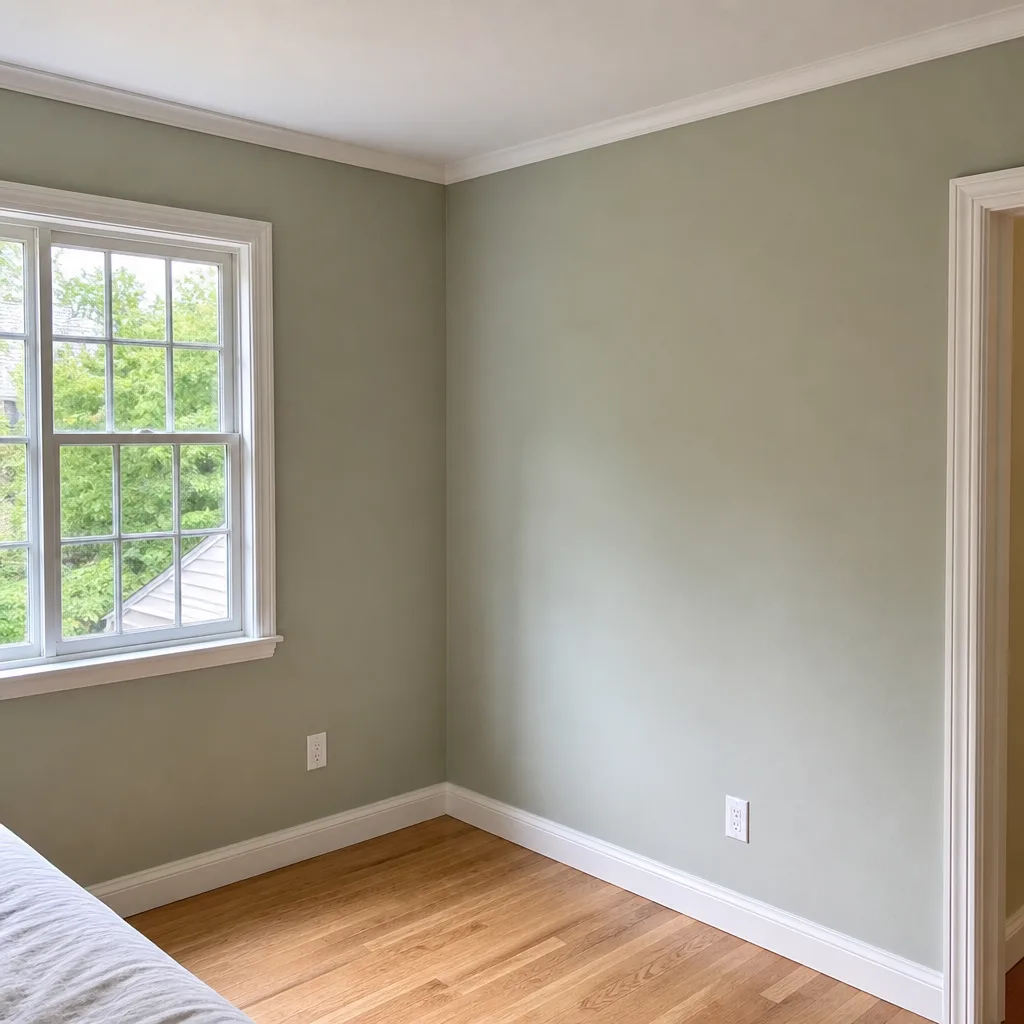
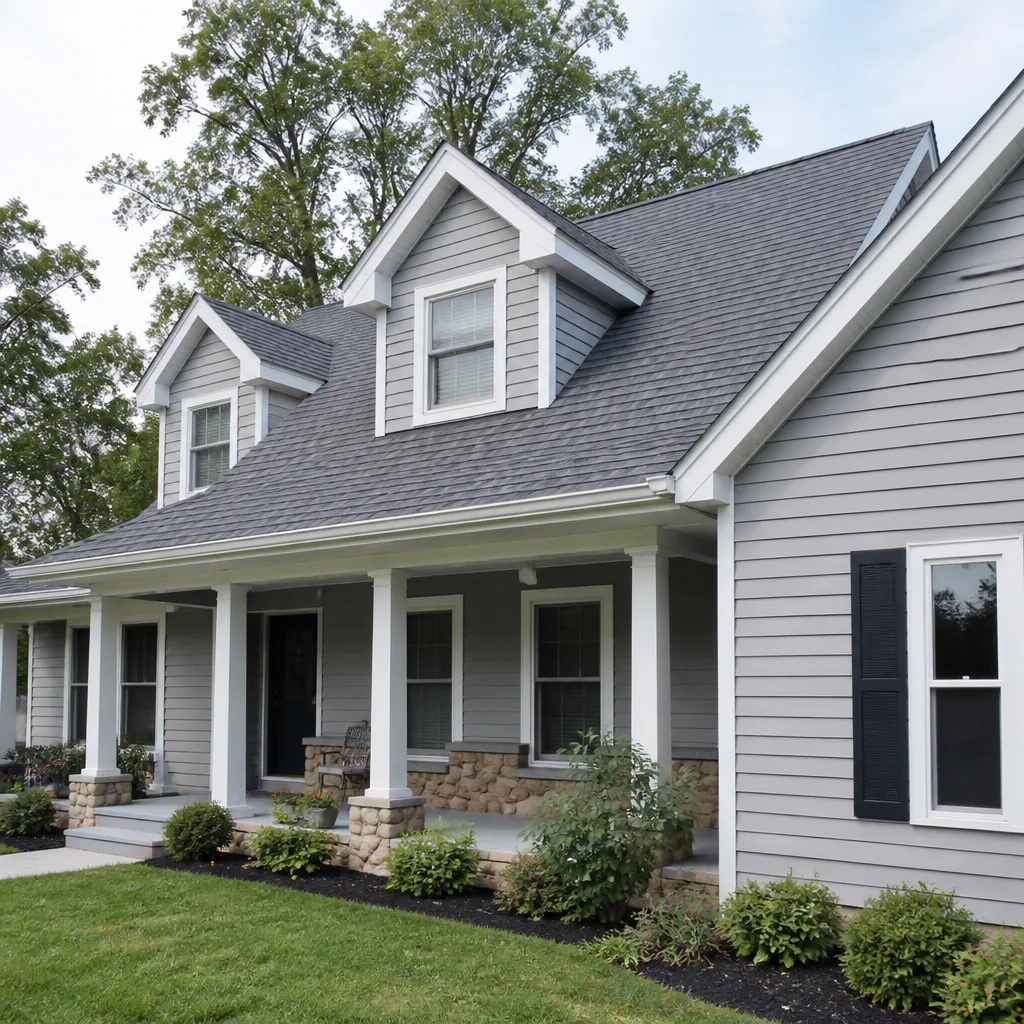
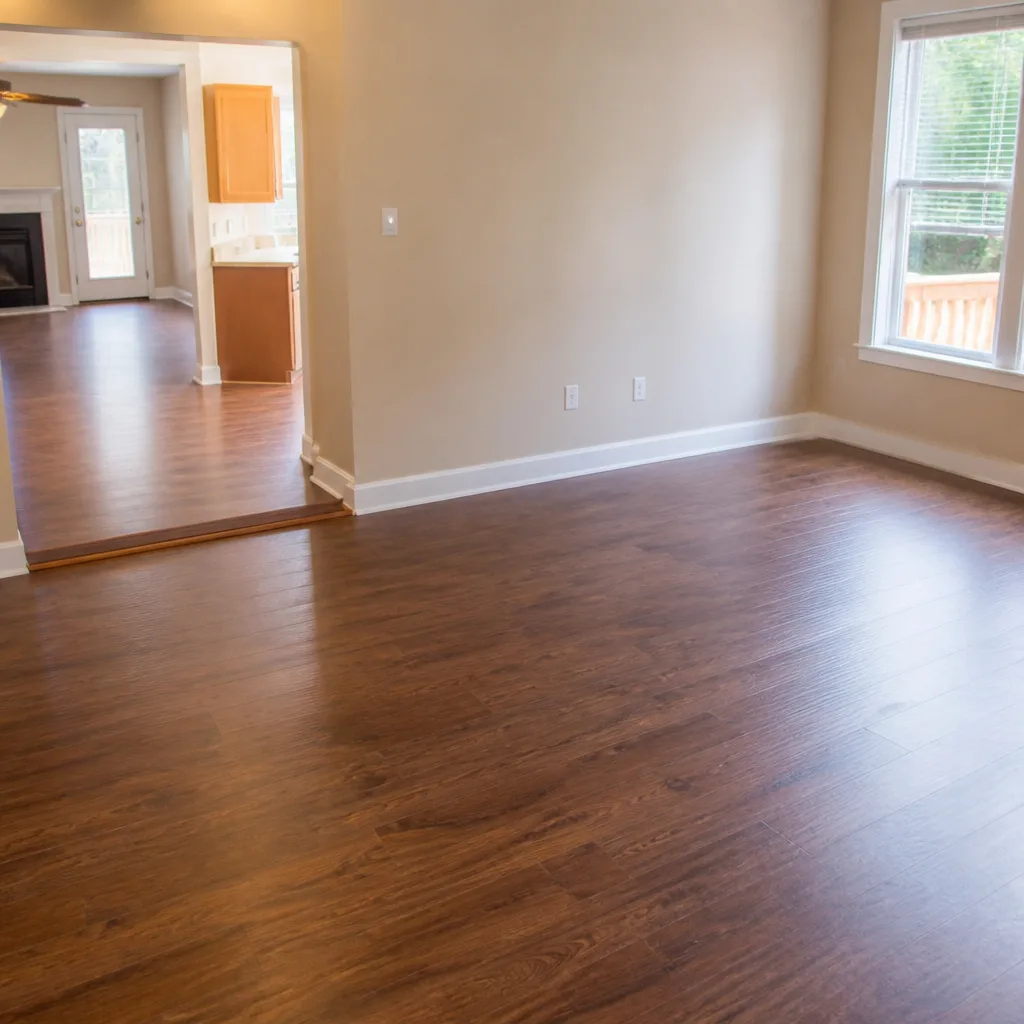
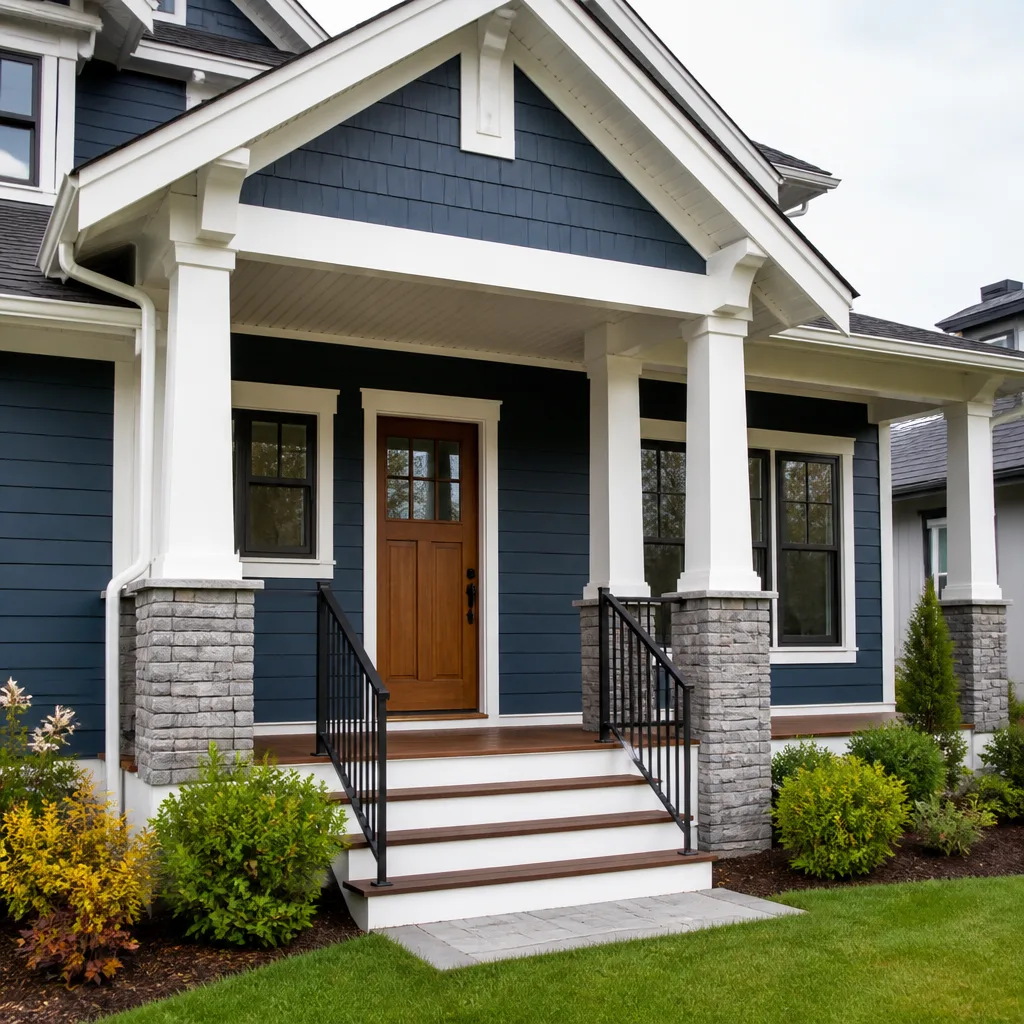
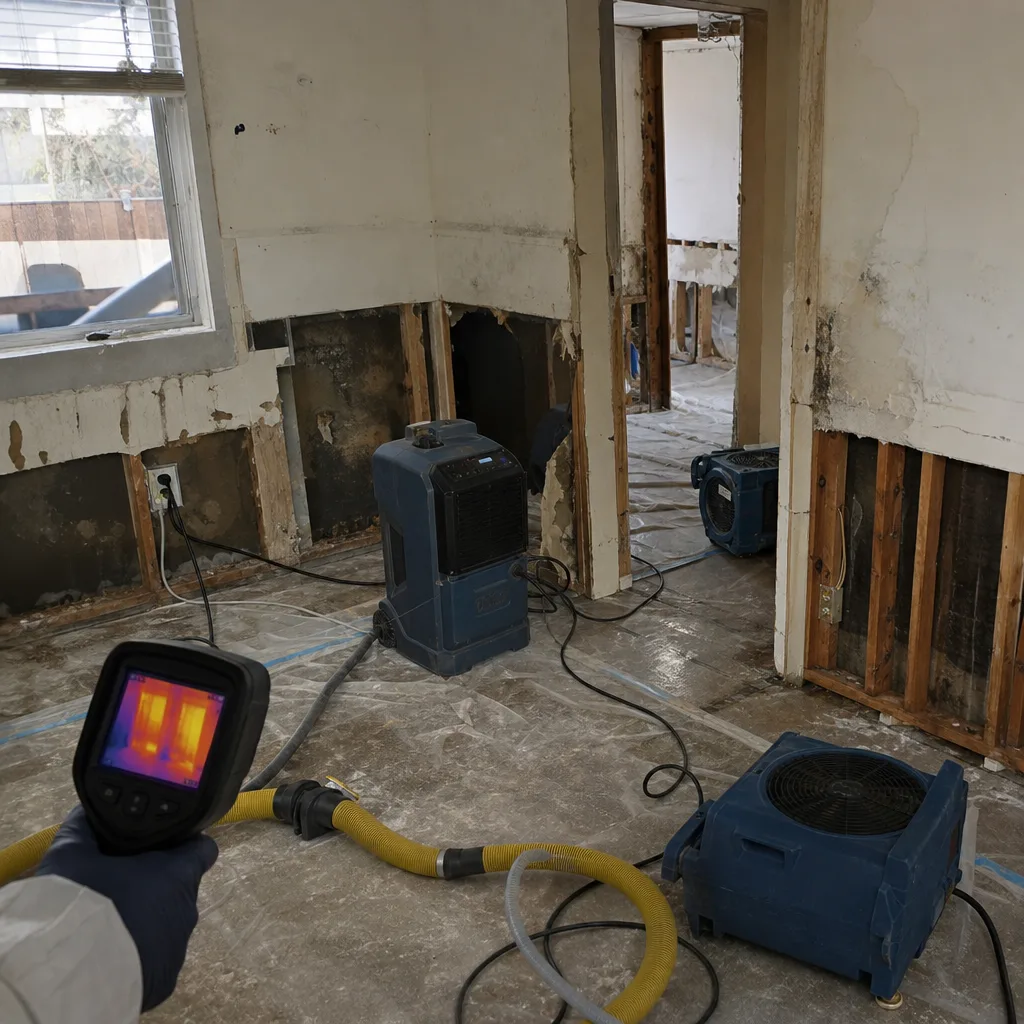 Before
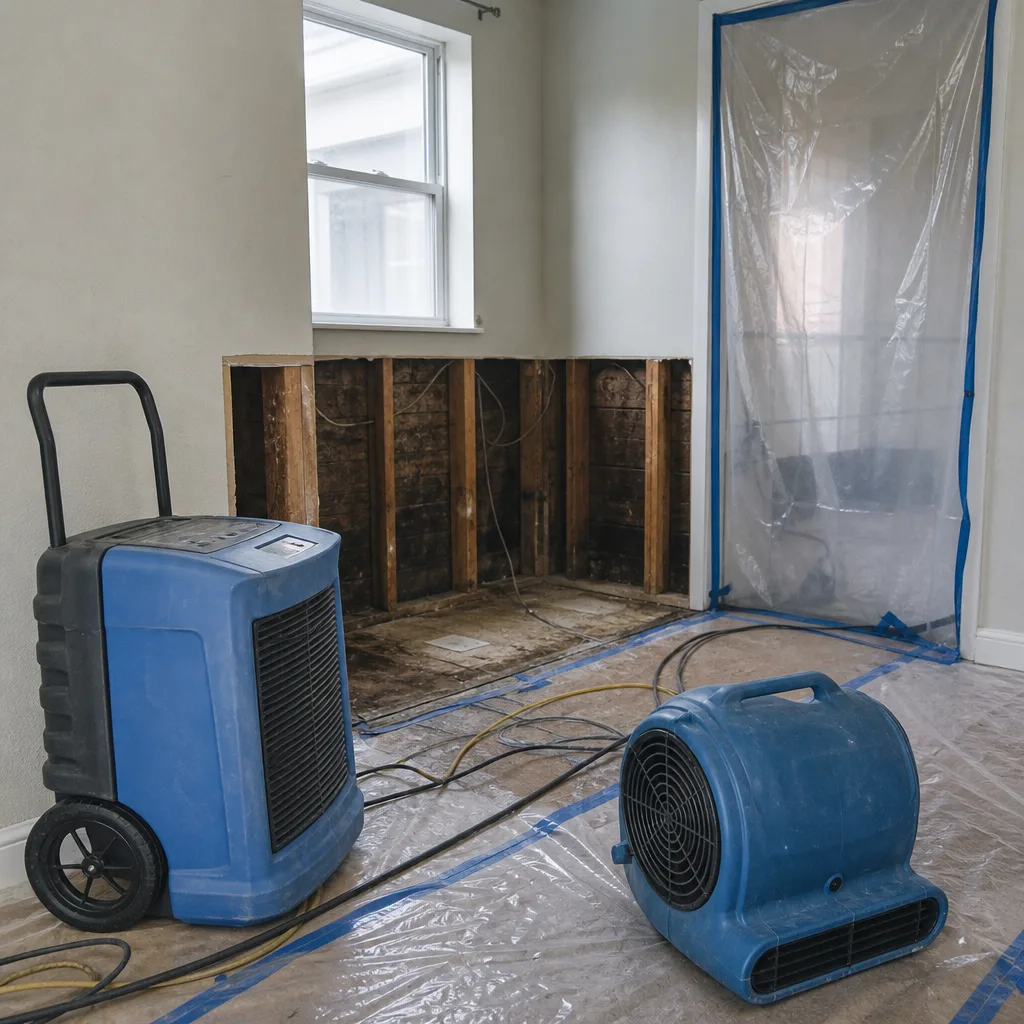 After
After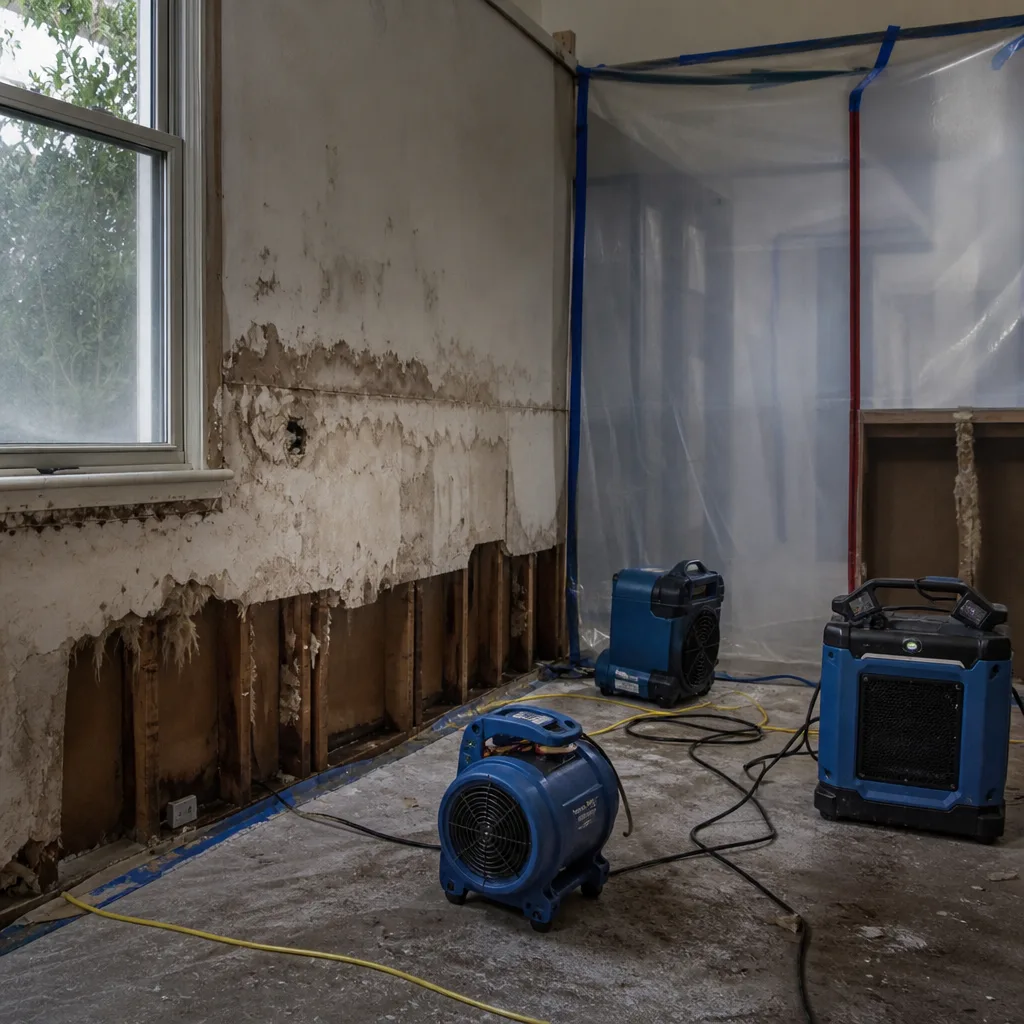 Before
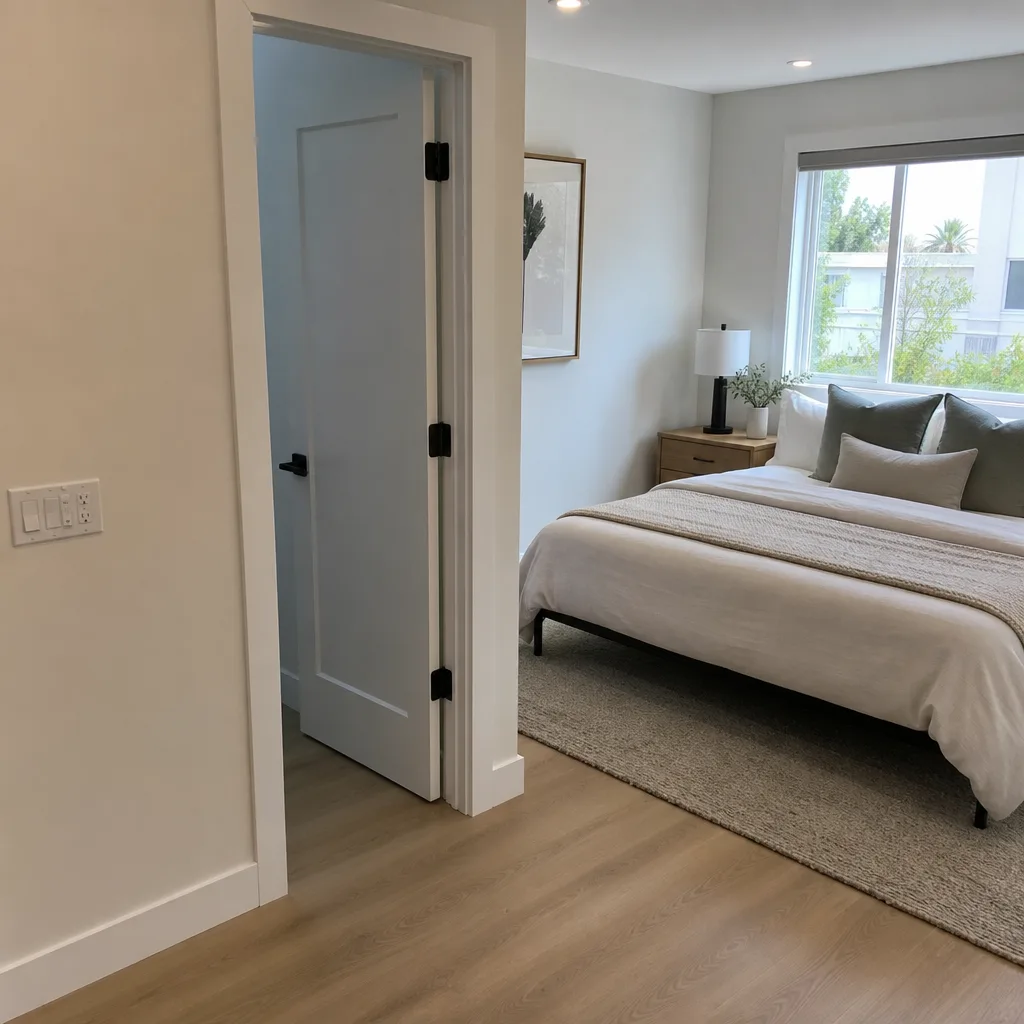 After
After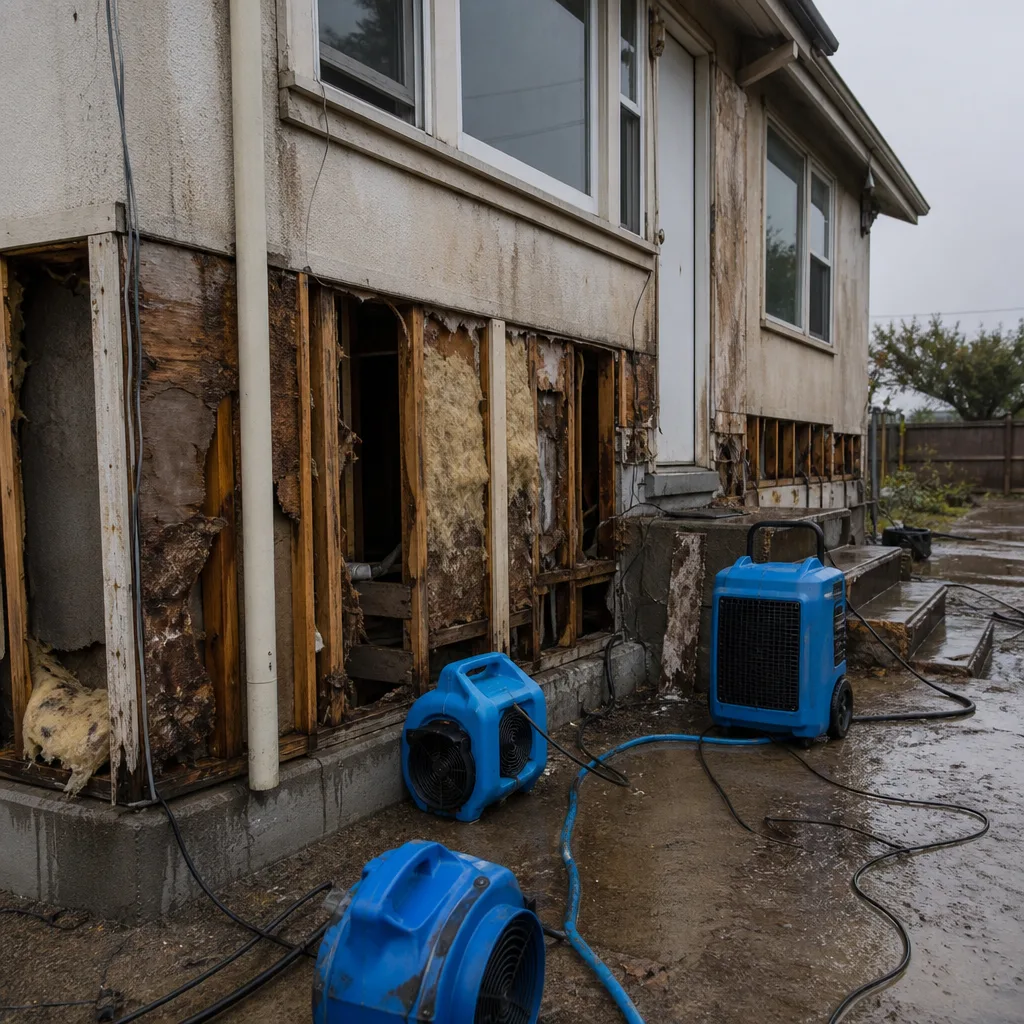 Before
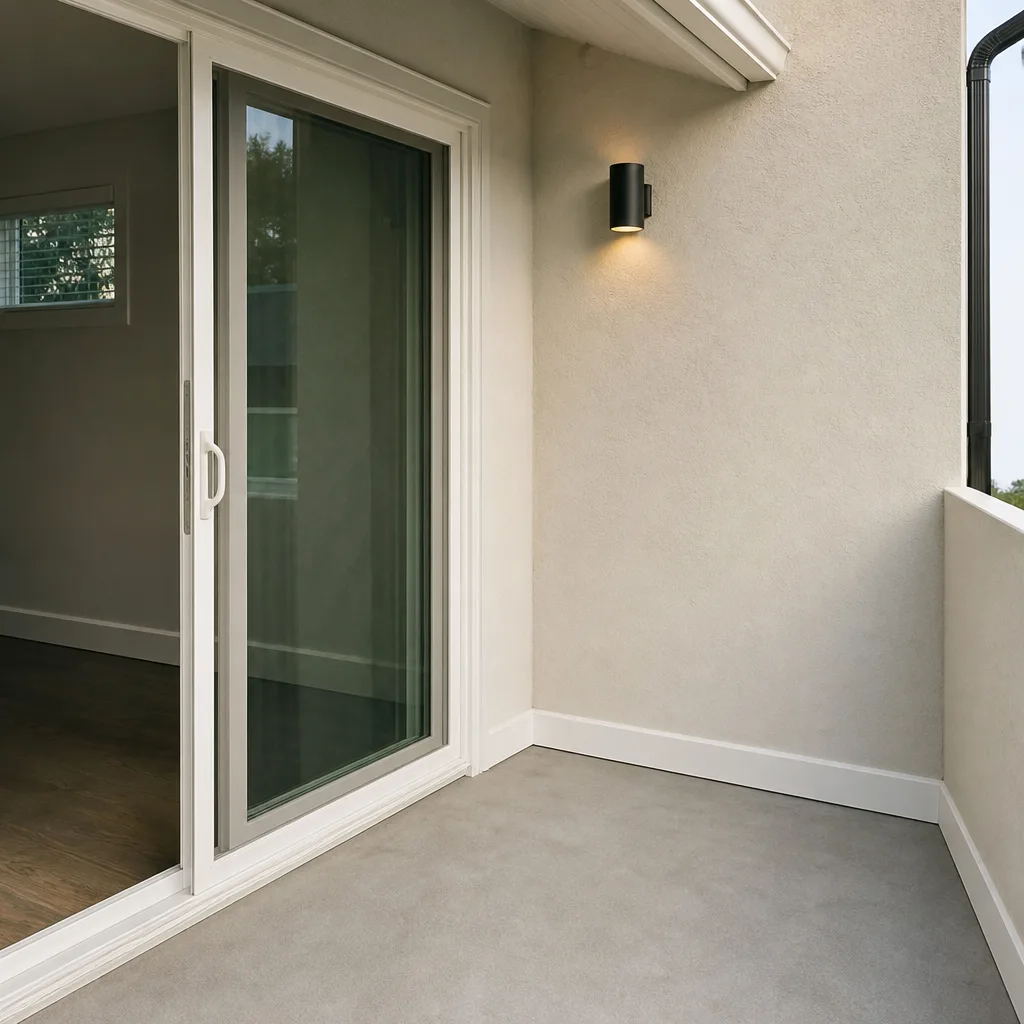 After
After24/7 Emergency Water Damage Restoration in Venice
Water damage restoration in Venice typically costs $2,800-$7,500 for a standard residential extraction and drying job, with canal-district properties running higher due to groundwater complications. Most Venice homes need same-day response to prevent secondary damage to original fir subfloors, plaster, and the lightweight framing common in 1920s beach bungalows. Call (424) 372-0129 now - a live person answers, no voicemail, and crews dispatch from our Los Angeles office to Venice within 45 minutes.
The first hour determines whether you’re looking at a three-day dry-out or a three-week rebuild. Water moves horizontally through Venice’s older pier-and-beam and shallow slab foundations faster than it does in modern slab-on-grade construction. Our Water Damage Restoration team maps moisture migration with thermal imaging before a single air mover gets plugged in. We also serve Venice property owners with free visual inspections, written scopes before any work starts, and photo-documented drying logs that keep insurance claims moving.
Understanding Water Damage Restoration Severity in Venice Properties
Water damage classification follows three categories. Category 1 is clean water from a supply line - the burst copper or PEX pipe in your kitchen wall. Category 2 carries contaminants, maybe from a dishwasher drain or washing machine overflow. Category 3 is grossly contaminated: sewage, seawater intrusion, or groundwater flooding that has picked up soil, fuel, or pathogens. On Venice canal streets, a Category 1 supply-line break often degrades to Category 2 or 3 within hours when groundwater seeps into the same cavity.
Moisture mapping with thermo-hygrometers and thermal cameras tells us where water traveled, not just where it pooled. Structural drying uses psychrometric data - temperature, relative humidity, and vapor pressure differential - to calculate exactly how much moisture the air can hold and how fast we can pull it from wet materials without warping original fir floors or cracking century-old plaster. Tertiary drying targets bound water in dense materials like hardwood or concrete that release moisture slowly.
Venice’s housing stock complicates every category. The 1910s-1940s beach bungalows near the canals were built as seasonal structures with minimal vapor barriers, pier-and-beam foundations with crawlspaces that breathe coastal air, and no weatherproofing against sustained moisture. Converted industrial lofts near Lincoln Boulevard have flat roofs, aging galvanized supply lines, and electrical panels that the marine layer has been corroding for decades. Newer luxury townhomes bring their own risks: integrated smart-home systems, hidden PEX runs in insulated walls, and HOA-mandated finishes that slow detection.
Why Venice Property Owners Choose DryMark Restoration Venice
- 45-minute response commitment to Venice addresses, with crews staged from our Los Angeles office and routed via Lincoln Boulevard or Pacific Avenue depending on traffic patterns and the Venice Canals bridge clearances.
- 24/7 live answer - a real person, never an automated system, picks up every call to (424) 372-0129, because water doesn’t wait for business hours and neither do we.
- IICRC-certified crews with WRT (Water Damage Restoration Technician), FSRT (Fire & Smoke Restoration Technician), and AMRT (Applied Microbial Remediation Technician) credentials, verified before they arrive at your door.
- Free visual inspection with moisture readings, thermal imaging documentation, and a written scope of work delivered before any equipment gets powered on.
- Direct insurance billing with photo-documented drying logs, line-item estimates, and adjuster coordination handled by our in-house claims team - no third-party billing service.
- One team from extraction to reconstruction - the same crew that pumps out your basement handles the drywall, flooring, and finish carpentry, so nothing gets lost in handoffs.
 Before
 After
AfterOur Water Damage Restoration Process
1. Inspection & Assessment
We arrive with thermal imaging cameras, penetrating and non-penetrating moisture meters, and hygrometers to map the full extent of water migration. On Venice canal properties, we specifically probe subfloor cavities and crawlspaces for groundwater intrusion that standard surface readings miss. You get a written scope and firm price before any work begins.
2. Extraction & Stabilization
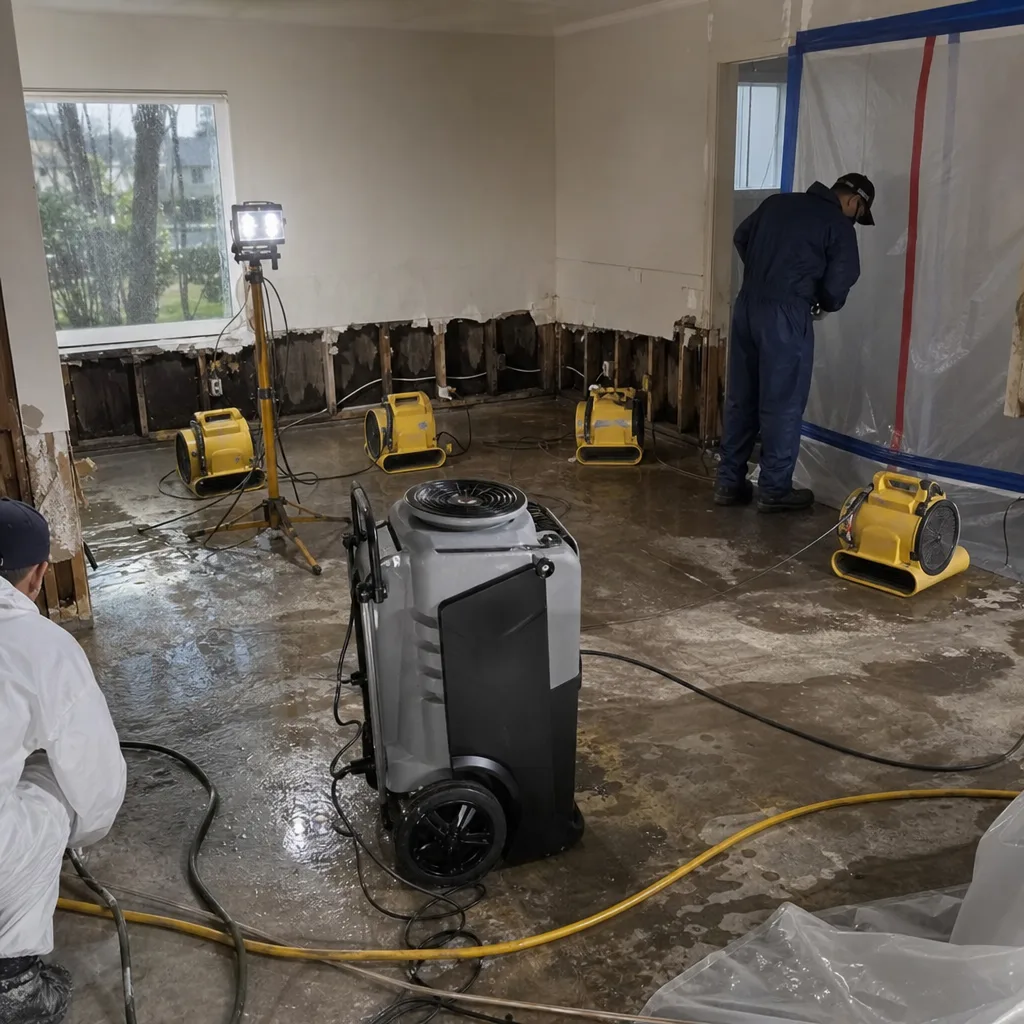
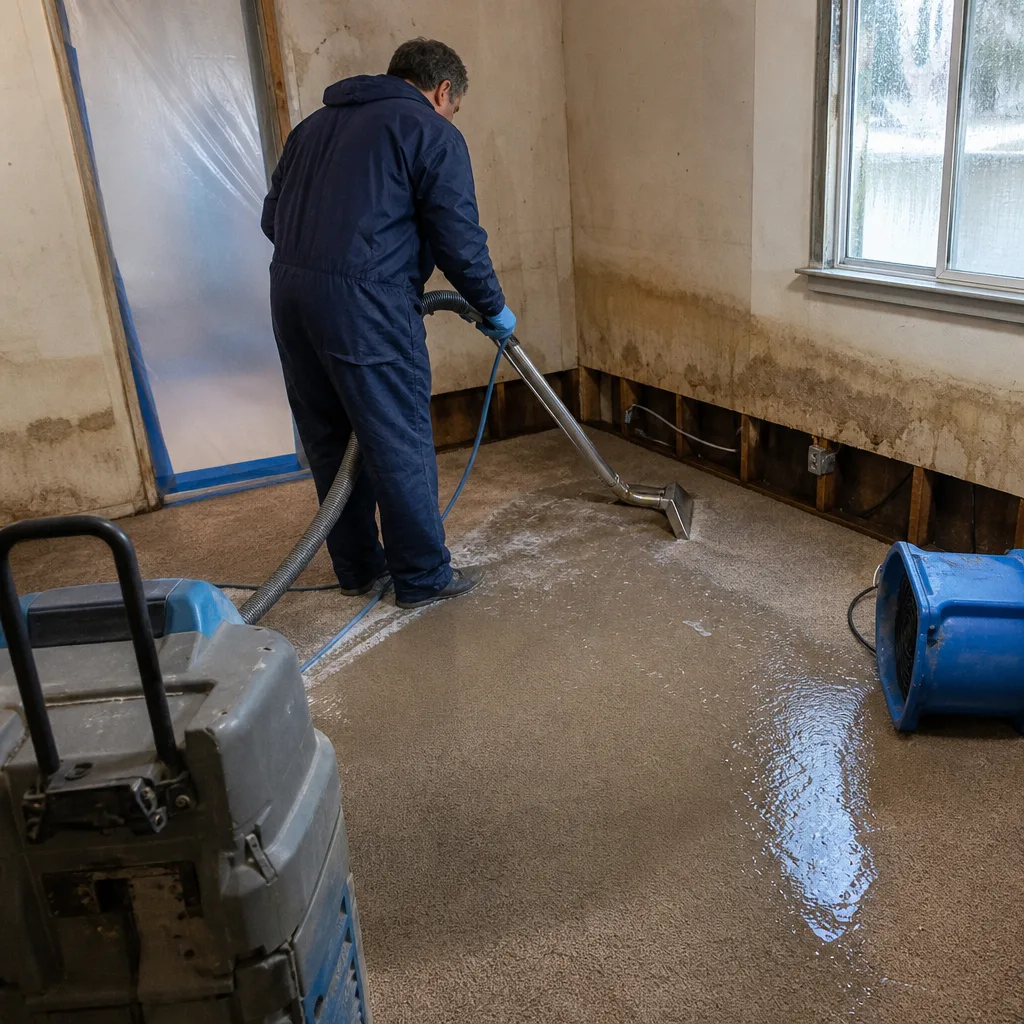
Truck-mounted extraction units remove standing water at rates up to 25 gallons per minute. For Venice’s shallow slabs and pier-and-beam foundations, we extract from both the finished floor and the crawlspace below, using weighted extraction tools on carpets and squeegee wands on hard surfaces. Containment barriers isolate unaffected areas.
3. Drying & Dehumidification
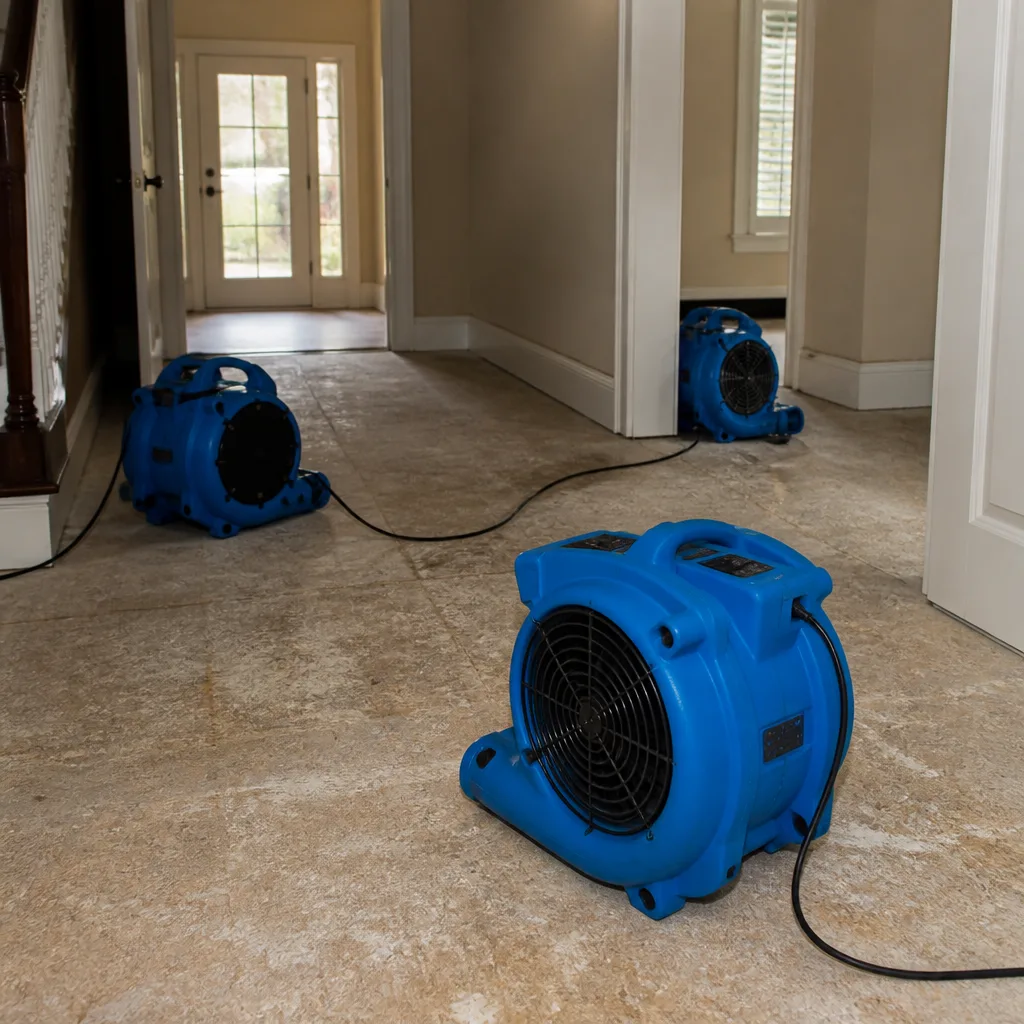
We deploy Dri-Eaz and Phoenix LGR dehumidifiers alongside B-Air and XPOWER air movers arranged to create controlled airflow patterns. On canal streets like Carroll Canal and Eastern Canal, standard dehumidification alone fails - we supplement with sump pumps and, where needed, French drain solutions to manage active groundwater seepage within the first foot of excavation.
4. Cleaning & Sanitization
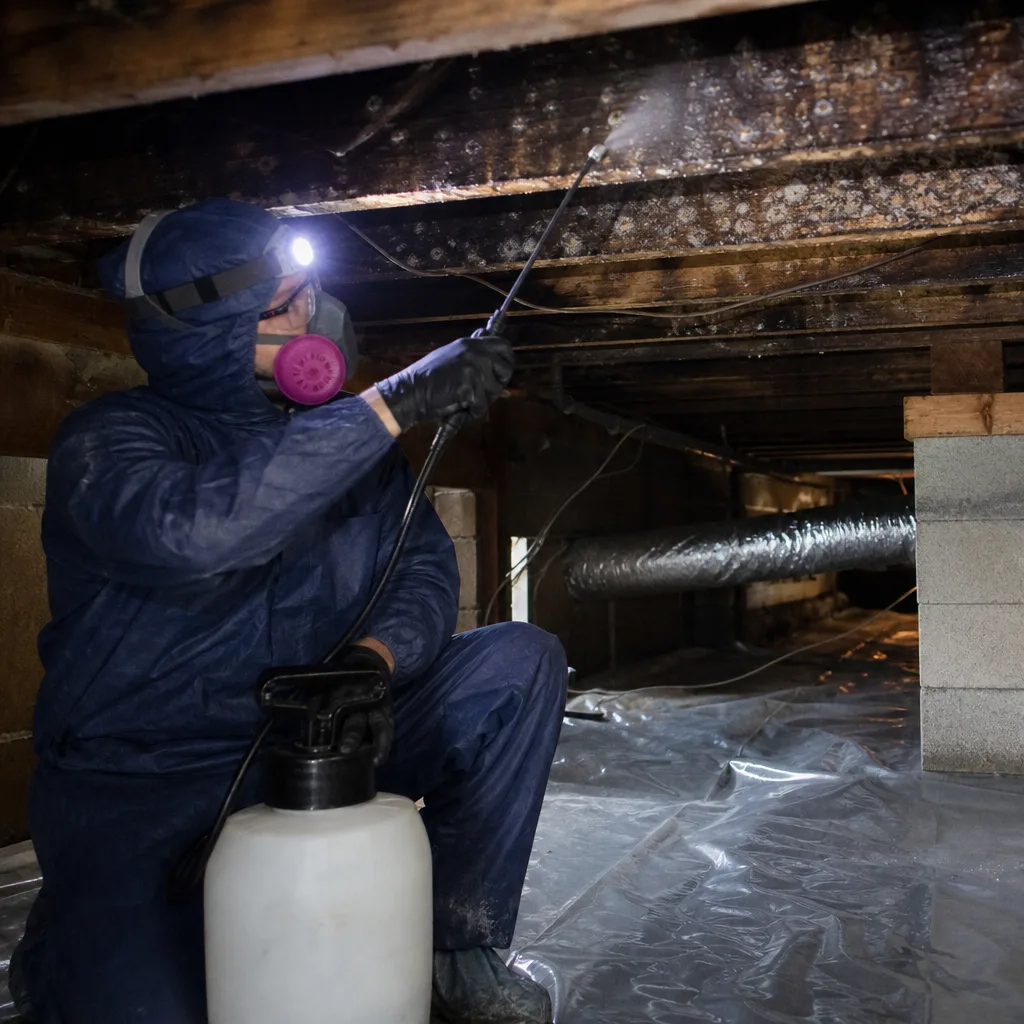
Category 2 and 3 water gets antimicrobial treatment with EPA-registered products, followed by HEPA air scrubbing to capture airborne particles. We document every product batch number and application time for your insurer. Odor treatment with thermal fogging or ozone follows if organic contamination is present.
5. Salt-Air Corrosion Remediation
Venice’s marine layer corrodes electrical panels, HVAC coils, fasteners, and galvanized supply lines at a pace that stuns technicians from inland markets. Before any rebuild, we inspect and document secondary corrosion damage uncovered during drying - replacing compromised components so your rebuilt space doesn’t fail six months later from hidden salt damage.
6. Repairs & Restoration
Our crew returns original materials where possible: matching century-old fir flooring, replicating plaster textures, or sourcing equivalent modern finishes. Every repair is photo-documented, moisture-verified, and backed by our 365-Day Done Right Promise under The Haven Standard.
Need Emergency Water Damage Restoration in Venice Now?
Crews minutes away, answering live 24 hours a day. The sooner we start, the less it costs.
Working With Your Insurance Company
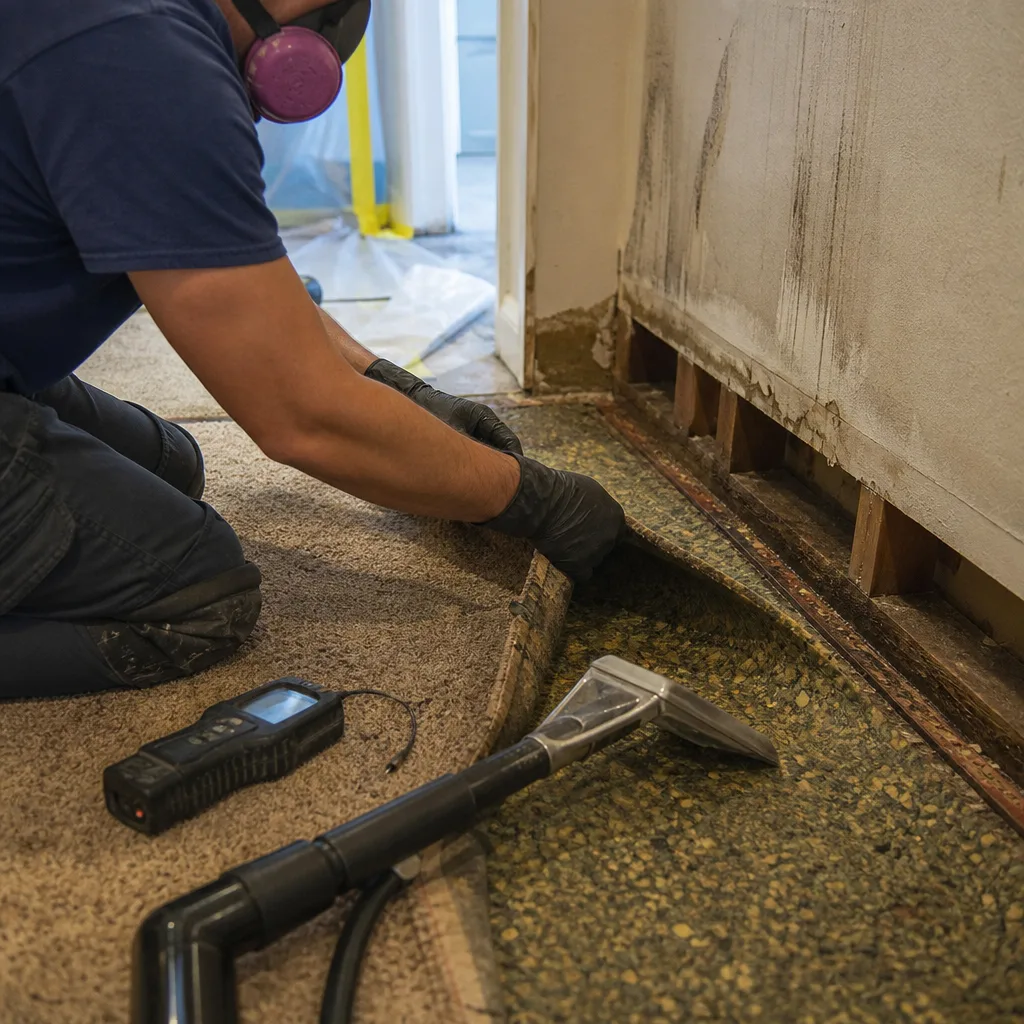
Insurance claims succeed or fail on documentation. We start building your file from the first phone call: timestamped photos, moisture readings with meter model and calibration date, daily drying logs with psychrometric data, and a line-item scope written to Xactimate standards. Our in-house claims team speaks directly with your adjuster, submits supplemental documentation when hidden damage extends the scope, and never asks you to front costs beyond your deductible.
The most common dispute we prevent is the “pre-existing condition” denial. Venice’s salt-air corrosion and chronic moisture exposure give insurers an easy out - unless you have dated photos proving the condition of electrical panels, fasteners, and subfloor cavities before the loss event. We document everything, including what we found that was already compromised and what the water damage caused.
What We Provide Your Insurer
- Thorough documentation of the loss
- Photos of all damage, room by room
- Moisture readings and drying logs
- A detailed, line-item scope of work
- Direct coordination with your carrier
Built for Venice’s Loss Calendar
January through March brings the heaviest rain years, when aging flat roofs on Lincoln Boulevard lofts and compromised flashing on 1920s bungalows give way. February 2017 showed Venice what sustained atmospheric river saturation does to structures already stressed by salt-air corrosion - we handled dozens of ceiling collapses where corroded fasteners finally let go.
April and May shift to supply-line failures: temperature swings stress older galvanized and copper, and the first sustained heat sends residents cranking ancient HVAC systems with corroded condensate drains. June through August rarely brings rain, but the marine layer keeps relative humidity above 70% most mornings - any undetected leak becomes a mold amplification event within 72 hours.
September through November is Santa Ana wind season, when hot dry air sucks moisture from surface materials while trapping it in wall cavities. December returns the winter rain pattern, and with it the highest volume of emergency calls. Year-round, the canal district’s high water table means groundwater intrusion jobs spike after any significant rain, not just flooding events.
Water Damage Restoration Across Venice’s Neighborhoods
The Venice Canals Historic District - Carroll Canal, Eastern Canal, Grand Canal, and the smaller walk streets between - presents our most complex calls. Here, a burst supply line in a 1920s cottage isn’t just about the water that escaped; it’s about the groundwater wicking up through pier-and-beam crawlspaces that sit inches above a saturated water table. We’ve learned to bring sump equipment to every canal-district job, even when the initial call sounds routine.
North of Venice Boulevard, the Oakwood and Milwood neighborhoods mix 1940s tract homes with newer infill. The older stock has the same shallow foundation issues, but without the canal district’s active groundwater - drying timelines here align with standard IICRC projections. The newer builds bring slab-on-grade construction and tighter envelopes, but also integrated PEX plumbing that fails catastrophically when it fails at all.
The Lincoln Boulevard corridor’s converted industrial lofts and creative workspaces present flat-roof drainage failures, aging galvanized supply lines, and electrical panels that have been breathing salt air since the 1950s. We coordinate with building management and multiple unit owners when water travels horizontally through shared walls.
Near Abbot Kinney Boulevard and the beachfront, luxury townhomes and renovated bungalows command premium finishes - wide-plank white oak, Venetian plaster, custom cabinetry. Water damage here demands precision: matching materials, documenting pre-loss condition for insurers, and protecting adjacent high-value finishes during containment. We’ve dried $4 million properties where the visible damage was a 4-square-foot ceiling stain and the moisture mapping revealed 800 square feet of affected subfloor.
Specialized Water Damage Restoration Services We Offer in Venice
Emergency Water Extraction
Truck-mounted and portable extraction units remove standing water within hours of your call. On Venice canal properties, we extract from both the living space and the crawlspace simultaneously - skipping the subfloor cavity is how competitors turn a three-day job into a three-week mold remediation.
Structural Drying & Dehumidification
We deploy Dri-Eaz Revolution LGR dehumidifiers and Phoenix 200 MAX units alongside targeted air-mover arrays, with daily moisture logs tracking specific humidity, temperature, and grain depression. Canal-district jobs get sump integration from day one - dehumidification alone cannot overcome active groundwater seepage.
Flood Cleanup
Venice’s rare but real flooding events - storm surge, backed-up storm drains, or combined sewer overflows - bring Category 3 contamination. We handle full PPE protocols, antimicrobial treatment, and clearance testing before rebuild. Documentation for FEMA and NFIP claims included.
Burst Pipe Restoration
Venice’s salt-air-corroded galvanized supply lines and stressed copper joints fail without warning. We locate the break, extract the water, dry the structure, and replace compromised plumbing - documenting pre-existing corrosion versus loss-event damage for your insurer.
Basement Water Removal
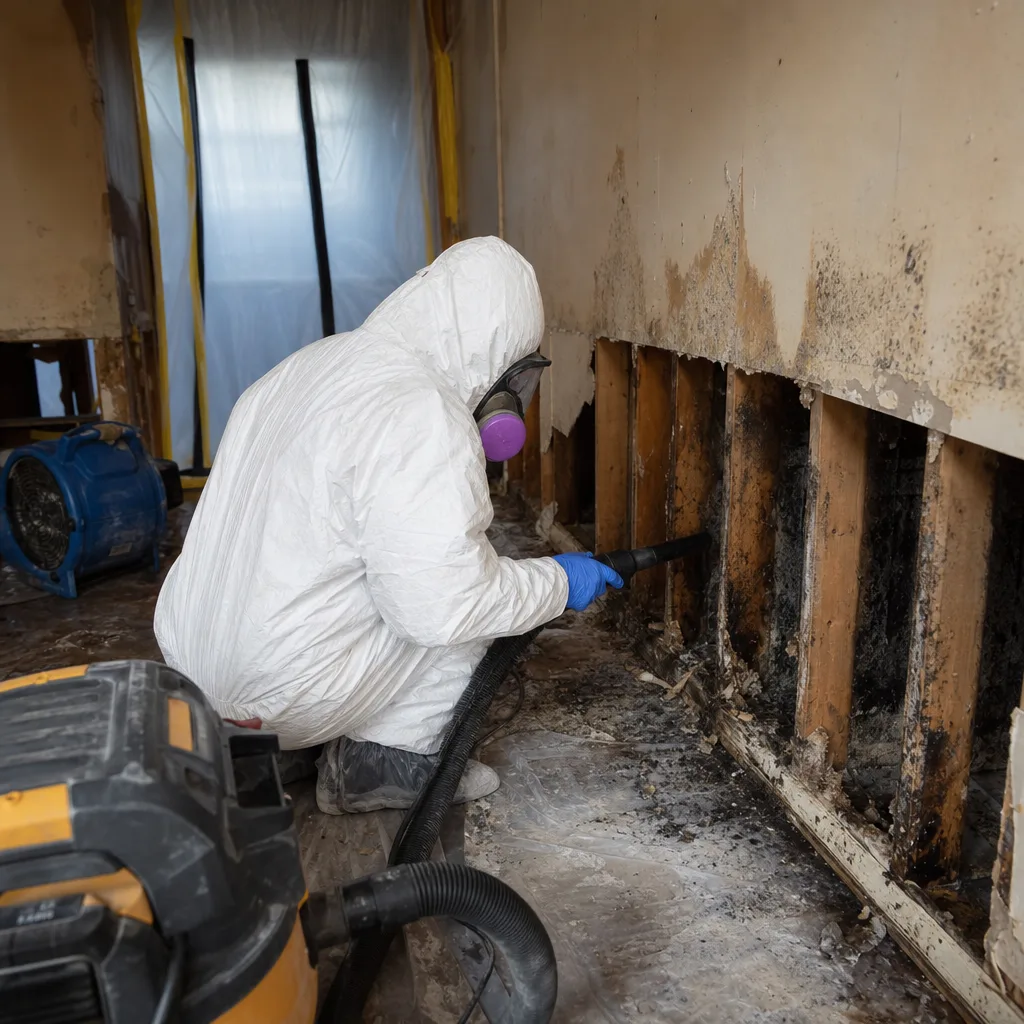
True basements are rare in Venice, but below-grade spaces in newer builds and converted commercial properties near Lincoln Boulevard flood regularly. We handle submersible pumping, vapor-barrier installation, and permanent sump solutions for chronically damp spaces.
What happens when you call
- 1
A real person answersNo phone trees - you reach a local pro.
- 2
You get an upfront price rangeHonest numbers before anyone is dispatched.
- 3
A background-checked tech heads outLicensed & insured, dispatched right away.
- 4
You approve before work beginsNothing starts until you say go.
Water Damage Restoration Costs in Venice, CA
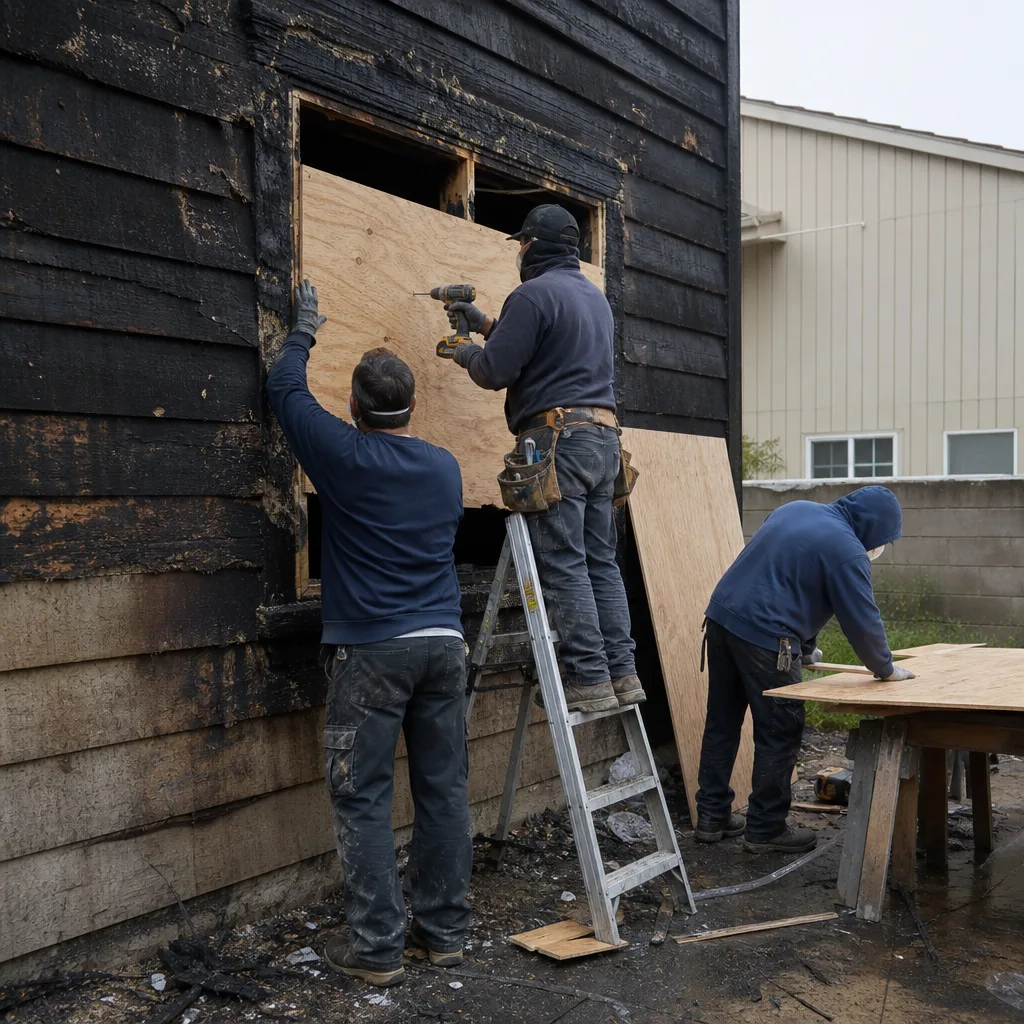
Emergency water extraction and initial stabilization in Venice runs $1,200-$2,800 for a standard residential call. Full structural drying with dehumidification adds $1,800-$4,500 depending on affected square footage, material types, and whether groundwater intrusion requires sump solutions. Canal-district properties typically run 30-50% higher due to extended drying timelines and secondary corrosion remediation.
Category 3 contamination - sewage, seawater, or groundwater flooding - adds $2,000-$5,000 for antimicrobial treatment, PPE protocols, and disposal of contaminated materials. Reconstruction costs vary widely: $15-$45 per square foot for standard finishes, $60-$120 for premium materials common in Venice renovations.
Insurance typically covers sudden and accidental water damage from supply-line breaks, appliance failures, and storm intrusion. Gradual leaks, maintenance neglect, and flood damage from rising water require separate flood coverage. We review your policy, document coverage-confirming details, and coordinate directly with your adjuster. Our free visual inspection includes a written scope and firm price - call (424) 372-0129.
We Also Serve Cities Near Venice
Our crews respond throughout the coastal corridor: Marina del Rey for yacht harbor-adjacent properties with similar salt-air challenges, Santa Monica for the denser mid-city and north-of-Montana stock, Playa Vista for newer planned-community construction with its own PEX and smart-home complexities, and Playa del Rey for the bluff-top and wetlands-adjacent properties facing unique drainage issues.
Serving Venice, CA - Our Local Coverage Area
We’re based in the Venice area and know this community well. Use the map below to see our service coverage - if you’re nearby, we can almost certainly help.
Venice Water Damage Restoration Questions, Answered
Why does water damage take longer to dry on Carroll Canal or Eastern Canal than in Santa Monica?
The water table on Venice’s canal streets sits so high that crews breaking into subfloor cavities routinely hit active groundwater seepage within the first foot of excavation. Standard dehumidification cannot overcome continuous moisture influx, so we supplement with sump solutions - adding days to the setup but preventing weeks of stalled drying. Santa Monica’s inland neighborhoods, even near the beach, rarely encounter this baseline groundwater condition. Call (424) 372-0129 for a canal-specific assessment.
The cottage on our canal lot was built as a 1920s beach bungalow - does that change the water damage scope?
Yes. These structures were built as seasonal vacation cottages with minimal vapor barriers, shallow pier-and-beam foundations, and no weatherproofing against sustained moisture. Original fir subfloors wick water horizontally faster than modern materials, and the lack of insulation means wall cavities dry unevenly. We adjust equipment ratios, extend monitoring periods, and document pre-existing conditions like salt-air-corroded fasteners that insurers might otherwise attribute to the current loss. Call (424) 372-0129 for a bungalow-specific inspection.
How does the marine layer affect a water damage job here beyond just the wet area?
The persistent marine layer keeps ambient relative humidity above 70% most mornings, slowing natural evaporation and forcing dehumidifiers to work harder for the same result. More critically, salt-laden air corrodes electrical panels, HVAC coils, fasteners, and galvanized supply lines at rates that stun technicians from inland markets. We routinely uncover secondary corrosion damage during drying that must be remediated before rebuild - scope that wouldn’t appear on an identical job in Culver City. Call (424) 372-0129 for a full corrosion assessment.
Is a 24-hour response really necessary for a ceiling or roof leak in Venice?
For visible, contained leaks with no spreading, same-day response suffices. But ceiling stains often hide saturated insulation, compromised drywall, and active moisture migration through lightweight 1920s framing. Within 24-48 hours, Category 1 water degrades to Category 2, and mold colonization begins in Venice’s humid baseline environment. We offer free visual inspections to determine true urgency - call (424) 372-0129 and a live person will triage your situation.
What’s the difference between Category 1, 2, and 3 water when you’re scoping a Venice restoration?
Category 1 is clean water from a supply line or appliance. Category 2 carries contaminants like detergent, soil, or food waste - think dishwasher drain or washing machine overflow. Category 3 is grossly contaminated: sewage, seawater, or groundwater with pathogens and chemicals. In Venice, Category 1 supply-line breaks near the canals often become Category 2 or 3 within hours when groundwater seeps into the same cavity, changing equipment, PPE, and disposal requirements. We test and reclassify as needed, documenting every decision for your insurer. Call (424) 372-0129 for classification and scope.
Will my insurance cover the full water damage restoration cost in Venice?
Sudden and accidental water damage - burst pipes, appliance failures, storm intrusion - is typically covered under standard homeowners policies. Gradual leaks, maintenance neglect, and flood damage from rising water or storm surge require separate flood coverage. Venice’s salt-air corrosion complicates claims: insurers may deny corroded component replacement as “pre-existing” unless documented otherwise. We photograph pre-loss conditions, write line-item scopes to Xactimate standards, and coordinate directly with adjusters to maximize covered scope. Call (424) 372-0129 for a free policy review with your inspection.
How long does structural drying typically take in Venice?
Standard residential drying in Venice’s inland neighborhoods takes 3-5 days to reach IICRC dryness standards (moisture content within 4% of unaffected baseline materials). Canal-district properties with groundwater intrusion require 7-14 days, sometimes longer if sump solutions need installation. We provide daily moisture logs so you and your insurer can verify progress. Call (424) 372-0129 for a timeline estimate specific to your property.
Can we stay in our home during water damage restoration?
For contained, Category 1 losses affecting a single room, often yes - with containment barriers and air scrubbers managing dust and noise. Category 2 or 3 contamination, multi-room damage, or jobs requiring extensive demolition require temporary relocation. We discuss this during our free visual inspection and can document displacement costs for your insurer if covered. Call (424) 372-0129 to assess your situation.
Every job we take in Venice starts with a written price before work begins, documented photo records on every visit, and daily drying logs that turn restoration invoices into payable insurance claims. That’s Haven Standard, Clause 1, and it’s how we’ve operated since 2011.
Written by Alicia Brennan, Owner at Back to Dry Restoration, serving Venice since 2011.
Water Damage Restoration in Nearby Areas