
Last updated September 23, 2026
Free visual inspection and a written scope of work before any mitigation begins - photos, moisture readings, and drying logs go in your claim file
The scope we write is the scope we bill. Anything new gets shown to you, in writing, before we touch it.
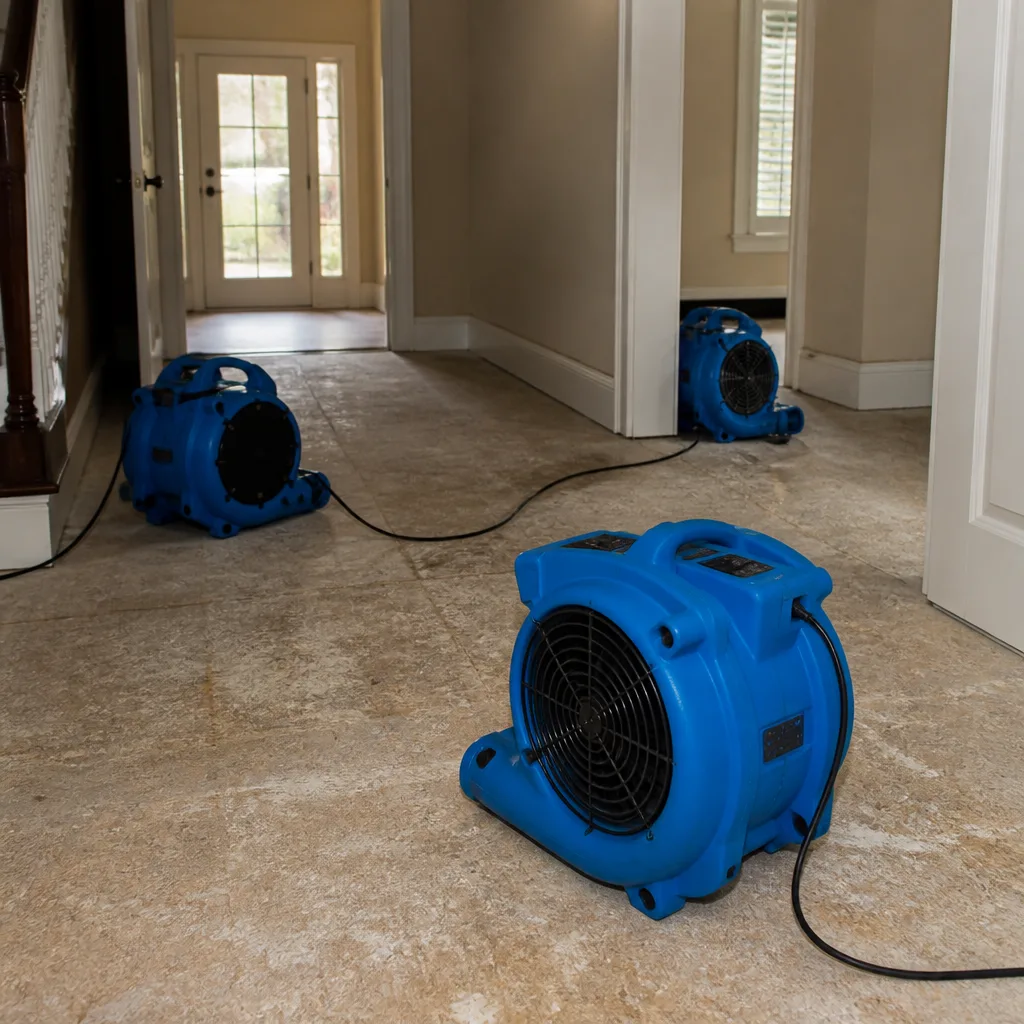


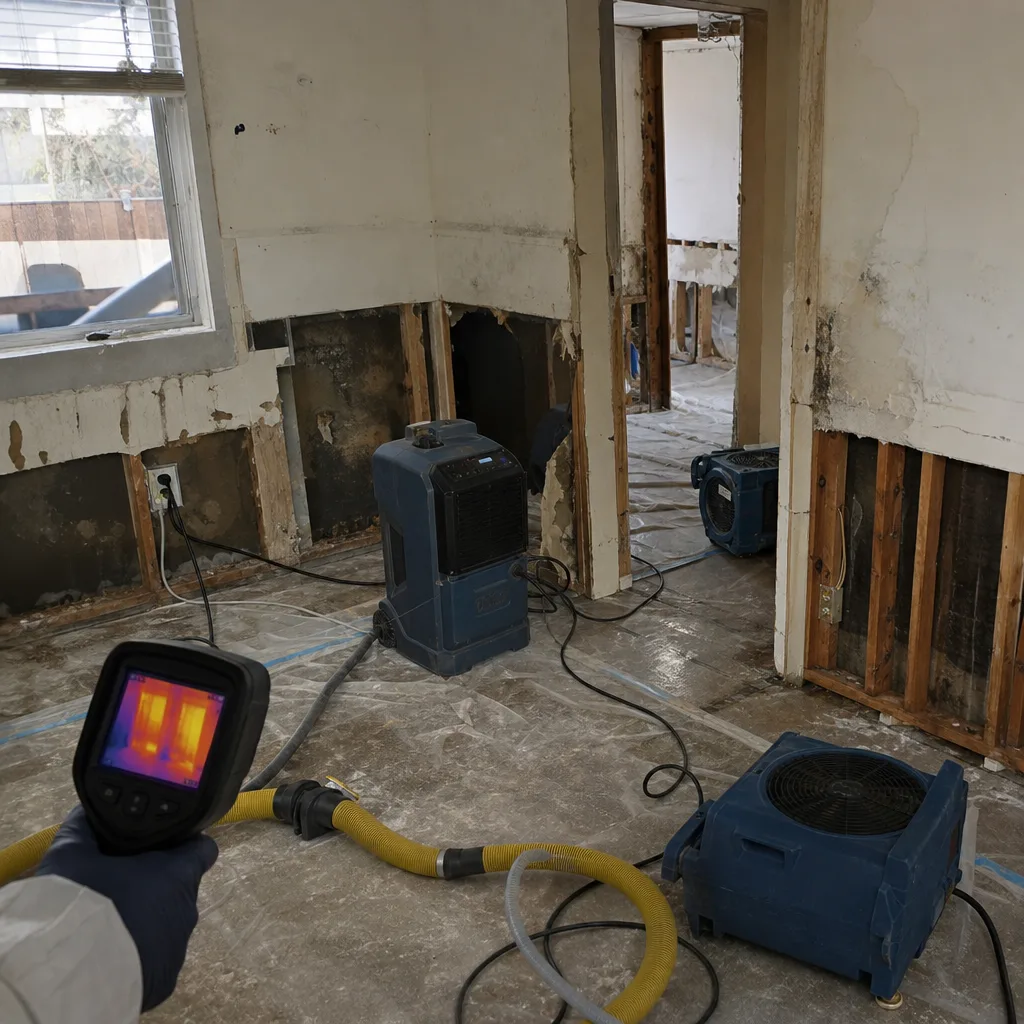 Before
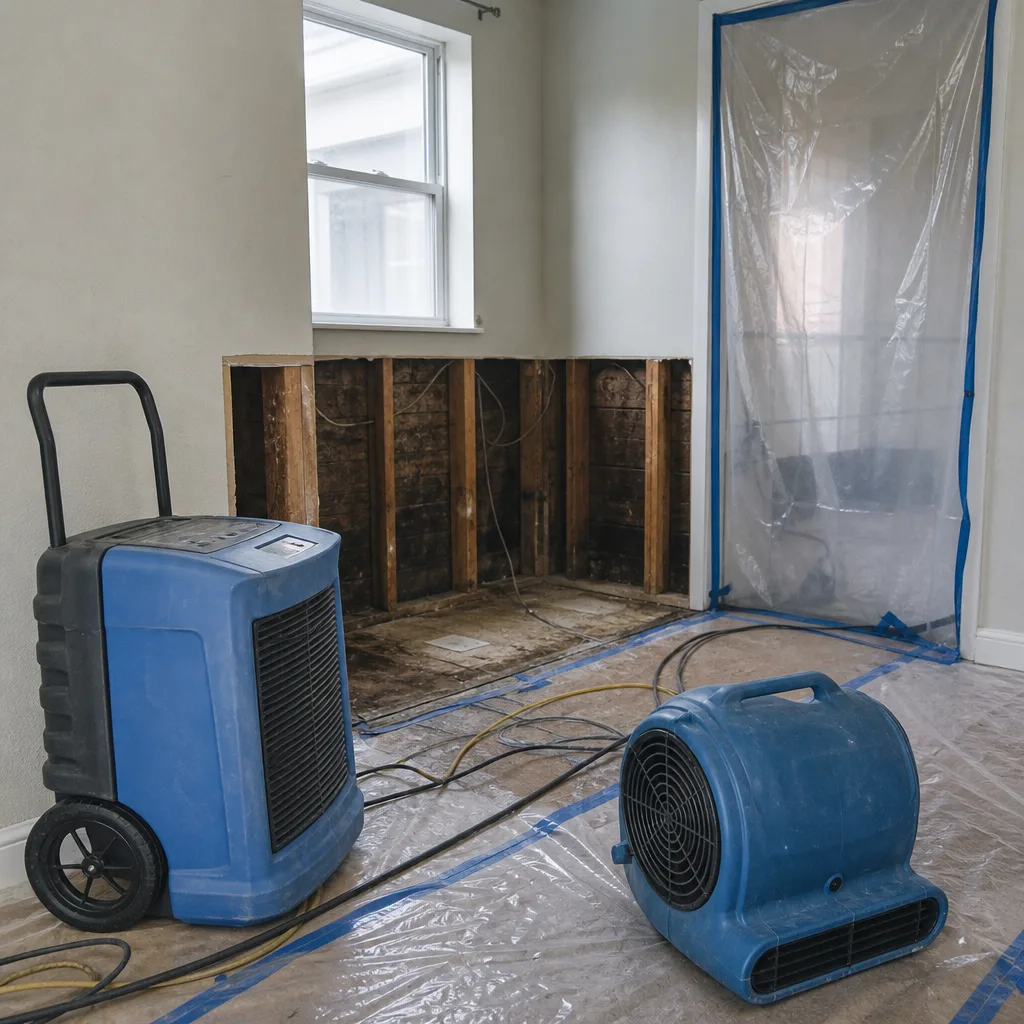 After
After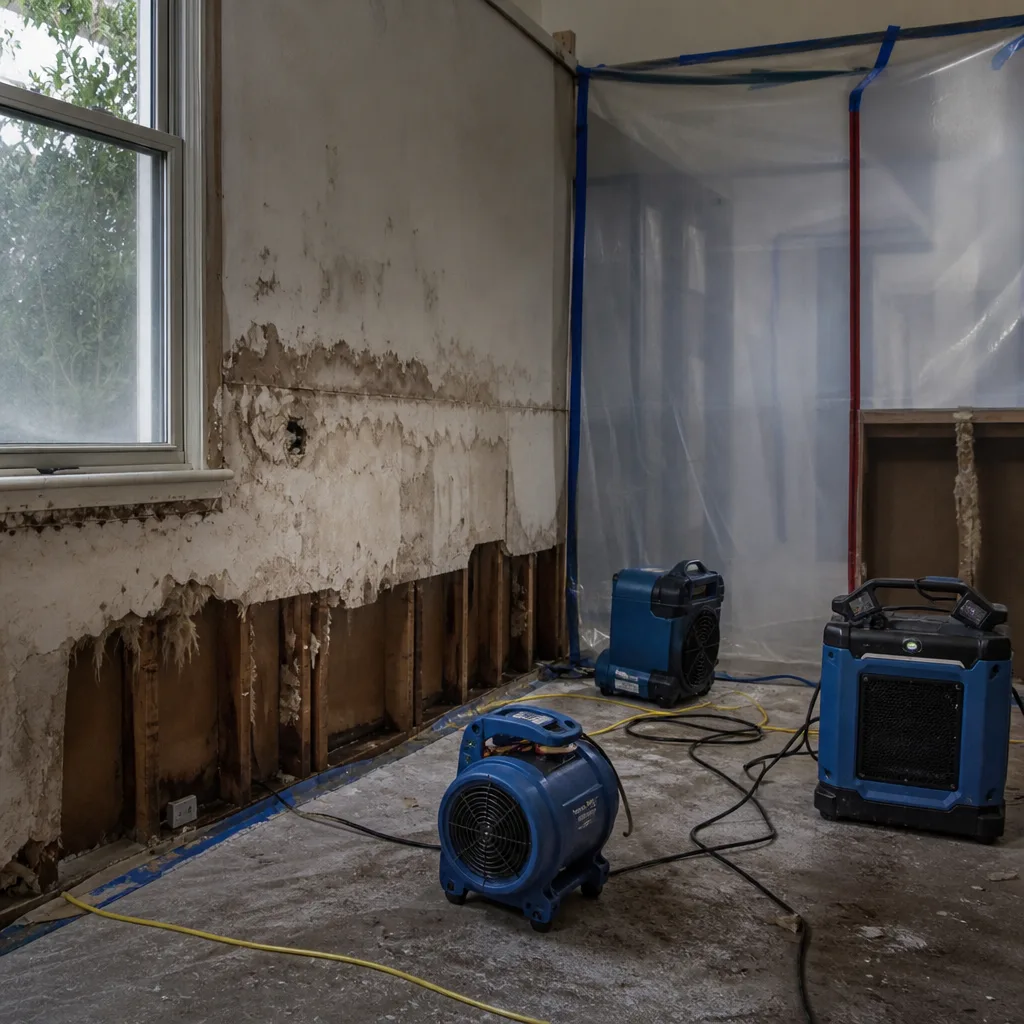 Before
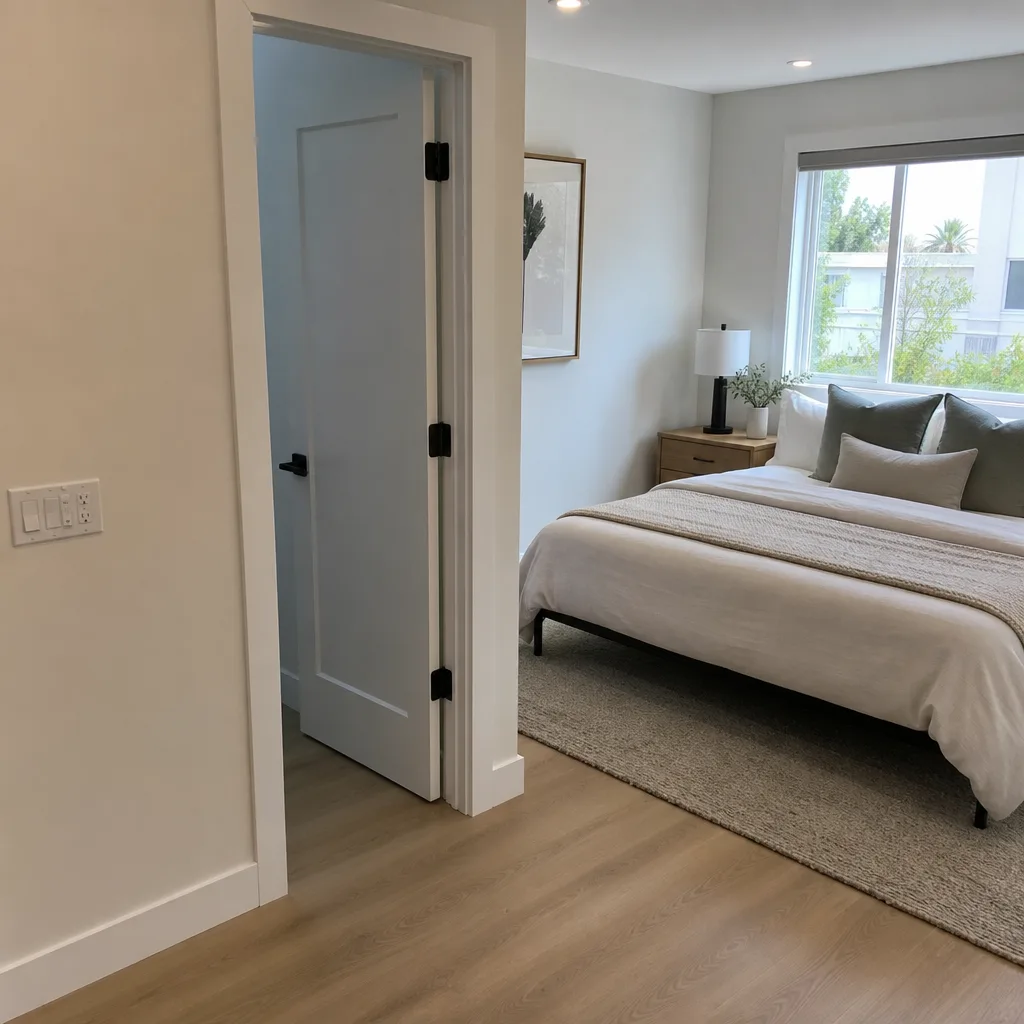 After
After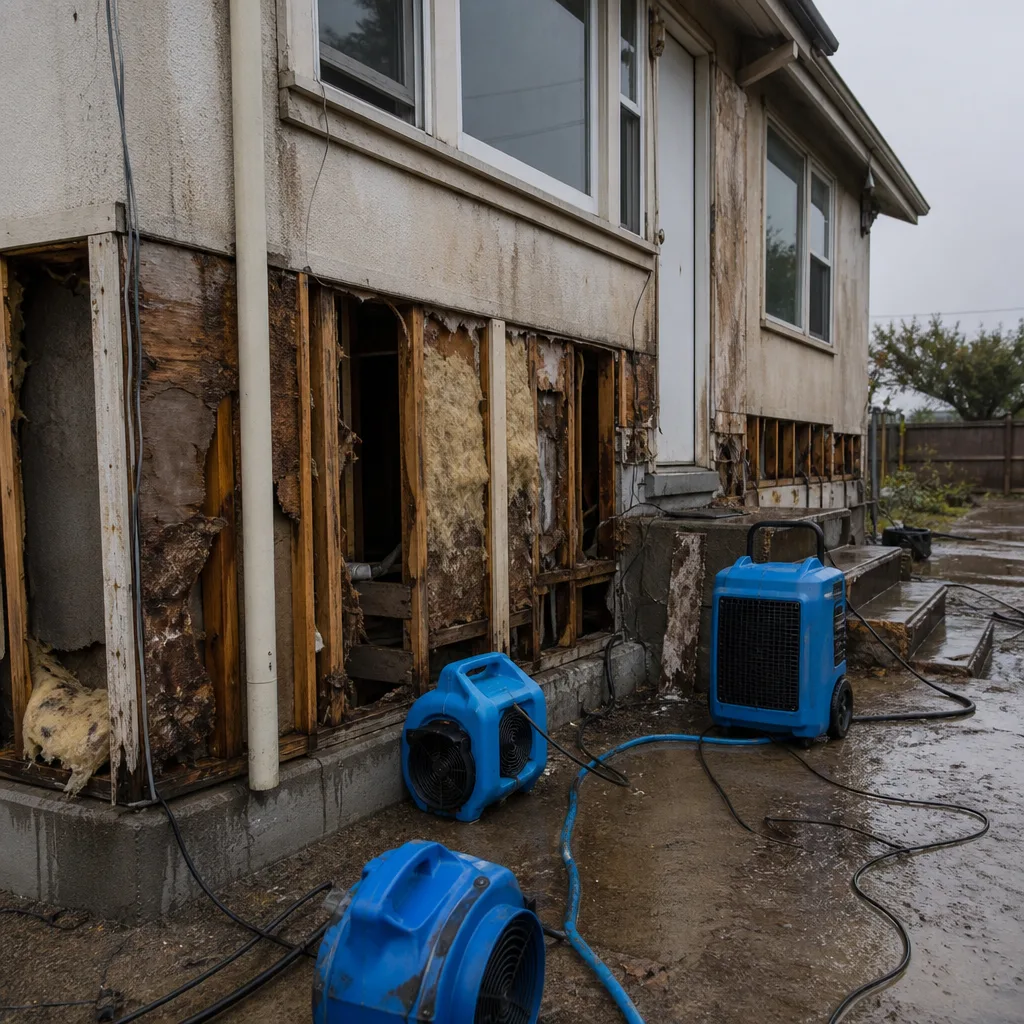 Before
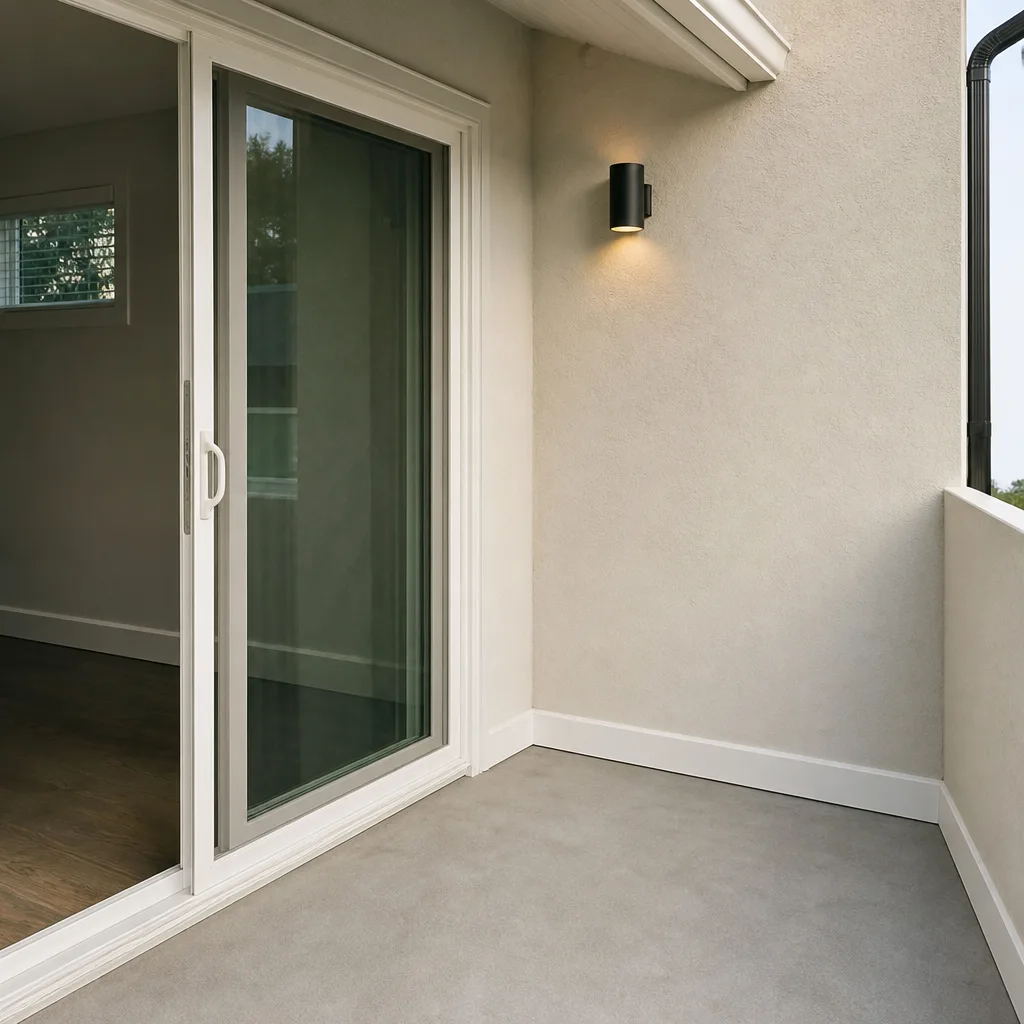 After
AfterDamage Restoration Warning Signs: A Venice Homeowner’s Reference Guide
A twelve-inch water stain on your ceiling can mean a $400 patch or a $14,000 mold remediation. The visual is identical. The difference is a single moisture reading in the cavity above it, which takes ninety seconds and a forty-dollar pin meter. In Venice, where salt air, pier-and-beam construction, and canal-adjacent water tables create restoration scenarios unlike anywhere else in Los Angeles County, homeowners who know which warning signs demand immediate action, which ones need monitoring, and which ones are false positives save thousands in unnecessary demo and protect their claim coverage. This guide pairs every visible and sensory warning sign with the specific instrument test, threshold reading, or physical check that tells you which side of that line you’re on, and complements our seasonal damage restoration care guide for Venice homeowners.
Quick Answer
Water damage warning signs in Venice homes fall into five categories: visible staining, efflorescence, musty odors, buckling flooring, and paint bubbling-each covered in detail in our DIY vs Professional Damage Restoration guide for Venice homeowners. Each sign requires a specific instrument test to distinguish active moisture from historic damage. A pin moisture meter reading above 16% in wood or 1% above dry standard in drywall indicates active damage requiring professional assessment within 24-48 hours.
Table of Contents
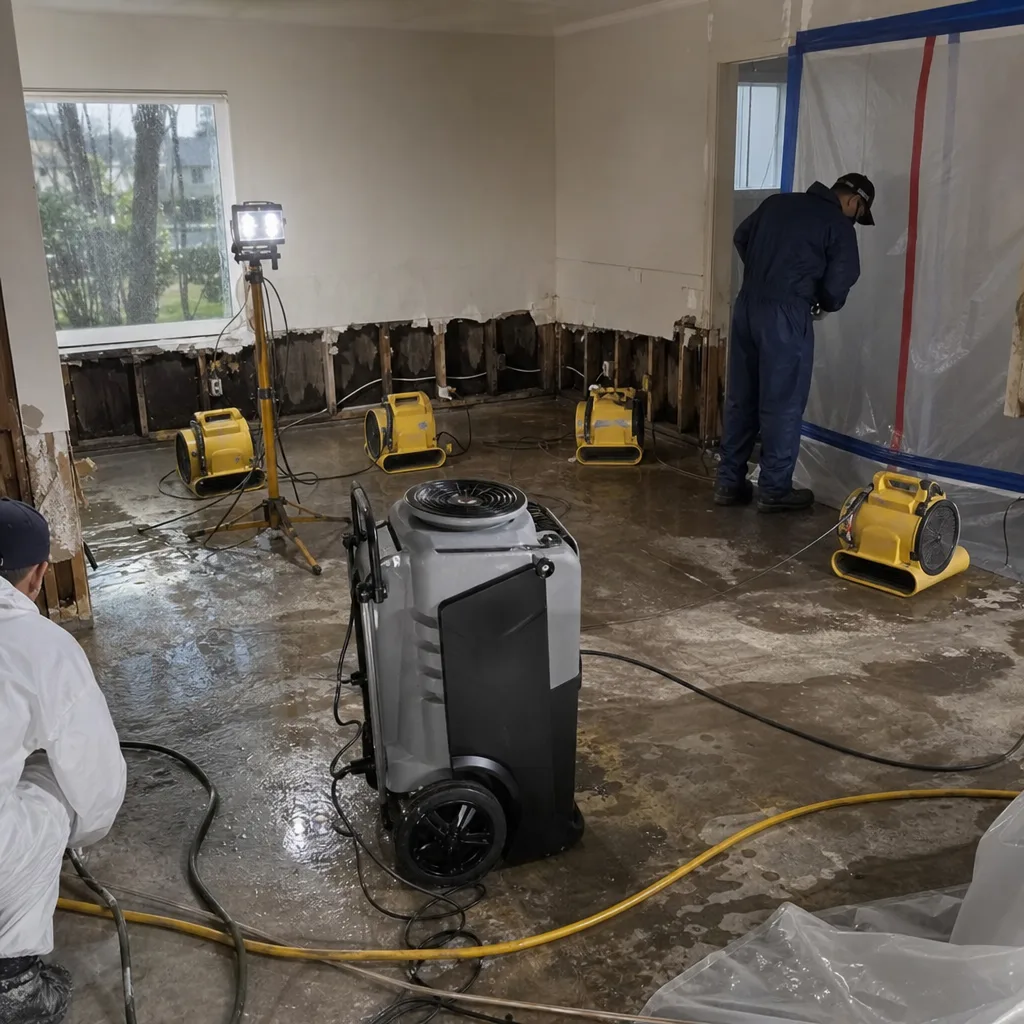
- Visible Staining: When a Brown Spot Is Just a Brown Spot
- Efflorescence and Salt-Air False Positives in Venice
- Reading a Musty Odor by Location and Season
- Buckling Flooring and Pier-and-Beam Subfloor Failure
- Paint Bubbling, Peeling, and Cavity Moisture
- The One-Page Documentation Template That Protects Your Claim
- Common Mistakes to Avoid
- When to Call a Professional
- Frequently Asked Questions
 Before
 After
AfterVisible Staining: When a Brown Spot Is Just a Brown Spot
We see this weekly in Venice: a homeowner points to a coffee-colored ceiling stain and asks if their roof is failing. Sometimes it is. Sometimes the leak dried eighteen months ago and the stain is purely cosmetic. The only way to know is to measure, not guess.
Here’s the sign-by-sign reference for interpreting visible staining:
| Visual Sign | Instrument Test | Threshold Reading | What It Means |
|---|---|---|---|
| Yellow-brown ceiling stain, no ring | Pin moisture meter, ceiling cavity | Below 12% wood equivalent | Historic leak, likely cosmetic |
| Dark brown stain with defined ring | Pin moisture meter + thermal imaging | Above 16% or 5°F temperature differential | Active moisture, investigate source |
| Stain with surface mold (fuzzy, any color) | Air sampling + cavity probe | Above 60% relative humidity in cavity | Active damage, professional remediation required |
| Stain following rafter line | Moisture meter along rafter, infrared scan | Progressive increase toward eave | Roof leak or condensation channel |
| Stain near exterior wall, ground floor | Pin meter at baseplate, per inspection | Above 17% in sill plate | Foundation moisture intrusion or grade issue |
The ring pattern matters. A stain with a sharp, dark perimeter indicates wicking from an ongoing source. The moisture front pushes outward, depositing dissolved minerals at the edge as it evaporates. A uniform, faded stain without a ring typically means a one-time event that dried completely.
In Venice’s flat-roofed mid-century homes, particularly in the Venice Canals and Silver Triangle areas, we regularly see staining that tracks the path of built-up roofing seams. These seams fail predictably after 12-15 years in marine air. The stain pattern follows the seam exactly. A thermal camera confirms the active breach without core sampling the roof.
For drywall, the dry standard in Southern California is typically 10-12% moisture content. We document this with a pin meter reading taken from an unaffected area of the same wall, then compare it to the stained section. A reading within 1% of dry standard means the material is equilibrated and safe to seal and paint. Above that, the cavity needs investigation.
One critical note on documentation: photograph the stain with a ruler or coin for scale, note the date, and record the moisture reading. Insurance adjusters in Los Angeles County see thousands of disputed claims where the homeowner cannot establish when the damage began. A dated photo with a meter reading creates a timestamped record that directly affects coverage determinations. Water Damage Restoration in Venice requires this documentation from day one.
Efflorescence and Salt-Air False Positives in Venice
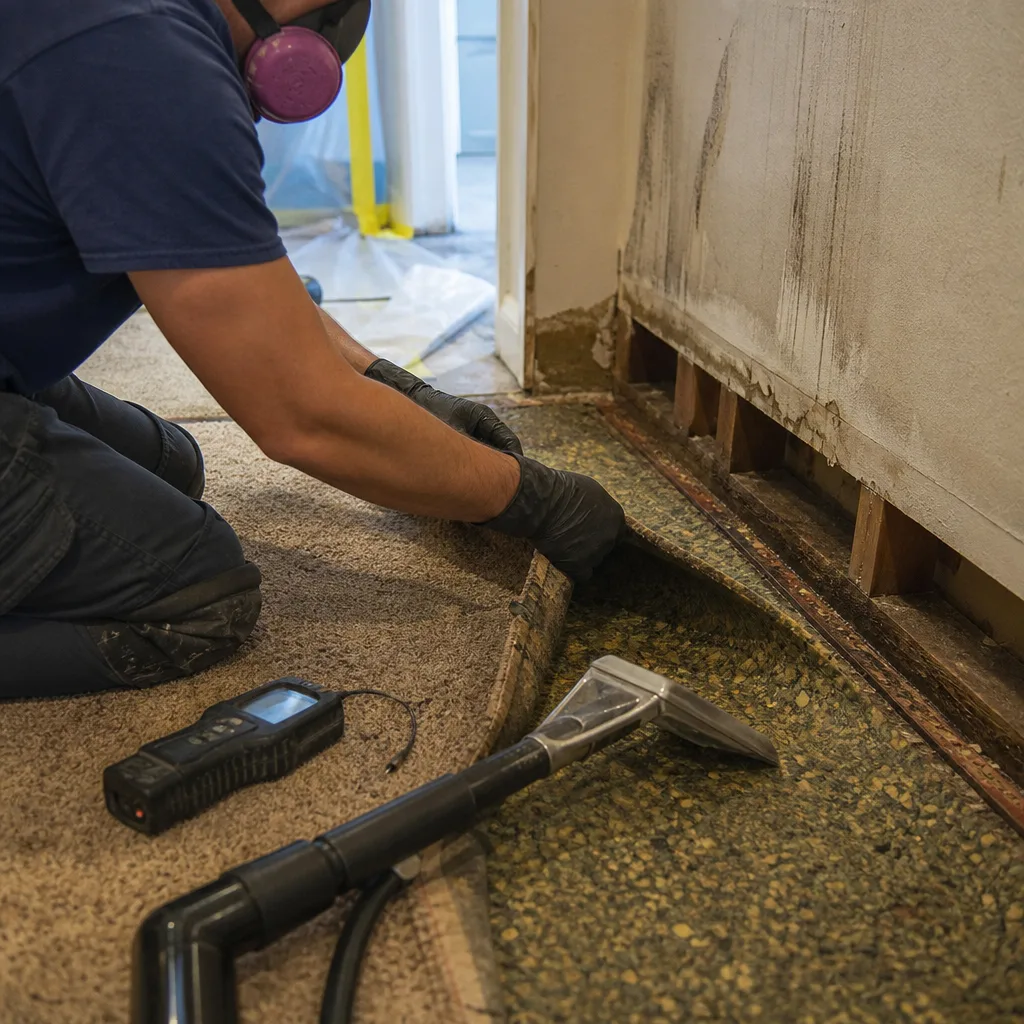
Efflorescence, the white powdery deposit on concrete and masonry, causes more unnecessary foundation inspections in Venice than actual water intrusion. The reason is simple: Venice’s marine layer deposits chloride salts on exterior block walls daily. These salts migrate through porous concrete by vapor pressure, crystallizing on the interior surface as the wall dries. The result looks identical to efflorescence driven by liquid water wicking from a wet foundation.
The two-minute carbide test distinguishes them:
- Scrape efflorescence from a 2-inch square area using a plastic putty knife. Collect approximately one teaspoon of material.
- Place the sample in a carbide moisture meter testing chamber, or use a calcium carbide reagent tube if you have access to one.
- Measure the pressure increase or color change. Free moisture from active wicking produces a measurable reaction within 60 seconds. Salt-crystal efflorescence from atmospheric deposition shows negligible moisture.
Without a carbide test, use this field method: wet the efflorescence with distilled water and taste a tiny amount (spit, don’t swallow). Salt-air efflorescence tastes strongly of sodium chloride, like seawater. True calcite efflorescence from concrete leaching is bitter and alkaline. We don’t recommend this for health reasons, but it’s the historical tradesman’s check.
Venice’s concrete block foundations, common in homes built between 1945 and 1975 in the Oakwood and Milwood neighborhoods, are particularly susceptible to both conditions. The marine layer penetrates 2-3 miles inland, and Venice sits at the epicenter. A block wall can read 18% surface moisture from atmospheric absorption alone on a heavy marine layer morning, with no liquid water present.
The threshold that matters: efflorescence accompanied by a moisture meter reading above 4% in the block core, measured by drilling a 3/16-inch pilot hole and inserting deep probes. Surface readings are meaningless on block. Core readings above 4% indicate capillary wicking and require foundation drainage assessment. Below 4%, brush the efflorescence off, seal the wall with a silicate-based penetrating sealer, and monitor annually.
We’ve documented cases in Venice where homeowners spent $8,000-$12,000 on unnecessary foundation waterproofing based on surface efflorescence alone. The carbide test would have shown atmospheric salt in under two minutes. This is why DryMark Restoration Venice home assessments include core moisture readings as standard, not as an upsell.
Reading a Musty Odor by Location and Season
Musty odor is the most misread warning sign in restoration. Homeowners smell something, panic, and call for mold testing when the source is a forgotten gym bag. Or they acclimate to a slowly developing odor and miss a colonized wall cavity until it requires full demo. The location, seasonality, and spatial pattern of a musty smell tell you which source condition you’re dealing with.
Here’s how to read odor by location in a Venice home:
- Attic mold: Odor strongest on hot afternoons, weakest in morning. Heat drives volatile organic compounds (VOCs) from mold colonies downward through ceiling penetrations. The smell concentrates in upper-floor rooms and closets directly below attic access. Seasonal pattern: pronounced May through October when attic temperatures exceed 110°F. Check: inspect attic sheathing for black discoloration, measure wood moisture with pin meter. Threshold: sheathing above 16% with visible discoloration indicates active colonization.
- Wall cavity mold: Odor persistent, relatively constant across seasons, often stronger near electrical outlets and baseboards. These are the air leaks in the pressure envelope. The pattern is vertical: stronger at one wall, following the stud bay. In Venice’s older homes with lath-and-plaster or early drywall, leaking shower valves behind tile are the most common source. Check: remove outlet cover, insert borescope or pin probe through gap in vapor barrier. Threshold: cavity relative humidity above 70% with visible growth on backside of drywall.
- Crawl space mold: Odor strongest in morning, dissipates by afternoon as ventilation increases. Whole-house distribution through floor gaps, so harder to localize. In Venice’s pier-and-beam homes, particularly those within three blocks of the canals, this is often the first sign of vapor barrier failure or standing water beneath the structure. Check: crawl space inspection for standing water, vapor barrier displacement, joist discoloration. Threshold: joist moisture above 20% or any visible fungal growth on wood members.
The psychrometric principle here is that mold releases microbial volatile organic compounds (MVOCs) as a metabolic byproduct. Release rate doubles with every 10°C temperature increase. This is why attic mold smells worse in August and crawl space mold smells worse in January, when the temperature differential between conditioned space and crawl space is greatest.
We use a simple classification in our Venice assessments: odor plus visible growth equals remediation. Odor alone, with all moisture readings below threshold, requires further investigation but not immediate demo. The mistake is assuming odor always means active mold. It often means historic mold that dried but was never cleaned, or even bacterial growth in organic dust accumulation.
Buckling Flooring and Pier-and-Beam Subfloor Failure
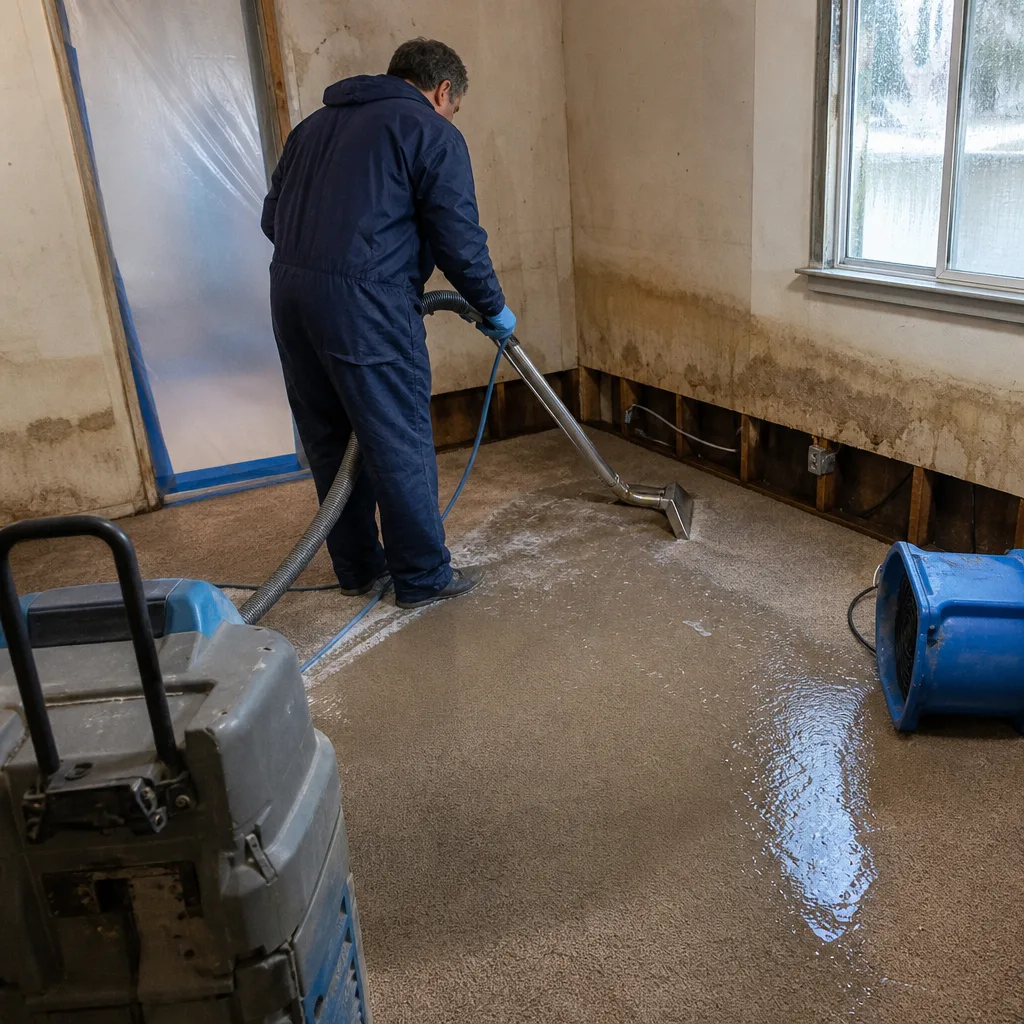
Wood floor buckling follows a predictable sequence, and the stage you catch it at determines whether you’re sanding and refinishing or replacing the entire floor system. In Venice, where pier-and-beam construction dominates pre-1980 housing stock and canal-adjacent water tables sit 4-8 feet below grade, subfloor conditions deteriorate on a timeline that can be measured in years if you know what to watch.
The progression of flooring warning signs:
- Cupping: Individual boards curl upward at edges, creating a washboard feel. Indicates moisture imbalance, top drier than bottom. Common in winter when crawl space humidity rises. Reversible if caught: address crawl space moisture, sand flat after equilibration. Threshold: subfloor moisture 13-16%, surface moisture 8-10%.
- Crowning: Board centers rise above edges. Usually results from sanding cupped floors before they’re dry, or from moisture introduced from above. More difficult to reverse. Threshold: surface moisture exceeds subfloor moisture by 3% or more.
- Buckling: Boards detach from subfloor, creating ridges or tenting. Indicates severe moisture imbalance or subfloor movement. Often requires board replacement. Threshold: subfloor moisture above 20% or structural movement exceeding 1/4 inch over 8 feet.
- Subfloor darkening: Visible from crawl space below. Wood turns gray-black in patches, progressing to uniform discoloration. Threshold: any darkening with moisture above 18% indicates fungal enzyme activity in wood cell walls. This precedes structural failure by 6-18 months in Venice’s climate.
- Joist rust staining: Metal fasteners, hangers, or plumbing straps show orange-brown runoff on wood. Indicates chronic condensation, usually from vapor barrier displacement or inadequate ventilation. Threshold: any rust staining with joist moisture above 16% requires immediate intervention.
The Venice-specific factor is soil chemistry. Canal-adjacent lots, particularly in the Venice Canals, Grand Canal, and adjacent walk streets, have fill soils with high organic content and poor drainage. Crawl spaces in these areas maintain 70-85% relative humidity year-round without active dehumidification. We’ve measured standing water in crawl spaces three weeks after the last rainfall, not from leaks but from capillary rise through poorly compacted fill.
Vapor barrier displacement is the early warning most homeowners miss. The 6-mil polyethylene sheet beneath the structure should lie flat, extend to all perimeter walls, and overlap seams by 12 inches. In Venice’s high-water-table conditions, groundwater pressure pushes barriers upward, creating bellies that trap moisture. A displaced barrier with standing water beneath it raises subfloor moisture 4-6% within 60 days.
The instrument check: hammer a 2-inch pin probe through a floor vent or remove a floor register to access subfloor edge. Measure at multiple points. Document with photos. The 6-18 month window between darkening and structural failure is your opportunity for targeted repair rather than full reconstruction. Mold Remediation in Venice frequently begins with these subfloor conditions.
Paint Bubbling, Peeling, and Cavity Moisture
Paint failure is the wall’s way of telling you something is moving underneath it. The pattern of failure indicates the moisture source, and the threshold for action depends on what’s measured behind the surface, not how bad the paint looks.
Pattern recognition for paint failure:
- Blisters with water: Raised bubbles containing clear or brown liquid. Indicates active liquid water behind paint, usually from plumbing leak or exterior intrusion. Action threshold: any blister containing liquid requires immediate source investigation. The moisture content of the substrate behind the blister typically exceeds 25%.
- Alligator cracking: Interconnected polygonal cracks, resembling alligator skin. Usually indicates paint applied over damp surface or incompatible coating layers. May or may not indicate current moisture. Check: pin meter reading at crack intersections. Below 15%: cosmetic, scrape and repaint with proper primer. Above 15%: investigate cavity before repainting.
- Peeling from substrate: Paint releases in sheets, exposing bare drywall or plaster. If the exposed surface is chalky and dry, likely adhesion failure from improper prep. If the exposed surface is darkened or soft, active moisture is compromising the gypsum or plaster binder. Threshold: exposed substrate above 12% moisture requires cavity investigation.
- Efflorescence behind paint: White crystalline deposits causing paint to tent outward. Common on concrete or block walls with moisture drive from exterior. The paint traps salts, creating pressure that eventually pops the coating. Threshold: any efflorescence with core moisture above 4% indicates active moisture drive.
In Venice’s climate, exterior walls with south and west exposure experience the most paint failure from thermal cycling, not moisture. The marine layer moderates morning temperatures, but afternoon sun drives wall surface temperatures from 65°F to 140°F in summer. This expansion-contraction cycle cracks paint independent of moisture. A thermal camera distinguishes thermal stress cracking (uniform temperature) from moisture-related failure (cold spots indicating evaporative cooling).
The critical threshold for cavity moisture behind paint: 16% wood equivalent or 1% above documented dry standard for the specific material. We establish dry standard by measuring an unaffected area of the same wall type, then flag any reading that exceeds it. This is the Haven Standard documentation protocol: measure, compare, record, then act.
The One-Page Documentation Template That Protects Your Claim
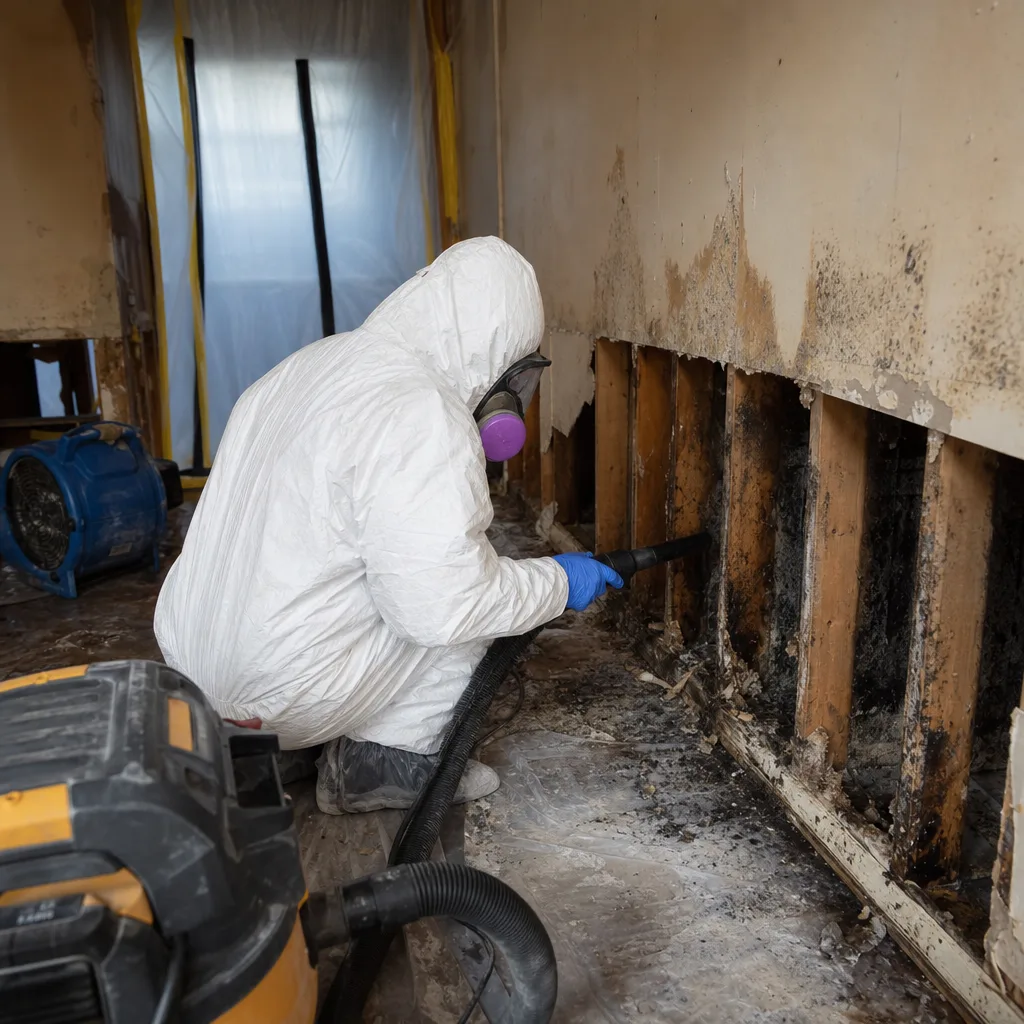
Insurance coverage for water and mold damage often hinges on one question: when did the condition first appear? Homeowners who cannot answer this question face denied claims, coverage limits invoked, or disputes over whether damage is “sudden and accidental” versus long-term maintenance neglect. A simple documentation template, completed at first observation, creates a timestamped record that can be worth thousands in claim coverage-one reason we recommend reading our step-by-step guide to hiring a damage restoration contractor in Venice before you need one.
The template we provide Venice homeowners:
| Field | Entry |
|---|---|
| Date first observed | __________ |
| Location (room, wall, height from floor) | __________ |
| Description of sign (stain size, color, odor, texture) | __________ |
| Recent weather or plumbing events | __________ |
| Moisture meter reading (brand/model: ______, reading: ______) | __________ |
| Photo number(s) | __________ |
| Adjacent conditions (new paint, recent repairs, HVAC changes) | __________ |
| Follow-up date and observation | __________ |
Complete this template at first observation, even if you plan to monitor rather than call immediately. Email it to yourself for a timestamp. The photo matters: include a ruler or standard object for scale, and photograph from multiple angles including the surrounding area for context.
We’ve seen claims in Venice where a homeowner’s dated photo with a moisture reading established that a slab leak began after a specific earthquake, triggering earthquake coverage rather than the standard policy’s $10,000 water damage sublimit. Without that documentation, the insurer classifies it as gradual deterioration.
The Haven Standard requires this documentation on every job we assess. We provide the completed template to the homeowner and to their adjuster upon request. It’s not an extra service. It’s the foundation of a claim that gets paid without dispute.
Common Mistakes to Avoid
- Trusting visual appearance alone. A dry-looking stain can read 20% moisture in the cavity. A wet-looking stain can be purely surface condensation. The meter reading determines action, not the color.
- Confusing salt-air efflorescence with foundation wicking. Venice’s marine layer creates white deposits that look identical to active water intrusion. The carbide test or core moisture reading distinguishes them in two minutes.
- Sanding cupped floors before they’re dry. This creates permanent crowning. Establish equilibration with a moisture meter: subfloor and surface readings within 2% of each other before sanding.
- Repainting over blistered paint without cavity inspection. The new paint fails within months, and you’ve lost the opportunity to document the original condition for insurance. Check the cavity first.
- Ignoring morning crawl space odors. In Venice’s pier-and-beam homes, the morning smell that fades by afternoon is often the first sign of vapor barrier failure. By the time it’s constant, joist replacement is likely.
- Failing to document before calling anyone. The first contractor who arrives may disturb or remove the visible sign. Photograph and measure first, then call.
- Assuming mold means full remediation. Visible mold on a surface with moisture below threshold and no cavity growth may be cleanable without full containment. The inspection determines scope, not the presence of mold alone.
When to Call a Professional
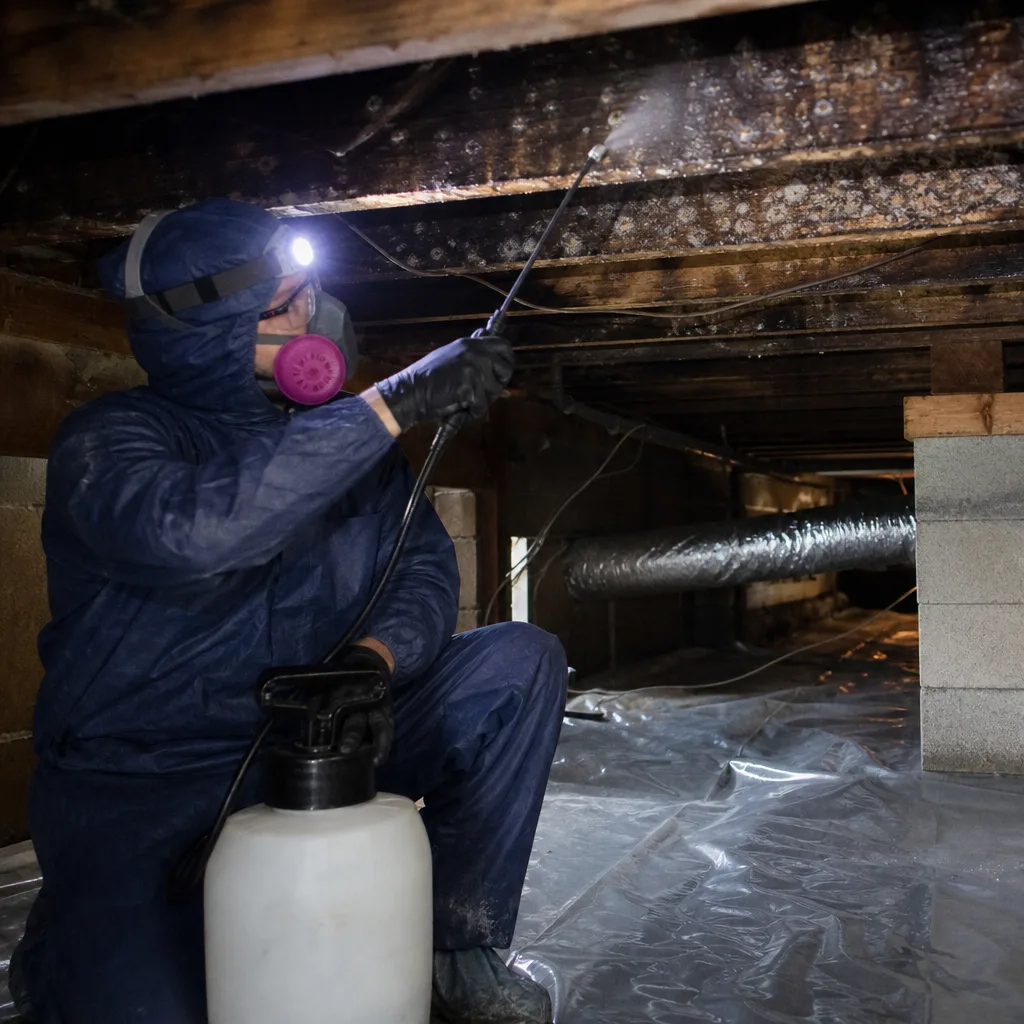
Call for assessment within 24 hours when: any moisture meter reading exceeds the action thresholds in this guide; you observe paint blisters containing liquid; flooring shows cupping with subfloor moisture above 16%; or you detect musty odor with any visible discoloration. These conditions indicate active moisture that will progress without source identification and drying.
Call immediately when: water is actively entering the structure; sewage or gray water is present; electrical components are wet; or structural movement is visible. These are safety hazards, not monitoring situations.
DryMark Restoration Venice offers free estimates in Venice. Our assessments include documented moisture readings, photo records, and written scopes with pricing before any work begins, per Haven Standard, Clause 1. Call (424) 372-0129 to schedule. We also provide free second opinions on any competitor’s written estimate.
Frequently Asked Questions
Reputable restoration companies in Venice typically include moisture testing at no charge with a damage assessment. Standalone moisture mapping services range from $150-$400 for residential properties, depending on square footage and number of affected areas. DryMark Restoration Venice provides moisture readings and photo documentation as part of every free estimate. Call (424) 372-0129 to schedule.
Coverage depends on whether the damage is classified as “sudden and accidental” or gradual deterioration. The documentation template in this guide protects you by establishing when the condition first appeared. Most policies cover sudden events like pipe bursts immediately; they may deny claims where the homeowner knew of a slow leak for weeks or months. Document at first observation and call within 48-72 hours of discovering active moisture.
A $40 pin moisture meter from a hardware store is sufficient for initial screening. Professional restorers use calibrated meters with insulated deep probes, thermal imaging cameras, and thermo-hygrometers to map moisture migration and establish drying standards. If your readings approach or exceed the thresholds in this guide, professional verification is warranted regardless of your meter’s accuracy.
Salt-air paint failure typically appears as chalking (powdery surface), fading, and uniform degradation on south and west exposures. Moisture-related failure shows as blistering, peeling in sheets, or alligator cracking, often with cold spots on thermal imaging. The pattern matters: salt damage is gradual and uniform; moisture damage is localized and progressive.
Mold cleaning addresses surface growth on non-porous materials where the source moisture has been eliminated and the area is less than 10 square feet. Remediation involves containment, negative air pressure, and removal of contaminated porous materials when growth exceeds 10 square feet, affects HVAC systems, or results from sewage or gray water. The determination requires inspection, not visual guesswork.
Live phone coverage is available 24 hours a day, 7 days a week with no voicemail on emergency lines. Emergency mitigation for active water intrusion typically begins within hours, not days. Reconstruction and non-emergency assessments are scheduled and scoped in writing like any professional construction project. Call (424) 372-0129 for current availability.
The Bottom Line
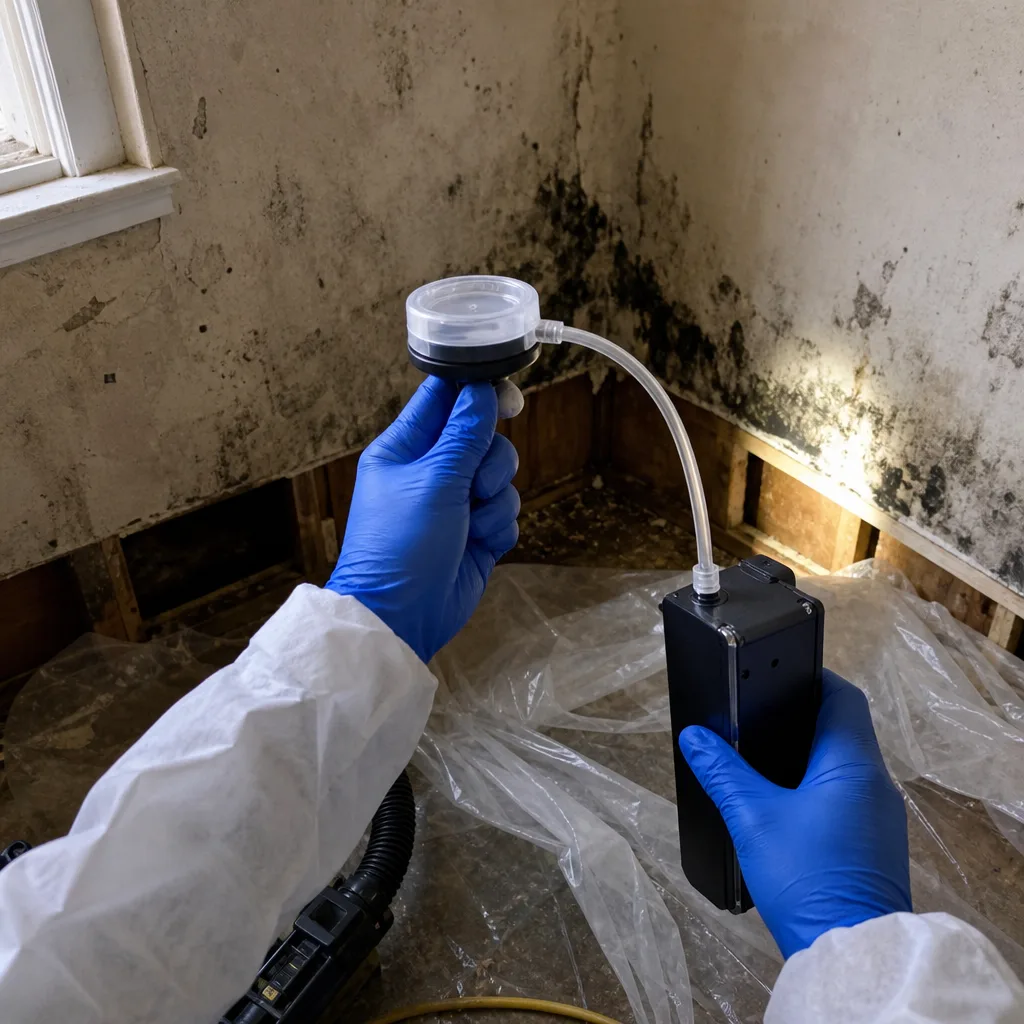
Warning signs are only useful with thresholds. A stain, a smell, or a buckled floor tells you where to look, not what to do. The moisture meter reading, the carbide test result, or the documented moisture log tells you whether you’re monitoring, repairing, or remediating. In Venice’s specific conditions, salt-air false positives, pier-and-beam subfloor vulnerability, and canal-adjacent water tables add complexity that generic advice misses. Document everything at first observation. Measure before acting. And when readings exceed the thresholds in this guide, call for an assessment that includes a written price before work begins. For additional guidance, see our more guides & resources.
Written by Alicia Brennan, Owner at DryMark Restoration Venice, serving Venice since 2011.