
Last updated September 23, 2026
Free visual inspection and a written scope of work before any mitigation begins - photos, moisture readings, and drying logs go in your claim file
The scope we write is the scope we bill. Anything new gets shown to you, in writing, before we touch it.
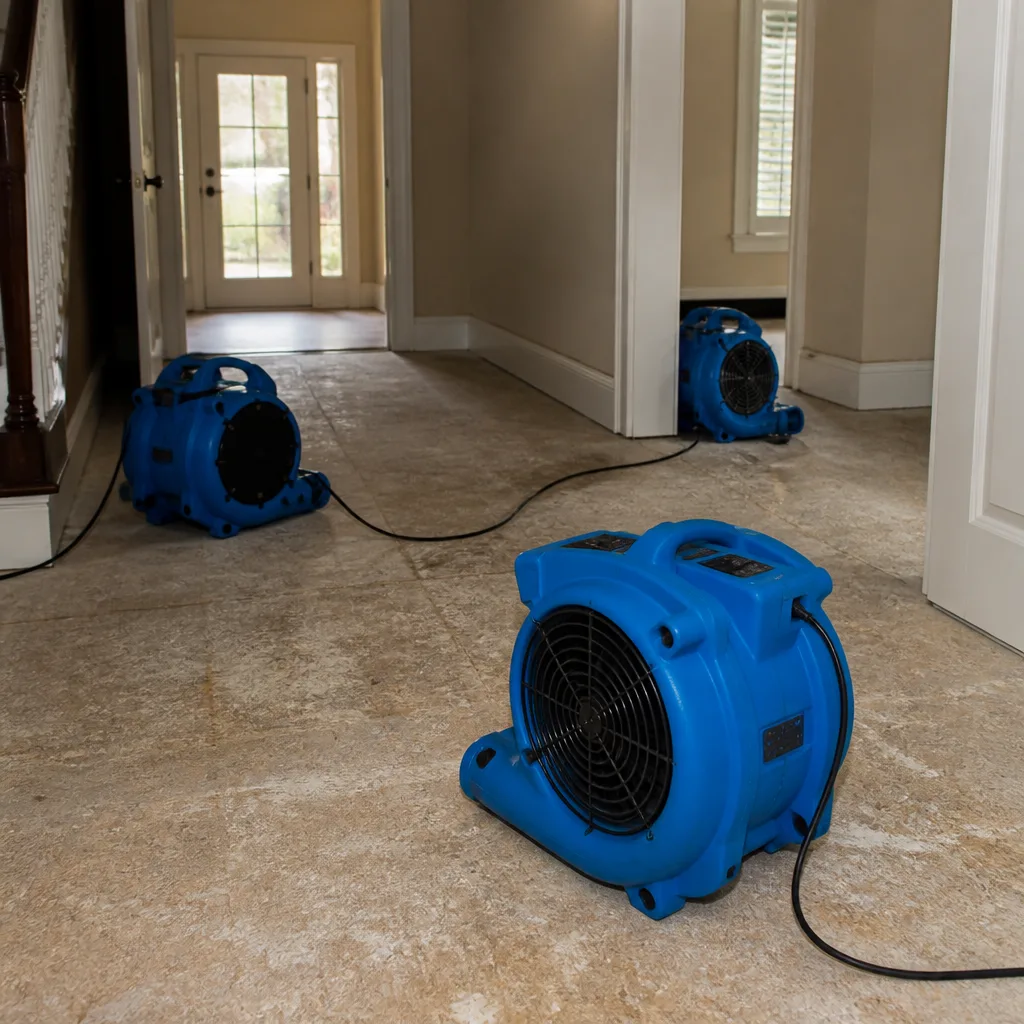
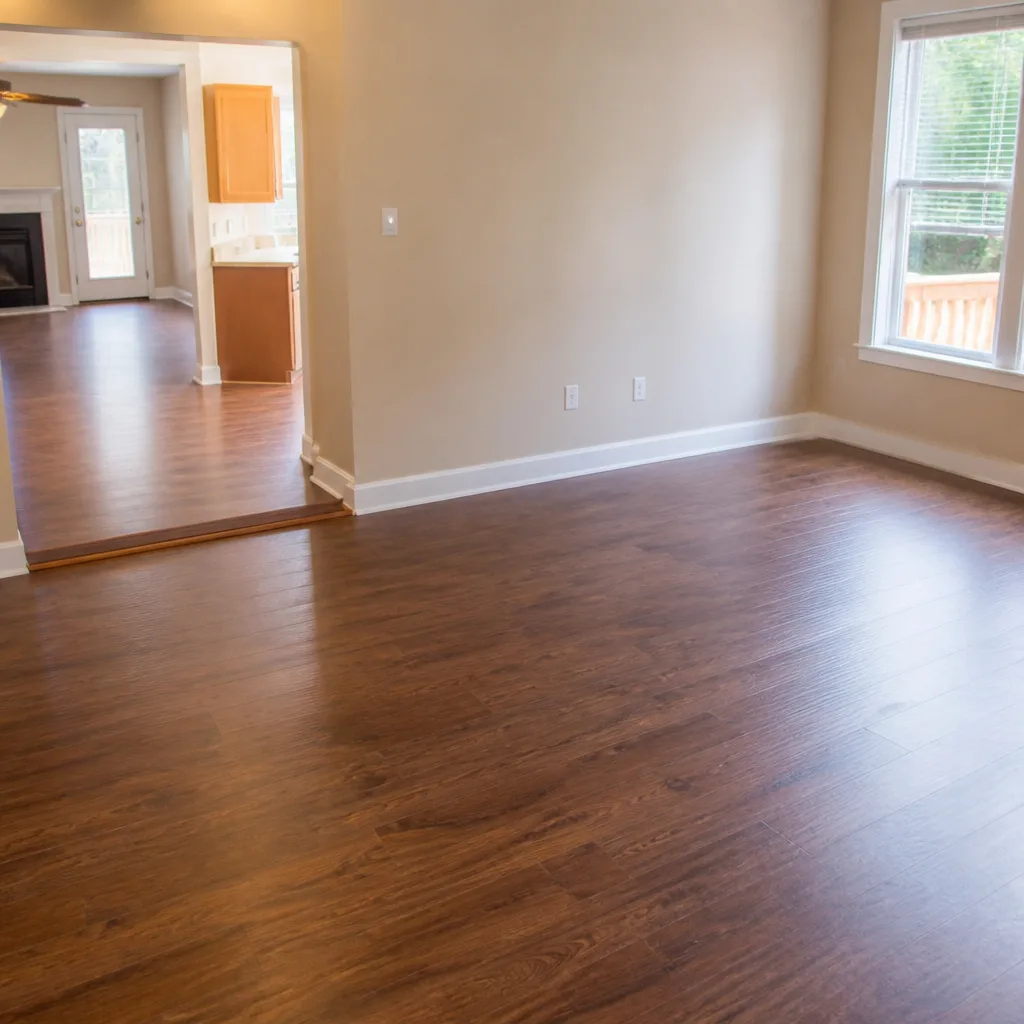
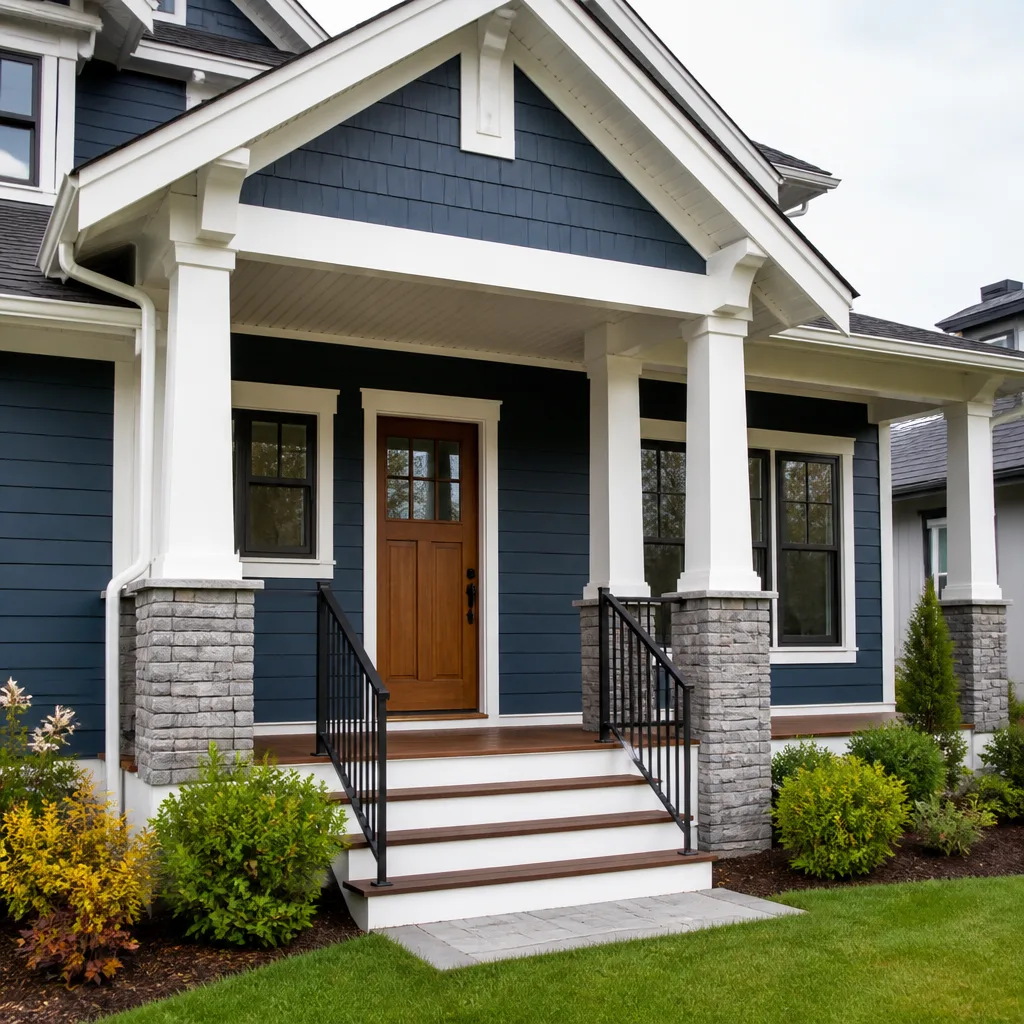
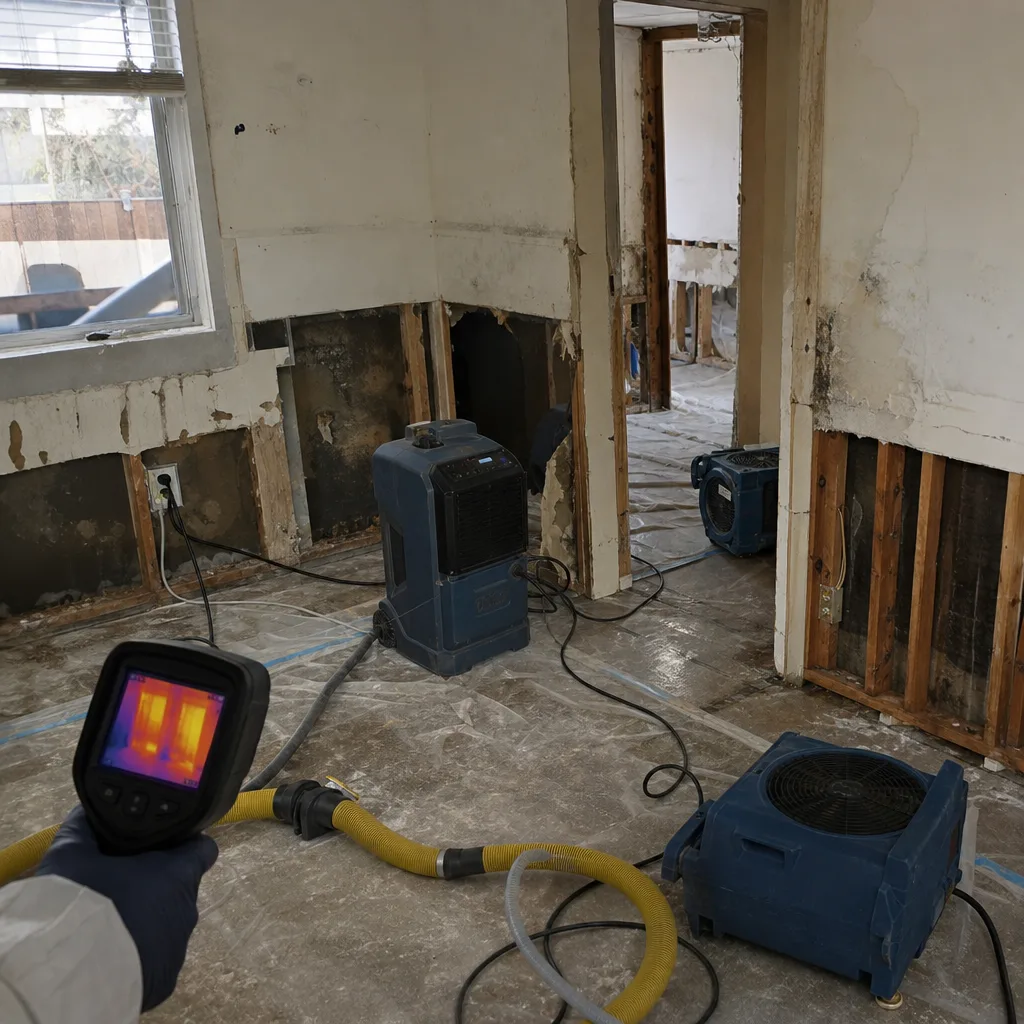 Before
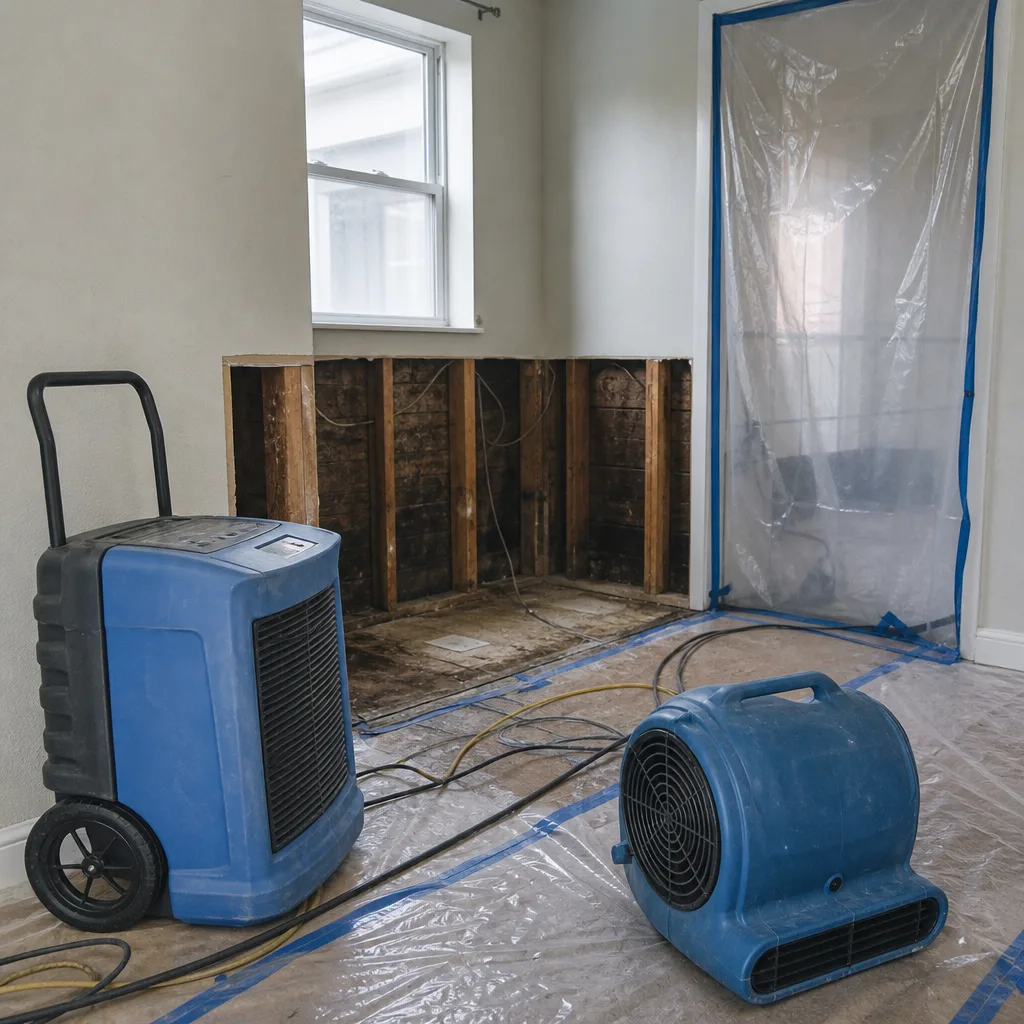 After
After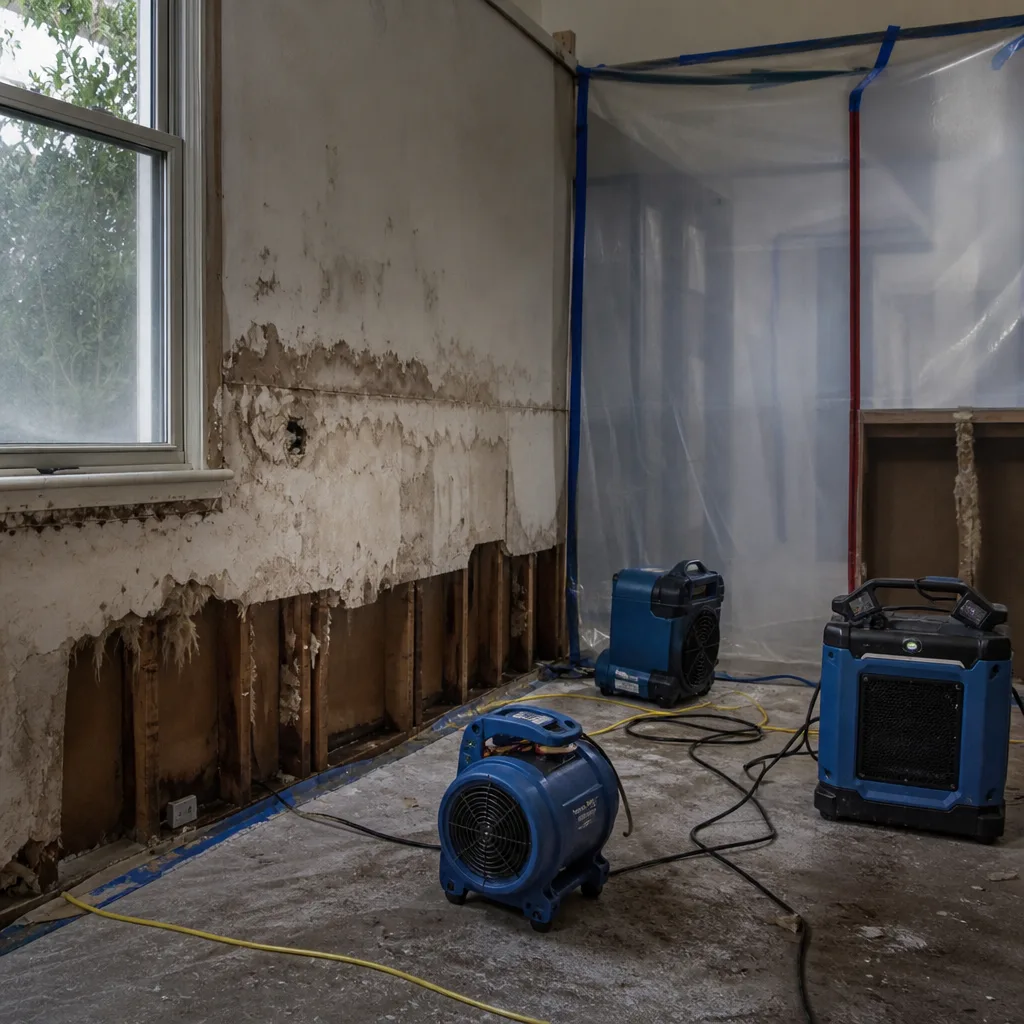 Before
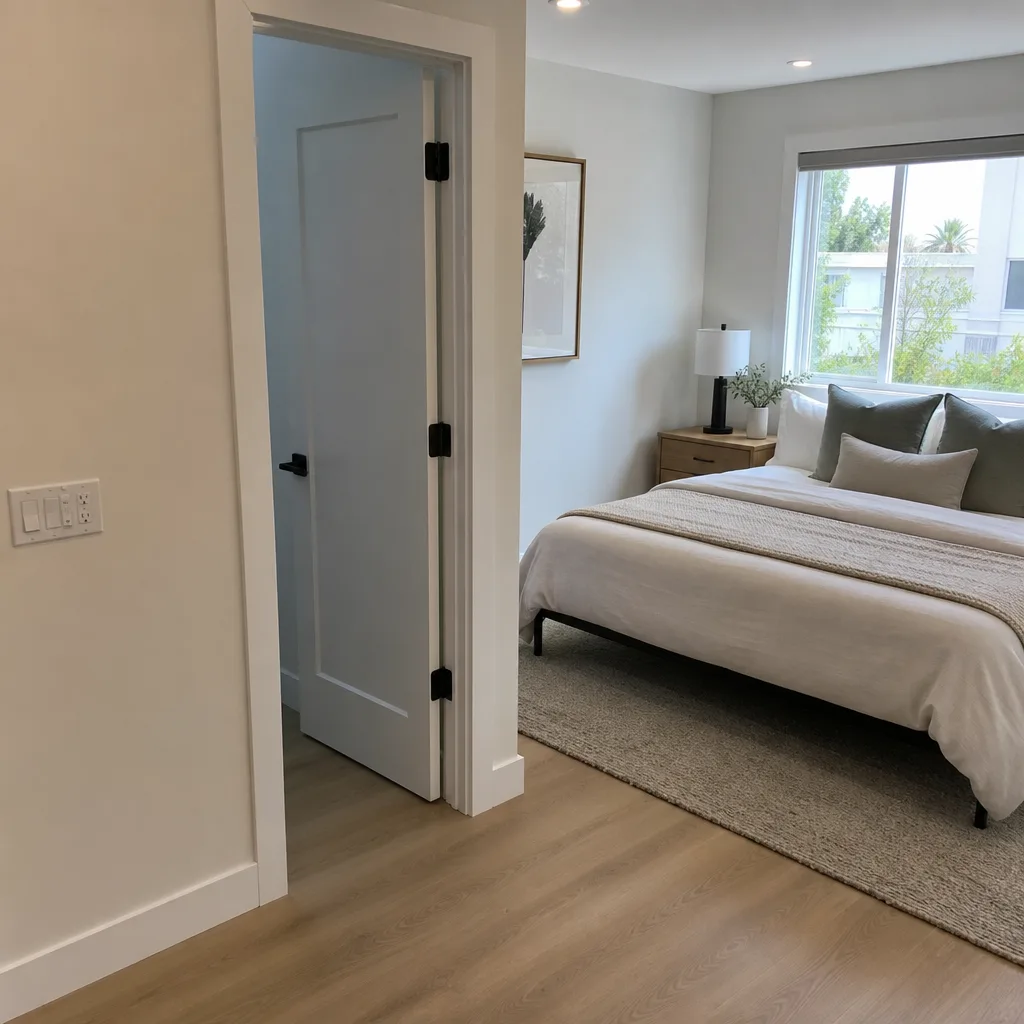 After
After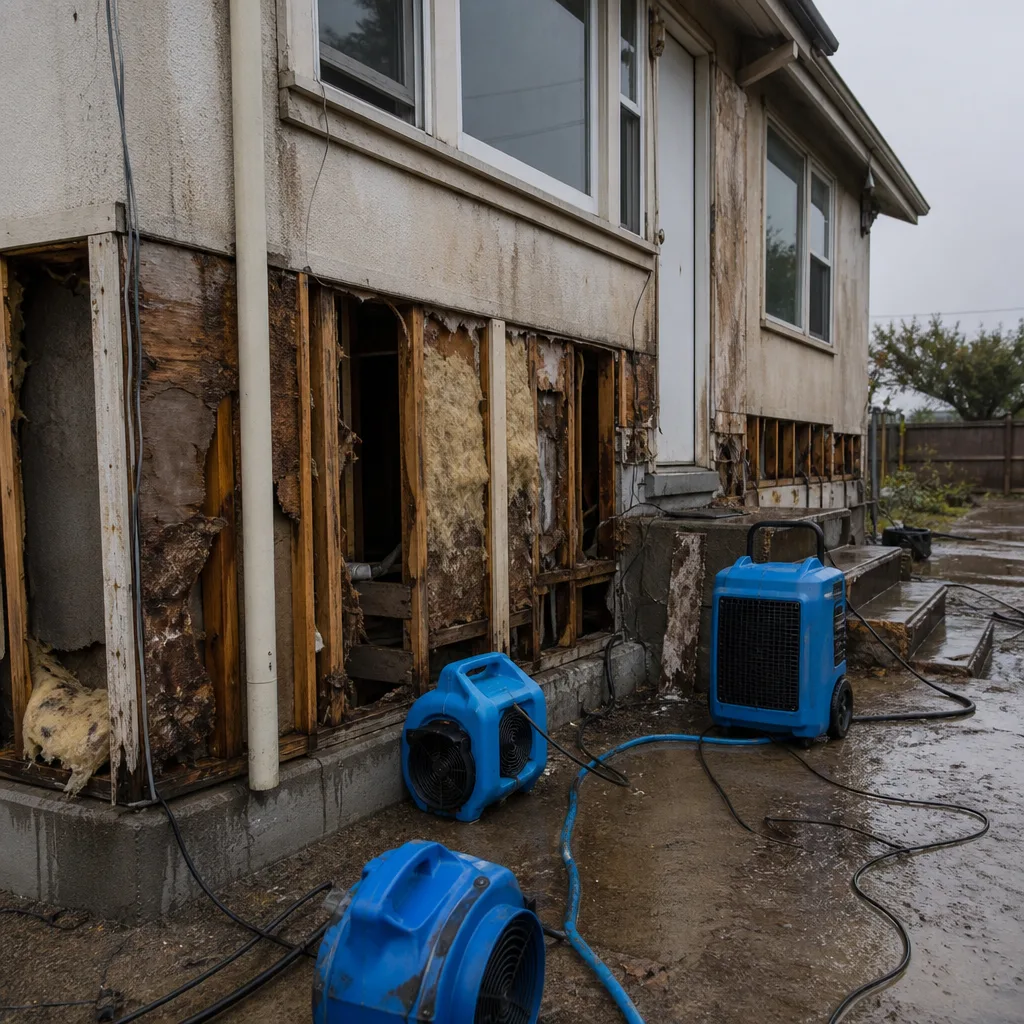 Before
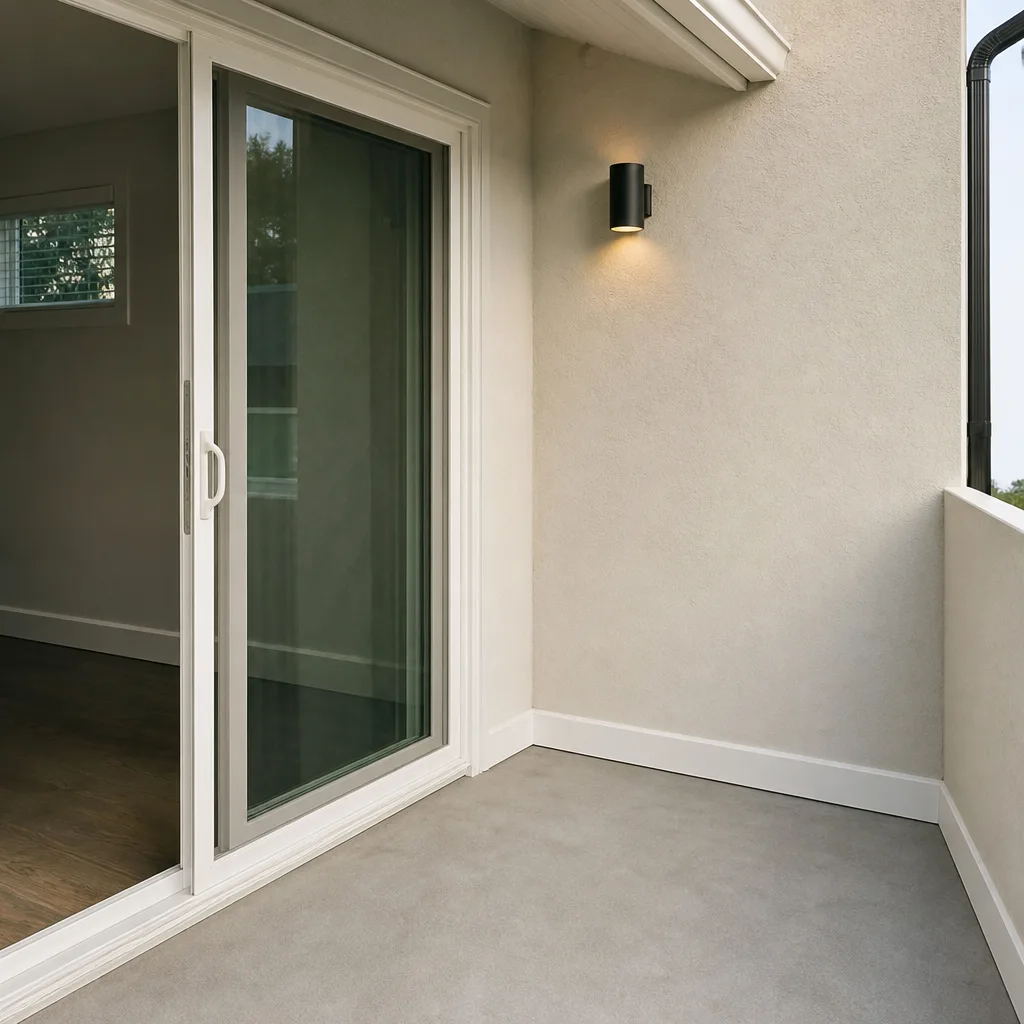 After
AfterThe Complete Guide to Damage Restoration in Venice
The LADBS permit portal lists more unpermitted restoration closures per square mile in the Venice zip code 90291 than any other coastal pocket in Los Angeles. Most trace back to scopes written without accounting for salt-air corrosion on fasteners and subfloor assemblies. In Venice, a generic restoration plan written for a Burbank tract home will fail in measurable ways on a canal-adjacent lot with pier-and-beam foundations and 1920s lath-and-plaster walls. This guide maps every decision point to Venice-specific conditions, with the documentation benchmarks that separate a paid claim from a disputed one. For Damage Restoration Warning Signs: A Venice Homeowner’s Reference Guide, see our companion resource.
Quick Answer
Damage restoration in Venice requires equipment and scope modifications that inland plans do not. Marine-layer humidity averaging 75-85% RH raises baseline moisture thresholds, salt-air corrosion weakens fasteners in older structures, and three distinct structural conditions - pier-and-beam foundations near canals, original lath-and-plaster walls, and minimal attic ventilation in bungalows - demand written scopes that document each modification to IICRC standards. A compliant restoration file includes psychrometric data, photo sequences at four stages, and a written price before work begins.
Table of Contents
- Why Venice Properties Need Different Restoration Protocols
- Water Damage Restoration in Venice’s Coastal Climate
- Mold Remediation and Marine-Layer Humidity
- Fire & Smoke Damage: Salt-Air Complications
- The Documentation That Gets Claims Paid
- Permits, SB 800, and the LADBS Reality
- Equipment Selection for Venice Conditions
- Common Mistakes to Avoid
- When to Call a Professional
- Frequently Asked Questions
 Before
 After
AfterWhy Venice Properties Need Different Restoration Protocols
Venice sits on coastal alluvial soil with a water table that fluctuates seasonally and tidally. Properties within two blocks of the canals - roughly the area bounded by Pacific Avenue, Venice Boulevard, Abbot Kinney, and the beach - experience soil moisture conditions that inland Los Angeles neighborhoods do not. This affects how water migrates through foundations, how long materials stay wet, and what drying equipment must overcome.
Three structural conditions dominate Venice’s housing stock and alter every restoration scope:
- Pier-and-beam foundations near canals. These create crawl spaces with chronic ambient moisture, not acute flooding alone. Standard drying plans assume a concrete slab or basement; pier-and-beam requires subfloor injection drying with specialized manifolds and extended drying timelines. In our work near the Grand Canal, we’ve measured crawl-space relative humidity at 91% during Santa Ana wind events, when dry outdoor air paradoxically pulls moisture through foundation vents faster than equipment can extract it.
- Original 1920s lath-and-plaster walls. Unlike modern drywall, lath-and-plaster is hygroscopic - it absorbs and holds moisture in the wood lath and multiple plaster coats. Removing visible surface water does not restore the wall assembly. We’ve documented cases in the Oakwood neighborhood where plaster appeared dry to touch at 48 hours but concealed lath moisture readings above 20% wood moisture content (WMC), the threshold for fungal growth. Proper scope: remove plaster to expose lath, or deploy positive-pressure wall-cavity drying with Injectidry systems for 72+ hours minimum.
- Minimal attic ventilation in bungalows. Venice’s original bungalows were built with gable vents or no vents, not the continuous ridge-and-soffit systems required by modern code. Roof leaks or upper-floor water losses create attic moisture pockets that standard equipment cannot reach. Scopes must specify attic-specific air movement and dehumidification, often with temporary vent cutting that triggers LADBS permit requirements.
These conditions are not edge cases. They describe the majority of Venice’s residential stock. A restoration company that does not modify its standard scope for these conditions will leave moisture behind, and moisture left behind becomes mold, structural damage, or a denied insurance claim.
Water Damage Restoration in Venice’s Coastal Climate
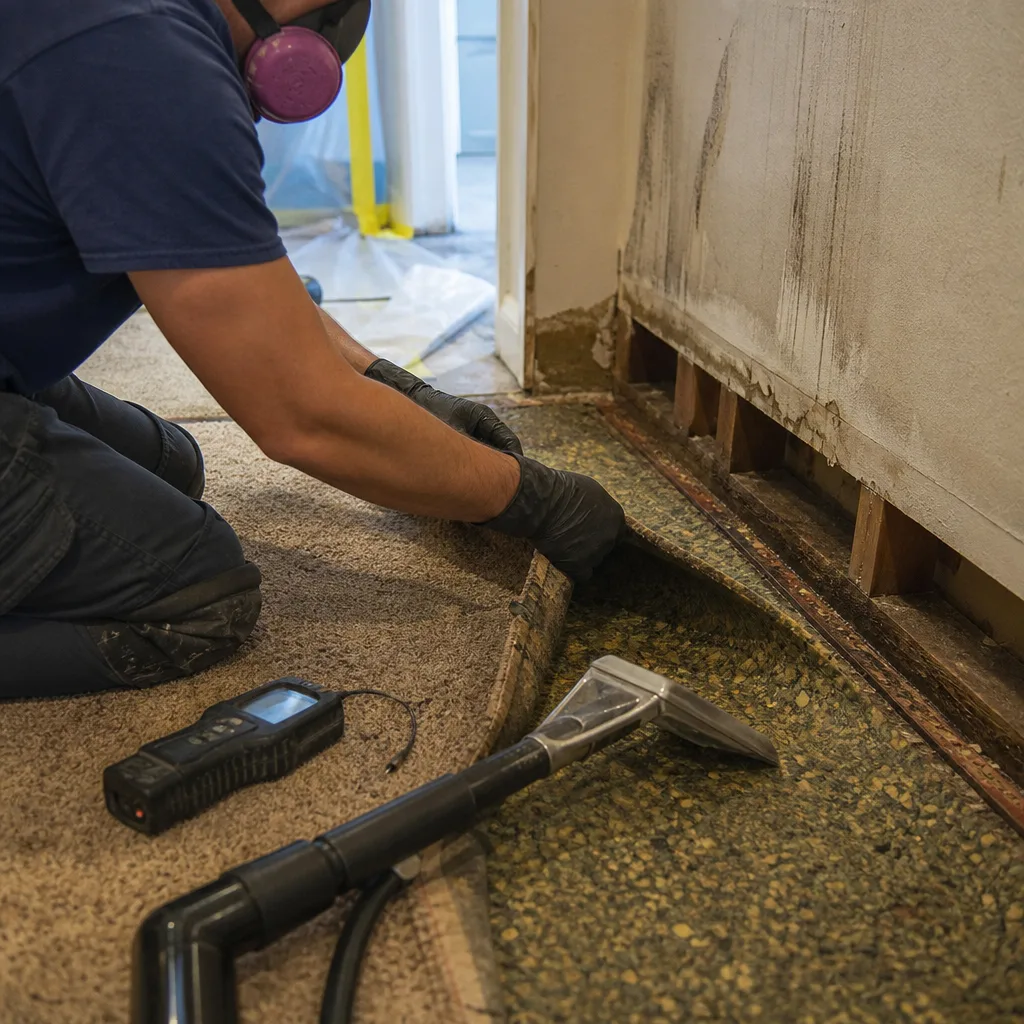
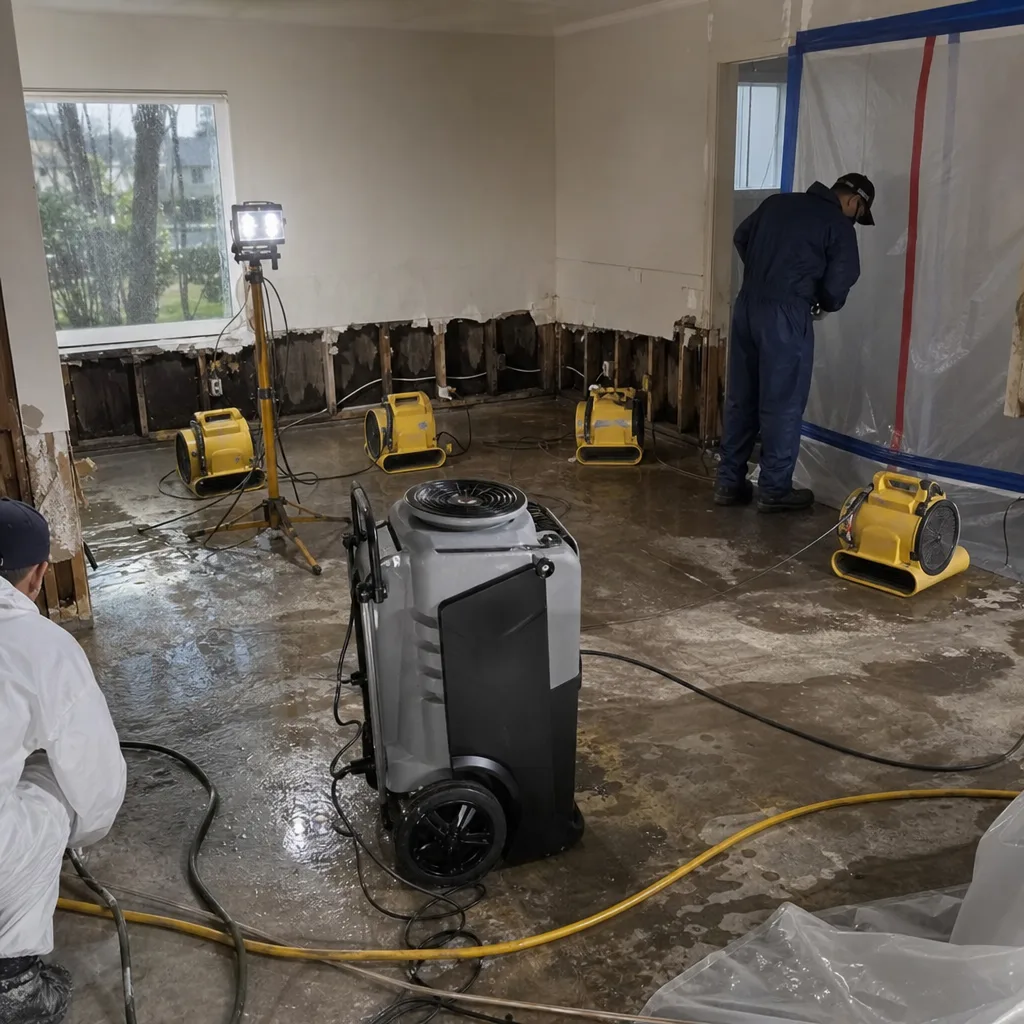
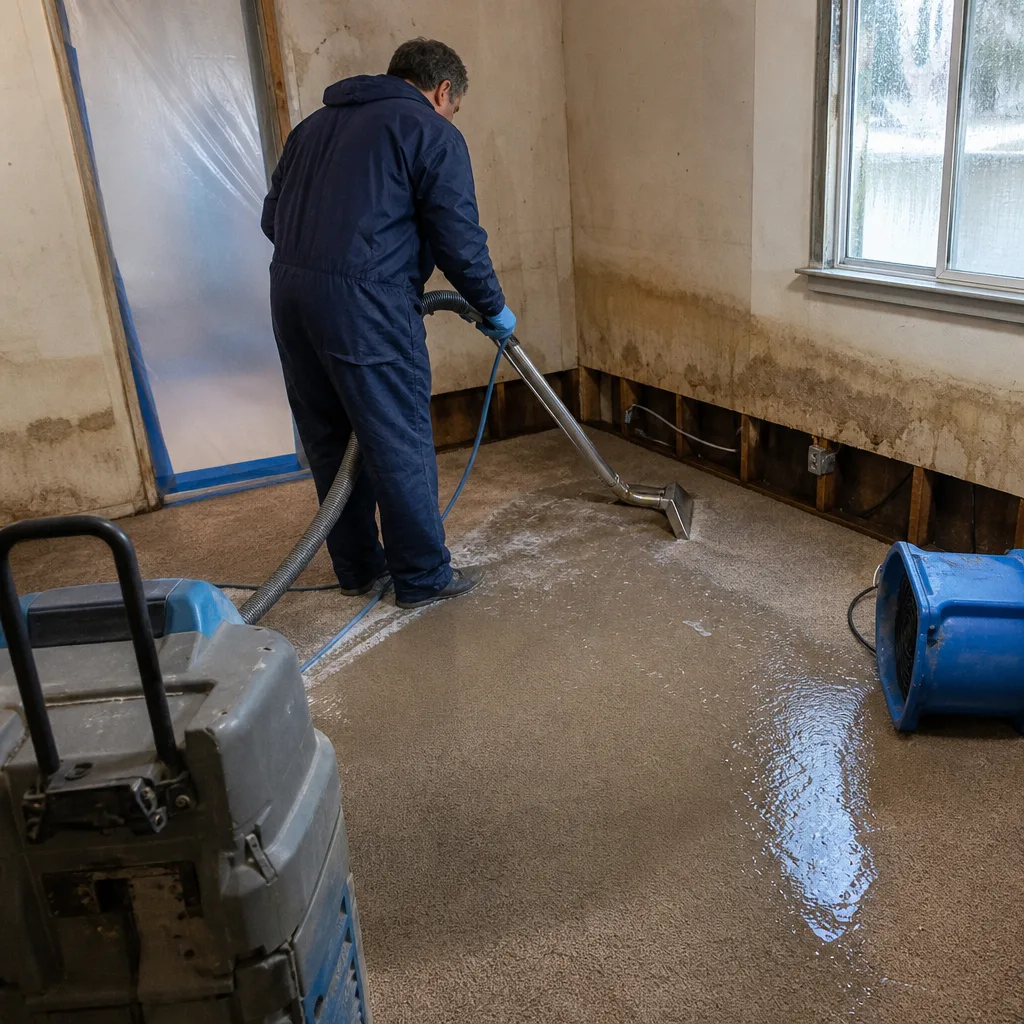
Water damage restoration in Venice begins with a moisture baseline that inland technicians rarely encounter. On a typical July morning in Venice, outdoor relative humidity runs 80-85%. A dehumidifier rated for 70 pints per day at 80°F/60% RH will extract roughly 40% less moisture at Venice’s ambient conditions. This is not a equipment failure; it is a physics problem that scopes must address with higher-capacity units or longer drying timelines.
The standard IICRC S500 water damage restoration protocol defines three categories of water loss and four classes of evaporation load. Venice adds a local variable: salt content in water from tidal flooding or canal backflow. Salt water has lower vapor pressure than fresh water, which slows evaporation. Equipment selection must compensate.
Our drying plans for Venice properties specify:
- Psychrometric baseline documentation. Before any equipment runs, we record outdoor temperature, outdoor RH, indoor temperature, indoor RH, and calculate grains per pound (GPP) and vapor pressure differential (VPD). VPD is the engine that drives evaporation: the difference between the moisture in the air and the moisture the air could hold. In Venice’s humid baseline, VPD is often half what we’d see in Pasadena on the same day. The drying log must show this starting point to justify extended timelines to adjusters.
- Equipment upsizing. For Class 3 or 4 water losses (water wicking up walls, saturation into structural materials), we deploy LGR dehumidifiers from Dri-Eaz or Phoenix rated at 130+ pints at AHAM conditions, not standard residential units. Air movers at one per 10-14 linear feet of wall, not the 16-foot spacing adequate in drier climates.
- Subfloor-specific protocols for pier-and-beam. When moisture readings in floor joists exceed 16% WMC, we install temporary vapor barriers over crawl-space soil and run dedicated dehumidification below the floor plane. This adds cost and time that slab-on-grade scopes do not require, but omitting it guarantees residual moisture and potential subfloor replacement.
- Daily moisture mapping with documented readings. Every 24 hours, we record moisture content at identical locations: structural wood, drywall or plaster, concrete if present, and ambient air. The drying log shows trend lines, not snapshots. Adjusters in Venice claims specifically look for this continuity; gaps in data trigger disputes.
Written price before work begins, per Haven Standard, Clause 1. The scope specifies equipment count, daily monitoring frequency, and projected timeline based on the psychrometric baseline. No additions once the crew is inside.
Mold Remediation and Marine-Layer Humidity
Mold remediation in Venice operates against a background humidity that makes prevention as important as removal. The EPA and IICRC S520 define acceptable post-remediation conditions as indoor RH below 60%. In Venice, maintaining this requires active humidity control year-round, not just during remediation.
We’ve documented mold recurrence in Venice properties where remediation followed protocol but post-project humidity control was absent. The marine layer delivers 75%+ RH 200+ days annually. Without permanent dehumidification or HVAC modifications, regrowth in 12-18 months is predictable.
Venice-specific mold considerations:
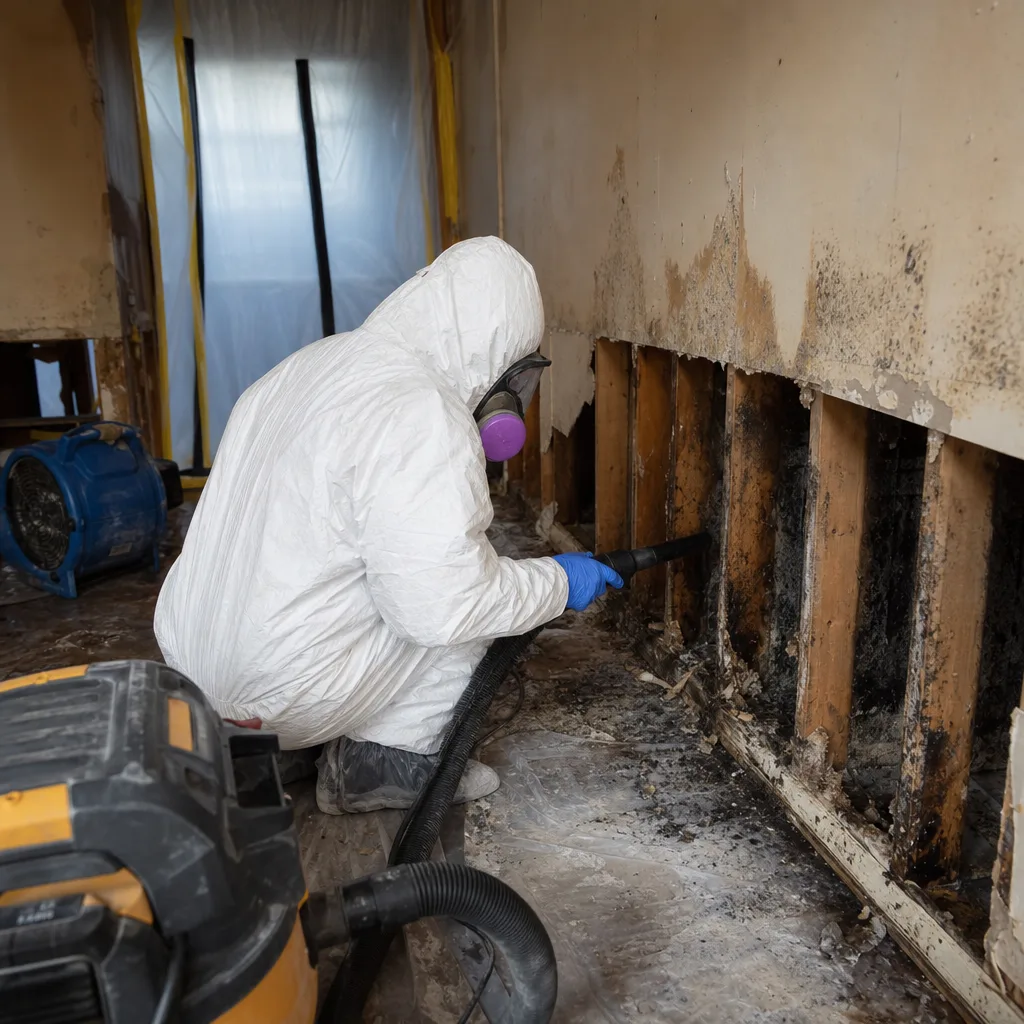
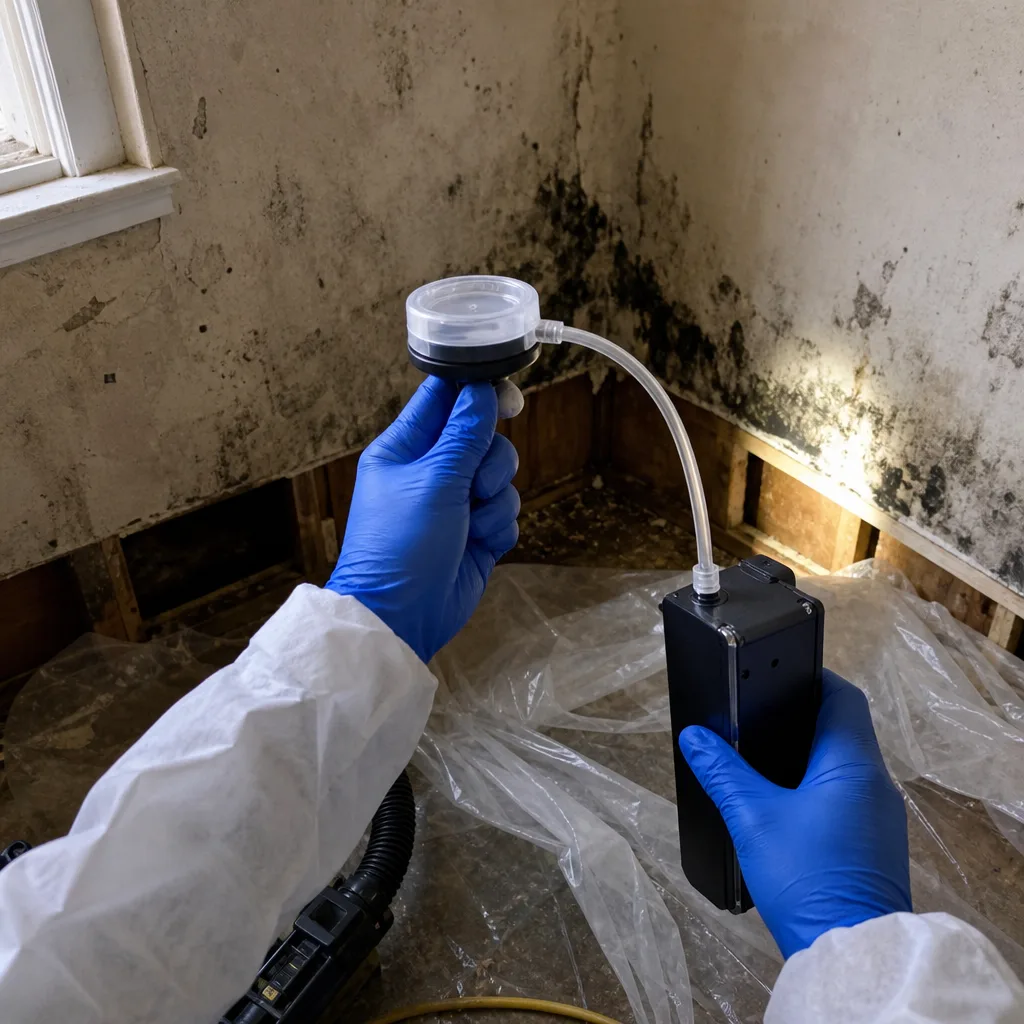
- Lath-and-plaster cavities. Mold in these walls rarely presents as surface growth. It develops on the backside of plaster, on lath, and in the void between. Visual inspection is insufficient; borescope examination and cavity air sampling are standard in our Venice scopes. The written price includes access repair - plaster removal and replacement - because testing without access is incomplete.
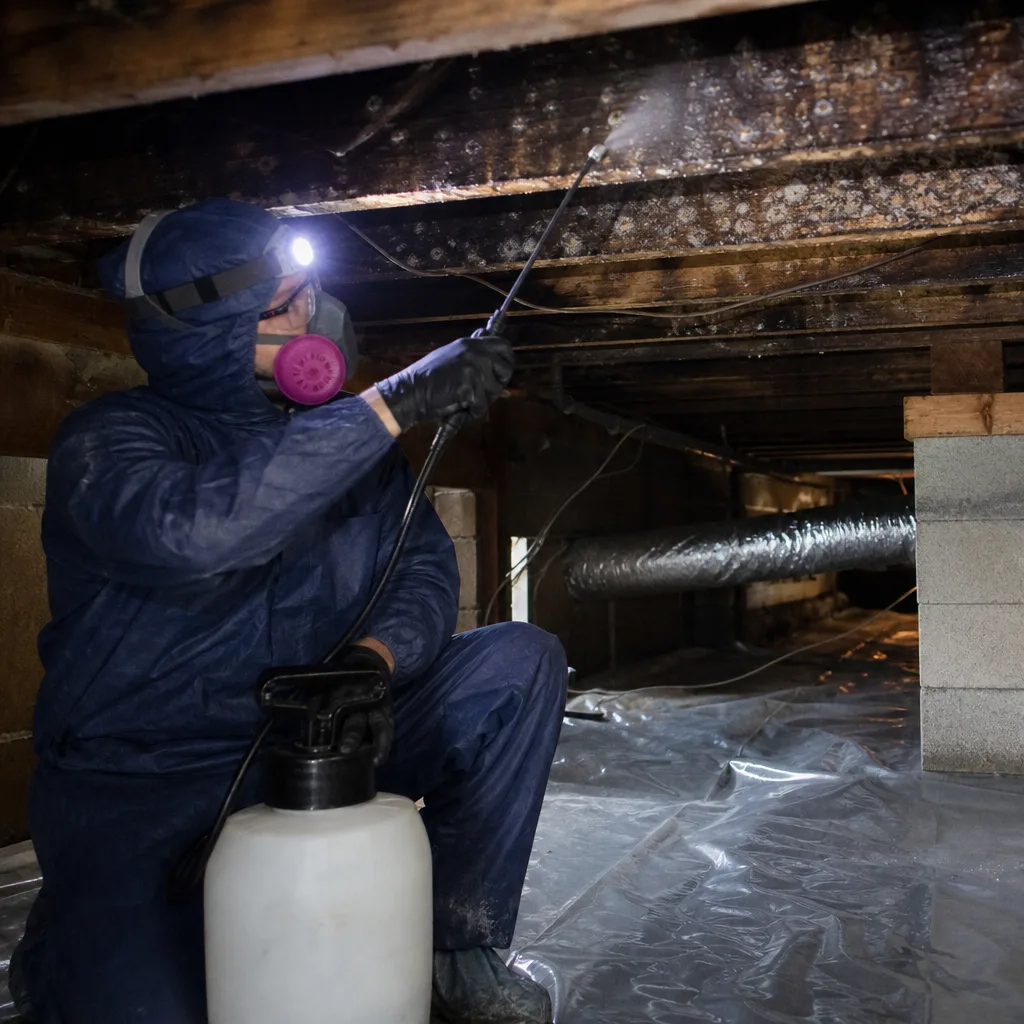
- Pier-and-beam crawl spaces. Chronic humidity in crawl spaces creates “benign” mold conditions: species like Cladosporium and Penicillium that do not produce mycotoxins but trigger allergenic responses. Remediation requires HEPA vacuuming of all surfaces, antimicrobial treatment, and vapor barrier installation. We specify mil thickness and seam sealing method in the written scope.
- Attic mold from ventilation failure. Minimal attic ventilation combines with roof leaks or bathroom exhaust ducting into attics (common in unpermitted Venice renovations) to create attic mold. Remediation here triggers LADBS permit requirements if ventilation modifications are part of the scope. We coordinate permit filing as a documented step, not an afterthought.
Documentation for mold claims is especially critical. California law requires disclosure of mold history in property transactions; incomplete remediation documentation becomes a liability for the homeowner. Our scopes specify post-remediation verification: air sampling with laboratory analysis, written clearance, and photo documentation of all treated areas. The 365-Day Done Right Promise applies; if mold recurs in treated areas, we return at no charge.
Fire & Smoke Damage: Salt-Air Complications
Fire and smoke damage restoration in Venice faces a secondary chemistry problem. Smoke residues are acidic. Salt air is corrosive. The combination accelerates metal degradation, particularly in electrical systems, fasteners, and HVAC components that fire suppression water has contacted.
Standard smoke damage protocols address soot removal, odor control, and content cleaning. Venice scopes must add corrosion assessment and accelerated drying of metal-contacted assemblies. We’ve seen electrical panel failures in Venice fire restorations at 6-12 months post-project where salt-air corrosion on wet contacts was not addressed during initial cleanup.
Key scope modifications for Venice fire restoration:
- Immediate corrosion inhibitor application. On metal surfaces contacted by suppression water, we apply specialized corrosion inhibitors within 24 hours of loss onset. This is time-critical; oxidation begins within hours in salt-air environments.
- Electrical system assessment with documentation. We coordinate licensed electrical inspection as part of the restoration scope, with photo documentation of panel condition, outlet contacts, and junction boxes. This documentation supports electrical replacement claims with adjusters who might otherwise classify corrosion as “maintenance.”
- HVAC duct inspection for salt-smoke compound residue. Smoke drawn into ductwork deposits residues that combine with salt air during subsequent operation. Duct cleaning scopes in Venice specify contact vacuuming and antimicrobial treatment, not just air-washing, with before/after photo documentation at access points.
- Structural fastener assessment in older framing. Original 1920s framing in Venice bungalows used steel fasteners that are already corrosion-susceptible. Fire suppression water + salt air = accelerated fastener failure. Our scopes specify fastener inspection in affected framing and replacement where corrosion exceeds 20% cross-sectional loss, documented with caliper measurements.
Odor control in Venice fire restoration requires additional dwell time for thermal fogging or ozone treatment. Salt air saturates porous materials with moisture that binds smoke odor molecules. Standard 24-hour ozone treatment may require 48-72 hours. The written scope specifies method, duration, and post-treatment verification with olfactory testing or air sampling.
The Documentation That Gets Claims Paid
Documentation is the difference between a restoration invoice an adjuster approves and one they dispute. In Venice, where claim values run higher due to property values and the structural complexities above, documentation quality directly affects homeowner recovery. See our Damage Restoration Cost Breakdown: The Venice Homeowner’s Reference for 2026 for typical pricing ranges.
We built our documentation system around the gap that costs homeowners their claims: the absence of a complete, chronological, verifiable record that connects the loss event to the final invoice. Every DryMark Restoration Venice file contains:
- Pre-demo photo sequence. Date-stamped, geotagged, room-by-room. Every affected surface, every moisture stain, every visible damage. These establish the baseline that all subsequent work references.
- Written scope with line-item pricing. Delivered before work begins, per Haven Standard, Clause 1. Each line specifies material, quantity, unit price, and total. No aggregate allowances. The homeowner signs before work starts; the adjuster receives a copy.
- During-demo photo sequence. Cavity openings, exposed structural elements, discovered damage. These justify scope modifications if needed, with written change orders signed before additional work proceeds.
- Cavity moisture readings with psychrometric data. Not narrative notes (“area appears dry”) but instrument readings: wood moisture content percentage, relative humidity, temperature, GPP, and VPD. Recorded daily at identical locations. The drying log shows trend lines from saturation to dry standard.
- Post-dry photo sequence and verification. Final moisture readings at all monitored locations, demonstrating achievement of dry standard. Photo documentation of restored or replaced materials. Signed completion certificate with 365-Day Done Right Promise.
Insurers flagging Venice claims specifically check for psychrometric data, not just narrative notes. Adjusters know Venice’s humidity baseline; they expect to see equipment selection and timeline justified by that baseline. A drying log that shows dehumidifier placement and daily RH readings without GPP and VPD calculation will trigger a request for additional documentation, delaying payment 15-45 days.
Our daily drying logs are formatted to IICRC, RIA, and IFA standards, with fields for equipment serial numbers, hour-meter readings, and maintenance verification. This level of documentation turns a restoration file into a claim an adjuster can approve without a site visit. In our experience since 2011, files with complete psychrometric documentation clear adjudication 40% faster than narrative-only files.
Permits, SB 800, and the LADBS Reality
California’s SB 800, the Right to Repair Act, establishes standards for construction defects in structures over 10 years old. For restoration work, this intersects with reality in Venice’s housing stock: most bungalows and canal homes exceed 10 years by decades, and many have unpermitted modifications that complicate scope writing. Our Damage Restoration Permits, Codes & Inspections in CA: What You Need to Know explains how we handle these requirements.
SB 800 requires that repair work meet applicable building standards at the time of original construction or current standards, whichever provides greater protection. For restoration, this means:
- Structural repairs must meet current seismic and load standards. A water-damaged pier-and-beam foundation cannot be restored to 1920s specifications; current LADBS standards for foundation repair apply. Scopes must specify engineering review and permit filing, with costs included in the written price.
- Electrical replacement must meet current NEC and LADBS codes. Original knob-and-tube wiring in Venice bungalows, already a fire risk, must be replaced with grounded systems during any restoration that exposes electrical runs. This is not optional; it is code-mandated once the work is performed. Scopes must anticipate and price this, not discover it mid-project.
- Plumbing replacement must meet current water conservation standards. California’s ongoing water restrictions mean that any plumbing restoration in Venice must install low-flow fixtures where originals are removed. Permit filing includes water conservation compliance verification.
The LADBS permit portal’s high closure rate in 90291 traces to restoration scopes that did not account for these requirements. Contractors began work, discovered code triggers, and could not complete without permit filing that the original scope did not include. Homeowners faced stop-work orders, additional costs, and extended displacement.
Our scopes include permit feasibility review as a standard step. We verify property records for unpermitted additions, identify code triggers before work begins, and file permits with scope attachments that show compliance path. The written price includes permit fees, plan check, and inspection scheduling. No surprises.
For properties with significant unpermitted work - common in Venice’s long history of informal construction - we document existing conditions with the pre-demo photo sequence and flag potential code triggers in the initial scope. This protects the homeowner from post-project liability and supports adjuster understanding of why certain work exceeds like-for-like replacement.
Equipment Selection for Venice Conditions
Professional-grade drying equipment is not interchangeable. The brands we deploy - Dri-Eaz, Phoenix, XPOWER, B-Air, and Injectidry - are selected for specific capabilities that Venice conditions demand. Documentation to IICRC, RIA, and IFA standards requires equipment that produces verifiable output, not just air movement.
Dehumidification: LGR (low-grain refrigerant) dehumidifiers from Dri-Eaz and Phoenix for Class 3-4 water losses. These units achieve lower specific humidity than conventional refrigerant units, critical when Venice’s ambient humidity already nears saturation. Desiccant dehumidifiers for sub-40°F conditions, rare in Venice but specified for winter crawl-space work where ground temperature drops below air temperature.
Air movement: Axial air movers from XPOWER and B-Air for open-area drying; centrifugal units for directed airflow in cavities and under cabinets. In Venice’s lath-and-plaster walls, we specify positive-pressure cavity drying with Injectidry systems: sealed panels with controlled airflow that forces dry air through wall voids without demolition. This preserves original plaster where possible, reducing scope and maintaining historic character.
Air filtration: HEPA air scrubbers during mold remediation and fire restoration. In Venice’s tight bungalow floor plans, negative-air containment with HEPA filtration prevents cross-contamination between affected and unaffected areas. Units specified by CADR (clean air delivery rate) matched to room volume.
Moisture detection: Pin and pinless moisture meters for surface readings; thermohygrometers for ambient conditions; thermal imaging for moisture mapping behind finishes. All readings documented with location photos in the daily log.
Equipment serial numbers and hour-meter readings appear in every drying log. This verifies that specified equipment was present and operating for claimed durations. Adjusters audit this; we provide it without request.
Common Mistakes to Avoid
- Assuming Venice humidity is “close enough” to inland LA. It’s not. A drying plan written for Glendale will underperform in Venice by 30-50% on extraction rate. Equipment counts and timelines must be adjusted before the scope is written, not after equipment fails to perform.
- Treating lath-and-plaster like standard drywall. Surface drying is not assembly drying. Plaster can feel dry while lath behind it holds moisture at fungal-growth levels. Scopes must specify cavity access or positive-pressure drying with duration justified by material thickness.
- Ignoring crawl-space moisture in pier-and-beam homes. The subfloor is part of the drying assembly. Equipment running in living spaces does not dry crawl spaces. Separate dehumidification below the floor plane is required, with vapor barrier installation for chronic conditions.
- Starting demo before photo documentation. Every insurance claim and every potential dispute turns on the pre-loss condition record. Photo documentation must precede any material disturbance. We have seen $40,000+ claims denied for lack of pre-demo documentation that would have taken 20 minutes to capture.
- Writing scopes without permit pre-check. Venice’s unpermitted construction history means that restoration work frequently triggers code requirements the original construction did not meet. Permit feasibility review before scope finalization prevents stop-work orders and cost overruns.
- Accepting narrative-only drying logs. “Area appears dry” is not documentation. Adjusters reject it; courts reject it. Daily logs must contain instrument readings at defined locations, with psychrometric calculations that show drying progress against established standards.
- Omitting corrosion assessment after fire suppression in salt air. Electrical and fastener corrosion from salt-air exposure after water contact develops over months. Assessment and treatment during initial restoration prevents future failures and supports complete claim recovery.
When to Call a Professional
Call a restoration professional when water has affected walls, ceilings, or flooring; when mold is visible or suspected; when fire or smoke damage has occurred; or when any damage involves structural, electrical, or plumbing systems. In Venice specifically, call when your property has pier-and-beam construction, lath-and-plaster walls, or is within two blocks of the canals - these conditions amplify standard damage and require modified protocols.
Do not wait for visible mold to confirm moisture problems. By the time mold is visible, the underlying moisture condition has typically persisted 48-72 hours. In Venice’s humid baseline, that timeline compresses.
DryMark Restoration Venice offers free estimates in Venice. A written scope with line-item pricing is delivered before any work begins, every time, per Haven Standard, Clause 1. Free second opinion on any competitor’s written estimate. Call (424) 372-0129.
Frequently Asked Questions
Water damage restoration in Venice typically ranges from $3,200 for limited clean-water losses in single rooms to $18,000+ for whole-house Category 3 losses with structural drying and material replacement. Mold remediation runs $2,800-$7,500 for attic or crawl-space projects, higher for whole-house lath-and-plaster work. Fire and smoke restoration starts around $4,500 for kitchen losses with suppression water, escalating with structural and electrical replacement. Every job is quoted in writing before work begins. Call (424) 372-0129 for an exact estimate - estimates are free.
Most homeowners policies cover sudden and accidental water damage, fire, and smoke; flood damage requires separate flood insurance. Coverage disputes in Venice often center on documentation quality, not coverage existence. A complete file with pre-demo photos, psychrometric drying logs, and written scope gets approved faster than narrative-only claims. We coordinate directly with adjusters and provide photo documentation formatted for claims review. Bring your policy and any prior estimates for our free second-opinion review.
Live person answers every call, 24 hours a day, 7 days a week - no voicemail trees. Emergency water damage response typically dispatches within 60-90 minutes in Venice during normal conditions. Extended response times occur during regional storm events; we communicate estimated arrival and interim steps to limit damage spread. Reconstruction and non-emergency work is scheduled, not dispatched; written scopes are delivered within 24-48 hours of assessment.
Visible mold growth exceeding 10 square feet, mold in HVAC systems, or mold resulting from Category 2 or 3 water damage requires professional remediation per IICRC S520. Surface cleaning is adequate only for limited, non-porous growth from clean water with no underlying moisture problem. In Venice’s humid conditions, “just cleaning” without humidity control guarantees recurrence. Our scopes specify remediation extent, humidity control measures, and post-remediation verification with laboratory analysis.
We do. Every DryMark Restoration Venice project includes adjuster coordination: scope submission, documentation delivery, and direct communication on technical questions. Our documentation - photo records, drying logs, written scopes - is formatted for adjuster review. We do not require homeowners to mediate technical disputes. The 12,000+ homes we’ve restored since 2011 include extensive adjuster relationship experience; we speak the language of claims documentation.
Standard drying timelines run 30-50% longer in Venice due to ambient humidity. A 3-day dry in Pasadena typically requires 4-5 days in Venice for equivalent material classes. Psychrometric data in the daily drying log justifies this extension with specific measurements, not general claims. Equipment selection compensates: higher-capacity dehumidifiers, more air movers, and specialized cavity drying for lath-and-plaster assemblies. The written scope specifies projected timeline based on initial readings, with daily updates.
The Bottom Line
Damage restoration in Venice is not a generic service applied to a coastal address. Marine-layer humidity, salt-air corrosion, pier-and-beam foundations, lath-and-plaster walls, and minimal attic ventilation in historic bungalows create conditions that standard inland protocols fail to address. Successful restoration requires scopes written for these specific conditions, equipment selected for higher baseline moisture, and documentation that connects every decision to verifiable data. The restoration company that delivers a written price before work begins, maintains daily psychrometric logs, and provides complete photo documentation protects both the property and the claim. Explore more guides & resources for Venice homeowners. Anything less risks the moisture left behind, the permit not filed, and the invoice not paid.
Written by Alicia Brennan, Owner at DryMark Restoration Venice, serving Venice since 2011.