
Free visual inspection and a written scope of work before any mitigation begins - photos, moisture readings, and drying logs go in your claim file
The scope we write is the scope we bill. Anything new gets shown to you, in writing, before we touch it.
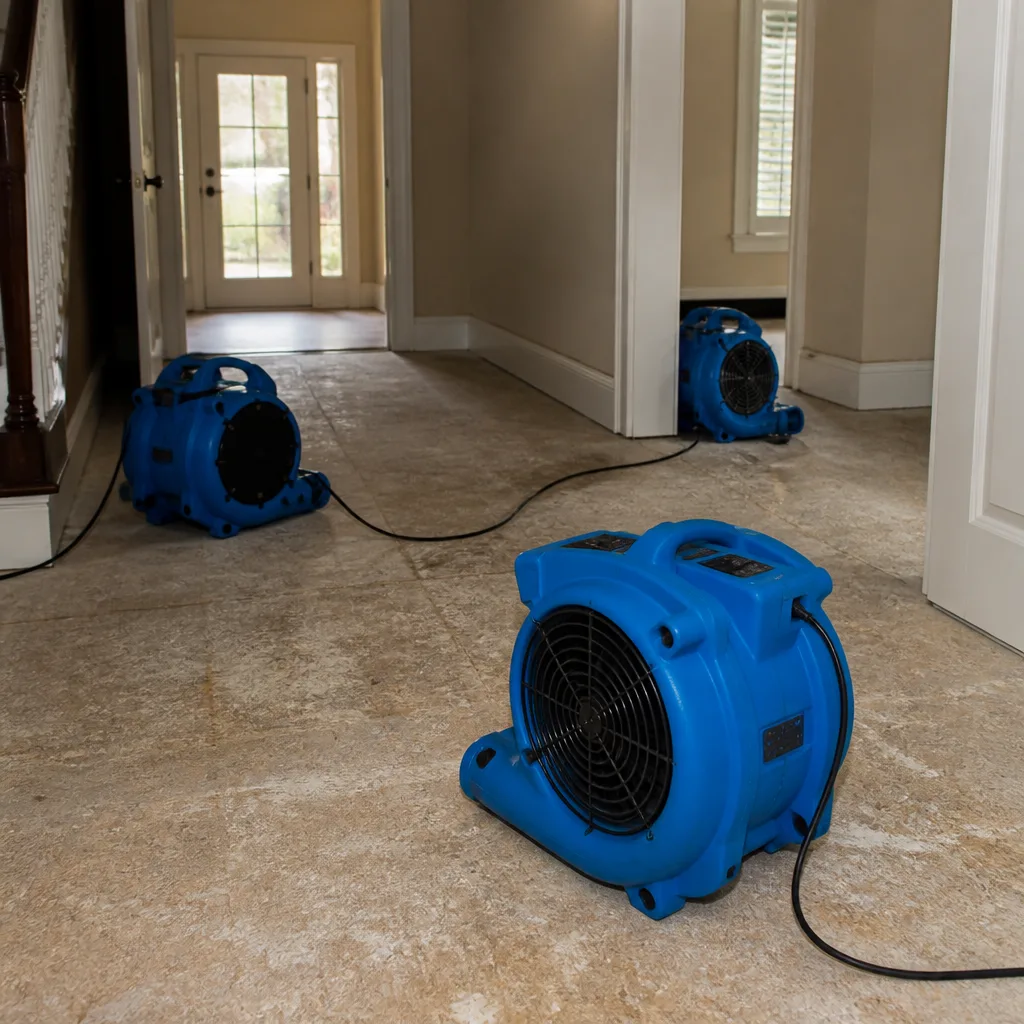
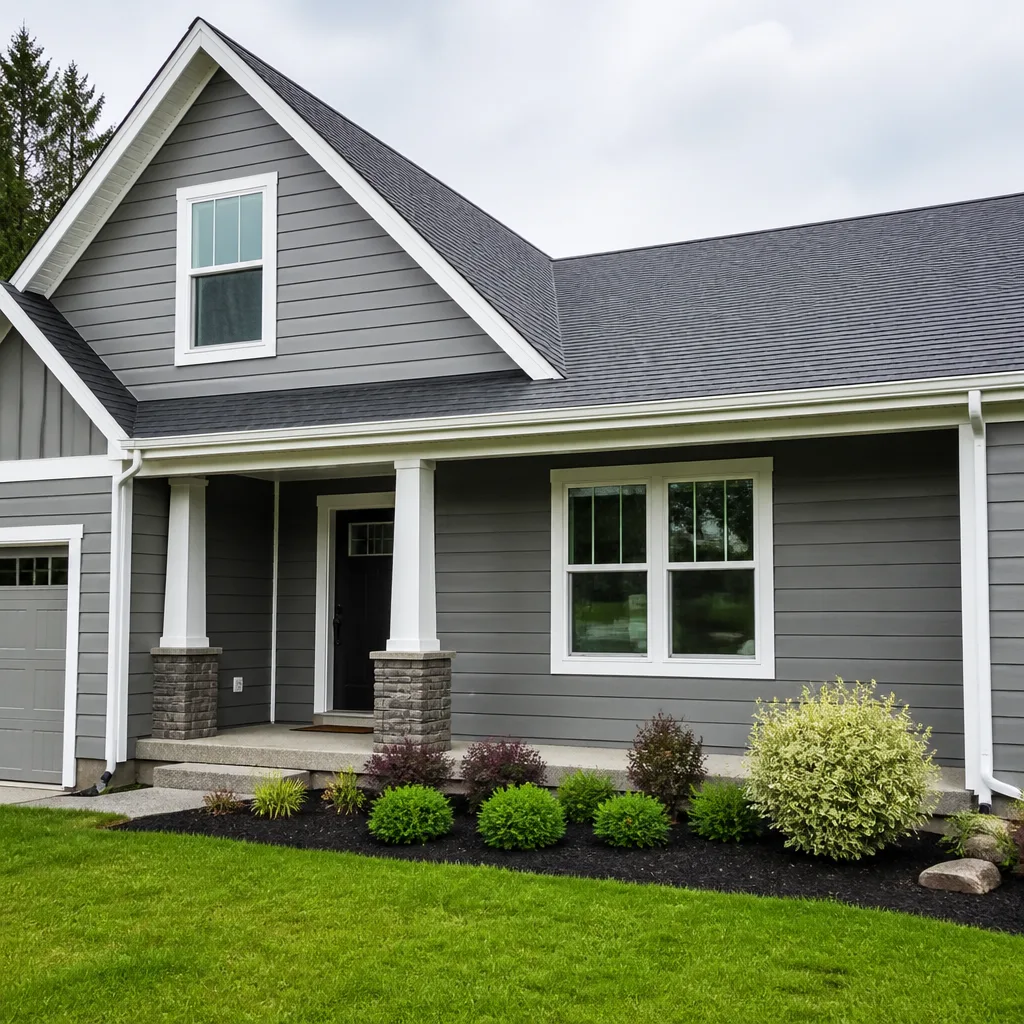
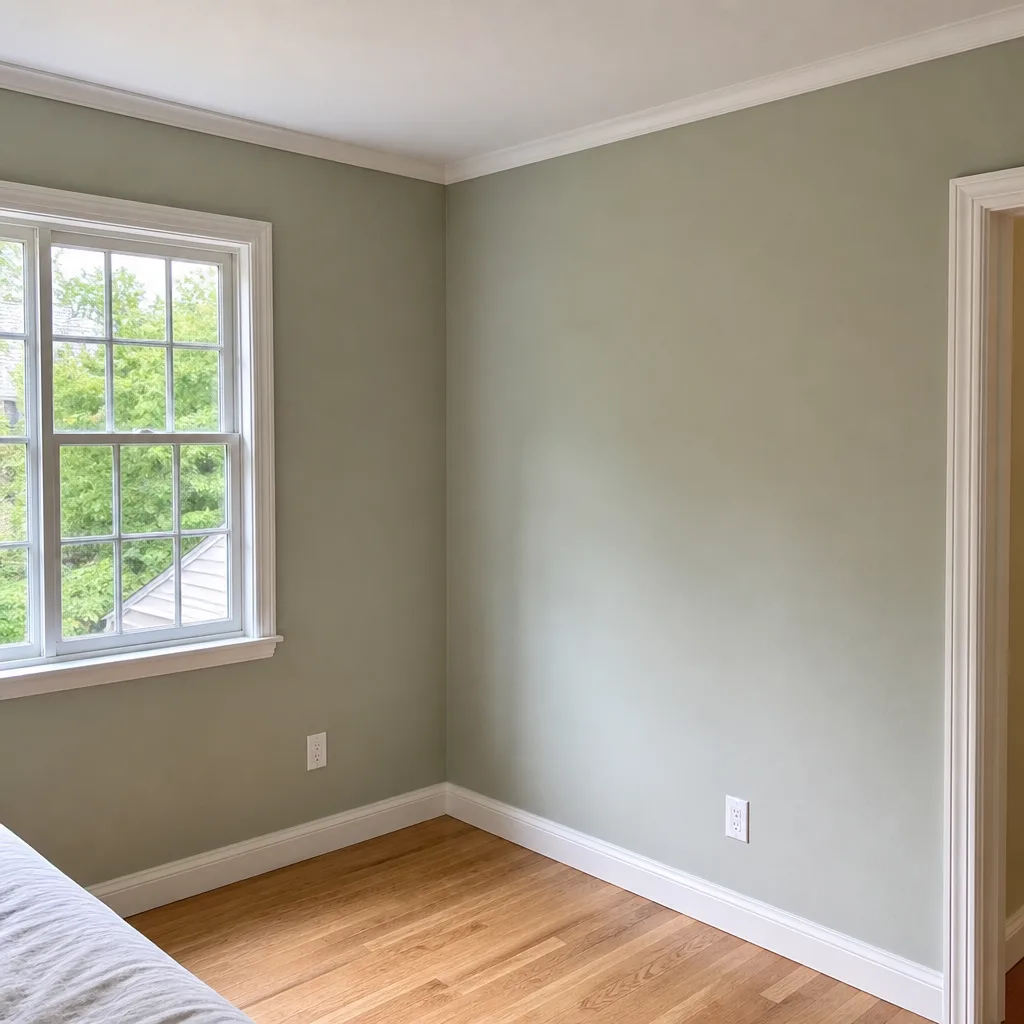
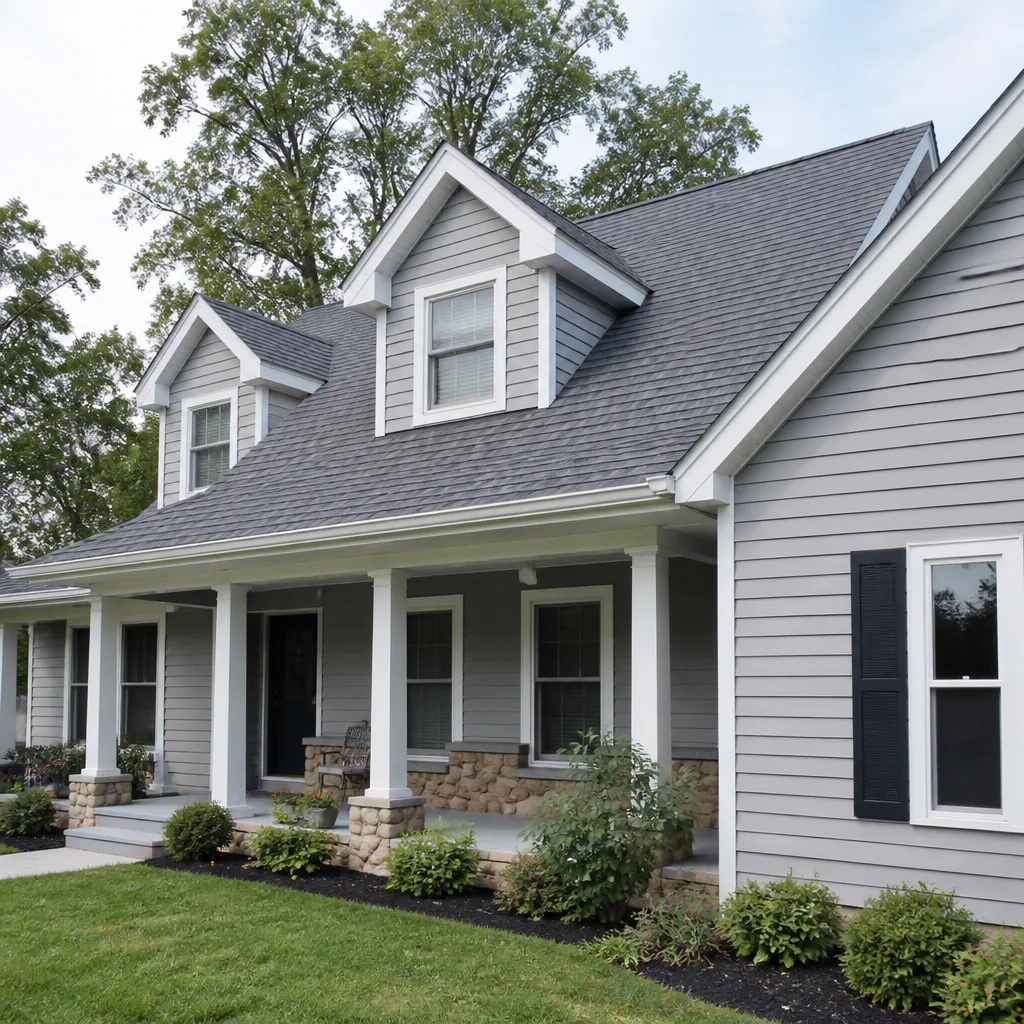
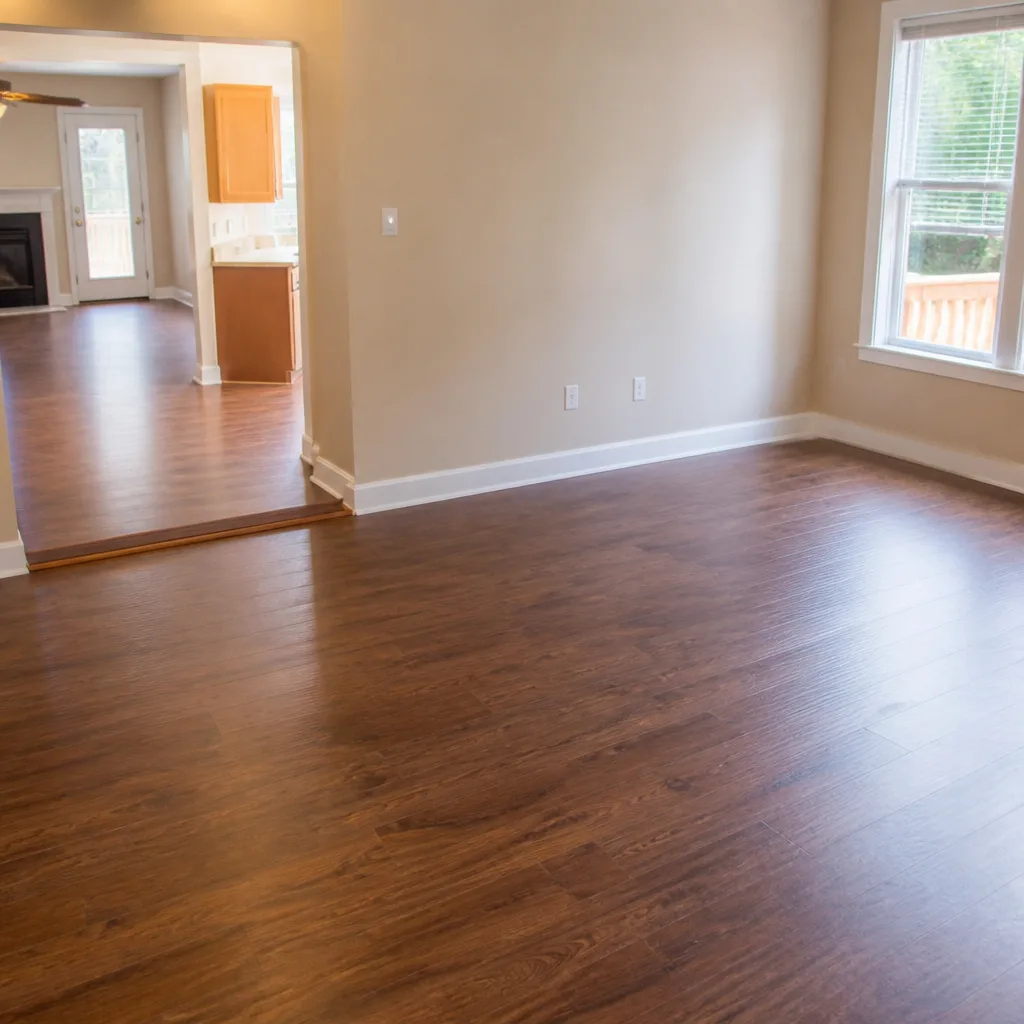
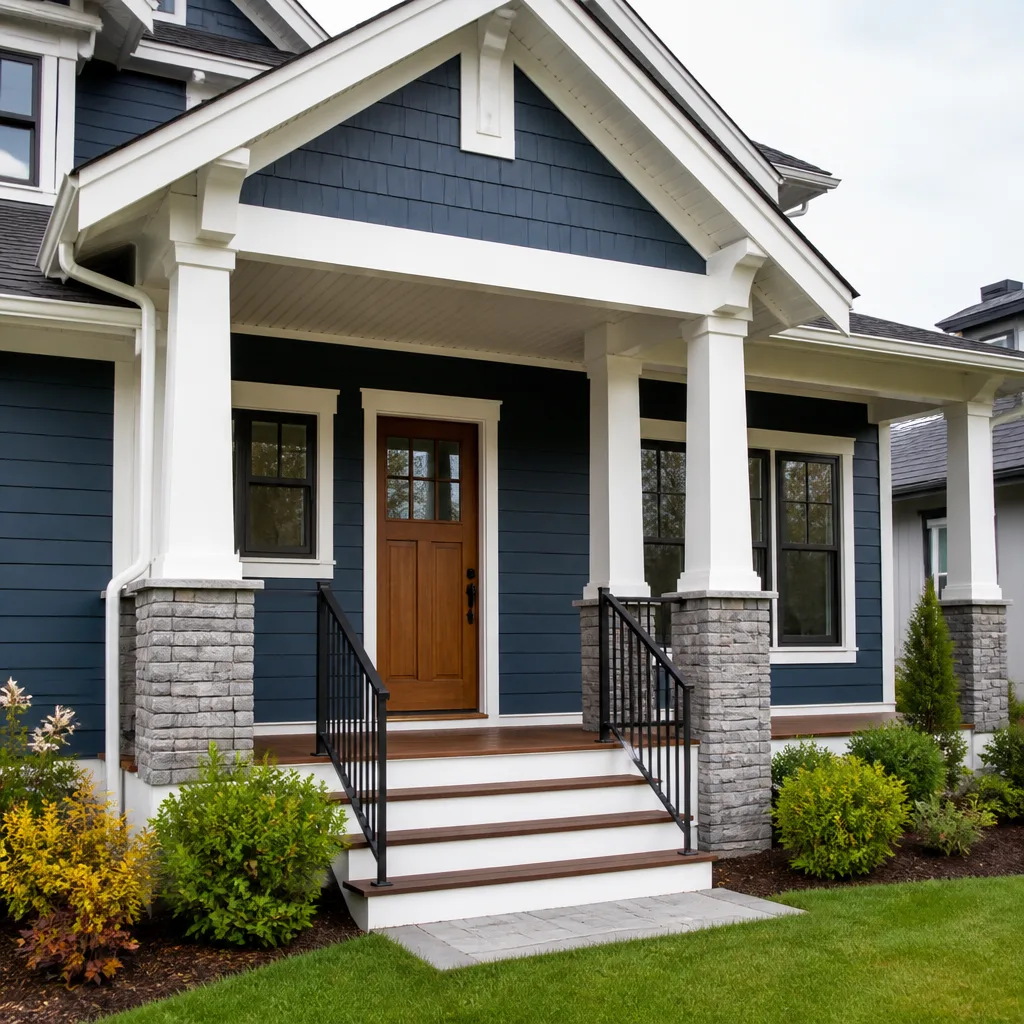
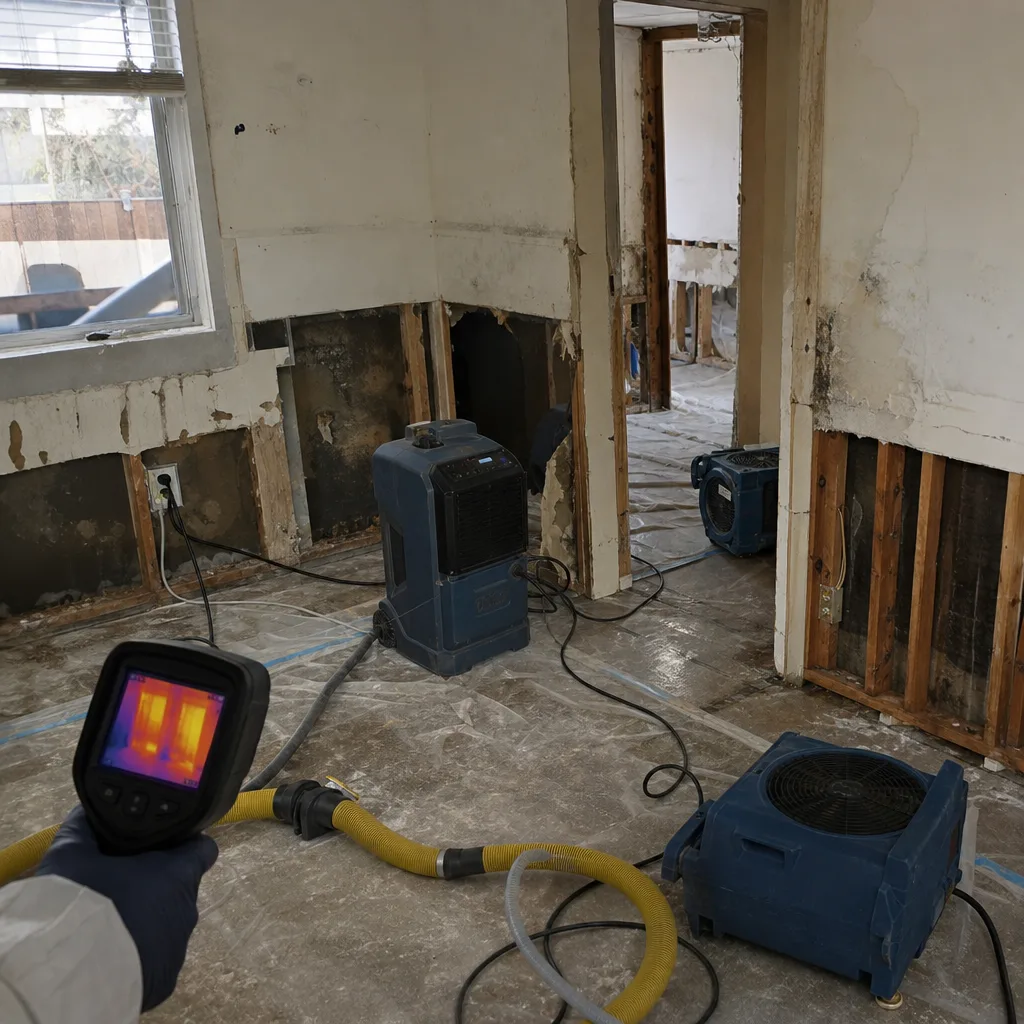 Before
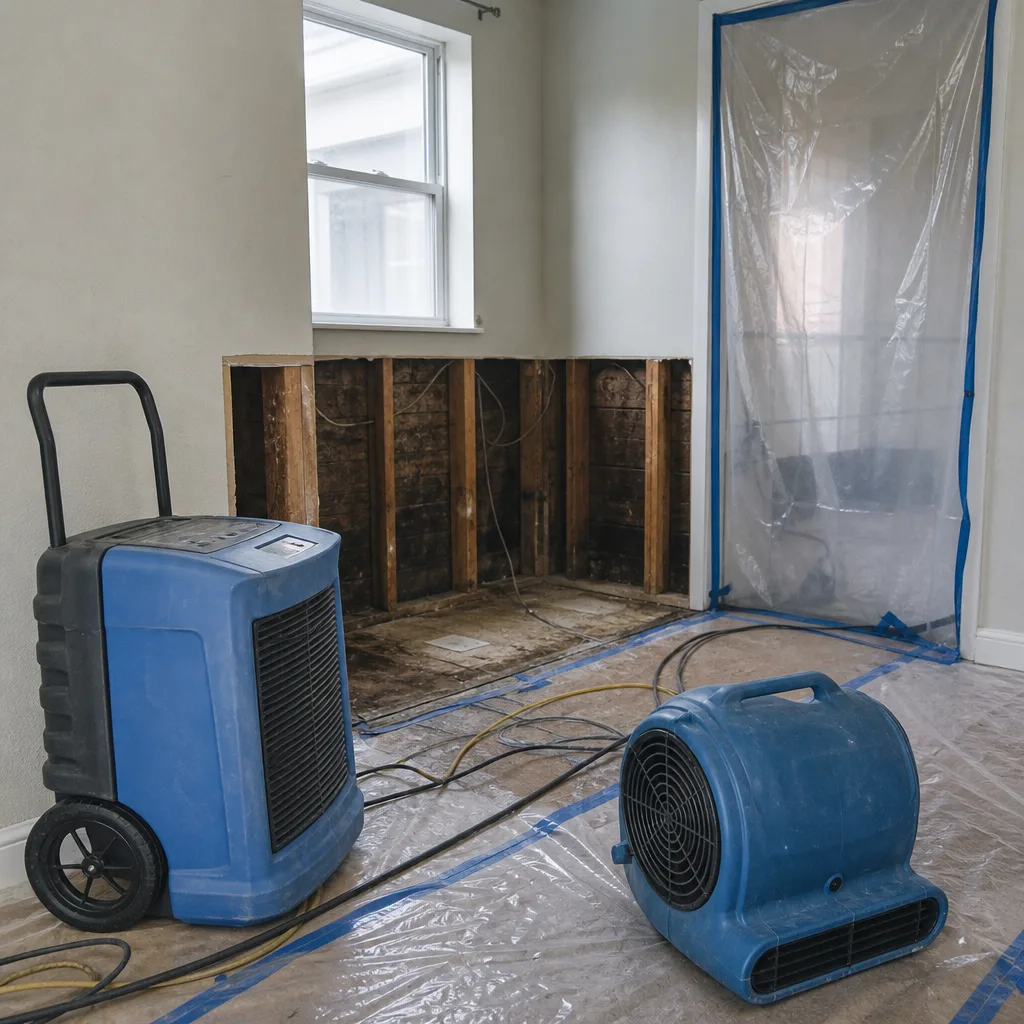 After
After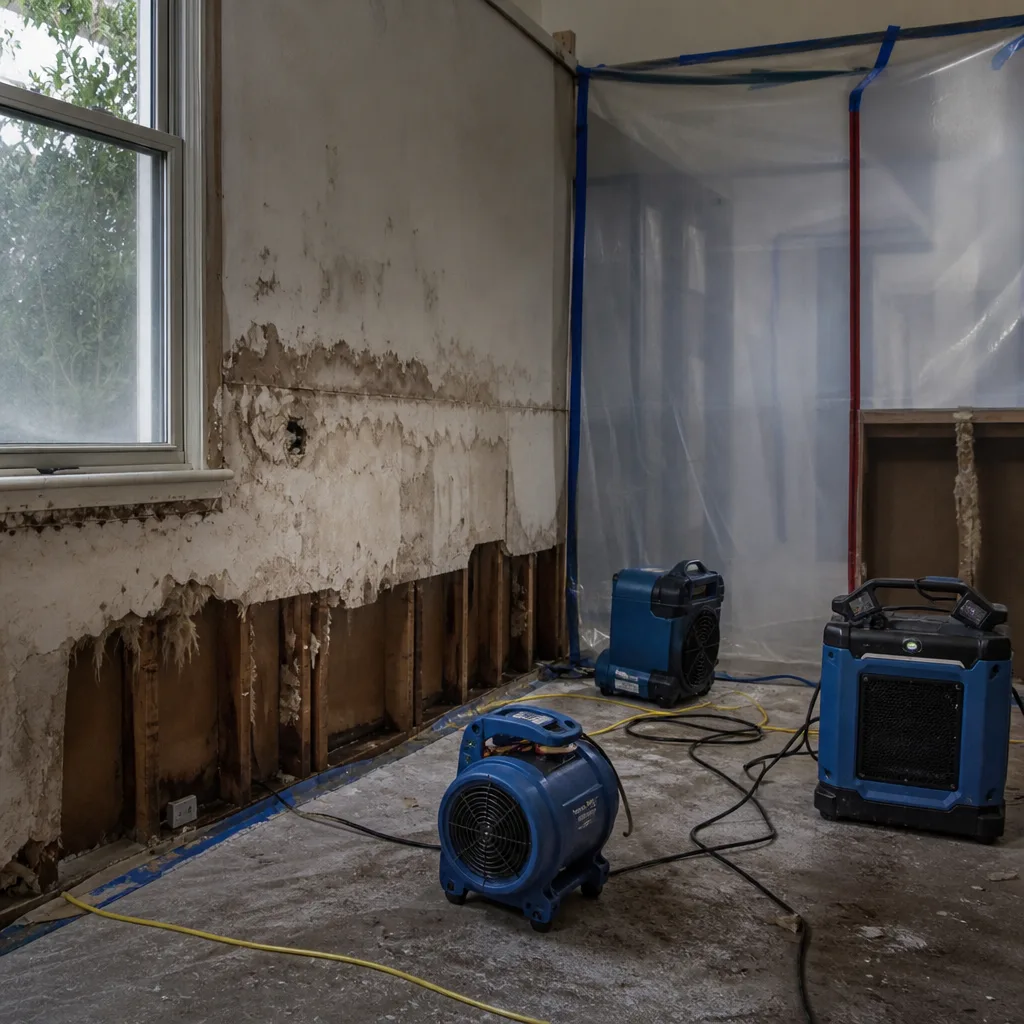 Before
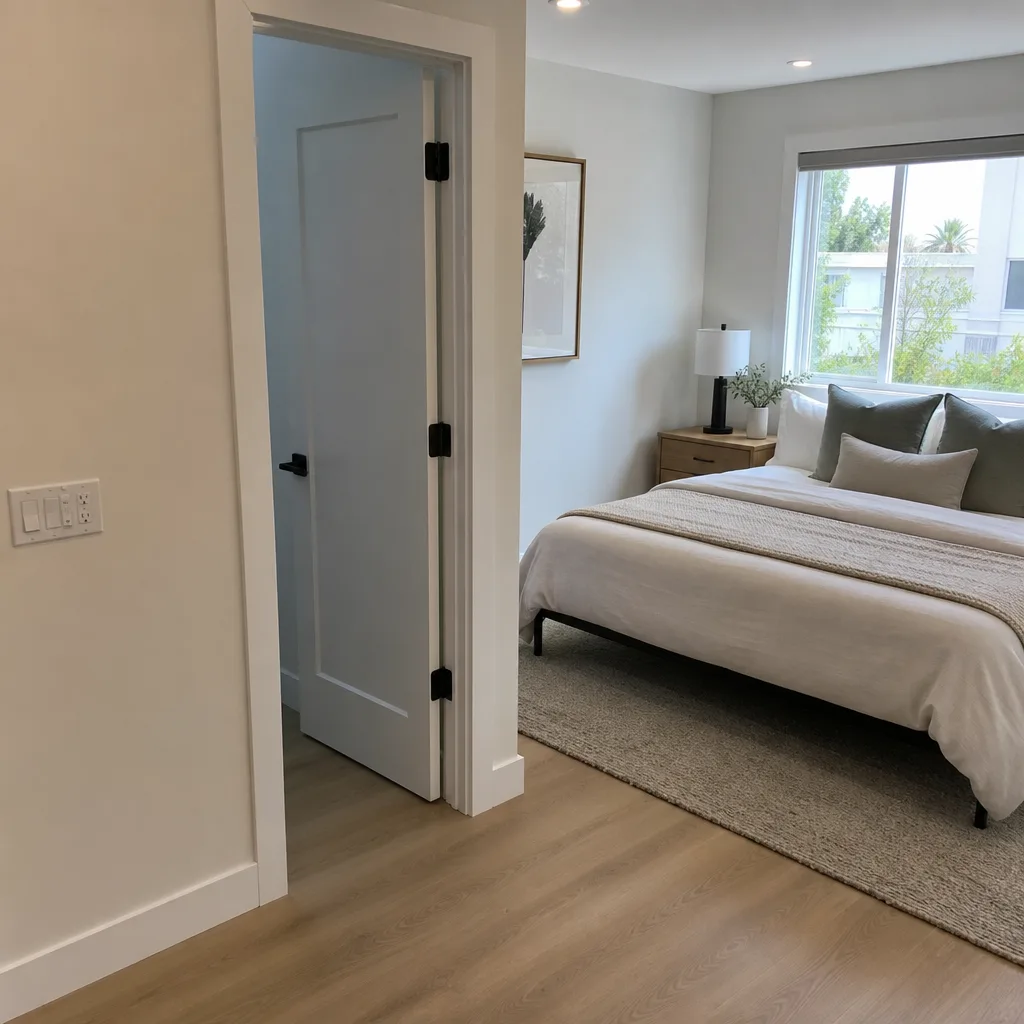 After
After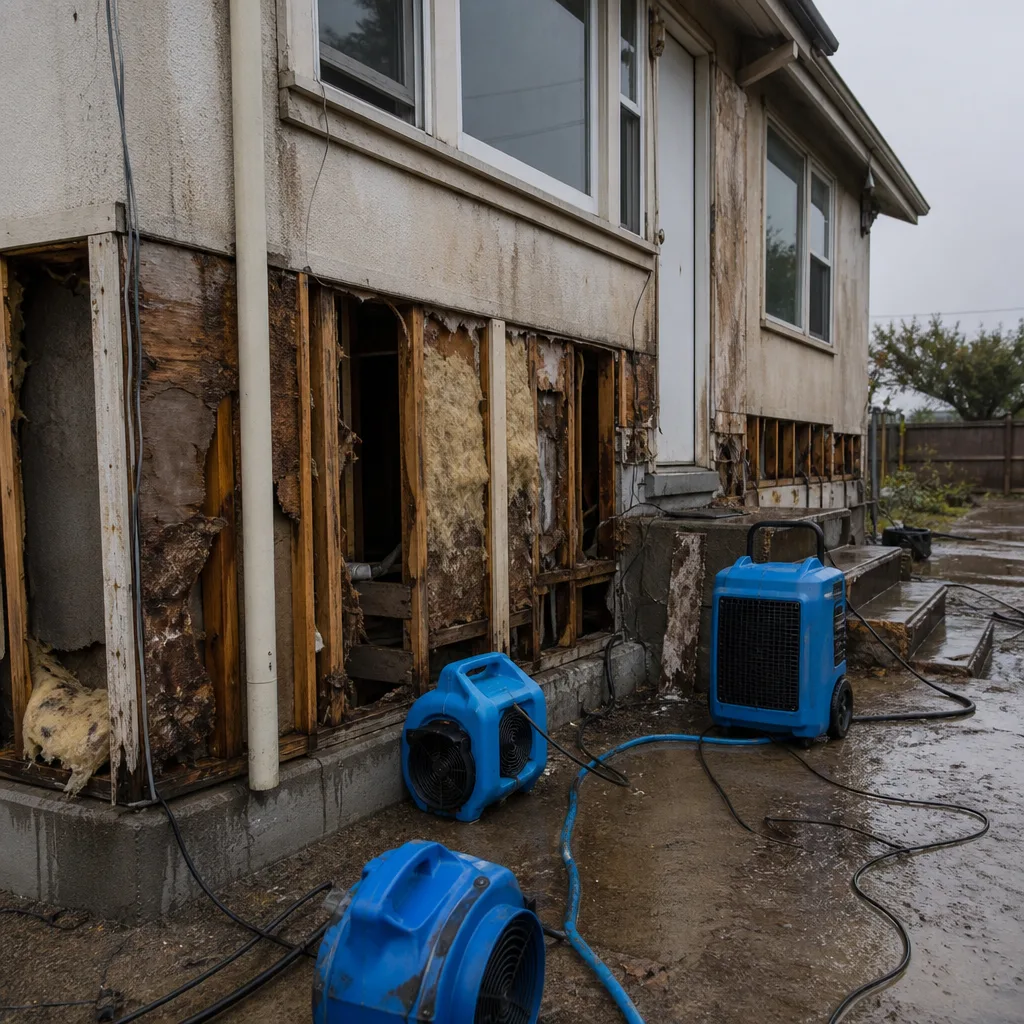 Before
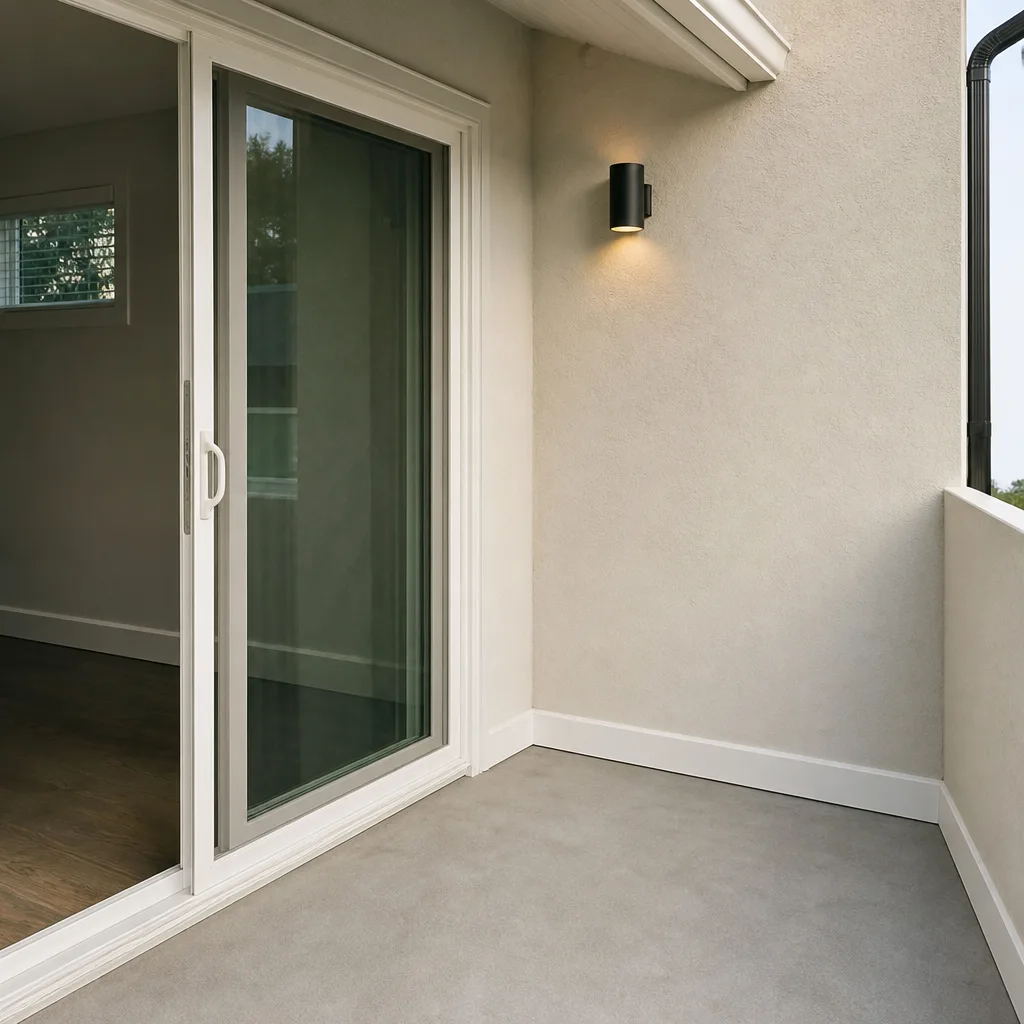 After
After24/7 Emergency Water Damage Restoration in Los Angeles
Water damage restoration in Los Angeles typically costs $2,800-$7,500 for a standard residential drying job, with emergency extraction running $1,200-$3,400 depending on affected square footage and water category. Most Los Angeles properties we dry reach pre-loss moisture levels in 3-5 days, though homes with missing vapor barriers or detached workshop structures often need extended monitoring. Call (424) 372-0129 now - we answer live, 24 hours a day, 7 days a week, and crews are dispatched from our Los Angeles office to your property without voicemail delays.
The first hour determines whether you’re looking at extraction and drying, or full gutting and reconstruction. In Los Angeles, where building envelopes lack the vapor barriers standard in wetter climates, water that hits framing or slab edges migrates horizontally and vertically faster than homeowners expect. By the time you see staining on drywall, moisture may already be two feet higher inside the wall cavity. Our crews carry thermal imaging and non-penetrating moisture meters on every truck to find what you can’t see yet.
Understanding Water Damage Restoration Severity in Los Angeles Properties
Water damage severity is classified by contamination level, not just volume. Category 1 water - a burst supply line or overflowing sink - is clean but becomes Category 2 within 24-48 hours as microbial growth begins. Category 2, or “gray water,” carries chemical or biological contaminants from sources like dishwasher discharge or washing machine overflow. Category 3, “black water,” includes sewage backup, groundwater intrusion, or any water passing through soil or building debris. In Los Angeles, we see an unusual pattern: techs from wet-climate markets often assume every residential leak is Category 1 because the source looks clean, missing that slab-on-grade Valley homes or hillside properties with compromised drainage can introduce soil contaminants that push the job to Category 3.
Moisture mapping is the process of documenting exactly where water has traveled using penetrating and non-penetrating meters, thermal imaging cameras, and in some cases borescope inspection of wall cavities. Structural drying then applies calculated airflow, temperature, and dehumidification to remove bound moisture from materials without causing secondary damage. Psychrometric data - the measurement of temperature, relative humidity, and vapor pressure differential (the force that drives moisture from wet materials into drier air) - governs equipment placement and daily adjustments. Los Angeles’s low ambient humidity, typically 30-50% even in winter, actually accelerates surface drying, which can deceive homeowners and inexperienced contractors into thinking a structure is dry while bound moisture remains deep in wood framing or behind intact drywall.
The housing stock here complicates every assessment. Original 1920s Craftsman bungalows in Highland Park and Echo Park contain wood lath and horsehair plaster that wick water unpredictably. Post-war San Fernando Valley tract homes sit on slab foundations with clay soils that expand when saturated, creating settlement cracks that become new intrusion paths. Pre-1980 soft-story apartment buildings in Hollywood and Koreatown have open ground-floor parking levels where water sheets across concrete with nowhere to drain.
Why Los Angeles Property Owners Choose DryMark Restoration Venice
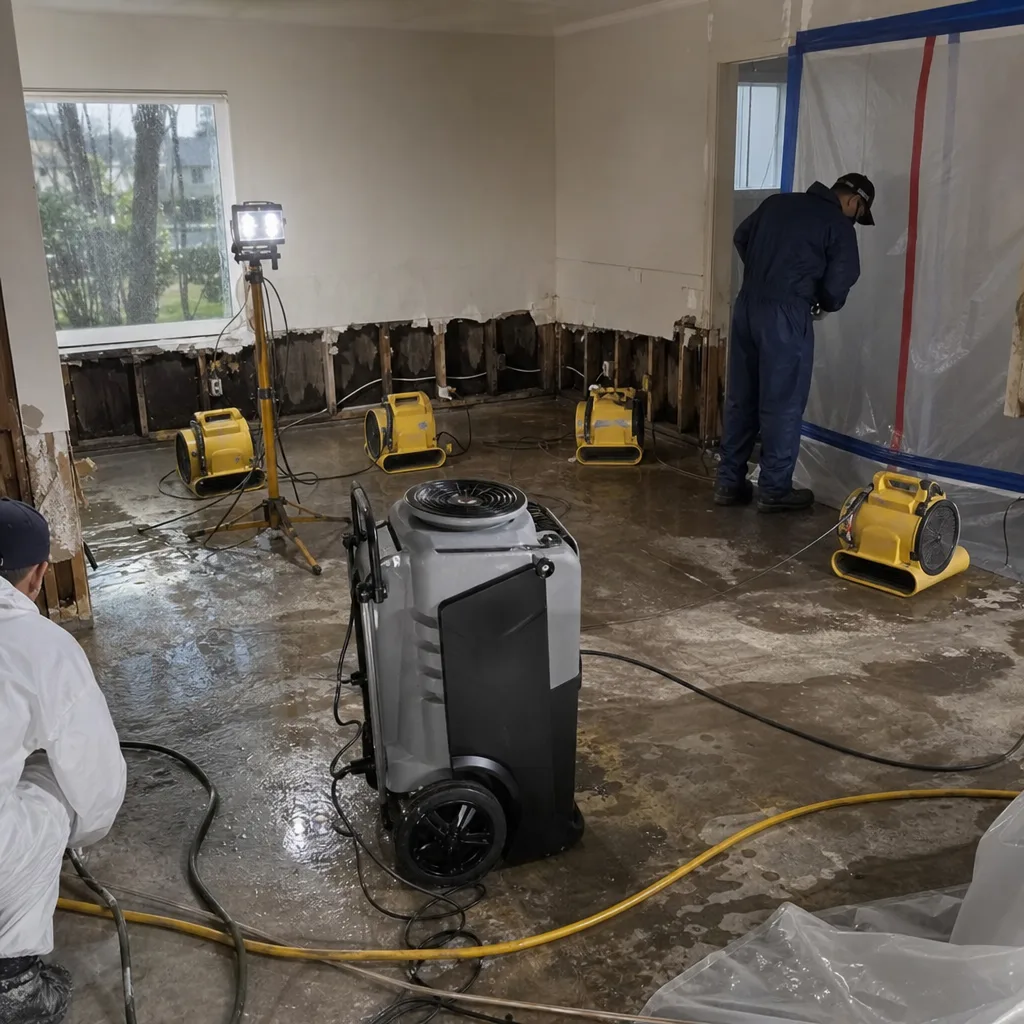
- 45-minute response commitment to Los Angeles properties - our crews load trucks for heavy-duty extraction and one-trip stabilization, not a callback for more equipment.
- 24/7 live answer by a real person, never an automated system or next-business-day callback while water is still moving through your walls.
- IICRC-certified crews holding WRT (Water Damage Restoration Technician) and AMRT (Applied Microbial Remediation Technician) credentials, with license numbers verified before arrival.
- Free visual inspection and moisture assessment - we document what we find before quoting, so your written price reflects actual conditions, not a phone guess.
- Direct insurance billing with photo-documented estimates, daily drying logs, and adjuster coordination - the documentation that turns restoration invoices into payable claims.
- One team from extraction through reconstruction, so the crew that mapped your moisture profile also verifies the final dry standard.
 Before
 After
AfterOur Water Damage Restoration Process
1. Inspection & Assessment
We arrive with thermal imaging, penetrating and non-penetrating moisture meters, and hygrometers to map the full extent of water migration. In Los Angeles, we pay particular attention to slab edges and wall cavities where missing vapor barriers let moisture travel silently. You receive a photo-documented assessment and a written scope with a firm price before any work begins - Haven Standard, Clause 1.
2. Extraction & Stabilization
Standing water is removed with truck-mounted and portable extraction systems. For acreage properties with detached workshops or heavy roll-up doors, we load enough equipment for complete stabilization in one trip - Dri-Eaz and XPOWER extraction tools, plus the air mover and dehumidifier capacity the structure actually needs.
3. Drying & Dehumidification
We deploy professional-grade Dri-Eaz and Phoenix dehumidifiers, B-Air air movers, and Injectidry cavity drying systems as indicated by moisture mapping. Daily psychrometric readings are logged to IICRC, RIA, and IFA standards, producing the documentation your insurer requires to approve drying charges.
4. Cleaning & Sanitization
Category 2 or 3 water requires antimicrobial treatment of affected surfaces and HEPA air scrubbing to remove airborne contaminants. Even Category 1 jobs in Los Angeles often need attention to HVAC intake locations where wildfire-season particulate has pre-loaded filters and duct surfaces.
5. Moisture Verification & Documentation
We do not guess at dry. Final moisture readings are compared to baseline measurements from unaffected areas of the same structure, documented in your drying log, and photographed. This is the proof that prevents insurers from denying “excessive” drying days.
6. Repairs & Restoration
Our reconstruction crew repairs or replaces drywall, flooring, trim, and finishes to match pre-loss condition. The same team that managed your drying understands where moisture traveled, so nothing gets covered before it’s actually dry.
Need Emergency Water Damage Restoration in Los Angeles Now?
Crews minutes away, answering live 24 hours a day. The sooner we start, the less it costs.
Working With Your Insurance Company
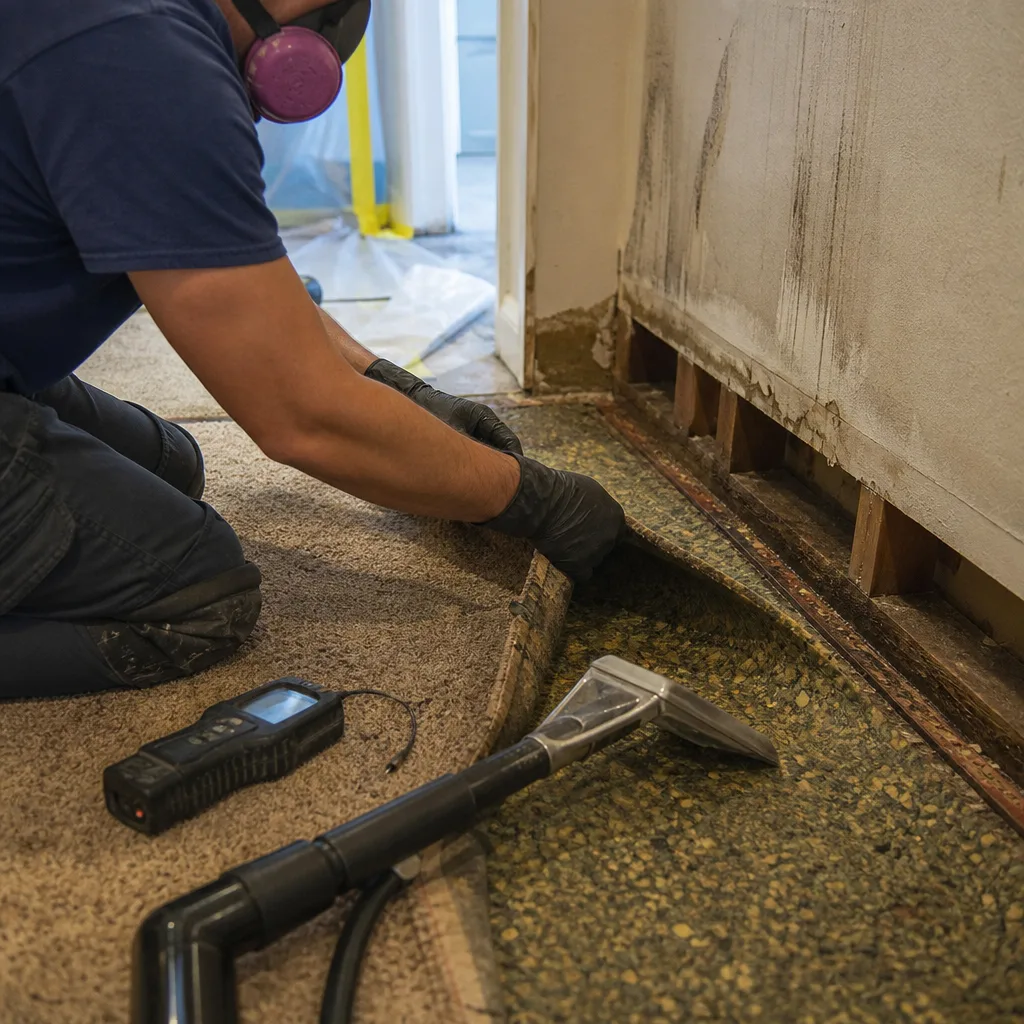
Documentation from the first hour is what separates paid claims from denied ones. We photograph every room before touching anything, log moisture readings at every visit, and produce a line-item scope that matches the format adjusters expect. Our estimates are built to Xactimate or Symbility standards, depending on your carrier’s preference, and we coordinate directly with your adjuster rather than handing you a bill to fight alone.
Many Los Angeles homeowners don’t realize their policy covers temporary relocation during active drying, or that “loss of use” documentation starts with our initial assessment. We flag these items in our first report so your adjuster has what they need to authorize benefits promptly.
What We Provide Your Insurer
- Thorough documentation of the loss
- Photos of all damage, room by room
- Moisture readings and drying logs
- A detailed, line-item scope of work
- Direct coordination with your carrier
Built for Los Angeles’s Loss Calendar
January through March brings atmospheric river events that dump inches of rain in hours onto hillsides baked dry by summer and fall. Burn-scar areas from the previous wildfire season - Pacific Palisades, Topanga, Altadena - see debris flows that push mud and contaminated water into structures that may have already undergone fire remediation. Our crews sequence water extraction, structural drying, and debris removal on the same properties, often under continued rain watches.
April through June, irrigation system failures spike as homeowners restart timers without checking winter damage to supply lines. July through October, wildfire season creates a secondary surge: smoke and soot infiltrate HVAC systems and wall cavities in neighborhoods miles from active burns, and the suppression water used on nearby structures creates parallel water damage claims. November and December bring the next atmospheric river cycle, often catching properties whose envelopes were compromised by summer heat and UV degradation.
Year-round, slab leaks in San Fernando Valley post-war homes and aging galvanized supply lines in pre-war bungalows generate steady calls. Low annual rainfall means many homeowners discover long-slow leaks only when flooring buckles or mold becomes visible - by which point moisture has been migrating for weeks.
Water Damage Restoration Across Los Angeles’s Neighborhoods
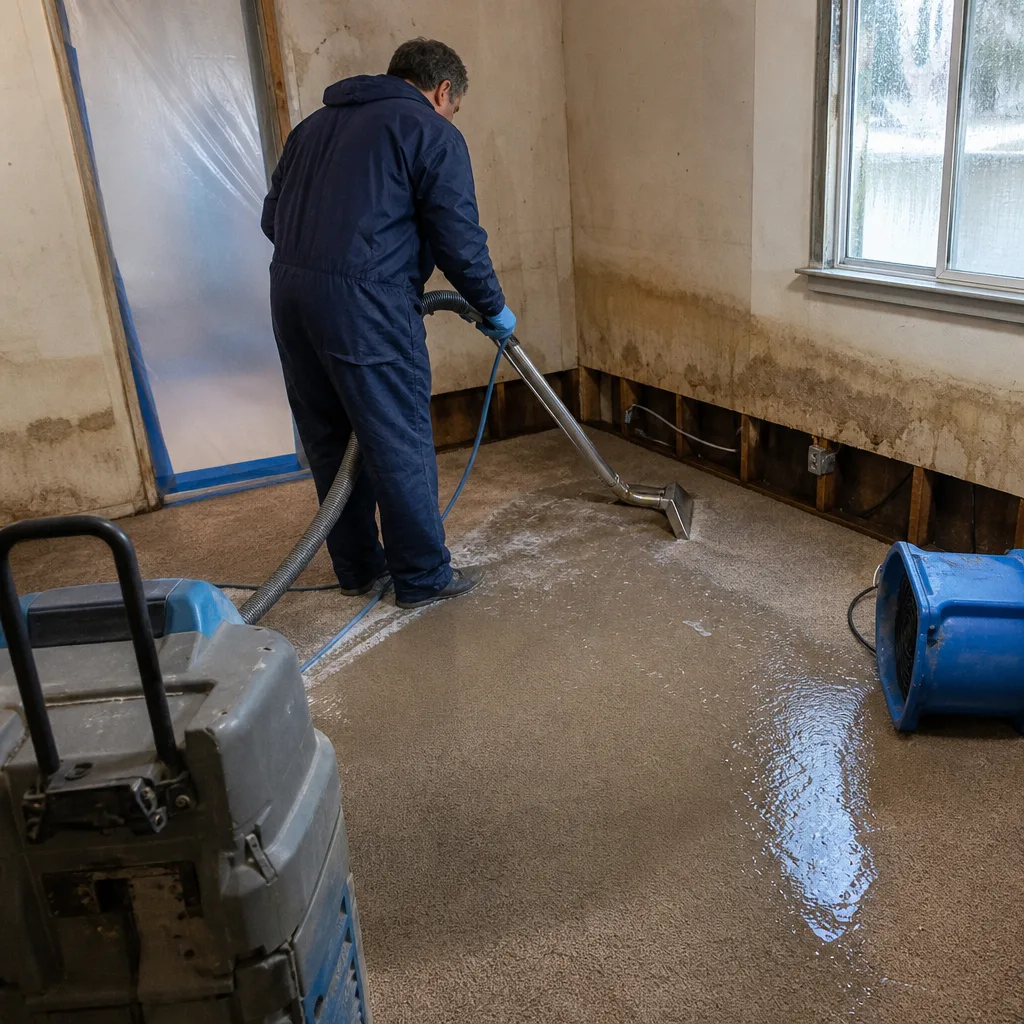
Pacific Palisades and Topanga Canyon properties face post-fire debris flow risk that compounds standard water damage with sediment, ash, and petroleum contamination from burned structures. Our crews carry Category 3 PPE and soil-contamination protocols on every dispatch to these areas. The steep driveways and limited turnaround space mean we spec smaller, more maneuverable extraction equipment without sacrificing capacity.
Silver Lake and Echo Park’s 1920s-1940s housing stock presents horsehair plaster and wood lath that hold moisture unpredictably. We’ve learned to run extended moisture mapping in these structures because the plaster can read surface-dry while lath channels remain saturated. One homeowner on a hillside lot in Echo Park watched us find water migration six feet laterally from the visible stain - the missing vapor barrier let it travel across the stud bay.
San Fernando Valley tract homes from the 1950s-1970s sit on expansive clay soils that crack slabs when saturated, then crack again when drying. We coordinate with structural engineers when slab movement exceeds cosmetic thresholds, documenting everything for insurance subrogation. The long, straight streets of Van Nuys and North Hollywood let us reach properties fast, but the uniform floor plans can trick techs into assuming identical water behavior - every slab shifts differently.
Hollywood and Koreatown soft-story apartments have open parking levels where water from upper-unit leaks or fire suppression pools with nowhere to drain. We’ve extracted thousands of gallons from these structures, then installed temporary sump capacity while drying proceeds. The density means we often work around tenant schedules and parking constraints that don’t exist in single-family zones.
Specialized Water Damage Restoration Services We Offer in Los Angeles
Emergency Water Extraction
Standing water begins degrading materials within hours. Our truck-mounted extraction systems remove water from carpet, pad, and hard surfaces at rates up to 25 gallons per minute. For Los Angeles acreage properties with detached workshops or long service drives, we load portable extraction units sufficient for complete removal without waiting for truck access.
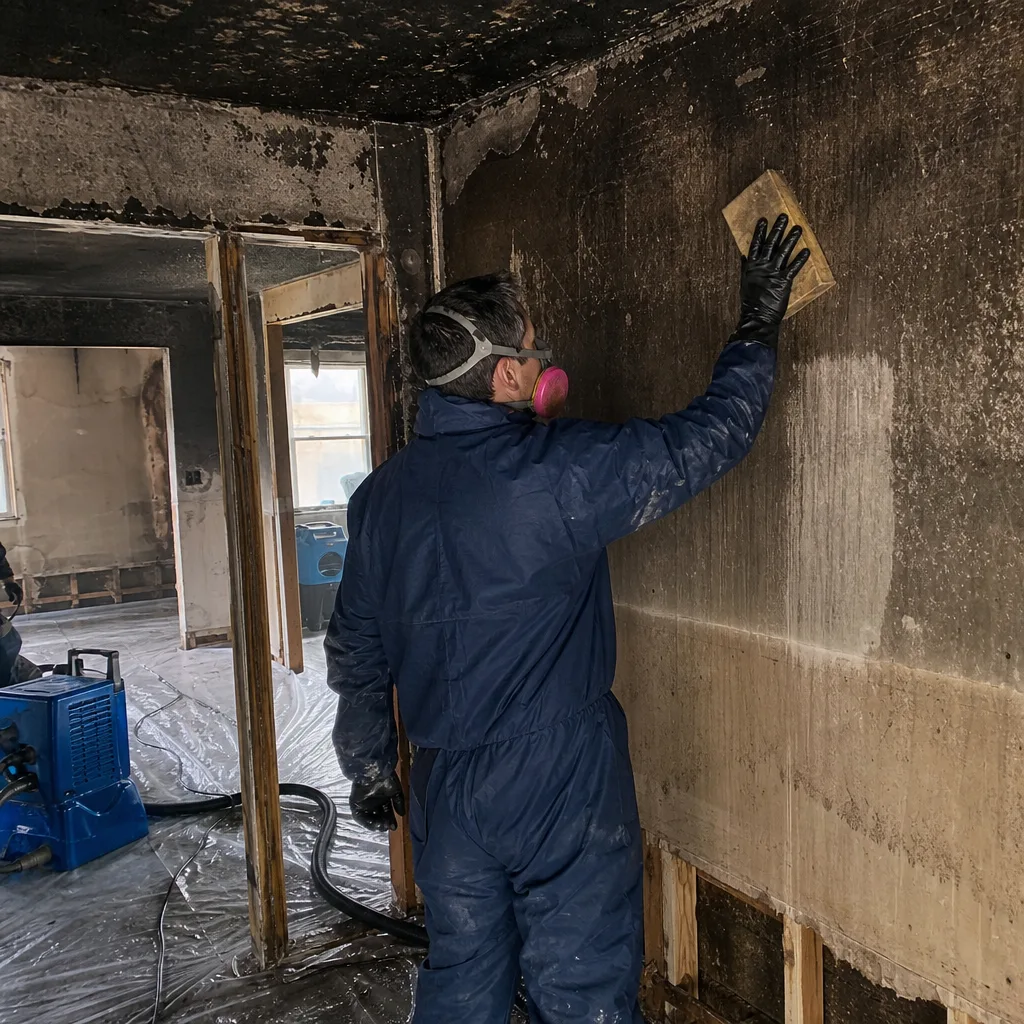
Structural Drying & Dehumidification
We calculate equipment loads using psychrometric formulas, not rules of thumb. A 2,400 square foot Los Angeles home with 10-foot ceilings and open floor plan needs a different dehumidifier configuration than a compartmentalized bungalow of identical square footage. Our Dri-Eaz and Phoenix LGR dehumidifiers are spec’d to the actual vapor pressure differential required, and daily logs prove performance to your insurer.
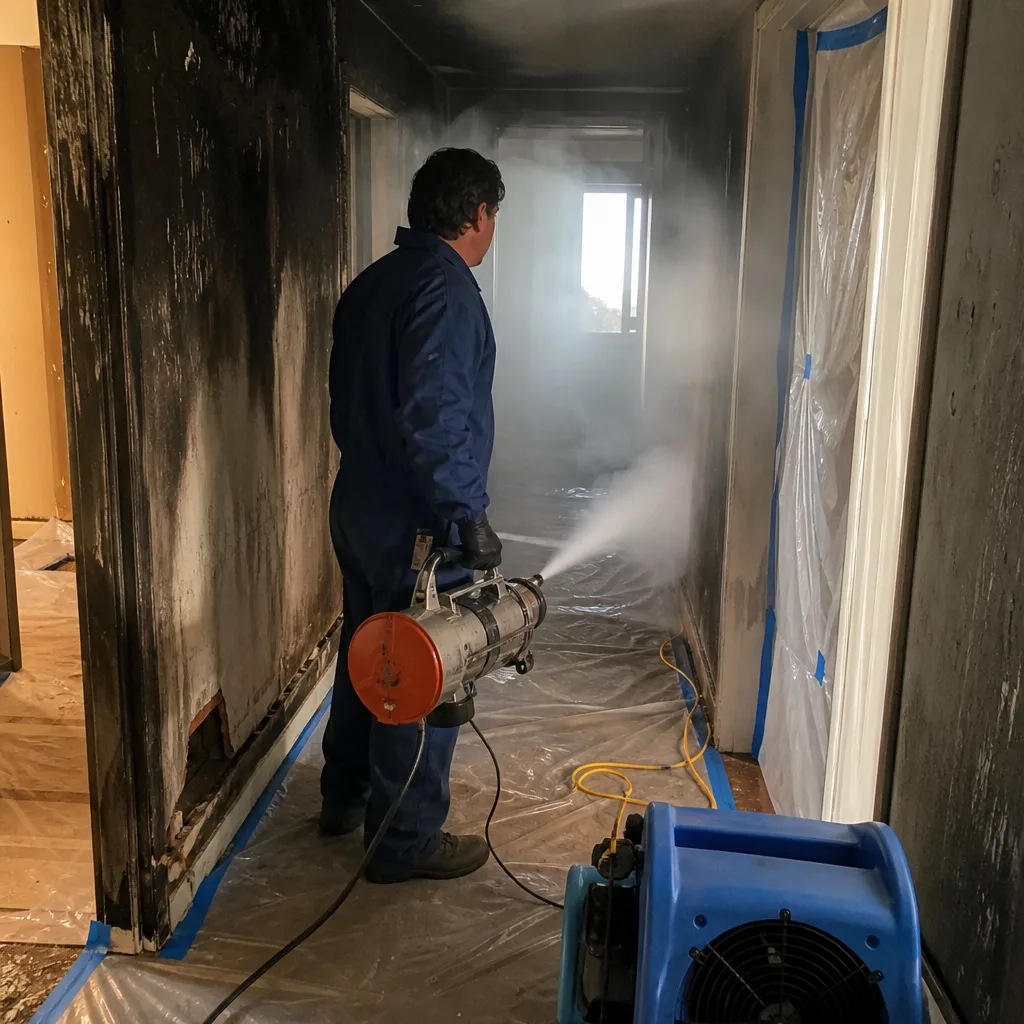
Flood Cleanup
Los Angeles floods differently than riverine cities - flash runoff from concrete-heavy watersheds, mud-laden debris flows from burn scars, and overwhelmed storm drains in flat basin neighborhoods. Each source carries different contamination profiles and requires different disposal protocols. We test and classify before determining what can be dried versus what must be removed.
Burst Pipe Restoration
Galvanized supply lines in pre-1960 Los Angeles homes corrode from the inside, failing without warning. Slab leaks in post-war Valley homes require precise leak detection before extraction begins - we coordinate with specialized plumbers so demolition is surgical, not exploratory. Every burst pipe job includes documentation of the line condition for your insurance file.
Basement Water Removal
True basements are rare in Los Angeles, but hillside homes in Los Feliz, Mount Washington, and Silver Lake often have daylight basements or under-house crawl spaces that flood during heavy rain. These spaces frequently lack sump systems standard in wetter markets. We install temporary pumping capacity, then address the drainage deficiency that caused the intrusion.
Ceiling & Roof Leak Water Damage
Flat and low-slope roofs common on mid-century modern and apartment buildings in Los Angeles collect water at drains and scuppers. UV degradation of membrane materials accelerates in our sun exposure. We trace water migration from the visible ceiling stain back to the actual entry point, which is often feet away from where damage appears.
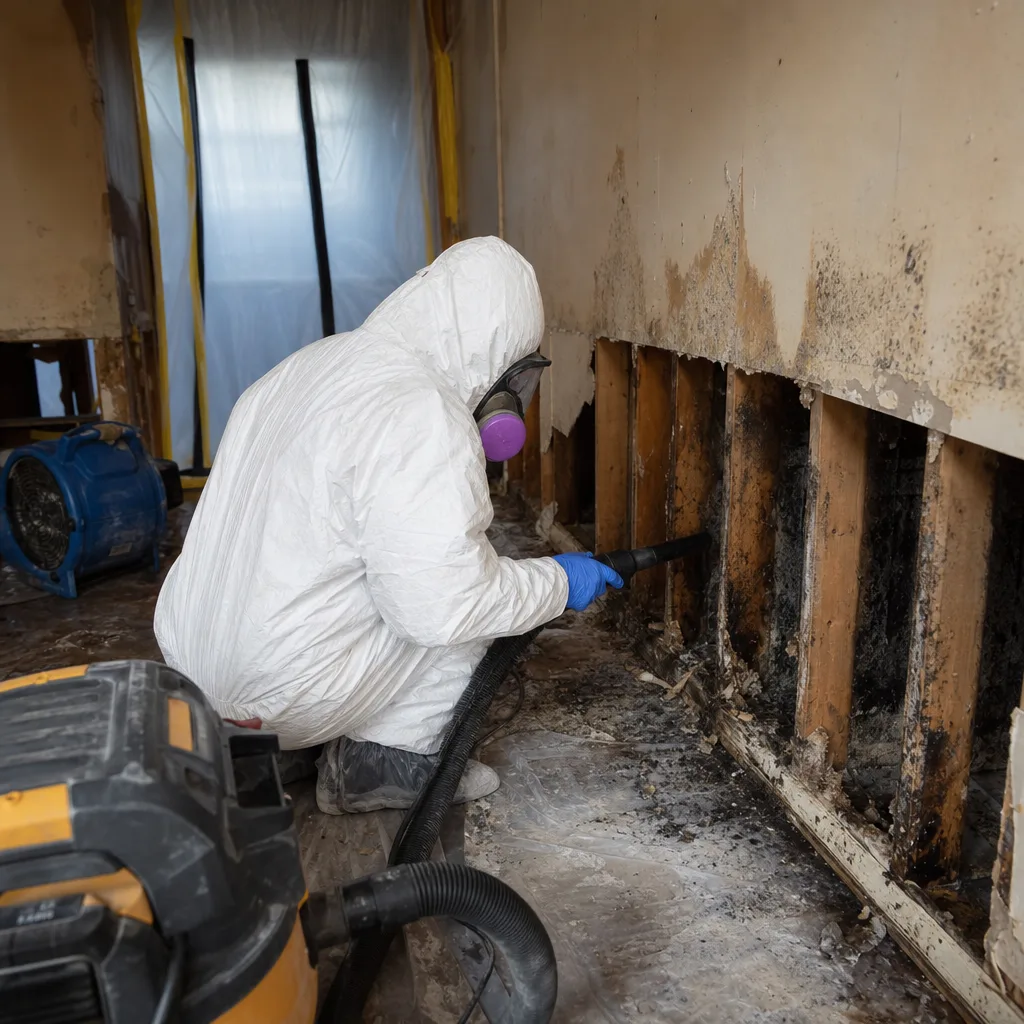
What happens when you call
- 1
A real person answersNo phone trees - you reach a local pro.
- 2
You get an upfront price rangeHonest numbers before anyone is dispatched.
- 3
A background-checked tech heads outLicensed & insured, dispatched right away.
- 4
You approve before work beginsNothing starts until you say go.
Water Damage Restoration Costs in Los Angeles, CA
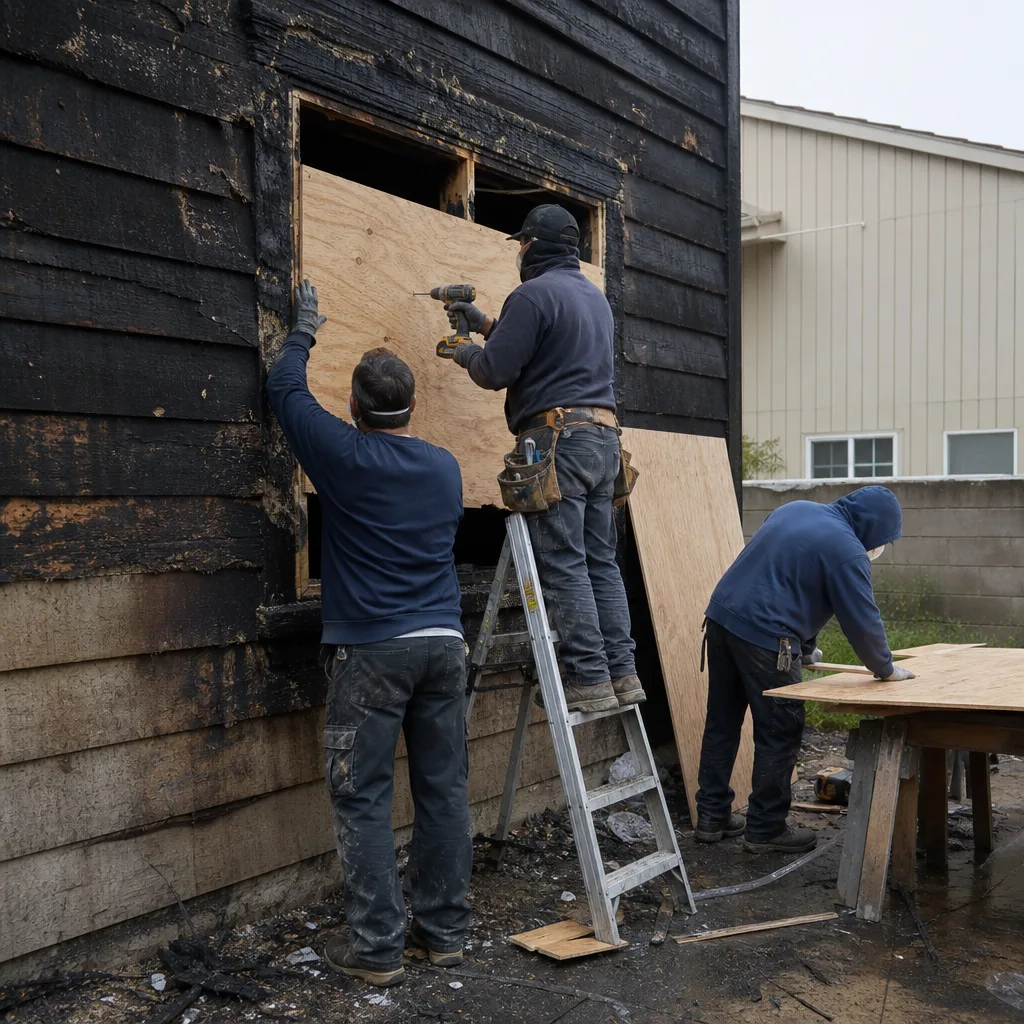
Emergency water extraction in Los Angeles typically runs $1,200-$3,400 for residential properties, depending on standing water volume and access constraints. Structural drying with professional dehumidification and air movement averages $2,800-$7,500 for a standard 3-4 day dry cycle on a single-family home. Category 3 contamination, extensive demolition, or detached structures with heavy equipment needs can push total restoration to $12,000-$25,000.
What moves your price: water category (Category 3 requires more PPE, disposal, and antimicrobial treatment), affected square footage, whether demolition is needed to access wet cavities, and the equipment count required to achieve the drying goal. Acreage properties with detached workshops often need additional air mover and dehumidifier capacity that lighter-duty contractors don’t load initially.
Most Los Angeles homeowners with sudden and accidental water damage have coverage, though gradual leaks and maintenance-related failures are typically excluded. We document the loss cause and timeline precisely to support your coverage position. Your written price arrives before work starts - Haven Standard, Clause 1 - and our Free Second Opinion on any competitor’s written estimate lets you verify you’re getting appropriate scope, not just a lower number with hidden add-ons later.
We Also Serve Cities Near Los Angeles
Our Los Angeles office dispatches crews throughout the metro basin, including Water Damage Restoration calls from Inglewood, Hawthorne, Lawndale, and Culver City. Each community shares LA’s dry-climate building vulnerabilities while presenting its own access and housing-stock variables.
Serving Los Angeles, CA - Our Local Coverage Area
We’re based in the Los Angeles area and know this community well. Use the map below to see our service coverage - if you’re nearby, we can almost certainly help.
Los Angeles Water Damage Restoration Questions, Answered
Why does water damage spread so fast in Los Angeles homes compared to wetter cities?
Los Angeles building envelopes are constructed without vapor barriers because the city’s low annual rainfall and dry ambient humidity made them seem unnecessary.
When water does intrude - from burst irrigation lines, atmospheric rivers, or plumbing failures - there’s no membrane to stop moisture from wicking directly into framing, drywall, and insulation. In wet-climate cities, vapor barriers slow this migration significantly, giving homeowners more time to notice and respond. Here, a slow leak can saturate wall cavities for weeks before visible staining appears. Our moisture mapping is designed specifically to find this hidden migration. Call (424) 372-0129 for a free inspection if you suspect water intrusion.
Do you handle water damage on acreage properties with detached workshops and heavy doors?
Yes. We got a call from a homeowner on a quarter-acre lot in Altadena whose detached workshop had taken on water after an atmospheric river storm; the shop’s heavy roll-up door and oversized slab had no vapor barrier under it, so our techs ran water extraction, then moisture-mapped the framing because readings were climbing two feet higher than expected.
We set up Dri-Eaz air movers and a Phoenix dehumidifier, logged daily moisture readings into the drying logs to prove the structure reached its pre-loss condition, and closed the job in one trip because we loaded the truck for a heavy-duty pull and stabilization, not a callback. Acreage properties need equipment capacity and crew planning that urban-focused contractors often underestimate. Call (424) 372-0129 to discuss your specific setup.
How quickly does mold start after a leak in an LA home?
Mold colonization can begin within 24-48 hours of water intrusion on organic materials like drywall paper, wood framing, and dust-laden surfaces.
Los Angeles’s warm temperatures actually accelerate microbial growth compared to cooler climates, even with low ambient humidity - the moisture source, not the air, drives colonization. However, our dry air can deceive homeowners into thinking a surface-dry wall is safe, while bound moisture inside continues feeding mold. This is why we don’t rely on touch or appearance; we measure moisture content at depth and verify against dry standards before declaring a structure safe. If you suspect mold following any water event, call (424) 372-0129 for assessment.
What’s the difference between Category 1, 2, and 3 water, and why does it matter here?
Category 1 is clean water from a burst supply line or overflowing sink. Category 2 is gray water with chemical or biological contamination from sources like dishwasher discharge or washing machine overflow. Category 3 is black water: sewage, groundwater, or any water passing through soil or building debris.
In Los Angeles, the distinction matters because contractors from wetter markets sometimes assume every residential leak is Category 1. But hillside properties with compromised drainage, post-fire debris flows, or slab leaks in clay soil can introduce soil bacteria and petroleum contaminants that push clean-looking water to Category 2 or 3. Category determines whether materials can be dried in place or must be removed, what PPE crews wear, and how disposal is handled. Misclassification is a common and expensive error. We test and classify before quoting. Call (424) 372-0129 if you’re unsure about your water source.
How do you prove a structure is actually dry?
We compare final moisture readings to baseline measurements from unaffected areas of the same structure, documented in daily drying logs with photographs of meter placement and readings.
Our standard is IICRC S500: materials must return to within 4 percentage points of dry standard wood moisture content for the geographic region, or match the equilibrium moisture content of unaffected reference materials in the same building. We don’t rely on surface feel or visual inspection. Your insurer receives the complete log, and you receive a copy with the final walkthrough. This documentation is what prevents disputes over whether drying was complete or excessive. For a free assessment and written scope, call (424) 372-0129.
Will my insurance cover water damage restoration in Los Angeles?
Sudden and accidental water damage from burst pipes, appliance failures, or weather events is typically covered under standard Los Angeles homeowners policies, though coverage limits and deductibles vary.
Gradual leaks, maintenance-related failures, and flooding from exterior surface water usually require separate flood insurance or are excluded entirely. We document the cause and timeline precisely to support your coverage position, produce Xactimate or Symbility estimates in the format your adjuster expects, and coordinate directly with your carrier. Our photo record and drying logs are built specifically to withstand claim scrutiny. For a free inspection and insurance documentation review, call (424) 372-0129.
How fast can you actually get to my Los Angeles property?
We commit to a 45-minute response time for emergency water damage calls within Los Angeles city limits, with crews dispatched from our Los Angeles office.
Live phone coverage means your call is answered by a person who can authorize dispatch immediately, not queued for a callback while water spreads. Response to Inglewood, Hawthorne, Lawndale, and Culver City follows the same standard. The actual arrival depends on traffic conditions and your property’s access - hillside drives, gated communities, and apartment complex parking all affect final time on site. When you call (424) 372-0129, we give you a real ETA, not a range.
Can we stay in our home during water damage drying?
Occupancy during drying depends on water category, equipment noise levels, and the extent of demolition required.
Category 1 water in a contained area with no demolition may allow continued occupancy, though dehumidifiers and air movers produce significant noise and heat. Category 2 or 3 contamination, or any demolition to access wall cavities, typically requires temporary relocation for health and safety reasons. Many Los Angeles policies include “loss of use” or additional living expense coverage; we flag this in our initial documentation so your adjuster can authorize benefits promptly. We’ll tell you honestly whether your specific situation allows safe occupancy. Call (424) 372-0129 to discuss your circumstances.
Water damage in Los Angeles doesn’t behave like water damage in Seattle or Miami. The missing vapor barriers, dry-climate construction, acreage properties with detached structures, and compounding wildfire-debris-flow cycles create restoration challenges that generic protocols fail. We built our process around these specific conditions, with heavy-duty equipment loads, one-trip stabilization planning, and the documentation that proves the job was done to standard.
Call (424) 372-0129 now for a free visual inspection and written price before any work begins. Live answer, 24 hours a day, 7 days a week.
Written by Alicia Brennan, Owner at Back to Dry Restoration, serving Los Angeles since 2011.
Water Damage Restoration in Nearby Areas