
Free visual inspection and a written scope of work before any mitigation begins - photos, moisture readings, and drying logs go in your claim file
The scope we write is the scope we bill. Anything new gets shown to you, in writing, before we touch it.
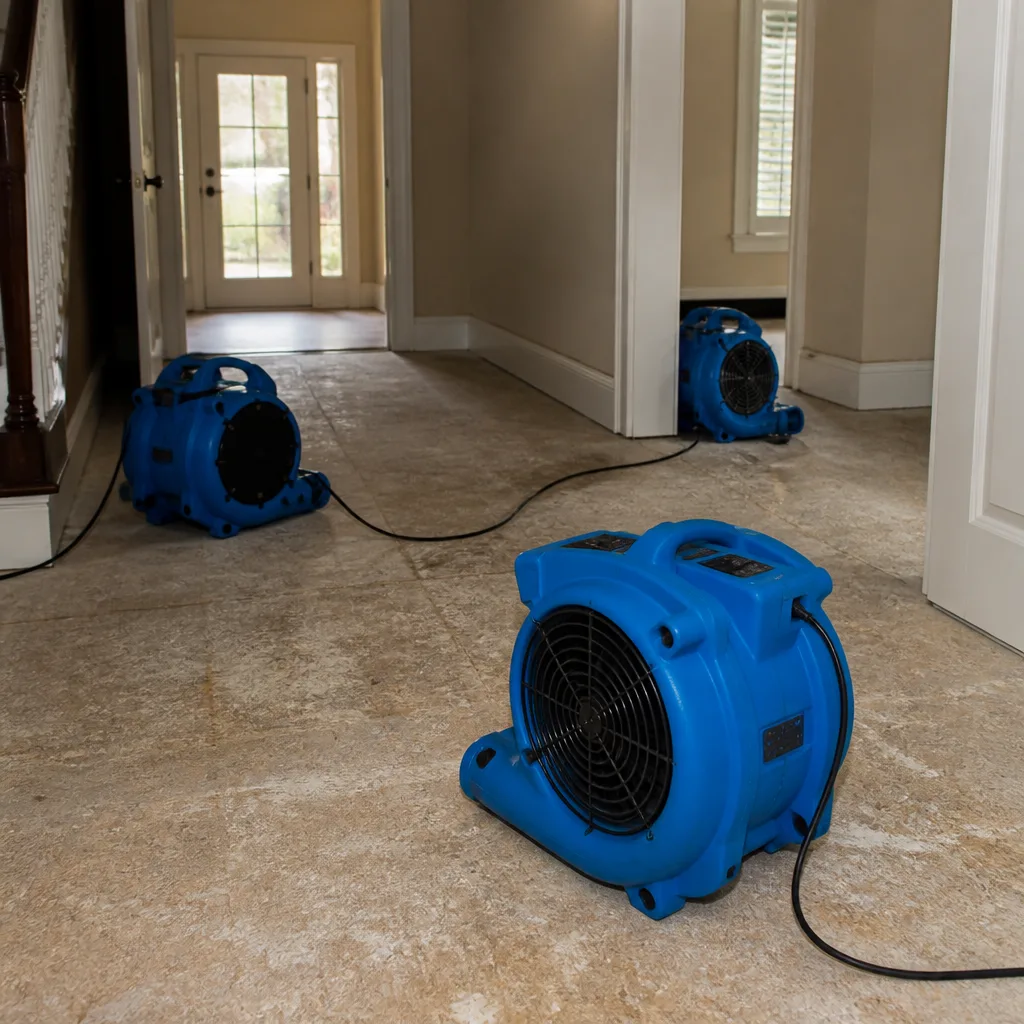
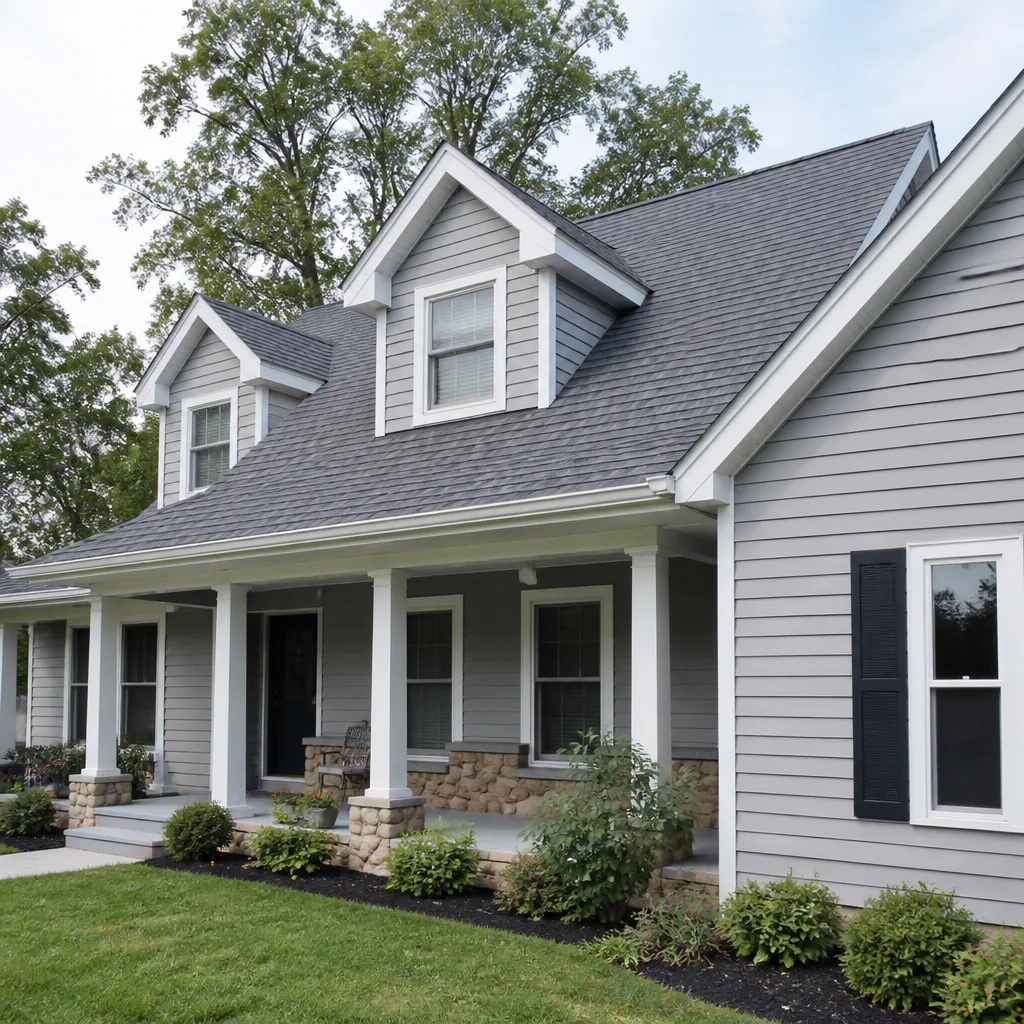
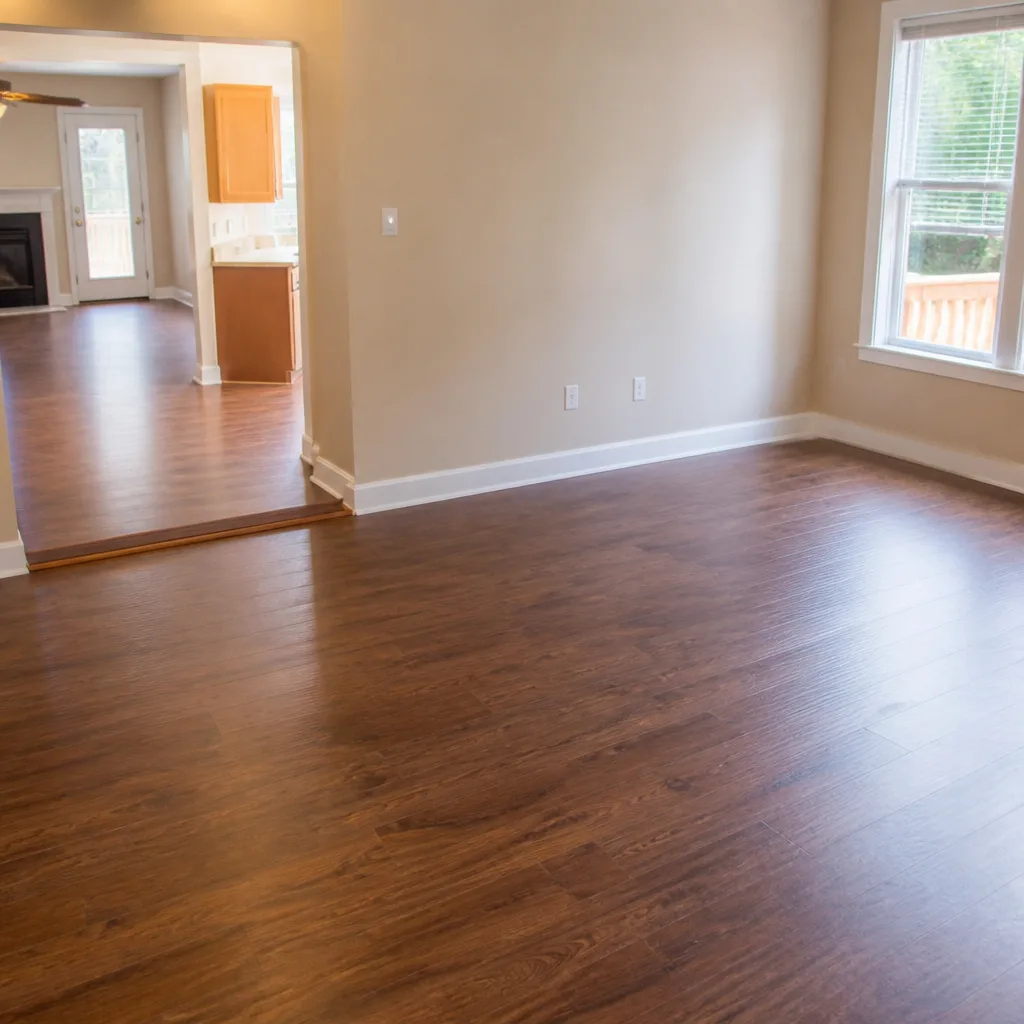
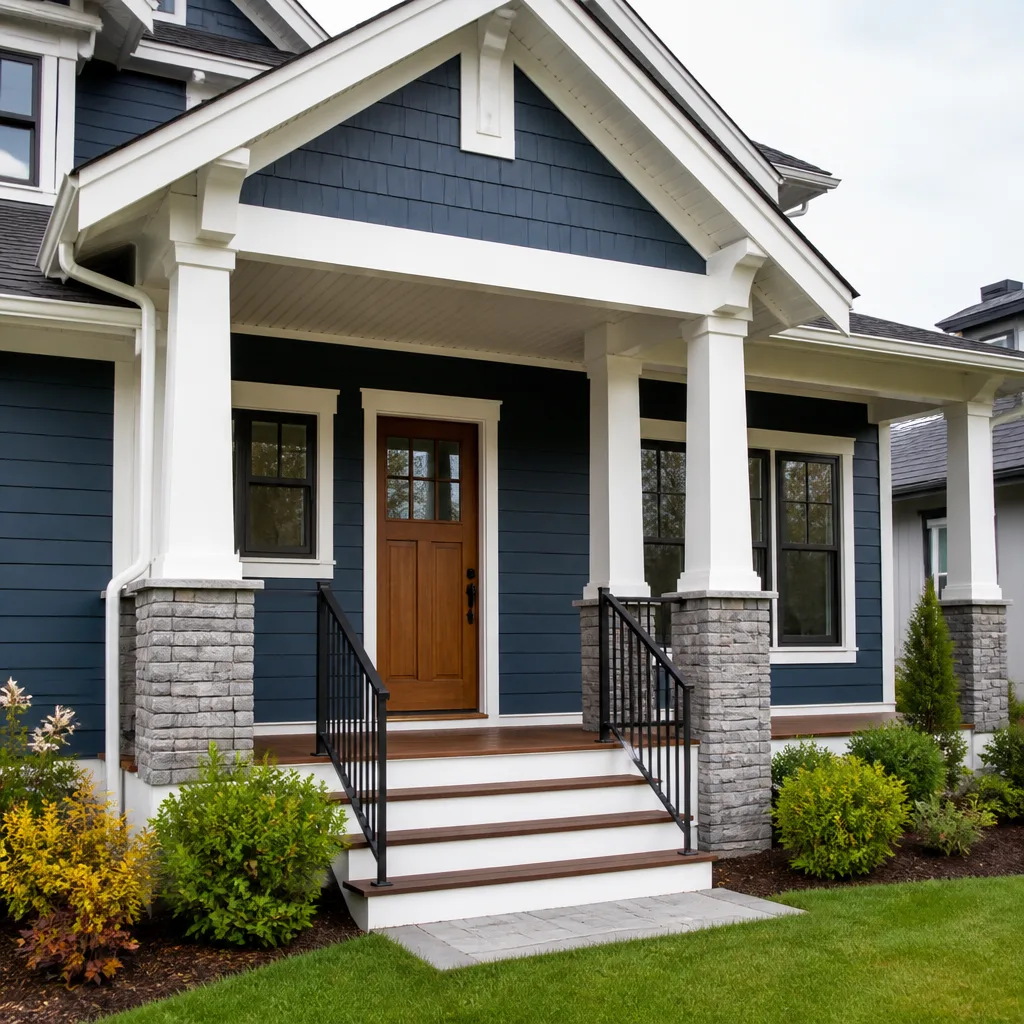
 Before
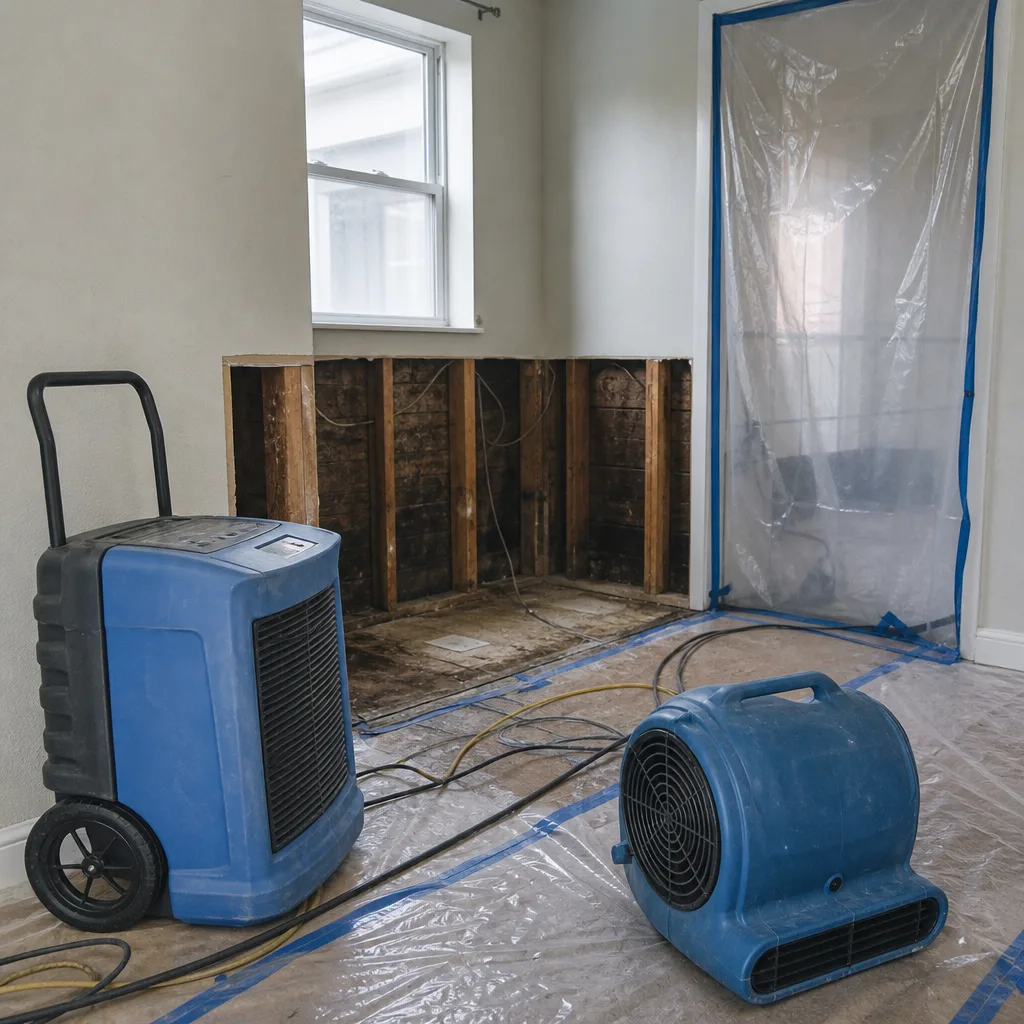 After
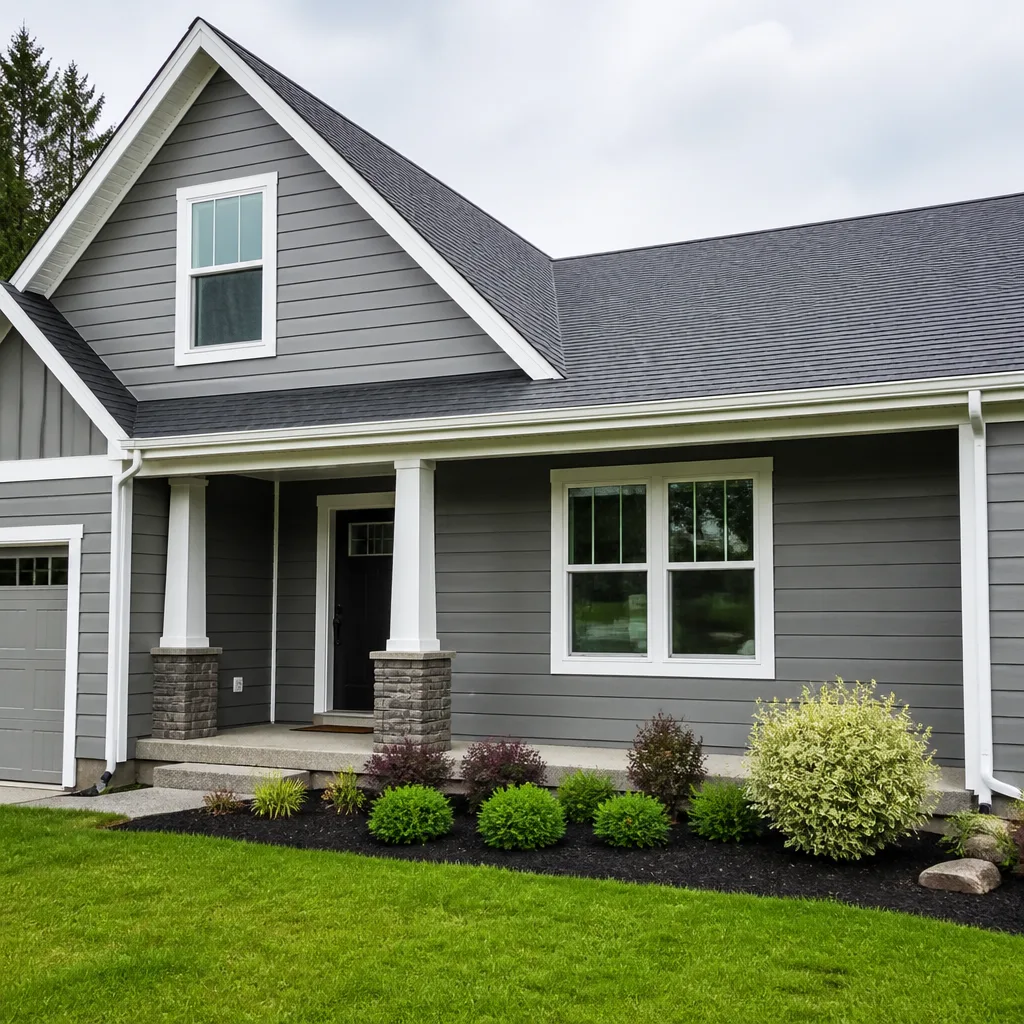
After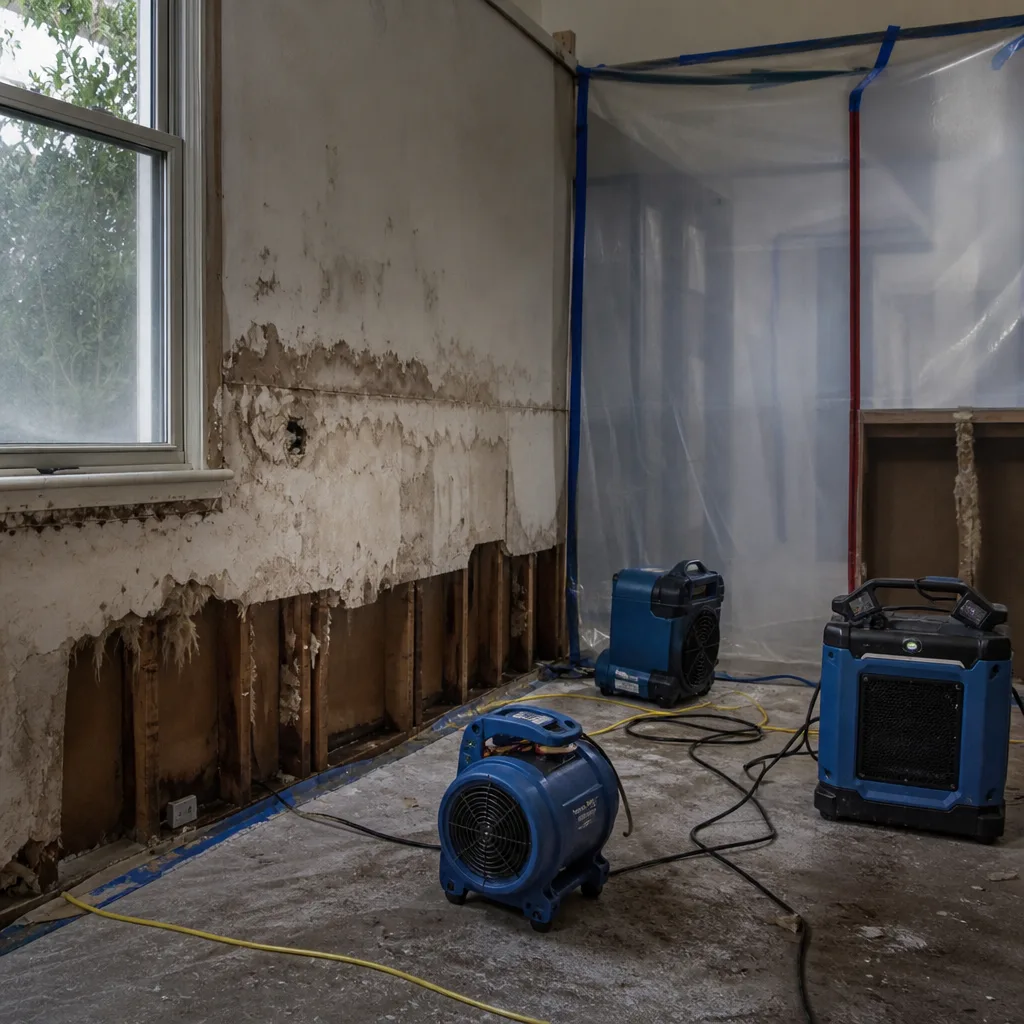 Before
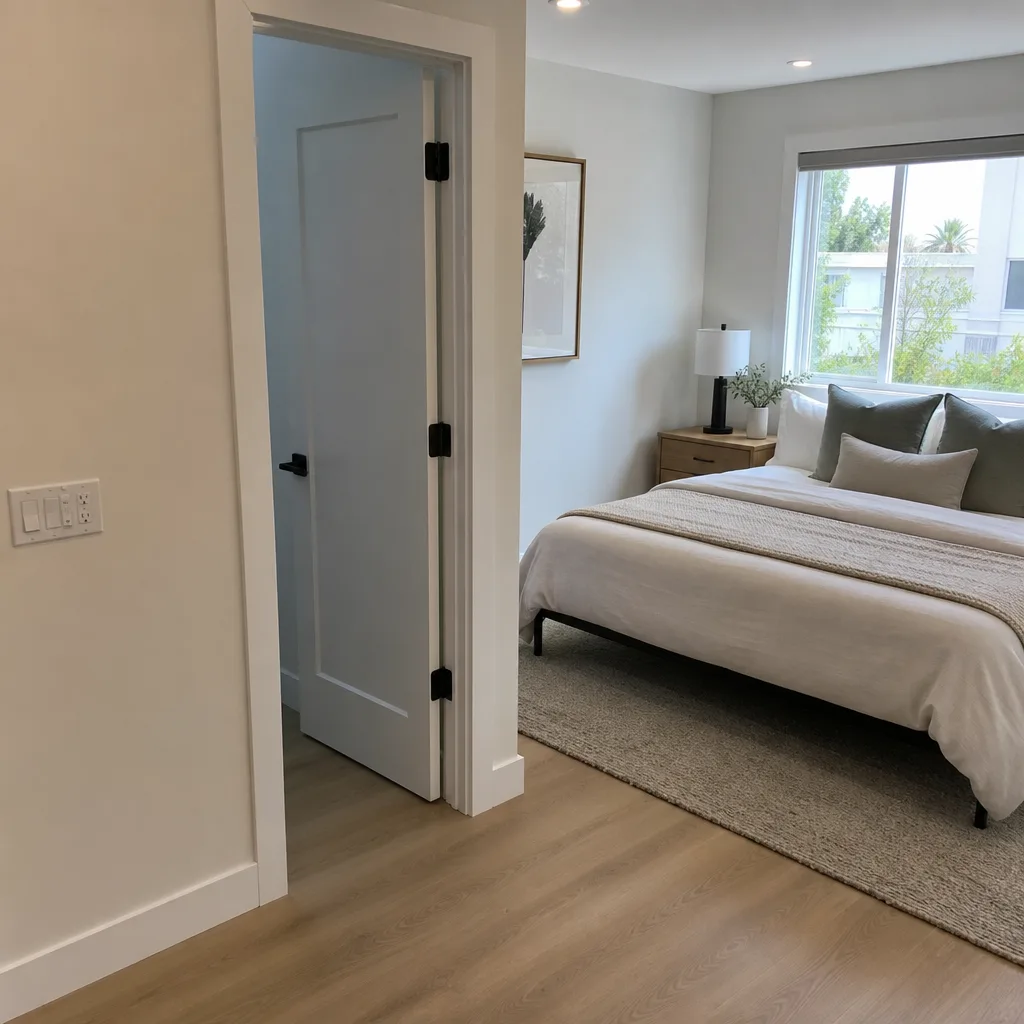 After
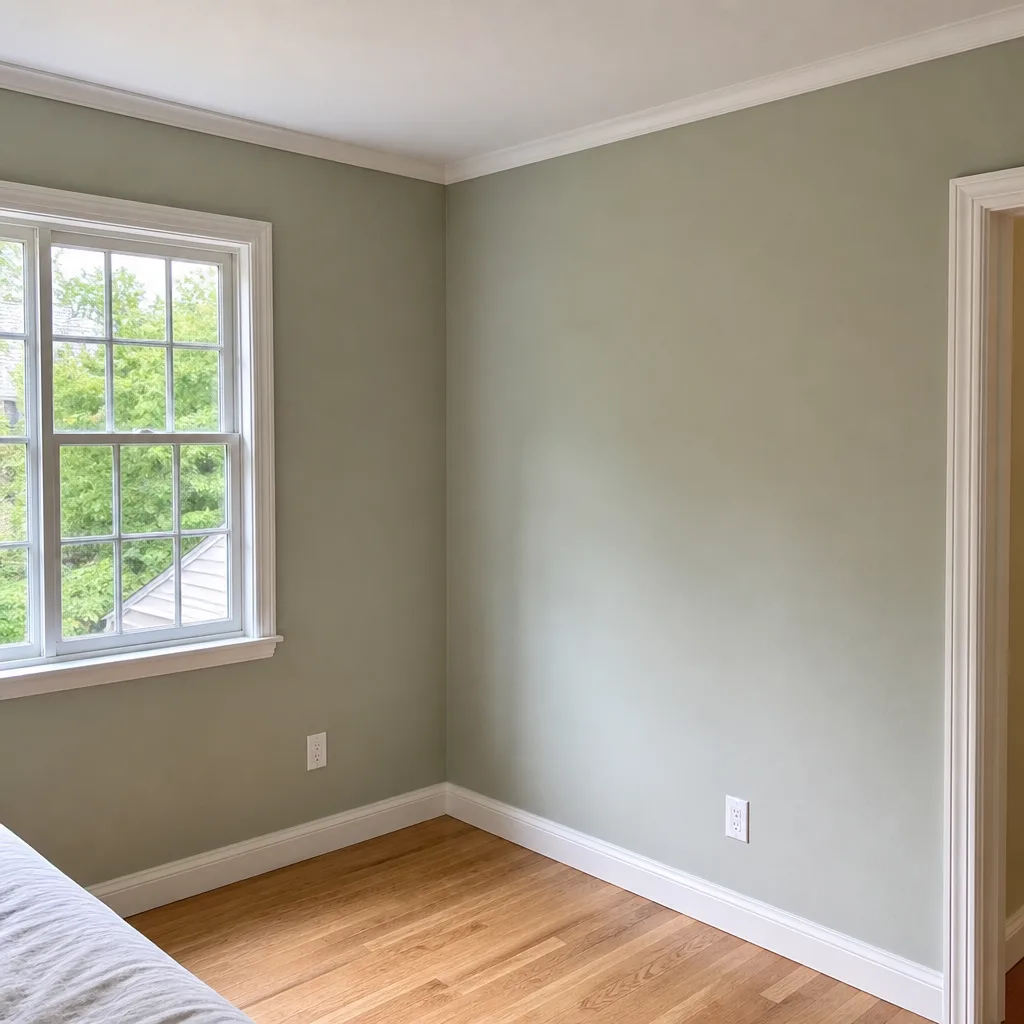
After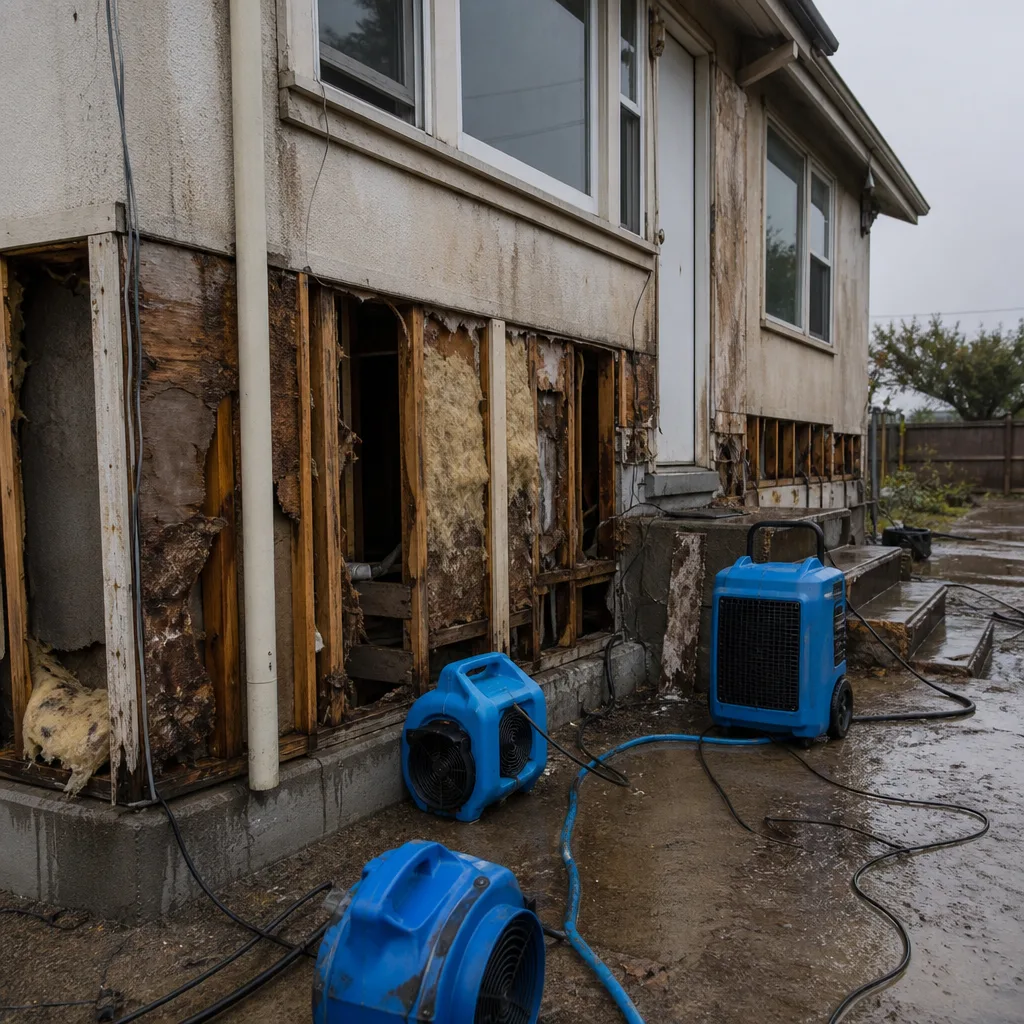 Before
 After
After24/7 Emergency Water Damage Restoration in Inglewood
Water damage restoration in Inglewood typically costs $2,800-$7,500 for a standard residential loss, with emergency extraction starting at $450 and full structural drying running $1,800-$4,200 depending on square footage and material classification. Crews from our Water Damage Restoration in Inglewood team are dispatched from our Los Angeles office and can be on-site across Inglewood within 45 minutes. Call (424) 372-0129 - a live person answers, 24 hours a day, no voicemail.
The first hour determines whether you’re looking at extraction and drying or a full gut-and-rebuild. In Inglewood’s 1940s-1960s housing stock, water doesn’t stay where it lands. It tracks behind original plaster-on-lath, pools in subfloor assemblies, and wicks into asbestos-containing vinyl tiles that can’t be disturbed without lab clearance. Every minute of delay expands the moisture boundary and compresses the remediation window that Inglewood’s marine-layer humidity already shortens.
We start with a free visual inspection, document everything with photos, and deliver a written price before any equipment touches your property. Haven Standard, Clause 1.
Understanding Water Damage Restoration Severity in Inglewood Properties
Water damage is classified by contamination level, not just volume. Category 1 is clean water from a supply line. Category 2 carries significant contamination, typically from dishwasher or washing machine discharge. Category 3 is grossly contaminated - sewage intrusion, groundwater flooding, or any water that has passed through soil or building materials.
In Inglewood, we see a fourth pattern that doesn’t fit the textbook: Category 1 water that degrades to Category 2 or 3 because it sat behind original plaster-on-lath for days or weeks before discovery. The galvanized plumbing common to Inglewood’s post-war bungalows develops pinhole leaks that weep slowly. By the time staining shows on the exterior plaster face, the cavity has been wet long enough to support mold colonization and bacterial amplification.
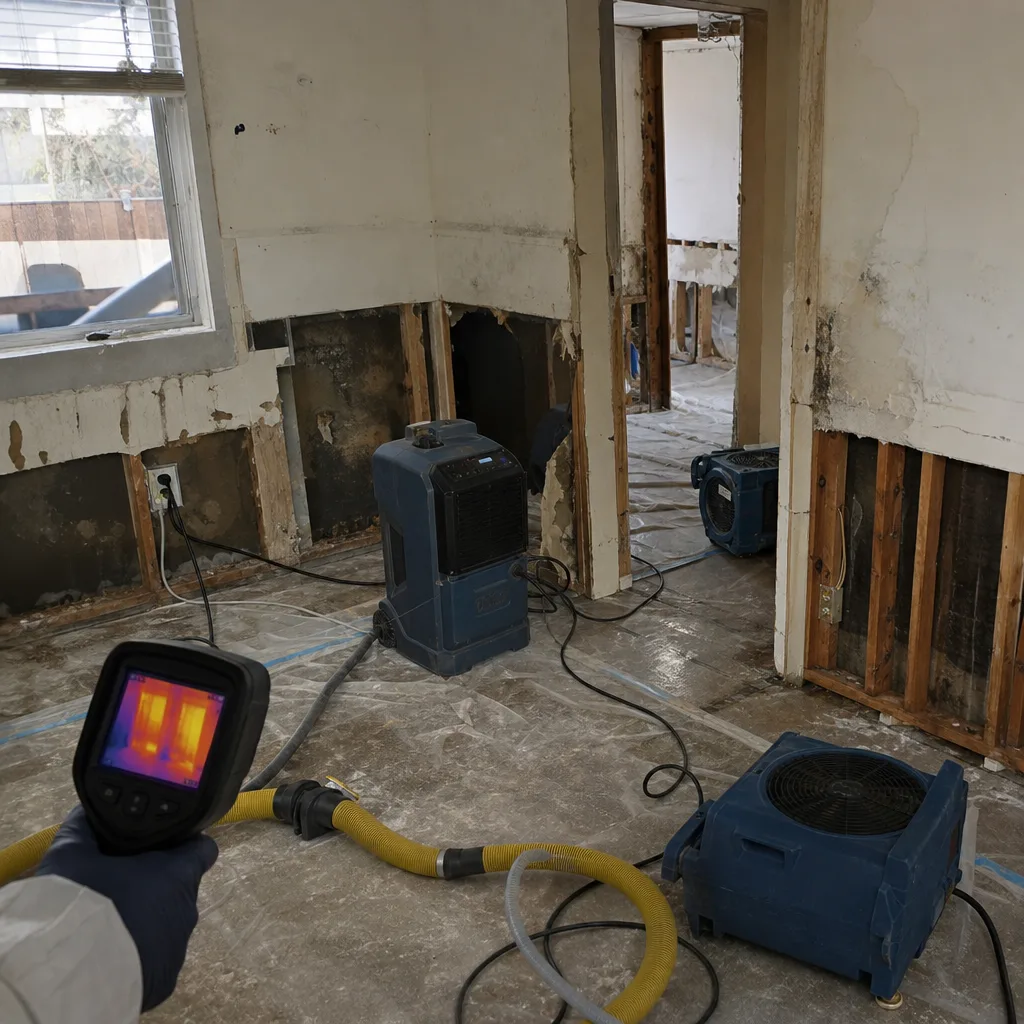
Our crews map moisture with thermal imaging and penetrating hygrometers, then classify every affected material by permeability and structural role. Plaster-on-lath behaves differently than modern drywall. It holds more moisture, dries more slowly, and can delaminate if dried too aggressively. We account for this in our psychrometric calculations - the science of air temperature, humidity, and vapor pressure that governs how fast we can remove bound water without causing secondary damage.
Why Inglewood Property Owners Choose DryMark Restoration Venice
- 45-minute response commitment to any Inglewood address, with crews staged from our Los Angeles office and no callback delays while water is still migrating.
- 24/7 live answer - a real person, never an automated system or voicemail tree, on every call to (424) 372-0129.
- IICRC-certified crews holding WRT (Water Damage Restoration Technician) and AMRT (Applied Microbial Remediation Technician) certifications, with license numbers documented on every job file.
- Free visual inspection with moisture mapping and photo documentation before any scope is written or any price is quoted.
- Direct insurance billing with adjuster coordination from intake through final invoice, including daily drying logs formatted to carrier standards.
- One team from extraction to reconstruction - no handoffs to unknown subcontractors, no gaps in documentation, no disputed scope items.
 Before
 After
AfterOur Water Damage Restoration Process
1. Inspection & Assessment
We arrive with thermal imaging cameras, penetrating and non-penetrating moisture meters, and borescopes for cavity inspection. In Inglewood, we immediately flag 1940s-1960s construction for asbestos and lead-paint testing protocols before any demolition or drying begins. The written assessment includes moisture readings by room, material classifications, and a preliminary scope with photography.
2. Extraction & Stabilization
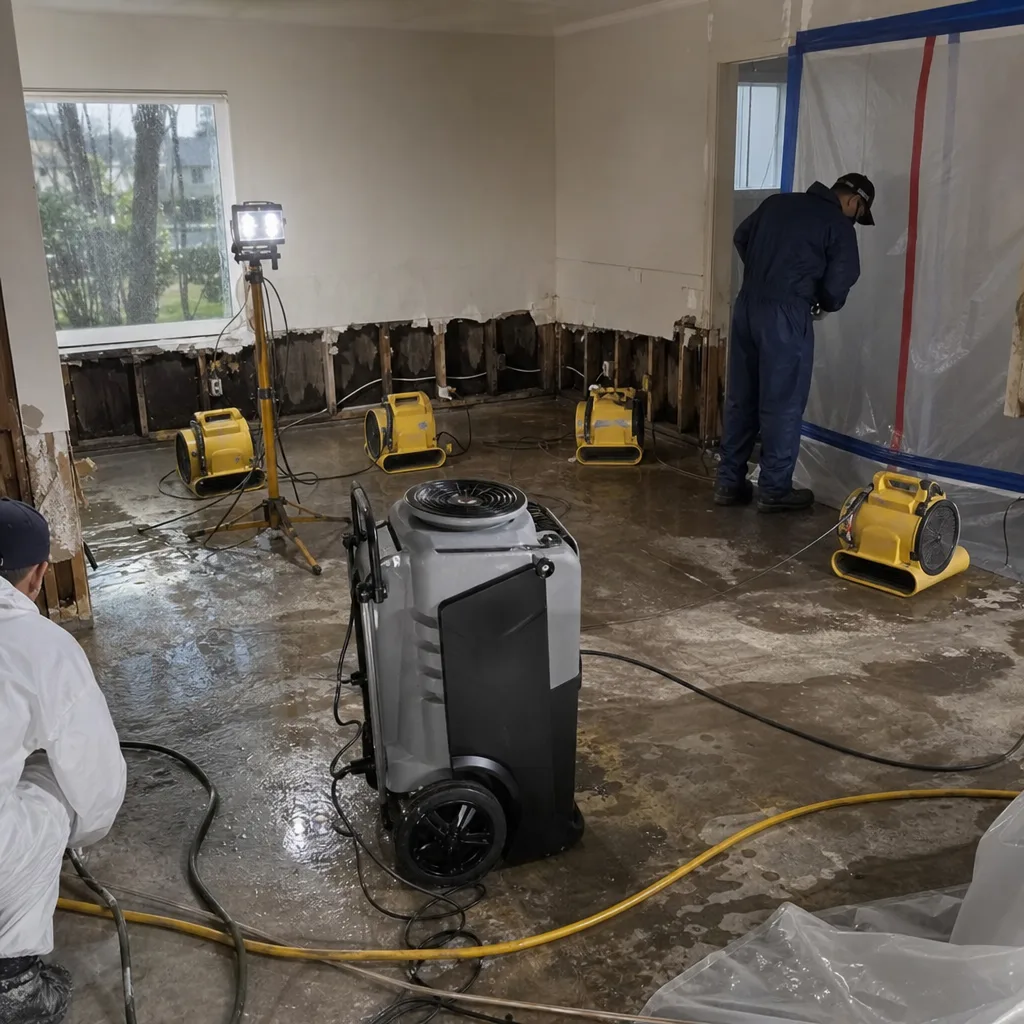
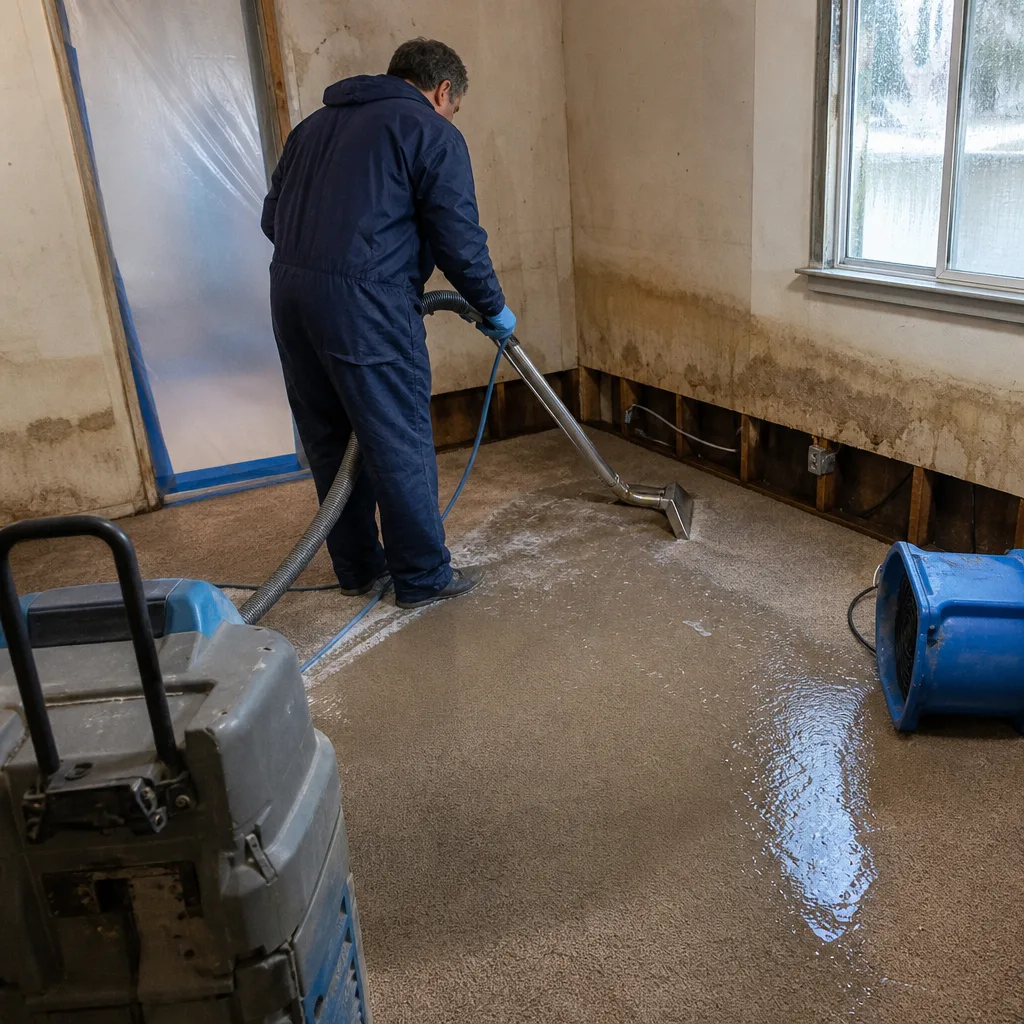
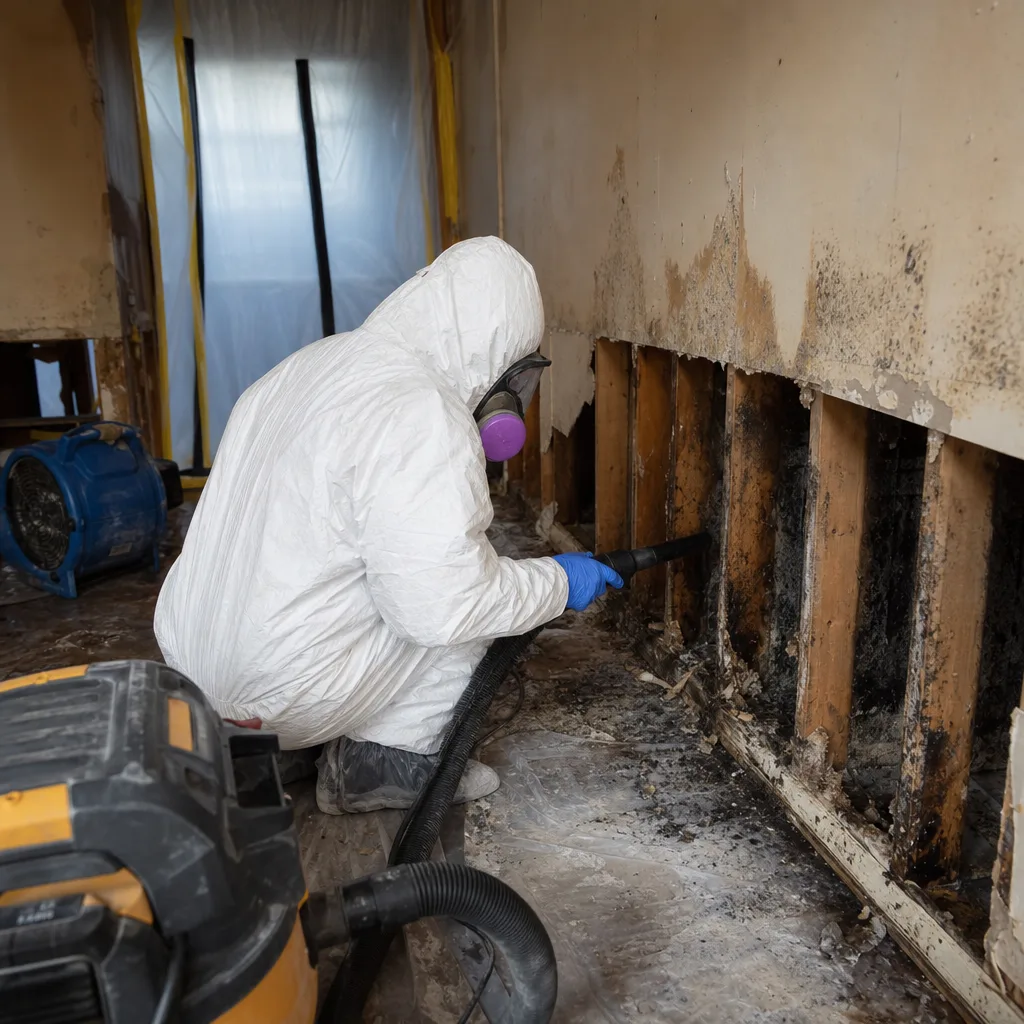
Standing water is removed with truck-mounted extractors and weighted extraction tools for carpeted areas. We deploy submersible pumps for Category 3 losses and set up containment barriers to prevent cross-contamination. For burst pipe scenarios, we coordinate immediate plumbing isolation and document the failure point for insurance.
3. Drying & Dehumidification
We position Dri-Eaz and Phoenix dehumidifiers alongside XPOWER and B-Air air movers calculated to achieve vapor pressure differential, the measurable force that draws moisture from wet materials into the drier air. In Inglewood’s marine-layer environment, we run equipment harder and longer than inland protocols specify, with daily moisture logs tracking every room to IICRC S500 standards.
4. Cleaning & Sanitization
All affected surfaces receive antimicrobial treatment appropriate to water category. HEPA air scrubbers run continuously during this phase to capture airborne particulates. For Category 2 and 3 losses, we apply EPA-registered disinfectants and document application times and concentrations.
5. Asbestos & Lead-Safe Completion
Because Inglewood’s housing stock requires hazmat testing before demo, our final drying verification includes clearance that no disturbed materials were released during the process. If original vinyl tiles, acoustic ceilings, or pipe insulation were encountered, we provide lab documentation as a standard deliverable, never an upsell.
6. Repairs & Restoration
Once moisture content readings confirm materials are dry to within 4% of established dry standard, we execute the reconstruction scope - drywall, flooring, trim, paint - with the same crew that handled mitigation. The 365-Day Done Right Promise applies to all work under The Haven Standard.
Need Emergency Water Damage Restoration in Inglewood Now?
Crews minutes away, answering live 24 hours a day. The sooner we start, the less it costs.
Working With Your Insurance Company
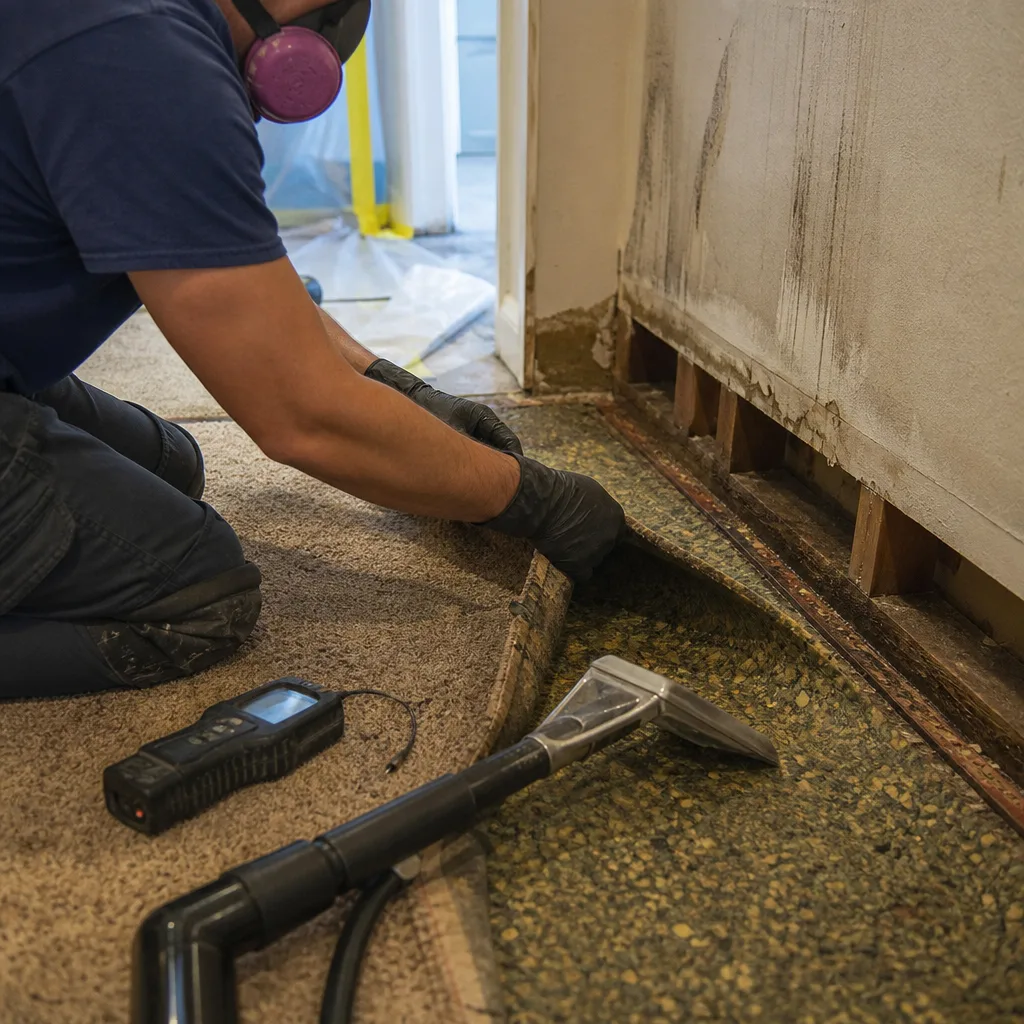
Documentation is the difference between a paid claim and a denied one. We learned this from our founder’s years as a claims adjuster. Every Water Damage Restoration job we take in Inglewood begins with photo documentation in the first hour and ends with a complete file that adjusters can process without back-and-forth.
We write industry-standard estimates using Xactimate or comparable platforms that carriers recognize. Your adjuster receives our moisture readings, drying logs, and scope narrative directly. We answer their questions before they ask them, because we used to be the ones asking.
What We Provide Your Insurer
- Thorough documentation of the loss
- Photos of all damage, room by room
- Moisture readings and drying logs
- A detailed, line-item scope of work
- Direct coordination with your carrier
Built for Inglewood’s Loss Calendar
January through March brings the heaviest rain months to Inglewood, with Pacific storm systems pushing moisture against aging roof substrates that were already compromised by decades of deferred maintenance. We see a spike in ceiling leak calls from the Morningside Park and Century Heights areas, where original wood shake and early composite roofs reach end of service life simultaneously.
April and May deliver the “June gloom” marine layer at its most persistent, keeping relative humidity above 70% for weeks. This is when we get callbacks on jobs that seemed dry - moisture that was borderline in March becomes active mold in April because the ambient air can’t absorb residual bound water.
September and October bring Santa Ana wind events that dry the air dramatically but also damage roofing and flashing. The rapid humidity swing itself causes problems: materials that absorbed summer moisture suddenly release it, and we see condensation-related damage in crawl spaces and attics that had been stable all summer.
Year-round, the LAX corridor in north Inglewood produces a unique pattern. Decades of low-frequency aircraft vibration have loosened mortar joints and hairline-cracked plaster in ways that allow water intrusion paths no standard inspection would predict. Experienced local restoration techs flag this during scoping. Out-of-area adjusters routinely misclassify it as ordinary settling or owner neglect, which can derail claims before remediation even starts.
Water Damage Restoration Across Inglewood’s Neighborhoods
In Morningside Park, the tree-lined streets near Edward Vincent Jr. Park hold some of Inglewood’s best-preserved 1940s bungalows, but those mature oaks and ficus roots invade sewer laterals with predictable regularity. We respond to Category 3 sewage backups here several times each winter, and every job starts with the same question: what year was this built, and has the lateral ever been camera-inspected?
Century Heights and the area surrounding SoFi Stadium has seen intense redevelopment pressure, but the rental stock between the new construction dates to the 1950s and 1960s with original galvanized plumbing now past 60 years of service. Property managers call us for burst pipe restoration after hours, and we arrive knowing we’ll likely find asbestos-containing pipe insulation that can’t be disturbed until lab clearance.
The neighborhood along North Market Street and east toward Crenshaw Boulevard sits directly beneath LAX arrival corridors. We got a call from a 1950s bungalow near North Market Street in north Inglewood, directly under the LAX arrival corridor, where a pinhole in galvanized plumbing had been weeping behind original plaster-on-lath for months. Before any pack-out or structural drying could start we had to stop and arrange lead-paint and asbestos testing on the wall cavity and the original vinyl floor tiles, because Inglewood’s 1940s-1960s housing stock is hazmat-compliant by default. Once the lab cleared the scope we ran moisture mapping across the subfloor, found rot well past the visible loss boundary, and set Dri-Eaz air movers and a Phoenix dehumidifier with daily drying logs for the adjuster.
West of La Brea Avenue, closer to the Hyde Park border, we see more slab-on-grade construction from the late 1960s and early 1970s. These properties don’t have the asbestos concerns of the earlier stock, but they do have foundation micro-cracking from seismic activity that allows groundwater intrusion during heavy rain. The marine layer keeps those slabs damp year-round, and when a supply line fails, the water has nowhere to go but outward through every wall base.
Specialized Water Damage Restoration Services We Offer in Inglewood
Emergency Water Extraction
Standing water removal within 45 minutes of call, using truck-mounted extraction systems and portable units for limited access. In Inglewood’s 2-4-unit buildings, parking constraints often require portable equipment carried through narrow entries - we arrive prepared for both scenarios. Typical extraction runs $450-$1,200 depending on volume and access.
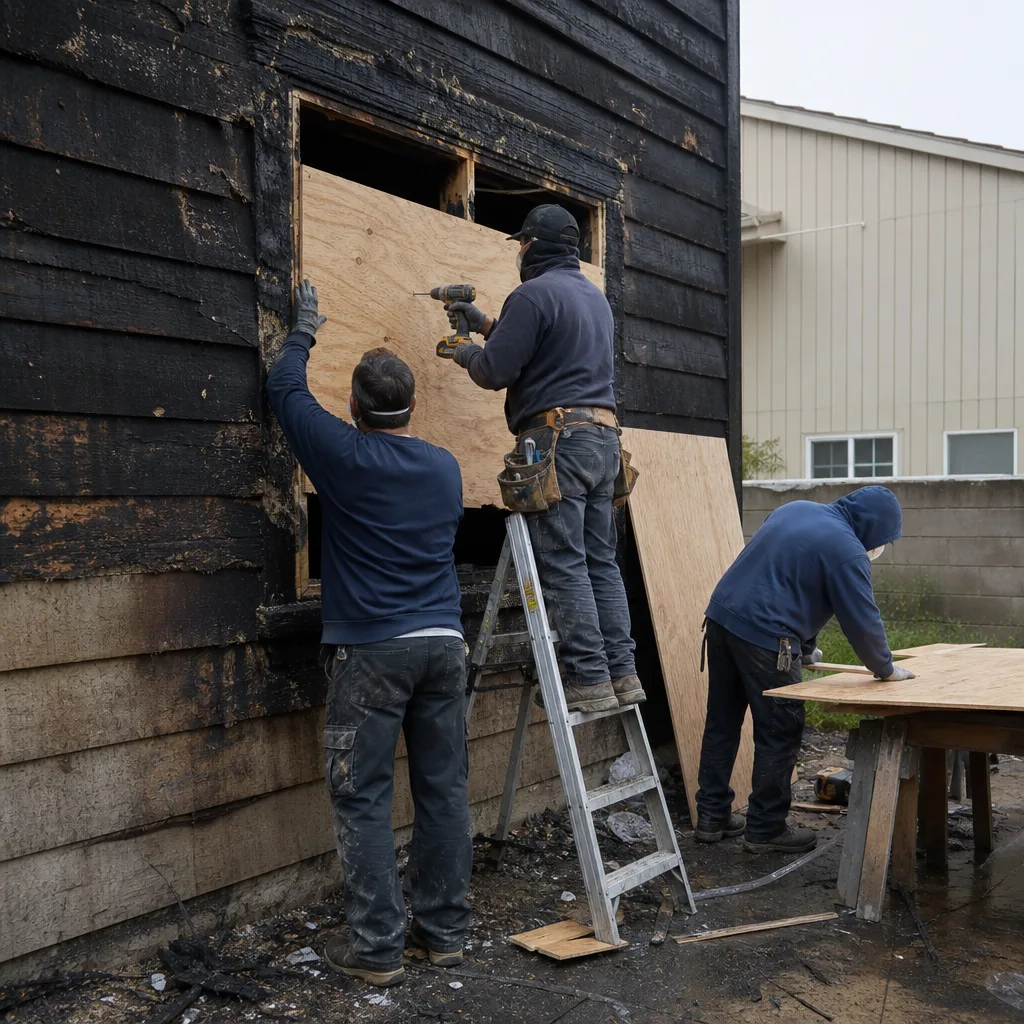
Structural Drying & Dehumidification
The core service that determines whether your claim stays in mitigation or escalates to reconstruction. We calculate drying chamber size, establish vapor pressure differential targets, and deploy Dri-Eaz and Phoenix dehumidifiers with air mover arrays sized to the material. In Inglewood’s marine-layer climate, we extend drying cycles beyond inland standards and document daily moisture logs that adjusters accept without challenge. Typical structural drying: $1,800-$4,200.
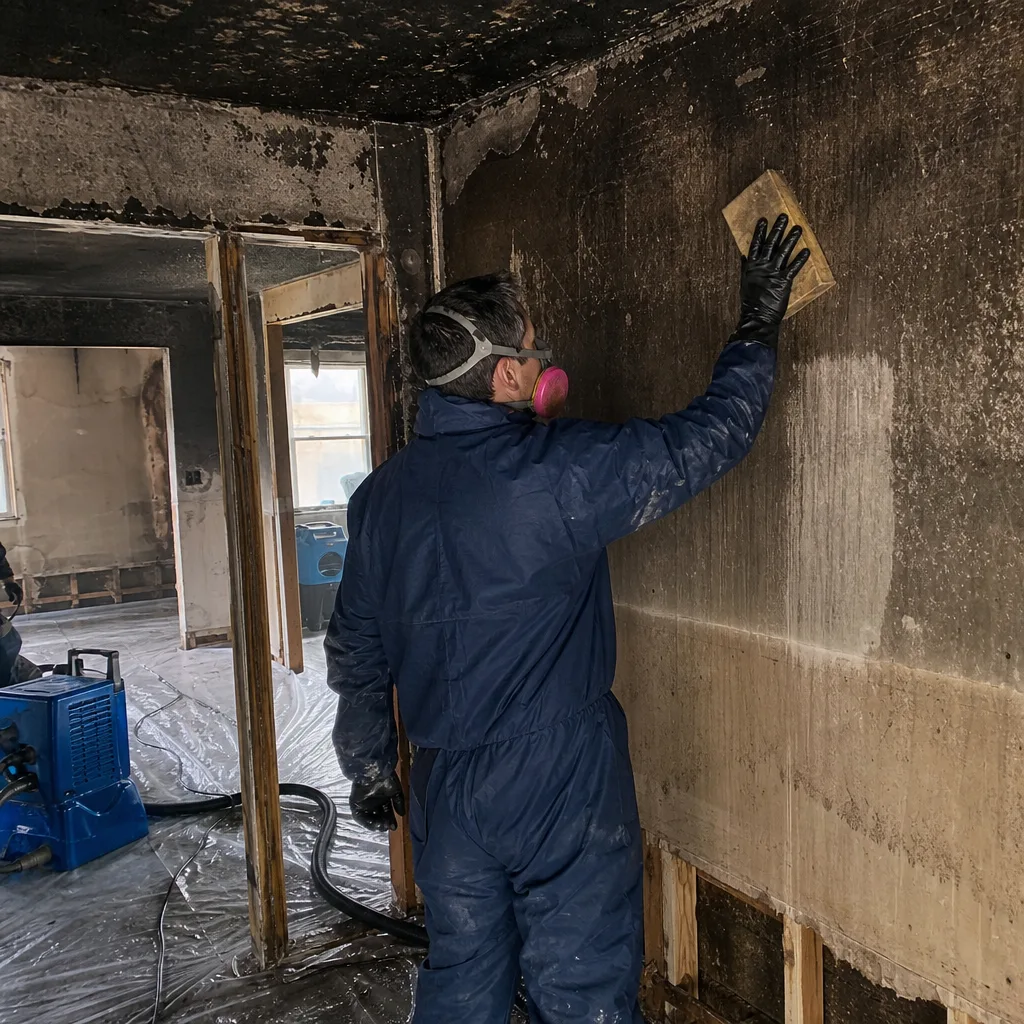
Flood Cleanup
Category 3 groundwater and storm intrusion requires full PPE, antimicrobial treatment, and disposal of porous materials that contact contaminated water. Inglewood’s flat terrain and aging storm drainage mean street flooding reaches slab levels in older neighborhoods during heavy events. We coordinate hazmat testing when floodwater disturbs original building materials.
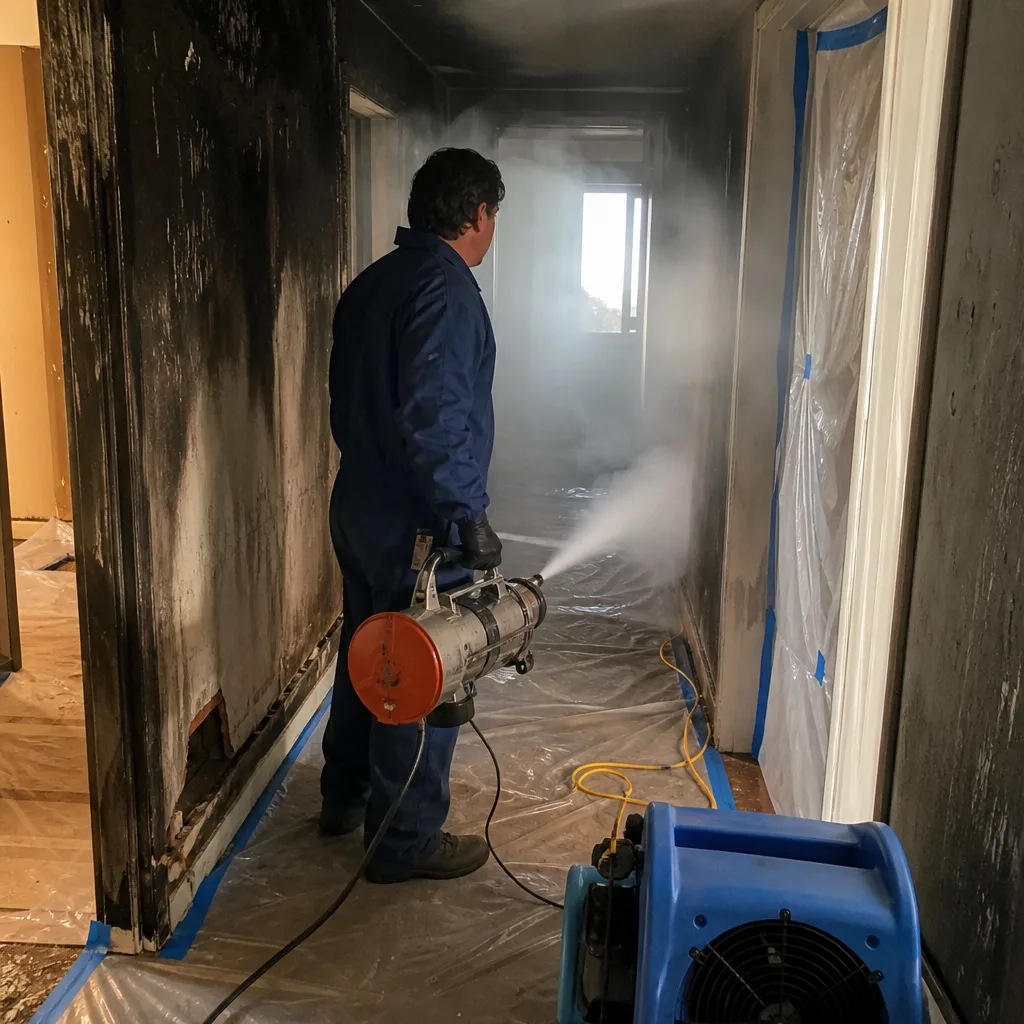
Burst Pipe Restoration
Galvanized steel supply lines in Inglewood’s post-war housing fail from the inside out, and the first sign is often a water stain that appeared “suddenly” after months of hidden weeping. We locate the failure, document it for insurance, extract standing water, and map moisture migration behind walls before any repair scope is written. Burst pipe restoration with drying typically runs $2,800-$5,500 in Inglewood’s market.
Basement Water Removal
Inglewood’s limited basement stock is concentrated in later construction near the city edges. Where they exist, these below-grade spaces suffer hydrostatic pressure and sump pump failures during winter storms. We install temporary pumping, evaluate drainage systems, and dry to concrete equilibrium moisture content before any finishing materials return.
Ceiling & Roof Leak Water Damage
Original wood shake and early composite roofs in Inglewood’s older neighborhoods fail at valleys, penetrations, and along LAX-vibration-loosened flashing. We trace water paths through attic assemblies, document roof substrate condition, and dry ceiling cavities with Injectidry systems that minimize plaster demolition when hazmat testing allows.
What happens when you call
- 1
A real person answersNo phone trees - you reach a local pro.
- 2
You get an upfront price rangeHonest numbers before anyone is dispatched.
- 3
A background-checked tech heads outLicensed & insured, dispatched right away.
- 4
You approve before work beginsNothing starts until you say go.
Water Damage Restoration Costs in Inglewood, CA
Emergency water extraction in Inglewood starts at $450 for a single room and runs to $1,200 for whole-house standing water. Structural drying and dehumidification typically falls between $1,800 and $4,200 depending on affected square footage, material type, and the extended cycles our marine-layer protocols require.
Full restoration with reconstruction - replacing drywall, flooring, trim, and paint after drying - ranges from $4,500 to $12,000 for a typical Inglewood bungalow. The high end usually involves hazmat-compliant demolition of original materials, which triggers additional testing and abatement costs that insurance covers when documented properly.
What moves the price: category of water (Category 3 costs 40-60% more than Category 1 due to disposal and treatment requirements), affected square footage, whether asbestos/lead testing is required, and how far moisture migrated beyond the visible boundary. In Inglewood’s deferred-maintenance housing stock, we routinely find subfloor rot and cavity moisture 8-12 feet past the apparent stain line.
Insurance typically covers sudden and accidental water damage from supply lines, appliances, and weather intrusion. Gradual leaks and maintenance-related failures are often excluded. We provide the documentation that helps your adjuster distinguish between the two. Call (424) 372-0129 for a free visual inspection and written scope - Haven Standard, Clause 1.
We Also Serve Cities Near Inglewood
Our crews respond throughout the LAX corridor and Westside beach cities. We regularly handle water damage restoration in Hawthorne, where the same post-war housing stock presents identical hazmat considerations; Culver City, with its mix of historic bungalows and newer construction; El Segundo, where refinery-adjacent soil conditions add environmental complexity to groundwater intrusion; and Playa Vista, where newer slab-on-grade development has its own drainage patterns.
Serving Inglewood, CA - Our Local Coverage Area
We’re based in the Inglewood area and know this community well. Use the map below to see our service coverage - if you’re nearby, we can almost certainly help.
Inglewood Water Damage Restoration Questions, Answered
Why does water damage restoration in Inglewood take longer than in other parts of LA?
Inglewood’s 1940s-1960s housing stock requires mandatory asbestos and lead-paint testing before any demolition or drying can begin, adding 24-48 hours to the front of every job. The marine-layer humidity also forces longer drying cycles than inland protocols specify, because the ambient air can’t absorb moisture as readily. We document these delays for your adjuster so they’re not disputed.
I live near LAX in north Inglewood and have hairline cracks in my plaster. Is that a water damage problem?
Those cracks may be aircraft-vibration damage from decades of low-frequency exposure under LAX arrival corridors, but they also create water intrusion paths that standard inspections miss. If you’ve had any roof leak, plumbing issue, or even heavy condensation, moisture can track behind those cracks and spread through original plaster-on-lath cavities. We scope these with borescopes and thermal imaging to distinguish vibration damage from active moisture intrusion, then document our findings for your claim file.
How fast does mold grow in an Inglewood home after a burst pipe or roof leak?
Inglewood’s marine-layer climate keeps interior relative humidity elevated year-round, so mold colonization in wall cavities and subfloor assemblies typically begins within 24-36 hours of water intrusion, faster than the 48-72 hour window common in drier inland communities. This compresses the emergency response timeline significantly. Call (424) 372-0129 - we answer live 24/7 and can have crews on-site within 45 minutes.
Do you have to tear out original vinyl floor tiles or acoustic ceilings before drying?
Not necessarily, but you can’t disturb them without asbestos testing and abatement clearance if they’re original to a 1940s-1960s Inglewood home. We use non-invasive drying techniques, Injectidry cavity systems, and targeted dehumidification to dry beneath and around these materials when possible. If demolition is required, we coordinate testing and provide hazmat documentation as a standard deliverable.
What does your Inglewood water damage scope actually include?
Every scope includes moisture mapping with thermal imaging and hygrometer readings, a written price before work begins (Haven Standard, Clause 1), photo documentation on every visit, daily drying logs formatted to insurance standards, and the 365-Day Done Right Promise under The Haven Standard. For Inglewood’s older housing, we also include asbestos and lead-paint testing coordination as needed. Nothing is added after the written price without your signed change order.
Will my insurance cover water damage restoration in Inglewood?
Sudden and accidental water damage from burst pipes, appliance failures, and weather intrusion is typically covered. Gradual leaks and maintenance issues are often excluded. Our documentation - moisture readings, photos, drying logs, and detailed scope narrative - helps your adjuster classify the loss correctly. We bill carriers directly and coordinate with your adjuster throughout. Call (424) 372-0129 for a free inspection and written estimate you can submit to your carrier.
How long does structural drying take in Inglewood?
Standard residential drying runs 3-5 days in drier climates; Inglewood’s marine-layer humidity typically extends this to 4-7 days for thorough drying to IICRC standards. Plaster-on-lath walls common to Inglewood’s housing stock hold more moisture than modern drywall and require controlled, gradual drying to prevent delamination. We verify completion with moisture meter readings, not guesswork, and provide daily logs showing progress.
Can we stay in our home during water damage restoration?
For Category 1 losses limited to one or two rooms, often yes, provided we can establish containment and the HVAC isn’t spreading moisture or antimicrobial treatment to occupied spaces. Category 2 and 3 losses, or any job involving asbestos abatement, typically require temporary relocation. We tell you honestly during the initial scope, never after work has started. Call (424) 372-0129 to discuss your specific situation.
Written by Alicia Brennan, Owner at Back to Dry Restoration, serving Inglewood since 2011 under The Haven Standard.
Water Damage Restoration in Nearby Areas