Free visual inspection and a written scope of work before any mitigation begins - photos, moisture readings, and drying logs go in your claim file
The scope we write is the scope we bill. Anything new gets shown to you, in writing, before we touch it.
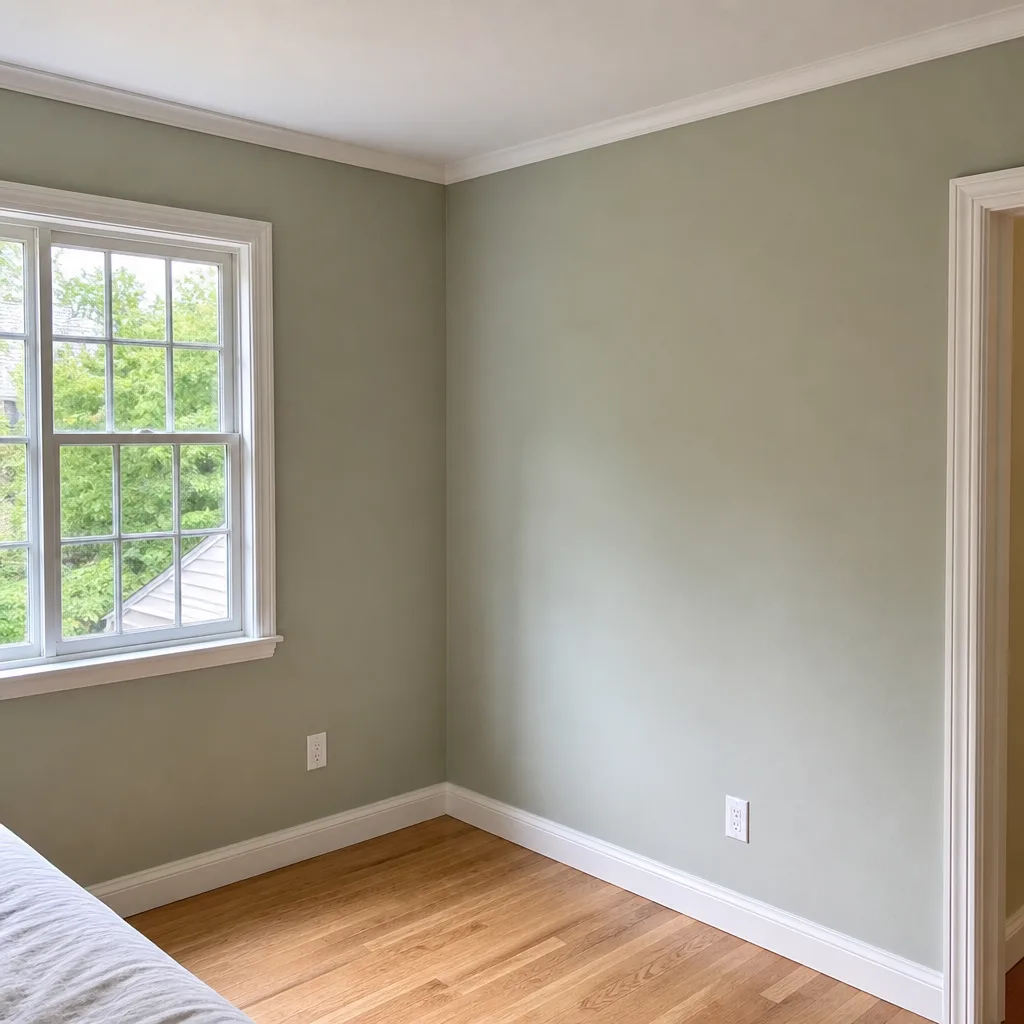
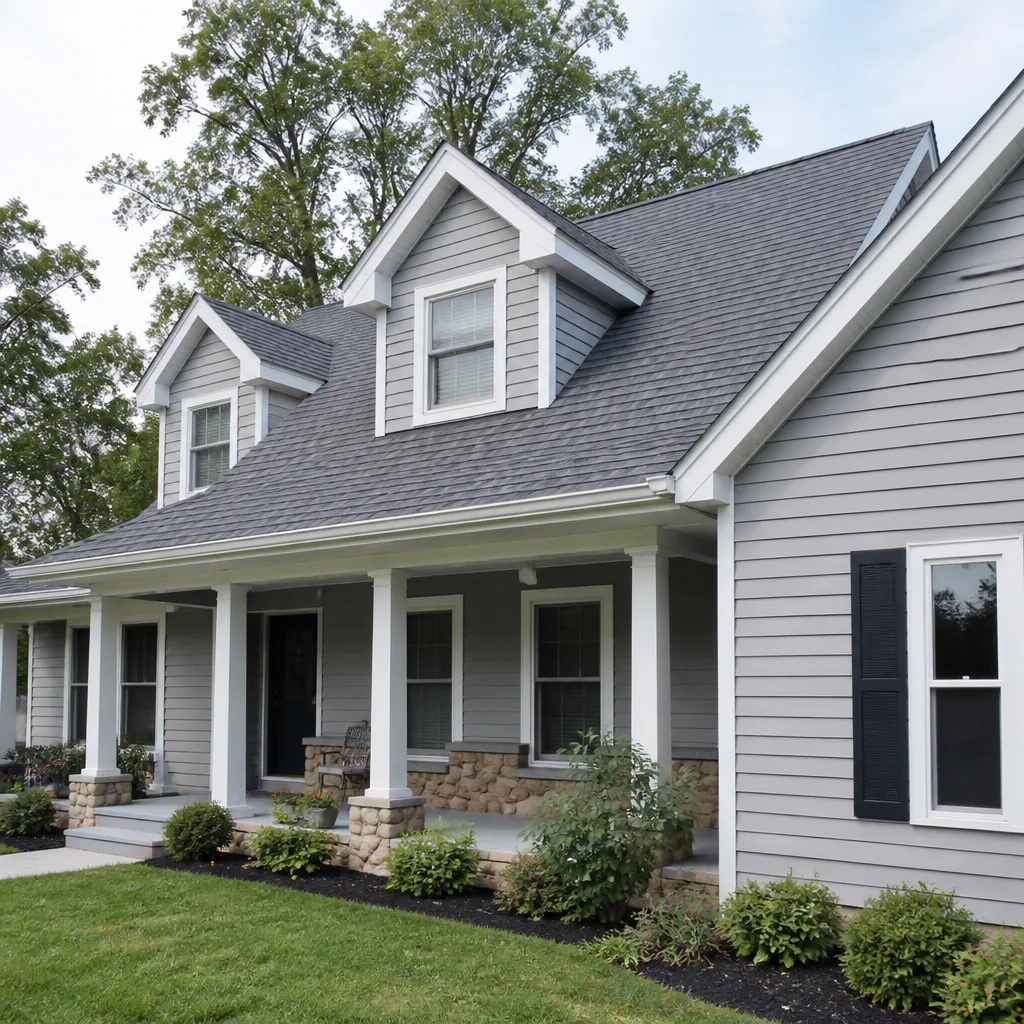
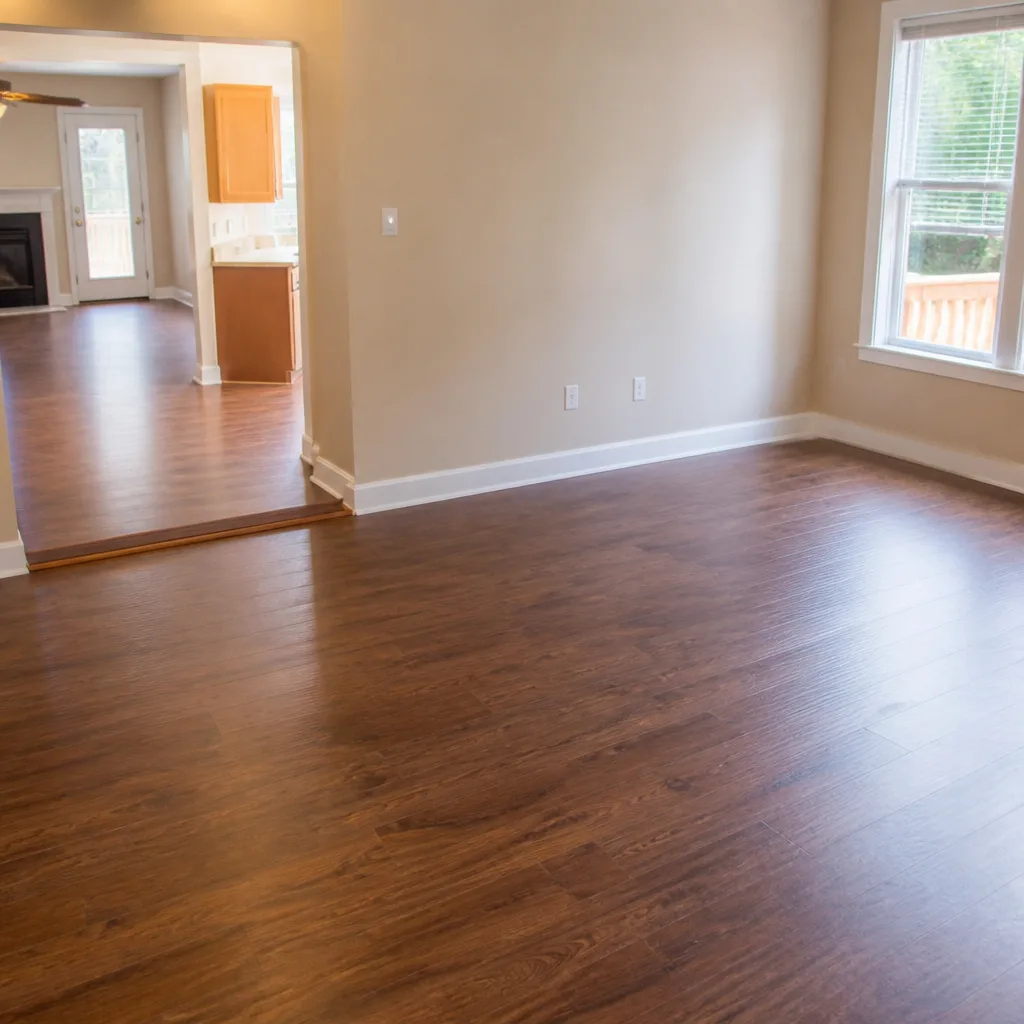
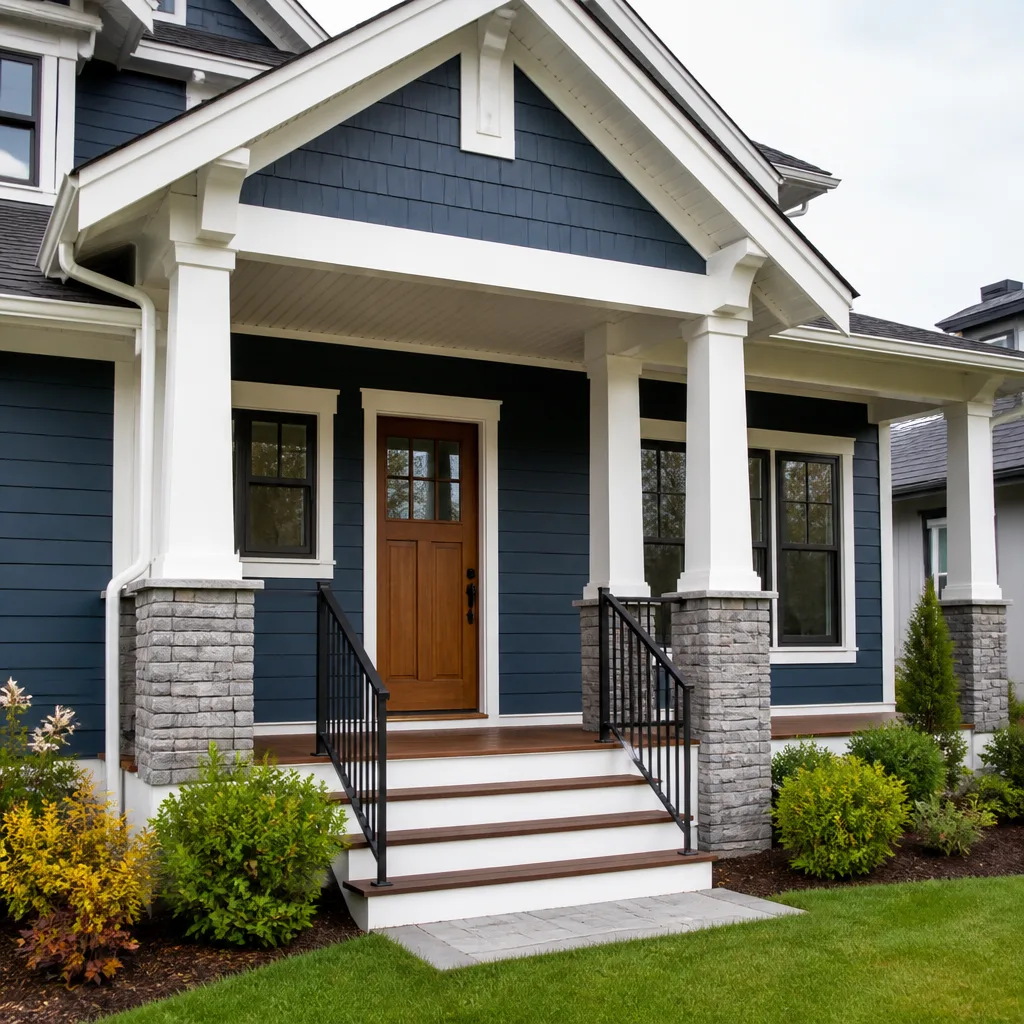
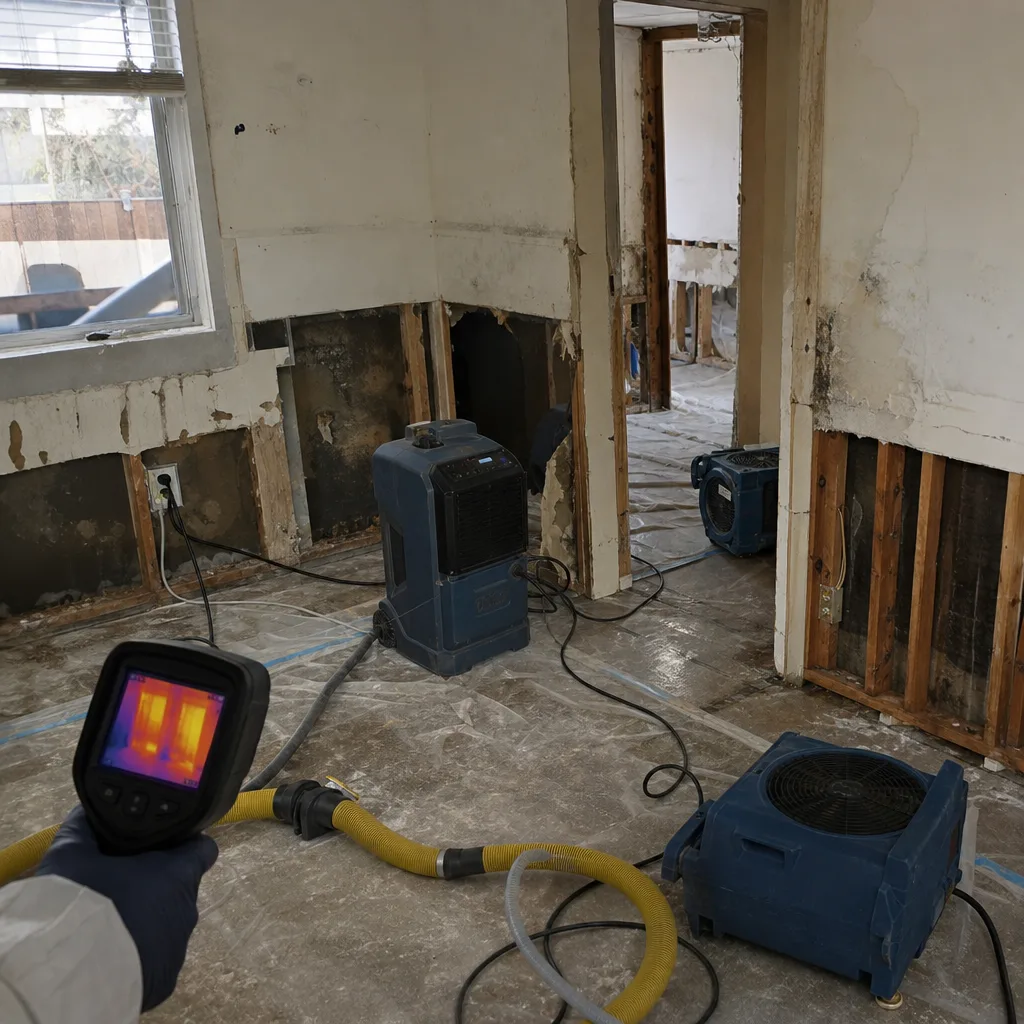 Before
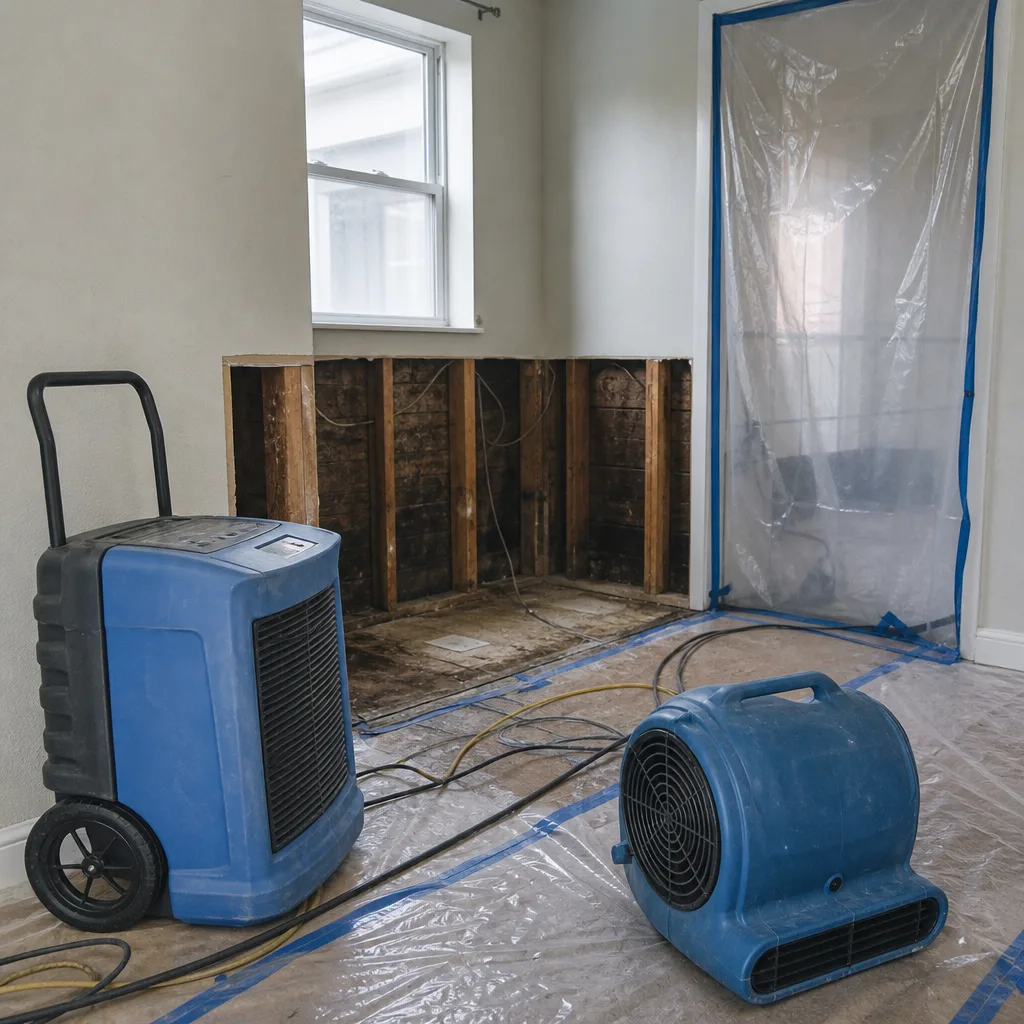 After
After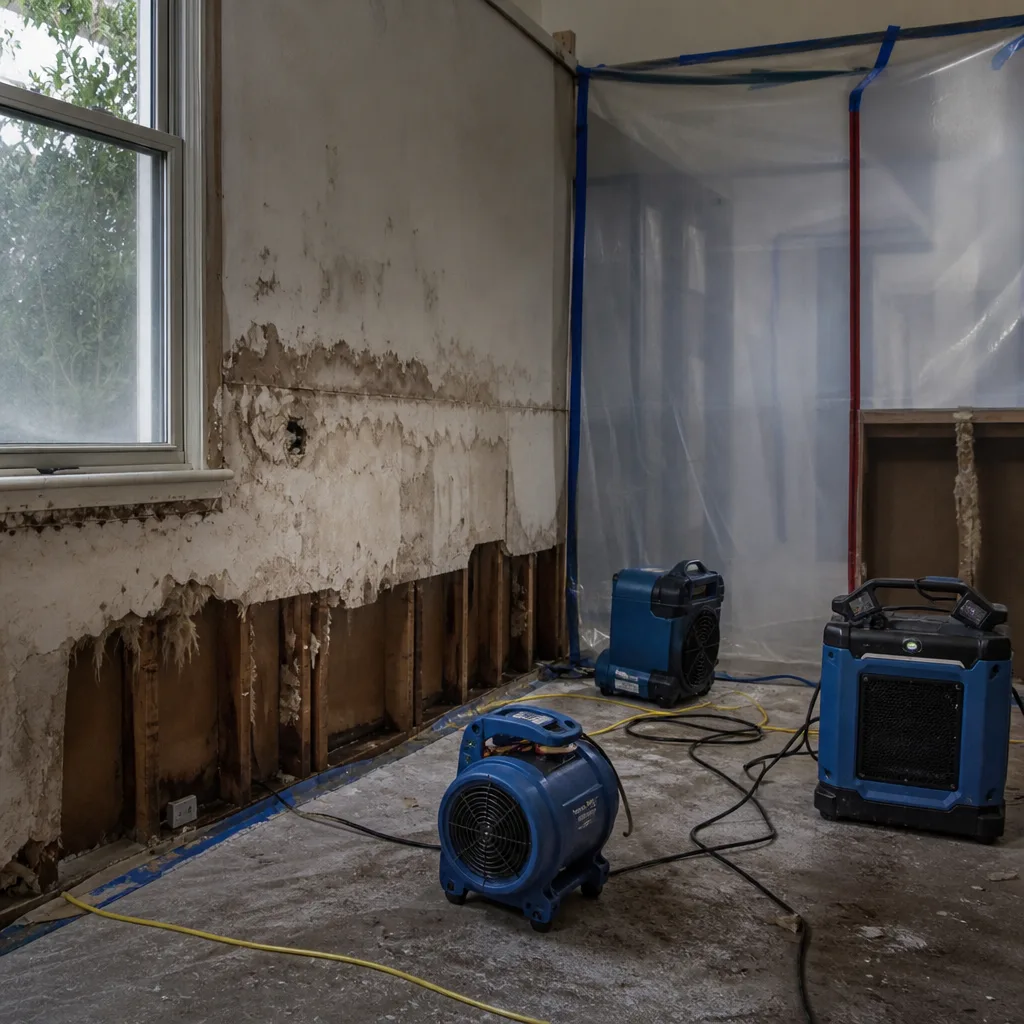 Before
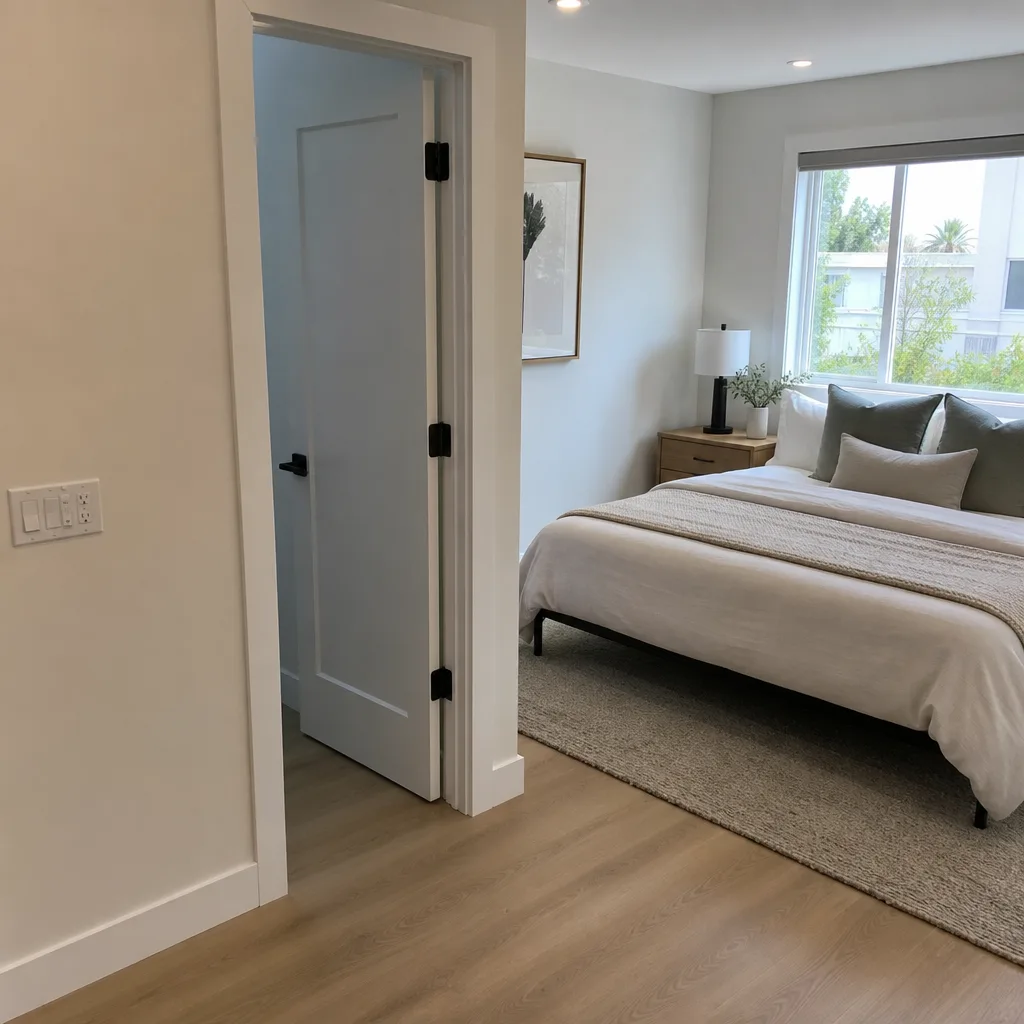 After
After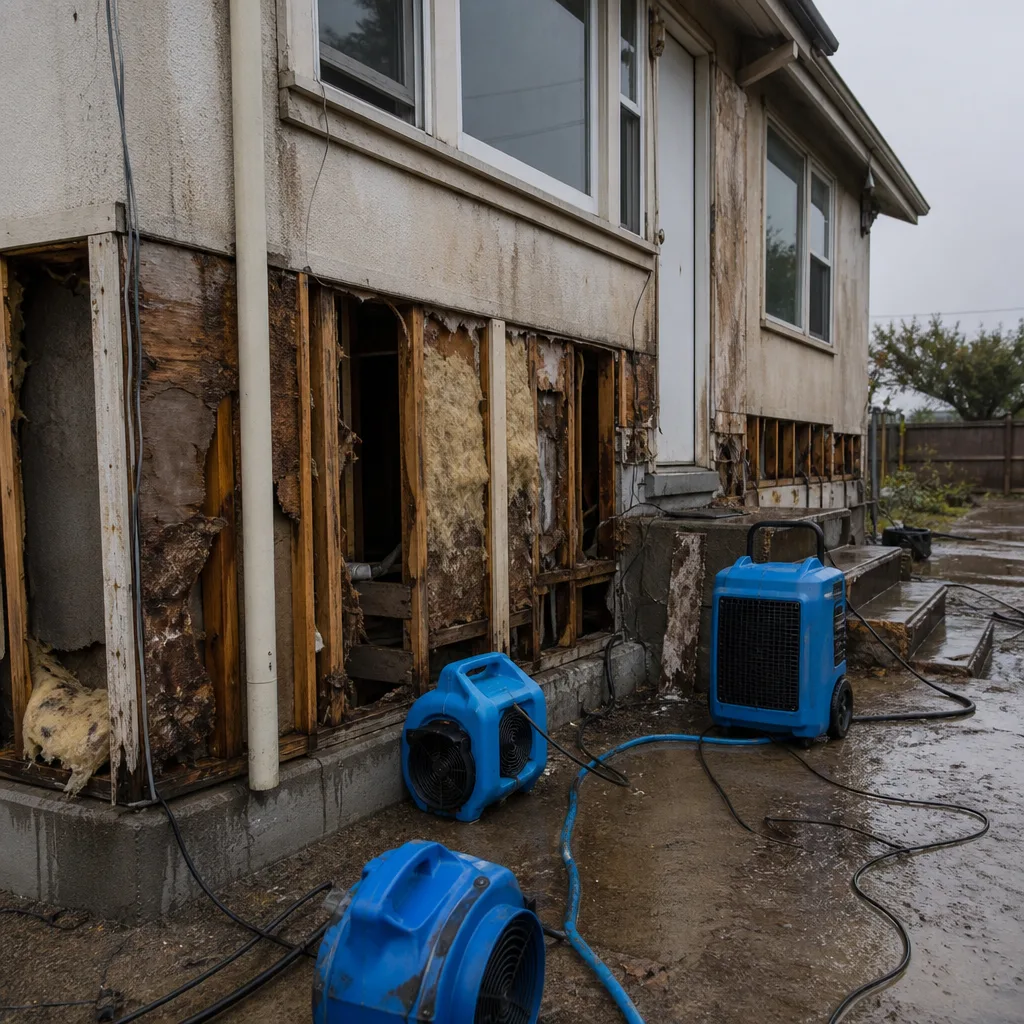 Before
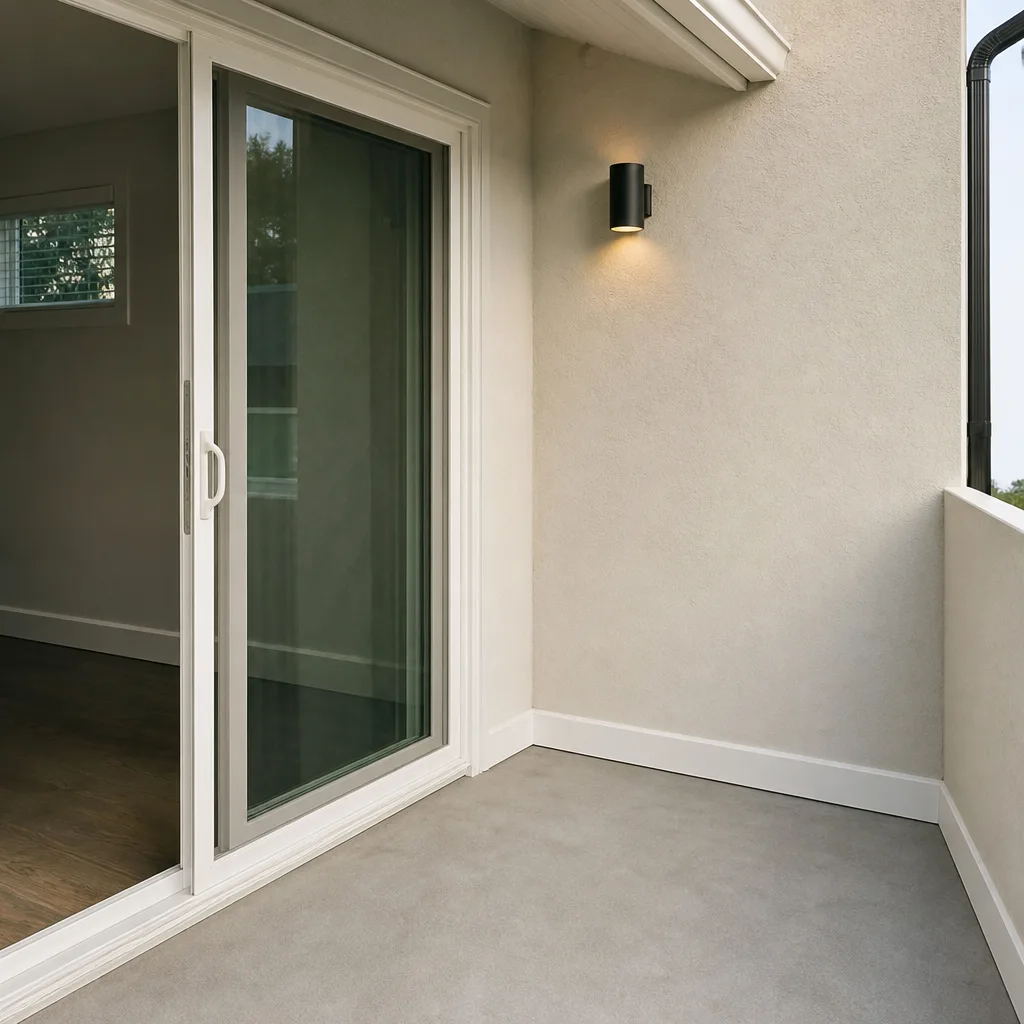 After
After24/7 Emergency Fire & Smoke Damage Restoration in Los Angeles
Fire and smoke damage restoration in Los Angeles typically costs $4,200-$18,500 depending on severity, with emergency board-up and tarping starting at $800-$1,500 and full-structure smoke remediation running $12,000-$35,000 for hillside homes with deep char penetration. Crews from our Los Angeles office can be on-site in 45 minutes or less, and a live person answers every call at (424) 372-0129 - no voicemail, no callback queues while smoke is still settling into your walls.
The first hour after a fire determines how far smoke and soot migrate through your HVAC system, attic insulation, and wall cavities. In Los Angeles’s dry climate, heated building envelopes create negative pressure that pulls contaminated air deep into the structure. We dispatch with thermal imaging, moisture meters, and HEPA containment equipment so we can document the full extent before it spreads further. Every job starts with a free visual inspection and a written price before any work begins - Haven Standard, Clause 1.
Understanding Fire & Smoke Damage Restoration Severity in Los Angeles Properties
Fire damage in Los Angeles breaks into three severity tiers that map directly to our local building stock. Light smoke intrusion - common in downwind Pasadena or Sherman Oaks homes miles from the burn perimeter - involves petroleum-based soot loading in HVAC returns, attic insulation, and wall cavities with no visible flame damage. Moderate damage adds structural char to framing and finishes, often in 1920s-1940s Spanish Colonial and Craftsman bungalows in Silver Lake, Echo Park, and Highland Park where original wood lathe and horsehair plaster absorb smoke particulates deep into the substrate. Severe damage means compromised structural members, typically in hillside Pacific Palisades or Altadena properties where Santa Ana wind-driven fires generate temperatures that desiccate and deeply char framing before winter atmospheric-river rains arrive.
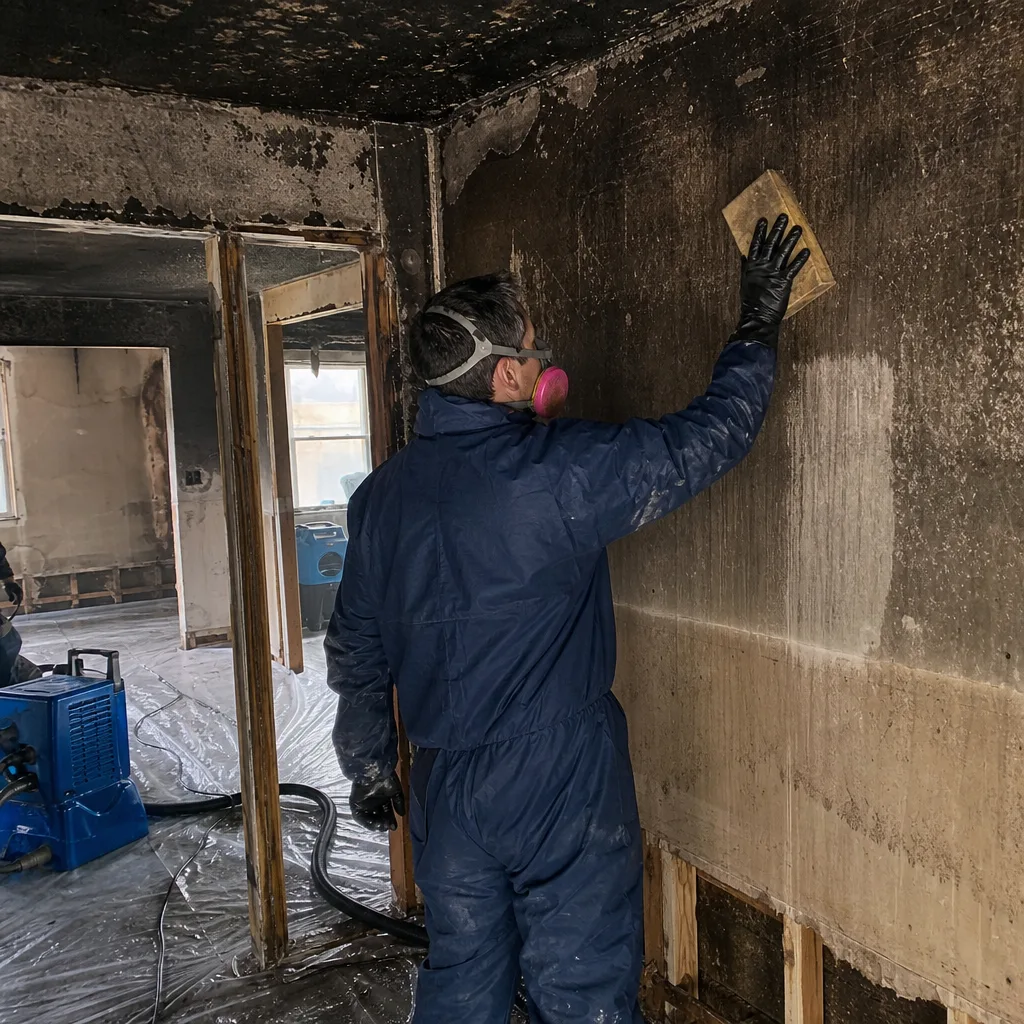
Smoke residue types matter here. Dry smoke from fast-burning, high-heat fires leaves powdery, non-smeary residue that HEPA vacuums and dry sponges remove effectively. Wet smoke from slow, oxygen-starved burns - common in enclosed garage or basement fires in post-war San Fernando Valley slab homes - produces sticky, smeary deposits that require solvent-based cleaning and often thermal fogging or hydroxyl generation for odor elimination. Protein fires from kitchen grease leave nearly invisible but pungent residues that standard cleaning misses entirely. Our crews test residue type on-site before selecting chemistry, because the wrong approach drives soot deeper and raises the final scope.
Why Los Angeles Property Owners Choose DryMark Restoration Venice
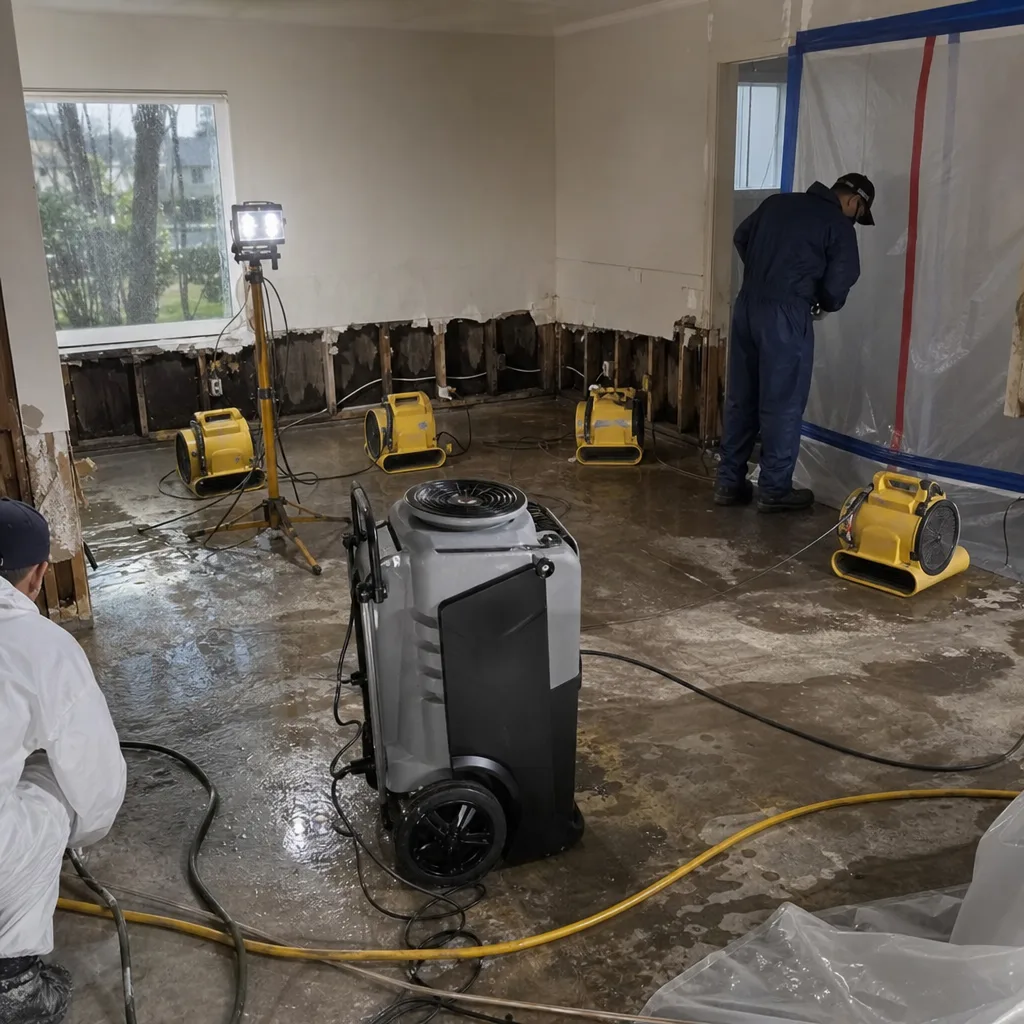
- 45-minute response commitment to Los Angeles neighborhoods from our metro office, with crews carrying board-up materials, tarping, and initial containment on every truck.
- 24/7 live answer - a real person, never an automated system or voicemail tree, because smoke migration doesn’t wait for business hours.
- IICRC-certified crews holding FSRT (Fire and Smoke Restoration Technician) and WRT (Water Damage Restoration Technician) credentials, documented on every job folder.
- Free visual inspection with thermal imaging and moisture mapping, delivered with a written scope and price before any work starts.
- Direct insurance billing with photo-documented estimates formatted to carrier standards, plus direct adjuster coordination so your claim moves without documentation gaps.
- One team from emergency board-up through final reconstruction - no handoffs between contractors that lose continuity on smoke-odor jobs requiring three or more visits.
 Before
 After
AfterOur Fire & Smoke Damage Restoration Process
1. Inspection & Assessment
We arrive with thermal imaging cameras, moisture meters, and smoke-residue test kits to map visible damage and hidden migration. In Los Angeles’s dry climate, we pay particular attention to negative-pressure pathways that pull soot into HVAC returns and wall cavities. Every finding is photographed and logged.
2. Emergency Board-Up & Tarping
Our crew secures the structure with plywood, roof tarps, and temporary fencing the same day - no separate crew, no waiting. For hillside homes in Pacific Palisades or Altadena, we engineer tarps against Santa Ana wind loads up to 60 mph. Haven Standard, Clause 1: written price before any work starts, even emergency stabilization.
3. Smoke & Soot Removal
We match cleaning chemistry to residue type - dry sponges and HEPA vacuums for dry smoke, solvent-based agents for wet smoke, enzymatic cleaners for protein fires. In Silver Lake and Echo Park bungalows with original horsehair plaster, we use Injectidry cavity-drying systems to pull soot from behind lathe without demolition.
4. Odor Removal & Deodorization
Thermal fogging, hydroxyl generators, and ozone treatment break odor molecules at the source. For petroleum-based soot from burning mid-century materials - the signature of Los Angeles wildfire smoke - hydroxyl generation runs 48-72 hours in contained spaces until VOC readings drop below 500 micrograms per cubic meter.
5. Contents Cleaning & Pack-Out
Salvageable items are inventoried, photographed, and transported to our cleaning facility for ultrasonic, dry-cleaning, or deodorization treatment. Non-salvageable items are documented for insurance replacement with make, model, and condition photos. After the wind-driven fire above Altadena, we ran a pack-out and odor job on a Sherman Oaks house that showed zero visible fire damage - petroleum-based soot from burning mid-century materials had been pulled straight into the HVAC and attic insulation, so our tech pulled moisture readings and smoke residue in a return-air chase, set containment, and used Injectidry and Dri-Eaz air movers with hydroxyl deodorization until the wall cavities and ducting passed. Down the hill in Silver Lake, a 1920s Spanish Colonial with original wood lathe and horsehair plaster held soot deep in the substrate; we logged drying and odor readings across three visits and wrote the scope of work off pre-loss condition, because one-trip certainty is what those self-reliant homeowners expect.
6. Structural Repairs & Restoration
Charred framing is sistered or replaced per structural engineering review. Drywall, insulation, and finishes are reinstalled to match pre-loss condition. For burned hillside properties in Los Angeles, we scope for deeper char on desiccated wood and coordinate with our Fire & Smoke Damage Restoration team to sequence mud/debris removal if winter rains arrive before reconstruction completes.
Need Emergency Fire & Smoke Damage Restoration in Los Angeles Now?
Crews minutes away, answering live 24 hours a day. The sooner we start, the less it costs.
Working With Your Insurance Company
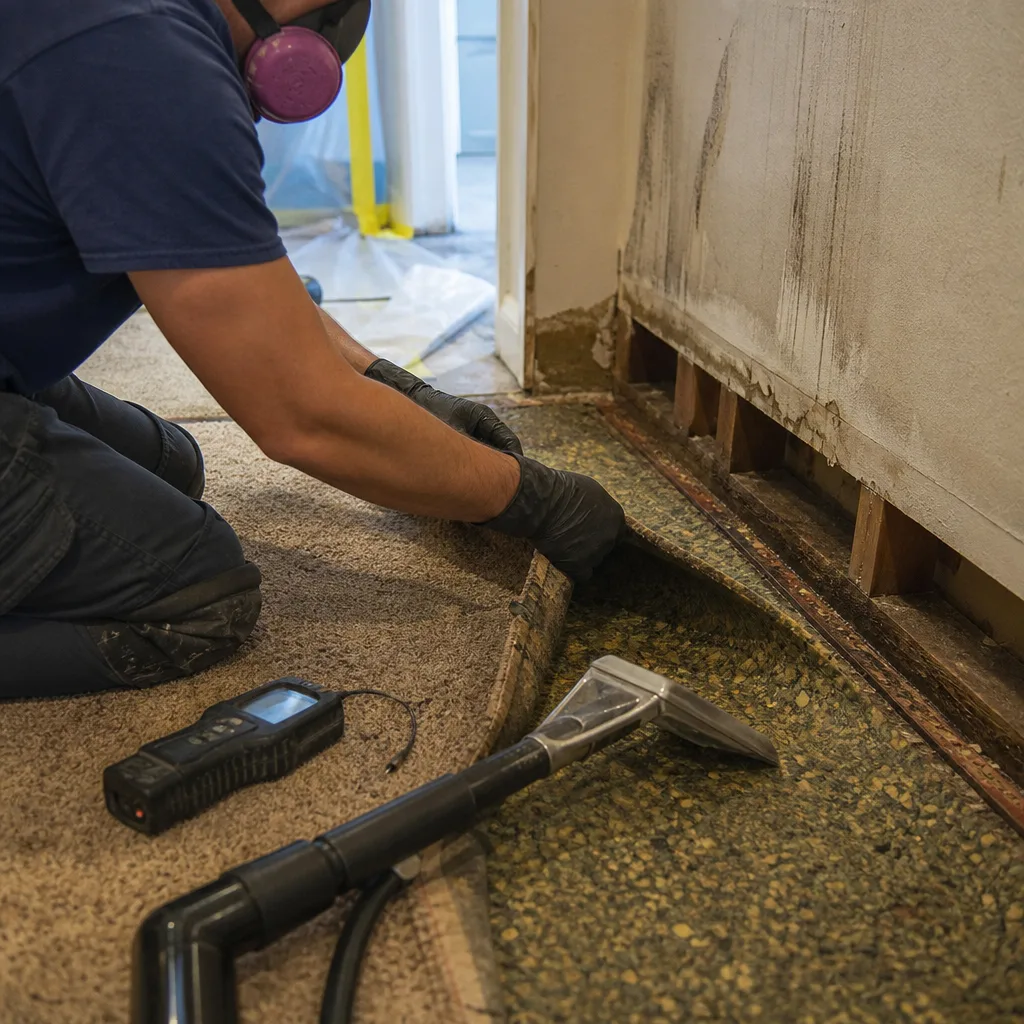
Fire claims fail on documentation gaps - the photo that wasn’t taken, the moisture reading that wasn’t logged, the scope line that wasn’t itemized. Back to Dry Restoration was built by a former claims adjuster who watched homeowners lose coverage on technicalities. We close those gaps from the first hour.
Our estimator photographs every room, labels damage by material classification, and produces a line-item scope in Xactimate format that your adjuster can review without translation. We coordinate directly with your carrier, attend adjuster meetings on request, and provide daily drying logs and progress photos as standard deliverables - never upsells. The 365-Day Done Right Promise applies to insurance work exactly as it does to cash jobs: if it’s not done right, we make it right.
What We Provide Your Insurer
- Thorough documentation of the loss
- Photos of all damage, room by room
- Moisture readings and drying logs
- A detailed, line-item scope of work
- Direct coordination with your carrier
Built for Los Angeles’s Loss Calendar
Los Angeles runs a multi-peril cascade no neighboring city faces at this scale. Santa Ana wind season, typically September through December, drives wildfires through hillside neighborhoods from Pacific Palisades to Altadena. The same burn-scar communities then take debris flows and mudslides when winter atmospheric-river rains hit months later - so the same property can need fire/smoke remediation, structural drying, and mud/debris removal inside one season.
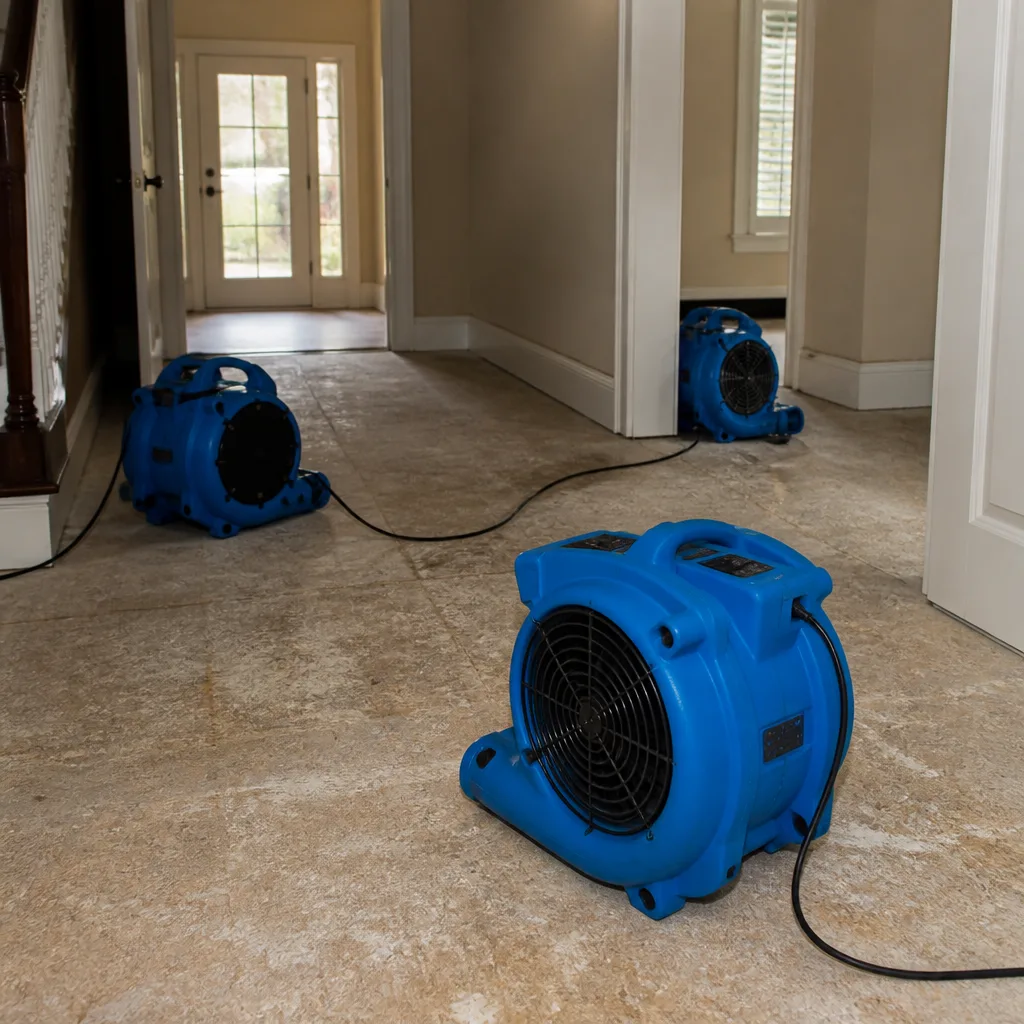
Spring brings El Niño-driven irrigation line bursts and the first post-fire rains testing compromised building envelopes. Summer’s dry heat bakes smoke residue deeper into porous materials. Our crews in Los Angeles carry equipment for all three phases - HEPA scrubbers and hydroxyl generators for smoke, Phoenix and Dri-Eaz dehumidifiers for structural drying, debris removal for mud flows - because the same address often needs them in sequence. This isn’t theoretical. After the 2024 Altadena fire complex, we returned to three properties in January for water intrusion where fire-damaged flashing and charred fascia had failed in the first winter storm.
Fire & Smoke Damage Restoration Across Los Angeles’s Neighborhoods
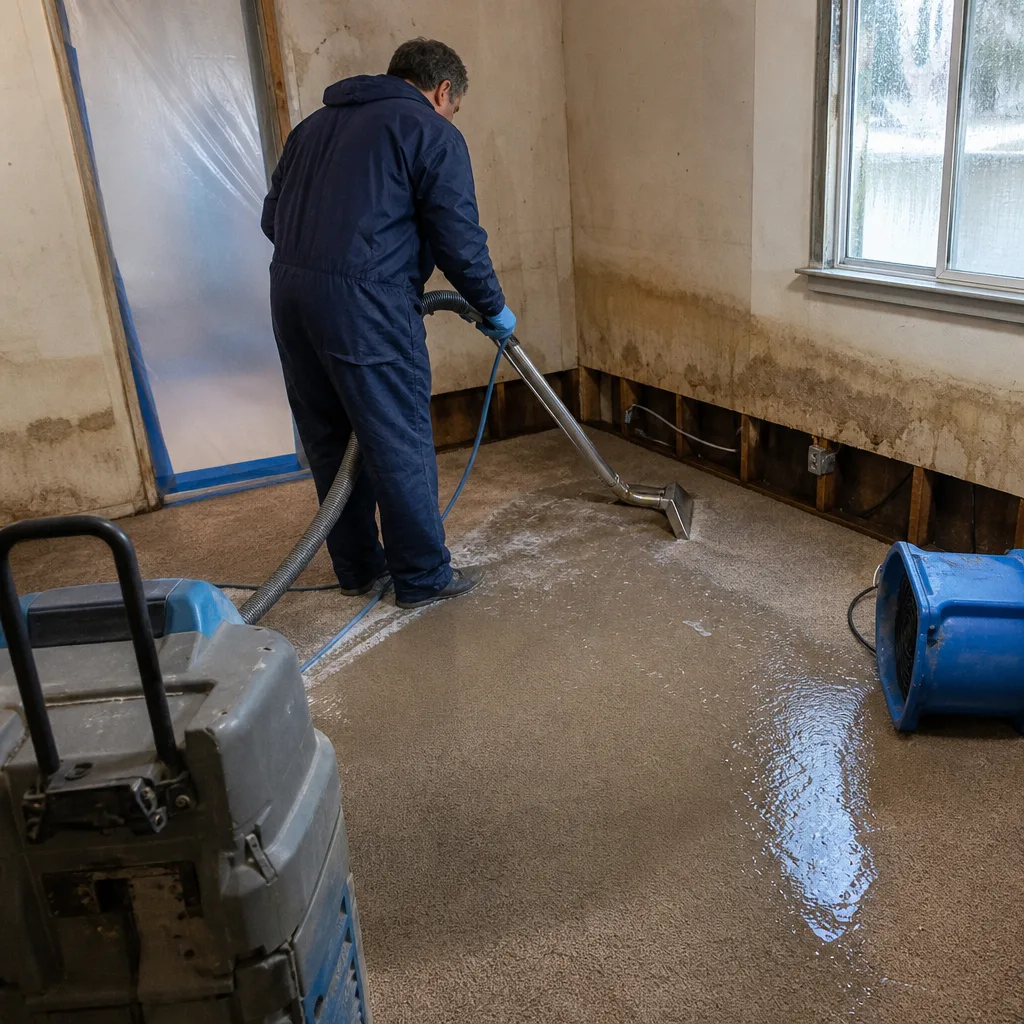
Pacific Palisades and Altadena sit in the highest fire-severity zones, with mid-century hillside homes on canyon roads that complicate crew access and require 4WD dispatch. Properties here often need engineered tarping against Santa Ana winds and structural assessment for desiccated framing that burns deeper than wet-climate contractors expect. We coordinate with LA County Fire for safe entry and maintain emergency board-up materials sized for oversized hillside glazing.
Silver Lake, Echo Park, and Highland Park hold thousands of 1920s-1940s Spanish Colonial and Craftsman bungalows with original wood lathe and horsehair plaster. Smoke and soot penetrate this substrate and keep off-gassing for weeks if treated as a surface wipe-down. Our crews test for substrate contamination with moisture meters and borescope inspection, then scope Injectidry cavity drying or controlled demolition where odor readings persist. One-trip certainty matters here - these homeowners research thoroughly and measure contractors by what they can document.
Sherman Oaks and Pasadena, miles downwind from typical burn perimeters, generate a distinct call type: zero visible fire damage, but petroleum-based soot loaded into HVAC systems and attic insulation from wildfire smoke plumes. We scope these as air-quality restoration jobs with duct camera inspection, filter replacement, and wall-cavity testing - not surface cleaning that misses the actual contamination.
Hollywood and Koreatown’s pre-1980 soft-story wood-frame apartment buildings require coordination with property managers and LA Housing Department for habitability assessments. Open ground-floor parking levels mean fire damage often involves vehicle-related petroleum residues and structural assessment for seismic-water compounding.
Specialized Fire & Smoke Damage Restoration Services We Offer in Los Angeles
Fire Damage Cleanup
Structural char removal, debris disposal, and salvage assessment for Los Angeles’s mix of hillside wood framing, lathe-and-plaster bungalows, and soft-story apartments. We document pre-loss condition with photographs and written scope before demolition begins, because insurance replacement value depends on accurate baseline documentation.
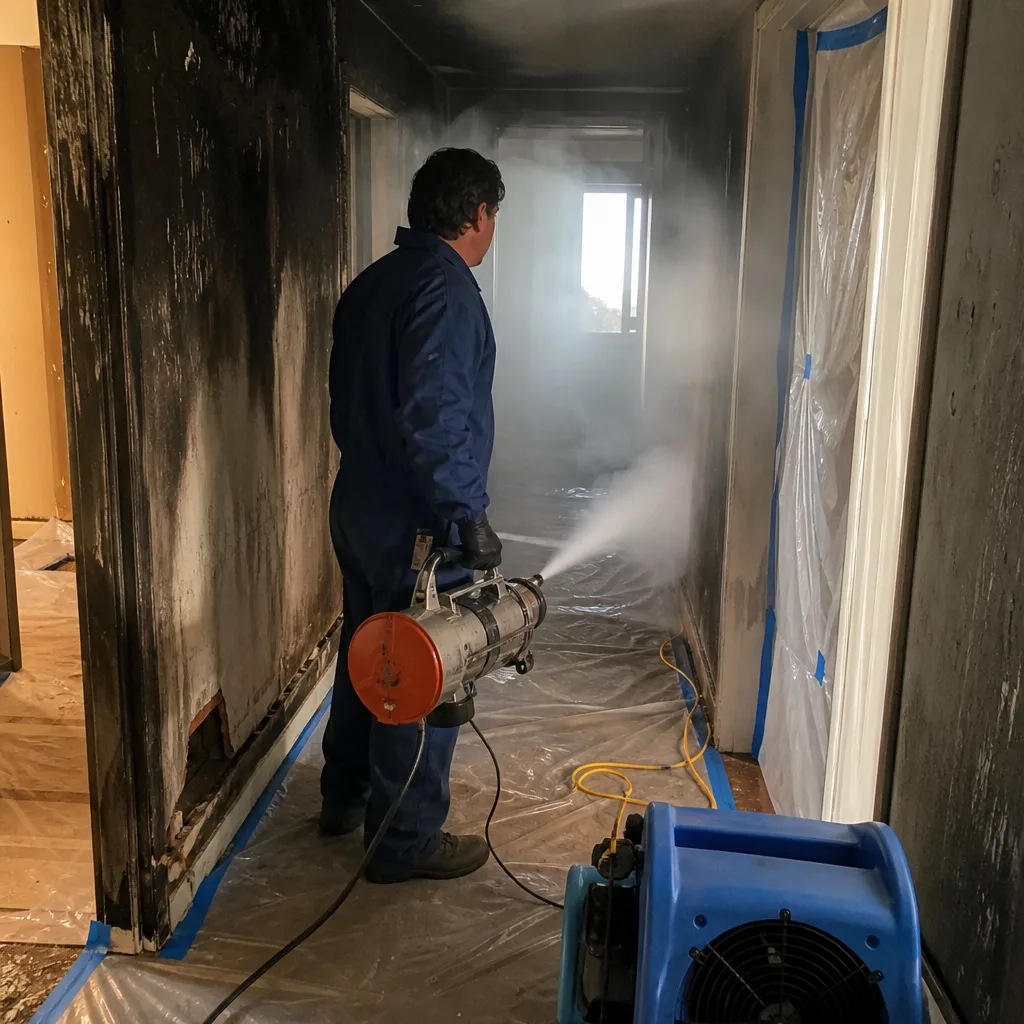
Smoke & Soot Removal
Residue-type testing and chemistry-matched cleaning for dry smoke, wet smoke, and protein residues. In Los Angeles’s dry climate, we pay particular attention to smoke migration through negative-pressure pathways into HVAC and cavities - the hidden damage that surface cleaning misses entirely.
Odor Removal & Deodorization
Hydroxyl generators, thermal fogging, and ozone treatment for petroleum-based wildfire soot odors that standard masking cannot touch. We run VOC monitoring until readings drop below threshold, with documented logs for insurance and occupant health verification.
Contents Cleaning & Pack-Out
Inventory, photograph, transport, and restore salvageable items off-site. Non-salvageable contents are documented for replacement value with make, model, and condition records. After large-loss fires in Los Angeles, we coordinate pack-out timing with board-up completion so the structure can be secured before contents removal creates access vulnerability.
Emergency Board-Up & Tarping
Same-day structural securing with plywood, roof tarps, and temporary fencing - no separate crew, no waiting. For Santa Ana wind exposure in hillside Los Angeles neighborhoods, we engineer tarps with reinforced fastening and inspect after each wind event until permanent repairs begin.
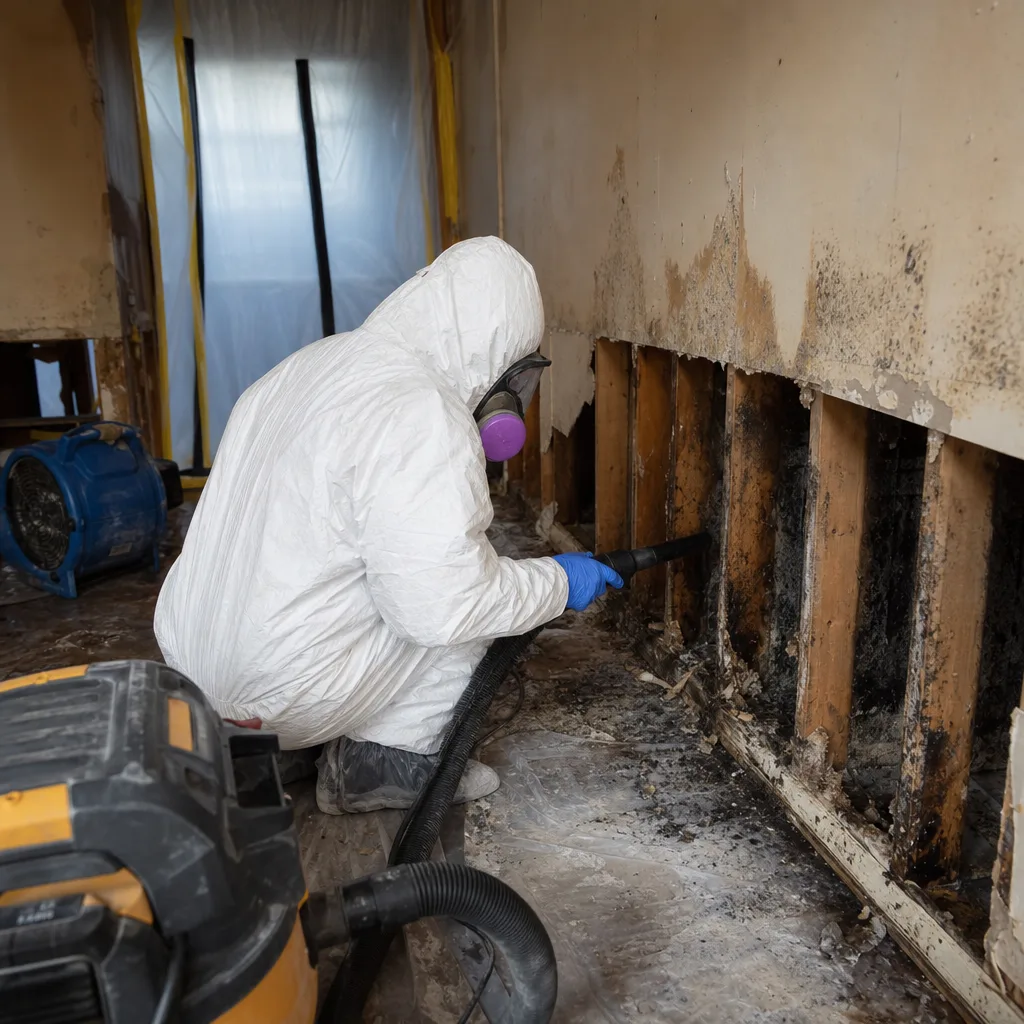
What happens when you call
- 1
A real person answersNo phone trees - you reach a local pro.
- 2
You get an upfront price rangeHonest numbers before anyone is dispatched.
- 3
A background-checked tech heads outLicensed & insured, dispatched right away.
- 4
You approve before work beginsNothing starts until you say go.
Fire & Smoke Damage Restoration Costs in Los Angeles, CA
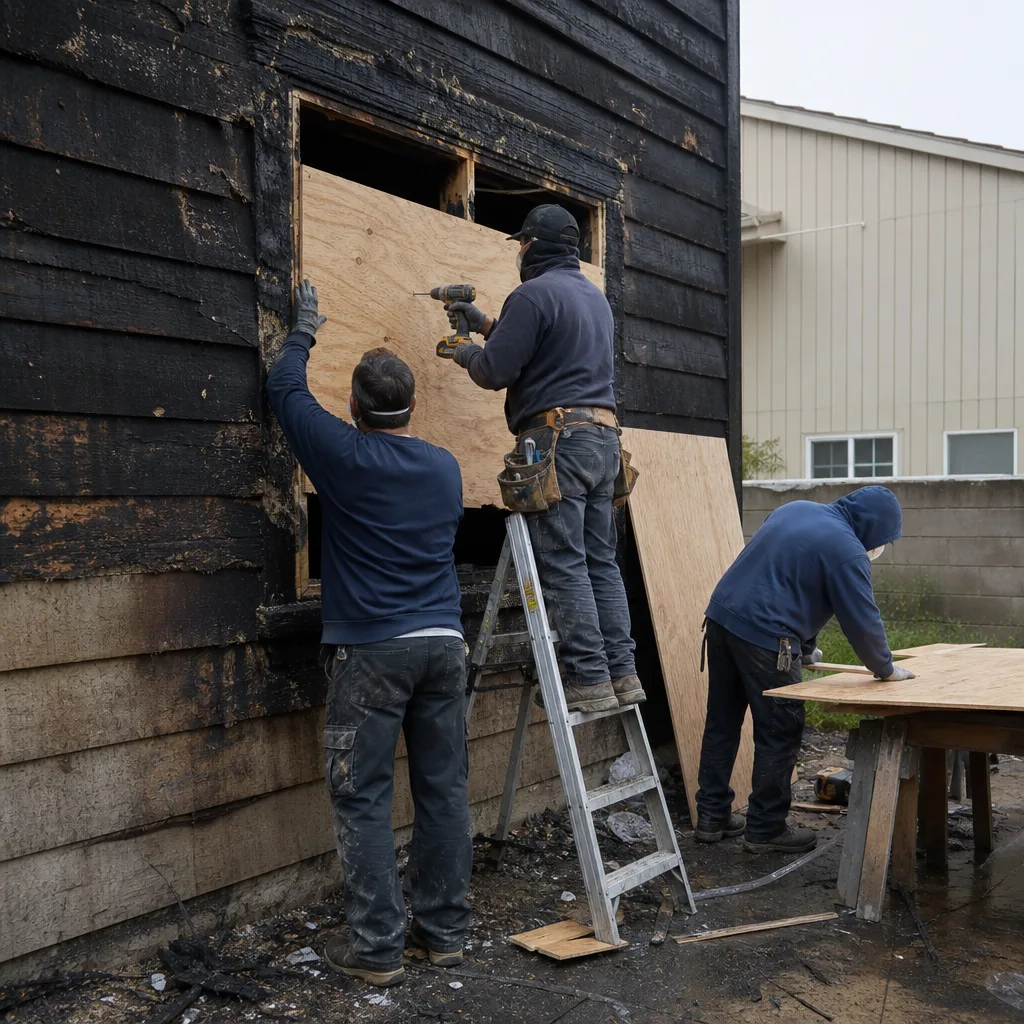
Emergency board-up and tarping in Los Angeles runs $800-$1,500 for standard residential access, with engineered hillside installations against Santa Ana winds reaching $2,000-$3,500. Smoke and soot removal for a single room with light residue starts at $1,200-$2,800; whole-house smoke remediation with HVAC cleaning runs $8,500-$18,000. Structural fire repair with charred framing replacement ranges $15,000-$45,000 depending on square footage and material match requirements for historic Los Angeles properties.
What moves the price: residue type (wet smoke and protein fires require more labor hours), substrate penetration depth (horsehair plaster vs. standard drywall), HVAC contamination extent, and whether the property needs sequencing with later mud/debris removal. Insurance typically covers direct fire and smoke damage plus reasonable mitigation; our written scope identifies coverage-eligible vs. improvement items before work starts. Call (424) 372-0129 for a free visual inspection and firm written price - Haven Standard, Clause 1.
We Also Serve Cities Near Los Angeles
Our Fire & Smoke Damage Restoration in Los Angeles crews respond throughout the metro area, including Inglewood, Hawthorne, Lawndale, and Culver City. Dispatch and scheduling are coordinated from our Los Angeles office, with 45-minute response commitment to all listed communities.
Serving Los Angeles, CA - Our Local Coverage Area
We’re based in the Los Angeles area and know this community well. Use the map below to see our service coverage - if you’re nearby, we can almost certainly help.
Los Angeles Fire & Smoke Damage Restoration Questions, Answered
Why does smoke odor show up in my Sherman Oaks or Pasadena house when the fire was miles away?
Petroleum-based soot from burning mid-century construction materials travels in wildfire smoke plumes and gets pulled into your HVAC system, attic insulation, and wall cavities through negative pressure - even with zero visible flame damage. We scope these as air-quality restoration jobs with duct camera inspection and cavity testing, not surface cleaning. Call (424) 372-0129 for a free inspection and written scope.
Do older Silver Lake and Echo Park bungalows need different fire and smoke treatment?
Yes. Original wood lathe and horsehair plaster in 1920s-1940s Los Angeles homes absorbs soot and odor deep into the substrate, where surface wipe-downs cannot reach. We test with borescope inspection and moisture meters, then scope Injectidry cavity drying or controlled demolition where substrate contamination persists. One-trip certainty requires getting this right the first time.
Can you handle both the fire damage and the mud/debris flows that follow?
Yes. Los Angeles’s unique fire-to-mudslide multi-peril season means the same property often needs fire/smoke remediation, structural drying, and debris removal in sequence. We carry equipment for all three phases and coordinate scopes so winter rains don’t find your fire-damaged structure unprotected. Call (424) 372-0129 to discuss sequencing for your hillside property.
My hillside home took fire damage - why does the wood seem to need deeper repair than my neighbor’s?
Los Angeles’s dry climate desiccates hillside wood framing, so fire penetrates deeper than in wetter markets where moisture content slows char progression. We test with moisture meters and structural engineering review to identify sistering vs. replacement needs, then document pre-loss condition for accurate insurance scope. Deeper char on dried-out framing is normal here - missing it is what generates callbacks.
Do you board up and tarp the same day, or do I wait for a separate crew?
Same day, same crew. Every Los Angeles dispatch truck carries board-up materials, tarping, and fastening equipment. No separate crew, no waiting, no additional dispatch fee. The written price for emergency stabilization is delivered before work begins - Haven Standard, Clause 1. Call (424) 372-0129 now.
Will my insurance cover smoke damage with no visible fire?
Most Los Angeles homeowners policies cover smoke damage as a named peril regardless of visible flame on your property, provided the smoke originated from a covered fire event. We document the source, test residue type, and produce carrier-formatted scopes with photo evidence so your claim has the documentation adjusters need to approve. Direct billing available.
How long does full smoke remediation take?
Light HVAC and cavity contamination: 3-5 days with hydroxyl generation and air scrubbing. Moderate damage with substrate penetration in lathe-and-plaster homes: 7-14 days across multiple visits with logged odor and moisture readings. Severe structural damage with reconstruction: 4-12 weeks depending on permit and material lead times. We provide a written timeline with the scope before work starts.
What should I do in the first 30 minutes after a fire?
Ensure occupant safety and await LAFD clearance before re-entry. Do not operate HVAC systems - they will distribute soot throughout the structure. If safe, close doors to contain smoke migration. Then call (424) 372-0129. Our live dispatcher will guide immediate steps while crews deploy with containment and documentation equipment. The first hour determines how far smoke spreads.
Back to Dry Restoration, led by Alicia Brennan, has operated under The Haven Standard since 2011. Every Los Angeles fire and smoke damage job starts with a written price before work begins, includes a documented photo record on every visit, and carries the 365-Day Done Right Promise. Free second opinion on any competitor’s written estimate.
Written by Alicia Brennan, Owner at Back to Dry Restoration, serving Los Angeles since 2011.
Fire & Smoke Damage Restoration in Nearby Areas