
Last updated September 23, 2026
Free visual inspection and a written scope of work before any mitigation begins - photos, moisture readings, and drying logs go in your claim file
The scope we write is the scope we bill. Anything new gets shown to you, in writing, before we touch it.
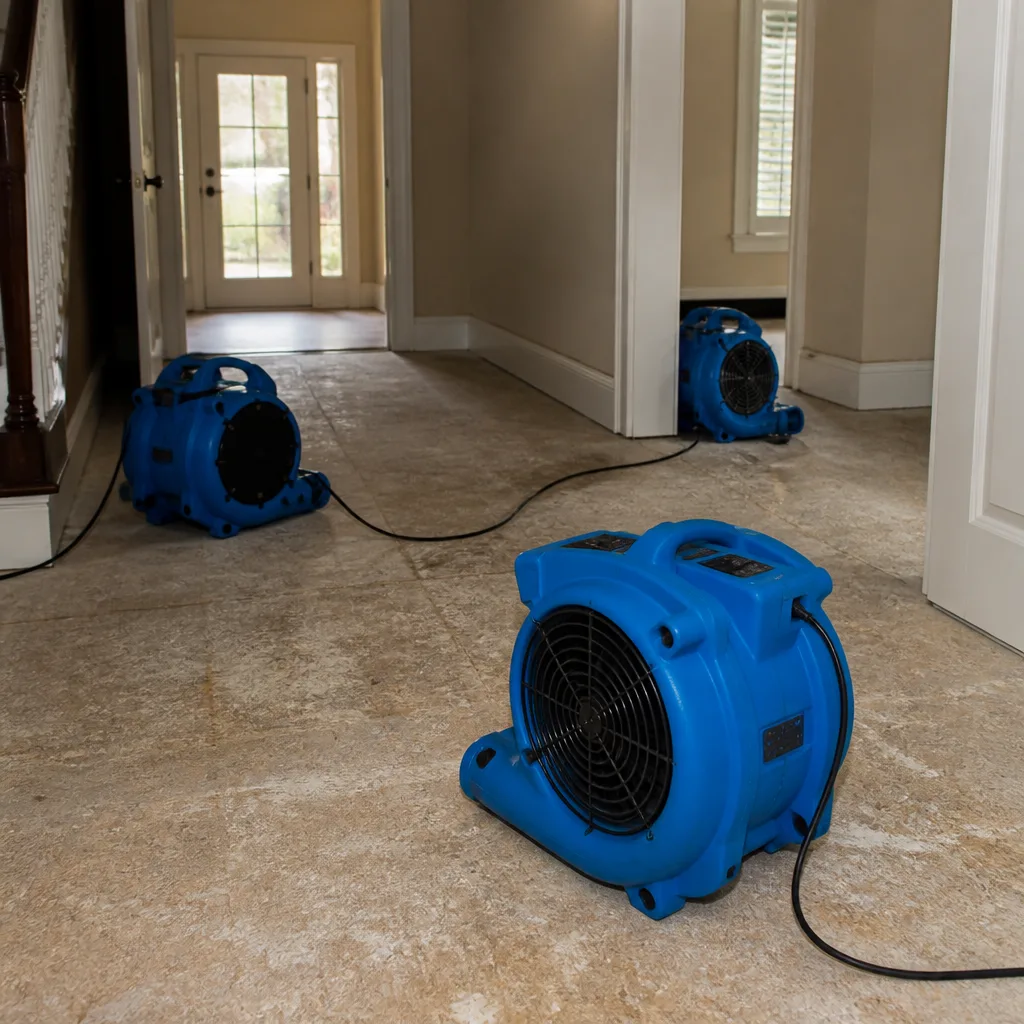
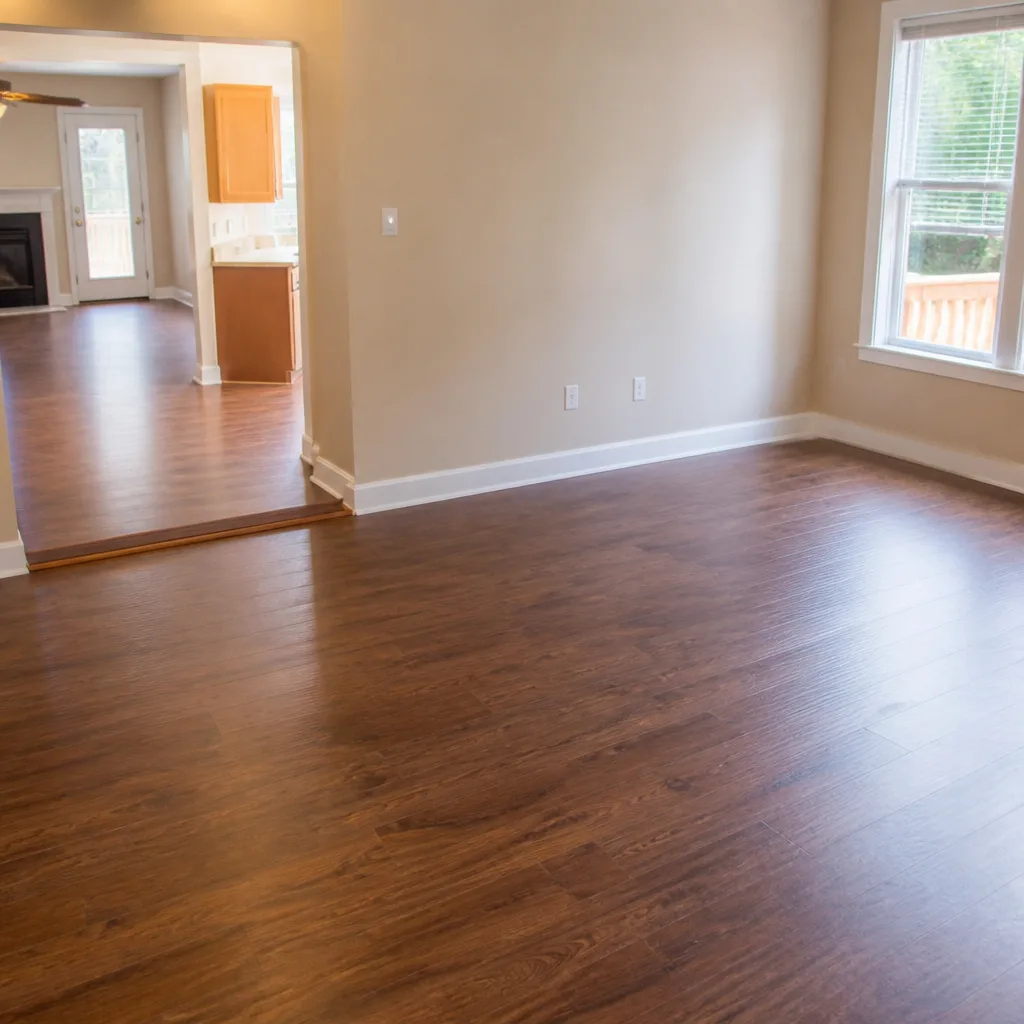

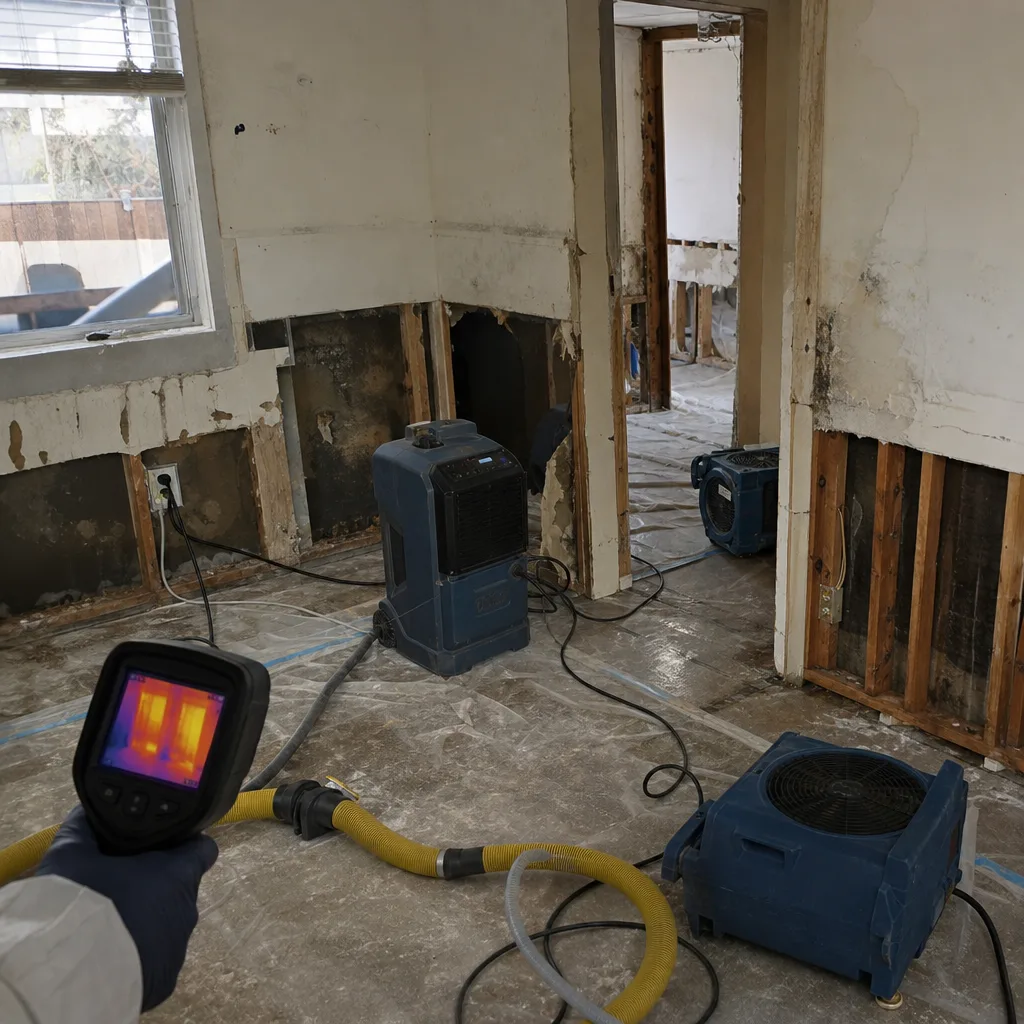 Before
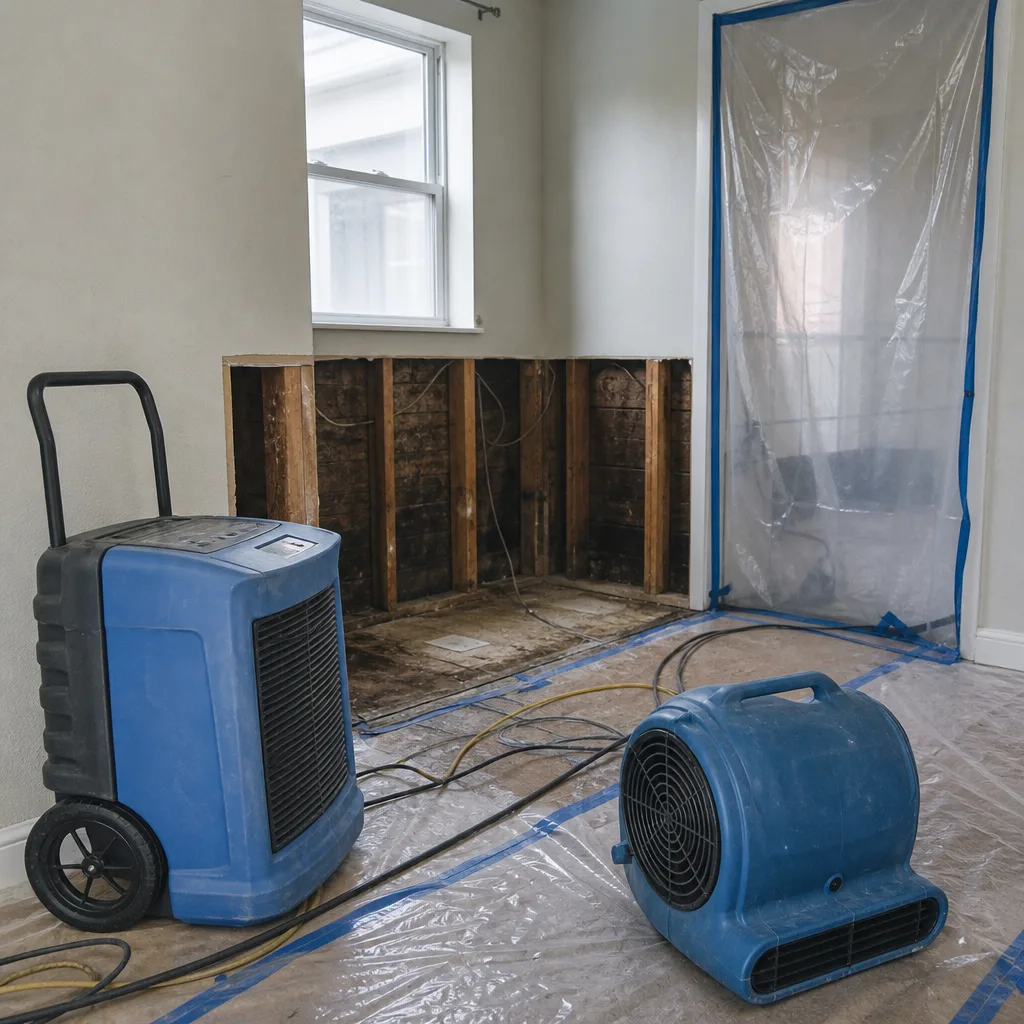 After
After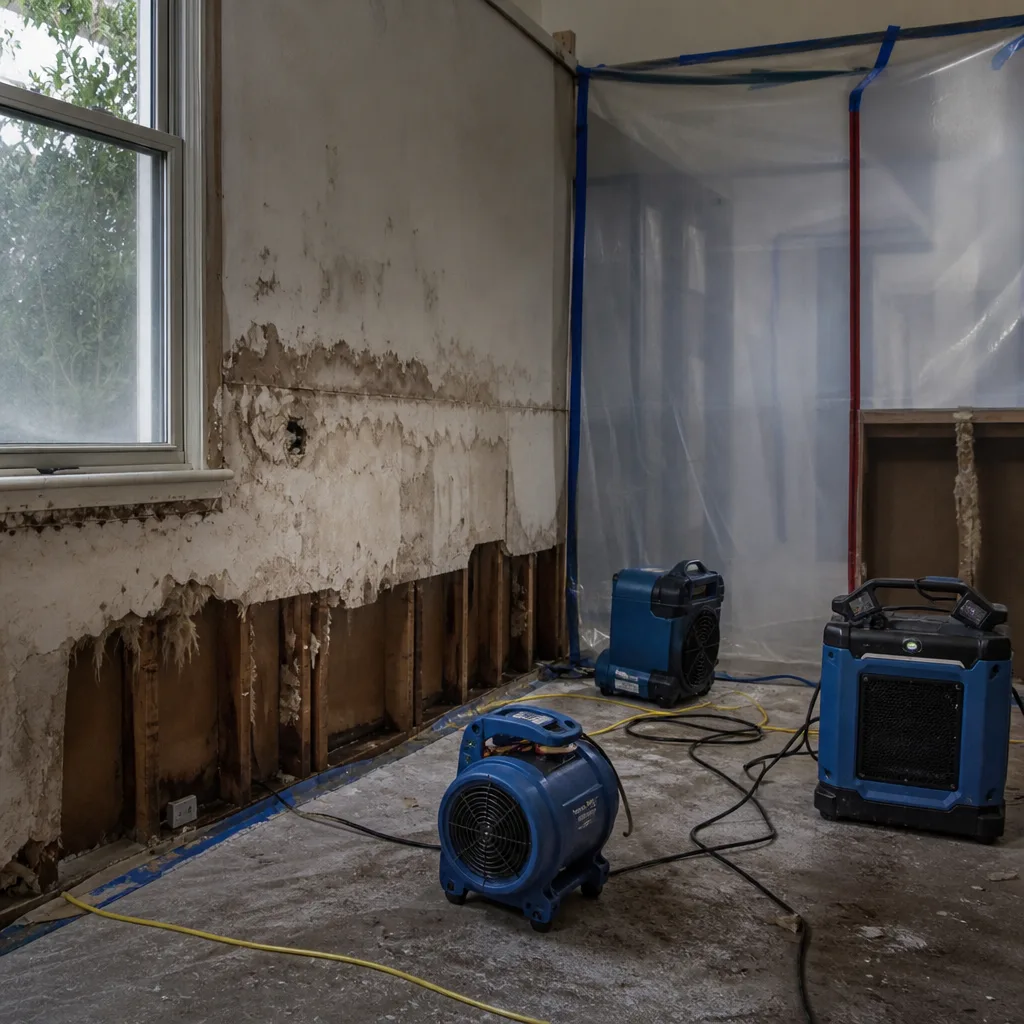 Before
 After
After Before
 After
AfterWater Damage Restoration Maintenance Checklist for Venice Homeowners
A moisture reading of 16% in a Venice bungalow subfloor is not a warning sign. It is the normal baseline for a pier-and-beam home within 800 feet of the canals. The standard restoration checklist doesn’t mention that, which is why homeowners in 90291 replace perfectly dry floors and miss genuinely wet ones. Most maintenance guides organize by season: check gutters in fall, inspect hoses in spring. That calendar approach wastes time and misses the point; see more guides & resources for Venice-specific approaches. Water damage in Venice follows different rules than in Pasadena or the Valley. Salt air, flat roofs, pier-and-beam foundations, and canal-adjacent water tables create a specific risk profile that demands threshold-based monitoring, not date-based reminders. This guide gives you measurable triggers: the exact moisture percentage, visible condition, or equipment output number that means you have a problem. You’ll learn how to establish baselines for Venice’s common building assemblies, inspect the five failure points unique to canal-adjacent properties, document everything so a future claim has a pre-loss reference, and turn your checklist into a defensible maintenance record.
Quick Answer
Venice homeowners should inspect water damage risks monthly using measurable thresholds, not calendar dates. Key triggers include: subfloor moisture above 20% in pier-and-beam homes, stucco moisture content above 17% in wood-frame walls, HVAC condensate lines producing less than 1 gallon per day during cooling season, and visible staining or efflorescence on parapet flashings. Document each reading with photos and dates to create a pre-loss reference record that supports future insurance claims.
Table of Contents
- Baseline Moisture Percentages for Venice’s Common Building Assemblies
- The Five Inspection Points Unique to Canal-Adjacent Properties
- How to Document a Baseline Inspection for Claims
- Appliance Failure Intervals That Generate Venice Water Claims
- Written Sign-Off Format for Defensible Maintenance Records
- How Maintenance Records Affect Insurance Claims in Venice
- Common Mistakes to Avoid
- When to Call a Professional
- Frequently Asked Questions
 Before
 After
AfterBaseline Moisture Percentages for Venice’s Common Building Assemblies
Every moisture meter reading is meaningless without a baseline. In Venice, “normal” varies dramatically by construction type and proximity to water. We’ve restored over 12,000 homes since 2011 through our Water Damage Restoration services, and the most expensive mistake we see is a homeowner tearing out dry material because they misread their meter, or leaving wet material because they assumed it was fine.
Pier-and-Beam Subfloors
As covered in The Complete Guide to Damage Restoration in Venice, historic bungalows and many 1920s-1950s homes sit on raised foundations with crawl spaces. In canal-adjacent neighborhoods like the Venice Canals, Oakwood, and parts of Silver Triangle, the ambient moisture in these crawl spaces runs higher than inland standards.
- Normal range: 14-18% moisture content in wood subflooring
- Elevated but manageable: 18-22% (requires enhanced ventilation or dehumidification)
- Active damage threshold: Above 22% (wood decay fungi activate at 20% sustained; we document and intervene at 22% to provide margin)
- Critical: Above 28% (structural compromise likely; replacement typically required)
These numbers assume a pin-type moisture meter calibrated for Douglas fir or pine, the most common subfloor species in Venice’s older housing stock. A pinless meter reads differently; if you own one, add 2-3 percentage points to these thresholds or verify calibration against a known dry sample.
In our experience, a Venice homeowner near the Grand Canal called us in March 2023 with a 19% subfloor reading, panicked after a general contractor told them their floor was “soaked.” We documented the reading, compared it to our baseline for that address from a prior claim, and confirmed it was within normal seasonal variation. They saved $14,000 in unnecessary replacement. The documentation mattered.
Stucco-Over-Wood-Frame Walls
Venice’s Mediterranean and Spanish Revival homes, plus most construction from the 1970s forward, use stucco cladding over wood-frame walls. The stucco itself reads high on moisture meters; you’re measuring the assembly, not just the finish.
- Normal range: 12-16% at interior drywall, 15-20% at exterior sheathing behind stucco
- Elevated: 17-20% interior / 21-25% exterior (investigate drainage plane, weep screed function)
- Active damage threshold: Above 20% interior / Above 25% exterior (potential mold growth, wood rot)
The critical measurement point is the interior drywall surface, not the stucco face. A reading of 18% on interior drywall in a Venice home with western exposure and no eave overhang is common after heavy fog; the same reading on an eastern wall with full overhang suggests a stucco crack or failed sealant joint.
Flat-Roof Parapets
Venice’s commercial buildings and many modernist homes feature flat roofs with parapet walls. These are the highest-failure assembly we document in 90291.
- Normal: Dry to touch, no efflorescence, moisture meter reading below 15% at interior ceiling below parapet
- Watch condition: Minor efflorescence (white powder) on parapet face, interior reading 15-18%
- Active leak: Staining on ceiling, reading above 18%, or any soft spots in roof membrane at parapet base
The parapet-to-roof flashing is the weak point. In Venice’s salt air, galvanized steel flashings corrode faster than inland; we regularly see 5-7 year failure intervals on uncoated metal in ocean-facing properties.
The Five Inspection Points Unique to Canal-Adjacent Properties
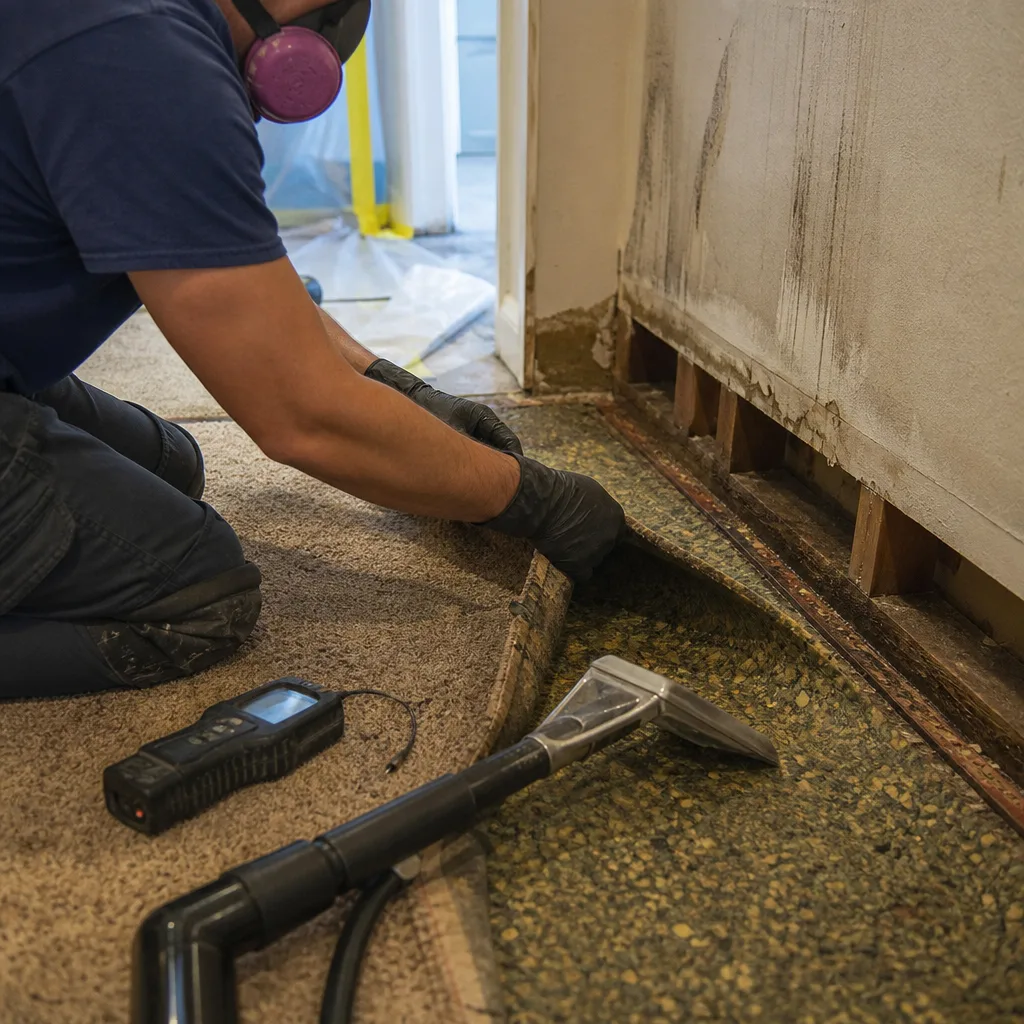
Homes within two blocks of Venice’s canals face a specific set of risks that standard checklists ignore. These five points should be inspected quarterly, with readings documented each time.
1. Foundation Sill Plates
The mudsill, the horizontal timber where the house meets the foundation, sits closest to ground moisture. In Venice’s pier-and-beam homes, canal-adjacent properties often have sill plates within 18 inches of seasonal high water. Inspect with a pin meter at the sill plate’s interior face. Normal: 12-16%. Action threshold: Above 20% or any visible compression staining. Look for termite shelter tubes, which require moisture to survive; their presence indicates sustained damp conditions even if your meter reads normal at that moment.
2. Crawl Space Vapor Barriers
A 6-mil polyethylene vapor barrier on the crawl space floor is code in new construction, but many Venice homes built before 1990 lack one, or have one degraded by rodent activity. The barrier’s condition matters more than its age. Inspect for:
- Tears or gaps larger than 6 inches
- Standing water on top of the barrier (indicates drainage failure, not just condensation)
- Mold growth on the barrier’s underside (requires removal and replacement)
- Displacement from piers or footings
A properly installed barrier in a Venice crawl space should keep subfloor moisture stable within 3 percentage points year-round. Variation beyond that suggests barrier failure or, in canal-adjacent homes, tidal influence on groundwater.
3. HVAC Condensate Lines
Venice’s cooling season runs longer than inland, and coastal humidity keeps condensate production high. A residential system in 90291 should produce 0.5-1.5 gallons of condensate daily during operation. Less than 0.5 gallons suggests a clogged line or failing pump; more than 2 gallons suggests oversized equipment or poor humidity control, which creates its own moisture problems.
Inspect the condensate drain line termination monthly during operation. It should discharge visibly; if the line terminates into a crawl space or hidden location, install a visible discharge point or float-switch alarm. We’ve documented dozens of Venice claims where a $12 condensate pump failed and caused $40,000+ in damage before anyone noticed.
4. Exterior Stucco Weep Screeds
The weep screed is the metal strip at the base of stucco walls that allows drainage and ventilation of the assembly. It’s required by California Building Code but was inconsistently installed before the 1990s. In Venice’s salt air, weep screeds corrode; in homes with hardscaping or grade changes, they get buried.
Inspect for:
- Visible weep holes (minimum 3/16 inch, unobstructed)
- Screed positioned at least 4 inches above finished grade
- No stucco or paint bridging the screed and blocking drainage
- No corrosion perforation in the screed itself
A buried or blocked weep screed traps moisture in the wall assembly. In Venice’s fog-heavy microclimate, that trapped moisture doesn’t dry between events. We’ve removed stucco in Venice homes where the OSB sheathing behind measured 35% moisture content, fully delaminated, yet the interior drywall showed only minor staining because the moisture was trapped at the exterior.
5. Roof-to-Parapet Flashing
This is the highest-velocity failure point in Venice’s flat-roof stock. Inspect annually, or after any wind event above 35 mph.
- Walk the roof perimeter (safely, or hire a roofer) and examine the coping cap on the parapet wall. It should overhang the wall face by minimum 1 inch and be secured with stainless steel fasteners.
- Check the through-wall flashing beneath the coping. Look for rust streaks on the parapet face, which indicate metal failure.
- Examine the roof membrane termination at the parapet base. The membrane should extend minimum 8 inches up the wall and be sealed with compatible termination bar or sealant.
- Inspect interior ceilings below parapets with a moisture meter. Any reading above 15% at ceiling drywall warrants roof inspection regardless of visible staining.
In our documentation for IICRC-standard drying projects, we photograph each of these five points before work begins. The photo record becomes part of the claim file that insurers pay without dispute.
How to Document a Baseline Inspection for Claims
A maintenance checklist that lives in your head helps no one. A documented baseline inspection, stored with your insurance policy and renovation records, can be the difference between a paid claim and a denied one; see our Damage Restoration Cost Breakdown: The Venice Homeowner’s Reference for 2026 for typical claim outcomes. We’ve seen adjusters deny coverage for “long-term damage” when the homeowner had no evidence the condition was recent. We’ve also seen claims paid in full when the homeowner produced a dated photo showing the area was dry 90 days prior.
Equipment Needed
- Pin-type moisture meter ($50-150; Delmhorst or Protimeter are reliable brands we’ve calibrated against)
- Smartphone with date-stamp enabled on photos
- Flashlight for crawl spaces and attic access
- Notebook or digital form (template below)
Documentation Protocol
- Photograph each inspection point wide, then close. The wide shot establishes location; the close shot shows condition.
- Record the moisture meter reading in the photo frame or on a written log with the exact measurement point described.
- Note ambient conditions: date, time, temperature, recent weather (fog, rain, Santa Ana winds).
- Store digitally with cloud backup. Email yourself a copy so the date stamp is independently verifiable.
What the Documentation Proves
When a pipe bursts or a roof leaks, the insurer’s first question is often whether the damage was “sudden and accidental” or “long-term maintenance neglect.” A baseline inspection showing normal moisture readings 60 days before the event establishes the damage’s sudden nature. A drying log from professional water damage restoration in Venice then documents the post-loss condition and the return to normal.
At DryMark Restoration Venice, we produce a documented photo record on every visit as a standard deliverable, never an upsell. This is Haven Standard practice. When we arrive at a Venice home with water damage, we photograph the loss condition, then compare it to any baseline documentation the homeowner has. The combination accelerates claim approval.
Appliance Failure Intervals That Generate Venice Water Claims
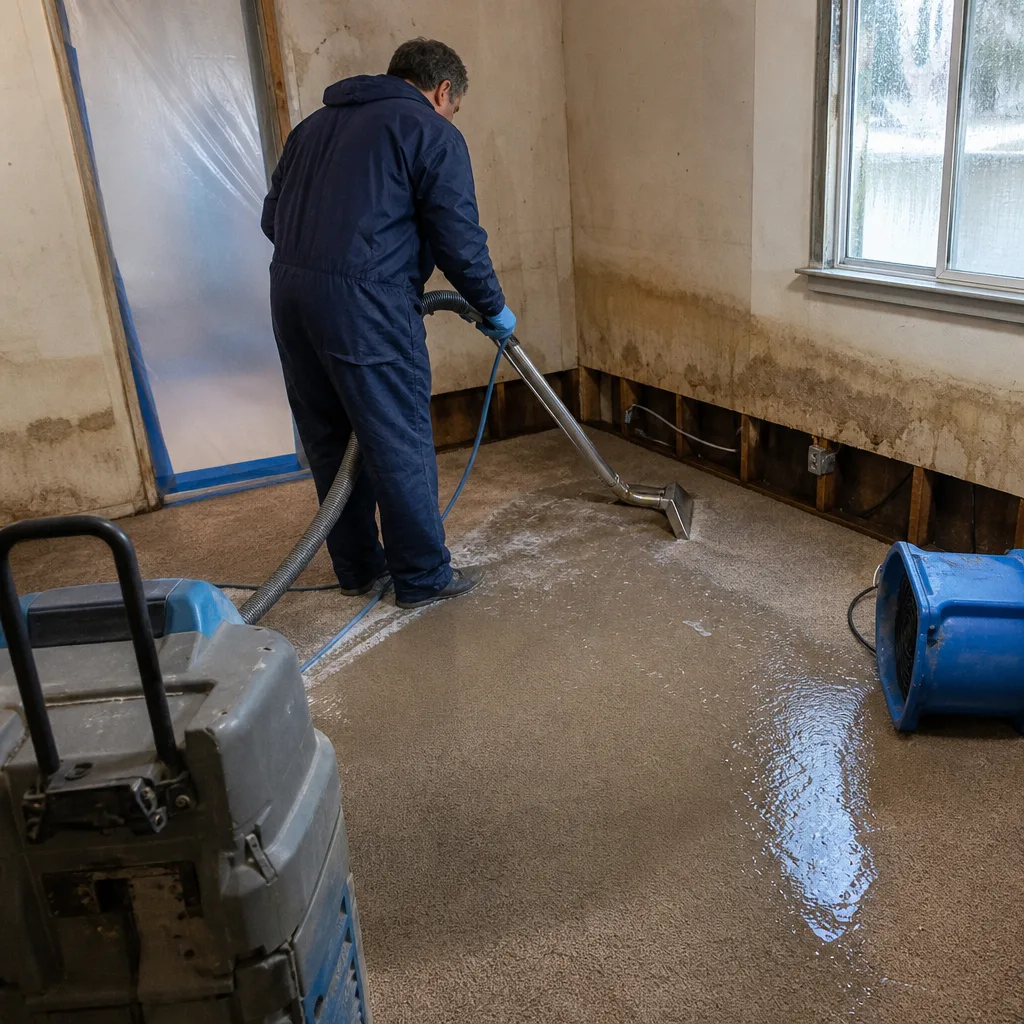
Most Venice water damage we document doesn’t start with weather. It starts with a $15 hose or a $200 valve. The failure intervals are predictable; the damage they cause is not.
Dishwasher Supply Lines
Plastic braided supply lines, common in installations from 2005-2018, have an average functional lifespan of 8 years in Venice’s water chemistry. The chloride content in municipal water accelerates polymer degradation. Stainless steel braided lines last 12-15 years but still fail at the crimp connections.
Inspection: Turn off the water supply. Disconnect the line at the dishwasher valve. Examine the braid for corrosion, the nut for cracks, and the rubber washer for compression set. Replace any plastic-braided line installed before 2016 regardless of visible condition. Cost: $15-30. Potential damage from failure: $8,000-25,000 in a Venice kitchen with custom cabinetry and stone countertops.
Washing Machine Hoses
Rubber hoses fail at 3-5 years; braided stainless at 8-10. But the more common failure point is the hose bib connection, where galvanic corrosion between dissimilar metals creates pinhole leaks that spray intermittently. In Venice’s hard water, mineral deposits often conceal the leak until the hose detaches entirely.
Inspection: Run the machine through a fill cycle. Examine both hose ends with a flashlight during fill and drain. Any seepage, mineral staining, or hose ballooning warrants immediate replacement. Consider installing lever-operated ball valves and floodstop sensors; the sensor shuts off water when it detects flow without machine operation.
Under-Slab Radiant Systems
Venice has seen significant remodeling of 1920s-1960s homes, many with under-slab hydronic heating added during renovation. These systems fail at manifold connections and at points where the slab was penetrated for plumbing or electrical after the radiant installation.
The warning signs are subtle: warm spots on tile (normal), then cold spots (circulation loss), then efflorescence at slab edges (leak). By the time water reaches the surface, the sub-slab saturation is extensive. We’ve documented radiant leaks in Venice homes where the moisture spread 40 feet from the source point, saturating hardwood flooring that appeared dry at the surface.
Baseline documentation for radiant systems: Infrared photography during heating season establishes normal thermal patterns. Any future cold spot deviation of more than 5°F from baseline warrants professional leak detection with acoustic or thermal imaging equipment.
Water Heater Tanks
Standard tank water heaters in Venice fail at 8-12 years, earlier if the anode rod was never replaced. The failure mode matters: a slow tank seam leak causes gradual damage; a bottom blowout floods the area in minutes. The T&P valve discharge line should terminate visibly; a hidden termination means you won’t know the valve has been releasing pressure until you find the damage.
Refrigerator Ice Maker Lines
The most underestimated leak source. Plastic saddle valves pierce copper supply lines and create stress concentration points. In Venice’s seismic zone, minor tremors flex these connections. We’ve documented ice maker line failures that ran undetected for weeks behind built-in refrigerators, destroying subflooring and the cabinets on both sides.
Written Sign-Off Format for Defensible Maintenance Records
A checklist you complete and file is evidence. A checklist you complete and forget is hobby. This format turns your inspection into a record that supports insurance claims, warranty disputes, and property sale disclosures.
DryMark Restoration Venice - Home Water Damage Prevention Record
Property Address: _______________________ Venice, CA 90291
Inspection Date: _______________________
Inspector (self or professional): _______________________
Weather Past 14 Days: _______________________
Section A: Moisture Readings
| Location | Reading | Meter Type | Normal Range | Action Needed |
|---|---|---|---|---|
| Pier-and-beam subfloor, front | _____% | Pin / Pinless | 14-18% | Y / N |
| Pier-and-beam subfloor, rear | _____% | Pin / Pinless | 14-18% | Y / N |
| Interior drywall, west wall | _____% | Pin / Pinless | 12-16% | Y / N |
| Interior drywall, east wall | _____% | Pin / Pinless | 12-16% | Y / N |
| Ceiling below parapet, front | _____% | Pin / Pinless | <15% | Y / N |
| Ceiling below parapet, rear | _____% | Pin / Pinless | <15% | Y / N |
| Sill plate, accessible | _____% | Pin / Pinless | 12-16% | Y / N |
Section B: Visual Inspection
- Foundation sill plates: No staining / Staining noted at: _______________
- Crawl space vapor barrier: Intact / Torn / Missing / Standing water
- HVAC condensate: Visible discharge / Clogged / Not operating
- Weep screeds: Clear / Blocked / Buried / Corroded
- Parapet flashing: Intact / Rust streaks / Membrane separation
Section C: Appliance Status
- Dishwasher supply line: Plastic braided / SS braided / Date installed: _____
- Washing machine hoses: Rubber / SS braided / Date installed: _____
- Water heater: Install date _____ / Last anode rod: _____
- Ice maker line: Saddle valve / Proper valve / Date inspected: _____
Section D: Photos
Photo file names or cloud links:
_________________________________
_________________________________
_________________________________
Inspector Sign-Off: I confirm the above readings were taken on the date stated with calibrated equipment, and photos were date-stamped at capture.
Signature: _______________________ Date: _______________________
Store this record with your homeowner’s insurance policy, property survey, and any contractor warranties. Update quarterly for Section A, annually for Sections B and C. If you file a water damage claim, provide this record to your adjuster immediately. It demonstrates due diligence and provides the pre-loss baseline that separates covered sudden damage from excluded long-term conditions.
For properties with mold remediation in Venice history, maintain these records for 5 years minimum; insurers may request documentation of proper drying and remediation completion.
How Maintenance Records Affect Insurance Claims in Venice
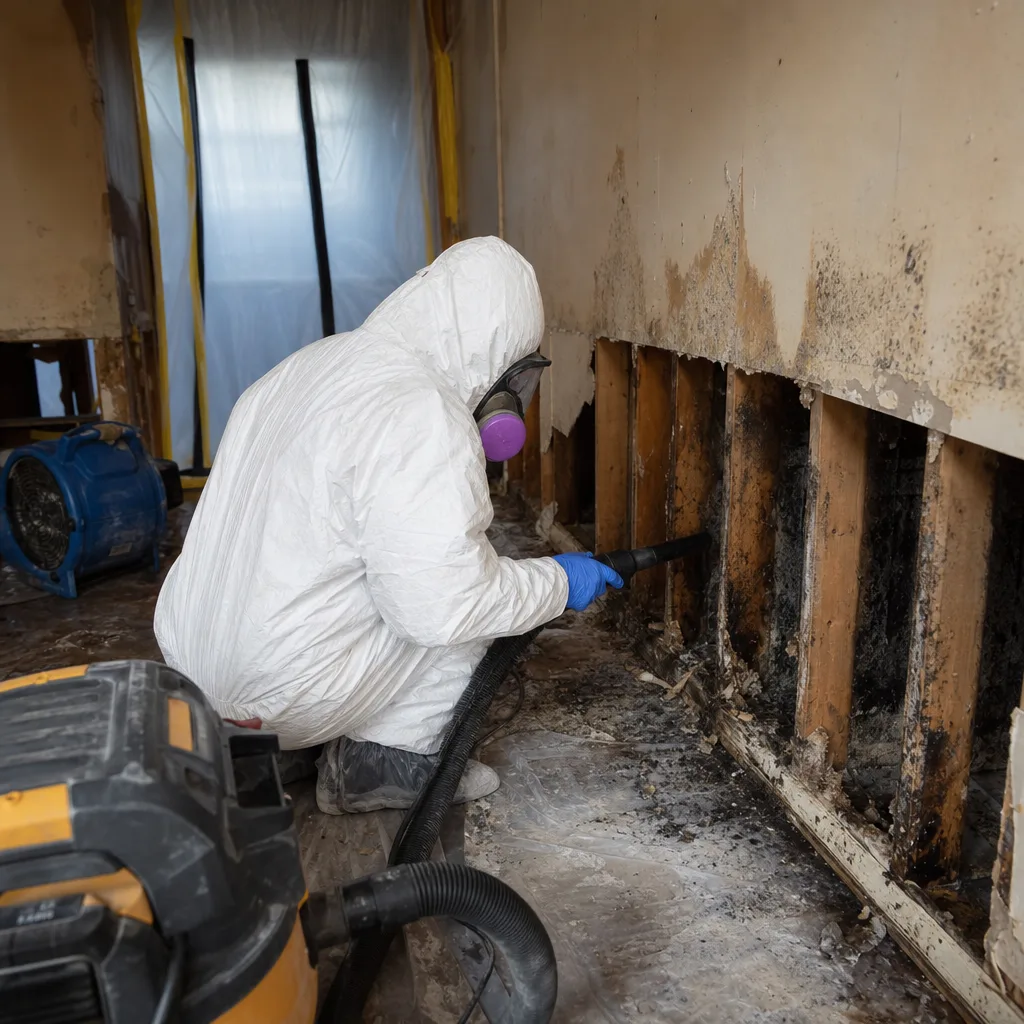
California insurance law distinguishes between “sudden and accidental” water damage and damage caused by “constant or repeated seepage or leakage.” The latter is excluded in most standard homeowner policies. The distinction is factual, not interpretive, and your maintenance records provide the facts.
We’ve reviewed thousands of claim files since 2011. The pattern is consistent: adjusters deny when they can plausibly attribute damage to long-term neglect, and they pay when the timeline is documented. A moisture reading of 14% on your sill plate six months before a supply line failure, followed by our drying log showing 45% at the same point after the failure, tells a clear story. No baseline documentation leaves the timeline open to dispute.
Venice’s insurance market has tightened since 2020. Several carriers have exited the California market entirely; remaining carriers scrutinize claims more closely. A documented maintenance record is now a practical necessity, not an excess of caution.
When we perform water damage restoration at your Venice home, we produce documentation to IICRC, RIA, and IFA standards: daily moisture logs, photo records, psychrometric data showing vapor pressure differential and specific humidity, and a written scope before any work begins. Haven Standard, Clause 1. This documentation, combined with your maintenance records, creates a complete file that moves through claim review without the back-and-forth that delays payment by weeks or months.
Psychrometric data, for those unfamiliar: it’s the measurement of air’s moisture-carrying capacity, expressed as grains per pound or specific humidity. We use it to prove that our drying equipment is achieving the conditions necessary for evaporation, not just running. A dehumidifier operating in a closed room without achieving target vapor pressure differential is wasting electricity, not drying structure. Our logs prove the difference.
Common Mistakes to Avoid
- Using a single “normal” number for all materials. Drywall at 12% is normal; wood subfloor at 12% in a Venice crawl space is unusually dry and may indicate meter error or a leak path that’s ventilating the area. Always compare to material-specific baselines.
- Inspecting only after rain. Venice’s most damaging moisture conditions often follow fog events, not rain. Marine layer saturation penetrates stucco and roof assemblies differently than rainfall. Inspect after extended fog (3+ days) as diligently as after storms.
- Ignoring the crawl space because it’s unpleasant. In Venice’s pier-and-beam housing stock, the crawl space is where problems start and where they’re most expensive to fix. Sill plate rot, vapor barrier failure, and condensate line leaks all manifest there first. A headlamp and coveralls cost $40; foundation repair costs $15,000-40,000.
- Replacing hoses on visible condition alone. A stainless steel braided hose can look perfect externally while the interior liner has cracked from pressure cycling. Follow age-based replacement intervals regardless of appearance.
- Documenting without date stamps. A photo of dry subflooring proves nothing if you can’t establish when it was taken. Enable date stamps on your camera; use email or cloud storage that records upload time; keep the maintenance record form with dates.
- Assuming new construction is exempt. Venice’s rapid remodeling market has produced many homes with new finishes over original structures. A new kitchen doesn’t mean new plumbing paths; a new stucco job doesn’t mean proper weep screed installation. Inspect the assembly, not the finish date.
- Waiting for visible water before acting. By the time water is visible, the damage is advanced. Moisture meters detect problems at the threshold where intervention is still preventive, not restorative. The $100 meter purchase pays for itself if it prevents one insurance deductible.
When to Call a Professional
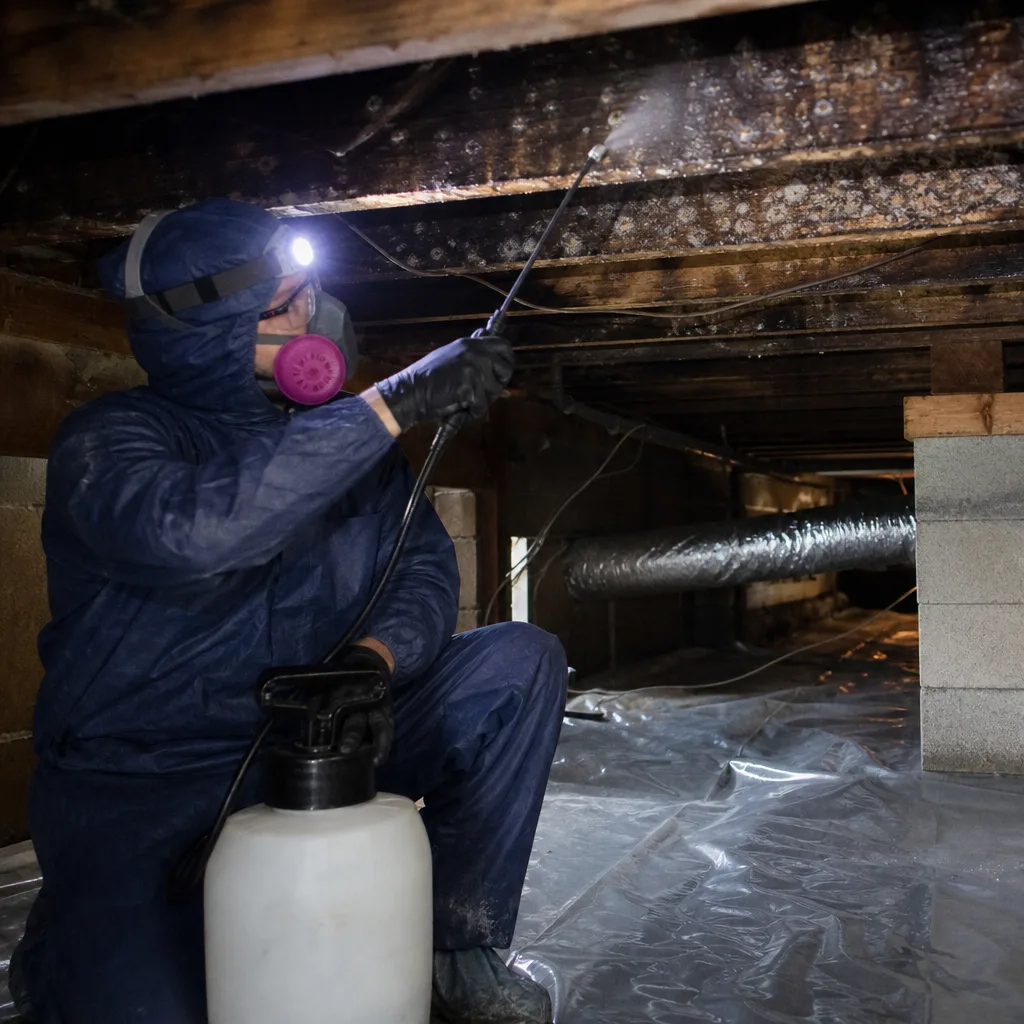
Call for professional assessment when: moisture readings exceed the action thresholds in this guide by more than 2 percentage points; you find mold growth of any color on any surface; a water source is active and you cannot locate or stop it; there is sewage involvement or gray water contamination; or the affected area exceeds 10 square feet and involves structural materials (subfloor, wall framing, ceiling assembly).
Do not attempt to dry Category 2 or 3 water (dishwasher discharge, washing machine overflow, toilet backup, or any water that has passed through building materials) with household equipment. The contamination risk and the structural drying requirements exceed what consumer dehumidifiers can achieve. Professional-grade drying systems from Dri-Eaz, Phoenix, and Injectidry achieve the air movement, temperature, and dehumidification capacity necessary for IICRC-standard structural drying.
DryMark Restoration Venice offers free estimates in Venice. Call (424) 372-0129. Every job is quoted in writing before work begins, documented with a photo record on every visit, and covered by the 365-Day Done Right Promise under The Haven Standard. We also provide a Free Second Opinion on any competitor’s written estimate; bring their scope and we’ll review it at no charge.
Frequently Asked Questions
Inspect the five canal-adjacent points quarterly, appliance connections annually, and flat-roof parapets after any wind event above 35 mph or annually minimum. Document each inspection with dated photos and moisture readings. Call (424) 372-0129 for a free estimate if any reading exceeds your established baseline by more than 2 percentage points.
Probably not, if the insurer can demonstrate the damage resulted from long-term neglect rather than a sudden event. California policies exclude “constant or repeated seepage or leakage” and require policyholders to maintain the property. Your documented maintenance record establishes that you met this duty and that the damage was sudden and accidental. Without records, the denial risk increases substantially.
Appliance supply line failures, specifically dishwasher plastic-braided lines at their 8-year average lifespan and washing machine hose bib connections corroded by galvanic reaction. Weather-related damage is less common than supply plumbing failures in Venice’s housing stock. The second most common is flat-roof parapet flashing failure in ocean-facing properties.
Test against a known dry sample: a piece of lumber stored indoors for 30+ days should read 10-12% on a pin meter calibrated for softwood. If your meter lacks species calibration settings, add 2-3 percentage points to readings on hardwood subfloors. Replace the meter’s pins annually; bent or corroded pins give false low readings by reducing penetration depth.
Yes, if completed consistently with dated photos and stored with cloud backup. The signed format in this guide is designed for claim support. For maximum defensibility, have a professional restoration company perform an annual baseline inspection and provide their documented report. DryMark Restoration Venice provides these inspections with written scopes and photo records as standard practice.
Water damage restoration addresses the moisture source and dries affected materials to prevent microbial growth. Mold remediation in Venice addresses existing mold contamination through containment, removal, and clearance testing. The processes overlap: proper water damage restoration prevents mold; mold remediation requires identifying and fixing the moisture source that enabled growth. Both require documentation to IICRC standards for insurance purposes.
The Bottom Line
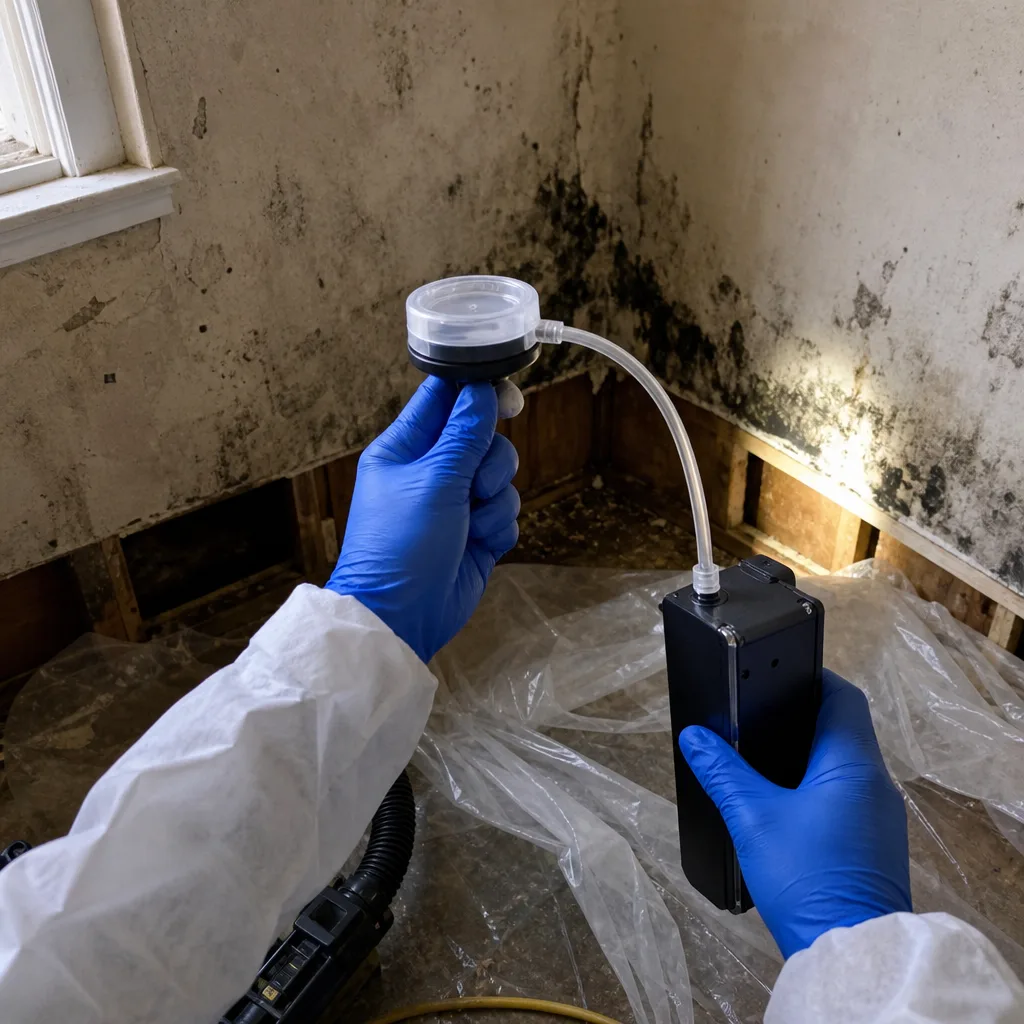
Water damage prevention in Venice is not about checking boxes on a calendar. It’s about knowing the specific numbers that define normal for your home’s construction type and location, inspecting the five points where canal-adjacent properties fail, replacing appliances on age-based intervals regardless of appearance, and documenting everything so a future claim has a pre-loss reference. The homeowners who fare best after a water loss are those who can prove what was dry before the event. This checklist gives you that proof. Update it quarterly, store it with your insurance records, and call for professional assessment when readings deviate from your baseline. The cost of prevention is measured in hundreds of dollars and a few hours annually. The cost of documentation failure is measured in denied claims and unnecessary reconstruction.
Written by Alicia Brennan, Owner at DryMark Restoration Venice, serving Venice since 2011.