
Last updated September 23, 2026
Free visual inspection and a written scope of work before any mitigation begins - photos, moisture readings, and drying logs go in your claim file
The scope we write is the scope we bill. Anything new gets shown to you, in writing, before we touch it.
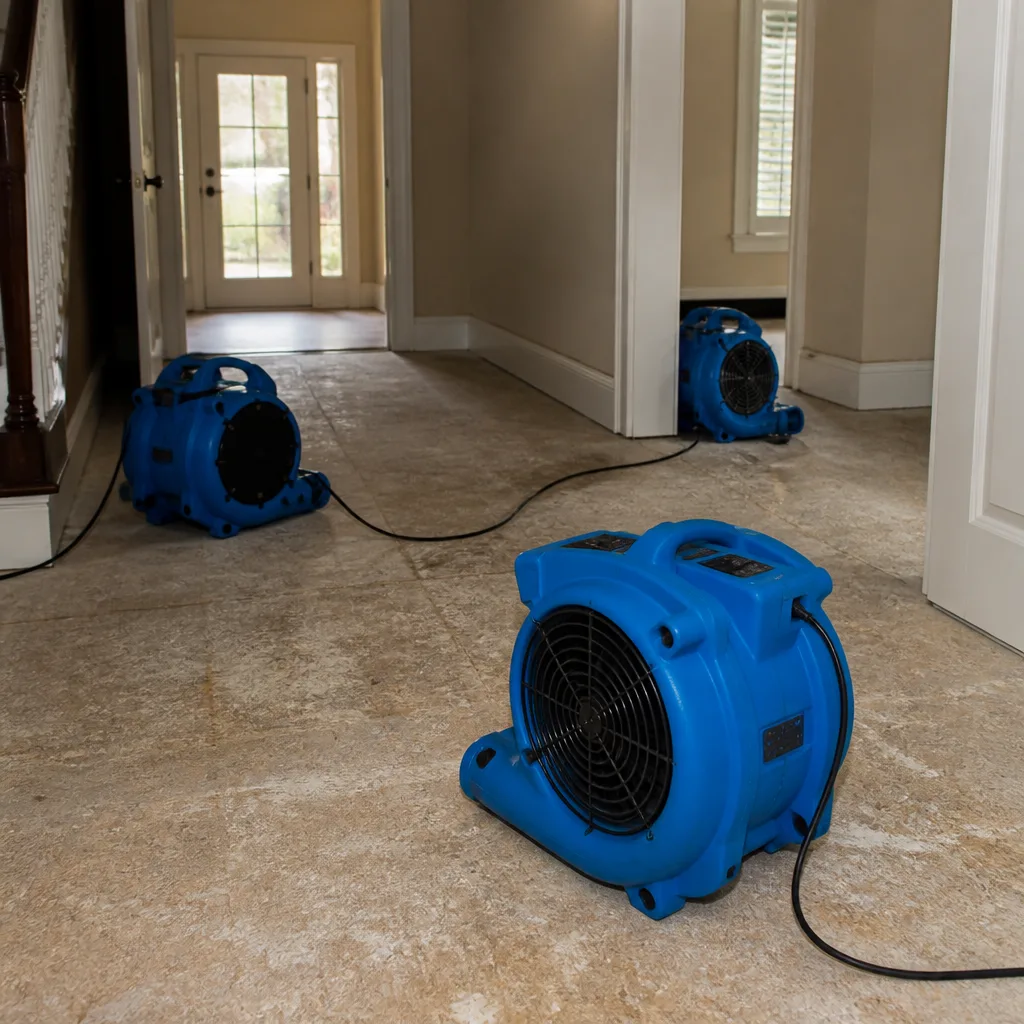
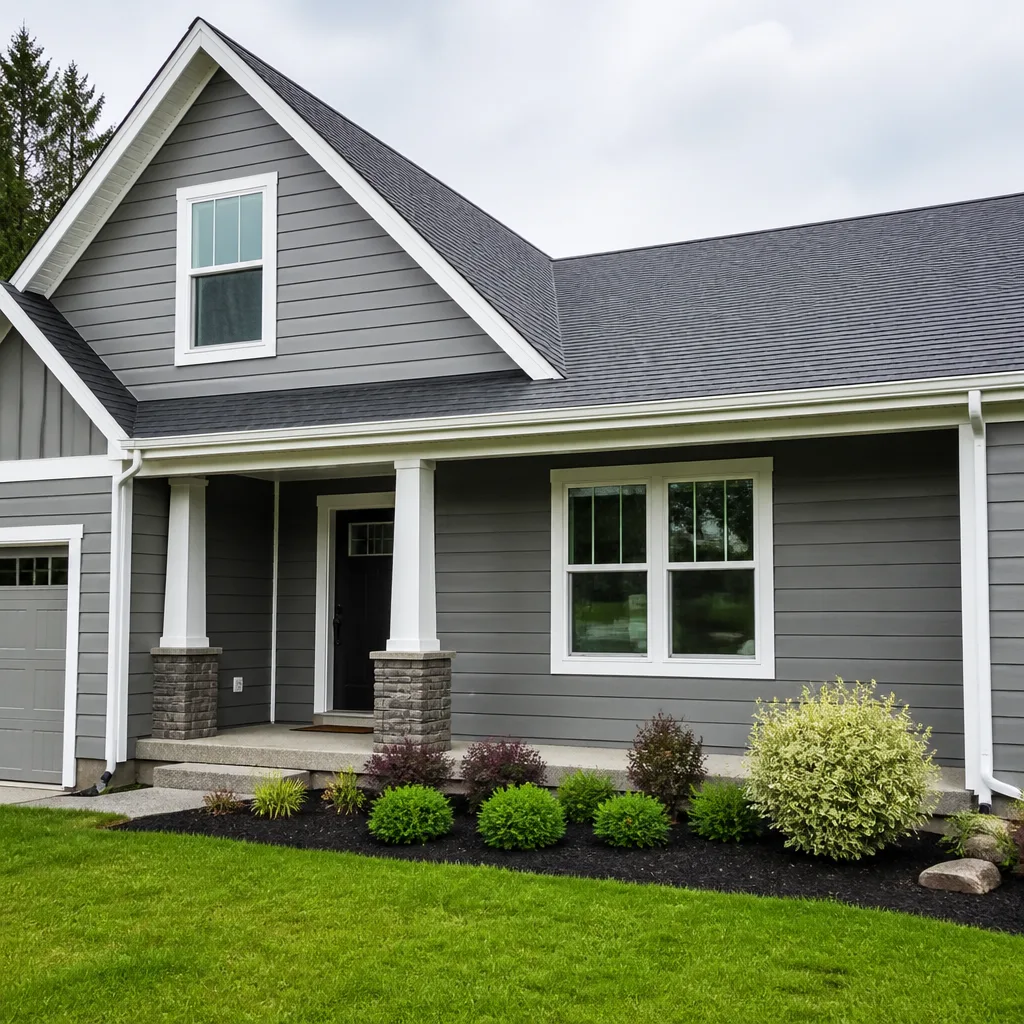
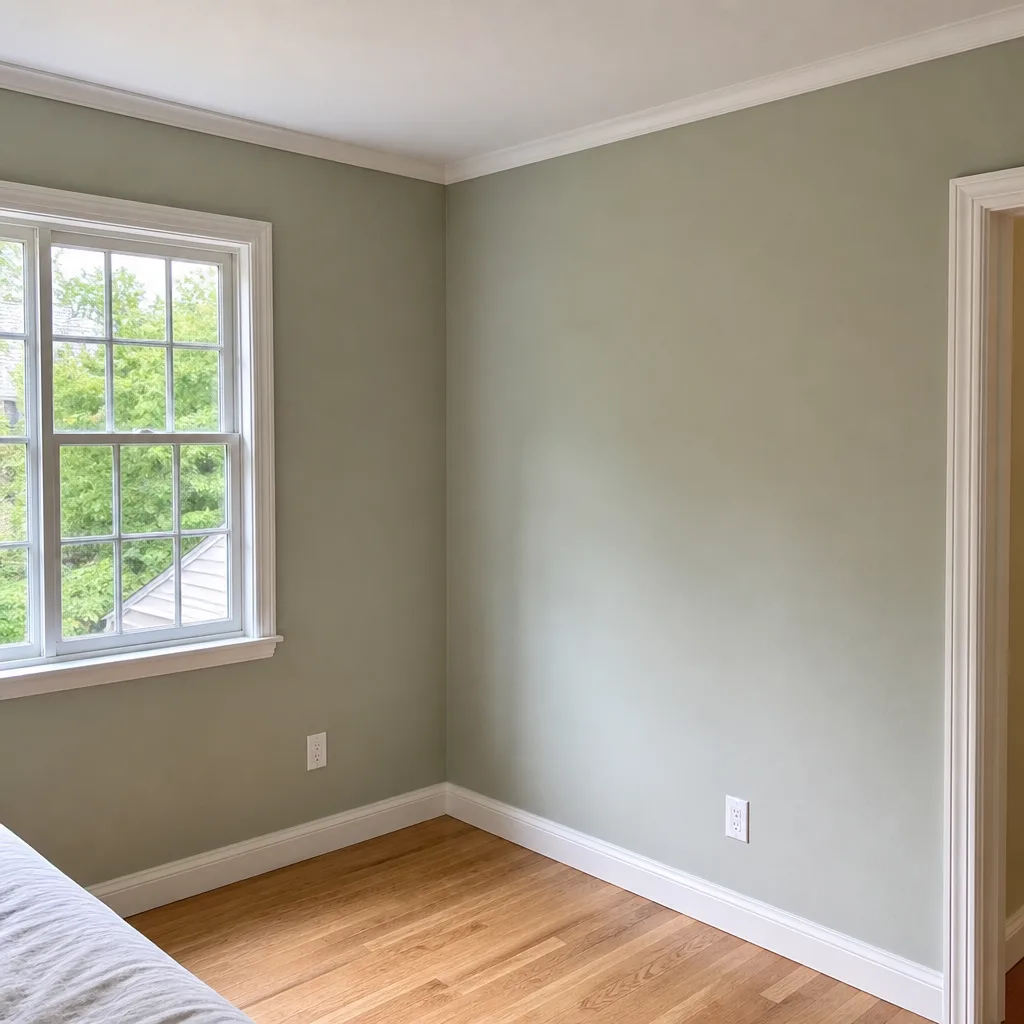
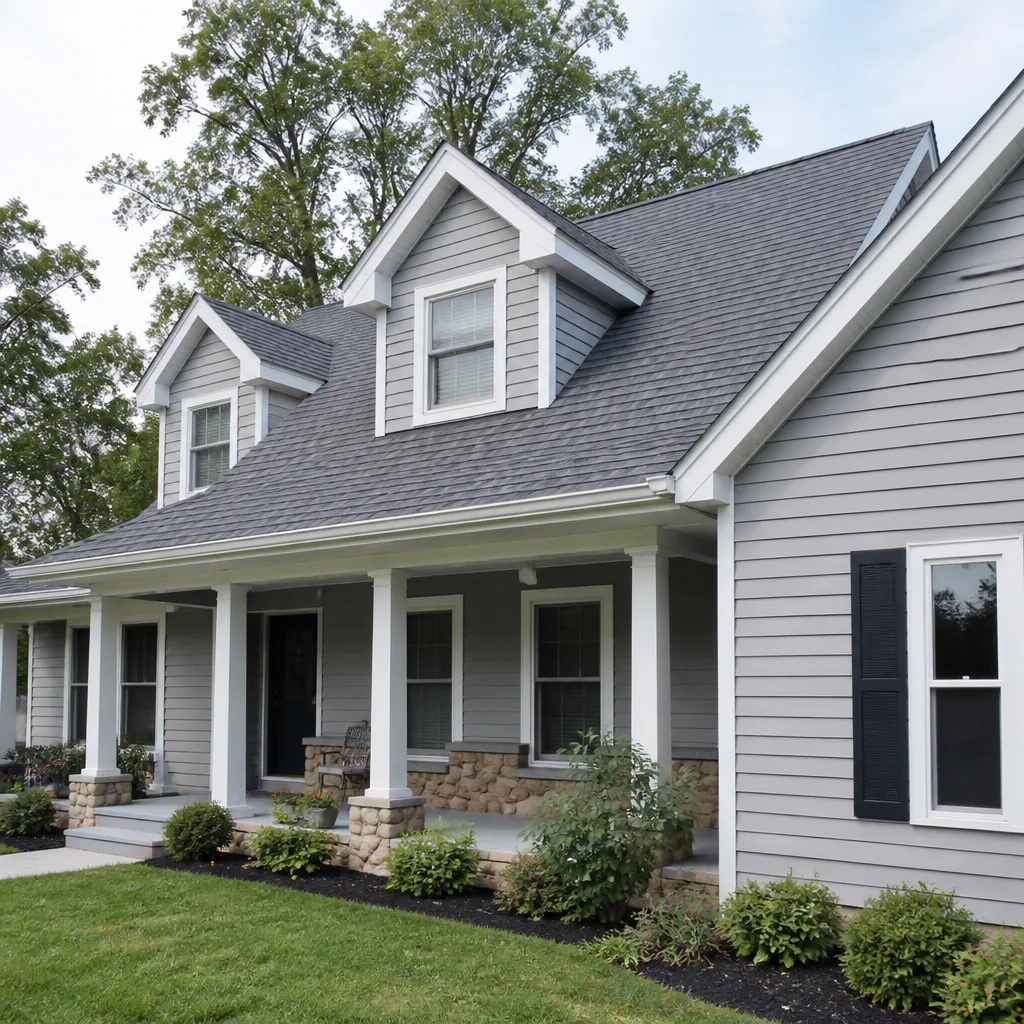
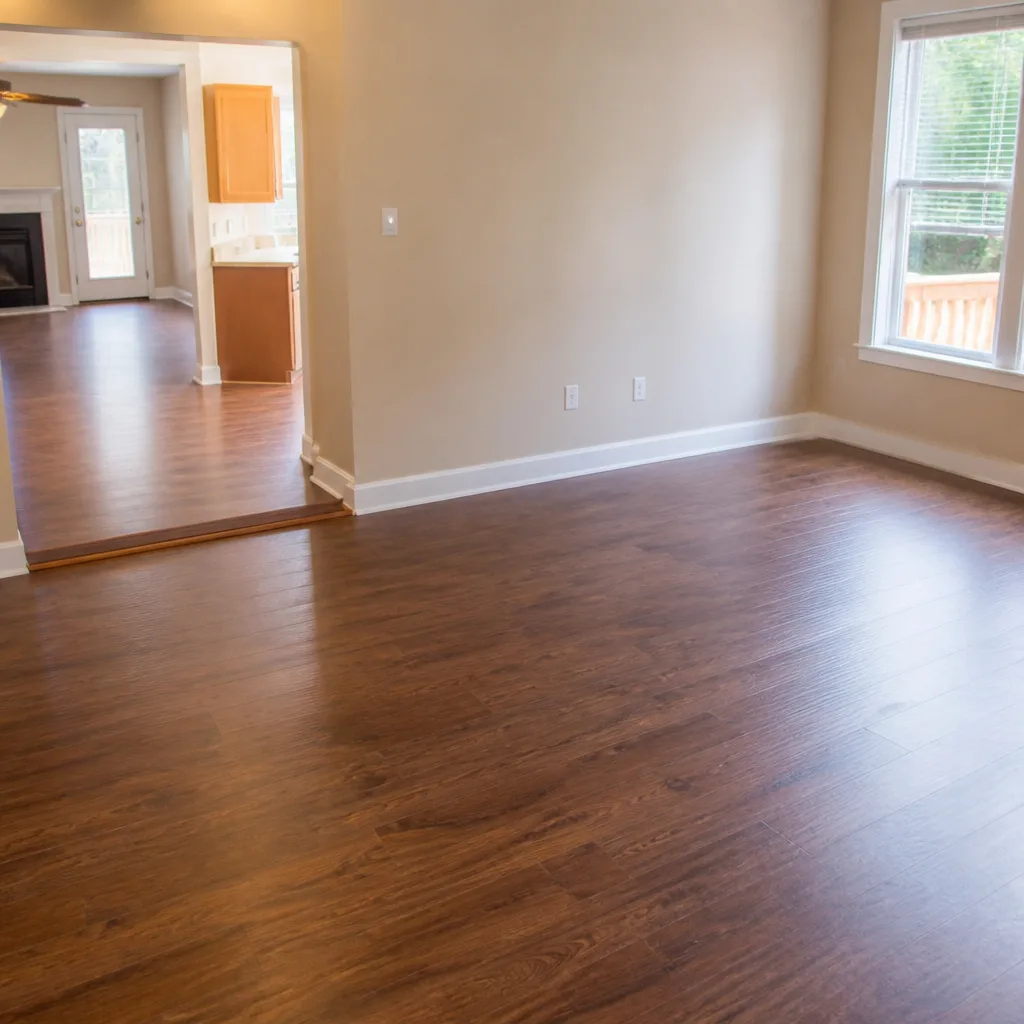

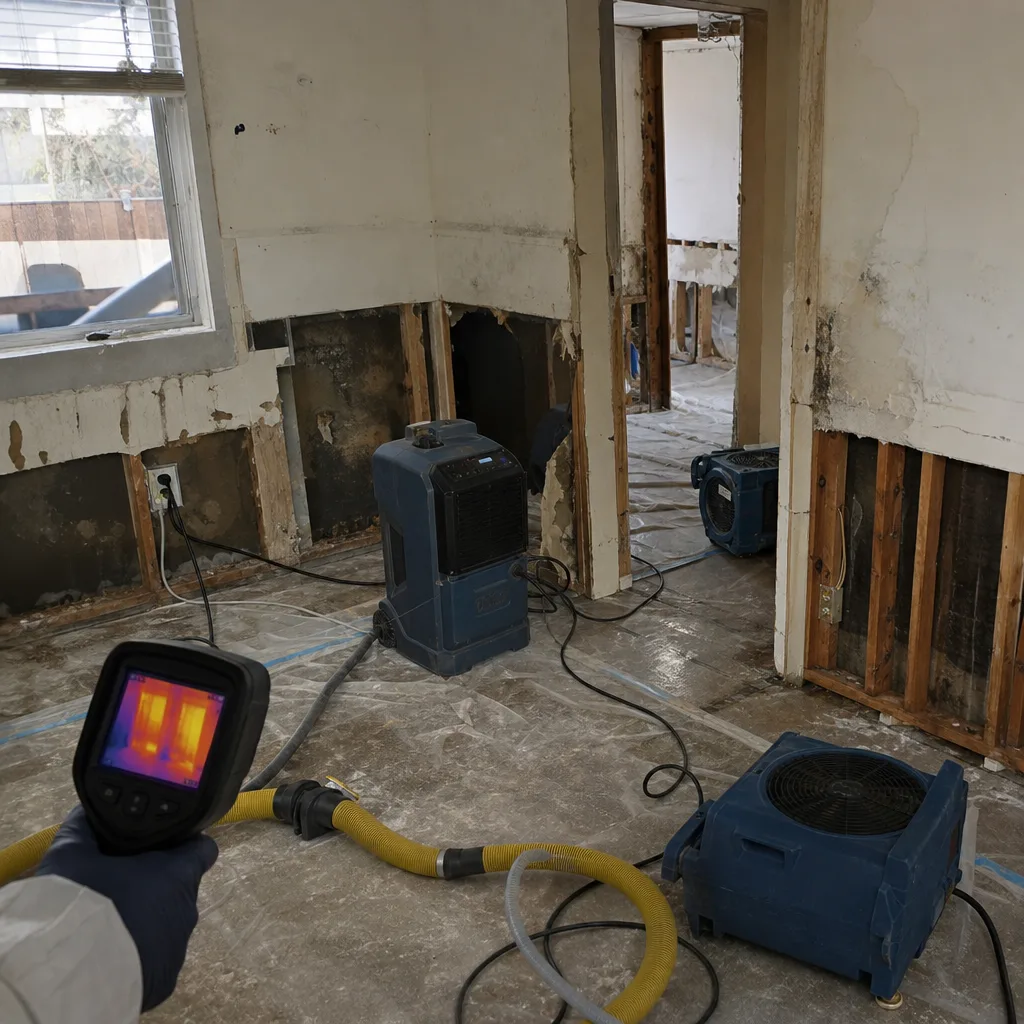 Before
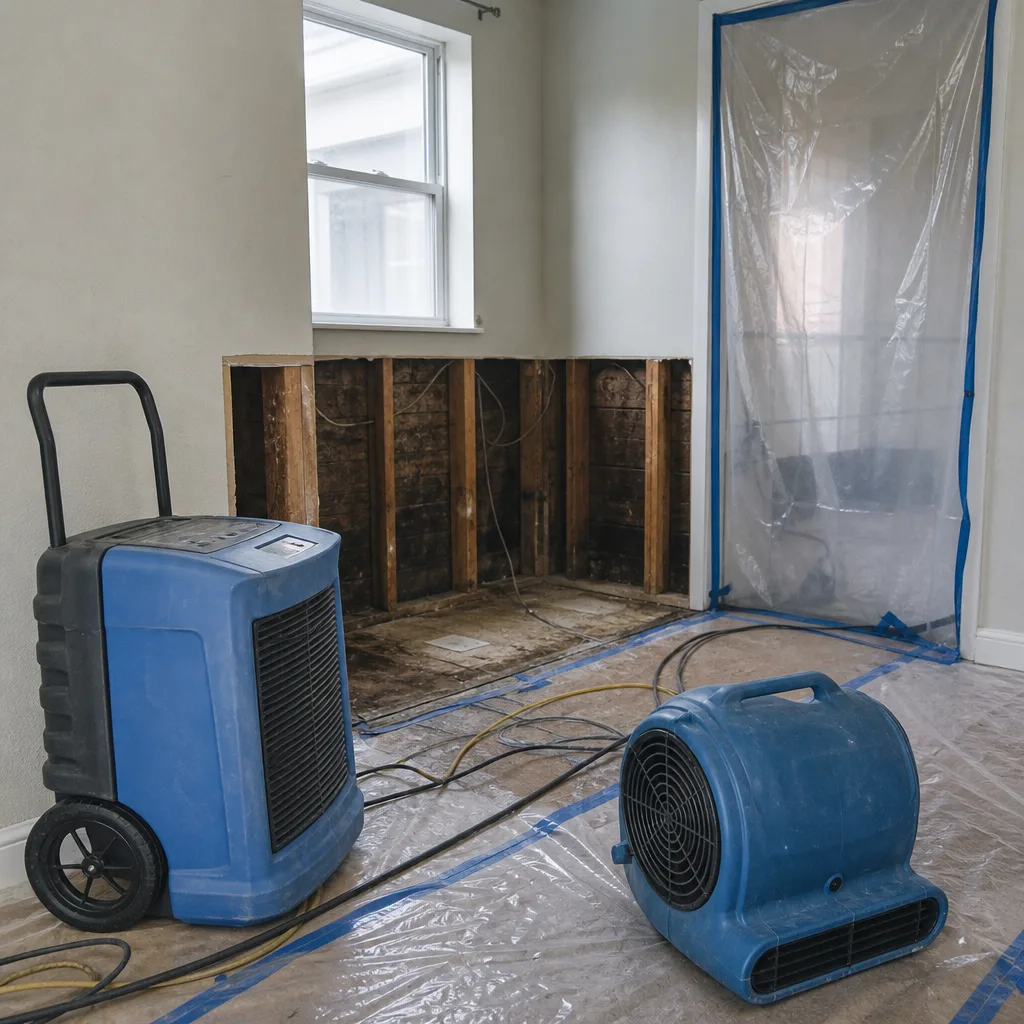 After
After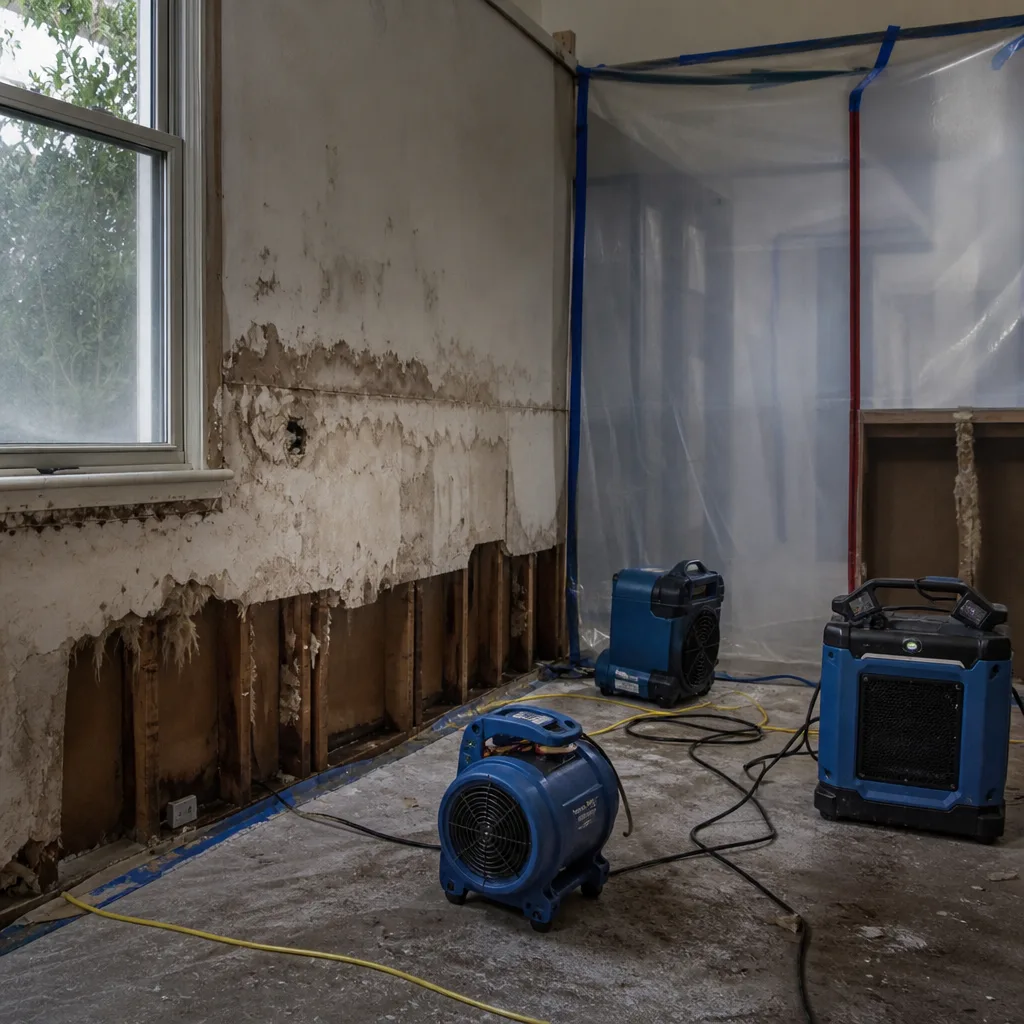 Before
 After
After Before
 After
AfterDIY vs Professional Damage Restoration: The Venice Homeowner’s Decision Guide
California Insurance Code §2695.7 requires insurers to accept restoration work that meets the IICRC S500 standard regardless of who performed it. But “meeting the standard” means producing psychrometric data and daily moisture logs, not just achieving a dry result. A homeowner in Venice with a box-store dehumidifier and no data logger has done the work and lost the evidence simultaneously. In this guide and our more guides & resources, we’ll walk through when self-remediation is genuinely appropriate, when it creates uninsurable liability, and what documentation gap most Venice homeowners don’t discover until they’re selling their property or filing their next claim.
Quick Answer
DIY damage restoration in Venice is appropriate only for Category 1 water losses under 10 square feet with no structural penetration, no insurance claim, and no permit trigger. For everything else, professional restoration is required because the IICRC S500 standard demands documented psychrometric data that consumer equipment cannot produce, and California’s mold disclosure law makes inadequate drying a future liability for property sellers.
Table of Contents
- What California Law Actually Requires from Any Restoration Work
- The Four Venice Water Loss Scenarios Where DIY Is Genuinely Appropriate
- The Documentation Gap: Why “Dry” Isn’t Enough for Insurance
- Equipment Reality: What Consumer-Grade Tools Actually Deliver
- The Mold Disclosure Trap: How DIY Drying Becomes a Selling Liability
- Go/No-Go Decision Matrix: Four Binary Questions
- Cost Comparison: Real Venice Pricing for Both Paths
- Common Mistakes to Avoid
- When to Call a Professional
- Frequently Asked Questions
- The Bottom Line
 Before
 After
AfterWhat California Law Actually Requires from Any Restoration Work
California Insurance Code §2695.7 governs how insurers must handle property damage claims, and it contains a provision most homeowners miss: insurers must accept restoration work that meets industry standards, but the burden of proving that standard rests with whoever performed the work. The prevailing standard for water damage is IICRC S500, which defines “properly dried” through specific, measurable data points recorded at each visit.
Here’s what that means in practice. The S500 standard requires documentation of:
- Temperature readings at multiple points in the affected area
- Relative humidity (RH) percentages, not just “feels dry”
- Grains per pound (GPP) of moisture in the air, a measure of actual water vapor density
- Material moisture content (MMC) for each affected substrate, measured with calibrated pin or pinless meters
- Vapor pressure differential between the wet material and the surrounding air, which determines whether moisture is actually leaving the material or just redistributing
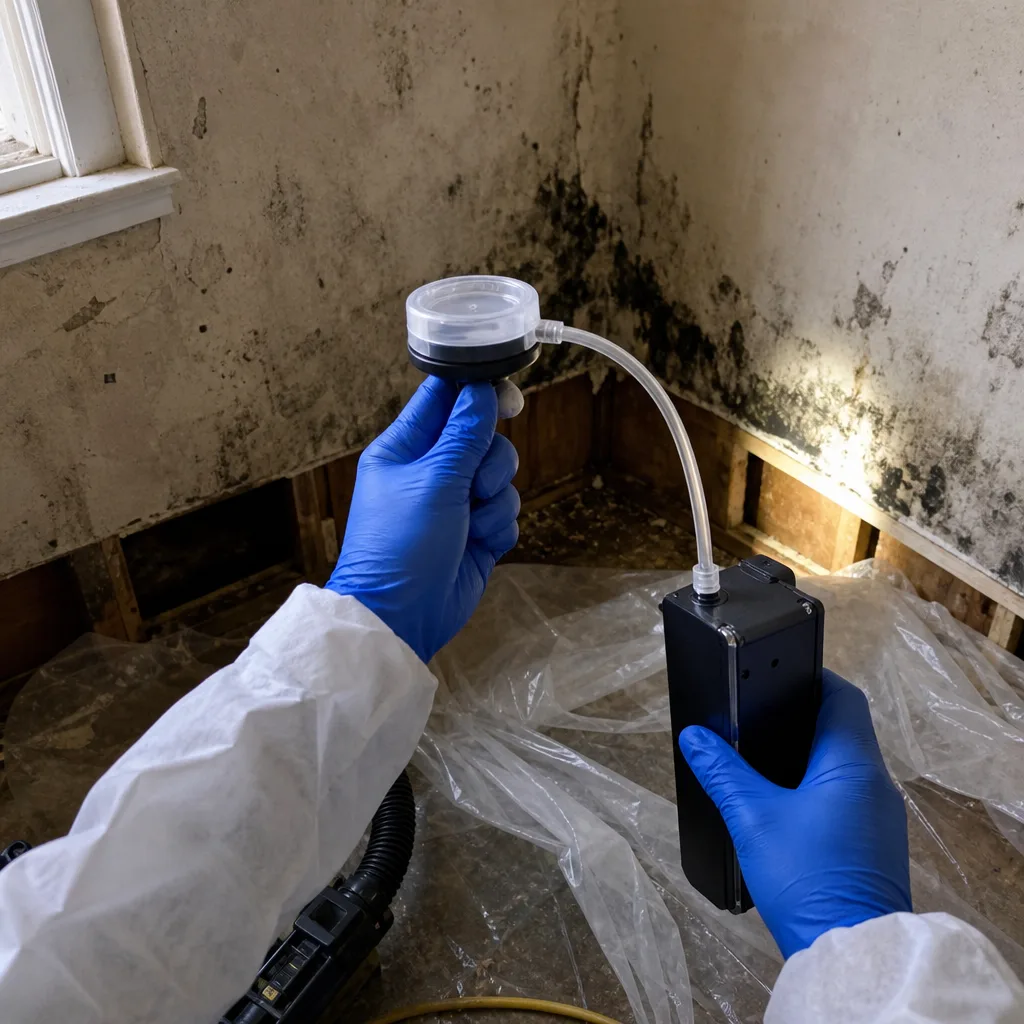
These data points form a psychrometric record, a term that simply means “the measurable behavior of air and moisture in a space.” Without this record, there is no defensible proof that drying occurred according to standard. A homeowner who self-dries a kitchen in Venice’s Venice Canals neighborhood and later discovers mold behind the cabinets has no documentation to prove the initial loss was handled properly. The insurer can, and often does, classify the mold as a maintenance issue or pre-existing condition, denying coverage.
We’ve reviewed hundreds of claims files at DryMark Restoration Venice home, and the pattern is consistent: the denial isn’t about whether drying happened, but whether it was documented. A box-store dehumidifier running for three days might have dried the visible surface. Without daily moisture logs showing the cavity behind the drywall reached below 16% moisture content for wood framing, the work is unprovable.
The Four Venice Water Loss Scenarios Where DIY Is Genuinely Appropriate
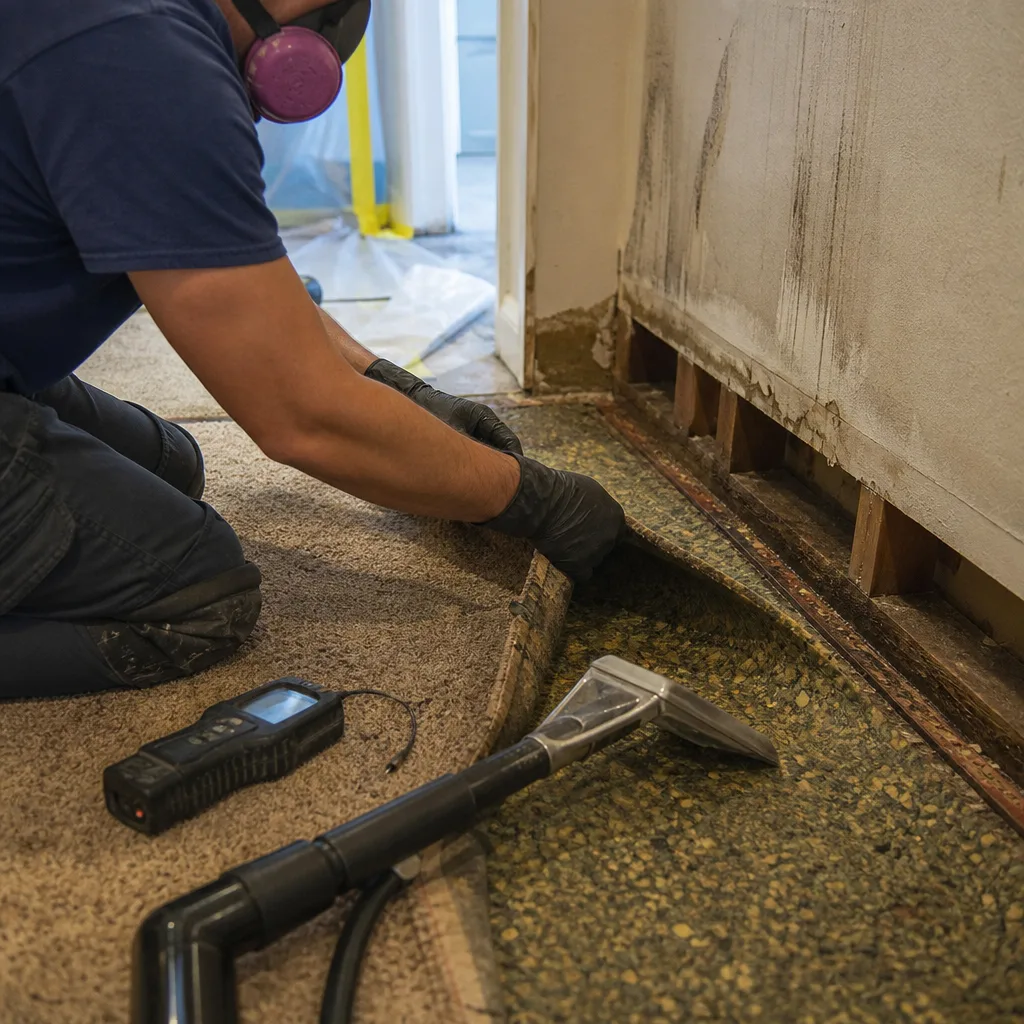
Not every water loss requires professional intervention. In Venice’s mild coastal climate, where average humidity hovers around 65% year-round, natural evaporation is slower than inland areas but still manageable for very small, clean losses. Here are the four scenarios where self-remediation is defensible:
- Category 1 water, under 10 square feet, no structural penetration. Category 1 means clean water from a supply line, not a drain or appliance leak with potential contamination. Under 10 square feet of visible wet area, with no water that has seeped into wall cavities, under flooring, or into the subfloor. A spilled fish tank on sealed tile, wiped up within hours, fits this category.
- No affected assemblies that require disassembly. If water touched carpet pad, drywall, baseboards, or insulation, the drying standard requires removal or controlled airflow that DIY equipment cannot achieve. Surface-only wetting on non-porous materials is the limit.
- No insurance claim intended. The moment you file a claim, the insurer has the right to request documentation of proper drying. Self-remediation without IICRC-standard records creates a coverage gap that adjusters regularly exploit.
- No permit trigger. In Los Angeles County, including Venice, any repair involving drywall replacement over 100 square feet, electrical work, or plumbing modification requires a permit. If your drying process reveals damage that crosses this threshold, DIY documentation won’t satisfy the building department.
Venice’s older housing stock, particularly in the walk streets near Abbot Kinney and the canal districts, complicates even these scenarios. Many homes built before 1970 have no moisture barrier between slab and flooring, and the salt air accelerates corrosion in plumbing that can turn a Category 1 supply line leak into a Category 2 gray water event without visible warning. We’ve arrived at jobs in the Oakwood neighborhood where a homeowner’s “small leak” had been wicking through original redwood framing for weeks.
The Documentation Gap: Why “Dry” Isn’t Enough for Insurance
The central problem with DIY restoration is not skill or effort. It’s that the documentation required to make drying work defensible is equipment-dependent and methodology-specific. Insurance adjusters in California are trained to look for four elements in any restoration file, and missing any one creates a coverage vulnerability:
- Daily drying logs with psychrometric data. These show the progression of moisture removal over time, proving that drying was systematic rather than guesswork.
- Photo documentation with timestamps. Every visit must be photo-documented, showing equipment placement, moisture meter readings, and the condition of affected materials.
- Written scope of work agreed before work begins. Haven Standard, Clause 1: a written price before work starts. This prevents scope creep and establishes what was actually done.
- Certificate of completion with moisture verification. Final readings proving all affected materials returned to pre-loss moisture content or dry standard.
At Water Damage Restoration in Venice, we produce these documents as standard deliverables, not upsells. Our daily drying logs use Dri-Eaz and Phoenix equipment with built-in data logging, recording temperature, RH, and GPP automatically. The homeowner receives the complete file, and the insurer receives whatever portion they request.
A homeowner using consumer equipment has none of this. A typical box-store dehumidifier might display a single humidity percentage, but it doesn’t log data over time, doesn’t measure grain depression (the difference between indoor and outdoor moisture levels that determines drying effectiveness), and can’t produce the vapor pressure differential readings that prove moisture is leaving materials rather than just circulating. The result: a dry surface and a wet cavity, documented by nothing.
Equipment Reality: What Consumer-Grade Tools Actually Deliver
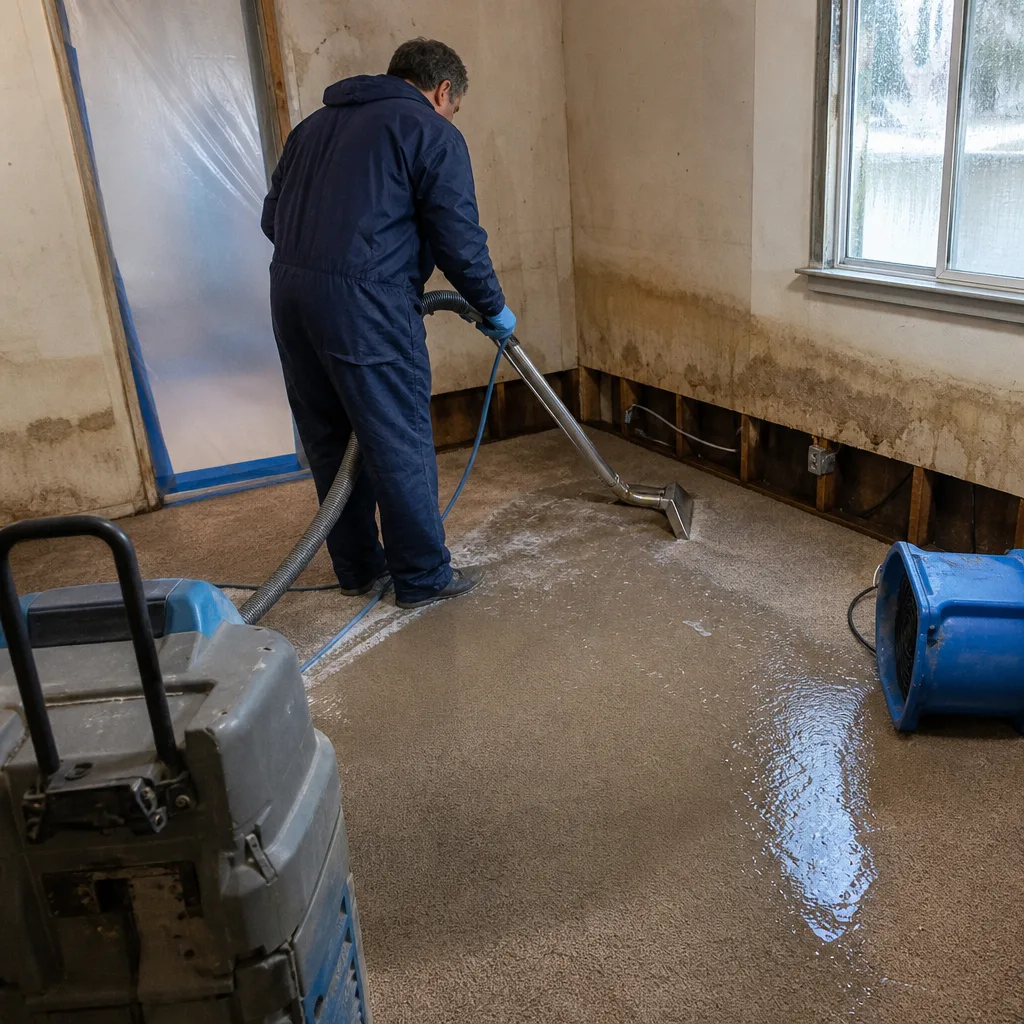
The equipment gap between DIY and professional restoration is measurable and significant. Understanding these numbers helps explain why self-remediation fails even when the homeowner is diligent.
Dehumidifier grain-per-day output: A typical consumer dehumidifier rated for 50 pints per day removes approximately 25,000 grains of moisture daily under ideal conditions (80°F, 60% RH). A professional LGR (low-grain refrigerant) dehumidifier like the Dri-Eaz Revolution removes 80,000+ grains per day, and continues extracting efficiently as humidity drops. In Venice’s coastal climate, where ambient humidity often starts above 60%, the consumer unit’s effective output drops by 30-40% while the LGR unit maintains performance.
Air mover CFM specifications: Drying requires air movement across wet surfaces to carry evaporated moisture to the dehumidifier. Consumer fans typically move 1,000-2,000 CFM (cubic feet per minute). Professional axial air movers from XPOWER or B-Air move 3,000-4,000 CFM with focused velocity profiles that lift moisture from carpet and subfloor. More critically, professionals use specific air mover placement patterns, one per 10-16 linear feet of wall, creating laminar airflow that consumer placement cannot replicate.
Moisture measurement accuracy: Pin meters from hardware stores measure surface moisture with limited penetration depth. Professional thermo-hygrometer arrays measure ambient conditions at multiple heights, while pinless meters with adjustable depth settings detect moisture through drywall and into framing. The critical measurement, material moisture content (MMC), requires species-specific calibration. Oak framing in a Venice Craftsman has a different dry standard than Douglas fir in a 1980s tract home. Professional meters carry these calibrations; consumer meters typically don’t.
Injection drying systems: For water trapped in wall cavities, professional crews use Injectidry systems that introduce controlled airflow through small access points, drying from the inside out. There is no consumer equivalent. A homeowner who doesn’t know this technology exists will leave cavities wet, often discovering the problem months later when mold appears or structural damage becomes visible.
The Mold Disclosure Trap: How DIY Drying Becomes a Selling Liability
California Health & Safety Code §17920.3 defines mold as a substandard condition that must be disclosed in any residential real estate transaction. This law creates a long-tail liability for Venice homeowners who self-remediate water losses without documentation.
Here’s the sequence we see regularly. A homeowner in the Silver Triangle or Milwood neighborhood handles a small leak themselves, believing it’s resolved. Two years later, they list the property. The buyer’s inspection finds elevated moisture or mold in a wall cavity. The seller must now disclose the prior water loss and any mold condition, or risk fraud liability. Without documentation proving proper drying to IICRC standards, the seller has no defense against claims of concealment or negligence.
The disclosure requirement applies to “known” conditions. A homeowner who self-dries without moisture verification doesn’t truly know whether the cavity reached dry standard. This uncertainty itself becomes a disclosure obligation. We’ve consulted on transactions where a $2,000 professional drying job, skipped years earlier, became a $15,000 remediation and price reduction at sale.
For Mold Remediation in Venice, we regularly receive calls from real estate agents and sellers who need documentation of prior losses. When the original work was professional and documented, we can often provide verification that clears the transaction. When it was DIY, there’s nothing to verify, and the seller faces either costly re-remediation or price concessions.
Go/No-Go Decision Matrix: Four Binary Questions
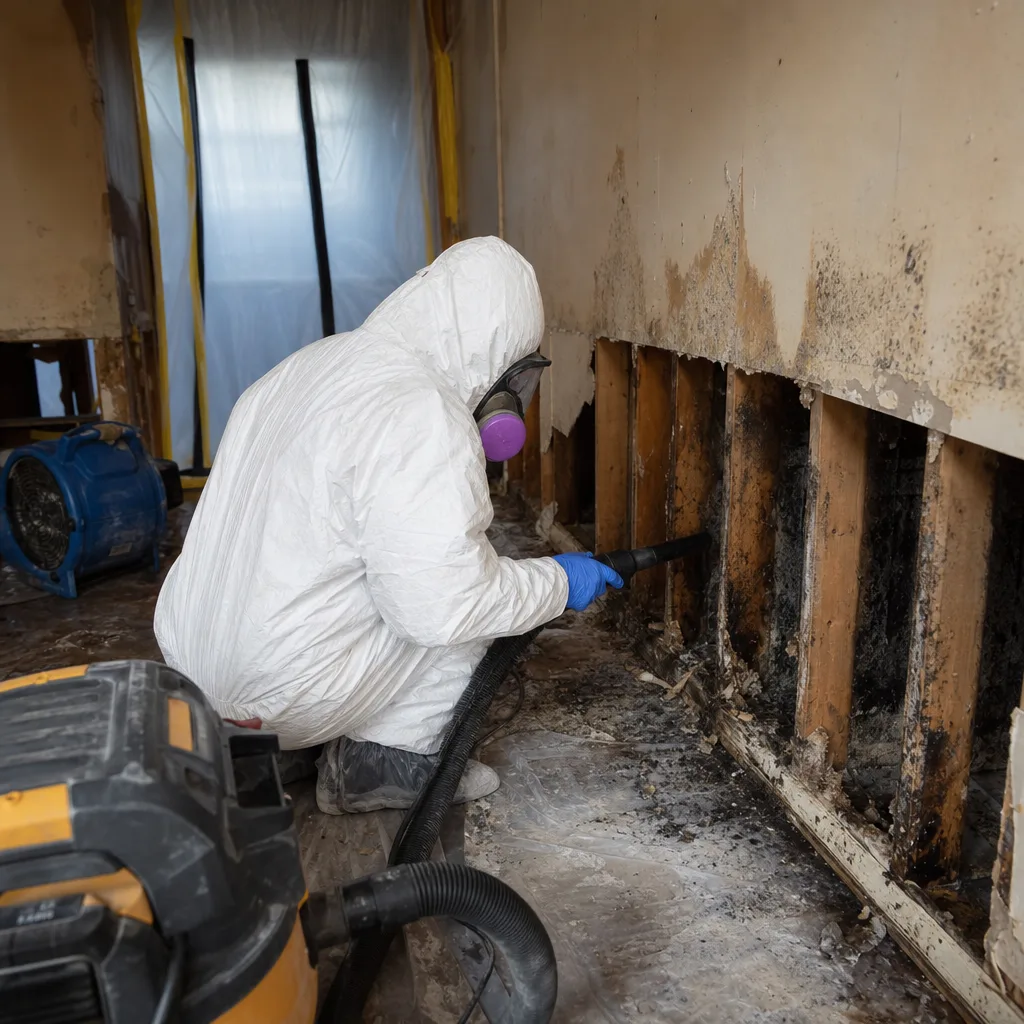
Use these four questions to produce a documented rationale for whichever path you choose. Answer each honestly. A single “yes” to questions 2, 3, or 4 means professional restoration is required for defensible results.
| Question | If Yes | If No |
|---|---|---|
| 1. Is this a Category 1 (clean water) loss under 10 square feet with no structural penetration? | DIY may be appropriate. Proceed to question 2. | Professional required. Category 2 or 3 water, or any structural penetration, demands documented remediation. |
| 2. Does any affected assembly require disassembly (carpet pad, baseboards, drywall, insulation)? | Professional required. Controlled demolition and drying are scope items requiring documentation. | Proceed to question 3. |
| 3. Will you file an insurance claim, or might you in the future? | Professional required. Self-remediation without IICRC documentation voids coverage arguments. | Proceed to question 4. |
| 4. Does the damage trigger a building permit (drywall >100 sq ft, electrical, plumbing)? | Professional required. Permit work requires licensed contractors and documented completion. | DIY is defensible with careful monitoring. Consider whether you can produce evidence of proper drying if future issues arise. |
In Venice’s rental market, this matrix has additional weight. Landlords who self-remediate tenant units and later face habitability claims have no documentation to defend their work. The same applies to homeowners association board members handling common area losses in Venice’s many multi-unit buildings.
Cost Comparison: Real Venice Pricing for Both Paths
Cost transparency is central to the Haven Standard, so we’ll name actual ranges. These reflect Venice’s market conditions, including labor costs, equipment availability, and the prevalence of older housing stock that complicates access and containment.
DIY path, genuinely appropriate scenario (Category 1, <10 sq ft, surface only):
- Consumer dehumidifier rental or purchase: $50-80/day rental, $200-350 purchase
- Air movers (2 units): $30-50/day rental each
- Moisture meter (basic pin type): $40-80
- Cleaning and antimicrobial supplies: $30-60
- Total DIY range: $150-300 for a 3-day dry
Professional path, minimum scope:
- Inspection and moisture mapping: $150-250
- Equipment setup and daily monitoring (3-day minimum): $800-1,400
- Photo documentation and drying logs: included in scope
- Written price before work begins: Haven Standard, Clause 1
- Total professional range: $950-1,650 for comparable small loss
The gap narrows significantly for larger losses. A 500-square-foot affected area with wall cavity involvement:
- DIY attempt (inadequate equipment, no documentation): $400-700 in rental equipment, plus eventual professional remediation when mold appears: $3,500-8,000
- Professional initial remediation with documentation: $2,800-4,500
For Fire & Smoke Damage Restoration in Venice, the DIY path is essentially nonexistent. Smoke damage involves acidic residues that continue degrading surfaces until properly cleaned, and the documentation requirements for insurance claims are even more stringent than water losses. The cost comparison here is professional restoration versus progressive property damage.
Common Mistakes to Avoid
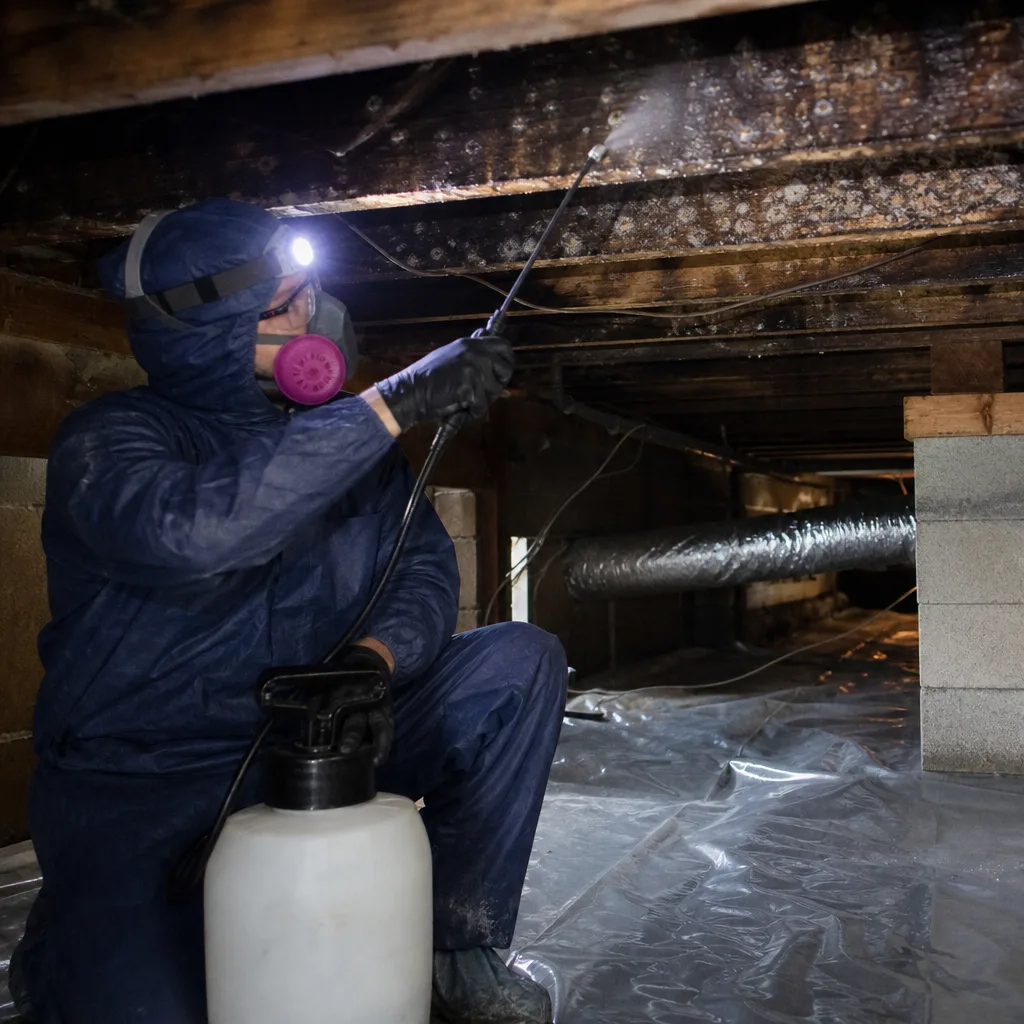
- Assuming visible dryness equals structural dryness. We’ve tested walls in Venice homes that looked and felt dry, showing 28% moisture content in the studs. Drywall can feel dry at 20% MMC while mold grows actively above 16%.
- Using bleach on mold. Bleach kills surface mold but leaves viable hyphae in porous materials. The water in bleach solutions can actually feed deeper growth. Proper remediation requires HEPA containment, negative air pressure, and removal of affected porous materials.
- Running a dehumidifier without air movers. Dehumidifiers reduce ambient moisture but don’t accelerate evaporation from wet materials. Stagnant air over wet carpet or subfloor creates a microclimate where mold establishes within 48-72 hours.
- Ignoring Venice’s coastal humidity baseline. Our average 65% ambient humidity means consumer dehumidifiers work harder and achieve less. A unit that performs adequately in Pasadena may barely maintain status quo in Venice.
- Failing to photograph the loss before any work begins. Insurance adjusters compare pre-loss and post-restoration conditions. No photos means no proof of damage extent, which means disputed claims and reduced settlements.
- Self-remediating after filing a claim. Once you invoke coverage, the insurer has a right to approve the method of restoration. Self-work without adjuster approval can void portions of your claim, even if the work was competent.
- Discarding damaged materials before documentation. Insurers require evidence of what was removed to justify replacement costs. The photo record on every visit, standard at DryMark Restoration Venice, exists precisely to prevent this dispute.
When to Call a Professional
Call a professional restoration company when any of these conditions apply: the water source is unknown or potentially contaminated; affected area exceeds 10 square feet or involves multiple rooms; water has penetrated walls, ceilings, or flooring assemblies; you intend to file an insurance claim; mold is visible or suspected; the loss involves fire, smoke, or sewage; or any building permit trigger is present. For help selecting the right contractor, see our guide on How to Hire a Damage Restoration Contractor in Venice: A Step-by-Step Guide.
In Venice’s dense, older housing stock, even apparently simple losses often conceal complexity. Original construction in neighborhoods like the canals used materials and methods that respond differently to moisture than modern assemblies. A professional assessment identifies these variables before they become costly surprises.
DryMark Restoration Venice offers free estimates in Venice. Our inspections include moisture mapping, photo documentation, and a written scope with pricing before any work begins, Haven Standard, Clause 1. Call (424) 372-0129 to schedule. We also provide a Free Second Opinion on any competitor’s written estimate, reviewing their scope and pricing at no charge.
Frequently Asked Questions
Insurance may reimburse material costs for DIY work, but only if you can prove the work met IICRC S500 standards, which requires psychrometric data and daily moisture logs that consumer equipment cannot produce. Most insurers deny or reduce claims where documentation is absent. Call (424) 372-0129 for an exact quote on professional documentation that protects your coverage.
DryMark Restoration Venice maintains live phone coverage 24 hours a day, 7 days a week with no voicemail on emergency lines. For active water losses, we typically deploy within 60-90 minutes in the Venice area. Speed matters because mold colonization begins in 48-72 hours, and water continues wicking into dry materials until contained.
Visible mold on a hard surface smaller than 10 square feet can sometimes be addressed with proper cleaning, but the underlying moisture source must be identified and eliminated with documentation. Hidden mold in wall cavities, which is common in Venice’s older homes with unventilated spaces, requires professional containment and removal. Without moisture verification, you cannot know whether the problem is resolved.
We coordinate directly with your adjuster, providing the documented photo record, daily drying logs, and written scope that adjusters need to approve claims efficiently. Our files are structured to the IICRC, RIA, and IFA standards that California insurers recognize. This direct coordination reduces back-and-forth and accelerates settlement.
Venice’s average 65% relative humidity and marine layer influence mean ambient air holds more moisture than inland areas, slowing natural evaporation. Professional LGR dehumidifiers maintain extraction efficiency at lower grain levels, while consumer units lose effectiveness. Our equipment deployments account for these local conditions in the drying plan.
You receive a complete file: initial moisture mapping with readings by location, daily psychrometric logs showing temperature, RH, GPP, and MMC progression, timestamped photo documentation of equipment placement and material conditions, the written scope and pricing agreed before work began, and a certificate of completion with final moisture verification. This file belongs to you and can be provided to insurers, buyers, or building departments as needed.
The Bottom Line
The DIY-versus-professional question in restoration is a documentation question disguised as a skill question. California law and insurance practice don’t care who performed the work; they care whether the work can be proven to standard. For the four narrow scenarios where DIY is appropriate, no insurance claim is involved, no permit is triggered, and no structural assembly is affected. For everything else, the cost difference between professional restoration now and disputed claims or failed disclosures later makes professional work the lower-risk choice. In Venice’s older, humid coastal housing stock, that risk calculation tilts further toward documented, professional remediation, as detailed in our Seasonal Damage Restoration Care for Venice: Year-Round Homeowner’s Guide.
Written by Alicia Brennan, Owner at DryMark Restoration Venice, serving Venice since 2011.