
Last updated September 23, 2026
Free visual inspection and a written scope of work before any mitigation begins - photos, moisture readings, and drying logs go in your claim file
The scope we write is the scope we bill. Anything new gets shown to you, in writing, before we touch it.
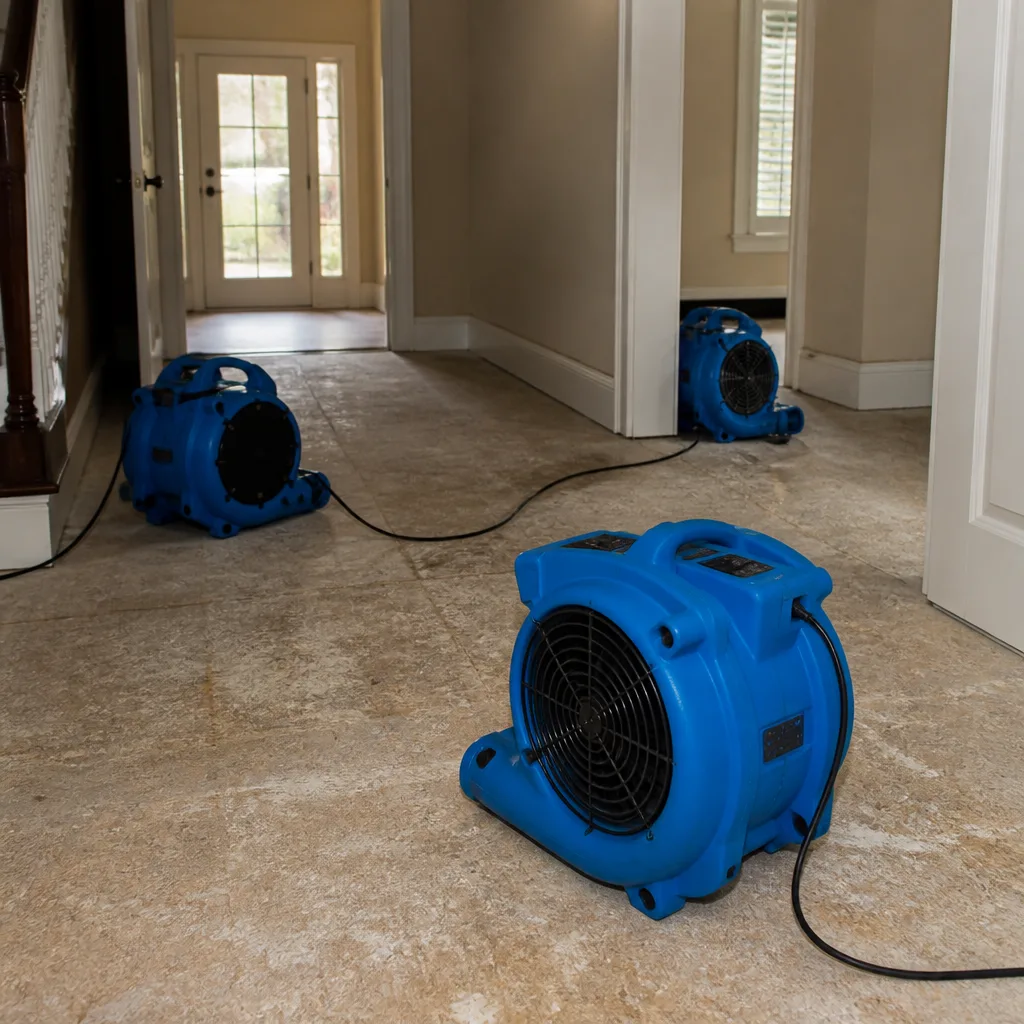
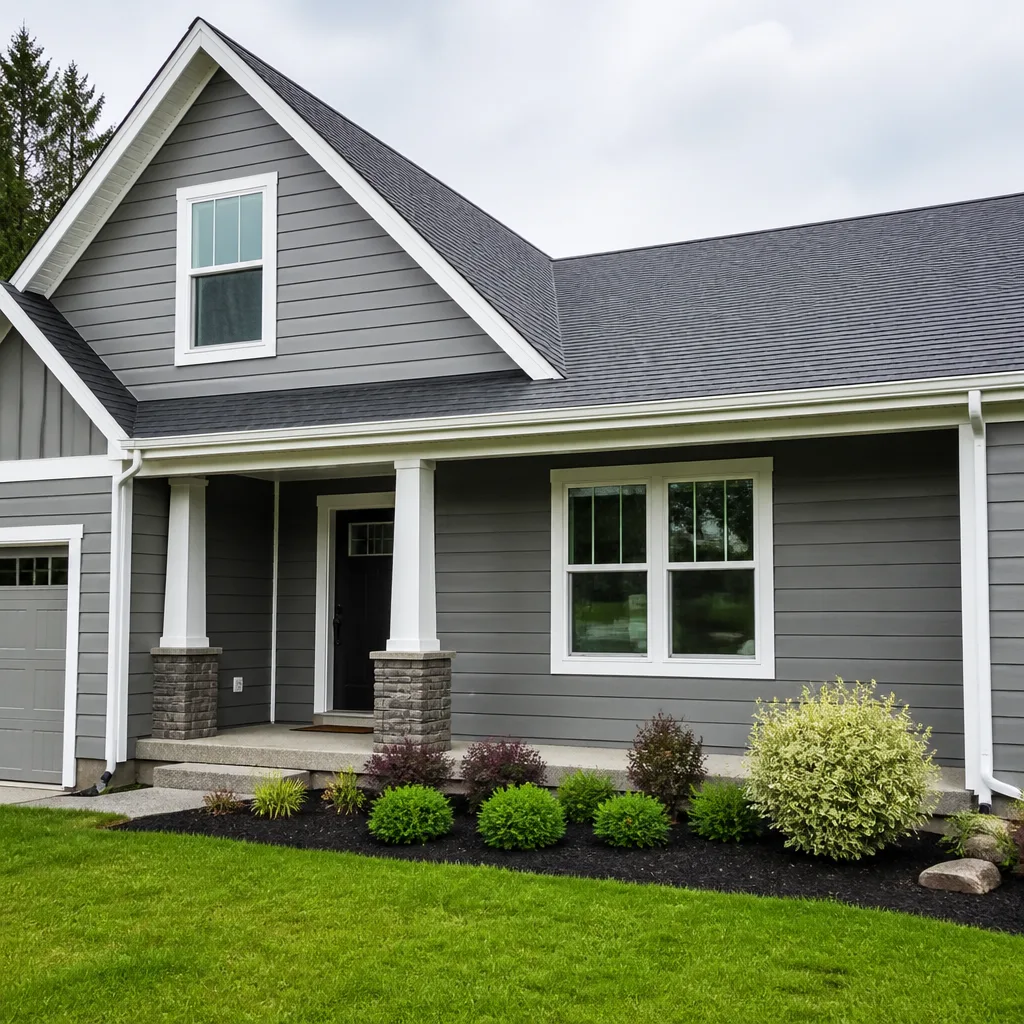
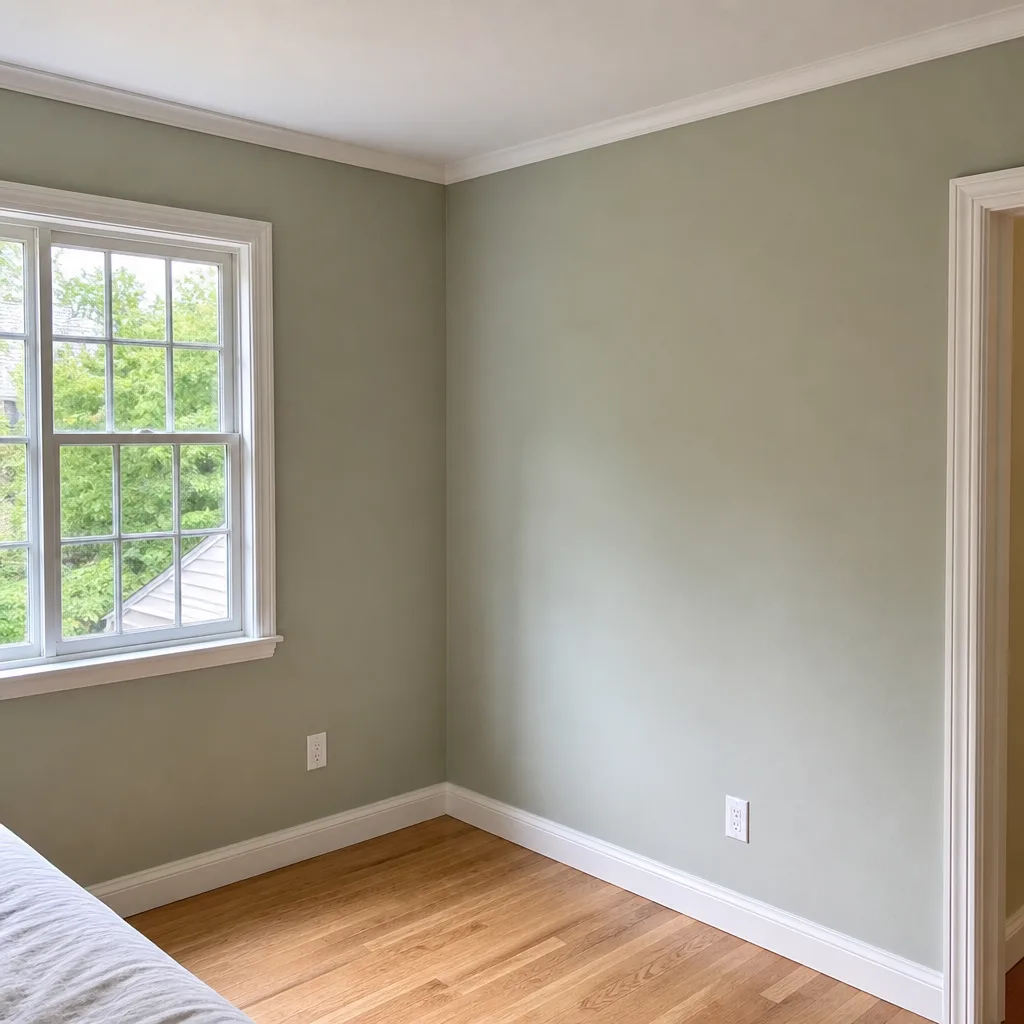
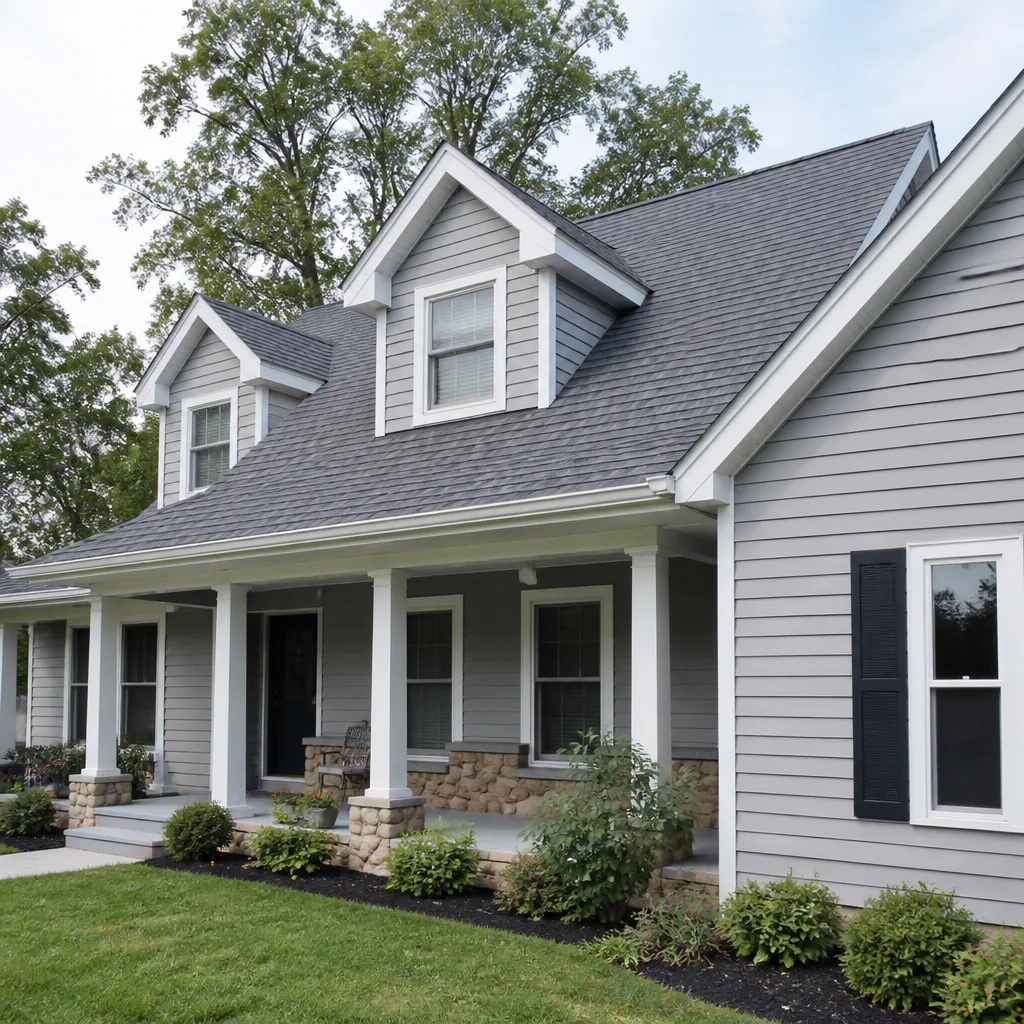
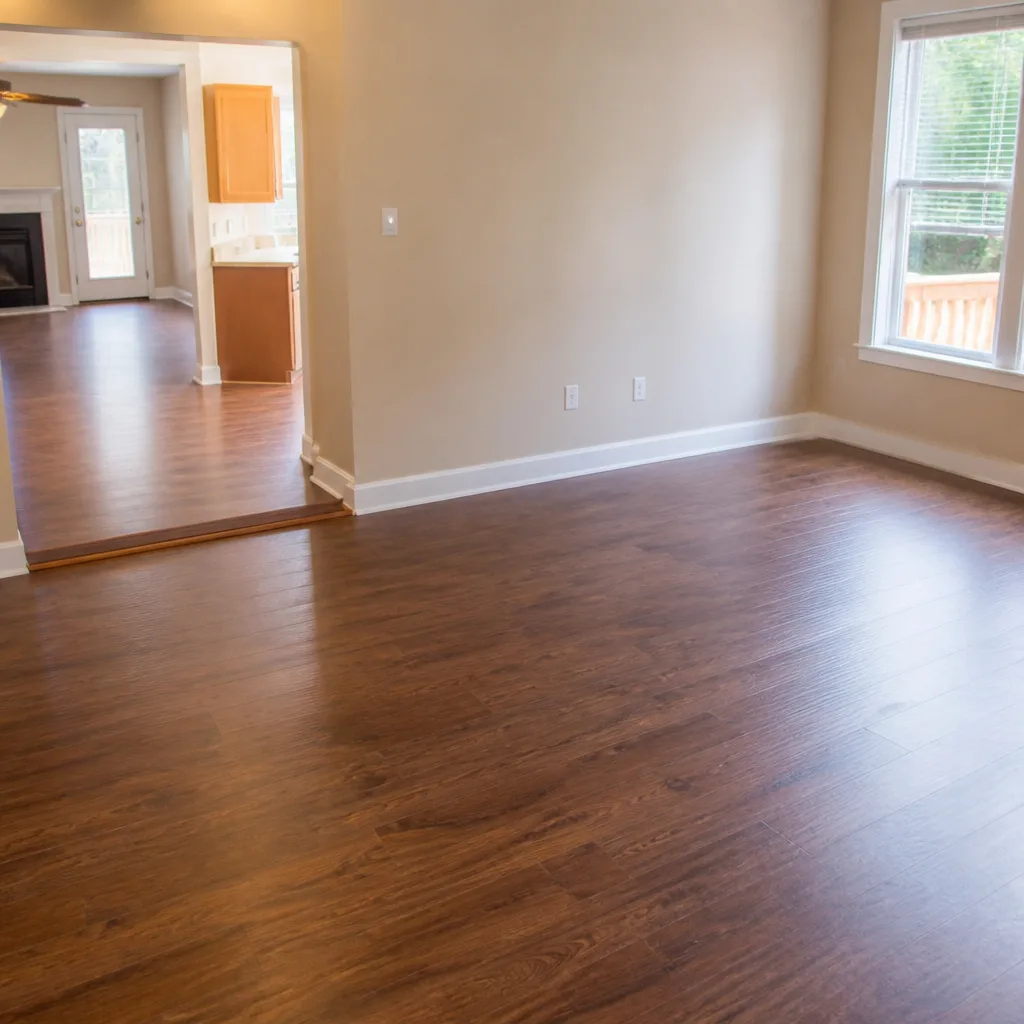

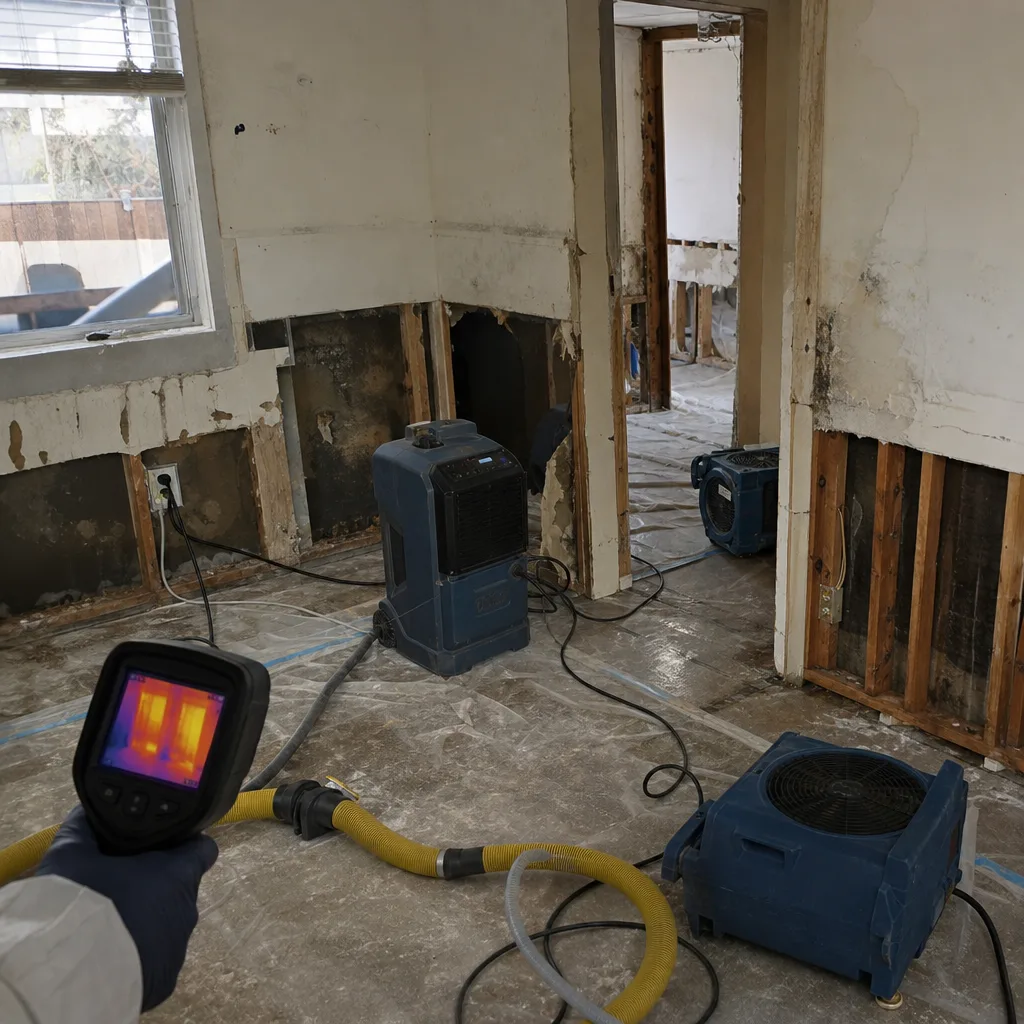 Before
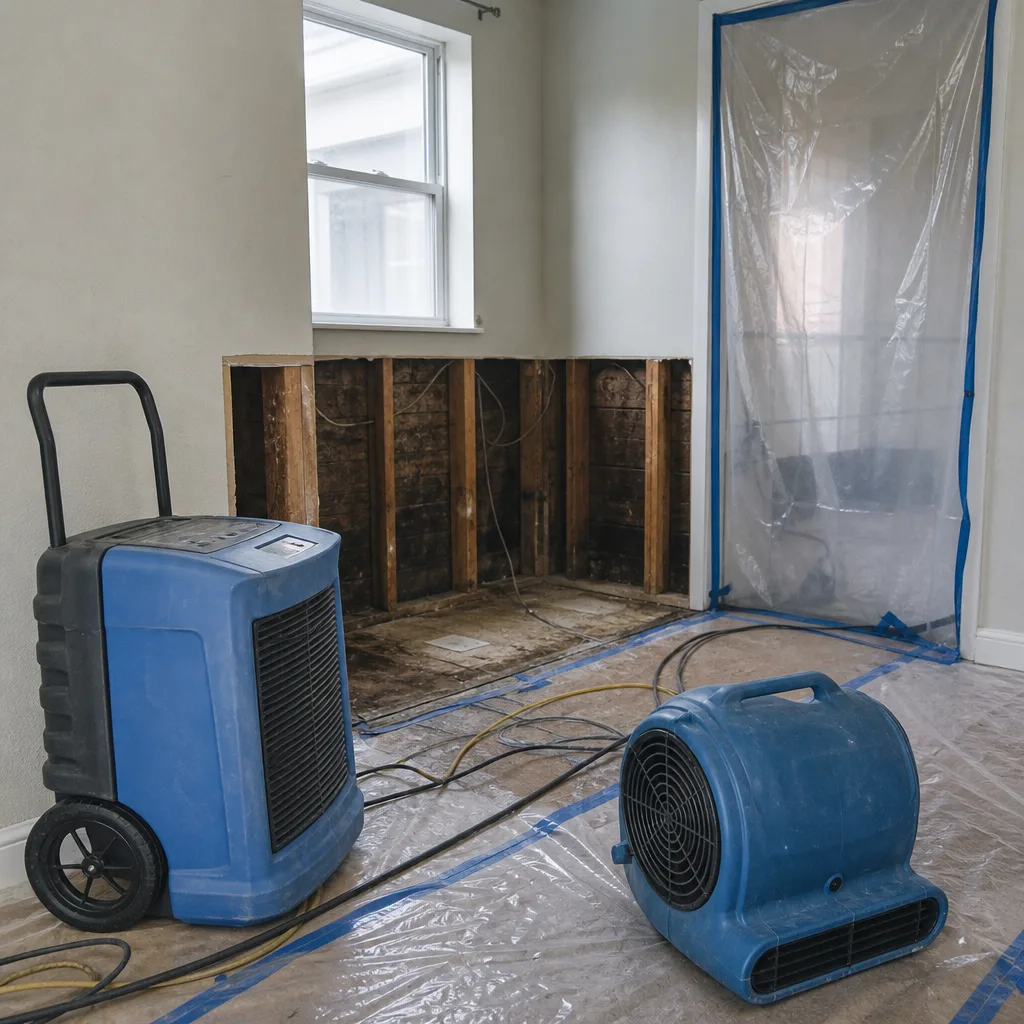 After
After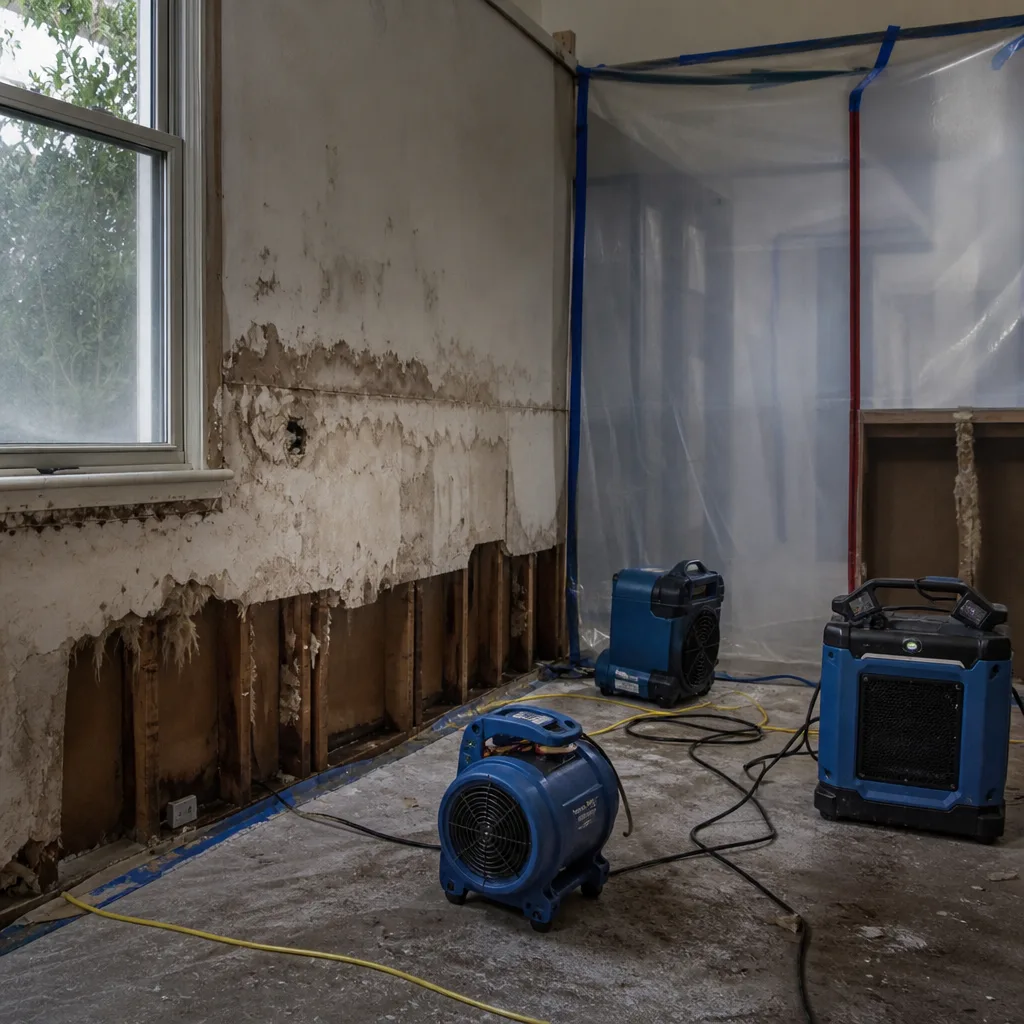 Before
 After
After Before
 After
AfterSeasonal Damage Restoration Care for Venice: Year-Round Homeowner’s Guide
In Venice, the most common month for mold remediation calls is not January after the rains. It is September, when summer marine layer humidity has been feeding hidden cavity growth for three months inside walls that tested dry in April. Venice doesn’t have four seasons in the traditional sense. It has two damage seasons driven by weather physics: a wet intrusion season when El Niño-pattern rain loads flat roofs and drainage systems past their design, and a dry concentration season when marine layer cycling accelerates hidden mold growth at ambient temperatures no one associates with microbial risk. This guide maps both mechanics to specific inspection protocols, documentation standards, and the moisture thresholds that separate a maintenance item from a claim, while our Complete Guide to Damage Restoration in Venice covers the full scope of regional risks.
Quick Answer
Seasonal damage restoration care in Venice requires two distinct protocols: a November pre-rain inspection of flat-roof flashing assemblies and drainage, and a June-through-September monitoring routine for marine layer humidity cycling inside wall cavities. The goal is documented prevention - moisture readings, dated photos, and written baselines - that converts a reactive emergency into a managed maintenance cycle with insurance-ready evidence, a process detailed in our Water Damage Restoration Maintenance Checklist for Venice Homeowners.
Table of Contents
- Wet Intrusion Season: November Through March
- Dry Concentration Season: June Through September
- The Six-Point Flat-Roof Inspection Protocol
- Marine Layer Cycling and Hidden Cavity Moisture
- The 72-Hour Post-Storm Documentation Window
- Summer HVAC Condensate and Ceiling Assembly Leaks
- Building Your Seasonal Property Record
- Common Mistakes to Avoid
- When to Call a Professional
- Frequently Asked Questions
- The Bottom Line
 Before
 After
AfterWet Intrusion Season: November Through March
Venice sits at the western edge of the Los Angeles Basin, where Pacific storm systems make first landfall with full moisture load intact. The 90291 zip code receives roughly 13 inches of annual precipitation, but the distribution is not even. El Niño years can concentrate 6 to 8 inches in a six-week window between December and February, testing roof assemblies and drainage that have not seen sustained loading since the previous cycle.
The damage pattern we document most often in Venice begins not with catastrophic failure but with incremental saturation. A compromised flashing point on a flat roof allows water to migrate along the roof membrane, entering the assembly at a location distant from the visible leak point inside. By the time a ceiling stain appears, the insulation layer above has been wet for days or weeks, and the structural deck may show elevated moisture content above the 16% threshold where wood-decay fungi activate.
Our drying logs from Venice jobs show a consistent profile: intrusion begins with a weather event, but the damage amplifies during the subsequent dry periods when building materials attempt to release moisture into interior spaces. A roof cavity that cannot dry to the exterior - common in assemblies with compromised ventilation or multiple layers of roofing - becomes a reservoir that feeds interior humidity spikes for weeks after the rain stops.
The inspection protocol for this season focuses on prevention through documented baseline. Before the first major storm system arrives:
- Photograph all roof penetrations, parapet walls, and drainage points with date stamps
- Record moisture content readings at accessible structural members in attic or ceiling assemblies
- Document the condition of scuppers, drains, and any internal gutter systems with video
- Inspect previous repair areas for material degradation or sealant failure
- Verify that HVAC curbs and skylight frames show intact flashing with no lifting or separation
These records serve two functions. They identify maintenance needs before they become intrusion events. And they establish a pre-loss condition that simplifies insurance documentation if damage does occur. A photo of dry, intact flashing in November, paired with a photo of the same location showing failure in January, removes the dispute over causation that delays claims.
Water Damage Restoration in Venice addresses the full scope of intrusion response, from initial extraction through structural drying to IICRC-documented completion.
Dry Concentration Season: June Through September
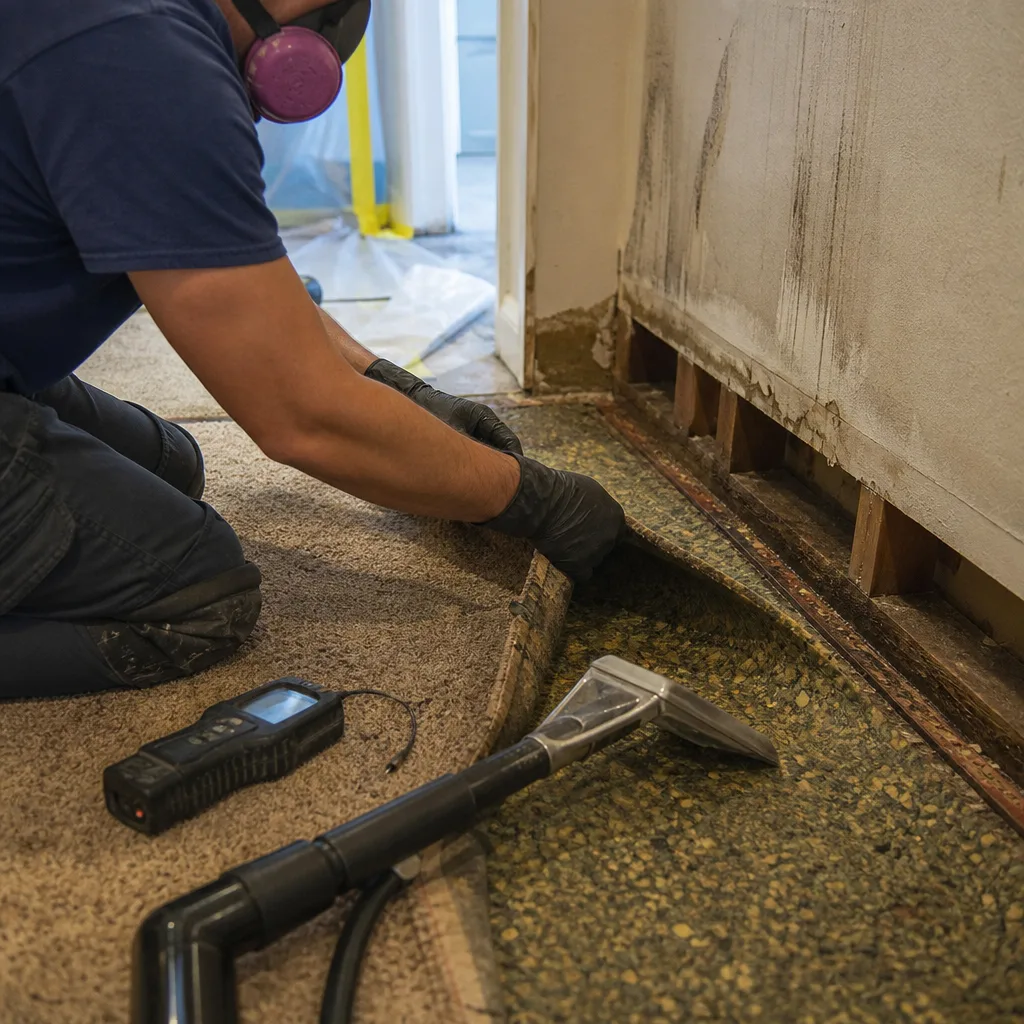
The summer months in Venice present a counterintuitive risk profile. Average daytime temperatures reach only the mid-70s, and rainfall is minimal. But the marine layer - the cool, saturated air mass that moves inland overnight - creates humidity cycling that drives moisture into building cavities through vapor diffusion, then traps it there as temperatures rise and relative humidity drops in the afternoon.
The mechanism is psychrometric, not intuitive. Cool night air at 85% relative humidity enters wall assemblies through gaps in siding, around windows, and through vented crawl spaces. As the sun warms the exterior surface, the air inside the cavity heats but cannot easily escape. The absolute humidity - the actual mass of water vapor - remains constant, but the relative humidity drops. The vapor pressure differential between the now-warmer cavity air and the cooler interior drywall drives moisture inward. When interior air conditioning maintains surface temperatures below the dew point of that cavity air, condensation forms on the backside of drywall.
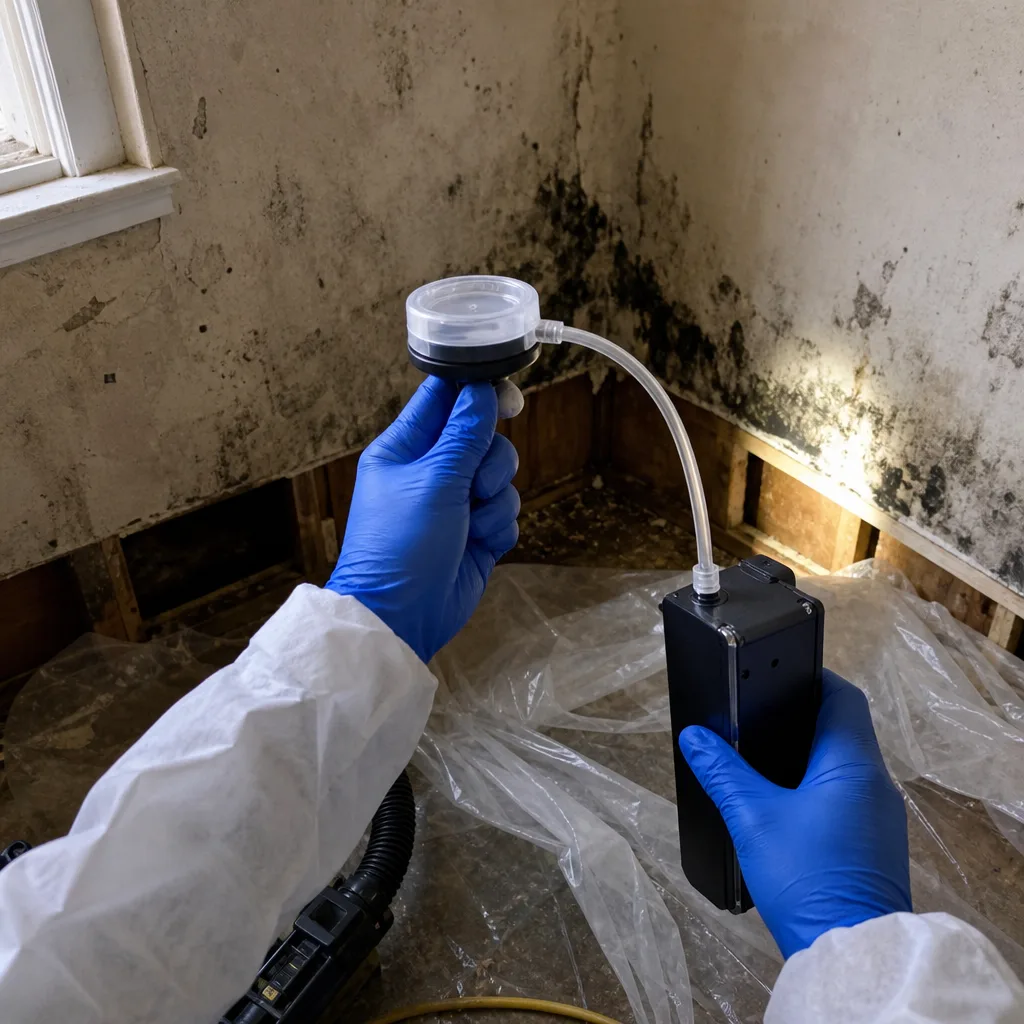
This is not a leak. There is no liquid water source to identify and repair. The moisture is atmospheric, and the damage pattern is intermittent wetting that never dries completely before the next cycle begins. Our mold remediation calls in Venice peak in September because three months of this cycling has brought cavity moisture content to the threshold where mold colonizes - typically sustained relative humidity above 70% on organic surfaces for 48 to 72 hours.
The critical insight for Venice homeowners: a wall that reads dry with a pinless moisture meter in April may read 18% to 22% moisture content by late August, with no plumbing leak and no roof failure. The moisture is real, the damage is real, and the remediation cost is real. But the cause is invisible without deliberate measurement.
Monitoring for this season requires different tools than the wet intrusion protocol. A thermal imaging camera identifies the temperature differentials that indicate trapped moisture. A thermo-hygrometer placed in suspect wall cavities tracks relative humidity over time. And a pin-type moisture meter with insulated probes can measure moisture content at depth in drywall and framing without surface damage.
Mold Remediation in Venice covers the full remediation protocol when monitoring reveals active colonization.
The Six-Point Flat-Roof Inspection Protocol
Venice has a high concentration of flat or low-slope roof assemblies, particularly in the canal district and the commercial corridors along Abbot Kinney and Lincoln Boulevard. These assemblies are functional in a Mediterranean climate but vulnerable to specific failure modes under sustained rain loading. Based on permit records and our own job documentation in 90291, six flashing points account for over 60% of water intrusion claims in Venice.
Point 1: Parapet Wall Coping Joints
Coping caps on parapet walls separate at joints due to thermal cycling and sealant degradation. Water enters the wall cavity and migrates downward, often appearing as damage at locations far from the entry point. Inspect for lifted or separated coping, cracked sealant, and rust staining on the exterior wall face below coping level.
Point 2: Scupper and Drain Flashing
Scuppers through parapet walls and internal drains are penetration points where the roof membrane terminates. The metal flashing collar must maintain a watertight seal to the membrane. Check for lifting, cracking, or separation at the membrane-to-metal interface. Verify that drain strainers are clear and that overflow scuppers are unobstructed.
Point 3: HVAC Curb Flashing
Roof-mounted equipment sits on curbs that penetrate the membrane. The flashing must extend up the curb and terminate under a counterflashing that allows movement without breaking the seal. Look for separated or cracked sealant, lifting base flashing, and any indication that the curb has shifted or settled.
Point 4: Skylight and Vent Curb Flashing
Similar to HVAC curbs but often smaller and more numerous. The critical detail is the step flashing where the curb meets the roof plane, and the counterflashing that protects the vertical leg. Check for cracked glazing compound on skylights and for any indication of water staining on the interior frame.
Point 5: Wall-to-Roof Transition
Where a vertical wall meets a horizontal roof plane, the flashing must accommodate differential movement. The base flashing extends up the wall and is protected by counterflashing. The roof membrane must extend under the base flashing. Separation at any layer allows water to bypass the entire assembly.
Point 6: Previous Repair Areas
Any location where the roof membrane has been patched or repaired is a potential failure point. The new material must be fully adhered, and the transition to existing material must be sealed. Look for lifting edges, bubbles indicating trapped moisture or air, and cracks in coating materials.
Document each point with dated photographs and note any conditions that require monitoring or repair. This documentation is your pre-loss baseline. If intrusion occurs, the insurance adjuster’s first question is whether the damage resulted from a sudden, accidental event or from long-term maintenance neglect. A dated photo of intact flashing, paired with a photo of the same location showing failure, answers that question with evidence rather than assertion.
Marine Layer Cycling and Hidden Cavity Moisture
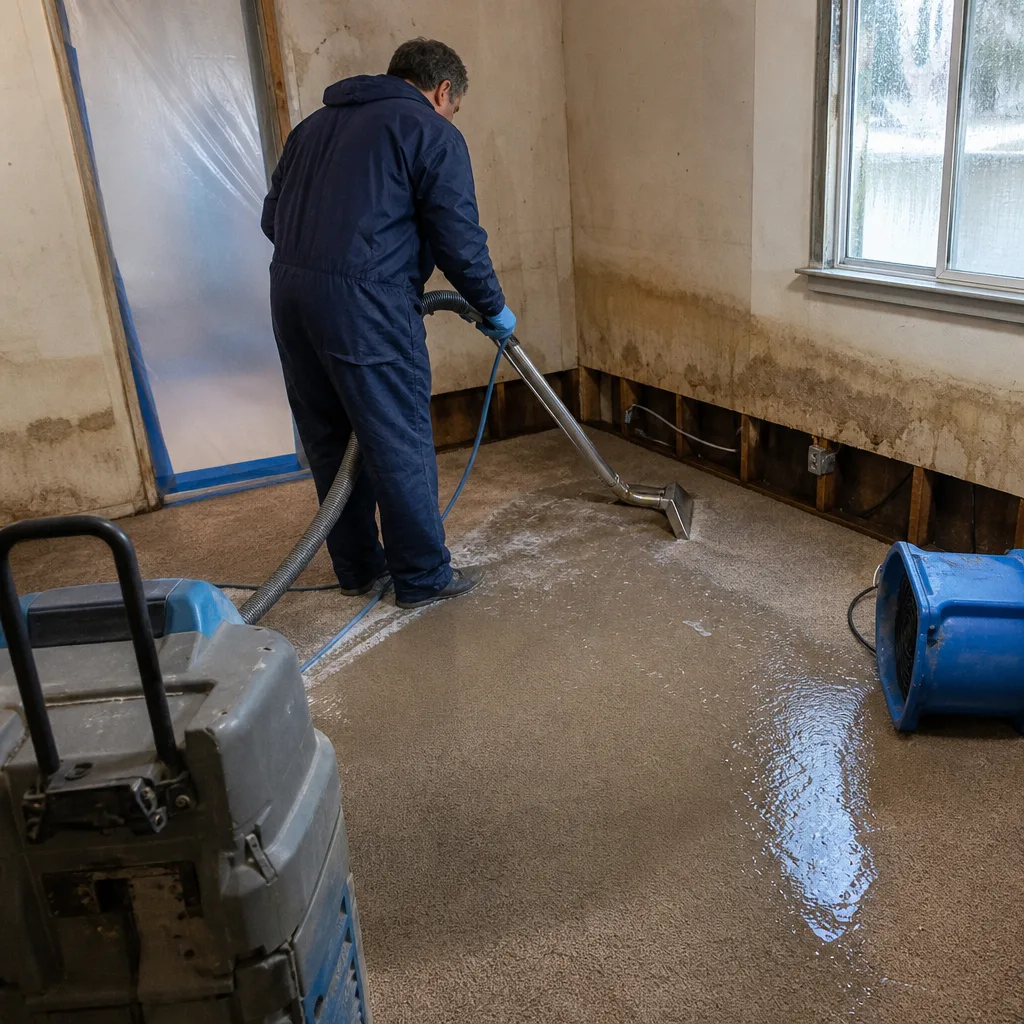
The marine layer in Venice is not a weather inconvenience. It is a moisture delivery system that operates on a daily cycle from June through September, and intermittently in May and October. Understanding this cycle is essential to preventing the mold damage that peaks in September.
The marine layer forms when cool, moist Pacific air moves inland overnight, typically reaching Venice between midnight and 6 a.m. The air mass is saturated or near-saturated, with relative humidity at 85% to 95%. As it contacts building surfaces that have cooled by radiative heat loss, condensation occurs on exterior surfaces. This is the visible manifestation - dew on cars, damp sidewalks, fog that reduces visibility to a quarter mile.
The invisible manifestation is more consequential. This saturated air enters building cavities through every available opening: gaps in siding, around window and door frames, through soffit vents, and through any penetration in the building envelope. The volume of air exchange is small in any single opening, but the cumulative moisture load over a night is significant.
As the sun rises, the exterior surfaces warm. The air inside the cavity warms with them, but because the cavity is enclosed, the moisture cannot easily escape. The relative humidity of that trapped air drops as temperature rises, but the absolute humidity - the actual water content - remains. The vapor pressure inside the cavity now exceeds the vapor pressure in the conditioned interior space. Moisture moves inward, toward the cooler surface.
If interior air conditioning maintains drywall surface temperature below the dew point of the cavity air, condensation forms on the backside of the drywall. This is not a large volume of water. It is a thin film, perhaps only detectable with a moisture meter. But it is present daily, and it does not fully dry before the next cycle begins.
Over weeks, the moisture content of the drywall paper facing and the framing lumber behind it rises. Mold spores, ubiquitous in ambient air, find the conditions they need: organic substrate, moisture, and temperature. Colonization begins. By September, the wall may show no visible interior damage, but a moisture meter reading of 20% or higher at the base of an exterior wall, paired with a musty odor when an outlet cover is removed, indicates active conditions.
The detection protocol requires deliberate measurement:
- Pin-type moisture meter readings at base of exterior walls, particularly on north and west exposures where marine layer penetration is deepest
- Thermal imaging scan for temperature differentials indicating trapped moisture
- Thermo-hygrometer placed in wall cavity through a temporary probe hole, recording 48-hour RH trend
- Visual inspection of outlet and switch boxes for discoloration or odor
Readings above 16% moisture content in wood framing or above 1% moisture content by weight in drywall paper facing warrant further investigation. Readings above 20% in framing or visible staining on drywall indicate active conditions requiring professional assessment.
Prevention focuses on reducing air exchange with the marine layer and ensuring that any moisture that does enter can escape. Seal gaps in the building envelope with appropriate materials. Ensure that wall cavities have drying potential, either through designed ventilation or through vapor-permeable interior finishes that allow inward drying. And maintain interior humidity below 60% relative humidity so that cavity moisture moving inward encounters conditions that promote evaporation rather than condensation.
The 72-Hour Post-Storm Documentation Window
The first 72 hours after a water intrusion event in Venice determine whether the resulting claim proceeds efficiently or enters the dispute cycle that extends resolution by months, with costs that vary significantly - see our Damage Restoration Cost Breakdown: The Venice Homeowner’s Reference for 2026 for typical scenarios. This is not an insurance industry preference. It is a material fact in first-party property claims, where the policyholder bears the burden of proving the extent and cause of loss.
The 72-hour window exists because water damage is progressive. Materials that are wet but structurally intact at hour 12 may be non-salvageable by hour 72. Mold colonization begins on wet organic materials within 24 to 48 hours. And the distinction between water damage and mold damage matters for coverage, as many policies limit or exclude mold remediation unless it results directly from a covered water loss and is addressed within specified timeframes.
Documentation during this window must be specific, dated, and comprehensive. The goal is a record that an adjuster can review and verify, establishing both the cause of loss and the scope of damage without dispute.
- Photograph the intrusion point and all affected materials before any disturbance. Include wide shots showing the relationship between the intrusion point and affected areas, and close shots showing material condition. The timestamp on these files is a material fact - enable automatic timestamping on your device, or photograph a newspaper or phone showing date and time alongside the damage.
- Record moisture content readings at affected materials and at unaffected materials of the same type for comparison. Dry standard for drywall in Venice’s climate is 8% to 12% moisture content. Readings above 16% indicate saturation requiring structural drying. Record the meter type, probe depth, and specific locations.
- Document the source of water. If the intrusion is from a roof leak, photograph the exterior condition that allowed entry. If from a plumbing failure, photograph the failed component and the shut-off location. This establishes causation.
- Inventory affected personal property with photographs and description. Include manufacturer, model, age, and condition. This supports the personal property portion of the claim.
- Mitigate further damage without altering the damage record. Cover roof openings with tarpaulins, but photograph the opening before covering. Move wet items to dry areas, but photograph them in place first. The duty to mitigate is a policy condition, but mitigation must not destroy evidence of the original condition.
- Obtain a written assessment from a restoration professional within 72 hours. The assessment should include moisture mapping, a preliminary drying plan, and a written scope of work with pricing. This becomes the basis for the claim adjustment.
The timestamp on digital files is verifiable metadata. Do not rely on it alone - maintain a written log that correlates photo file names with locations and conditions observed. This log, combined with the photo record and moisture readings, creates a documentation package that satisfies the evidentiary standard for first-party claims.
Our standard practice at every Venice job includes this documentation as a deliverable, not an upsell. The photo record, drying log, and written scope are provided to the homeowner and, with authorization, to the insurer. This is Haven Standard protocol - documentation that converts a restoration invoice into a payable claim.
Fire & Smoke Damage Restoration in Venice follows the same documentation standard for the distinct challenges of combustion residue and odor.
Summer HVAC Condensate and Ceiling Assembly Leaks
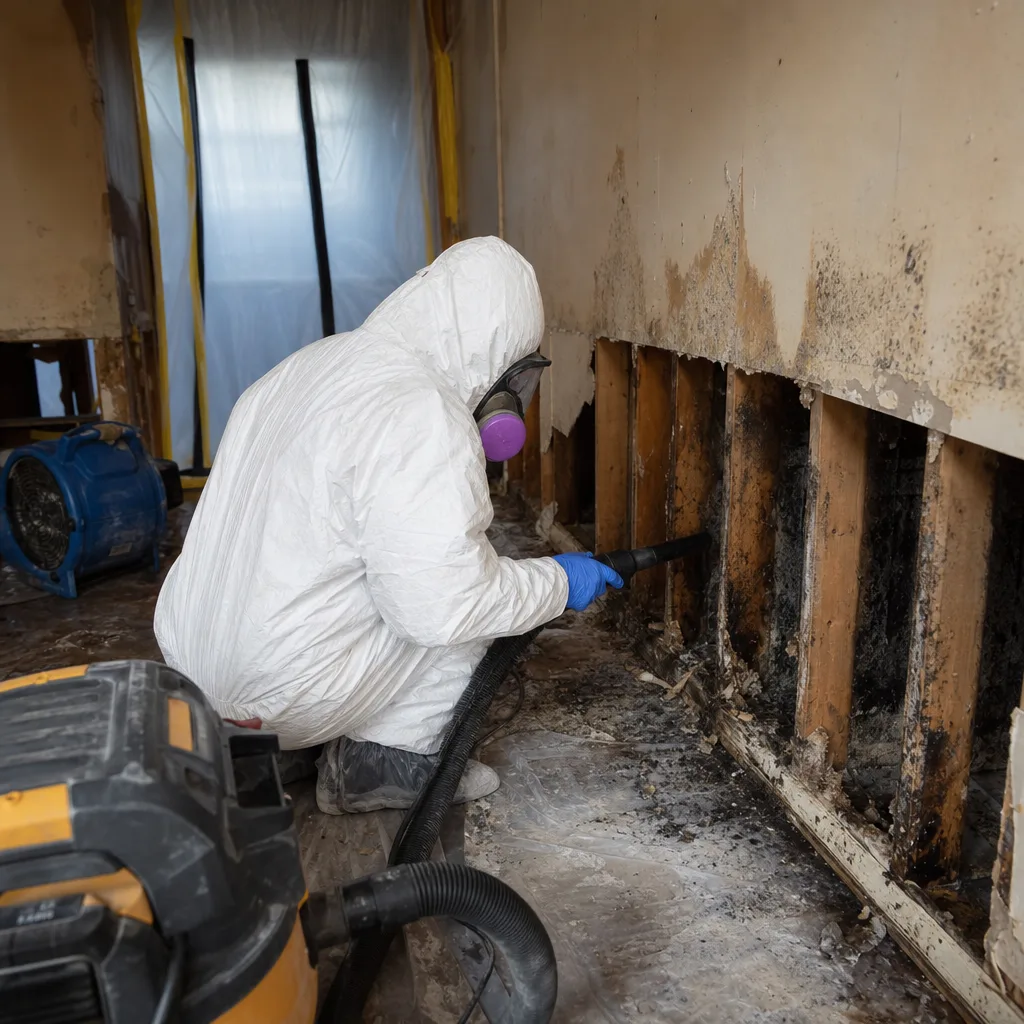
The pattern peaks in August in Venice: a homeowner notices a water stain on a ceiling, investigates, and finds no roof leak, no plumbing failure, no identifiable source. The cause is often HVAC condensate, and the mechanism is specific to continuous summer operation in a coastal climate.
Air conditioning removes moisture from interior air through condensation on the evaporator coil. This condensate collects in a drain pan and exits through a drain line, typically to a plumbing drain or exterior location. In Venice’s summer climate, systems may operate 16 to 20 hours daily, generating condensate volumes that exceed design when systems are oversized or when airflow is restricted.
The failure modes are predictable and inspectable:
- Clogged drain line: Algae and biofilm growth in the drain line, accelerated by continuous operation, eventually restricts flow. The drain pan overflows. In attic installations, this water enters the ceiling assembly below. In closet installations, it damages adjacent walls and flooring.
- Cracked or corroded drain pan: Metal drain pans corrode; plastic pans crack at stress points. A compromised pan leaks before reaching overflow level. This is a slow leak that may operate for weeks before visible damage appears.
- Improper pan installation: Pans must be level and must have sufficient depth to contain condensate during transient high-flow conditions. An improperly seated pan tilts, spilling water at the low edge.
- Missing or disconnected auxiliary drain: Code requires an auxiliary drain pan or a shutoff switch that interrupts operation if the primary drain fails. Missing or bypassed safety devices allow uncontrolled overflow.
- Negative pressure on drain line: If the drain connection is not properly trapped, air handler suction can prevent drainage, causing pan overflow even with a clear line.
The inspection protocol for August, when Venice systems are under maximum load:
- Visually inspect the drain pan for standing water, corrosion, cracks, or deformation
- Verify that the drain line flows freely - a cup of water poured into the pan should exit promptly at the drain termination
- Confirm that auxiliary drain provisions are present and functional
- Check the air handler filter and coil condition - restricted airflow increases condensation rate
- Inspect ceiling areas below attic installations for any indication of prior water staining
Condensate leaks are slow and hidden. By the time a ceiling stain appears, the insulation above may be saturated and the drywall may require replacement. Early detection through seasonal inspection prevents the amplification that converts a maintenance item into a restoration project.
When damage is discovered, documentation follows the same 72-hour protocol: photograph before disturbance, record moisture readings, identify and document the source, and obtain a written assessment. The cause - HVAC condensate - is a maintenance-related failure in some policy interpretations, and the documentation of sudden discovery and prompt response supports coverage arguments.
Building Your Seasonal Property Record
A seasonal property record is a documented baseline of your home’s condition at specific intervals, maintained by the homeowner without requiring professional visits every quarter. The purpose is not prediction - it is evidence. If damage occurs, the pre-loss record demonstrates condition and maintenance, supporting the claim and reducing dispute.
The record has four components, each requiring minimal time and no specialized equipment beyond a smartphone and a basic moisture meter:
Photographic Baseline
Twice yearly, in May and November, photograph the six flat-roof flashing points detailed above, the HVAC drain pan and line, the base of exterior walls at likely marine layer entry points, and any areas with prior repair or known vulnerability. Store with date stamps and brief notes on condition. The May photos capture condition before summer marine layer cycling; the November photos before winter rain loading.
Moisture Readings
At the same intervals, record pinless moisture meter readings at accessible structural members: attic framing, ceiling drywall at exterior walls, base of exterior wall framing where accessible through crawl space or basement. Record location, reading, and meter type. A $50 pinless meter is sufficient for trending; professional assessment is warranted only when readings trend upward or exceed 16% in wood framing.
Maintenance Log
Document all maintenance activities with date, description, and contractor information if applicable: roof repairs, HVAC service, plumbing repairs, window and door seal replacement. This establishes the maintenance history that insurers review when evaluating claims.
Improvement Documentation
Retain permits, inspections, and contractor documentation for any improvements. This supports replacement cost valuation and establishes code compliance.
Storage matters. Cloud storage with automatic backup protects against loss of the device containing the record. Shared access with a trusted contact ensures availability if the homeowner is displaced by damage. And the record should be updated, not replaced - maintain historical files so that progression or deterioration is visible.
The investment is modest: perhaps two hours twice yearly, plus the cost of a moisture meter. The return is a claim that processes efficiently because the evidentiary burden is met with documentation rather than recollection.
DryMark Restoration Venice home provides additional resources on documentation standards and the restoration process.
Common Mistakes to Avoid
- Waiting for visible damage before acting. By the time water stains appear on drywall, the insulation above is saturated and framing may be at decay threshold. In Venice’s flat-roof stock, the lag between intrusion and visible damage is often 2 to 4 weeks. Seasonal inspection catches conditions before they reach visibility.
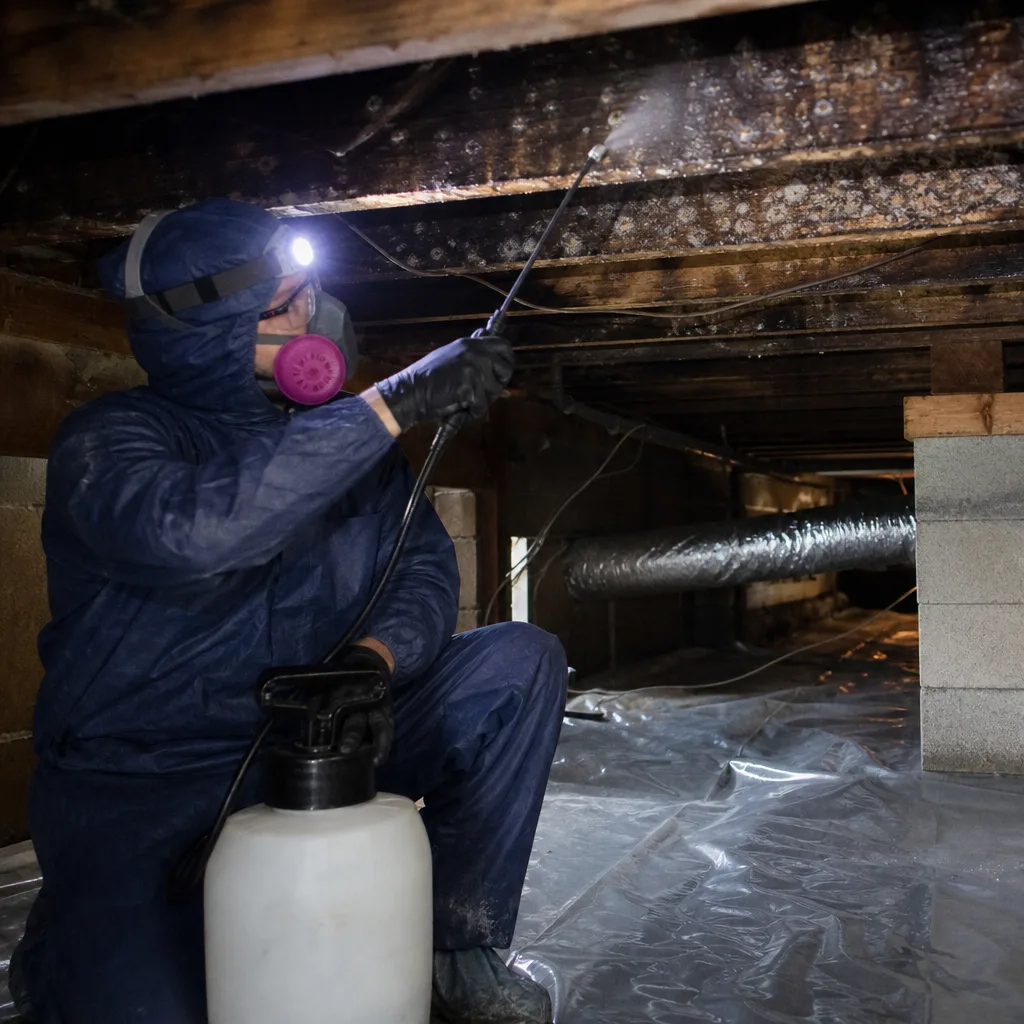
- Using bleach on mold-affected materials. Bleach does not penetrate porous materials to kill mold at depth. It bleaches surface color while leaving viable hyphae in the substrate. Proper mold remediation requires removal of affected porous materials and cleaning of non-porous surfaces with appropriate antimicrobial agents, documented to IICRC S520 standards.
- Ignoring marine layer humidity because “it doesn’t rain in summer.” The moisture load from marine layer cycling in a Venice July can exceed the moisture load from a winter storm event, distributed over weeks rather than hours. Summer humidity monitoring is not excessive caution; it is recognition of the actual risk profile.
- Documenting only damage, not condition. Photos of damage after the fact prove that damage occurred. Photos of condition before the fact prove that damage resulted from a specific event and was not pre-existing. Both are necessary; neither alone is sufficient.
- Accepting verbal estimates for restoration work. Haven Standard, Clause 1 requires a written price before work begins. A verbal estimate is not a price; it is a preliminary impression that changes when the crew arrives. Insist on written scope and pricing, and obtain a second opinion if the scope seems excessive or the pricing unclear.
- Failing to verify contractor documentation. License status, insurance certificates, and bonding should be verifiable on request. In Venice’s restoration market, where storm events can attract transient operators, documentation verification is due diligence, not distrust.
- Neglecting the 72-hour window for insurance notification. Most policies require prompt notice of loss. Delay beyond the period necessary to discover and assess damage can support denial arguments. Notify your insurer within 72 hours, even if the full scope is not yet determined.
When to Call a Professional
Call for professional assessment when moisture meter readings exceed 16% in wood framing or 1% by weight in drywall paper facing; when mold growth is visible on any surface exceeding 10 square feet; when water intrusion involves Category 2 or 3 water (dishwasher discharge, washing machine overflow, or any sewage backup); or when the source of moisture is not identifiable through homeowner inspection. In Venice’s climate, the combination of marine layer cycling and flat-roof vulnerability means that hidden moisture is more common than obvious leaks. Professional assessment with thermal imaging, moisture mapping, and psychrometric analysis identifies conditions that visual inspection cannot.
DryMark Restoration Venice offers free estimates in Venice. Our assessments include moisture mapping, a written scope with pricing before any work begins, and a documented photo record. Call (424) 372-0129 to schedule.
Frequently Asked Questions
A basic homeowner prevention program - moisture meter, seasonal photography, and biannual inspection time - costs approximately $100 to $200 in equipment and four hours annually in labor. Professional moisture assessment and thermal imaging for a typical Venice single-family home ranges from $250 to $450. Compare this to the average water damage restoration project in 90291, which typically runs $3,500 to $8,500 for Category 1 clean water intrusion with prompt response, and $15,000 or more when delayed or complicated by mold. Call (424) 372-0129 for exact pricing on assessment services.
Standard homeowners policies typically exclude damage from humidity, condensation, or vapor diffusion unless it results directly from a covered peril such as a storm-damaged roof or plumbing failure. The key coverage question is causation: did a covered event create the moisture condition, or did it develop gradually from maintenance and environmental factors? Documentation is critical. A seasonal property record that shows no prior moisture elevation supports the argument that a specific event caused the damage. Without that record, insurers may classify the loss as long-term maintenance neglect. For disputes over coverage scope, DryMark Restoration Venice provides documented assessments and direct adjuster coordination.
Live person answers every call, 24 hours a day, 7 days a week - no voicemail trees, no next-business-day callbacks while water is still moving. Emergency dispatch for water damage mitigation in Venice typically arrives within 60 to 90 minutes for active intrusions. Reconstruction and non-emergency services are scheduled and scoped in writing, not dispatched for same-day arrival. The distinction matters: speed belongs to mitigation, where water continues to damage materials until extraction begins. Reconstruction requires planning, material procurement, and permit considerations that do not benefit from rushed scheduling.
Visible mold growth exceeding 10 square feet, or any growth in an HVAC system, requires professional remediation per IICRC S520 guidelines. Smaller areas on non-porous surfaces may be addressed with appropriate cleaning, but the critical question is not size - it is whether the moisture source has been identified and corrected. Cleaning visible mold without addressing the moisture condition guarantees recurrence. Professional assessment determines whether the growth is surface contamination or an indicator of hidden colonization in the wall cavity. DryMark Restoration Venice provides written scopes for both assessment and remediation, with pricing before work begins.
We deal with your adjuster directly, with your authorization. Our documentation package - photo record, moisture logs, drying plan, and written scope - is prepared to the standard that simplifies adjuster review. We do not negotiate coverage determinations; that remains between you and your insurer. We do provide the evidence that supports your claim, and we coordinate site visits so that adjuster questions are answered with documentation present. Direct billing to insurance is available when coverage is confirmed and assignment of benefits is appropriate.
Documentation-first operation, founded in 2011 by a former claims adjuster who built the company around the documentation gap that costs homeowners their claims. Every job includes a written price before work starts, a photo record on every visit, and a 365-Day Done Right Promise backed by The Haven Standard. We have restored over 12,000 homes since 2011, every one with the same documentation protocol. Equipment includes professional-grade drying systems from XPOWER, B-Air, and Injectidry, documented to IICRC, RIA, and IFA standards. A Free Second Opinion on any competitor’s written estimate is available at no charge.
The Bottom Line
Venice’s damage seasons are not calendar quarters. They are two weather-driven mechanics: rain loading on flat-roof assemblies from November through March, and marine layer humidity cycling inside wall cavities from June through September. Effective seasonal care means inspection protocols calibrated to each, documentation that creates insurance-ready evidence, and the discipline to measure before damage becomes visible. The cost of prevention is modest. The cost of delayed response, measured in amplified damage and claim dispute, is not. Maintain a seasonal property record. Know the six flashing points that fail. Understand that September mold calls follow June humidity, not January rain. And when damage occurs, document first, then mitigate, with a written scope before any work starts.
Written by Alicia Brennan, Owner at DryMark Restoration Venice, serving Venice since 2011.