
Last updated September 23, 2026
Free visual inspection and a written scope of work before any mitigation begins - photos, moisture readings, and drying logs go in your claim file
The scope we write is the scope we bill. Anything new gets shown to you, in writing, before we touch it.
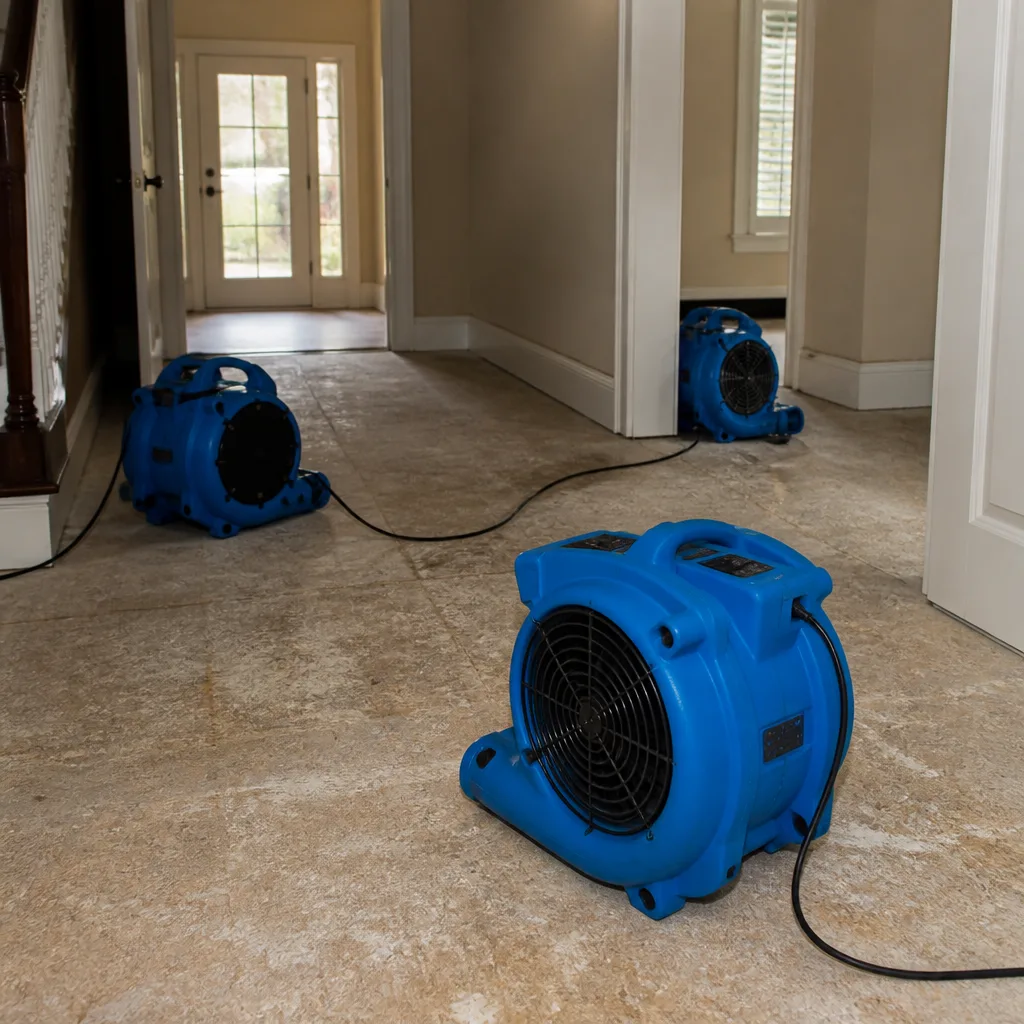
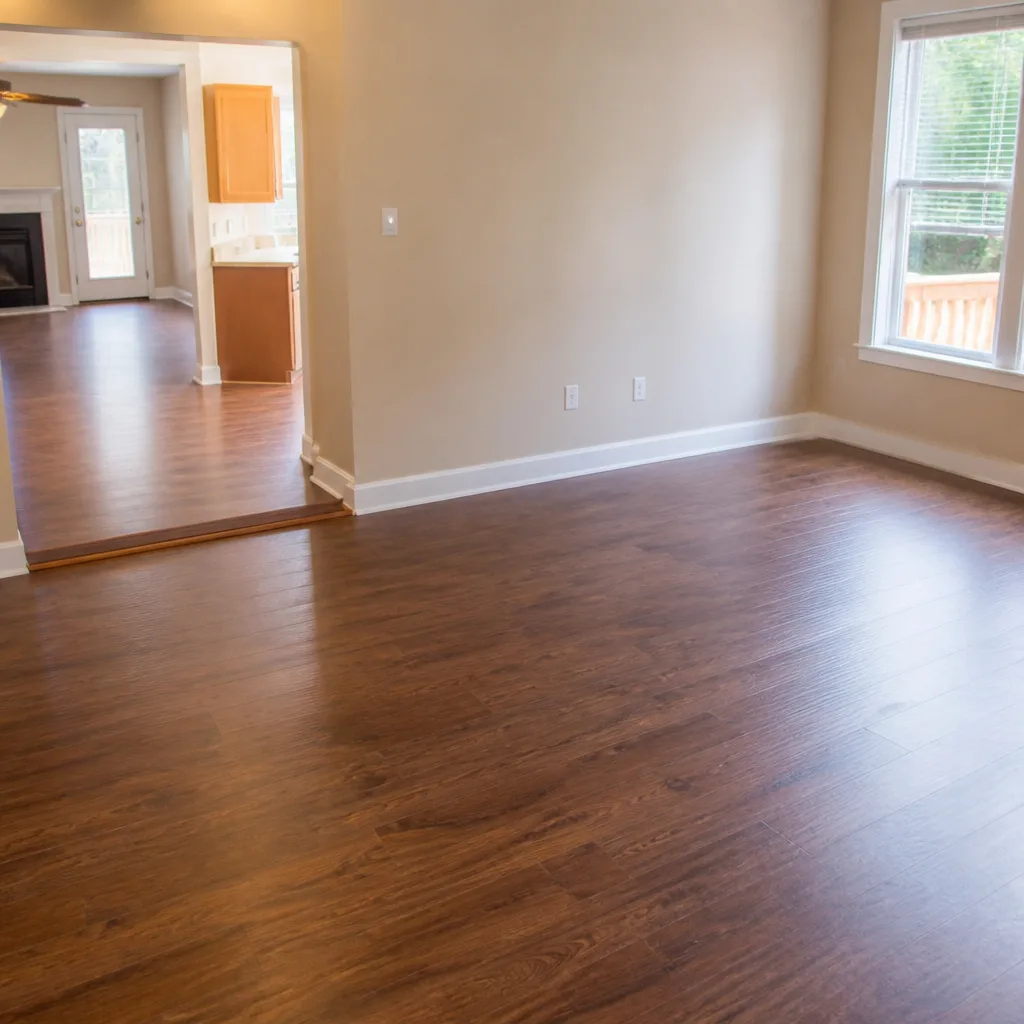
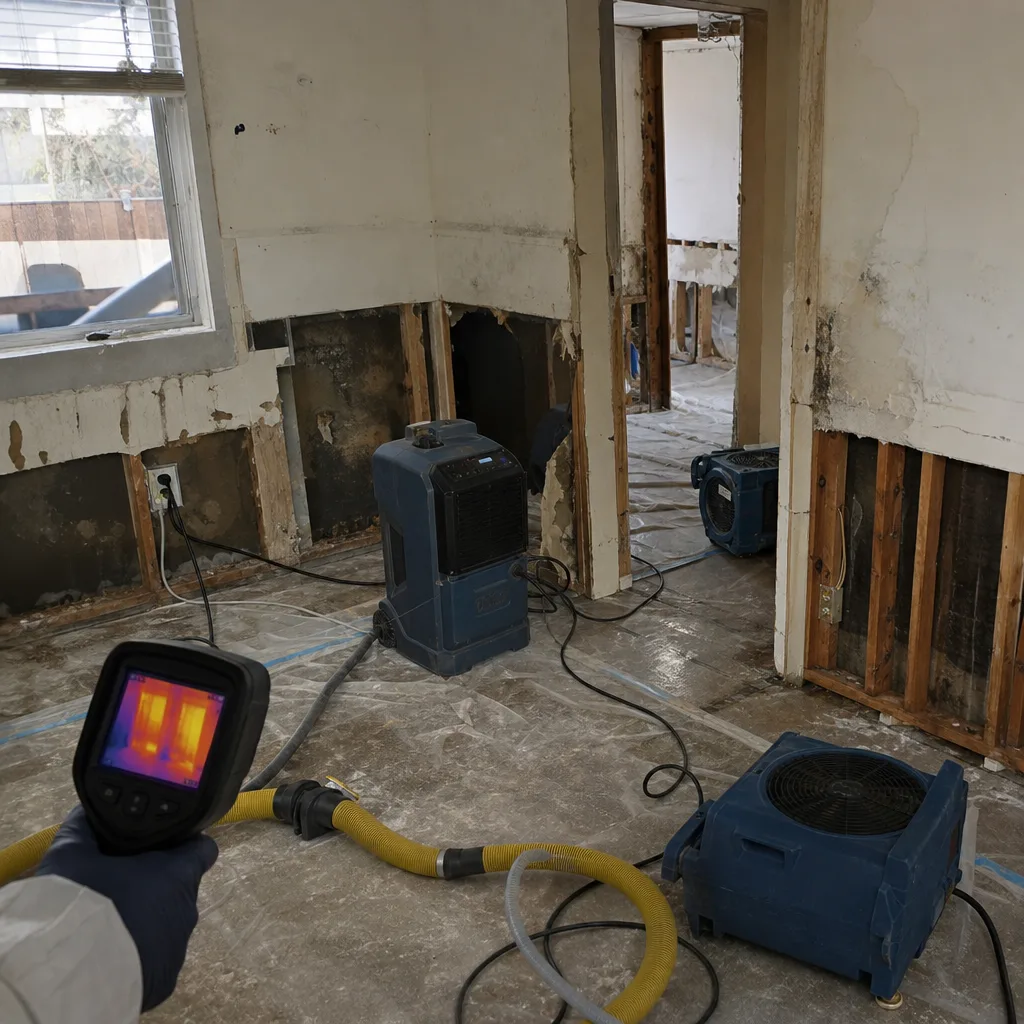 Before
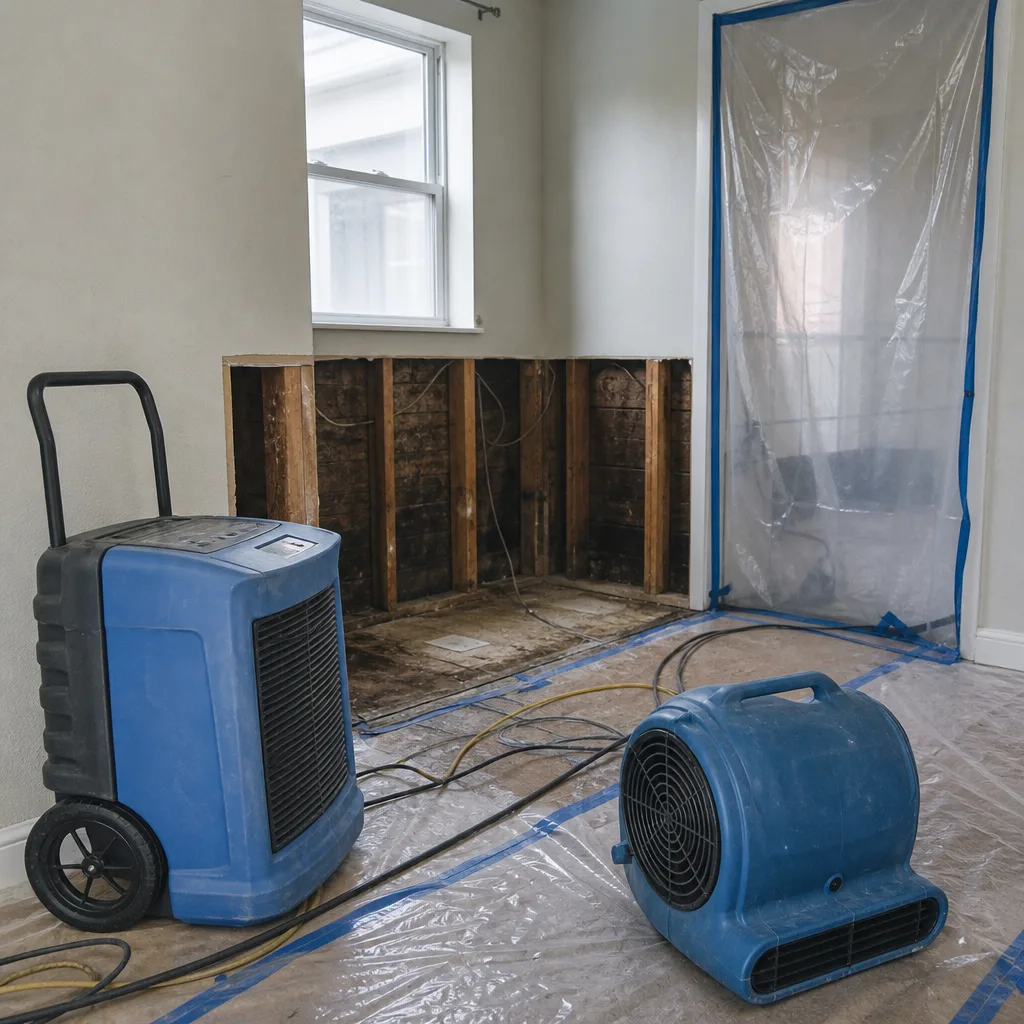 After
After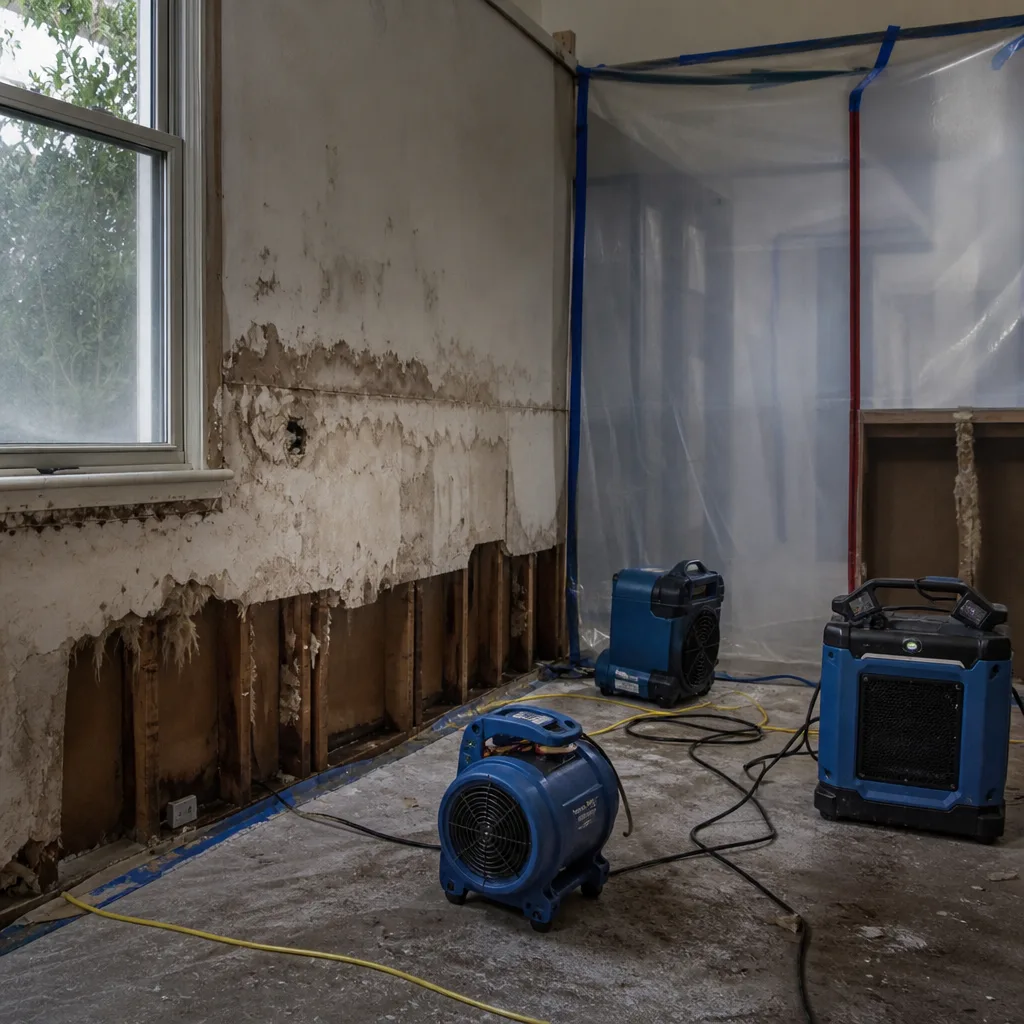 Before
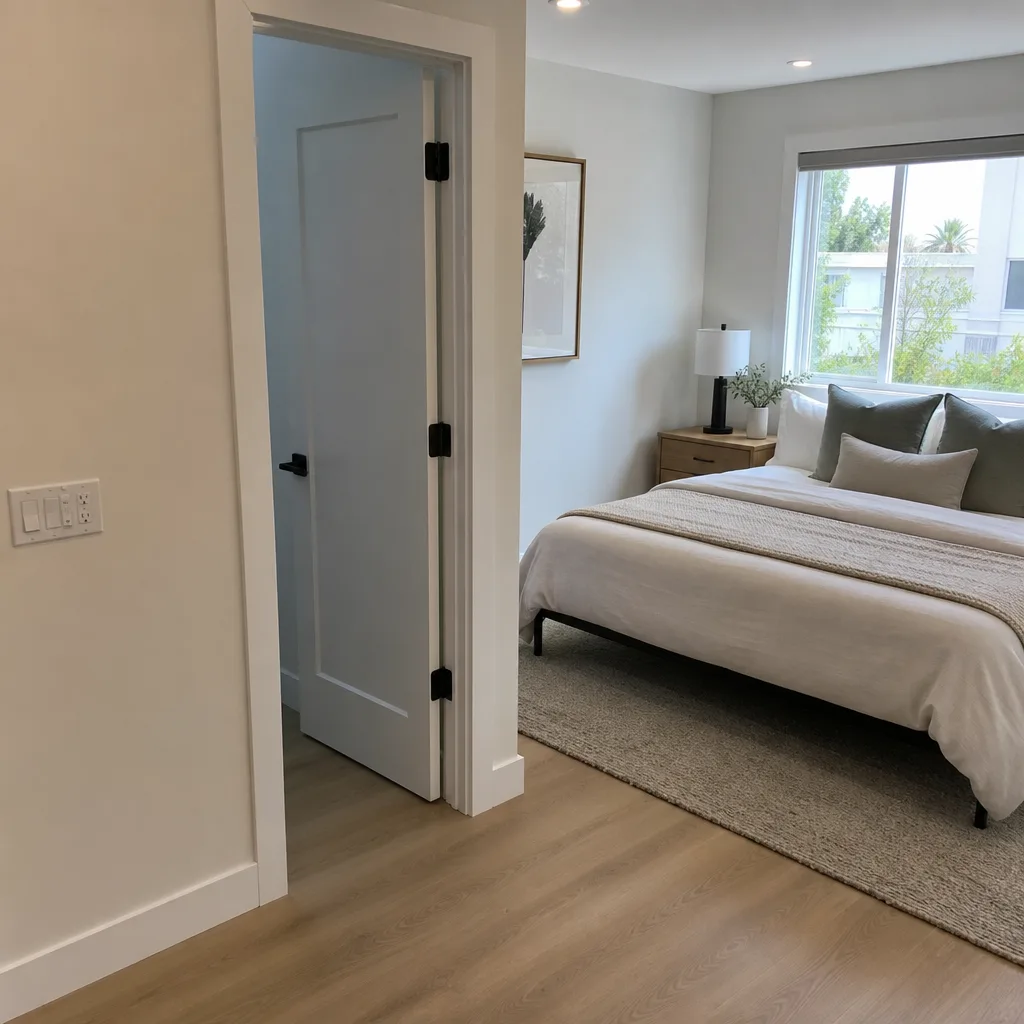 After
After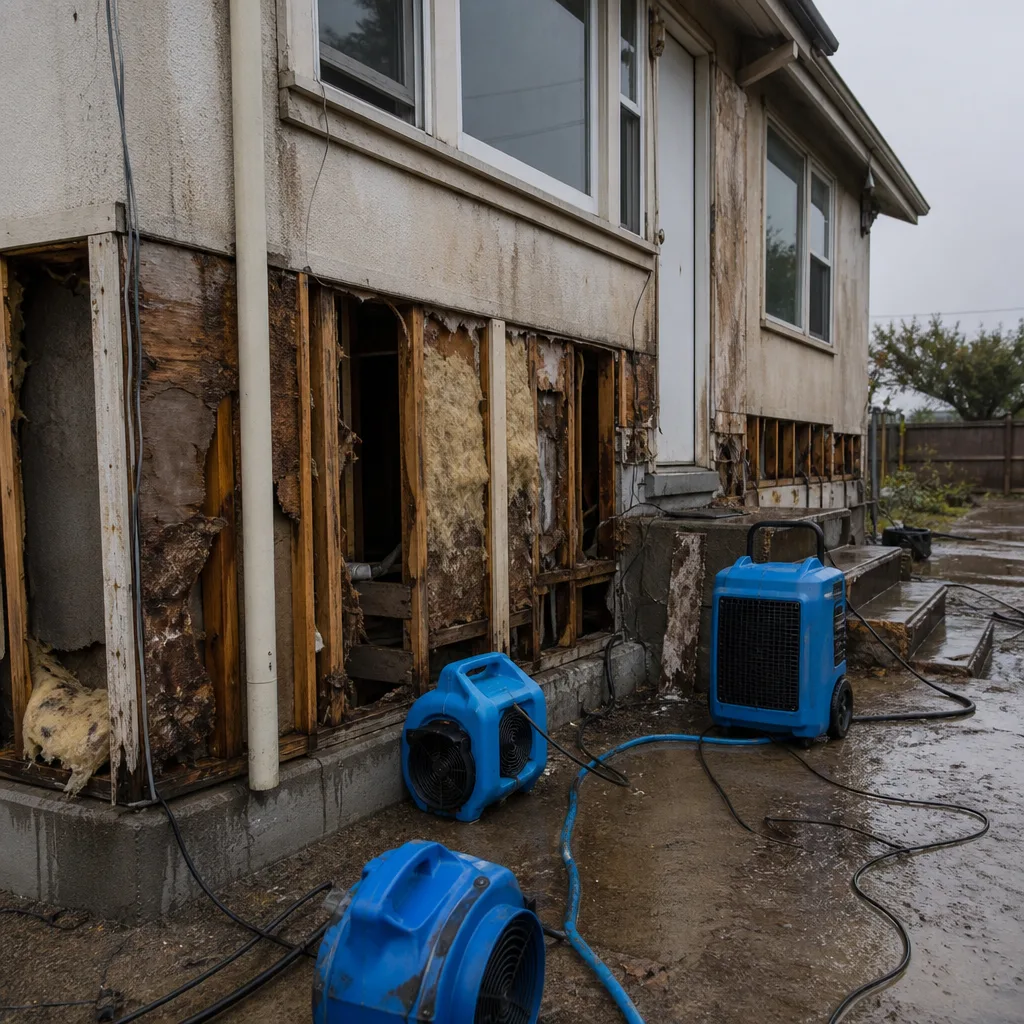 Before
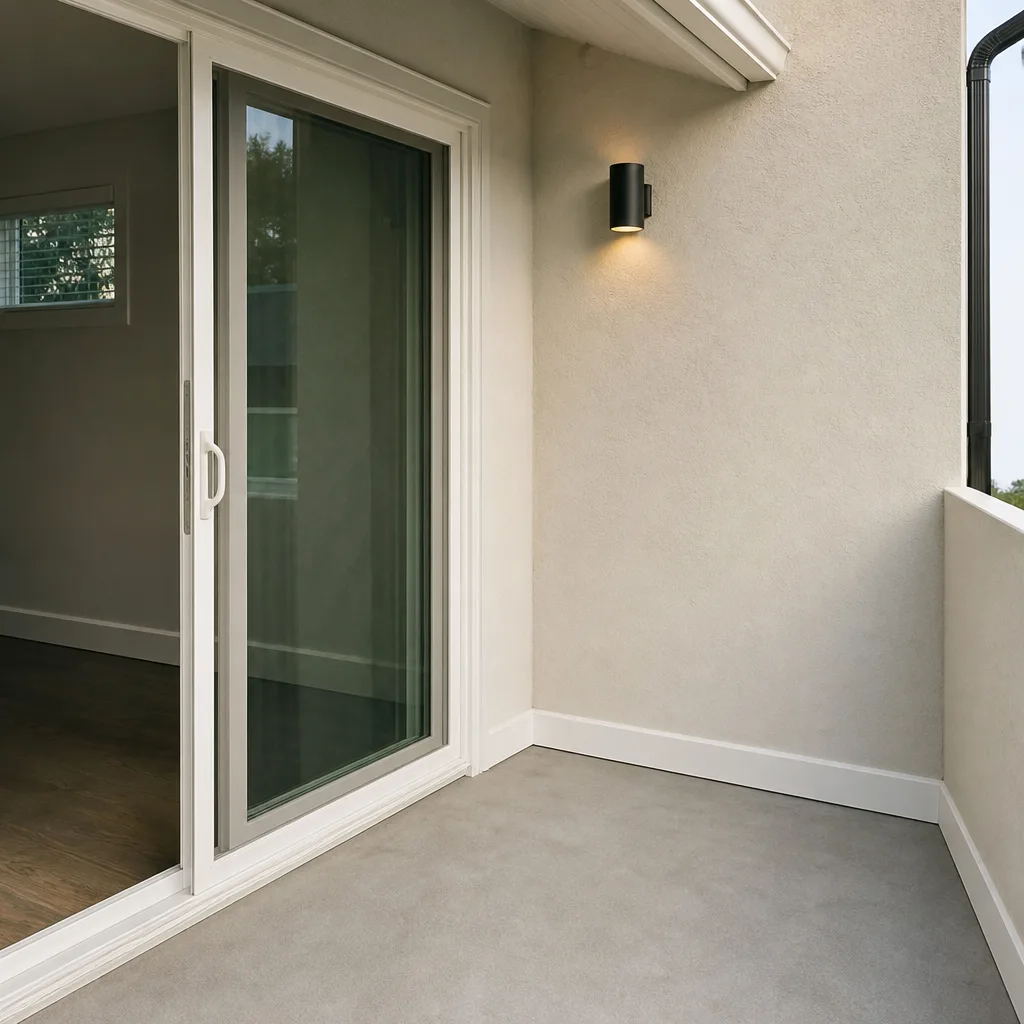 After
AfterHow to Hire a Damage Restoration Contractor in Venice: A Step-by-Step Guide
California Business & Professions Code §7159 requires a written contract before any home improvement work begins, yet the California Contractors State License Board reports that emergency restoration work generates more §7159 complaints than any other trade category. Homeowners in Venice sign verbal authorizations during the panic hour after a flood, then discover their estimate has doubled and their insurance claim is stalled because no documentation exists. This guide - like our Complete Guide to Damage Restoration in Venice - treats contractor selection as a document-review process, not a personality evaluation. You’ll learn the four documents every legitimate restoration contractor must produce before equipment enters your home, how to verify certifications in public databases, and how to read an estimate line by line using the same Xactimate category codes your adjuster will use to audit the bill.
Quick Answer
To hire a damage restoration contractor in Venice, verify their current CSLB license in the C-10 or B classification, demand four documents before work starts (written scope, itemized estimate, signed authorization, and license proof), confirm their IICRC S500 certification in the public database, and review every estimate line using Xactimate category codes that match your insurer’s audit format. Never sign a verbal authorization or an estimate containing open-ended “additional work as needed” language.
Table of Contents
- Why Documentation Matters More Than Speed in Venice
- The Four Documents Every Contractor Must Produce First
- How to Verify a CSLB License and IICRC Certification
- The Five-Question Phone Screen That Separates Professionals From Pitchmen
- How to Read a Restoration Estimate Line by Line
- Contract Clauses That Create Disputes (And How to Spot Them)
- Venice-Specific Considerations: Coastal Climate and Local Codes
- Common Mistakes to Avoid
- When to Call a Professional
- Frequently Asked Questions
- The Bottom Line
 Before
 After
AfterWhy Documentation Matters More Than Speed in Venice
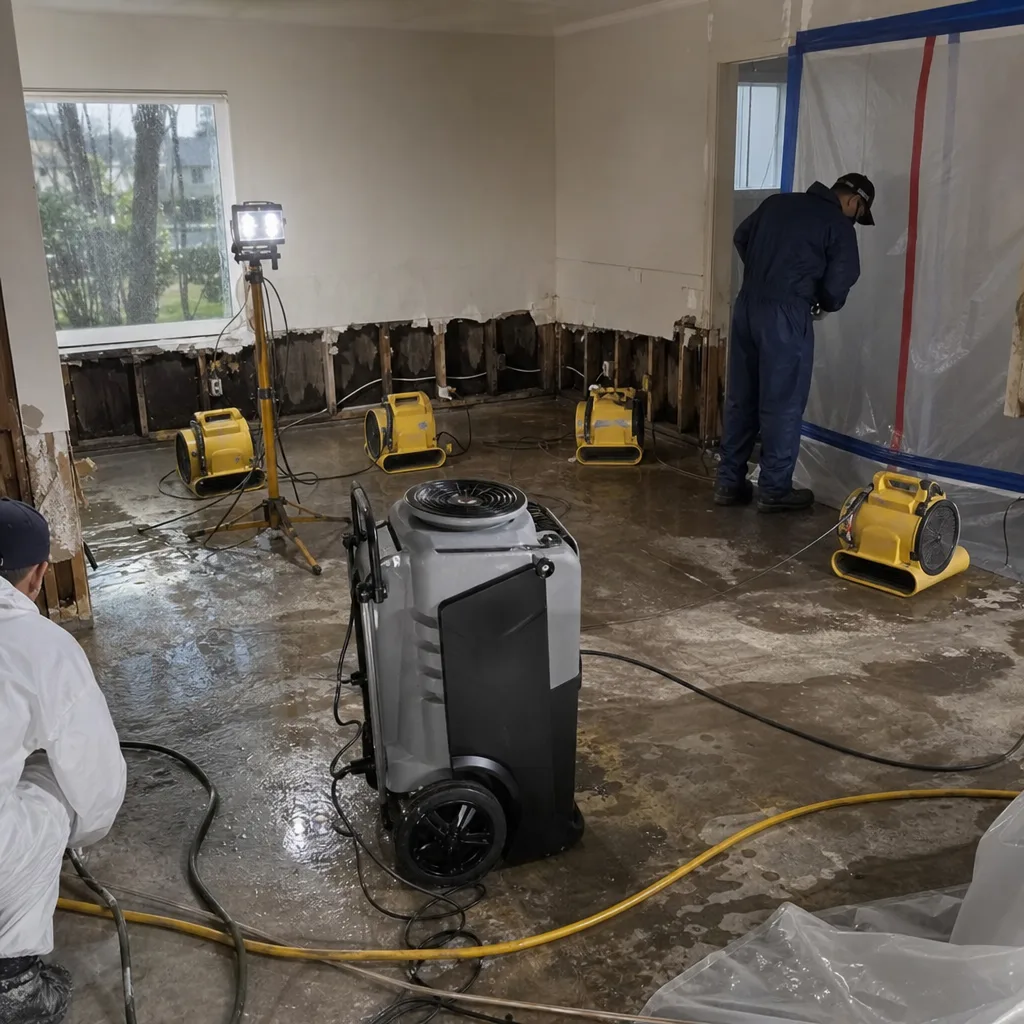
The Venice canal district and the neighborhoods near Abbot Kinney see water damage patterns that differ from inland Los Angeles. Proximity to the Pacific means higher ambient humidity, slower natural drying, and a higher incidence of secondary mold growth when contractors skip psychrometric monitoring. Psychrometric data is the measurement of temperature, relative humidity, and vapor pressure that determines whether a structure is actually dry or merely surface-dry. A contractor who cannot produce daily psychrometric readings is guessing, and in Venice’s coastal climate, guessing costs homeowners their structural integrity and their insurance claims.
We’ve seen this repeatedly since 2011. A homeowner in the Oakwood neighborhood called us after another company “finished” a drying job in 48 hours. Our moisture readings showed 78% relative humidity in the wall cavity, well above the 60% threshold where mold colonizes. The previous contractor had no drying log, no photo record, and no written scope. The homeowner’s insurer denied the subsequent mold claim because no documentation proved the original water damage was professionally mitigated.
This is why we built DryMark Restoration Venice home around The Haven Standard. Documentation isn’t paperwork; it’s the evidence that turns a restoration invoice into a payable claim. Every job we perform in Venice includes a written price before work begins (Haven Standard, Clause 1), a photo record on every visit, and daily moisture logs documented to IICRC, RIA, and IFA standards. These logs use equipment from Dri-Eaz, Phoenix, and other manufacturers whose readings are admissible in claims disputes because they’re calibrated to industry standards.
The panic hour after damage is when documentation discipline matters most. Water continues moving through drywall and subfloor for 24 to 72 hours. A contractor who arrives fast but leaves no paper trail has stopped the visible water while allowing hidden damage to compound. In our experience across 12,000+ homes restored since 2011, the jobs with the smoothest insurance outcomes were never the fastest-dispatched. They were the most thoroughly documented from hour one.
The Four Documents Every Contractor Must Produce First
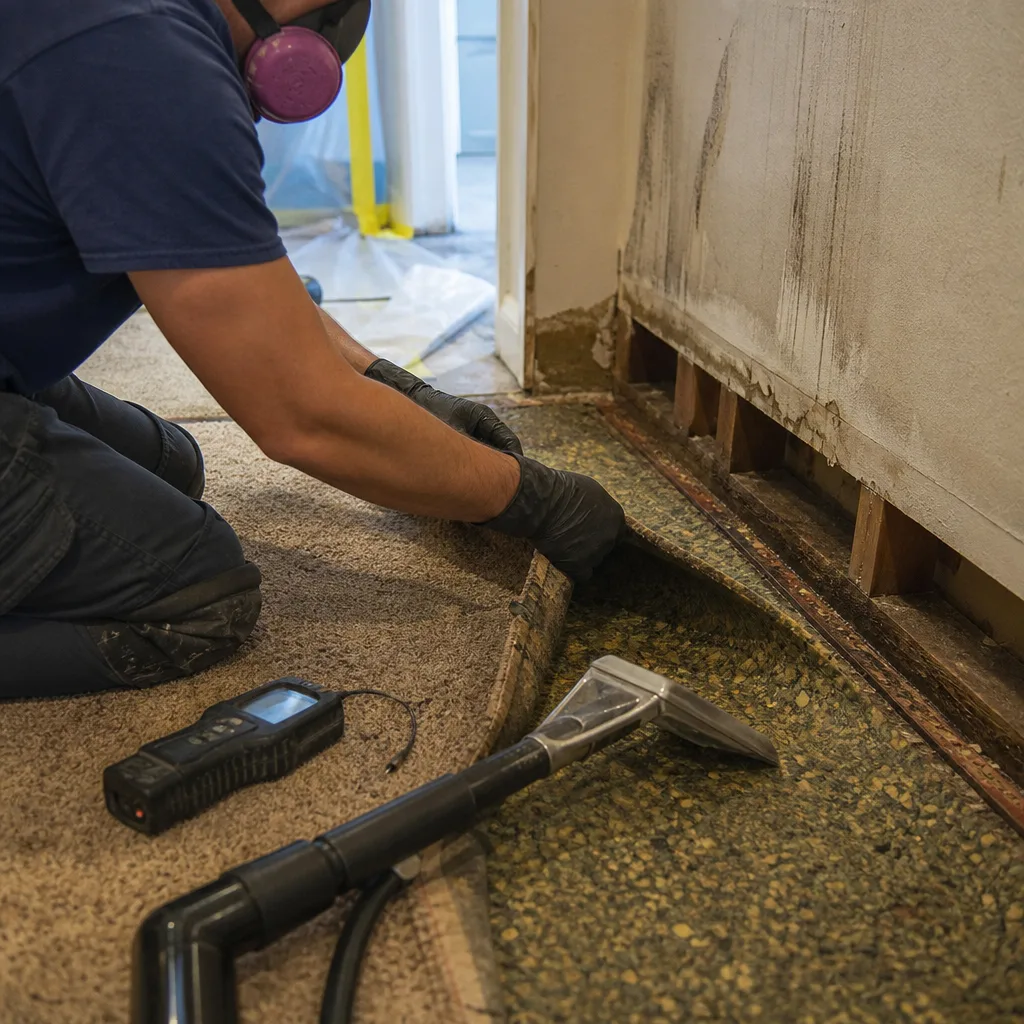
Before a single air mover or dehumidifier enters your Venice home, a legitimate restoration contractor must place four documents in your hands. Not three. Not “we’ll email the scope later.” All four, signed and dated, or the work does not proceed. This isn’t our preference; it’s the standard that prevents the §7159 complaints the CSLB tracks.
- Written Scope of Work: A room-by-room description of what will be done, what materials will be affected, and what equipment will be deployed. The scope should specify drying targets (for example, “wood moisture content below 16% per IICRC S500”) and the psychrometric equipment that will measure progress. Vague language like “dry affected areas” is a red flag. Specific language like “deploy four LGR dehumidifiers in living room, establish 40% relative humidity, monitor with daily hygrometer readings” is what your adjuster needs to see.
- Itemized Estimate with Xactimate Category Codes: Xactimate is the pricing software used by over 80% of U.S. insurers. Each line item carries a category code (WTR for water damage, CLN for cleaning, DRY for drying equipment) that your adjuster will cross-reference. An estimate without category codes cannot be efficiently audited, which means payment delays. We’ll explain how to read these codes in a dedicated section below.
- Signed Authorization Form: This document grants the contractor permission to enter your property and perform the specified work. It should reference the attached scope and estimate by date, and it should contain no blank spaces for “additional work as needed.” California law requires this authorization for any home improvement work exceeding $500. A contractor who begins work without it is operating illegally and exposing you to mechanics lien risk.
- Proof of Current CSLB License: A printed or digital copy of the contractor’s active license in the C-10 (Electrical) or B (General Building) classification, with the license number visible. The CSLB database is public and free to search. We’ll cover verification in the next section.
At DryMark Restoration Venice, these four documents are assembled before our technicians unload equipment. Haven Standard, Clause 1 requires the written price before work starts, every time, with no exceptions. We also provide a Free Second Opinion on any competitor’s written estimate, because we’ve seen too many Venice homeowners discover too late that their “emergency” authorization lacked the documentation their claim required.
How to Verify a CSLB License and IICRC Certification
Verification takes five minutes and prevents months of disputes. Here’s the exact process for each credential.
Verifying a CSLB License
- Navigate to cslb.ca.gov and select “Check a License.”
- Enter the contractor’s license number or business name.
- Confirm the status shows “Active” - not “Suspended,” “Cancelled,” or “Inactive.”
- Verify the classification includes C-10 (Electrical) or B (General Building). Restoration contractors performing structural drying, demolition, or reconstruction must hold one of these. A C-61/D-49 (Tree and Landscaping) or other limited specialty does not authorize water damage restoration.
- Check the bond and workers’ compensation insurance status. Both should show current.
- Review the “Complaint Disclosure” section. Multiple recent complaints are a signal to obtain additional bids.
The license number should appear on every document the contractor provides. If a technician arrives without it, or if the number doesn’t match the CSLB database, stop the work. In Venice, where many contractors serve the broader Los Angeles basin, out-of-area licenses are common but must still be active and properly classified.
Verifying IICRC S500 Certification
The Institute of Inspection, Cleaning and Restoration Certification maintains a public database at iicrc.org. Search by technician name or company name to confirm current S500 Water Damage Restoration certification. But here’s what competitors won’t tell you: certification confirms the technician passed a written exam. It does not confirm the company follows S500 standards on your specific job.
To verify on-site compliance, ask the contractor to name the specific S500 section that governs your situation. For Category 3 water loss (sewage or ground water), S500 requires full personal protective equipment, containment, and antimicrobial application - not merely extraction and drying. A certified technician who cannot cite the relevant section is certified in name only. In our work across Venice, we document every job to IICRC, RIA, and IFA standards, and we provide the standard reference with our written scope so homeowners and adjusters can verify compliance independently.
The Five-Question Phone Screen That Separates Professionals From Pitchmen
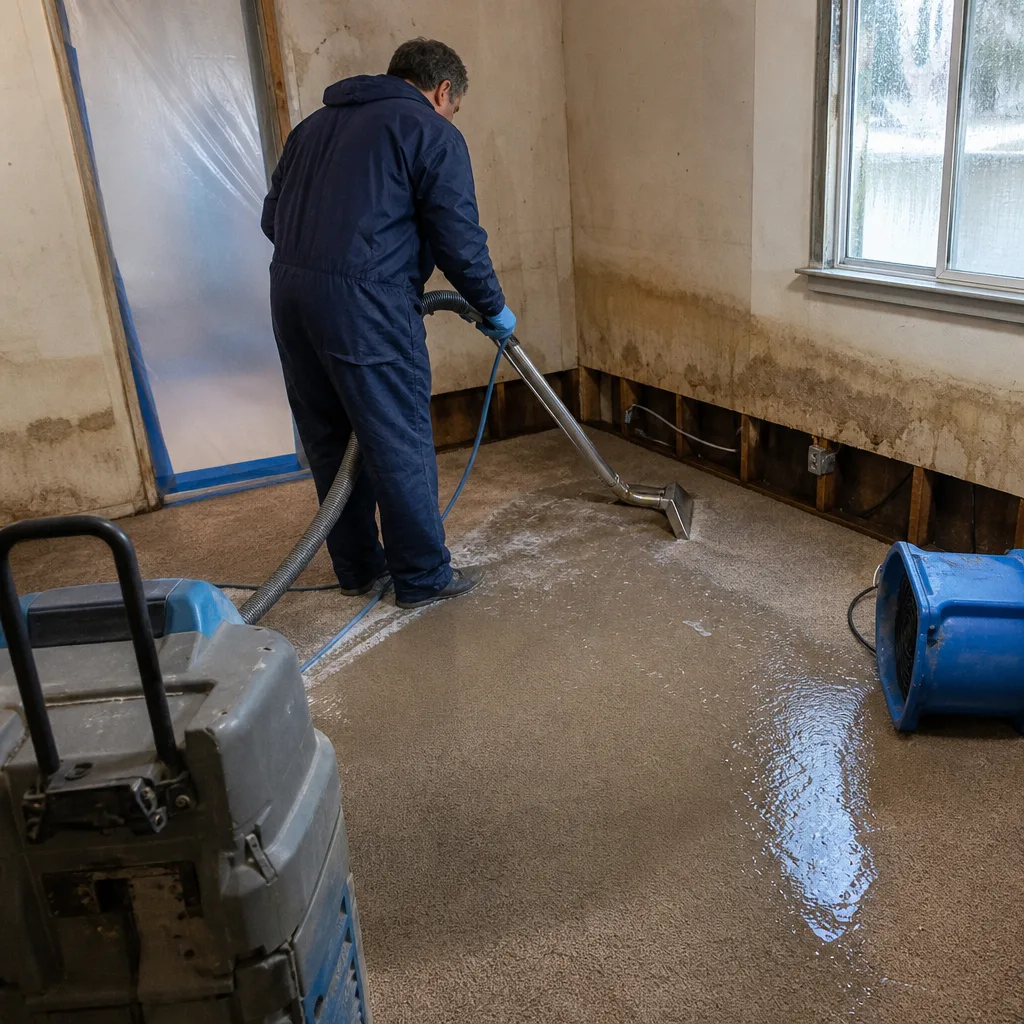
When you call restoration contractors after damage, you’ll hear two types of responses. Reassurance-sellers emphasize speed, empathy, and “we’ll take care of everything.” Documentation-capable contractors answer with specific deliverables. These five questions expose the difference.
| Question | Red Flag Answer | Professional Answer |
|---|---|---|
| 1. What documents will I receive before work starts? | “We’ll email you the paperwork after we get started.” | “A written scope, itemized estimate with Xactimate codes, signed authorization, and license proof - all reviewed before equipment enters.” |
| 2. How do you document drying progress? | “We check it every day and let you know.” | “Daily moisture logs with psychrometric readings, photographed and time-stamped, delivered to you and your adjuster.” |
| 3. What equipment brands do you deploy? | “Professional-grade equipment.” | “Dri-Eaz, Phoenix, or equivalent LGR dehumidifiers with documented CFM and grain depression specifications.” |
| 4. Can you explain Xactimate category codes on your estimate? | “Our office handles billing.” | “WTR for water extraction, DRY for dehumidification, CLN for antimicrobial treatment - each line matches your adjuster’s audit format.” |
| 5. What warranty or guarantee do you provide? | “We stand behind our work.” | “A written 365-Day Done Right Promise, signed and dated, under The Haven Standard.” |
The critical distinction is specificity. A contractor who names a deliverable - a document, a reading, a brand, a code - has a process. A contractor who describes a feeling - “peace of mind,” “we’ve got you covered,” “rest easy” - has a sales script. In Venice’s competitive restoration market, where contractors range from single-truck operators to regional franchises, this phone screen eliminates the majority of documentation-deficient providers before they reach your driveway.
Our dispatchers at Water Damage Restoration in Venice are trained to answer each question with the specific deliverable, not the sentiment. Live person answers every call, 24 hours a day, 7 days a week, because documentation begins with the first conversation, not the first site visit.
How to Read a Restoration Estimate Line by Line
Xactimate category codes are the universal language of property insurance claims. Understanding them lets you verify that your contractor’s estimate aligns with what your adjuster will approve, preventing the payment gaps that leave homeowners paying out of pocket.
Common Category Codes in Water Damage Restoration
- WTR-DRY: Water damage, drying. Covers dehumidification and air movement equipment. Each unit should be listed separately with daily rates and estimated days of use.
- WTR-EXTR: Water extraction. Covers pumping and vacuum extraction of standing water. Should specify gallons removed or square footage affected.
- WTR-CLN: Cleaning and antimicrobial treatment. Required for Category 2 (gray water) and Category 3 (black water) losses. Should specify product by EPA registration number.
- WTR-DEMO: Demolition of unsalvageable materials. Should list specific materials (drywall, insulation, baseboard) and square footage.
- WTR-REIN: Reinstallation or reconstruction. Only appears after drying is complete and materials are tested. If this appears on an initial mitigation estimate, question whether demolition is premature.
- WTR-EQUM: Equipment monitoring. Covers daily visits to check readings and adjust equipment. Should match the number of drying days.
Red Flags in Line-Item Review
- Consolidated “lump sum” lines: “Mitigation services - $4,500” with no breakdown. Your adjuster will reject this or apply arbitrary depreciation. Every service must be itemized.
- Equipment without daily rates: A dehumidifier listed at “$1,200” without specifying days of use. Professional estimates show unit cost per day multiplied by estimated days, with a notation that final billing adjusts to actual days.
- Missing category codes: Descriptions without WTR- prefixes. This indicates the estimate was not generated in Xactimate or equivalent, which means your adjuster cannot auto-approve lines and must manually review each item.
- “Additional work as needed” clauses: These create open-ended billing authority. Haven Standard, Clause 1 prohibits such language; every service must be scoped and priced before work begins.
In Venice, where many homes date to the 1920s and 1930s, we frequently encounter lath-and-plaster walls that require different demolition and drying protocols than modern drywall. Our estimates specify material type by room, because “living room - WTR-DEMO” is insufficient when the adjuster needs to verify that plaster demolition commands a different rate than drywall. This specificity is what turns a restoration invoice into a payable claim.
Contract Clauses That Create Disputes (And How to Spot Them)
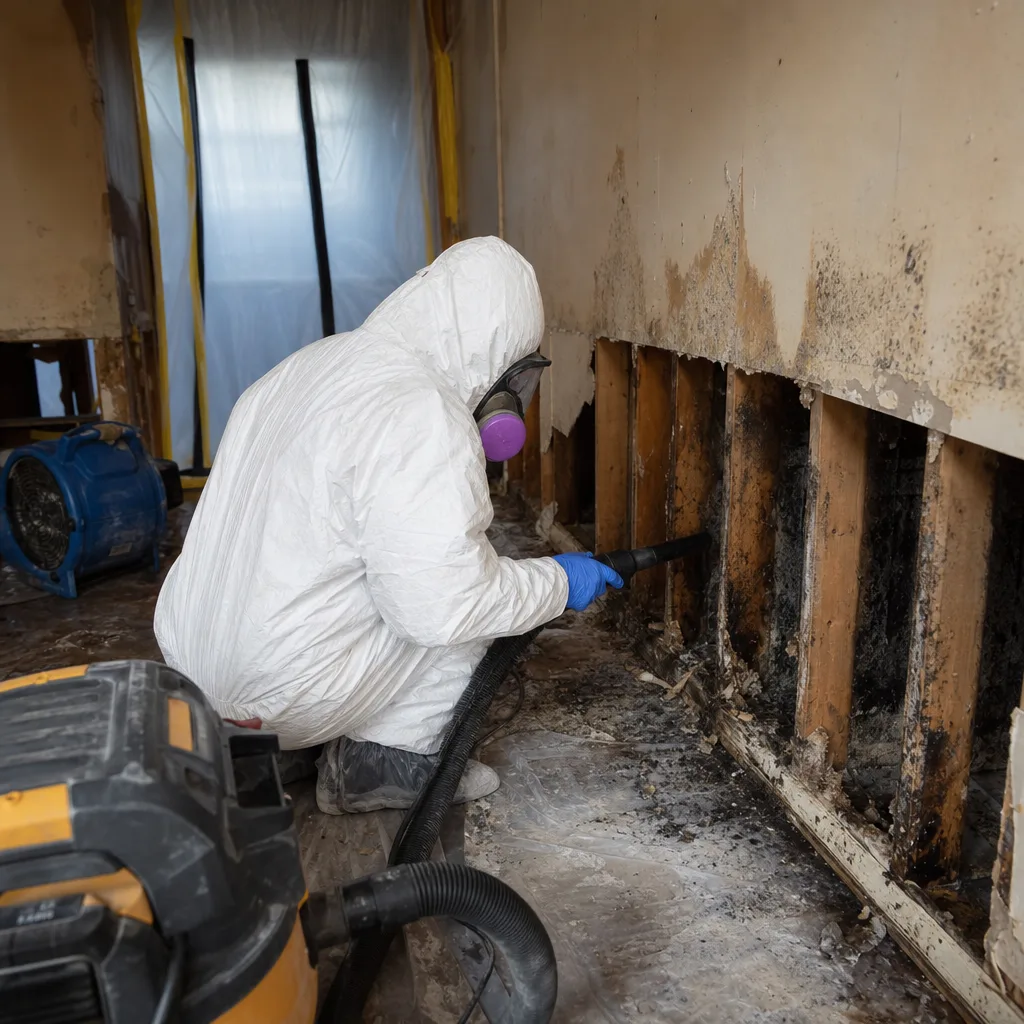
California mechanics lien law gives contractors powerful collection tools, including the right to file a lien against your property for unpaid work. In restoration, where emergency authorizations are signed under stress, homeowners often grant rights they don’t understand. These three clauses appear in contracts that generate the most CSLB complaints.
Assignment of Benefits (AOB)
An AOB transfers your insurance claim rights to the contractor, who then bills your insurer directly and collects payment without your involvement. In Florida, AOB abuse led to legislative reform. In California, AOB clauses remain legal but create severe conflicts: the contractor, not you, controls claim negotiations, and disputes between contractor and insurer leave you liable for balances. We do not use AOB language at DryMark Restoration Venice. You retain your claim rights; we provide the documentation you need to support it.
Open-Ended “Additional Work as Needed”
This language appears as a blank line or an authorization clause permitting the contractor to perform unspecified services at unspecified prices. It voids the §7159 protection of a fixed contract. Haven Standard, Clause 1 explicitly prohibits this: every service is scoped, priced, and authorized in writing before work begins. If your estimate contains this language, demand its removal or select another contractor.
Waiver-of-Subrogation
This clause prevents your insurer from recovering costs from a responsible third party - for example, if a neighbor’s plumbing caused your damage. By signing, you may void your insurer’s right to pursue that neighbor, and your insurer may deny your claim for interfering with recovery rights. Read carefully: some waivers are buried in “hold harmless” language. A legitimate restoration contract addresses the work being performed, not your insurer’s legal rights.
Mechanics Lien Warning
California requires contractors to include a mechanics lien warning in every home improvement contract. The warning should specify your right to withhold payment if work is defective and the process for dispute resolution. A contract without this warning is non-compliant. A contract with modified warning language - for example, shortening your payment withholding period - should be questioned.
Venice-Specific Considerations: Coastal Climate and Local Codes
Venice presents restoration challenges that inland contractors may not anticipate. Understanding these local factors helps you evaluate whether a contractor has actual experience in your market.
Ambient Humidity and Drying Time
Venice’s average annual relative humidity hovers near 65%, compared to 50% in the San Fernando Valley. This means natural drying is slower, and mechanical dehumidification must run longer to achieve the same moisture content reduction. A contractor who estimates three days of drying based on inland experience may leave your walls at risk. Our drying logs in Venice typically show 20-30% longer equipment run times than comparable jobs in drier climates, and we scope accordingly.
Coastal Fog and Secondary Condensation
The marine layer that rolls in from the Pacific can deposit moisture on cooled surfaces even after primary drying is complete. We’ve documented cases in the Venice Canals area where windows left open during foggy mornings reintroduced moisture to dried structures, requiring secondary dehumidification. Proper restoration includes sealing the envelope and monitoring for 48 hours after equipment removal, not merely hitting target readings once.
Age and Construction Type
Pre-1950s homes in Venice, particularly in the walk streets near the beach, often have uninsulated crawl spaces, plaster over wire lath, and no vapor barriers. These assemblies hold moisture differently than modern construction and require specialized drying approaches, including Injectidry systems that introduce dry air into wall cavities without destructive demolition. A contractor who scopes standard drywall demolition for plaster walls is proposing unnecessary damage and inflated reconstruction costs.
Local Permitting for Reconstruction
The City of Los Angeles requires permits for structural repairs, electrical work, and plumbing modifications following significant water damage. Venice falls under LADBS jurisdiction, and permit timelines vary by project scope. A restoration contractor who promises to “handle everything” without specifying permit requirements is either uninformed or planning unpermitted work that jeopardizes your resale value and insurance coverage. Our reconstruction estimates include permit costs and timeline explicitly, because Haven Standard documentation extends through the rebuild phase.
Common Mistakes to Avoid
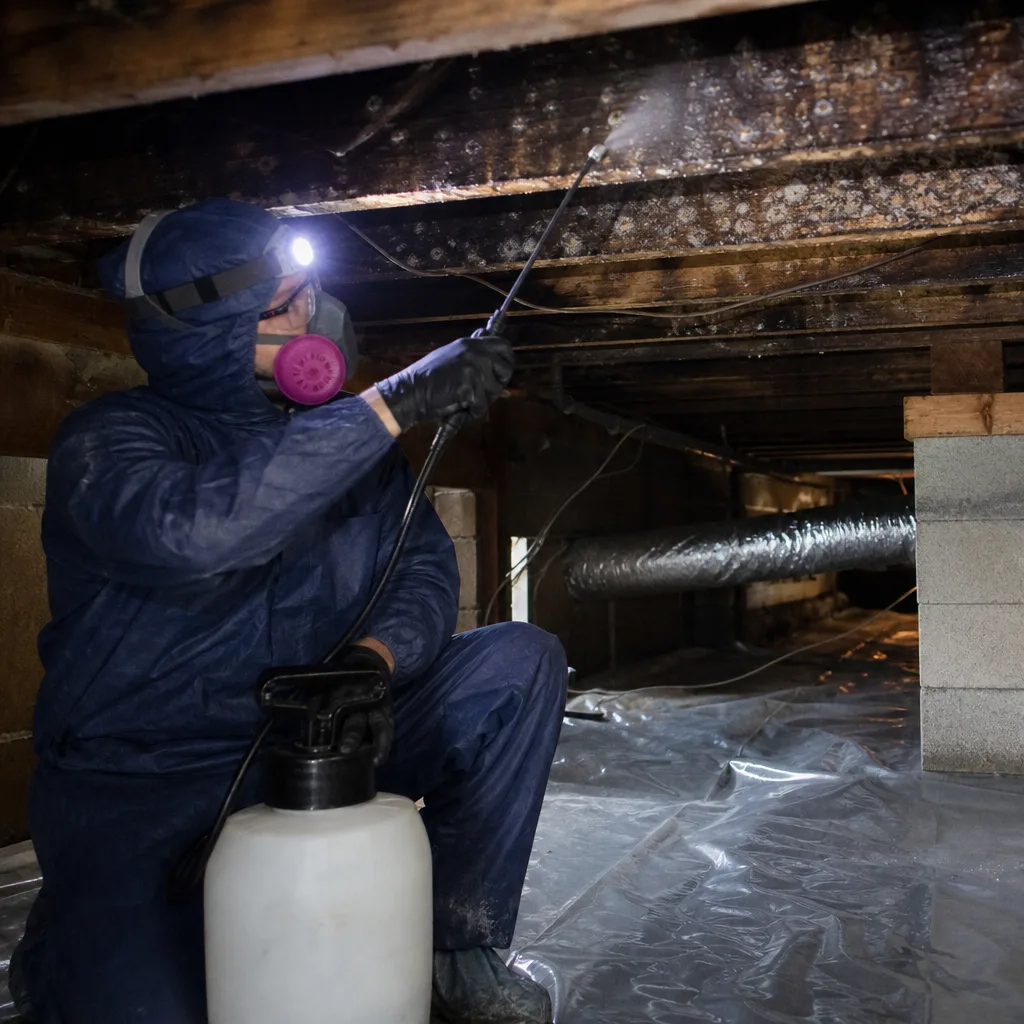
- Signing a verbal authorization over the phone: California law requires written contracts for home improvement work over $500. A verbal authorization exposes you to unlimited billing and mechanics lien risk. Demand the four documents before any work begins.
- Choosing the first contractor who answers at 2 a.m.: Emergency response matters, but documentation capability matters more. A 30-minute delay to verify credentials and review an estimate prevents months of disputes. In Venice, where multiple contractors serve the area, you have options even at night.
- Accepting an estimate without Xactimate codes: Your adjuster will reject or delay payment on non-coded estimates. The contractor’s failure to use standard coding suggests either inexperience with insurance claims or intentional opacity.
- Ignoring “additional work as needed” language: This clause appears in more than half of disputed restoration contracts reviewed by the CSLB. It transforms a fixed-price agreement into an open-ended authorization. Cross it out or walk away.
- Failing to photograph the damage before cleanup: Your insurer requires pre-mitigation documentation to establish the cause and extent of loss. A contractor who begins extraction before you’ve photographed (or who refuses to wait while you do) is compromising your claim. We document with our photo record on every visit, but your independent documentation provides additional protection.
- Assuming certification equals on-site compliance: IICRC S500 certification is a baseline credential, not a guarantee. Verify the certification in the public database, then ask the contractor to cite the specific standard section applicable to your loss category.
- Neglecting to verify workers’ compensation coverage: Uninsured workers on your property create liability exposure. The CSLB license check includes workers’ comp status; confirm it before authorizing work.
When to Call a Professional
Call a restoration contractor immediately when water originates from a contaminated source (sewage, groundwater, or Category 3 loss), when affected area exceeds 10 square feet of visible mold, when fire or smoke damage involves structural components, or when water has been standing for more than 24 hours. These scenarios require professional containment, PPE, and documentation that homeowners cannot safely or effectively provide.
For smaller, contained incidents - a single overflowed toilet caught within minutes, a minor sink leak with no visible wall damage - you may manage initial extraction yourself. But document everything: photographs with timestamps, moisture readings if you have a meter, and a log of actions taken. Your insurer may still require professional verification that drying standards were met.
DryMark Restoration Venice offers free estimates in Venice. We provide a written price before work begins, documented photo records on every visit, and the 365-Day Done Right Promise backed by The Haven Standard. For water damage, mold concerns, or fire and smoke restoration, call (424) 372-0129. Our live dispatch answers 24 hours a day, 7 days a week, with no voicemail on emergency lines.
Frequently Asked Questions
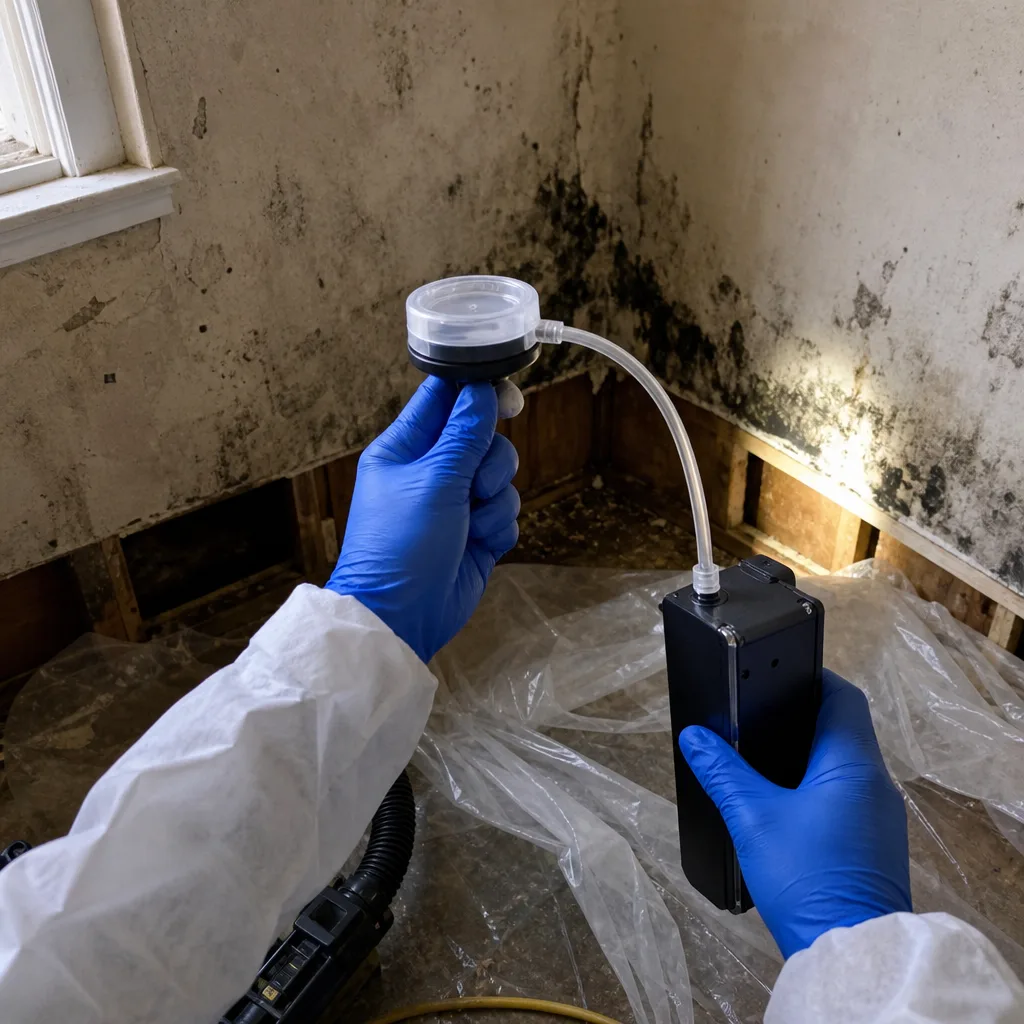
Water damage mitigation in Venice typically ranges from $1,200 for contained, Category 1 losses under 100 square feet to $8,500+ for whole-house Category 3 flooding with demolition and antimicrobial treatment. Mold remediation averages $15-$30 per square foot of affected area, with containment and air scrubbing adding $800-$1,500. Fire and smoke restoration varies widely based on structural involvement; expect $4,000-$15,000 for moderate kitchen or living room damage. These ranges reflect Venice’s labor costs and the extended drying times required by coastal humidity. Call (424) 372-0129 for a written estimate specific to your situation - estimates are free under Haven Standard, Clause 1.
Insurance coverage depends on your policy type, cause of loss, and documentation quality. HO-3 policies cover sudden and accidental water damage but exclude long-term leaks and flood (the latter requires separate NFIP coverage). The single largest factor in full payment is documentation: a written scope, photo record, and drying logs that prove professional mitigation standards were met. Contractors who provide these documents produce claims paid at higher rates with fewer disputes. We coordinate directly with adjusters and provide Xactimate-formatted estimates that match their audit systems.
Emergency response times in Venice typically range from 45 minutes to 2 hours during business hours, and 1 to 3 hours overnight, depending on contractor location and traffic on the 405 or Pacific Coast Highway. Speed matters for water mitigation to prevent secondary damage, but documentation discipline should not be sacrificed for speed. A contractor who arrives in 30 minutes without the four required documents is not prepared to protect your claim. Our live dispatch provides realistic arrival windows and assembles documentation en route so both speed and compliance are maintained.
Visible mold exceeding 10 square feet, mold resulting from Category 2 or 3 water damage, or mold in HVAC systems requires professional remediation per EPA and IICRC guidelines. DIY cleaning of extensive mold disturbs spores and spreads contamination without proper containment and negative air pressure. More critically, insurers require professional documentation of remediation to cover related health or structural claims. A homeowner who self-cleans and later develops respiratory issues has no documentation trail to support liability claims.
You retain responsibility for your claim, but a documentation-capable contractor should coordinate directly with your adjuster to provide scope, estimates, and progress documentation. We do not accept assignment of benefits; instead, we equip you with the documented evidence to support your claim and communicate with adjusters on your authorization. This preserves your rights while ensuring the adjuster receives the formatted information needed for prompt payment.
Request the specific standard section applicable to your loss. For water damage, S500 defines Category 1 (clean water), Category 2 (gray water), and Category 3 (black water) with corresponding protocols. Ask the contractor to show you the daily moisture log with psychrometric readings and explain how current readings compare to drying goals. If they cannot produce this documentation or explain the standard in plain language, they are not following it regardless of certification status.
The Bottom Line
Hiring a damage restoration contractor in Venice is a procurement decision that happens under stress, which is exactly when documentation discipline matters most - for more guides & resources, see our blog. Verify the CSLB license in C-10 or B classification. Demand four documents before work begins: written scope, itemized estimate with Xactimate codes, signed authorization, and license proof. Confirm IICRC certification in the public database, then verify on-site compliance through specific deliverables, not general assurances. Read every contract clause for assignment of benefits, open-ended billing authority, and waiver-of-subrogation language. And account for Venice’s coastal humidity in drying expectations, because a contractor who scopes for inland conditions will leave your structure at risk.
The contractors who survive this screening are rare. They’re the ones who’ve built systems around evidence rather than urgency, who treat your claim documentation as seriously as the drying itself. That’s the standard we’ve operated under since 2011, and it’s the standard that protects Venice homeowners when they need it most.
Written by Alicia Brennan, Owner at DryMark Restoration Venice, serving Venice since 2011.