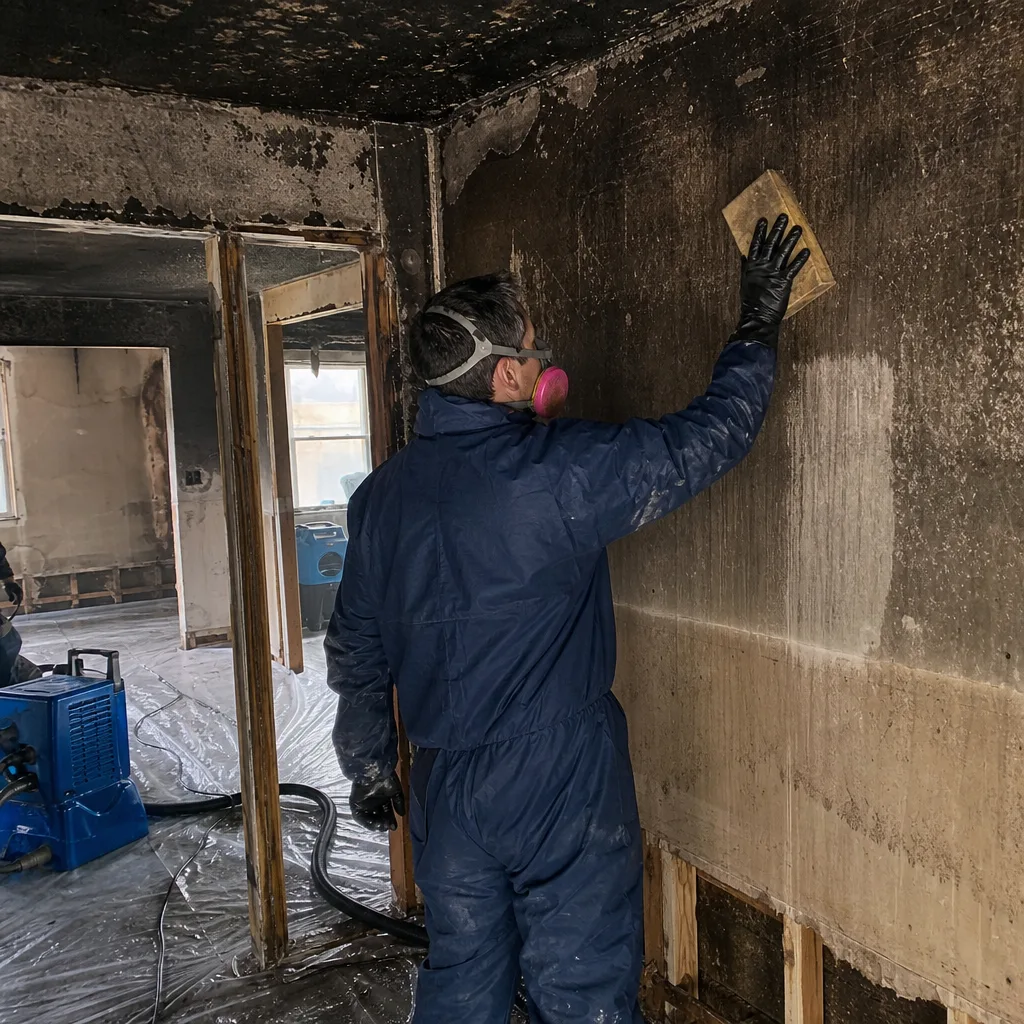
Free visual inspection and a written scope of work before any mitigation begins - photos, moisture readings, and drying logs go in your claim file
The scope we write is the scope we bill. Anything new gets shown to you, in writing, before we touch it.
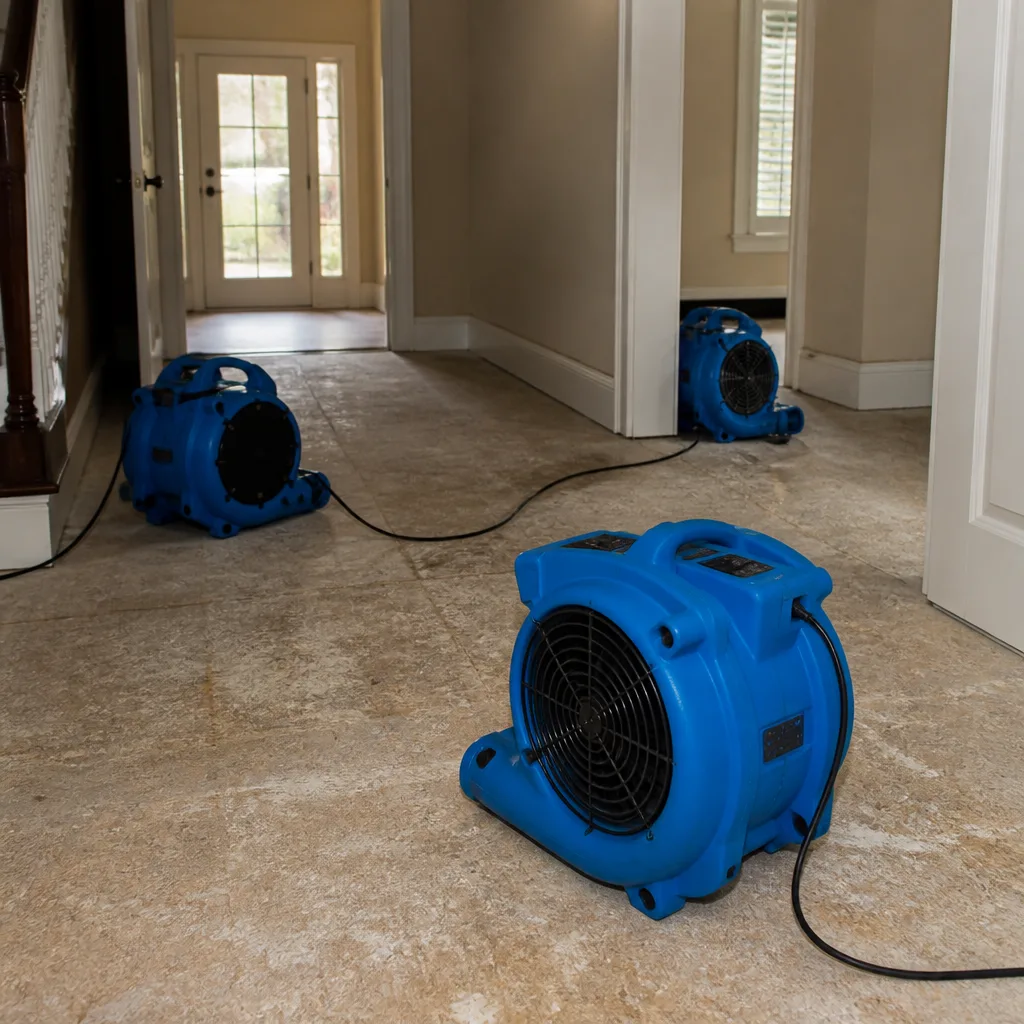
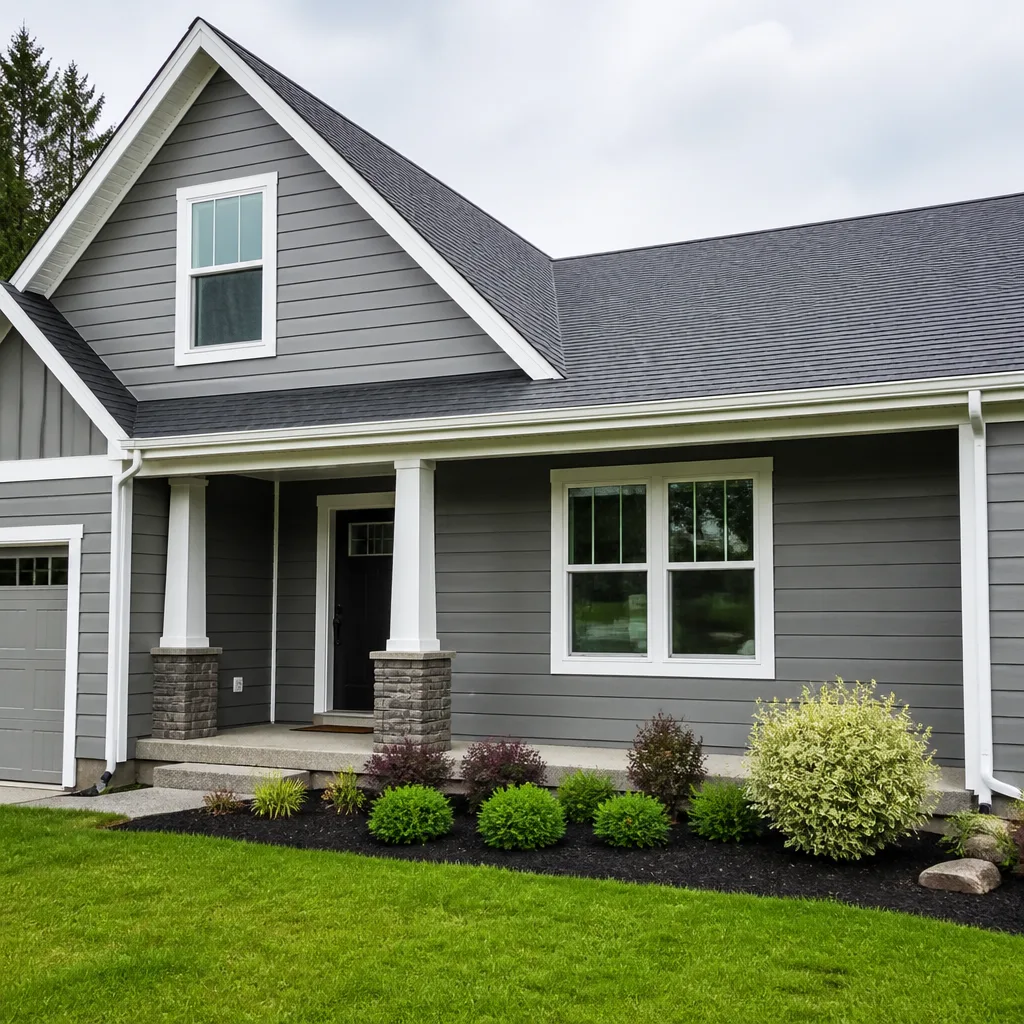
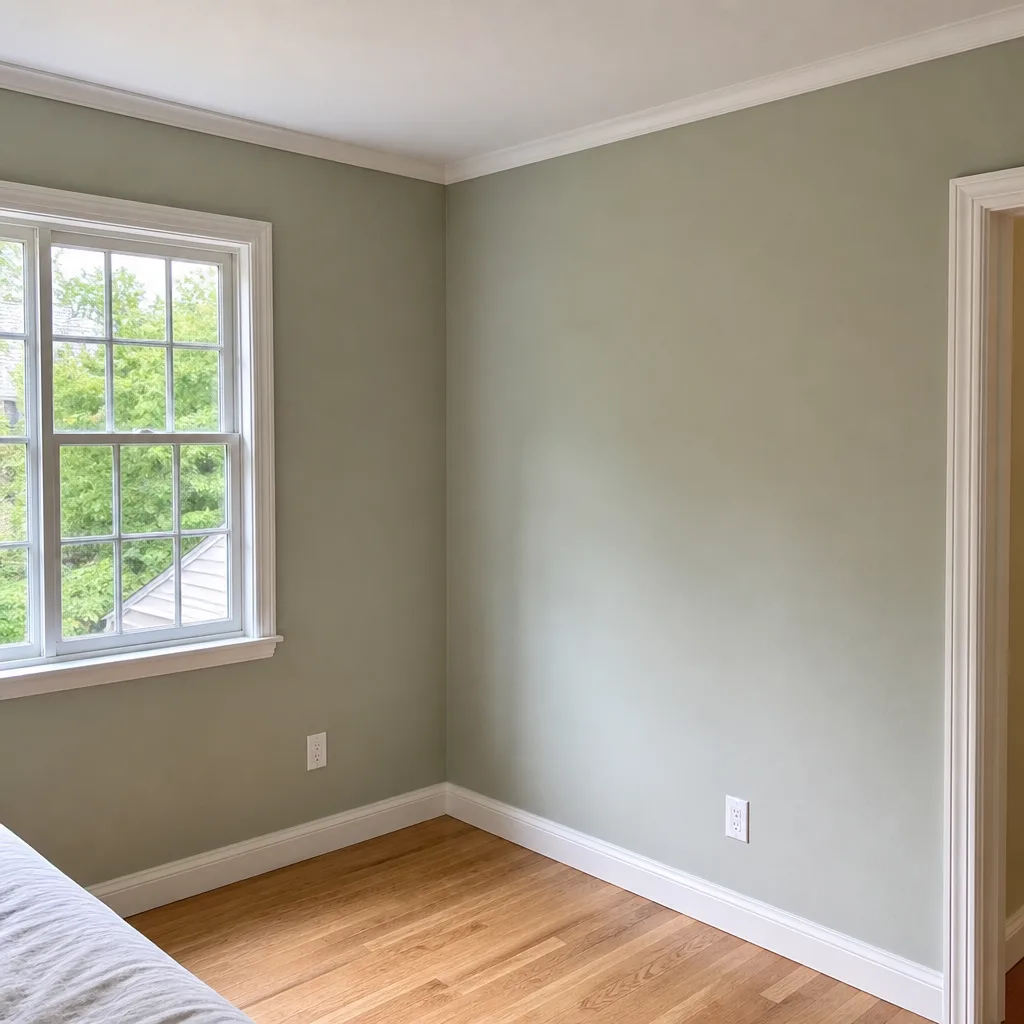
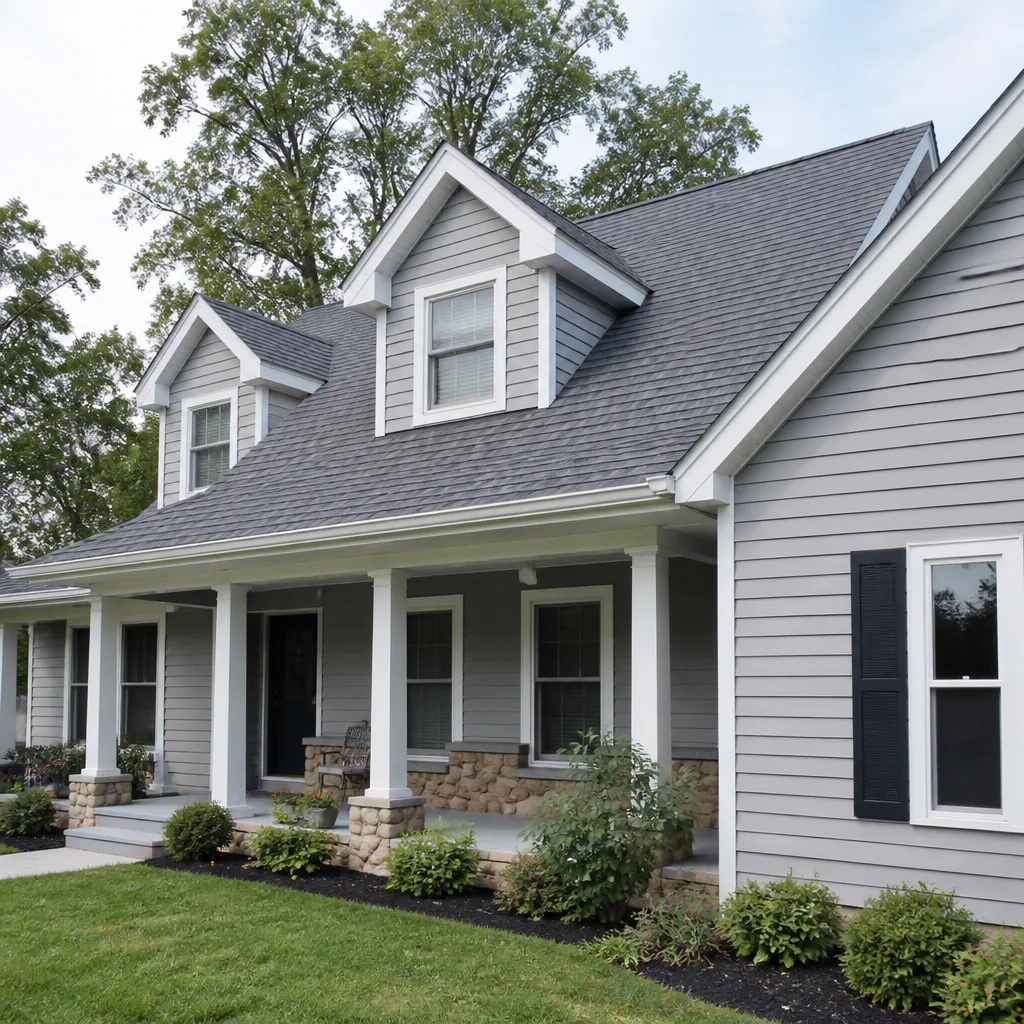
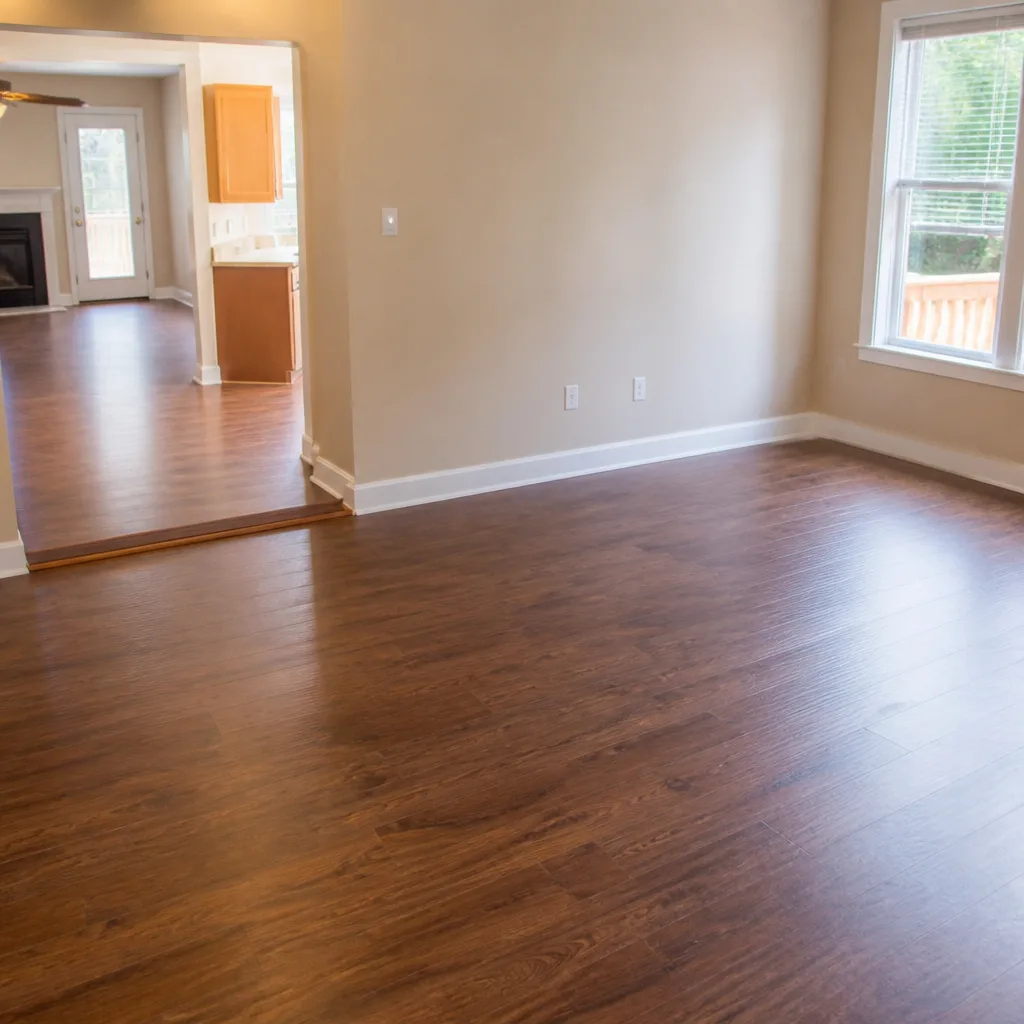
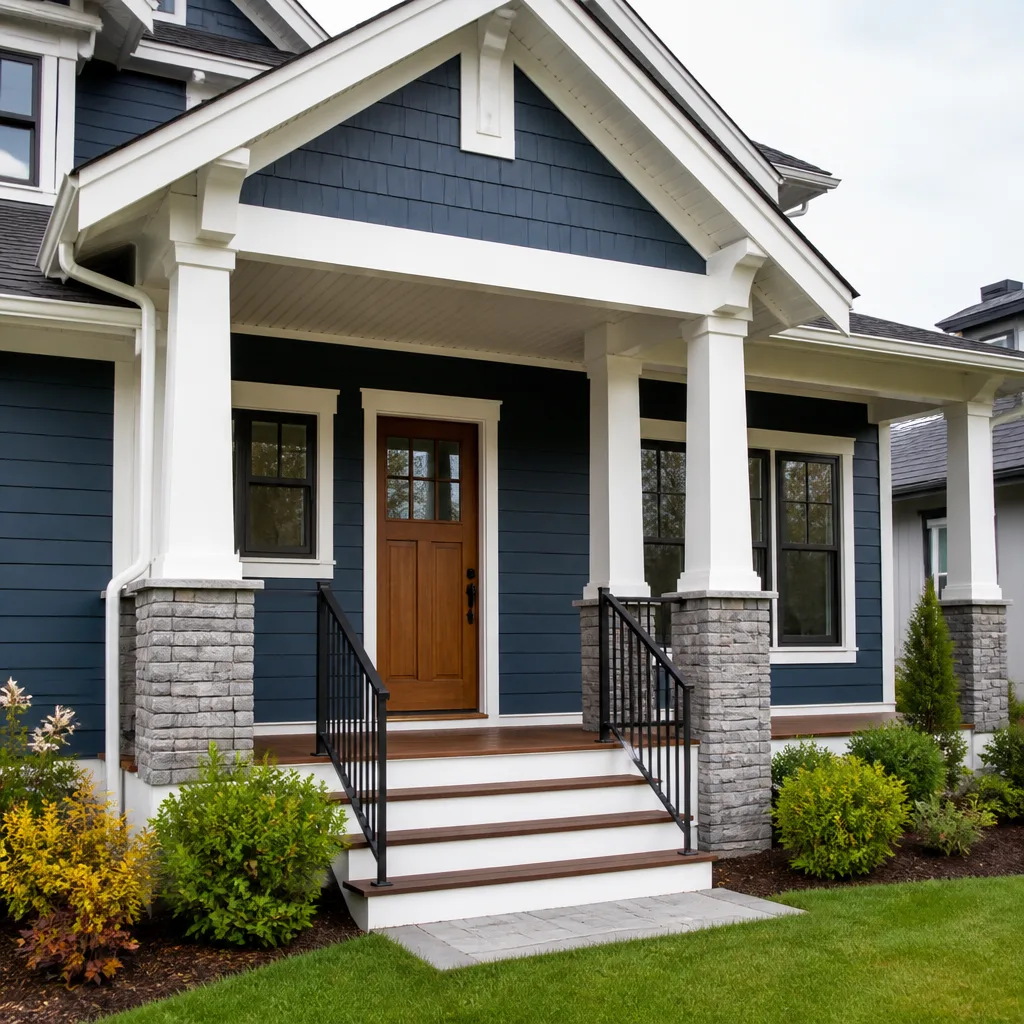
 Before
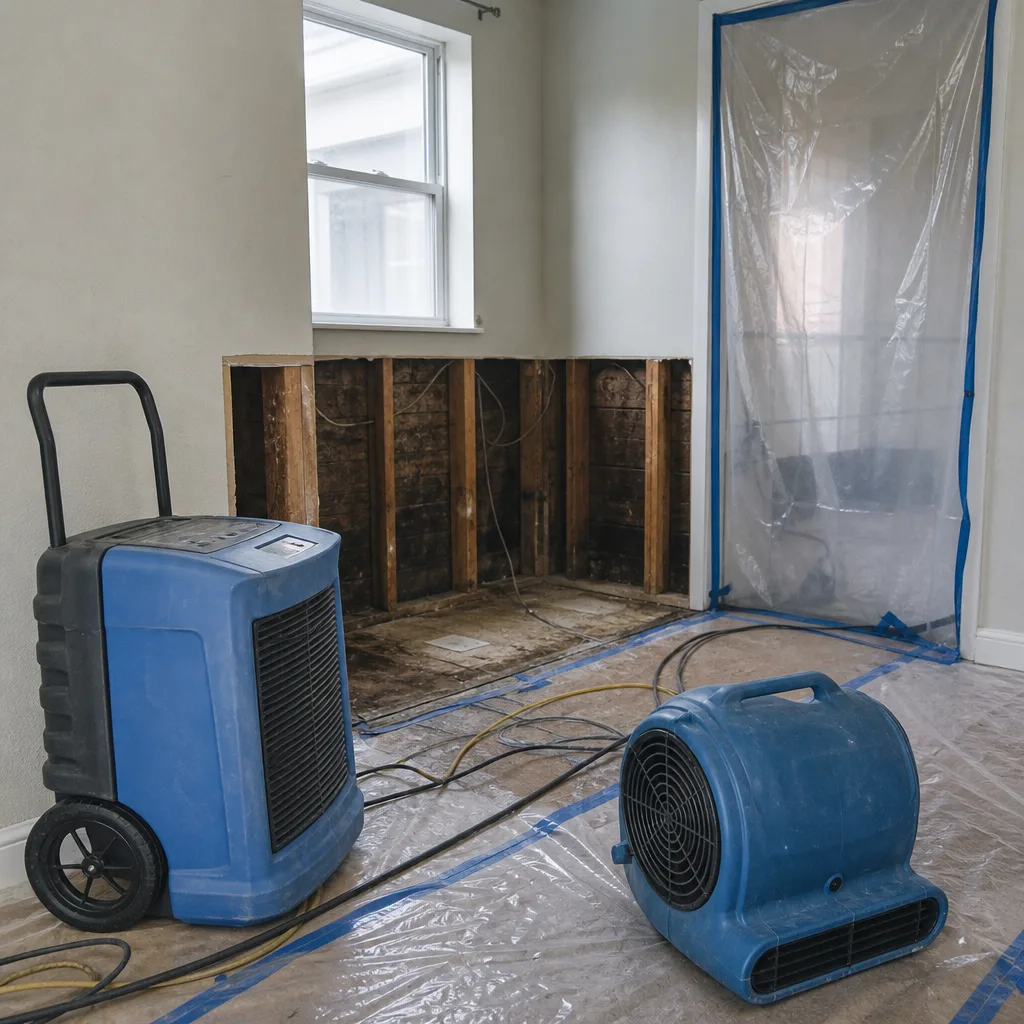 After
After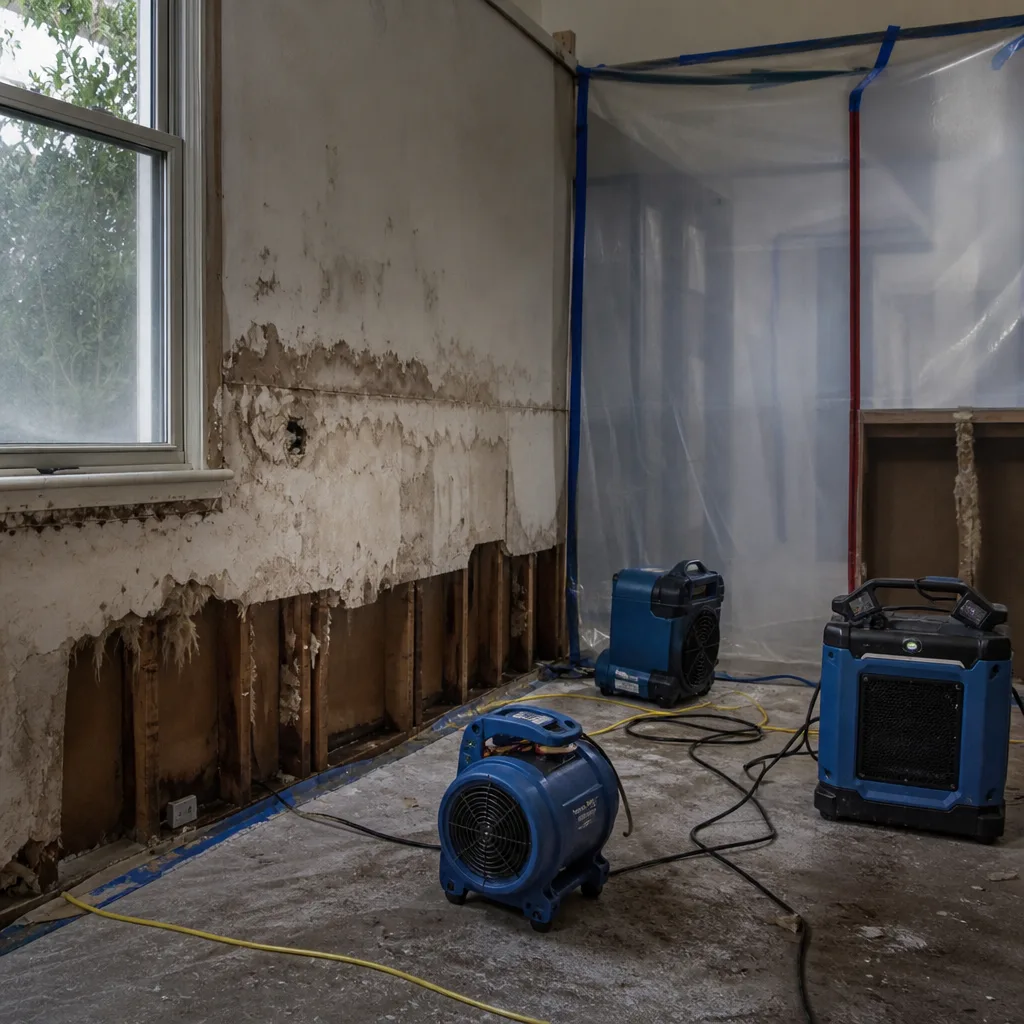 Before
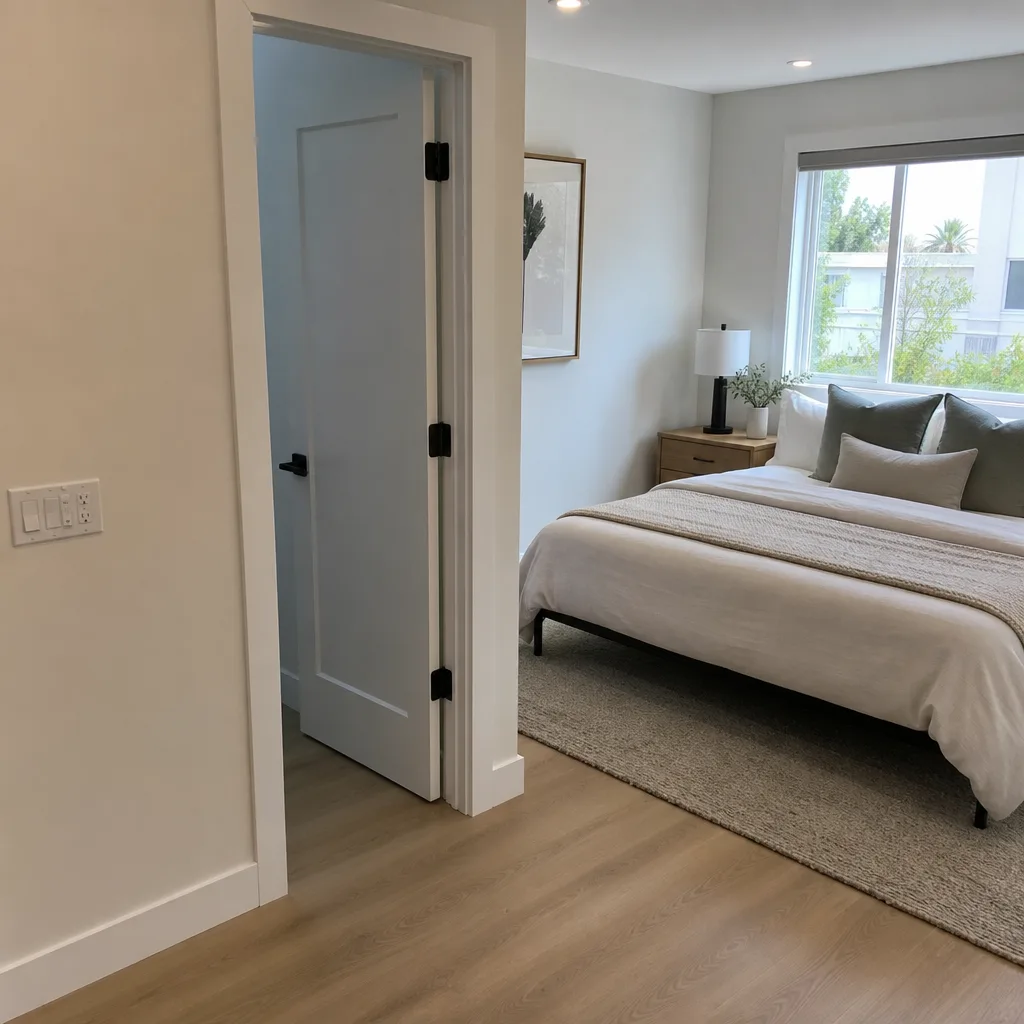 After
After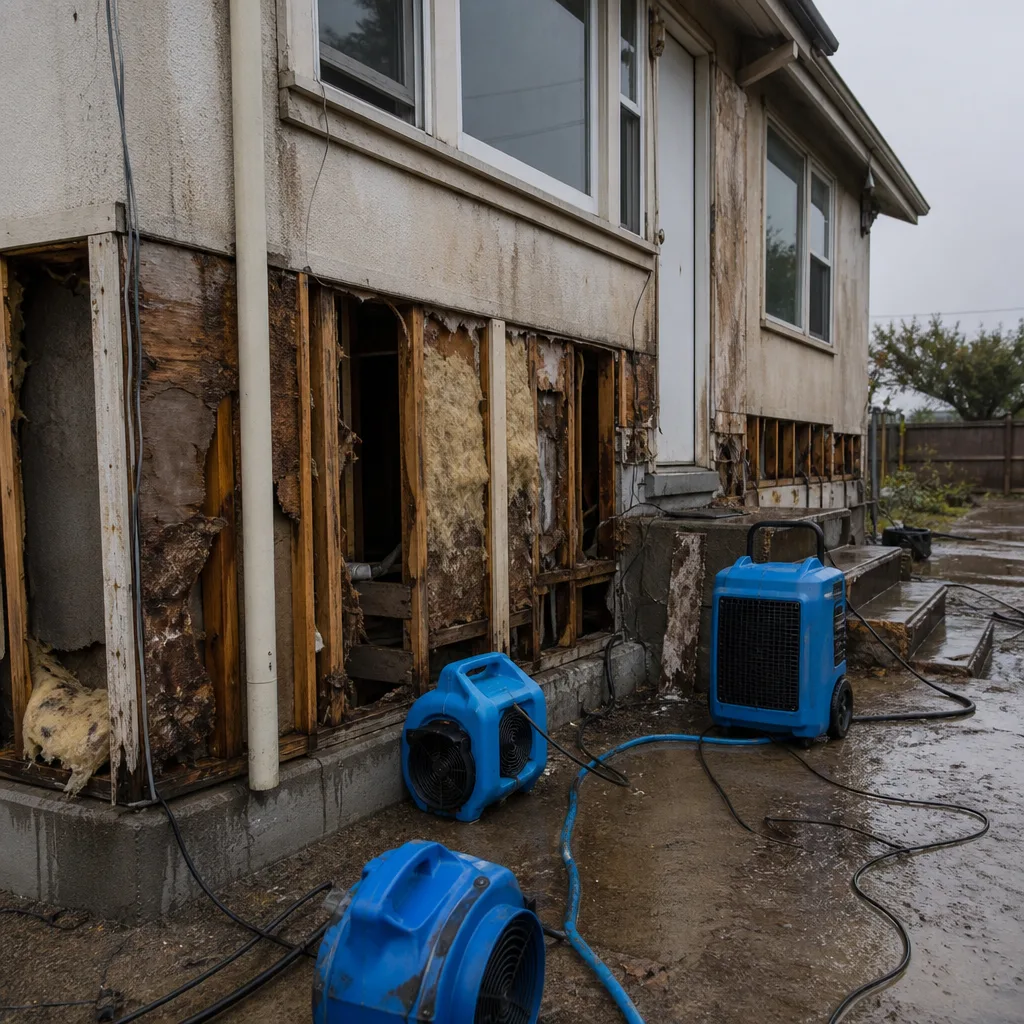 Before
 After
After24/7 Emergency Water Damage Restoration in Hawthorne
Water damage restoration in Hawthorne typically costs $2,800-$7,500 for a standard residential drying and repair scope, with emergency extraction and stabilization starting at $1,200-$2,400. Most Hawthorne properties need 3-5 days of active structural drying before reconstruction can begin. Call (424) 372-0129 now and a live person will answer, 24 hours a day, 7 days a week - no voicemail, no callback queues while water keeps moving through your floors.
We’re minutes from Hawthorne’s core neighborhoods and dispatch crews directly from our Los Angeles office. The first hour determines whether we’re extracting standing water or tearing out saturated drywall, subfloor, and framing. Our Water Damage Restoration team arrives with thermal imaging, moisture meters, and extraction equipment already loaded. We perform a free visual inspection, document every reading, and deliver a written price before anyone starts work - Haven Standard, Clause 1.
Understanding Water Damage Restoration Severity in Hawthorne Properties
Water damage in Hawthorne falls into three categories that dictate safety protocols, drying strategy, and whether materials can be salvaged. Category 1 water - clean supply-line leaks - degrades to Category 2 within 24-48 hours of contact with building materials, picking up contaminants from drywall paper, carpet adhesives, and the dust load in 70-year-old wall cavities. Category 2, or gray water, carries enough microbial load to require antimicrobial treatment and removal of porous materials. Category 3, black water from sewage backups or ground flooding, demands full containment, HEPA air scrubbing, and disposal of all affected porous assemblies.
Hawthorne’s housing stock amplifies these dynamics. The 1940s-1960s tract homes built for Northrop workers contain original galvanized steel supply lines now corroding from the inside out, flat built-up roofs with minimal slope, and wall cavities without modern vapor barriers. A Category 1 kitchen supply-line leak in a 1955 bungalow on Prairie Avenue often reveals hidden saturation in the subfloor and wall bottom plates that has been developing for months from prior slow leaks. Our crews moisture-map every adjacent room, not just the visible stain, because we’ve learned that sheathing and top-plate framing in these homes holds moisture silently until the damage is extensive.
Psychrometric data - temperature, relative humidity, and vapor pressure differential - drives our drying calculations. In Hawthorne’s marine-layer environment, ambient humidity often exceeds 70% overnight, which means our dehumidification capacity must overcome both the water intrusion and the chronic atmospheric moisture load. Tertiary drying, the final phase where bound moisture is removed from dense structural materials, typically takes longer here than in drier inland markets.
Why Hawthorne Property Owners Choose DryMark Restoration Venice
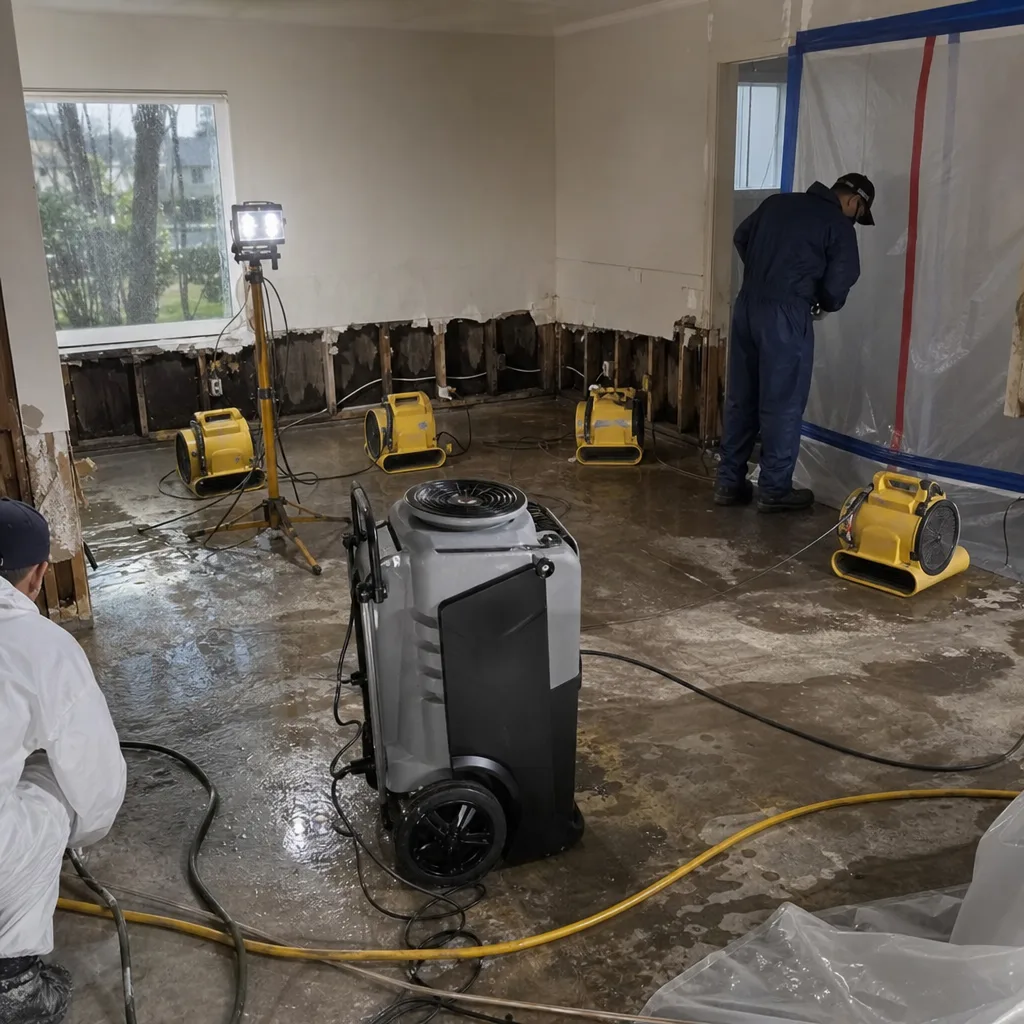
- 45-minute response commitment to Hawthorne addresses - our crews stage equipment at our Los Angeles office and route via the 405 or surface streets depending on time of day.
- 24/7 live answer: a real person picks up every call, never an automated system or voicemail tree, because water doesn’t wait for business hours.
- IICRC-certified crews holding WRT (Water Damage Restoration Technician) and AMRT (Applied Microbial Remediation Technician) credentials, with license numbers documented on every job file.
- Free visual inspection with moisture mapping and thermal imaging included - no charge to understand what you’re facing.
- Direct insurance billing and adjuster coordination - we speak the same language as your carrier’s claims department because our founder, Alicia Brennan, built this company after years as a claims adjuster.
- One team from extraction to reconstruction - no handoffs between contractors, no gaps in documentation, no disputes about who caused what damage.
 Before
 After
AfterOur Water Damage Restoration Process
1. Inspection & Assessment
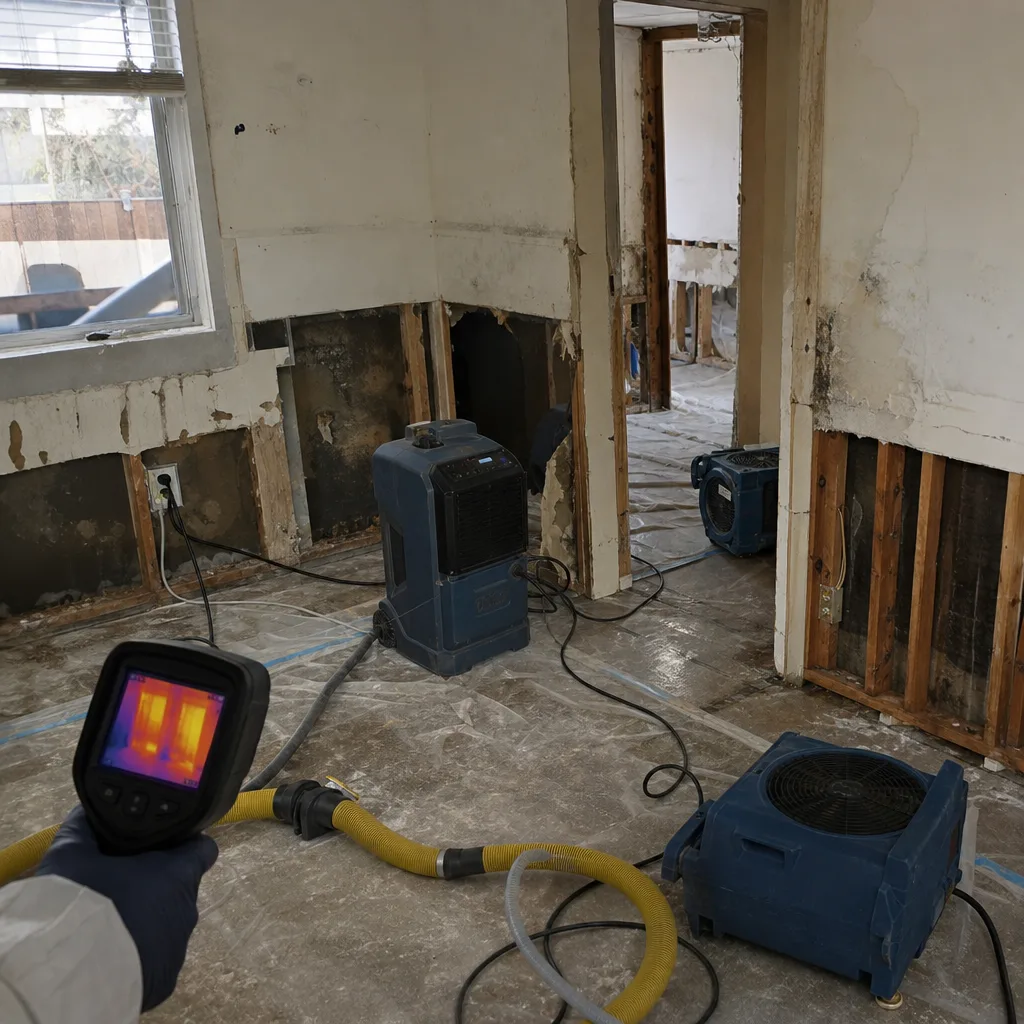
We arrive with FLIR thermal imaging cameras, penetrating and non-penetrating moisture meters, and hygrometers to map the full extent of saturation. In Hawthorne’s older homes, we probe flat parapet roofs and check crawl spaces even when the visible damage seems minor - the hidden water is what destroys the structure and breeds mold.
2. Extraction & Stabilization
Standing water is removed with truck-mounted extractors and portable units from Dri-Eaz and Phoenix. We remove wet carpet pad, drill weep holes in sagging drywall, and set up containment to prevent cross-contamination. Every action is photographed and logged.
3. Structural Drying & Dehumidification
We deploy LGR dehumidifiers from Dri-Eaz, axial and centrifugal air movers from XPOWER and B-Air, and calculate specific humidity targets based on your home’s materials and the ambient marine-layer conditions. Daily moisture readings are recorded in drying logs that your insurer can audit.
4. Cleaning & Sanitization
All affected surfaces receive antimicrobial treatment appropriate to the water category. In Hawthorne’s chronically humid environment, we extend treatment into wall cavities and behind baseboards where marine-layer condensation feeds residual mold risk.
5. Moisture Verification & Mold Prevention
We verify drying completion with moisture content readings below 16% for wood framing and equilibrium relative humidity below 60% in all affected cavities. If mold is present or suspected, we deploy HEPA air scrubbers and establish containment per IICRC S520 standards before remediation begins.
6. Repairs & Restoration
Once dry and cleared, our reconstruction team replaces drywall, subfloor, trim, and finishes to match existing conditions. A written scope and fixed price are delivered before any rebuild work starts - Haven Standard, Clause 1 applies to every phase.
Need Emergency Water Damage Restoration in Hawthorne Now?
Crews minutes away, answering live 24 hours a day. The sooner we start, the less it costs.
Working With Your Insurance Company
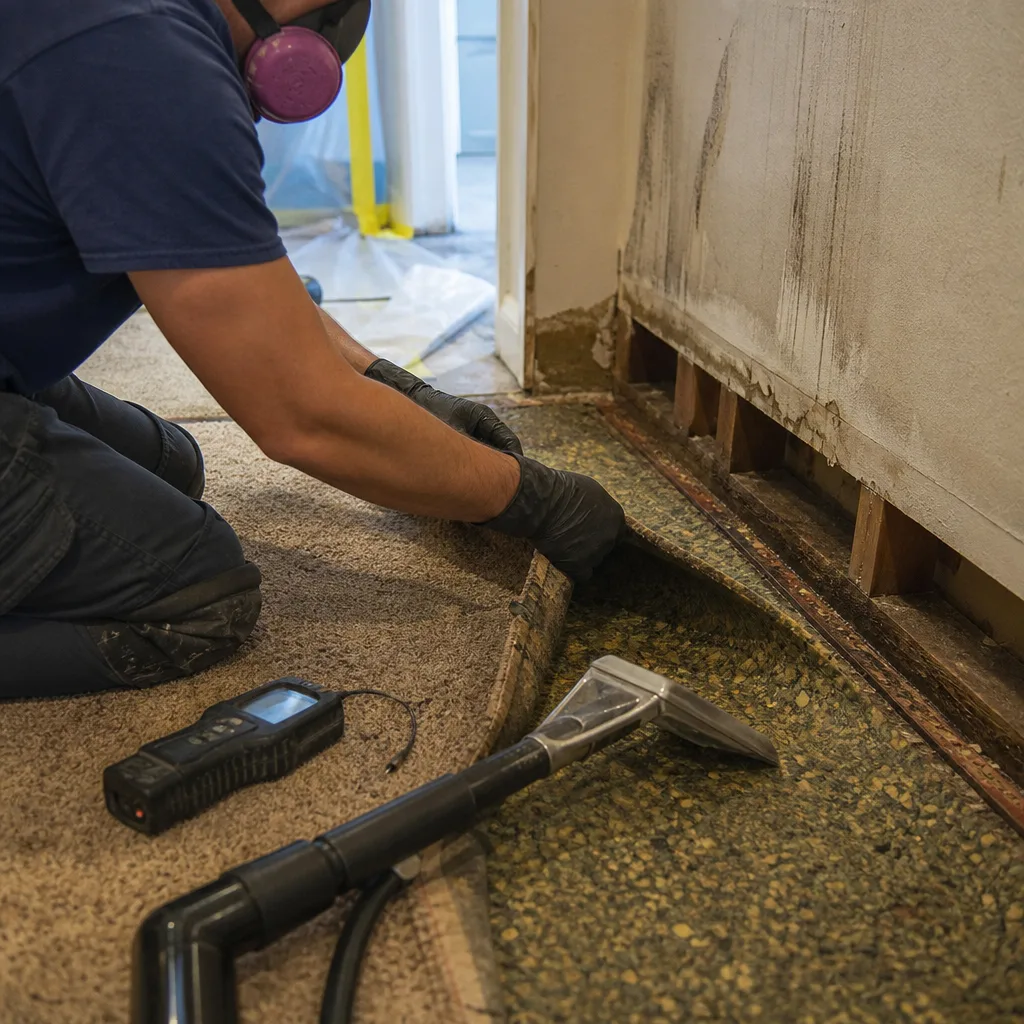
We document from the first hour because we’ve seen what incomplete documentation costs a homeowner. Our founder, Alicia Brennan, built Back to Dry Restoration in 2011 after watching claims denied over missing photos, unlogged moisture readings, and scopes that didn’t match the actual damage. Every Hawthorne job file includes a photo record on every visit, daily drying logs with psychrometric data, and a line-item scope written to industry-standard estimating platforms that adjusters recognize immediately.
We coordinate directly with your carrier’s adjuster, provide supplemental documentation when hidden damage is uncovered, and never ask you to pay out of pocket and wait for reimbursement on covered losses. Our 12,000+ restored homes since 2011 include thousands of fully documented insurance claims paid without dispute.
What We Provide Your Insurer
- Thorough documentation of the loss
- Photos of all damage, room by room
- Moisture readings and drying logs
- A detailed, line-item scope of work
- Direct coordination with your carrier
Built for Hawthorne’s Loss Calendar
Hawthorne’s water damage calendar doesn’t follow the rainy-season pattern you’d expect. Yes, January through March brings Pacific storm systems that overwhelm aging flat roofs and expose cracked flashing. But the dominant driver here is the year-round South Bay marine layer - overnight condensation that keeps wall cavities and crawl spaces above 60% relative humidity for months on end, creating conditions where a minor supply-line seep or parapet roof leak feeds mold colonization even during drought years.
Spring brings the most deceptive calls: homeowners notice a ceiling stain after a heavy marine-layer weekend and assume recent rain caused it. Often the actual leak has been active for months, with sheathing saturation hidden above the drywall. Summer rarely brings relief - coastal fog penetrates inland, and air conditioning in older Hawthorne homes creates cold spots where condensation forms on uninsulated ductwork. Fall is when corroded galvanized supply lines, stressed by a summer of mineral expansion, finally let go. Winter storms then compound the damage on structures already compromised by hidden moisture.
Our crews size dehumidification capacity for this chronic humidity baseline, not just the active water intrusion. A drying plan that works in Riverside fails in Hawthorne because it doesn’t account for vapor pressure differentials driven by marine-layer air masses.
Water Damage Restoration Across Hawthorne’s Neighborhoods
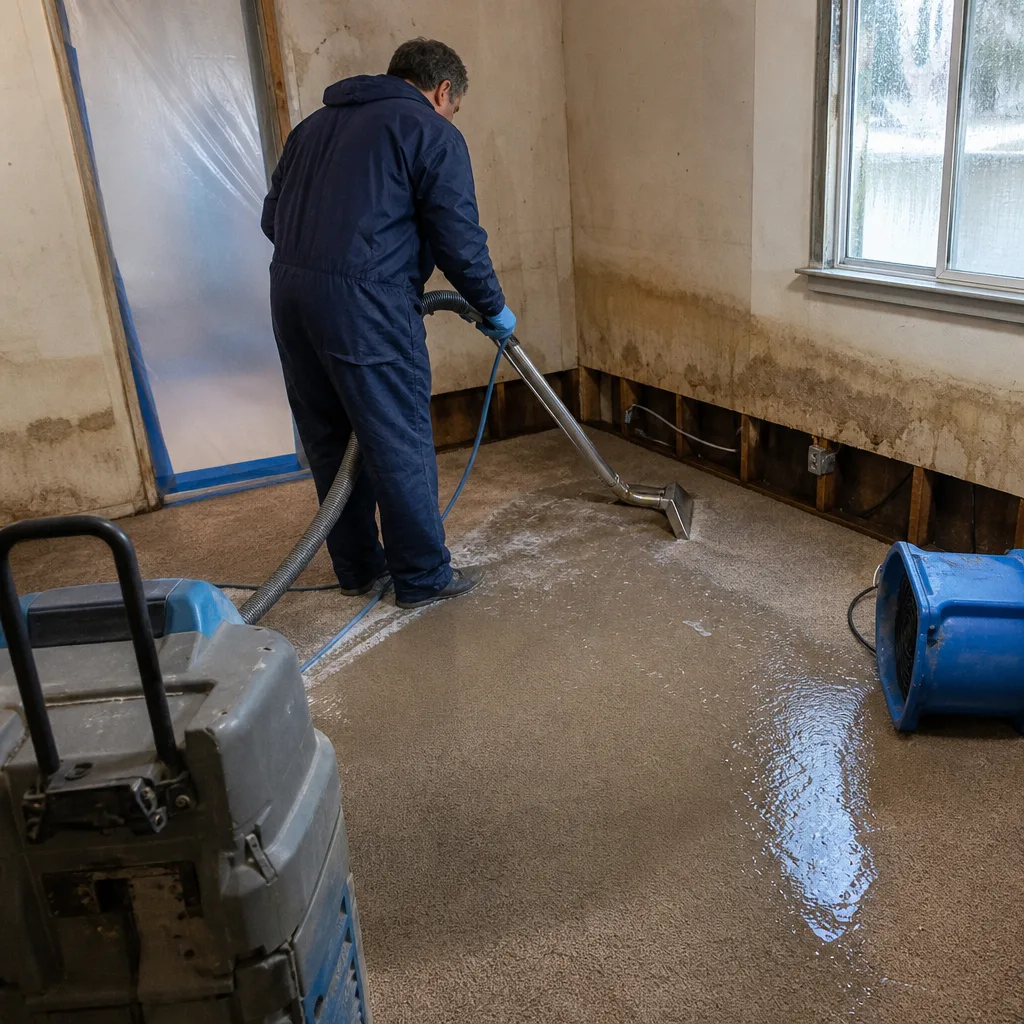
We serve Hawthorne block by block, and each corridor presents distinct loss patterns.
Bodger Park and the 120s blocks - the dense 1950s bungalow tracts off Crenshaw Boulevard and west of Prairie. These homes share the Northrop-plant housing DNA: compact footprints, flat built-up roofs with parapet walls, and original galvanized plumbing now past 70 years of service. We probe roof membrane blistering first on every ceiling stain call here. The tight lot lines mean exterior drainage is often inadequate, and we’ve seen foundation seepage compound roof leaks during sustained marine-layer periods.
Hawthorne Boulevard corridor - mixed commercial and residential with 1960s-1970s apartment buildings and converted duplexes. Multi-unit losses require coordinated containment and documentation for multiple insurers. Water travels horizontally through shared walls and down through ceiling assemblies in ways that single-family moisture mapping doesn’t capture.
The eastern blocks toward Inglewood - slightly newer stock from the 1960s and 1970s, but with the same flat-roof legacy and aging infrastructure. We’ve found that homes here often have undocumented prior repairs - layers of roofing over failing substrate, DIY plumbing patches - that complicate scope development and require more invasive investigation.
El Camino Village and the southern edge - closer to the 405, with some two-story construction from the 1970s and 1980s. Second-floor supply-line leaks in these homes cause extensive first-floor ceiling damage before they’re detected, and the vertical chase walls concentrate water migration into multiple rooms.
Specialized Water Damage Restoration Services We Offer in Hawthorne
Emergency Water Extraction
Standing water removal within the first hour prevents Category 1 degradation and limits salvageable materials. Our truck-mounted extractors handle flooded Hawthorne basements and main-floor losses, with portable units for tight 1950s floor plans where access is limited.
Structural Drying & Dehumidification
The backbone of every Hawthorne restoration. We deploy Dri-Eaz and Phoenix LGR dehumidifiers sized to overcome both the active intrusion and chronic marine-layer humidity. Daily moisture logs track specific humidity, temperature, and vapor pressure differential until all materials reach dry standard. In Hawthorne’s post-WWII wall cavities, we often extend drying into closed assemblies with Injectidry systems that deliver conditioned air through small access points.
Flood Cleanup
Groundwater intrusion and storm flooding bring Category 3 contamination requiring full PPE, containment, and disposal. Hawthorne’s flat topography and aging storm drains mean street flooding can backflow into low-lying properties, especially near the 105 corridor.
Burst Pipe Restoration
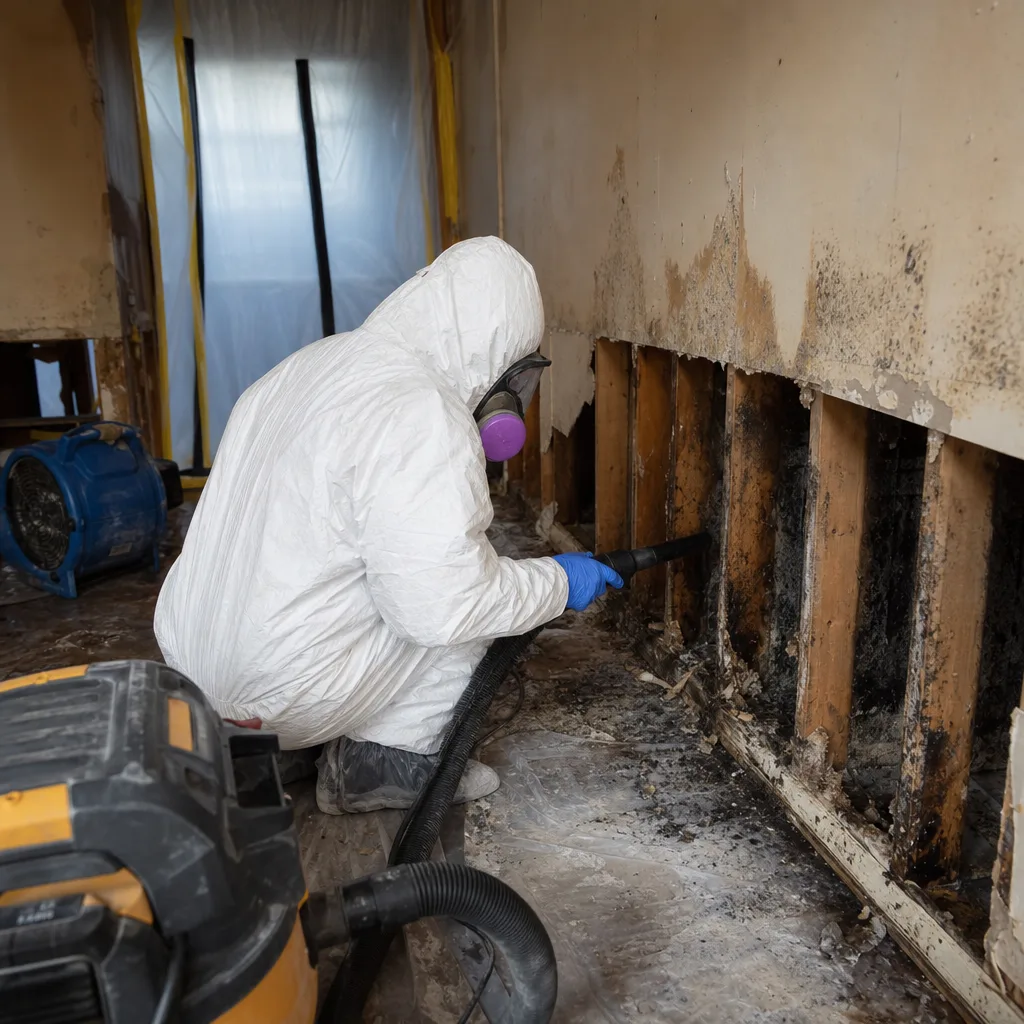
Original galvanized supply lines in Hawthorne’s 1940s-1960s homes corrode from the inside, weakening at joints and behind walls where failure is catastrophic and hidden. We don’t just repair the burst section - we assess the full line condition, document hidden saturation in adjacent wall cavities, and scope replacement before the next failure floods the room below.
Basement Water Removal
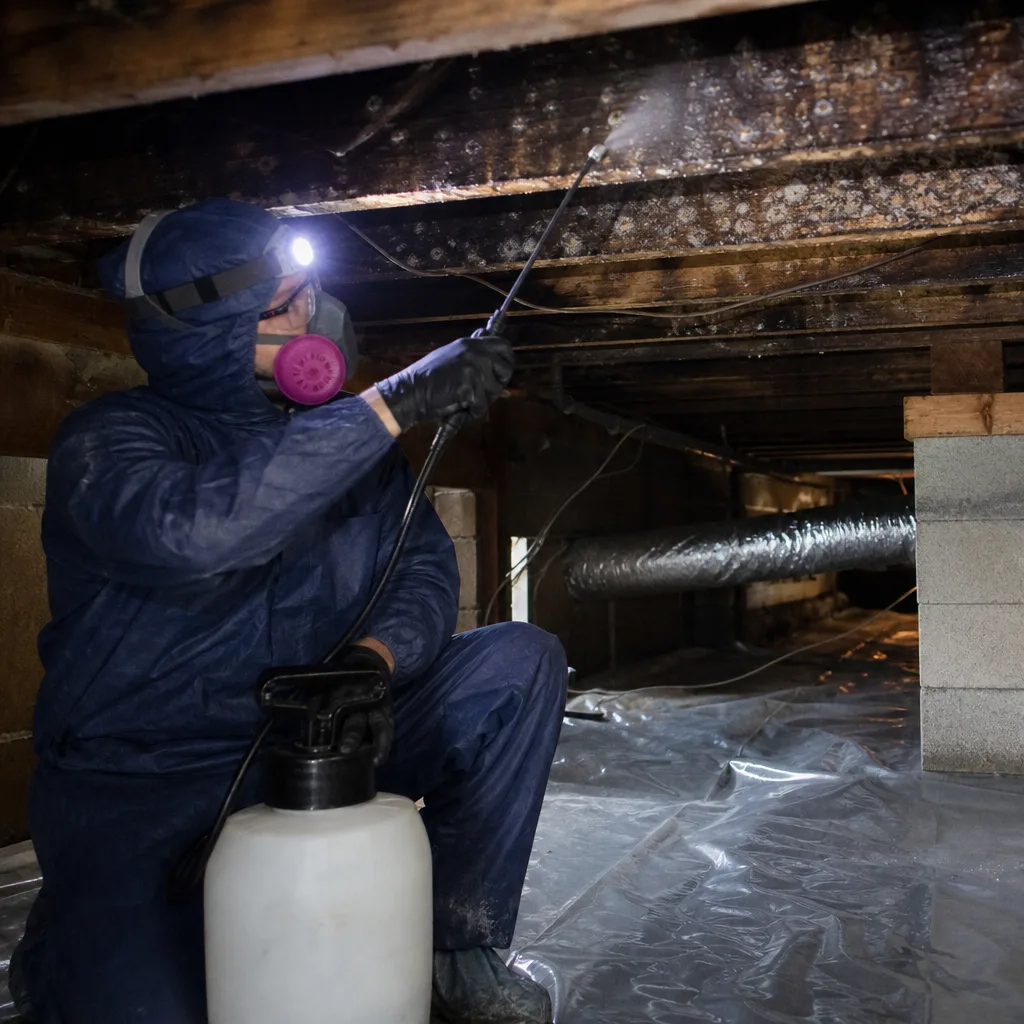
Hawthorne’s limited basement stock is concentrated in mid-century additions and commercial conversions. These below-grade spaces face hydrostatic pressure through foundation walls compounded by inadequate perimeter drainage common to the era’s construction.
Ceiling & Roof Leak Water Damage
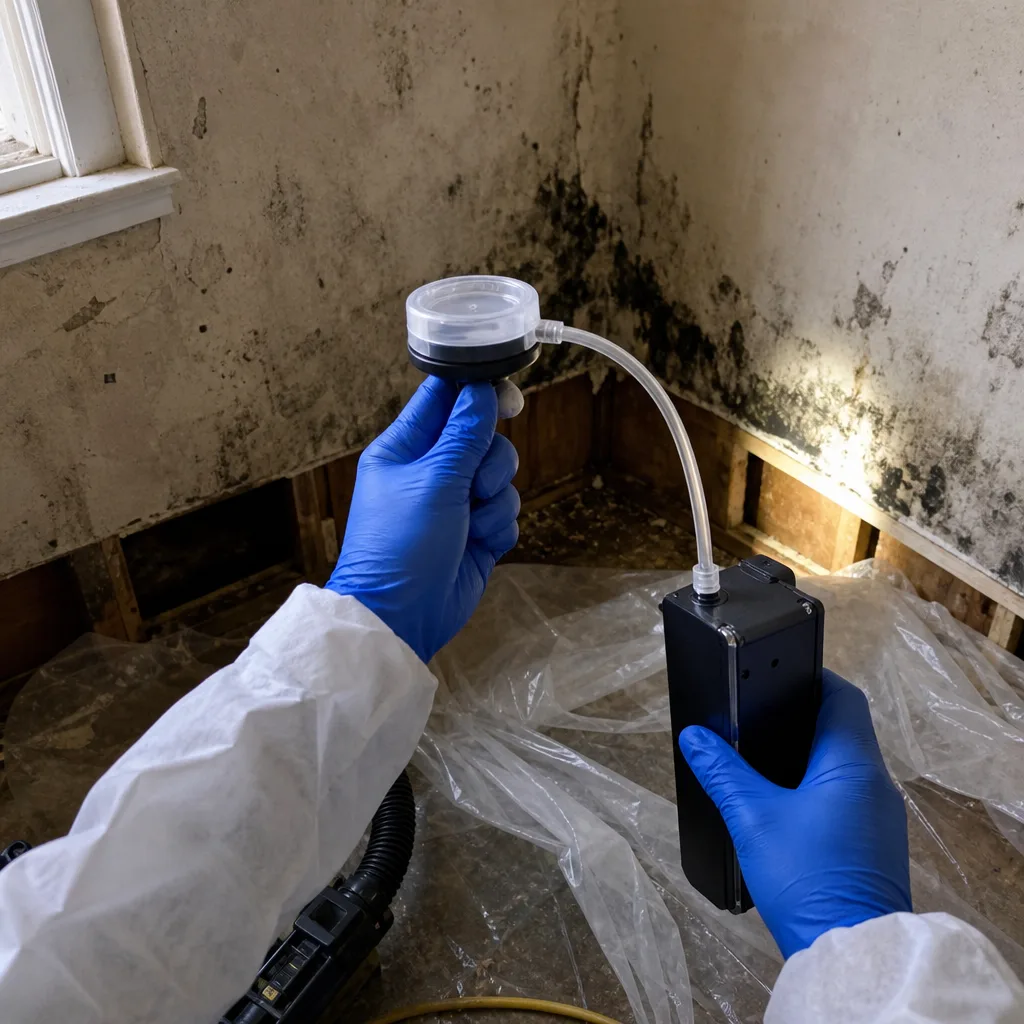
Our highest-frequency call in Hawthorne. The original hot-mopped built-up roofing on 1950s bungalows blisters and cracks under years of marine-layer moisture cycling, creating slow pond-fed leaks that saturate top-plate framing and attic sheathing for months before interior staining appears. We probe the roof membrane first, document the hidden damage, and scope both drying and roof repair coordination.
What happens when you call
- 1
A real person answersNo phone trees - you reach a local pro.
- 2
You get an upfront price rangeHonest numbers before anyone is dispatched.
- 3
A background-checked tech heads outLicensed & insured, dispatched right away.
- 4
You approve before work beginsNothing starts until you say go.
Water Damage Restoration Costs in Hawthorne, CA
Honest pricing for Hawthorne’s market:
| Service | Typical Range |
|---|---|
| Emergency extraction and stabilization | $1,200 - $2,400 |
| Structural drying (3-5 day standard residential) | $2,800 - $5,200 |
| Full restoration with drywall, flooring, trim replacement | $5,500 - $12,000 |
| Category 3 sewage/flood cleanup with disposal | $4,000 - $8,500 |
| Mold remediation following water damage (Hawthorne typical add-on) | $2,000 - $6,000 |
What moves the price: square footage affected, water category, how long the leak ran before discovery, and whether hidden damage extends into sheathing, subfloor, or wall cavities. Hawthorne’s older homes routinely surprise homeowners with more extensive hidden saturation than visible stains suggest. Insurance typically covers sudden and accidental water damage; long-term leaks and maintenance issues may be excluded. We deliver a written scope and fixed price before work begins - no exceptions, no additions once the crew is inside. Call (424) 372-0129 for a free inspection and exact quote.
We Also Serve Cities Near Hawthorne
Our crews respond throughout the South Bay from our Los Angeles office: Lawndale to the north, Inglewood to the east, Manhattan Beach and El Segundo to the west. Each market has distinct housing stock and moisture dynamics, and we adjust our drying protocols accordingly.
Serving Hawthorne, CA - Our Local Coverage Area
We’re based in the Hawthorne area and know this community well. Use the map below to see our service coverage - if you’re nearby, we can almost certainly help.
Hawthorne Water Damage Restoration Questions, Answered
How fast can you get to Hawthorne for emergency water damage?
We typically arrive within 45 minutes of your call, with crews staging equipment at our Los Angeles office and routing via the 405 or Crenshaw Boulevard depending on traffic and your location within Hawthorne. Call (424) 372-0129 - a live person answers 24/7, no voicemail.
Will my insurance cover water damage restoration in Hawthorne?
Most homeowner policies cover sudden and accidental water damage from burst pipes, appliance failures, and storm intrusion. Long-term leaks, maintenance neglect, and gradual deterioration are typically excluded. We document the loss cause, provide photo evidence and moisture logs, and coordinate directly with your adjuster to establish coverage. Call (424) 372-0129 and we’ll review your policy specifics during the free inspection.
Do I need full remediation or just water cleanup?
Cleanup removes water and surface contaminants; remediation addresses hidden saturation, structural drying, and mold prevention. In Hawthorne’s 1940s-1960s homes with minimal vapor barriers and chronic marine-layer humidity, we almost always recommend full remediation because hidden wall cavity moisture is the norm, not the exception. Our moisture mapping determines the actual scope - we don’t guess. Call (424) 372-0129 for a free visual inspection.
How much does water damage restoration cost compared to nearby areas?
Hawthorne pricing runs comparable to Lawndale and Inglewood, slightly below Manhattan Beach and El Segundo where higher finish standards and larger homes increase reconstruction costs. The bigger variable is housing age: Hawthorne’s older stock with hidden damage and galvanized plumbing often requires more invasive drying and repair than newer construction. We deliver a written price before work starts - no surprises. Call (424) 372-0129 for your exact scope.
How long does structural drying take in a Hawthorne home?
Standard residential drying takes 3-5 days of active dehumidification and air movement. In Hawthorne, we often extend to 5-7 days because marine-layer humidity slows tertiary drying in dense framing materials. We verify completion with moisture content readings, not calendar days - the logs prove when it’s actually dry. Call (424) 372-0129 to schedule assessment.
Can my family stay in the home during water damage restoration?
For Category 1 water in limited areas with no HVAC contamination, yes - with containment barriers and some noise from equipment. Category 2 or 3, extensive demolition, or mold remediation typically requires relocation for safety and effective containment. We tell you honestly during the free inspection, never after work is underway. Call (424) 372-0129 to discuss your situation.
What certifications do your Hawthorne water damage technicians hold?
Our crews hold IICRC WRT (Water Damage Restoration Technician) and AMRT (Applied Microbial Remediation Technician) certifications, with documented continuing education. All work follows IICRC S500 and S520 standards, RIA guidelines, and IFA documentation protocols. License numbers are recorded on every job file for verification. Call (424) 372-0129 with specific credential questions.
What should I do in the first 30 minutes after discovering water damage?
Shut off the water source if you can locate it safely, turn off electricity to affected areas if water is near outlets or panels, and call (424) 372-0129 immediately. Don’t enter flooded basements with active electrical hazards, and don’t delay waiting to see if it “dries on its own” - in Hawthorne’s humid climate, that assumption guarantees mold. We’ll guide you through immediate steps while our crew is en route.
We were called to a 1952 bungalow off 126th Street where the homeowner noticed a faint ceiling stain only after a heavy marine-layer weekend. Our tech probed the flat parapet roof first and found the original hot-mopped built-up roofing blistered and cracked, with slow pond-fed leaks that had saturated top-plate framing and attic sheathing for months. We performed water extraction, set up structural drying with Dri-Eaz dehumidification and XPOWER air movers, and documented moisture readings for the drying logs before scoping for antimicrobial treatment in the wall cavities.
Written by Alicia Brennan, Owner at Back to Dry Restoration, serving Hawthorne since 2011.
Water Damage Restoration in Nearby Areas