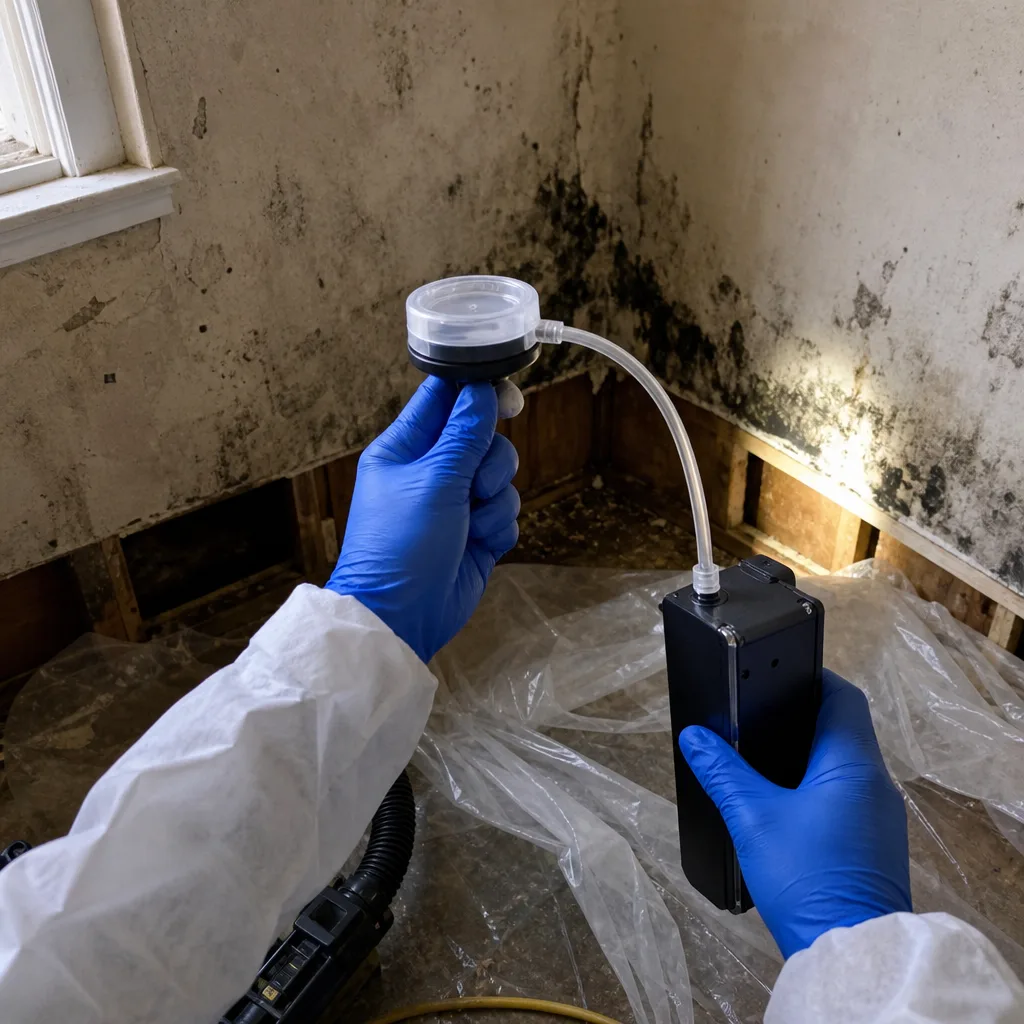
Free visual inspection and a written scope of work before any mitigation begins - photos, moisture readings, and drying logs go in your claim file
The scope we write is the scope we bill. Anything new gets shown to you, in writing, before we touch it.
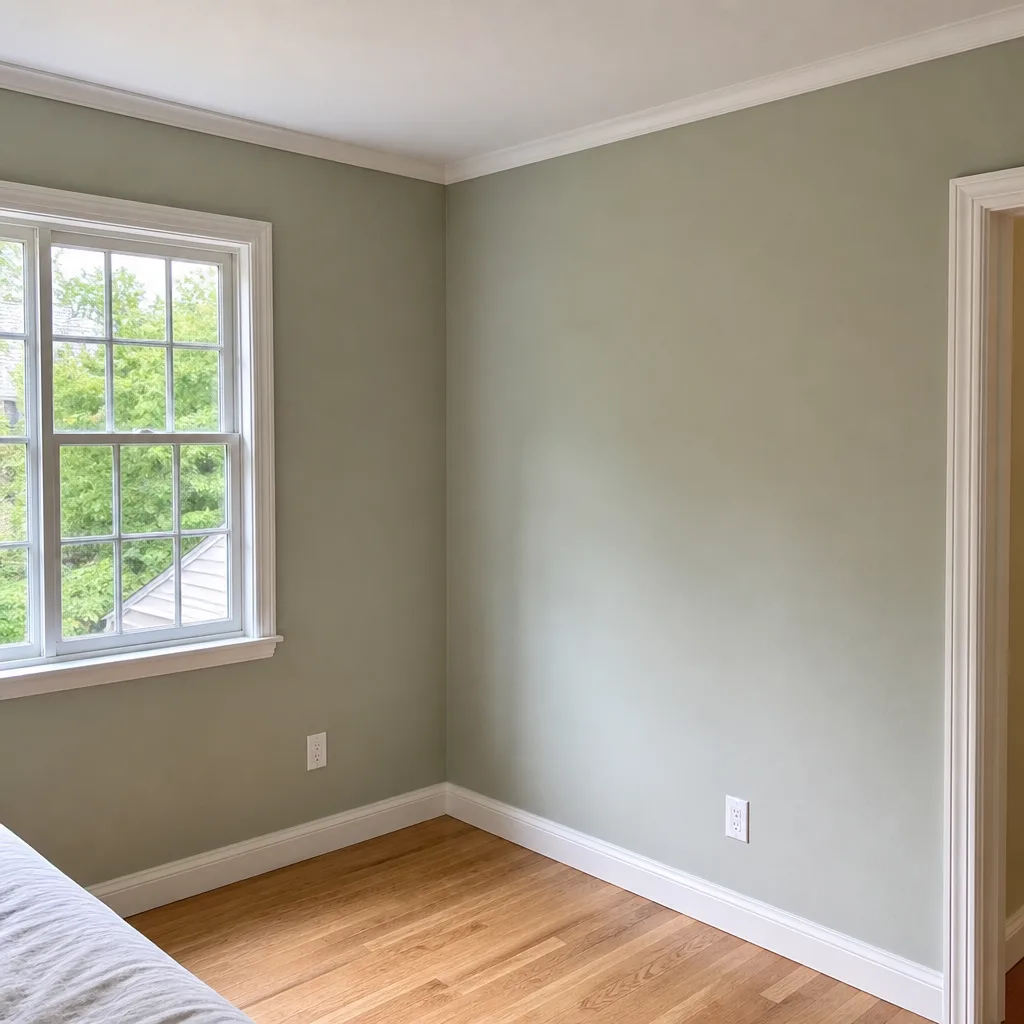
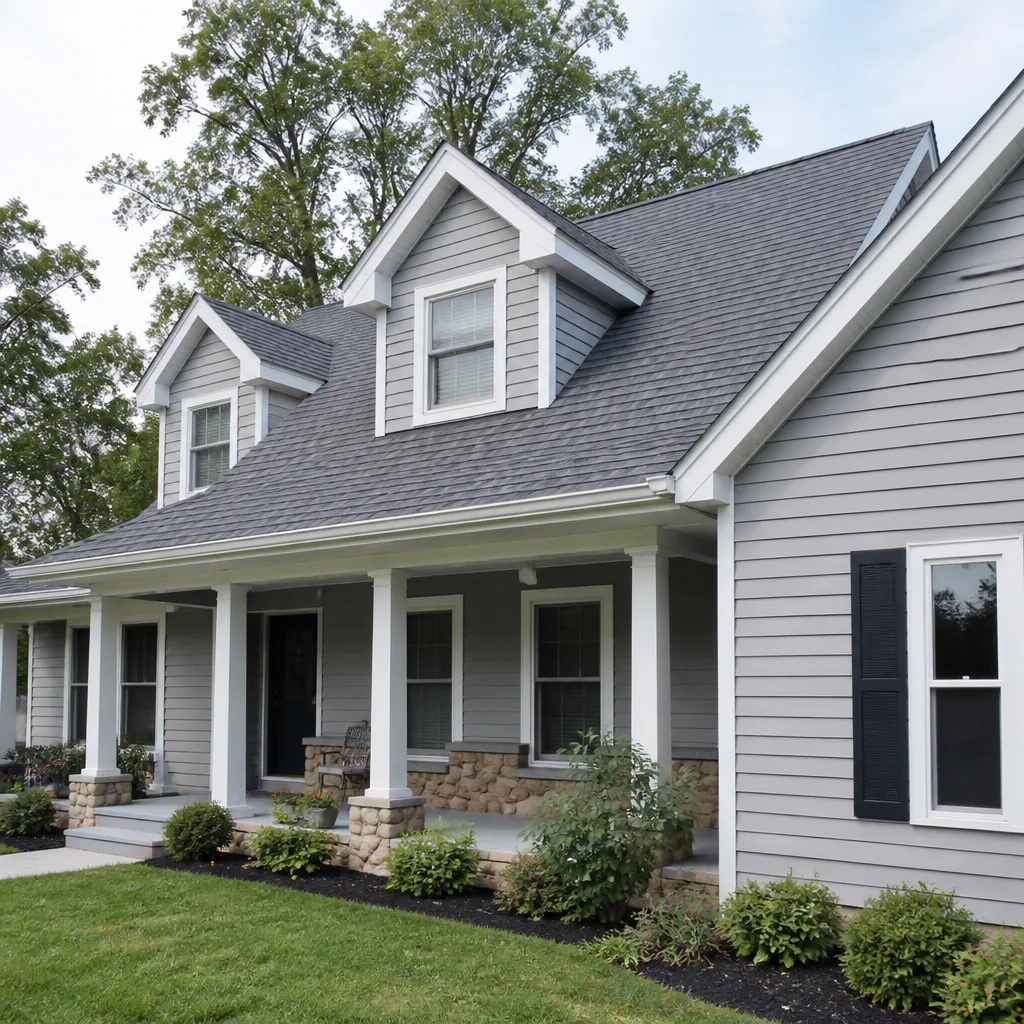
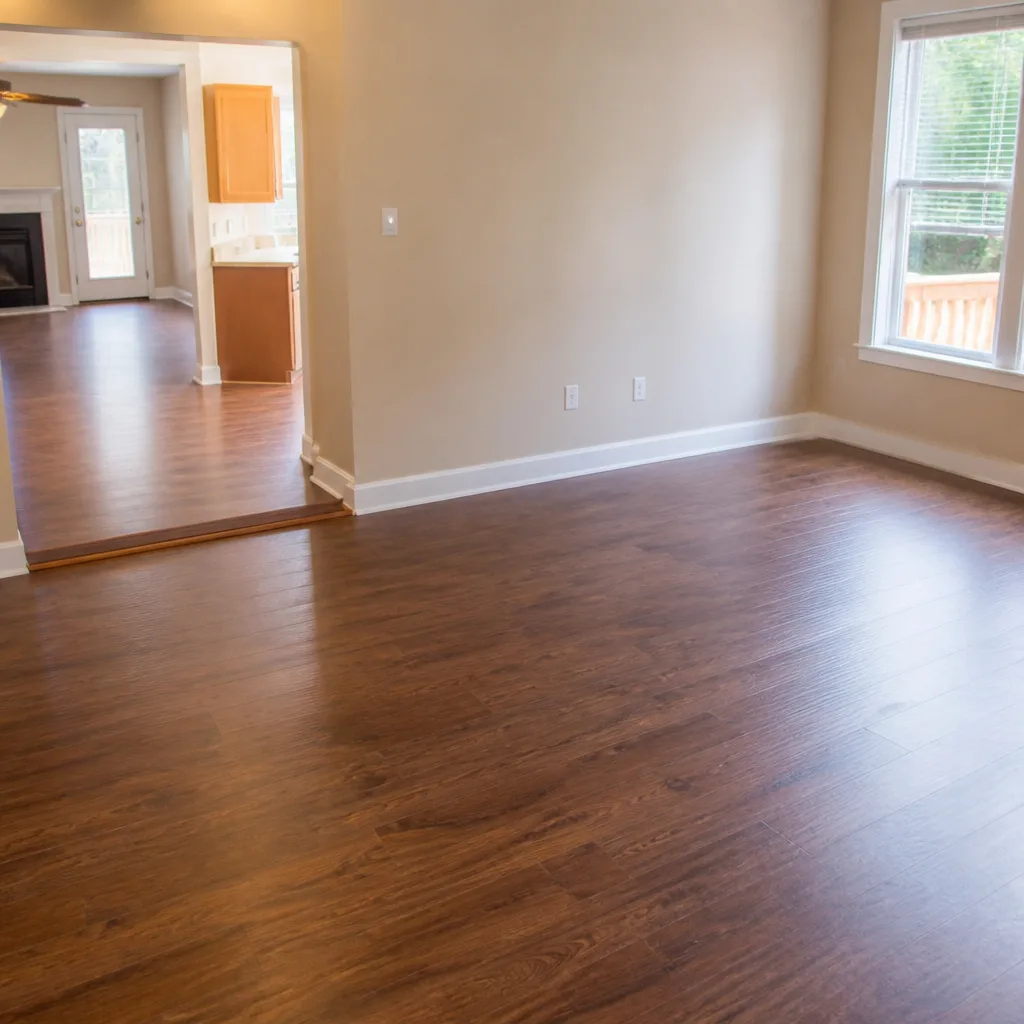
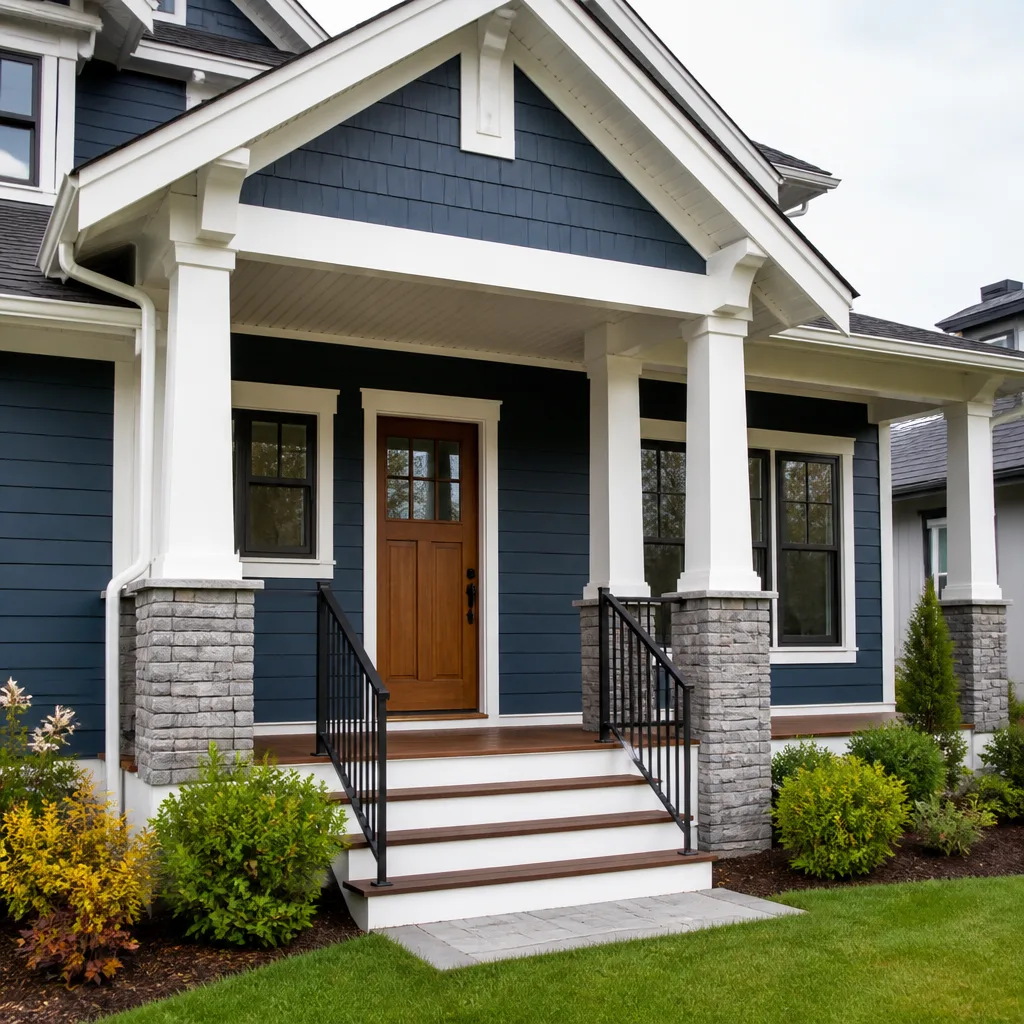
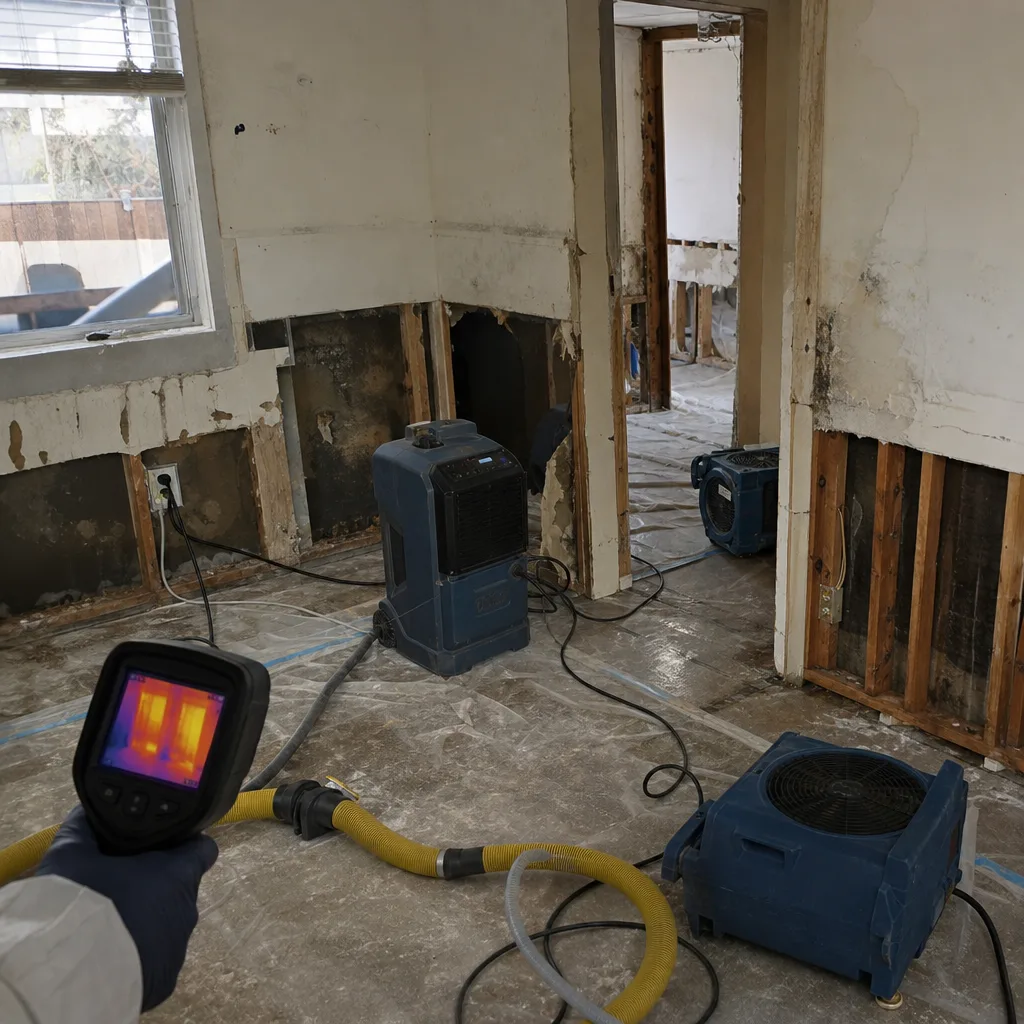 Before
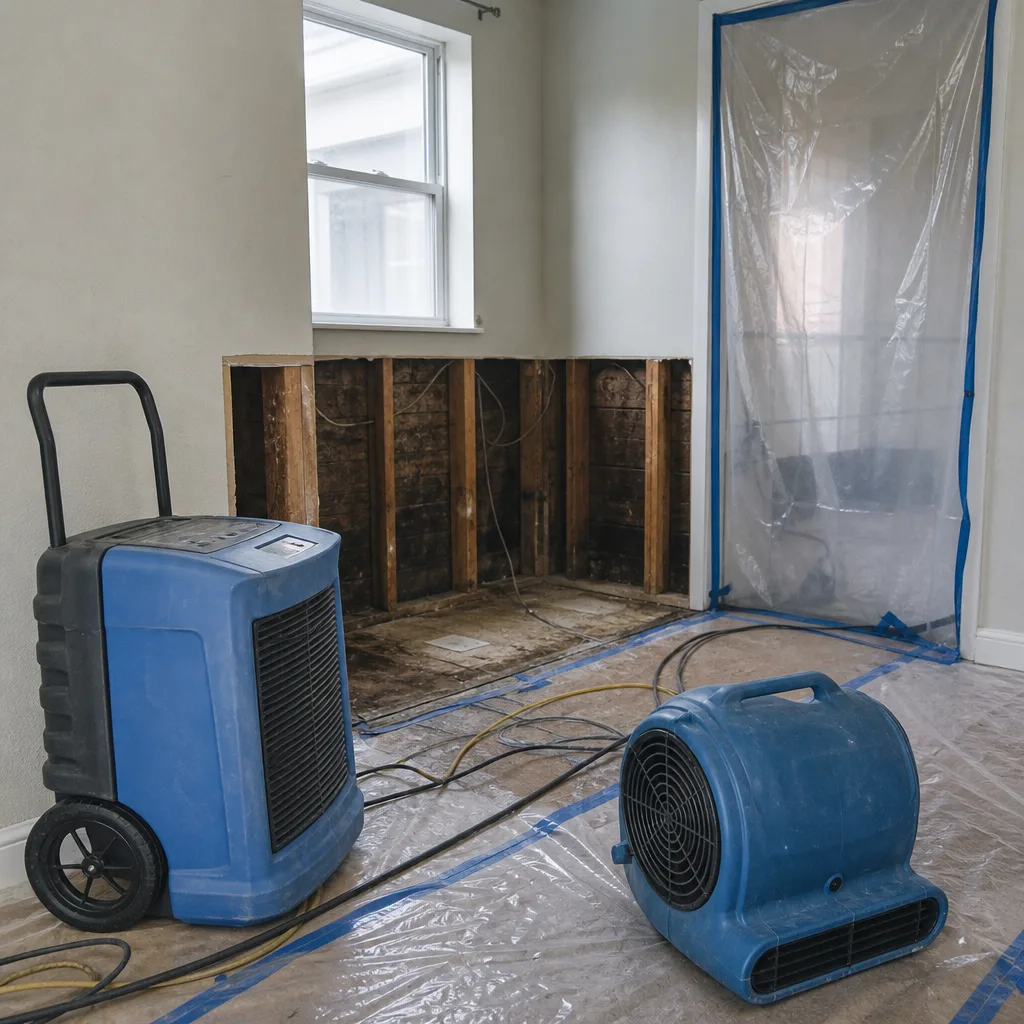 After
After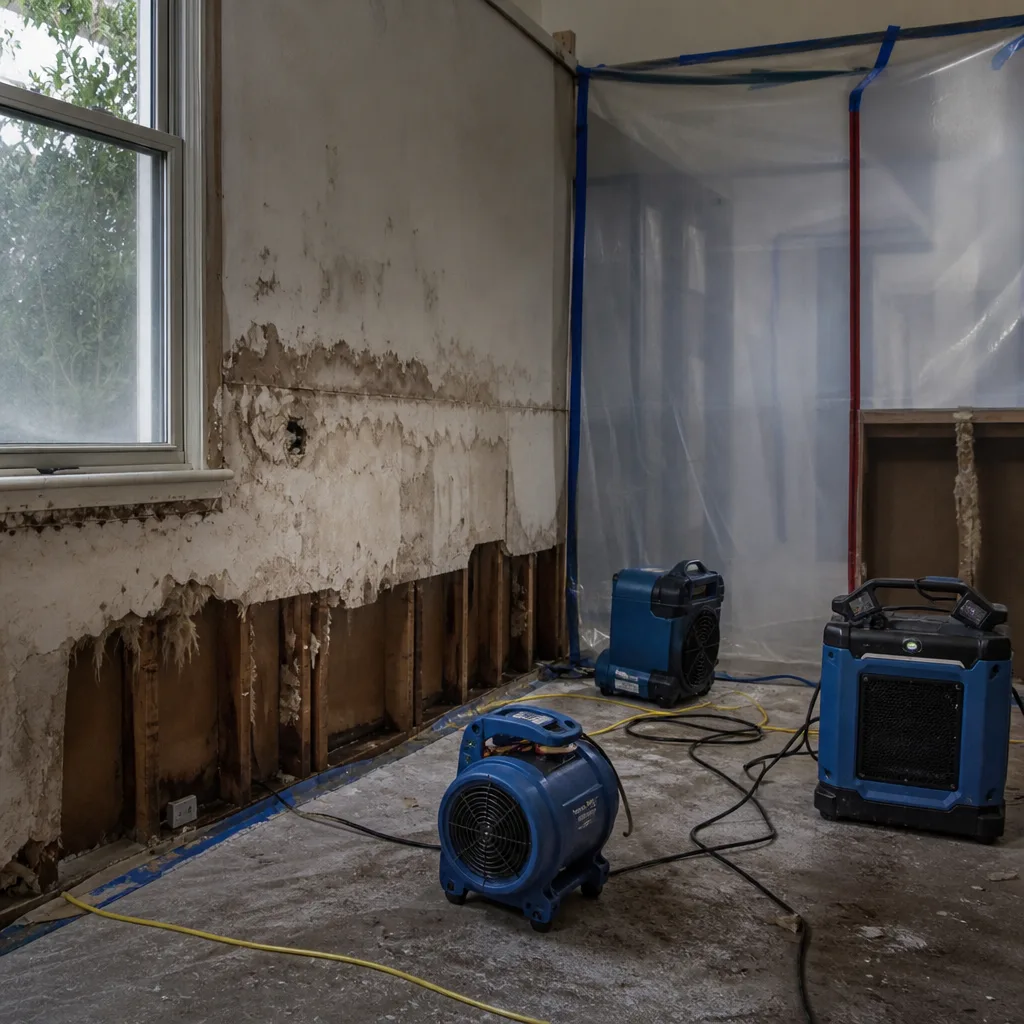 Before
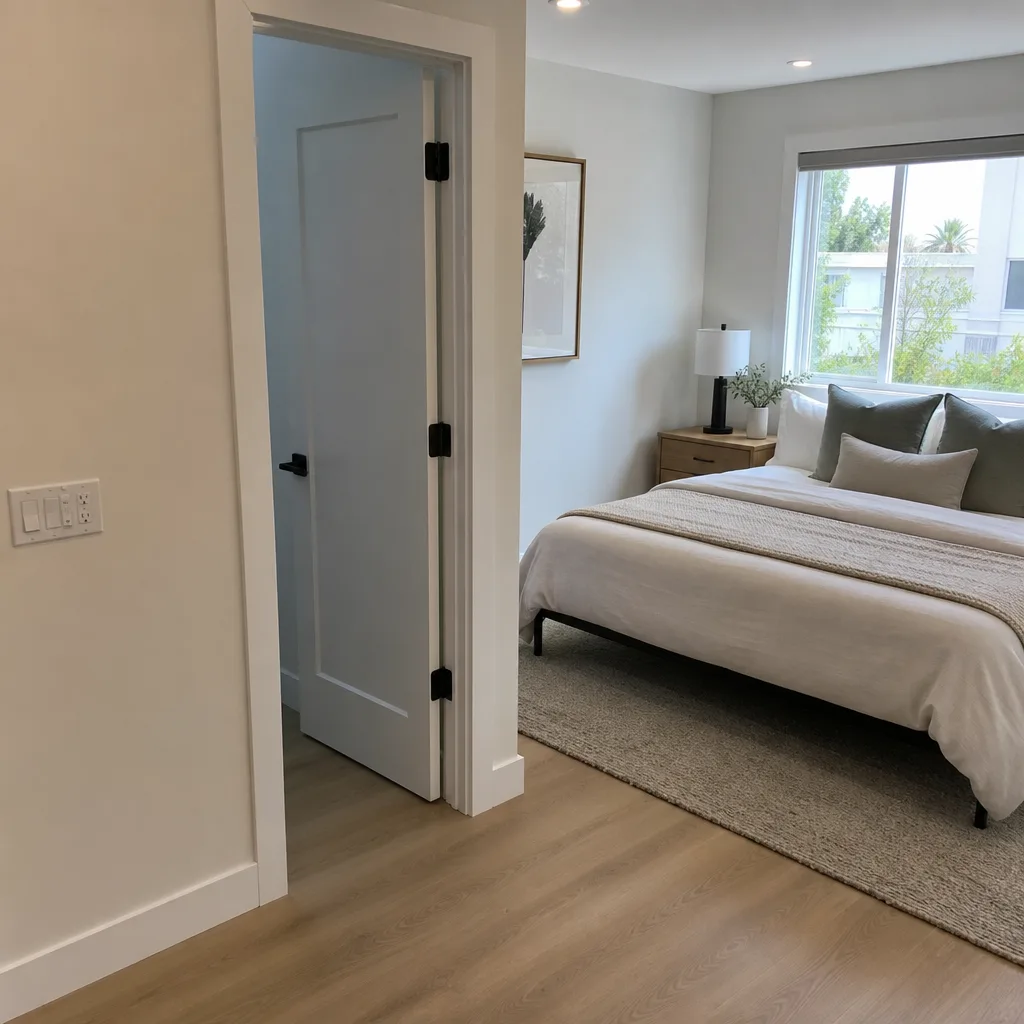 After
After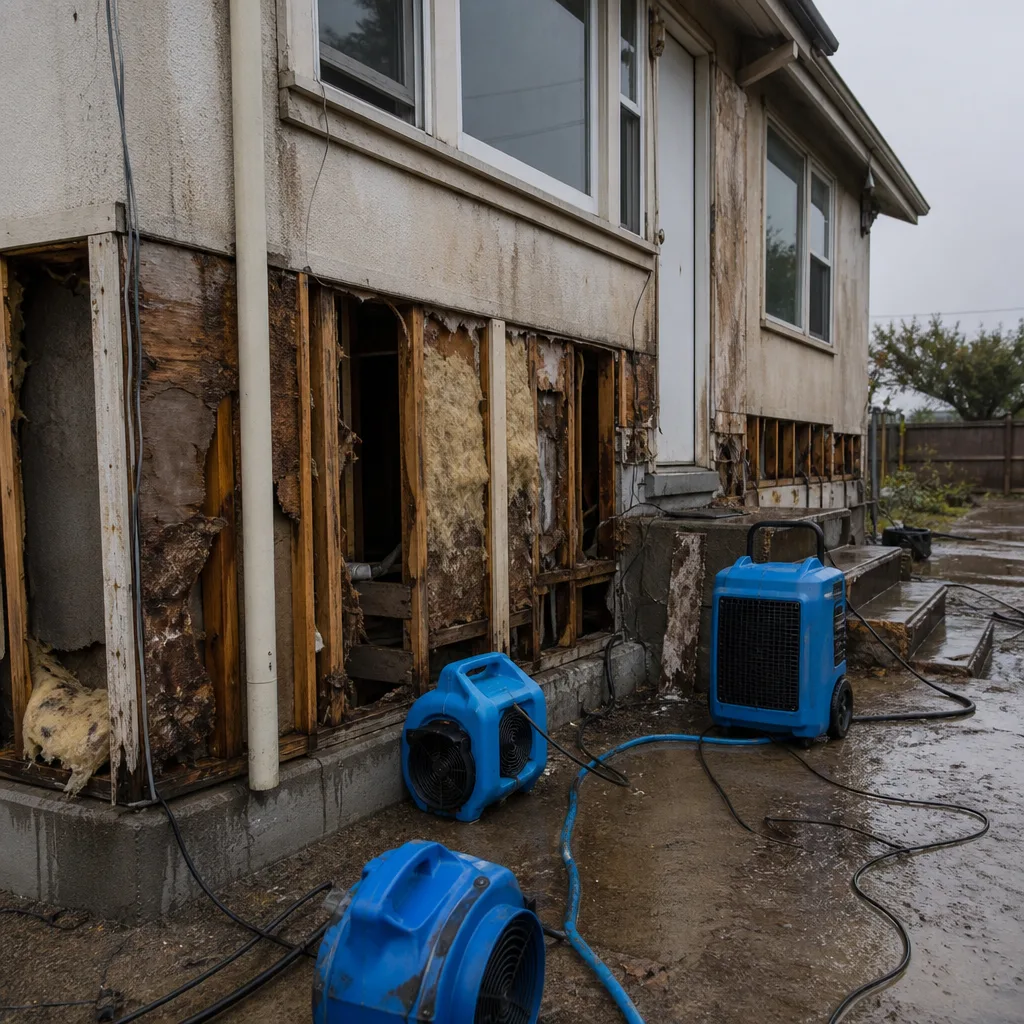 Before
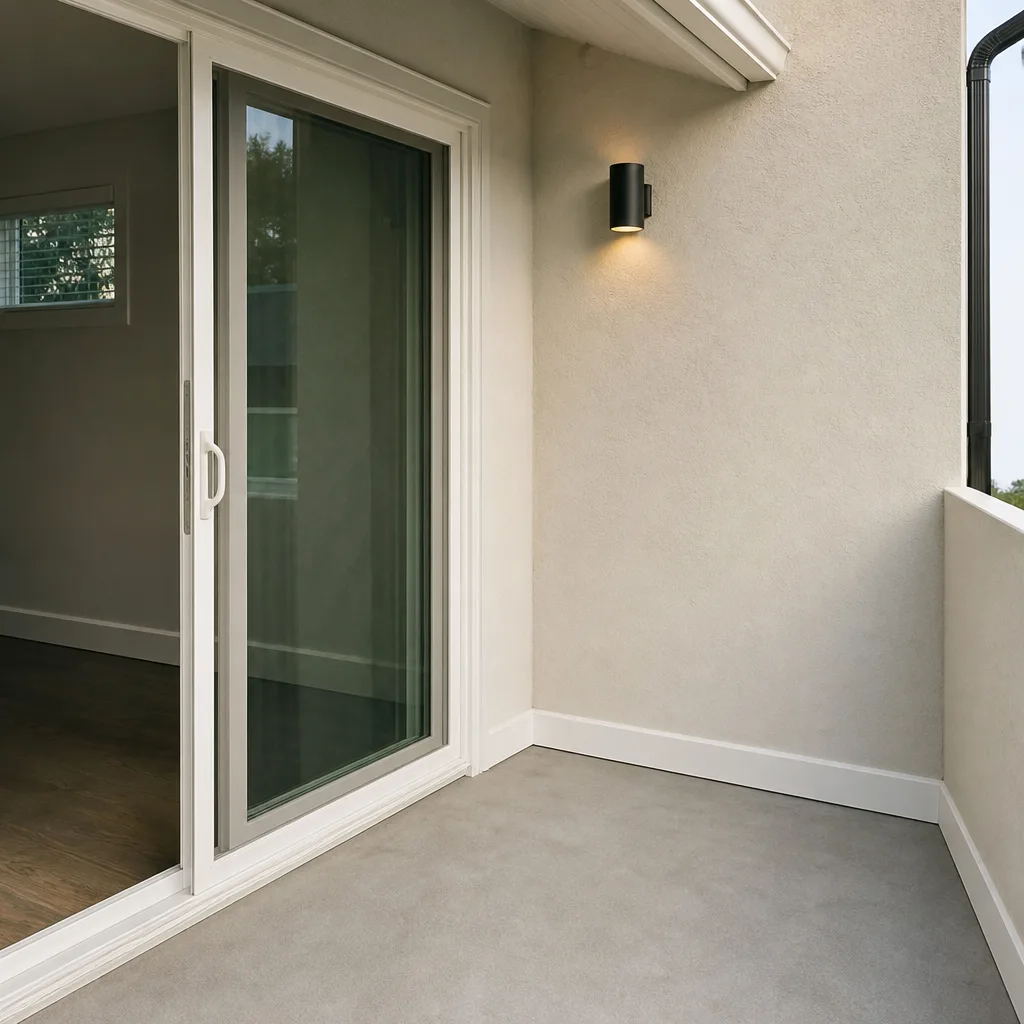 After
After24/7 Emergency Mold Remediation in West Los Angeles
Call (424) 372-0129 now and a live person answers. No voicemail, no callback queue. Our crews are already routed through West Los Angeles, from Sawtelle to the Wilshire Corridor, and we can be on-site within 45 minutes for active mold emergencies. The first hour matters because mold doesn’t wait for business hours to colonize behind your walls, and every minute of delay means more square footage of contaminated material that must come out. We offer a free visual inspection to assess the visible damage and moisture conditions, then deliver a written scope and price before any equipment enters your property. That’s Haven Standard, Clause 1.
Understanding Mold Remediation Severity in West Los Angeles Properties
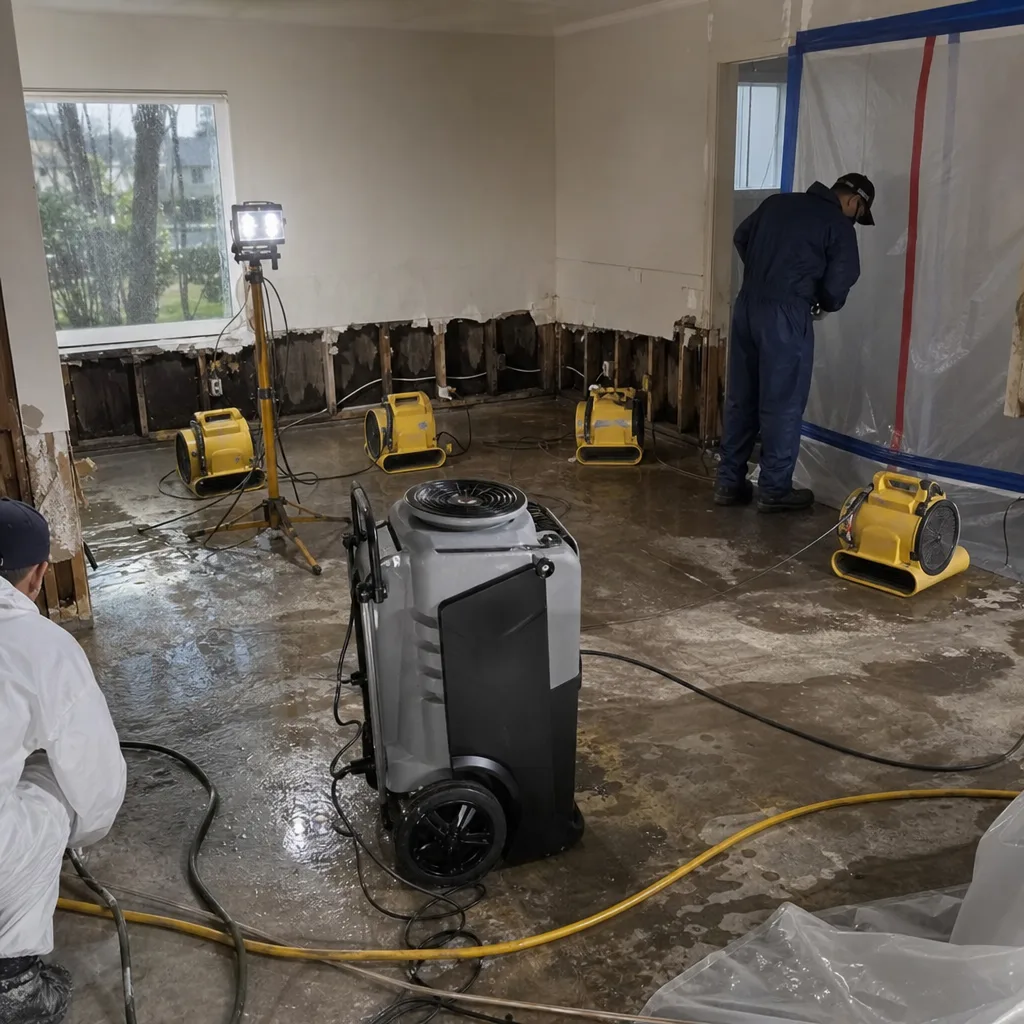
Mold remediation severity is measured by the extent of colonization, the materials affected, and whether the contamination has spread beyond the original moisture source. In West Los Angeles, we classify jobs by containment zone size: limited (under 10 square feet), moderate (10-100 square feet), and major (over 100 square feet or HVAC involvement). The 1950s-1970s stucco-over-frame apartments lining Pico and Olympic Boulevards present a predictable pattern: hairline stucco cracks channel marine-layer moisture into wall cavities for months before any interior stain appears, by which time the sheathing and studs often show Category 3 colonization requiring full gutting. Wilshire Corridor high-rises add complexity: a single corroded riser fitting can cascade water through multiple floors, creating simultaneous moderate zones across stacked units with shared HVAC risers that demand coordinated containment and negative-air isolation. Our crews use thermal imaging to locate hidden moisture, establish containment with 6-mil polyethylene barriers, and deploy HEPA air scrubbers to maintain negative pressure while we remove contaminated materials.
Why West Los Angeles Property Owners Choose DryMark Restoration Venice
- 45-minute response commitment to active mold emergencies in West Los Angeles, because marine-layer humidity doesn’t pause for scheduling windows.
- 24/7 live answer: a real person, never an automated system, picks up every call to our emergency line.
- IICRC-certified crews holding WRT (Water Damage Restoration Technician) and AMRT (Applied Microbial Remediation Technician) certifications, with license numbers provided on request.
- Free visual inspection at your West Los Angeles property, followed by a written scope and price before any work begins.
- Direct insurance billing with photo-documented estimates and daily drying logs that adjusters recognize and pay without dispute.
- One team from containment to reconstruction: no handoffs between subcontractors that fragment your documentation and delay your claim.
 Before
 After
AfterOur Mold Remediation Process
1. Inspection & Assessment
We start with moisture mapping using Dri-Eaz and Phoenix detection equipment, thermal imaging to find hidden colonization behind West LA’s stucco-over-frame walls, and air sampling if contamination extent is unclear. You receive a written scope and price before any containment goes up.
2. Containment & Air Filtration
We establish critical barriers with 6-mil polyethylene sheeting and run HEPA air scrubbers at negative pressure to prevent spore migration. In dingbat buildings with shared framing chases, this step is non-negotiable.
3. Moisture Control & Drying
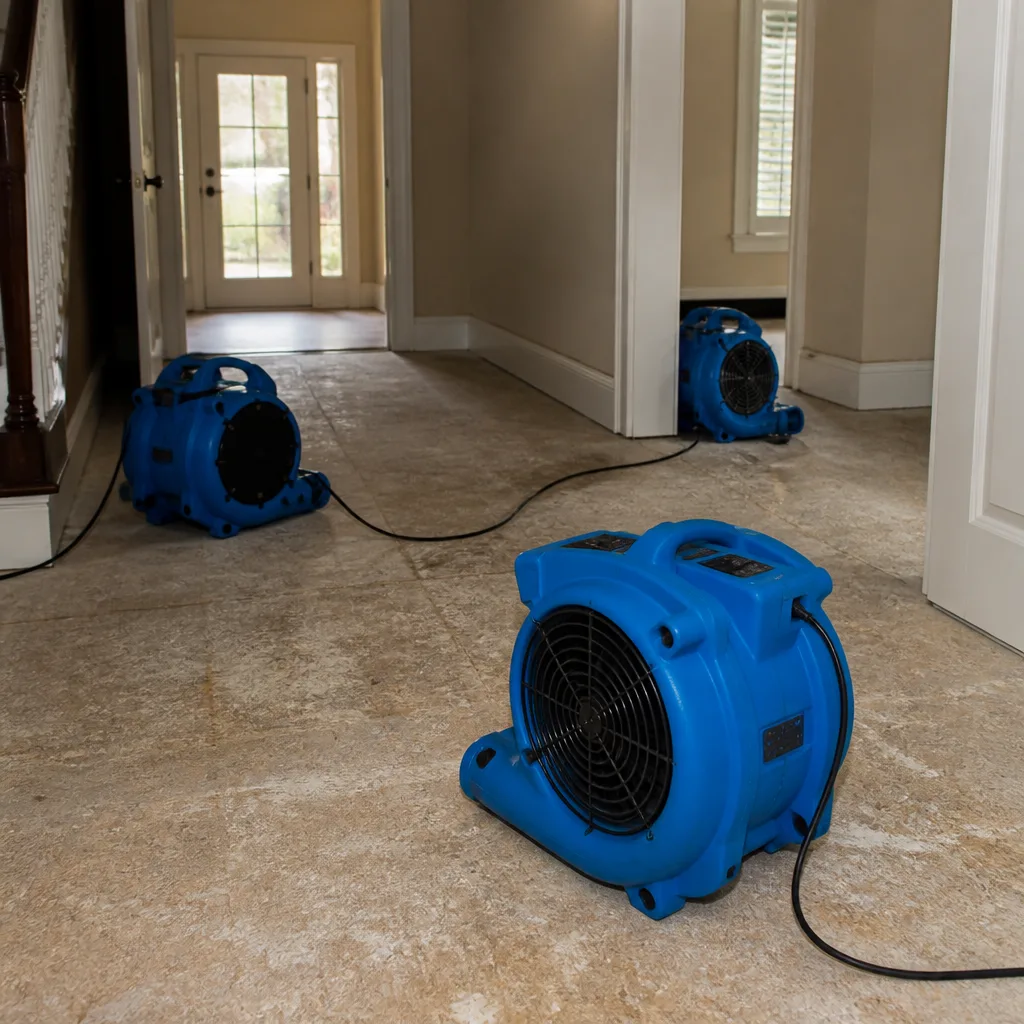
We deploy Phoenix dehumidifiers and XPOWER air movers to drop ambient humidity below 60% relative humidity, the threshold that halts active mold growth. West Los Angeles’s marine layer means we often run this phase longer than inland jobs.
4. Removal of Contaminated Materials
Non-salvageable drywall, insulation, and sheathing come out under containment. We document every square foot removed with photos for your insurer and our drying log.
5. Antimicrobial Treatment & Air Quality Restoration
Remaining structural materials receive EPA-registered antimicrobial application, followed by HEPA vacuuming and air scrubbing until post-remediation verification samples pass clearance criteria.
6. Repairs & Reconstruction
Our crew returns to replace removed materials, restore finishes, and seal the stucco or building envelope failure that caused the original moisture intrusion. The job closes with a documented photo record and our 365-Day Done Right Promise.
Need Emergency Mold Remediation in West Los Angeles Now?
Crews minutes away, answering live 24 hours a day. The sooner we start, the less it costs.
Working With Your Insurance Company
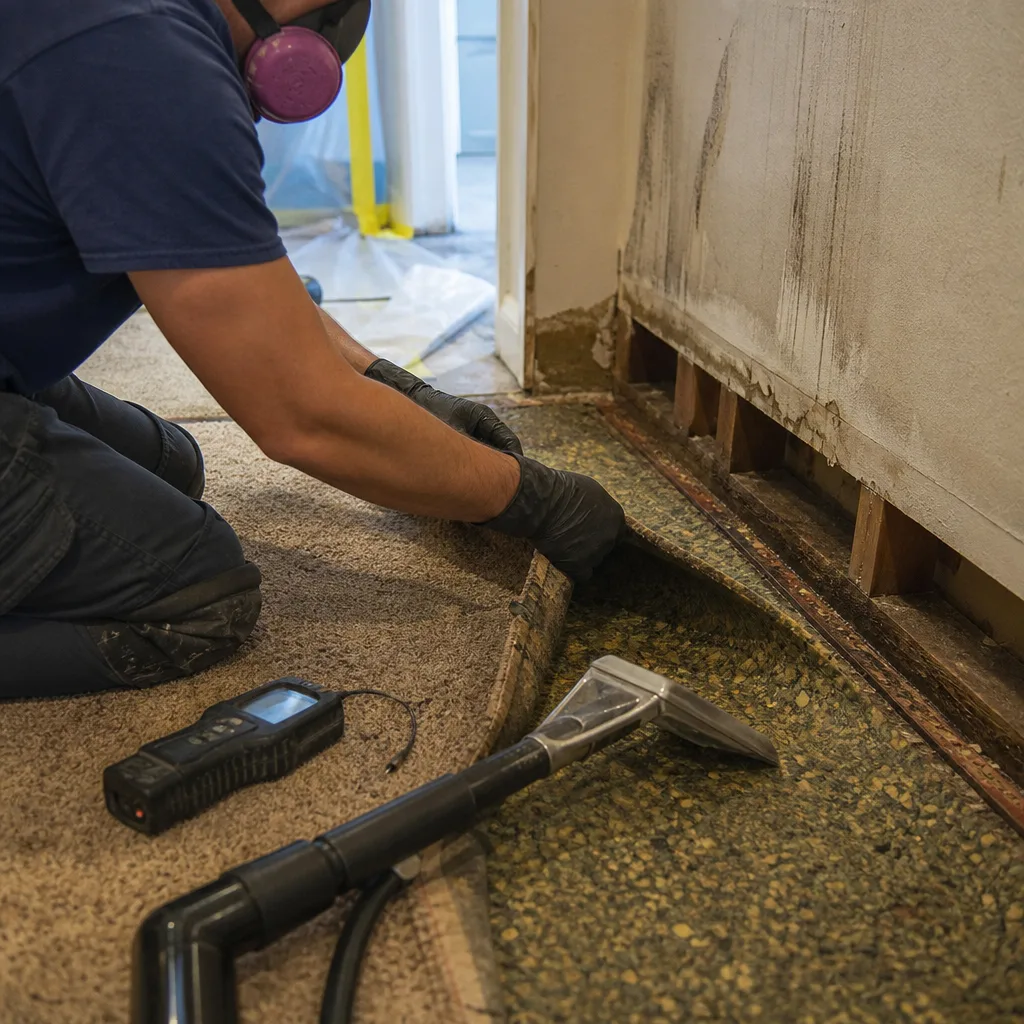
Mold claims live or die on documentation. From the first hour on your West Los Angeles property, we photograph every visible sign of damage, record moisture readings at each elevation, and log every piece of equipment deployed. Our estimates follow industry-standard Xactimate pricing that carriers recognize, and we communicate directly with your adjuster rather than handing you a bill to fight alone. The daily drying logs we produce, documented to IICRC and RIA standards, transform restoration invoices into payable claims because they show exactly what was wet, exactly how we dried it, and exactly when it reached pre-loss moisture content.
What We Provide Your Insurer
- Thorough documentation of the loss
- Photos of all damage, room by room
- Moisture readings and drying logs
- A detailed, line-item scope of work
- Direct coordination with your carrier
Built for West Los Angeles’s Loss Calendar
West Los Angeles doesn’t follow the seasonal mold patterns of wet-climate cities. Our marine layer delivers year-round humidity highs that keep residual moisture behind walls long after surface materials appear dry. January through March brings the heaviest marine-layer mornings, when condensation on stucco exteriors finds every crack and unsealed penetration. April through June, aging galvanized plumbing in 1960s-1970s buildings begins its annual failure cycle as thermal expansion stresses corroded fittings. July through September, the paradox: hot, dry days tempt property owners to shut off dehumidification too early, while nighttime humidity rebounds feed hidden colonies. October and November bring Santa Ana winds and canyon fire risk; the January 2025 Palisades Fire sent smoke and ash damage calls across West Los Angeles, with mold following weeks later when fire-suppression water met the marine layer in compromised structures. December closes the loop with the first heavy rains testing every envelope failure the dry months concealed.
Mold Remediation Across West Los Angeles’s Neighborhoods
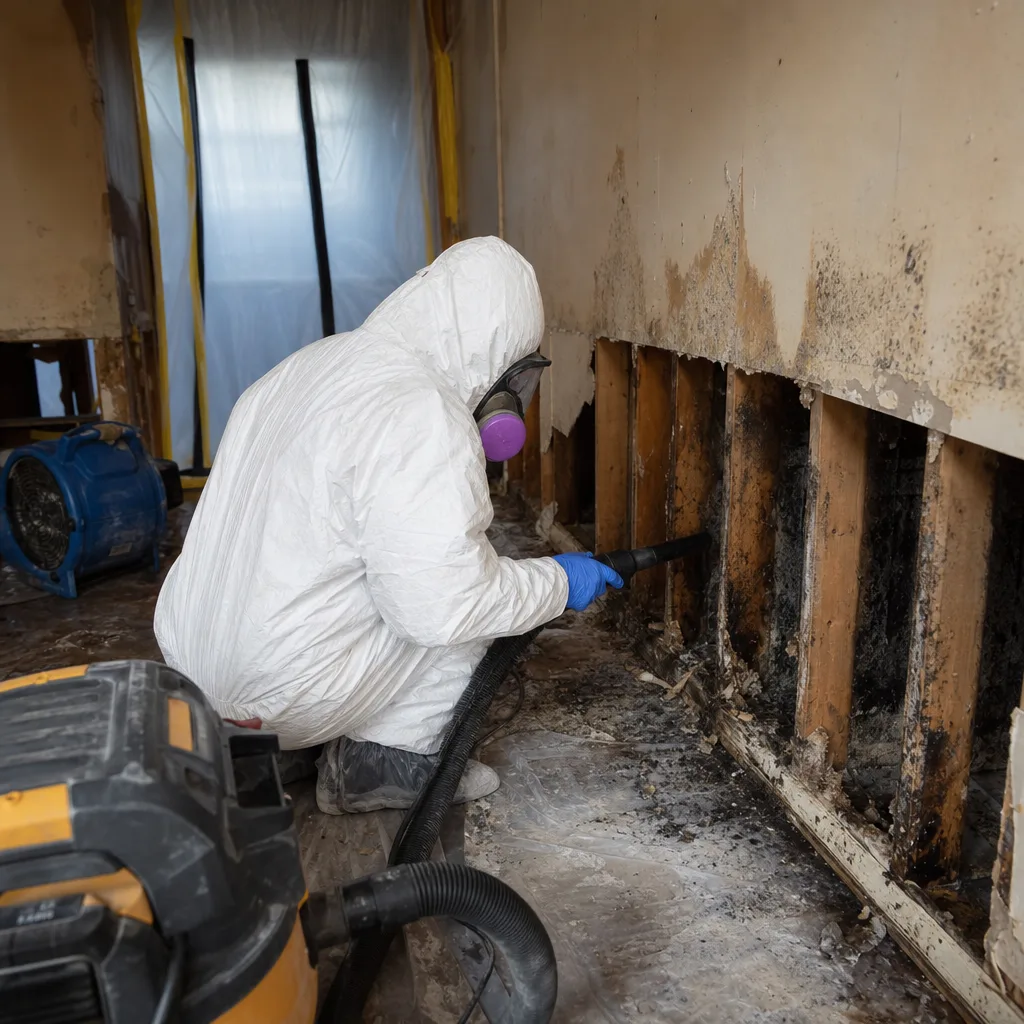
We got a call from a 1962 stucco-clad fourplex off Sawtelle Boulevard where a hairline crack above a window had been quietly channeling marine-layer moisture into the framing cavity for months. Our tech ran moisture mapping with a Dri-Eaz meter and found the exterior wall reading saturated well past the point the paint looked fine, so we set containment, applied antimicrobial treatment, and ran a Phoenix dehumidifier with XPOWER air movers for more days than a Valley job would need. The drying logs showed the wall finally hit pre-loss condition, and the owner retrofitted the cracked stucco before the next wet season.
Sawtelle’s corridor of postwar apartments and small commercial buildings presents this exact failure mode repeatedly: cosmetic-looking stucco cracks that are anything but. The Pico and Olympic corridors through Mid-City West share the same vintage and the same vulnerability, with dingbat buildings stacked over carports where plumbing chases create vertical pathways for both water and spores. Mar Vista’s single-family pockets from the same era suffer similar envelope failures, though with more attic ventilation that can either help or hurt depending on whether exhaust fans are pulling conditioned air through wall cavities.
The Wilshire Corridor operates in a different category entirely. Restoration techs working these high-rises know to pull the building’s riser plans immediately; the 1960s-1980s galvanized and early copper plumbing stacks in many of those towers corrode at fittings near slab penetrations, and by the time a unit owner on floor 8 notices ceiling staining, floors 5 through 9 already have wet drywall and the HOA’s adjuster is already en route. Our Mold Remediation team coordinates with building management and multiple unit policies simultaneously, something most inland restorers rarely encounter.
Specialized Mold Remediation Services We Offer in West Los Angeles
Mold Inspection & Testing
We don’t guess at contamination extent. Our West Los Angeles inspections combine moisture mapping, thermal imaging, and air sampling analyzed by independent laboratories. In stucco-over-frame buildings, we specifically probe suspect wall cavities rather than relying on surface readings that the marine layer can deceive.
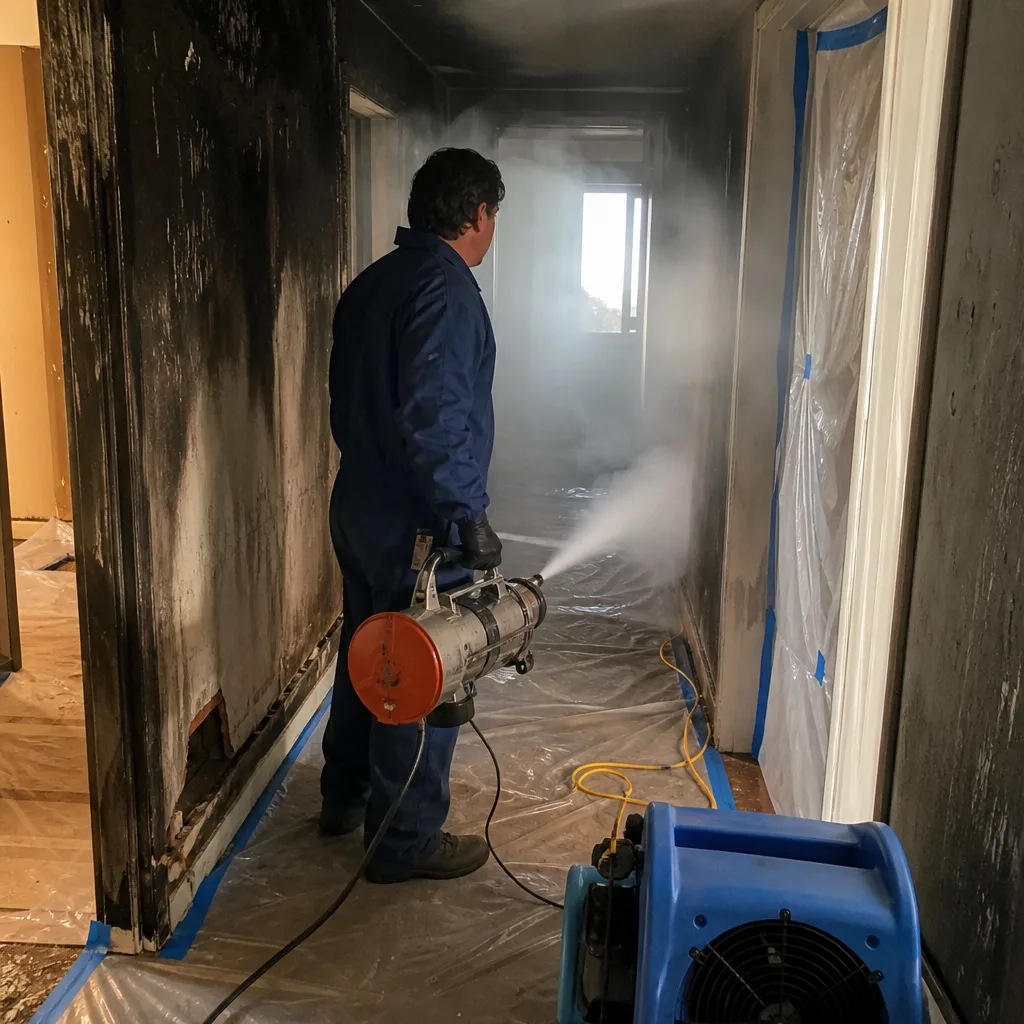
Mold Removal
Physical removal of contaminated materials under containment, following IICRC S520 standards for professional mold remediation. In West Los Angeles’s older apartments, this often means removing drywall back to studs and treating sheathing that has absorbed months of hidden moisture.
Black Mold Remediation
Stachybotrys and other toxigenic species require enhanced containment and PPE protocols. We treat these jobs with the same documentation rigor as any other, because your insurer needs to see that proper protocol was followed, not just that the visible mold disappeared.
Air Quality Restoration
Post-remediation, we run HEPA air scrubbers and collect clearance samples to verify that airborne spore counts have returned to background levels. This step is especially critical in West Los Angeles’s tight-construction apartments where cross-contamination between units is a documented risk.
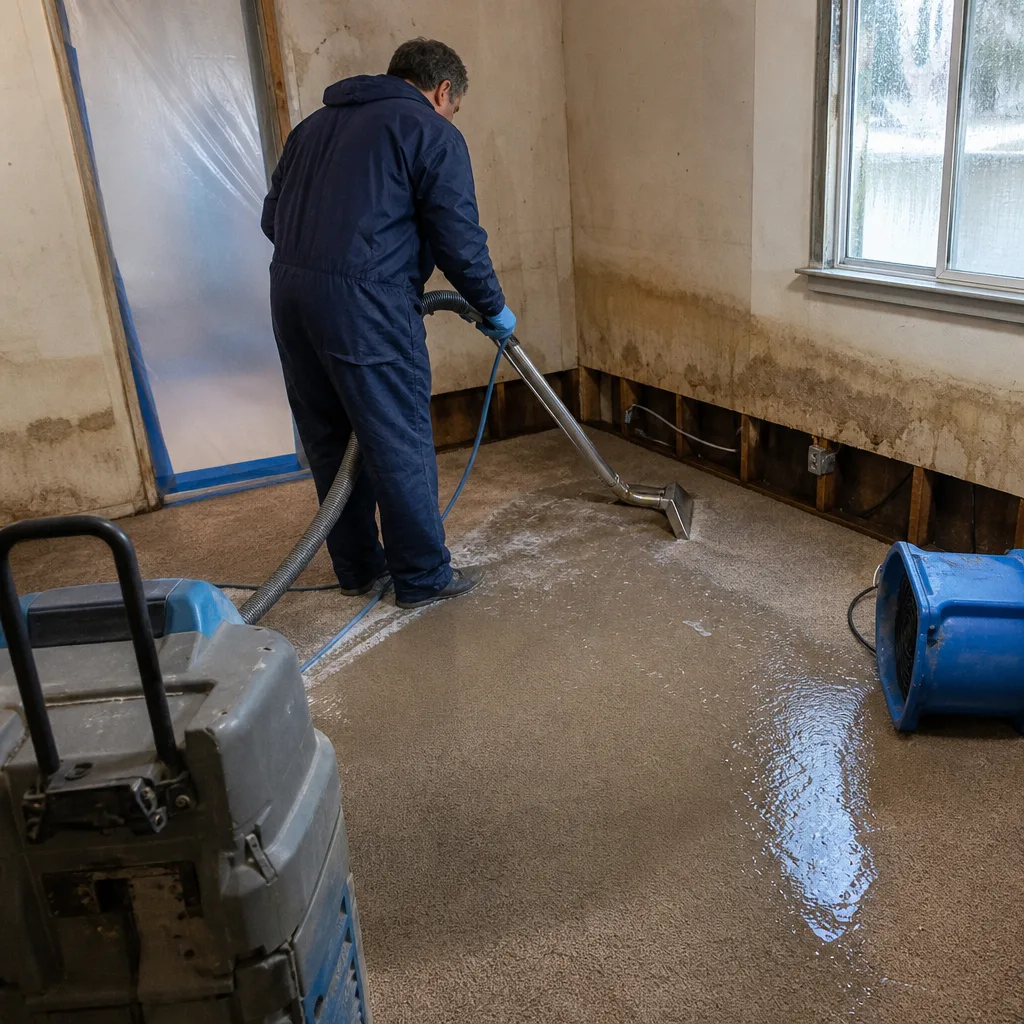
Crawl Space Treatment
Where accessible crawl spaces exist beneath older West Los Angeles homes, we address ground moisture vapor and inadequate ventilation that sustain chronic colonization. Vapor barrier installation and dehumidification often follow remediation to prevent recurrence.
Moisture & Humidity Control
The marine layer makes this a year-round concern in West Los Angeles, not a seasonal one. We specify and install permanent dehumidification solutions, improve ventilation pathways, and seal envelope penetrations that allow humid exterior air to reach interior wall cavities.
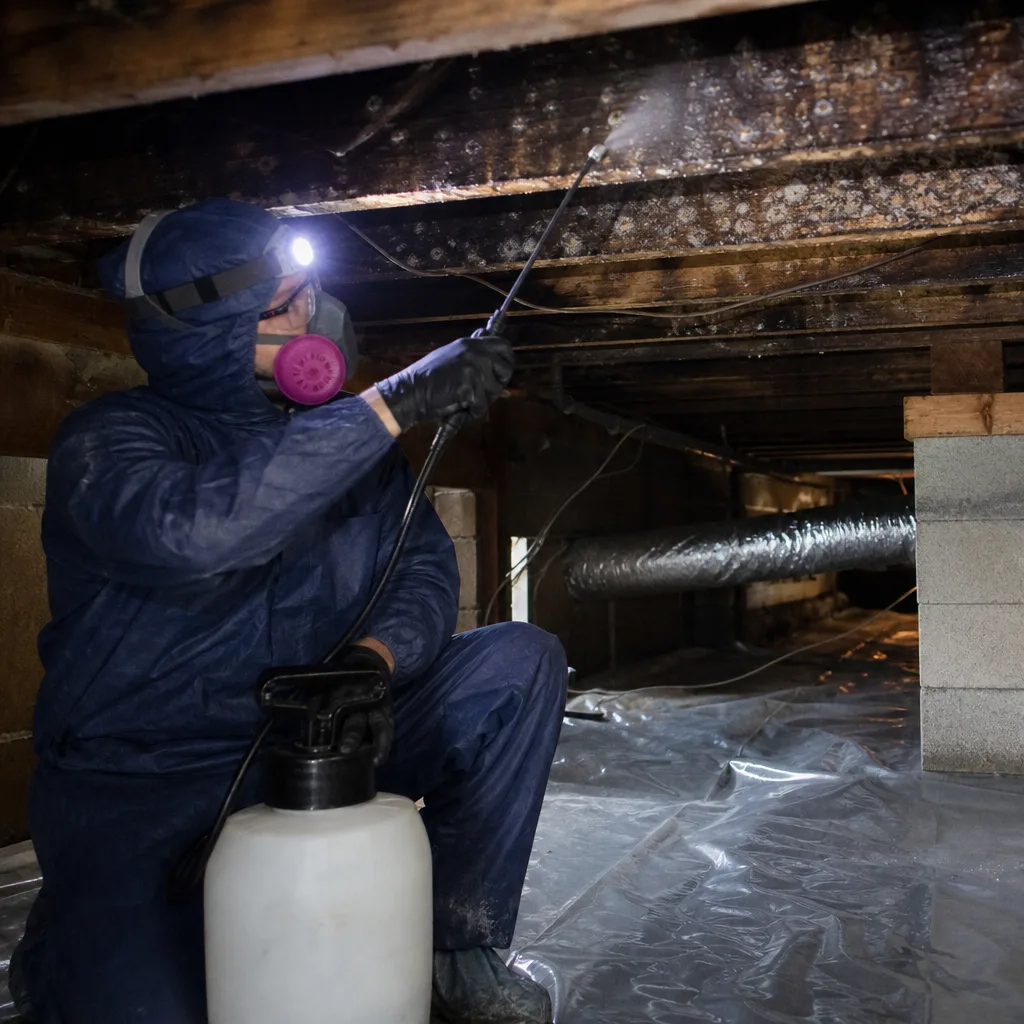
What happens when you call
- 1
A real person answersNo phone trees - you reach a local pro.
- 2
You get an upfront price rangeHonest numbers before anyone is dispatched.
- 3
A background-checked tech heads outLicensed & insured, dispatched right away.
- 4
You approve before work beginsNothing starts until you say go.
Mold Remediation Costs in West Los Angeles, CA
Honest pricing starts with inspection, not a phone guess. A typical limited remediation in a West Los Angeles apartment runs $1,200-$2,800 for contained removal of under 10 square feet with no HVAC involvement. Moderate jobs, 10-100 square feet with multiple wall cavities affected, range $3,500-$8,500. Major remediation involving whole-room gutting, HVAC decontamination, or multi-unit coordination in a Wilshire Corridor high-rise can reach $12,000-$25,000 or more.
What moves the price: square footage of removal, whether containment must extend to multiple rooms or units, the need for post-remediation verification testing, and whether reconstruction is included or handled separately. Insurance typically covers mold remediation when it results from a covered water loss, but policies vary on mold caps and secondary-damage language. We review your policy with you and document the loss origin to support your claim. Our written price before work begins, Haven Standard Clause 1, means no scope-creep additions once the crew is inside. Call (424) 372-0129 for your free inspection and exact scope.
We Also Serve Cities Near West Los Angeles
Our West Los Angeles crews are dispatched from our Los Angeles office and serve Venice, Marina del Rey, Mar Vista, and Santa Monica with the same 45-minute response commitment and documentation standards. Each of these coastal communities shares the marine-layer microclimate that shapes our drying protocols and equipment run times.
Serving West Los Angeles, CA - Our Local Coverage Area
We’re based in the West Los Angeles area and know this community well. Use the map below to see our service coverage - if you’re nearby, we can almost certainly help.
West Los Angeles Mold Remediation Questions, Answered
Why does mold grow faster in West Los Angeles than in the Valley?
The persistent coastal marine layer keeps West Los Angeles’s ambient humidity measurably higher than the San Fernando Valley or central LA, so residual moisture behind walls lingers longer and mold colonization timelines compress from weeks to days. Our crews routinely run dehumidification equipment for additional days compared to Valley jobs to achieve the same pre-loss moisture readings. Call (424) 372-0129 if you suspect hidden moisture in your walls.
How quickly does mold start after water damage in a Sawtelle or Pico apartment?
In West Los Angeles’s humid microclimate, visible mold can appear within 48-72 hours of a water intrusion event, and hidden colonization behind stucco-over-frame walls often begins before surface materials even feel damp to the touch. The 1950s-1970s buildings along these corridors have sheathing and framing that absorb and hold moisture efficiently. We recommend inspection within 24 hours of any water loss. Call (424) 372-0129 for emergency response.
What’s different about mold remediation in a Wilshire Corridor high-rise?
High-rise remediation requires coordination with building management, HOA master policies, and multiple unit policies when a riser failure cascades through stacked floors. We pull riser plans immediately to identify all affected units, establish containment that respects fire-rated corridors, and document for multiple adjusters simultaneously. The scale and policy complexity exceed anything in single-family or low-rise work. Call (424) 372-0129 for high-rise mold emergencies.
Do I need a mold inspection if my wall already looks dry?
Yes, especially in West Los Angeles. The marine layer sustains hidden moisture behind stucco and drywall long after surfaces appear dry to the eye or hand. We’ve documented saturated wall cavities with Dri-Eaz meters while the paint looked perfect. A professional inspection with moisture mapping and thermal imaging reveals what visual assessment cannot. Call (424) 372-0129 for a free visual inspection.
Can you handle smoke and ash damage along with mold after a canyon fire?
Yes. The January 2025 Palisades Fire demonstrated how fire suppression water and compromised building envelopes create mold conditions in smoke-damaged structures. Our crews are certified for both fire and microbial remediation, and we sequence the work to address smoke residue first, then moisture intrusion, then mold colonization, with documentation for each phase. Call (424) 372-0129 for fire-and-mold combined assessment.
How long does mold remediation take in West Los Angeles?
Most limited remediations complete in 3-5 days; moderate jobs run 5-10 days; major or multi-unit projects may extend to 2-3 weeks. West Los Angeles’s marine layer typically adds 1-2 days to the drying phase compared to inland locations, because we cannot declare pre-loss conditions until moisture readings stabilize, not just until surfaces feel dry. Call (424) 372-0129 for a timeline based on your specific damage.
Can my family stay in the home during mold remediation?
For limited containment zones under 10 square feet with no HVAC involvement, occupants often remain with sealed doorways and negative-air isolation. For moderate or major jobs, especially in West Los Angeles’s tight apartments where shared walls and ventilation create cross-contamination risk, we recommend temporary relocation until clearance testing passes. We discuss this during the written scope review, before work begins. Call (424) 372-0129 to review your situation.
What certifications do your mold technicians hold?
Our lead remediation technicians hold IICRC AMRT (Applied Microbial Remediation Technician) and WRT (Water Damage Restoration Technician) certifications, with additional training in containment engineering and high-rise protocol. License numbers are provided on request, and every technician is background-checked, insured, and verified before arriving at your West Los Angeles property. Call (424) 372-0129 to verify credentials.
Call (424) 372-0129 now for emergency mold remediation in West Los Angeles, or to schedule your free inspection and written scope. Every job is covered by our 365-Day Done Right Promise under The Haven Standard.
Written by Alicia Brennan, Owner at Back to Dry Restoration, serving West Los Angeles since 2011.
Mold Remediation in Nearby Areas