Free visual inspection and a written scope of work before any mitigation begins - photos, moisture readings, and drying logs go in your claim file
The scope we write is the scope we bill. Anything new gets shown to you, in writing, before we touch it.
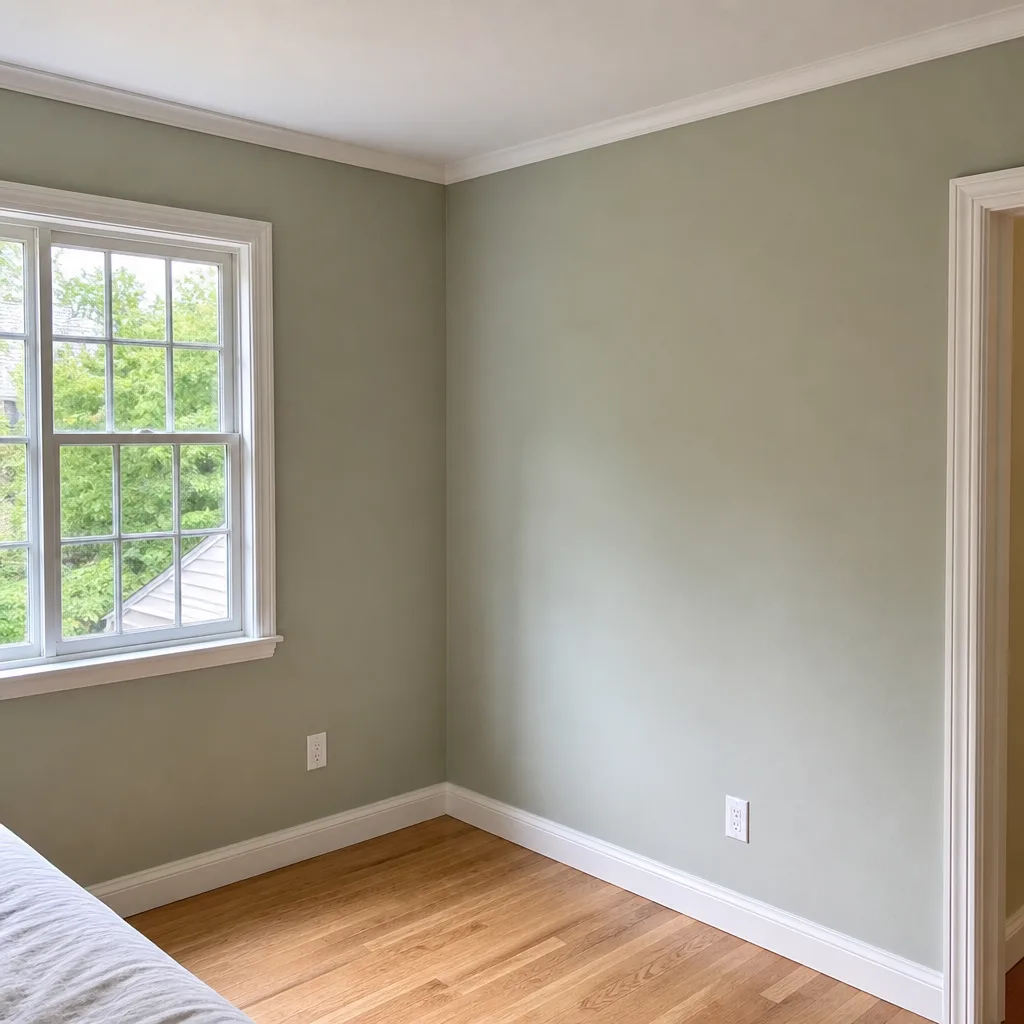
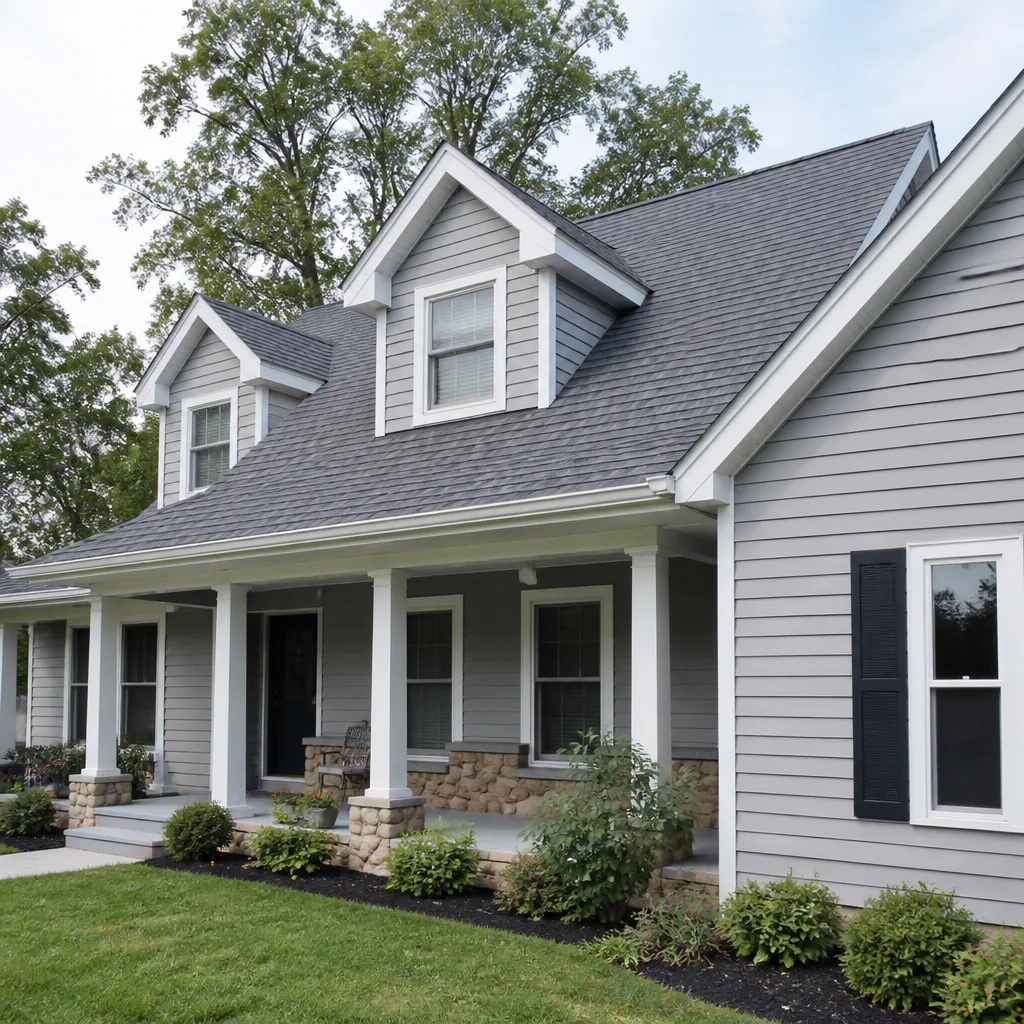
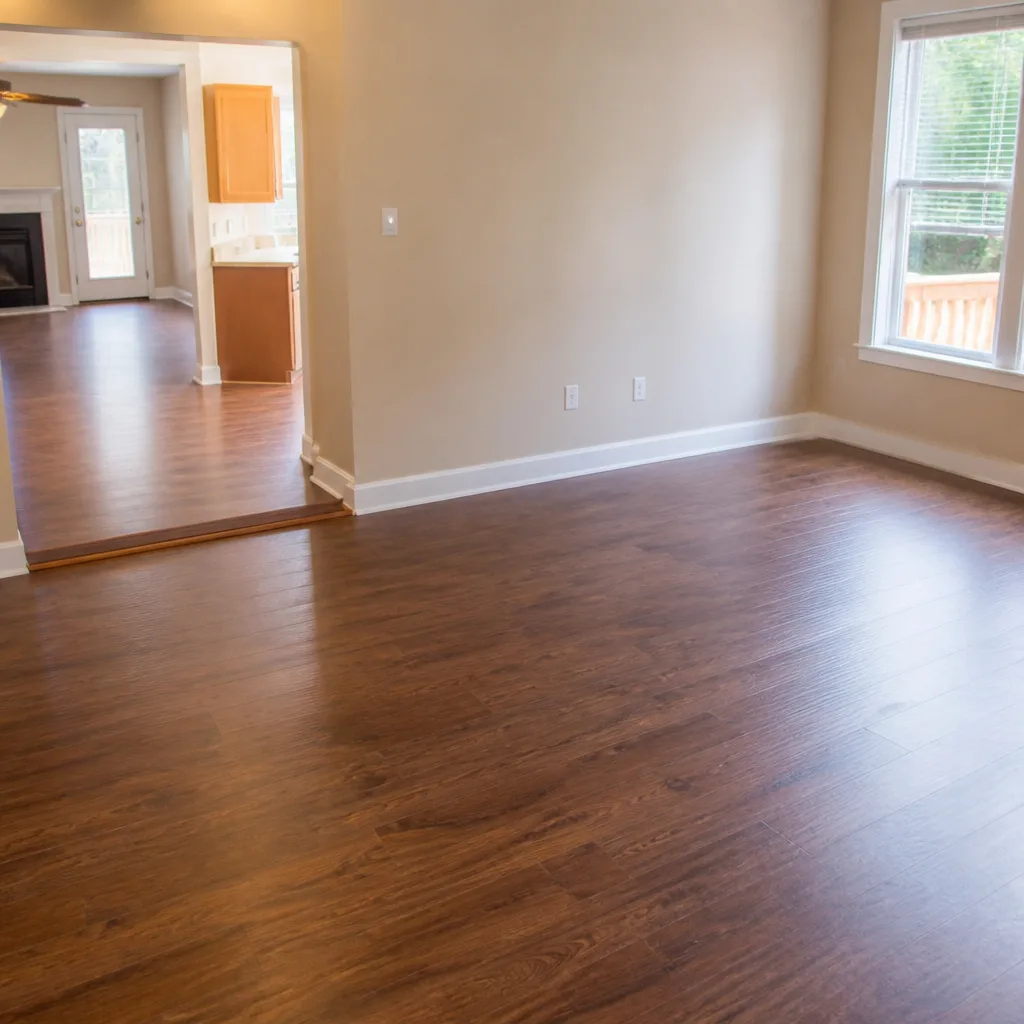
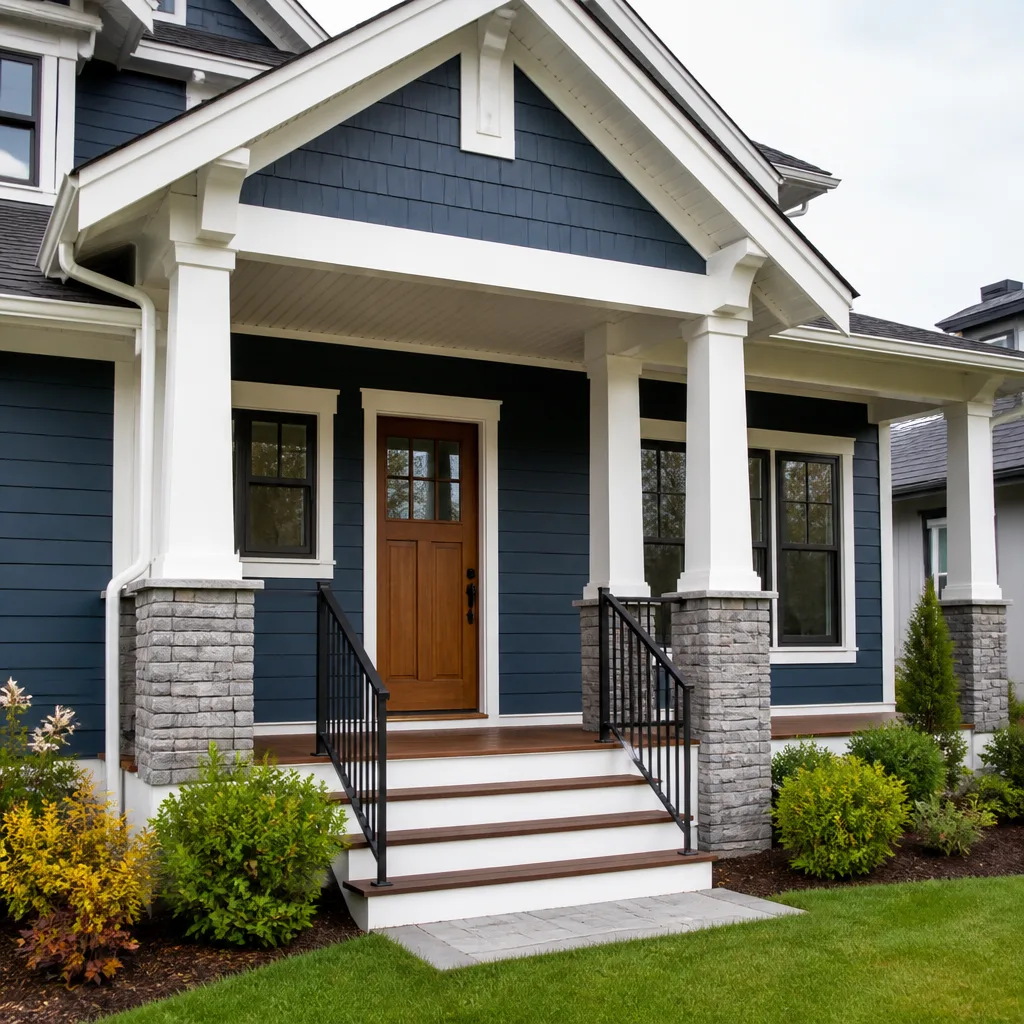
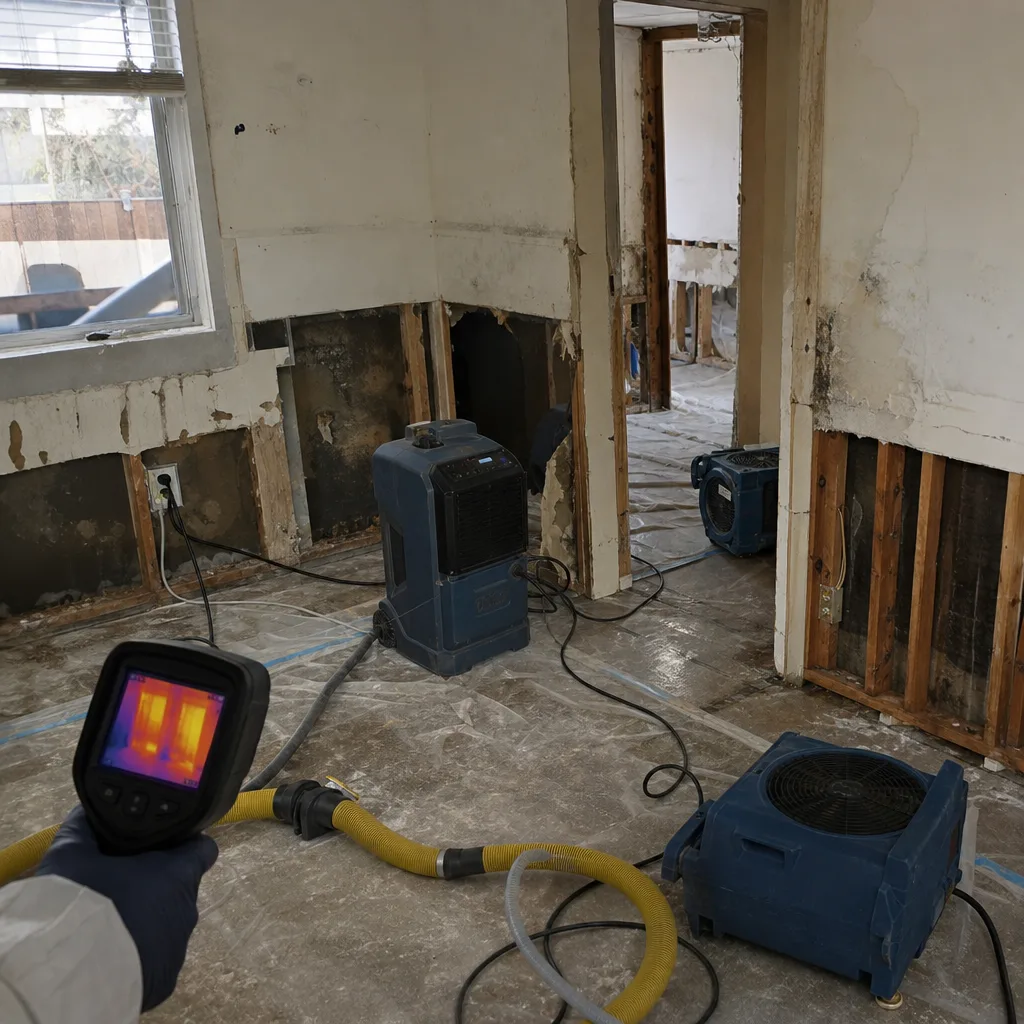 Before
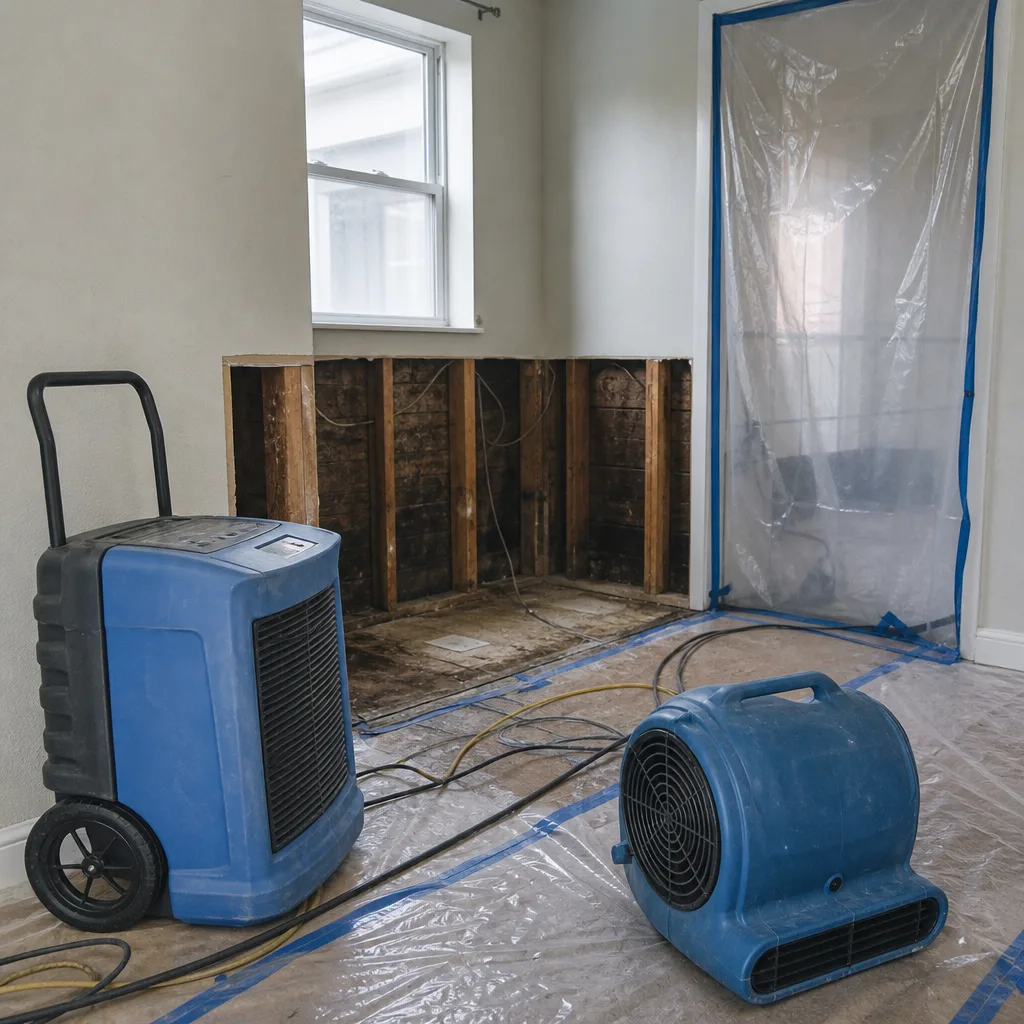 After
After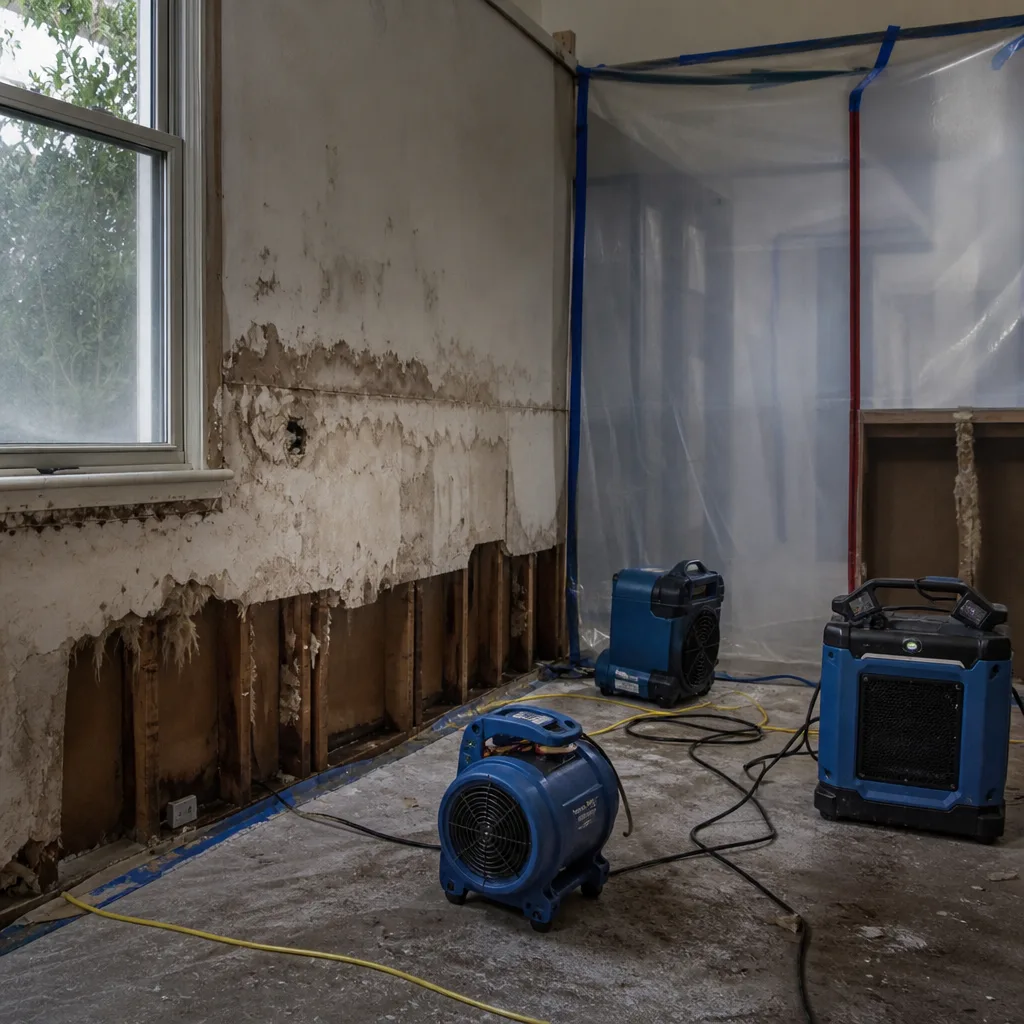 Before
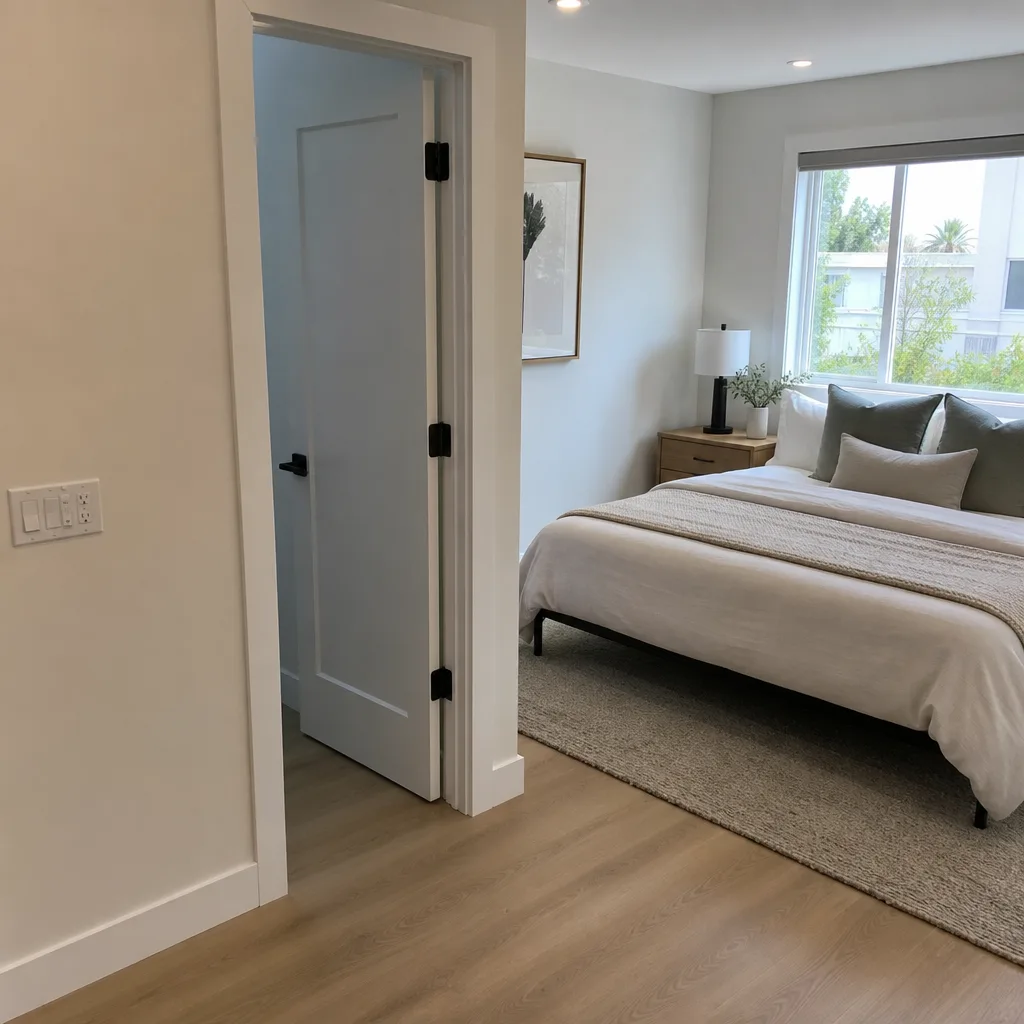 After
After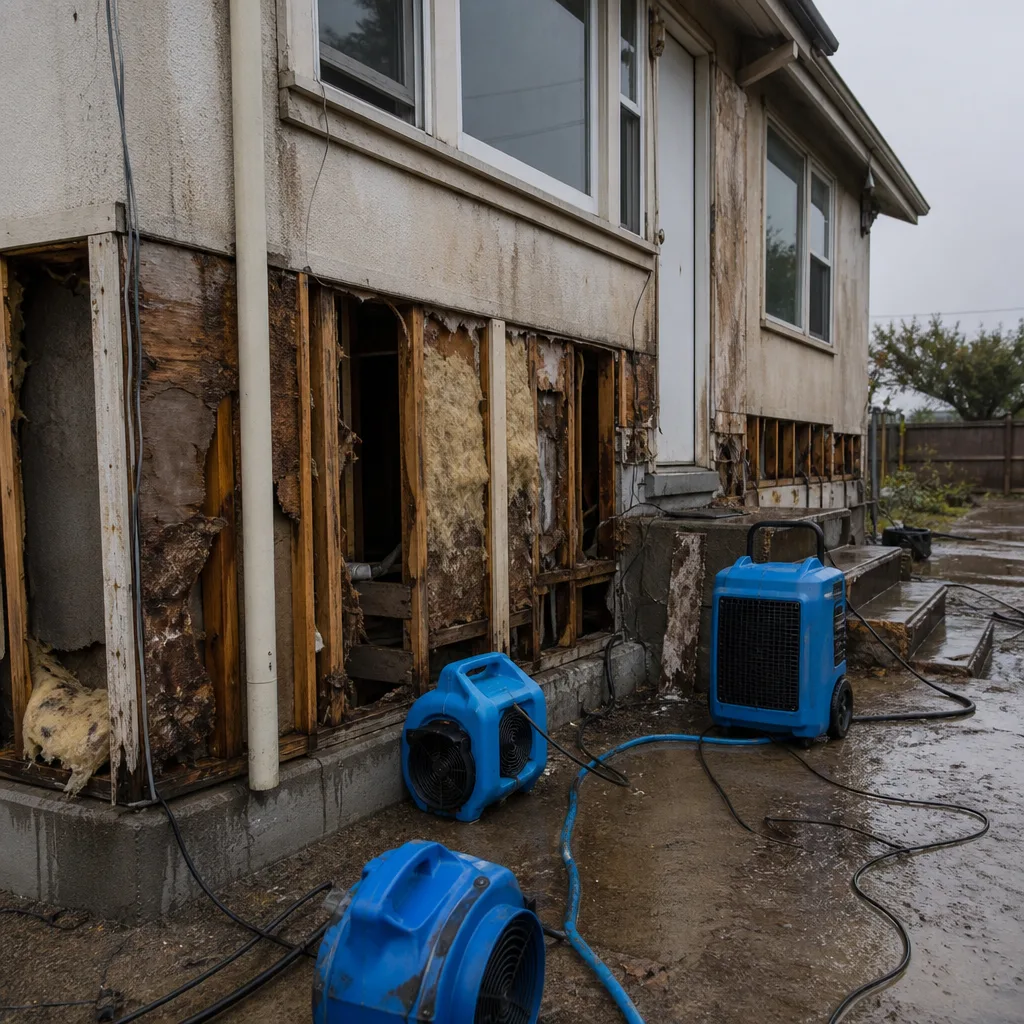 Before
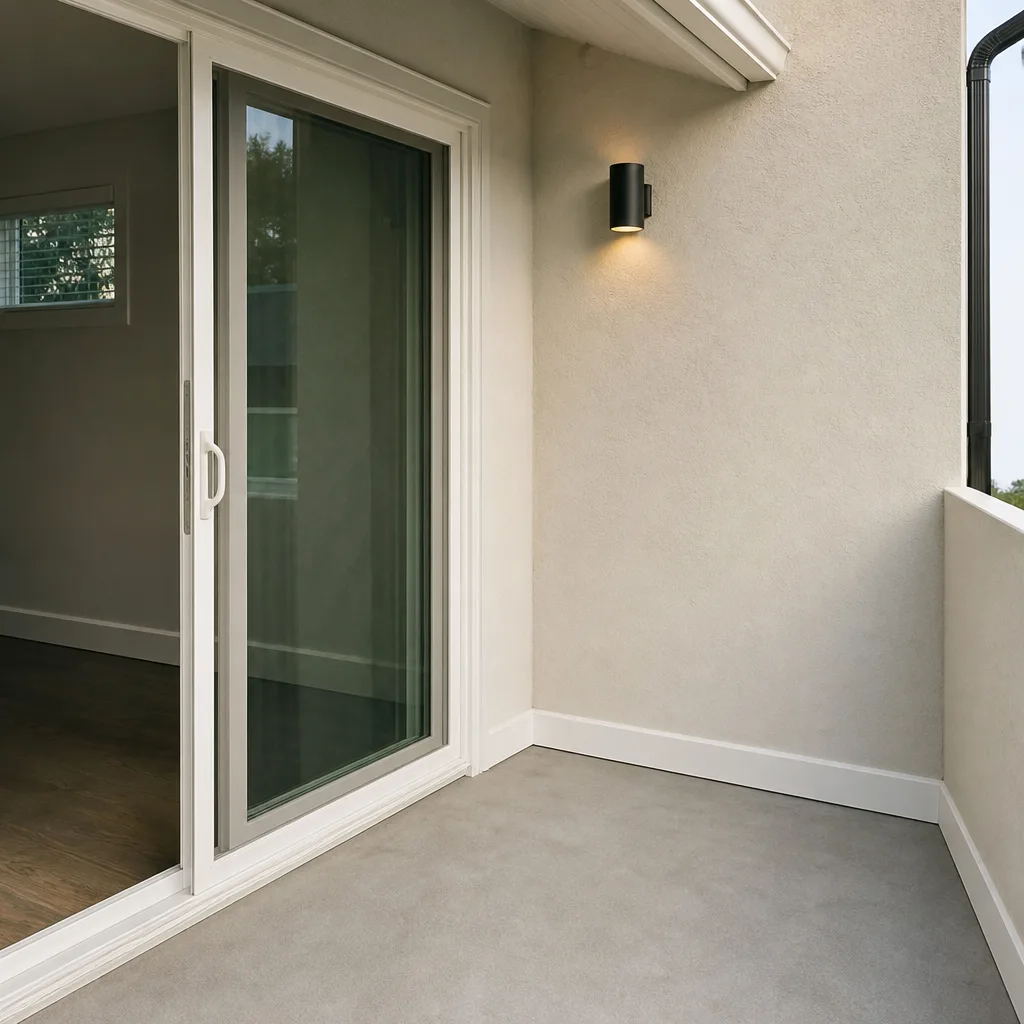 After
After24/7 Emergency Mold Remediation in Los Angeles
Mold remediation in Los Angeles typically runs $1,200-$4,500 for contained residential jobs and $5,000-$12,000+ when fire-season soot and moisture have combined inside wall cavities. Most of our Los Angeles crews can be on-site within 45 minutes of your call, and we answer live at (424) 372-0129 24 hours a day, every day. The first hour matters because mold colonies establish within 24 to 72 hours of water reaching organic material, and in Los Angeles’s dry-climate construction, that moisture often hides behind original horsehair plaster or unsealed framing long before you smell it.
We dispatch from our Los Angeles office to properties across the metro, including longer service drives into the hillside neighborhoods where acreage lots and detached workshops sit at the end of winding roads. Our crews travel with enough Dri-Eaz and Phoenix dehumidification capacity to complete structural drying in one mobilization, because returning for forgotten gear on a 45-minute drive wastes your time and ours.
Understanding Mold Remediation Severity in Los Angeles Properties
Los Angeles housing stock determines how mold behaves and how we contain it. In Silver Lake, Echo Park, and Highland Park, 1920s-1940s Craftsman bungalows with original wood lathe and horsehair plaster absorb moisture laterally through walls rather than showing surface stains, so we map vapor pressure differential across rooms to find the source. Post-war San Fernando Valley slab-on-grade homes with minimal vapor barriers let moisture wick up from saturated perimeter soil after irrigation-line breaks or atmospheric-river runoff. Pre-1980 soft-story wood-frame apartment buildings in Hollywood and Koreatown have open ground-floor parking levels where water pools and evaporates slowly, creating sustained humidity in the units above.
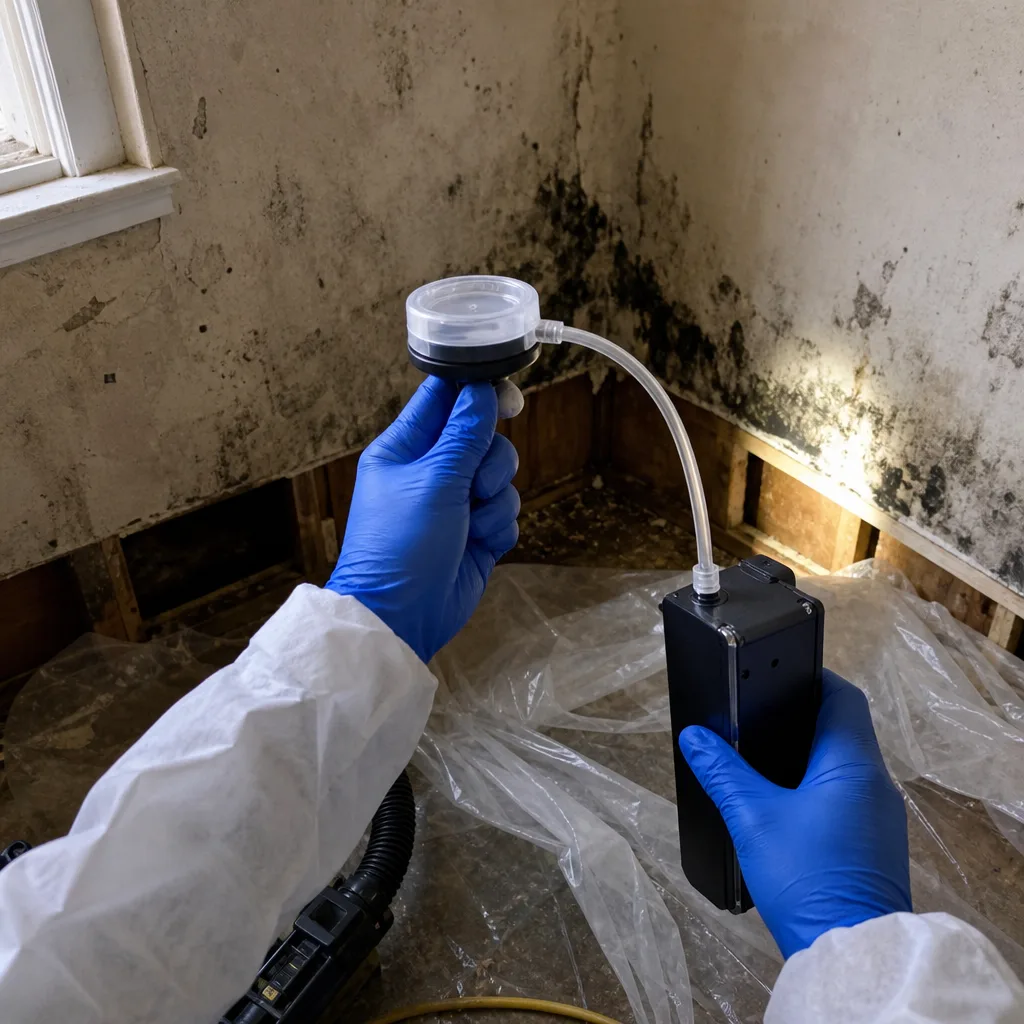
We classify contamination by square footage and material porosity: non-porous surfaces like tile or metal receive HEPA vacuuming and antimicrobial wipe-down; semi-porous wood framing gets abrasive cleaning with Sporicidin or Benefect; porous drywall, insulation, or fire-damaged plaster gets removed when moisture readings remain above 16% wood moisture equivalent after 48 hours of controlled drying. Air scrubbers with HEPA filtration run inside containment under negative pressure to prevent cross-contamination. Post-remediation clearance testing, documented to IICRC S520 and RIA standards, confirms airborne spore counts at or below outdoor baseline before we remove containment.
Why Los Angeles Property Owners Choose DryMark Restoration Venice
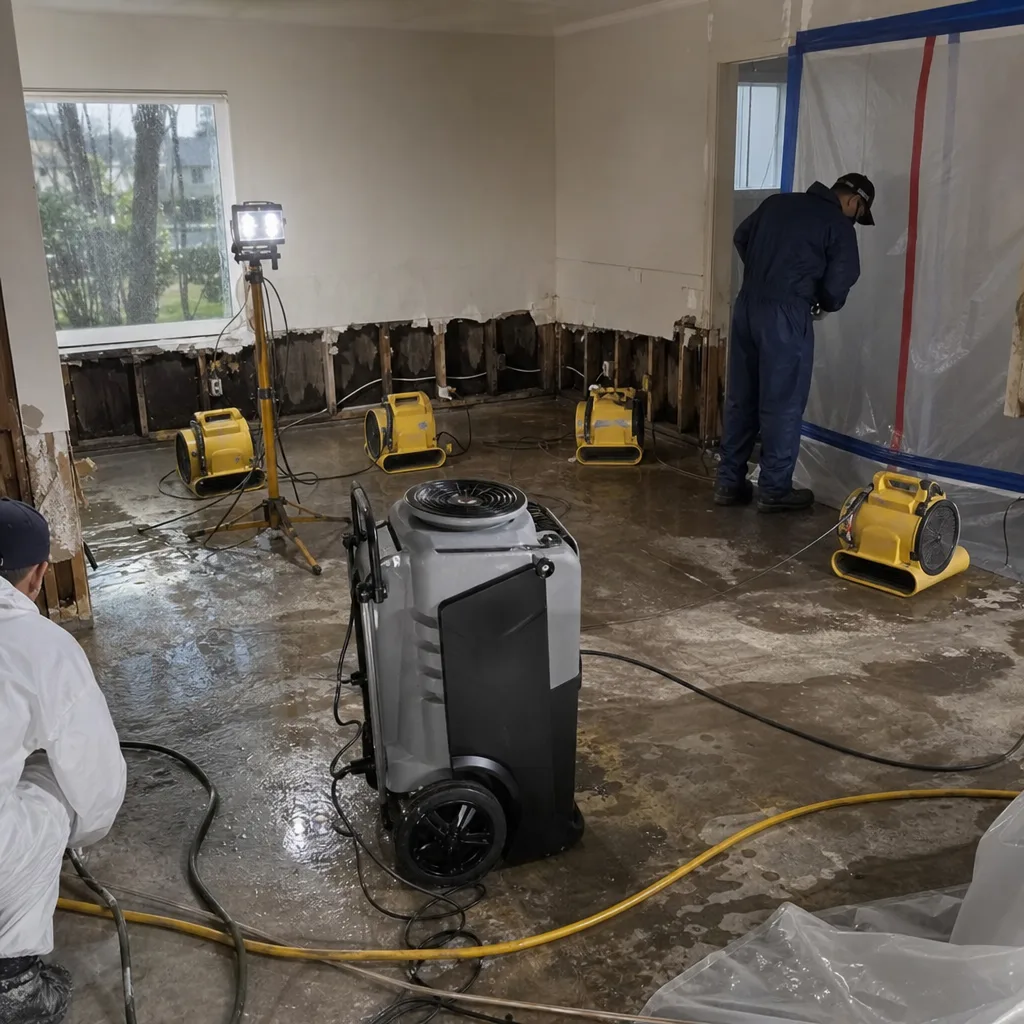
- 45-minute response commitment to Los Angeles addresses, including hillside service drives where equipment staging takes longer.
- 24/7 live answer - a real person picks up at (424) 372-0129, never an automated system routing you to voicemail while water moves through your walls.
- IICRC-certified crews holding WRT (Water Damage Restoration Technician), AMRT (Applied Microbial Remediation Technician), and FSRT (Fire and Smoke Restoration Technician) credentials where fire-season soot precedes mold.
- Free visual inspection with moisture mapping and thermal imaging before any work is authorized.
- Direct insurance billing with photo-documented estimates your adjuster can read without back-and-forth.
- One team from inspection to reconstruction - no handoffs between mitigation and rebuild contractors who blame each other for missed moisture.
 Before
 After
AfterOur Mold Remediation Process
1. Inspection & Assessment
We arrive with thermal imaging cameras, pin and non-invasive moisture meters, and hygrometers to map affected areas. In Los Angeles, we pay particular attention to exterior wall cavities in older homes and crawl spaces on acreage properties where seasonal moisture accumulates unseen. You receive a written scope and firm price before we start - Haven Standard, Clause 1.
2. Containment & Air Filtration
We build polyethylene containment barriers around the work zone and run negative-air HEPA scrubbers to prevent spore migration. On jobs where fire-season soot is also present, we sequence soot removal before mold remediation to avoid driving contaminated particles through clean areas.
3. Structural Drying
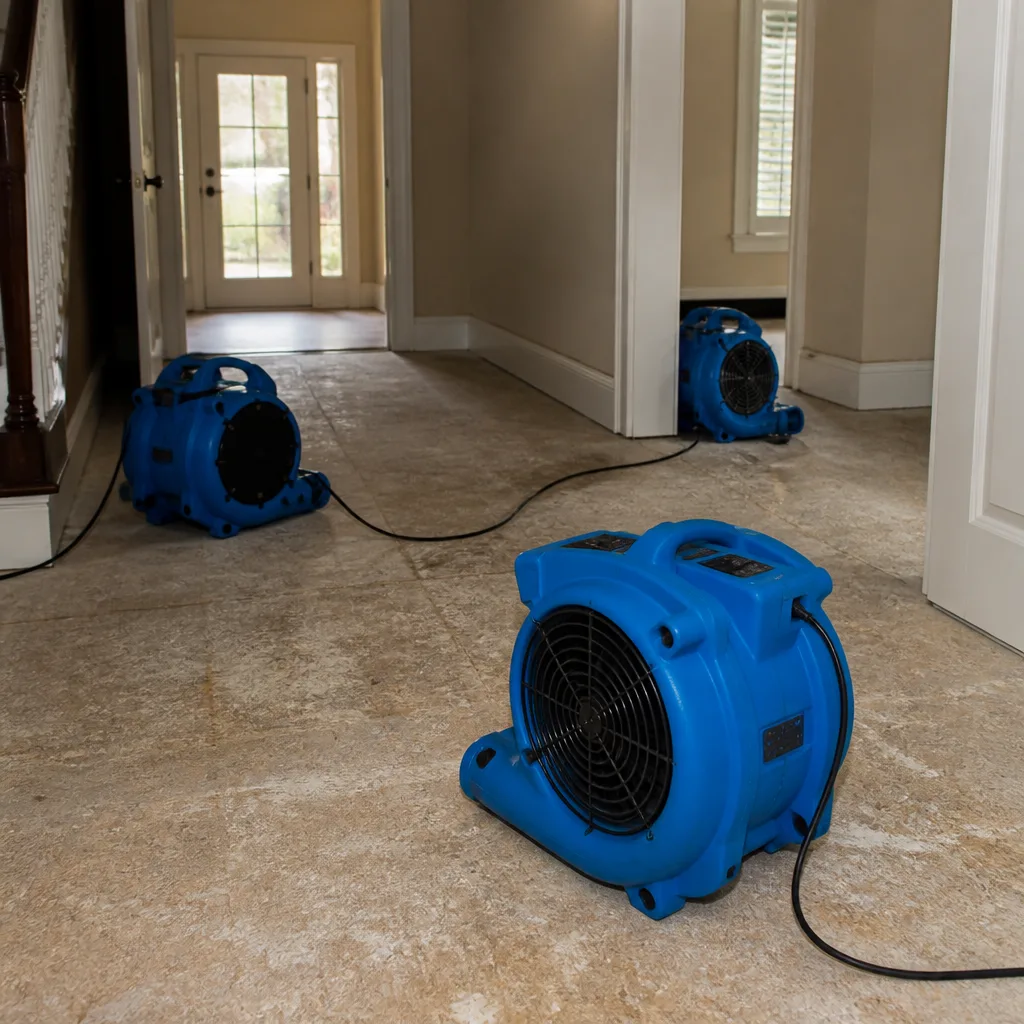
Using Dri-Eaz and Phoenix dehumidifiers plus Injectidry panel-drying systems, we establish target equilibrium moisture content for Los Angeles’s dry climate - typically 10-12% for softwoods, lower than contractors from humid markets expect. Daily moisture logs document progress to IICRC S500 standards.
4. Removal & Cleaning
Non-salvageable porous materials come out. Remaining framing and sheathing receive HEPA vacuuming and antimicrobial treatment. We document every square foot with photos for your insurer and our 365-Day Done Right Promise file.
5. Crawl Space & Humidity Control
On Los Angeles acreage properties, we install vapor barriers, seal vents where appropriate, and size dehumidification to the specific cubic footage of your crawl space or detached workshop. Moisture & Humidity Control is not an afterthought here - it is what prevents recurrence.
6. Clearance Testing & Restoration
Independent or in-house air quality sampling confirms spore counts at baseline before containment comes down. Reconstruction follows the same written scope, with no additions once the crew is inside - Haven Standard, Clause 1, applies to rebuild as well as mitigation.
Need Emergency Mold Remediation in Los Angeles Now?
Crews minutes away, answering live 24 hours a day. The sooner we start, the less it costs.
Working With Your Insurance Company
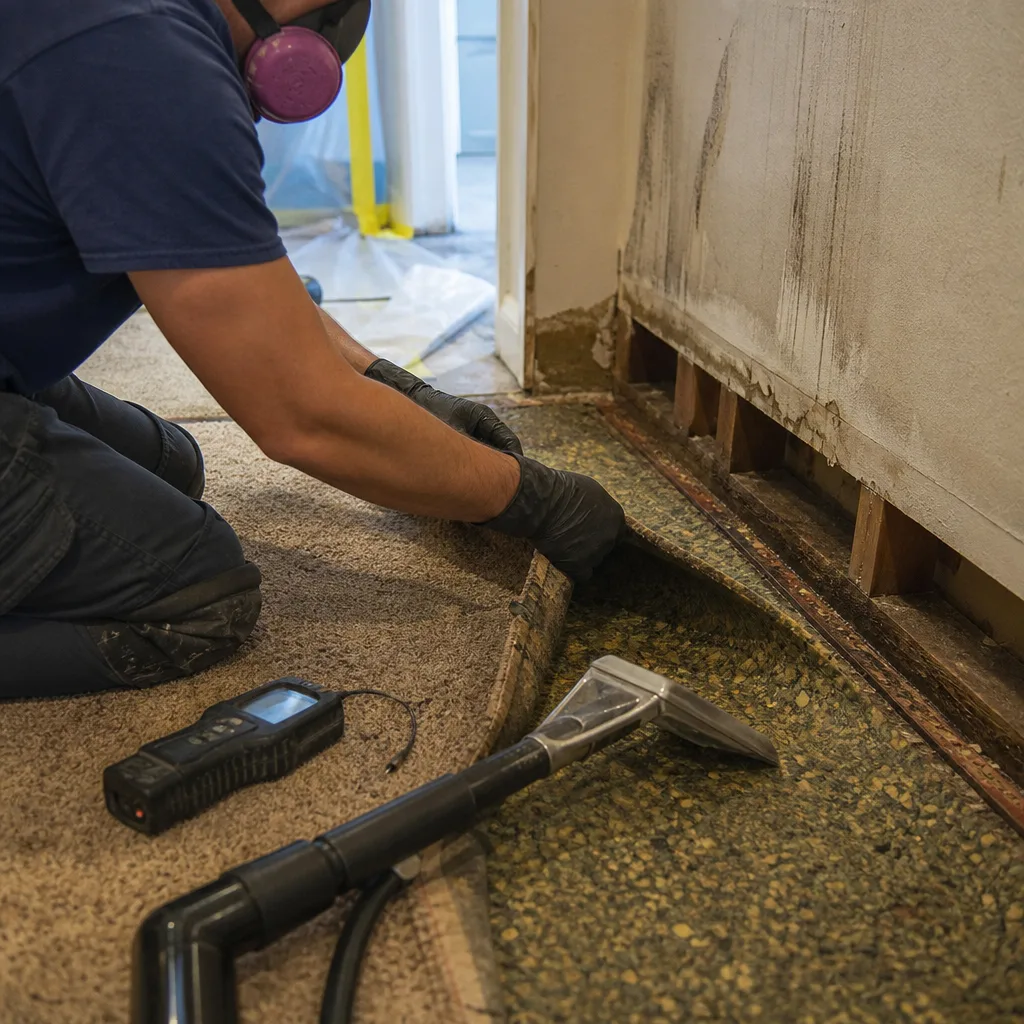
Insurance claims succeed or fail on documentation. We learned this from our founder’s years as a claims adjuster before launching Mold Remediation operations in 2011. From the first hour on your Los Angeles property, we photograph every room, record moisture readings on a grid, and maintain daily drying logs that translate directly into line-item estimates your carrier recognizes.
We write Xactimate or Symbility estimates to industry standard, not padded round numbers. Direct adjuster communication happens without you playing telephone between parties. When fire and mold overlap, as they increasingly do in Los Angeles’s compounding disaster cycle, we document the sequence of damage so your carrier understands why both coverages may apply.
What We Provide Your Insurer
- Thorough documentation of the loss
- Photos of all damage, room by room
- Moisture readings and drying logs
- A detailed, line-item scope of work
- Direct coordination with your carrier
Built for Los Angeles’s Loss Calendar
Los Angeles mold does not follow the calendar of wetter cities. June through November brings Santa Ana winds and hillside fire season; smoke and petroleum-based soot from burning mid-century construction materials travel downwind and infiltrate HVAC systems, attic insulation, and wall cavities in neighborhoods like Pasadena and Sherman Oaks with zero visible fire damage. Then December through March atmospheric rivers arrive, and the same burn-scar hillsides face debris flows while previously fire-damaged homes - their envelopes already compromised - absorb moisture through gaps that did not exist before.
Because Los Angeles averages under 15 inches of rain annually, most homes were built without the vapor barriers and drainage details standard in wetter markets, so the first atmospheric-river rain after a hillside fire drives moisture into dry framing so fast that mold colonies can appear behind plaster before any visible stain shows. The rare, violent timing of that moisture - on top of fire-season soot already deep in the wall cavities - is something no neighboring metro manages at this scale. Restoration contractors here must routinely sequence fire/smoke remediation, structural drying, and mud/debris removal on the same properties across a single season.
Spring and early summer bring irrigation-line breaks in the flatlands and burst water heaters in aging soft-story buildings. El Niño years amplify everything. We staff and equip for this specific calendar, not a generic national average.
Mold Remediation Across Los Angeles’s Neighborhoods
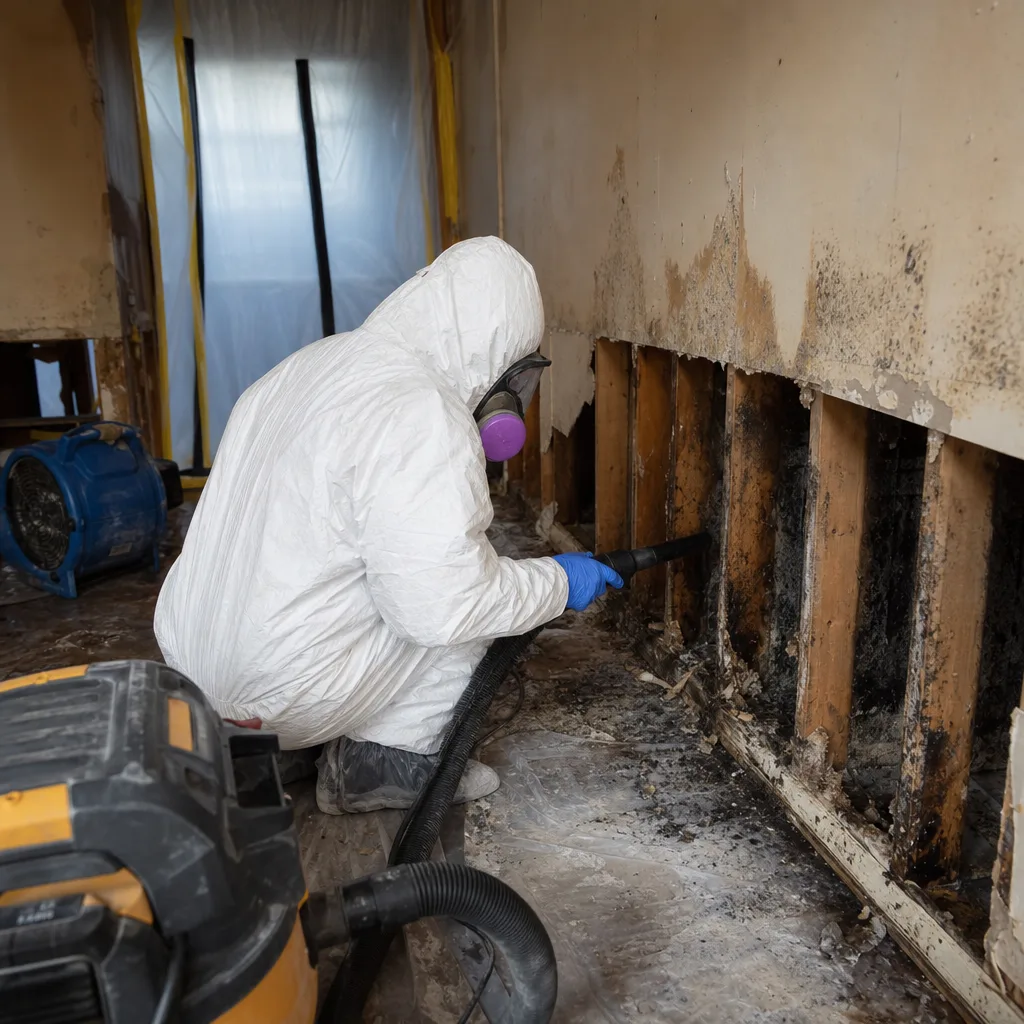
In Pacific Palisades and Altadena, post-fire mold follows a predictable path: smoke compromises the building envelope, rain enters through damaged soffits or heat-brittled roofing, and moisture hides in original construction materials that absorbed soot deeply. Our crews travel with desiccant dehumidifiers rated for the larger cubic footage of hillside homes and the longer runtimes these jobs require.
Silver Lake and Echo Park Craftsman bungalows present horsehair plaster that wicks moisture laterally - a full wall can read elevated on a non-invasive meter while the surface looks dry. We verify with pin meters and borescope inspection before declaring any cavity clear.
Sherman Oaks and Studio City see the invisible fire-damage pattern: no flames, heavy smoke odor, and mold that appears weeks later when compromised attic ventilation meets winter rain. Homeowners call for air quality; we find moisture mapping essential to the real scope.
Hollywood and Koreatown soft-story apartments require containment strategies that protect multiple units and common HVAC risers. We coordinate with property managers and document each unit separately for insurance purposes.
Acreage properties throughout the Santa Monica Mountains and Topanga corridor have detached workshops, oversized doors, and service drives long enough that mobilization planning matters. We size equipment loads for one trip because returning for a forgotten air mover costs half a day on these roads.
Specialized Mold Remediation Services We Offer in Los Angeles
Mold Inspection & Testing
We do not guess. Our Los Angeles inspections combine thermal imaging, moisture mapping, and air sampling to locate hidden colonies before demolition starts. After the January wind event pushed smoke down through Altadena, we were called to a 1928 Craftsman bungalow where the homeowner had zero visible fire damage but three separate musty rooms. We ran moisture mapping and moisture readings on the original horsehair-plaster walls, found elevated readings in two exterior wall cavities, set containment, and used a Dri-Eaz desiccant dehumidifier with Injectidry panel drying to pull the structure down over four days. The homeowner wanted it done right in one trip, so we wrote the full scope of work - pack-out, antimicrobial treatment, dehumidification, and a post-remediation air quality clearance - before we left the driveway.
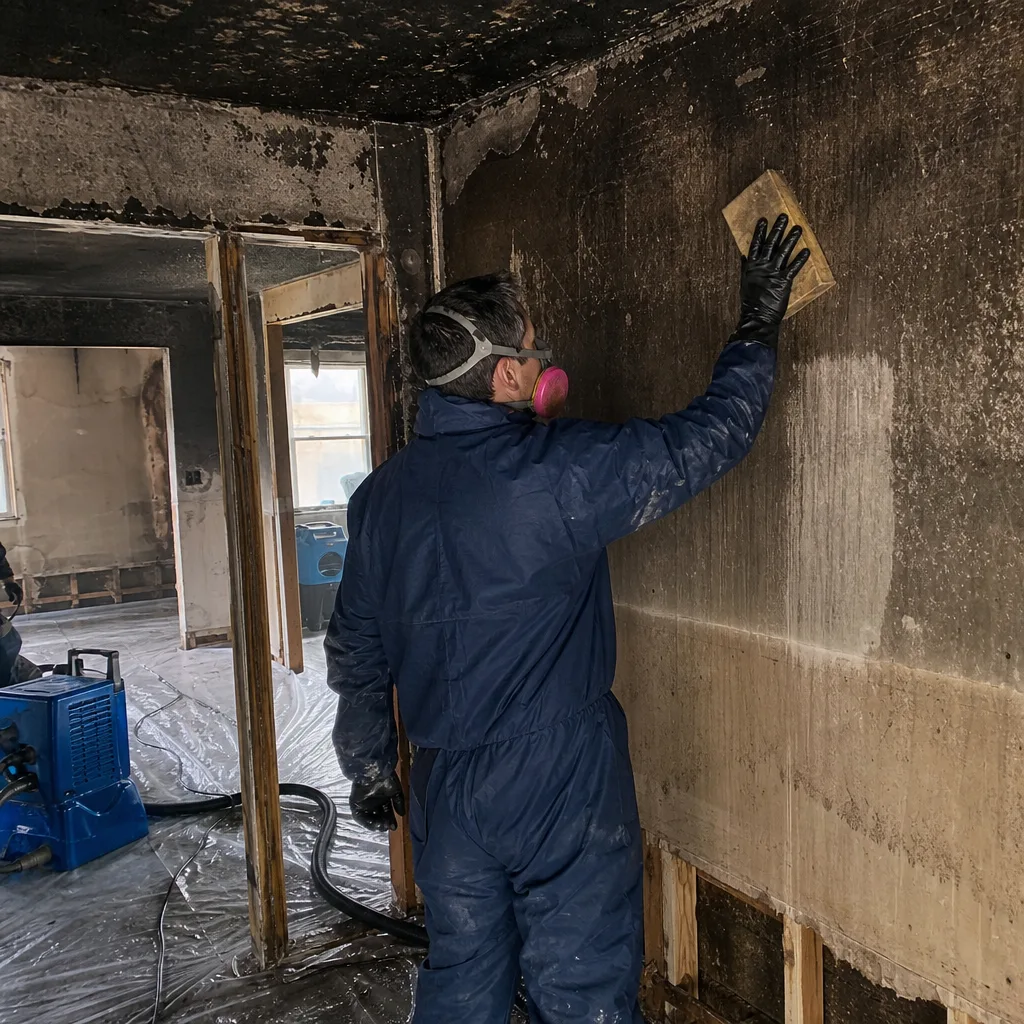
Mold Removal
Removal means controlled demolition of non-salvageable materials and abrasive cleaning of salvageable framing. In Los Angeles’s dry climate, contractors from wetter markets sometimes assume residual moisture will evaporate on its own. It does not - not inside a wall cavity with no airflow. We dry before we close, with documentation.
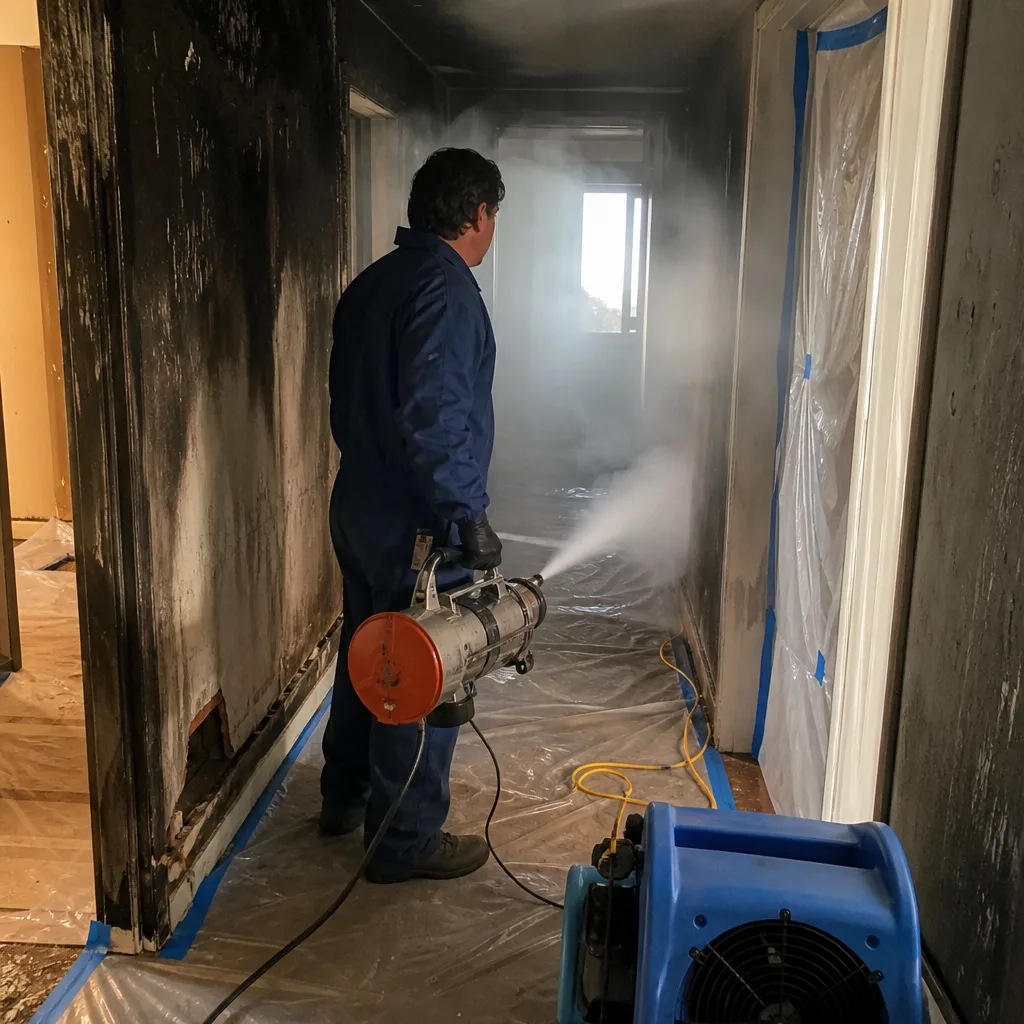
Black Mold Remediation
Stachybotrys chartarum and other toxigenic species require enhanced containment and PPE. We follow IICRC S520 and RIA protocols for occupied buildings, with clearance testing by an independent laboratory before re-occupancy.
Air Quality Restoration
Post-fire odor calls in Pasadena and Sherman Oaks often reveal mold once we inspect. We sequence soot and odor removal first, then address microbial contamination, with HEPA filtration running continuously between phases.
Crawl Space Treatment
Los Angeles acreage properties frequently have vented crawl spaces on sloped lots where seasonal moisture accumulates. We seal vents, install ground vapor barriers, and size permanent dehumidification to the specific volume - not a one-size-fits-all unit.
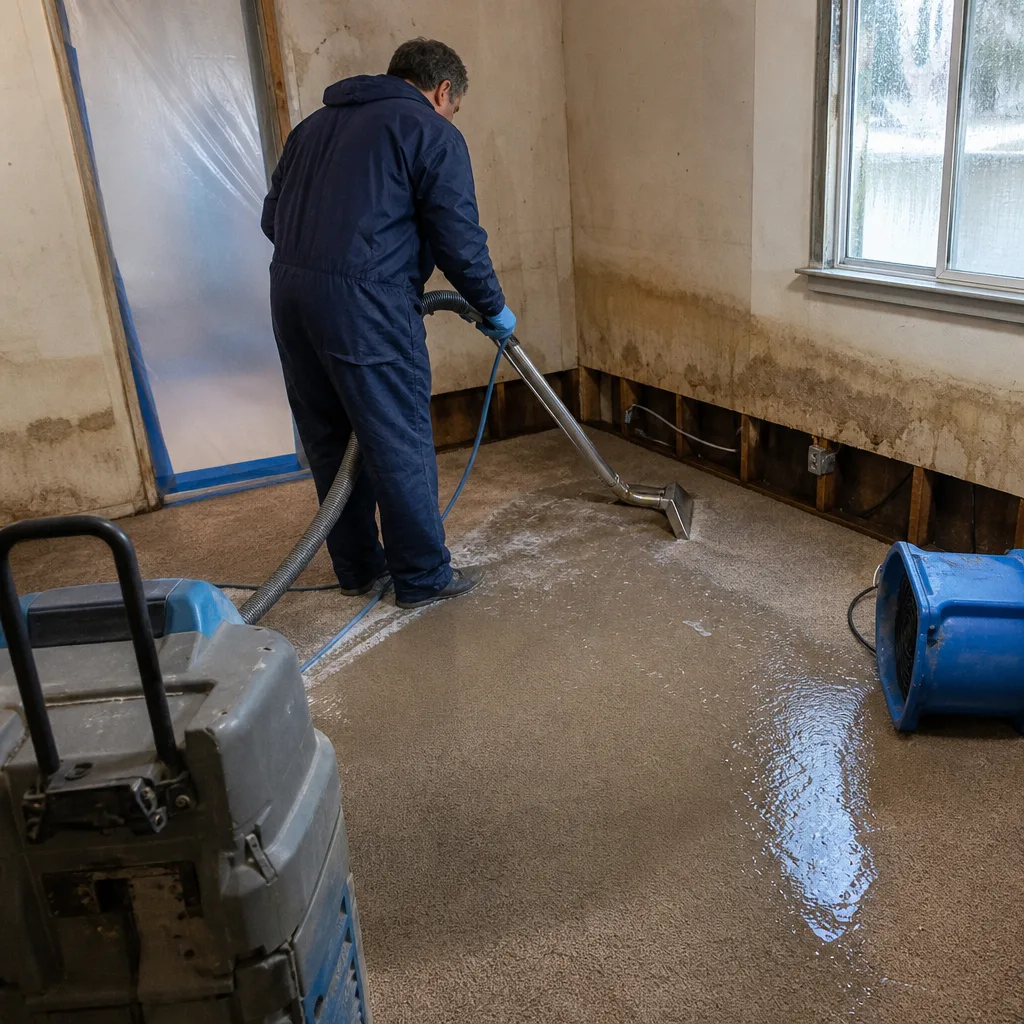
Moisture & Humidity Control
Prevention is cheaper than remediation. We assess drainage, irrigation proximity, and building envelope integrity, then specify solutions that account for Los Angeles’s unique fire-then-rain cycle rather than generic humid-climate approaches.
What happens when you call
- 1
A real person answersNo phone trees - you reach a local pro.
- 2
You get an upfront price rangeHonest numbers before anyone is dispatched.
- 3
A background-checked tech heads outLicensed & insured, dispatched right away.
- 4
You approve before work beginsNothing starts until you say go.
Mold Remediation Costs in Los Angeles, CA
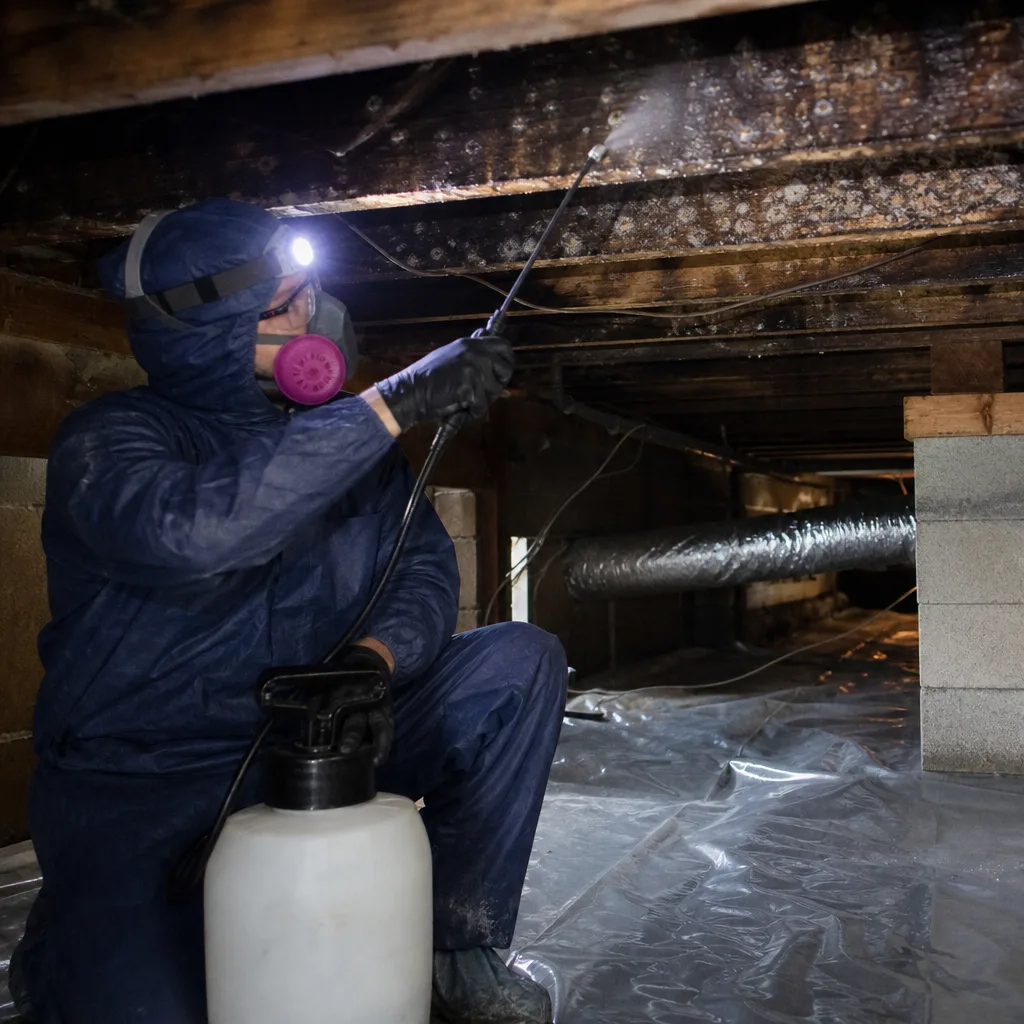
A typical contained mold remediation in Los Angeles runs $1,200-$2,800 for a single bathroom or small kitchen with limited drywall removal. Whole-room treatments with full containment and air scrubbing range $3,500-$6,500. Fire-and-mold combination jobs with soot pre-cleaning, structural drying, and reconstruction start around $7,500 and can exceed $15,000 for hillside homes with extensive plaster and lath.
Crawl space treatment on acreage properties runs $2,500-$5,500 depending on square footage and whether vapor barrier installation is included. Mold Inspection & Testing as a standalone service typically costs $350-$750 in Los Angeles.
What moves the price: square footage of contamination, whether fire-season soot requires pre-cleaning, accessibility for equipment on long service drives, and material type - horsehair plaster and lath removal is more labor-intensive than drywall. Insurance covers sudden and accidental water damage and resulting mold when documented properly; long-term maintenance-related mold typically falls to the homeowner. We provide a written price before work starts, every time - Haven Standard, Clause 1 - and offer a Free Second Opinion on any competitor’s written estimate.
We Also Serve Cities Near Los Angeles
Our Mold Remediation in Los Angeles crews regularly respond to properties in Inglewood, Hawthorne, Lawndale, and Culver City, where post-war housing stock and proximity to the coast create distinct moisture patterns. The same documentation standards and 45-minute response commitment apply across our full service area.
Serving Los Angeles, CA - Our Local Coverage Area
We’re based in the Los Angeles area and know this community well. Use the map below to see our service coverage - if you’re nearby, we can almost certainly help.
Los Angeles Mold Remediation Questions, Answered
How fast does mold actually start after a water intrusion in an LA home?
Mold colonies establish in 24 to 72 hours when moisture, organic material, and temperatures between 60 and 80 degrees align. In Los Angeles, the absence of vapor barriers in most pre-1980 construction means moisture reaches framing faster than in wetter climates where builders anticipated rain. Call (424) 372-0129 immediately after any water intrusion - drying started within hours prevents colonization entirely.
My house had no visible fire damage, but it smells musty after the hillside fires. Why?
Smoke and petroleum-based soot from burning mid-century construction materials travel miles downwind and infiltrate HVAC systems, attic insulation, and wall cavities. The odor is real contamination, and it often indicates envelope compromise that lets moisture enter during the next rain. We inspect for both soot and hidden moisture, then sequence remediation so neither is missed. Call (424) 372-0129 for a free visual inspection.
Do you treat crawl spaces differently on LA acreage properties?
Yes. Hillside crawl spaces on sloped lots accumulate moisture from runoff and seasonal groundwater, and long service drives mean we bring enough equipment to complete drying in one mobilization. We typically install sealed vapor barriers and size dehumidifiers to actual cubic footage rather than relying on passive ventilation, which fails during Santa Ana wind events that reverse normal airflow patterns.
What does water category have to do with mold remediation here?
Category 1 clean water, if not dried properly, becomes Category 2 or 3 as it picks up contaminants from fire-damaged materials or soil. Restoration crews from wetter markets sometimes assume LA’s dry climate will self-dry Category 1 losses, skipping structural drying - and mold colonies appear inside wall cavities within a week. We dry to IICRC S500 standards regardless of apparent water cleanliness. Call (424) 372-0129 for moisture mapping that proves the job.
Can you do mold remediation in one trip if I’m on a long service drive?
We plan for it. Our crews load Dri-Eaz and Phoenix dehumidifiers, Injectidry panel-drying systems, HEPA scrubbers, and full containment materials based on your described square footage and construction type. The written scope - Haven Standard, Clause 1 - includes everything before we leave the driveway, so there are no mid-job equipment runs. One trip is standard on Los Angeles acreage properties when we have accurate advance information.
Will my insurance cover mold remediation after a fire?
Yes, when the mold results from a covered water loss - fire suppression, subsequent rain through fire-damaged envelope, or burst lines during evacuation. The key is documenting the causal sequence with photos, moisture logs, and dated estimates. We write scopes that show your adjuster exactly how fire damage led to water intrusion led to mold, because generic mold claims without this documentation are often denied.
How long does mold remediation take in Los Angeles?
Contained residential jobs typically run 3 to 5 days from containment to clearance testing. Fire-and-mold combination jobs add 2 to 4 days for soot pre-cleaning. Hillside homes with horsehair plaster may need extended drying time because this material releases moisture slowly. We do not pull equipment until moisture readings confirm targets are met - daily logs prove it.
Can we stay in the home during mold remediation?
Sometimes, for small contained areas with isolated HVAC. For whole-room or whole-home jobs, or when toxigenic species are present, temporary relocation is safer and often required by your insurance. We discuss this during the free visual inspection and document the recommendation for your adjuster. Call (424) 372-0129 to review your specific situation.
Ready for a written price before work starts? Call (424) 372-0129 now. We answer live 24 hours a day, and our Los Angeles crews are minutes away.
Written by Alicia Brennan, Owner at DryMark Restoration Venice, serving Los Angeles under The Haven Standard since 2011.
Mold Remediation in Nearby Areas