
Free visual inspection and a written scope of work before any mitigation begins - photos, moisture readings, and drying logs go in your claim file
The scope we write is the scope we bill. Anything new gets shown to you, in writing, before we touch it.
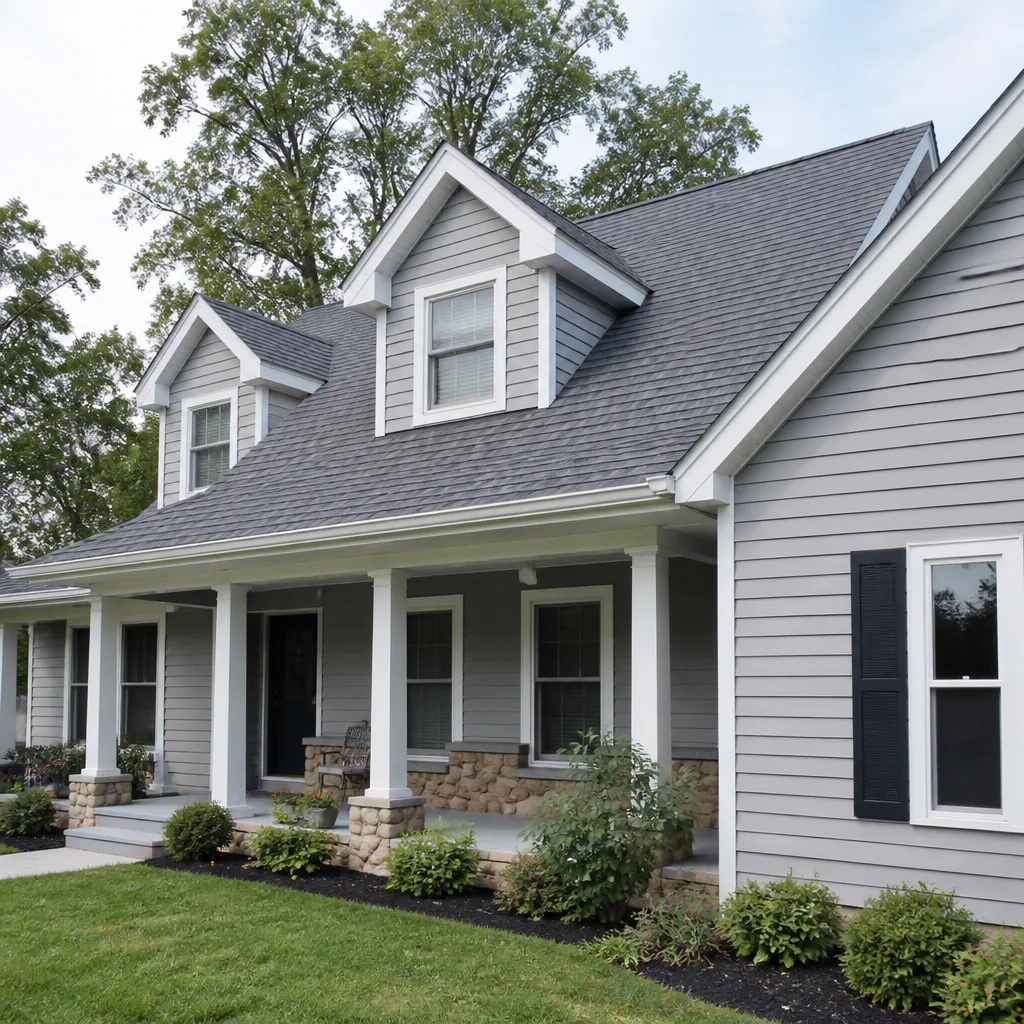
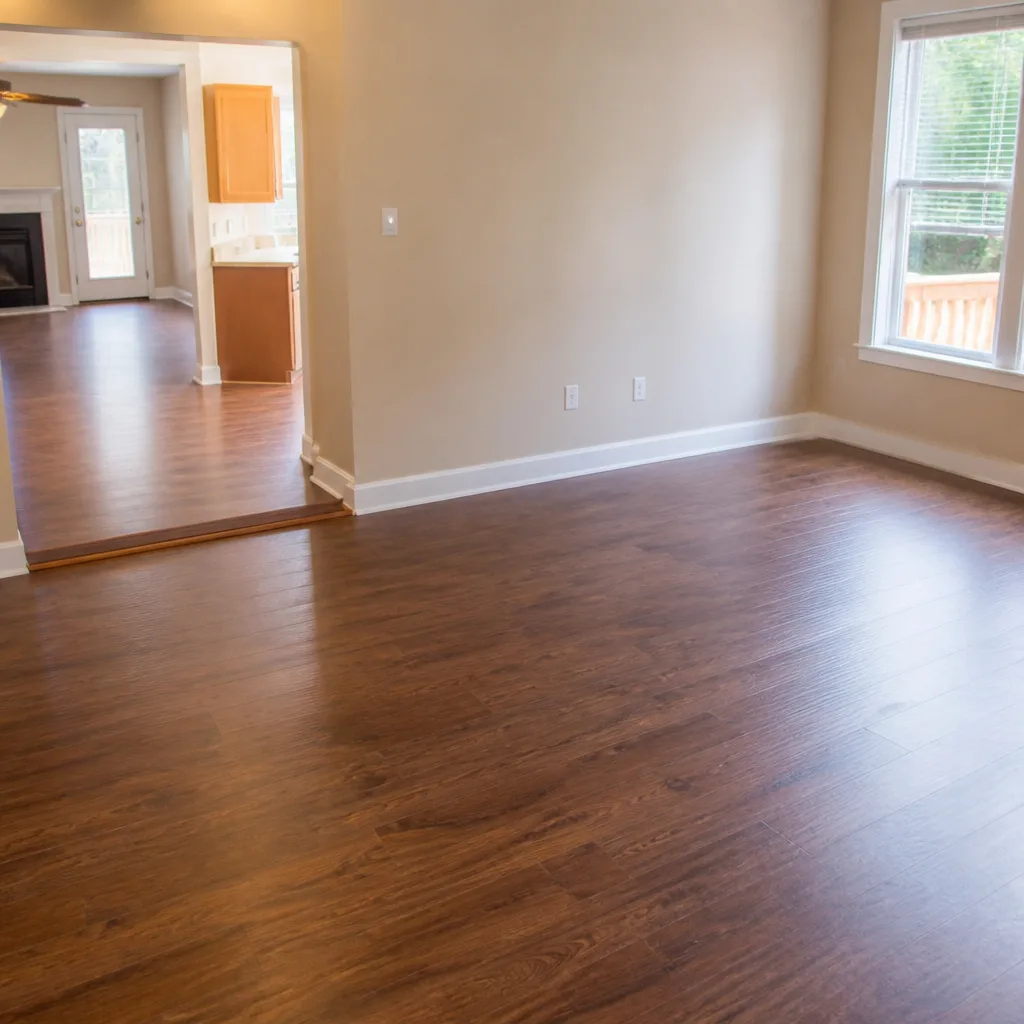

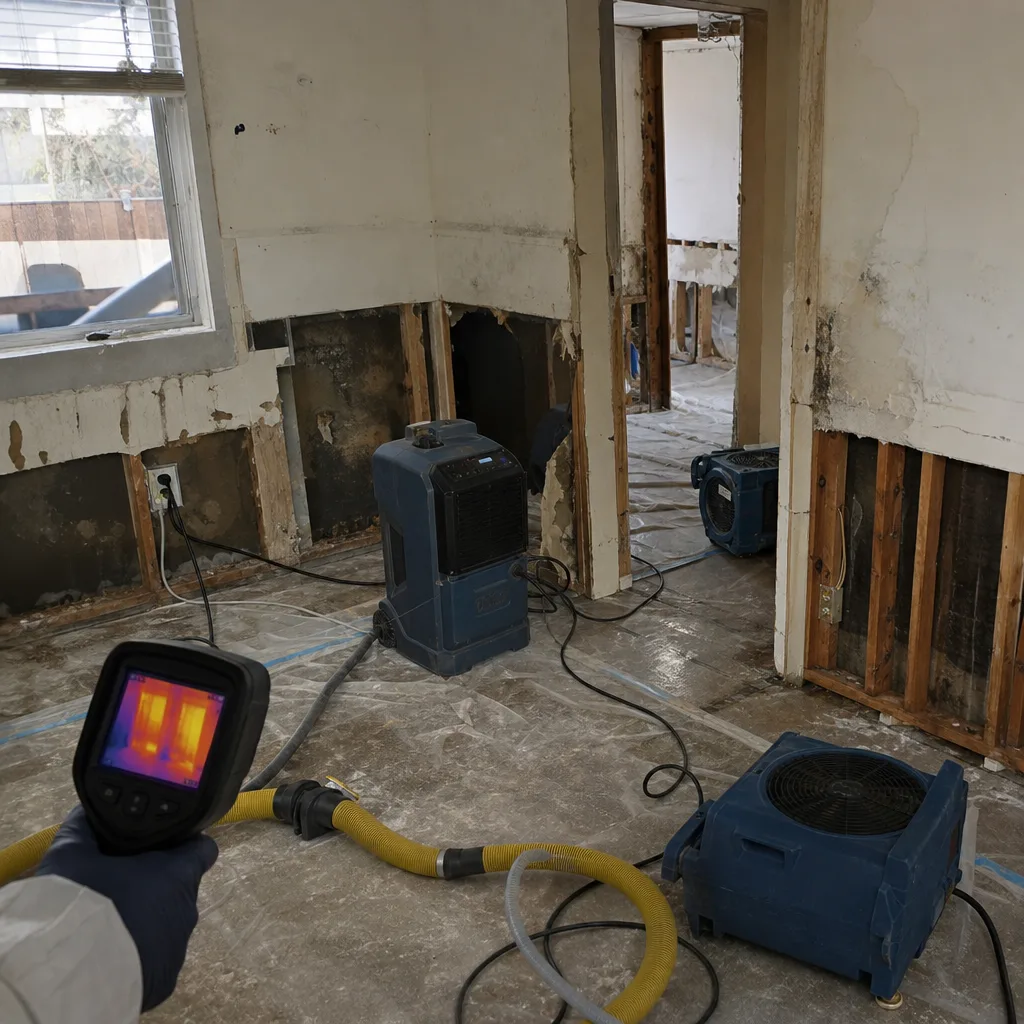 Before
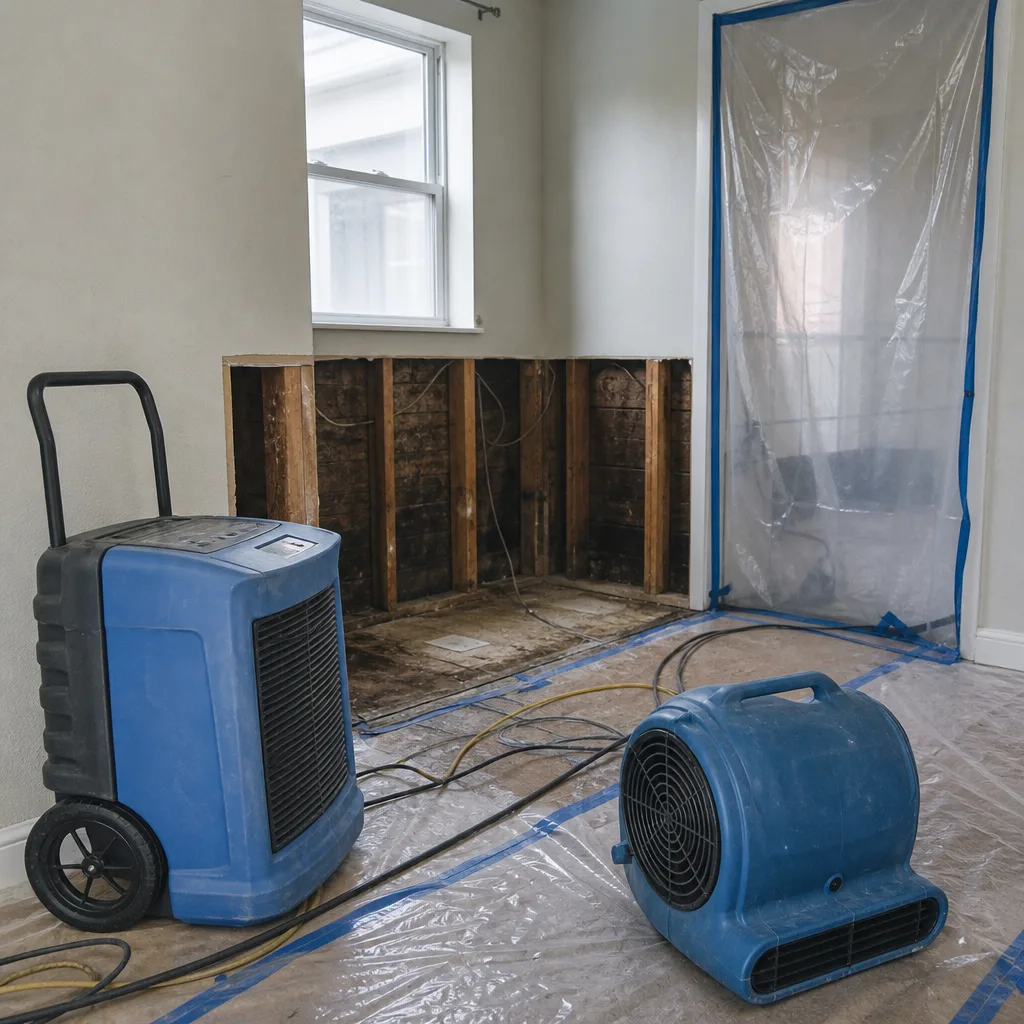 After
After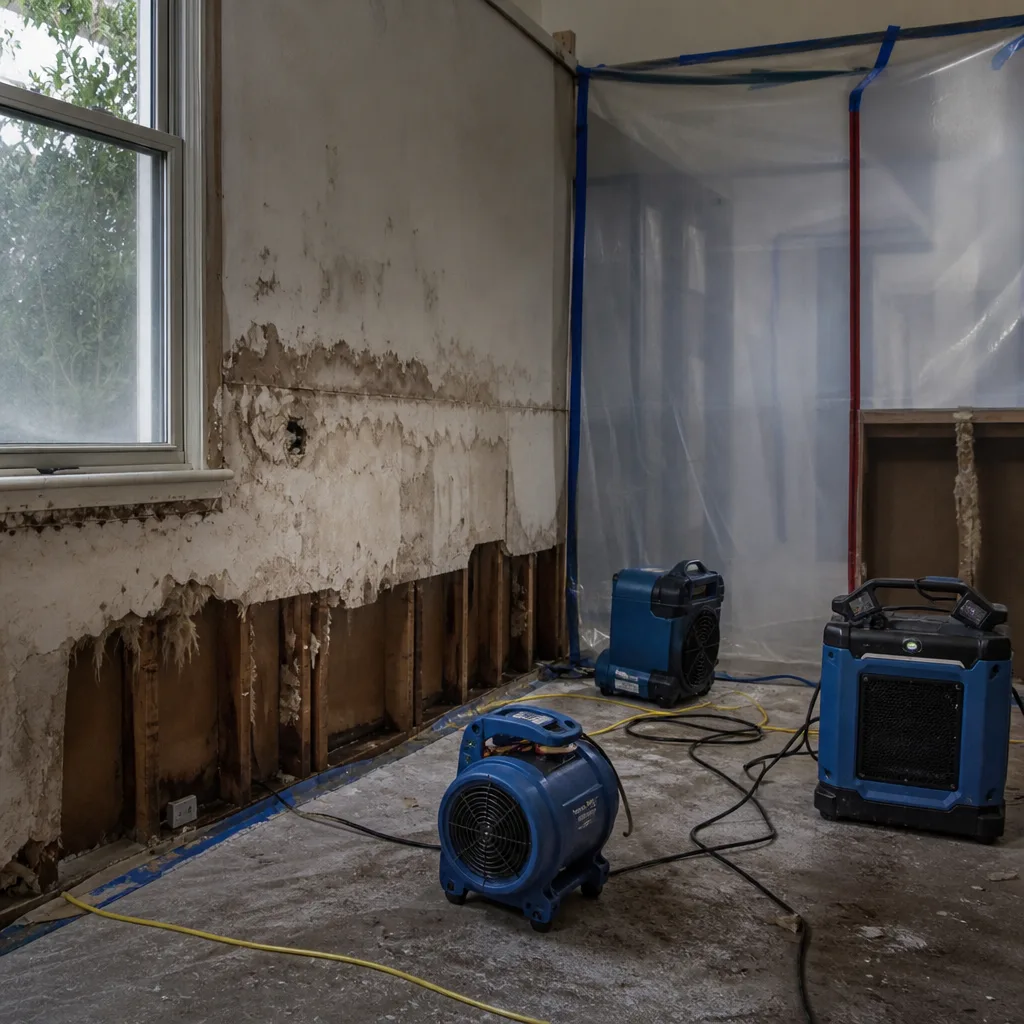 Before
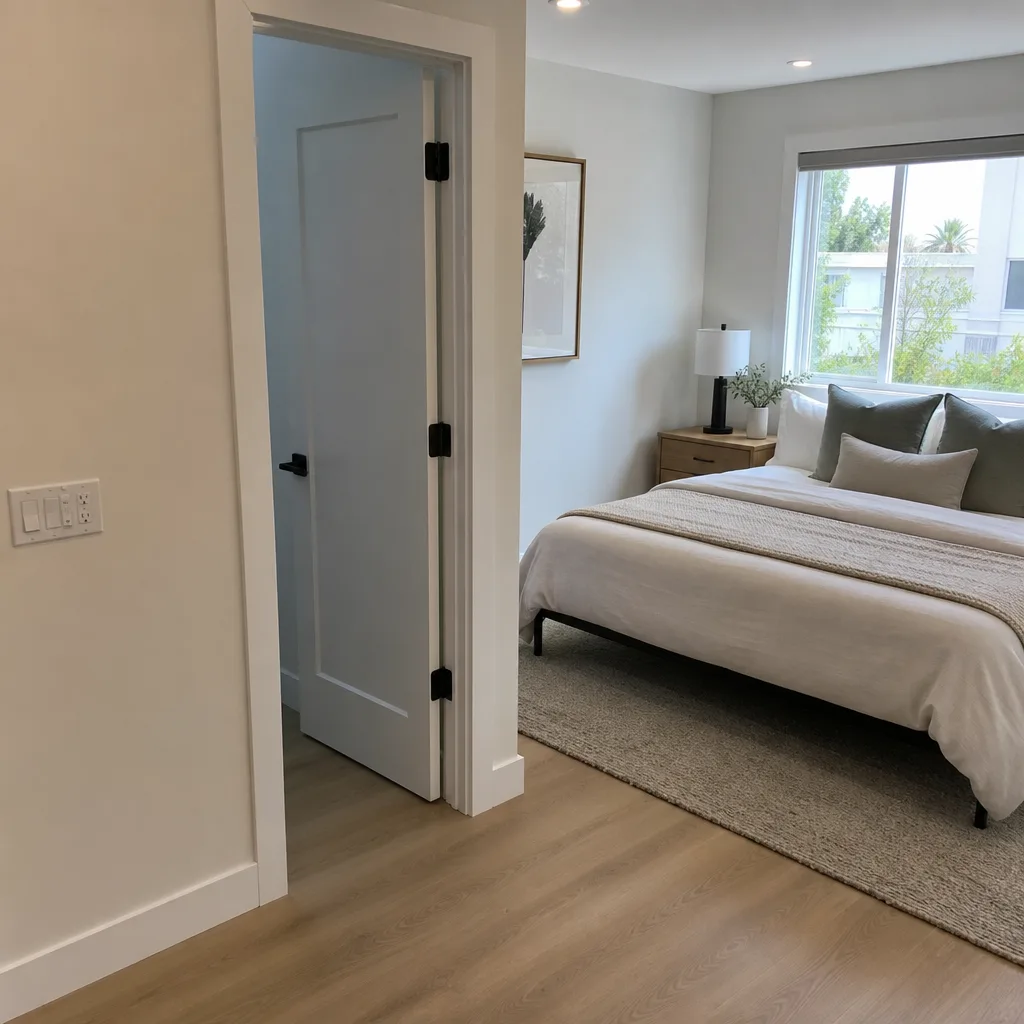 After
After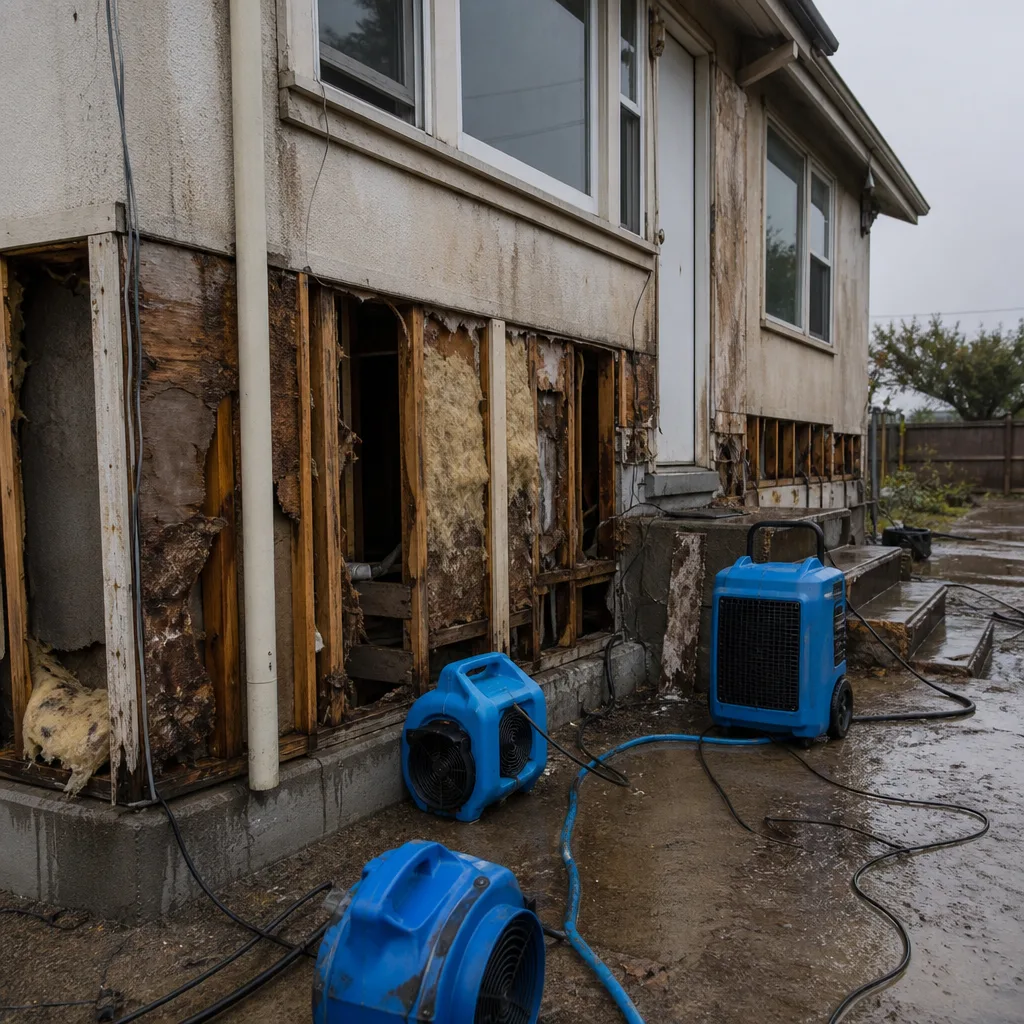 Before
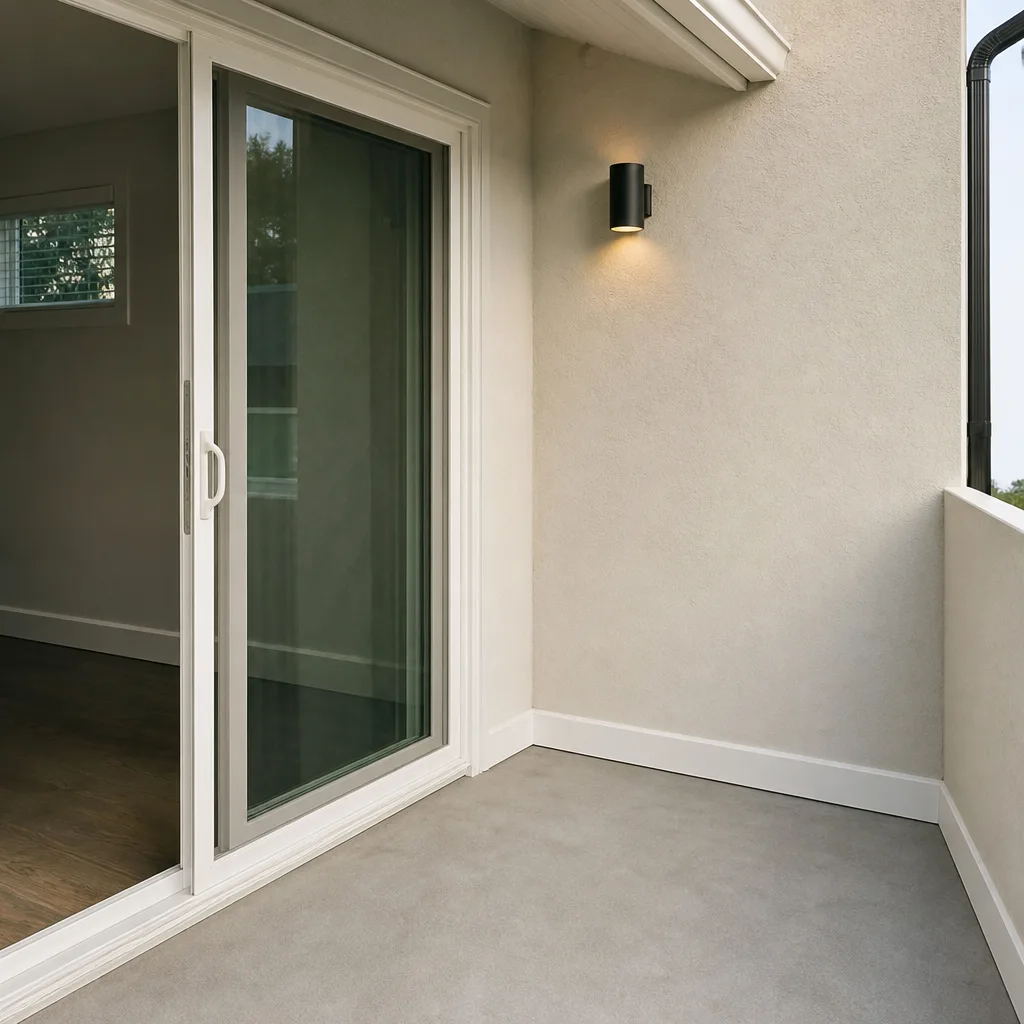 After
After24/7 Emergency Fire & Smoke Damage Restoration in Culver City
Fire damage in Culver City homes typically requires same-day board-up and smoke containment to prevent secondary corrosion of electronics and fixtures, with full restoration timelines running 3-8 weeks depending on asbestos abatement sequencing. Call (424) 372-0129 and you’ll reach a live person, not a voicemail tree, any hour of any day. Our crews dispatch throughout Culver City from our Los Angeles coordination office, usually arriving within 45 minutes for active fire losses. We perform a free visual inspection on arrival, document pre-loss conditions with photos, and deliver a written scope and price before any work begins - Haven Standard, Clause 1. The first hour after suppression matters enormously: water from sprinkler or hose lines continues wicking into stucco wall cavities and slab-adjacent framing, while acidic soot residue etches glass, metal, and plastic surfaces permanently if not stabilized.
Understanding Fire & Smoke Damage Restoration Severity in Culver City Properties
Fire damage severity in restoration trade terms breaks down by residue type, smoke migration path, and suppression-water load. Dry smoke from fast-burning, high-heat fires leaves powdery, non-smeary residue that responds to HEPA vacuuming and dry-chem sponging. Wet smoke from slow, oxygen-starved burns - common in enclosed Culver City kitchens and garage conversions - produces sticky, smeary soot that requires solvent-based cleaning and often strips finish from surfaces. Protein fires, typical of kitchen grease incidents in the city’s older homes, leave nearly invisible but pungent residue that demands enzyme digesters and thermal fogging.
Smoke migration follows the pressure differential created by heat: it pushes through HVAC ducts, electrical penetrations, and gaps in top plates into attics and wall cavities. In Culver City’s 1940s-1965 stucco-on-slab homes, there is no crawlspace to ventilate, so smoke-laden air traps in wall assemblies and re-emerges through outlets and baseboards weeks later if not properly contained and scrubbed. The marine-layer humidity here, running 70-85% relative humidity on summer mornings, keeps soot particles activated and odor molecules mobile far longer than in drier inland climates. Nearly every fire loss in Culver City also carries a water-damage component from suppression, and because original galvanized supply lines in these homes corrode at joints, a fire event often triggers secondary plumbing failures that compound the loss.
Why Culver City Property Owners Choose DryMark Restoration Venice
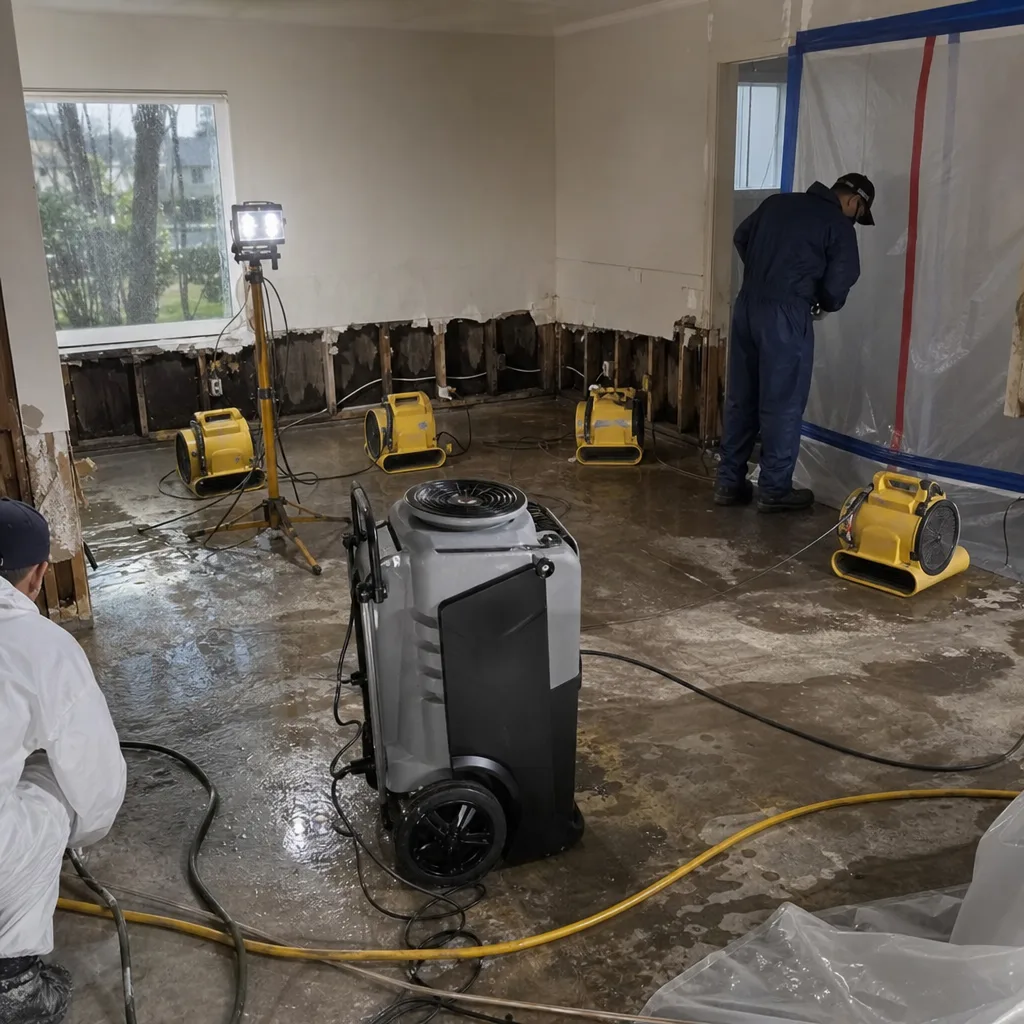
- 45-minute response commitment to active fire losses in Culver City, with crews staged for the unique access constraints of alley-load and townhome properties.
- 24/7 live answer - a real person picks up every call, never an automated system or next-business-day callback while smoke residue continues etching your fixtures.
- IICRC-certified crews holding FSRT (Fire and Smoke Restoration Technician) and WRT (Water Damage Restoration Technician) certifications, with documented training to RIA and IFA standards.
- Free visual inspection on arrival, with pre-loss condition photos taken before any equipment touches your property.
- Direct insurance billing and adjuster coordination, including photo-documented scopes formatted to carrier estimate platforms.
- One team from emergency board-through through reconstruction - no handoffs between mitigation and rebuild contractors that lose documentation continuity.
 Before
 After
AfterOur Fire & Smoke Damage Restoration Process
1. Inspection & Assessment
We photograph pre-loss conditions, test for asbestos in original floor tile, popcorn ceiling, and pipe insulation per Culver City building department requirements, and map smoke migration with thermal imaging. A written scope and price is delivered before work begins - Haven Standard, Clause 1.
2. Emergency Board-Up & Stabilization
We secure broken windows, compromised doors, and roof penetrations with code-compliant materials. For alley-load Culver City townhomes, we coordinate narrow-street parking permits and rolling-code keypad installation so you retain secure access without leaving the property exposed.
3. Water Extraction & Structural Drying
Suppression water is extracted with truck-mounted systems, then we deploy Dri-Eaz and Phoenix dehumidifiers with air movers positioned for stucco-on-slab construction - no crawlspace means we dry from the interior only, monitoring vapor pressure differential daily until moisture readings hit IICRC dry standard.
4. Smoke & Soot Cleaning
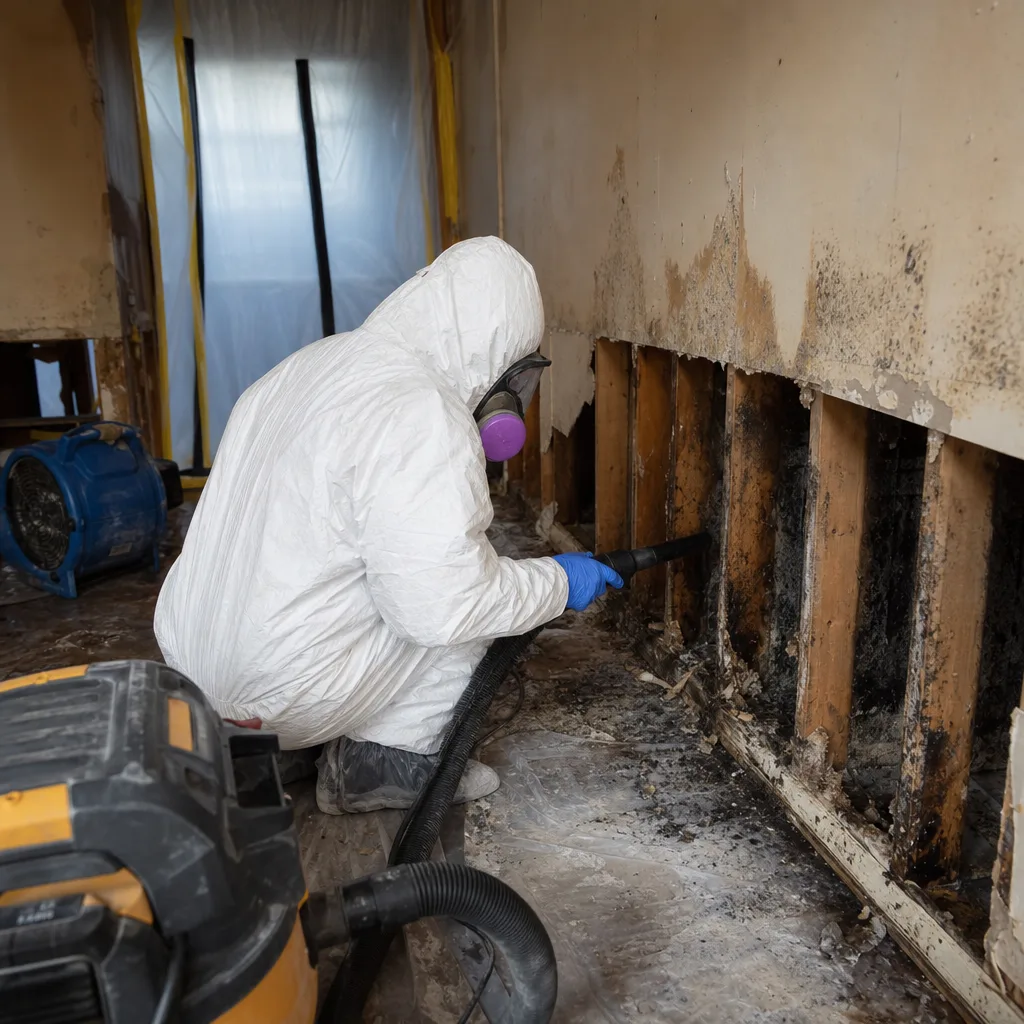
HEPA vacuums and dry-chem sponges remove loose particulate, followed by solvent or enzyme cleaning matched to residue type. We access wall cavities through strategic opening, not destructive demo, until asbestos clearance is confirmed.
5. Odor Removal & Deodorization
HEPA air scrubbers run continuously in containment, supplemented by hydroxyl generators and thermal fogging that neutralizes odor molecules in porous materials. Ozone is never used as a primary treatment - it masks without removing source contamination and fails in high-humidity conditions.
6. Repairs & Restoration
Once abatement clearance and drying logs are documented, we reconstruct to pre-loss condition with the same trade team that performed mitigation. The 365-Day Done Right Promise under The Haven Standard covers all workmanship.
Need Emergency Fire & Smoke Damage Restoration in Culver City Now?
Crews minutes away, answering live 24 hours a day. The sooner we start, the less it costs.
Working With Your Insurance Company
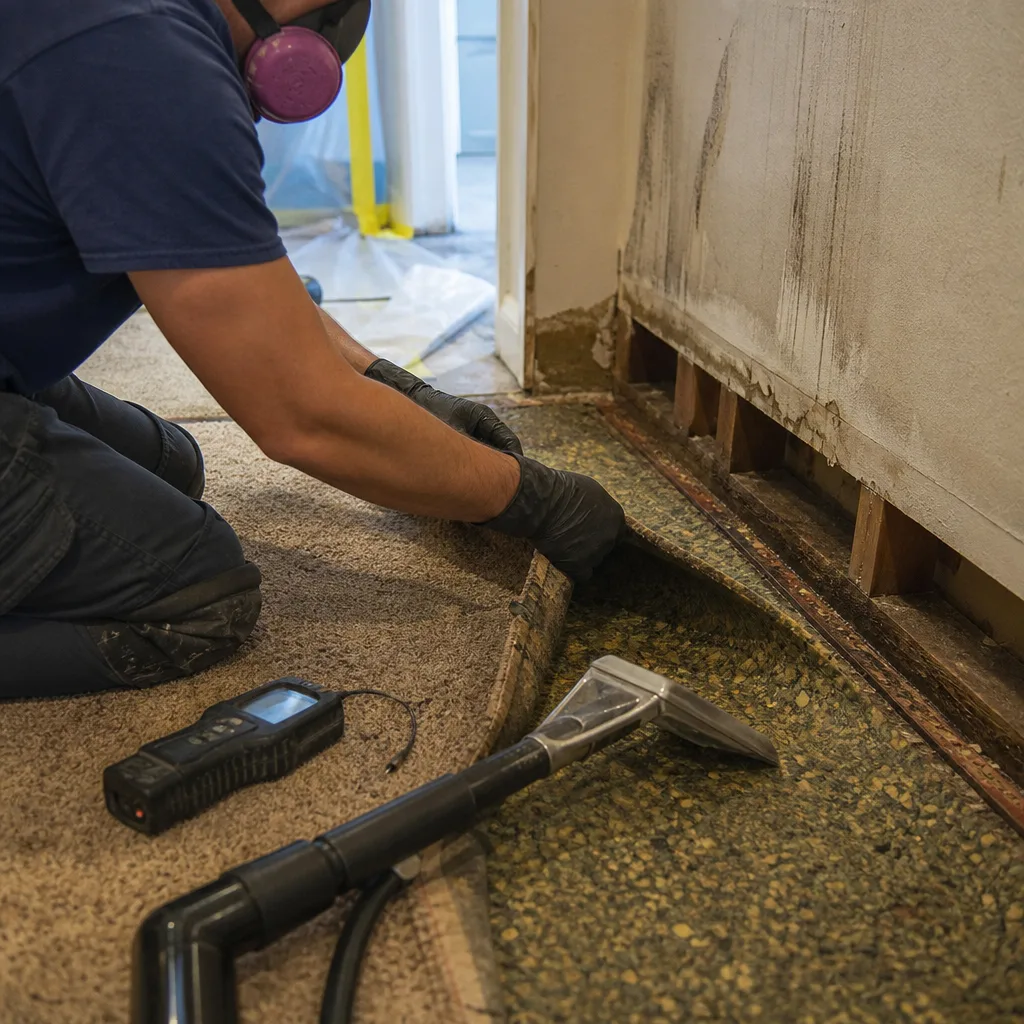
Fire claims fail when documentation gaps let adjusters dispute the scope or timeline. We close those gaps from the first hour. Our crews photograph every room before touching anything, record moisture readings at each structural point, and maintain daily drying logs that show psychrometric data - temperature, relative humidity, and vapor pressure - in plain language your adjuster can read. Every scope is line-itemed to industry-standard estimating platforms, and we coordinate directly with your carrier’s desk adjuster or field representative so you’re not translating between two parties who’ve never met.
The Haven Standard requires a written price before work begins, which means your estimate is already formatted for carrier submission when we present it. No retroactive supplements because the scope was vague. No out-of-pocket surprises because a crew member “found” additional damage after starting. If you’ve received another contractor’s written estimate, our Free Second Opinion reviews it at no charge - we flag missing line items, undocumented moisture readings, and scopes that skip mandatory asbestos testing.
What We Provide Your Insurer
- Thorough documentation of the loss
- Photos of all damage, room by room
- Moisture readings and drying logs
- A detailed, line-item scope of work
- Direct coordination with your carrier
Built for Culver City’s Loss Calendar
Culver City’s fire damage calendar tracks distinct seasonal patterns tied to its housing stock and coastal position. January through March brings the highest incidence of space-heater and fireplace-related fires in the city’s original 1940s-1960s homes, many with unlined chimneys or aging wall furnaces that fail after decades of disuse. The June-through-August marine layer doesn’t prevent fires - electrical panel overloads from window AC units in unupdated service entrances spike in July - but the persistent humidity complicates every restoration by slowing natural drying and reactivating soot particles that seemed dormant.
September through November is Santa Ana wind season, when elevated fire risk from regional wildfires sends smoke and ash into Culver City homes even when structures don’t burn directly. HVAC systems without sealed return plenums pull contaminated air through entire buildings. El Niño winters, increasingly frequent, compound the problem: the Ballona Creek corridor can backflow through storm drains into slab-foundation homes, converting a fire-suppression water loss into Category 3 contaminated-water extraction with full sewage-protocol billing. Restoration crews who don’t know the creek’s flood behavior misclassify these losses and under-scope the remediation.
Fire & Smoke Damage Restoration Across Culver City’s Neighborhoods
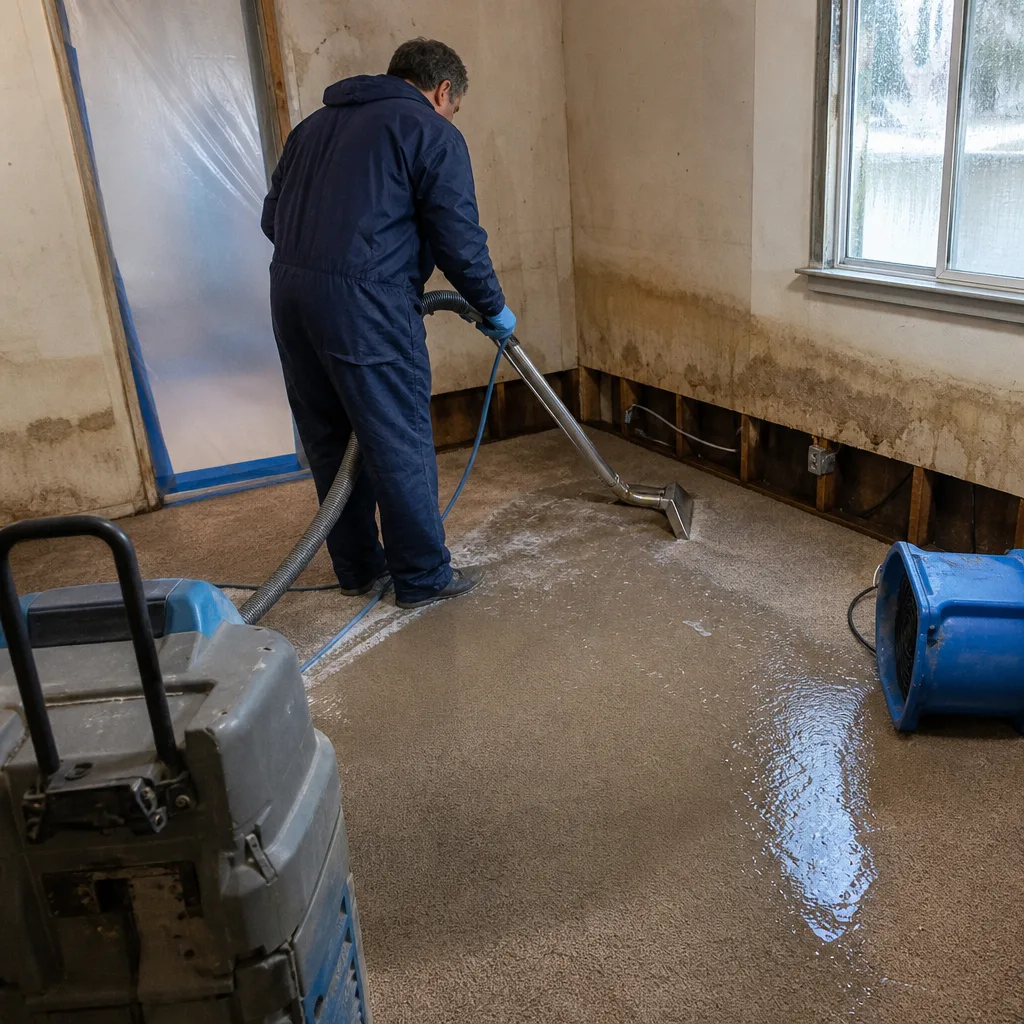
Carlson Park, north of Culver Boulevard between Overland and Motor, is dense with the city’s most intact 1940s-1950s wood-frame stock - original hardwood under asbestos tile, plaster-and-lath walls, and detached garages that frequently store high-value studio equipment. Fires here almost always trigger full asbestos testing, and the narrow residential streets mean our crews stage equipment to avoid blocking access for the abatement contractors who follow us.
Blair Hills climbs the western slope toward Kenneth Hahn State Recreation Area with mid-century ranch homes on concrete slabs, many with unpermitted garage conversions that hide electrical overload risks and lack proper firewall separation. Smoke migration into converted spaces is common, and the hillside access roads require smaller equipment trucks that can navigate tight turns.
The Arts District and downtown corridor, particularly around Washington and La Cienega, mixes historic commercial buildings with newer multi-family construction. Fire losses in the commercial spaces often involve suppression systems that discharge hundreds of gallons into spaces with no floor drain, sending water into neighboring units through shared walls. Our Fire & Smoke Damage Restoration team coordinates multi-unit containment and simultaneous pack-outs.
East Culver City, toward the La Cienega corridor and the growing tech campus footprint, sees more high-value residential townhomes with alley-load garage access and rolling-code security systems. Board-up here requires coordination with HOA management companies, and our crews carry the narrow-street parking permits that prevent citations while pack-out and equipment staging proceed. We serve Culver City from our Los Angeles coordination office with crews who know these routes.
Specialized Fire & Smoke Damage Restoration Services We Offer in Culver City
Fire Damage Cleanup
We remove charred structural elements, debris, and compromised materials under asbestos-safe protocols, with all demo debris tracked to permitted disposal facilities. In Culver City, this phase cannot begin until abatement clearance releases the site - a sequencing reality that adds days but prevents the $10,000+ fines that hit contractors who skip testing.
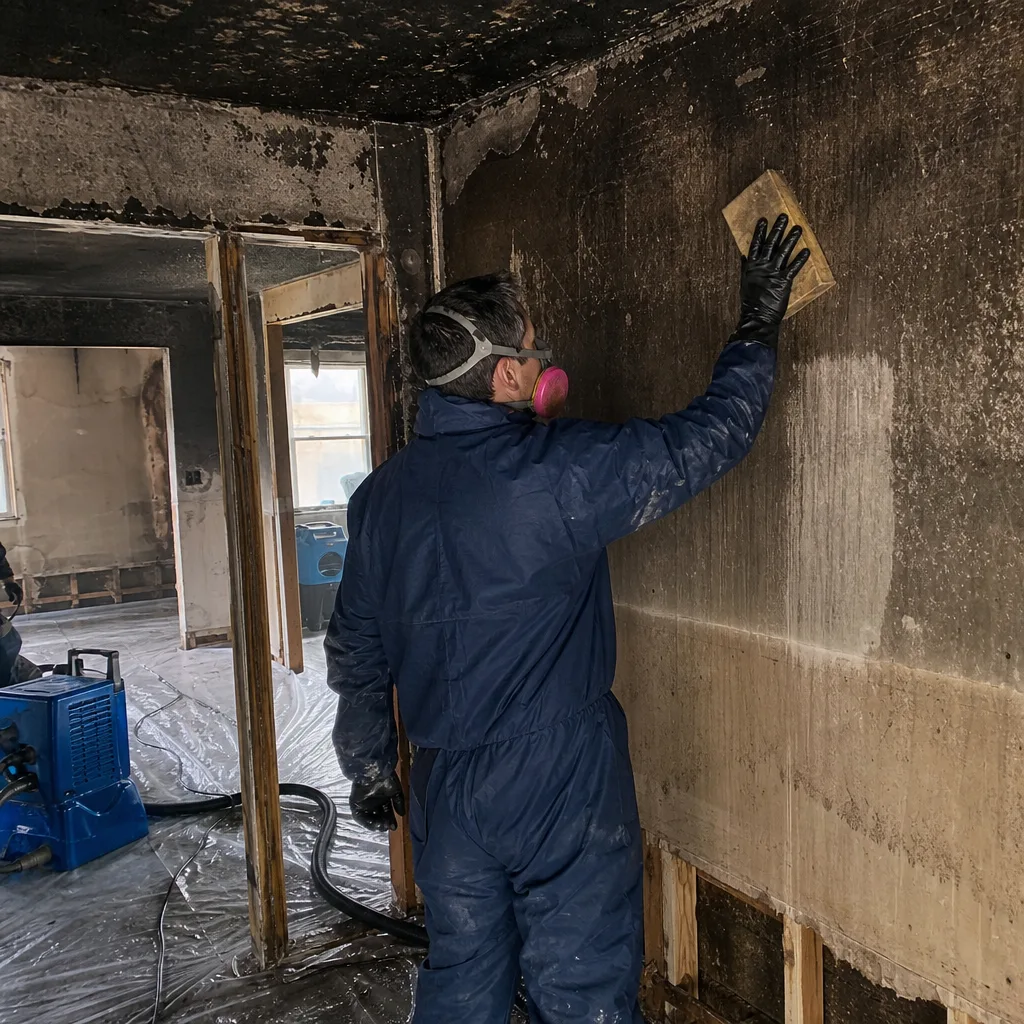
Smoke & Soot Removal
Dry, wet, and protein residue types each demand distinct cleaning chemistry and mechanical action. We match the method to the fire source, then verify removal with surface pH testing rather than visual inspection alone. Soot left in wall cavities of stucco homes re-emerges through outlets and baseboards; we access and clean these voids before sealing.
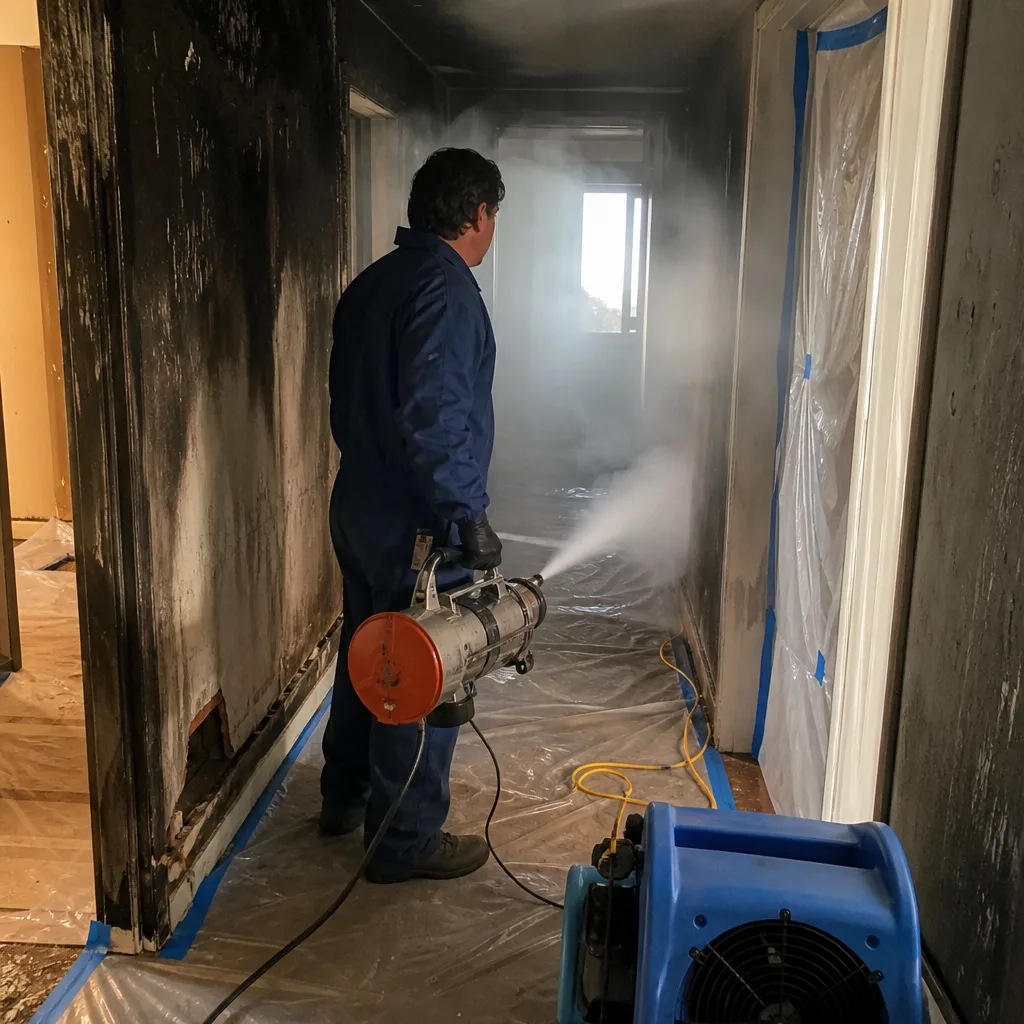
Odor Removal & Deodorization
Our protocol runs HEPA scrubbing first, then hydroxyl generators for occupied spaces, then thermal fogging for deep-penetration neutralization in unoccupied containment. The marine-layer humidity here means odor molecules stay mobile longer; masking agents fail, and ozone risks corrosion of residual electronics. We document deodorization method and duration in every drying log.
Contents Cleaning & Pack-Out
Production props, costumes, electronics, and vintage furnishings from Culver City’s creative households are inventoried, photographed, and transported to our cleaning facility for ultrasonic, dry-cleaning, or specialized restoration. Each item is tracked with barcode documentation that feeds directly into the insurance claim.
Emergency Board-Up & Tarping
We secure compromised openings with code-compliant materials and install temporary security hardware - including rolling-code keypads for alley-access properties - so you maintain controlled entry without leaving the structure exposed to weather or intrusion.
What happens when you call
- 1
A real person answersNo phone trees - you reach a local pro.
- 2
You get an upfront price rangeHonest numbers before anyone is dispatched.
- 3
A background-checked tech heads outLicensed & insured, dispatched right away.
- 4
You approve before work beginsNothing starts until you say go.
Fire & Smoke Damage Restoration Costs in Culver City, CA
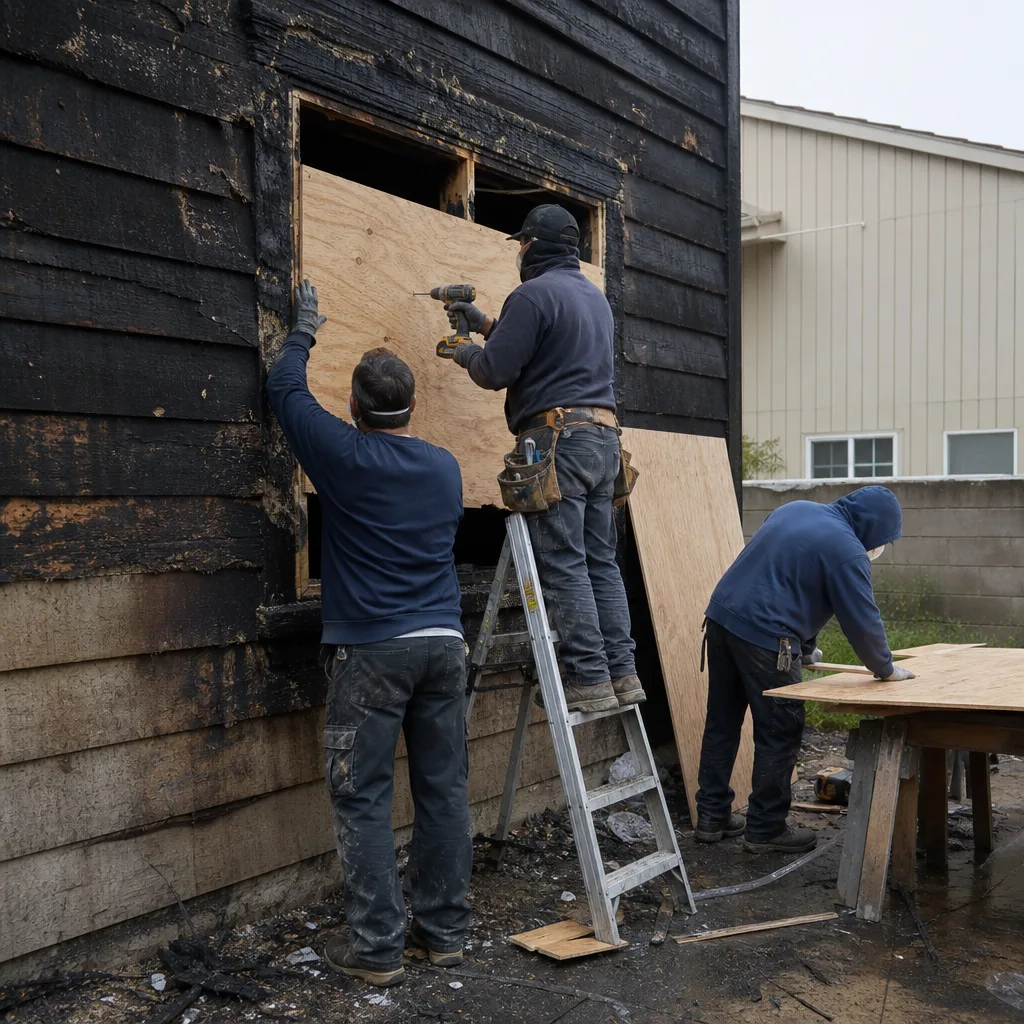
Emergency board-up and stabilization in Culver City typically runs $800-$2,400 depending on opening count and roof access complexity. Smoke and soot cleanup for a single-family home of 1,200-2,000 square feet ranges $4,500-$12,000, with the lower end for dry-smoke losses with limited migration and the upper end for wet-smoke damage requiring solvent cleaning and cavity access. Contents pack-out and cleaning adds $2,000-$7,500 based on item count and specialty treatment needs. Odor removal and deodorization with HEPA scrubbing, hydroxyl, and thermal fogging runs $1,500-$4,500 for typical residential scope.
The major variable is asbestos abatement, which in Culver City’s 1940-1965 housing stock is not optional. Testing runs $400-$800; abatement of floor tile, popcorn ceiling, or pipe insulation adds $3,000-$15,000 depending on square footage and containment complexity. This cost is typically insurance-covered when the fire loss is covered, but only if documented properly from the first inspection. Reconstruction after mitigation and abatement clearance ranges $15,000-$75,000+ depending on structural involvement. We deliver a written price before work begins - Haven Standard, Clause 1 - and our Free Second Opinion reviews any competitor’s estimate at no charge.
We Also Serve Cities Near Culver City
Our crews respond throughout the Westside corridor, including Playa Vista with its newer multi-family and tech-campus-adjacent housing, Marina del Rey with its marina-front condominiums and unique flood-exposure risks, Playa del Rey’s coastal single-family and duplex stock, and Venice with its mix of historic bungalows and contemporary construction. Each carries distinct building-era profiles and access constraints that shape our response planning.
Serving Culver City, CA - Our Local Coverage Area
We’re based in the Culver City area and know this community well. Use the map below to see our service coverage - if you’re nearby, we can almost certainly help.
Culver City Fire & Smoke Damage Restoration Questions, Answered
Does a Culver City fire loss always require asbestos testing before you can start restoration?
Yes, for virtually every home built between 1940 and 1965, which describes most of Culver City’s residential stock. Original asbestos-containing floor tile, popcorn ceiling texture, and pipe insulation are legally presumed present until tested negative. We schedule certified testing immediately on arrival; restoration work cannot begin until clearance is documented. Call (424) 372-0129 and we’ll explain the timeline for your specific property.
How do you secure a Culver City townhome or alley-load property after a fire, given the tight parking and shared walls?
We pull narrow-street parking permits in advance where possible, stage compact equipment trucks, and install rolling-code keypad entry on alley-load garage doors so you retain secure access without leaving the property exposed. Shared-wall containment uses negative-air pressure and sealed poly barriers to prevent smoke and odor migration to adjacent units. For a specific access plan for your property, call (424) 372-0129.
Why does smoke odor keep coming back in Culver City homes even after cleaning?
Odor recurrence means the source wasn’t removed, only masked. Soot residue in wall cavities, HVAC ducts, and attic spaces reactivates in Culver City’s high marine-layer humidity, releasing odor molecules through outlets and baseboards. Our protocol accesses and HEPA-vacuums these voids, runs hydroxyl and thermal fogging to neutralize embedded contamination, and verifies with air sampling rather than smell alone. If you’re dealing with returning odor, call (424) 372-0129 for an assessment.
Can you pack out high-value contents - production props, costumes, electronics - from a Culver City fire loss?
Yes, this is standard in our contents operation. We barcode-inventory each item, photograph pre-cleaning condition, and transport to our facility for ultrasonic, dry-cleaning, or specialized restoration treatment. Documentation feeds directly into your insurance claim. For production and entertainment-industry clients in Culver City, we maintain chain-of-custody protocols. Call (424) 372-0129 to discuss your specific inventory.
What does the Ballona Creek corridor have to do with fire damage restoration in Culver City?
During El Niño rain events, Ballona Creek backflows through storm drains into slab-foundation homes south of the creek channel, converting fire-suppression water or post-fire sprinkler discharge into Category 3 contaminated water. Crews unfamiliar with this pattern under-scope the extraction and sanitization, leaving homeowners with unresolved contamination. We test water classification on every loss in this zone. Call (424) 372-0129 if your property is near the creek corridor.
How fast can your crews actually get to my Culver City property?
We commit to 45 minutes for active fire losses with ongoing damage or security exposure, and we answer live 24 hours a day. Response time to Carlson Park, Blair Hills, downtown, or east Culver City depends on current crew positioning and traffic, but we stage for the Westside corridor specifically. Call (424) 372-0129 and we’ll give you a real ETA, not a callback promise.
Will my insurance cover the asbestos abatement, or is that out of pocket?
Asbestos abatement tied to a covered fire loss is typically insurance-covered when documented as part of the restoration scope, not separated as an environmental claim. We format our testing and abatement line items to carrier standards and coordinate directly with your adjuster. The key is documentation from the first inspection showing the abatement was necessary to complete the covered restoration. Call (424) 372-0129 and we’ll review your policy framework.
What should I do in the first 30 minutes after the fire is out?
Do not enter until the fire department releases the structure. Then, if safe, shut off HVAC to stop smoke circulation, avoid touching walls or surfaces (soot is acidic and oils from skin set stains), and call (424) 372-0129 for live dispatch. Do not attempt to clean or discard anything - insurance documentation requires photo evidence of pre-loss condition, and improper handling of asbestos-containing debris is a regulatory violation in Culver City.
Written by Alicia Brennan, Owner at Back to Dry Restoration, serving Culver City since 2011.
Fire & Smoke Damage Restoration in Nearby Areas