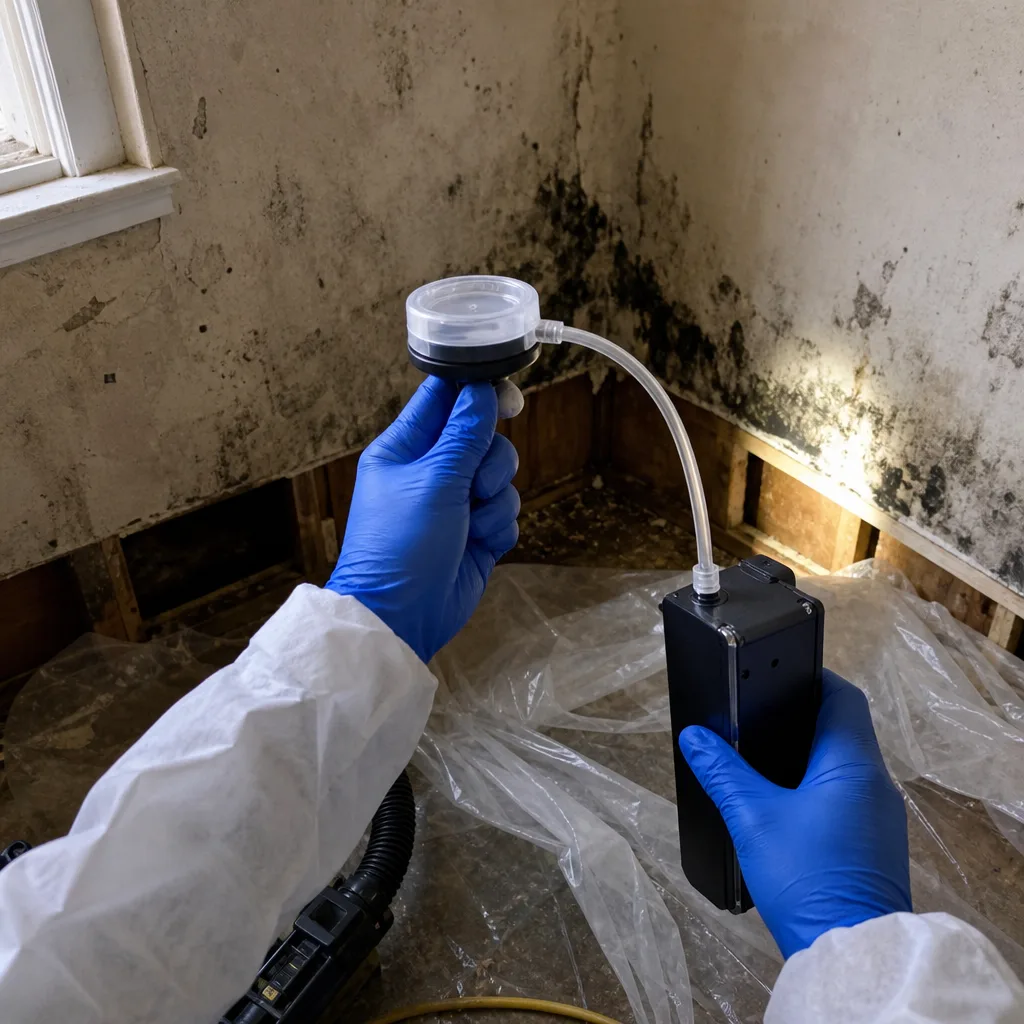
Free visual inspection and a written scope of work before any mitigation begins - photos, moisture readings, and drying logs go in your claim file
The scope we write is the scope we bill. Anything new gets shown to you, in writing, before we touch it.
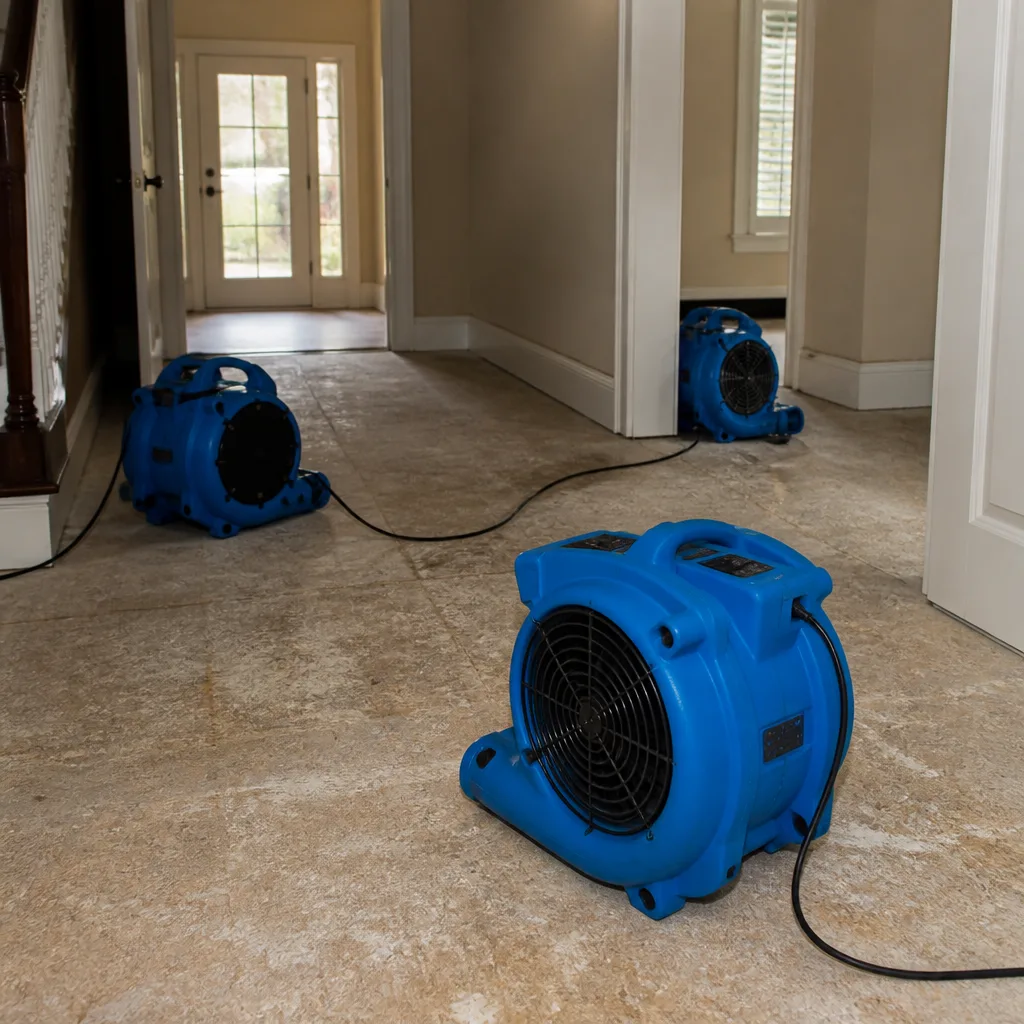
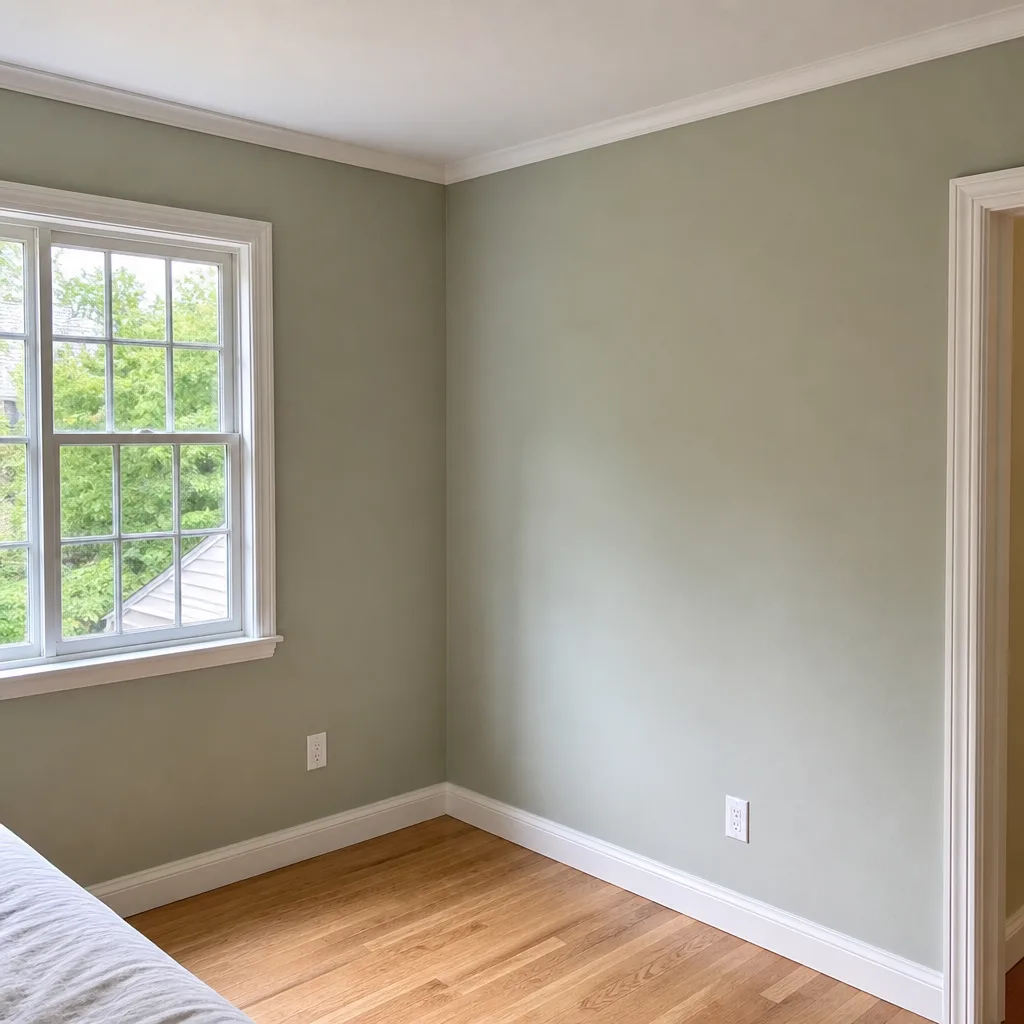
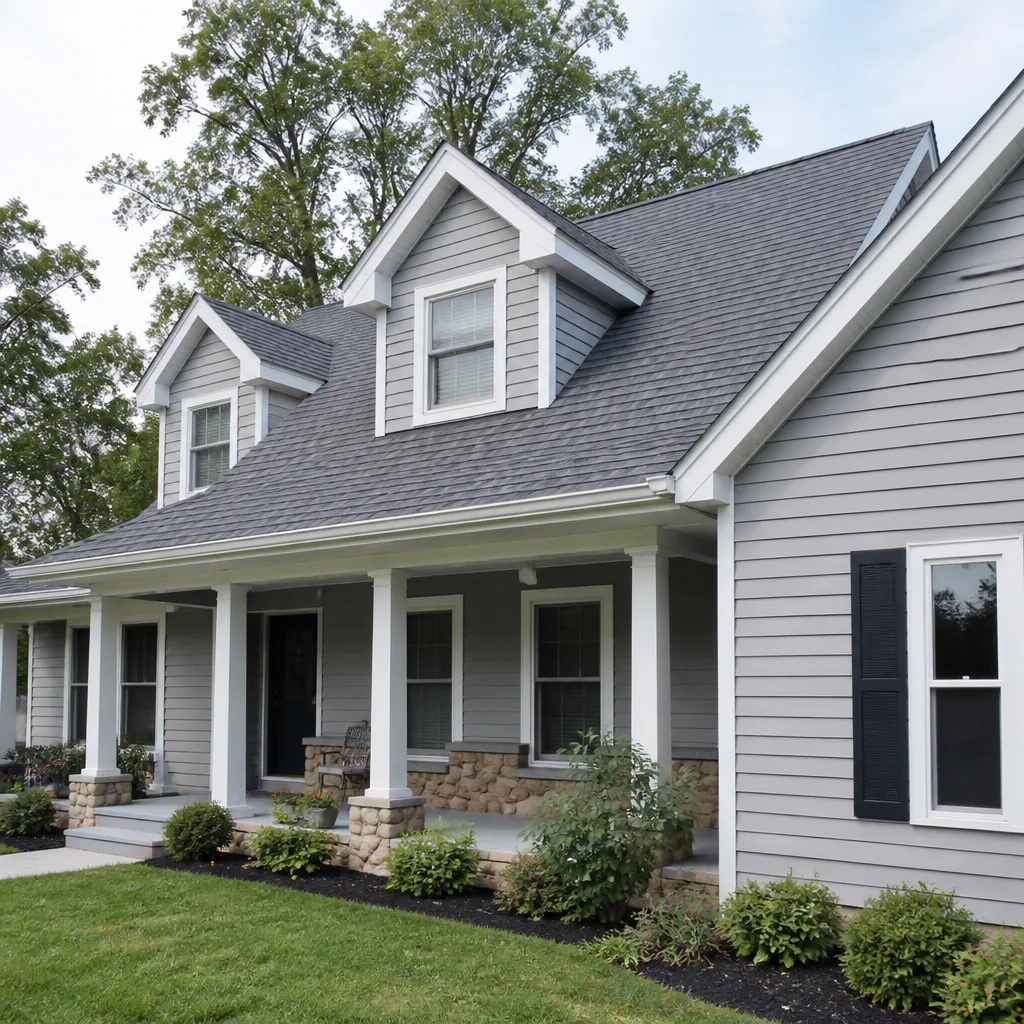
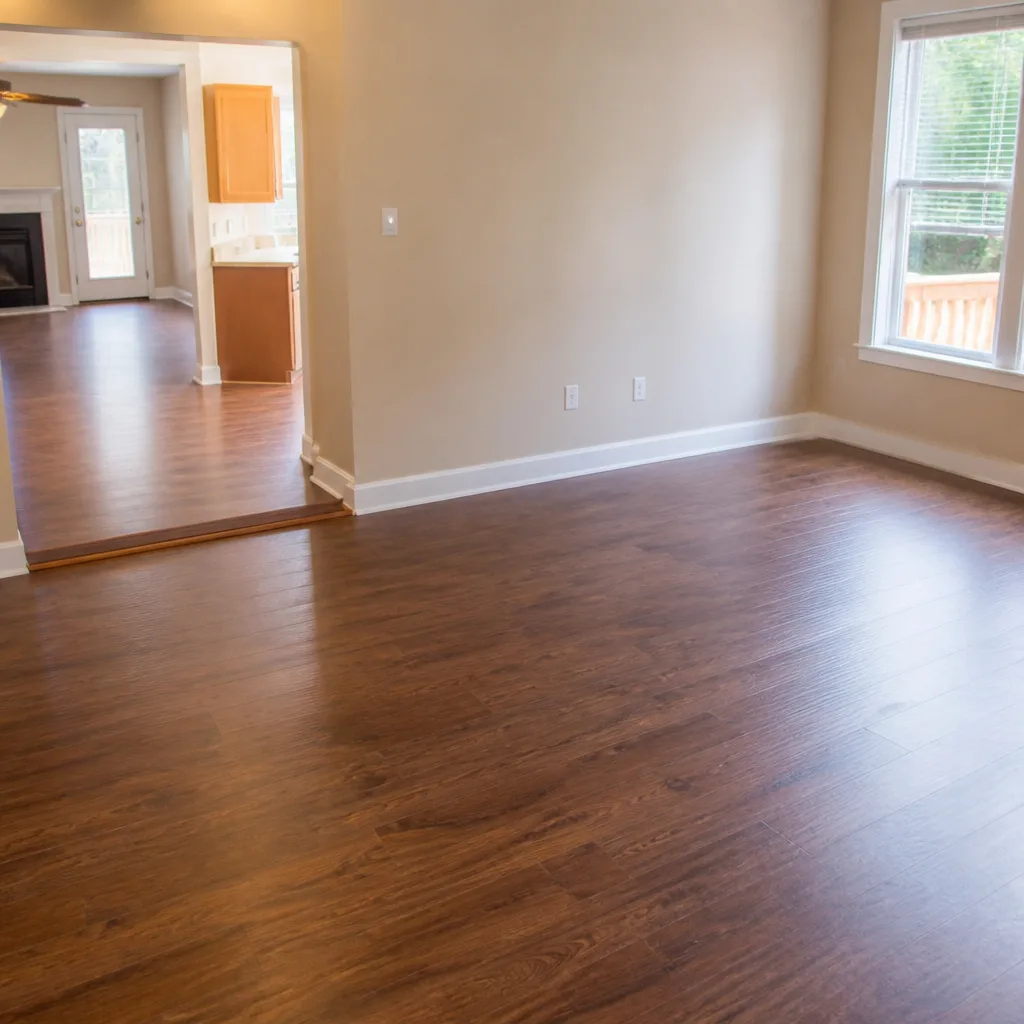
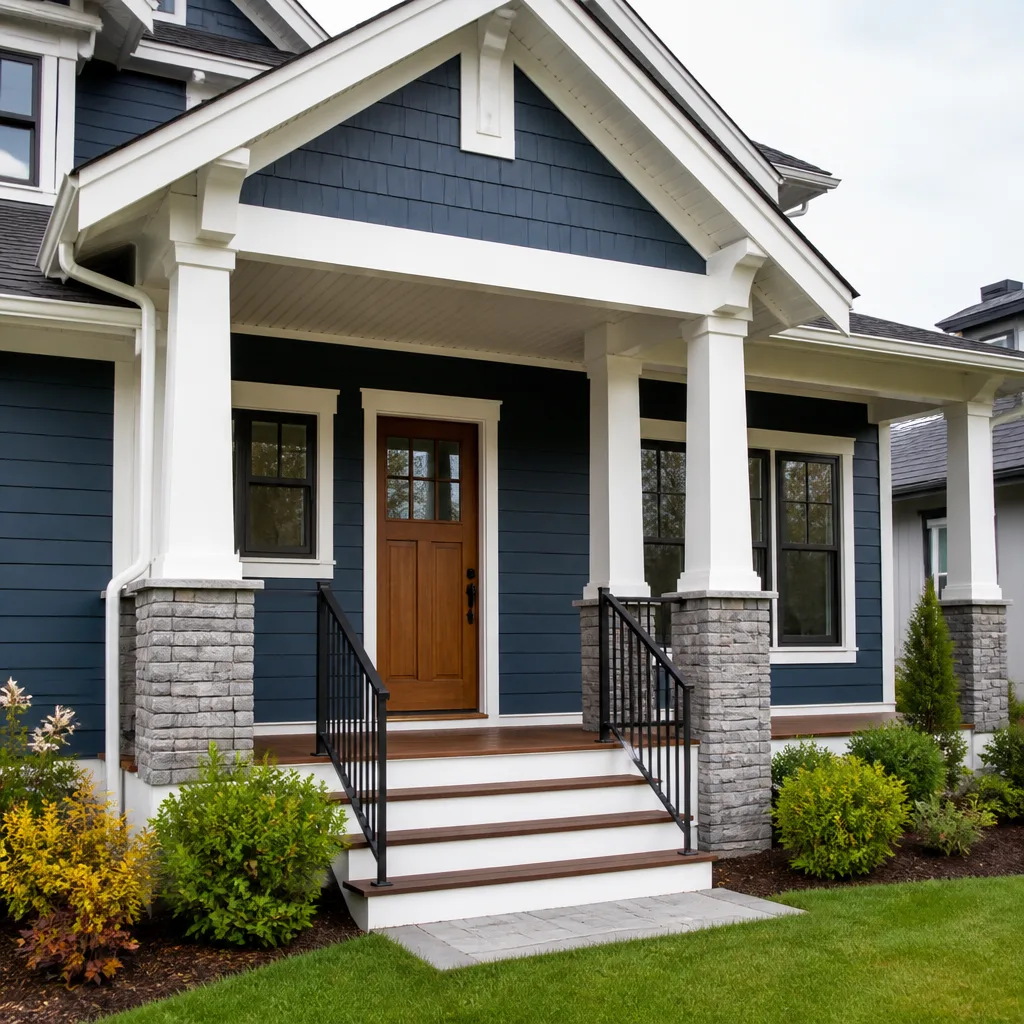
 Before
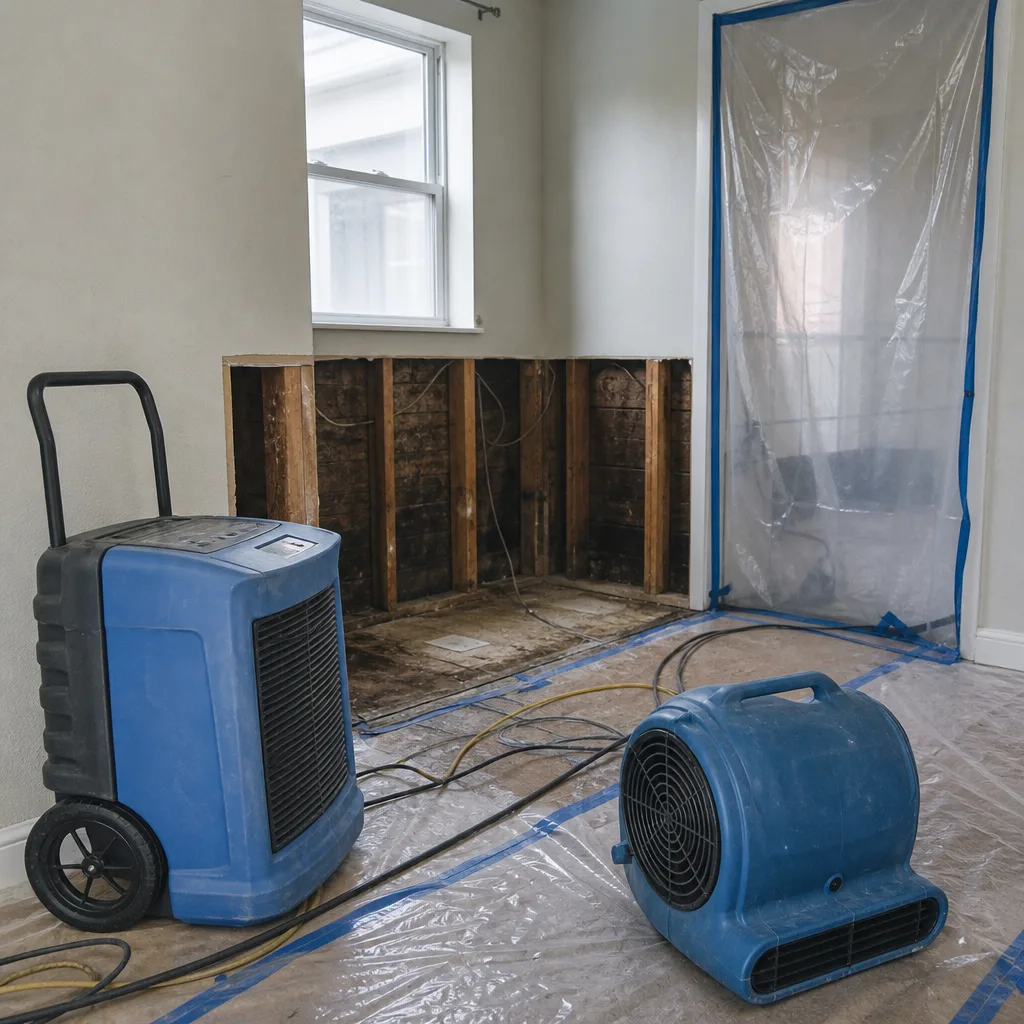 After
After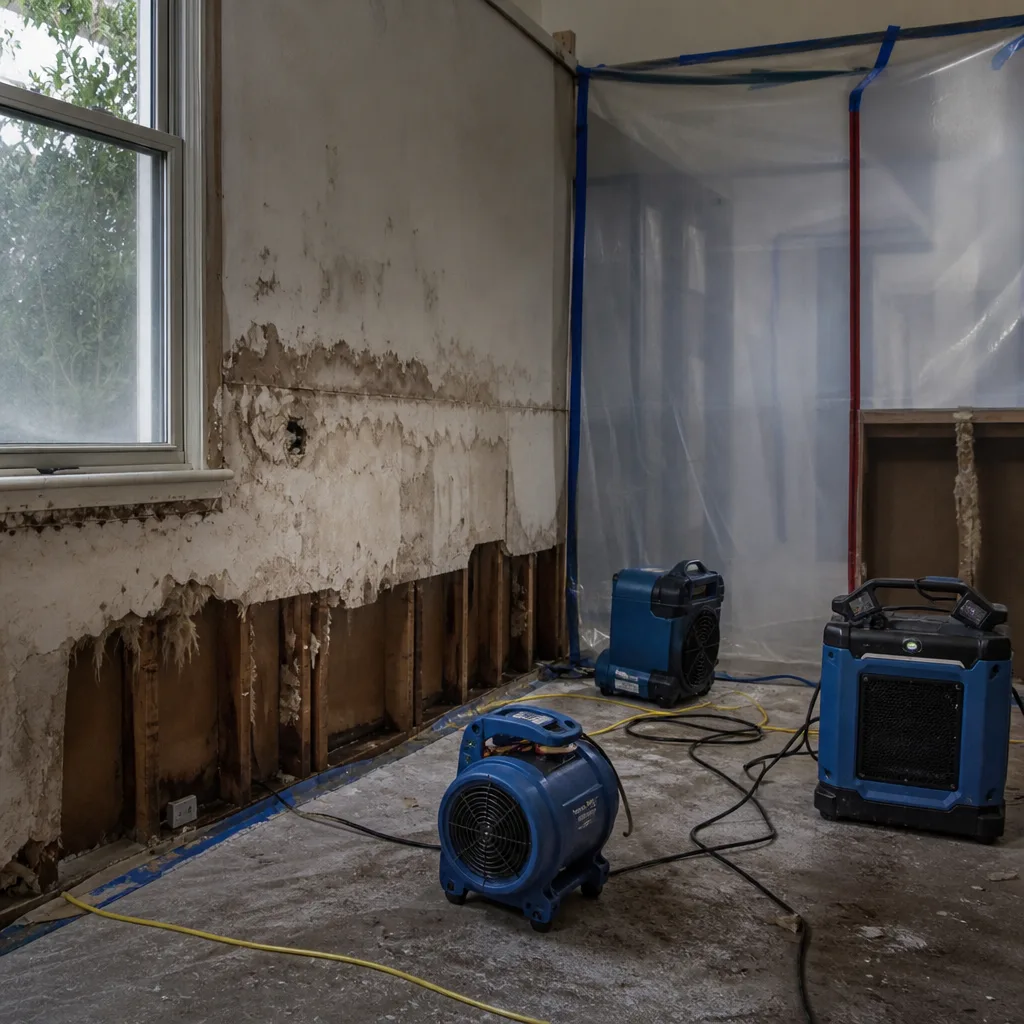 Before
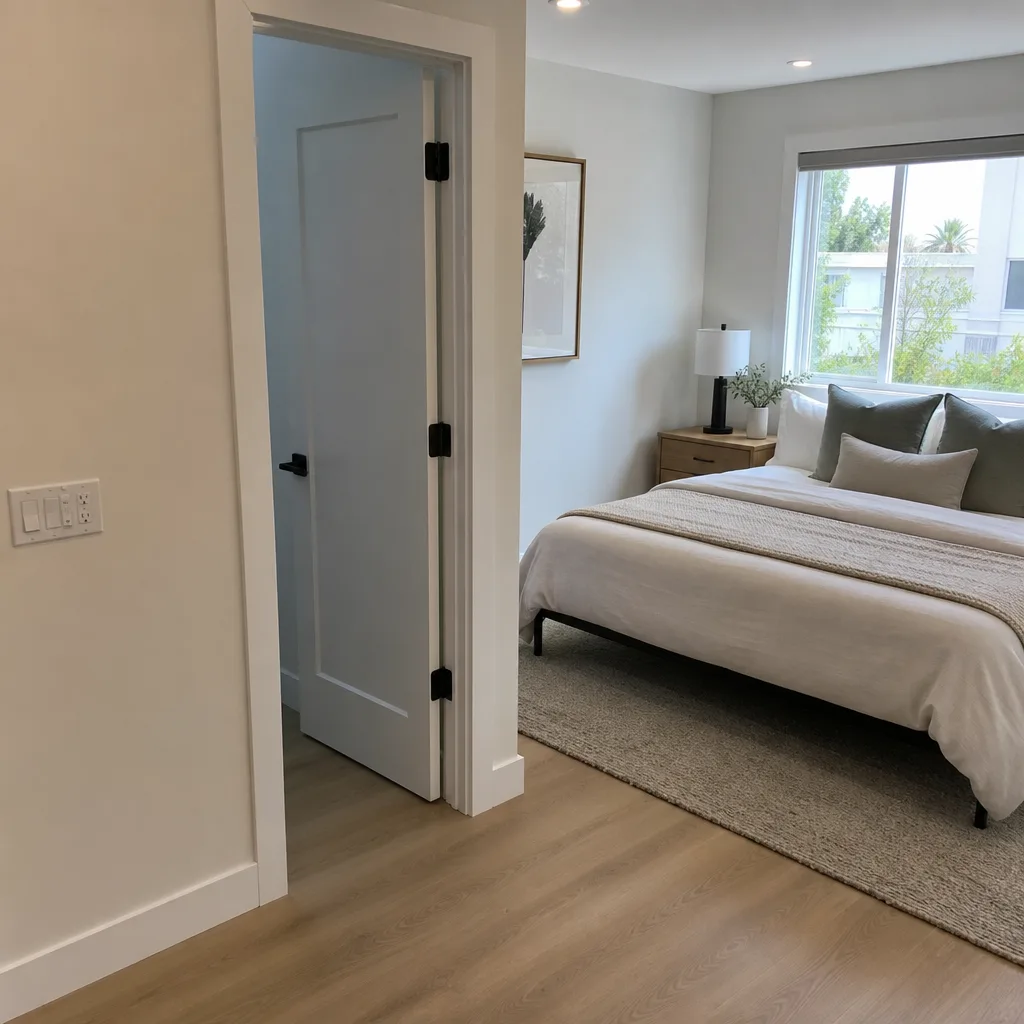 After
After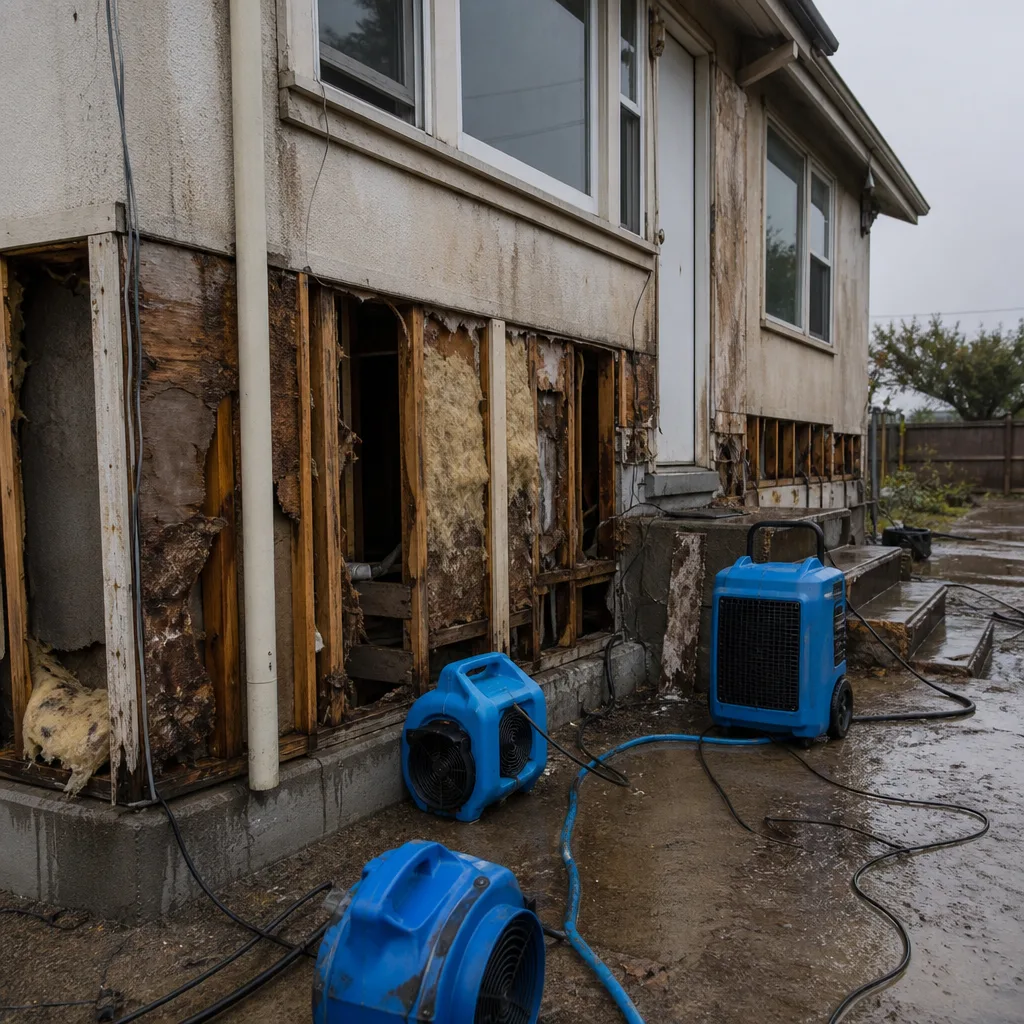 Before
 After
After24/7 Emergency Mold Remediation in Lawndale
Mold can establish in a Lawndale property within 24 to 48 hours of water intrusion, faster than in drier inland LA communities, because our coastal marine-layer humidity keeps structures wet longer. Call (424) 372-0129 now and you’ll reach a live person, not a voicemail tree. We dispatch crews across Lawndale from our Los Angeles office and can be on-site in the dense duplex and triplex corridors along Inglewood Avenue or Prairie Avenue within 45 minutes. The first hour determines whether we’re containing a moisture problem or remediating confirmed mold growth. We provide a free visual inspection on arrival, document what we find with photos, and deliver a written price before any work begins. Haven Standard, Clause 1.
Understanding Mold Remediation Severity in Lawndale Properties
Mold severity in Lawndale is shaped by two forces: the age of the housing stock and the coastal climate that accelerates colonization. Most Lawndale buildings went up between 1945 and 1970 with wood-frame stucco on slab foundations and original galvanized plumbing. When a supply line fails in one unit of a triplex, water migrates through shared walls into neighboring units, turning a localized Category 1 loss into a multi-unit Category 2 or 3 event.
Psychrometric data, the measurement of temperature, humidity, and vapor pressure, drives our drying strategy. In Lawndale’s marine-layer corridor, ambient moisture raises the vapor pressure differential we must achieve for effective drying. Standard drying timelines from drier inland assumptions don’t apply here. We set tertiary drying targets, the final phase where hidden moisture is drawn from dense materials, using higher-capacity Dri-Eaz and Phoenix dehumidification units than the same square footage would require in the San Fernando Valley.
Containment barriers, negative air pressure, and HEPA air scrubbing follow IICRC S520 standards for professional mold remediation. Air quality restoration requires clearance testing by a third-party inspector before we release containment. The 1950s-era building materials common here, floor tile, drywall compound, and popcorn ceilings, trigger mandatory asbestos assessment protocols that can halt demo until lab results return. We coordinate this assessment immediately so it doesn’t extend the wet-dwell time.
Why Lawndale Property Owners Choose DryMark Restoration Venice
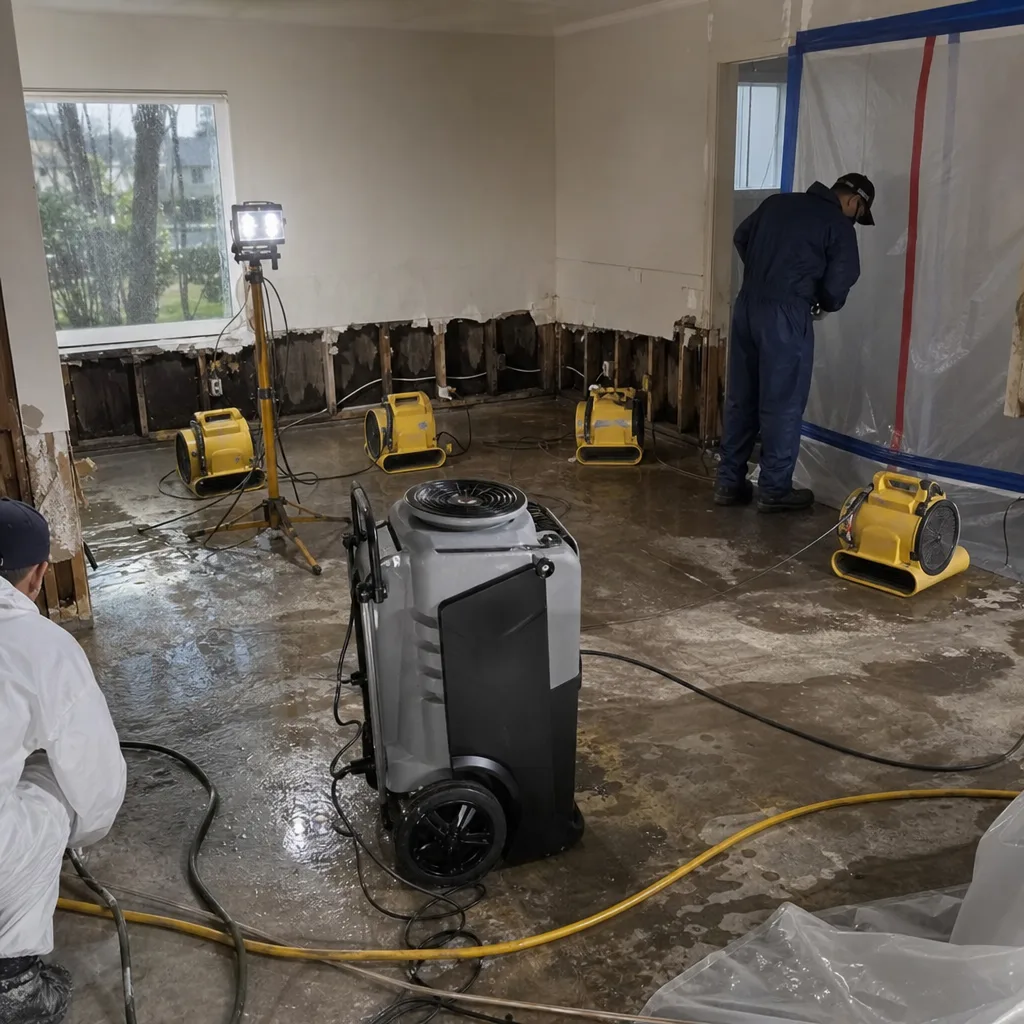
- 45-minute response commitment to Lawndale properties, with crews staged for the South Bay marine-layer corridor.
- 24/7 live answer by a real person, never an automated system, on every call to (424) 372-0129.
- IICRC-certified crews holding WRT (Water Damage Restoration Technician) and AMRT (Applied Microbial Remediation Technician) credentials, with license numbers documented on every job file.
- Free visual inspection on arrival, with moisture readings taken and photographed before any discussion of scope.
- Direct insurance billing with photo-documented estimates and daily drying logs that adjusters pay without dispute.
- One team from containment to reconstruction, no handoffs between subcontractors that fragment accountability.
 Before
 After
AfterOur Mold Remediation Process
1. Inspection & Assessment
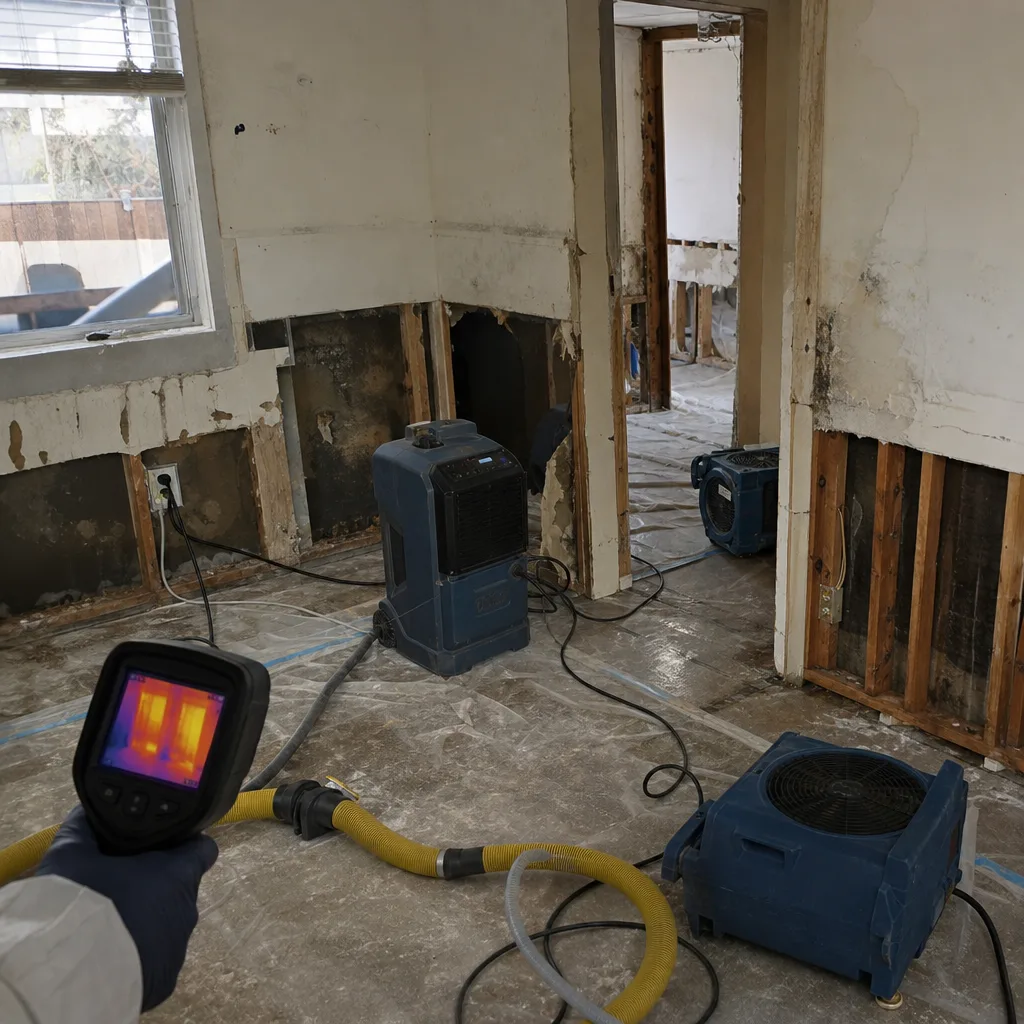
We arrive with thermal imaging cameras, penetrating and non-penetrating moisture meters, and hygrometers to map the full extent of water migration. In Lawndale’s attached multi-unit buildings, we inspect neighboring units even when no visible damage is reported, because shared-wall migration is routine here. We photograph every reading and every affected surface.
2. Containment & Stabilization
We establish polyethylene containment barriers with negative air pressure using HEPA-filtered air scrubbers to prevent cross-contamination. If the building dates to the 1950s or 1960s, we simultaneously initiate asbestos assessment on original materials before any demolition begins, as required by California regulations.
3. Drying & Dehumidification
We deploy Dri-Eaz and Phoenix LGR dehumidifiers sized for Lawndale’s elevated ambient humidity, plus Injectidry systems for wall-cavity drying. Daily moisture logs track psychrometric progress until materials reach established dry standards, typically 10-12% moisture content for wood framing in this climate.
4. Cleaning & Sanitization
HEPA vacuuming precedes antimicrobial application to affected surfaces. We clean beyond the visible mold, treating the full water-damage footprint because spores travel on air currents before colonization becomes visible. All waste is bagged within containment and disposed of per California mold-remediation regulations.
5. Air Quality Restoration & Clearance Testing
We run HEPA air scrubbers continuously through remediation and for a minimum 24-hour purge period afterward. Third-party clearance testing, with air and surface samples analyzed by an independent lab, confirms spore counts have returned to acceptable levels before we remove containment.
6. Repairs & Moisture Control
Our reconstruction team repairs or replaces removed materials, drywall, insulation, flooring, baseboards, and addresses the moisture source that enabled mold growth. For Lawndale’s chronic humidity, we often install supplemental dehumidification or improve ventilation as part of the permanent solution.
Need Emergency Mold Remediation in Lawndale Now?
Crews minutes away, answering live 24 hours a day. The sooner we start, the less it costs.
Working With Your Insurance Company
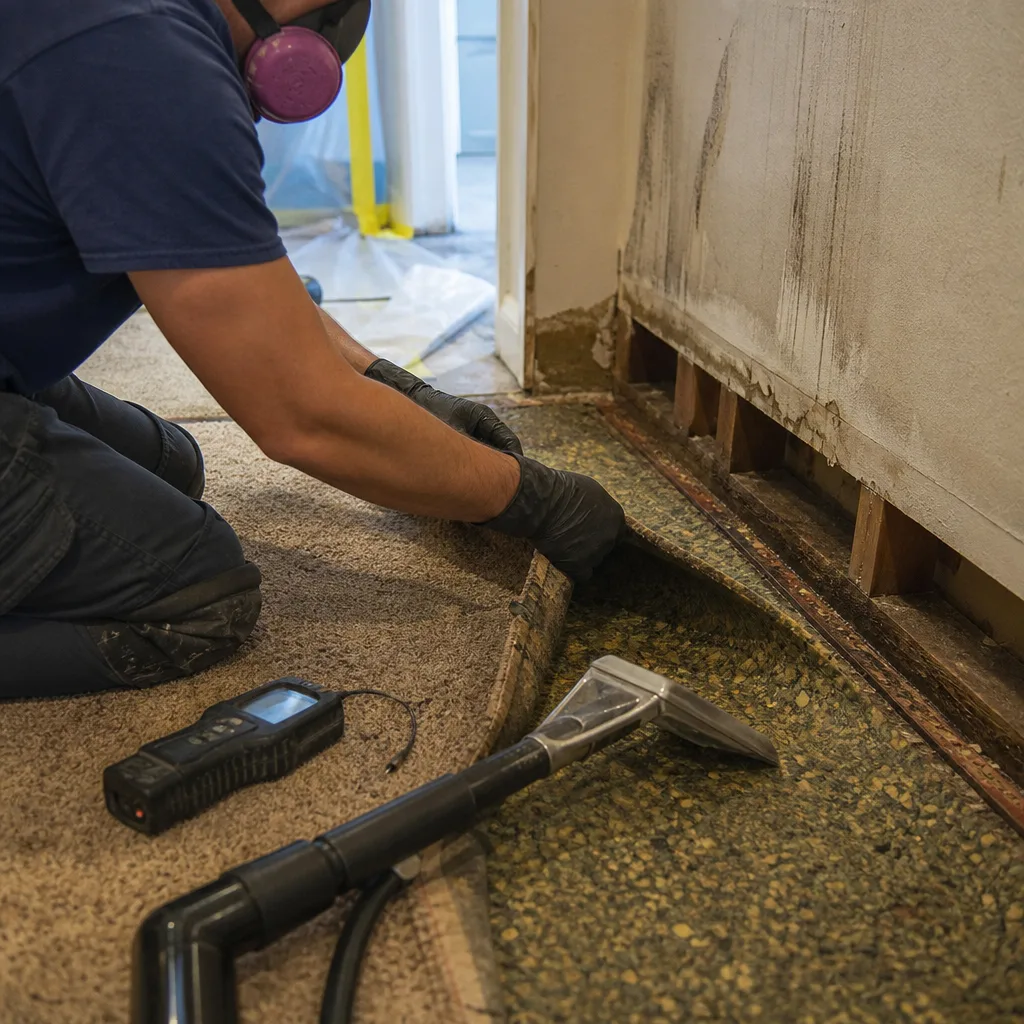
We built our documentation system around what adjusters actually need to pay a claim without back-and-forth. From the first hour on your Lawndale property, we photograph every room, record moisture readings with equipment serial numbers, and maintain daily drying logs that show psychrometric progress. Our estimates follow industry-standard pricing with line-item detail. We communicate directly with your adjuster, provide the photo record as a standard deliverable, and coordinate supplemental documentation if the scope expands, as it often does in Lawndale’s multi-unit buildings where hidden migration reveals itself days into the job.
What We Provide Your Insurer
- Thorough documentation of the loss
- Photos of all damage, room by room
- Moisture readings and drying logs
- A detailed, line-item scope of work
- Direct coordination with your carrier
Built for Lawndale’s Loss Calendar
January through March brings the heaviest marine-layer saturation to Lawndale, with morning fog persisting until midday and relative humidity routinely above 70%. Original galvanized plumbing in 1950s buildings reaches fatigue failure rates in these months as temperature swings stress aging pipe. April through June, the notorious “June Gloom” pattern, delivers the year’s most persistent coastal moisture, slowing drying times and keeping structures at mold-risk threshold for weeks after any water event.
July through September offers only modest relief, dry days still carry 60%+ humidity, and aging asphalt-composition roofs on Lawndale’s apartment buildings leak under thermal stress. October through December, Santa Ana wind events create rapid humidity swings that stress building envelopes and can drive condensation into wall cavities. Year-round, the coastal salt air corrodes exterior hardware, garage-door springs, hinges, rollers, tracks, fasteners and opener chains fail years faster than inland, and that same elevated moisture pushes interior mold timelines well ahead of standard assumptions.
Mold Remediation Across Lawndale’s Neighborhoods
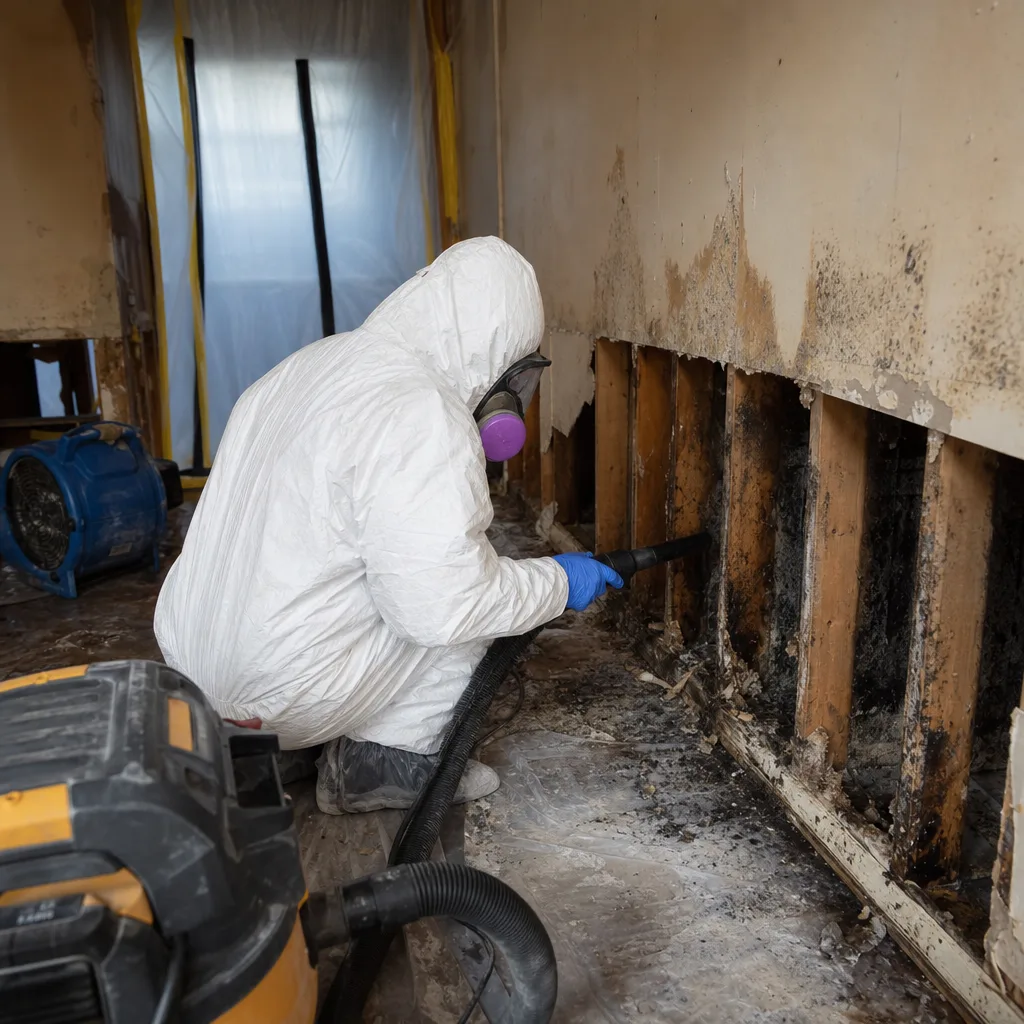
The corridors along Inglewood Avenue and Prairie Avenue form Lawndale’s densest rental housing, blocks of 1950s duplexes and triplexes with absentee ownership common. We were called to a triplex near this intersection after a renter reported moisture along a shared wall; our tech confirmed elevated moisture readings and visible growth behind the baseboards in unit B, then traced it to a Category 2 supply-line failure that had migrated into the neighboring unit. Because the building dates to the 1950s, we initiated mandatory asbestos assessment before any demo, set up containment with air movers and Dri-Eaz dehumidification, applied antimicrobial treatment, and logged daily moisture readings; the owner, who was out of area, authorized the repair three days later, by which time the mold had already taken hold. What we found interesting was a second failure pattern at the same property, the garage-door springs and hinges on the shared carport had corroded far faster than our inland jobs, with heavy rust jacketing the torsion springs, so we noted it as a coastal moisture indicator that also flagged the higher humidity inside the units.
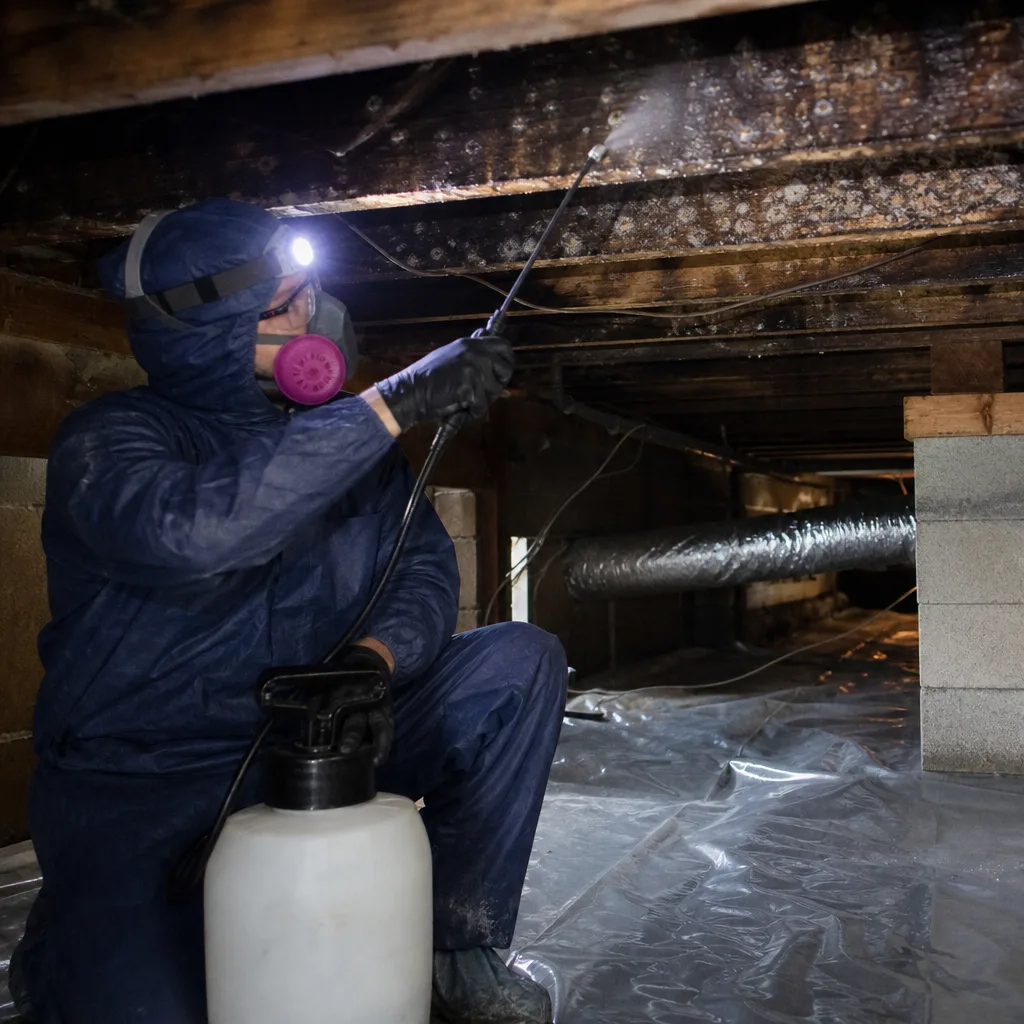
Near Marine Avenue, closer to the Hawthorne border, smaller single-family homes from the same era sit on tighter lots with limited ventilation. Crawl spaces here stay damp year-round, and we’ve treated subfloor mold in multiple properties where the owners never suspected a problem until musty odors reached the living space. The 90260 ZIP code’s apartment concentrations near Rosecrans Avenue see repeated bathroom exhaust failures, steam migration into attics, and the resulting ceiling colonization that spreads before tenants report it to out-of-area management.
Specialized Mold Remediation Services We Offer in Lawndale
Mold Inspection & Testing
We start with moisture mapping and air sampling, not guesswork. In Lawndale’s 1950s-1960s housing stock, we inspect for hidden migration through shared walls in multi-unit buildings and document findings with photos and readings. Third-party lab analysis confirms species and concentration, which determines remediation protocol and insurance coverage parameters.
Mold Removal
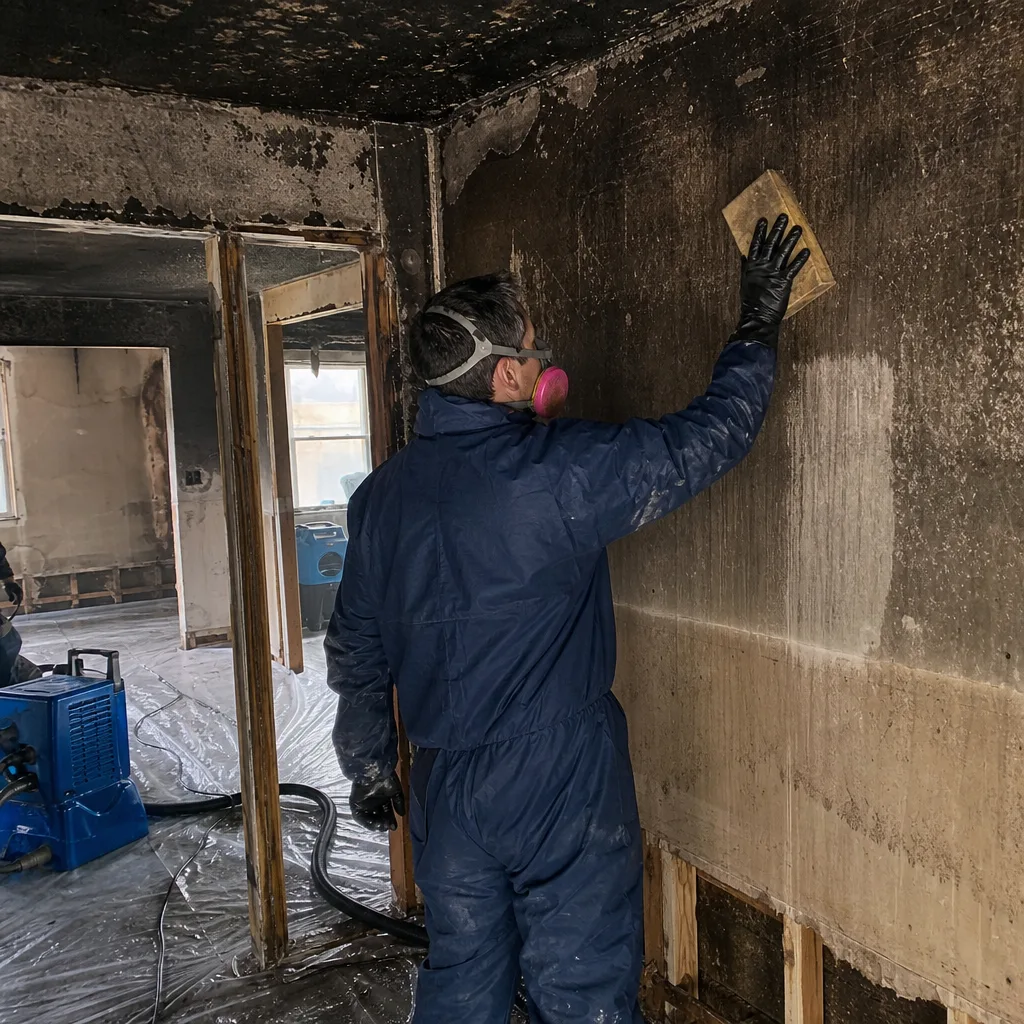
Physical removal of colonized materials follows IICRC S520 standards with containment, negative pressure, and HEPA filtration. In Lawndale, we frequently remove water-damaged drywall, insulation, and flooring that has exceeded salvageable moisture content due to the marine-layer humidity extending wet-dwell time beyond material tolerances.
Black Mold Remediation
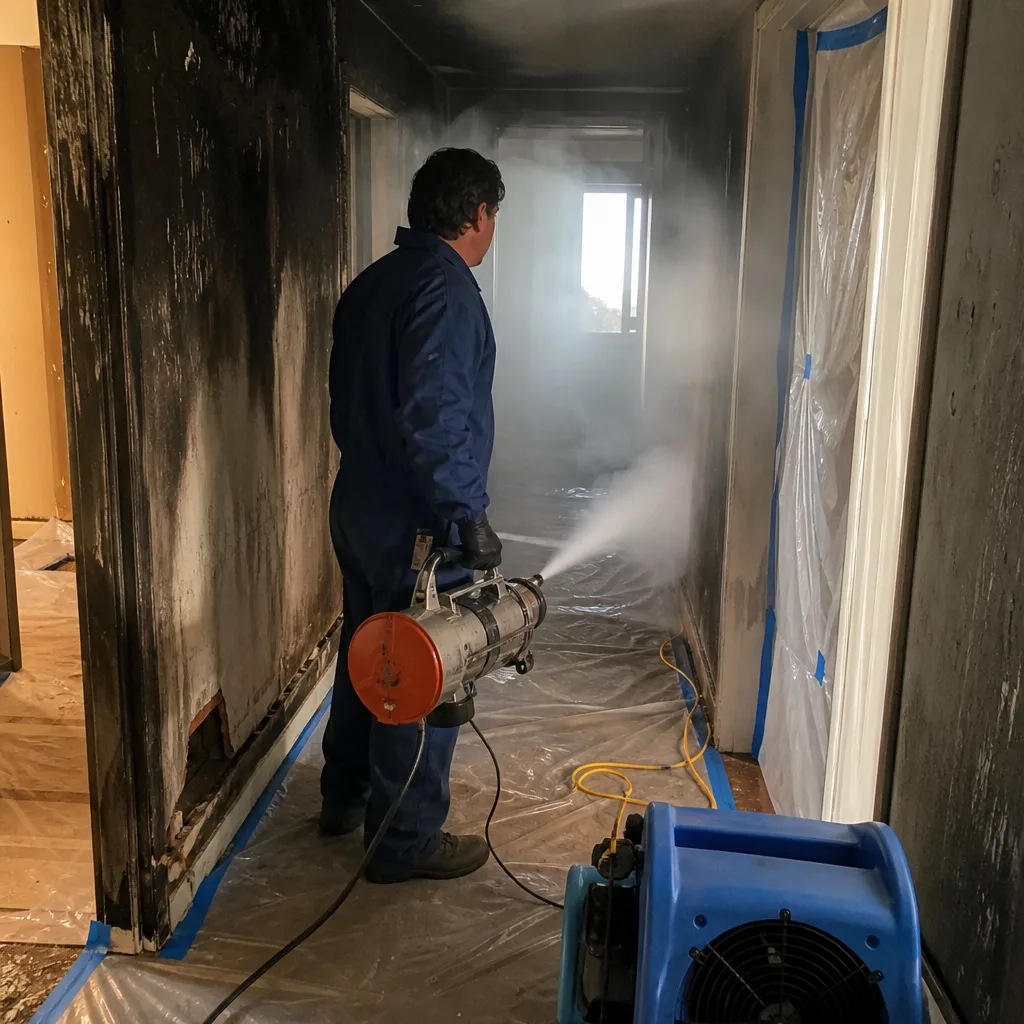
Stachybotrys chartarum and other toxigenic species require enhanced containment and PPE protocols. We treat these jobs with the same documentation rigor: photo record, moisture logs, written scope, and clearance testing before reoccupancy. Lawndale’s chronic humidity makes delayed response particularly risky for toxigenic colonization.
Air Quality Restoration
Post-remediation air scrubbing runs continuously through HEPA filtration until third-party clearance testing confirms spore counts at or below outdoor baseline. In Lawndale’s dense apartment corridors, we often coordinate this testing with property management to document safe reoccupancy for multiple units simultaneously.
Crawl Space Treatment
Lawndale’s slab foundations reduce but don’t eliminate crawl space issues; where partial crawls exist, typically in additions or older conversions, we find chronically damp conditions perfect for mold. We install vapor barriers, dehumidification, and ventilation improvements as permanent moisture control solutions.
Moisture & Humidity Control
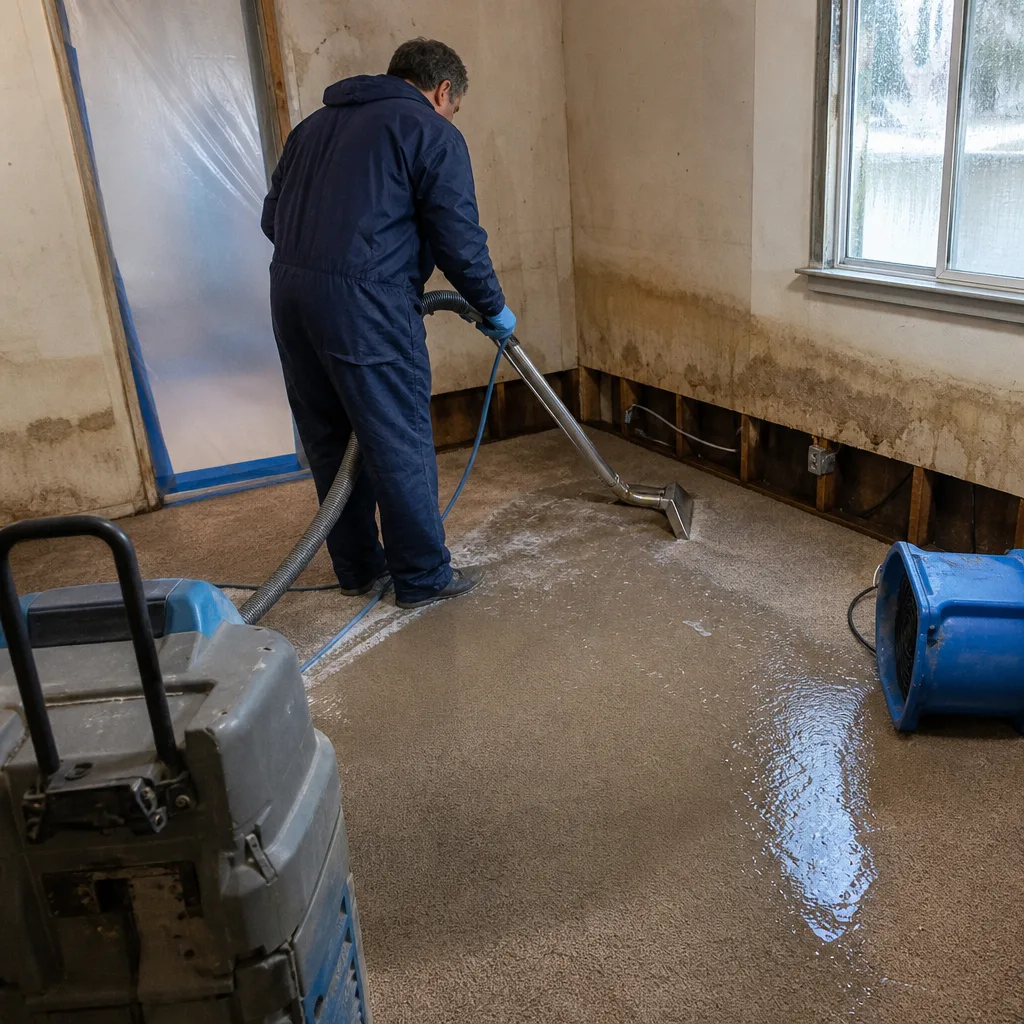
Given Lawndale’s persistent marine-layer humidity, we assess and upgrade ventilation, install dedicated dehumidification systems, and seal building envelope penetrations that admit moist coastal air. This is the difference between remediation that lasts and mold that returns within a season.
What happens when you call
- 1
A real person answersNo phone trees - you reach a local pro.
- 2
You get an upfront price rangeHonest numbers before anyone is dispatched.
- 3
A background-checked tech heads outLicensed & insured, dispatched right away.
- 4
You approve before work beginsNothing starts until you say go.
Mold Remediation Costs in Lawndale, CA
A typical mold inspection with moisture mapping and air sampling in Lawndale runs $350-$650. Contained remediation of a single room or small area, a bathroom or kitchen with localized colonization, typically ranges $1,800-$4,500. Multi-unit jobs with shared-wall migration, asbestos assessment requirements, and extended drying due to marine-layer humidity commonly reach $6,000-$15,000. Whole-unit or whole-structure remediation with reconstruction can exceed $20,000.
What moves the price: square footage of colonization, whether asbestos assessment is required on pre-1970 materials, the number of affected units in attached buildings, and whether Category 1 water has escalated to Category 2 or 3 through delayed response. Insurance typically covers sudden and accidental water damage and resulting mold when documented promptly; long-term maintenance-related moisture is usually excluded. We deliver a written price before any work begins, every time, and offer a Free Second Opinion on any competitor’s written estimate. Call (424) 372-0129 for your exact scope.
We Also Serve Cities Near Lawndale
Our crews respond throughout the South Bay marine-layer corridor, including Mold Remediation in Lawndale and surrounding communities: Hawthorne to the north, Manhattan Beach and Hermosa Beach along the coast, and El Segundo to the northwest. The same coastal humidity patterns, aging housing stock, and multi-unit building concentrations apply across this service area, and we dispatch with equipment sized for these conditions.
Serving Lawndale, CA - Our Local Coverage Area
We’re based in the Lawndale area and know this community well. Use the map below to see our service coverage - if you’re nearby, we can almost certainly help.
Lawndale Mold Remediation Questions, Answered
How fast can mold grow after a water leak in Lawndale compared to other LA areas?
In Lawndale, mold can establish visible colonies within 24 to 48 hours of water intrusion, significantly faster than in drier inland LA communities like the San Fernando Valley or Pasadena.
The South Bay marine-layer belt maintains interior relative humidity at levels that keep structures wet longer, so the clock runs faster here. Standard industry timelines assume drier ambient conditions and underestimate Lawndale’s mold risk. We recommend emergency response within the first 4 hours for any water loss in this climate. Call (424) 372-0129 for immediate dispatch.
Does my 1950s Lawndale duplex need asbestos testing before mold remediation?
Yes, California regulations mandate asbestos assessment before disturbing any building materials installed before 1980, which includes nearly all original floor tile, drywall compound, and popcorn ceilings in Lawndale’s 1950s-1960s housing stock.
We initiate this assessment immediately upon arrival, before any containment demolition, because skipping it stalls the job legally and exposes property owners to liability. The assessment typically takes 24-48 hours for lab results. We coordinate this as part of our standard protocol so it doesn’t extend the wet-dwell time unnecessarily. Call (424) 372-0129 and we’ll explain the timeline for your specific property.
Why does mold keep coming back in my Lawndale apartment even after we dry it?
Recurrent mold in Lawndale apartments almost always traces to unresolved moisture sources or inadequate humidity control, not failed remediation.
The marine-layer climate delivers near-daily moisture through poorly sealed windows, inadequate bathroom exhaust, and building envelope penetrations. Drying the visible mold without addressing the vapor pressure differential that feeds it guarantees return. Our Moisture & Humidity Control service identifies and seals these pathways, installs proper ventilation or dehumidification, and documents the solution. Call (424) 372-0129 for an assessment that targets the source, not just the symptom.
What does water category mean for my Lawndale mold remediation?
Water category, Category 1, 2, or 3, determines contamination level and therefore remediation protocol, equipment, and disposal requirements.
Category 1 is clean water from a supply line. Category 2 contains significant contamination, dishwasher or washing machine overflow. Category 3 is grossly contaminated, sewage or floodwater. In Lawndale’s multi-unit buildings, a Category 1 loss often migrates through shared walls and picks up contaminants, escalating to Category 2 or 3. This affects whether materials can be salvaged, what antimicrobial agents we apply, and how we document for insurance. We classify water on arrival and reclassify if conditions change. Call (424) 372-0129 for classification on your specific loss.
Can you start remediation before my out-of-area landlord signs off?
We can perform emergency stabilization, moisture mapping, and documentation immediately, but we cannot begin demolition or remediation without signed work authorization from the property owner or legally designated agent.
This delay is a known problem in Lawndale’s dense rental corridors along Inglewood and Prairie Avenues, where absentee landlords are common and the 48-hour mold window closes before authorization arrives. We mitigate this by documenting everything, initiating asbestos assessment, and maintaining our emergency response on-site so we’re ready to execute the moment authorization comes through. We also communicate directly with out-of-area owners to expedite decisions. Call (424) 372-0129 and we’ll discuss emergency protocols for your situation.
How long does mold remediation take in a typical Lawndale property?
A contained single-room remediation typically takes 3-5 days, including drying, treatment, and clearance testing.
Multi-unit jobs in Lawndale’s attached housing, with shared-wall migration and asbestos assessment delays, commonly extend to 7-14 days. The marine-layer humidity slows structural drying, raising psychrometric targets and extending dehumidification runtimes compared to drier climates. We don’t guess at completion; we measure daily moisture readings and release containment only when independent clearance testing confirms safe levels. Call (424) 372-0129 for a timeline based on your property’s specific conditions.
Can my family stay in the home during mold remediation?
Occupants typically must relocate during active remediation, especially for toxigenic species or when HVAC systems are affected, because containment barriers and negative air pressure systems are designed to isolate the work zone, not protect occupants within it.
In Lawndale’s small apartments, where square footage is limited and shared ventilation common, relocation is almost always necessary. We coordinate with insurance adjusters to document displacement costs when coverage applies. For contained, non-toxigenic jobs in larger properties, partial occupancy may be possible with sealed containment and isolated HVAC zones. Call (424) 372-0129 and we’ll assess your specific layout and contamination profile.
What certifications do your mold remediation technicians hold?
Our technicians hold IICRC WRT (Water Damage Restoration Technician) and AMRT (Applied Microbial Remediation Technician) certifications, with ongoing education to maintain current protocol knowledge.
All work is documented to IICRC S520 standards for professional mold remediation, with daily moisture logs, photo records, and written scopes that satisfy insurer and regulatory requirements. License numbers are recorded on every job file and available on request. We don’t claim credentials we can’t produce. Call (424) 372-0129 to verify current certification status for your job.
Back to Dry Restoration, led by Alicia Brennan, has operated under The Haven Standard since 2011, delivering written prices before work begins, photo-documented records on every visit, and the 365-Day Done Right Promise on every job. Our Mold Remediation team serves Lawndale with the documentation-first approach that turns restoration invoices into payable insurance claims.
Call (424) 372-0129 now for a free visual inspection and written estimate. Live answer, 24 hours a day, 7 days a week.
Written by Alicia Brennan, Owner at Back to Dry Restoration, serving Lawndale since 2011.
Mold Remediation in Nearby Areas