
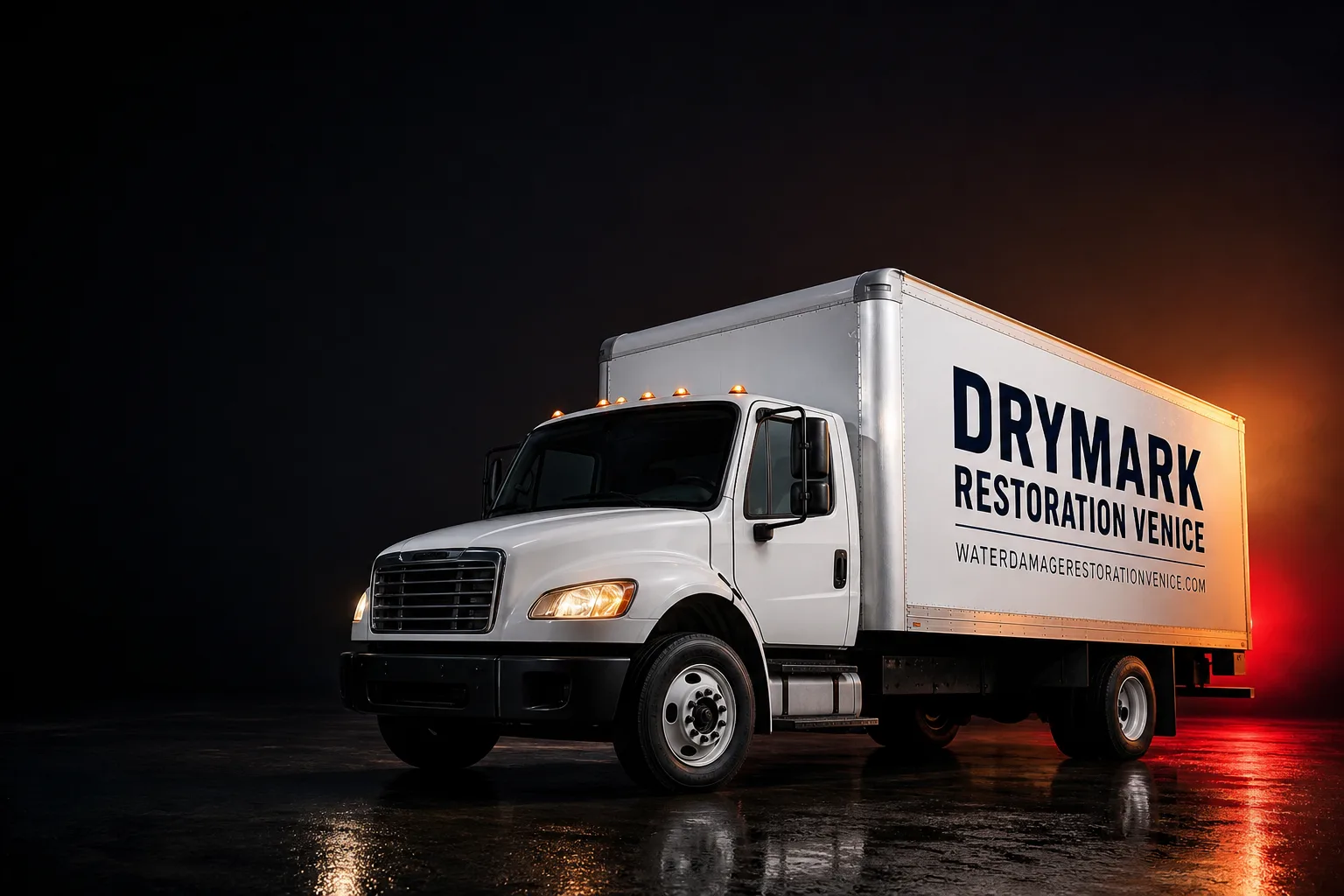
Free visual inspection and a written scope of work before any mitigation begins - photos, moisture readings, and drying logs go in your claim file
The scope we write is the scope we bill. Anything new gets shown to you, in writing, before we touch it.
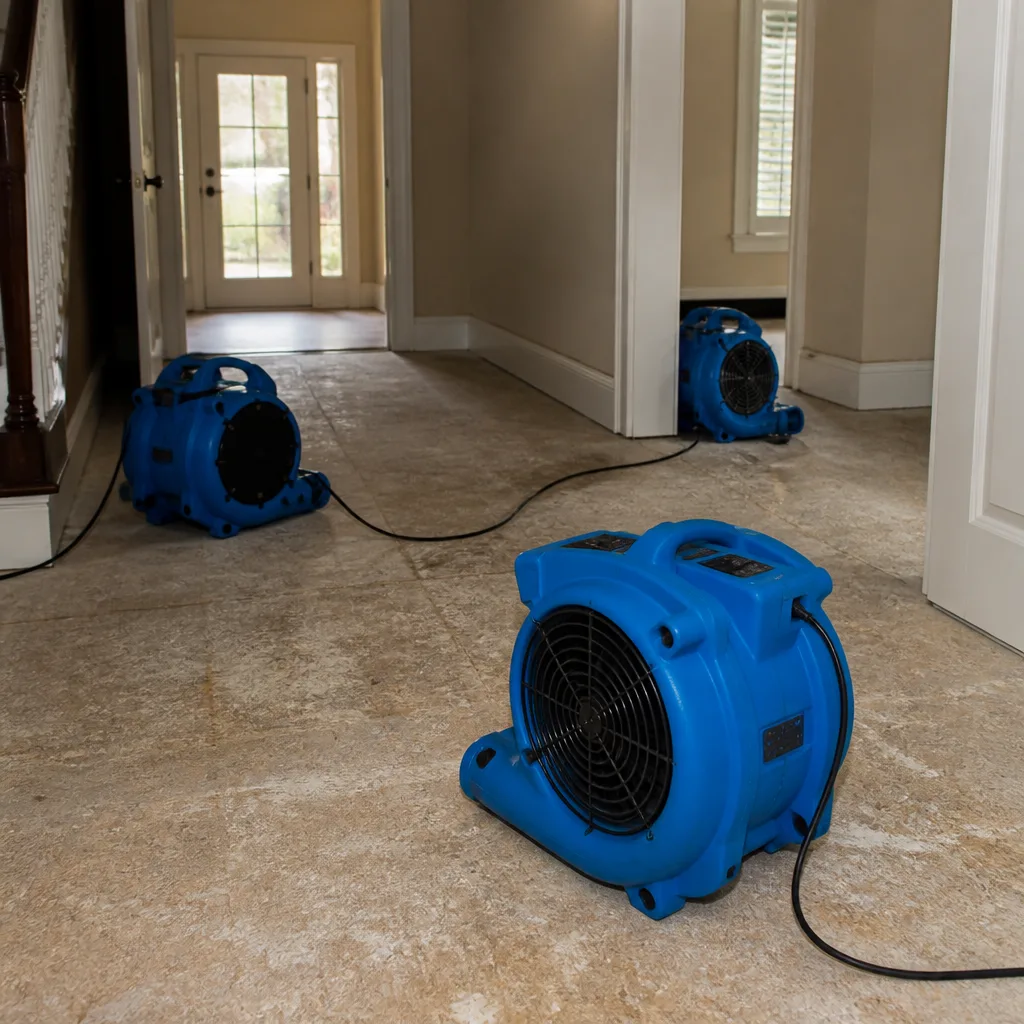
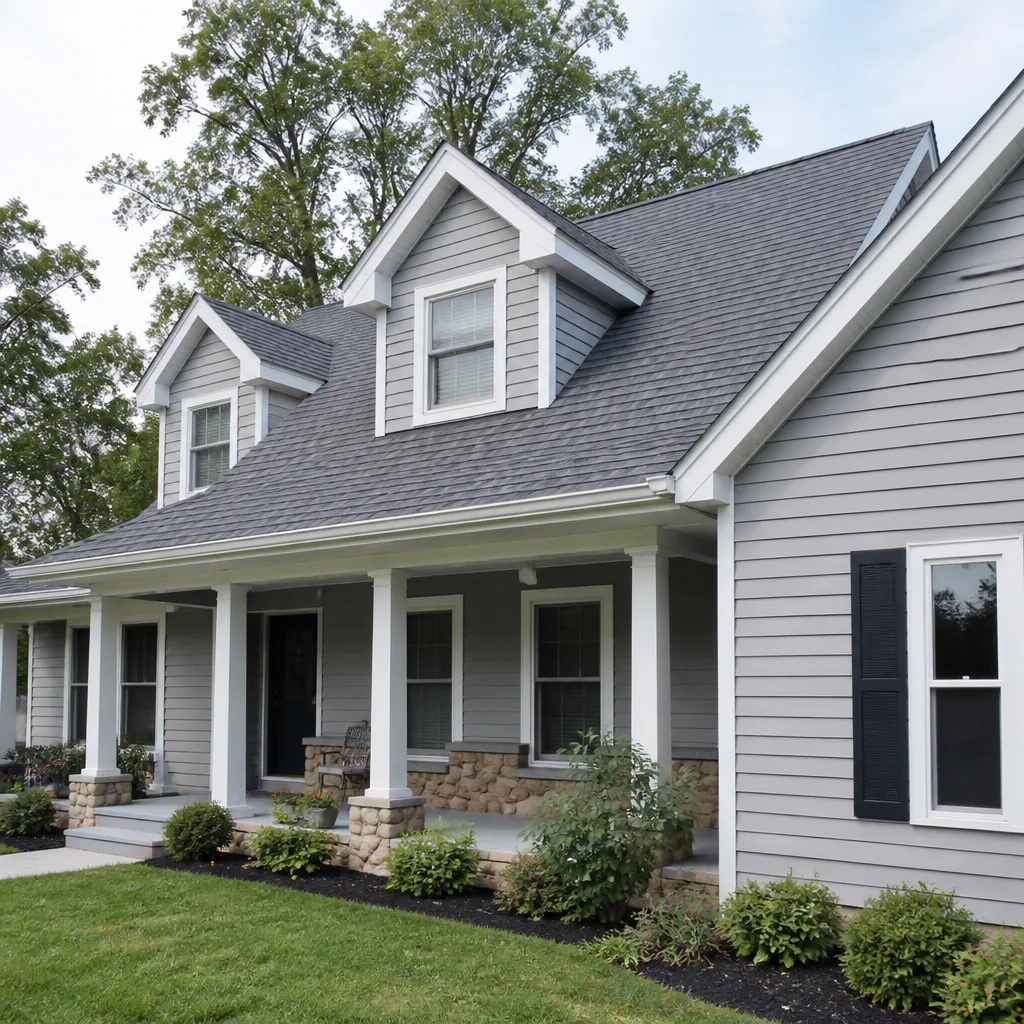
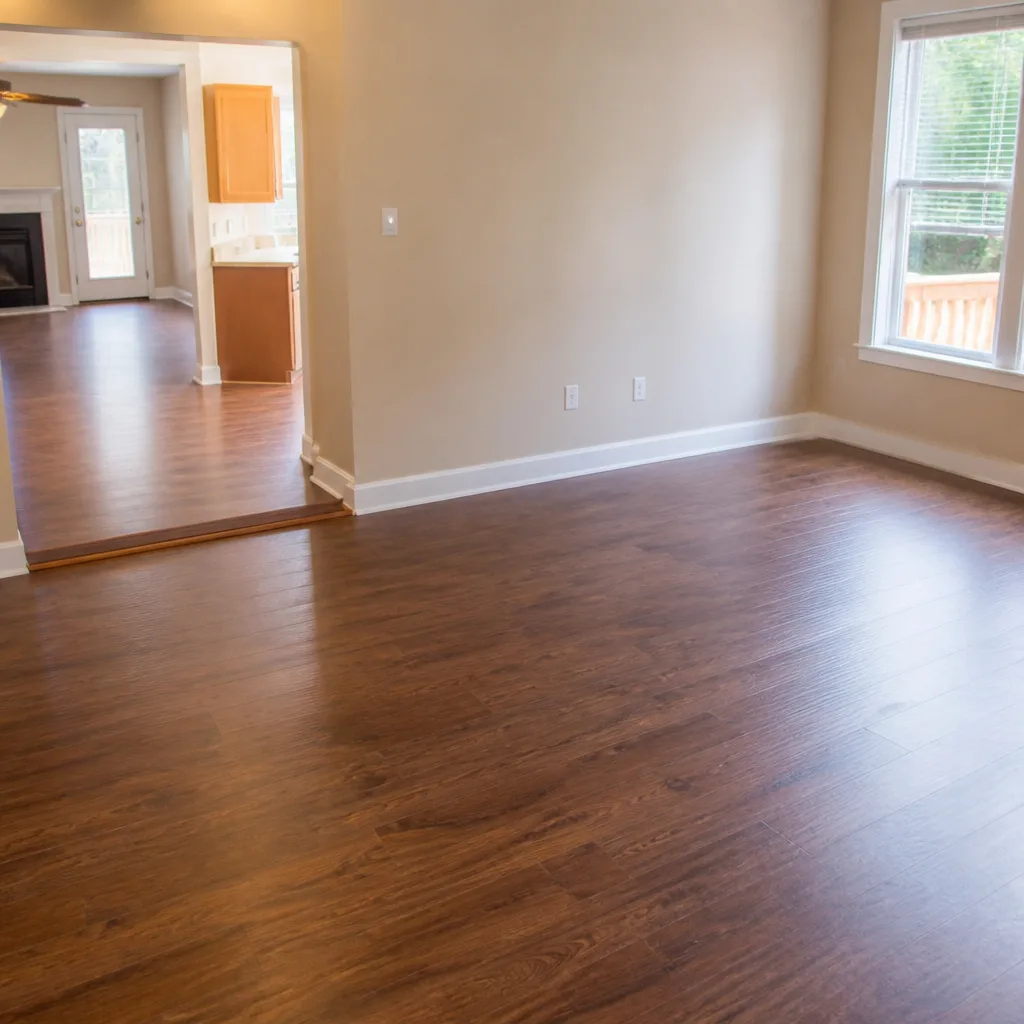
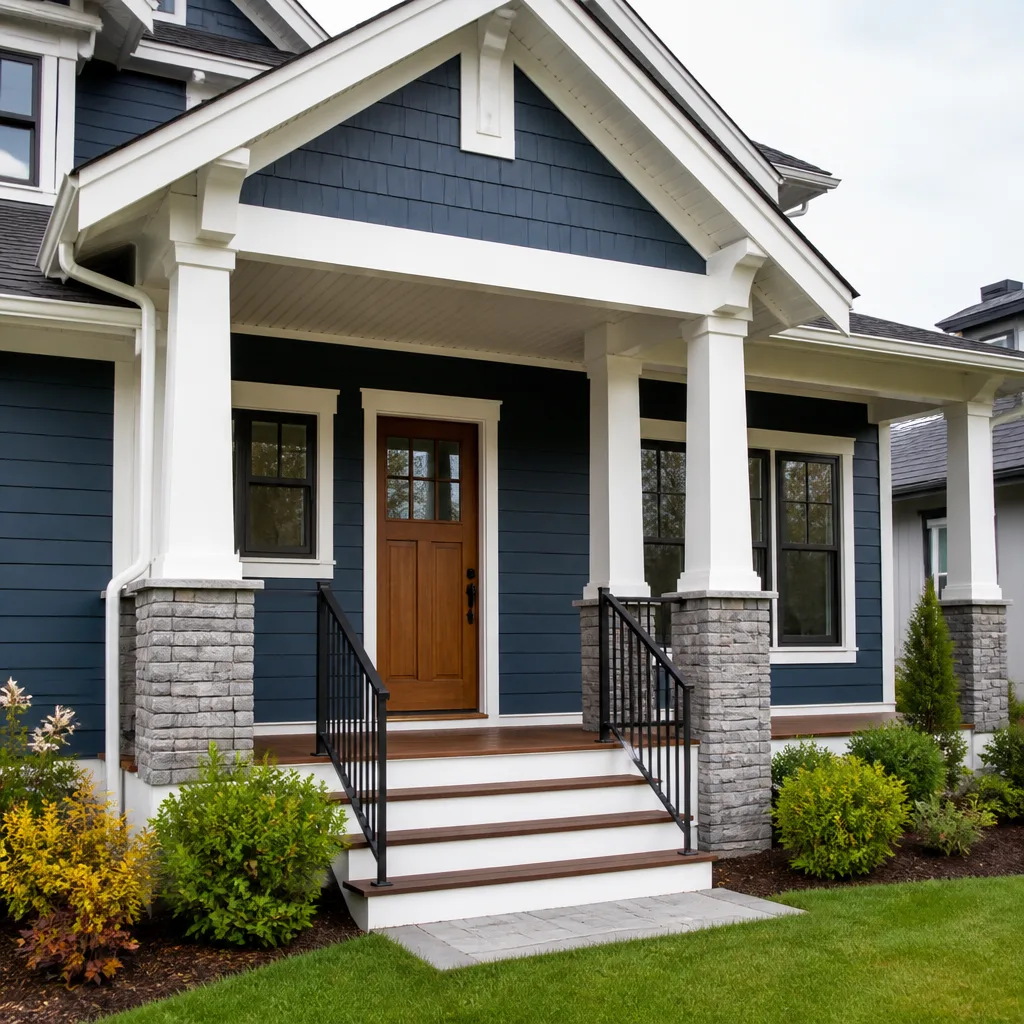
 Before
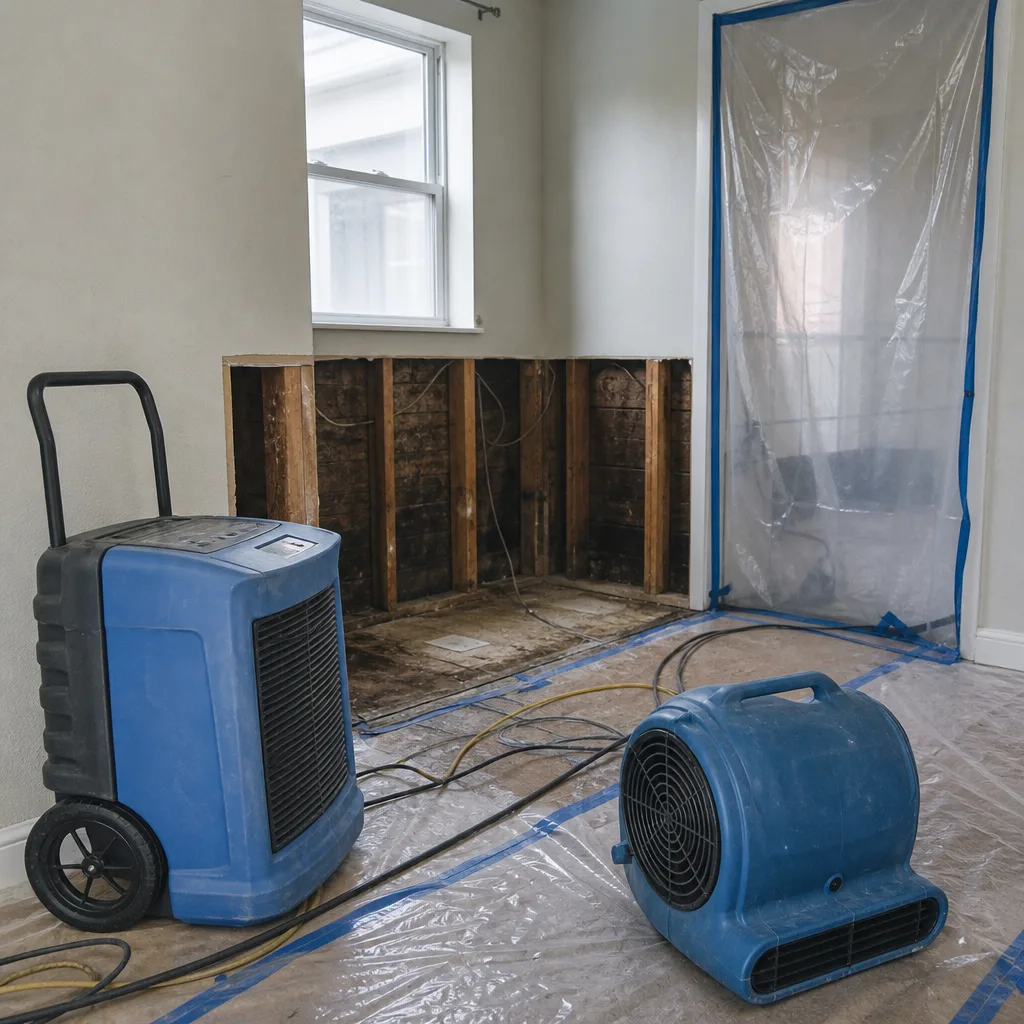 After
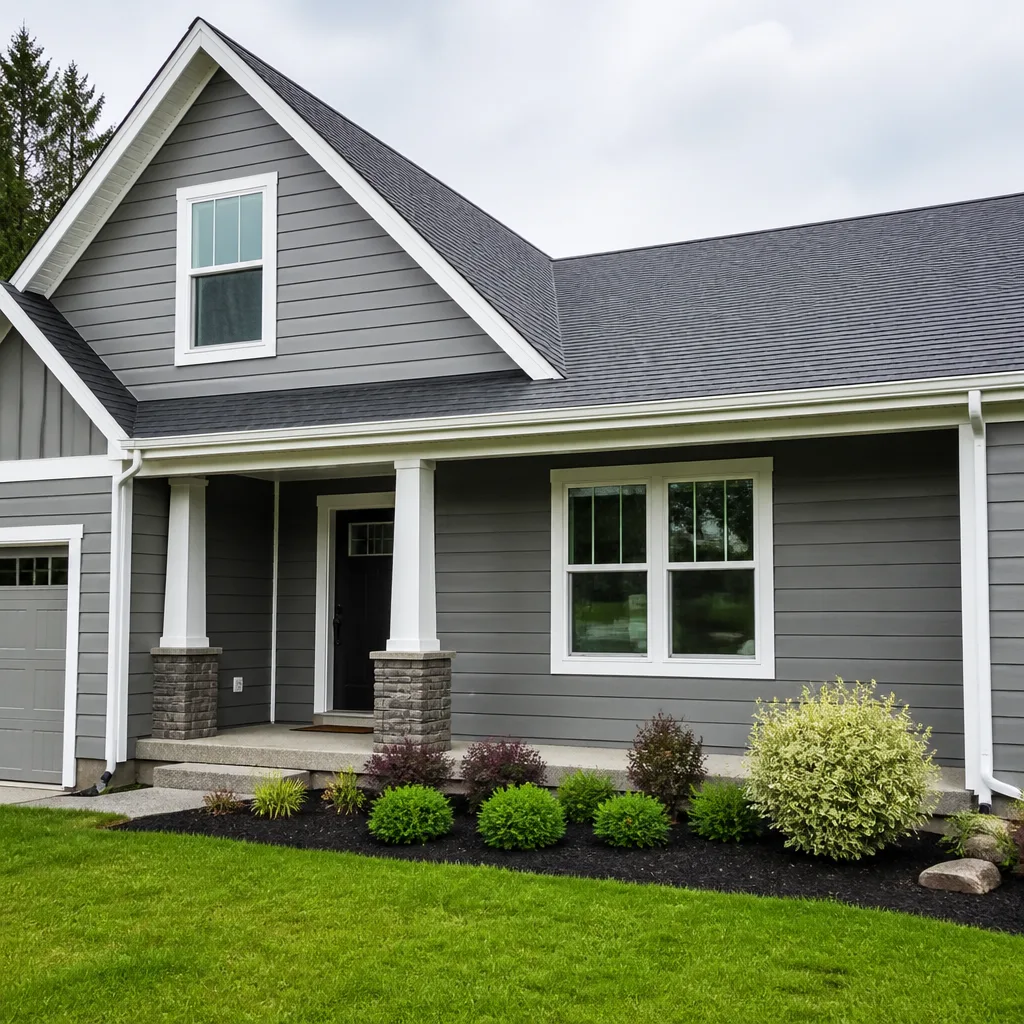
After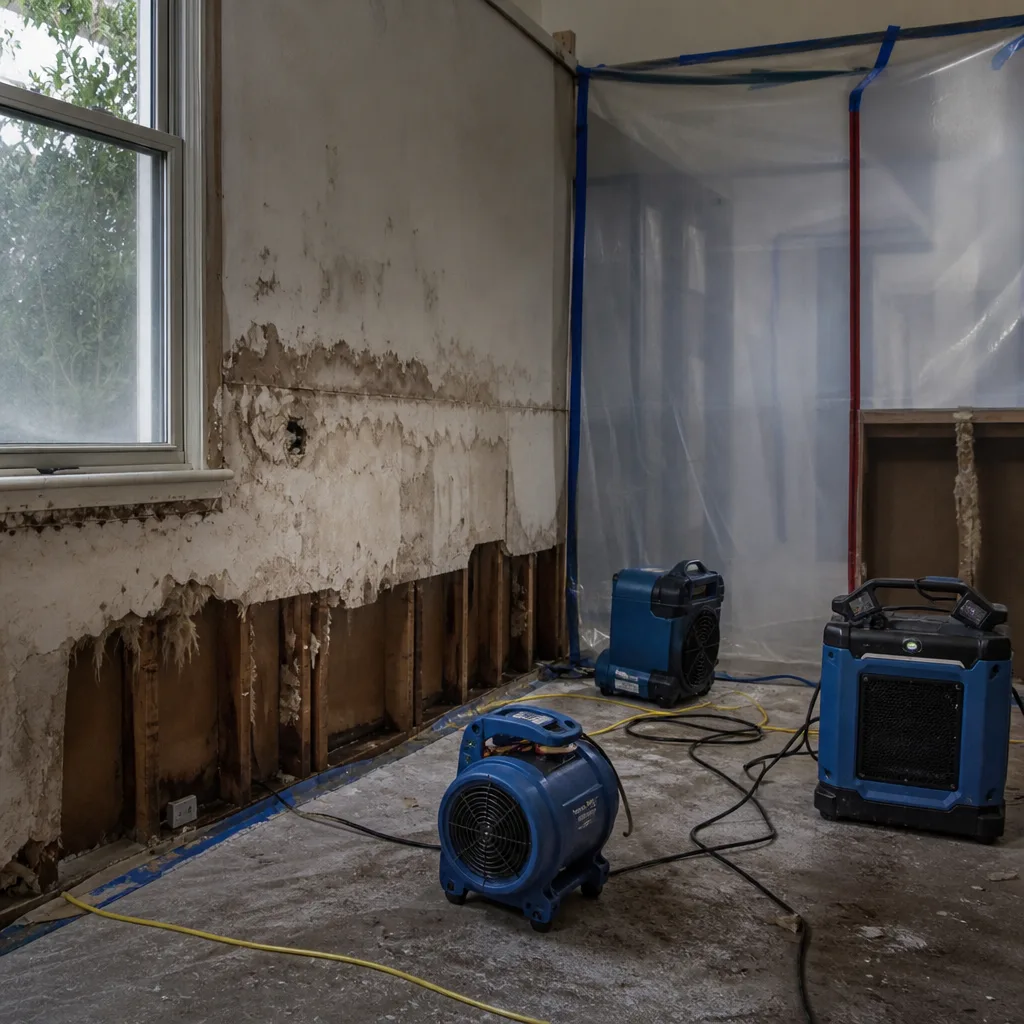 Before
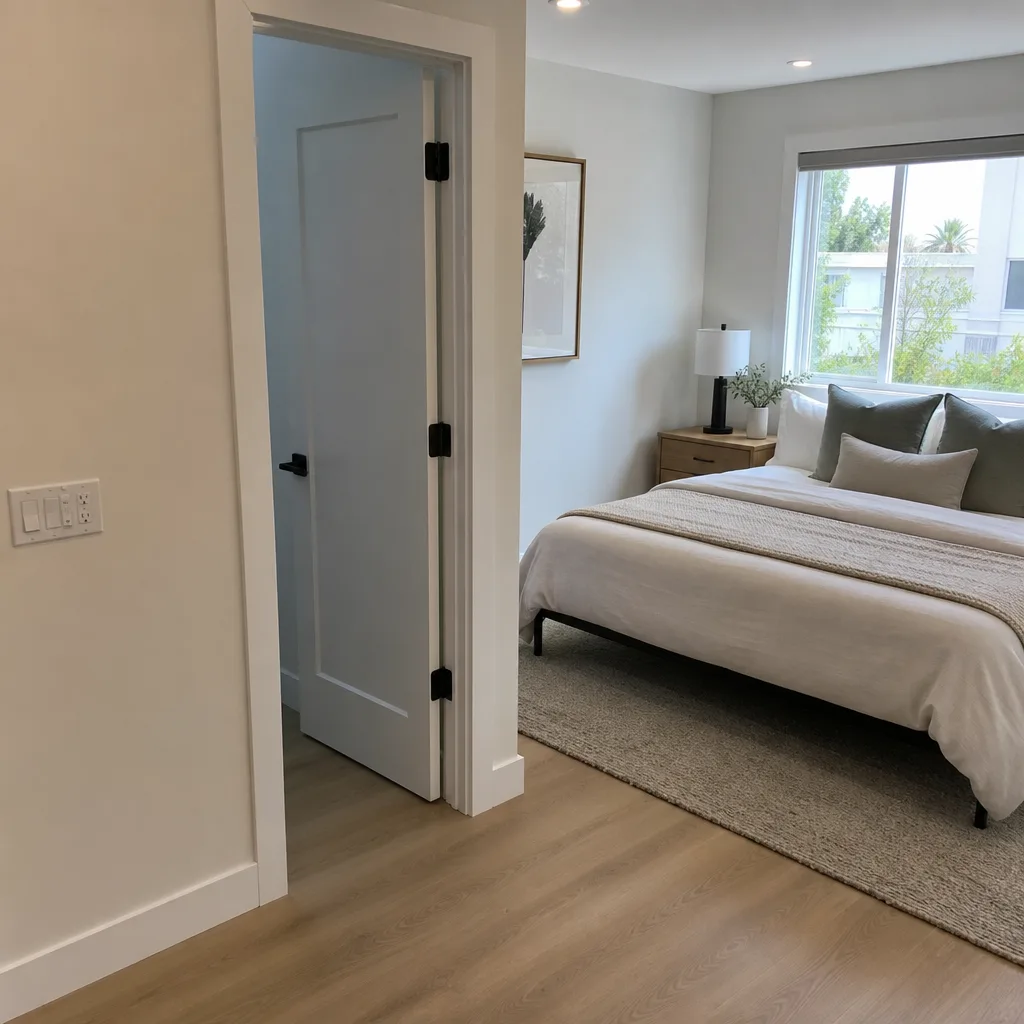 After
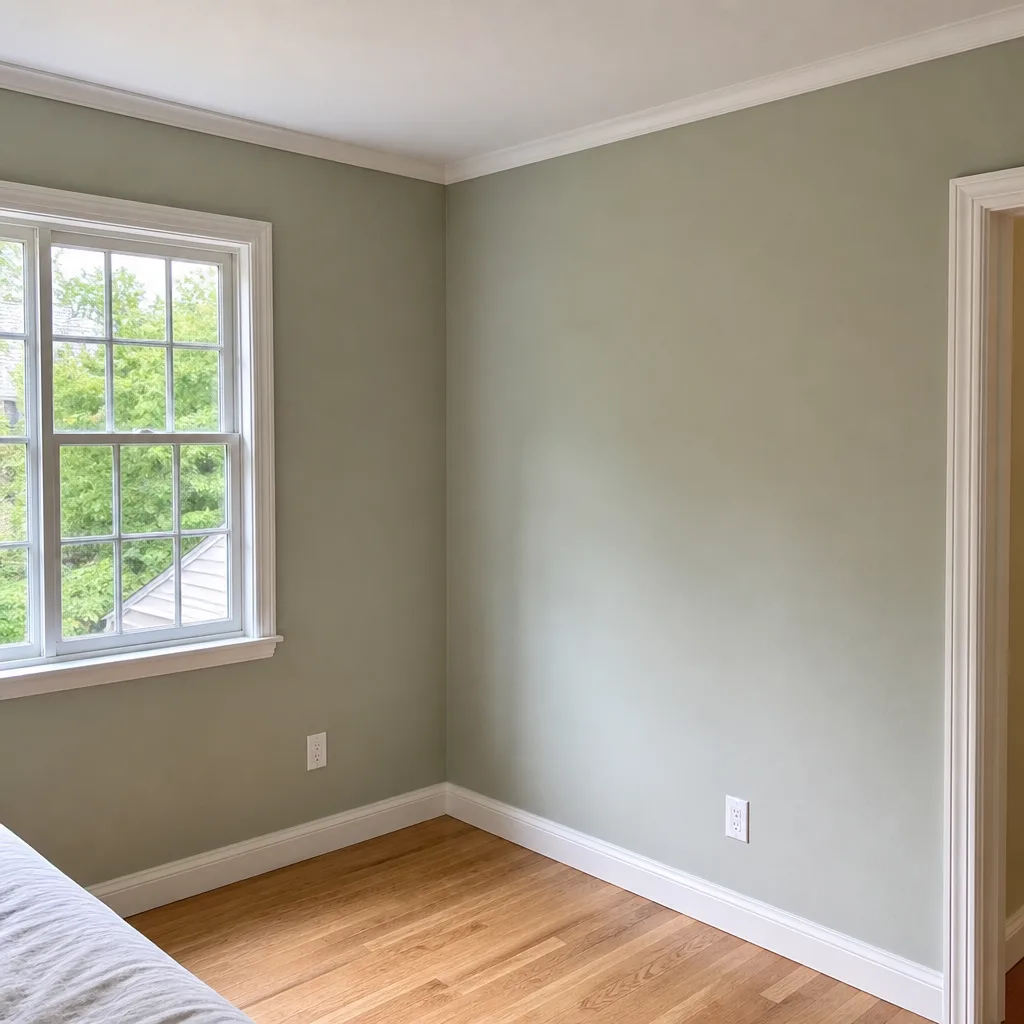
After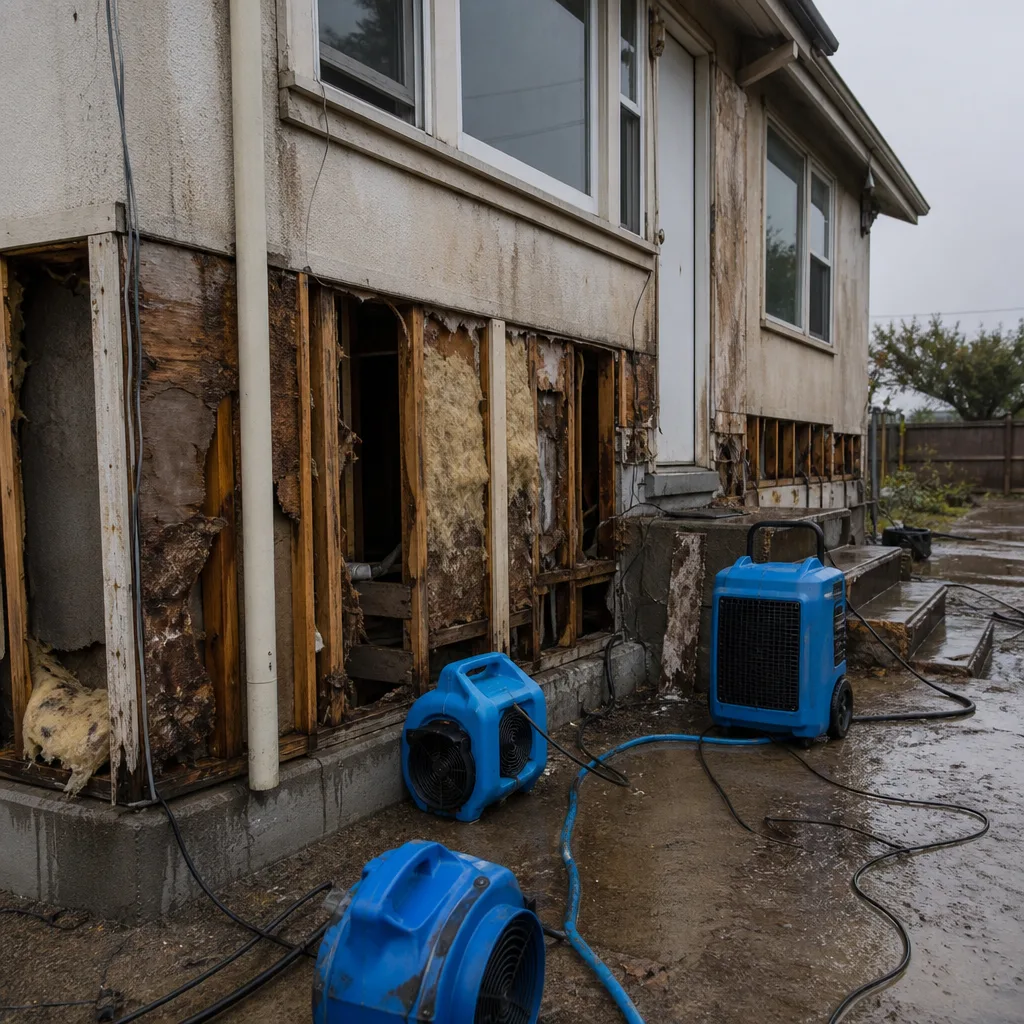 Before
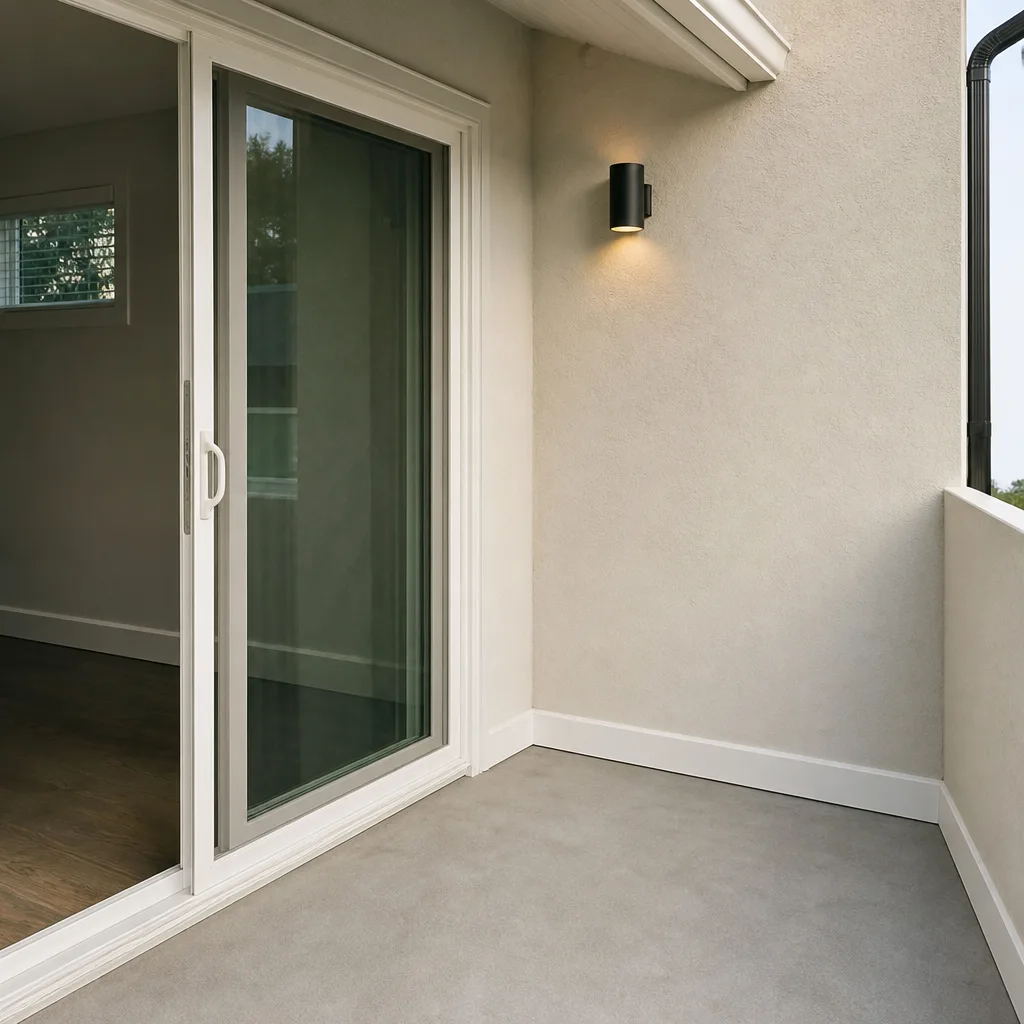 After
After24/7 Emergency Fire & Smoke Damage Restoration in West Hollywood
Fire damage in West Hollywood typically requires smoke and soot mitigation within the first 4-6 hours to prevent permanent odor setting, and our crews are dispatched from our Los Angeles office with equipment staged for the West Hollywood area. We answer live at (424) 372-0129, 24 hours a day, 7 days a week - no voicemail, no callback queue. The first hour after a fire is extinguished determines whether smoke residues remain surface-level or bond chemically with plaster, textiles, and HVAC systems. We provide a free visual inspection on arrival, document pre-loss condition with photography, and deliver a written scope before any work begins. Haven Standard, Clause 1.
Understanding Fire & Smoke Damage Restoration Severity in West Hollywood Properties
Fire damage in West Hollywood’s housing stock - the 1920s-1950s Spanish Colonial Revival and Hollywood courtyard complexes along Fountain, Havenhurst, and Sweetzer - presents a distinct severity matrix from newer construction. Soot residue types break into three classes: dry particle soot (fast-burning, oxygen-rich fires), wet smoke residue (slow-burning, oxygen-starved fires with sticky, acidic fallout), and protein residue (nearly invisible, pungent, from kitchen fires). Each demands a different cleaning protocol. Smoke migration follows vapor pressure differential - the force that drives smoke into cooler, lower-pressure cavities - which in West Hollywood’s flat-roofed courtyard buildings means attic spaces, cast-iron chase walls, and original lime plaster voids become reservoirs for odor rebound weeks later. Tertiary drying, the phase where bound moisture and residual smoke compounds release from dense materials, takes longer in three-coat plaster than in standard drywall. We map this with thermal imaging and document psychrometric data - temperature, relative humidity, and vapor pressure - to prove when materials have truly returned to pre-loss equilibrium, not merely surface-dry.
Why West Hollywood Property Owners Choose DryMark Restoration Venice
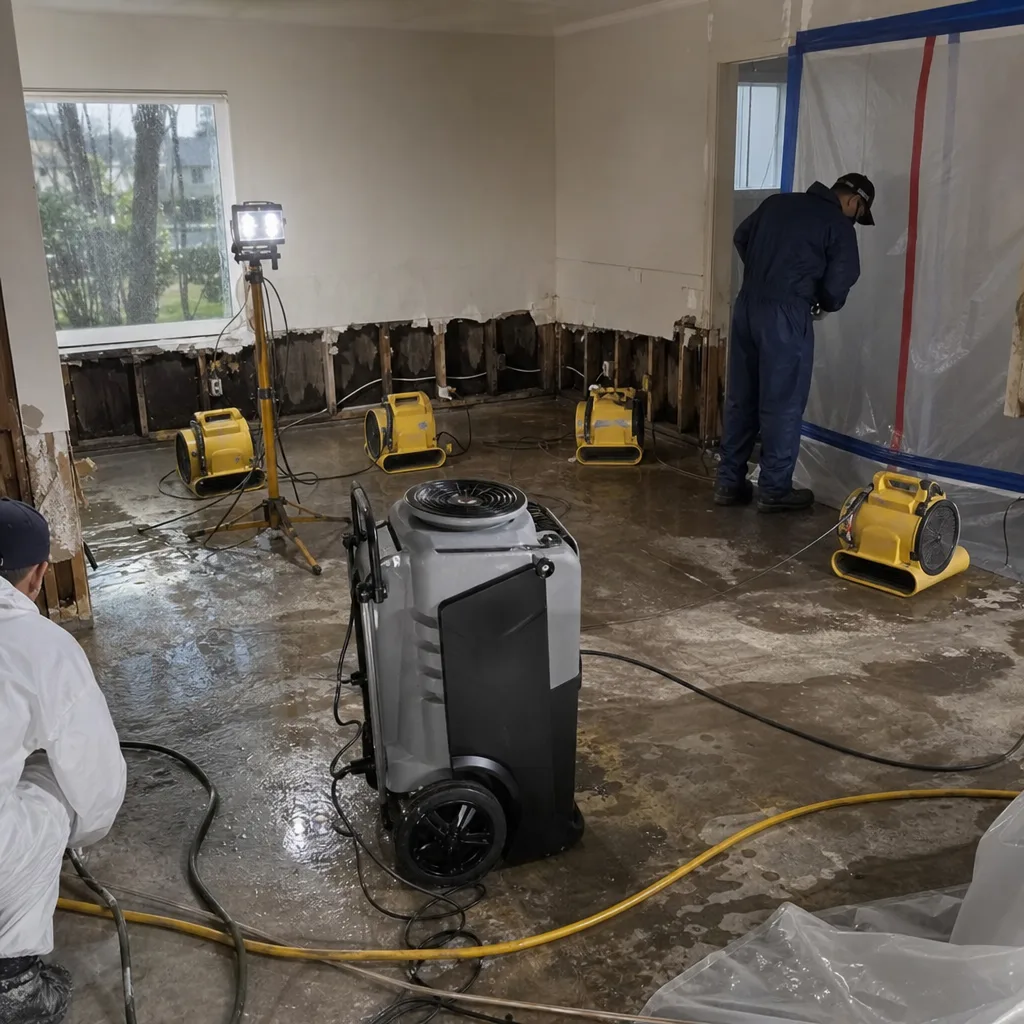
- Our 45-minute response commitment to West Hollywood means crews are typically on-site before smoke residues set into permanent chemical bonds with plaster and textiles.
- A live person answers every call, 24 hours a day, 7 days a week - no automated attendant, no “leave a message” while smoke continues migrating through your building’s cavities.
- IICRC-certified crews hold FSRT (Fire and Smoke Restoration Technician) and WRT (Water Damage Restoration Technician) certifications, with AMRT (Applied Microbial Remediation Technician) cross-training for the water damage that accompanies suppression efforts.
- Every job starts with a free visual inspection and a written price before any work begins - Haven Standard, Clause 1 - so you know exactly what the scope includes before equipment enters your property.
- We bill directly to your insurance carrier and coordinate with your adjuster, providing the photo documentation and drying logs that turn restoration invoices into payable claims.
- One team handles everything from emergency board-up through structural fire repair - no handoff to a separate contractor, no gaps in documentation, no conflicting scopes.
 Before
 After
AfterOur Fire & Smoke Damage Restoration Process
1. Inspection & Assessment
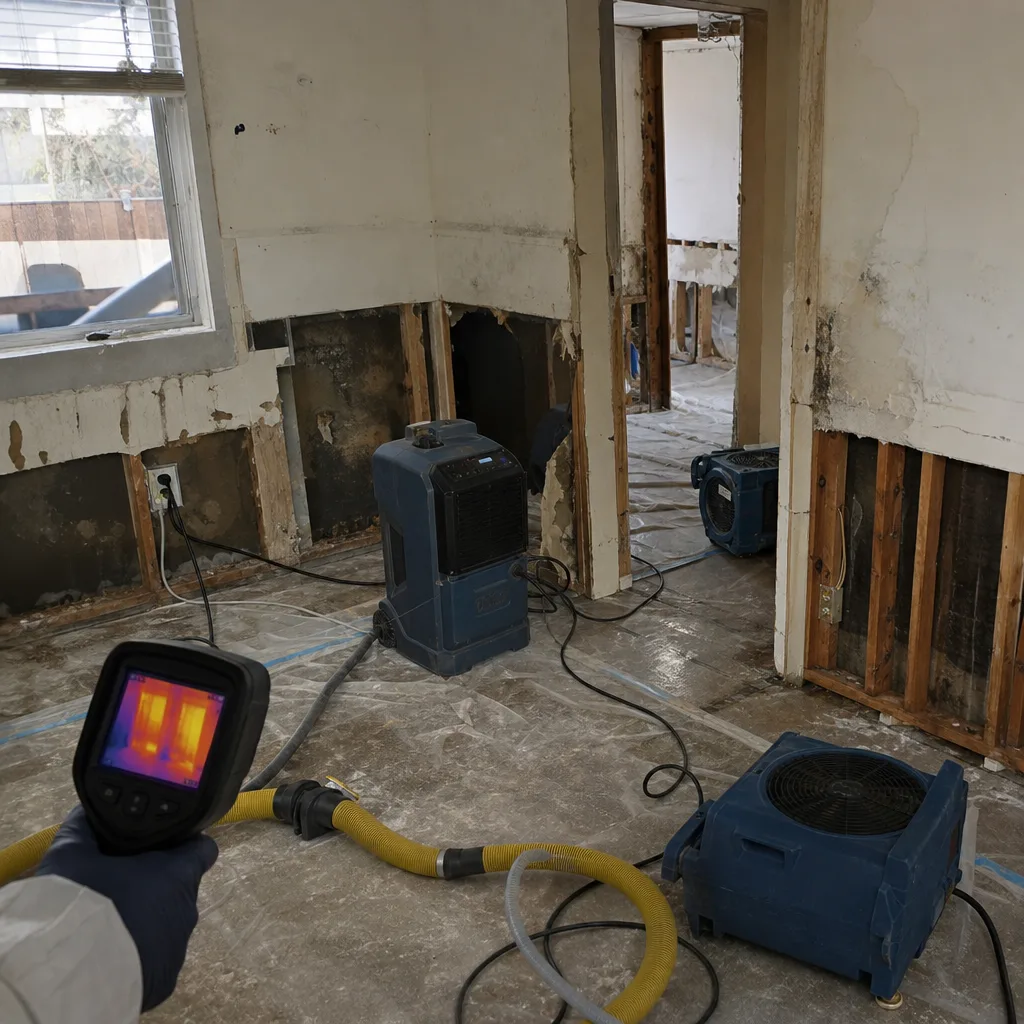
We arrive with thermal imaging cameras, moisture meters, and hygrometers to map smoke migration and water damage from suppression. Every room is photographed. We identify soot type, test surfaces for pH, and document pre-loss condition for your insurer and, for rent-stabilized properties, the Office of Rent Stabilization.
2. Emergency Board-Up & Stabilization
Broken windows, compromised roofing, and damaged doors are secured with weather-resistant materials to prevent secondary damage. On West Hollywood’s narrow streets, we stage equipment to minimize access time while protecting pedestrian corridors per city requirements.
3. Smoke & Soot Extraction
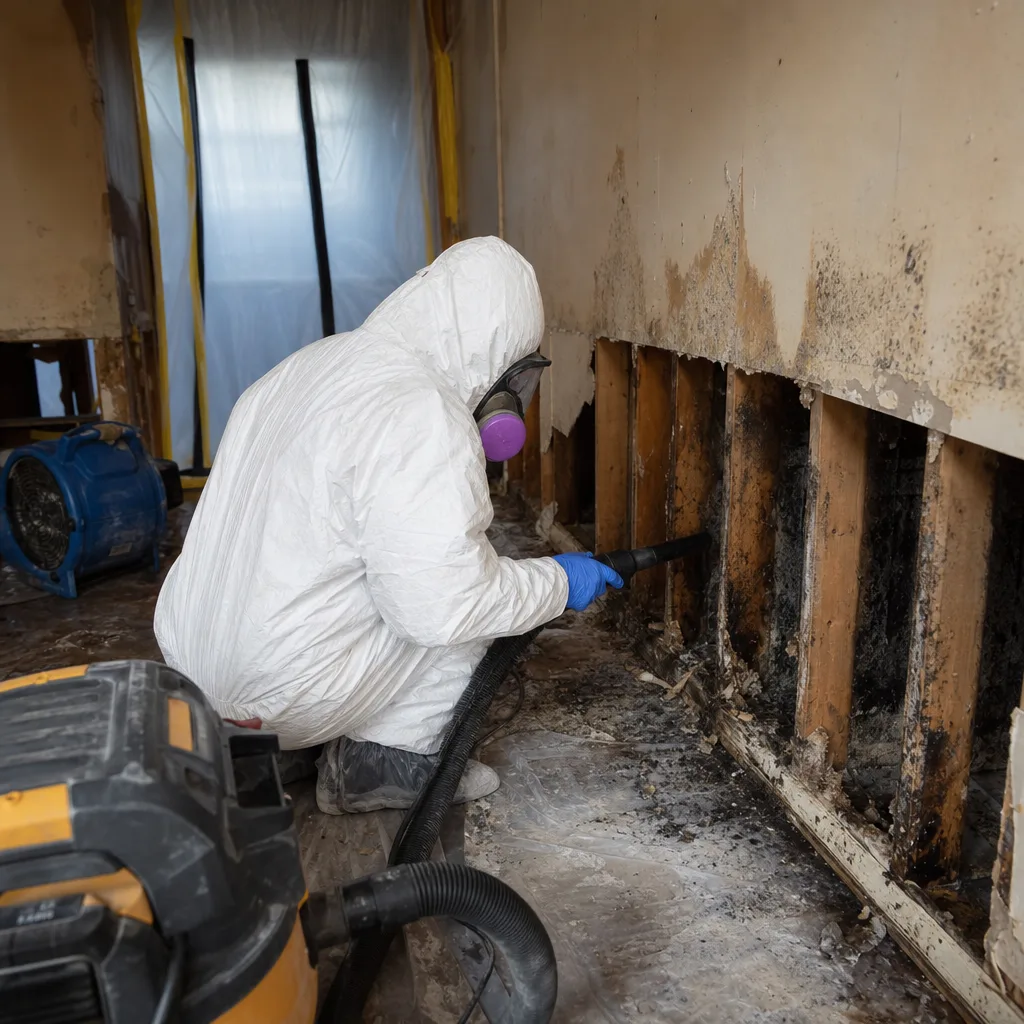
HEPA vacuums and dry sponges remove loose particulate before wet cleaning sets residues. For wet smoke, we apply specialized solvents that break molecular bonds without driving contamination deeper. In courtyard buildings, we pressurize containment zones to prevent cross-contamination to unaffected units.
4. Structural Drying & Dehumidification
Suppression water is extracted; Dri-Eaz and Phoenix dehumidifiers establish vapor pressure differential to pull bound moisture from three-coat lime plaster. Daily moisture logs track progress. This step is non-negotiable - smoke odor compounds reactivate in humid conditions.
5. Odor Removal & Deodorization
Thermal fogging, ozone treatment, or hydroxyl generation - selected based on occupancy status and material sensitivity - neutralizes odor at the molecular level. In West Hollywood’s dense courtyard complexes, we run Phoenix HEPA scrubbers continuously to capture airborne particulate during treatment.
6. Structural Fire Repair & Documentation
Repairs are scoped in writing, permitted through WeHo Building & Safety when plaster replacement or material conversion is required, and executed with photo documentation at every phase. The 365-Day Done Right Promise applies to all work. Haven Standard.
Need Emergency Fire & Smoke Damage Restoration in West Hollywood Now?
Crews minutes away, answering live 24 hours a day. The sooner we start, the less it costs.
Working With Your Insurance Company
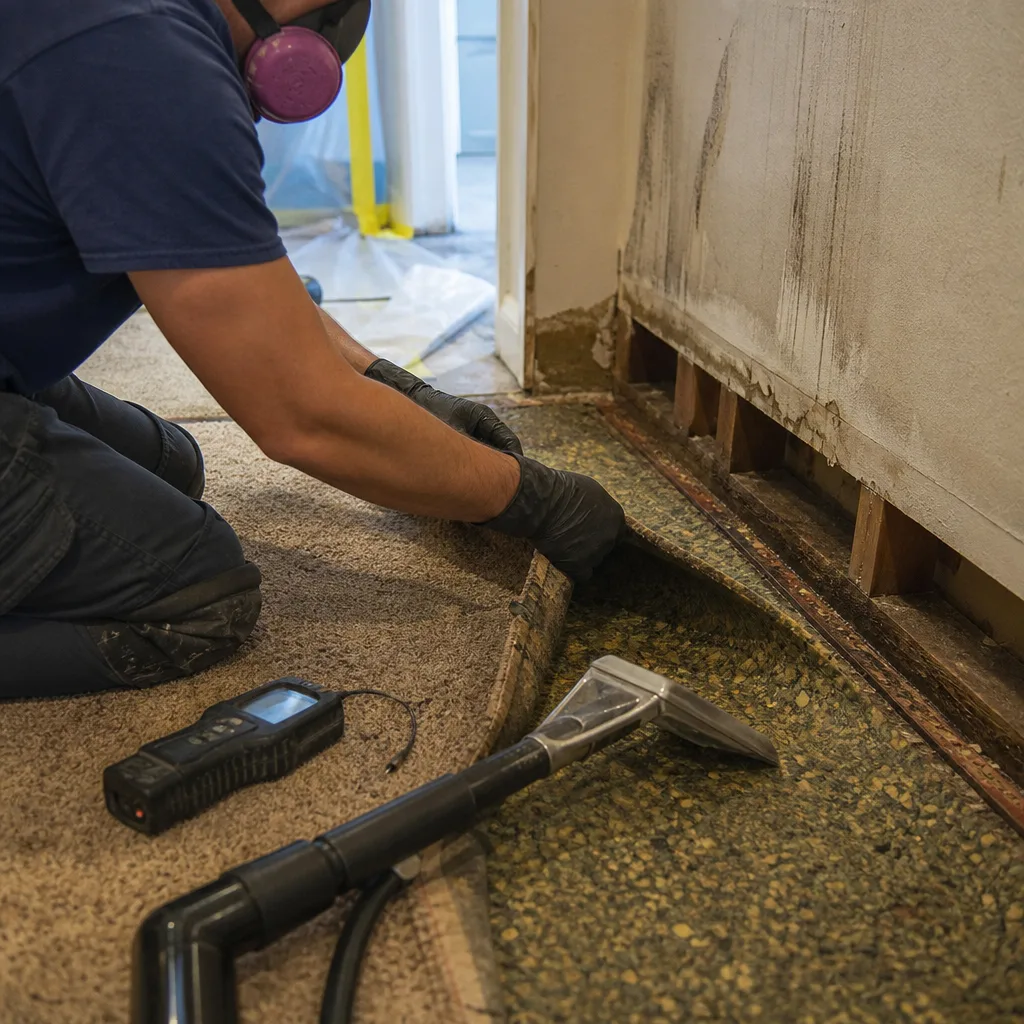
Fire claims succeed or fail on documentation. We begin photographing from the first hour, produce room-by-room damage inventories, and maintain daily drying logs that satisfy IICRC, RIA, and IFA standards. Our estimates are formatted to industry-standard protocols your adjuster recognizes. We communicate directly with your carrier, provide supplemental documentation when hidden damage emerges, and never ask you to front costs beyond your deductible. For West Hollywood’s rent-stabilized properties, we coordinate documentation with the Office of Rent Stabilization to establish uninhabitability timelines and support relocation assistance claims.
What We Provide Your Insurer
- Thorough documentation of the loss
- Photos of all damage, room by room
- Moisture readings and drying logs
- A detailed, line-item scope of work
- Direct coordination with your carrier
Built for West Hollywood’s Loss Calendar
West Hollywood’s fire and smoke damage follows patterns shaped by geography and housing age. Santa Ana wind events, funneled through the Cahuenga and Sepulveda passes, drive smoke, ash, and ember intrusion from Hollywood Hills brush fires deep into courtyard buildings through attic vents and aging envelope gaps - typically October through January, with peak severity in November. These same winds stress electrical infrastructure in pre-1979 buildings with original or upgraded-but-aging panels, increasing electrical fire frequency in winter. Kitchen fires spike year-round in dense rental stock where original ventilation is undersized for modern cooking loads. Then atmospheric river events arrive January through March, overwhelming flat-roofed 1930s-1950s buildings with compromised built-up roofing - the suppression water from sprinkler activation or fire department response introduces secondary water damage that demands simultaneous structural drying and smoke remediation. Summer brings drier conditions but higher HVAC runtime, which can distribute smoke particulate throughout duct systems if not contained promptly.
Fire & Smoke Damage Restoration Across West Hollywood’s Neighborhoods
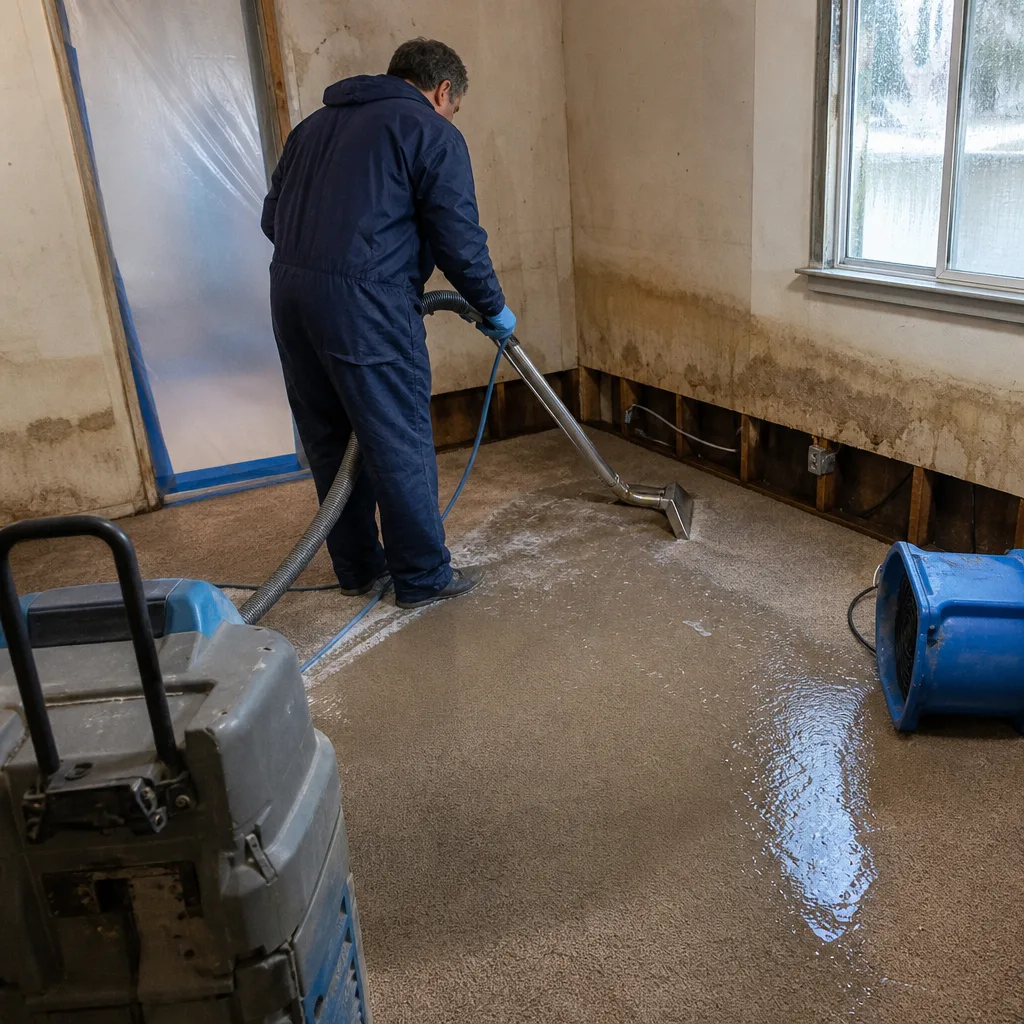
West Hollywood’s micro-neighborhoods each present distinct fire restoration challenges. The West Hollywood Westside, between Doheny and La Cienega, holds 1940s courtyard apartments with heavy stucco exteriors and original plaster interiors - smoke migrates through shared walls, requiring whole-building assessment even when fire is localized. The Norma Triangle and areas near Santa Monica Boulevard’s eastern stretch feature smaller 1920s bungalow courts with detached garages and narrow service drives; our crews stage heavier equipment accordingly, as a second trip for undersized gear costs hours in this density. The Sunset Strip corridor mixes commercial kitchens and residential above-grade units, where grease-fire protein residue demands specialized solvent protocols. The Havenhurst-Fountain corridor, with its concentration of 1930s Spanish Colonial Revival courts, is where we most often encounter the three-coat lime plaster challenge - smoke embeds in the scratch and brown coats, and surface cleaning alone leaves odor compounds that reactivate seasonally. In each zone, we route crews from our Los Angeles office with equipment matched to building type and access constraints.
Specialized Fire & Smoke Damage Restoration Services We Offer in West Hollywood
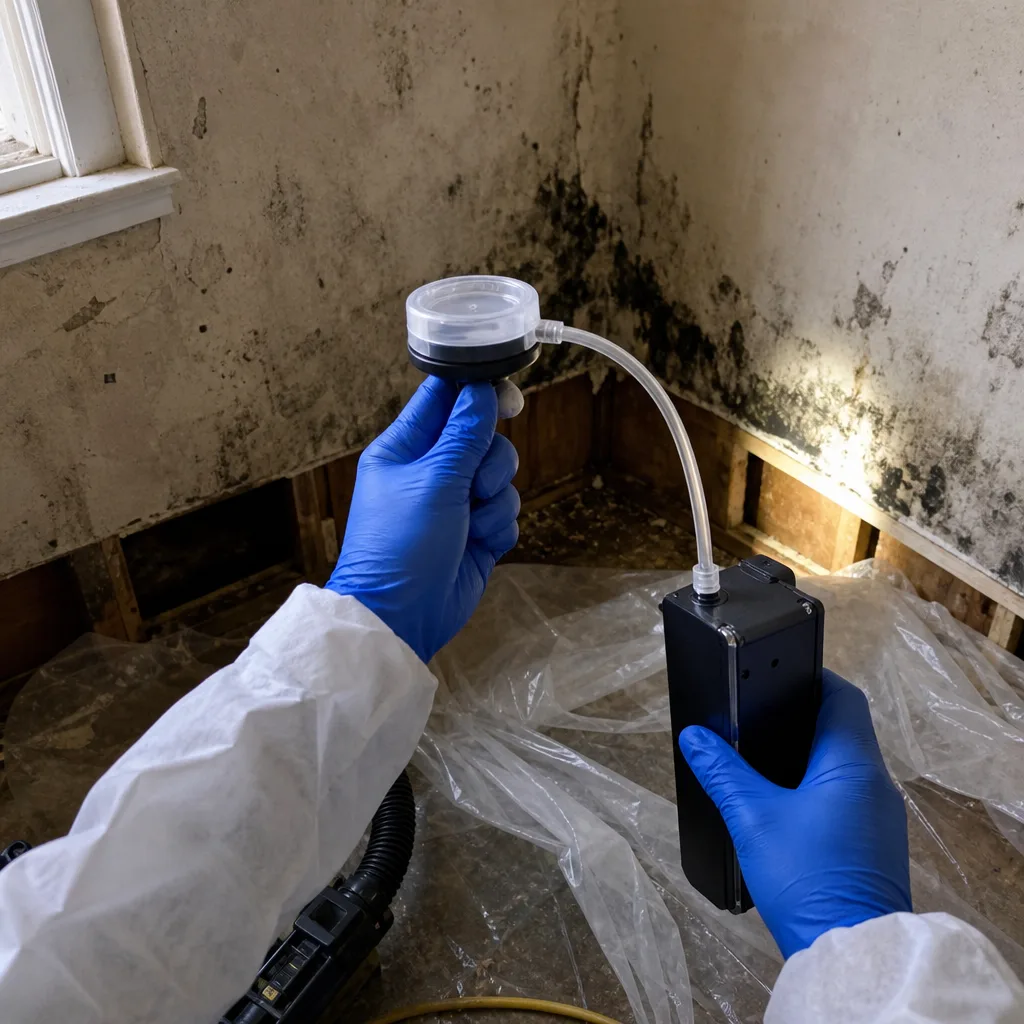
Fire Damage Cleanup
We remove debris, ash, and compromised materials with documented chain of custody for insurance. In West Hollywood’s rent-stabilized stock, we distinguish between cleanable surfaces and materials requiring permit-triggering replacement, preventing unnecessary displacement.
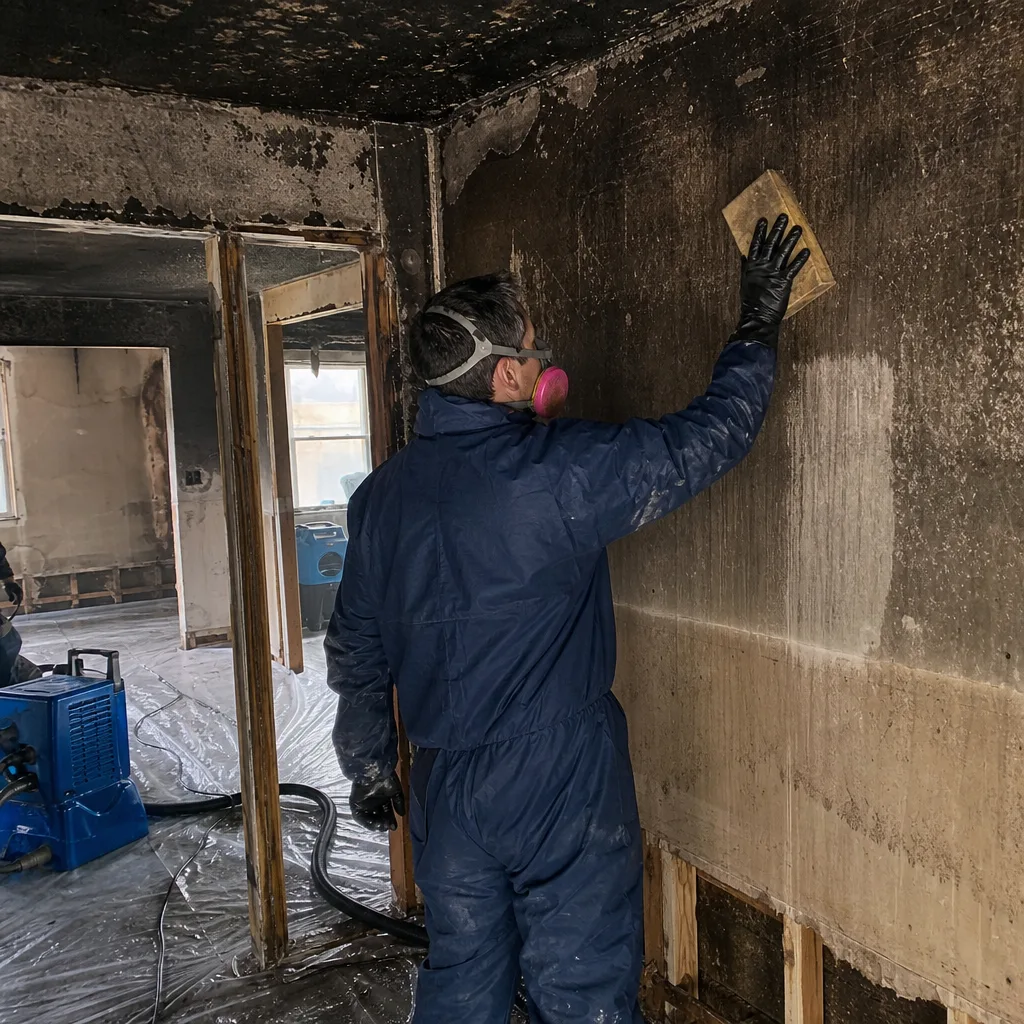
Smoke & Soot Removal
Dry, wet, and protein soot each receive distinct cleaning chemistry. On original lime plaster, we test pH and porosity before selecting agents - aggressive alkaline cleaners destroy lime plaster’s surface integrity. Our Fire & Smoke Damage Restoration team documents every test spot.
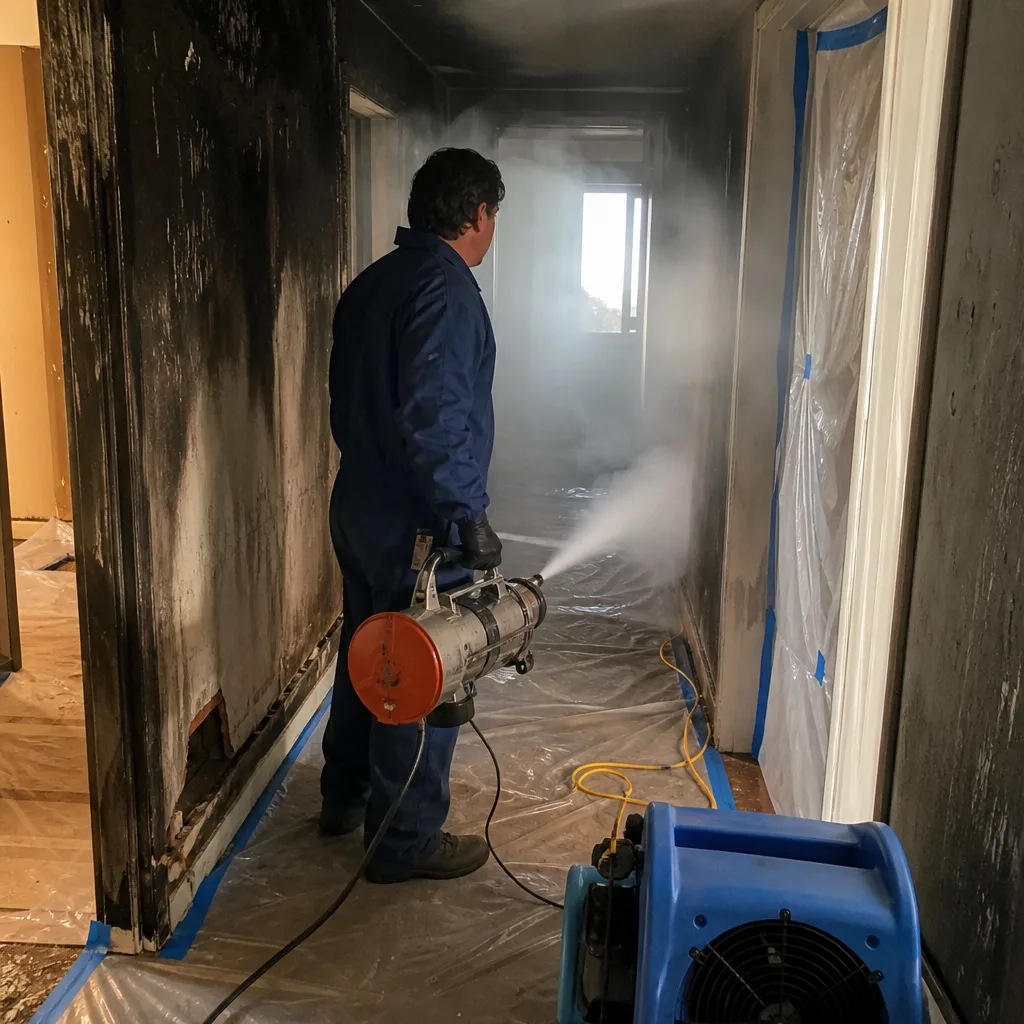
Odor Removal & Deodorization
Thermal fogging penetrates where mechanical cleaning cannot reach; hydroxyl generators allow safe occupancy during treatment. In West Hollywood’s courtyard buildings, we calculate air changes per hour to size equipment correctly - undersized units leave odor rebound in shared HVAC zones.
Contents Cleaning & Pack-Out
Textiles, electronics, and documents are inventoried, photographed, and transported to controlled cleaning environments. We coordinate pack-out timing with the Office of Rent Stabilization’s relocation timeline to prevent double-cost periods for landlords.
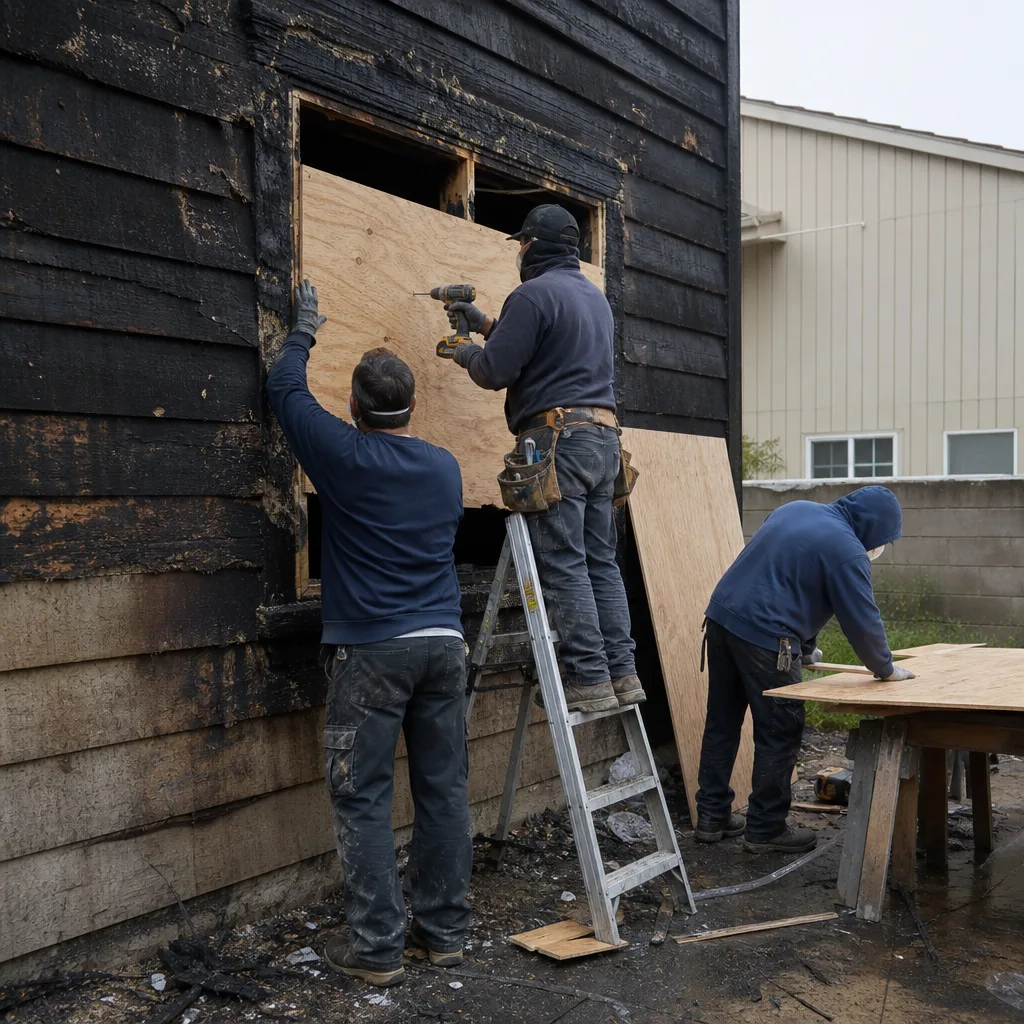
Emergency Board-Up & Tarping
Broken windows and compromised roofing are secured against weather and intrusion. On West Hollywood’s narrow streets, we maintain pedestrian clearance per city ordinance while protecting your property from secondary damage.
Structural Fire Repair
Repairs are permitted through WeHo Building & Safety, not LADBS. When original lime plaster must be replaced, we either re-plaster to match or obtain formal approval to convert to moisture-resistant drywall - skipping this step invalidates the repair and stalls tenant re-occupancy.
What happens when you call
- 1
A real person answersNo phone trees - you reach a local pro.
- 2
You get an upfront price rangeHonest numbers before anyone is dispatched.
- 3
A background-checked tech heads outLicensed & insured, dispatched right away.
- 4
You approve before work beginsNothing starts until you say go.
Fire & Smoke Damage Restoration Costs in West Hollywood, CA
Smoke and soot removal in West Hollywood typically runs $1,200-$3,800 for a one-bedroom apartment with surface-level contamination; heavy wet smoke or protein residue in a courtyard building with shared-wall migration pushes to $4,500-$8,500. Odor removal and deodorization, including thermal fogging or hydroxyl treatment, ranges $800-$2,200 depending on cubic footage and HVAC integration. Contents cleaning and pack-out for a typical 800-square-foot unit runs $1,500-$4,000. Emergency board-up starts at $350 for single-window securing; structural fire repair varies widely based on permit requirements and plaster matching versus drywall conversion - expect $85-$165 per square foot for rebuild work in West Hollywood’s regulated environment. Insurance typically covers direct fire and smoke damage, plus necessary water damage from suppression; our written scope identifies coverage-eligible items before work begins. Call (424) 372-0129 for a free inspection and firm written price - Haven Standard, Clause 1.
We Also Serve Cities Near West Hollywood
Our crews respond throughout the immediate metro area, including Beverly Hills to the west with its distinct building department and larger-lot estates, Culver City to the south with its mix of studio-adjacent industrial and residential, Santa Monica with coastal climate considerations affecting drying protocols, and Venice with its unique canal-district access constraints and salt-air corrosion factors.
Serving West Hollywood, CA - Our Local Coverage Area
We’re based in the West Hollywood area and know this community well. Use the map below to see our service coverage - if you’re nearby, we can almost certainly help.
West Hollywood Fire & Smoke Damage Restoration Questions, Answered
Does fire damage in a West Hollywood rent-stabilized apartment trigger a special relocation timeline?
Yes. The moment a unit is deemed uninhabitable, the Office of Rent Stabilization’s relocation clock starts, and landlords must pay relocation assistance among the highest required in the region. We coordinate our mitigation timeline with that office’s documentation requirements, and we structure our written scope to support your landlord’s compliance. Call (424) 372-0129 to discuss how this affects your specific situation - estimates are free.
Can you save the original lime plaster in my pre-war West Hollywood apartment after a fire?
Often yes, if smoke residues are dry particulate and haven’t bonded with the plaster’s alkaline chemistry. We test pH and porosity before cleaning; when the scratch and brown coats are intact, surface soot removal and deodorization can preserve original plaster. If replacement is necessary, WeHo Building & Safety must approve any conversion to drywall - we handle that permit pathway. Call (424) 372-0129 for an assessment.
Why does smoke odor come back in courtyard buildings near Havenhurst?
Santa Ana wind-driven smoke pushes through attic spaces and wall cavities in these 1930s buildings, depositing compounds in voids that standard surface cleaning misses. Odor rebounds when seasonal humidity or HVAC activation reactivates those compounds. We map migration with thermal imaging, establish containment pressure, and size deodorization equipment to actual cubic footage and air changes - not guesswork. Call (424) 372-0129 if you’re experiencing rebound odor.
How fast can you get equipment to a fire loss on a steep, narrow WeHo street?
Our 45-minute response commitment applies throughout West Hollywood, and we stage equipment from our Los Angeles office with access constraints in mind - smaller extraction units for narrow drives, longer hose runs for courtyard entries, and pre-planned staging to avoid pedestrian-corridor violations. Heavy-duty gear for commercial or multi-unit losses travels on dedicated trucks. Call (424) 372-0129 and we’ll confirm arrival time for your address.
Do you handle both the fire damage cleanup and the rebuilding permits in West Hollywood?
Yes. We perform mitigation, cleaning, and structural repair under one scope, and we permit rebuild work through WeHo Building & Safety - not LADBS, which catches regional firms off guard. For original lime plaster replacement, we either re-plaster to match or obtain formal approval for drywall conversion, documenting each step for your insurer and, when applicable, the Office of Rent Stabilization. Call (424) 372-0129 to start with a free inspection.
Will my insurance cover smoke damage even if the fire was in another unit?
Typically yes. Smoke migration damage to your unit is covered under most HO-4 and HO-6 policies as a covered peril, regardless of fire origin. We document smoke residue type, migration pathway, and affected square footage to support your claim, and we bill your carrier directly. Our written scope identifies coverage-eligible items before work begins. Call (424) 372-0129 - we review policy implications during the free inspection.
How long does fire and smoke restoration take in a typical West Hollywood apartment?
Light smoke damage with surface cleaning and deodorization: 3-5 days. Heavy wet smoke with water damage from suppression, structural drying, and plaster preservation: 10-14 days. Structural repairs requiring WeHo permits add 2-4 weeks depending on inspection scheduling. We provide a written timeline with our scope, updated daily with moisture logs and photo documentation. Call (424) 372-0129 for a timeline specific to your loss.
Can I stay in my home during smoke and odor removal?
Sometimes, depending on contamination level and treatment method. Hydroxyl generators allow safe occupancy; ozone and thermal fogging require temporary evacuation. In West Hollywood’s dense courtyard stock, we often treat units sequentially to minimize displacement - particularly important when the Rent Stabilization Ordinance’s relocation timeline is active. We specify occupancy status in our written scope before work begins. Call (424) 372-0129 to discuss your situation.
Written by Alicia Brennan, Owner at DryMark Restoration Venice, serving West Hollywood since 2011.
Fire & Smoke Damage Restoration in Nearby Areas