
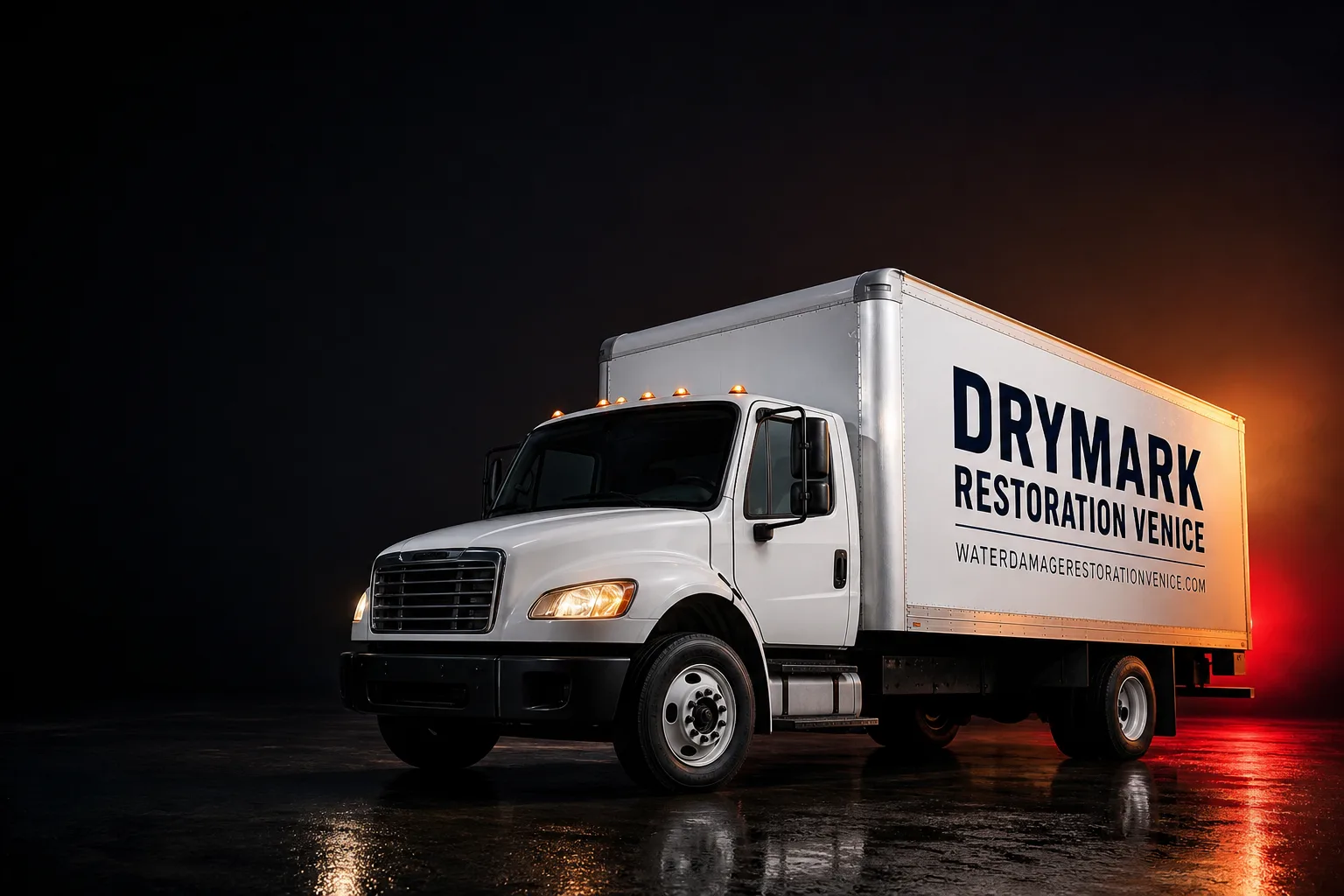
Free visual inspection and a written scope of work before any mitigation begins - photos, moisture readings, and drying logs go in your claim file
The scope we write is the scope we bill. Anything new gets shown to you, in writing, before we touch it.
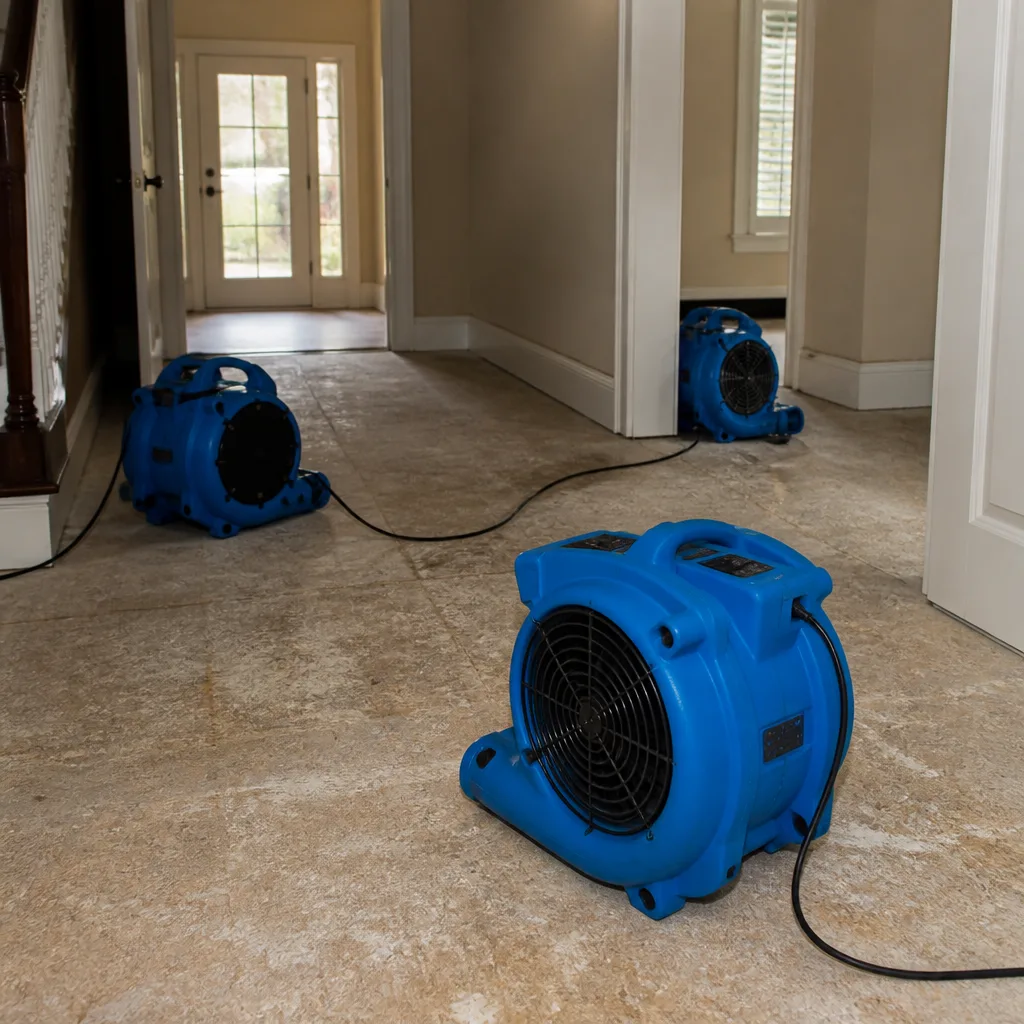
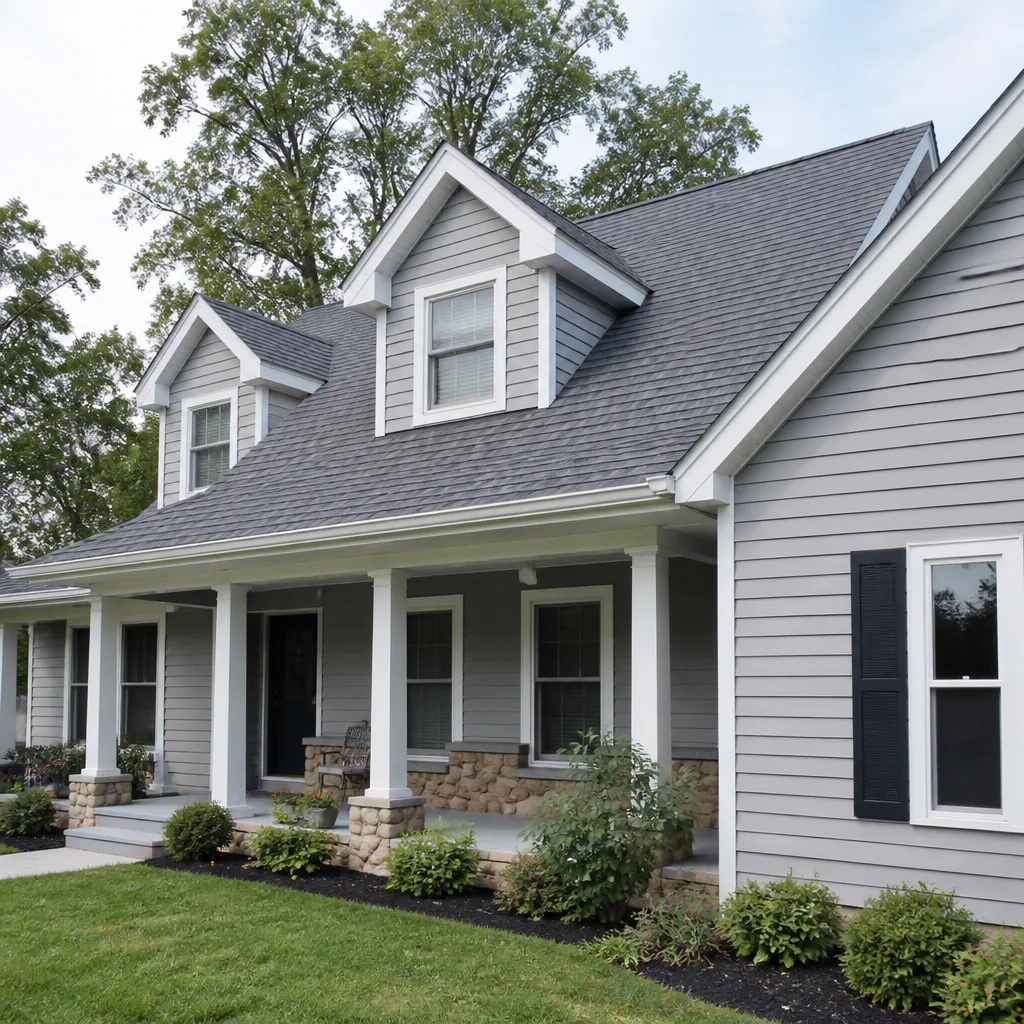
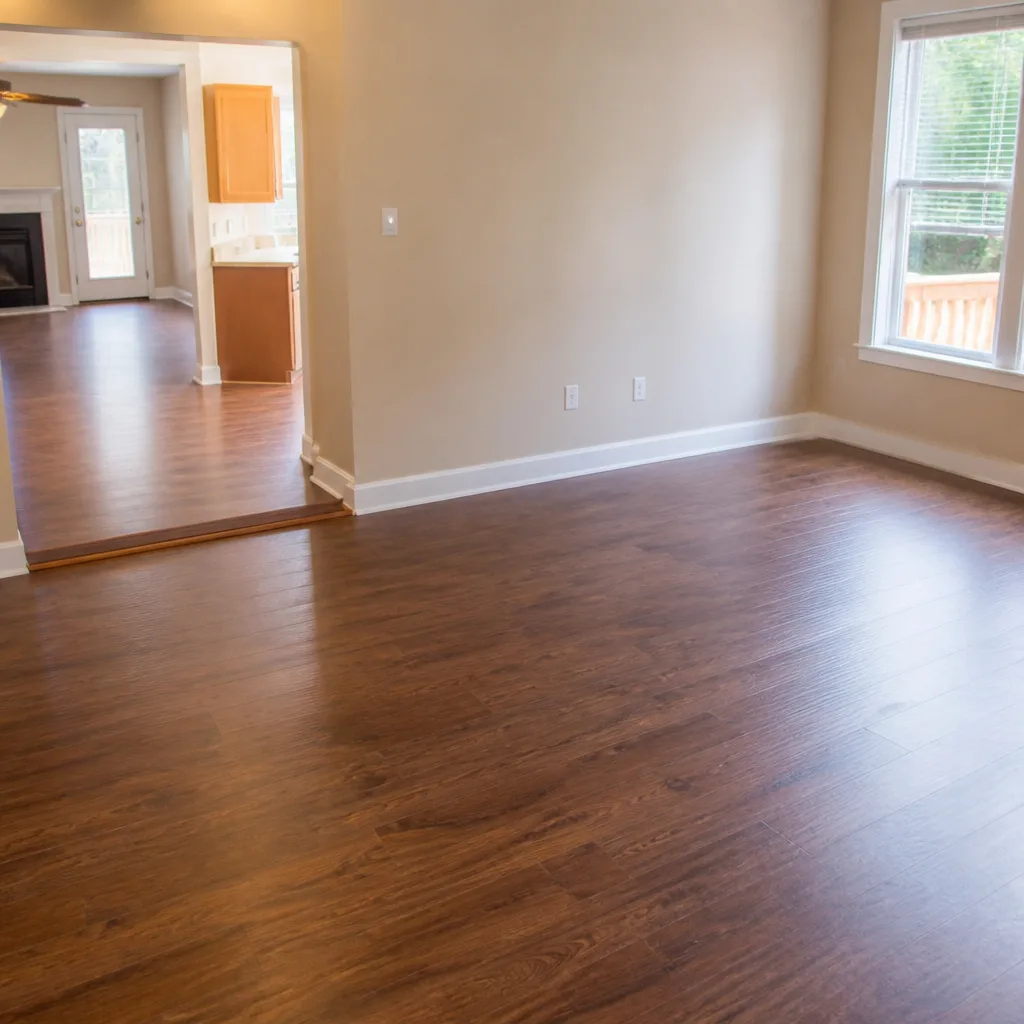
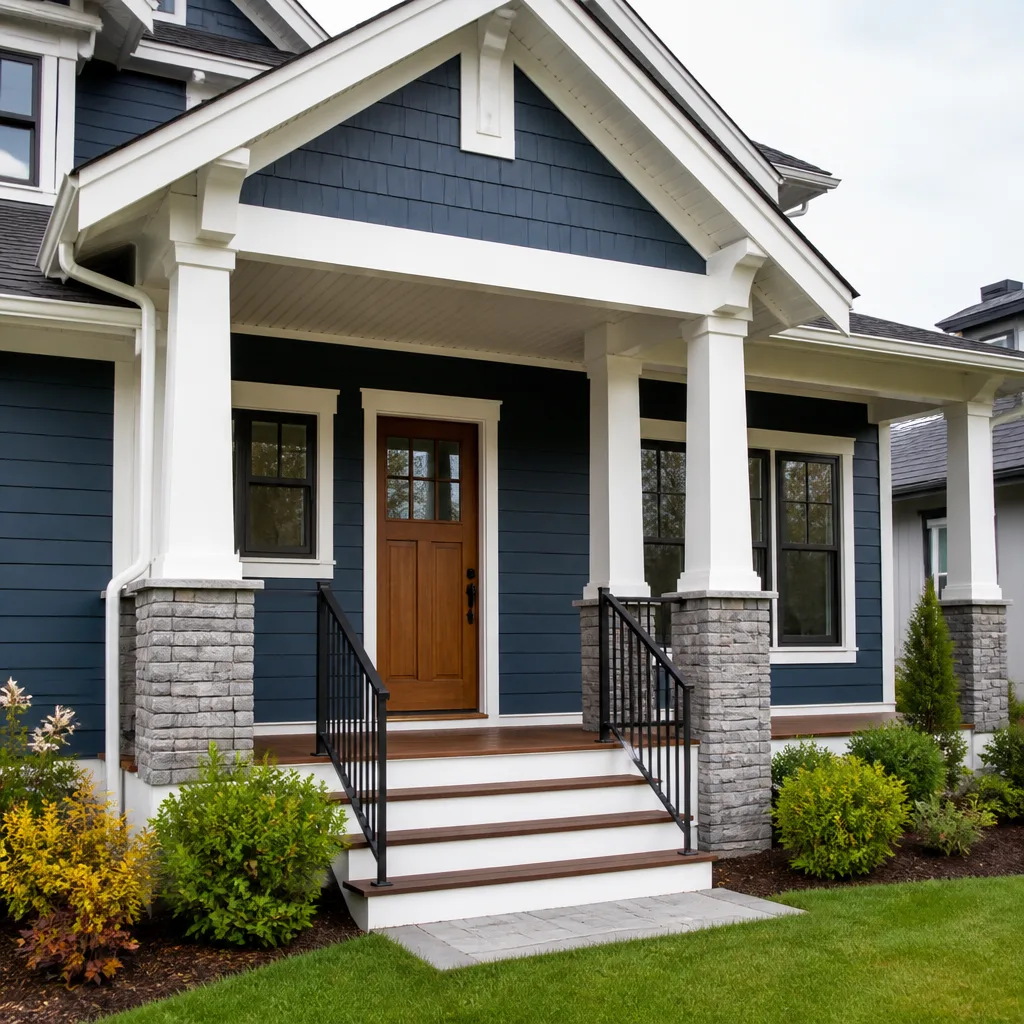
 Before
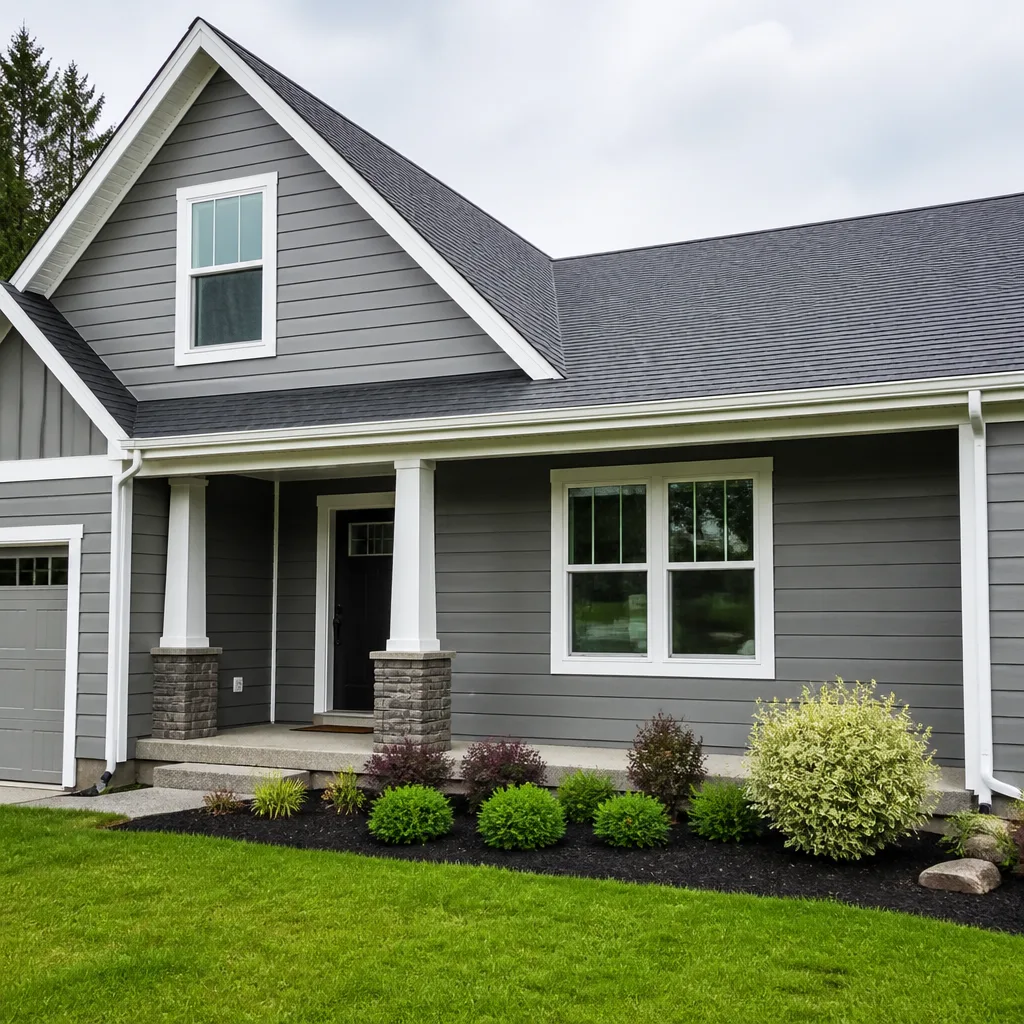
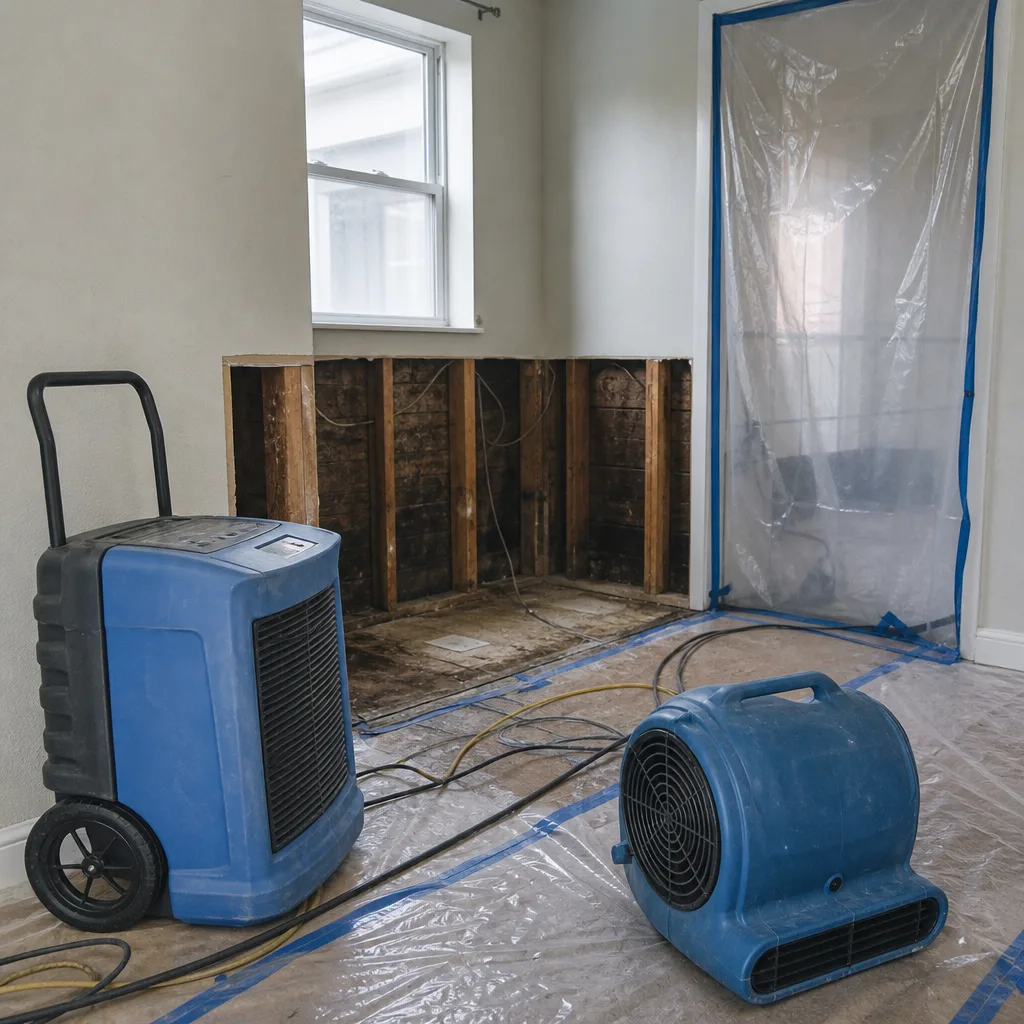 After
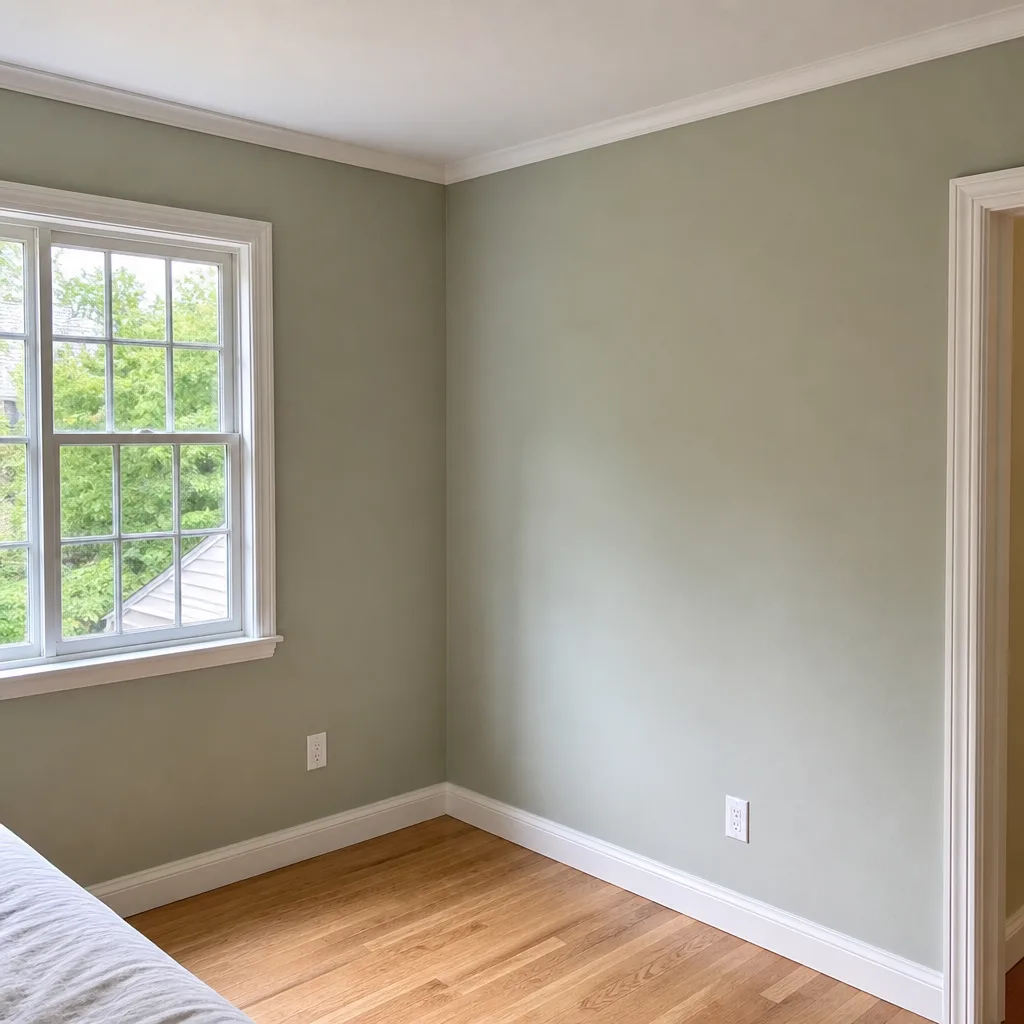
After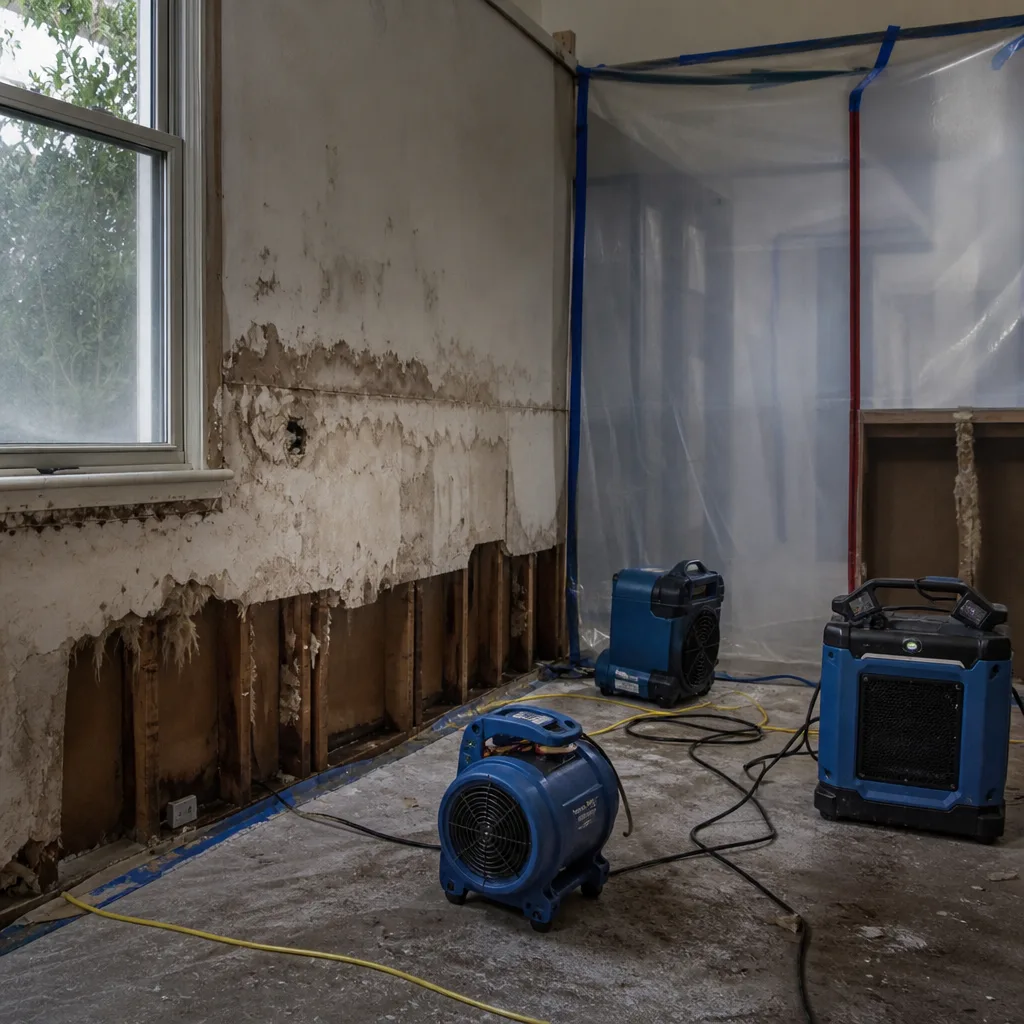 Before
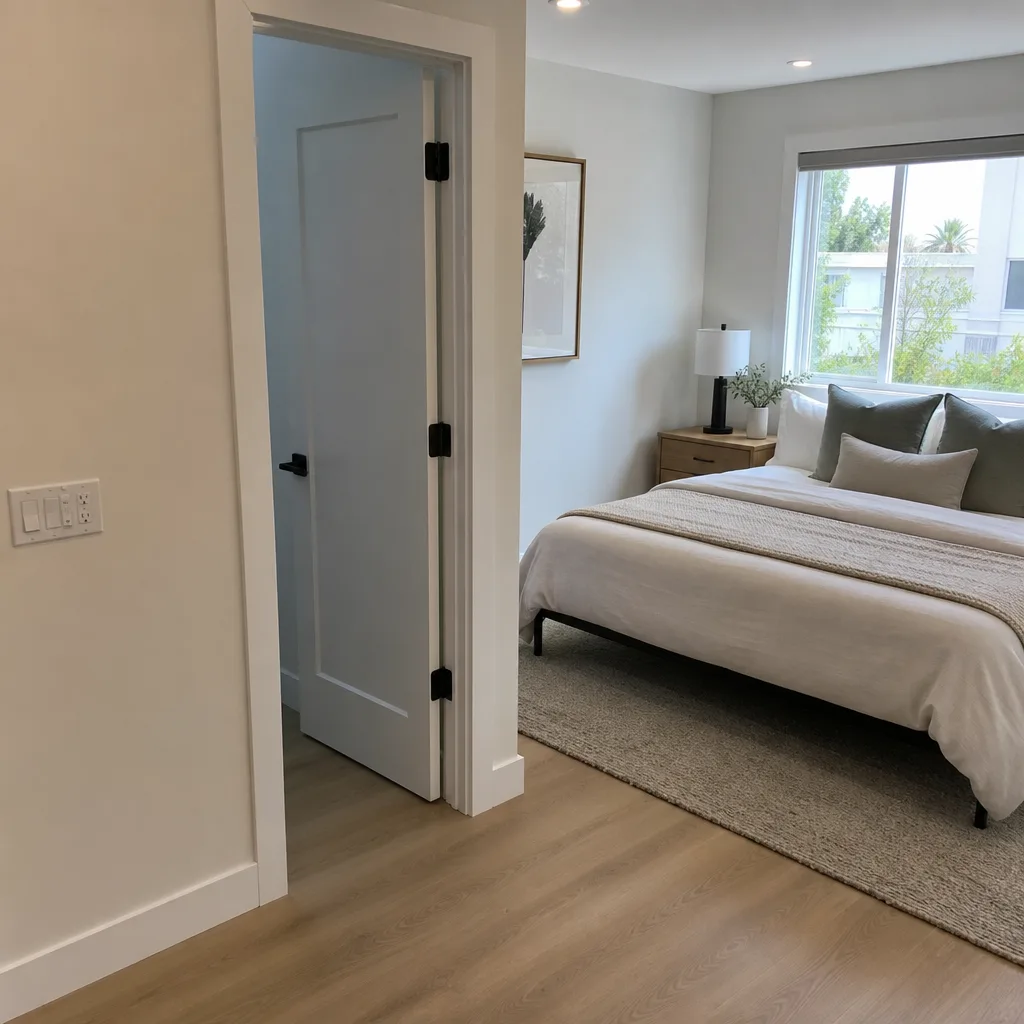 After
After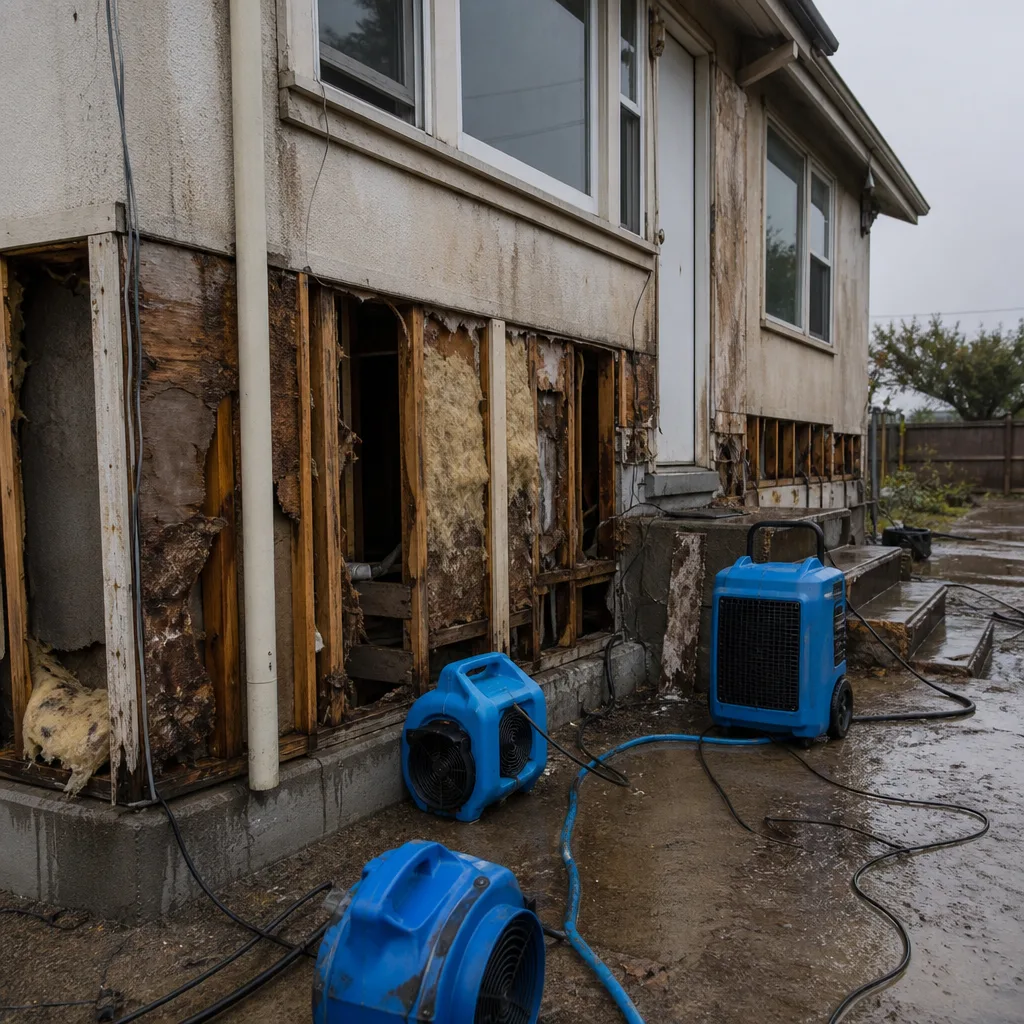 Before
 After
After24/7 Emergency Fire & Smoke Damage Restoration in Santa Monica
A fire in your Santa Monica property demands immediate response. Smoke migrates through shared walls in minutes, and suppression water begins degrading structure within hours. Our crews answer live at (424) 372-0129, 24 hours a day, 7 days a week - no voicemail, no callback queue. We dispatch throughout the Santa Monica area from our Los Angeles office, typically arriving within 45 minutes of your call. The first hour determines whether a contained kitchen fire becomes a multi-unit loss with relocation exposure under SMMC Chapter 4.36. We provide a free visual inspection on arrival, document everything with photos, and deliver a written scope before any work begins. Haven Standard, Clause 1.
Understanding Fire & Smoke Damage Restoration Severity in Santa Monica Properties
Fire damage in Santa Monica operates on a severity spectrum that our Fire & Smoke Damage Restoration team maps from the first walkthrough. Dry smoke residue from fast-burning, high-heat fires produces fine, powdery soot that penetrates deeply into porous surfaces - common in the tight kitchen layouts of 1950s-1970s dingbats where a grease fire flash-heats before suppression. Wet smoke residue from slow, smoldering burns leaves sticky, odorous film that smears on contact; we see this in the 1920s-1940s wood-frame bungalows south of Pico with aging electrical systems. Protein residue, nearly invisible but pungent, requires specialized enzymatic cleaning and is typical of kitchen fires in any building type.
Santa Monica’s housing stock intensifies every severity level. Pre-1979 rent-controlled courtyard apartments have original galvanized supply lines corroded by salt air; suppression water or heat-driven pipe failure introduces category 2 or 3 water into wall cavities. Pre-1978 lead paint and pre-1980 asbestos-containing floor tiles or textured ceilings mean fire debris removal cannot proceed without hazmat abatement protocols planned into the initial scope. The marine layer’s persistent humidity, most intense May through August but present year-round, extends drying timelines and compresses the mold colonization window to 24-48 hours. Smoke migration through shared attic chases in multi-unit buildings - a defining feature of Santa Monica’s dense dingbat stock - can render adjacent units uninhabitable, triggering per-diem relocation costs under the city’s Tenant Relocation Assistance Ordinance.
Why Santa Monica Property Owners Choose DryMark Restoration Venice
- 45-minute response commitment to Santa Monica properties - our crews know the alley-load access points and parking constraints from Ocean Park to Montana Avenue.
- 24/7 live answer: a real person picks up every call, never an automated system or voicemail tree, because fire damage doesn’t wait for business hours.
- IICRC-certified crews holding FSRT (Fire and Smoke Restoration Technician) and WRT (Water Damage Restoration Technician) certifications, with AMRT (Applied Microbial Remediation Technician) credentials for the secondary mold that follows suppression water.
- Free visual inspection with photo documentation on arrival - no charge to assess the loss and outline your options.
- Direct insurance billing with adjuster coordination included; our drying logs and written scopes are formatted for carrier submission from day one.
- One team from emergency board-up through final reconstruction - no handoffs between mitigation and rebuild contractors, no gaps in documentation.
 Before
 After
AfterOur Fire & Smoke Damage Restoration Process
1. Inspection & Assessment
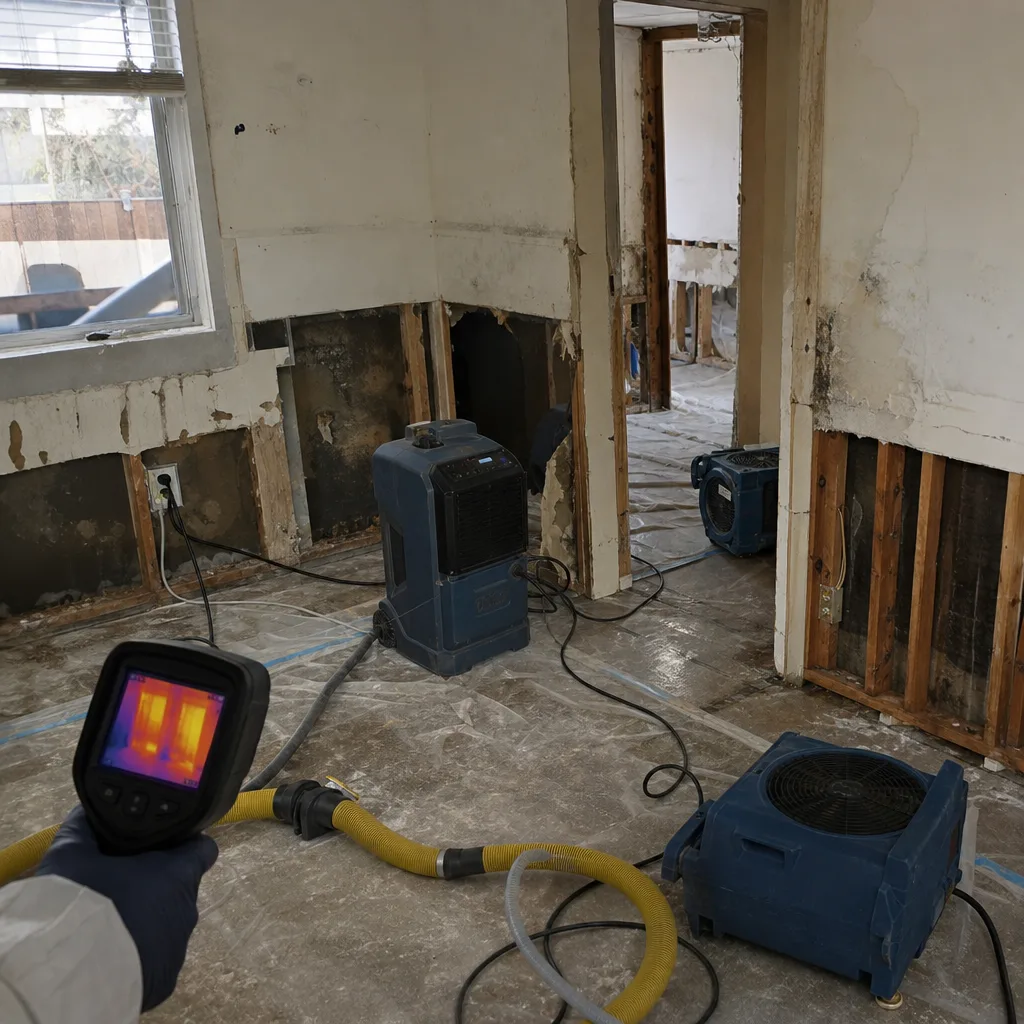
We walk the loss with thermal imaging cameras and moisture meters, mapping smoke migration paths and identifying category 2 or 3 water from suppression. In Santa Monica’s multi-unit buildings, we inspect shared attics, crawlspaces, and adjacent units for odor carry. Every finding is photo-documented before any equipment moves in.
2. Emergency Board-Up & Tarping
Securing the structure comes first. We board compromised openings and tarp roof breaches using materials rated for Santa Monica’s salt-air exposure. Our crews carry compact equipment for alley-load access and tight clearances common in courtyard apartments and townhomes.
3. Water Extraction & Structural Drying
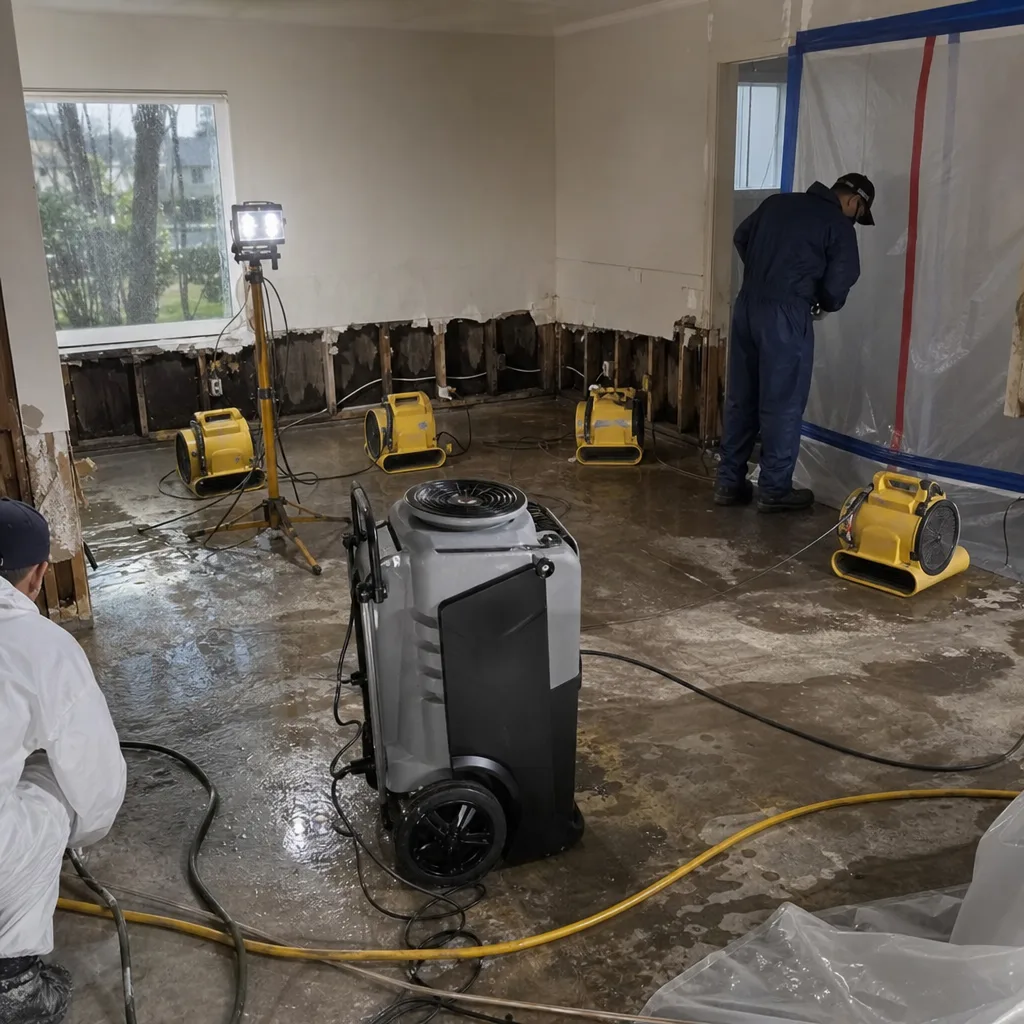
Suppression water is extracted with truck-mounted systems, then we deploy Dri-Eaz and Phoenix dehumidifiers with XPOWER air movers positioned for airflow in tight floor plans. Daily moisture logs track specific humidity, temperature, and vapor pressure differential - the force that drives moisture from wet materials into dry air - until readings confirm structural dryness to IICRC standards.
4. Smoke & Soot Cleaning
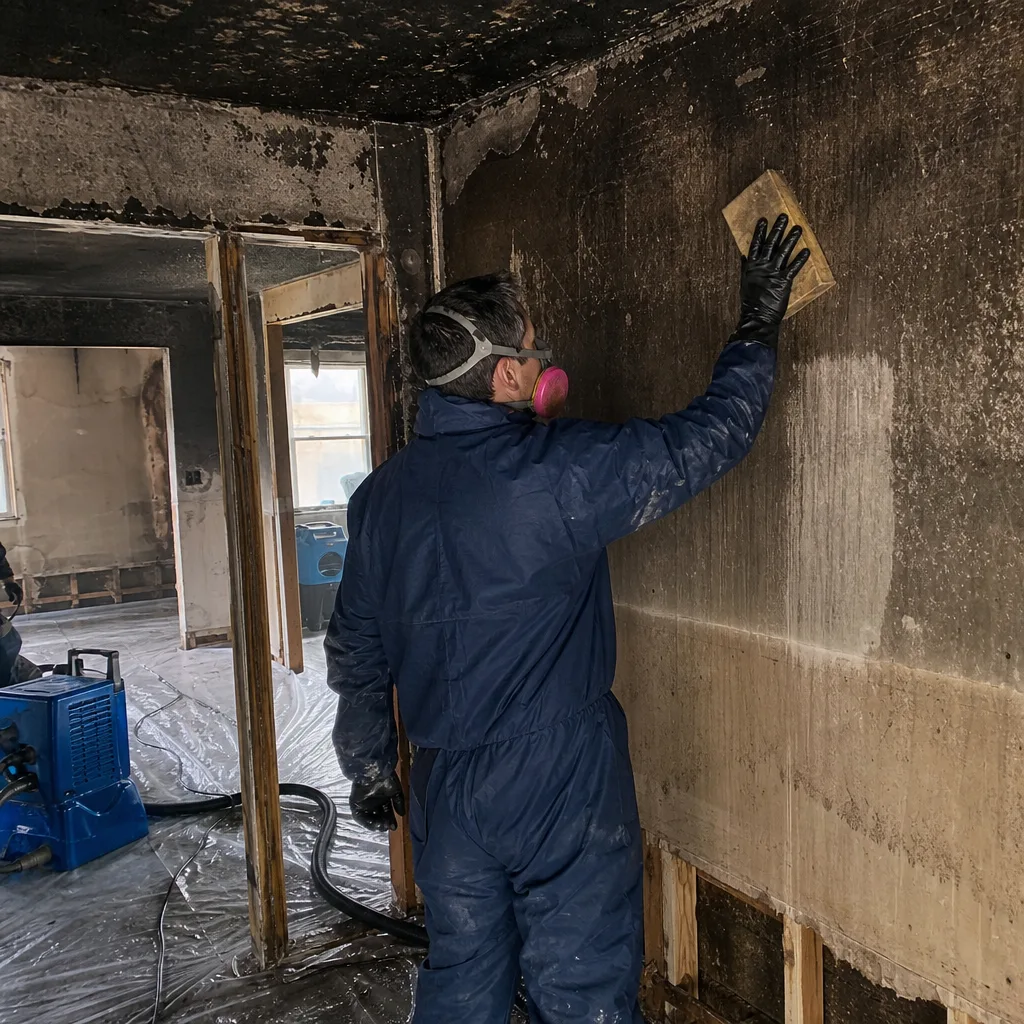
Residue type determines method: dry sponging for powdery soot, solvent cleaning for oily wet smoke, enzymatic treatment for protein fires. HEPA air scrubbers run continuously during this phase. In Santa Monica’s pre-1978 buildings, we test for lead paint disturbance before aggressive surface cleaning and integrate abatement into the scope when needed.
5. Odor Removal & Deodorization
Surface cleaning removes visible residue; odor elimination requires reaching what smoke touched. We deploy thermal fogging, ozone treatment, or hydroxyl generators depending on building occupancy and material sensitivity. Multi-unit buildings receive duct and HVAC cleaning to prevent recontamination of adjacent spaces.
6. Repairs & Restoration
Reconstruction follows a written scope agreed before work starts, with the same crew continuity from mitigation through rebuild. We coordinate directly with your adjuster on line-item estimates, and every job closes with our 365-Day Done Right Promise under The Haven Standard.
Need Emergency Fire & Smoke Damage Restoration in Santa Monica Now?
Crews minutes away, answering live 24 hours a day. The sooner we start, the less it costs.
Working With Your Insurance Company
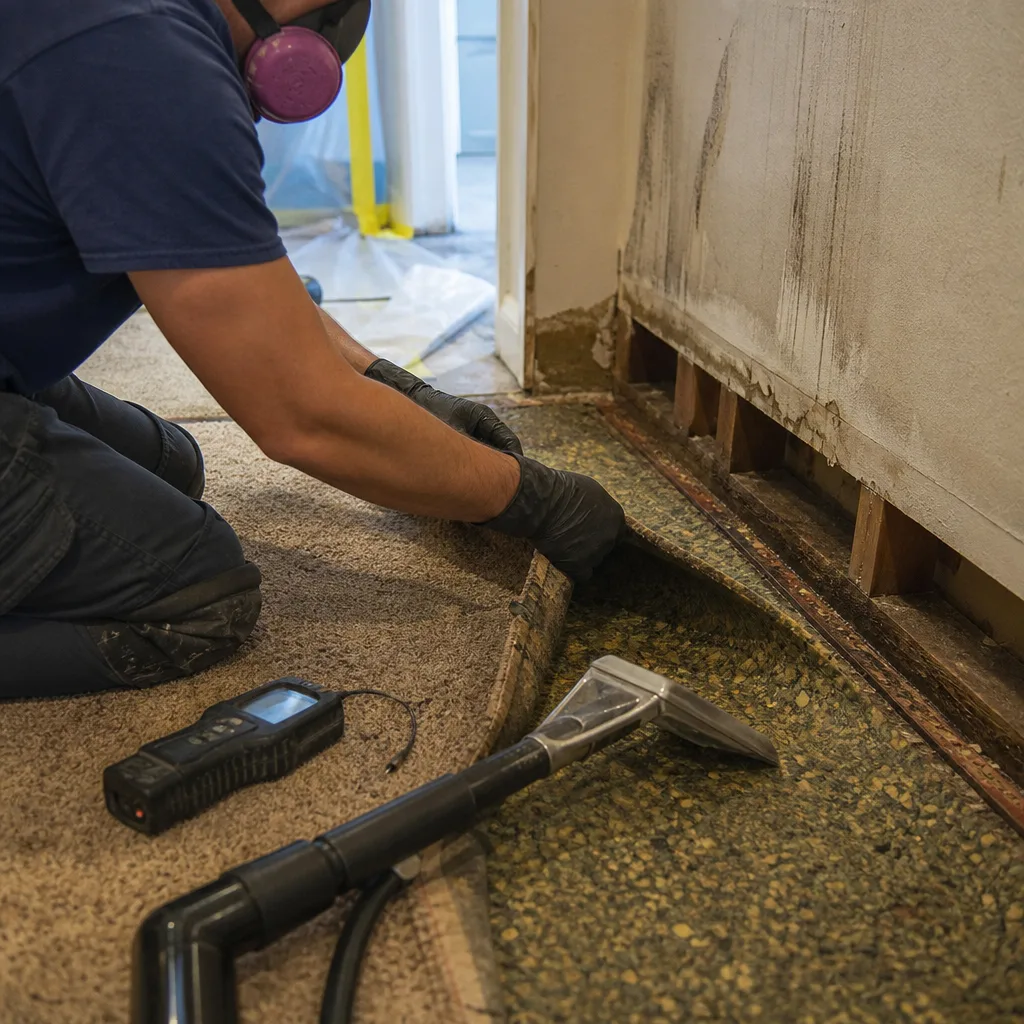
Insurance claims succeed or fail on documentation. We build the file from the first hour - photo records, moisture readings, drying logs, and written scopes formatted to carrier standards. Our estimates follow industry-standard pricing databases, and we communicate directly with your adjuster to resolve line-item questions without putting you in the middle. Alicia Brennan founded Back to Dry in 2011 after working as a claims adjuster; the company’s documentation protocols were built around the gaps that delay or deny payment.
What We Provide Your Insurer
- Thorough documentation of the loss
- Photos of all damage, room by room
- Moisture readings and drying logs
- A detailed, line-item scope of work
- Direct coordination with your carrier
Built for Santa Monica’s Loss Calendar
Santa Monica’s fire damage patterns track its climate, housing age, and density. Winter heating season, December through February, brings electrical fires from space heaters and aging wiring in 1920s-1940s bungalows with original knob-and-tube or early Romex. Kitchen grease fires spike year-round in the compact cooking spaces of dingbat apartments, where inadequate ventilation concentrates heat and residue. Summer’s dry Santa Ana wind events, typically September through November, elevate wildfire risk for the city’s eastern edge and increase ember exposure for wood-frame structures.
The marine layer’s persistent humidity means fire-damaged structures dry slowly even when the weather feels mild. A property that reads “dry” to casual inspection may hold elevated moisture in wall cavities, especially in buildings with minimal vapor barriers. Salt-air corrosion of galvanized plumbing and HVAC components means suppression water or heat-driven pipe failure often reveals cascading damage beyond the original loss area. These conditions don’t exist five miles inland. They shape how we scope, document, and time every Santa Monica fire job.
Fire & Smoke Damage Restoration Across Santa Monica’s Neighborhoods
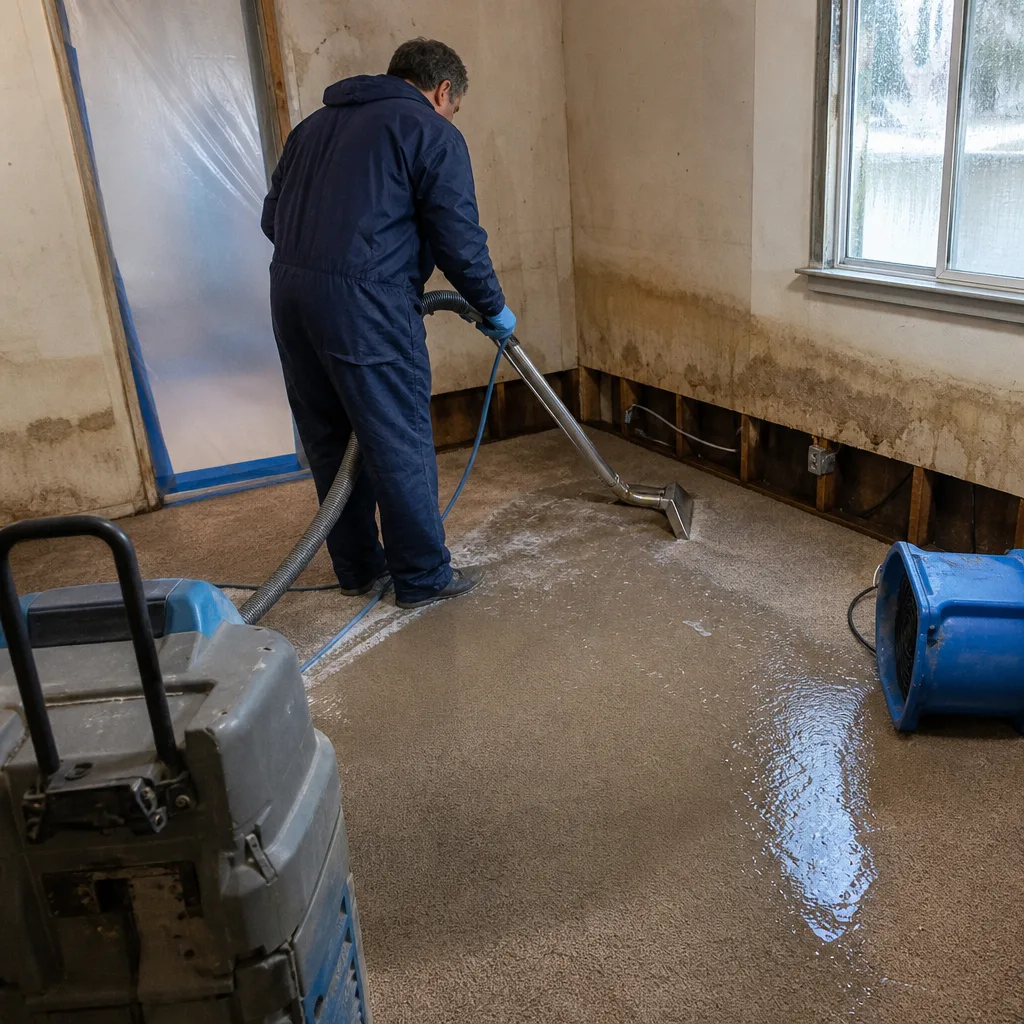
Ocean Park’s 1920s-1940s wood-frame bungalows present tight lot lines and minimal vapor barriers; smoke odor penetrates deeply into unvented crawl spaces, and our crews often find pre-1978 lead paint requiring abatement integration. The 1960s courtyard dingbats off Ocean Park Boulevard - where we responded to a kitchen fire that sent smoke through a shared attic chase - have shared attic and crawlspace systems that demand containment before cleaning begins. Our techs set containment, ran XPOWER air movers with HEPA filtration, and logged moisture readings in the two units below because heat had driven category 2 water from suppression into the original galvanized supply lines. The unit was back to pre-loss condition in four days, and our drying logs kept the landlord out of a relocation claim under SMMC 4.36.
Montana Avenue’s mixed-use corridors combine retail and residential in buildings with varied access points; alley-load deliveries and parking constraints require compact equipment and crews who know the local loading regulations. The Pico neighborhood’s density of pre-1979 rent-controlled stock means every job carries relocation exposure, and documentation speed directly affects landlord liability. North of Wilshire, larger condo and townhome complexes have HOA-managed common areas where smoke migration through shared HVAC or attic space can trigger multiple-unit claims; we coordinate with property managers to map all affected spaces before scope finalization. Downtown Santa Monica’s newer construction presents different challenges - tighter envelopes, more synthetic materials that off-gas when heated, and complex security systems that complicate emergency access.
Specialized Fire & Smoke Damage Restoration Services We Offer in Santa Monica
Fire Damage Cleanup
Structural cleaning after fire requires residue identification before method selection. In Santa Monica’s pre-1978 buildings, we test for lead paint and asbestos-containing materials before debris removal, integrating hazmat abatement into the initial scope rather than discovering it mid-job and shutting down.
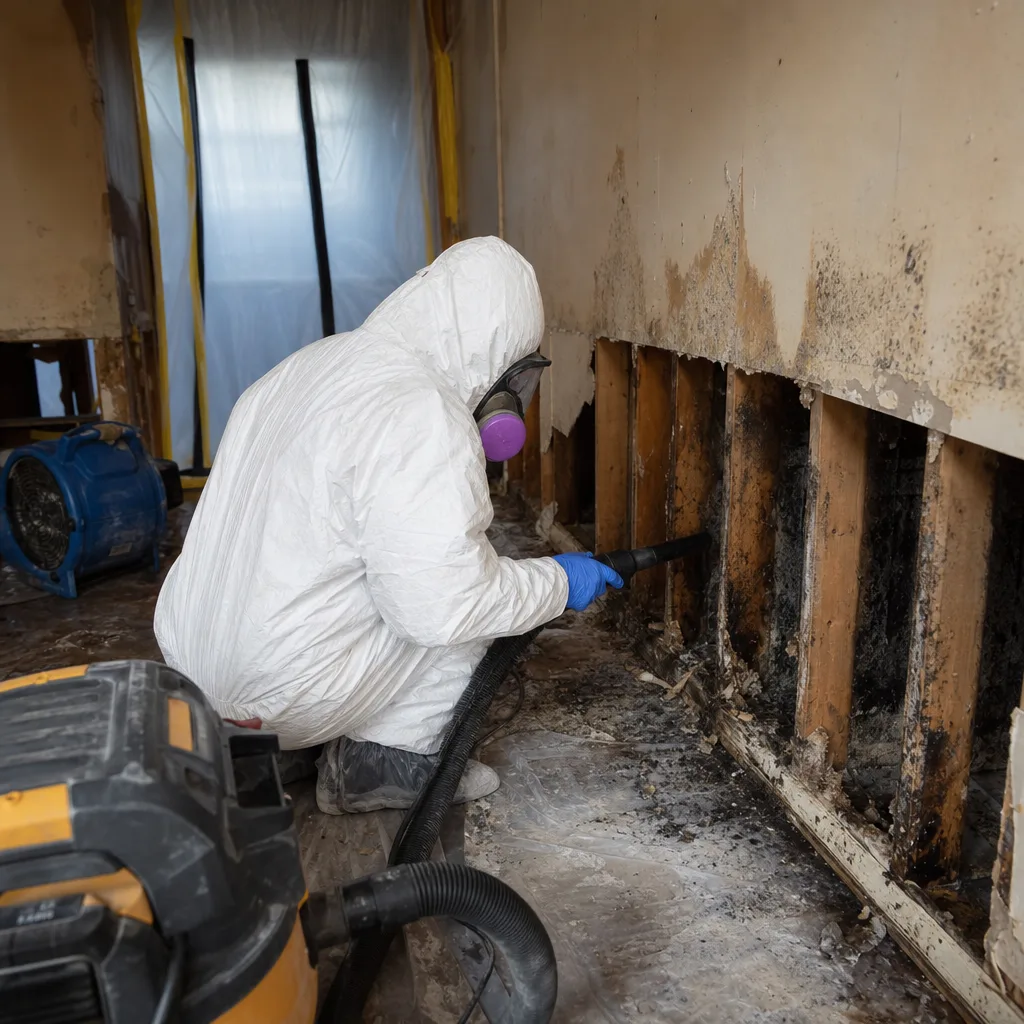
Smoke & Soot Removal
Smoke migrates farther than flames reach. We trace migration paths with thermal imaging, clean visible residue with methods matched to residue type, and verify elimination with odor perception testing and air sampling where occupancy sensitivity requires it. Shared attic and crawlspace systems in Santa Monica’s multi-unit buildings receive particular attention - missed spaces become recontamination sources that force re-cleaning and extend displacement.
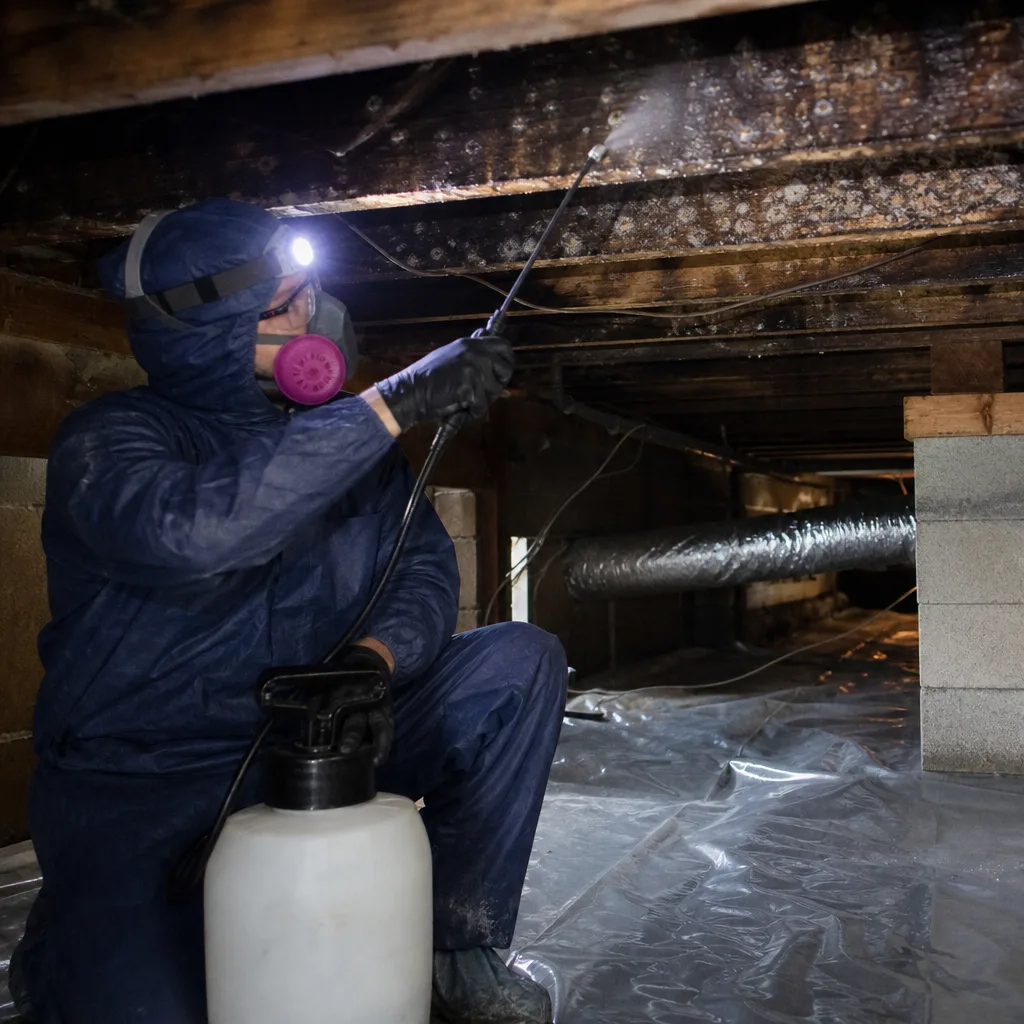
Odor Removal & Deodorization
Eliminating smoke odor requires reaching every surface the smoke touched, not masking it. We select from thermal fogging, ozone, or hydroxyl generation based on building occupancy, material sensitivity, and the severity of penetration. In Santa Monica’s dense housing, we also clean HVAC ductwork to prevent recirculation to unaffected units.
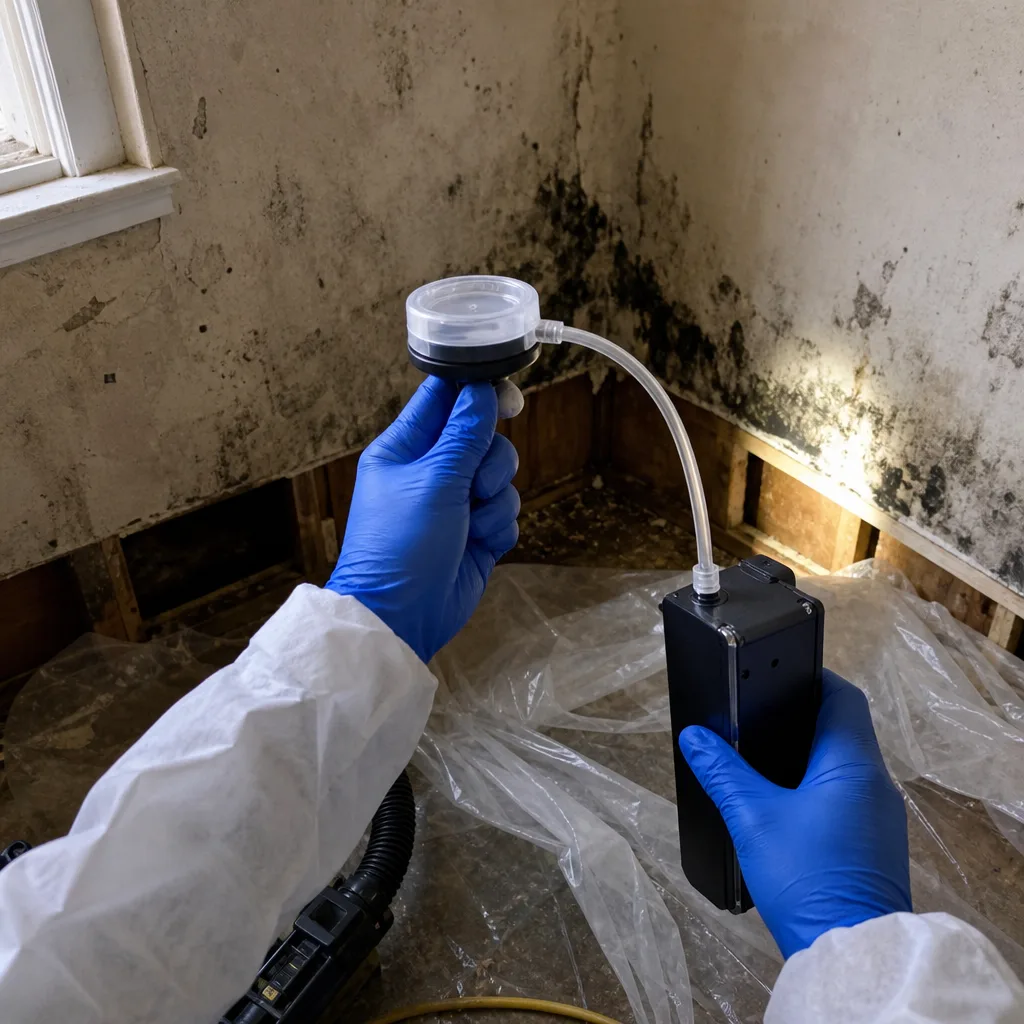
Contents Cleaning & Pack-Out
Personal property exposed to smoke requires prompt evaluation: cleanable items move to our facility for ultrasonic, immersion, or dry cleaning; non-restorable items are documented for insurance inventory with photo evidence. In Santa Monica’s tight apartments, pack-out often creates space for structural work that couldn’t proceed otherwise. We inventory every item with photo documentation.
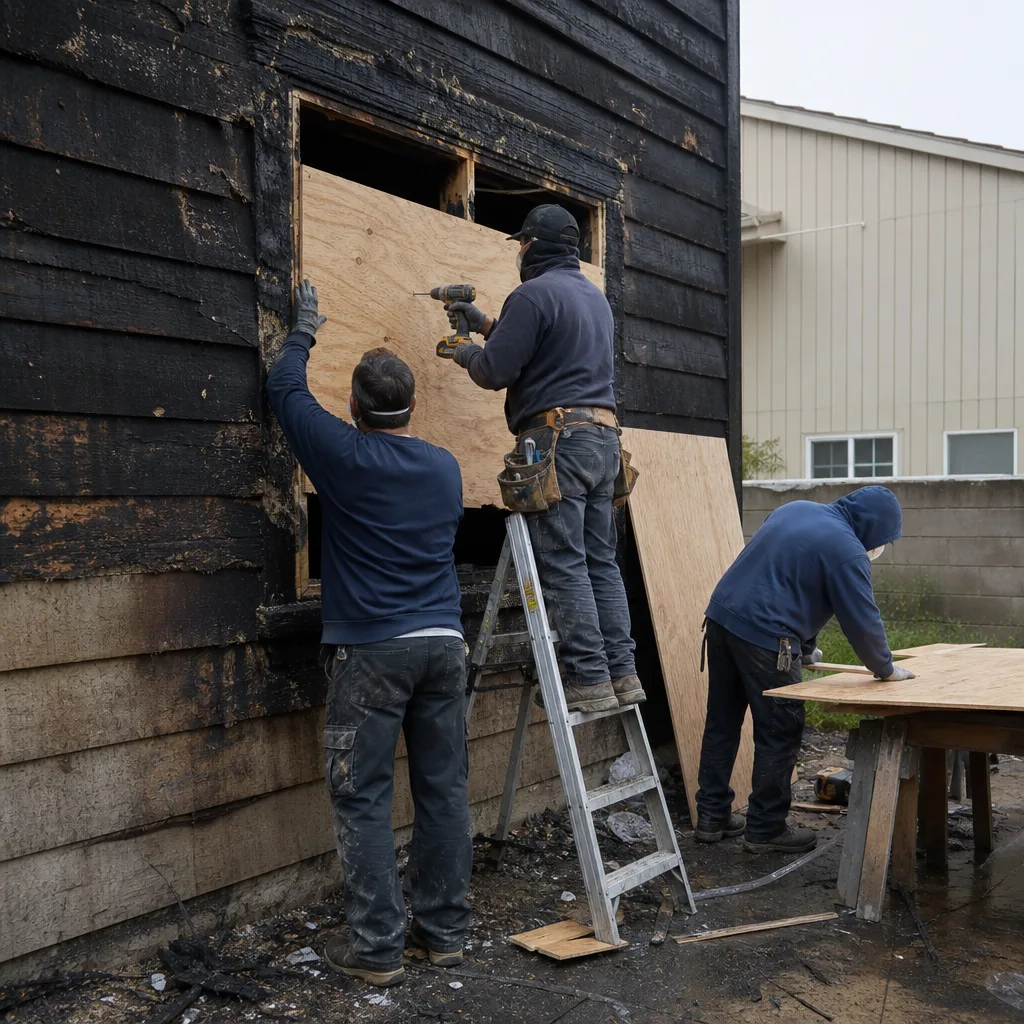
Emergency Board-Up & Tarping
Securing the structure prevents secondary damage and satisfies insurance policy conditions for coverage. Our crews carry materials rated for coastal salt-air exposure and compact equipment for alley-load access in Santa Monica’s constrained parking environment. We board openings, tarp roof breaches, and install temporary security fencing where needed - documented with photos for the claim file.
What happens when you call
- 1
A real person answersNo phone trees - you reach a local pro.
- 2
You get an upfront price rangeHonest numbers before anyone is dispatched.
- 3
A background-checked tech heads outLicensed & insured, dispatched right away.
- 4
You approve before work beginsNothing starts until you say go.
Fire & Smoke Damage Restoration Costs in Santa Monica, CA
Emergency board-up and tarping in Santa Monica typically runs $800-$2,400 depending on opening count, roof area, and access difficulty. Smoke and soot cleanup for a single residential unit ranges $3,500-$8,500; multi-unit buildings with shared attic or HVAC contamination extend to $12,000-$25,000. Contents pack-out and cleaning adds $2,000-$6,500 for a typical apartment. Structural repairs vary widely with damage extent, from $5,000 for localized drywall and flooring replacement to $50,000+ for major reconstruction.
What moves the price: residue type (dry smoke cleans faster than wet), water category from suppression (category 3 requires more extensive remediation), hazmat presence requiring abatement, and shared-space contamination in multi-unit buildings. Most residential fire losses carry insurance coverage; we provide direct adjuster coordination and photo-documented scopes that support claim submission. Our written price before work starts, Haven Standard Clause 1, means no scope-creep additions once the crew is inside. Call (424) 372-0129 for a free inspection and firm written scope.
We Also Serve Cities Near Santa Monica
Our crews respond throughout the coastal corridor: Santa Monica, Venice, Pacific Palisades, Marina del Rey, and Playa Vista. Each market has distinct housing stock and building code contexts; we adjust our documentation and scope protocols accordingly.
Serving Santa Monica, CA - Our Local Coverage Area
We’re based in the Santa Monica area and know this community well. Use the map below to see our service coverage - if you’re nearby, we can almost certainly help.
Santa Monica Fire & Smoke Damage Restoration Questions, Answered
How does Santa Monica’s rent-control relocation ordinance affect a fire damage restoration timeline?
SMMC Chapter 4.36 can require landlords to pay per-diem relocation costs when a rent-controlled unit is uninhabitable, so every hour of documented dry-down matters.
General contractors who skip moisture mapping or extend drying timelines by days can cost landlords weeks of mandated hotel bills. Our protocols - daily moisture logs, aggressive drying targets, and photo-documented habitability certification - are designed to close jobs within the timeline that keeps relocation exposure minimal. The drying log is your defense in a relocation dispute. Call (424) 372-0129 and we’ll review your specific timeline.
Why do fire losses in Santa Monica’s beachside dingbats often turn into water losses too?
Suppression water and heat-driven pipe failure introduce category 2 or 3 water into wall cavities, and the marine layer’s humidity extends drying time.
Salt-air corrosion of original galvanized supply lines means a single fire event often reveals multiple compromised joints. We map moisture with thermal imaging and meters in all adjacent units, not just the fire origin, because smoke heat drives water into shared structural spaces. Missing this water triggers secondary mold within 24-48 hours in Santa Monica’s humid coastal environment. Our FSRT and WRT-certified crews treat fire and water as a single integrated loss. Call (424) 372-0129 for inspection.
Can you restore a fire-damaged unit in a pre-1978 Santa Monica building without triggering a hazmat issue?
Only if lead paint and asbestos-containing materials are identified and abated as part of the initial scope, not discovered mid-demolition.
Santa Monica’s pre-1978 housing stock contains lead paint; pre-1980 buildings often have asbestos in floor tiles, textured ceilings, or pipe insulation. Fire debris removal disturbs these materials. We test before aggressive demolition and integrate abatement into the written scope from day one, preventing the shutdowns and cost overruns that occur when hazmat is found after work starts. This is standard on our Santa Monica jobs, not an upsell. Call (424) 372-0129 to discuss your building’s year and materials.
What does smoke odor removal actually involve in a multi-unit Santa Monica apartment building?
Surface cleaning removes visible residue; odor elimination requires treating every surface smoke contacted, including shared structural spaces and HVAC systems.
In Santa Monica’s dingbats and courtyard apartments, smoke travels through shared attics, crawlspaces, and ductwork. We build containment, clean visible residue with methods matched to residue type, then deploy thermal fogging, ozone, or hydroxyl generators based on occupancy and material sensitivity. HVAC duct cleaning prevents recirculation to adjacent units. Without this systematic approach, odor re-enters “cleaned” spaces and forces re-treatment - extending displacement and relocation exposure under SMMC 4.36. Call (424) 372-0129 for assessment.
How fast can you board up or tarp a fire-damaged Santa Monica property given the city’s parking and alley constraints?
Our typical response to Santa Monica is under 45 minutes, with compact equipment designed for alley-load access and tight clearances.
We know the loading zones, alley widths, and parking regulations from Ocean Park to Montana Avenue. Our board-up trucks carry materials for coastal salt-air exposure and equipment scaled for constrained access - no oversized rigs that can’t reach your door. Emergency securing happens first, before any other work, to prevent secondary damage and satisfy insurance coverage conditions. Call (424) 372-0129; we answer live 24/7.
Will my insurance cover the full cost of fire and smoke restoration?
Most residential fire policies cover structural damage, contents, and additional living expenses, but coverage depends on prompt documentation and scope accuracy.
We provide the photo records, moisture logs, drying documentation, and line-item scopes that carriers require for full payment. Our estimates follow industry-standard pricing databases, and we coordinate directly with your adjuster to resolve questions. The 365-Day Done Right Promise under The Haven Standard backs every job. For a free review of your coverage and loss documentation, call (424) 372-0129.
How long does the full fire and smoke restoration process take?
Board-up and emergency stabilization same day; smoke and soot cleanup typically 3-7 days; structural repairs vary from days to weeks depending on scope.
Multi-unit buildings with shared-space contamination or hazmat abatement requirements extend timelines. Our daily moisture logs and documented dry-down targets prevent the delays that trigger SMMC 4.36 relocation exposure. Every timeline is in the written scope before work starts - Haven Standard, Clause 1. Call (424) 372-0129 for a specific timeline based on your loss.
Can my family stay in the home during fire and smoke restoration?
Usually not during active cleanup, due to air quality, equipment noise, and the need for containment; temporary relocation may be covered by your policy.
In Santa Monica’s rent-controlled units, displacement triggers specific landlord obligations under SMMC Chapter 4.36. We document habitability status at every phase so landlords, tenants, and insurers have clear records. Our goal is the fastest safe return, supported by aggressive drying and systematic cleaning. For documentation that supports your additional living expense claim, call (424) 372-0129.
Fire damage in Santa Monica carries constraints that don’t exist inland: relocation exposure under SMMC 4.36, salt-air corrosion in aging plumbing, pre-1978 hazmat in nearly every major loss, and the marine layer’s humidity compressing every timeline. Our documentation-first approach - written price before work starts, photo records on every visit, daily moisture logs, and direct adjuster coordination - was built for exactly these conditions. Alicia Brennan developed these protocols after seeing claims denied for inadequate documentation, and we’ve applied them to 12,000+ homes since 2011.
Call (424) 372-0129 for a free inspection and written scope. We answer live, 24 hours a day.
Written by Alicia Brennan, Owner at Back to Dry Restoration, serving Santa Monica since 2011.
Fire & Smoke Damage Restoration in Nearby Areas