
Free visual inspection and a written scope of work before any mitigation begins - photos, moisture readings, and drying logs go in your claim file
The scope we write is the scope we bill. Anything new gets shown to you, in writing, before we touch it.
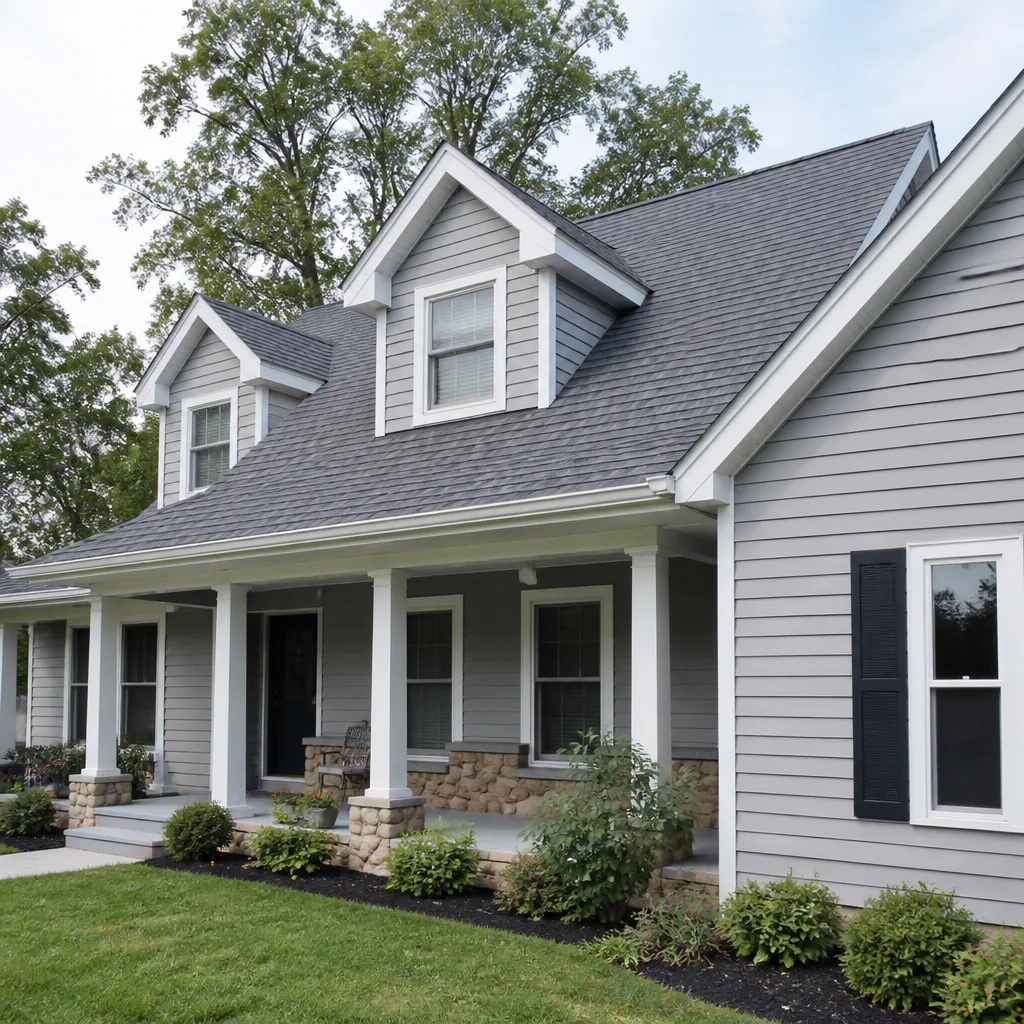
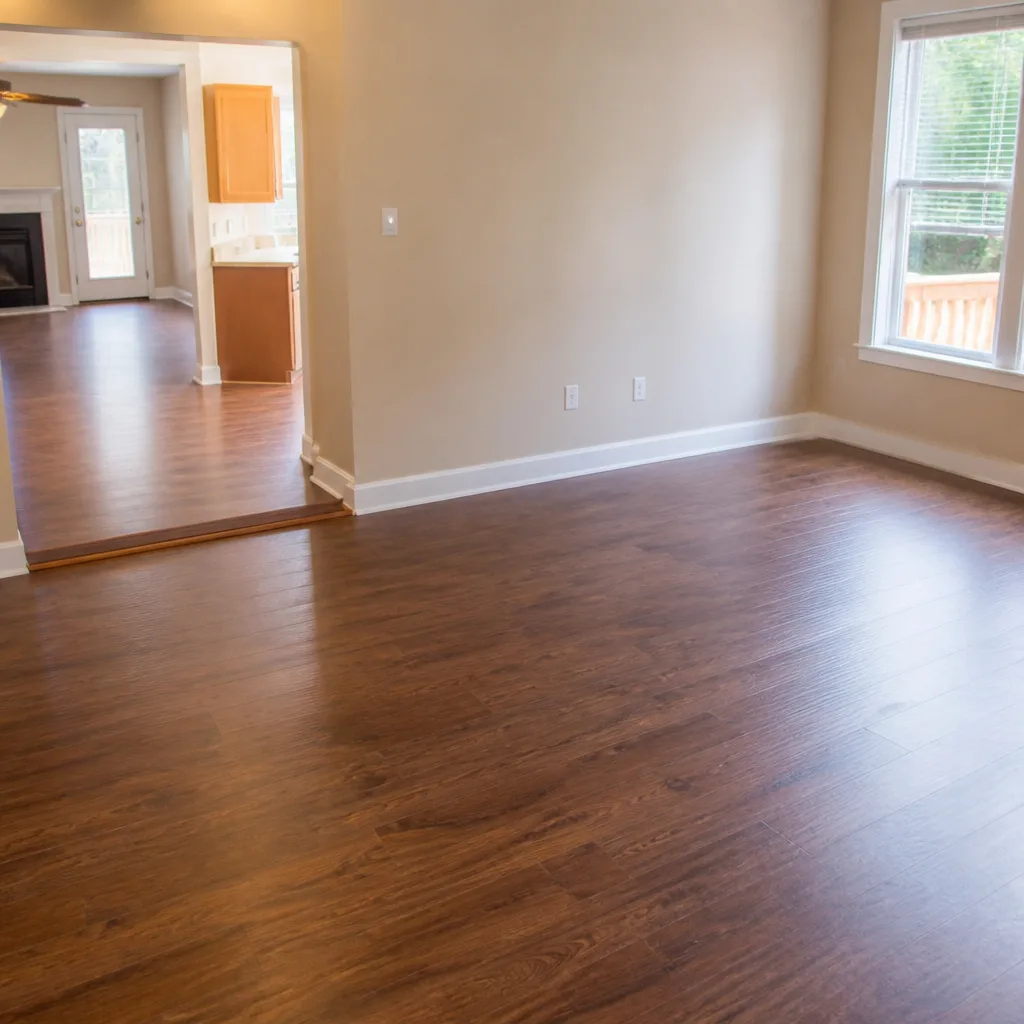
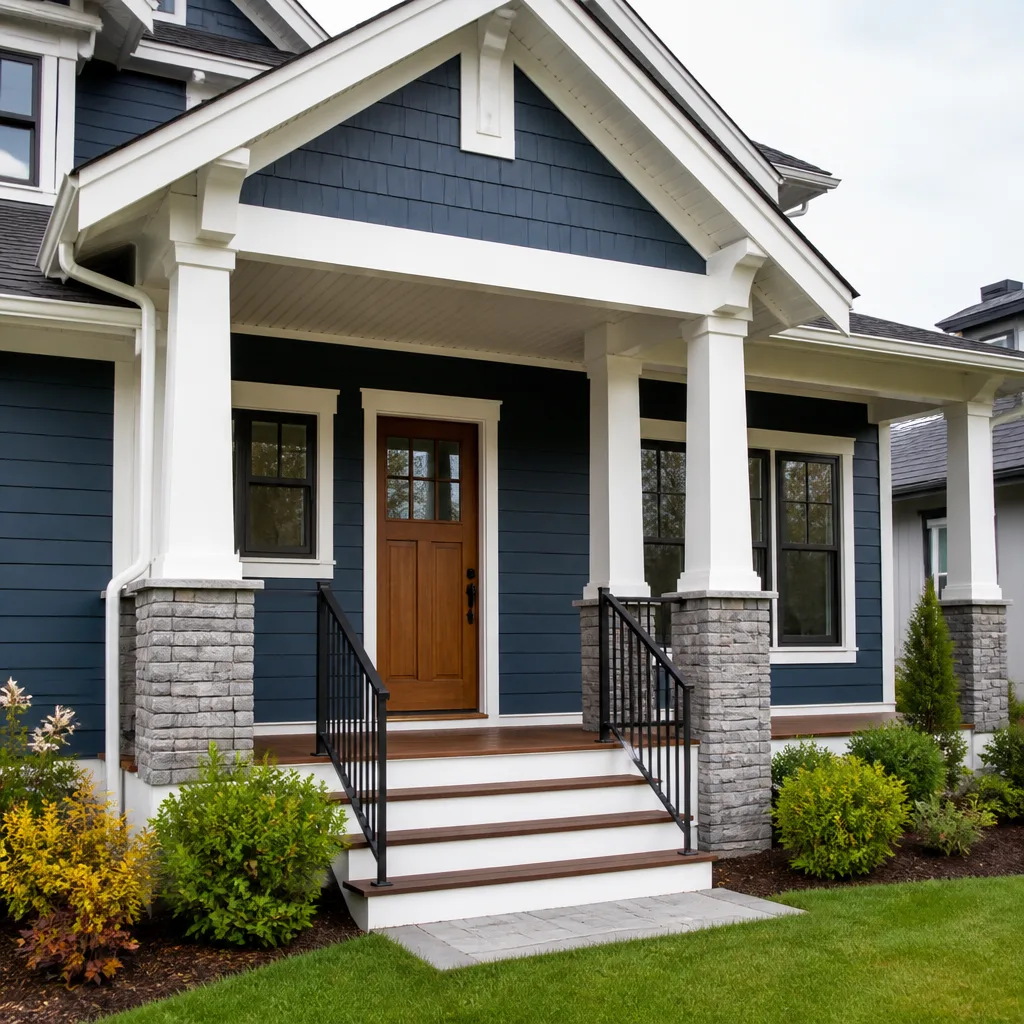
 Before
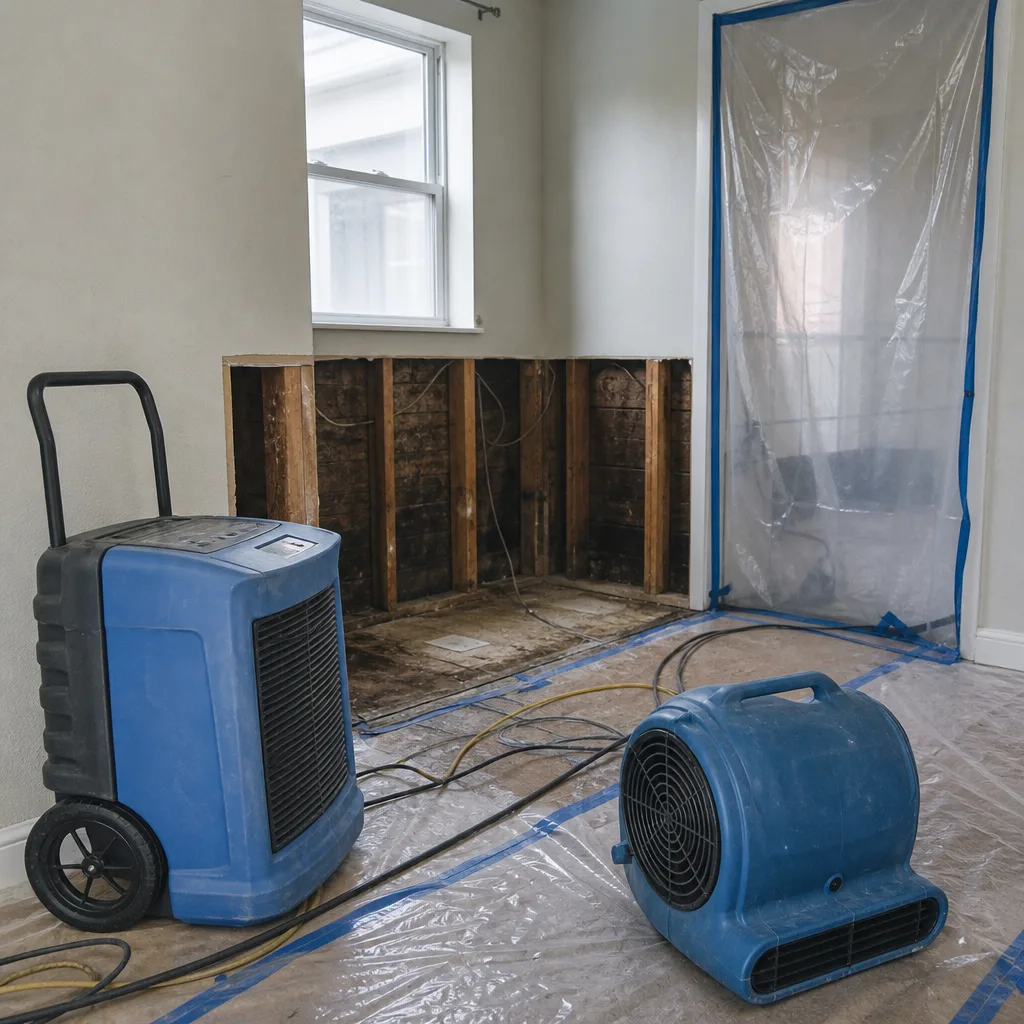 After
After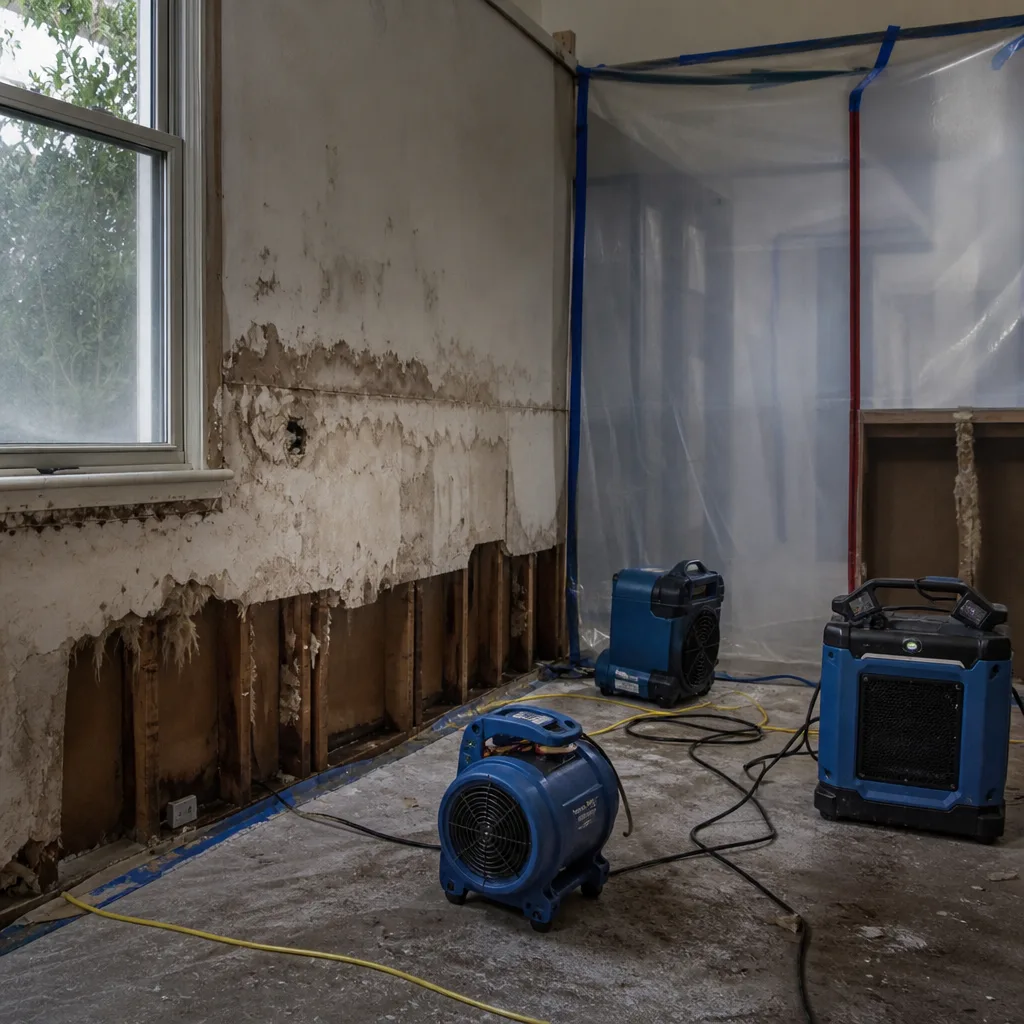 Before
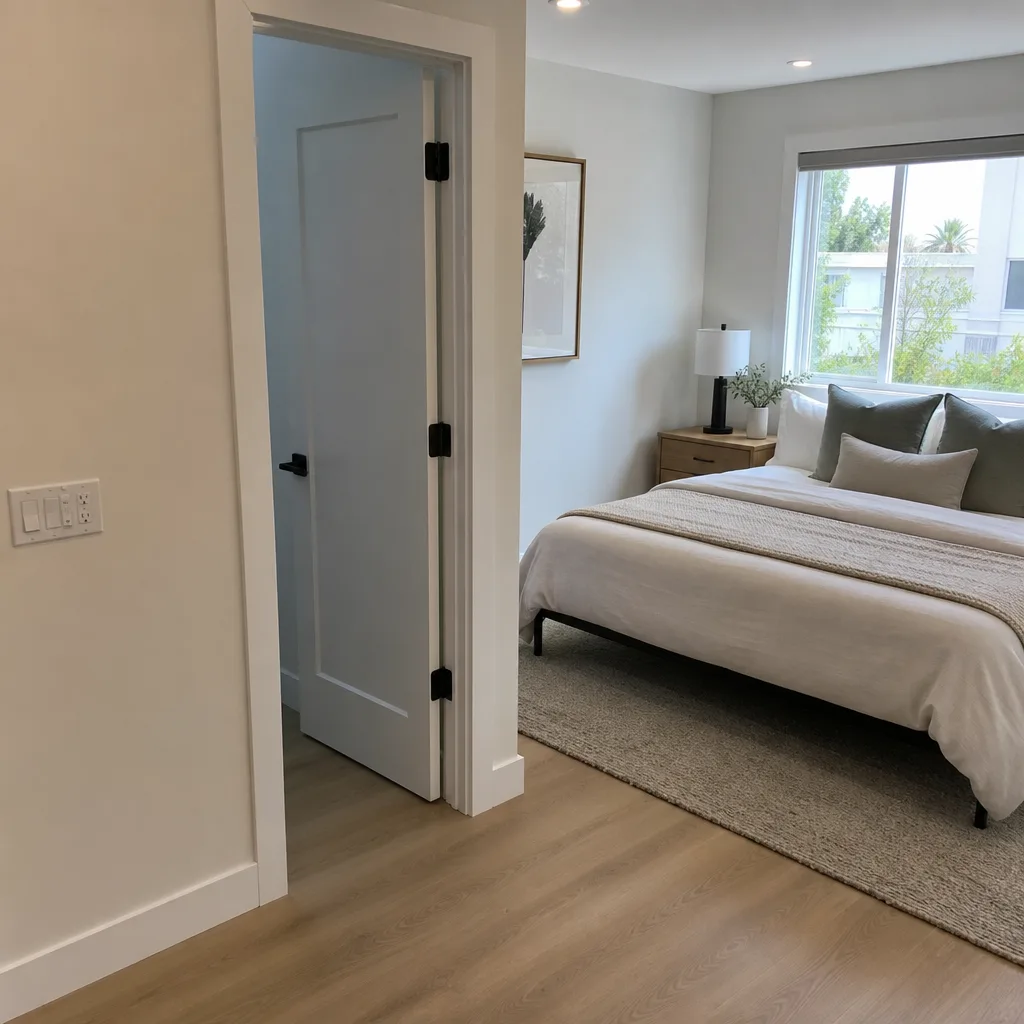 After
After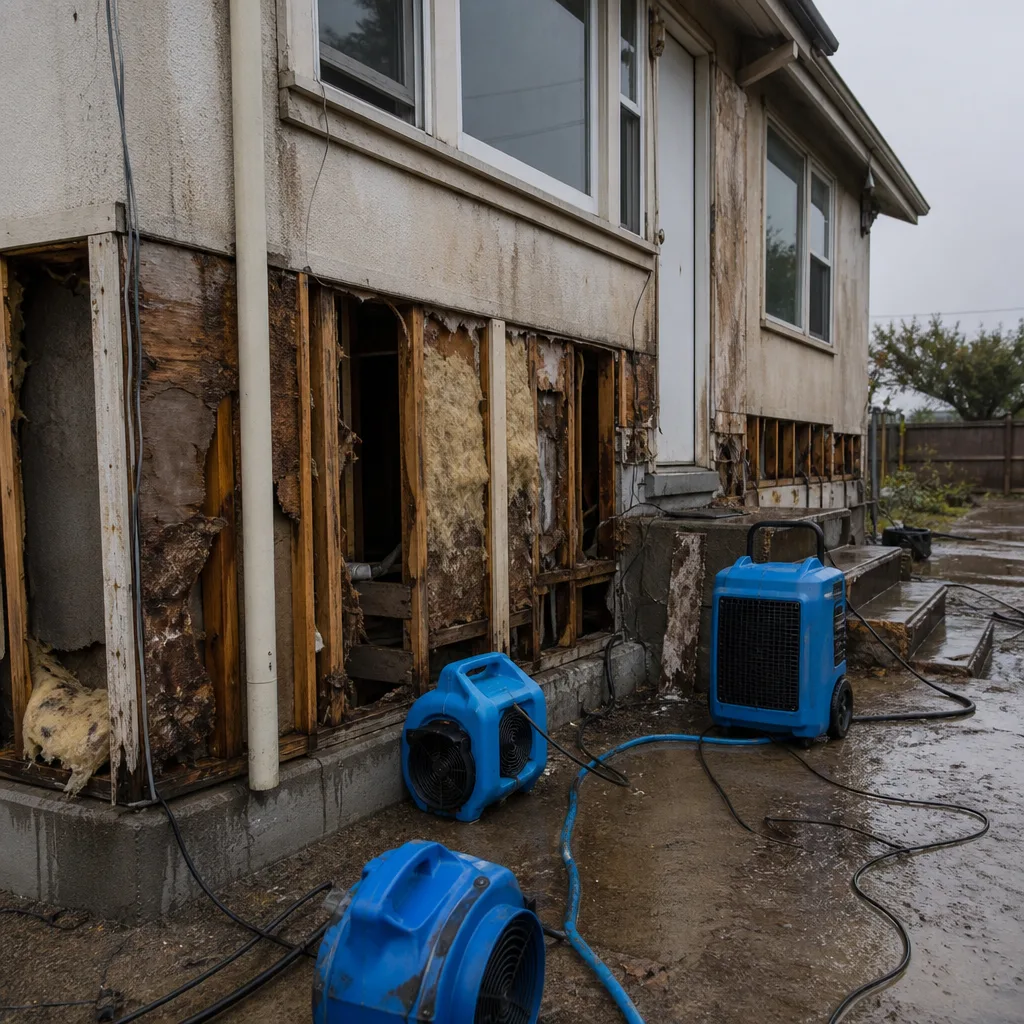 Before
 After
After24/7 Emergency Fire & Smoke Damage Restoration in Inglewood
Fire damage in Inglewood typically requires same-day board-up and immediate smoke mitigation to prevent secondary corrosion and permanent odor lock-in. Our crews are dispatched from the Los Angeles office with a 45-minute response commitment to Inglewood addresses, and a live person answers every call at (424) 372-0129 - no voicemail, no callback queues. The first hour after a fire determines whether smoke residues remain surface-level or bond permanently to drywall, framing, and HVAC ducts. We provide a free visual inspection on arrival, document every affected room with photos before anything is touched, and deliver a written scope and price before work begins - Haven Standard, Clause 1.
Understanding Fire & Smoke Damage Restoration Severity in Inglewood Properties
Fire damage severity in restoration is classified by the residue type left behind: dry smoke from fast-burning, high-heat fires; wet smoke from slow-burning, low-heat fires; protein residue from kitchen fires that discolors surfaces without visible soot; and fuel oil soot from furnace puff-backs. Each requires distinct cleaning chemistry and agitation methods - dry smoke responds to dry sponges and HEPA vacuuming, while wet smoke demands solvent-based cleaners and thermal fogging.
In Inglewood, the dominant 1940s-1960s post-war housing stock fundamentally changes how we assess severity. Original plaster-on-lath walls are more porous than modern drywall, allowing smoke to penetrate deeper into the cavity structure. Galvanized plumbing and early-copper electrical runs embedded in those walls can be compromised by heat transfer even when the flame never reached them. And because intact asbestos vinyl floor tile, pipe insulation, and acoustic ceilings remain common across Inglewood’s housing supply, every severity assessment must account for mandatory hazmat testing before any demolition or aggressive cleaning can proceed. What reads as a contained kitchen fire on the surface often reveals hidden pathways through aircraft-vibration cracks in north and central Inglewood homes under the LAX corridors.
Why Inglewood Property Owners Choose DryMark Restoration Venice
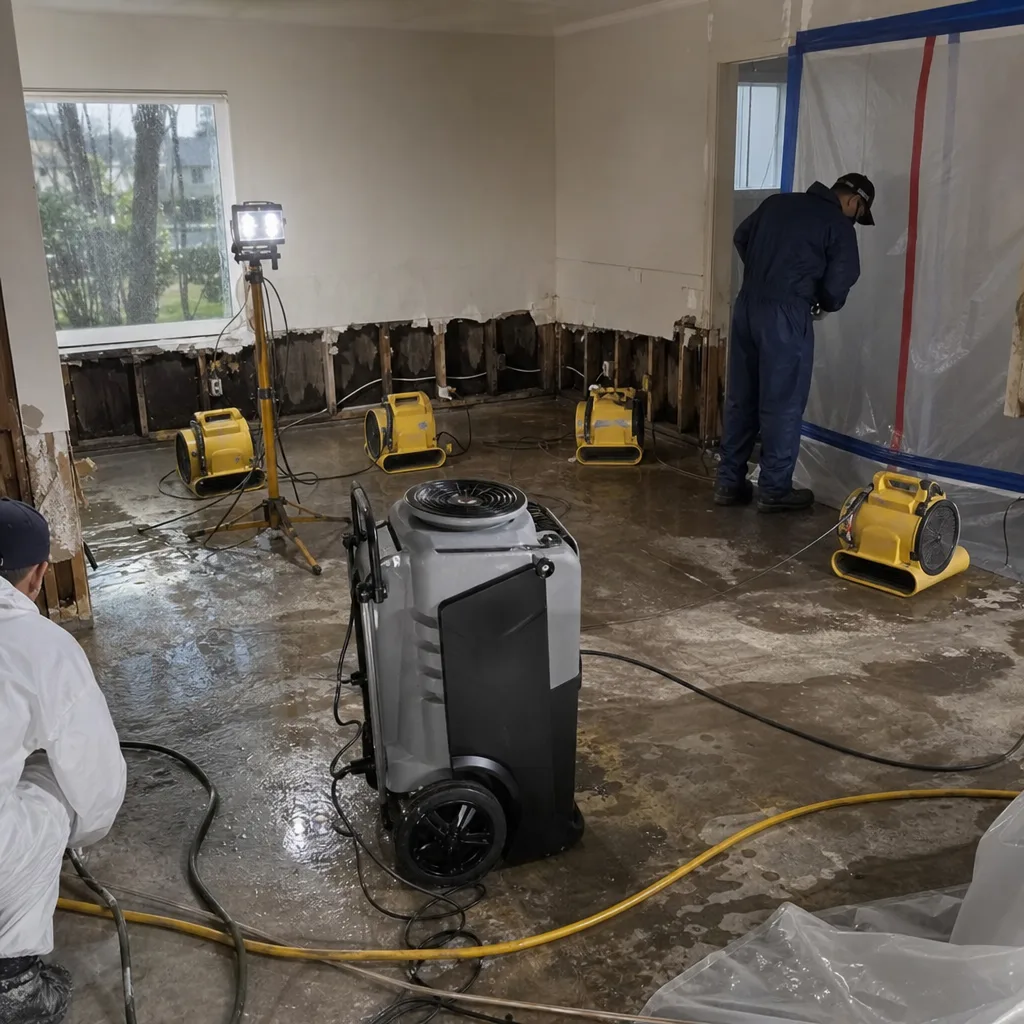
- 45-minute response commitment to Inglewood addresses, with crews staged for immediate deployment.
- 24/7 live answer - a real person, never an automated system or voicemail tree, on every call.
- IICRC-certified crews holding FSRT (Fire and Smoke Restoration Technician) and WRT (Water Damage Restoration Technician) credentials, with AMRT (Applied Microbial Remediation Technician) certification for secondary mold concerns.
- Free visual inspection on every call, with no obligation or pressure to proceed.
- Direct insurance billing and adjuster coordination, with photo-documented estimates formatted to carrier standards.
- One team from emergency board-up through final reconstruction - no handoffs to unknown subcontractors.
 Before
 After
AfterOur Fire & Smoke Damage Restoration Process
1. Inspection & Assessment
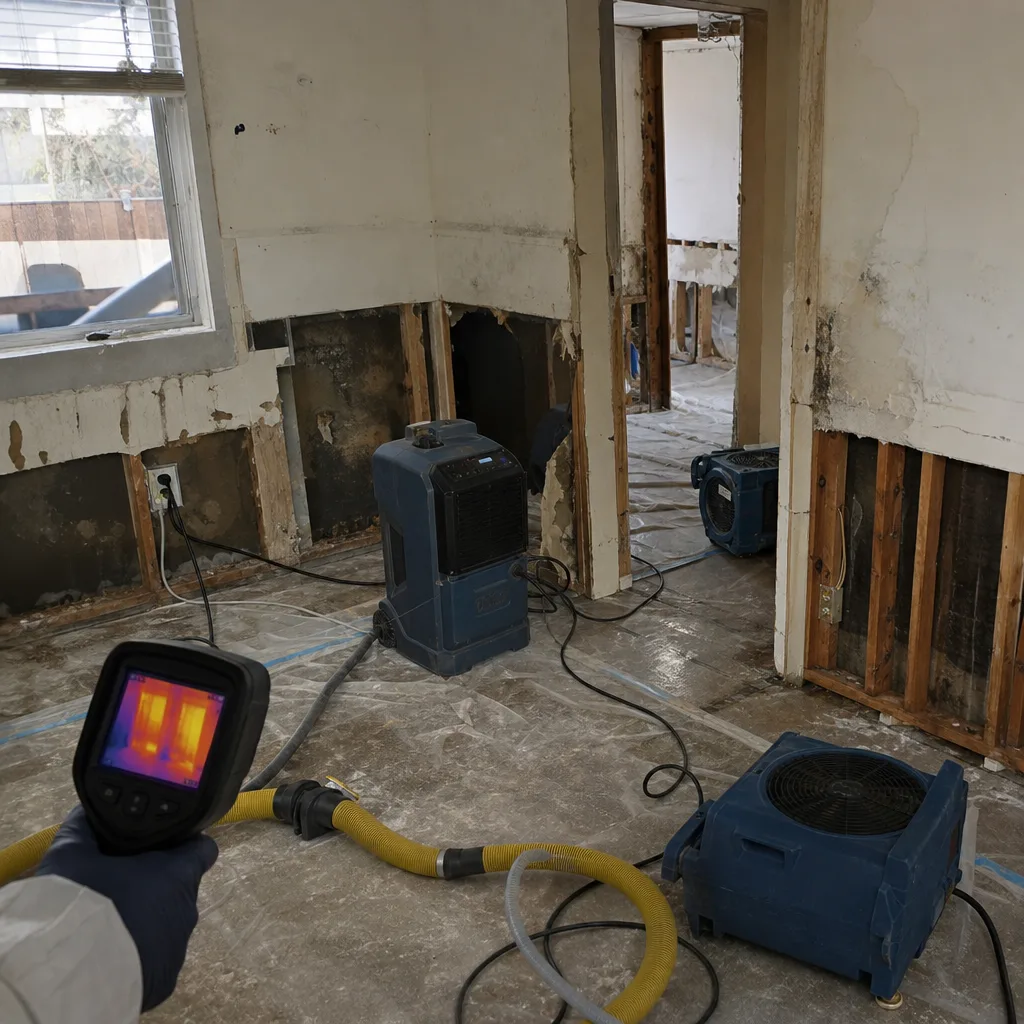
We photograph every room before touching anything, test for asbestos and lead-paint per Inglewood’s mandatory requirements on pre-1978 housing stock, and map smoke migration with thermal imaging to identify hidden pathways through plaster-on-lath cavities and aircraft-vibration cracks.
2. Emergency Board-Up & Tarping
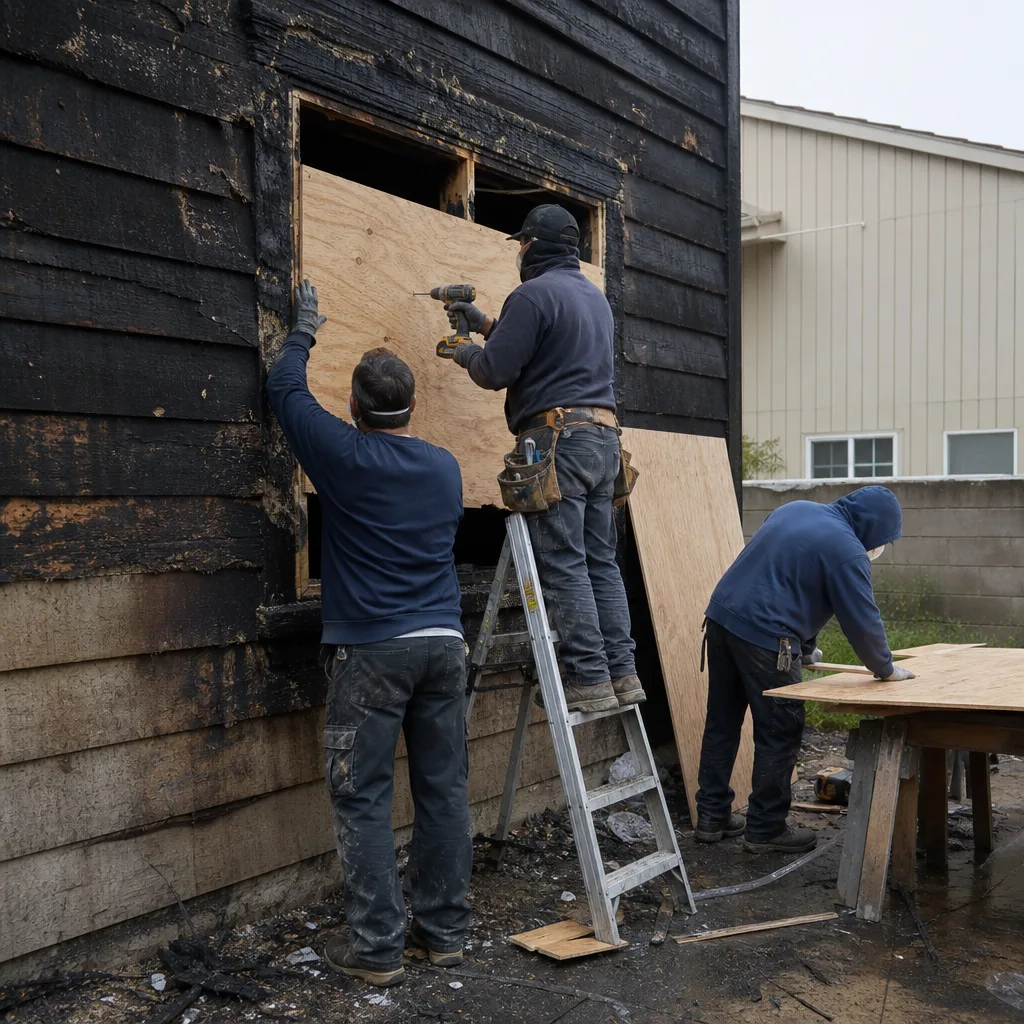
Our crew secures compromised openings with plywood and weather-resistant tarps to prevent secondary water intrusion from Inglewood’s persistent marine-layer moisture, protecting the structure and contents while testing and scope development proceed.
3. Smoke & Soot Removal
HEPA air scrubbers establish negative pressure containment while technicians apply dry-cleaning sponges, solvent-based cleaners, or ultrasonic methods matched to the specific residue type - dry smoke, wet smoke, or protein - found on each surface.
4. Deodorization & Air Quality Control
Thermal fogging and ozone treatment neutralize odor molecules at the source, not just mask them. Hydroxyl generators run continuously in occupied zones, producing safe radical compounds that break down smoke odors without evacuating residents.
5. Contents Cleaning & Pack-Out
Salvageable items are inventoried, photographed, and transported to our facility for ultrasonic cleaning, ozone treatment, or specialized textile restoration. Non-salvageable items are documented for insurance replacement with line-item descriptions.
6. Structural Repairs & Restoration
After abatement clearance and moisture verification, we rebuild to pre-loss condition - replacing charred framing, refinishing plaster, installing new cabinetry, and coordinating final paint and flooring. Every phase is photo-documented and logged to IICRC and RIA standards.
Need Emergency Fire & Smoke Damage Restoration in Inglewood Now?
Crews minutes away, answering live 24 hours a day. The sooner we start, the less it costs.
Working With Your Insurance Company
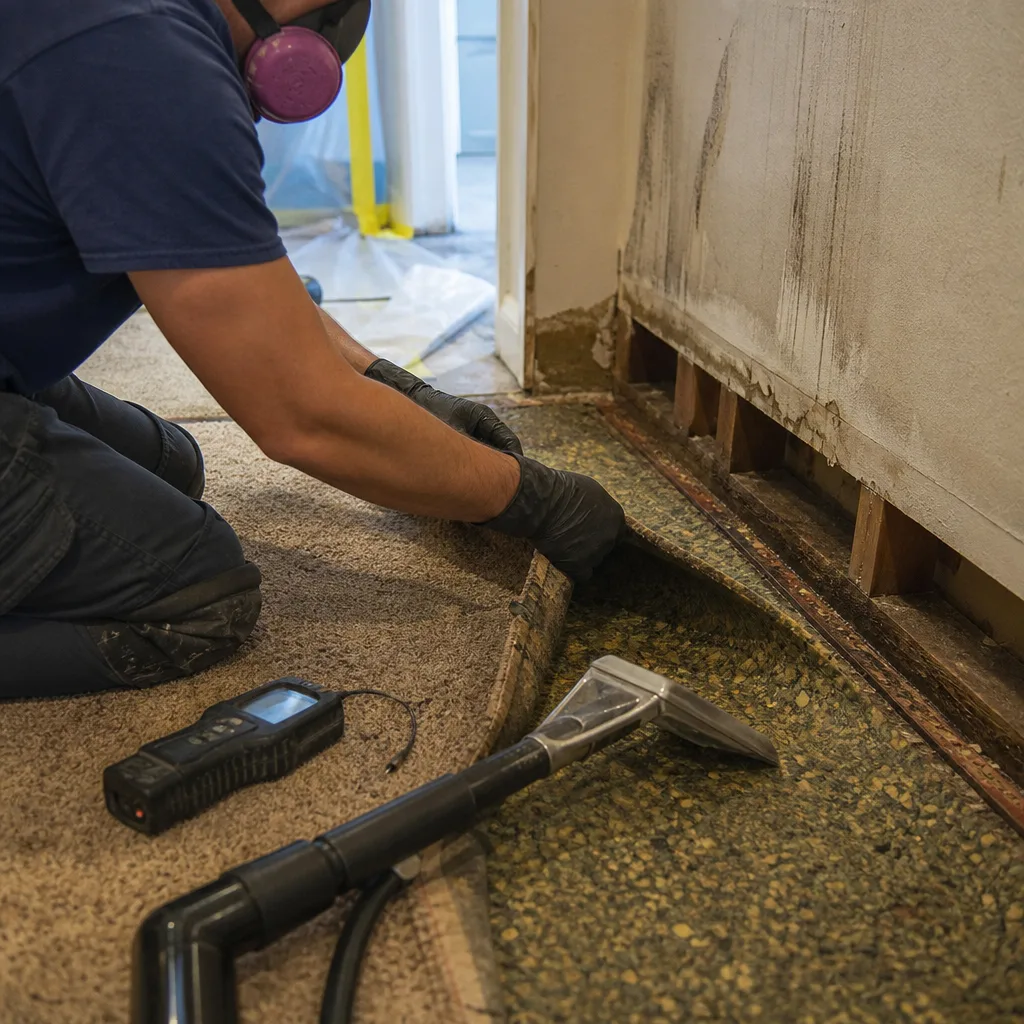
Fire claims fail most often at the documentation stage - when an adjuster cannot connect the invoice line items to verified damage. We eliminate that gap from the first hour. Our technician photographs every room before touching anything, records moisture readings in adjacent spaces to prove hidden damage, and produces a line-item scope formatted to Xactimate or Symbility standards that your carrier recognizes immediately.
We speak directly with your adjuster, provide supplemental documentation when hidden damage extends the scope, and never proceed beyond the written agreement without signed authorization. The photo record, drying logs, and daily moisture readings are delivered as standard - never billed as extras. This is the documentation-first approach Alicia Brennan built into Fire & Smoke Damage Restoration after seeing how many homeowners lost valid claims to incomplete files.
What We Provide Your Insurer
- Thorough documentation of the loss
- Photos of all damage, room by room
- Moisture readings and drying logs
- A detailed, line-item scope of work
- Direct coordination with your carrier
Built for Inglewood’s Loss Calendar
Inglewood’s fire damage calendar doesn’t follow the obvious seasonal patterns. Winter holiday cooking - deep-fried turkeys, overloaded electrical circuits from space heaters in uninsulated 1950s bungalows - drives December and January kitchen fires. Spring and summer bring the marine layer in thick, keeping relative humidity elevated when open windows and attic vents would otherwise help purge smoke odor; this is when we see the most callbacks for residual odor that seemed resolved in dry weather.
The Hollywood Park and SoFi Stadium redevelopment has surfaced a wave of long-neglected rental properties finally worth restoring. Owners of 1940s-1960s duplexes and four-plexes near Prairie Avenue and Century Boulevard are discovering that decades of deferred maintenance mean electrical panels, knob-and-tube remnants, and original furnace installations are past safe operation - the hidden ignition sources behind many “electrical” fires we respond to in the redevelopment zone. Summer’s dry Santa Ana conditions then accelerate any exterior fire that breaches the structure, while the same marine layer that complicates odor control can suppress exterior burning just enough to let interior smoldering progress undetected.
Fire & Smoke Damage Restoration Across Inglewood’s Neighborhoods
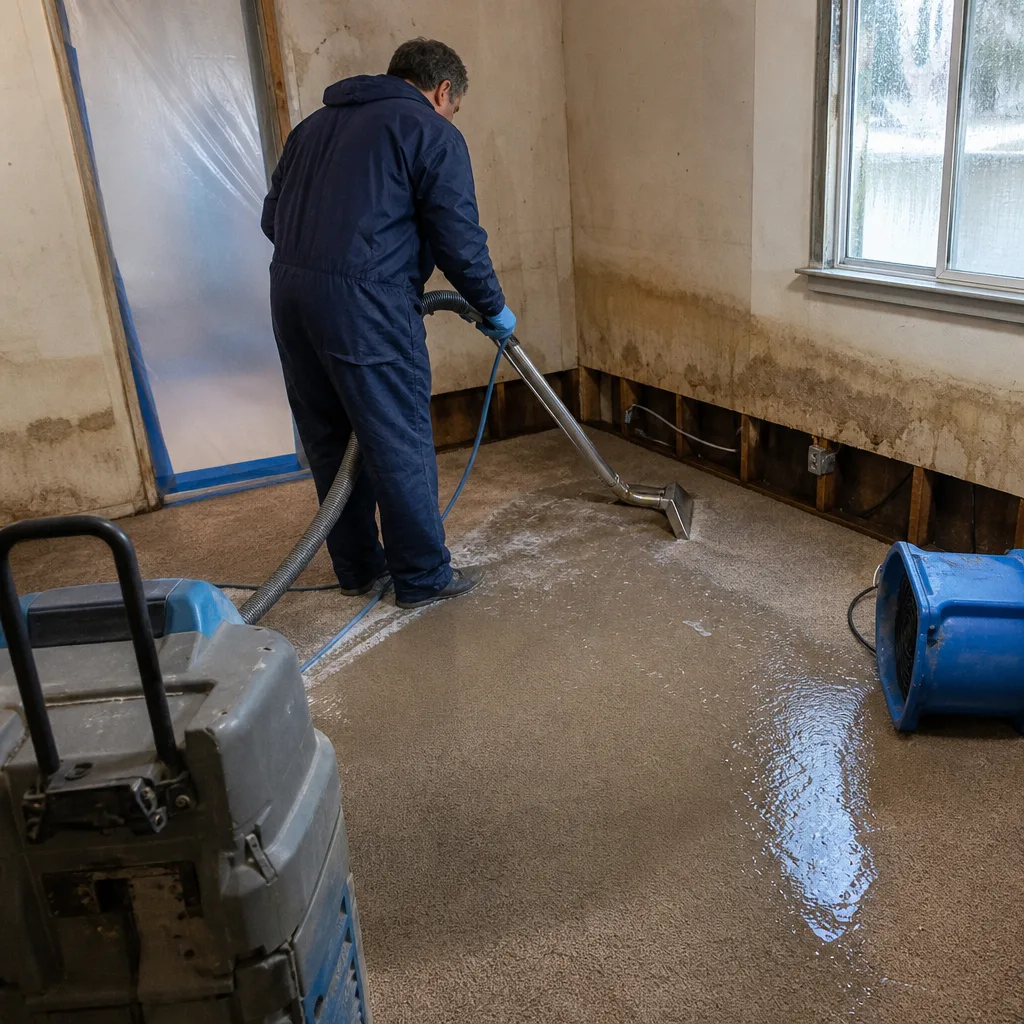
North Inglewood, directly beneath the LAX arrival corridors, presents our most complex scoping challenges. The hairline plaster cracks and loosened mortar joints from decades of low-frequency aircraft vibration create smoke migration pathways that thermal imaging often reveals only after initial assessment. Out-of-area adjusters routinely misclassify this cracking as ordinary settling or owner neglect, which can derail claims before remediation starts. Our crews document the vibration pattern explicitly, correlate it with FAA flight-path data when necessary, and tie smoke staining directly to the crack networks.
Central Inglewood’s dense 2-4 unit buildings along Crenshaw Boulevard and Manchester Boulevard share the same post-war stock but with tighter party-wall construction. A fire in one unit almost always requires smoke mitigation in adjacent units, and the shared attic spaces common to this era mean smoke can travel the full building length before triggering alarms. We scope the entire structure, not just the fire unit, and coordinate with multiple insurers when units carry different carriers.
The redevelopment corridor around Hollywood Park and SoFi Stadium - roughly Century Boulevard to the north, Prairie Avenue to the east - mixes renovated properties with original stock awaiting investment. The original stock here shows the most severe deferred maintenance: compromised roofing substrates, subfloor rot from long-undetected leaks, and electrical systems past safe capacity. Fire damage in these properties almost always extends beyond the visible burn boundary once demolition begins.
West Inglewood toward Hyde Park and the Culver City border sits slightly farther from the LAX corridors and shows less vibration cracking, but the same 1940s-1960s housing stock with intact asbestos materials. Properties here also face the seismically active corridor running through the region; foundation micro-cracking allows water infiltration that complicates fire restoration when suppression water finds these pathways.
Specialized Fire & Smoke Damage Restoration Services We Offer in Inglewood
Fire Damage Cleanup
We remove charred structural elements, debris, and compromised insulation, with all demolition preceded by asbestos and lead-paint testing mandatory on Inglewood’s pre-1978 housing stock. No boards come out until clearance documentation is in hand.
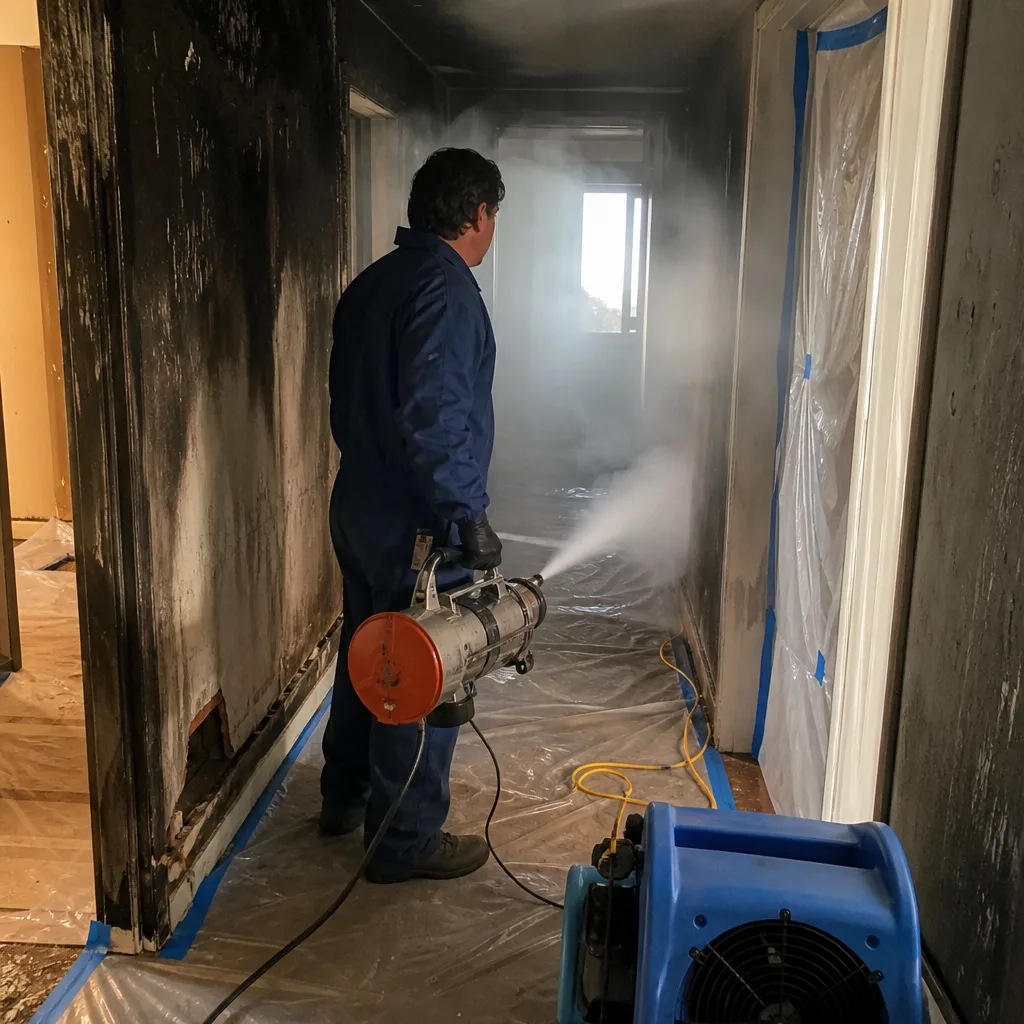
Smoke & Soot Removal
Different fire types leave different residues - dry smoke, wet smoke, protein, fuel oil soot - and each demands specific cleaning chemistry. Our FSRT-certified technicians identify the residue type before selecting methods, preventing the common error of setting protein residues with improper cleaners.
Odor Removal & Deodorization
Thermal fogging, ozone treatment, and hydroxyl generators neutralize odor at the molecular level. In Inglewood’s persistently humid marine-layer climate, we extend treatment cycles and verify with olfactory testing and air sampling before declaring the job complete.
Contents Cleaning & Pack-Out
Salvageable items are inventoried with photo documentation, packed, and transported to our facility for ultrasonic cleaning, ozone treatment, or specialized textile restoration. Non-salvageable items receive line-item replacement documentation for insurance submission. This service is critical in Inglewood’s tight 2-4 unit buildings where on-site cleaning space is limited.
Emergency Board-Up & Tarping
Immediate structural securing prevents secondary water intrusion from Inglewood’s marine-layer moisture and protects contents from weather and theft. Our board-ups include weather-resistant tarping rated for the wind exposure common near LAX’s open corridors.
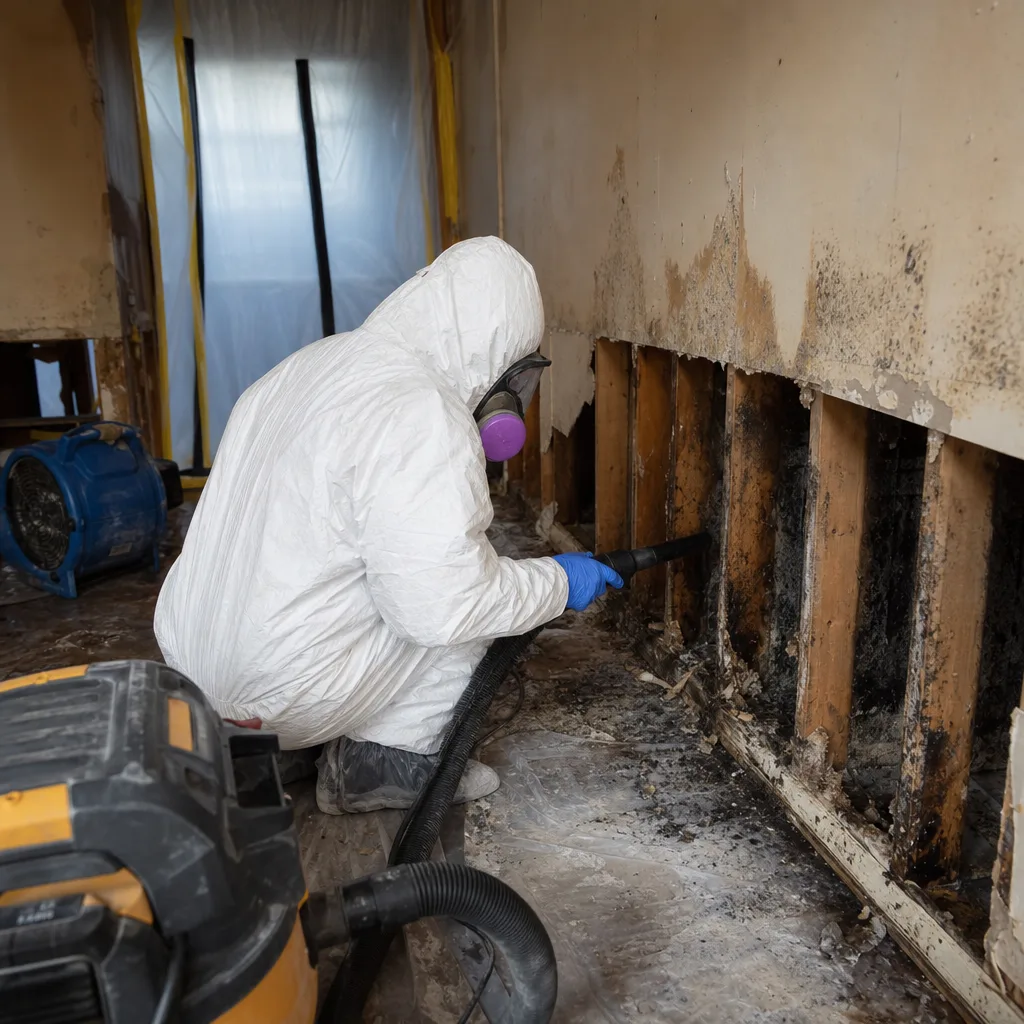
What happens when you call
- 1
A real person answersNo phone trees - you reach a local pro.
- 2
You get an upfront price rangeHonest numbers before anyone is dispatched.
- 3
A background-checked tech heads outLicensed & insured, dispatched right away.
- 4
You approve before work beginsNothing starts until you say go.
Fire & Smoke Damage Restoration Costs in Inglewood, CA
Emergency board-up and tarping in Inglewood typically runs $800-$2,400 depending on opening count and roof access complexity. Smoke and soot removal for a single affected room ranges $1,200-$3,500; whole-house smoke mitigation on a typical 1,200-square-foot Inglewood bungalow runs $4,500-$12,000. Contents pack-out, cleaning, and storage adds $2,000-$6,000 for a standard household inventory. Structural repairs vary widely: charred framing replacement in a kitchen fire might run $8,000-$18,000, while full reconstruction after major fire damage on a post-war bungalow can exceed $50,000 when asbestos abatement and lead-paint remediation are required.
What moves the price: mandatory hazmat testing and abatement on Inglewood’s 1940s-1960s stock (typically $1,500-$5,000 additional); the extent of smoke migration beyond the visible burn boundary; and whether aircraft-vibration cracking has created hidden pathways requiring extended remediation. Insurance typically covers direct fire and smoke damage plus necessary abatement; our written scope separates insurance-covered items from potential out-of-pocket upgrades so you know exactly where you stand before work starts. Call (424) 372-0129 for a free inspection and firm written estimate.
We Also Serve Cities Near Inglewood
Our crews respond throughout the metro area, including Inglewood and neighboring Hawthorne, Culver City, El Segundo, and Playa Vista. Dispatch and scheduling are coordinated from our Los Angeles office; crews serve each city locally with the same 45-minute response commitment and documentation-first approach.
Serving Inglewood, CA - Our Local Coverage Area
We’re based in the Inglewood area and know this community well. Use the map below to see our service coverage - if you’re nearby, we can almost certainly help.
Inglewood Fire & Smoke Damage Restoration Questions, Answered
Why does my Inglewood fire cleanup need asbestos and lead-paint testing before anything gets torn out?
Because Inglewood’s dominant housing stock was built between the 1940s and 1960s, when asbestos vinyl floor tile, pipe insulation, and acoustic ceilings were standard construction materials, and lead paint was legally used until 1978. California law and OSHA regulations require testing before any demolition that could disturb these materials. We’ve seen jobs stopped cold when a contractor skipped this step and hit original tile during demo - the abatement delay and penalty costs far exceed the testing expense. Call (424) 372-0129 and we’ll coordinate certified testing as the first item on every scope.
Does a small kitchen fire in Inglewood really require a full scope of work and moisture mapping beyond the burned area?
Yes - small kitchen fires in post-war Inglewood homes routinely hide larger problems. The original plaster-on-lath walls are more porous than modern drywall, allowing smoke and suppression water to penetrate cavities. Our thermal imaging has found moisture in subfloor assemblies and wall cavities two rooms away from the stove. Moisture mapping documents this hidden damage for your insurer and prevents Mold Remediation in Inglewood from becoming necessary in the humid marine-layer climate. The inspection is free; the documentation protects your claim.
What does fire and smoke damage restoration actually involve beyond cleanup?
Restoration returns the structure to pre-loss condition, not just removes debris. After cleanup and odor treatment, we replace charred framing, reinstall insulation rated to current code, repair or replace plaster and drywall, repaint, and reinstall flooring and fixtures. In Inglewood, this phase also includes hazmat abatement clearance, moisture verification with documented readings, and final air-quality testing before occupancy. Our Fire & Smoke Damage Restoration in Inglewood team handles the full sequence with one crew, start to finish.
How does Inglewood’s marine-layer climate affect fire and smoke damage restoration timelines?
Inglewood’s persistent marine-layer humidity keeps interior relative moisture elevated year-round, which slows natural drying of suppression water and accelerates mold colonization in wall cavities. We run commercial dehumidifiers from Dri-Eaz and Phoenix longer than inland crews might, and we verify dryness with daily hygrometer readings rather than surface checks alone. This compressed remediation window means starting mitigation immediately - not next business day. Call (424) 372-0129 for same-day response.
My Inglewood house has hairline plaster cracks under the LAX flight path - will the adjuster treat those as fire damage?
Not automatically, and that’s the problem. Out-of-area adjusters frequently classify aircraft-vibration cracking as pre-existing settling or deferred maintenance, which can exclude related smoke damage from coverage. Our documentation explicitly correlates smoke staining with the crack pattern, uses thermal imaging to prove migration pathways, and references the documented vibration exposure when necessary. We protect your claim by proving what the fire caused, not what existed before. Call (424) 372-0129 for a free inspection and documentation review.
How fast can your crew actually get to my Inglewood property?
We commit to 45 minutes from call to arrival for Inglewood addresses, with crews staged for the metro area. A live person answers at (424) 372-0129 24 hours a day - no voicemail, no callback queues. Fire damage compounds every hour: smoke residues bond permanently to surfaces, corrosion begins on metal fixtures, and suppression water starts the mold clock in wall cavities. Speed matters, and we measure it.
Will my insurance cover the full restoration, including the hazmat abatement?
Direct fire and smoke damage is almost always covered, and necessary abatement of hazardous materials disturbed by the fire is typically included as part of the covered loss. Where adjusters push back is on scope - whether the damage truly required the work performed. Our photo documentation, moisture logs, and line-item written scopes answer that question before it arises. We bill your carrier directly and coordinate supplemental claims when hidden damage extends the scope. Bring any competitor’s written estimate for a free second opinion.
Can my family stay in the home during fire and smoke damage restoration?
Usually not during the initial smoke and soot removal phase, when HEPA air scrubbers and thermal fogging require sealed containment and occupants would interfere with negative-pressure protocols. Hydroxyl generators allow earlier re-occupancy of treated zones than ozone, which requires full evacuation. For Inglewood’s many 2-4 unit buildings, we coordinate with adjacent unit occupants when shared systems require shutdown. We provide a clear timeline in writing before work starts - Haven Standard, Clause 1 - so you can plan accordingly. Call (424) 372-0129 to discuss your specific situation.
Written by Alicia Brennan, Owner at Back to Dry Restoration, serving Inglewood since 2011.