Free visual inspection and a written scope of work before any mitigation begins - photos, moisture readings, and drying logs go in your claim file
The scope we write is the scope we bill. Anything new gets shown to you, in writing, before we touch it.
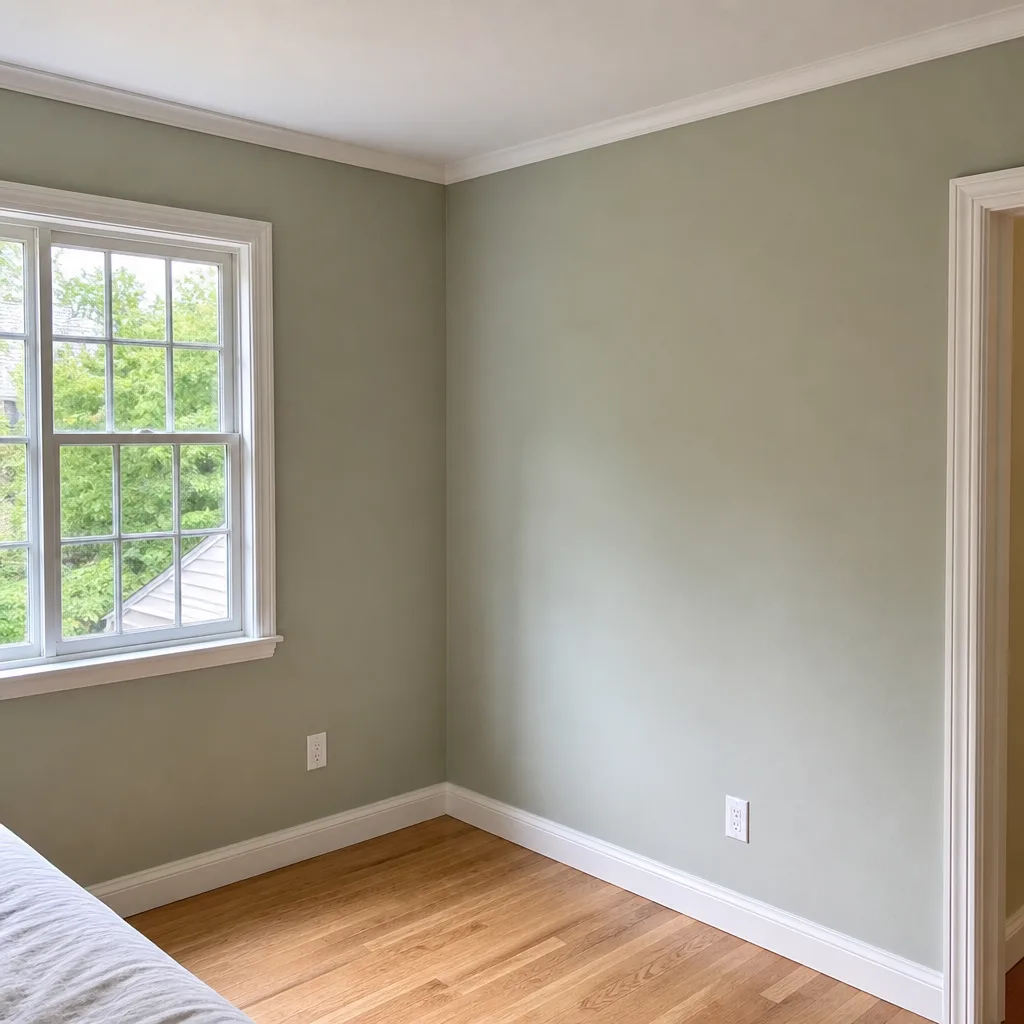
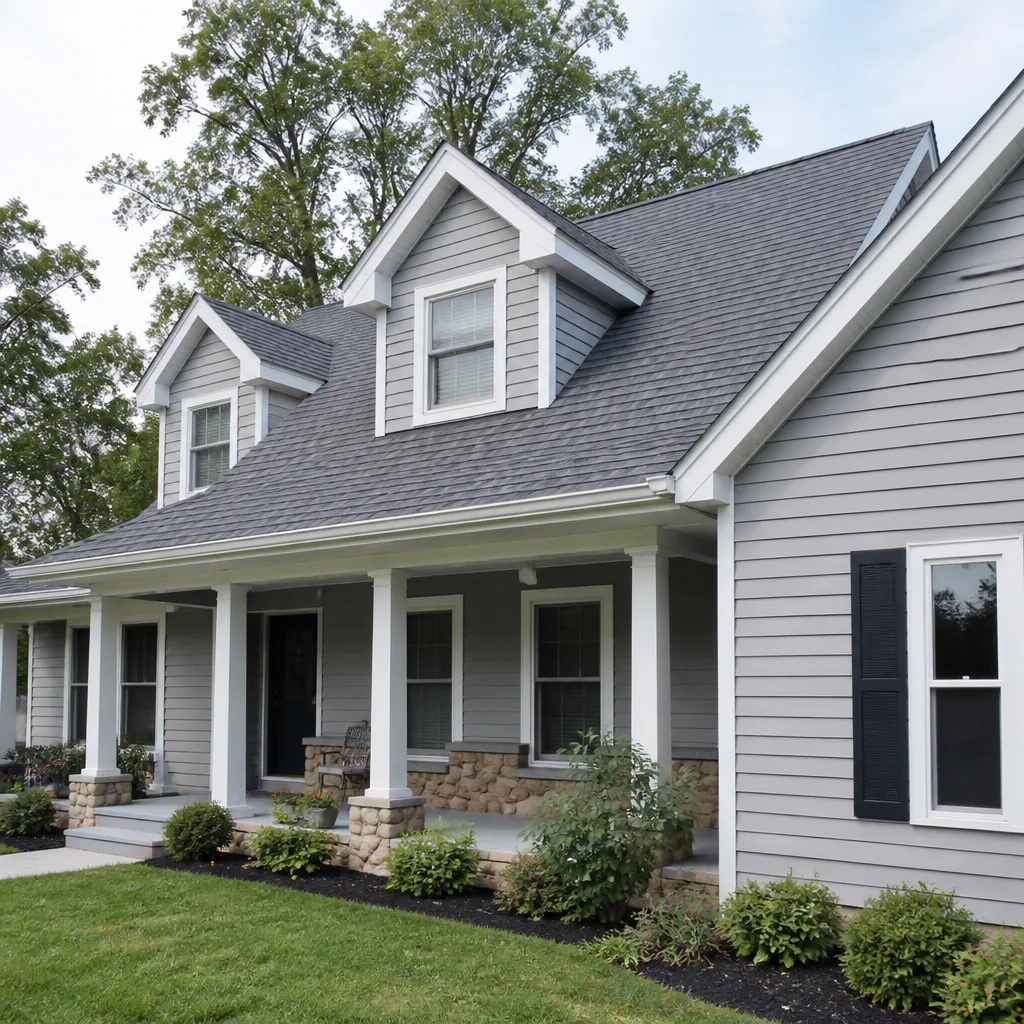
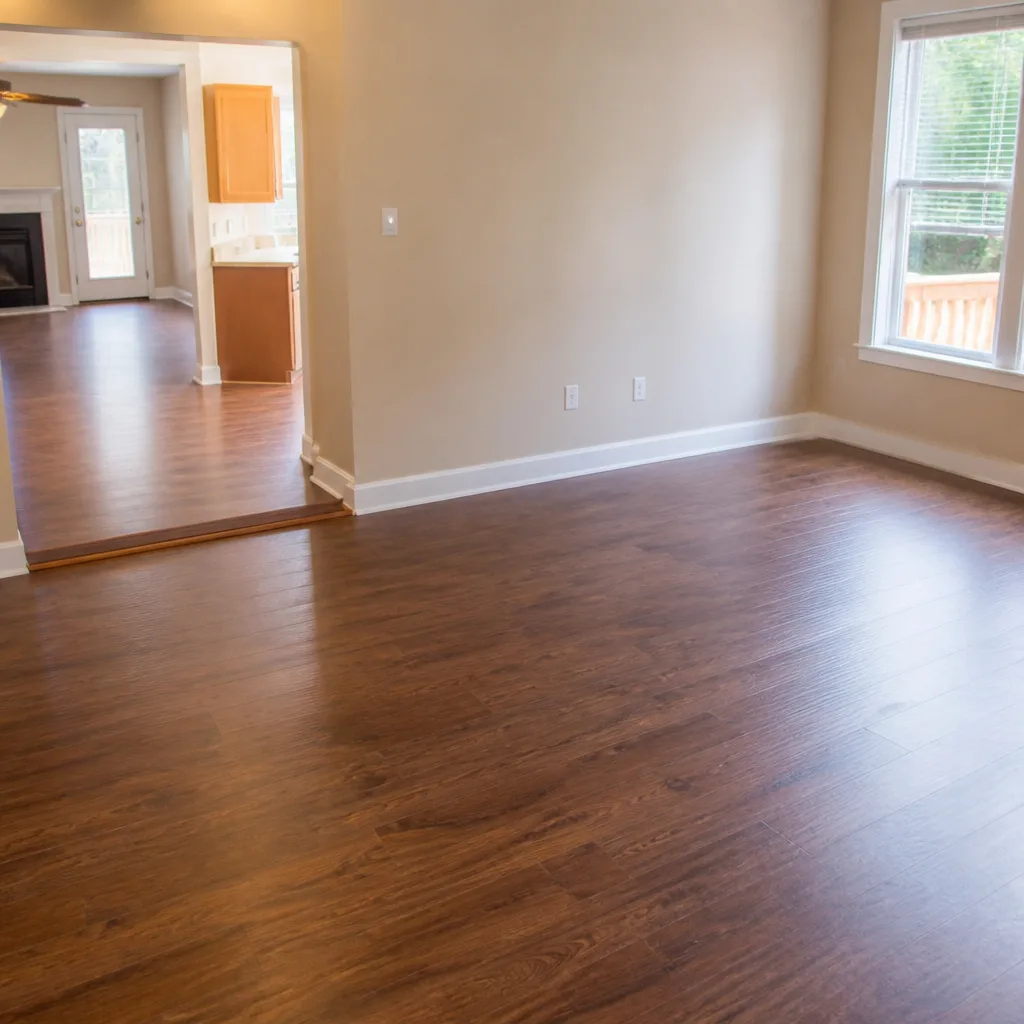
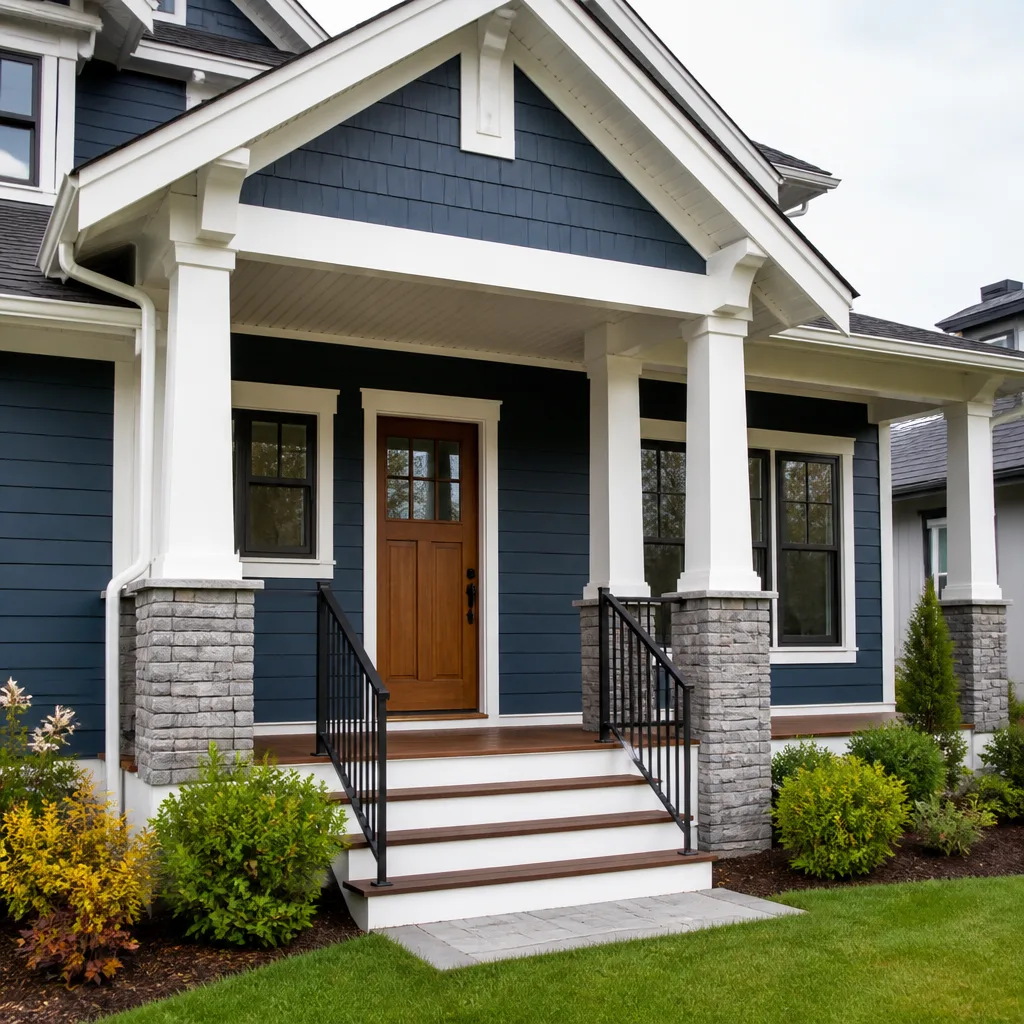
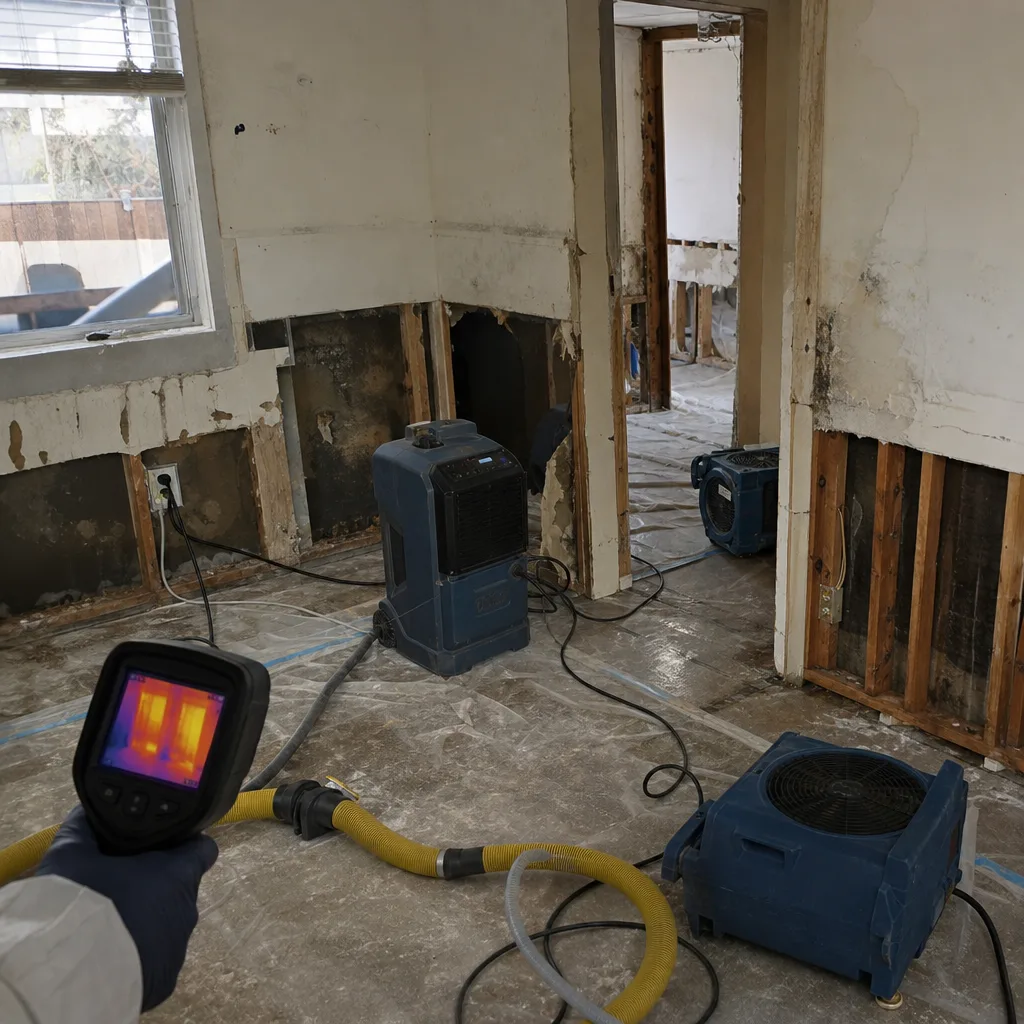 Before
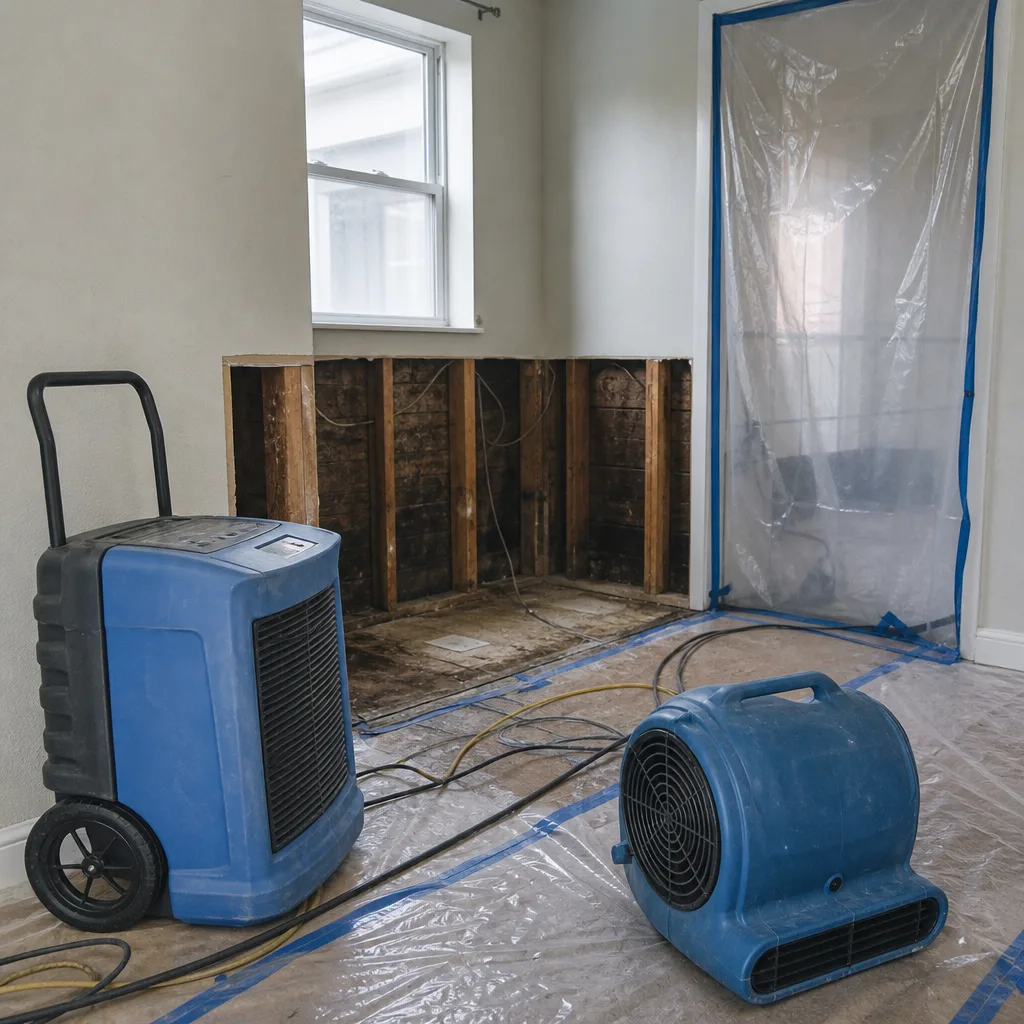 After
After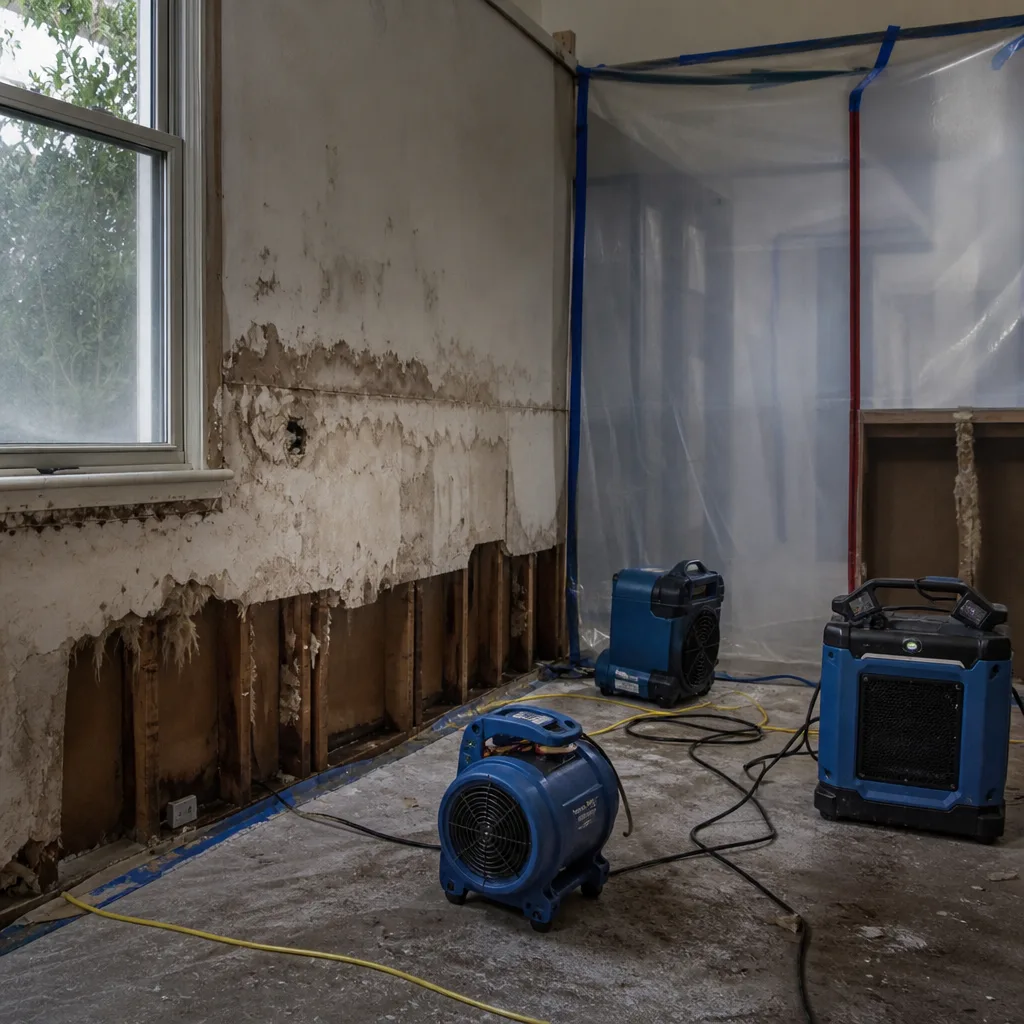 Before
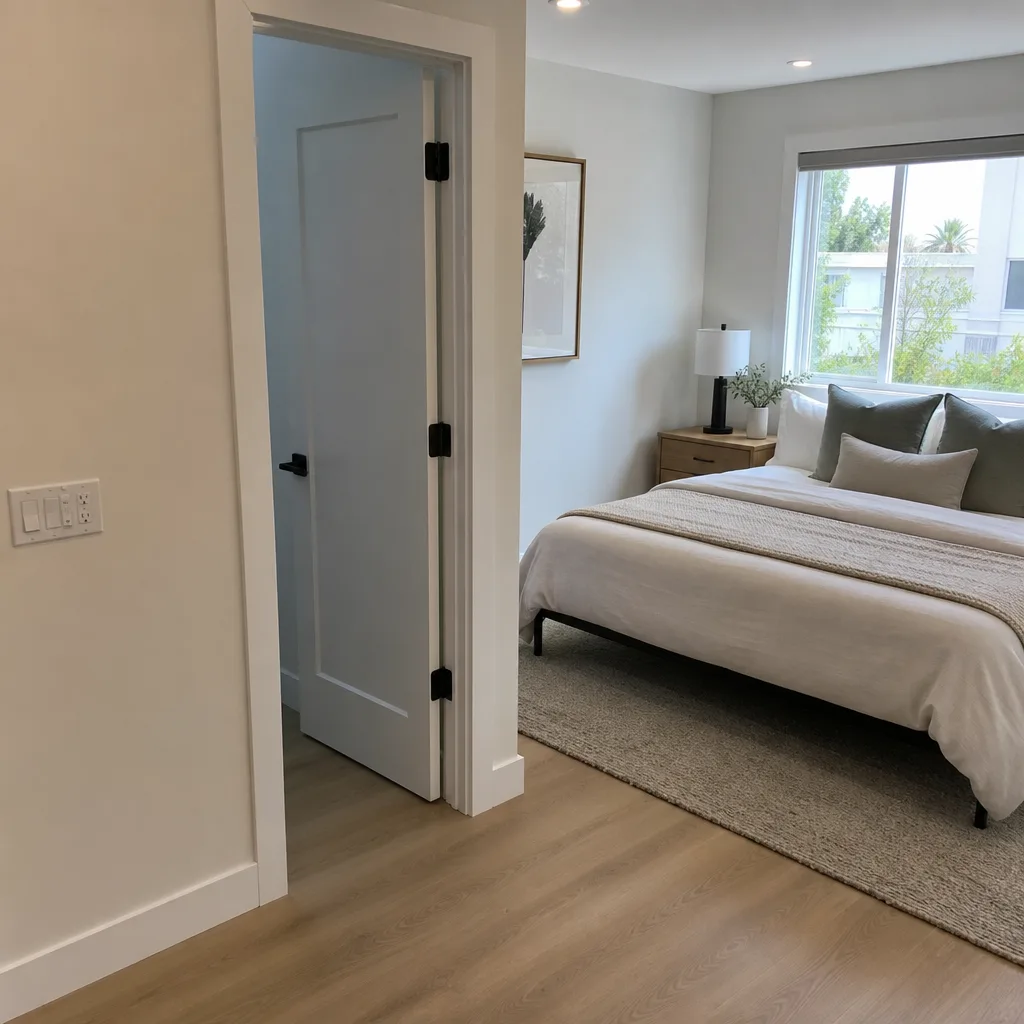 After
After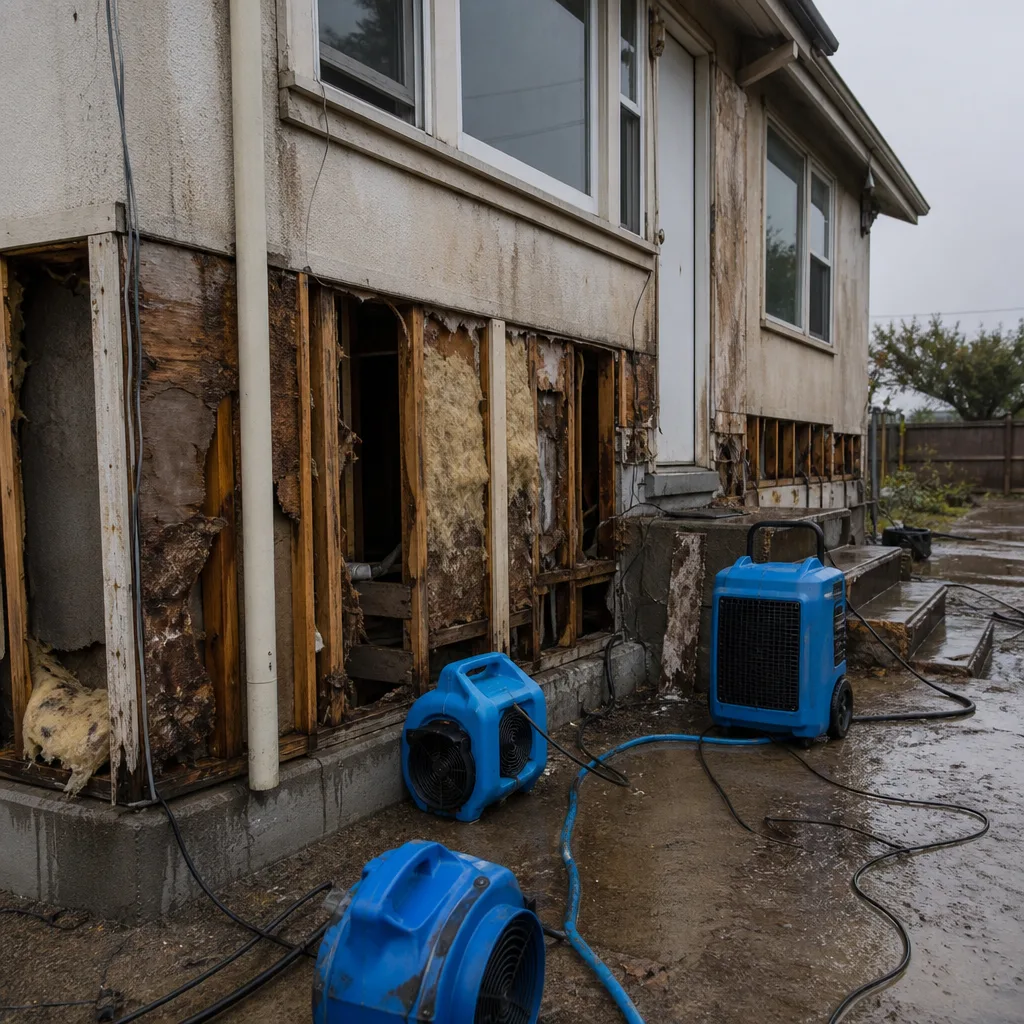 Before
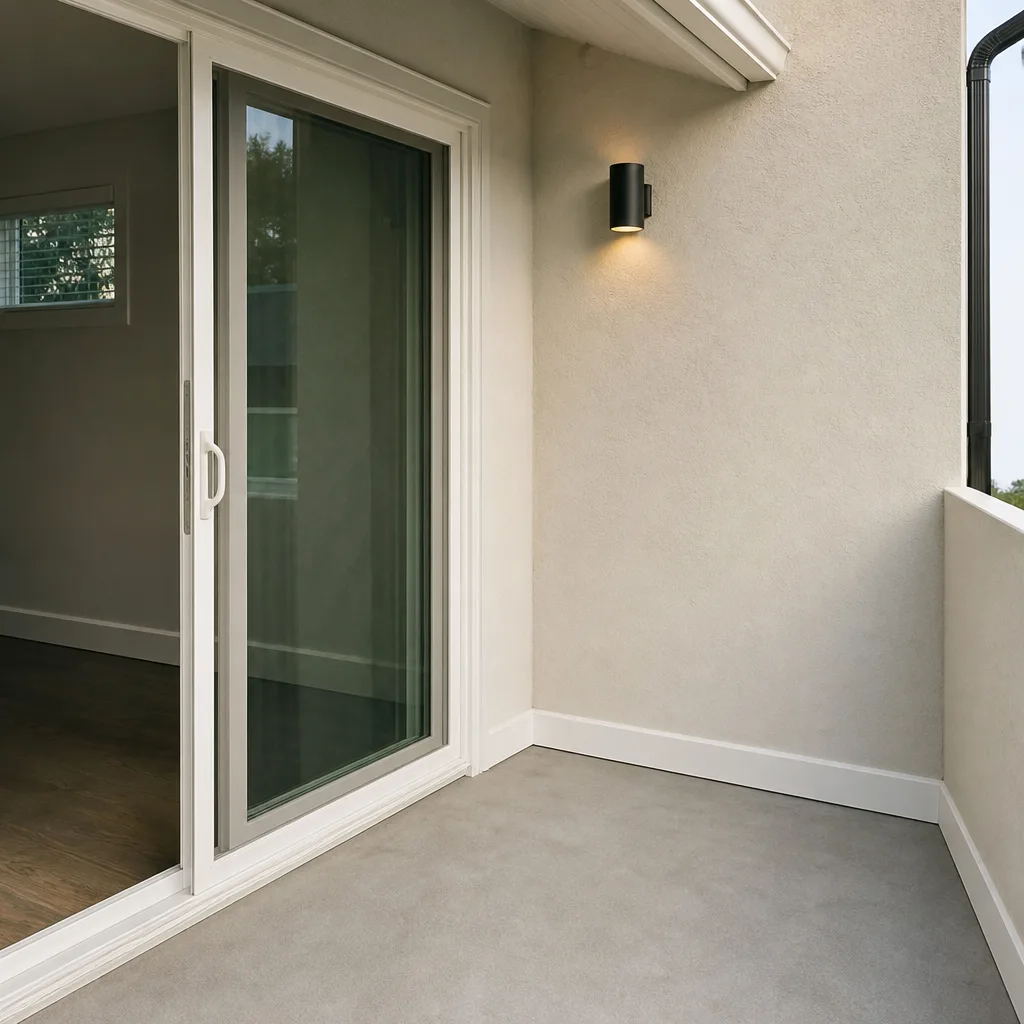 After
After24/7 Emergency Fire & Smoke Damage Restoration in Brentwood
A kitchen fire or electrical event in a Brentwood home can leave smoke residue in wall cavities and water damage from firefighting hoses within minutes. Call (424) 372-0129 now for a crew dispatched to your Brentwood address. We answer live, 24 hours a day, with no voicemail trees or next-business-day callbacks while soot continues to settle into porous surfaces.
The first hour after the fire department leaves determines how much of your home can be saved. Smoke particles begin etching glass and metal within hours. In Brentwood’s inland valley heat, which regularly pushes past 100°F from June through September, the moisture left behind by firefighting efforts triggers mold colonization in 48 to 72 hours, not the week-plus window cooler coastal cities get. Our Fire & Smoke Damage Restoration team arrives with thermal imaging, moisture meters, and containment equipment to stop both damage paths before they spread.
We serve Brentwood from our San Francisco Bay Area dispatch office. Every emergency call starts with a free visual inspection, a written scope of work, and a firm price before any equipment runs. Haven Standard, Clause 1.
Understanding Fire & Smoke Damage Restoration Severity in Brentwood Properties
Fire damage in Brentwood follows a different severity scale than in older East Bay cities. Most residential stock here was built between 1995 and 2010 by volume builders like KB Home, Shea, and Lennar. These production homes share a construction profile that amplifies fire and smoke damage: synthetic stucco (EIFS) cladding over OSB sheathing, slab-on-grade foundations poured over expansive Delta clay, and complex rooflines with multiple penetrations that create hidden chase pathways for smoke migration.
We classify fire damage by residue type and water intrusion level. Dry smoke residue from fast-burning, high-heat fires produces fine, powdery soot that powders off surfaces but drives deep into porous materials. Wet smoke residue from slow, smoldering fires, like a kitchen grease fire or electrical outlet fire, leaves a sticky, smeary film that requires solvent-based cleaning and often demands material replacement. Protein residue from kitchen fires is nearly invisible but carries an intense, persistent odor that standard cleaning won’t touch.
The water component matters equally. Firefighting hose spray introduces Category 2 or Category 3 water, gray or black water classification, into wall cavities, slab edges, and roof assemblies. In Brentwood’s 2000s tract homes, that water gets trapped behind synthetic stucco with no drainage plane, wicking into OSB sheathing that swells and delaminates. Tertiary drying, the final phase of structural drying where vapor pressure differentials are managed to pull bound moisture from dense materials, becomes impossible without opening the cladding. We document moisture readings at every phase so insurers cannot dispute the extent of water damage secondary to the fire event.
Why Brentwood Property Owners Choose DryMark Restoration Venice
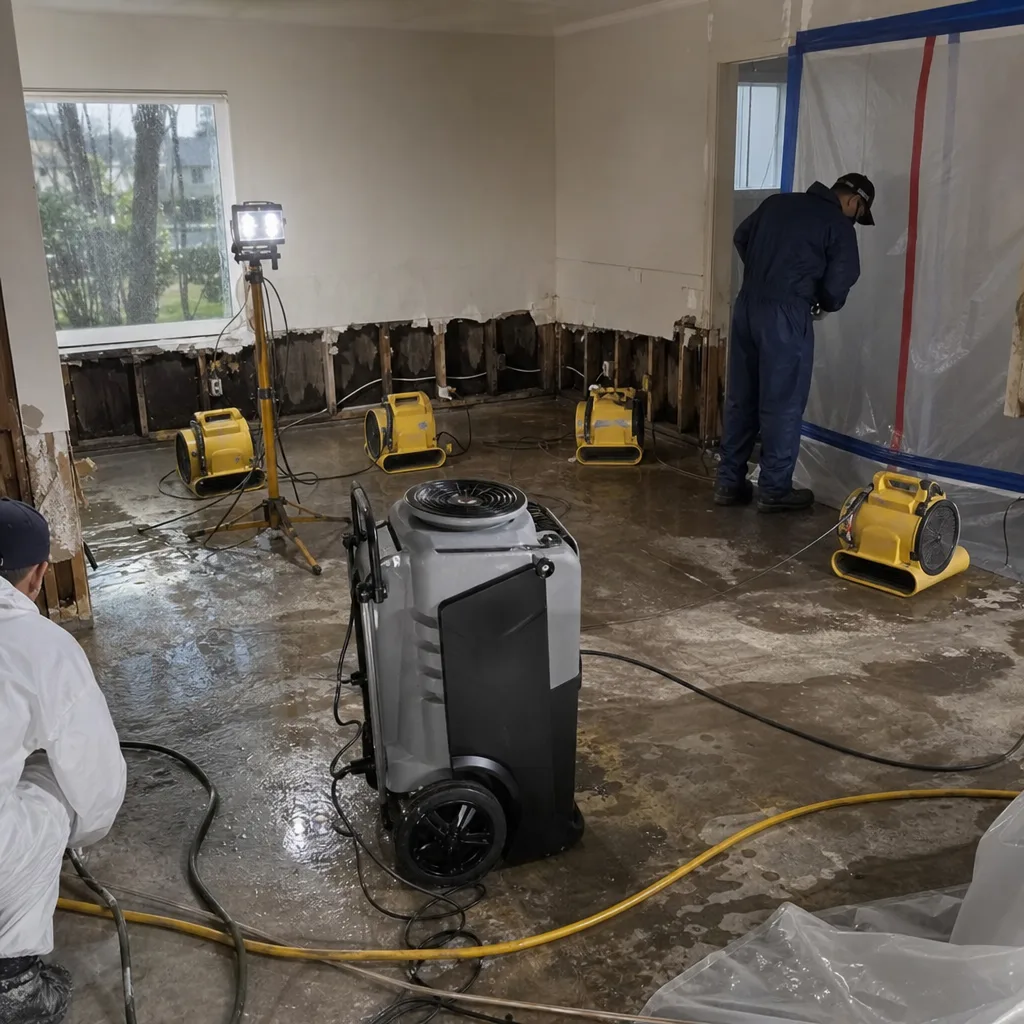
- 45-minute response commitment to Brentwood addresses, with crews staged for the inland valley corridor.
- 24/7 live answer - a real person, never an automated system or voicemail tree, on every emergency call.
- IICRC-certified crews holding Fire and Smoke Restoration Technician (FSRT) and Water Damage Restoration Technician (WRT) certifications, with license numbers documented on every job file.
- Free visual inspection and written scope before any work begins, with no pressure to authorize on the spot.
- Direct insurance billing and adjuster coordination, including photo-documented loss files formatted to carrier standards.
- One team from board-up to reconstruction, so your scope doesn’t get lost in handoffs between mitigation and rebuild contractors.
 Before
 After
AfterOur Fire & Smoke Damage Restoration Process
1. Inspection & Assessment
We arrive with thermal imaging cameras, moisture meters, and hygrometers to map smoke migration and water intrusion. In Brentwood’s production homes, we pay particular attention to synthetic stucco cladding and OSB sheathing, where smoke and moisture hide behind intact exterior surfaces. Every reading is logged.
2. Emergency Board-Up & Stabilization
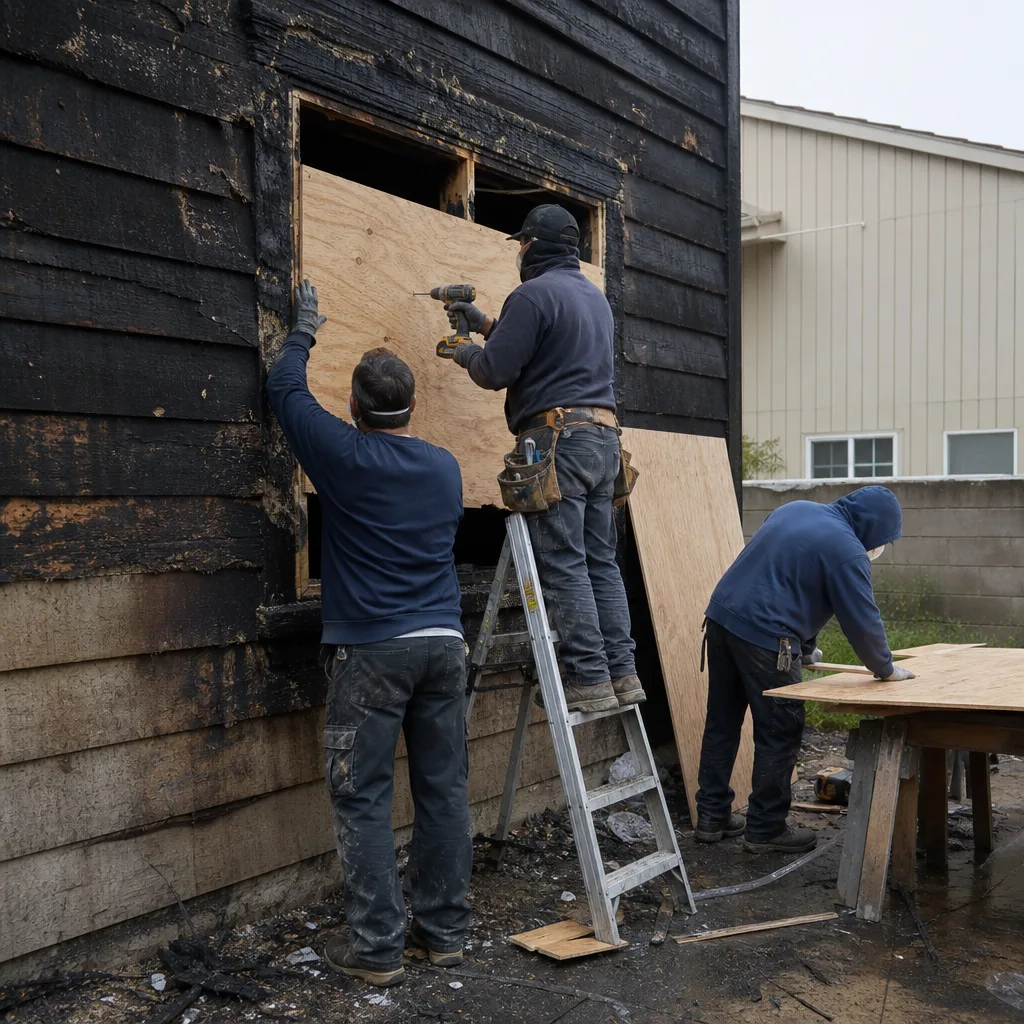
Broken windows, compromised doors, and damaged roof sections get secured with plywood and weatherproof tarping. We document the pre-loss condition with photos before touching anything, so your insurer sees exactly what the fire left.
3. Water Extraction & Structural Drying
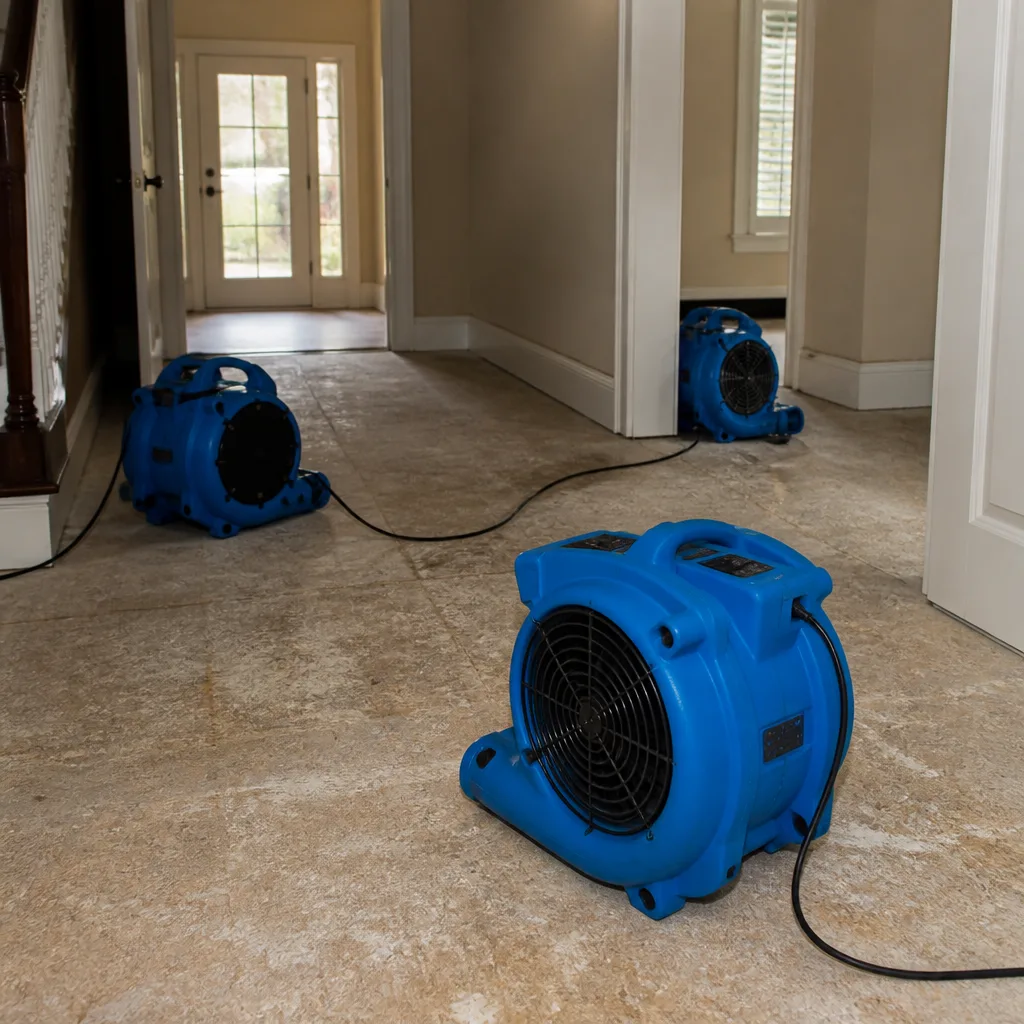
Firefighting water gets extracted with truck-mounted systems, then we deploy Dri-Eaz and Phoenix dehumidifiers with axial air movers to establish controlled drying. In Brentwood’s heat, we monitor psychrometric data, temperature and relative humidity readings, hourly to prevent secondary mold growth inside wall cavities.
4. Smoke & Soot Cleaning
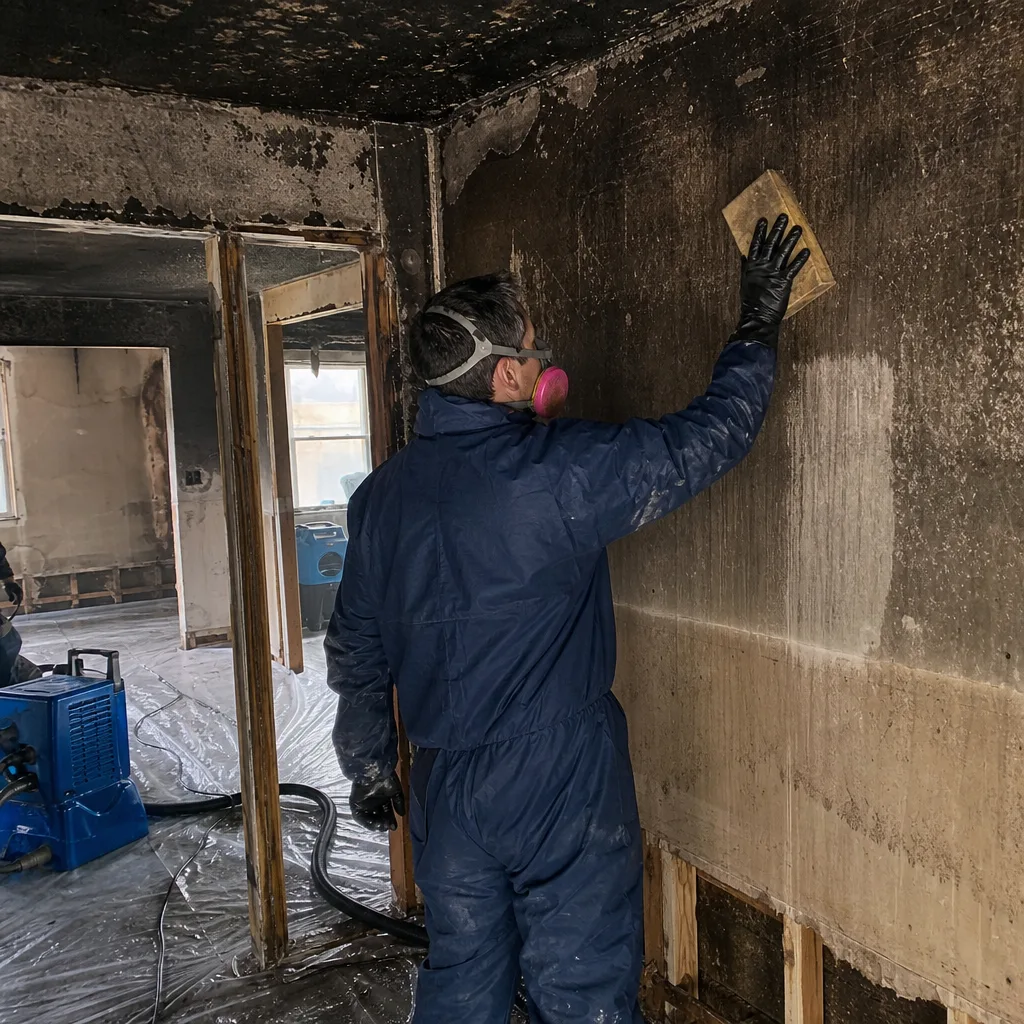
Residue type determines cleaning chemistry: dry sponges for dry smoke, solvent cleaners for wet smoke, enzymatic treatments for protein residue. HEPA air scrubbers run continuously during this phase to capture airborne particulates. We clean room by room, surface by surface, with photo documentation at each stage.
5. Odor Removal & Deodorization
Residual odors get treated with thermal fogging, ozone, or hydroxyl generators depending on material sensitivity and occupancy status. In Brentwood’s tightly sealed production homes, we often find odor has migrated through HVAC ductwork and settled in insulation, requiring duct cleaning and selective insulation replacement.
6. Repairs & Restoration
We rebuild what we removed: drywall, flooring, cabinetry, stucco cladding, and roof sections. Every repair is scoped in writing before work resumes, with a signed 365-Day Done Right Promise under The Haven Standard. Our reconstruction crews use the same documentation standards as our mitigation teams, so your claim file stays complete.
Need Emergency Fire & Smoke Damage Restoration in Brentwood Now?
Crews minutes away, answering live 24 hours a day. The sooner we start, the less it costs.
Working With Your Insurance Company
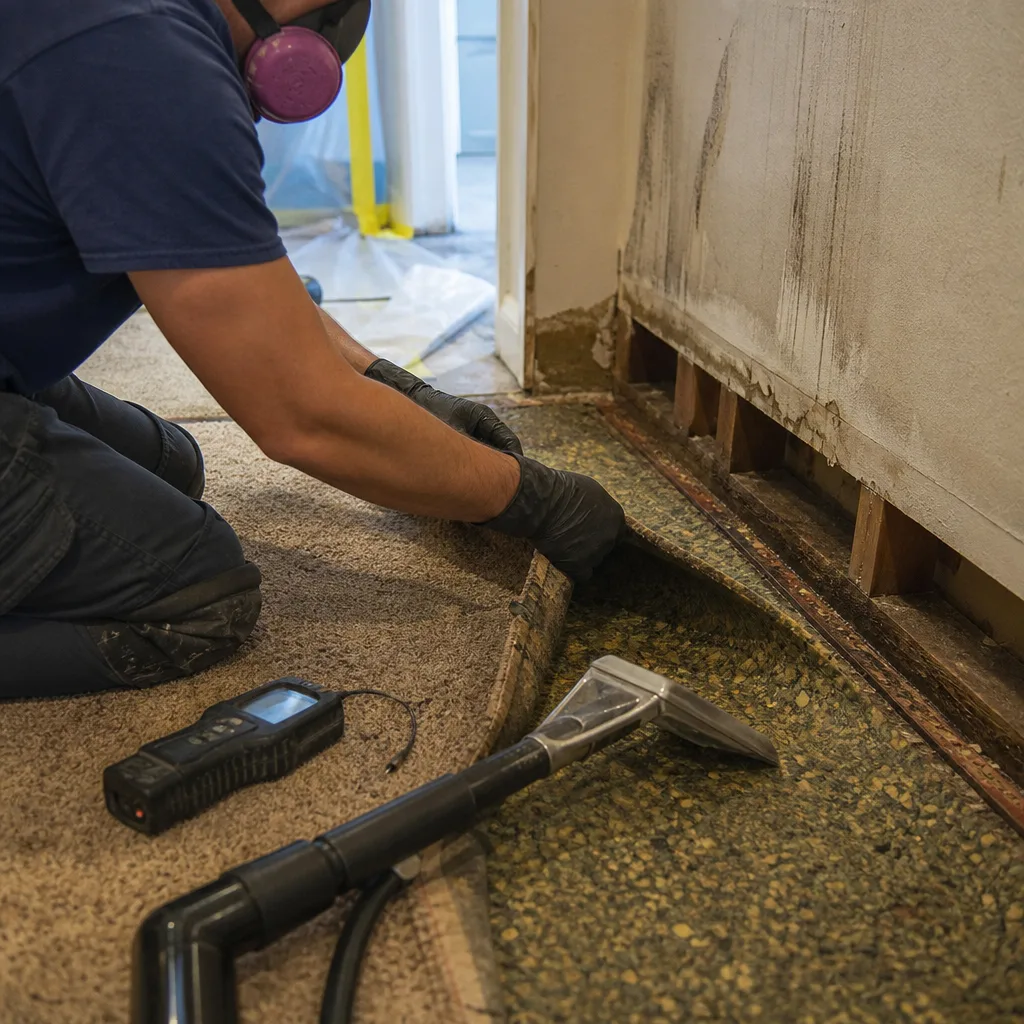
Fire claims get scrutinized harder than water losses. Adjusters want to know what damage came from flames, what came from smoke, what came from firefighting water, and what might be pre-existing. We build that case from the first hour.
Our documentation starts with timestamped photos of the loss scene before any equipment runs. We record moisture readings in affected and unaffected areas to establish a baseline. Drying logs track every machine, every reading, every adjustment. The written scope of work is line-itemed by room and by trade, with material specifications and labor hours. When we find pre-existing conditions, like hairline slab cracks from expansive Delta clay, we document those too, so the insurer cannot later claim the secondary damage was prior settling.
We coordinate directly with your adjuster, provide supplemental documentation on request, and format estimates to carrier standards. If you’ve received a written estimate from another restoration company, we offer a Free Second Opinion at no charge.
What We Provide Your Insurer
- Thorough documentation of the loss
- Photos of all damage, room by room
- Moisture readings and drying logs
- A detailed, line-item scope of work
- Direct coordination with your carrier
Built for Brentwood’s Loss Calendar
Fire and smoke damage in Brentwood follows seasonal patterns tied to climate, housing age, and agricultural land use.
June through September: Triple-digit inland valley heat strains electrical systems in 20-to-30-year-old production homes. Air conditioning units run continuously, attic temperatures exceed 140°F, and aging aluminum wiring or overloaded panels spark fires in walls and attics. The same heat that causes the fire accelerates mold growth from firefighting water, compressing our drying window.
October through November: Diablo wind events, hot dry northeasterlies funneling through the Delta, elevate wildfire risk and can carry embers into roof penetrations on complex rooflines. Brentwood’s agricultural edges, still active with dry crop residue, see higher ignition rates during these wind episodes.
December through February: Holiday cooking and space heater use drive kitchen and living room fires. Homeowners running supplemental heat in poorly insulated production homes overload circuits never designed for continuous draw.
March through May: Atmospheric river storms bring lightning strikes and electrical surges. The same storms can delay emergency response on flooded rural roads between subdivisions.
Fire & Smoke Damage Restoration Across Brentwood’s Neighborhoods
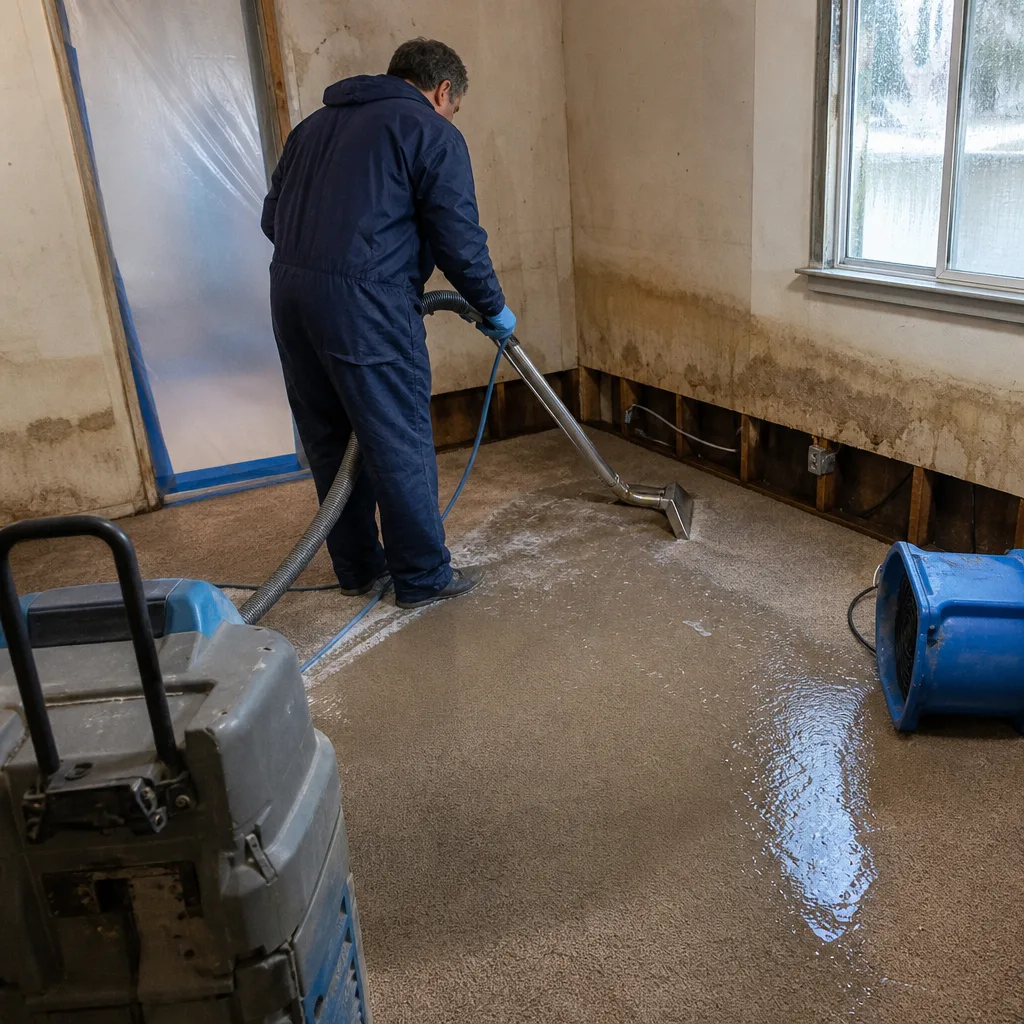
We respond to fire and smoke damage across Brentwood’s full residential footprint, and the loss pattern varies by when and how each area was built.
Downtown Brentwood and the original grid: Pre-1990 homes near Brentwood Boulevard and First Street tend to be smaller, simpler structures with wood siding and crawl spaces rather than slabs. Fires here usually involve older electrical systems and produce more localized damage. Smoke migration is easier to trace and contain.
Sand Creek corridor and Shadow Lakes: The 2000s Shea and Lennar builds off Sand Creek Road represent the classic Brentwood fire challenge. A kitchen fire in a 2004 Shea home off Sand Creek Road left smoke residue in the OSB sheathing behind the synthetic stucco, so our tech pulled moisture readings, set containment, and ran Dri-Eaz dehumidification and air movers while removing the charred drywall. After structural drying and antimicrobial treatment, we rebuilt the wall, reinstalled the builder-grade door and opener, and included a smart-opener upgrade so the homeowner could monitor the garage during the insurance claim. We documented the pre-loss condition, drying logs, and scope of work so the adjuster would not dispute the secondary damage from the firefighting water.
Brentwood Hills and Deer Ridge: Larger homes on bigger lots, many built 2005-2010 with more complex rooflines and multiple HVAC zones. Smoke travels farther in these floor plans, and the higher square footage means longer drying times and more extensive contents cleaning.
Apple Hill and the western edge: Newer construction with some improved fire-resistant materials, but still slab-on-grade over the same expansive clay. Wildfire ember exposure is higher here, closer to open agricultural land.
Specialized Fire & Smoke Damage Restoration Services We Offer in Brentwood
Fire Damage Cleanup
We remove charred structural materials, debris, and compromised contents with photo documentation at every stage. In Brentwood’s production homes, this almost always includes selective demolition of synthetic stucco to access OSB sheathing that has absorbed firefighting water. We scope replacement materials to match original builder specifications or upgrade where the homeowner chooses.
Smoke & Soot Removal
Dry, wet, and protein residues each demand different cleaning chemistry and technique. We test residue type before selecting methods, then clean systematically from ceiling to floor, structural surface to contents. HEPA air scrubbers run continuously to capture particles disturbed during cleaning.
Odor Removal & Deodorization
Brentwood’s tightly sealed production homes trap odor in wall cavities, ductwork, and insulation. We use thermal fogging for severe cases, hydroxyl generators for occupied structures, and selective material replacement when odor has bonded to porous substrates that cleaning cannot restore.
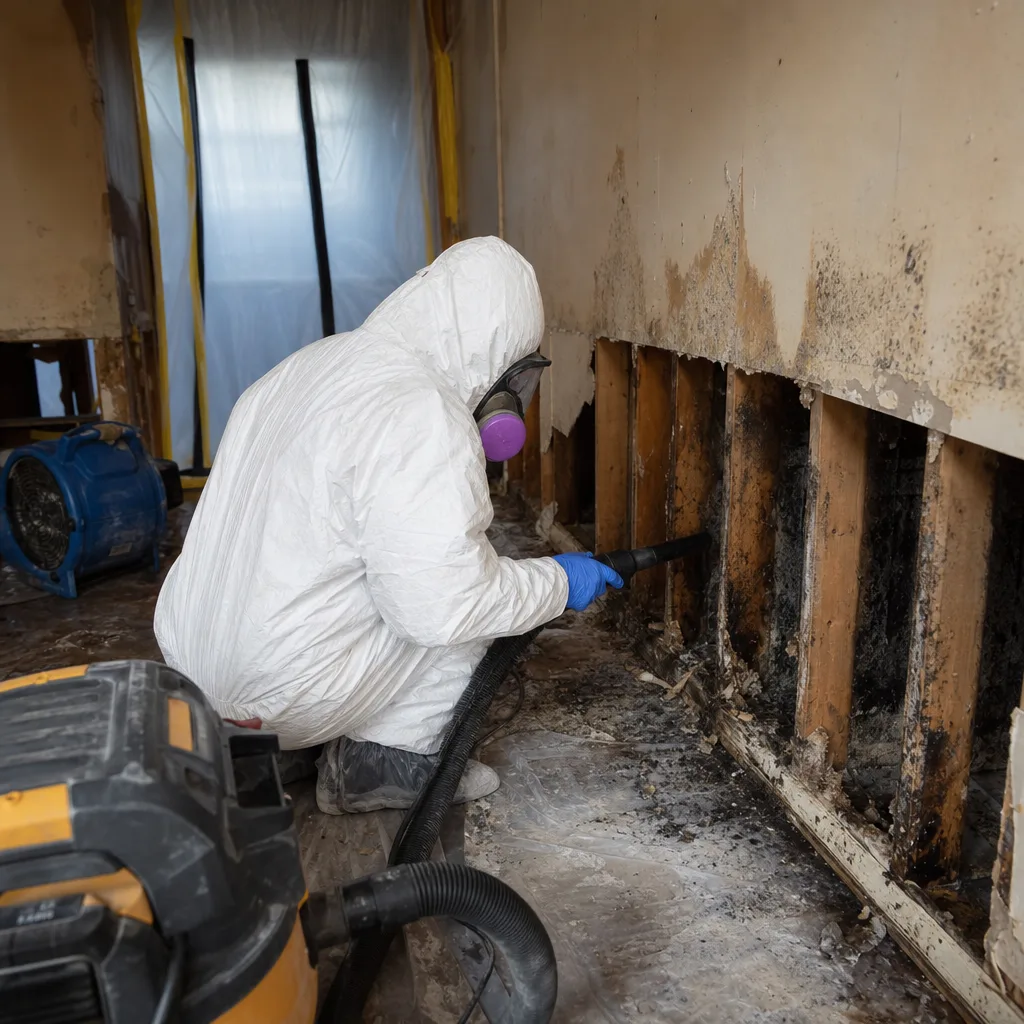
Contents Cleaning & Pack-Out
Salvageable furniture, electronics, textiles, and personal items get inventoried, photographed, packed, and transported to our cleaning facility. Non-salvageable items are documented for insurance replacement value. We coordinate pack-out timing with your adjuster to prevent coverage disputes.
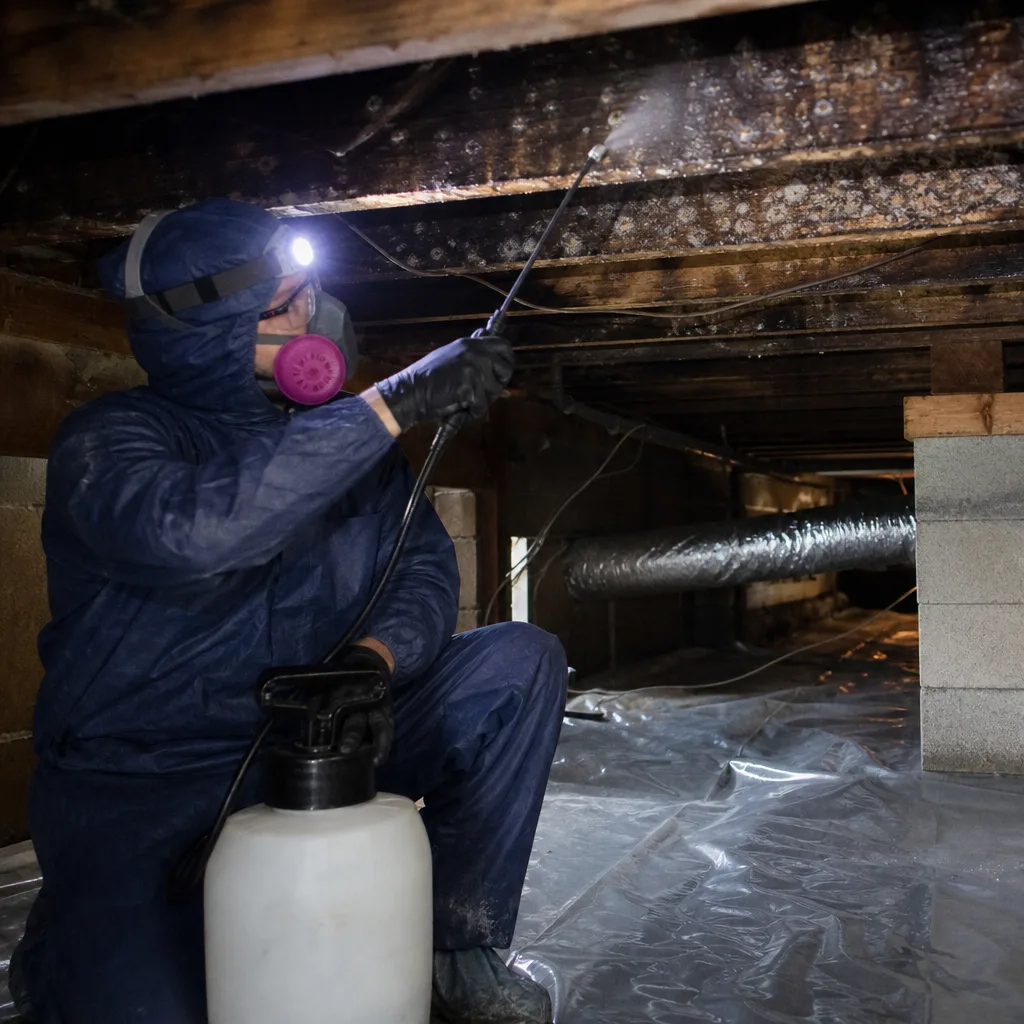
Emergency Board-Up & Tarping
Broken windows, damaged doors, and compromised roof sections get secured immediately to prevent weather intrusion and unauthorized entry. We use plywood and weather-rated materials, with photos documenting the pre-secured condition for your claim file.
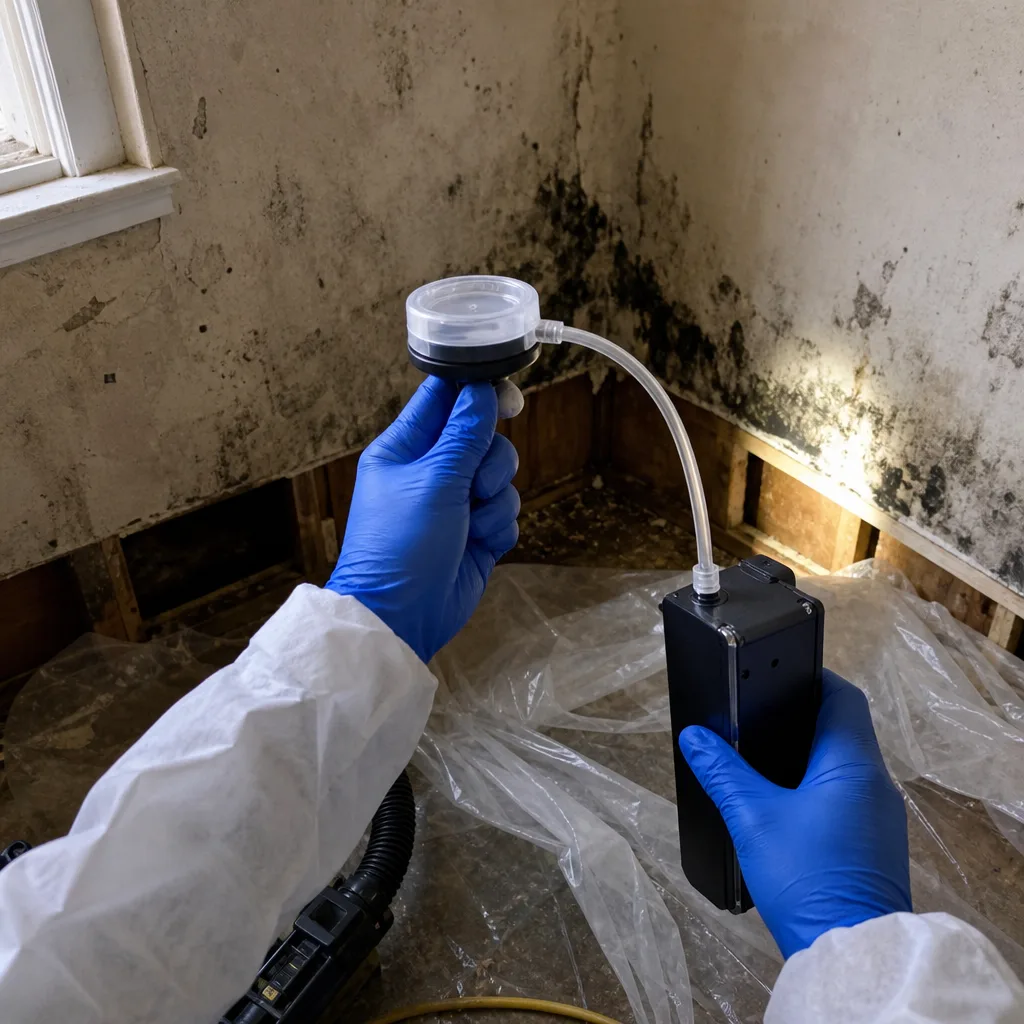
What happens when you call
- 1
A real person answersNo phone trees - you reach a local pro.
- 2
You get an upfront price rangeHonest numbers before anyone is dispatched.
- 3
A background-checked tech heads outLicensed & insured, dispatched right away.
- 4
You approve before work beginsNothing starts until you say go.
Fire & Smoke Damage Restoration Costs in Brentwood, CA
These are the price ranges we see for fire and smoke restoration work in the Brentwood market. Every job gets a written, line-itemed scope before work begins.
- Emergency board-up and tarping: $800-$2,200 depending on openings and roof area
- Smoke and soot cleanup, single room: $1,400-$3,800
- Odor removal and deodorization, whole house: $2,200-$5,500
- Contents pack-out and cleaning: $1,800-$4,500 plus per-item cleaning
- Structural drying after firefighting water: $2,800-$7,500 depending on affected square footage
- Partial reconstruction (drywall, flooring, stucco): $4,500-$18,000+
What moves the price: the residue type (protein fires cost more to deodorize), whether synthetic stucco must be opened to dry OSB sheathing, the extent of contents affected, and whether mold colonization has begun before we arrive. Most fire and smoke restoration in Brentwood is insurance-covered; we document to IICRC, RIA, and IFA standards so your carrier has what they need to approve the scope. Out-of-pocket costs typically apply to deductible amounts and any upgrades beyond like-kind replacement. Call (424) 372-0129 for a free inspection and written estimate.
We Also Serve Cities Near Brentwood
Our crews respond throughout the Westside and inland valley corridor. We regularly serve Pacific Palisades for coastal wildfire smoke damage, West Hollywood for multi-unit residential fires, Beverly Hills for high-value contents restoration, and Santa Monica for aging electrical system fires in pre-war and mid-century buildings. Dispatch and scheduling are coordinated from our San Francisco Bay Area office.
Serving Brentwood, CA - Our Local Coverage Area
We’re based in the Brentwood area and know this community well. Use the map below to see our service coverage - if you’re nearby, we can almost certainly help.
Brentwood Fire & Smoke Damage Restoration Questions, Answered
How fast does smoke odor turn into a mold problem after a fire in a Brentwood production home?
In Brentwood’s production homes, mold colonization begins 48 to 72 hours after firefighting water is introduced, not the week-plus typical in cooler coastal cities.
The combination of triple-digit summer heat, tightly sealed synthetic stucco cladding with no drainage plane, and OSB sheathing that wicks and holds moisture creates ideal conditions for rapid mold growth inside wall cavities. Smoke odor and mold often coexist: the same trapped moisture that feeds mold also keeps soot particles active and off-gassing. We address both paths simultaneously with structural drying and HEPA-contained cleaning. Call (424) 372-0129 if your fire was more than two days ago - we need to open those cavities and get readings immediately.
Why does a fire in a 2000s Brentwood tract home require pulling stucco?
Synthetic stucco (EIFS) over OSB sheathing, the standard cladding system in Brentwood’s 1995-2010 production homes, has no drainage plane and no vapor permeability.
When firefighting water enters the wall cavity, it cannot evaporate through the stucco face. It sits against OSB sheathing, which swells, delaminates, and feeds mold. Soot particles trapped behind the cladding continue off-gassing odor. Drying the assembly without opening the stucco is technically impossible; we have never successfully completed a fire restoration in this housing stock without selective demolition of the cladding to access and treat the sheathing. We document the moisture condition behind the stucco with thermal imaging and probe readings before cutting, so your insurer sees the necessity.
Does my builder-grade garage door and opener need to be replaced after a fire?
Not automatically, but they often should be.
Builder-grade steel garage doors in Brentwood’s production homes are typically uninsulated single-skin panels that warp and lose structural integrity at temperatures above 250°F, common in attached garage fires. The torsion spring system, a high-tension component that can cause serious injury if handled improperly, loses temper and becomes a safety hazard. Openers mounted to fire-damaged headers or jambs can detach during operation. We assess each component, document condition with photos, and recommend replacement when structural or safety thresholds are crossed. Smart-opener upgrades, like myQ-enabled models, are often approved by insurers as like-kind replacements on 2000s-era builder-grade units.
How do you handle insurance disputes over secondary damage from Brentwood’s expansive clay soils?
We document soil moisture conditions and pre-existing slab cracks at the time of loss, so the insurer cannot claim secondary damage was prior settling.
Brentwood’s slab-on-grade foundations over expansive Delta clay develop hairline cracks during the summer dry cycle. When firefighting water reaches slab edges, it wicks into these cracks and can trigger further soil expansion. Insurers regularly dispute whether subsequent slab movement or interior damage is from the claim event or pre-existing conditions. Our protocol includes dated photos of crack patterns, moisture readings at multiple slab locations, and written notation of any prior repairs visible in the structure. This documentation, formatted to RIA standards, has resolved the majority of coverage disputes before they reach appraisal.
What does the fire and smoke restoration process look like from board-up to pack-out?
It is a six-phase process: emergency stabilization, water extraction and structural drying, smoke and soot cleaning, odor removal, contents handling, and reconstruction.
Board-up happens first, within hours of your call. Once the structure is secure, we extract firefighting water and establish drying with documented daily moisture logs. Cleaning crews follow with residue-specific chemistry and HEPA containment. Contents are inventoried, photographed, and either cleaned on-site or packed out to our facility. Reconstruction begins only after the structure is verified dry and clean, with a written scope and firm price under Haven Standard, Clause 1. One team manages the full sequence; your file never gets handed off to a separate contractor.
How long does fire and smoke restoration take in a typical Brentwood home?
Board-up and stabilization: same day. Structural drying: 3 to 7 days depending on heat and humidity. Cleaning and deodorization: 2 to 5 days. Reconstruction: 2 to 8 weeks depending on permit requirements and material availability.
Brentwood’s summer heat can shorten drying time but accelerates mold risk, so we monitor more frequently in July and August. Complex rooflines and multi-zone HVAC systems in larger tract homes extend smoke tracing and cleaning. Reconstruction of synthetic stucco cladding requires skilled trades and often a weather window; we schedule this to avoid rain delays that could reintroduce moisture to the dried assembly. Your project manager provides a written timeline with each phase’s completion criteria.
Can my family stay in the home during fire and smoke restoration?
Usually not during the initial phases, and sometimes not until reconstruction is complete.
Smoke residue contains acidic compounds that irritate respiratory systems, and the cleaning chemistry we use requires ventilation that makes occupied spaces unsafe. Odor removal with ozone or thermal fogging demands evacuation for 24 to 48 hours per treatment. If the fire was contained to a single room and HVAC ducts were not affected, we may establish a clean zone with HEPA air scrubbers for limited occupancy. We discuss this at the initial inspection and coordinate with your adjuster on temporary living expense coverage.
What certifications do your fire and smoke restoration technicians hold?
Our lead technicians hold IICRC Fire and Smoke Restoration Technician (FSRT) and Water Damage Restoration Technician (WRT) certifications, with additional training in applied structural drying and contents processing.
All work is documented to IICRC, RIA, and IFA standards, the same documentation protocols used by major insurance carriers to evaluate claims. Technicians are background-checked, uniformed, and licensed, with license numbers recorded on every job file. We do not use day labor or uncertified subcontractors on fire losses. If you want to verify a specific technician’s credentials, ask your project manager; we provide certification numbers on request.
Written by Alicia Brennan, Owner at Back to Dry Restoration, serving Brentwood since 2011.
Fire & Smoke Damage Restoration in Nearby Areas