
Free visual inspection and a written scope of work before any mitigation begins - photos, moisture readings, and drying logs go in your claim file
The scope we write is the scope we bill. Anything new gets shown to you, in writing, before we touch it.
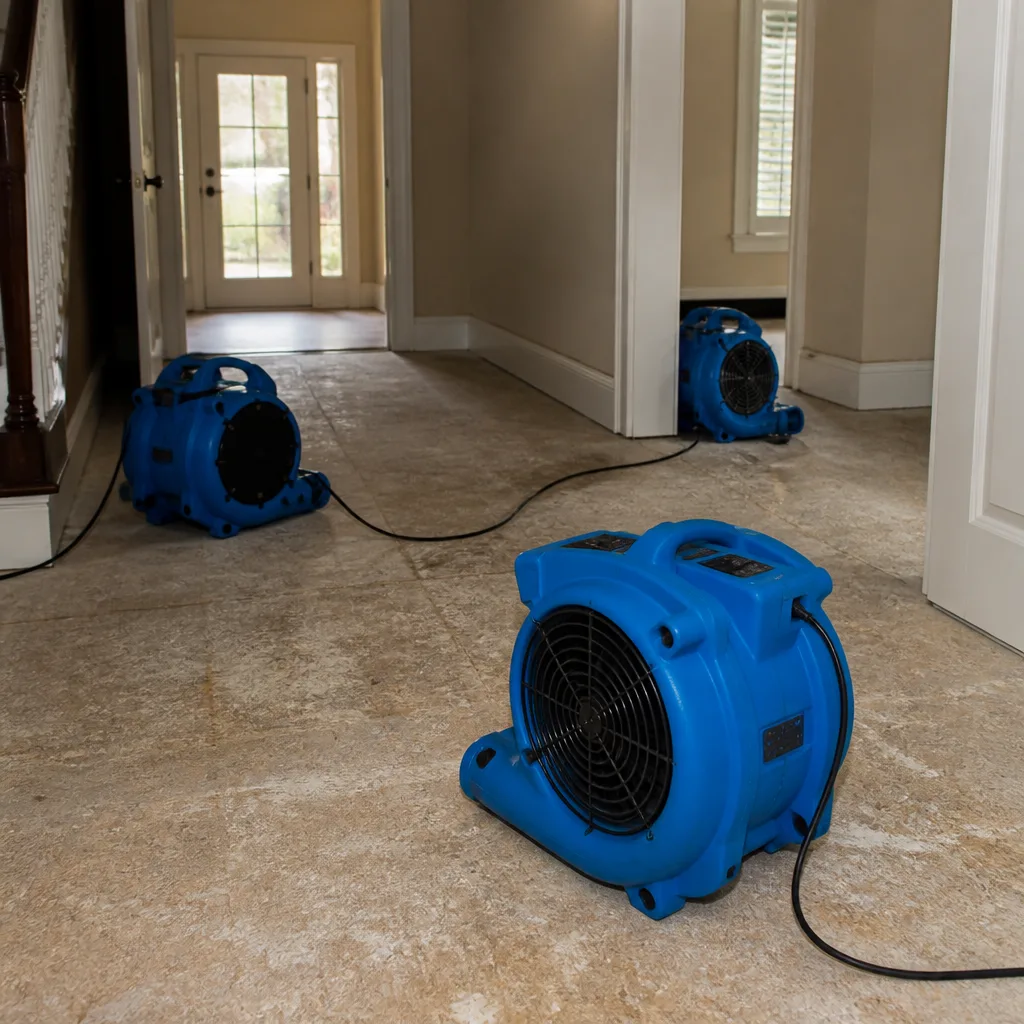
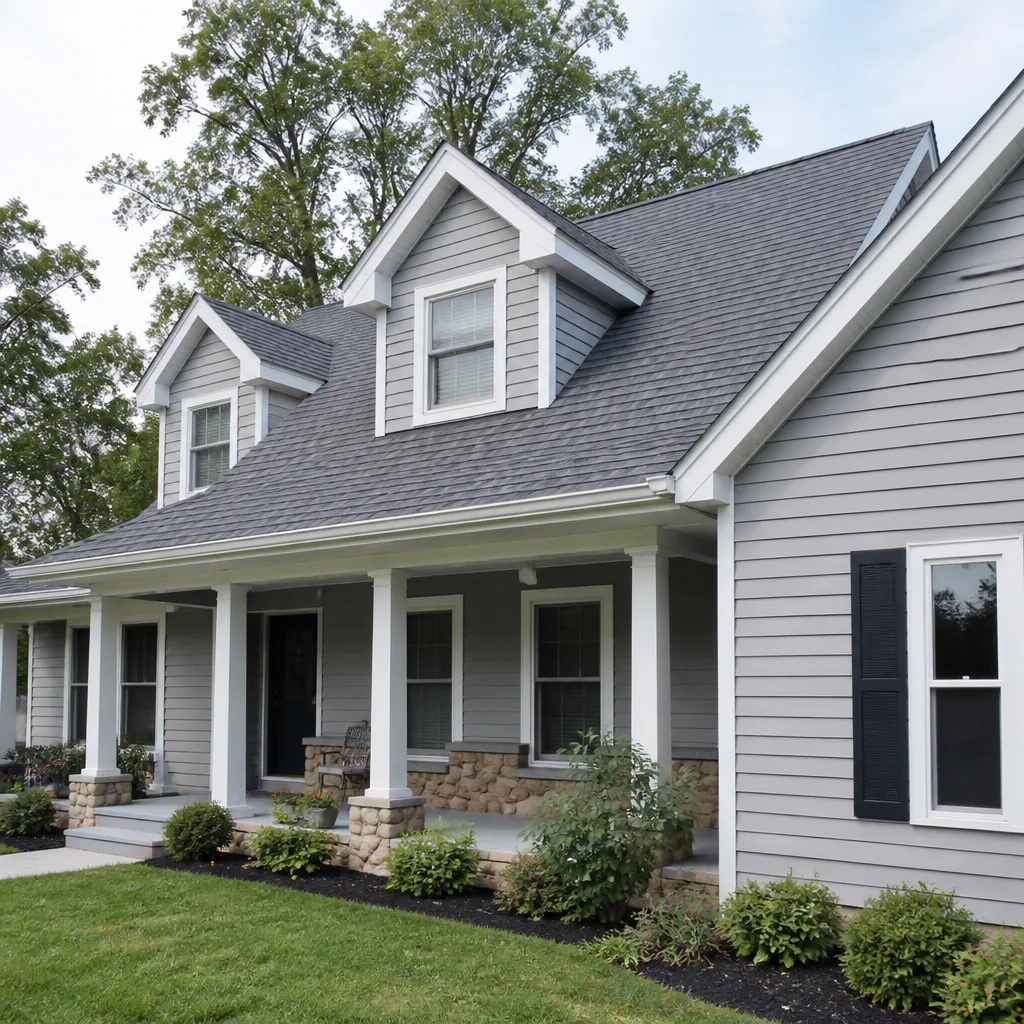
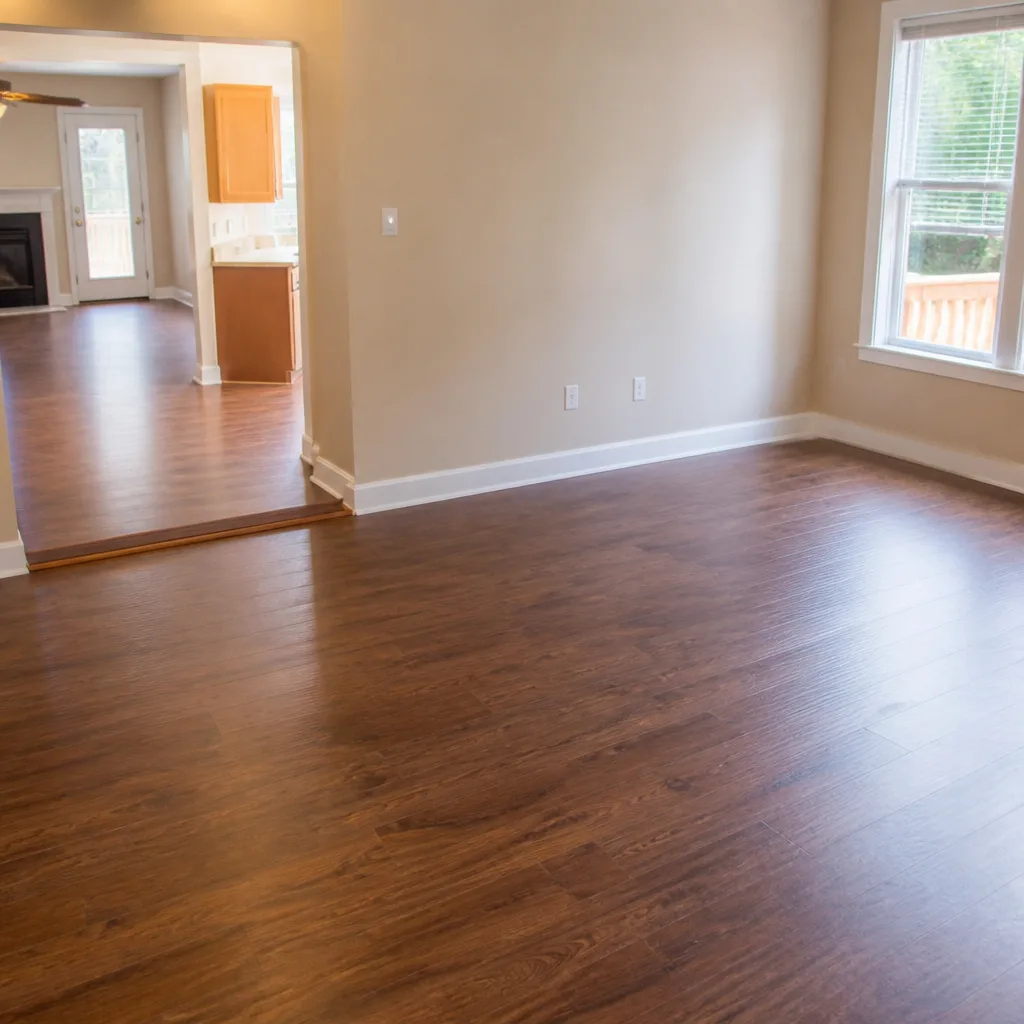
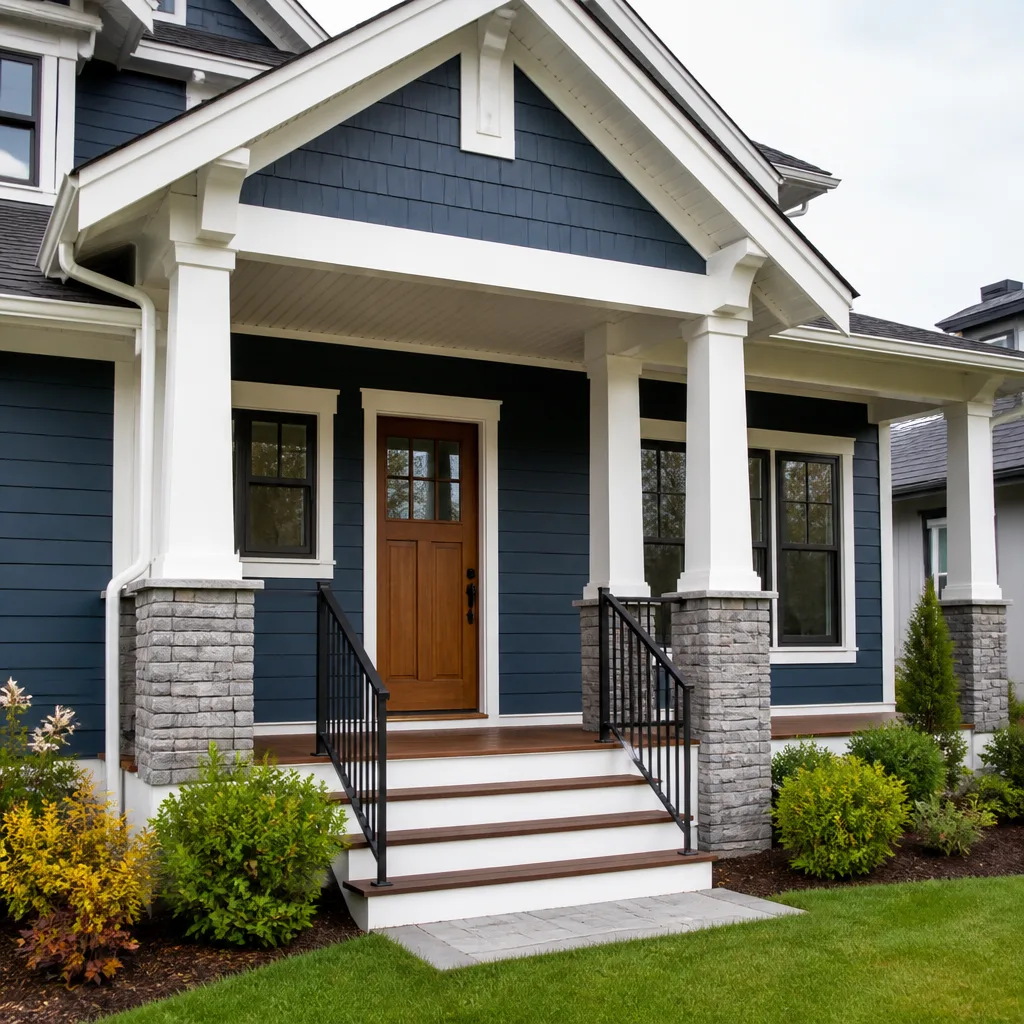
 Before
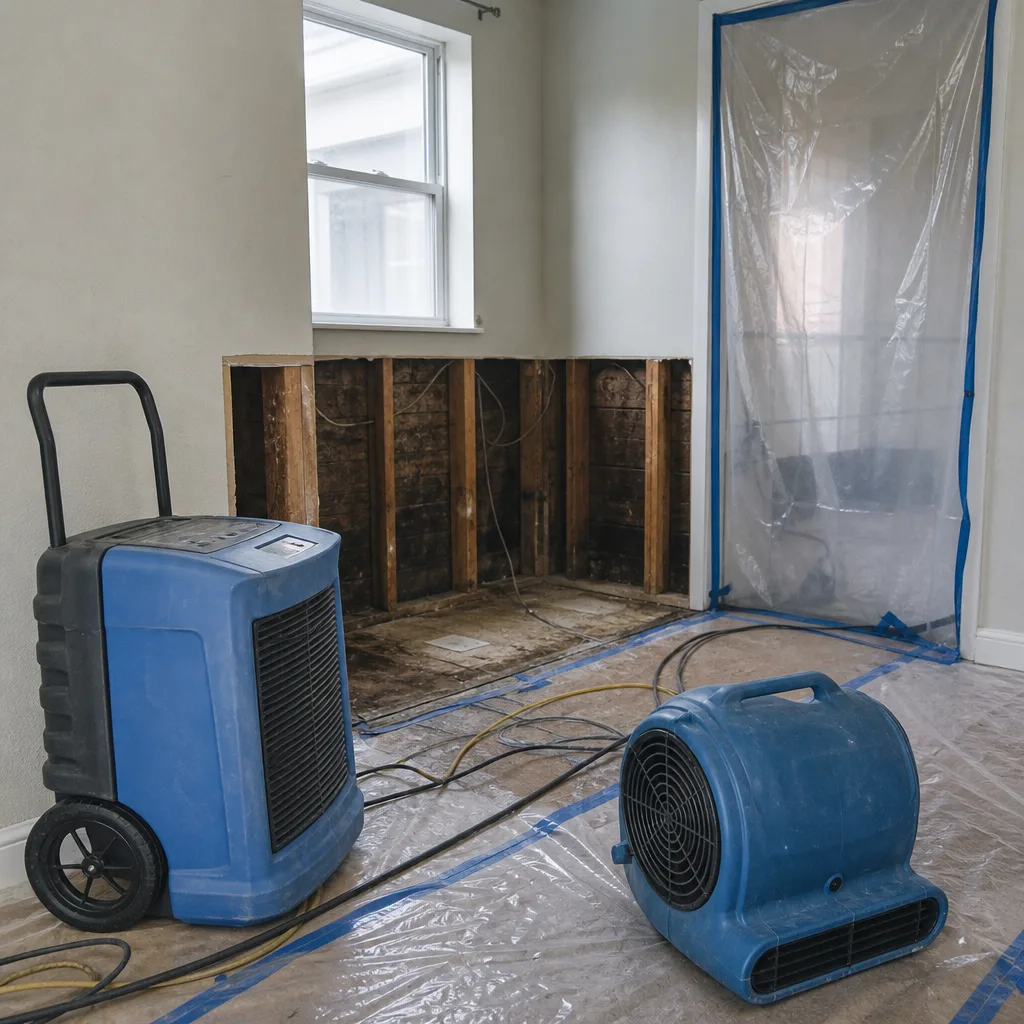 After
After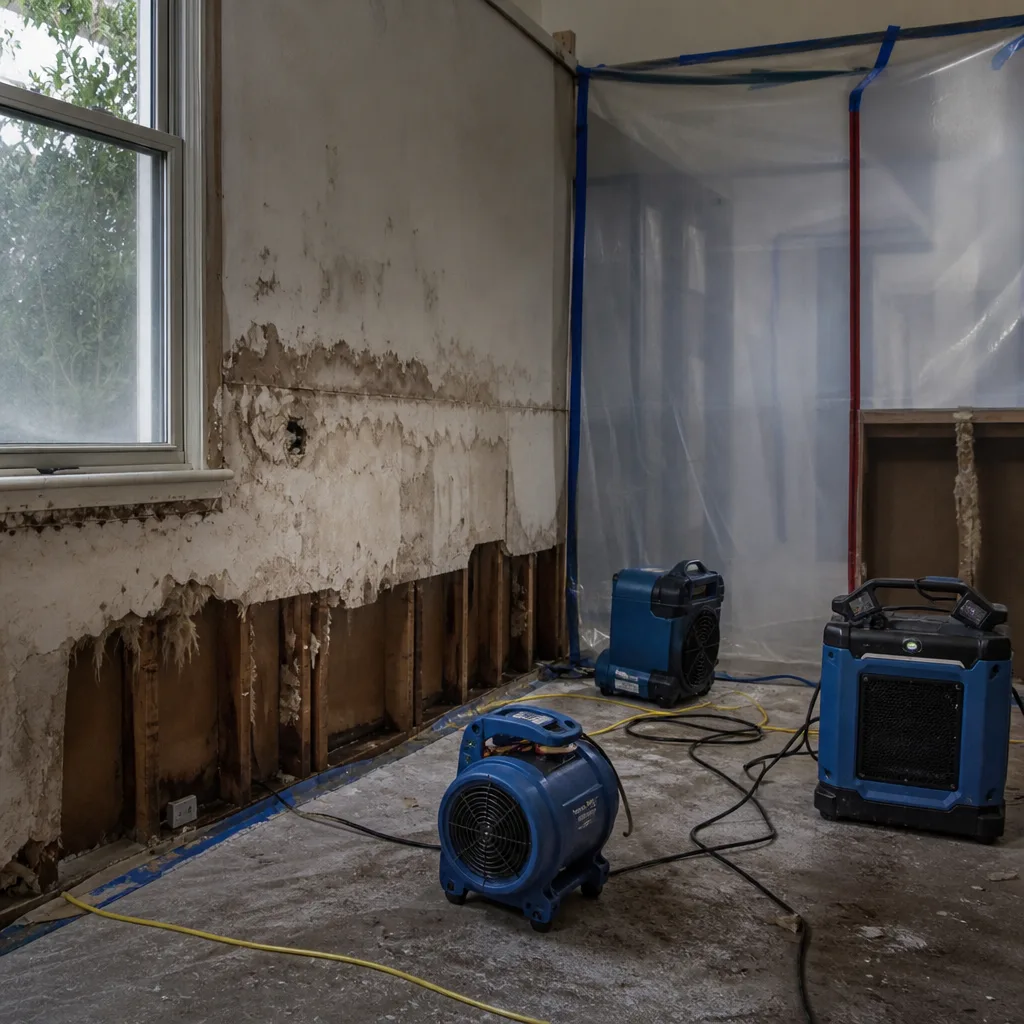 Before
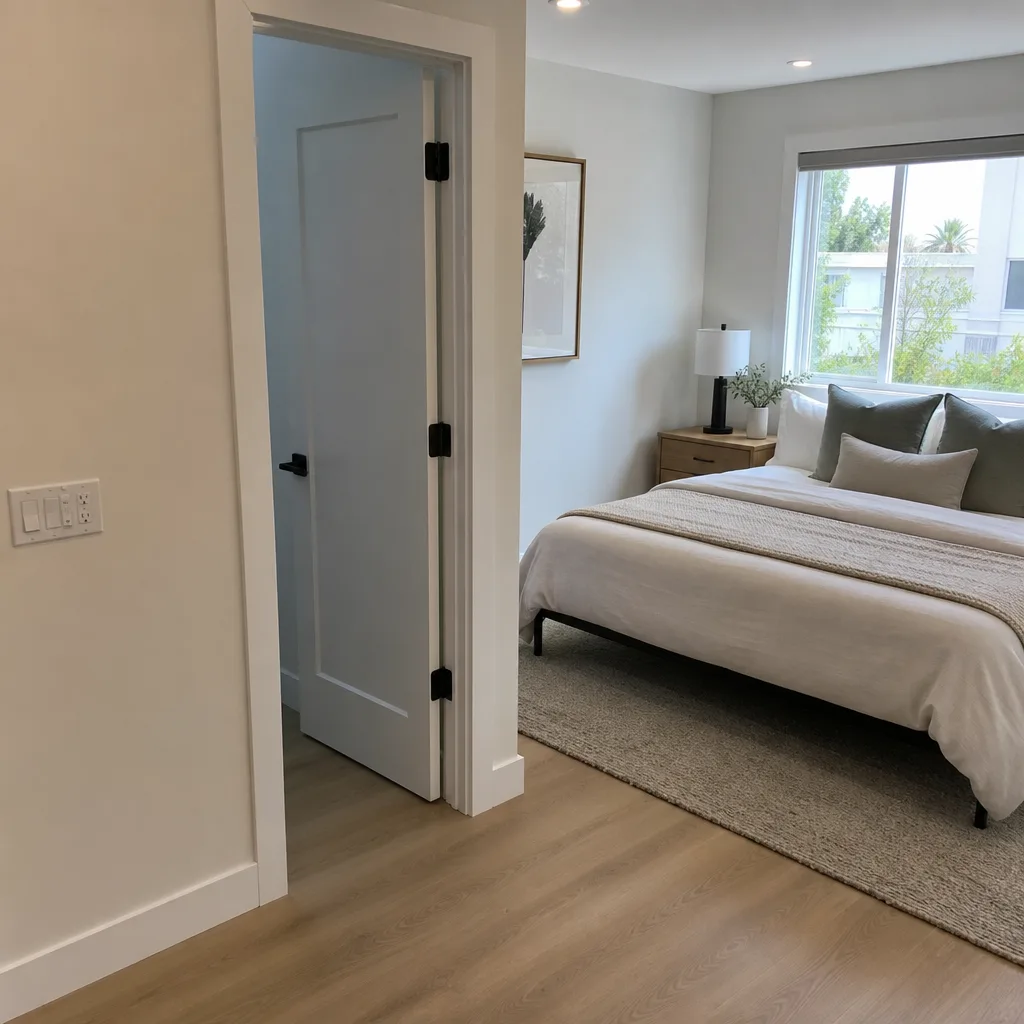 After
After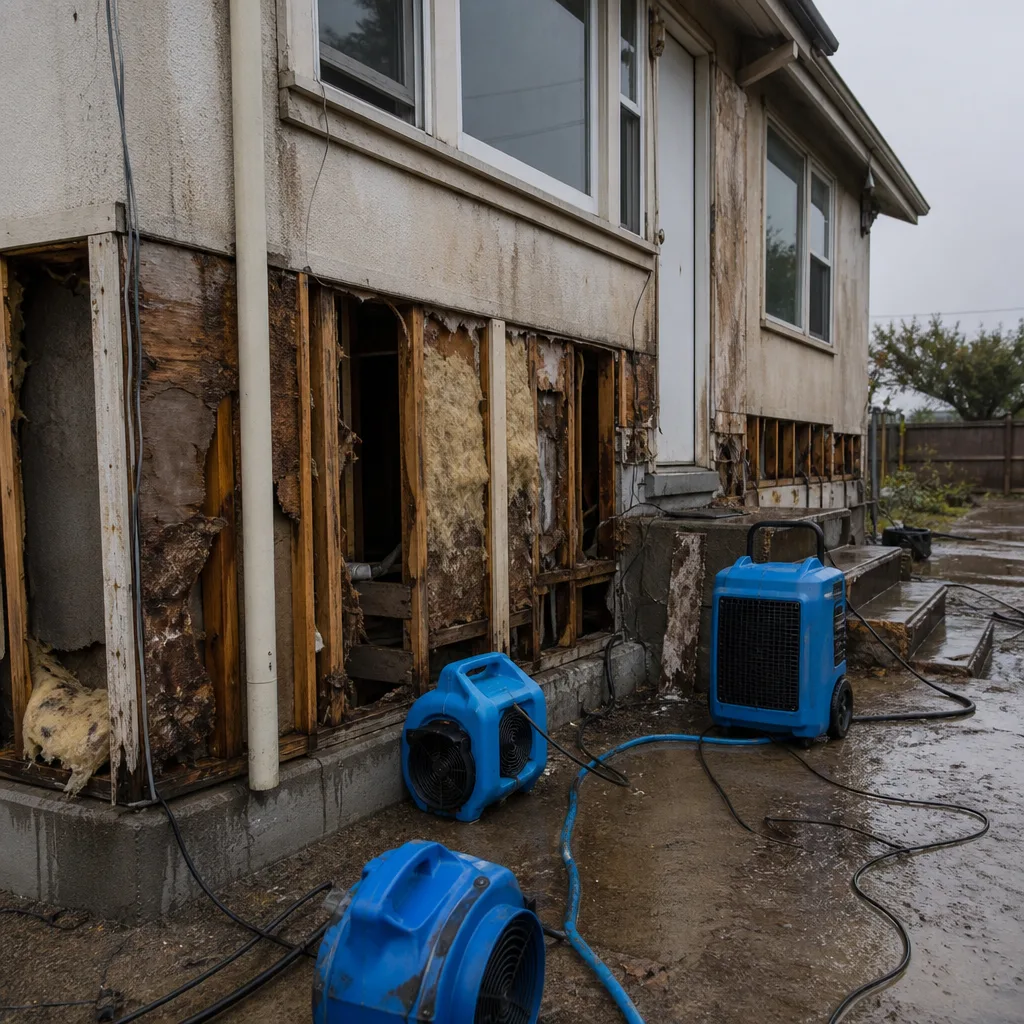 Before
 After
After24/7 Emergency Water Damage Restoration in West Los Angeles
Water damage in West Los Angeles spreads fast, and every minute of standing water drives repair costs higher. Call (424) 372-0129 and a live person answers, 24 hours a day, no voicemail, no callbacks tomorrow. Our crews dispatch from our Los Angeles office and are typically on-site in West Los Angeles within 45 minutes of your call. We start with a free visual inspection, document the loss with photos from minute one, and give you a written price before any equipment runs or any wall opens - Haven Standard, Clause 1. The first hour determines whether water stops at the surface or travels through stucco channels into wall cavities where it will stay hidden for weeks.
Understanding Water Damage Restoration Severity in West Los Angeles Properties
Water damage breaks into three categories under IICRC standards. Category 1 is clean water from a broken supply line - still urgent, but the lowest contamination risk. Category 2 carries significant contamination, often from dishwasher or washing machine discharge. Category 3 is grossly contaminated: sewage, rising ground water, or water that has passed through building materials picking up pathogens. In West Los Angeles, we see Category 2 escalate to Category 3 faster than inland areas because the marine layer’s persistent humidity keeps wall cavities damp enough for bacterial amplification.
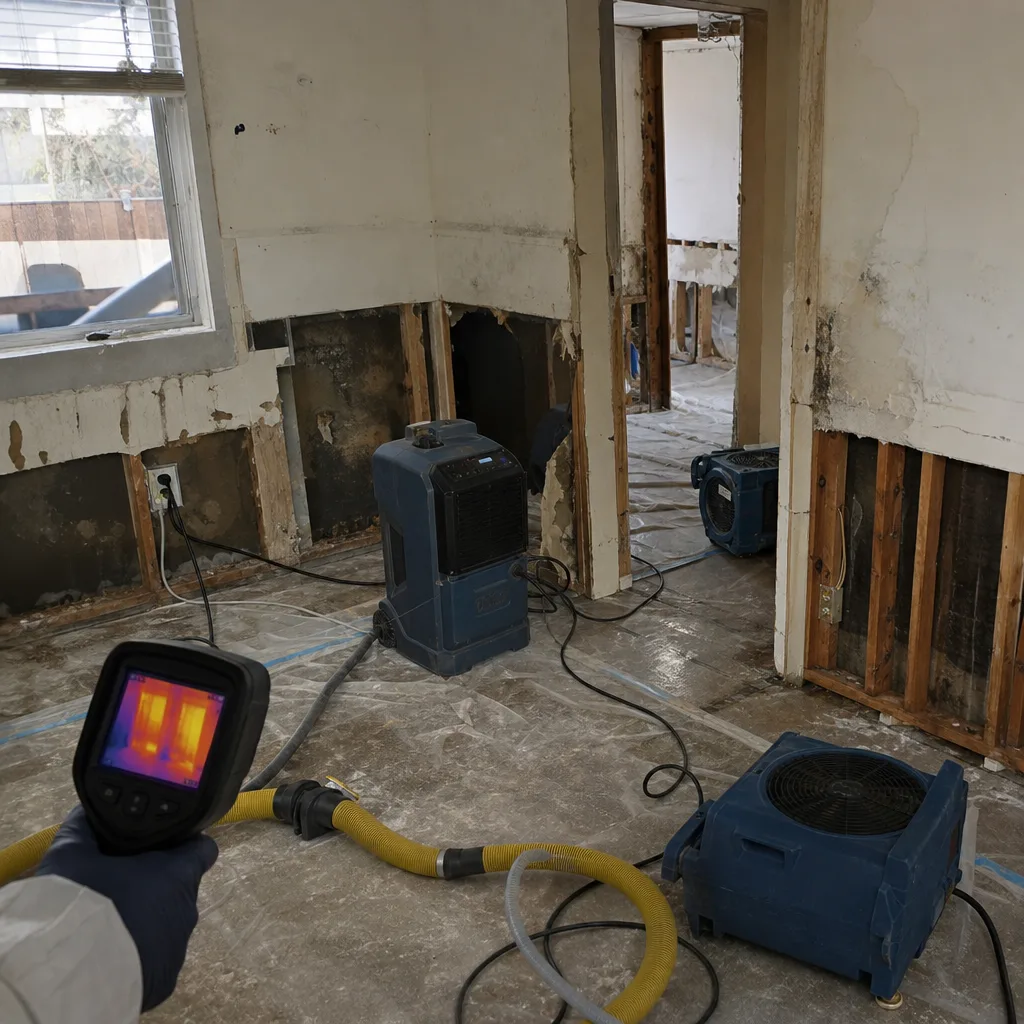
Moisture mapping with thermal imaging reveals what surface inspections miss. A moisture content reading above 16% in wood framing or 1% above baseline in drywall means active drying is still required. In West Los Angeles’s 1950s-70s stucco-over-frame construction, water travels laterally along the wire lath and can saturate framing 8-10 feet from the visible leak point. Our crews document every reading, every day, in drying logs formatted to IICRC WRT standards so your adjuster can trace the drying curve without dispute.
Why West Los Angeles Property Owners Choose DryMark Restoration Venice
- 45-minute response commitment to West Los Angeles addresses - crews staged for the Sawtelle, Pico, and Olympic corridors.
- 24/7 live answer: a real person picks up every call, never an automated system or voicemail tree, because water does not wait for business hours.
- IICRC-certified crews holding WRT (Water Damage Restoration Technician) and AMRT (Applied Microbial Remediation Technician) certifications, with license numbers provided on request.
- Free visual inspection with photo documentation before any commitment or contract signature.
- Direct insurance billing and adjuster coordination - we speak the same language as your carrier’s claims department.
- One team from extraction to reconstruction, so accountability never transfers to a subcontractor you’ve never met.
 Before
 After
AfterOur Water Damage Restoration Process
1. Inspection & Assessment
We arrive with thermal imaging cameras, non-penetrating moisture meters, and penetrating probes to map the full extent of water migration. In West Los Angeles, we also pull building riser plans for multi-story properties and check for HOA architectural review requirements before any demolition begins.
2. Extraction & Stabilization
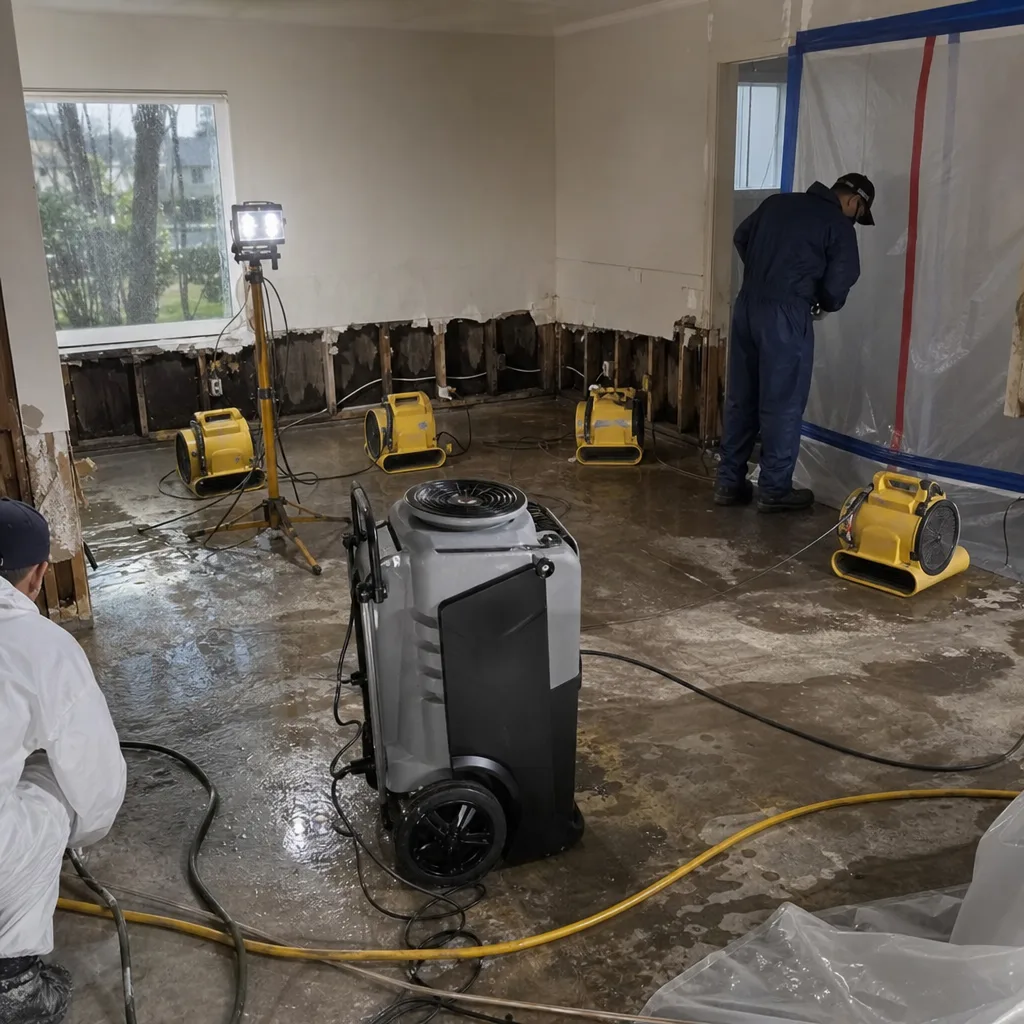
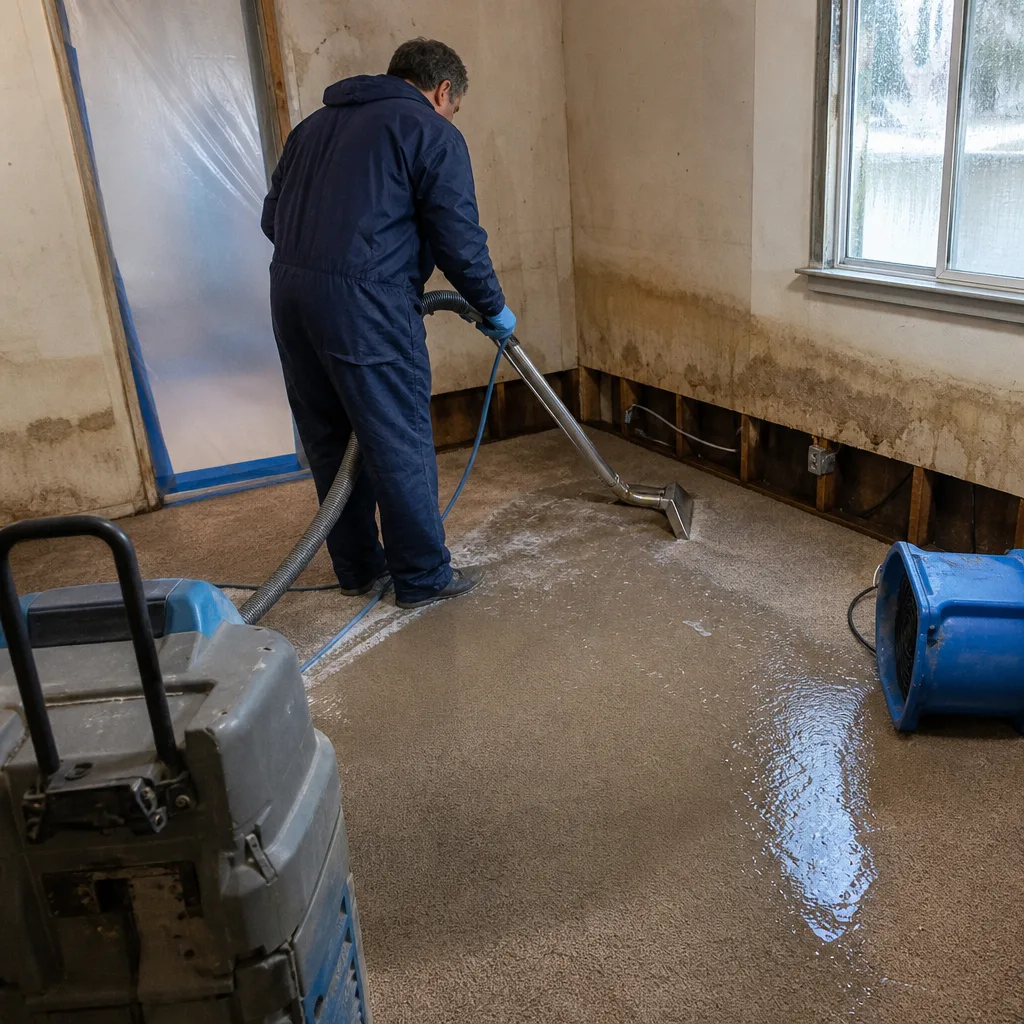
Standing water comes out first using truck-mounted extraction systems and weighted water claws for carpeted areas. We set up containment barriers to isolate affected zones and protect unaffected rooms from cross-contamination, particularly critical in high-rise units with shared HVAC.
3. Drying & Dehumidification
We deploy Dri-Eaz and Phoenix LGR dehumidifiers sized to the affected cubic footage, plus axial and centrifugal air movers positioned for optimal vapor pressure differential. In West Los Angeles, drying cycles typically run 20-40% longer than inland LA due to marine-layer humidity slowing evaporation rates.
4. Cleaning & Sanitization
All affected surfaces receive antimicrobial treatment appropriate to the water category. HEPA air scrubbers run continuously during this phase to capture airborne particles. We document every product used and every application by room for your insurance file.
5. Moisture Verification & Documentation
We do not remove equipment until moisture readings return to within 2-3 points of dry standard across all affected materials. Daily drying logs record psychrometric data - temperature, relative humidity, and specific humidity - so your adjuster can verify the science behind the invoice.
6. Repairs & Restoration
Our reconstruction team replaces drywall, flooring, trim, and fixtures to match pre-loss condition. For West Los Angeles properties under HOA architectural review, we source ARB-approved materials - door styles, paint colors, hardware finishes - so your repair passes inspection without a violation letter.
Need Emergency Water Damage Restoration in West Los Angeles Now?
Crews minutes away, answering live 24 hours a day. The sooner we start, the less it costs.
Working With Your Insurance Company
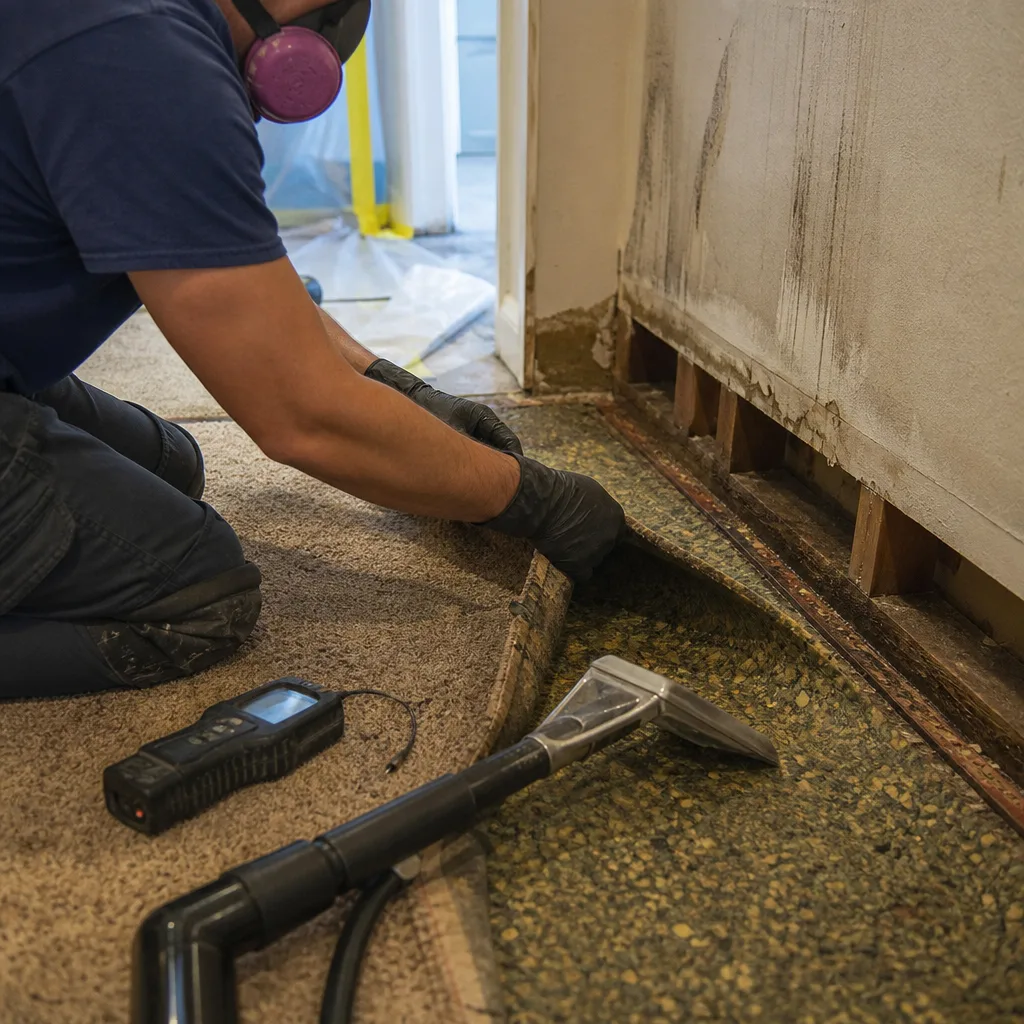
Insurance claims fail when documentation gaps let adjusters dispute the scope or the cause. We close those gaps from the first hour. Every DryMark Restoration Venice job produces a photo record, daily moisture readings, and a line-item scope written to Xactimate standards that your carrier’s estimator can read without translation. We coordinate directly with your adjuster, attend joint inspections when requested, and do not invoice for hidden conditions that were not documented in the original scope - Haven Standard, Clause 1 means the price you approve is the price you pay.
What We Provide Your Insurer
- Thorough documentation of the loss
- Photos of all damage, room by room
- Moisture readings and drying logs
- A detailed, line-item scope of work
- Direct coordination with your carrier
Built for West Los Angeles’s Loss Calendar
January through March brings the heaviest rain months to West Los Angeles, with Pacific storm systems pushing water through aging roof assemblies and finding the hairline cracks in stucco that developed over the dry summer. April and May see residual moisture issues surface as property owners discover mold behind walls that stayed wet through winter. June through September is relatively dry, but aging galvanized plumbing in 1960s buildings reaches failure frequency - we see burst pipe calls spike in July and August when thermal expansion stresses corroded fittings. October and November bring the Santa Ana wind season, which creates extreme fire risk in adjacent canyon areas; smoke and ash damage calls from fire-adjacent properties surge into West Los Angeles during these months, often accompanied by water damage from fire suppression efforts. December cycles back to rain-driven roof and window leaks. Year-round, the marine layer keeps baseline humidity elevated, so any water intrusion event carries higher secondary damage risk than identical conditions inland.
Water Damage Restoration Across West Los Angeles’s Neighborhoods
The Sawtelle corridor runs dense with 1960s dingbat apartments - stucco-clad, wood-framed, built fast and cheap. Water finds the path of least resistance through slab gaps and stucco cracks, often traveling the full length of a unit before staining appears on the ceiling below. We know these buildings. Our Water Damage Restoration team has extracted water from dozens of Sawtelle Boulevard properties and understands the riser layouts common to that era.
The Wilshire Corridor presents an entirely different challenge. A single supply-line failure on floor 12 of a 1980s high-rise can cascade through a dozen units before the building engineer shuts the main. We pull riser plans immediately, identify the galvanized or early-copper stack corrosion points near slab penetrations, and coordinate with building management and the HOA’s master policy adjuster while our extraction crews work floor by floor. This is not a scenario every restoration company handles regularly.
Mar Vista’s single-family homes, many built in the 1940s-50s with original clay sewer lines, see frequent Category 3 backups during winter rain events when saturated ground exerts hydrostatic pressure on aging lateral connections. We scope the line, document the backflow point, and build the remediation scope around the actual contamination path - not just what shows on the surface.
Near the Santa Monica border, newer construction with tighter envelopes and multi-layer weather barriers traps moisture differently than older stock. We adjust our drying protocols accordingly, sometimes deploying Injectidry systems for positive-pressure wall cavity drying rather than traditional demolition-first approaches.
Specialized Water Damage Restoration Services We Offer in West Los Angeles
Emergency Water Extraction
Standing water extracts fastest in the first hours before it wicks into subflooring and wall assemblies. Our truck-mounted systems handle bulk water removal in residential and commercial properties across West Los Angeles, with portable extraction units for high-rise applications where truck access is limited.
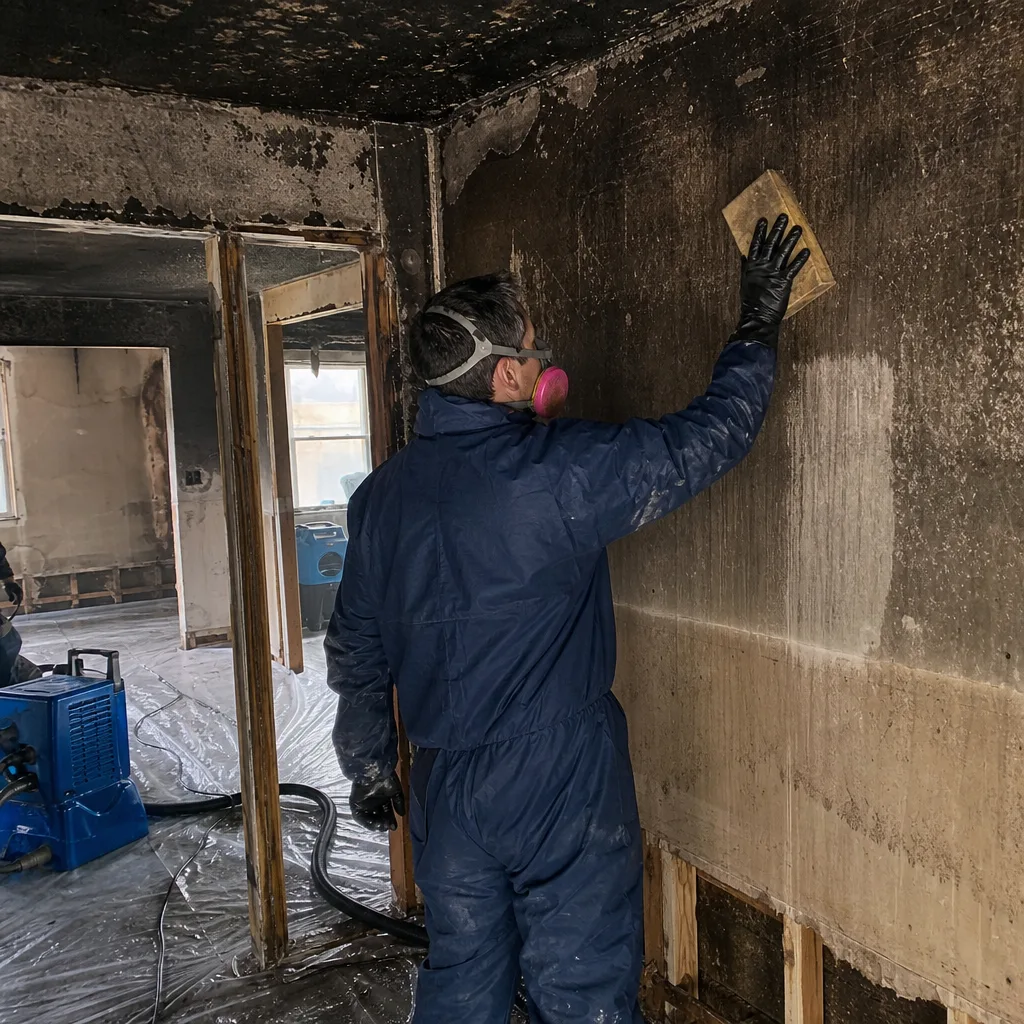
Structural Drying & Dehumidification
This is where West Los Angeles’s marine layer demands specialized protocol. Ambient humidity here runs 15-25% higher than the San Fernando Valley on typical mornings, which means evaporative drying progresses slower and dehumidification equipment must run longer. We size our Phoenix and Dri-Eaz LGR dehumidifiers to the psychrometric load, not just the square footage, and we verify dryness with penetrating probes before equipment comes down - not surface meters that lie in humid air.
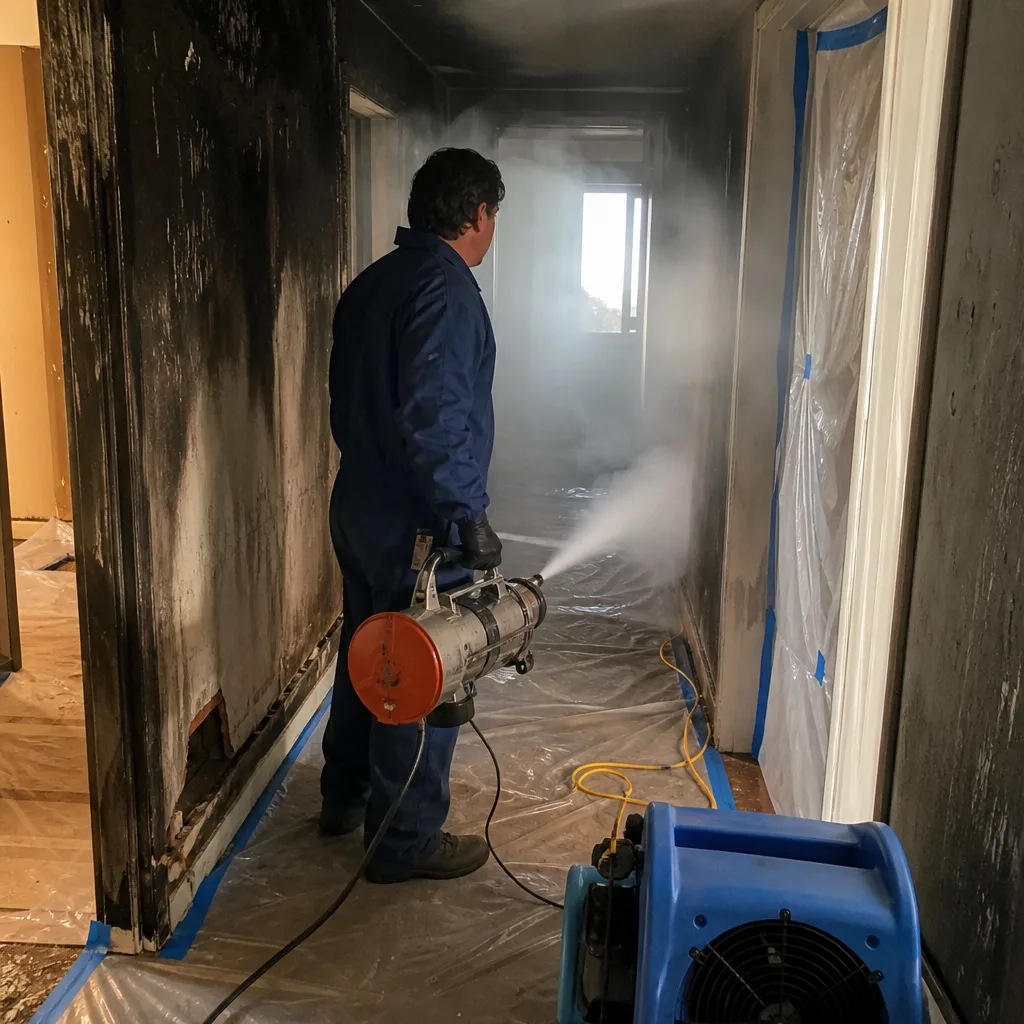
Flood Cleanup
Flash flooding in West Los Angeles typically follows intense winter storm cells overwhelming drainage on the Pico and Olympic corridors. Category 3 floodwater carries soil, automotive fluids, and biological contaminants. Our cleanup includes full antimicrobial treatment, disposal of porous materials per IICRC standards, and documentation of contamination extent for your flood insurance carrier.
Burst Pipe Restoration
Galvanized steel supply lines in 1950s-70s West Los Angeles buildings corrode from the inside, thinning until pressure finds a weak point. We trace the full extent of water migration, replace damaged sections with copper or PEX to code, and dry affected cavities before mold establishes - typically 48-72 hours in this humidity, faster than most property owners expect.
Basement Water Removal
True basements are rare in West Los Angeles, but partial below-grade units in older apartment buildings along Sawtelle and Sepulveda see water intrusion through foundation cracks and failed perimeter drains. We install temporary sump systems, extract standing water, and address vapor barrier failures that caused the original problem.
Ceiling & Roof Leak Water Damage
Flat and low-slope roofs common on West Los Angeles commercial and multi-family buildings pond water at drains and scuppers, eventually breaching the membrane. We trace the leak path, document the roof assembly condition for your property manager or HOA, and dry the affected ceiling cavity without unnecessary demolition when Injectidry positive-pressure drying can reach the space.
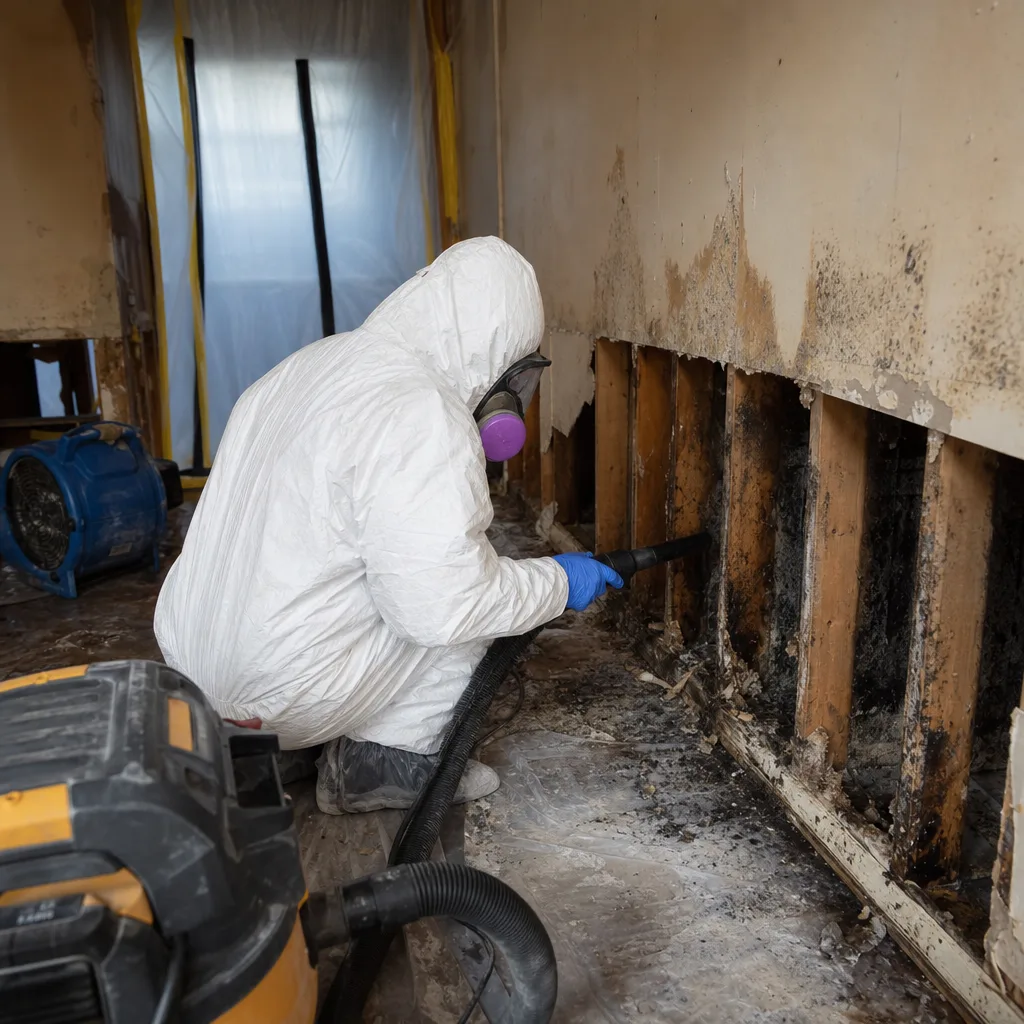
What happens when you call
- 1
A real person answersNo phone trees - you reach a local pro.
- 2
You get an upfront price rangeHonest numbers before anyone is dispatched.
- 3
A background-checked tech heads outLicensed & insured, dispatched right away.
- 4
You approve before work beginsNothing starts until you say go.
Water Damage Restoration Costs in West Los Angeles, CA
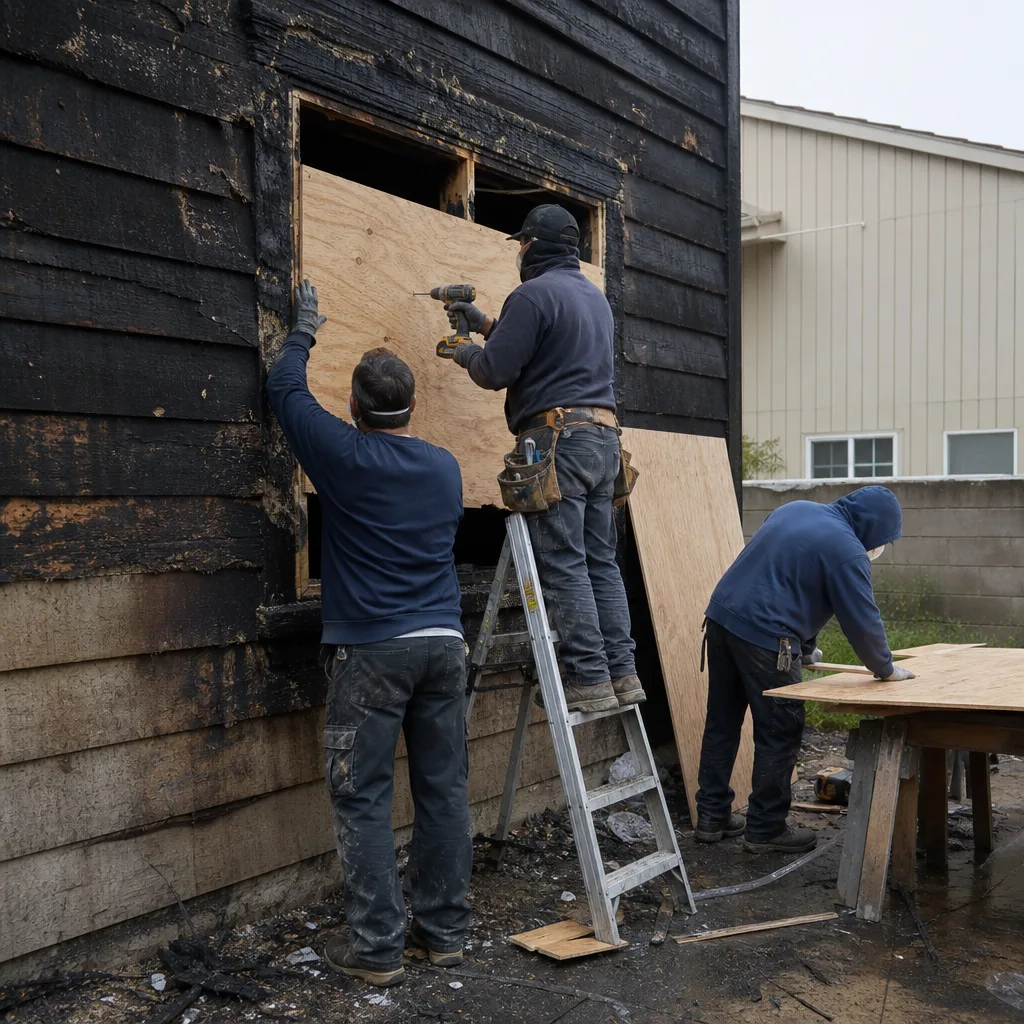
Water damage restoration pricing in West Los Angeles runs higher than national averages due to labor costs, permit requirements, and the extended drying cycles our marine layer demands. A typical emergency water extraction and stabilization for a single-family home runs $1,800-$3,400. Structural drying with dehumidification adds $950-$2,200 depending on duration and equipment count - figure 4-7 days for most West Los Angeles jobs versus 3-5 inland. Category 3 contamination cleanup starts around $3,500 and scales with affected square footage and disposal volume. Wilshire Corridor high-rise jobs involving multiple units and HOA coordination typically range $5,500-$12,000 for the initial extraction and drying phase, with reconstruction priced separately after scope approval.
What moves the price: water category (clean vs. contaminated), affected square footage, whether demolition is required to access wet cavities, and whether asbestos or lead testing is triggered by building age. Most homeowner policies cover sudden and accidental water damage minus your deductible; we bill your carrier directly and provide the documentation they need to process without dispute. Call (424) 372-0129 for a free visual inspection and written scope - estimates are free, and Haven Standard, Clause 1 means the price we write is the price you pay.
We Also Serve Cities Near West Los Angeles
Our crews respond throughout the West Los Angeles area and adjacent communities including West Los Angeles itself, Venice, Marina del Rey, Mar Vista, and Santa Monica. Dispatch and scheduling are coordinated from our Los Angeles office; crews serve each city locally with the same 45-minute response commitment and live-answer availability.
Serving West Los Angeles, CA - Our Local Coverage Area
We’re based in the West Los Angeles area and know this community well. Use the map below to see our service coverage - if you’re nearby, we can almost certainly help.
West Los Angeles Water Damage Restoration Questions, Answered
Why does water damage restoration take longer in West Los Angeles than in other parts of LA?
The persistent coastal marine layer keeps ambient humidity 15-25% higher than the San Fernando Valley or inland LA basin, which slows evaporative drying and extends dehumidification cycles by 20-40%. Our crews run Phoenix and Dri-Eaz LGR dehumidifiers for more days to hit dry standard, and we verify with penetrating moisture probes rather than surface readings that can mislead in humid air. Call (424) 372-0129 for a free inspection and written timeline.
What should I do if a pipe bursts in my Wilshire Corridor high-rise unit?
Shut off your unit’s supply valve immediately, then call building management to shut the riser if the leak is in a common wall. Do not start demolition - water may have migrated to floors below, and uncoordinated work can spread damage and create liability. We pull the building’s riser plans before extracting, identify all affected units, and coordinate with the HOA’s adjuster and master policy. Call (424) 372-0129 and we’ll guide you through the first steps while en route.
Can you match my HOA’s approved door styles and colors after water damage?
Yes - we source ARB-approved materials from the original manufacturer or an approved equivalent before any replacement begins. We document the pre-loss style, finish, and hardware, and submit our scope to your HOA’s architectural review board when required. This prevents the violation letters and costly rework that come from non-compliant repairs. Call (424) 372-0129 to discuss your building’s specific requirements.
How quickly does mold grow after water damage in West LA?
In West Los Angeles’s elevated humidity, mold colonization can begin on organic surfaces within 48-72 hours of water intrusion - faster than the 72-96 hour window typical in drier climates. Hidden mold behind stucco-over-frame walls is especially common here because surface materials can appear dry while framing inside stays damp. Our thermal imaging and penetrating moisture probes find this moisture before mold establishes, and our drying protocols account for the marine layer’s effect on evaporation rates. Call (424) 372-0129 for rapid assessment.
Do you provide drying logs and moisture readings for insurance claims in West Los Angeles?
Every job includes daily drying logs with psychrometric data - temperature, relative humidity, and specific humidity - plus room-by-room moisture readings documented to IICRC WRT standards. These logs, combined with our photo record and written scope, give your adjuster the evidence needed to approve the invoice without dispute. We format everything to Xactimate standards your carrier’s estimator can read directly. Call (424) 372-0129 to request a sample drying log.
Will my insurance cover water damage restoration in West Los Angeles?
Most standard homeowner policies cover sudden and accidental water damage - burst pipes, appliance failures, storm intrusion - minus your deductible. They typically exclude gradual leaks, maintenance issues, and flood damage from rising ground water (which requires separate flood insurance). We review your policy, document the cause and extent of damage with photos and moisture readings, and bill your carrier directly. Our documentation standards are built to withstand adjuster scrutiny. Call (424) 372-0129 for a free inspection and policy review.
Can I stay in my home during water damage restoration?
For Category 1 clean water affecting limited areas, you can usually remain with containment barriers isolating the work zone. Category 2 or 3 contamination, extensive demolition, or high-noise drying equipment may require temporary relocation, particularly in smaller West Los Angeles apartments where space is limited. We discuss this during our initial assessment and can document displacement costs for your insurance claim when covered. Call (424) 372-0129 to review your specific situation.
What should I do in the first 30 minutes after discovering water damage?
Stop the water source if you can do so safely - shut off the supply valve or main. Remove valuables and electronics from the affected area. Do not enter standing water if electrical outlets or equipment are submerged. Call (424) 372-0129 immediately; our live answer means no time lost to voicemail. We arrive with extraction equipment, moisture detection tools, and the documentation process that protects your claim from hour one.
We were called to a 1962 dingbat on Sawtelle Boulevard where a slow supply-line leak behind the bathroom wall had been feeding moisture into the framing for weeks. Our techs pulled the building’s riser plans, used thermal imaging to trace the migration, set up containment, and ran Phoenix dehumidifiers and air movers for four extra days because the marine-layer humidity kept moisture readings above dry standard. We documented every step in our drying logs and moisture mapping so the HOA’s adjuster could verify pre-loss condition - no guesswork, no violations.
West Los Angeles property owners face a specific risk that generic restoration advice misses: contractors who ignore the marine layer’s elevated humidity and pull drying equipment too early, leaving residual moisture that fuels mold behind stucco walls. Or crews who fail to pull building riser plans before starting water extraction in Wilshire Corridor high-rises, missing corroded galvanized fittings near slab penetrations and inadvertently spreading Category 2 or 3 water to additional floors. Or restorers who replace damaged doors or panels with non-ARB-approved styles and colors, triggering HOA violation letters and costly rework. We built our Haven Standard protocols to prevent these failures - written price before work begins, documented photo record on every visit, and a 365-Day Done Right Promise backed by 12,000+ restored homes since 2011.
Written by Alicia Brennan, Owner at DryMark Restoration Venice, serving West Los Angeles since 2011.
Water Damage Restoration in Nearby Areas