
Free visual inspection and a written scope of work before any mitigation begins - photos, moisture readings, and drying logs go in your claim file
The scope we write is the scope we bill. Anything new gets shown to you, in writing, before we touch it.
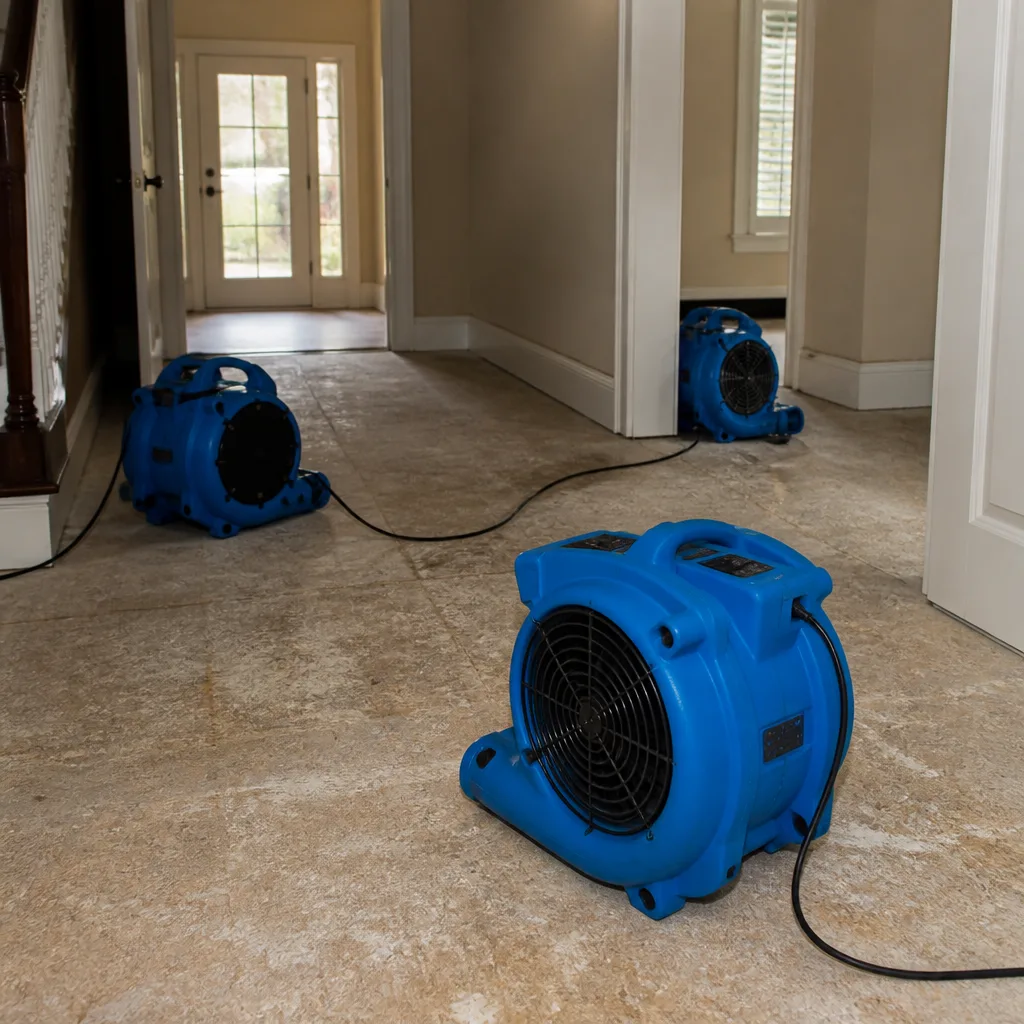
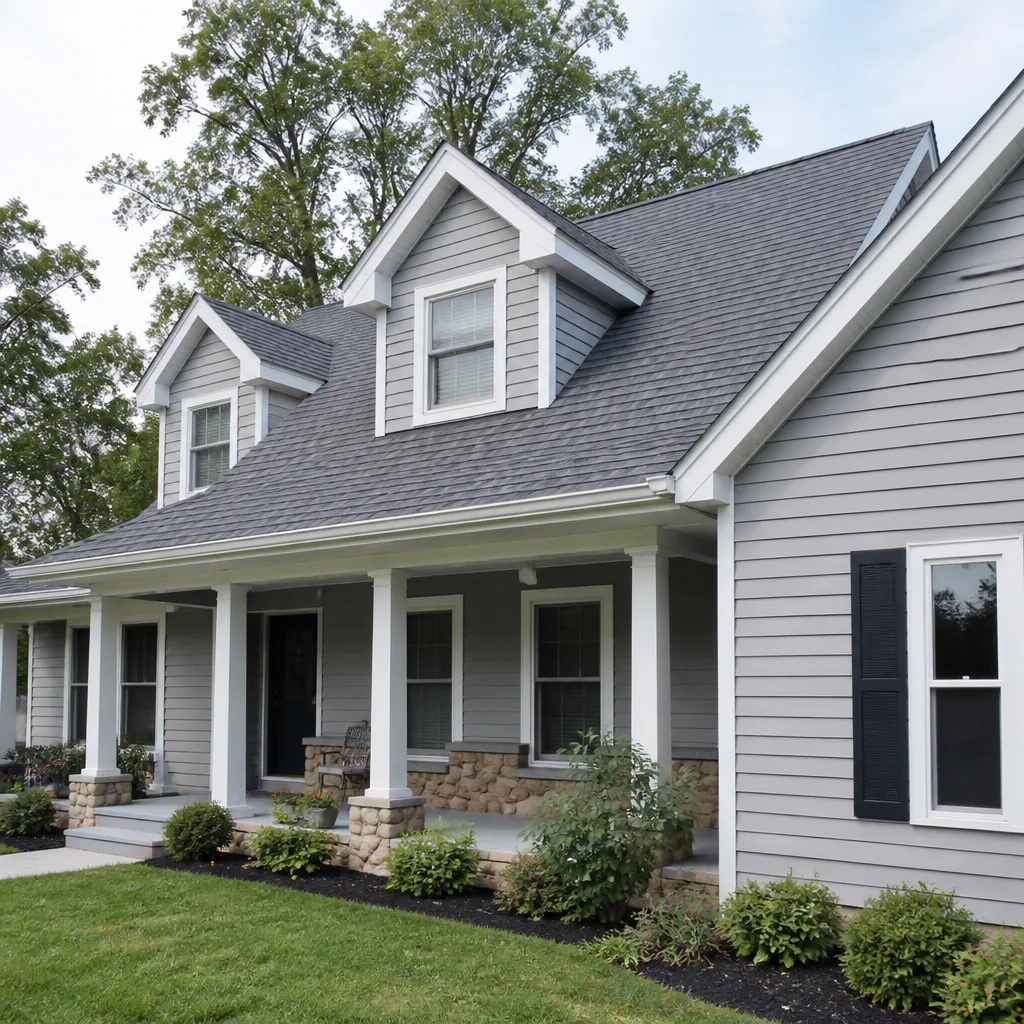
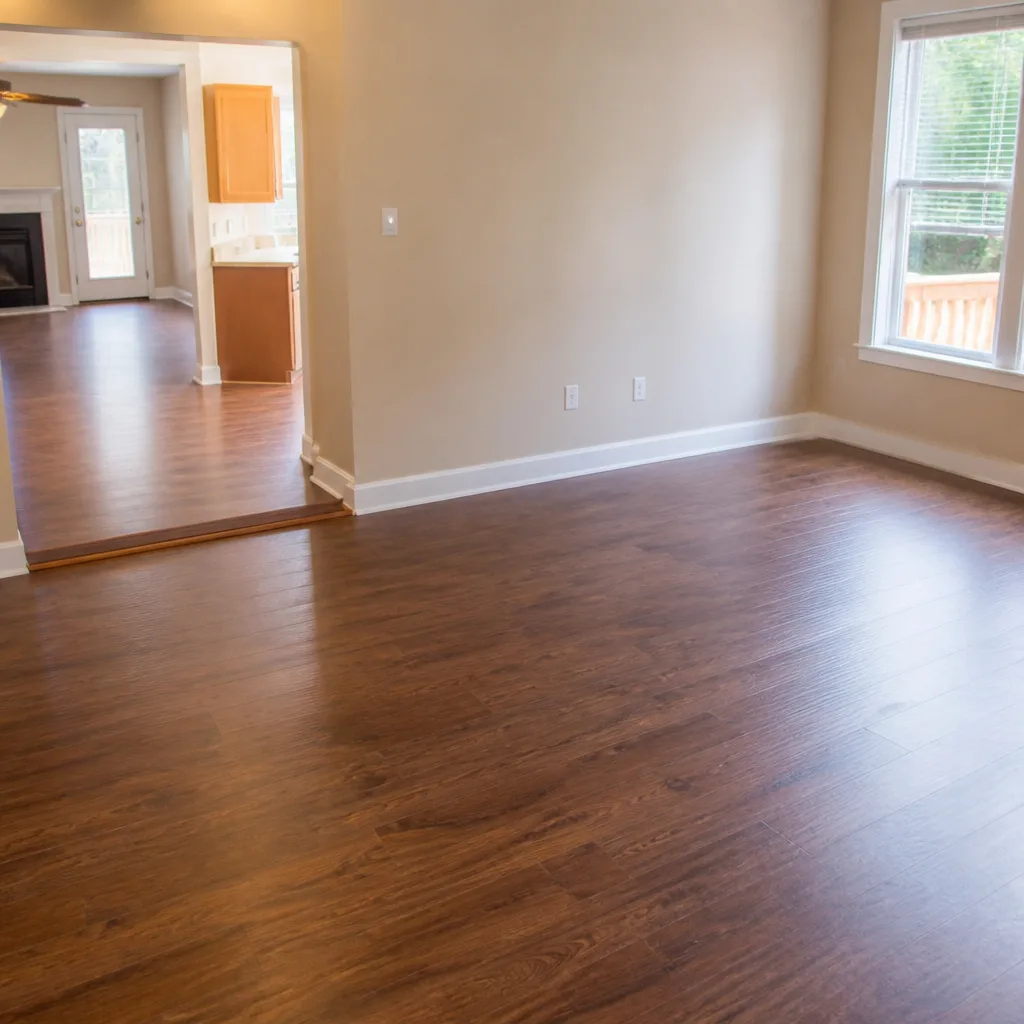
 Before
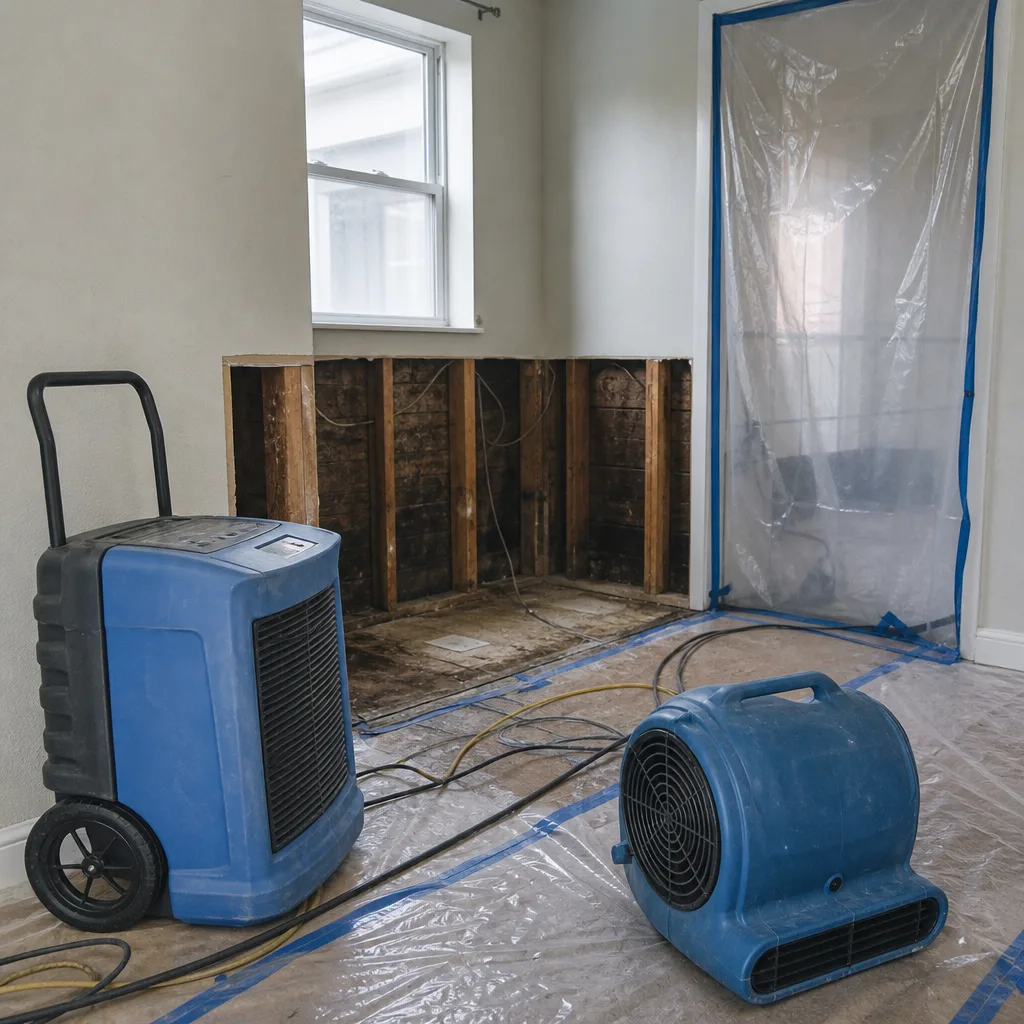 After
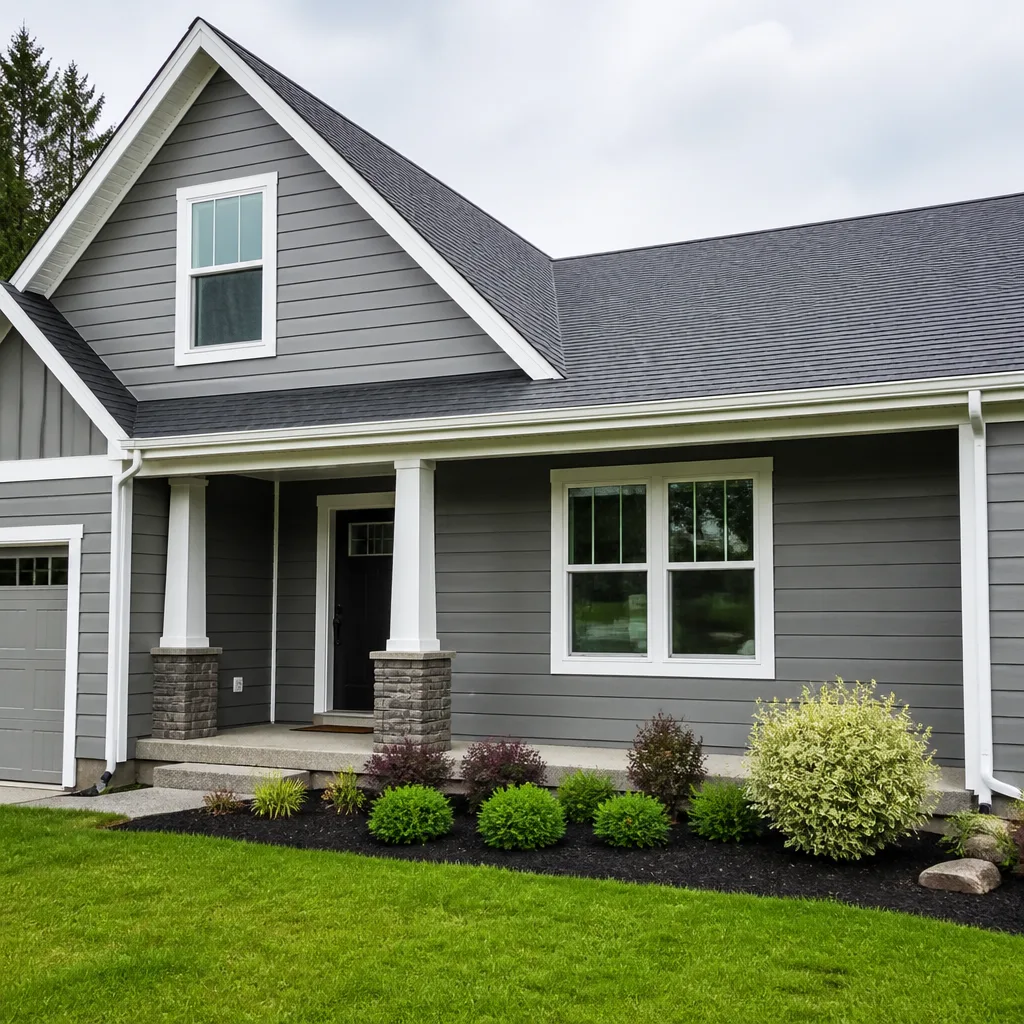
After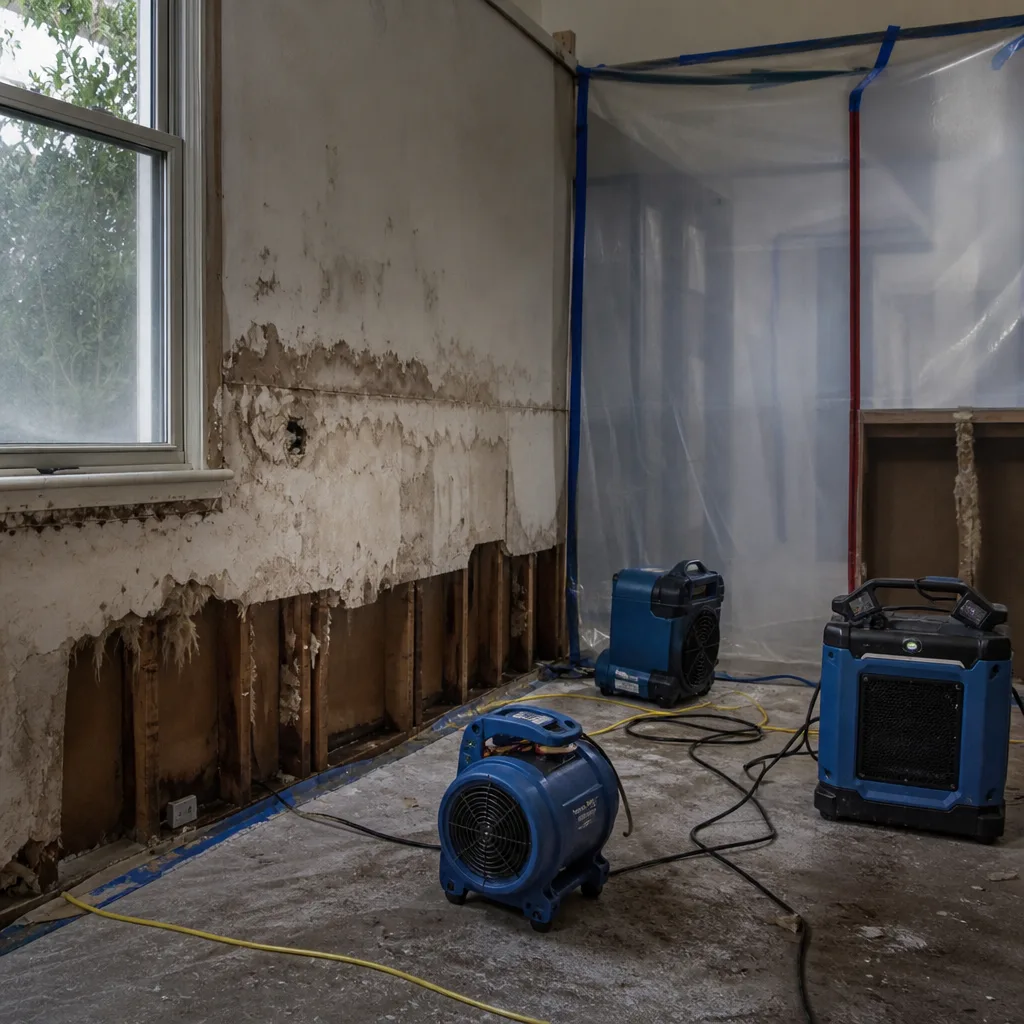 Before
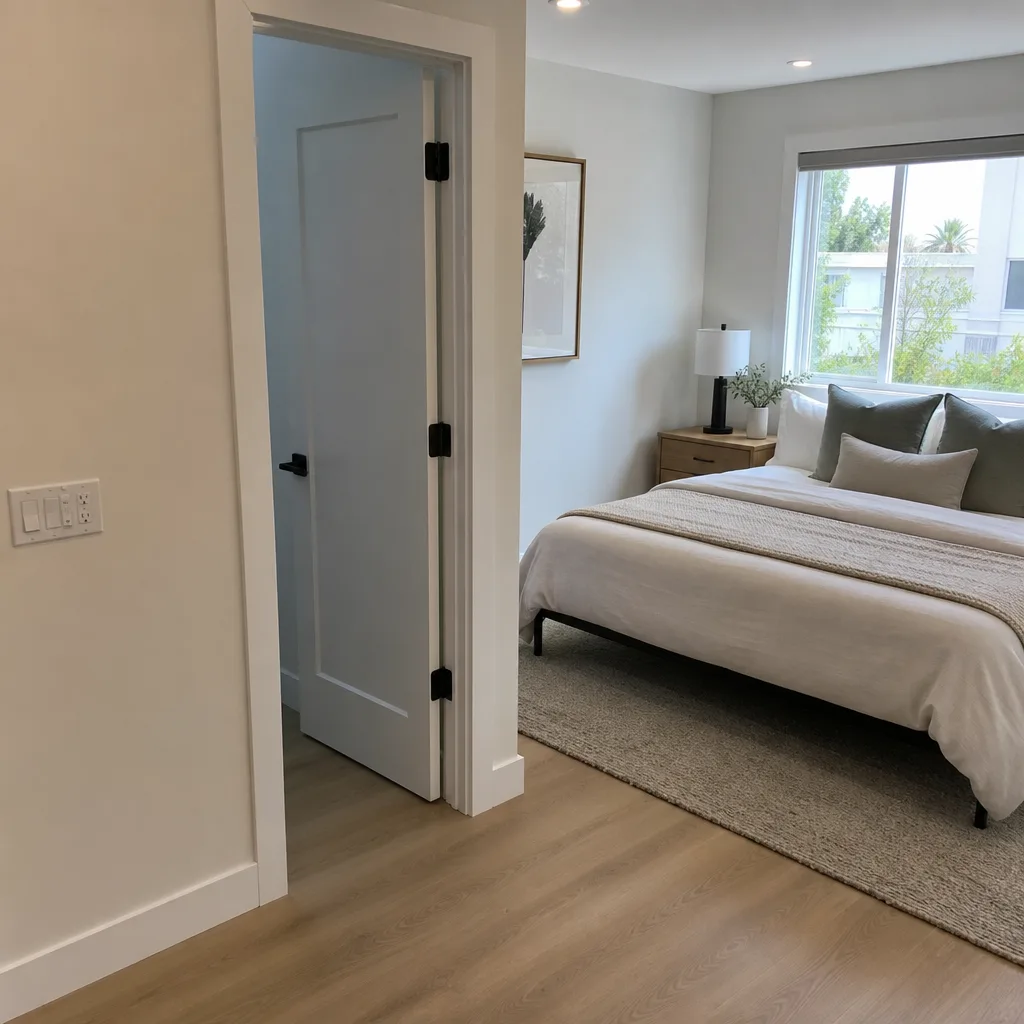 After
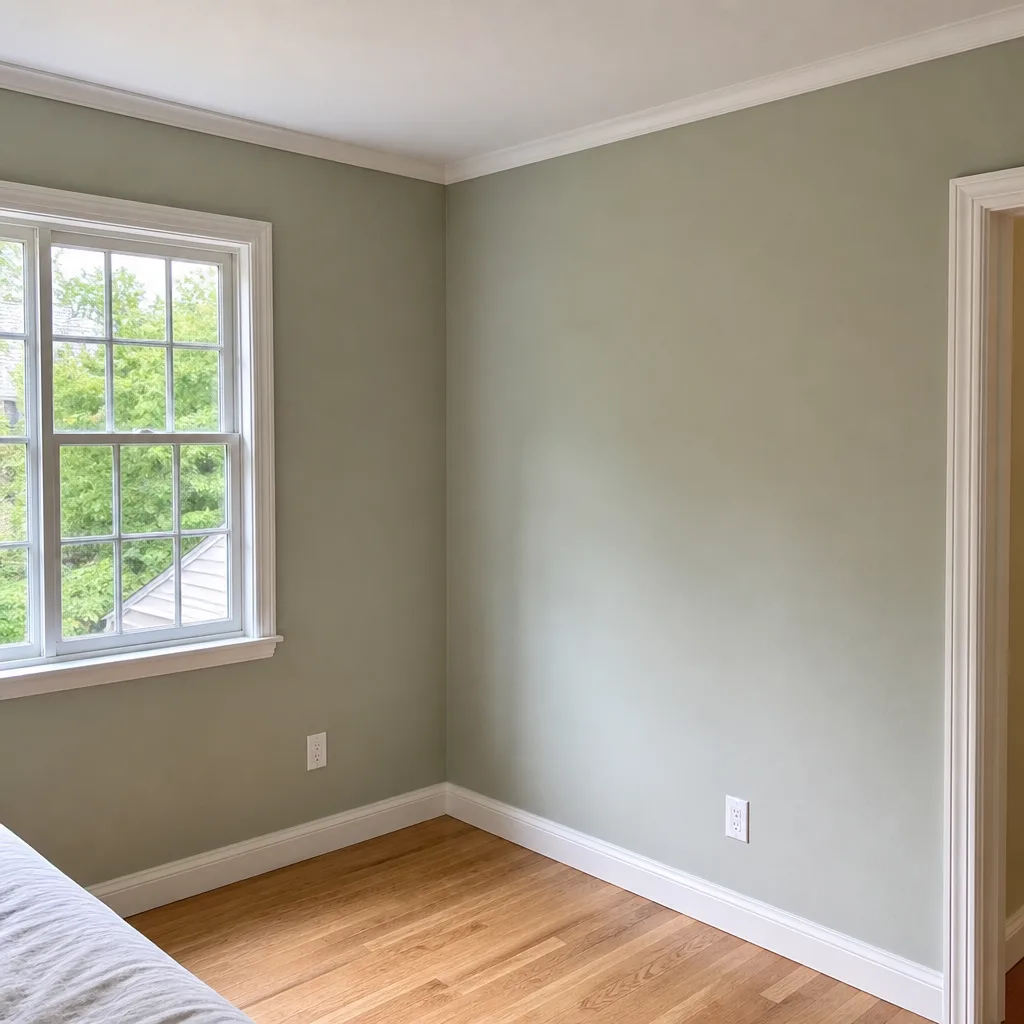
After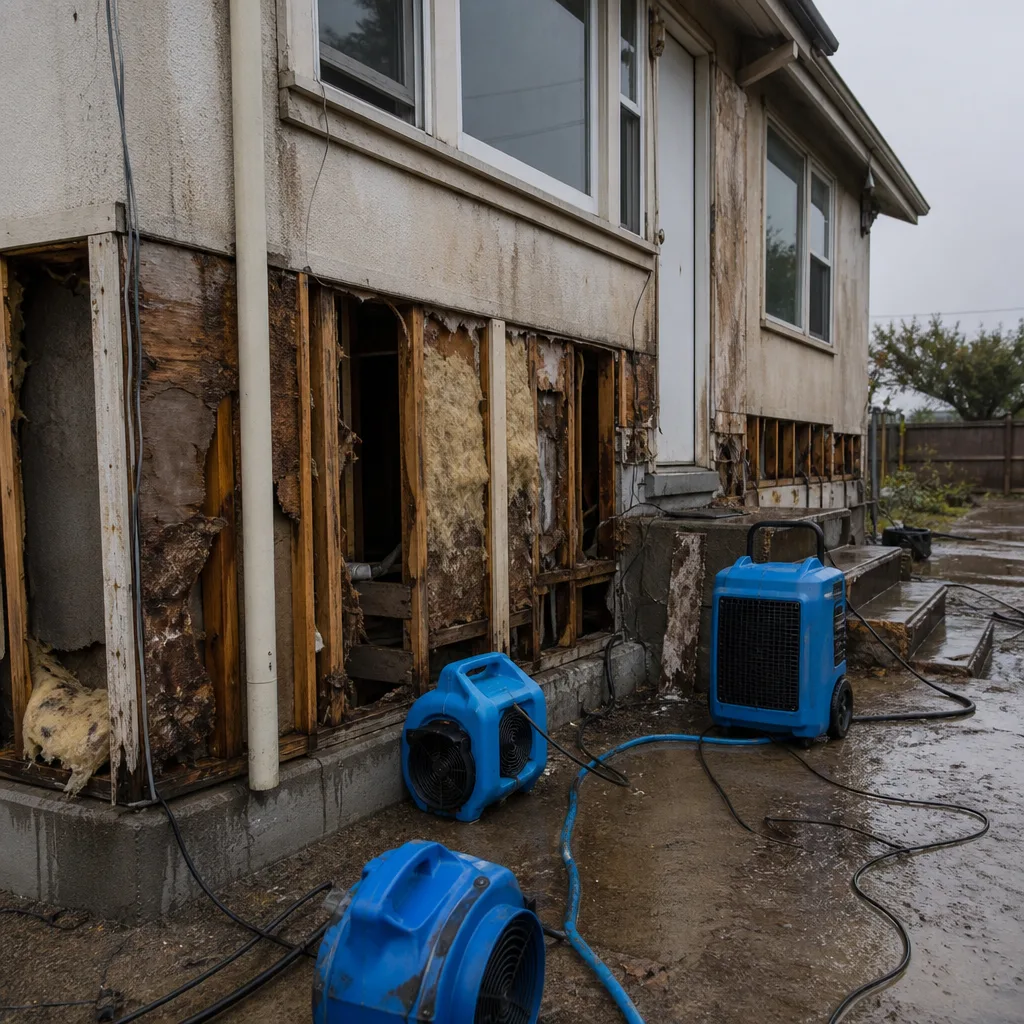 Before
 After
After24/7 Emergency Water Damage Restoration in Santa Monica
Water damage in Santa Monica spreads fast. Call (424) 372-0129 and a live person answers, day or night - no voicemail, no callback queue while water keeps moving through your floors. Our crews dispatch from our Los Angeles office and are typically on-site in Santa Monica within 45 minutes of your call. We perform a free visual inspection on arrival, document everything with photos, and give you a written price before any equipment runs or a single piece of drywall comes down. That first hour matters: water follows gravity and capillary action through Santa Monica’s older buildings, and every minute of delay expands the affected square footage, the drying timeline, and the final scope of work.
Understanding Water Damage Restoration Severity in Santa Monica Properties
Water damage in Santa Monica isn’t one thing. Category 1 water - a clean supply-line break - degrades to Category 2 within 24 to 48 hours once it contacts building materials, and the marine layer that blankets Santa Monica from May through August accelerates that timeline. Category 3 water, from sewage backup or ground flooding, demands full hazmat protocols from the first minute.
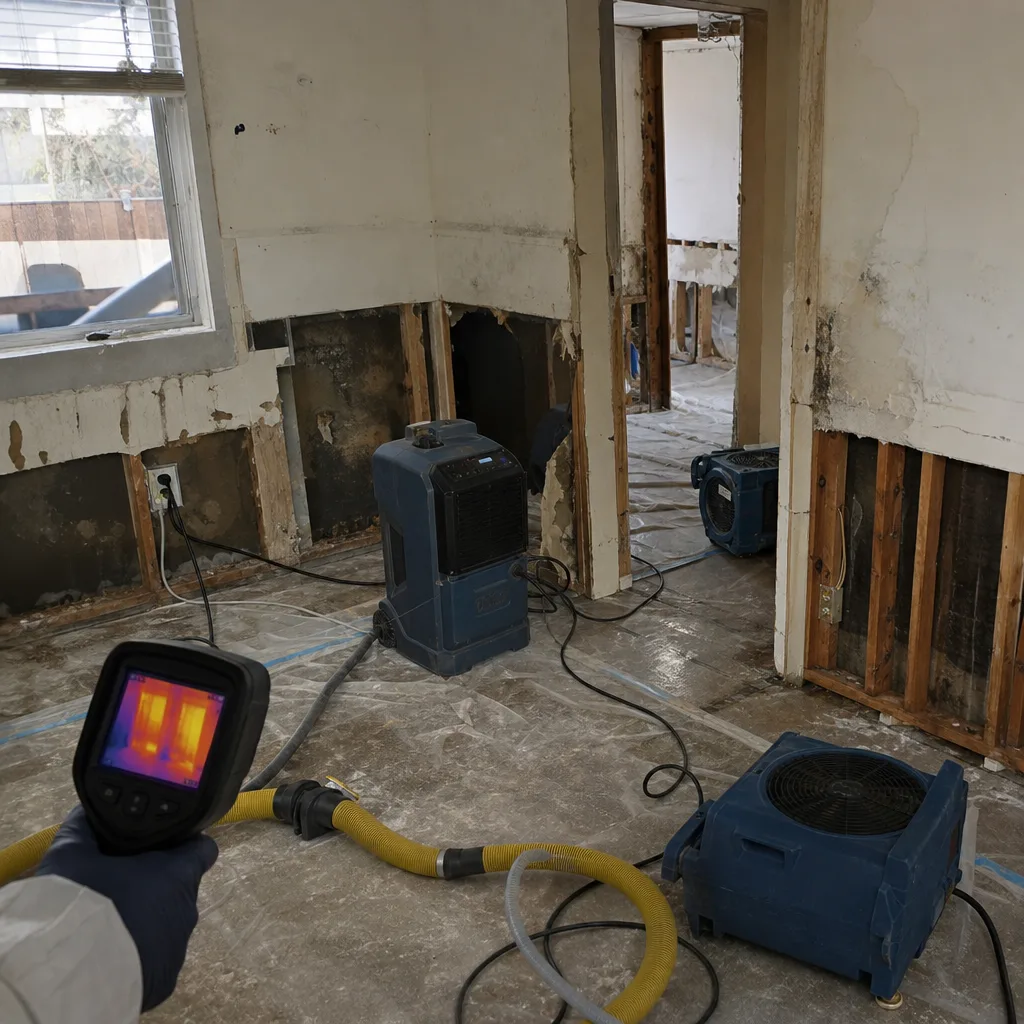
Our crews map moisture with thermal imaging and pinless meters, then confirm with penetrating probes at the stud level. In a 1960s Ocean Park dingbat, we expect to find galvanized supply lines corroded by salt air, original lath-and-plaster walls with no vapor barrier, and crawl spaces where the coastal water table keeps subflooring damp year-round. That changes our psychrometric targets - the measurable balance of temperature, humidity, and air movement that drives drying. We don’t guess at dry; we log daily moisture readings until the assembly returns to within 3 to 4 points of the dry standard for that material.
Many Santa Monica buildings also contain pre-1978 lead paint and pre-1980 asbestos in floor tiles or textured ceilings. We screen for both before demolition, because cutting into hazardous materials without abatement doesn’t save money - it stalls the claim and triggers EPA notification requirements.
Why Santa Monica Property Owners Choose DryMark Restoration Venice
- 45-minute response commitment to Santa Monica addresses - our crews know the Pico corridor, Ocean Park, and the Wilshire corridor routing by heart.
- 24/7 live answer - a real person picks up every call, never an automated system, because water doesn’t wait for business hours.
- IICRC-certified crews - our technicians hold WRT (Water Damage Restoration Technician) and FSRT (Fire & Smoke Restoration Technician) certifications, with AMRT (Applied Microbial Remediation Technician) on mold-prone Santa Monica jobs.
- Free visual inspection - we document the loss, explain what we found, and leave you with a written scope and price before you decide.
- Direct insurance billing - we coordinate with your adjuster, submit line-item estimates, and handle the documentation that gets claims paid.
- One team from extraction to reconstruction - no handoffs between mitigation and rebuild, no gaps in the paper trail your insurer needs.
 Before
 After
AfterOur Water Damage Restoration Process
1. Inspection & Assessment
We arrive with moisture meters, thermal imaging cameras, and hygrometers to map the full extent of the water migration - not just what’s visible. In Santa Monica’s pre-1979 buildings, we also screen for lead paint and asbestos before any invasive testing. You get photos, moisture readings, and a written scope with a firm price.
2. Water Extraction & Stabilization
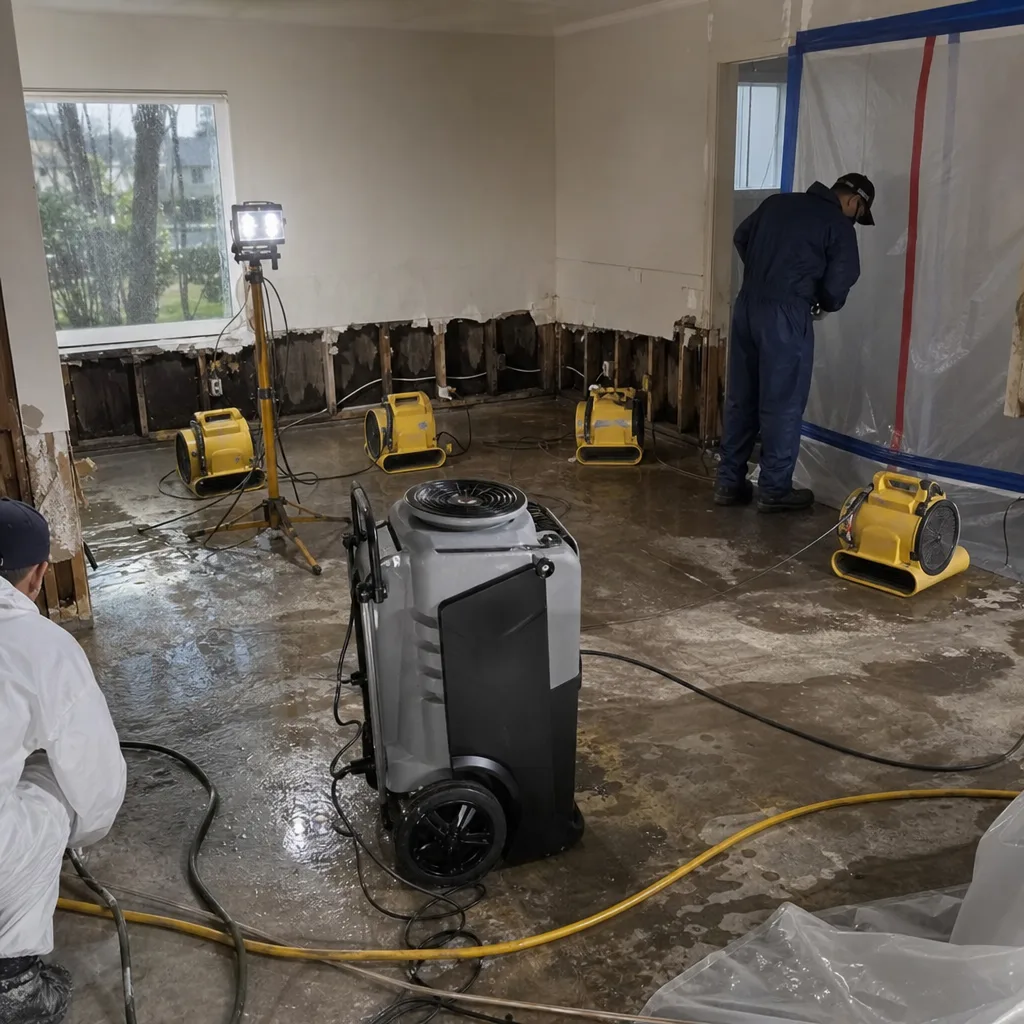
Standing water comes out first with truck-mounted extraction systems and portable submersible pumps. We remove saturated carpet pads and classify damaged materials by salvageability. For Category 2 or 3 losses, we establish containment and negative air pressure to protect unaffected areas.
3. Structural Drying & Dehumidification
We deploy Dri-Eaz and Phoenix dehumidifiers, XPOWER and B-Air air movers, and Injectidry cavity-drying systems for wall and ceiling assemblies. Santa Monica’s marine layer means ambient humidity often exceeds 70% - we run supplemental dehumidification against real moisture readings, not a calendar date.
4. Cleaning & Sanitization
All affected surfaces receive antimicrobial treatment appropriate to the water category. HEPA air scrubbers run continuously during this phase. We document every product used and every reading taken - your insurer gets the log, and you get a copy.
5. Hazmat-Aware Specialty Treatment
When pre-1979 materials test positive for lead or asbestos, we weave abatement into the mitigation scope under licensed hazmat protocols. Cutting corners here doesn’t speed the job - it kills the claim. We coordinate with certified abatement contractors and document every clearance test.
6. Repairs & Restoration
Our reconstruction crew returns the space to pre-loss condition - drywall, flooring, paint, trim - with the same photo documentation at each phase. The 365-Day Done Right Promise under The Haven Standard covers everything we touch: if it’s not right, we make it right.
Need Emergency Water Damage Restoration in Santa Monica Now?
Crews minutes away, answering live 24 hours a day. The sooner we start, the less it costs.
Working With Your Insurance Company
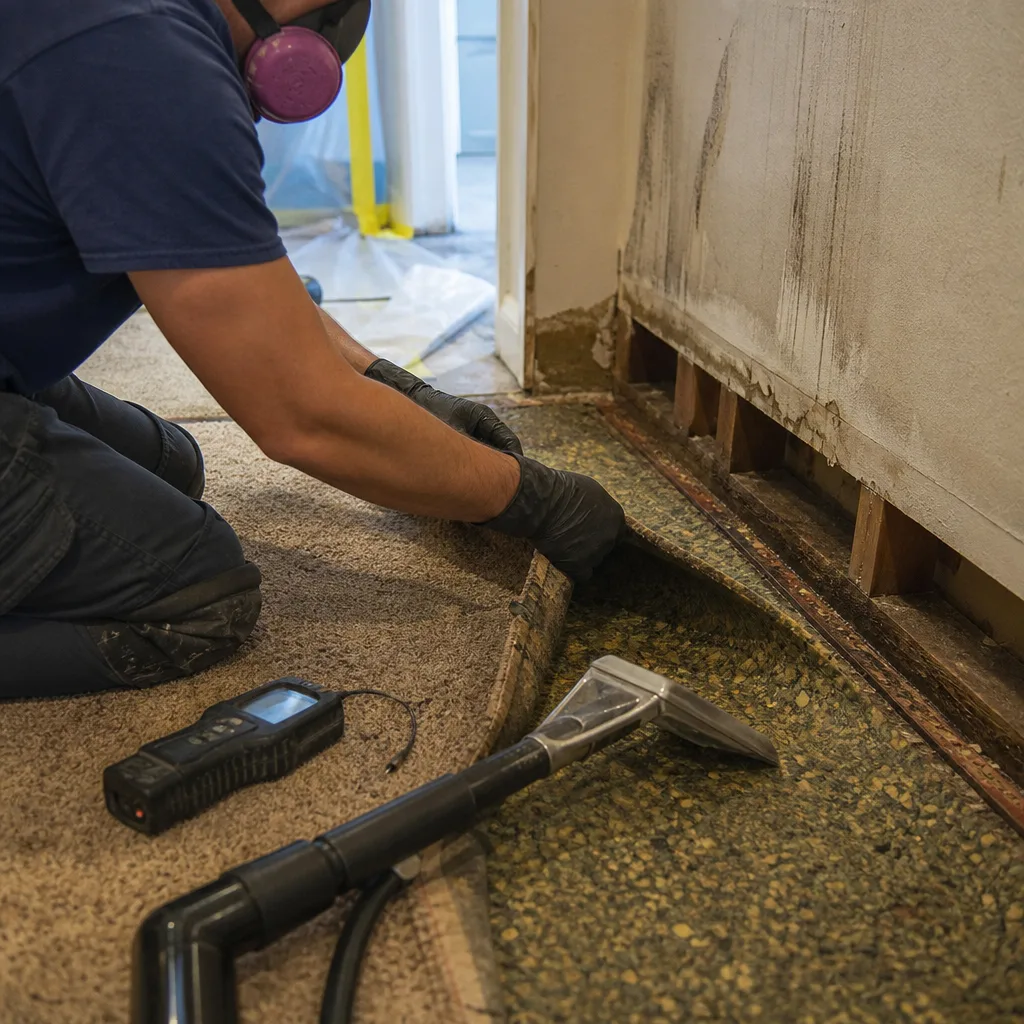
Insurance claims fail on documentation gaps. We close those gaps from hour one. Every DryMark Restoration Venice job produces a photo record on every visit, a daily drying log with moisture readings and equipment placement maps, and a detailed line-item scope written to Xactimate standards. We speak directly with your adjuster, answer questions about our methods, and justify every piece of equipment and every hour of labor. Our founder built this company in 2011 after seeing how many restoration invoices got denied for thin paperwork - that origin shapes every estimate we write.
Haven Standard, Clause 1: the written price comes before work starts. No exceptions. That price includes what we found, what we propose, and what each line costs. If your adjuster disagrees with a line item, we explain it. If the scope changes because hidden damage emerges, we document why, photograph it, and write an amendment before proceeding.
What We Provide Your Insurer
- Thorough documentation of the loss
- Photos of all damage, room by room
- Moisture readings and drying logs
- A detailed, line-item scope of work
- Direct coordination with your carrier
Built for Santa Monica’s Loss Calendar
January through March brings the heaviest rain months to Santa Monica, with saturated soil and aging flat roofs on 1960s courtyard apartments failing at the membrane seams. Supply lines in salt-corroded galvanized systems let go under pressure spikes. April and May see the marine layer thicken - relative humidity climbs, and buildings that took a winter hit but “seemed dry” reveal trapped moisture in wall cavities.
June through August, coastal fog keeps nighttime humidity above 75% even when days feel mild. Air conditioners working overtime create condensation on poorly insulated ducts in unvented crawl spaces. September and October bring the highest risk of Santa Ana wind-driven wildfire, but also the year’s most intense heat spikes - thermal expansion stresses old copper and galvanized joints already weakened by corrosion.
November and December return to rain patterns, with holiday travel leaving leaks undetected for days. Ocean Park’s 1920s bungalows and the soft-story buildings along Pico see the most crawl-space flooding as the winter water table rises.
Water Damage Restoration Across Santa Monica’s Neighborhoods
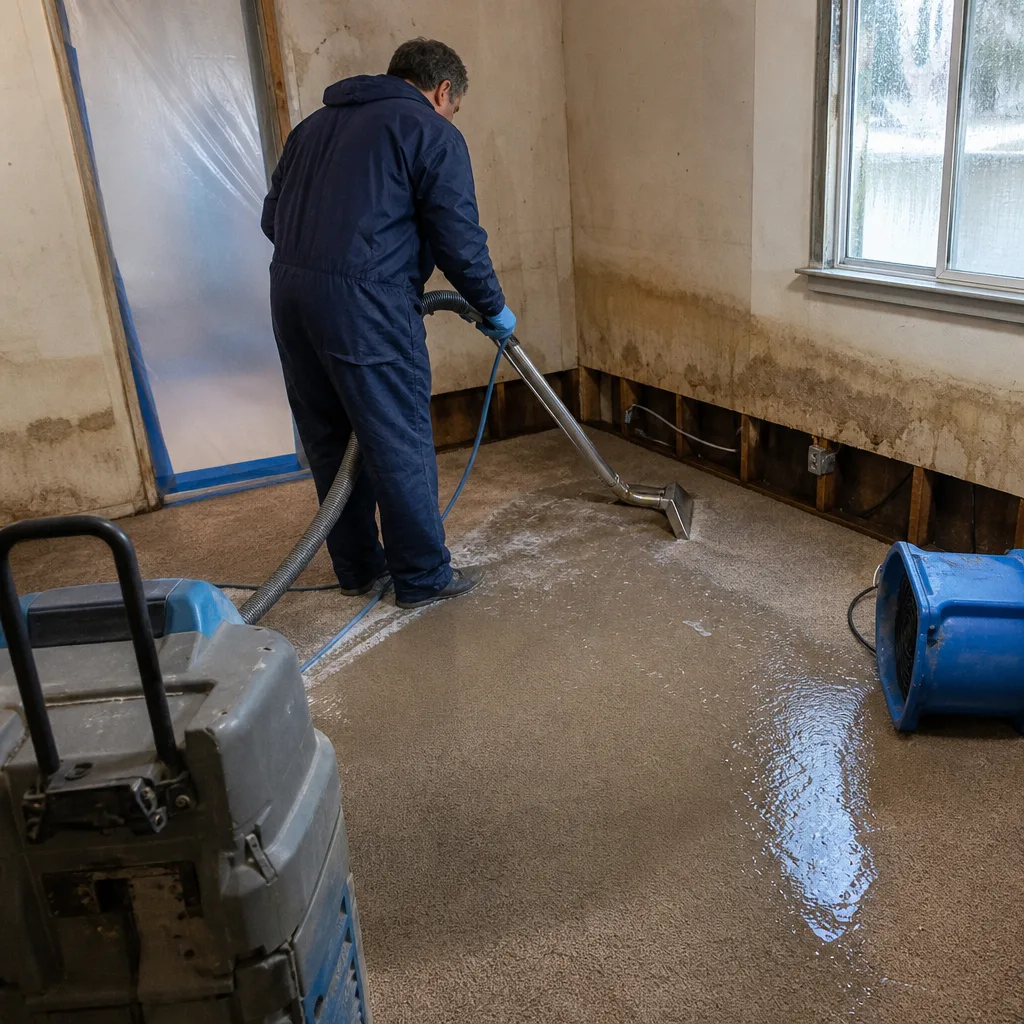
Ocean Park, south of Pico and west of Lincoln, mixes 1920s wood-frame bungalows with 1960s courtyard garden apartments. The bungalows have minimal vapor barriers and unvented crawl spaces where moisture wicks up from the coastal water table - we see chronic subfloor saturation that owners mistake for “just the coast” until the framing shows 20% moisture content and fungal growth. Our crews run vapor pressure differential calculations to determine whether the source is groundwater intrusion or a plumbing failure, because the fix is entirely different.
The Pico neighborhood corridor, from Lincoln to the eastern city limit, holds dense concentrations of 1950s-1970s dingbats and soft-story buildings with original galvanized supply lines. Salt air corrosion means a single visible leak often signals multiple imminent failures in the same riser. We pressure-test the line, map the full corrosion pattern, and document it - replacing one joint while three others are ready to go saves nobody money.
Downtown Santa Monica and the Wilshire corridor present access challenges: alley-load entries, tight townhome courtyards, parking structures with height limits that exclude standard box trucks. Our equipment fleet includes compact extraction units and portable drying systems that fit where full-size gear won’t. We also coordinate with building management for after-hours access in security-focused buildings - rolling-code entry, elevator reservations, and noise restrictions.
North of Montana, the housing stock shifts to larger single-family homes from the 1930s-1950s with finished basements that function as living space. When a supply line fails here, the damage affects finished rooms with built-ins, hardwood flooring, and personal contents. Our moisture mapping separates salvageable materials from losses, and our contents team documents, inventories, and cleans items on-site or at our facility.
Specialized Water Damage Restoration Services We Offer in Santa Monica
Emergency Water Extraction
Standing water comes out now, not tomorrow. Our truck-mounted extraction systems remove thousands of gallons per hour, and portable units handle high-rise units where truck access is impossible. In Santa Monica’s dense multi-unit buildings, we extract with containment to protect neighboring units - the shared walls in 1960s courtyard apartments transmit water fast.
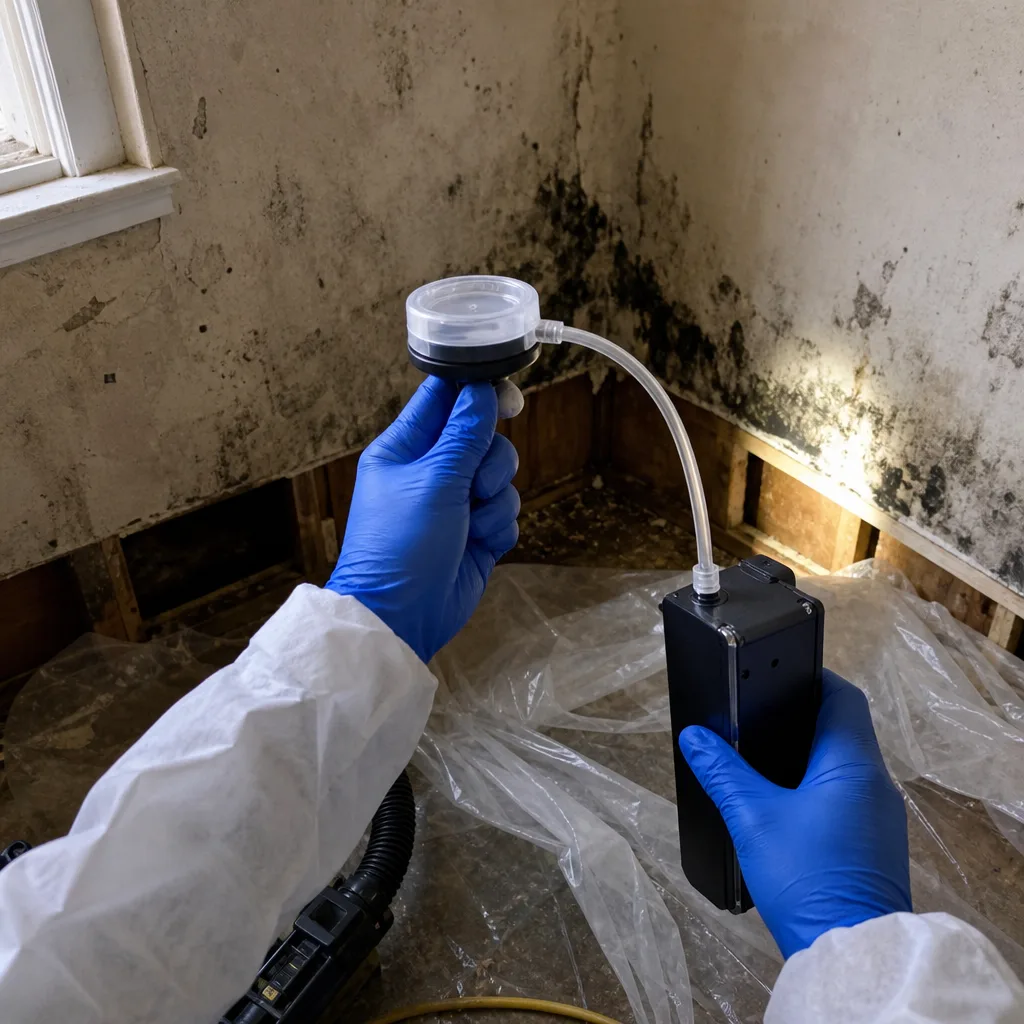
Structural Drying & Dehumidification
This is where Santa Monica’s marine layer makes us work harder. Ambient coastal humidity keeps assemblies wet longer, so we run Dri-Eaz and Phoenix LGR dehumidifiers at capacity, monitor with wireless hygrometers, and adjust daily. Injectidry panel systems dry inside wall cavities without removing drywall when possible - critical in rent-controlled units where displacement triggers SMMC Chapter 4.36 relocation obligations.
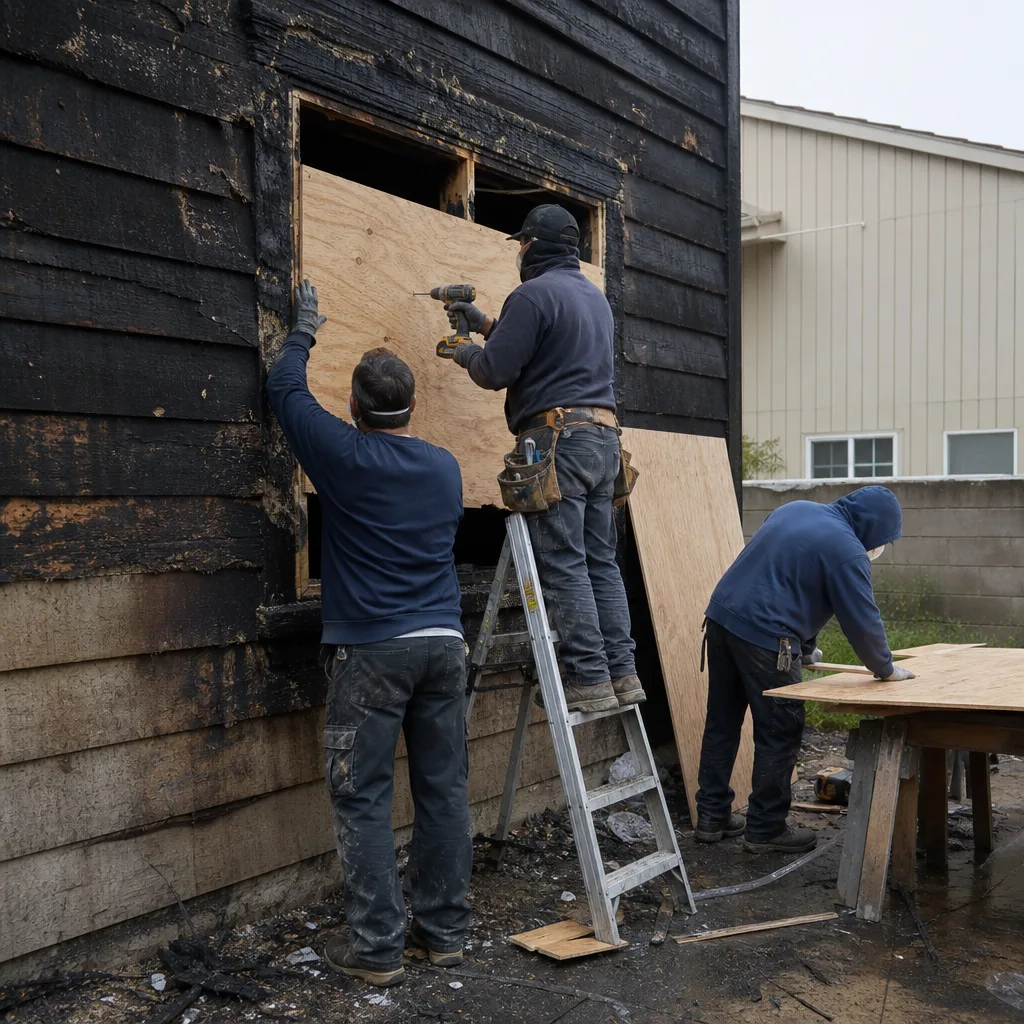
Flood Cleanup
Ground flooding and storm surge in low-lying Santa Monica areas bring Category 3 water - sewage, chemicals, soil bacteria. Full PPE, antimicrobial treatment, and disposal of porous materials are non-negotiable. We document contamination levels with ATP testing and clearance sampling before rebuild.
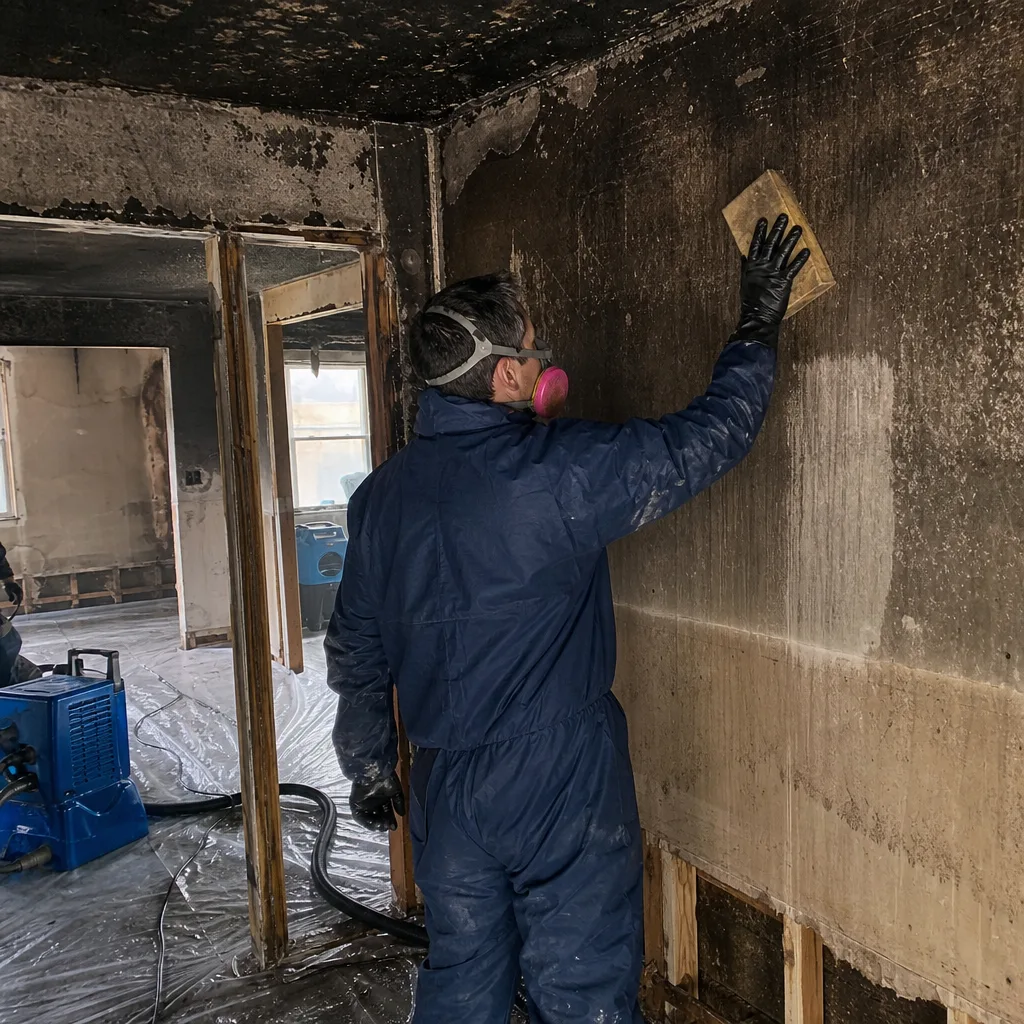
Burst Pipe Restoration
Santa Monica’s salt-corroded galvanized and early copper lines fail predictably once corrosion reaches 30% wall loss. We don’t just patch the burst - we inspect the full riser, document corrosion patterns with photos, and scope replacement of adjacent sections before they fail. The written price covers what we found, not just what broke.
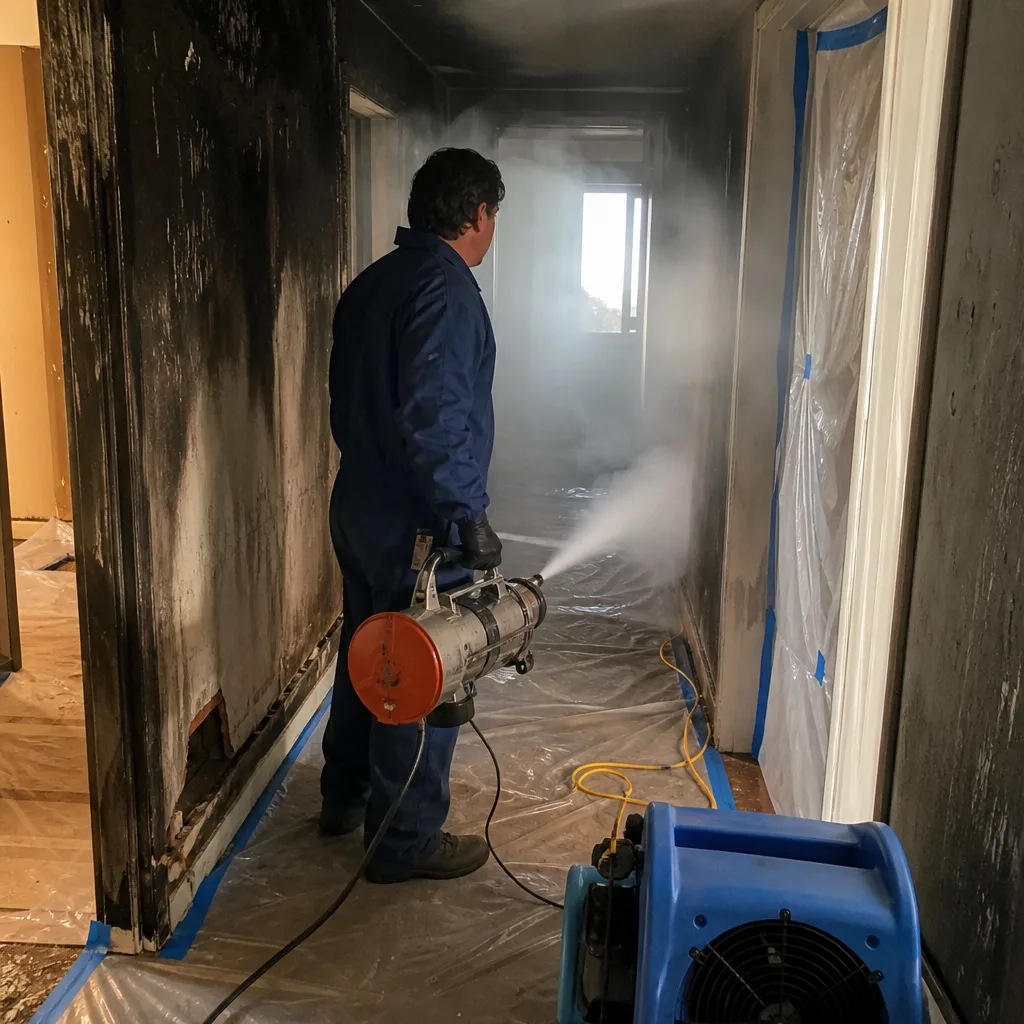
Basement Water Removal
Finished basements in north Santa Monica and subterranean parking levels downtown require sump pump deployment, submersible extraction, and careful sequencing to avoid overwhelming drainage systems. We also assess foundation seepage patterns - hydrostatic pressure from the winter water table needs a different long-term solution than a one-time pump-out.
What happens when you call
- 1
A real person answersNo phone trees - you reach a local pro.
- 2
You get an upfront price rangeHonest numbers before anyone is dispatched.
- 3
A background-checked tech heads outLicensed & insured, dispatched right away.
- 4
You approve before work beginsNothing starts until you say go.
Water Damage Restoration Costs in Santa Monica, CA
These are actual ranges for Santa Monica’s market, based on building type, water category, and affected square footage:
| Service | Typical Range in Santa Monica |
|---|---|
| Emergency water extraction (up to 1,000 sq ft) | $450 - $950 |
| Structural drying & dehumidification (3-5 day cycle) | $1,800 - $4,200 |
| Category 2 cleanup with antimicrobial treatment | $2,500 - $6,500 |
| Category 3 flood cleanup with disposal | $5,500 - $14,000 |
| Burst pipe repair with localized drywall/flooring | $3,200 - $8,500 |
| Full basement water removal + drying | $4,500 - $12,000 |
| Hazmat abatement (lead/asbestos, per room) | $1,500 - $4,500 additional |
What moves the price: water category (clean vs. contaminated), affected square footage, whether hazmat screening is required, and how long water sat before extraction began. Insurance typically covers sudden and accidental water damage - gradual leaks and maintenance issues usually don’t. We review your policy, document the loss as sudden, and work directly with your adjuster. Our free visual inspection gives you a firm written scope with no obligation.
Call (424) 372-0129 for your exact quote - estimates are free.
We Also Serve Cities Near Santa Monica
Our crews respond daily from Santa Monica to Venice, where canal-adjacent properties face similar marine-layer challenges and tide-gate flooding; Pacific Palisades, with hillside drainage and retaining-wall seepage; Marina del Rey, where slip-adjacent condos see chronic humidity and salt corrosion; and Playa Vista, with newer construction but recurring waterproofing failures in podium-style buildings. Each city gets the same documentation-first approach, adapted to its actual building stock and loss patterns.
Serving Santa Monica, CA - Our Local Coverage Area
We’re based in the Santa Monica area and know this community well. Use the map below to see our service coverage - if you’re nearby, we can almost certainly help.
Santa Monica Water Damage Restoration Questions, Answered
How fast does water damage turn into mold in a Santa Monica beachside apartment?
In Santa Monica’s marine-layer climate, mold colonization can begin within 24 to 48 hours of water intrusion - faster than inland areas because ambient humidity often exceeds 70% and slows natural evaporation. We measure this risk with moisture readings, not guesswork; any reading above 16% in wood framing or sustained relative humidity above 60% in a cavity triggers aggressive drying protocols. Call (424) 372-0129 for an exact quote - estimates are free.
Our Ocean Park bungalow has an unvented crawl space that stays damp - is that a water damage problem or just the coast?
Chronic dampness is a water damage problem when moisture content in framing exceeds 16% or fungal growth is visible - “just the coast” has destroyed more Santa Monica crawl spaces than any plumbing failure. We run vapor pressure differential testing to distinguish groundwater intrusion from condensation, then scope the actual fix: encapsulation, drainage, or dehumidification. Call (424) 372-0129 for an exact quote - estimates are free.
Why does hazmat abatement come up on almost every water loss in a pre-1979 Santa Monica building?
Pre-1979 Santa Monica buildings overwhelmingly contain lead paint and pre-1980 asbestos in floor tiles, mastic, or textured ceilings - materials that become friable and hazardous once water-damaged or cut for drying access. EPA and California DTSC regulations require licensed abatement before demolition; skipping it exposes the property owner to fines and stalls insurance claims. We test before cutting and weave abatement into the written scope. Call (424) 372-0129 for an exact quote - estimates are free.
Can a burst pipe repair in a rent-controlled unit affect what the landlord owes the tenant?
Yes - under Santa Monica’s Tenant Relocation Assistance Ordinance (SMMC Chapter 4.36), a landlord may owe per-diem relocation costs the moment a rent-controlled unit is deemed uninhabitable, even temporarily. Our precise moisture mapping and aggressive drying documentation help establish whether the unit can remain occupied during mitigation, directly affecting relocation liability. We build that documentation into every rent-controlled job. Call (424) 372-0129 for an exact quote - estimates are free.
Will you dry water damage in an Ocean Park or Pico-neighborhood apartment if we only have an alley or tight townhome door to work from?
Yes - our fleet includes compact extraction units, portable dehumidifiers, and Injectidry cavity systems that fit through 28-inch openings and operate in spaces where standard box trucks can’t park. We coordinate alley access, rolling-code entry, and building management notification as part of our standard dispatch. Call (424) 372-0129 for an exact quote - estimates are free.
How long does structural drying take in Santa Monica compared to inland areas?
Typically 3 to 5 days in Santa Monica versus 2 to 4 days inland, because the marine layer keeps ambient humidity elevated and slows evaporation from wet assemblies. We compensate with higher-capacity Dri-Eaz and Phoenix dehumidifiers, more air movers per square foot, and daily moisture-log adjustments rather than fixed schedules. The job ends when readings meet the dry standard, not a calendar. Call (424) 372-0129 for an exact quote - estimates are free.
Can we stay in the home during water damage restoration?
For Category 1 losses under 200 square feet with contained drying zones, usually yes. For Category 2 or 3, or when hazmat abatement is required, temporary relocation is safer and often necessary. In Santa Monica rent-controlled units, our documentation helps establish habitability status for both tenant and landlord under SMMC Chapter 4.36. We discuss this explicitly in our written scope. Call (424) 372-0129 for an exact quote - estimates are free.
What certifications do your technicians hold for water damage work?
Our lead technicians hold IICRC WRT (Water Damage Restoration Technician), with FSRT (Fire & Smoke Restoration Technician) and AMRT (Applied Microbial Remediation Technician) on jobs requiring mold or fire crossover. All work is documented to IICRC, RIA, and IFA standards - the same documentation standards insurers expect and adjusters recognize. Call (424) 372-0129 for an exact quote - estimates are free.
Written by Alicia Brennan, Owner at DryMark Restoration Venice, serving Water Damage Restoration in Santa Monica since 2011.
Water Damage Restoration in Nearby Areas