
Free visual inspection and a written scope of work before any mitigation begins - photos, moisture readings, and drying logs go in your claim file
The scope we write is the scope we bill. Anything new gets shown to you, in writing, before we touch it.
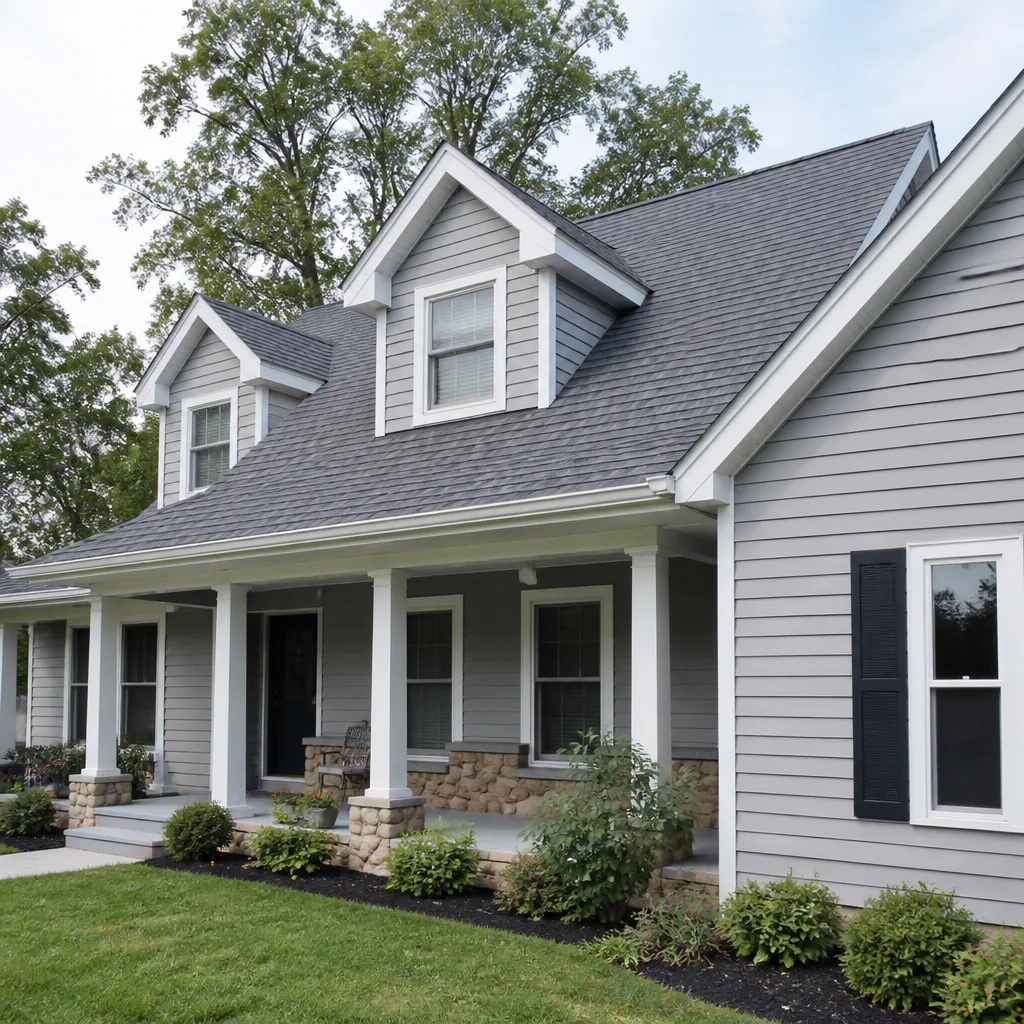
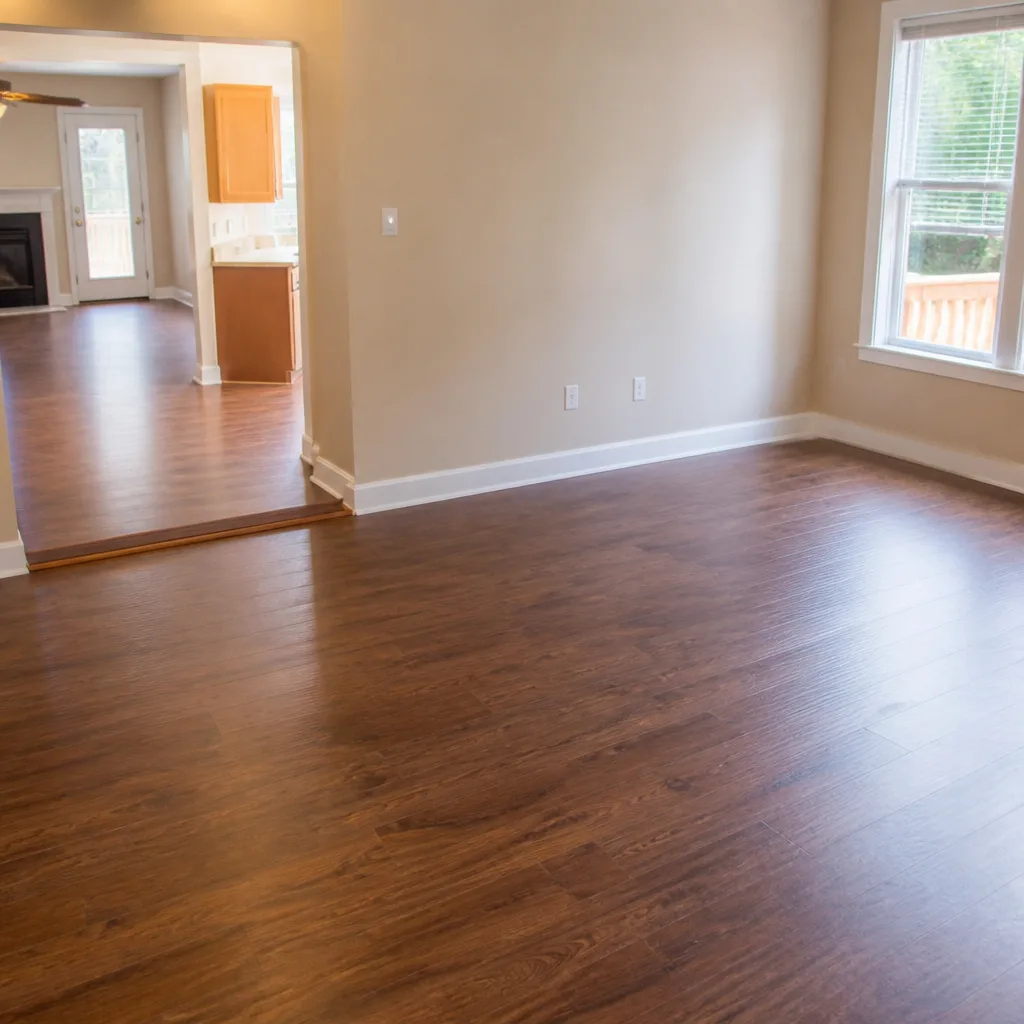
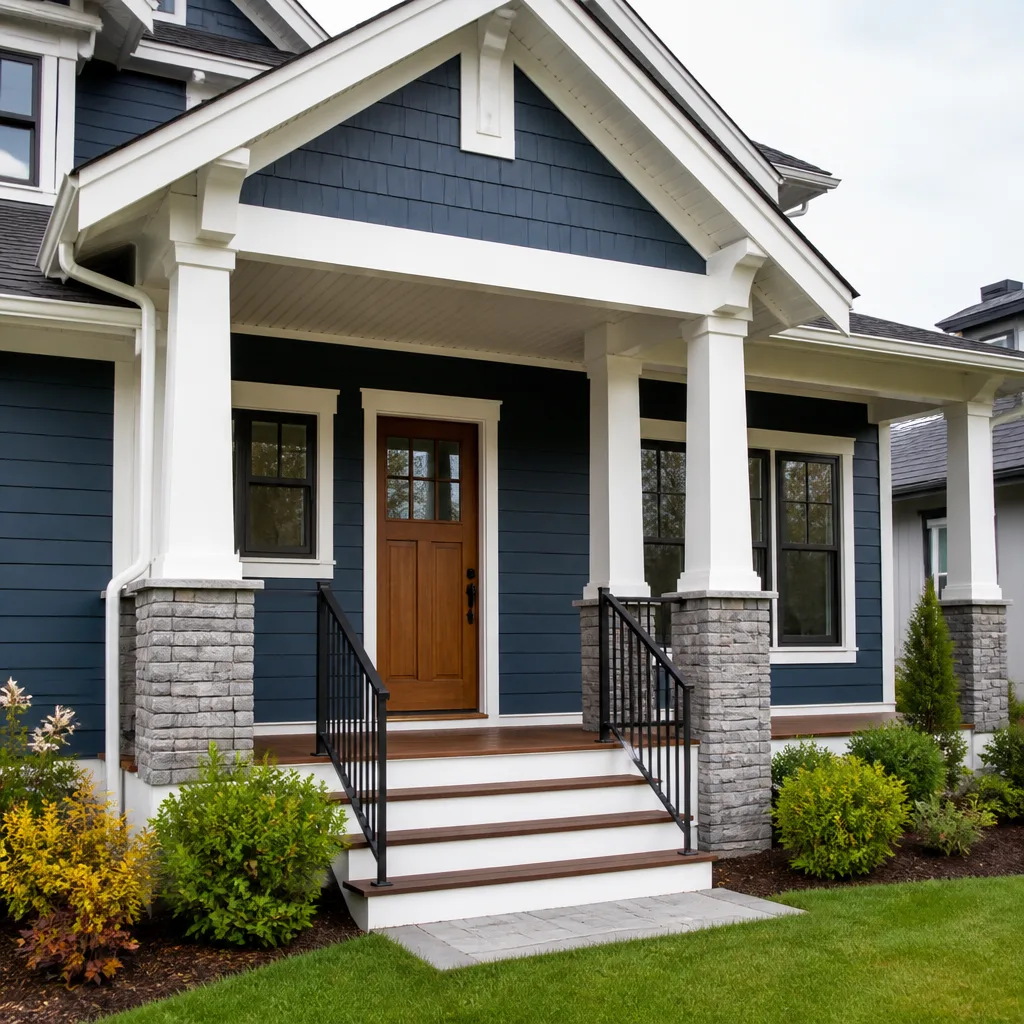
 Before
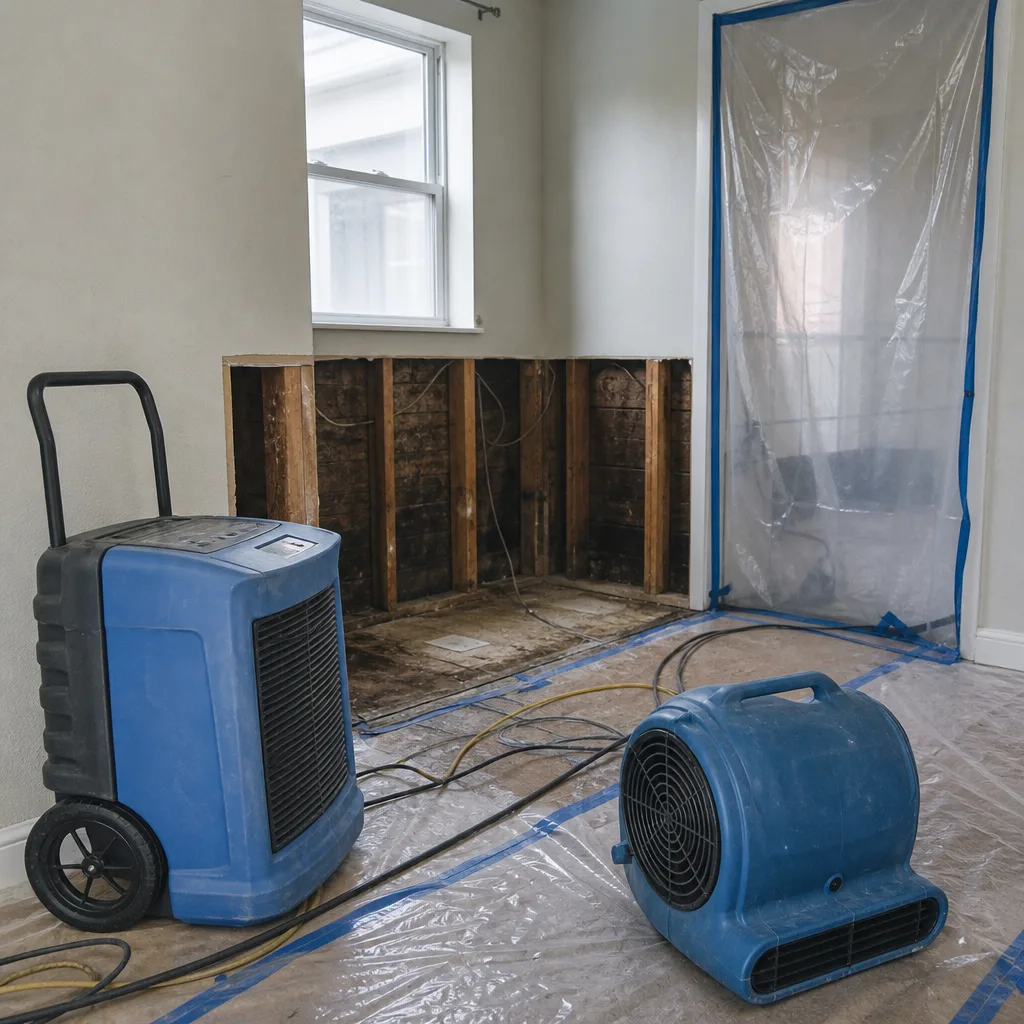 After
After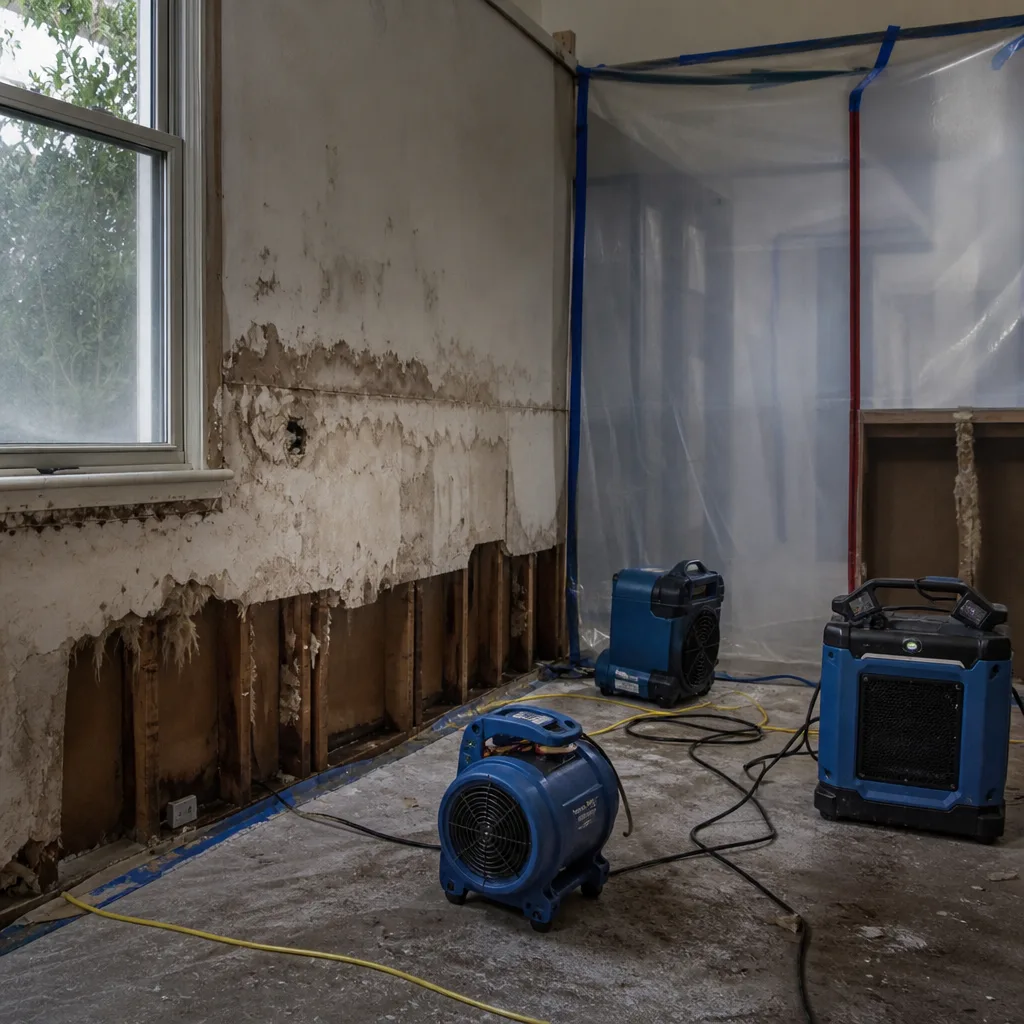 Before
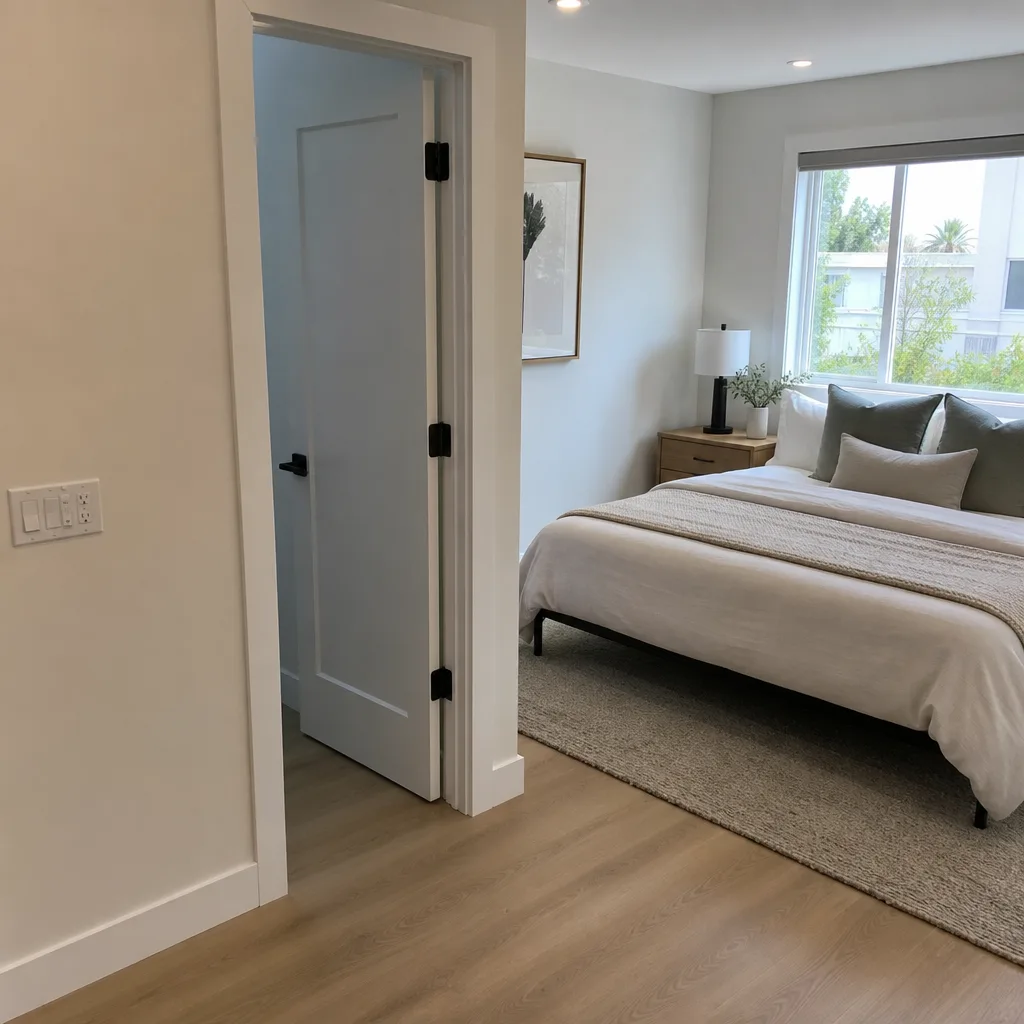 After
After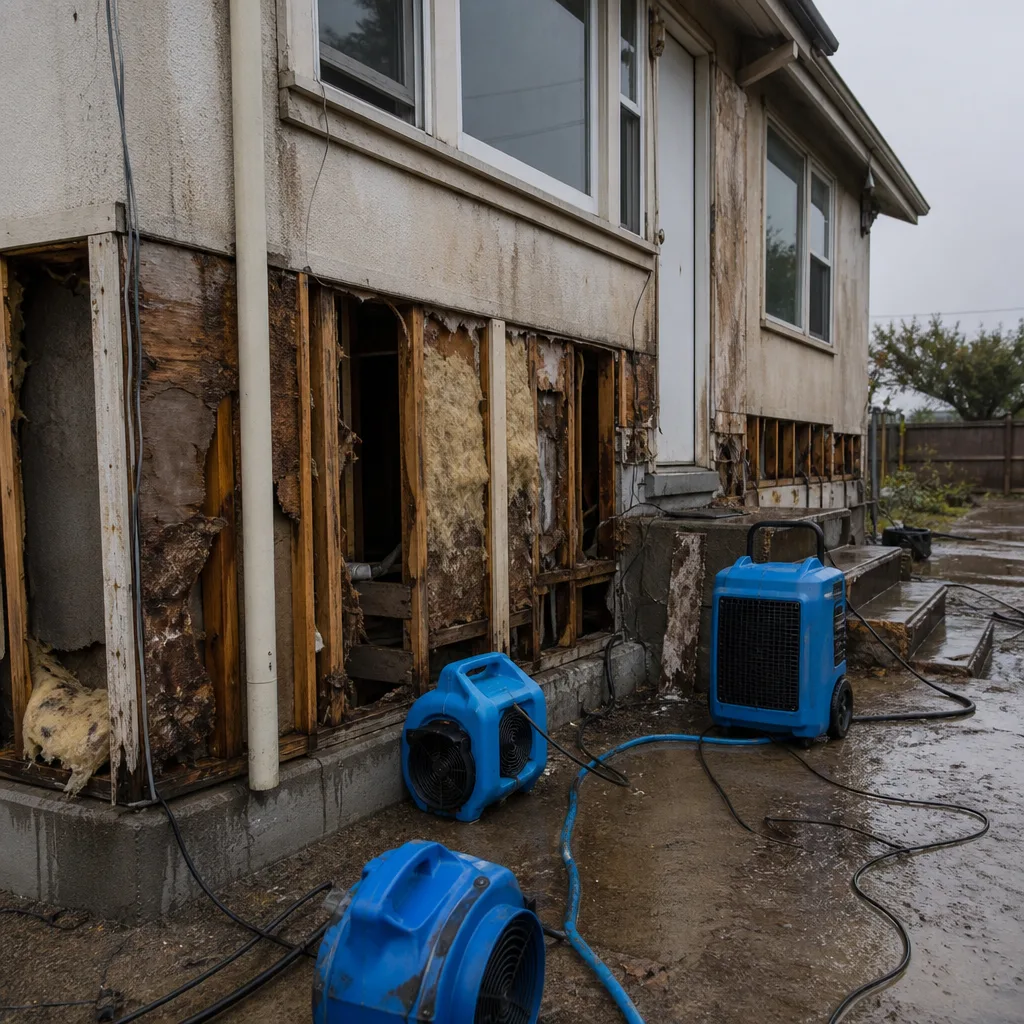 Before
 After
After24/7 Emergency Water Damage Restoration in Pacific Palisades
Water damage restoration in Pacific Palisades typically runs $3,200-$8,500 for a standard residential mitigation, with crews arriving within 45 minutes when you call (424) 372-0129. We answer live, 24 hours a day, 7 days a week - no voicemail, no callback queues while water keeps moving through your floors and walls. Every minute standing water sits against drywall, subfloor, or framing, the damage compounds: Category 1 clean water degrades to Category 2 in 24-48 hours, and Category 3 contamination follows if ash, soil, or fire-retardant chemicals are already present from the 2025 Palisades Fire burn zone. Our dispatch is coordinated from our Los Angeles office, with crews serving Pacific Palisades locally and carrying the documentation equipment - moisture meters, thermal imaging, photo rigs - that turns a chaotic first hour into a claim-ready file.
Understanding Water Damage Restoration Severity in Pacific Palisades Properties
Water damage in Pacific Palisades does not sort neatly into the textbook categories you’ll find on a generic Water Damage Restoration page. The IICRC defines Category 1 as clean supply-line water, Category 2 as gray water with elevated contamination risk, and Category 3 as grossly contaminated black water. In Pacific Palisades, especially in the canyon neighborhoods above Sunset Boulevard, a burst pipe or wind-driven roof leak almost always contacts fire ash, fire-retardant residue, or mud-debris flow from the January 2025 burn scar. That reclassifies what looks like Category 1 or 2 water to Category 3 on contact.
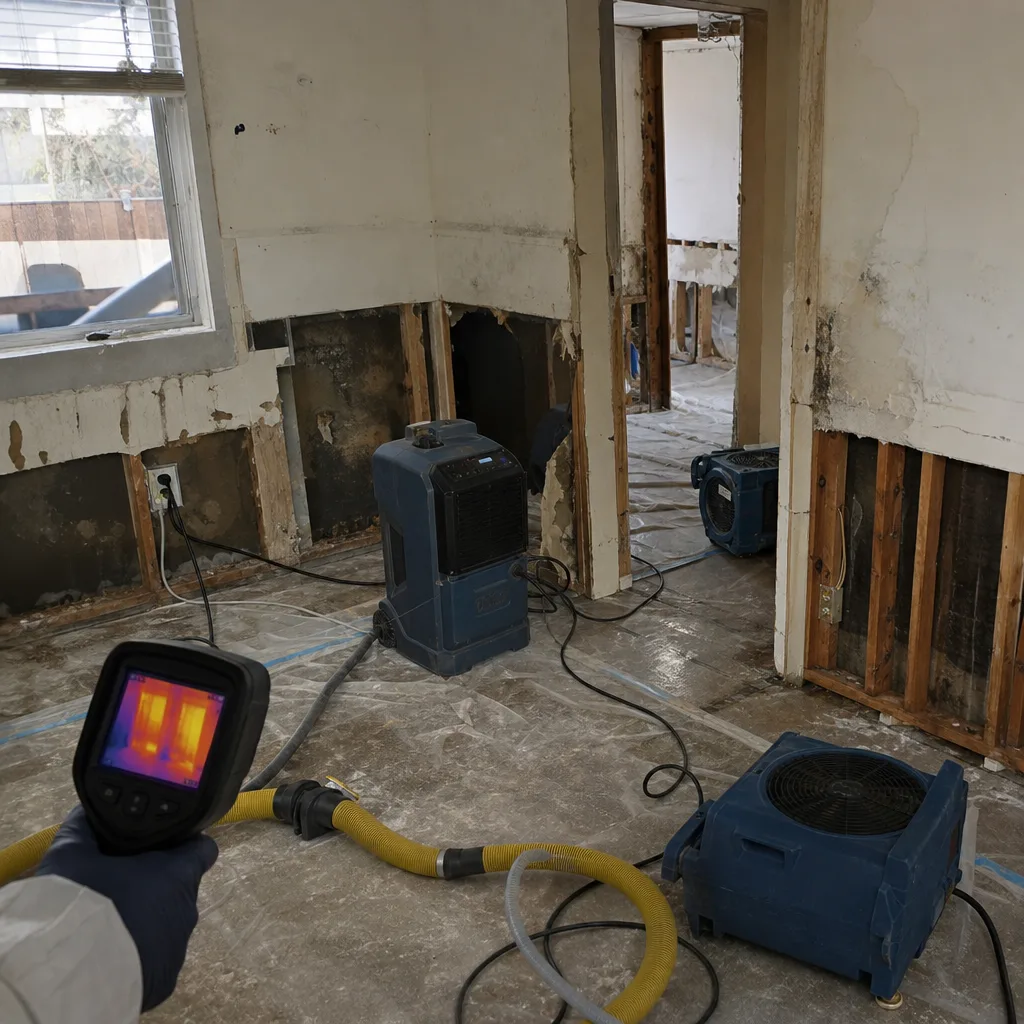
Moisture mapping with penetrating and non-penetrating meters lets us trace water migration through wall cavities and subfloor assemblies without destructive probing. Psychrometric data - temperature, relative humidity, and vapor pressure differential, which is the force that actually drives moisture from wet materials into dry air - governs our structural drying plans. In the 1940s-1970s wood-frame homes common in the Alphabet Streets and upper Rustic Canyon, plaster-and-lath assemblies hold moisture differently than modern drywall, and older dimensional lumber dries more slowly than today’s kiln-dried studs. Tertiary drying, the final phase where we target bound water in dense materials, often extends the timeline in these older Pacific Palisades structures.
Why Pacific Palisades Property Owners Choose DryMark Restoration Venice
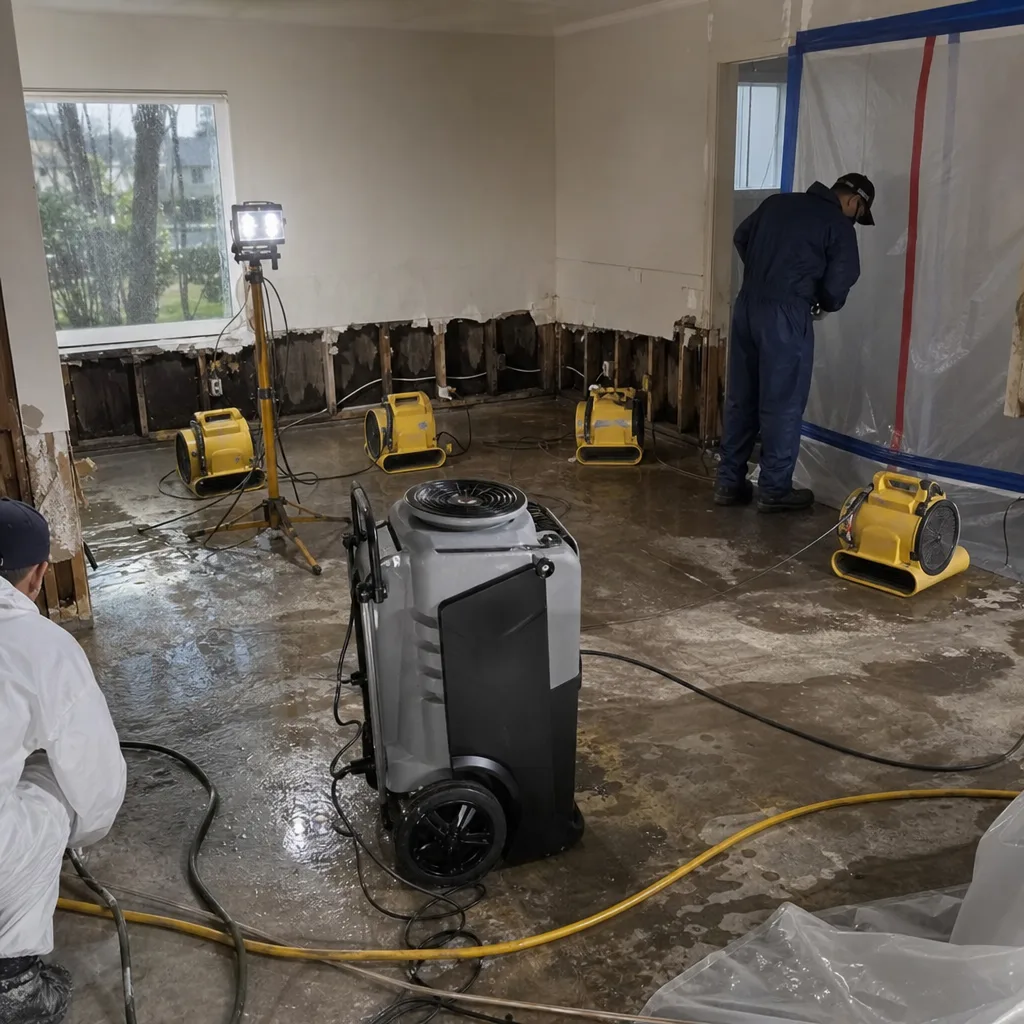
- 45-minute response commitment to Pacific Palisades from initial call to crew arrival, with live GPS dispatch tracking.
- 24/7 live answer - a real person picks up every emergency line, never an automated phone tree or next-business-day callback.
- IICRC-certified crews holding WRT (Water Damage Restoration Technician), FSRT (Fire & Smoke Restoration Technician), and AMRT (Applied Microbial Remediation Technician) credentials, with license numbers provided on request.
- Free visual inspection and moisture assessment before any equipment is deployed or any price is discussed.
- Direct insurance billing with photo-documented estimates formatted to carrier standards, plus direct adjuster coordination on every claim.
- One team from extraction to reconstruction - no handoffs between mitigation and rebuild contractors, no gaps in documentation.
 Before
 After
AfterOur Water Damage Restoration Process
1. Inspection & Assessment
We arrive with thermal imaging cameras, Tramex moisture meters, and particle counters. In Pacific Palisades, we also run indoor air quality baseline testing for ash particulate and volatile organic compounds before determining whether the water loss is standalone or layered on fire-zone contamination. Every finding is photo-documented with timestamps.
2. Extraction & Stabilization
Standing water is removed with truck-mounted extraction units and portable water claws for carpet and pad. We identify and stop the source - burst copper supply line, compromised roof flashing, failed window seal in a Santa Ana wind event - then set containment barriers if Category 3 conditions exist.
3. Drying & Dehumidification
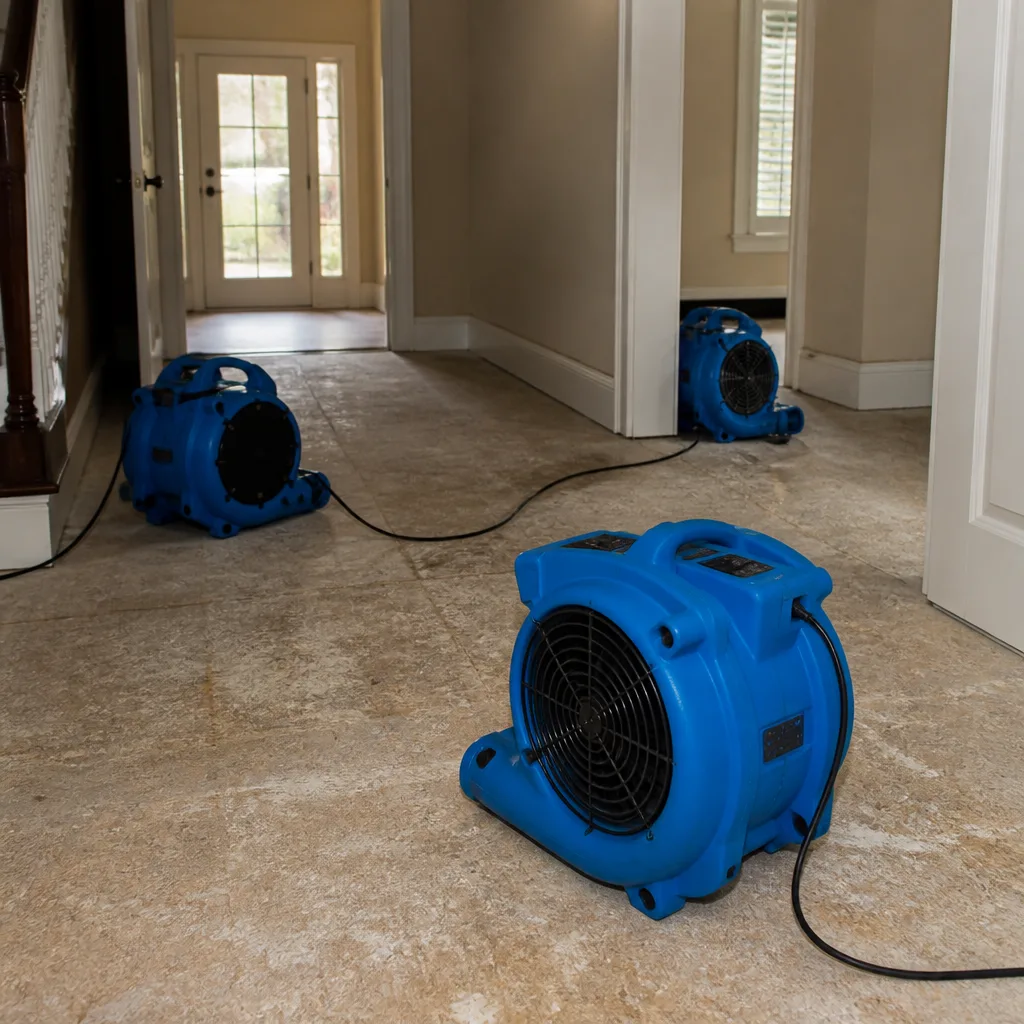
We deploy Dri-Eaz and Phoenix LGR dehumidifiers alongside axial and centrifugal air movers positioned for optimal airflow patterns. In canyon-adjacent Pacific Palisades homes with dense, older framing, we may add Injectidry hardwood floor drying mats or wall-cavity injection systems to reach bound water standard drying protocols cannot access.
4. Cleaning & Sanitization
All affected surfaces receive antimicrobial treatment appropriate to the water category. Where fire ash or retardant chemicals are present, we use specialized surfactants and HEPA vacuum extraction before standard sanitization. Air scrubbers with activated carbon filtration run continuously during this phase.
5. Fire-Zone Air Quality & Surface Testing
This step is unique to Pacific Palisades post-2025. We conduct post-drying clearance testing for PM2.5, PM10, and specific ash markers. HVAC systems are inspected for particulate infiltration; duct cleaning and coil decontamination are scoped if testing indicates. No reconstruction begins until air quality meets residential standards.
6. Repairs & Restoration
Our reconstruction team repairs or replaces damaged drywall, flooring, trim, and fixtures using the same photo documentation chain. In pre-1978 Pacific Palisades homes, lead-safe work practices and asbestos abatement, if triggered by pre-demo sampling, are coordinated under a single scope with one point of accountability.
Need Emergency Water Damage Restoration in Pacific Palisades Now?
Crews minutes away, answering live 24 hours a day. The sooner we start, the less it costs.
Working With Your Insurance Company
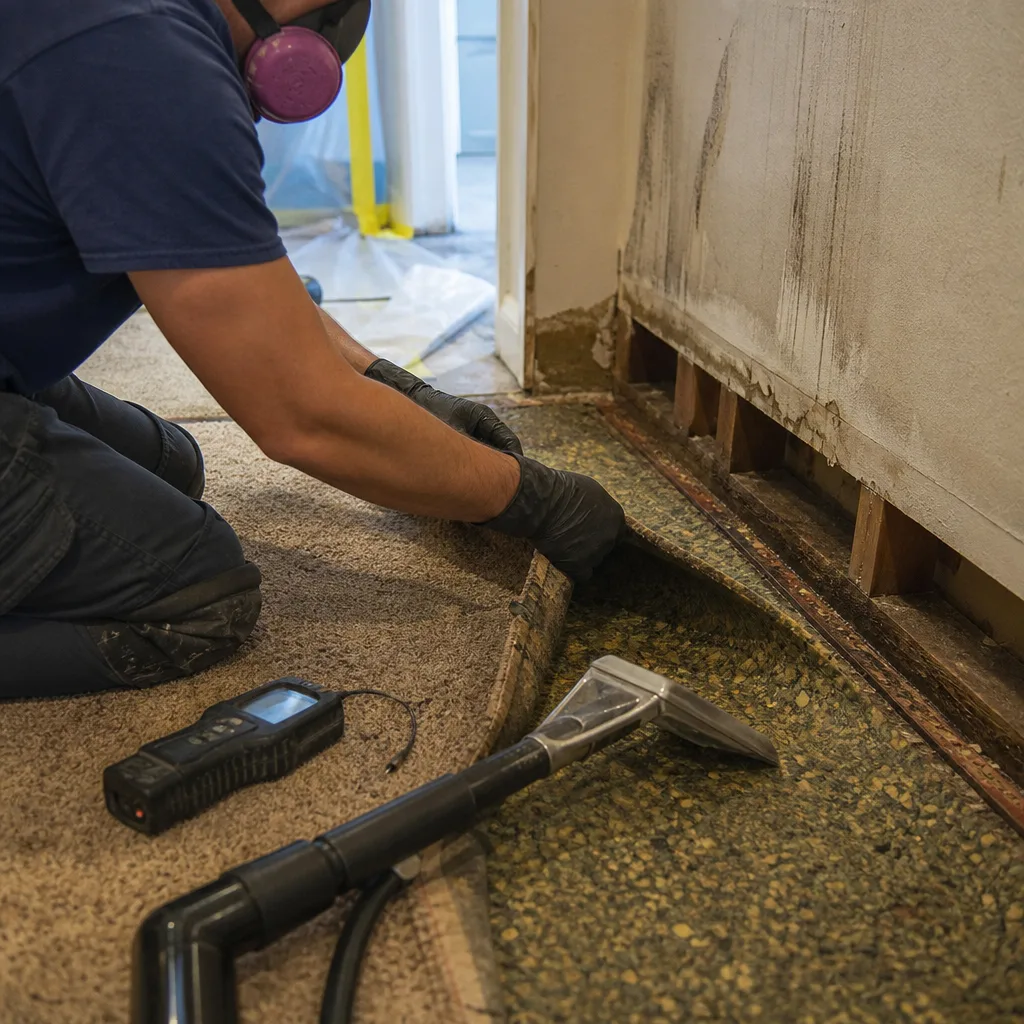
Documentation starts the moment we arrive. Every photo, moisture reading, and drying log is organized into a claim file formatted to carrier standards, with direct adjuster communication handled by our in-house claims team. We do not ask you to interpret policy language or chase approvals. Our estimates are built on Xactimate pricing, the industry-standard platform adjusters recognize, and we coordinate direct billing with most major carriers.
The Haven Standard, Clause 1, applies here: a written price before any work starts, every time, with no scope-creep additions once the crew is inside your Pacific Palisades home. That written scope becomes the foundation of your claim documentation.
What We Provide Your Insurer
- Thorough documentation of the loss
- Photos of all damage, room by room
- Moisture readings and drying logs
- A detailed, line-item scope of work
- Direct coordination with your carrier
Built for Pacific Palisades’s Loss Calendar
Pacific Palisades water damage follows a calendar no inland Los Angeles community shares. January through March brings the heaviest rainfall, and in the post-2025 landscape, those rains hit burn-scarred hillsides in Rustic Canyon, Temescal Canyon, and the ridges above Chautauqua Boulevard with amplified force. Debris flows carry ash, soil, and fire-retardant chemicals into structures that may have survived the flames but lost their protective vegetation. April and May see secondary mold pressure as residual moisture meets warming temperatures in older, poorly ventilated crawl spaces.
June through September delivers the Santa Ana wind events that funnel through canyon corridors at 60+ mph, driving rain through compromised roof assemblies and window seals. October and November bring the highest fire-risk conditions, but also the emergency infrastructure repairs - tarped roofs, boarded openings - that become water entry points at the first winter storm. December closes the loop: holiday travel means undetected leaks run for days, and our highest-severity Pacific Palisades losses often start with a neighbor’s phone call about water visible from the street.
Water Damage Restoration Across Pacific Palisades’s Neighborhoods
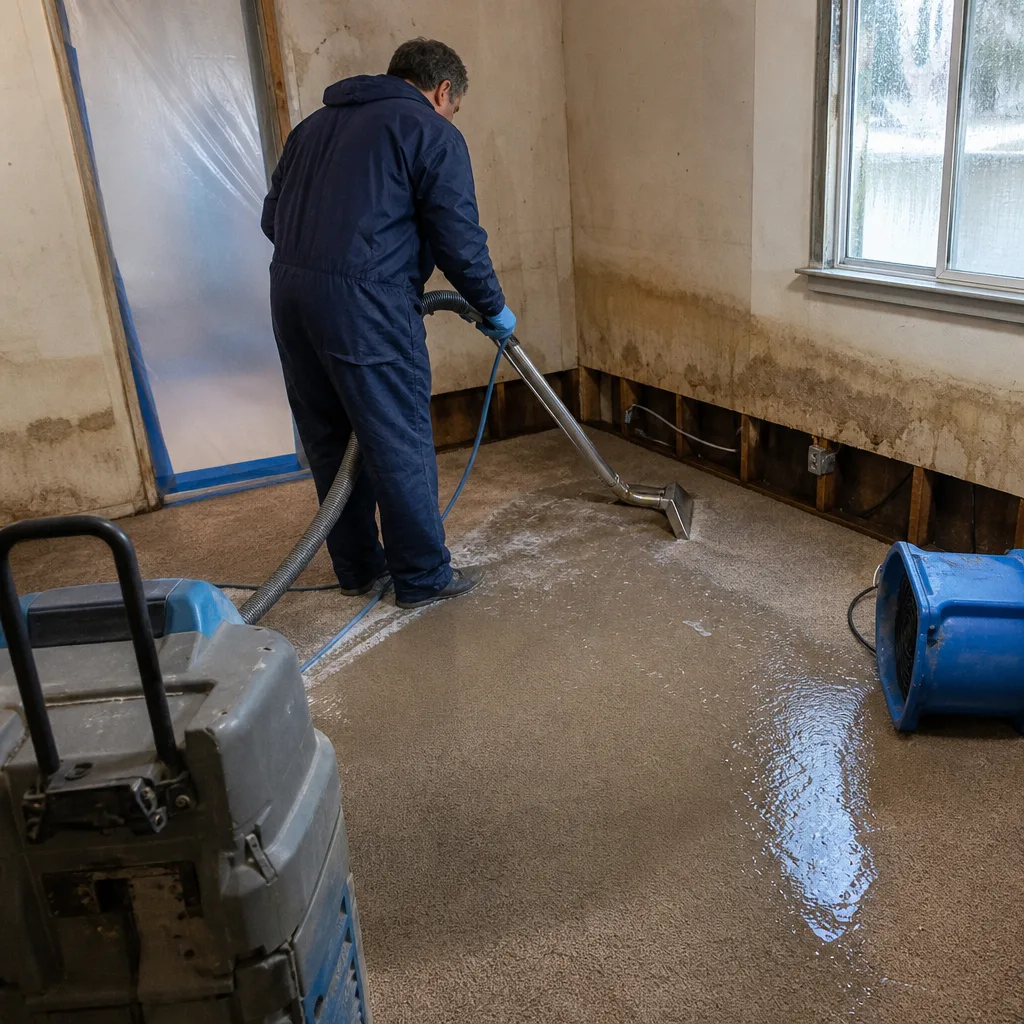
The Alphabet Streets, the flat grid between Sunset Boulevard and the Palisades Village, contains the highest concentration of 1940s-1960s wood-frame homes in the community. These structures dry differently than modern builds: plaster ceilings hold moisture longer than drywall, and the absence of modern vapor barriers means water migrates unpredictably through wall cavities. We see more extensive demolition requirements here when Category 3 contamination is involved, because the porous plaster cannot be sanitized in place.
Rustic Canyon and lower Temescal Canyon sit in the steepest terrain, with homes on piers and grade beams that create crawl spaces and sub-floor voids where water pools unseen. The 2025 burn scar runs directly above these neighborhoods. Our crews carry extendable moisture probes and borescope cameras specifically for these access-restricted spaces. Chautauqua Boulevard and the hillside roads above it - Marquez, Bienveneda, Paseo Miramar - face the most severe debris-flow risk in post-fire rains, and we’ve responded to losses where mud and ash-laden water entered through foundation vents and garage doors simultaneously.
The Bluffs and Castellammare areas, closer to the Pacific Coast Highway, see a different pattern: salt-air corrosion of flashing and fasteners accelerates roof leaks, and the marine layer’s sustained humidity extends drying timelines even after extraction is complete. In the Village core and the El Medio corridor, newer construction with tighter building envelopes traps moisture more effectively, requiring more aggressive dehumidification and longer air-scrubber runtimes to reach dry standard.
Specialized Water Damage Restoration Services We Offer in Pacific Palisades
Emergency Water Extraction
Our truck-mounted extraction systems remove standing water at rates up to 25 gallons per minute, with portable units for multi-story Pacific Palisades homes where hose runs exceed 150 feet. In fire-affected zones, extraction includes preliminary ash and debris removal before standard water removal begins.
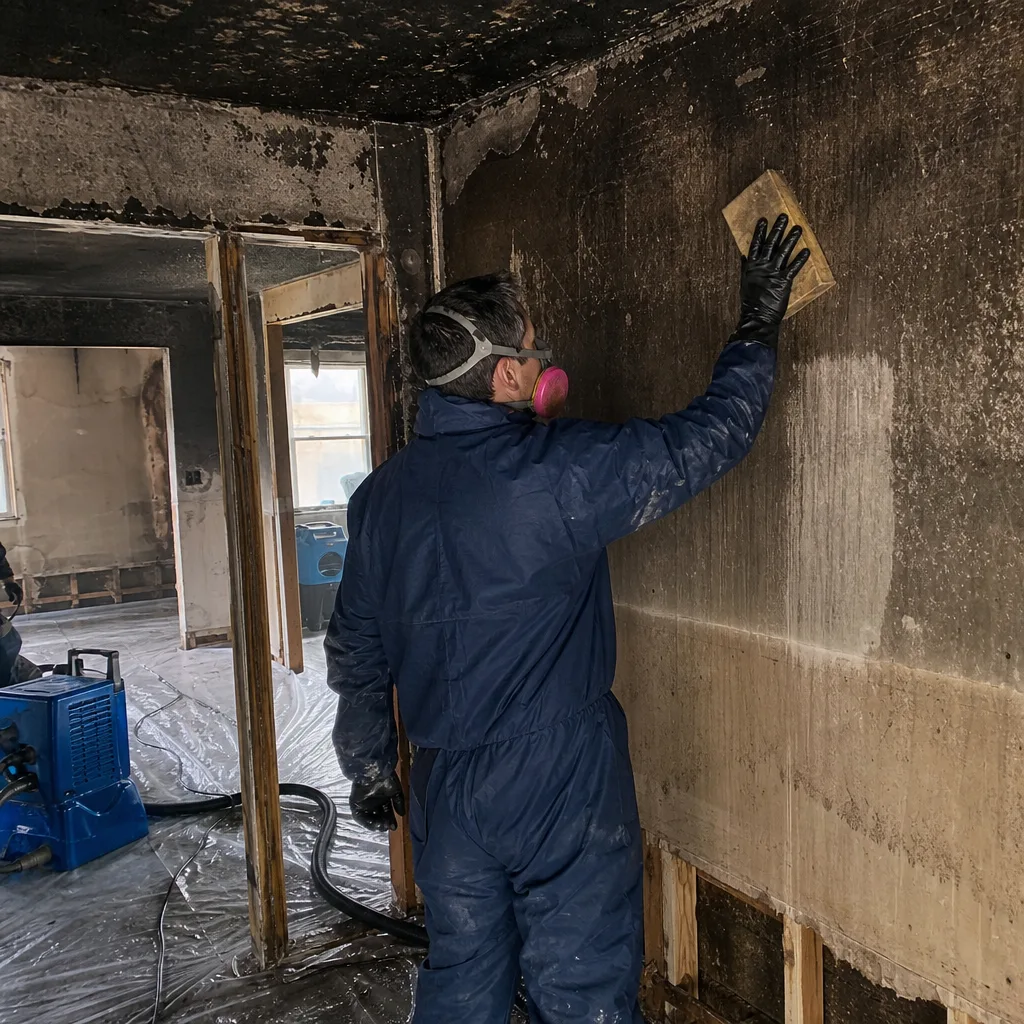
Structural Drying & Dehumidification
We calculate drying chamber size, air changes per hour, and dehumidifier pint capacity using psychrometric software, not rules of thumb. For the dense framing in Pacific Palisades’s mid-century stock, we often specify low-grain refrigerant dehumidifiers or desiccant systems that achieve the vapor pressure differential needed to pull bound water from old-growth lumber.
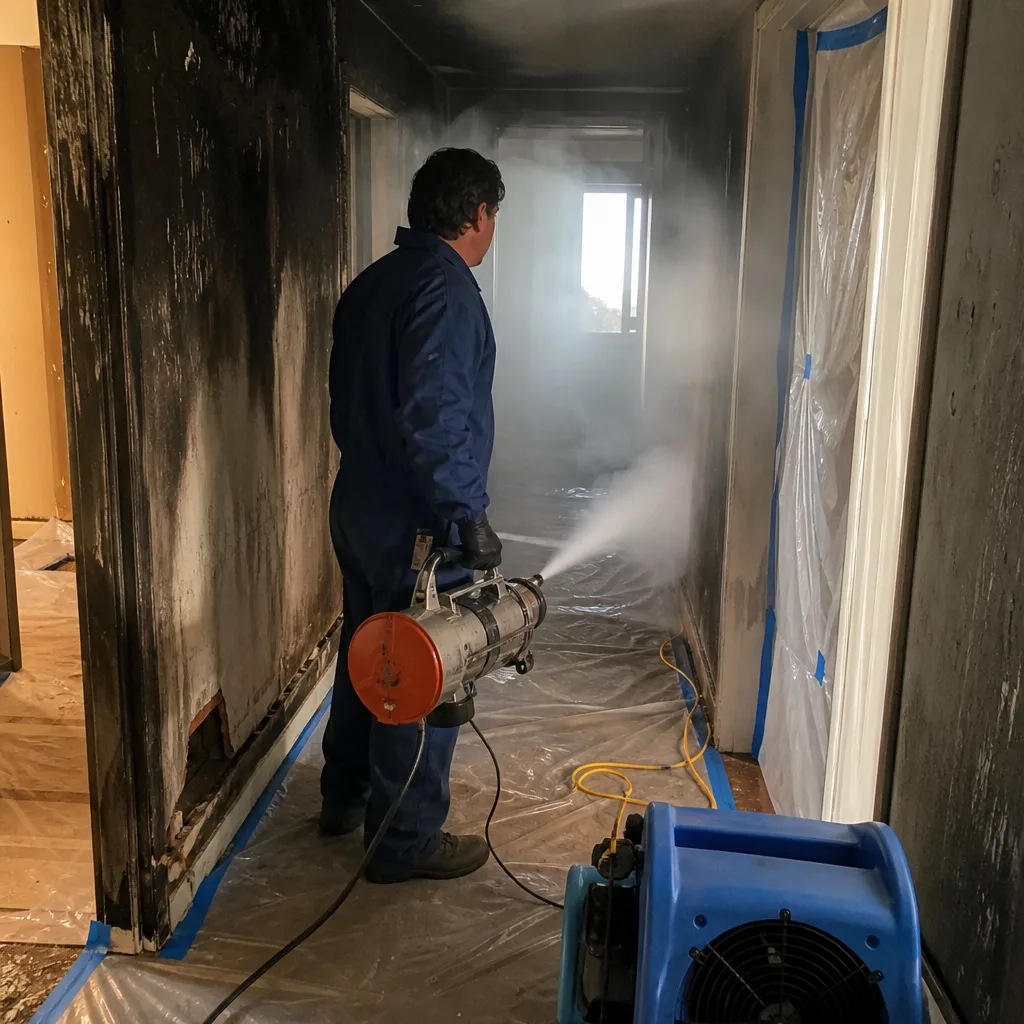
Flood Cleanup
Flood losses in Pacific Palisades are rarely simple water events. Post-2025, flood cleanup here means ash-laden Category 3 water, often with chemical contamination from fire-retardant drops. Our flood response includes hazmat assessment, containment, and disposal coordination with Los Angeles County environmental requirements before any drying equipment is placed.
Burst Pipe Restoration
Copper supply lines in Pacific Palisades’s older homes fail at joints stressed by seismic movement or at points where salt-air corrosion has thinned the wall. We coordinate immediate plumber referral for repair, then document the full water migration path for your claim.
Basement Water Removal
True basements are rare in Pacific Palisades, but hillside homes often have excavated lower levels or garage slabs below grade. These spaces flood from surface water intrusion, failed perimeter drains, or backup from overwhelmed storm systems during debris-flow events. Submersible pumps and specialized squeegee extraction handle the tight clearances.
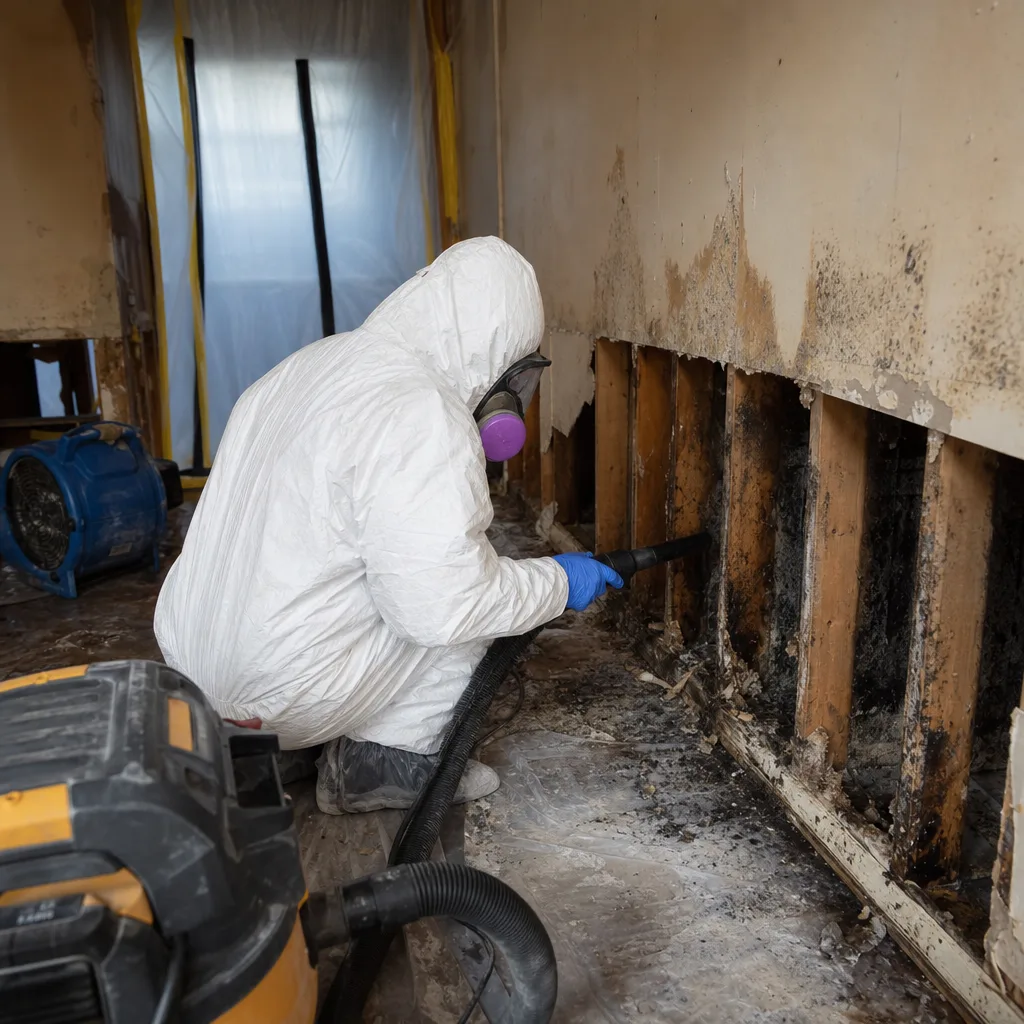
Ceiling & Roof Leak Water Damage
Santa Ana winds drive rain through compromised flashing, wind-lifted tiles, and aging tar-and-gravel assemblies common on 1960s-1970s Pacific Palisades flat roofs. We trace the leak path with thermal imaging, document the entry point and all affected materials, and coordinate roofing repair before interior restoration begins.
What happens when you call
- 1
A real person answersNo phone trees - you reach a local pro.
- 2
You get an upfront price rangeHonest numbers before anyone is dispatched.
- 3
A background-checked tech heads outLicensed & insured, dispatched right away.
- 4
You approve before work beginsNothing starts until you say go.
Water Damage Restoration Costs in Pacific Palisades, CA
These are actual ranges for Pacific Palisades’s market, based on current material and labor costs:
| Service | Typical Range |
|---|---|
| Emergency water extraction (single room) | $850-$1,800 |
| Structural drying & dehumidification (per day) | $350-$650 |
| Category 1 mitigation, 1,200 sq ft home | $3,200-$5,400 |
| Category 3 mitigation with ash/hazmat, same footprint | $6,800-$12,500 |
| Contents pack-out, cleaning, and storage | $2,400-$5,200 |
| Full reconstruction (drywall, flooring, paint, trim) | $45-$85 per sq ft |
What moves the price: water category (Category 3 with fire-zone contamination requires more demolition, more disposal, more air-quality intervention), affected square footage, material type (hardwood vs. carpet vs. tile), and whether asbestos or lead abatement is triggered in pre-1978 construction. Insurance typically covers sudden and accidental water damage; gradual leaks and maintenance-related issues are often excluded. We provide a free visual inspection and written scope before any work begins, so you know exactly what your carrier will see. Call (424) 372-0129 for an exact quote - estimates are free.
We Also Serve Cities Near Pacific Palisades
Our crews respond throughout the Westside: Pacific Palisades is our core service area, and we maintain the same 45-minute commitment to Santa Monica, Venice, Marina del Rey, and Beverly Hills. Each community gets the same documentation standard, the same equipment, and the same written-price guarantee under The Haven Standard.
Serving Pacific Palisades, CA - Our Local Coverage Area
We’re based in the Pacific Palisades area and know this community well. Use the map below to see our service coverage - if you’re nearby, we can almost certainly help.
Pacific Palisades Water Damage Restoration Questions, Answered
Why does water damage in a Pacific Palisades hillside home take longer to dry than the same loss in a Palms or Culver City house?
Three factors extend drying time in Pacific Palisades hillside construction: older, denser lumber that holds bound water more tenaciously; the post-2025 requirement for air quality clearance before reconstruction, which adds testing and potential HVAC remediation days; and the common presence of fire ash or retardant residue that forces more extensive demolition and antimicrobial treatment than a clean Category 1 loss would require. A standard 3-5 day dry in flatland Los Angeles often becomes 7-10 days in a canyon-adjacent Pacific Palisades home. Call (424) 372-0129 for a timeline specific to your property.
Does the January 2025 Palisades Fire affect how you handle a water loss in a home that survived the fire?
Yes, fundamentally. Even homes with intact structures in Pacific Palisades routinely test positive for hazardous ash particulate and volatile organic compound infiltration from the surrounding burn zone. Our protocol on every intake includes indoor air quality and surface testing before drying equipment is placed. Water that contacts ash or fire-retardant residue is classified Category 3, requiring full antimicrobial treatment and often more extensive material removal than the same water source would trigger in an uncontaminated environment. Call (424) 372-0129 to discuss your property’s testing history.
What is the difference between Category 1, 2, and 3 water on a Pacific Palisades restoration job, and why does it matter here?
Category 1 is clean supply-line water; Category 2 carries elevated contamination from sources like dishwasher discharge or aquarium water; Category 3 is grossly contaminated with pathogens, chemicals, or toxic substances. In Pacific Palisades, the critical distinction is that fire ash, fire-retardant chemicals, and mud-debris flow automatically reclassify water to Category 3 on contact, regardless of its original source. This changes disposal requirements, antimicrobial protocols, and insurance coverage considerations. Call (424) 372-0129 for a free assessment of your water category.
How do you deal with rain-triggered debris flow at a property that already had fire damage in the canyon neighborhoods?
We treat debris flow as a compound event: water, mud, ash, and chemical contamination arriving simultaneously. Containment barriers prevent cross-contamination to unaffected areas; heavy debris is removed before water extraction begins; and all affected materials are tested for ash markers and retardant residue before demolition scope is finalized. In Rustic Canyon and Temescal Canyon, we coordinate closely with Los Angeles County environmental health on disposal requirements. Call (424) 372-0129 for immediate response to active debris-flow intrusion.
How quickly do you need to start mitigation after a burst pipe or roof leak in Pacific Palisades?
Within the first hour for standing water, and within 24 hours for any water that has contacted porous materials. Mold colonization begins at 48-72 hours in Pacific Palisades’s moderate coastal climate, and Category 1 water degrades to Category 2 in that same window. In fire-affected zones, the contamination timeline accelerates further because ash and organic debris provide additional microbial food sources. Our 45-minute response commitment exists specifically to beat these timelines. Call (424) 372-0129 now if water is active in your home.
Will my insurance cover water damage restoration in Pacific Palisades?
Sudden and accidental water damage from burst pipes, wind-driven rain, or appliance failure is typically covered under standard homeowners policies. Gradual leaks, maintenance neglect, and flood damage from rising surface water usually require separate flood coverage. In Pacific Palisades post-2025, some carriers are applying additional scrutiny to fire-zone water losses; our documentation - photo records, moisture logs, written scopes, and direct adjuster coordination - is designed specifically to answer that scrutiny. Call (424) 372-0129 and we’ll review your policy language with you at no charge.
Can my family stay in the home during water damage restoration?
For Category 1 losses confined to non-living areas, often yes. For Category 2 or 3 losses, or any fire-zone contamination, temporary relocation is usually recommended until air quality clearance testing is complete. We provide documentation of uninhabitability for your insurance carrier’s additional living expense coverage. In Pacific Palisades’s tighter modern homes, even Category 1 losses may require relocation if dehumidifier and air mover noise and airflow make sleeping impossible. Call (424) 372-0129 to discuss your specific situation.
What certifications do your Pacific Palisades technicians hold?
Our lead technicians carry IICRC WRT (Water Damage Restoration Technician), FSRT (Fire & Smoke Restoration Technician), and AMRT (Applied Microbial Remediation Technician) credentials. All are licensed, insured, and background-checked, with license numbers provided on request. Documentation to IICRC, RIA, and IFA standards is standard on every job, not optional. Call (424) 372-0129 to verify credentials for the crew assigned to your property.
What should I do in the first 30 minutes after discovering water damage?
Shut off the water source if you can locate it safely. Turn off electrical circuits to affected areas if water is near outlets or panels. Remove small valuables and electronics from the wet zone. Then call (424) 372-0129 - do not wait for the water to “settle” or attempt extensive DIY extraction, especially in Pacific Palisades homes where fire-zone contamination may be present. Our crew will guide you through immediate steps while en route, and our free visual inspection will give you a written scope before any work begins.
When water hits a Pacific Palisades home in 2025 and beyond, the damage is rarely just water. The January 2025 Palisades Fire reshaped what restoration means here: every loss carries the possibility of ash contamination, every hillside rain threatens debris flow, and every older home may conceal hazmat that changes the scope entirely. We built our documentation-first approach specifically for this complexity - so your claim file matches the reality your adjuster needs to see, and so your home is truly restored, not just dried and repainted.
Call (424) 372-0129 now. We answer live, 24 hours a day, and a crew is minutes from Pacific Palisades.
Written by Alicia Brennan, Owner at Back to Dry Restoration, serving Pacific Palisades under The Haven Standard since 2011.
Water Damage Restoration in Nearby Areas